~ Author: Oberon
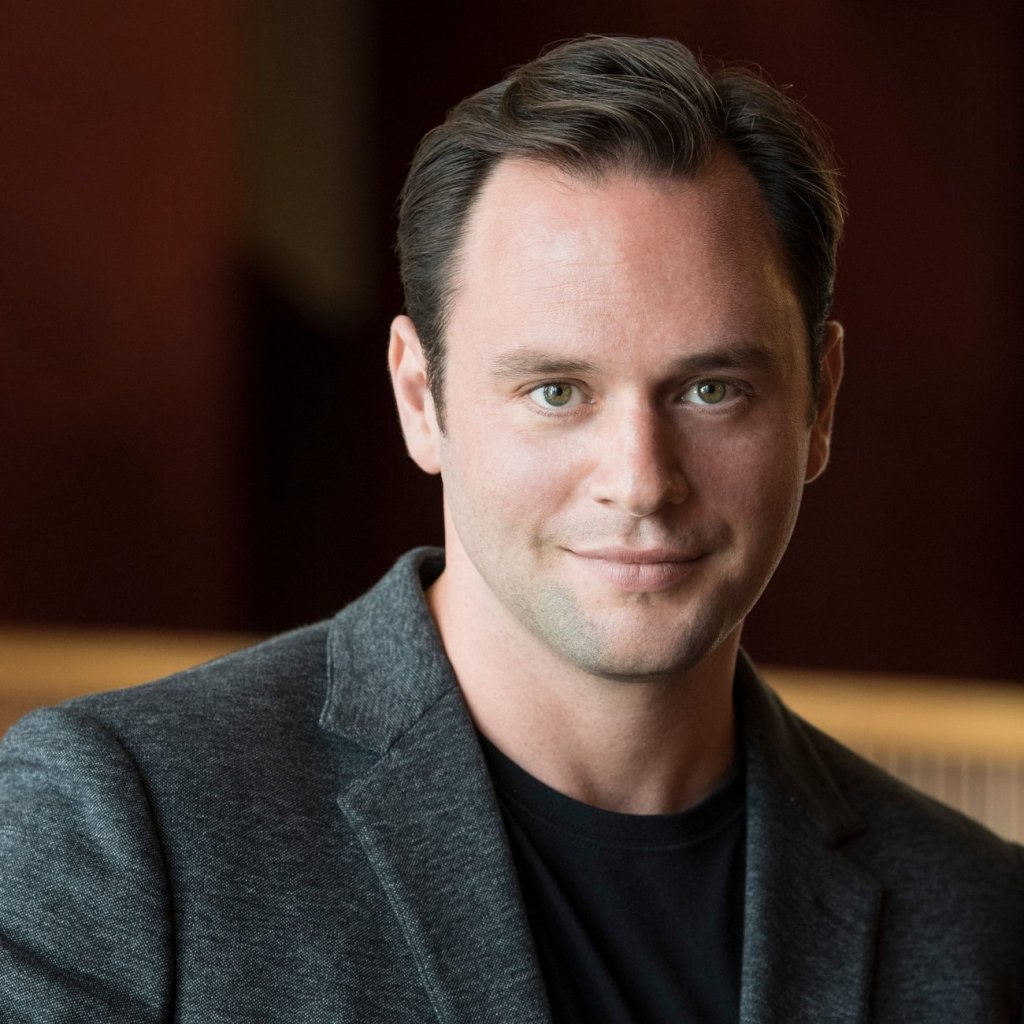
Above: tenor Paul Appleby, this afternoon’s Don Ottavio; photo by Jonathan Tichler
Saturday November 15th, 2025 – Sixty-two years ago, almost to the day, I saw DON GIOVANNI for the first time; it was my first-ever performance at the (Old) Met. Waiting for today’s matinee at the (‘New’) Met to start, memories of that experience – and of all that has happened in my operatic world in the interim – raced thru my mind: I was 15 at the time of that long-ago DON GIOVANNI, and had already been obsessed with opera for 4 years. I couldn’t have predicted that the obsession would last – and grow exponentially – through the ensuing decades.
This afternoon’s cast included three singers who were new to me: Quanqun Yu as Donna Anna, Andrea Carroll as Zerlina, and Tommaso Barea as Leporello. All fared well.
Under the baton of the Met’s Principal Guest Conductor Daniele Rustioni, the overture was both grand and lively. Mr. Barea, who sings mainly baritone roles, brought a different quality to the role of Leporello than that of the usual basso buffo. His opening scene augured well for the performance. Ms. Yu (Donna Anna) and our Don Giovanni, Kyle Ketelsen, argued bitterly until the huge and magnificent voice of Soloman Howard’s Commendatore intercedes; his daughter rushes off to summon help. Moments later, a gunshot rings out. Ms. Yu returns with her betrothed, Don Ottavio, in the person of tenor Paul Appleby, to find her father bleeding to death. The soprano/tenor vengeance duet is swiftly and surely sung; I took an immediate liking to both of these voices: Ms. Yu’s with a luminous yet penetrating quality, and Mr. Appleby’s suave lyricism, always showing tenderness towards his beloved..
As Donna Elvira, Anita Hartig, her voice in full-bloom, arrives with her dramatic opening “Ah! fuggi il traditor“, its fireworks effortlessly tossed off. The soprano’s tendency to go very slightly sharp from time to time becomes less notceable as the afternoon progresses. Encountering the man who defiled and abandoned her, their dialogue draws some embellishing from Kyle Ketelsen’s Don Giovanni, who leaves his jilted victim to be comforted by Mr. Barea’s excellent Catalog Aria, into which he weaves some subtle turns of phrase.
The peasant couple, Zerlina (Andrea Carroll) and Masetto (Brandon Cedel), arrive. Their opening duo is taken a bit too swiftly, but they make it work. Ms. Carroll’s voice is lovely, and though Zerlina is usually thought of as a soubrette, I can hear a lyrisicm in the soprano’s singing that make me think she’ll one day be a Mimi and Liu. Mr. Cedel did not overdo the buffo aspects of Masetto’s music, displaying a handsome and affable voice throughout the afternoon.
Mr. Ketelsen’s expertise in making recititives mean something leads him into his enticingly-sung “La ci darem la mano“; Ms. Carroll soon learns that resistance is futile; they duet beautifully…but the sudden entrance of Ms. Hartig to sing a fiery “Ah, fuggi il traditor” cuts the seduction short. In the ensuing quartet we hear a nice blending of timbres.
Ms. Yu, having recognized the Don as her father’s murderer, recounts that fatal encounter to Don Ottavio; the soprano’s savourable top notes as she describes how she escaped being raped draw Mr. Appleby’s sigh of relief with his heavenly-sung “Respiro!” Ms. Yu’s vengeance aria, “Or sai chel’onore!“, produced a thrilling flow of notes, vibrantly sung. The soprano added a mini-cadenza, up to a shimmering top note, before sailing on to the aria’s furious finish.
Mr. Appleby now held the House under a spell with his ravishing “Dalla sua pace“, some of the most beautiful singing I’ve ever heard. The tenor’s deeply-felt sense of poetry, and his control of the voice in piano/piamissimo phrases, felt like a gift from heaven. His hushed singing of the melody’s reprise seemed to make time stand still, and his re-affirming of his devotion with a powerful “Morte mi da...” underscored Ottavio’s steadfastness before the reflective final bars of the aria.
Kyle Ketelsen took the whirwind pace of the Drinking Song, “Finch’an dal vino“, in his stride. Ms. Carroll’s “Batti, batti…” was lovingly sung, and the Mask Trio of Mlles. Yu and Hartig and Mr. Appleby produced appealing harmonies. The great ensemble that ends Act I found Maestro Rustioni in speed-demon mode…but he has it all under control.
The intermission seemed endless, but at last we were back for a witty dialogue between master and servant; Mssrs. Ketelsen and Berea tricked Ms. Hartig’s Donna Elvira – whose “Ah, taci, ingiusto core” displayed how effortlessly present this soprano’s voice is in the House – into believing Leporello was actually Giovanni. This allowed the Don to serenade Elvira’s maid with his suavely seductive singing of “Deh, vieni alla finestra”. Masetto/Cedel gets beaten up by Don Giovanni’s thugs, and Zerlina/Carroll arrives to soothe her good-hearted boyfriend with the charming “Vedrai, carino…” to which she added some jewel-like embellishments.
Mozart’s mastery of ensemble writing shines in the sextet that follows: Ms. Yu singing sounds luscious, Mr. Appleby chimes in beautifully, and Mr. Barea phrases so well, with a dash of humor as he seeks to make his escape.
Mr. Appleby’s Don Ottavio strikes gold for the second time this afternoon with “Il mio tesoro” wherein Maestro Rustioni provides perfect support. The tenor’s pliant lyricism and magically sustained tones are to the fore, and his breath-control is remarkable…as are his subtle embellishments, which gave me moments of pure delight. The tenor’s masterful singing unleashed cries of “Bravo!” from the crowd, but – like so many arias that are so finely sung at The Met these days – the applause only lasted a few moments. Back in the day, Mr. Appleby would have stopped the show twice with his ardent, elegant singing.
Ms. Hartig now took the stage for a splendid rendering of “Mi tradi“; the clarity and warmth of her tone, her poised technique, and her stylish ease in the agile passages drew the evening’s longest aria-applause…but still, nothing like what she deserved.
Don Giovanni and Leporello now meet at the tomb of the Commendatore to invite the ghost of the old gentleman to supper; Soloman Howard’s response was cool and collected, and Maestro Rustioni made another gem of this sometimes glossed-over scene.
Mr. Appleby’s Don Ottavio almost loses patience with what he feels is Donna Anna’s coldness towards him since her father’s murder; he cites her cruelty. She responds, defending herself and asking for his understanding; her recitative ends with a heavenly, floated pianissimo on “Abastanza…” and she then embarks on a very exciting rendering of “Non mi dir“. Her shimmering softness in certain passages of the slow melody, her silvery etchings of the words, and her thoroughly accomplished coloratura polish off the aria brilliantly.
The audience chuckles as a theme from NOZZE DI FIGARO is played during Don Giovanni’s last supper. Ms. Hartig’s desperate Donna Elvira rushes in to beg the Don to repent; her pleading ends with a terrified scream when the bloodied ghost of the Commendatore appears. Here Soloman Howard’s thunderous voice doomed the decadent Don Giovanni to eternal suffering in Hell. Maestro Rustioni and his orchestra compellingly underscored the drama with their urgent playing.
Donna Anna, Don Ottavio, Donna Elvira, Leporello, Zerlina, and Masetto join in the opera’s finale before going their separate ways. During their bows, the audience finally gave the singers the kind of applause they’d been deserving all thru the opera.
~ Oberon
 Oberon's Glade