Author: Philip Gardner

  • Gregory Feldmann|Nathaniel LaNasa @ Weill Hall

    83265515_10157528132085353_8525152423453392896_o

    ~ Author: Oberon

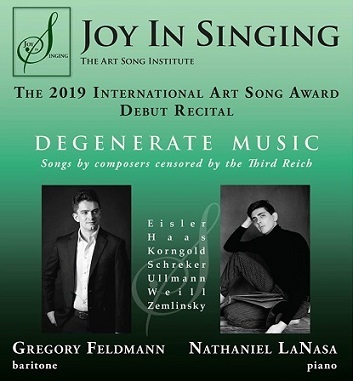
    Thursday February 27th, 2020 – Baritone Gregory Feldmann, recipient of the 2019 Joy in Singing Art Song Award, in recital at Weill Hall. Pianist Nathaniel LaNasa was the singer’s collaborator in a program of songs by composers whose music was suppressed under the Nazi regime.

    The program was particularly timely, living as we are during a period when our own government seems hellbent on destroying our democracy. It’s ironic that we fought Facism in the 1940s – and that in recent years we have sent our soldiers into harm’s way in faraway lands, purportedly to bring democracy and freedom to the oppressed – only to find our country is now under threat from within. With these thoughts in mind, tonight’s concert became much more than just another lieder recital.

    Mssrs. Feldmann and LaNasa, looking dapper in black bow-ties, took the stage to a hearty welcome from the packed house. The first half of their program was given over to songs by such well-remembered composers as Kurt Weill, Franz Schrecker, Alexander von Zemlinsky, and Erich Korngold.

    Kurt Weill’s cabaret-style “Berlin im Licht” opened the evening. Weill had been living in Paris – and then in New York – since 1933. But this song was composed for the Berlin Festival of September 1928 (ten years after Germany’s humiliation in World War I); that event marked a resurgence of German pride in its cultural endurance that would eventually fuel Hitler’s rise to power. Tonight, Mr. Feldmann and Mr. LaNasa gave the song a swinging, optimistic treatment.  

    Franz Schreker had died in 1934, but his music was still proscribed by the Third Reich. In three Schrecker songs, the musical attributes of this evening’s two artists came to the fore. In the Straussian style of Und wie mag die Liebe“, Mr. Feldmann’s handsome lyric baritone – and his persuasive way with words – assured us we were in for a great deal of very fine vocalism tonight. Of equal appeal was Mr.LaNasa’s playing, especially in the song’s postlude. 

    The partnership of the two musicians made for a luminous “Sommerfäden”, wherein the duo showed an affinity for Viennese-style melody. The shimmering piano introduction was enticingly played by Mr. LaNasa; this song has a rapturous mid-section, and then a big, operatic outpouring where Mr. Feldmann’s voice rang true.

    Stimmen des Tages” is darkish and unsettled at first; mood swings carry the two musicians thru to a passionate passage. Following a pause, the song resumes as if from the start. The gorgeous piano postlude was a treat in itself in Mr. LaNasa’s rendering.

    Four Alexander von Zemlinsky songs were most congenial to the Feldmann voice. The composer, who had moved to Vienna in 1933 and then on to New York City in 1938, was largely forgotten in Germany. His songs have long attracted great singers, and in the first three tonight – “Tod in Ähren“, “Nun schwillt der See so bang “, and “Entbietung” – singer and pianist were simply superb. “Tod in Ähren” stood out for me: following its big opening from the keyboard, it becomes a lament. Both musicians were so persuasive in this song’s gentle lyricism, and in the tenderness of farewell.

    The final Zemlinsky offering, “Afrikanischer Tanz” (African Dance), was a complete change of pace: aggressive and blood-stirring!  Mssrs. Fedmann and LaNasa caught the mood perfectly, and the song drew a whooping response from the crowd. 

    Erich Korngold, best-known of the evening’s composers (well, aside from Kurt Weill), was famous for his opera DIE TOTE STADT and for his film scores. He was already established in Hollywood by the time World War II broke out. Tonight we heard a set of four Korngold songs, of which the last – “Vesper” – was of particular appeal, with the piano’s repetitive notes evoking the evening chimes, and a vocal line that took the singer into his upper range. The song’s sustained ending was wonderfully evocative.   

    Following the interval, works by a trio of less fortunate composers: both Viktor Ullmann and Pavel Haas were sent to Theresienstadt, and then on to Auschwitz where they both perished in 1944, whilst Haans Eisler faced trials of a different sort.

    Ullman’s Liederbuch von Hafis consists of four songs, in which jazz influence can be felt. In the bouncy and ironic “Vorausbestimmung”, the music goes deep before one final bounce from the keyboard. In the following song,  “Betrunken” (Drunk), agitation finds a lull before proceeding on its droll trajectory.

    Mr. Fedmann’s lower range settled in nicely for “Unwiderstehliche Schönheit” (Irresistible Beauty), perhaps the most interesting of the Ullmann set: the piano takes up a trudging motif, a sort of tongue-in-cheek march. It is briefly interrupted by some bright, tinkling keyboard phrases before the pacing resumes. This leads immediately into the final song,”Lob des Weines” (In Praise of Wine), a salute to intoxication. Mssrs. Feldmann and LaNasa certainly had fun with this cycle. 

    Pavel Haas, who was Czech, drew on ancient Chinese texts for his Four Songs on Chinese Poetry; their sensual nature immediately won the label “degenerate”, and they offered so much fascination tonight as singer and pianist drew us along Haas’s musical pathway.

    The songs are full of longing – for home and for loved ones – which must have seemed all too poignant to Pavel Haas, who left his wife and child behind when he was deported. A recurring motif in the songs is a four-note musical ‘message’, referring to the Chorale to St. Wenceslaus: representing home and freedom, this small token would have been meaningful to other Czech prisoners at Terezín.

    In these four songs, Mssrs. Feldmann and LaNasa covered a wide spectrum of rhythmic, melodic, and poetic moods. Lines such as “My home is so far away…” and “My yearning keeps me awake…” seemed so poignant, and were so thoughtfully expressed tonight. But all is not gloomy, for the final song – “A Sleepless Night” – suddenly gives way to the sound of a magpie chattering at dawn, depicted by the pianist.

    A native of Leipzig, Haans Eisler spent the war years in Hollywood, where he was a successful composer of film score. His troubles came later, when he was investigated by the House Un-American Activities Committee; his own sister denounced him as a Communist. Eisler was deported in 1948.

    It was with Eisler’s “Friedenlied” (Peace Song) that the concert tonight ended. With a folkish feeling, this ballad sets forth a vision of hope. Despite a very annoying cellphone interruption, Mssrs. Feldmann and LaNasa carried on, with the pianist savouring a final postlude.

    A Zemlinsky encore was the performers’ response to a very enthusiastic ovation.

    These observations by the evening’s two artists are truly meaningful:

    “When we memorialize victims of atrocities such as World War II,” wrote Mr. LaNasa, “we must also remember the conditions that led to such horrors, and the voices of those who tried to tell the world what they feared was approaching.” And Mr. Feldmann said, “We want to commemorate the lives and work of these artists by giving our audience the opportunity to respond to their work. The oppressors of their day prevented society from hearing these words and scores, and it’s a privilege for us to thwart that mission with music that is so beautiful and potent.”

    The vociferous applause at the end of the concert indicated that the price these composers paid is not to be forgotten…and that they live on thru their music.

    ~ Oberon
  • Cherylyn Lavagnino Dance ~ Gallery

    KIuoymNg

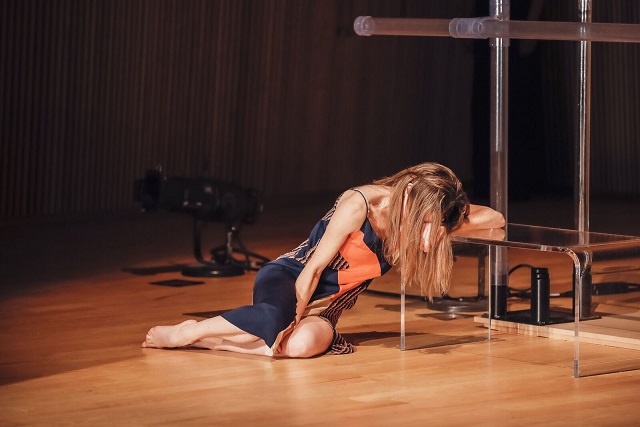
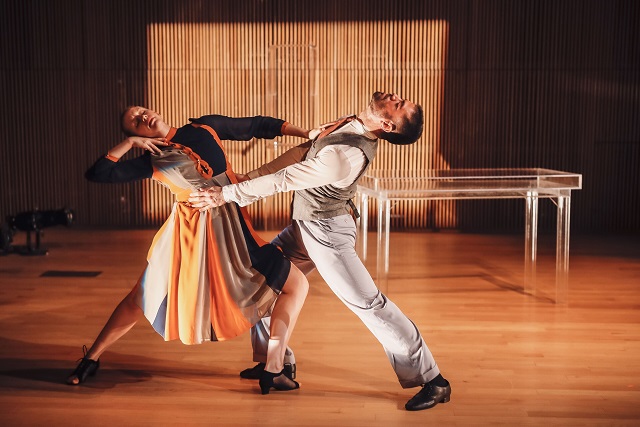
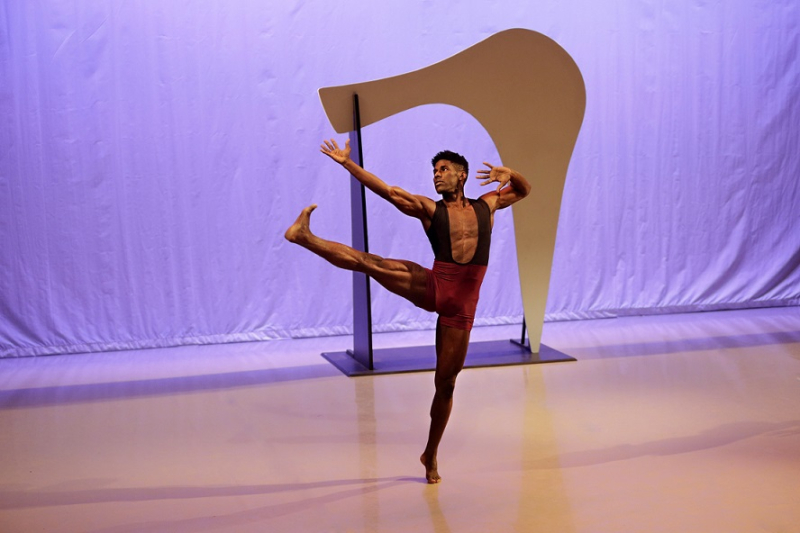
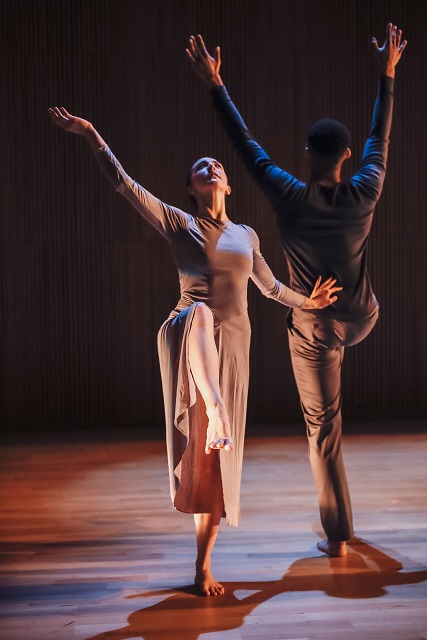
    Above: dancers Gwendolyn Gussman and Malcolm Miles Young in TRIPTYCH; photo by Charles Roussel

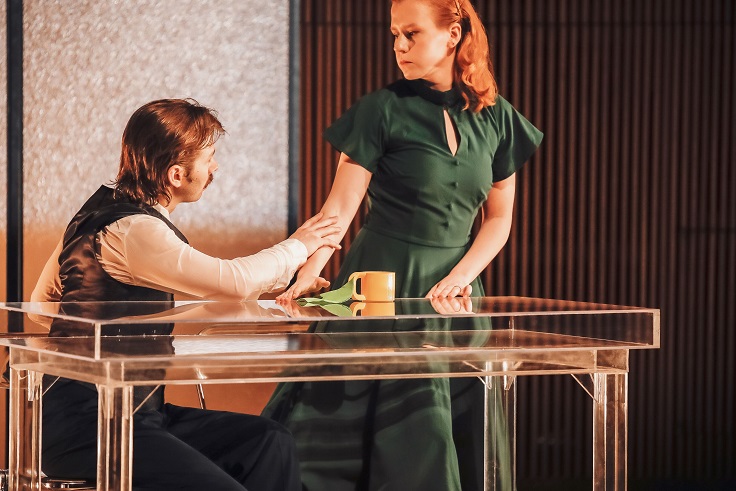
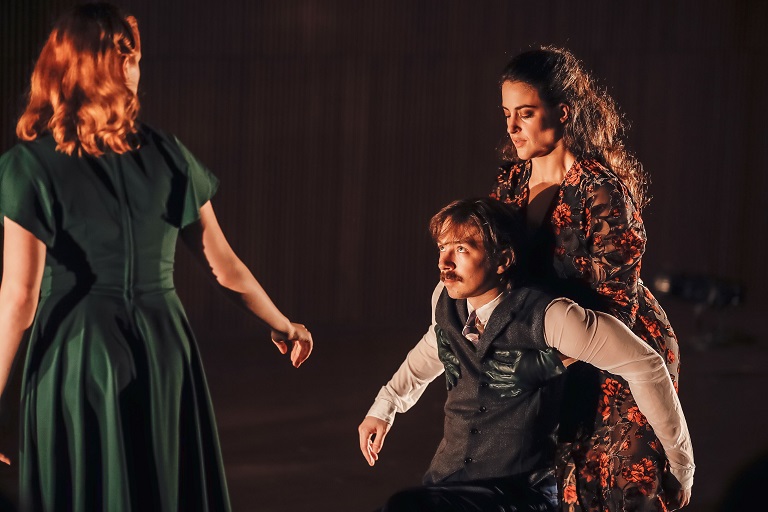
    Photographer Chares Roussel has produced a beautiful portfolio of images from Cherylyn Lavagnino’s production TALES OF HOPPER, given at the DiMenna Center on February 25th and 26th, 2020. You can read about the event here. Below is a selection of Mr. Roussel’s photographs from this wonderful evening of dance.

    The program opened with TALES OF HOPPER, a series of danced vignettes inspired by eight of the artist’s paintings:

    61RF976A

    Justin Faircloth

    Gm_NZrrw

    Sharon Milanese

    PvONH3qA

    Sharon Milanese

    MIwuXctQ

    Malcolm Miles Young, Dervia Carey-Jones, Philip Strom

    Novrt1CA

    Lila Simmons and Oscar Rodriguez

    SpCfLXMA

    Lila Simmons and Oscar Rodriguez

    QKyQTSrg

    Kristen Foote and Malcolm Miles Young

    Hh0dq4Bg

    Justin Faircloth and Corinne Hart

    U8FHHTMA

    Corinne Hart, Justin Faircloth, Claire Westby

    CSM6Fo_g

    Claire Westby

    Vb3Rw3Cg

    Emma Pajewski and Malcolm Miles Young

    Following the interval, TRIPTYCH, a ritualistic ballet, was preformed:

    BjJuc3ow

    Justin Faircloth and Emma Pajewski

    H0AfYEVQ

    The ensemble

    V_Tr_Hkg

    The women in TRIPTYCH

    VReBRIMQ

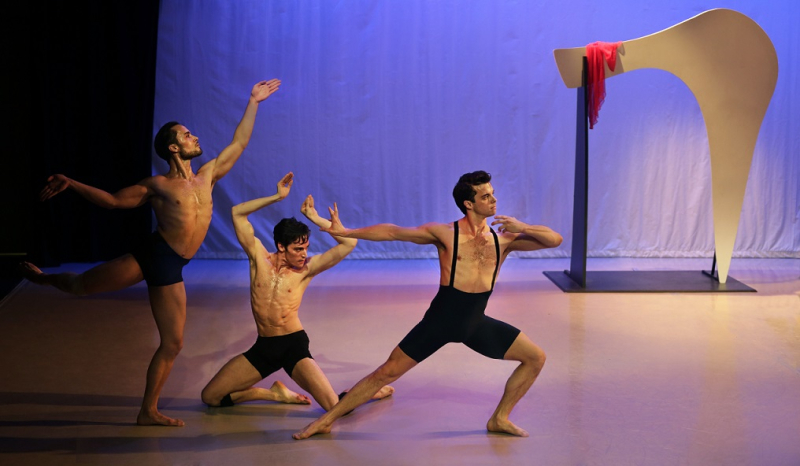
    The men in TRIPTYCH

    CcyQuMsA

    Malcolm Miles Young, Gwendolyn Gussman, Dervia Carey-Jones

    JtewCr8g

    Oscar Rodriguez and Justin Faircloth

    Z9K-0rUQ

    Dervia Carey-Jones

    GD2wPPXA

    Gwendolyn Gussman and Malcolm Miles Young

    VEILED was the closing work:

    6BhdryUw

    VEILED is a ballet for six women

    5ptr3x0w

    Emma Pajewski in VEILED

    HviLQ0Qg

    The ensemble

    X6qKLhQg

    Claire Westby in VEILED

    ~ All photographs by Charles Roussel

  • GrahamDeconstructed: CIRCE

    StudioSeries_Circe_003

    Above: So Young An as Circe, with Lorenzo Pagano as The Snake and Lloyd Mayor, perched in Noguchi’s tree, as The Lion; photo by Melissa Sherwood

    ~ Author: Oberon

    Wednesday February 26th, 2020 – A revival of Martha Graham’s CIRCE will figure prominently in the Company’s 2020 season at New York’s City Center, which runs from April 22nd – 26th (details here).

    Premiered in 1963, CIRCE has not been performed for fifteen years. To a score by Alan Hovahness, and with settings designed by Isamu Noguchi, the ballet is inspired by the mythic Circe, a sorceress with a penchant for turning men into animals. 

    Circe – or characters modeled after her – has appeared in various theatrical representations over time. She is often given the name Alcina, as in Francesca Caccini’s opera LA LIBERAZIONE DI RUGGIERO (the first opera written by a woman that has come down to us in a performable version); dell’Arte Opera presented this work in 2019. Handel’s opera ALCINA is rumored to be having its first Metropolitan Opera production in the next two or three years. And Circe plays a part in the narrative of my favorite opera, Richard Strauss’s ARIADNE AUF NAXOS, although she never actually appears. The young god Bacchus has escaped Circe’s island domain, and as he sails towards Naxos – where he will rescue Ariadne – he chides the sorceress by calling out to her across the waves:

    Circe kannst du mich hören ~ ARIADNE AUF NAXOS – Ben Heppner & Deborah Voigt

    Tonight, at the Graham Company’s homespace at Westbeth, a full run-thru of the work – replete with the Noguchi sets – was presented, with So Young An in the title role and six of Martha’s Men as those who have fallen under her spell or those she would like to add to her menagerie. It was an exhilarating experience.

    Alan Hovanhess’s score is intriguing: by turns lyrical and dramatic, it also sometimes going off-kilter, indicating that things are far from normal in Circe’s realm. The composer makes fine use of solo instruments, notably the trumpet, horn, clarinet, and oboe. You can listen to the music here.

    The Noguchi setting features a small boat and an archway which might also be a tree. These were designed for an earlier Graham work, FRONTIER, which had fallen out of the repertoire. Ms. Graham kept the set pieces in storage until she found the perfect home for them on Circe’s island.

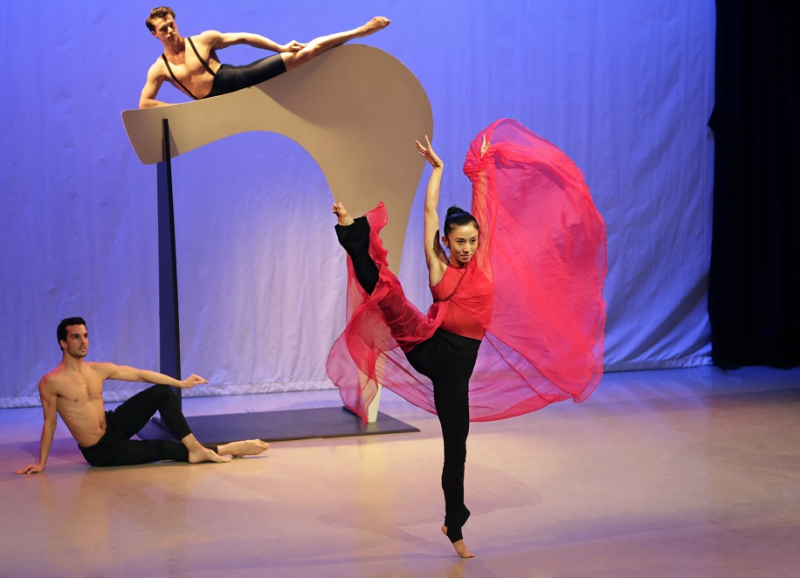
    So Young An was supple and tempting as Circe; the character’s magic resides in a flowing red scarf which she dons when it is seduction time. Ulysses (Lloyd Knight) and his Helmsman (Ben Schultz) arrive at the island in the very cramped boat. Circe observes them from her perch in the arch/tree.

    StudioSeries_Circe_004

    Above: Lorenzo Pagano (The Snake), Alessio Crognale (The Deer) So Young An (Circe), Lloyd Mayor (The Lion), and Jacob Larsen (The Goat). Photo by Melissa Sherwood.

    StudioSeries_Circe_002

    Above: Jacob Larsen as The Goat; photo by Melissa Sherwood

    Four men who have been transformed by Circe into animals now take an interest in the new arrivals: enslaved by the sorceress, they will aid her in bringing about the downfall of Ulysses and his comrade. Lorenzo Pagano as The Snake first appears dangling from the tree; Lloyd Mayor is The Lion, Alessio Crognale The Deer, and Jacob Larsen The Goat. All the men in this ballet wear very little; I think that’s the way Martha liked her men. These dancers dispatched the demanding choreography with élan.

    StudioSeries_Circe_001

    Above: Lloyd Knight as Ulysses, photo by Melissa Sherwood

    As the story unfolds, it comes down to a battle between Circe, bent on conquest, and the Helmsman, who wants to save Ulysses and get the hell out of there. The red scarf nearly works its magic: Ulysses is falling under Circe’s spell. Hunkered down in the boat, the Helmsman is attacked by the Snake and sinks into a stupor.

    StudioSeries_Circe_005

    Above, Deer, Goat, and Lion: Alessio Crognale, Jacob Larsen, and Lloyd Mayor, photo by Melissa Sherwood

    The other animals stalk and caper, driving the victim into the enchantress’s arms. Just as Ulysses is about the capitulate, the Helmsman revives, hauls his master into the boat, and they sail away. Circe and her pets must now wait for someone else to succumb to the lure of her siren song.

    Danced with the technical prowess and personal commitment that make the Graham dancers the best in the world, CIRCE truly does cast a spell. I look forward to seeing it again, often, and to having it become part of the Company’s permanent repertory.

    All photos by Melissa Sherwood.

     ~ Oberon
  • Cherylyn Lavagnino’s TALES OF HOPPER

    Hopper

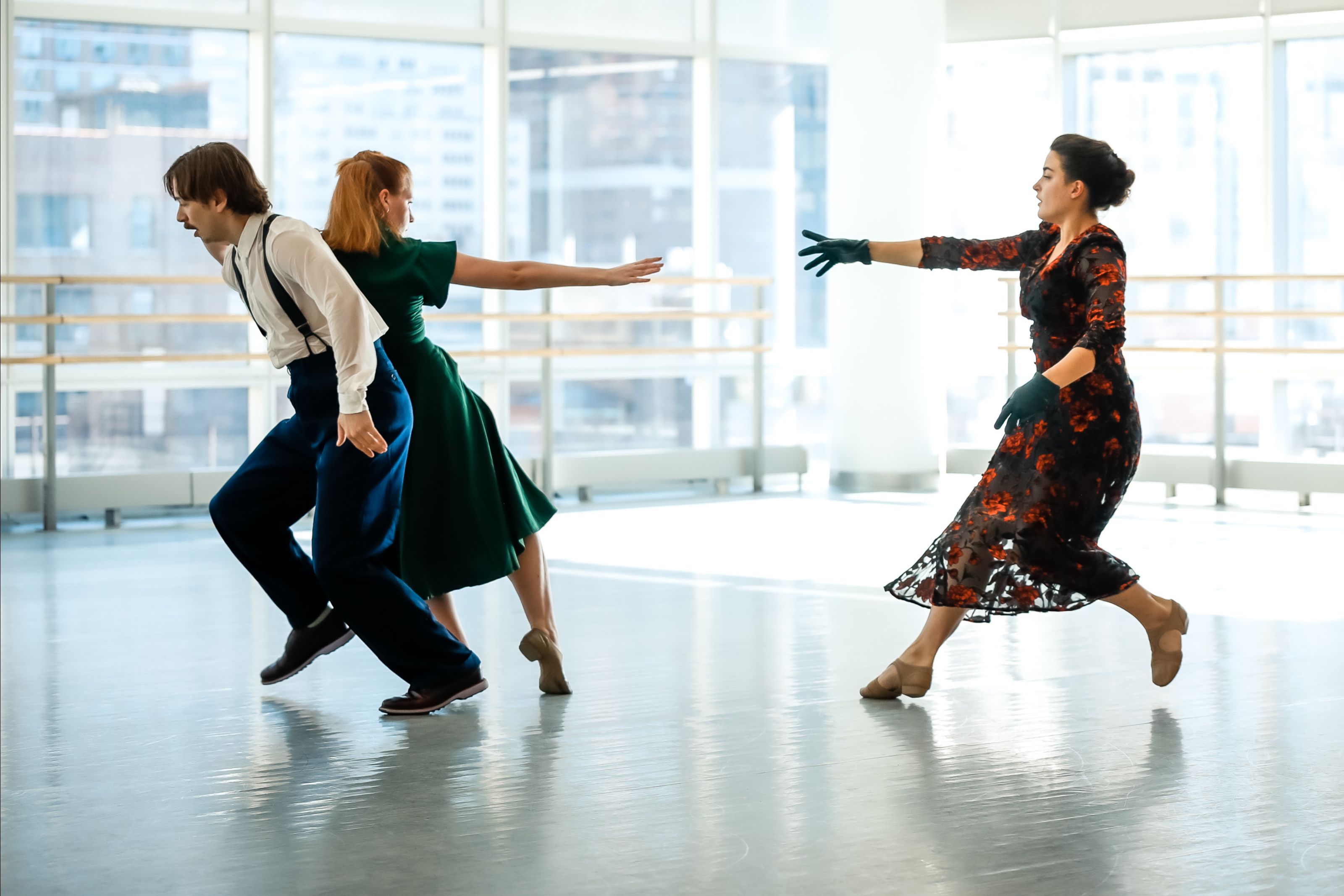
    Above: dancers Justin Faircloth, Corinne Hart, and Claire Westby in Cherylyn Lavagnino’s TALES OF HOPPER; photo by Charles Roussel

    ~ Author: Oberon

    {Note: this article has been updated with production photos by Charles Roussel}

    Tuesday February 25th, 2020 (dress rehearsal) – Today, choreographer Cherylyn Lavagnino kindly invited me to attend the dress rehearsal of her newest creation: TALES OF HOPPER. It’s a collaboration between Ms. Lavagnino and composer Martin Bresnick, inspired by the works of the American painter Edward Hopper. Two earlier works from Ms. Lavagnino’s treasure chest were also on the bill: Triptych and Veiled.  

    Hoping to get the clearest possible vision of the Hopper piece, I had asked the choreographer if I might attend the dress rehearsal rather than a performance so that my concentration would be unbroken. As a further enhancement, I had earlier watched a studio rehearsal of one of the ballet’s solos danced by Sharon Milanese; Ms. Milanese’s dancing that afternoon really moved me, and made me eager to see the entire piece. Although a dress rehearsal, the participating dancers and musicians were all at performance level.

    IVhBGl8g

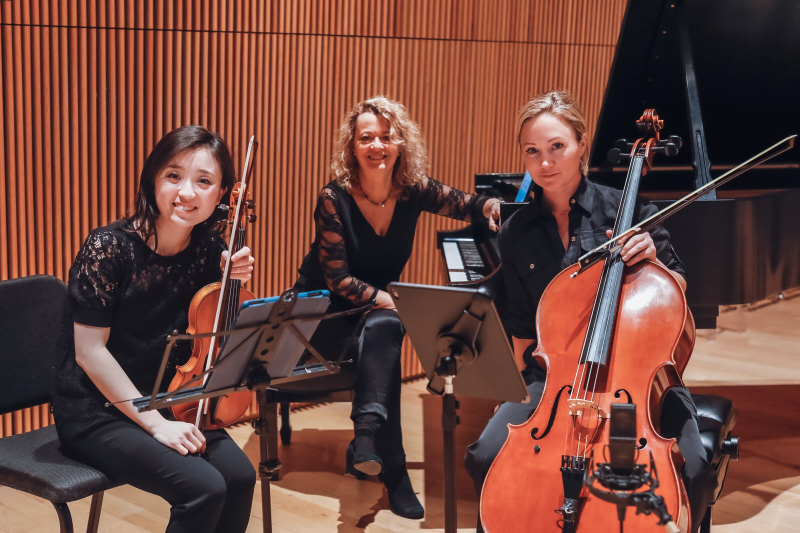
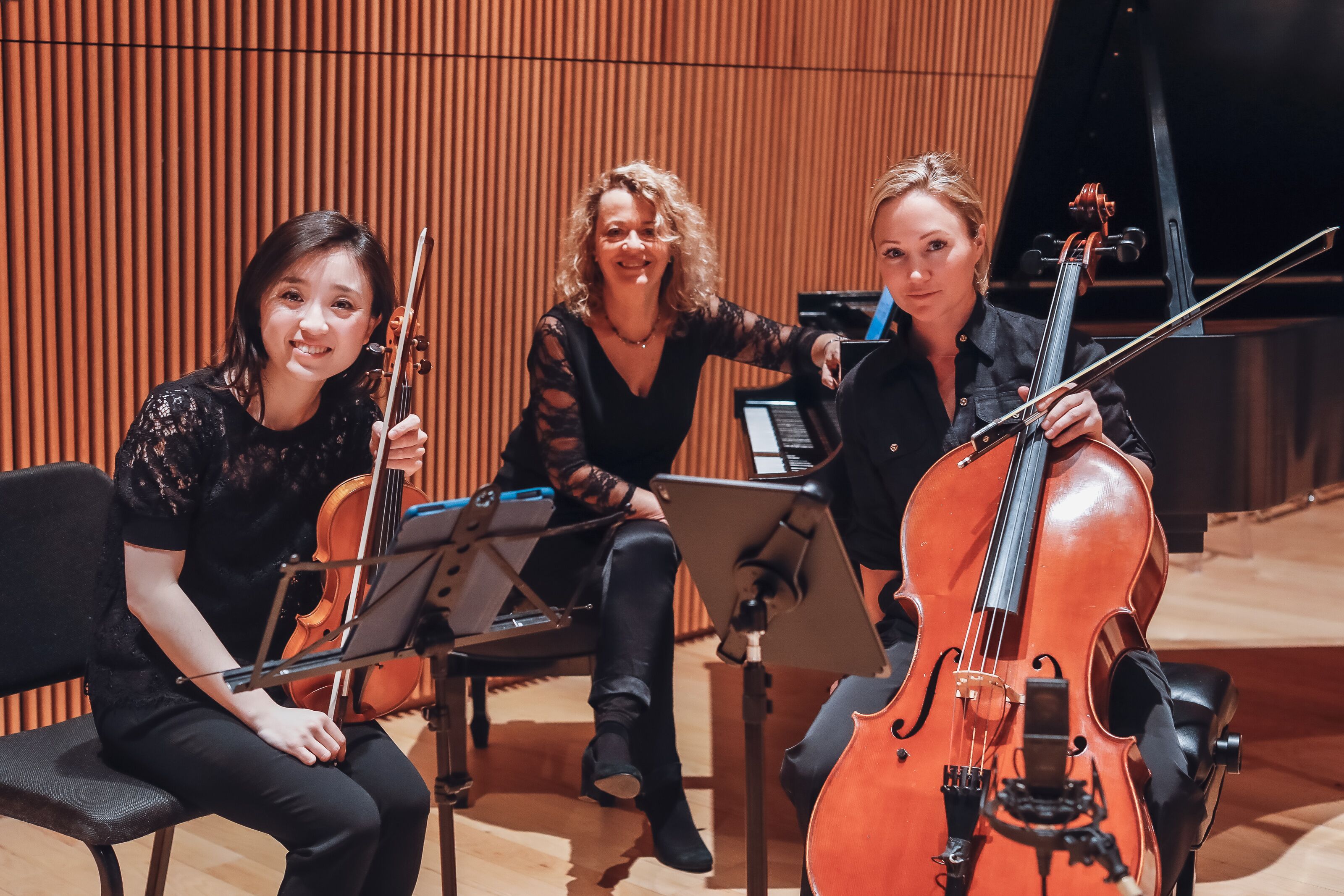
    This evening’s musicians: Elly Toyoda, Lisa Moore, and Ashley Bathgate; photo by Charles Roussel

    TALES OF HOPPER is a dance-theater work in which eight of Edward Hopper’s Americana masterpieces are brought to life. Mr. Bresnick’s original score is performed live – and excellently – by Lisa Moore (piano), Elly Toyoda (violin), and Ashley Bathgate (cello). Transparent set pieces, designed by Jesse Seegers, are re-configured to suggest the locale and mood of each of the Hopper paintings. The set changes are carried out by the dancers during blackouts between the vignettes. Frank DenDanto III created the lighting designs, and Christopher Metzger designed the ‘period’ costumes (the Hopper period, that is: the 30s thru the 60s); both gentlemen get top marks for their work, which were key elements in the evening’s success.

    A Prologue opens TALES OF HOPPER; violin and piano are heard in music with a nostalgic air; the cello soon joins in. All of the Company’s dancers take part, costumed as the ‘characters’ they will eventually play.

    TpDidpjg

    Sharon Milanese (above) appears as the woman in Hopper’s 1952 painting Morning Star. As the lights come up, the dancer is slowly awakening. The music is thoughtful, and Ms. Milanese – a compelling dancer with a strong theatrical sensibility – is perfect as this restless and vulnerable creature. The music becomes quite passionate; as the lights fades, the dancer is left to her thoughts.

    -AZX4CWQ

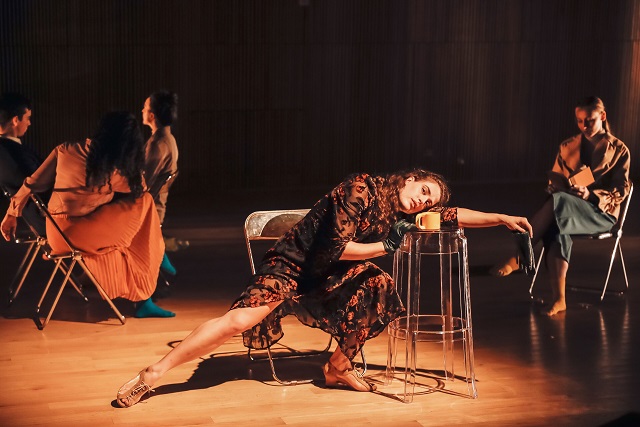
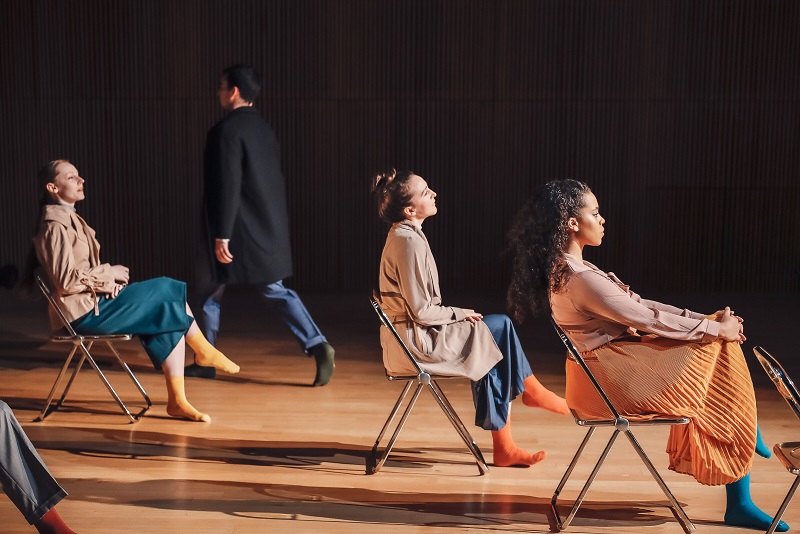
    Above: Emma Pajewski, Phil Strom, Gwendolyn Gussman, and Dervia Carey-Jones in People of the Sun

    Five dancers bring folding chairs to the stage for People of the Sun, Hopper’s 1960 painting showing a group of people enjoying the sunshine on a patio as they gaze out over an open field. The silence is broken by brief commentary from the violin, and by quiet laughter from Gwendolyn Gussman; she, Dervia Carey-Jones, Emma Pajewski, Malcolm Miles Young (reading a book), and Philip Strom constantly re-align their chairs so as to get the full benefit of the sunshine.

    XgjN_dIA

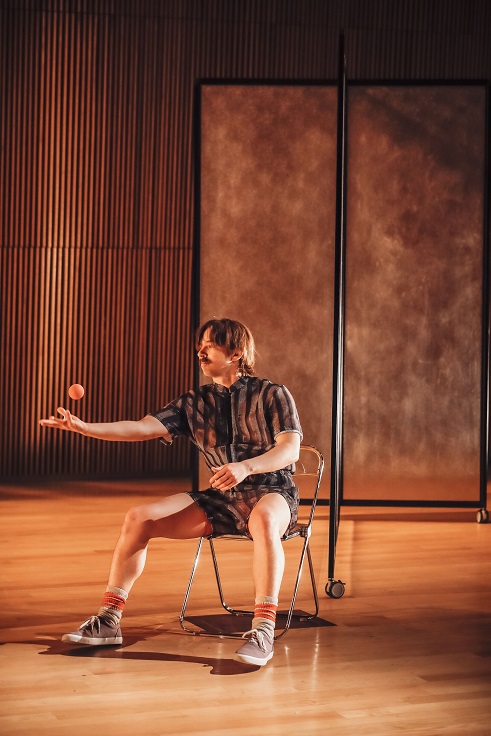
    Justin Faircloth (above) has a solo vignette in the 1940 painting Gas, wherein a young service station attendant fritters away his time between customers by bouncing a ball. The piano offers jagged chords, the cello rocks gently, the violin stammers. The attendant pumps gas, gives a car wash, tinkers with an under-body. Then he hits the floor for some pushups. 

    MaSbaASg

    Above: Lila Simmons and Oscar Rodriguez in The Office at Night

    A plucking cello interlude takes us to the Office at Night (1940) where a secretary (Lila Simmons) and her boss (Oscar Rodriguez) are carrying on an after-hours affair. A mysterious dropped document is a bone of contention between them; they are alternately amorous and antagonistic. They embrace, have a steamy duet, and find tenderness at the end.

    AHbsHTwg

    The magnetic Kristen Foote (above) is a cinema usherette in NY Movie (1940). Aside from some latecomers, the audience is already enjoying the film, and the usherette is biding her time by occasionally breaking into dance steps or miming lines from the movie.

    EM9SglDg

    Above: the duet from NY Movie, with Ms. Foote and Malcolm Miles Young

    Pensive music heralds the appearance of a handsome man (Malcolm Miles Young) who is perhaps real or perhaps a silver-screen illusion. They dance a romantic/passionate duet; a brooding atmosphere develops musically, and the usherette resumes her solitary post. This might have been my favorite “Hopper tale” tonight, but I think if I were to see the piece repeatedly, I would probably favor a different episode every time.

    PKO_I6AQ

    Above: Justin Faircloth and Claire Westby in Sunlight in a Cafeteria

    Sunlight in a Cafeteria (1958) commences with shimmering piano sounds. Justin Faircloth is nursing a cup of coffee when Claire Westby saunters past, intentionally dropping a glove. Justin is captivated. Then the openly provocative woman passes her admirer a note…and wanders off.

    6RgUooZQ

    Above: Justin Faircloth and Corinne Hart in Nighthawks

    With Nighthawks (1942), Ms. Lavagnino continues the ‘story’ of Sunlight. As Justin’s wife (or girlfriend), Corinne Hart (fetching in a deep green frock, which sets off her auburn hair) has found Claire’s note; the music (cello and piano) has a searching quality. Feeling betrayed, Ms. Hart confronts Mr. Faircloth: their romance breaks down. Claire Westby returns, and, after a tense trio, Justin chooses Claire over Corinne.

    HILHHPCw

    Above: Claire Westby in Automat

    Automat (1927) extends the story line of the two previous movements to its finish. Ms. Westby, disheveled and run down, is alone with a cup of coffee. What’s transpired in the interim, we don’t know. Claire’s gorgeous flower-flecked dress – now rumpled – reveals her legs as she rolls about on the floor in a sensual frenzy. She finally composes herself and again sits alone. The dancers now all return to the stage for a final tableau which unites the characters of all the eight tales of Hopper. 

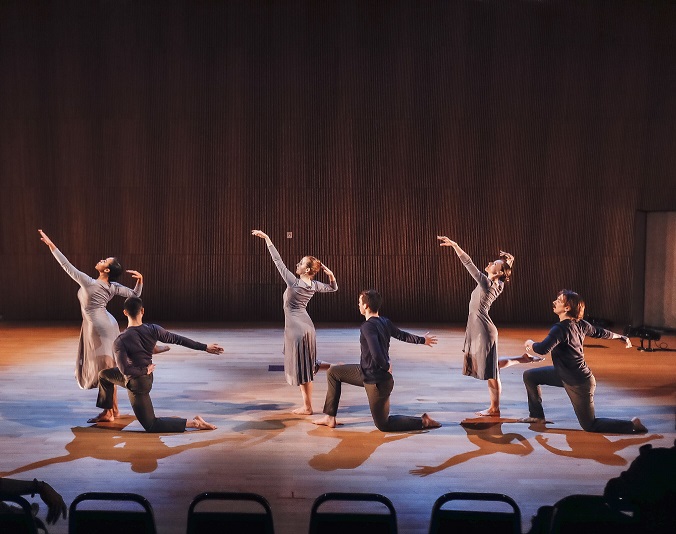
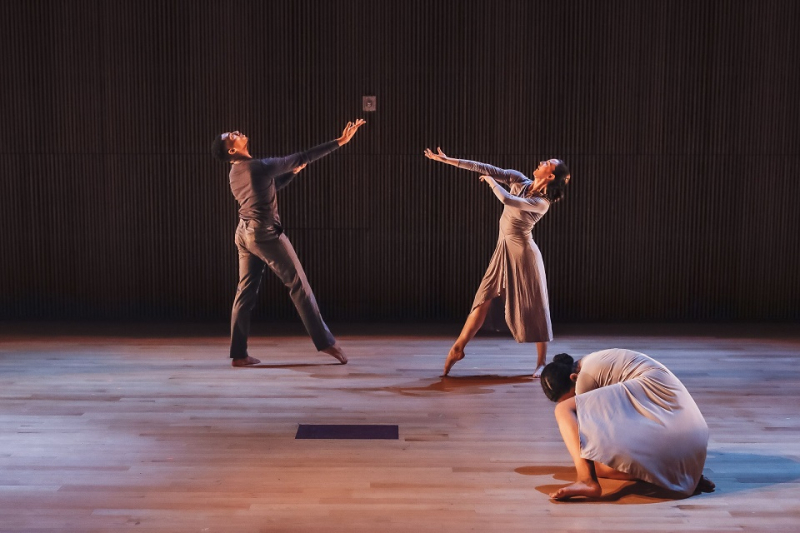
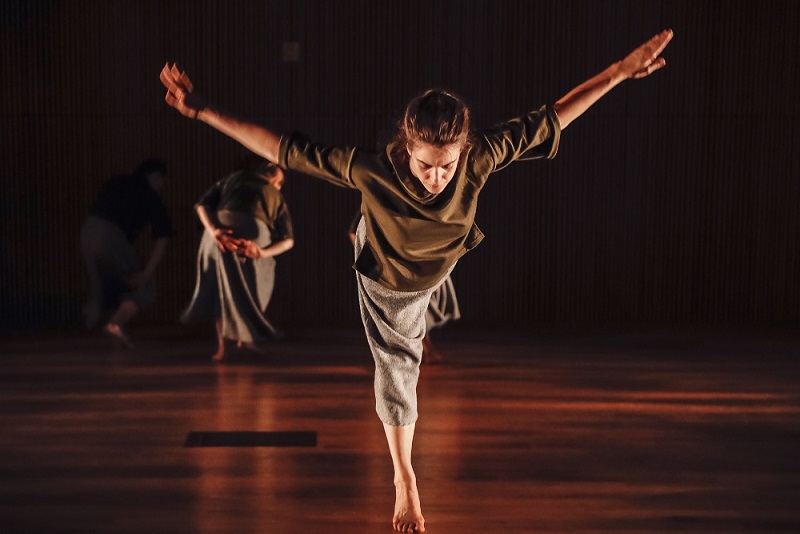
    Following the interval, the stage has been cleared for Cherylyn’s ballets Triptych (excerpt – 2012) and the 2016 Veiled. Both works explore spirituality in different contexts, and they looked wonderful in this open and finely-lit space…and both were beautifully danced.

    4kD3TdoQ

    Above: from Triptych

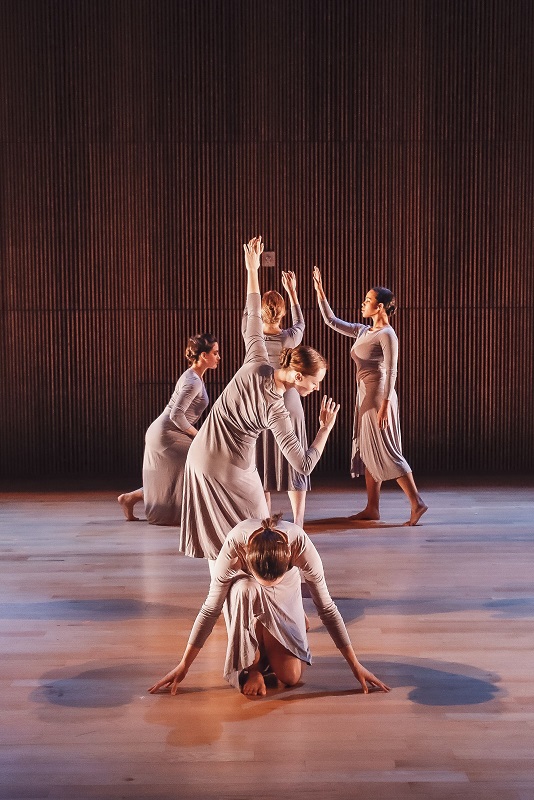
    Triptych is performed to the music of François Couperin: his Troisième Leçon à deux voix). With the men of the Company aligned upstage, Claire Westby performs a quiet solo with expressive port de bras; Claire prepares us for the entrance of the women – Dervia Carey-Jones, Gwendolyn Gussman, Emma Pajewski, and Lila Simmons – each a unique beauty and personality. The men – Mssrs. Faircloth, Strom, Young, and Rodriguez – come forward now, and Ms. Carey-Jones distinctively leads off a series of dances.

    A duet for Malcolm Miles Young and Gwendolyn Gussman has a rapturous quality, whilst Emma Pajewski and Justin Faircloth’s lyrical partnering is poignantly musical. A pas de quatre for Mlles. Carey-Jones, Gussman, Westby, and Pajewski follows: they are dancing in a state of grace. A pas de trois joins Lila Simmons, a dancer whose wide-ranging emotional palette always captures my attention, with Phil Strom and Justin Faircloth. Ms. Carey-Jones joins this trio, leading on to a finale for the full cast. Of Triptych tonight, I wrote in my notes: “…a slice of Heaven.” 

    1RjKq6Mw

    Above: from Veiled

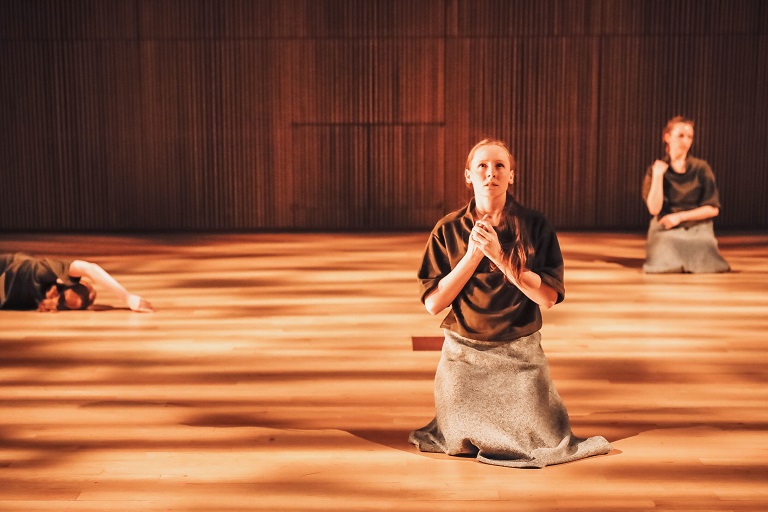
    The notion of Heaven was sustained as the evening concluded with Veiled, a dance for female ensemble set to Martin Bresnick’s Josephine the Singer, performed by violinist Elly Toyoda. Danceworks that speak of sisterhood always end up fascinating me, and I found Veiled to be a particularly engrossing experience: one of those ballets I could watch over and over.

    The women are prostrated as Veiled ballet commences, with Ms. Todaya’s violin sounding in its highest range. As the piece unfolds, rituals of prayer, supplication, and consolation pass before our eyes; the atmosphere is paradoxically intense and calming. 

    I can’t find words to sufficiently praise the six women who danced Veiled tonight: Mlles. Carey-Jones, Gussman, Hart, Pajewski, Simmons, and Westby each had an inner glow that made them captivating to watch. Two duets passages – one for Claire Westby and Corinne Hart and another for Lila Simmons and Emma Pajewski – particularly moved me, but in fact everything about this ballet resonated richly.

    After a series of brief, fleeting solos, the women form a circle; then they dance in a stylized chain, holding hands. The violin shivers, a prelude to hesitant lyricism that finally reaches unearthly high notes. As the light fades, the women huddle; they seem wary, but also safe in the community of sisters.

    Vq8Ct2Yw

    Near the end of Veiled, Emma Pajewski (above), kneeling in prayer with an expression of hope on her lovely face, became an iconic image for me. In this Year of the Women, Ms. Lavagnino’s Veiled is truly something to behold.

    All photos in this article are by Charles Roussel. A gallery of additional production images from Mr. Roussel may be viewed here.

    ~ Oberon
  • Cherylyn Lavagnino’s TALES OF HOPPER

    Hopper

    Above: dancers Justin Faircloth, Corinne Hart, and Claire Westby in Cherylyn Lavagnino’s TALES OF HOPPER; photo by Charles Roussel

    ~ Author: Oberon

    {Note: this article has been updated with production photos by Charles Roussel}

    Tuesday February 25th, 2020 (dress rehearsal) – Today, choreographer Cherylyn Lavagnino kindly invited me to attend the dress rehearsal of her newest creation: TALES OF HOPPER. It’s a collaboration between Ms. Lavagnino and composer Martin Bresnick, inspired by the works of the American painter Edward Hopper. Two earlier works from Ms. Lavagnino’s treasure chest were also on the bill: Triptych and Veiled.  

    Hoping to get the clearest possible vision of the Hopper piece, I had asked the choreographer if I might attend the dress rehearsal rather than a performance so that my concentration would be unbroken. As a further enhancement, I had earlier watched a studio rehearsal of one of the ballet’s solos danced by Sharon Milanese; Ms. Milanese’s dancing that afternoon really moved me, and made me eager to see the entire piece. Although a dress rehearsal, the participating dancers and musicians were all at performance level.

    IVhBGl8g

    This evening’s musicians: Elly Toyoda, Lisa Moore, and Ashley Bathgate; photo by Charles Roussel

    TALES OF HOPPER is a dance-theater work in which eight of Edward Hopper’s Americana masterpieces are brought to life. Mr. Bresnick’s original score is performed live – and excellently – by Lisa Moore (piano), Elly Toyoda (violin), and Ashley Bathgate (cello). Transparent set pieces, designed by Jesse Seegers, are re-configured to suggest the locale and mood of each of the Hopper paintings. The set changes are carried out by the dancers during blackouts between the vignettes. Frank DenDanto III created the lighting designs, and Christopher Metzger designed the ‘period’ costumes (the Hopper period, that is: the 30s thru the 60s); both gentlemen get top marks for their work, which were key elements in the evening’s success.

    A Prologue opens TALES OF HOPPER; violin and piano are heard in music with a nostalgic air; the cello soon joins in. All of the Company’s dancers take part, costumed as the ‘characters’ they will eventually play.

    TpDidpjg

    Sharon Milanese (above) appears as the woman in Hopper’s 1952 painting Morning Star. As the lights come up, the dancer is slowly awakening. The music is thoughtful, and Ms. Milanese – a compelling dancer with a strong theatrical sensibility – is perfect as this restless and vulnerable creature. The music becomes quite passionate; as the lights fades, the dancer is left to her thoughts.

    -AZX4CWQ

    Above: Emma Pajewski, Phil Strom, Gwendolyn Gussman, and Dervia Carey-Jones in People of the Sun

    Five dancers bring folding chairs to the stage for People of the Sun, Hopper’s 1960 painting showing a group of people enjoying the sunshine on a patio as they gaze out over an open field. The silence is broken by brief commentary from the violin, and by quiet laughter from Gwendolyn Gussman; she, Dervia Carey-Jones, Emma Pajewski, Malcolm Miles Young (reading a book), and Philip Strom constantly re-align their chairs so as to get the full benefit of the sunshine.

    XgjN_dIA

    Justin Faircloth (above) has a solo vignette in the 1940 painting Gas, wherein a young service station attendant fritters away his time between customers by bouncing a ball. The piano offers jagged chords, the cello rocks gently, the violin stammers. The attendant pumps gas, gives a car wash, tinkers with an under-body. Then he hits the floor for some pushups. 

    MaSbaASg

    Above: Lila Simmons and Oscar Rodriguez in The Office at Night

    A plucking cello interlude takes us to the Office at Night (1940) where a secretary (Lila Simmons) and her boss (Oscar Rodriguez) are carrying on an after-hours affair. A mysterious dropped document is a bone of contention between them; they are alternately amorous and antagonistic. They embrace, have a steamy duet, and find tenderness at the end.

    AHbsHTwg

    The magnetic Kristen Foote (above) is a cinema usherette in NY Movie (1940). Aside from some latecomers, the audience is already enjoying the film, and the usherette is biding her time by occasionally breaking into dance steps or miming lines from the movie.

    EM9SglDg

    Above: the duet from NY Movie, with Ms. Foote and Malcolm Miles Young

    Pensive music heralds the appearance of a handsome man (Malcolm Miles Young) who is perhaps real or perhaps a silver-screen illusion. They dance a romantic/passionate duet; a brooding atmosphere develops musically, and the usherette resumes her solitary post. This might have been my favorite “Hopper tale” tonight, but I think if I were to see the piece repeatedly, I would probably favor a different episode every time.

    PKO_I6AQ

    Above: Justin Faircloth and Claire Westby in Sunlight in a Cafeteria

    Sunlight in a Cafeteria (1958) commences with shimmering piano sounds. Justin Faircloth is nursing a cup of coffee when Claire Westby saunters past, intentionally dropping a glove. Justin is captivated. Then the openly provocative woman passes her admirer a note…and wanders off.

    6RgUooZQ

    Above: Justin Faircloth and Corinne Hart in Nighthawks

    With Nighthawks (1942), Ms. Lavagnino continues the ‘story’ of Sunlight. As Justin’s wife (or girlfriend), Corinne Hart (fetching in a deep green frock, which sets off her auburn hair) has found Claire’s note; the music (cello and piano) has a searching quality. Feeling betrayed, Ms. Hart confronts Mr. Faircloth: their romance breaks down. Claire Westby returns, and, after a tense trio, Justin chooses Claire over Corinne.

    HILHHPCw

    Above: Claire Westby in Automat

    Automat (1927) extends the story line of the two previous movements to its finish. Ms. Westby, disheveled and run down, is alone with a cup of coffee. What’s transpired in the interim, we don’t know. Claire’s gorgeous flower-flecked dress – now rumpled – reveals her legs as she rolls about on the floor in a sensual frenzy. She finally composes herself and again sits alone. The dancers now all return to the stage for a final tableau which unites the characters of all the eight tales of Hopper. 

    Following the interval, the stage has been cleared for Cherylyn’s ballets Triptych (excerpt – 2012) and the 2016 Veiled. Both works explore spirituality in different contexts, and they looked wonderful in this open and finely-lit space…and both were beautifully danced.

    4kD3TdoQ

    Above: from Triptych

    Triptych is performed to the music of François Couperin: his Troisième Leçon à deux voix). With the men of the Company aligned upstage, Claire Westby performs a quiet solo with expressive port de bras; Claire prepares us for the entrance of the women – Dervia Carey-Jones, Gwendolyn Gussman, Emma Pajewski, and Lila Simmons – each a unique beauty and personality. The men – Mssrs. Faircloth, Strom, Young, and Rodriguez – come forward now, and Ms. Carey-Jones distinctively leads off a series of dances.

    A duet for Malcolm Miles Young and Gwendolyn Gussman has a rapturous quality, whilst Emma Pajewski and Justin Faircloth’s lyrical partnering is poignantly musical. A pas de quatre for Mlles. Carey-Jones, Gussman, Westby, and Pajewski follows: they are dancing in a state of grace. A pas de trois joins Lila Simmons, a dancer whose wide-ranging emotional palette always captures my attention, with Phil Strom and Justin Faircloth. Ms. Carey-Jones joins this trio, leading on to a finale for the full cast. Of Triptych tonight, I wrote in my notes: “…a slice of Heaven.” 

    1RjKq6Mw

    Above: from Veiled

    The notion of Heaven was sustained as the evening concluded with Veiled, a dance for female ensemble set to Martin Bresnick’s Josephine the Singer, performed by violinist Elly Toyoda. Danceworks that speak of sisterhood always end up fascinating me, and I found Veiled to be a particularly engrossing experience: one of those ballets I could watch over and over.

    The women are prostrated as Veiled ballet commences, with Ms. Todaya’s violin sounding in its highest range. As the piece unfolds, rituals of prayer, supplication, and consolation pass before our eyes; the atmosphere is paradoxically intense and calming. 

    I can’t find words to sufficiently praise the six women who danced Veiled tonight: Mlles. Carey-Jones, Gussman, Hart, Pajewski, Simmons, and Westby each had an inner glow that made them captivating to watch. Two duets passages – one for Claire Westby and Corinne Hart and another for Lila Simmons and Emma Pajewski – particularly moved me, but in fact everything about this ballet resonated richly.

    After a series of brief, fleeting solos, the women form a circle; then they dance in a stylized chain, holding hands. The violin shivers, a prelude to hesitant lyricism that finally reaches unearthly high notes. As the light fades, the women huddle; they seem wary, but also safe in the community of sisters.

    Vq8Ct2Yw

    Near the end of Veiled, Emma Pajewski (above), kneeling in prayer with an expression of hope on her lovely face, became an iconic image for me. In this Year of the Women, Ms. Lavagnino’s Veiled is truly something to behold.

    All photos in this article are by Charles Roussel. A gallery of additional production images from Mr. Roussel may be viewed here.

    ~ Oberon

  • Budapest Festival Orchestra ~ All-Mahler Program

    Gerhild-romberger

    Above: contralto Gerhild Romberger

    ~ Author: Oberon
    Monday February 24th, 2020 – The Budapest Festival Orchestra, conducted by Iván Fischer, offering Mahler’s 5th symphony, preceded by the Kindertotenlieder, sung by Gerhild Romberger, contralto, in her New York debut. The program was part of Lincoln Center’s Great Performers series.

    Ms. Romberger – previously unknown to me – was revelatory. This was my third experience of hearing the Kindertotenlieder (Songs of the Dead Children) in live performance: previously, the grand Polish contralto Ewa Podles and the inimitable Russian baritone Dmitri Hvorostovsky had given enthralling interpretations of these evocative songs, each taking a rather operatic point of view. Ms. Romberger, more intimate and poetic in her approach, was deeply moving…and the voice fascinated me.

    Handsomely coiffed, and clad in black, the contralto took up the opening song, “Nun will die Sonn’ so hell aufgeh’n” (Now Will the Sun Rise as Brightly) following its haunting introduction from the winds. Her sound is rich yet contained, projecting a sense of calm despite the bleakness of the knowledge that the sunrise can no longer bring comfort. The horn and harp add to the wistful atmosphere, and the singer’s dreamy softening of the upper notes at “…die sonne..” is indeed magical. Ambiguously, the music shifts between minor and major.

    In “Nun seh’ich wohl, warum so dunkle Flammen” (Now I See Well Why Such Dark Flames) with its gorgeously expressive start, Ms. Romberger’s beauteous palette of soft colours was at play as she described the eyes of the children, and the premonition of their death. There is a sense of consolation in the orchestral writing, but it’s the desolate feelings that of loss permeates in the singer’s touching turns of phrase. Her hands, meanwhile, communicated her emotions in gracefully-shaped gestures.

    Wenn dein Mütterlein” (When Your Dear Mother) commences with oboe and bassoon, sounding rather doleful in a motif of intervals. Here Ms. Romberger’s gifts as a storyteller are to the fore, and her sense of gentle restraint in the upper reaches of the voice is endlessly evocative. The deep, rich sound of the Budapest’s basses sustaining the final note sent a chill thru me.

    In “Oft denk’ ich, sie sind nur ausgegangen” (Often I Think They Have Only Gone Out). Mahler again allows the music to wander between major and minor, underscoring the illusion that the children have only gone out for a walk. With sweet lyricism in her upper range, the singer seeks to reassure herself – and us – that all is well. Her singing here is simply sublime. But at last comes acceptance that the children have gone to another place, wherein there is the hope of one day be reunited with their parents.

    In diesem Wetter, in diesem Braus” (In This Weather, in This Torrent) tells of the stormy weather on the day of the funeral: restless, aggressive music. In resignation, Ms. Romberger sings that the children have found rest, and her vocal control and the somber yet luminous expressiveness of her singing here reached me at the depths of my soul: so hauntingly and gently she sang as the harp sounded. A horn chorale seemed like a benediction.

    Ms. Romberger was given very warm and sustained applause following her poignant performance: returning for a solo bow, the entire orchestra joined in a moving tribute to this remarkable artist. She and Maestro Fischer were called out yet again, and while I cannot imagine an encore following the Kindertotenlieder, we can surely hope that she and the Maestro will return to New York City soon, bringing us the RückertLieder…or the Wesendonck. I can only imagine what that would be like!

    During the interval, I remained under a sort of spell from this cherishable performance: I even thought of leaving, and taking my memories of it with me to some solitary place where I could continue to meditate on what I had heard.

    Of his 5th symphony, Gustav Mahler famously said: “…a symphony must be like the world; it must embrace everything.” Mahler composed this sprawling work during the summers of 1901 and 1902, while on holiday from his job as director of the Vienna Court Opera. Prior to beginning his fifth symphony, Mahler had met the beauteous Alma Schindler, daughter of a famous landscape painter. The composer proposed to her in the Autumn of 1901, and the symphony seems to mirror Mahler’s journey from sorrow thru the dreamworld of the Adagietto to a triumphant state of happiness with his beloved.

    The symphony’s brilliant opening trumpet fanfare, played with summoning clarity and force by Tamás Pálfalvi, gave notice that a sonically vivid performance lay ahead of us. As the first two movements of this very long symphony progressed, Maestro Fischer drew inspired – and inspiring – playing from the artists of the Budapest Festival Orchestra.

    In the Scherzo, Horn soloist Zoltán Szöke came forward and was seated next to the podium. He played splendidly, sometimes raising the horn’s bell to project the music with sumptuous power. But I must admit that during this movement – with its endlessly repeated 6 note motif, played as a fugue – Mahler fatigue started to set in. It began to have the feeling of the music being too much of a good thing.  

    The classic Adagietto, sometimes considered Mahler’s “greatest hit”, features strings and harp. The conductor summoned luminous textures from the musicians, creating a depth of beauty in which we could – for a few minutes – forget the dark dangers of living in today’s uncertain world.

    In the symphony’s concluding Rondo-Finale, the Maestro and his musicians swept the celebratory feeling forward, pausing only for a couple of rather gratuitous detours, and on to its epic conclusion. The audience’s response was tumultuous.

    For all the 5th symphony’s marvels, it was – for me – the Kindertotenlieder that gave this evening its particular glow. 

    ~ Oberon
  • Ricciarelli & Pavarotti

    Katia-ricciarelli

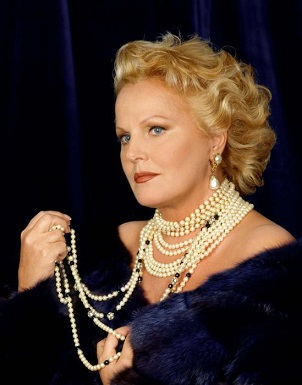
    This lovely rendering of the OTELLO love duet from Katia Ricciarelli (above) and Luciano Pavarotti is one of hundreds of items – both live and studio – that I’ve rescued from my huge collection of cassettes.

    OTELLO – Love Duet – Katia Ricciarelli & Luciano Pavarotti

  • Danish String Quartet ~ CMS Beethoven Cycle – Part 2

    Beethoven 250

    Author: Ben Weaver

    February 2020 – The Danish String Quartet continuing their Beethoven marathon at Chamber Music Society of Lincoln Center. Ben Weaver wrote about earlier concerts here, and he completes the story below:

    I suspect that the Danish String Quartet’s cycle of all 16 Beethoven String Quartets for Chamber Music Society of Lincoln Center in 2020 will long be remembered as one of this great organization’s finest moments. The raggedy long-time friends who make up the quartet (its two violinists and violist have been friends since childhood), with their casual wear, messy hair and reserved physical presence, may not at first glance strike one as deeply probing and philosophical musicians. But they are that, and more. The clean, beautiful lines they produce as part of the ensemble, with a full grasp of structure and context, could hardly be improved upon by another quartet. They truly are one of the finest chamber ensembles performing today.

    The cycle’s final concert featured Beethoven’s final two quartets: String Quartets Nos. 15 & 16. No. 16 being notable for being the very last piece of music Beethoven ever composed. (The only other thing he is known to have written is the alternative final movement to Quartet No. 13, replacing the Große Fugue.)


    With Quartet No. 15, Op. 131, composed in 1825-26, Beethoven created something unique in the canon: an extended, played-without-pause composition that is still divided into multiple (seven!) movements that are all connected to one another. The opening fugue morphs into a set of variations leading into a demented scherzo – so on and so forth. Almost as if recapping his life’s achievements and all the musical forms he has perfected, this may well be Beethoven’s version of “This is my life.” The Danish Quartet’s performance of this was ravishing, with stunningly sustained slow tempi over long periods, without ever losing focus or tension or structure. Violinists Frederik Øland and Rune Tonsgaard Sørensen, violist Asbjørn Nørgaard, and cellist Fredrik Schøyen Sjölin made time stop.


    The last Quartet No. 16, Op. 135, composed in 1826, would become Beethoven’s last completed composition. How does a musical giant, who has shaken the world, say goodbye? With another outburst, a challenge to the world? Hardly. Like the final Piano Sonata No. 32 – and so unlike the last Symphony No. 9 – Beethoven’s last will and testament is actually a thing of lyricism and beauty, not defiance (ok, with an occasional outburst of crankiness, like the opening pages of the last movement where anger quickly dissipates.) In all, perhaps knowing that is health was failing and that he may not have the strength to complete another piece of music, Beethoven seems to reminisce about his younger self and the music that he composed as a student of Haydn and when Mozart had only just died.


    The first movement opens with Viola leading a playful tune, like something Beethoven rescued from an early sketchbook: but with an old man’s wisdom tempering the enthusiasm. It’s like an echo of youth, playful but with a denser sound than a younger Beethoven would have employed, the viola and especially the cello better integrated into the ensemble instead of accompanying the violins. 


    The slow movement, Lento assai, tantalite e tranquillo, is one of those works of art shared with us by the gods. Rune Tonsgaard Sørensen on first violin in this performance (the two violinists alternated), as the more lyrical player, was the perfect musician to lead this magical piece. (I’d watched a performance of this movement on YouTube that was recorded in an airplane hangar. Someone wisely commented that even an airplane hangar could not contain everything this movement has to say.)


    And then the final movement – Allegro – pulls in ideas from the previous ones and then turns them into dance. It is the perfect ending, like Verdi’s “Falstaff” (still to come) or Shakespeare’s “The Tempest” (long past): to finish laughing and free would be the greatest gift of all.


    ~ Ben Weaver

  • Compagnie Hervé KOUBI @ The Joyce ~ 2020

    F751b7faaa4d48cf814701ab186c45bf

    Above: Compagnie Hervé KOUBI, photo by Frédérique Calloch

    ~ Author: Oberon
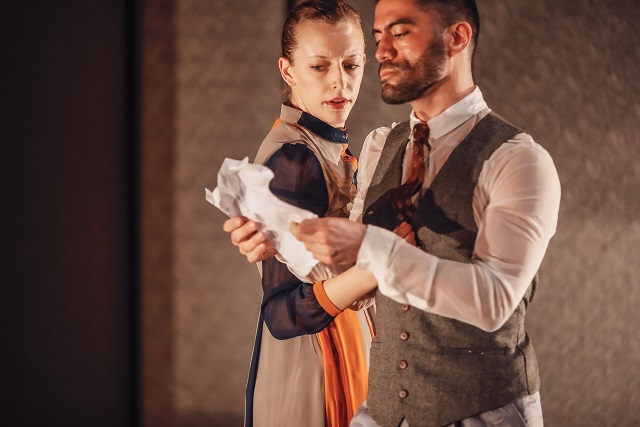
    Thursday February 20th, 2020 – Celebrating their 20th anniversary season, Compagnie Hervé KOUBI returned to The Joyce with Les nuits barbares ou les premiers matins du monde. I loved this Company when they appeared at The Joyce in 2018, and when I saw that they were returning to Gotham, I knew I’d want to be there.

    Performed by an all-male cast of dancers from the countries along the shores of the of the Mediterranean – from Algeria, Morocco, France, Burkina Faso, Italy, Israel, and Palestine – the work explores the human desire for belonging: an idea that harks back to ancient times, before the birth of nations.

    B66a9f62ccd24199abcd0119aec4dba6

    Above: photo by Frédéric de Faverney

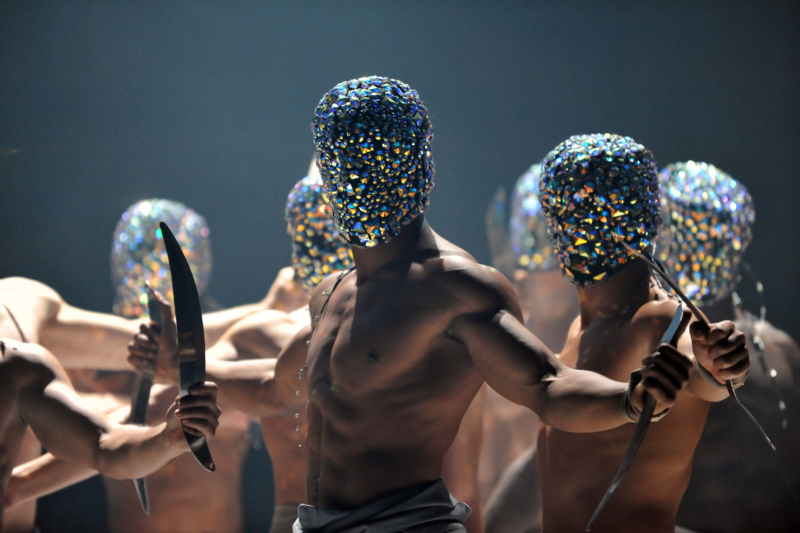
    The visually engrossing production features evocative lighting by Lionel Buzonie, and costumes by Guillaume Gabriel that include mask-like headgear adorned with Swarovski crystals which catch the light, adding to the mystique of the ballet’s darkish opening passages. The dancers appear first in long skirts, which are later shed in favor of fitted trousers. To say that these men are incredibly sexy is an understatement: they are also fearlessly committed to the work, and to the brotherhood.

    To sounds of primeval winds and waves, the dancers emerge from the shadows. They huddle together, earthbound, as the opening music of Wagner’s DAS RHEINGOLD speaks to us of beginnings. The community is restless, wary. They awaken in a brief passage of unison gestures.

    Knives are drawn, and an alarm sounds…but fades to mere tinkling sounds. There is a bathing ritual to the sounds of an antique flute, then the men take their places in a striking lineup across the rim of the stage, superbly lit.

    A tapping sound develops into vibrant drumming as the men compete in fantastic feats of tumbling, flipping, spinning on their hands or on their heads. The helmet-masks come off, the drumming gets wild. Then deep tones emerge from the sonic glow, alive with the exotic sound of finger cymbals.

    A respite, and then a whirring sound spins into a song – are the men actually singing? I was to far away to tell. Now the tribe begin tossing one another into the air; they soar with electifying bravura before being caught by their comrades. After circling in backbends, they cut loose to do more leaping and flipping: mind-boggling athleticism. The music turns metallic as the dancers again engage in uncanny break-dancing spins. Then they slowly disperse to music from the Mozart REQUIEM, only to return, engaging in ever more daring spinning and tossing.

    86734724_10218458400185321_4811273668363550720_n

    Suddenly one man is targeted and threatened with knives. Stripped of his skirt, and inverted, he performs a spectacular solo, spinning on his head as knife blades fan out from his whirling torso. The men – some on their knees like supplicants – return with metal poles; to the sound of distant voices, the poles become canes of props. Later they are tossed from man to man with amazing accuracy, and still later held aloft in cruciform.

    Now there evolves a big-beat, swirling tribal dance; the skirts have all been sheds. After more athletic feats and some spear-tossing, there is an intense run-about. To the sound of the deep chanting of Et lux perpetua, the men again line up along the edge of the stage: they seem to silently be bidding us farewell. Then they back into the shadows and begin to slowly exit – pairs or alone – heading into the unknown. As the last man vanishes from sight, one sensed the welling up of a great emotional force in the house. The audience, who have beheld this great human spectacle in awed silence, are ready to unleash a tremendous wave of applause.

    But…no: the men now return and, in a rather prolonged coda, continue to perform many of the same moves and feats we’ve already seen. As this coda brings nothing fresh to the piece, either choreographically or musically, it seemed expendable.

    At last, the packed house got their chance to hail Mssr. Koubi and his courageous dancers with waves of fervent applause and cheers.

    Efeeb7ea1079465dbd24d15aa611cea0

    Above: photo by Pierangela Flisi

    ~ Oberon

  • YCA: Nathan Lee @ The Morgan Library

    Lee_Nathan3CreditChrisLee

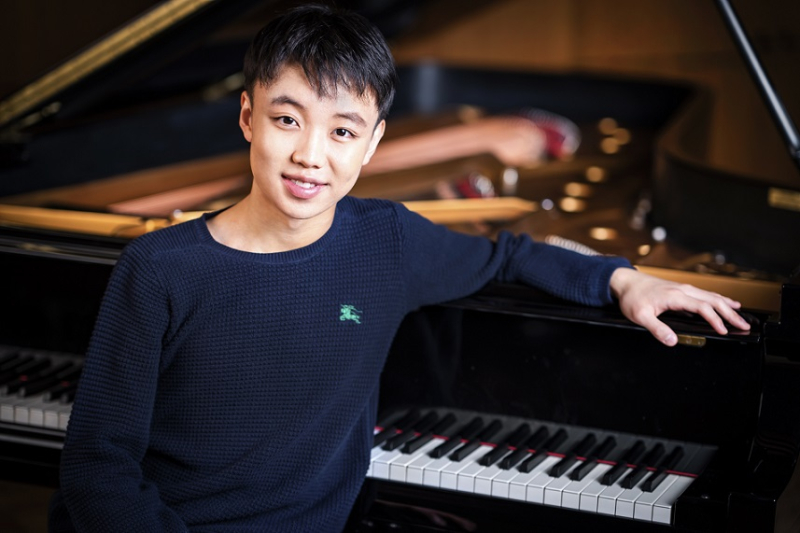
    Above: pianist Nathan Lee, photo by Chris Lee

    ~ Author: Oberon

    Wednesday February 19th 2020 matinee – Young Concert Artists continued their popular series of noontime concerts at The Morgan Library today as pianist Nathan Lee played works by Ludwig van Beethoven, Chris Rogerson, and Robert Schumann in succession with nary a break in between.
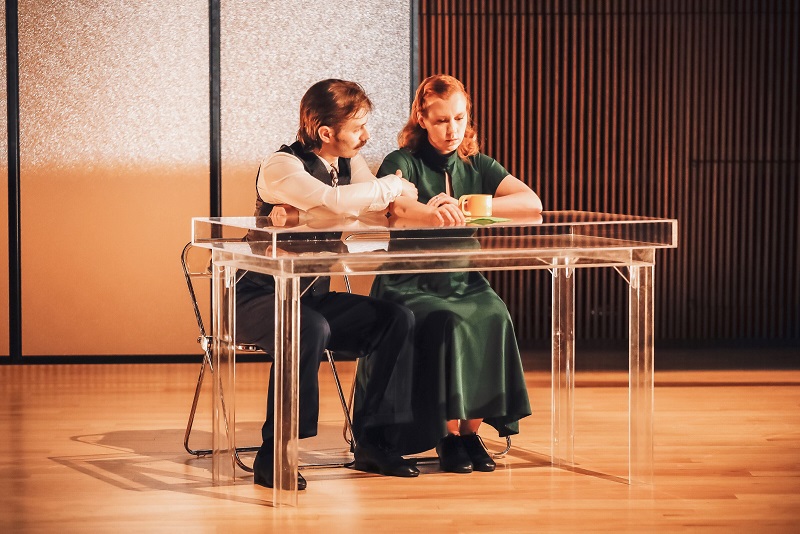
    The youthful pianist, clad all in black with subtly bejeweled shoes, opened his program with Beethoven’s Sonata No. 27 in E-minor, Op. 90 – a lovely gift to us for the composer’s 250th birthday celebration. Unlike most traditional sonatas, this one has only two movements; the composer’s tempo markings are in German rather than the usual Italian.

    The opening phrases are alternately robust and subtle, and as the music develops there is a continual shift between thoughtful and intense passages. Mr. Lee’s playing of swift downward scales was exhilarating, and he moved effortlessly from drama to delicacy as the piece evolved. The second movement offers a sweet flow of melody with contrasting moments of animation. Mr. Lee is as engaging to watch as to hear, his facial expressions reflecting the moods of the music, his eyes often closed.

    The music of Chris Rogerson, who was Young Concert Artists‘ composer-in-residence from 2010-2012, made a very positive impression on me when I first encountered his String Quartet #1 performed by the Omer Quartet at a YCA  concert at Merkin Hall in December of 2018. Ever on the lookout for music that might capture the imagination of one of my choreographer/friends, I sent this quartet on to Claudia Schreier. Long story short: Ms. Schreier is choreographing a ballet to Mr. Rogerson’s String Quartet #1 for Chamber Dance Project in Washington DC, which will premiere in June 2020.

    This afternoon, Mr. Lee played Chris Rogerson’s ‘Til it was dark; the work was Mr. Rogerson’s first YCA Commission in 2010. The composer’s program notes reveal the nostalgic background for ‘Til it was dark, and made me think of my own boyhood in the little town when we’d play tag and hide-and-seek outdoors as the sun set slowly on summer evenings.

    The work’s first movement, Break, seems to speak of the noisy euphoria we felt as kids when school let out. Mr. Lee was called on to bang emphatically on the keyboard or to reel off swirling festoons of notes. As the music turns dreamy, then mysterious, and finally pensive, Mr. Lee caught all these moods thru his canny use of piano/pianissimo gradations. Later, when virtuosity is called for, the pianist delivers in spades. 

    “Three more minutes!” was the warning call of Chris’s dad that it was almost time to come indoors. The music seems to depict the frantic desire to get as much fun out of the dwindling daylight as one could. By turns sprightly and loudly animated, things eventually calm before a final propulsive rush to a witty end.

    Important Things takes on a more serious tone; Mr. Lee’s playing becomes thoughtful, almost tender. In his program note, Mr. Rogerson writes of those “…quieter moments with friends, when you wanted to say something that was on your mind…but of course, you never did.” By turns expansive, wistful, and passionate, the music finally alternates short dreamy phrases with harsher ones. Dreaminess prevails, and quietude settles over us. In this very personal (yet also universal) reflection – which put me in mind of Samuel Barber’s evocative Knoxville: Summer of 1915 – Mr. Rogerson could not have asked for a finer interpretation that Mr. Lee’s.

    The young pianist then immediately commenced on Robert Schumann’s Carnaval for piano, Op. 9, written in 1834-1835. In these twenty-one miniatures, Schumann depicted himself (with Florestan and Eusebius representing his split personalty), his beloved Clara (Chiarina), his friends, and also characters from the commedia dell’arte. In 1915, Michel Fokine choreographed the music for his ballet of the same title, created for Diaghilev’s Ballets Russes. Amazingly, I’d never heard the entire Schumann score until today.

    Art_63_06_13

    Above: the legendary ballerina Tamara Karsavina as Columbine in Fokine’s ballet Carnaval

    Nathan Lee took us on a delightful journey with his brilliant playing, and thru his coloristic gifts introduced us to – among others – the lively Pierrot, the smug wit of Harlekin, the scampering Coquette, and the youthful gaiety of Chiarina. From the grand introduction, the music’s rhythmic subtleties and irresistible waltzes drew us onward thru this 30-minute panorama wherein the essential element – charm – was in abundance in Mr. Lee’s playing.

    The pianist returned for an encore: the Sarabande from Bach’s 4th Partita, subtly played.

    ~ Oberon