Author: Philip Gardner

  • Upcoming: Pontus Lidberg for MORPHOSES

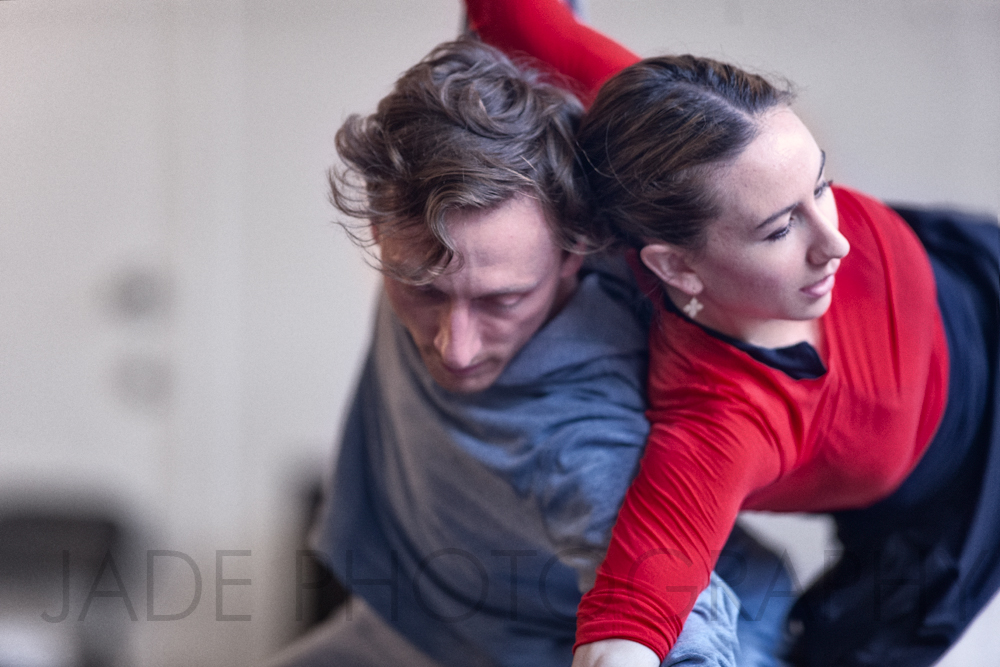
    Morphoses02b

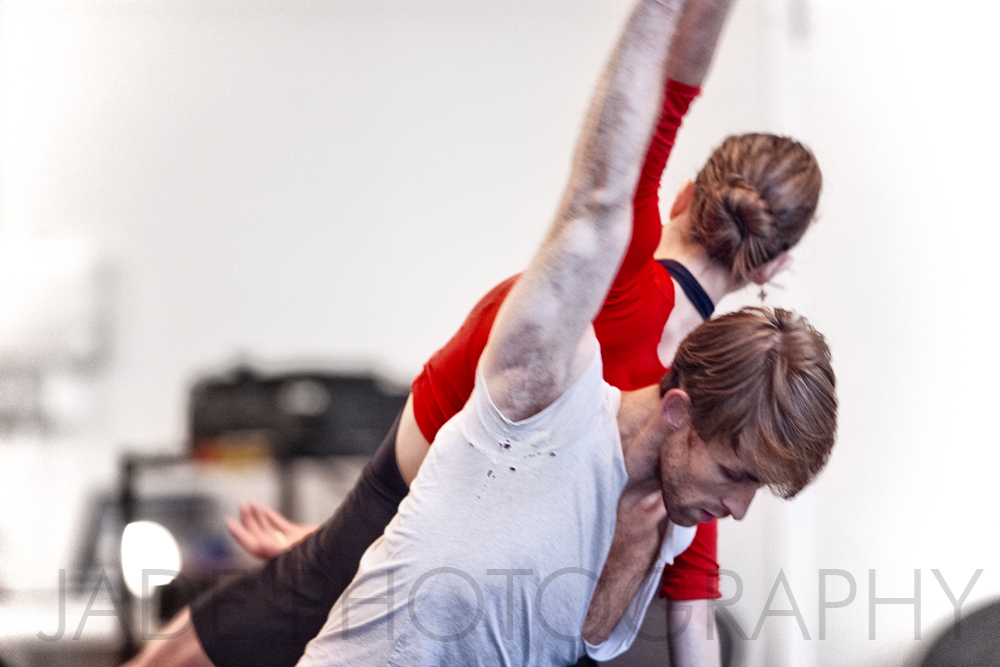
    Above: MORPHOSES rehearsal director Reid Bartelme and ABT’s Isabella Boylston in rehearsal for Pontus Lidberg’s WITHIN; photo by Jade Young. MORPHOSES will present Pontus’s evening of dance and film entitled WITHIN (Labyrinth Within) at The Joyce from November 7th thru 11th. Information and tickets here.

    The performances will open with the newly-staged ballet which has evolved from Pontus’s haunting film LABYRINTH WITHIN. Watch a brief trailer for the film – which features New York City Ballet principal Wendy Whelan, Pontus Lidberg and Giovanni Bucchieri – here. Following the ballet, the film will be shown.

    Morphoses03crop

    A couple of weeks ago, Jade and I went to a rehearsal of the ballet at the Gibney Dance Center. It happened to be Isabella Boylston’s (above) first rehearsal of the work;, and indeed it fell on a day of firsts since I had earlier watched the New York City Ballet‘s compelling soloist Adrian Danchig-Waing in his first-ever APOLLO rehearsal. Adrian is Isabella’s partner in the Pontus Lidberg work, so I felt like a bit of a stalker following him from one studio to another. 
    Morphoses01

    Isabella Boylston and Adrian Danchig-Waring, photo by Jade Young.

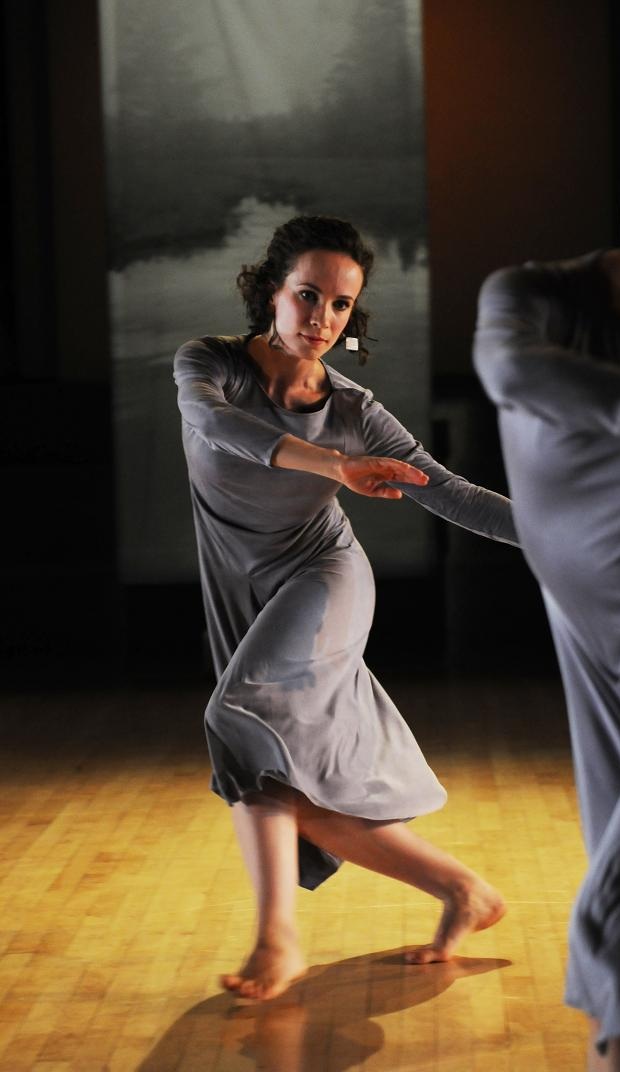
    Isabella worked with Reid Bartelme, Pontus’s rehearsal director, while Adrian perfected the partnering with Laura Mead, a lovely dancer I’d met earlier this year when she danced for Cherylyn Lavagnino. Laura will alternate with Isabella at The Joyce performances.
    6a00d8341c4e3853ef01676808dae9970b-800wi

    Laura Mead, photographed by Kokyat.

    I was curious to find that a second couple are also involved in the ballet, since in the film it is definitely a romantic triangle (real or illusory). But Gabrielle Lamb – a favorite dancer of mine – and the handsome Berlin-born danseur Jens Weber were working on another pas de deux, Gabrielle wearing the stiletto pumps that Wendy Whelan wears in the film.

    Morphoses12c

    Gabrielle and Jens, photo by Jade Young

    Now I’m very curious to see how the two couples will be woven into the story once the ballet takes the stage, and also to find how the staged dance dovetails with the film.

    As the appointed studio time seemed about to run out, Pontus let the other dancers go but he stayed behind to work on his solo passages with Reid. Evening was falling outside, and the studio took on a very dreamlike atmosphere.
    6a00d8341c4e3853ef01348752c312970c-800wi

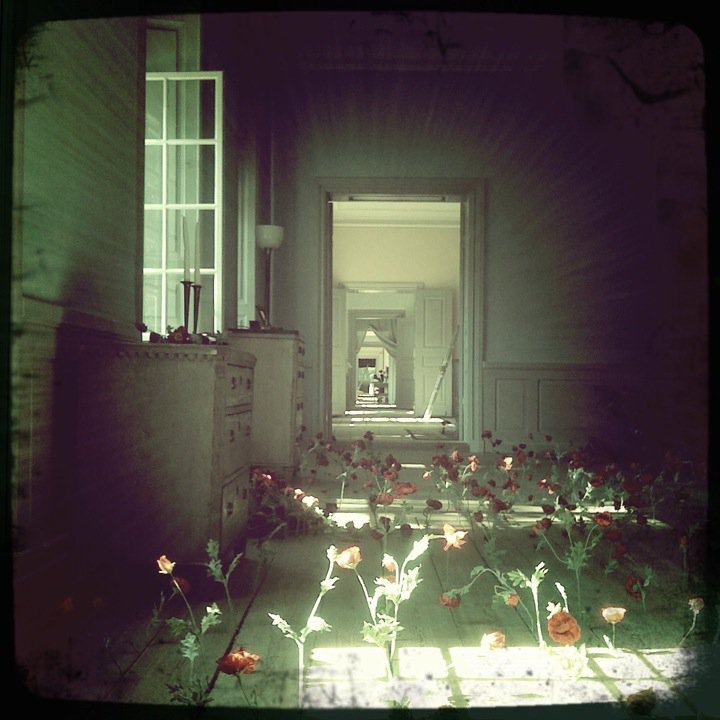
    If you have seen the film, you will recall the striking image of flowers growing thru the floorboards of the mysterious old castle where the film was shot; that’s a Wendy Whelan photo, above.

    Morphoses06b

    For today’s rehearsal, Pontus had brought his own flower. His dancing is so poetic, and in these last lingering moments of the rehearsal the outside world seemed to vanish and the beautiful dancer drew us into his dreamworld.

    Click on Jade’s images to enlarge.

  • Ballet Next @ The Joyce/Program B

    548378_10151181026112034_44545427_n

    Above: Charles Askegard and Michele Wiles of BALLET NEXT, photo by Paul B Goode.

    Wednesday October 24, 2012 – On this, the second evening of Ballet Next‘s current season at The Joyce, an exciting new ballet entitled BACHGROUND by Mauro Bigonzetti seemed to fascinate the audience, evoking a sustained ovation at the end. An excellent Stravinsky pas de deux choreographed by Charles Askegard and Brian Reeder’s dreamlike and evocative PICNIC were also performed – all to live music, and all danced by top-notch dancers.

    Charles Askegard’s setting of some of the fantastical music from Stravinsky’s BAISER DE LA FEE creates a fast-paced duet for the tall danseur and his partner, New York City Ballet‘s truly incredible Georgina Pazcoguin. As choreographer, Charles, who could write a textbook on the art of ballet partnering, devises a full range of of sizzling partnering motifs, some quite unique to his own language. He then proceeds to show us how it’s done. In combinations witty and fresh, Charles sets the Stravinsky score aglow, and both dancers have the agility and musicality to make it shine. In a brisk series of supported pirouettes, Gina made me dizzy. The duet sails brightly forward, propelled by the playing of violinist Hajnal Pivnik and pianist Ben Laude. A refreshing way to open an evening of dance.

    Brian Reeder’s PICNIC is set to the Shostakovich Cello Sonata in D, played by Elad Kabilio and Ben Laude. Finely lit by Alex Fogel and Brandon Sterling Baker, the ballet was inspired by the 1975 film PICNIC AT HANGING ROCK. Set in 1900, the story revolves around a group of Australian schoolgirls who go on an excursion to Hanging Rock; some of them never return, and the mystery of their disappearance was never solved.

    The ballet has been expanded since my first encounter with it earlier this year. Michele Wiles, Erin Arbuckle, Lily Nicole Balogh, Kristie Latham and Tifffany Mangulabnan are the white-frocked young ladies and Charles Askegard the mysterious observer who leads them astray. The girls seem quite innocent, though a kiss shared by Erin and Lily momentarily threatens to cross the line from chaste to impassioned. The narrative is gently applied, and the girls have many opportunities for expressive dancing: there are even fouettes for Kristie and Tffany. Musically and visually, PICNIC is all of a piece.

    Seated on folding chairs in geometric patterns of light and shadow, the six dancers in Mauro Bigonzetti’s BACHGROUND stare at us provocatively before erupting in a series of solos and duets in which the choreographer seems to ask the impossible in terms of elasticity, stretch and sheer nerve…and they all deliver brilliantly. Pianist Ben Laude plays Bach; the individual dancers come forward to dance as their colleagues watch or – in some cases – briskly turn their chairs to face upstage.

    Clifford Williams in a solo of mind-boggling contortions launches the ballet on its jaggedly thrilling way; his torso, gleaming with sweat, glows under the lights as he shapes his limbs into unbelievable poses. His performance drew sustained applause. Georgina Pazcoguin steps ravishingly forward; at first she seems like the Novice in THE CAGE about to have her way with Mr. Williams’ spent body, but he’s magically replaced by Jesus Pastor. In their pas de deux, Gina and Jesus embrace and unfold in torrid stylizations, Gina’s extension remarkably deployed. Kristie Latham and Lily Balogh dance in sync, speaking a complex gestural language; there is a pas de quatre danced in silence by the two girls, Clifford and Jesus. Jesus, wonderfully handsome and enticingly scruffy, has a solo that is passionately physical, and Michele Wiles and Clifford Williams perform another stunningly shaped pas de deux.

    Some of the partnering elements are lifted directly from Mr. Bigonzetti’s New York City Ballet hit OLTREMARE, but choreographers and composers have self-borrowed for centuries and when it works this well, why worry? The cumulative effect of music, movement, lighting and strikingly physical performances by the dancers in BACHGROUND evoked a prolonged ovation from the sold-out house.

  • Verdi REQUIEM @ Carnegie Hall

    Angel

    Tuesday October 23, 2012 – I’d been looking forward to this performance for weeks; the Verdi MESSA DA REQUIEM is one of my favorite pieces of music, glorious from first note to last. I have experienced some thrilling live performances over the years, including three superb evenings at Tanglewood. Great conductors, great soloists and top-notch choral groups have placed their stamp on this grandiose and poignant score.  

    Tonight’s performance will not fall in the memorable category, although the playing of the Philadelphia  Orchestra was thrilling, and the singers of the Westminster Symphonic Choir gave their hearts and souls to the work’s resplendent choral passages.

    Opening the work with an achingly slow and very inspiring rendering of the score’s first pages, conductor Yannick Nézet-Séguin went on to a very impressive performance of the entire work. He moulded the great arcs of music with a fine sense of grandeur and he and his players shone in the more introspective moments. Only his rather pretentious holding of the applause by not lowering his baton after a reasonable pause at the end seemed off-kilter; it wasn’t that profound of a performance.

    The REQUIEM is sometimes referred to as a ‘sacred opera’; it is so very operatic by nature that, as with all operas, performances of it tend to stand or fall by its principal vocalists. Tonight we had an even split of a surprisingly excellent mezzo-soprano and a very fine basso, aligned with a soprano who seemed sometimes on the verge of distress and a tenor who labored valiantly to make his once-generous voice flesh out Verdi’s magnificent melodies.

    791

    Christine Rice (above), a singer totally new to me, gave a very pleasing performance in every respect, Her timbre has a soprano feel to it, but she used a comfortably plush and resonant chest voice to make the most of her every phrase. In an evening of often wayward vocalism, I found myself sighing with relief whenever Ms. Rice stood up to sing. Basso Mikhail Petrenko might not have the sheer vocal heft of some of the singers who have preceded him in this music, but his sound is steady and warm and his vocalism is expressive. The opening pages of the Lacrymosa, where Ms. Rice and Mr. Petrenko joined forces, was the evening’s purest sonic pleasure.

    Marina Poplavskaya’s opening phrase was painful to the ear; her voice sounded unsteady and ill-sorted. As the evening progressed, a feeling of lack of vocal support grew. Her voice often sounded pallid and tentative, and she used a piano approach to high notes to cover a spreading quality that emerged when she sang full-out. Shortness of breath was worrisome, as were vagaries of pitch here and there; her lower-middle register did not always speak. And some of the most thrilling moments of the REQUIEM, when the soprano voice should sail out over the massed choral and orchestral forces, went for naught tonight as Ms. Poplevskaya’s sound was erased by the sopranos of the chorus.

    Opera lovers can’t help but be aware of Rolando Villazon’s vocal struggles in recent seasons. This very likeable singer tried to sing with his usual generosity and passion, but the sound now is smallish and grey. The top does not bloom, but narrows instead. And he has a very strange method of attacking notes with a biting huskiness. Attempting to make the music interesting, he drew down the tone to a thread at times but it did not sound well-supported; and a patch of off-pitch singing in the Hostias was disconcerting.

    It was a sad night for the soprano and tenor though the audience, typically, did not seem to notice anything was amiss. I wonder how much more impressive the evening would have been if different vocalists had taken on these roles. It was a squandered opportunity, in my view.

    • The Philadelphia Orchestra
      Yannick Nézet-Séguin, Music Director
    • Marina Poplavskaya, Soprano
    • Christine Rice, Mezzo-Soprano
    • Rolando Villazón, Tenor
    • Mikhail Petrenko, Bass
    • Westminster Symphonic Choir
      Joe Miller, Conductor
  • Baroque Collaboration @ The Players Club

    6a00d8341c4e3853ef0148c873b581970c-800wi

    Above: Jared Angle, in a Henry Leutwyler portrait.

    Friday September 28, 2012 – In a unique mingling of dance and song, New York City Ballet principal dancer Jared Angle and countertenor Anthony Roth Costanzo met up in the salon at the Players Club for a Baroque feast. Jared’s NYCB colleague Troy Schumacher (who is also the founder of Satellite Ballet) choreographed the Vivaldi piece in which Jared danced. At the harpsichord, the remarkable Bradley Brookshire made marvelous music all evening. The programme was presented as part of the Salon/Sanctuary Concerts series.

    Costanzo

    Above: Anthony Roth Costanzo, whose singing of Handel, Purcell and Vivaldi showed a delicious timbre, breath control of enviable security, and coloratura that left the listener astounded. For all the magic of his virtuoso vocalism, it was in the sustained poetry of the slow passages that the slender and agile young singer was at his most ingratiating. Tapering the phrases with staggering dynamic command, the voice spoke to us of a time when the great castrati brought audiences to the point of madness. If one or two highest notes seemed slightly strained, it hardly mattered. This was fabulous vocalism, and all the more fascinating for the engaging use of eyes and hands with which Anthony mesmerized his listeners.

    Bradley_2007_Headshot

    Bradley Brookshire (above) played solo works by Bach and Scarlatti, his scale passages rippling off the keyboard with fantastical velocity and precision. A master of timing and of coaxing colours out of his instrument, Bradley even made the silences speak. His musical rapport with the countertenor was a complete delight to experience.

    It was in the Vivaldi cantata Qual per ignoto calle that the artistry of the evening’s three participants converged. Clad in black tights and a simple grey shirt, Jared Angle stepped into the space where he encountered the bare-footed counter-tenor. Troy Schumacher’s choreography drew the singer into the dance, his lithe frame very much at ease with the movement. Jared circled Anthony like an unseen spirit, a guardian angel. Using his wonderfully expressive hands to poetic effect, Jared moved with consummate grace, sometimes lifting the singer and cradling him with consoling tenderness. There were passages where Jared displayed hs vituosity in leaps and turns, but he always returned to keeping watch over his charge. Bathed in the golden light of this antique salon, Jared’s face took on an other-worldly beauty. The duet hovered on the brink of unspoken romance – inevitable when two handsome men meet in an intimate setting – but the purity of the spell was never broken.


  • CONTRASTS at Riverside Church: Gallery

    DSC_5826

    A gallery of photographs by Rachel Neville from the recent performances of CONTRASTS at Riverside Church. Read about the programme here. Above: dancers Leonel Linares, Jerome Stigler and Alison Cook Beatty in Tony Morales’ SCENES.

    Click on each image to enlarge.
    DSC_6532

    From Yesid Lopez’s STRINGS

    DSC_6091

    Eric Williams, Lauren Perry and Reed Luplau in Lydia Johnson’s CHANGE OF HEART

    DJG_1998

    Reed Luplau, Chris Bloom and Eric Williams in Lydia Johnson’s CHANGE OF HEART

    DJG_2140

    Temple Kemezis and Max van der Sterre in Henning Rubsam’s HALF-LIFE

    DJG_2290

    Max van der Sterre and Oisin Monaghan in Henning Rubsam’s HALF-LIFE

    DSC_5881

    MarieLorene Fichaux and Nicole Corea in Tony Morales’ SCENES

    DSC_5998

    Alison Cook Beatty in Tony Morales’ SCENES

    DSC_6324

    Nicole Corea and Leonel Linares in Tony Morales’ AMOR BRUTAL

    DSC_6436

    Leonel Linares in Tony Morales’ AMOR BRUTAL

    DSC_6753

    Alison Cook Beatty and Kate Loh in Tony Morales’ PIANO PIECES

    DSC_6806

    MarieLorene Fichaux and Jerome Stigler in Tony Morales’ PIANO PIECES

    DSC_6862

    MarieLorene Fichaux and Jerome Stigler in Tony Morales’ PIANO PIECES

    DSC_6884

    Nicole Corea and Leonel Linares in Tony Morales’ PIANO PIECES

    My thanks to Rachel Neville for sharing her images with me.

  • Balanchine/Stravinsky @ NYC Ballet

    Igor stravinsky

    Thursday September 27, 2012 – The third programme in the New York City Ballet‘s 2012 Stravinsky festival included the first ballet that I ever saw the Company perform: BAISER DE LA FEE. This work of pure enchantment holds a special place in my heart and while the memory of Patricia McBride and Helgi Tomasson dancing the ballet’s principal roles on that first night roles stays strong in the memory, I was particulary keen to see tonight’s pairing of Tiler Peck and Gonzalo Garcia making their BAISER debuts.

    But first a zesty appetizer: SCHERZO A LA RUSSE was performed by students from SAB. It’s always fun to see, with it’s unfinished sentence at the end.

    BAISER with its intoxicating score (conducted by Jayce Ogren, who at the end of the evening gave us a delicious reading of FIREBIRD) always weaves its dreamy spell. And under that spell, Tiler Peck and Gonzalo Garcia danced superbly: Tiler’s pirouettes so swift, soft and fair, and Gonzalo brushing the floor with his fingertiips in his mysterious solo. Their artistry, individually and in unison, is thoroughly satisfying to experience. As the melody of ‘None but the lonely heart’ pulses in the orchestra, the dream ends – or does it go on? – as the lovers back away from one another, eyes heavenward. Alina Dronova and Faye Arthurs were very agile and lovely in their demi-soliste roles.

    DANSES CONCERTANTES with its fussy Eugene Berman costumes, old fashioned ‘flats’ setting and entr’acte curtain, has a music hall flavour. It seems a bit dated, and the score – perfectly pleasant – is unmemorable in the long run. Brilliant dancing from Megan Fairchild, Andrew Veyette and a dozen premiere corps dancers (forming four colour-coded  pas de trois) showed the ballet to its best advantage, but tonight it seemed longish and very much of a theatrical era that has vanished.

    Firebird_2

    But FIREBIRD seemed like solid gold tonight, with its glowing score – Stravinsky’s most marvelous, in my view – and its ever-entrancing Chagall designs. For me this is a ballet that never ages. Teresa Reichlen is an elegant vision in her fiery tutu, and with her fluttering gestures, her lovely stretched-out leaps and the gentle hush of her Berceuse, she was perfect. Ask LaCour and Savannah Lowery as the prince and princess were likewise impressive. And to the gorgeous melodies of their ensemble, a dozen fetching ballerinas in their Chagall peasant-gowns wove a particularly enchanting spell: Anderson, Arthurs, Brown, Hankes, King, Laracey, LeCrone, Mann, Pazcoguin, Pollack, Smith and Wellington – a fine corps-watchers opportunity. If the girls take the whole thing a bit tongue-in-cheek, that actually makes it all the more fun. Thank you, my beauties.

    SCHERZO À LA RUSSE: Students from the School of American Ballet

    DIVERTIMENTO FROM ‘LE BAISER DE LA FÉE’: *T. Peck, *Garcia, Arthurs, Dronova

    DANSES CONCERTANTES: M. Fairchild, Veyette

    FIREBIRD: Reichlen, la Cour, Lowery, Scordato

  • Escape to Stravinsky

    Igor s

    Wednesday September 26th, 2012 – When we’re feeling down, music, dance, art and nature become sources of solace and ways of leaving our troubles behind, at least for a span of time. Tonight an all-Stravinsky programme at New York City Ballet served as a surprising means of escape. While the ballets are all thrice-familiar Balanchine-Stravinsky masterpieces, the dancing as well as the unusual sensation of freshness being found in the scores drew me out of myself for a while.

    There were several cast changes this evening, with dancers scheduled for one ballet shifting to a different one to replace injured colleagues. It all turned out well in the end, though I was sorry not to see Abi Stafford dancing.

    The ballets look sleek and vital, and Kurt Nikkanen’s playing of the STRAVINSKY VIOLIN CONCERTO is always a pleasing experience. Curtain up, and there is Janie Taylor with the four boys. She does all the steps and port de bras that every woman who has ever danced this role have done, but her personal mystique is so intriguing you feel you’ve never seen the ballet before. Then each of the other three principals make their entree, and we’re off. I loved Sebastien Marcovici’s large-scale movement and his steady partnering. Robert Fairchild moves with incredible vitality; he and Janie are a great match-up in their pas de deux. Rebecca Krohn has one of her most congenial roles here; she was superb and she put me in mind of some of my earliest experiences with the leotard ballets, when the great ballerinas who knew Balanchine personally danced these roles. So good to see Faye Arthurs in a brief featured role, and the corps de ballet were looking spiffy with several appeasing faces and forms among their number.

    I’ll always remember my first encounter with MONUMENTUM/MOVEMENTS; it was at a Sunday matinee in the 1980s. I was going to a 4:00 PM Kathleen Battle recital at Alice Tully but I took a standing room spot for the NYCB matinee and just watched the opening ballet. Helene Alexopoulos danced the leading role; I adored her, and I was so fascinated by the way the dancers broke ranks and re-arranged themselves between movements.

    Tonight, the magnificent Maria Kowroski took the stage with her two cavaliers – Ask LaCour and Sebastien Marcovici – and it was a really impressive performance. Maria sculpted her long limbs gloriously into improbable shapes, ideally punctuating her phrasing on the music. The men gave her perfect support, and the audience gave the three a warm reception as they stepped out to bow. The Gesualdo score in particular stood out with burnished radiance in an evening of fine playing from the pit; Daniel Capps was the conductor here. 

    Although Autumn is approaching, it felt like Spring as Megan Fairchild and Chase Finlay took the stage for DUO CONCERTANT. This partnership, so thoroughly captivating in LIEBESLIEDER last season, gave this Balanchine classic a youthful glow. Chase is becoming – or maybe we should say ‘has become’ – quite the dashing cavalier, and when Megan ignited a manège of swift pirouettes, all seemed right with the world. Their joint allegro dancing was perfect, and in the slower and more tender passages of the ballet, the two dancers had just the right feeling of intimacy. Arturo Delmoni and Susan Walters were the musical duo. 

    Is there a more iconic image in all the Balanchine canon that the curtain-rise diagonal that opens SYMPHONY IN THREE MOVEMENTS?  But we only have seconds to savour it before Daniel Ulbricht comes sailing onstage and bursts into a series of fantastical leaps. Tiler Peck joins him in this rousing passage of tucked-up bounces. (And it’s time yet again to commend Tiler’s vast range and her contagious joy of dance). Savannah Lowery and Adrian Danchig-Waring danced vividly as is their wont, and the pas de deux with its oddly appealng melody was very well-danced by the delectable Sterling Hyltin and Amar Ramasar. Amar received a screaming bursts of applause at his curtain calls, and he deserved every bit of it.

    That opening diagonal and the ‘melting’ of it at the end of the ballet’s first movement showed us some of our current corps beauties. A very strong group of demi-solistes kept the opera glasses darting madly whenever they were onstage: mesdamoiselles Brown, King, Laracey, Pazcoguin and Smith and their cavaliers Alberda, Dieck, Laurent, Peiffer (long time, no see) and Schumacher.

    The house was far from full though there was considerable enthusiasm all evening. But it is so sad to see the 4th Ring gallery empty and gaping forlorn: that is the place where I and (I am sure) thousands of others first experienced the Balanchine/Stravinsky ballets. And if new generations are to be lured in, these seats at realistic prices are the place to do it.

    STRAVINSKY VIOLIN CONCERTO: Taylor [replacing Hyltin], R. Fairchild, Krohn, Marcovici [replacing Ramasar]

    MONUMENTUM PRO GESUALDO: Kowroski, la Cour
    pause
    MOVEMENTS FOR PIANO & ORCHESTRA: Kowroski, Marcovici
    pause
    DUO CONCERTANT: M. Fairchild, Finlay

    SYMPHONY IN THREE MOVEMENTS: Hyltin [replacing A. Stafford], T. Peck, Lowery, Ramasar [replacing J. Angle], Ulbricht, Danchig-Waring

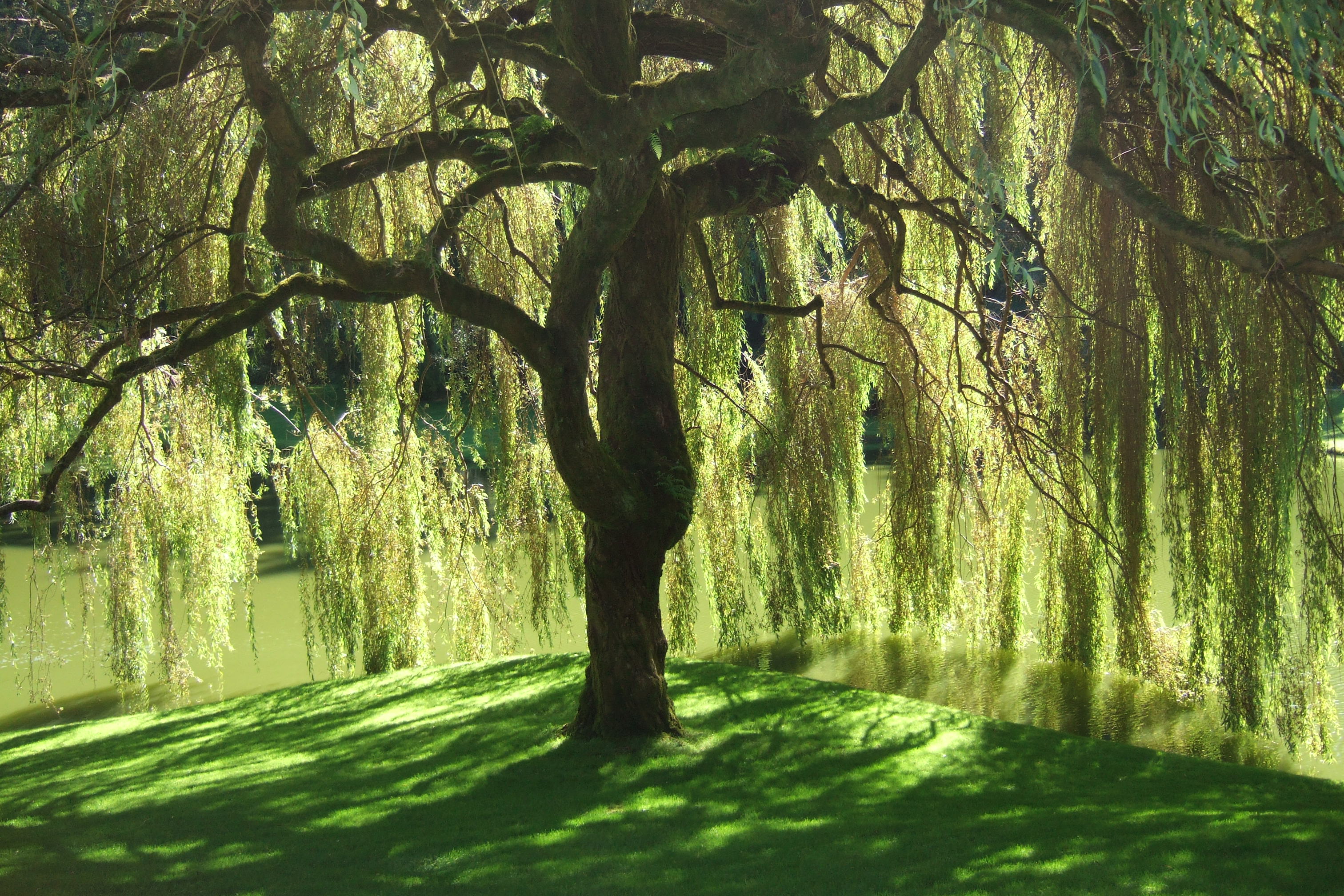
  • Willow Song

    Willow

    Beverly Sills sings the Willow Song from Douglas Moore’s BALLAD OF BABY DOE. The lyrics are so meaningful to me at this point in time.

    “Willow, where we met together…Willow, when our love was new…Willow, if he once should be returning pray tell him I am weeping too.

    So far from each other as the days pass in their emptiness away…O my love, must it be forever…never once again to meet as on that day…and never rediscover a way of telling all our hearts could say.

    Gone are the days of pleasure….gone are the friends I had of yore…only the recollection fatal of a word that was spoken: Nevermore…

    Willow, where we met together…Willow, when our love was new…Willow, if he once should be returning pray tell him I am weeping too…”

    2751_1018774880

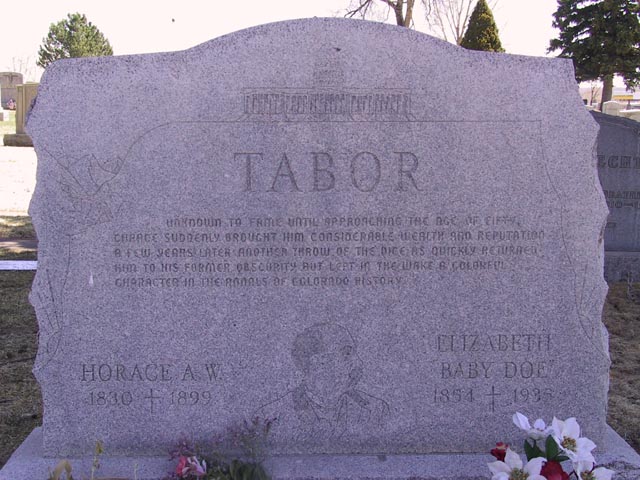
    The grave of Baby Doe and Horace Tabor, Mount Olivet Cemetery, Wheat Ridge, Colorado.