Author: Philip Gardner

  • TROVATORE from Rome/1967

    600full-giuseppe-verdi

    It’s taken me a while to locate, but I’ve now found on CD the 1967 performance of Verdi’s IL TROVATORE from Rome 1967 that I used to have on reel-to-reel and that always seemed to me to capture the essence of this melodious, melodramatic work. Conducted by Bruno Bartoletti, the performance features a quartet of principal artists (all Italian) who strike at the very heart of the opera, a score rooted in bel canto but also forward-looking in its way. Photo of the composer, above.

    Gabriella Tucci’s beautiful lirico-spinto voice made a great impression on my when i first heard her in Met broadcasts as Aida, Cio-Cio-San, Violetta and Desdemona back in the early 60s. These were my formative years as an opera-lover and Tucci’s voice spoke directly to my heart; there was a lovely vulnerable quality to her singing. I finally got to see her onstage, as Leonora in TROVATORE at the Old Met in 1965, and I heard her again in this role at a concert performance at the Newport Festival in 1967.  She is the Leonora of the 1967 Rome performance and re-affirms everything I loved about her in this music. She does experience one brief moment of pitch trouble during the high-lying arcs of the great fourth act aria, but everything else in her performance is sung quite beautifully. Her phrasing and use of the language seem to me to set her among the most persuasive of Verdi stylists.

    Piero Cappuccilli is the Conte di Luna, making his usual fine impression in terms of vocal attractiveness and breath-control. For me, it’s never been a really distinctive sound – I’m not sure I could pick out the Cappuccili voice in a ‘blind’ line-up of Italian baritones – but he had a huge career, much of it spent as Italy’s premier Verdi baritone.

    BergonziTrovatorea

    Carlo Bergonzi’s always been my favorite tenor; yes, I know that as time passed he tended to have trouble maintaining pitch in the upper range (he was originally a baritone) but for me his gorgeous timbre, dynamic mastery, fluid diction and stylish turnings of phrase make him The King. On this night in Rome, his opening serenade ‘Deserto sulla terra’ is ravishing to the ear and he crests up to the final phrase with such sustained and expressive vocalism that the audience erupts with cheers. Ever the scrupulous musician, Bergonzi delivers the trills in “Ah, si bel mio” with his customary polish, and his “Di quella pira” is made urgent not by shouting but by verbal emphasis. Such a wonderful document of him in this role.

    Fiorenza cossotto

    For all the excitement that Tucci, Cappuccilli and Bergonzi provide, it is Fiorenza Cossotto as Azucena who gives the evening’s most stunning performance. Cossotto’s voice, one of the grandest I ever heard live (as Eboli, Amneris, Santuzza, Azucena, and Dame Quickly) generates incredible excitement among the Rome audience. The protracted ovation after her Act II monologue reminded me of the night I saw her Amneris at The Met: although there were no curtain calls after the Judgement Scene, the audience gave Cossotto such a massive applause that the conductor was literally unable to commence the Tomb Scene for a good five minutes. Cossotto’s huge, round sound and her splendid emotional commitment (always musical – she never strayed from the notes for dramatic effect) are on peak form for the Rome Azucena, a thrilling sonic experience.

    Cossotto establishes her majestic vocal presence immediately in “Stride la vampa” but it is in her great monolog “Condotta ell’era in ceppi,” as Azucena describes her mother’s execution, where the mezzo soars into the musico-dramatic stratosphere with a searing performance that elicits an endless ovation from the crowd. This is Italian opera at its most thrilling, and few singers over time could match Cossotto in her prime for vocal and emotional generosity. She continues to dominate this Rome performance right to her final triumphant high B-flat. 

    The sound quality is pretty good for the period, and Bruno Bartoletti keeps things humming along in the pit and allows his singers to sustain cherished notes – sometimes in a competitive way – which makes for an extra thrill here and there. I so enjoyed listening to this performance again after many years.

  • The Girls from Covenant

    L1110208

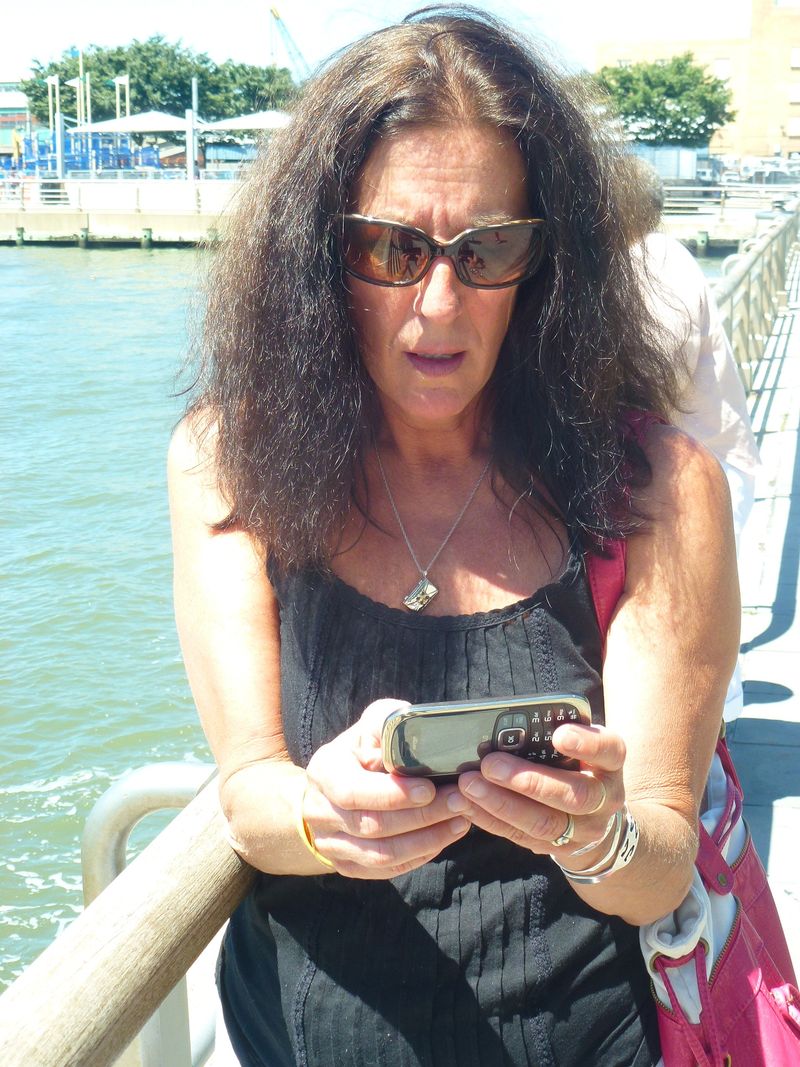
    In 1976, I started a temp job at Covenant Insurance Company in Hartford, Connecticut. After temping for a couple of weeks, I was hired full-time as a mail clerk. Within a year, I started training to be a claim rep and I eventually took over an inside adjuster’s desk; I remained with the Company for 22 years, surviving two buy-outs (by American States Insurance and then by Safeco) and left in 1998 to move to New York City.

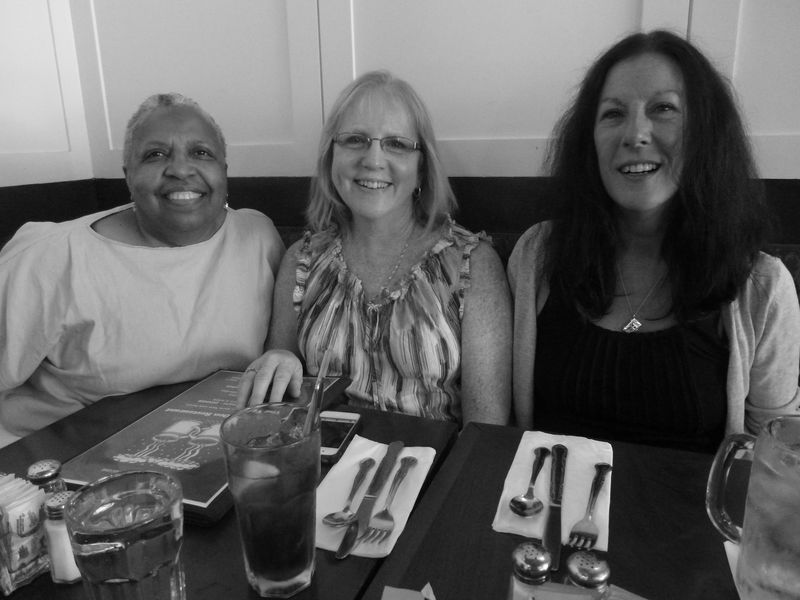
    Handling insurance claims is a stressful and thankless job: you are always saying ‘no’ to someone, it seems. What made the job bearable (and the days almost enjoyable – almost being the key word) were the people I worked with. From the start, the three women above – Jackie, Trudy and Judy – were among my all-time favorite colleagues. As time passed, they each left to work elsewhere. We kept in touch but seldom saw each other, and after I moved to New York City I heard from them only rarely. But we kept afloat the idea of a reunion and today (July 25, 2012) it finally came to pass, after a lapse of almost a quarter-century since I last saw any of them.
    With more than two decades of catching up to do, the conversation over lunch jumped from topic to topic as they talked about their kids (and Jackie about her grand-kids) and we reminisced about people we’d worked with (“Where’s whats-his-name these days?”) who we’ve lost track of. Many of our co-workers have since passed away, of course; we recalled how everyone smoked in the office back in the day, and several kept bottles of booze stashed away in their desks or credenzas and went to imbibe in the bathroom stalls or in their cars during lunch break. Office affairs were commonplace; people who were thought to be happily married were found to be otherwise, forming improbable liaisons along the way.

    L1110226

    We walked over by the river, and then took a hike along to the High Line (which has now become a tourist destination and is rather commercialized), ending up at a pub on 8th Avenue for a drink before they headed back to Grand Central.

    L1110224

    Trudy & Jackie

    L1110216

    Judy and I took private ballet classes together for a while; she had studied as the Hartford Ballet, and she still has ballerina hair.

    We parted, agreeing that it would be a good idea not to wait another 25 years before we arrange to meet again.  

  • Gathering of Stars

    Requiem + renata

    Nicolai Ghiaurov, Fiorenza Cossotto, Renata Tebaldi, Leontyne Price and Carlo Bergonzi backstage at Carnegie Hall following a performance of the Verdi REQUIEM in 1964. Price, Cossotto, Bergonzi and Ghiaurov were the soloists, and Tebaldi was visiting her colleagues in the green room after the performance. Herbert von Karajan conducted.

  • Hurensohn

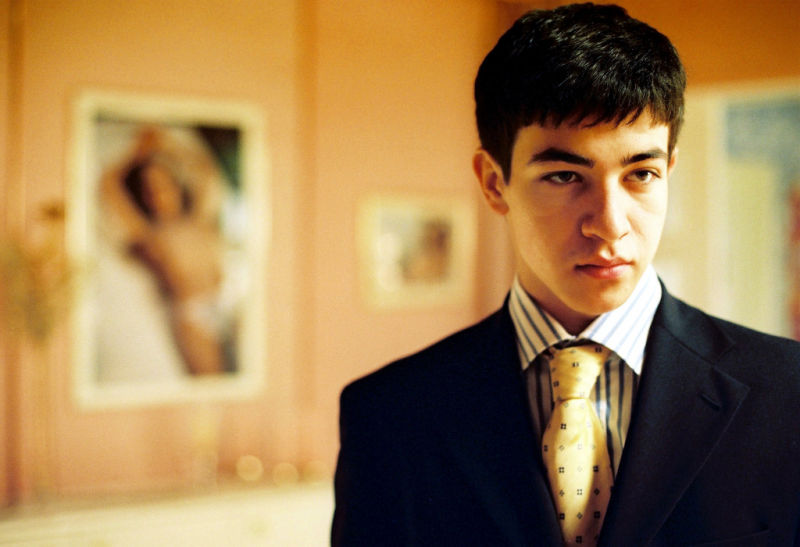
    STANISLAV LISNIC

    Stanislav Lisnic in THE WHORE’S SON.

  • POB: Orpheus and Eurydice

    Orpheus

    Saturday July 21, 2012 – The Paris Opera Ballet concluded their 2012 guest-season at Lincoln Center with Pina Bausch’s staging of Gluck’s immortal opera based on the myth of the singer Orpheus, a man who braves the furies of hell to bring his beloved wife back from the dead. Bausch created her version of the opera in 1975 at Wuppertal and it entered the repertoire of the Paris Opera Ballet in 2005.

    Ms. Bausch eschews Gluck’s plan for the opera to end happily; the composer has the gods taking pity on Orpheus after he has caused Eurydice’s ‘second death’ and she is restored to him. In her setting, Ms. Bausch follows the course of the myth: by disobeying the decree that he not look at his wife until they have left the Underworld, Orpheus loses Eurydice forever. He is condemned to wander the Earth, lonely and tormented, until he his torn to shreds by the Maenads. This gruesome conclusion is not depicted onstage; we simply see the dead Eurydice and her distraught husband in a final tableau as the light fades.

    The Paris Opera Ballet‘s production, vivid in its simplicity and superbly performed by dancers and musicians alike, made for an absorbing evening. A packed house seemed to be keenly attentive to the narrative; the silence in the theatre was palpable. The only slight drawback in the presentation was the need for two rather long set-changing pauses during the first half of the evening; the house lights were brought to quarter and the audience began to chatter. Fortunately, order was quickly restored once the music started up again. The second act, with its unbroken spell of impending doom and its heart-breaking rendering of the great lament “J’ai perdu mon Eurydice” by the superb mezzo-soprano Maria Riccarda Wesseling – the audience seemed scarcely to draw breath while she spun out a miraculous thread of sound in the aria’s final verse – was as fine a half-hour as I have ever spent in the theatre.

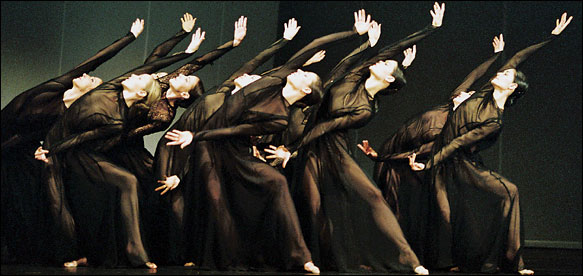
    The opera was sung in German, with the chorus seated in the orchestra pit. Each of the three principal roles in the opera is doubled by a dancer and a singer. The three singers, clad in simple black gowns, move about the stage and sometimes participate in the action. So fine were the musical aspects of the performance that the opera could well have stood alone, even without the excellent choreography.

    151

    Ms. Wesseling (above) was a revelation; her timbre reminded me at times of the younger days of Waltraud Meier and she shares with that great artist an intensity and personal commitment that make her singing resonate on an emotional level. Ms. Wesseling’s sustained and superbly coloured rendering of  “J’ai perdu mon Eurydice” – with remarkable dynamic gradations – was so poignant; how I wish we could have her at The Met, as Gluck’s Iphigenie perhaps. The two sopranos, Yun Jung Choi (Eurydice) and Zoe Nicolaidou (Amour), gave lovely performances. Conductor Manlio Benzi wrought the score with clarity and dramatic nuance, wonderfully carried out by the musicians and singers of the Balthasar-Neumann Ensemble

    In this powerful musical setting, Ms. Bausch moves her dancers with dignity and grace; the ritualistic passages for female ensemble evoked thoughts of Martha Graham, and reminded Kokyat of Lydia Johnson’s stylishly flowing images of sisterhood. As Orfeo, Nicolas Paul looked spectacular in flesh-tone briefs, his torso god-like and his anguish expressed by every centimeter of his physique. Tall and radiant, Alice Renavand looked tres chic in her red gown as Eurydice. Charlotte Ranson was a lively angel in white as Amour. 

    It was in the second half of the evening where Ms. Bausch’s vision transcended theatricality and took on a deeply personal aspect. Nicolas Paul as Orpheus strove movingly to ignore his wife’s pleas to look her in the face; when at last he could no longer withstand her torment, the fatal moment comes. Ms Renavand collapses on her singer-counterpart’s body and remains prone and absolutely still as Ms. Wesseling sings the great lament. Mr. Paul kneels, facing upstage, in a pool of light which accentuates the gleaming sweat on his back. In this simple tableau, so much is expressed without movement of any kind. The voice of Orpheus in his grief fills the space and the soul.

    The Dancers:

    Alice Renavand (Eurydice), Nicolas Paul (Orphée), Charlotte Ranson (Amour)

    The Singers:

    Orpheus: Maria Riccarda Wesseling
    Eurydice: Yun Jung Choi
    Amore: Zoe Nicolaidou

  • Boylston/Simkin SWAN LAKE @ ABT

    Simkin

    Wednesday June 27, 2012 matinee – Alas that the performance I most wanted to see during ABT‘s week of SWAN LAKEs fell on a Wednesday matinee. I knew it would be a bad audience experience and I was right about that; actually, considering the vast number of children in the audience it wasn’t as bad as it might have been. But of course seated right behind us were a mother and her three kids who whispered and squirmed and ate and drank their way through the matinee. Eventually I gave up my excellent seat and moved to the balcony boxes so I could concentrate.

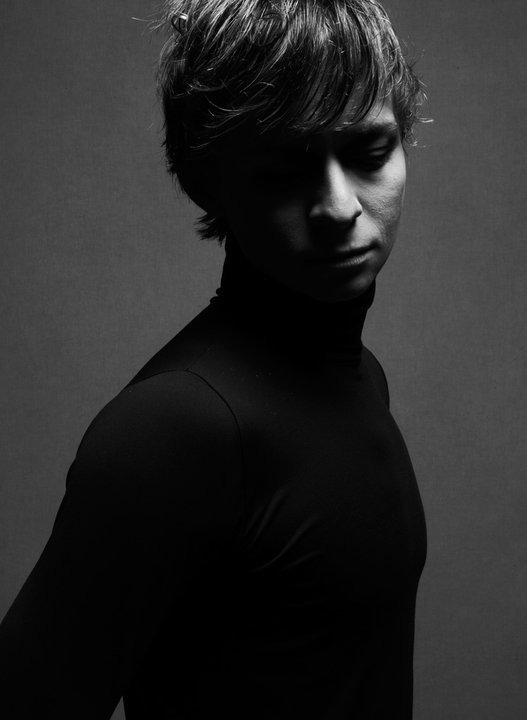
    ABT‘s SWAN LAKE is overall rather dull; the ‘traditional’ parts – especially the first lakeside scene – are of course quite lovely but there’s a whole catalog of tedious bits that detract from the focus of the narrative. Nonetheless, it serves ABT‘s purpose as a producton into which each principal ballerina and danseur can be plugged for their annual go at Odette/Odile and her Prince. Today, though, the casting  was fresh: soloists Isabella Boylston and Daniil Simkin (photo above) tackled these iconic roles for the first time at The Met and scored a resounding success.

    Daniil, point blank, is a dancer I love. Although I don’t go to ABT all that frequently, I am always happy to find Daniil dancing on a day that I am there. And so when he was listed for his first Siegfried, I immediately put this matinee on my calendar. Having seen many 30-to-40 year old Siegfrieds over the years (not that I’m complaining: they’ve been wonderful!) it was really refreshing to witness Daniil’s youthful elegance in the role. Carrying himself with inborn dignity, Daniil brought a sense of true innocence to the ballet. Heart on sleeve, he went bravely into the uncharted territory of first love; that his passion would lead to his eventual doom never entered his mind. Throughout the performance, his boyish figure and expressive face kept us strongly focused on Siegfried’s story. Daniil’s dancing was fleet-footed, immaculate and supremely musical.

    Isabella Boylston’s Odette/Odile was a lovely creation, beautifully danced. She hasn’t quite found the quality of mystery that will eventually make her Odette truly impressive, but her interpretation is already well-formed and she is quite a sparklingly powerful Odile. Boylston had the crowd with her from the start, reaping a burst of cheers for her fouettes and a huge shout of approval at her solo bow.

    Jared Matthews was superb in Rothbart’s ‘hypnotic’ solo – an unnecessary passage, but Jared made it eminently worthwile. Kristi Boone and Karen Uphoff were luxuriant as the leading swans, but the idea of casting three soloists among the four cygnets didn’t come off: each ballerina seemed to be in her own world and the result was lack of coordination and a rather bumpy traversal of the space. The Act I pas de trois was finely danced by Joseph Gorak, Devon Teuscher and Christine Schevchenko. 

    In the Black Swan act, the national dances are lamely choreographed but I did very much like Simone Messmer in Spanish and thought – watching her watching the proceedings with her own personal mystique in play – what a fascinating Swan Queen she would be.

    Simkin and Boylston taking their bows here.

  • Cherylyn Lavagnino Dance: Gallery

    Copy of A36

    Above: Eric Williams and Sarah Bek in Cherylyn Lavagnino’s Ménage. Photo by Kokyat.

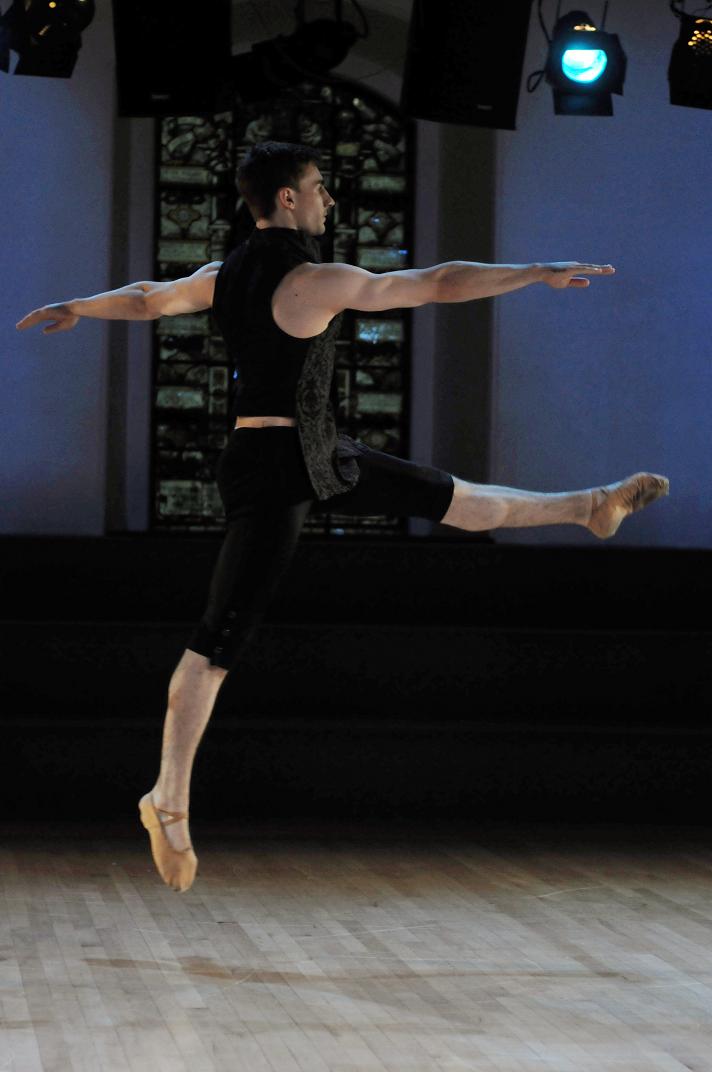
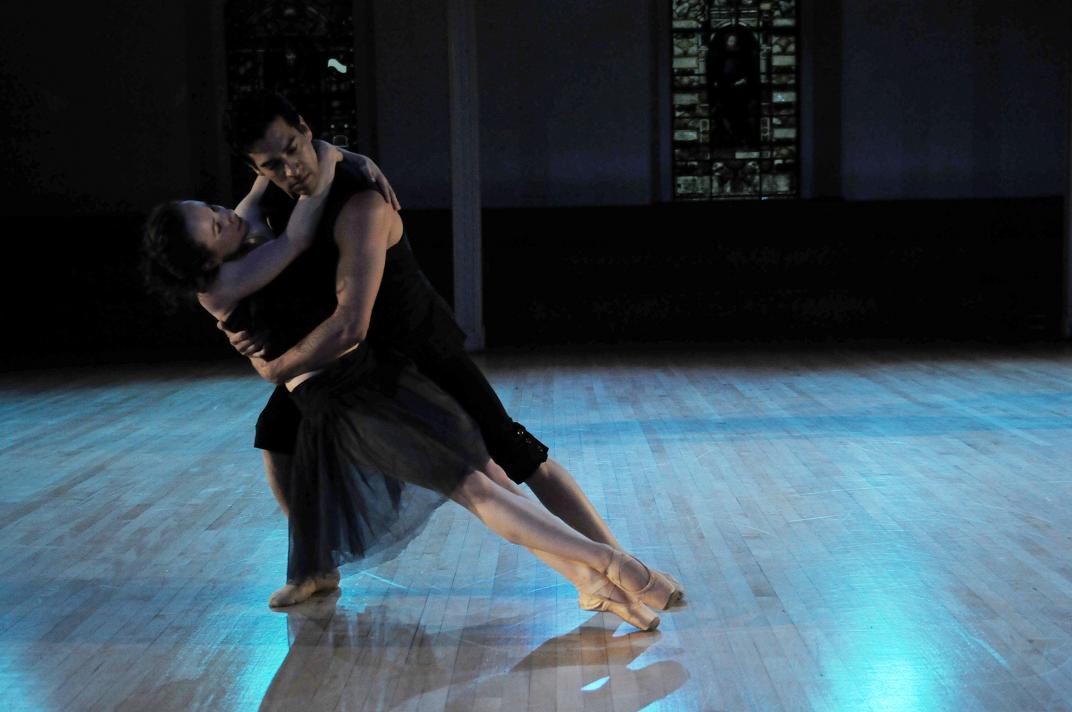
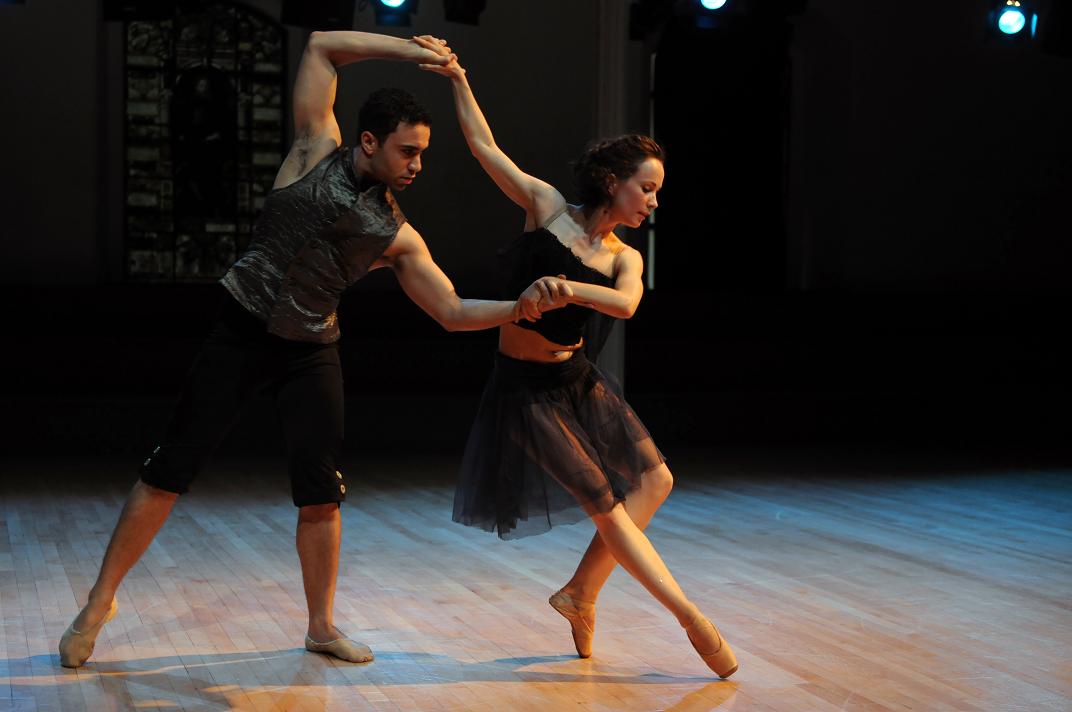
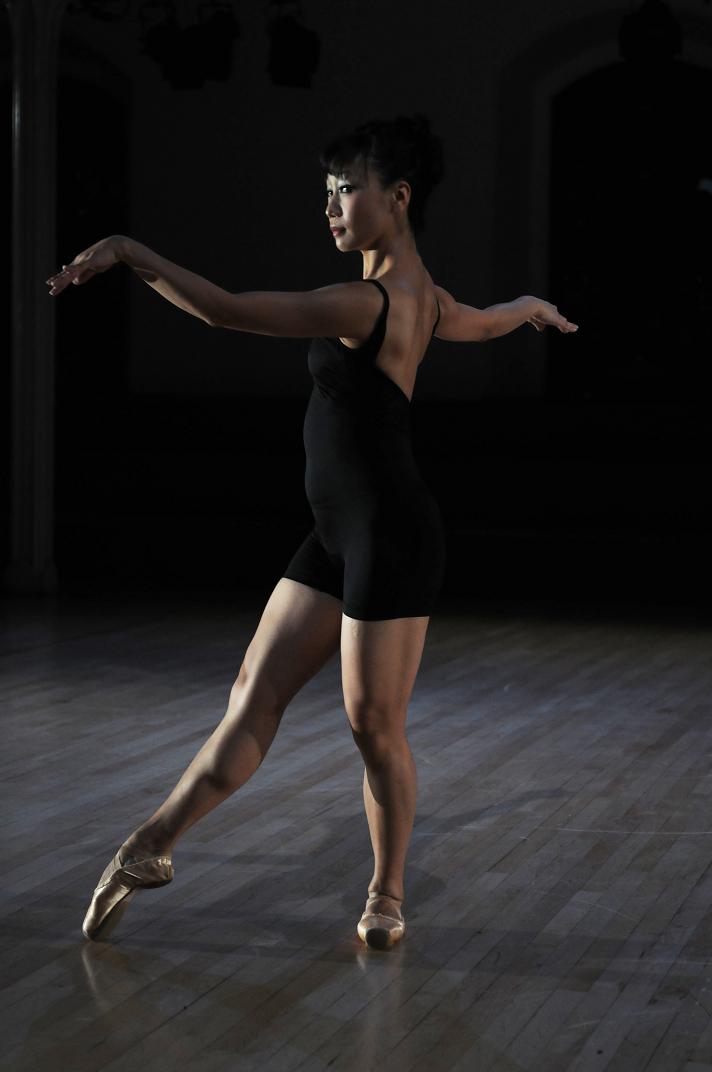
    Since we weren’t able to attend their performances at St Mark’s Church on these final days of June 2012, Cherylyn Lavagnino Dance very kindly invited Kokyat and me to watch/photograph their dress rehearsal. The performance space at St. Mark’s is really impressive: the high ceiling, the polished floor, the wrap-around mezzanine, the stained glass windows.

    The three danceworks were beautifully lit and the overall atmosphere was tranquil, well-suited to the lyricsm of Ms. Lavagnino’s choreographic style.

    The opening work, Ménage has a Degas feeling; it is set to music by Scott Killian, Jacob Lawson and Jane Chung. 

    Here is a series of Kokyat’s images from Ménage:

    Copy of A3

    Selina Chau, Sarah Bek, Laura Mead, Claire Westby

    Copy of A8

    sarah Bek, Claire Westby

    Copy of A14

    Eric Williams, Justin Flores

    Copy of A15

    Eric Williams

    Copy of A19

    Selina Chau, Eric Williams

    Copy of A26

    Laura Mead, Justin Flores

    Copy of A20

    Laura Mead, Justin Flores

    Copy of A29

    Sarah Bek

    Copy of A38

    Eric Williams, Sarah Bek

    Copy of A42

    Laura Mead, Josh Palmer

    Copy of A45

    Josh Palmer and Laura Mead in Ménage.

    The pas de deux entitled Deux en Peu was created to the Andante con moto from Franz Schubert’s Trio in E-flat major. In the photos below, the dancers are Selina Chau and Josh Palmer.

    Copy of B8

    Copy of B1

    Copy of B6

    Copy of B19

    Copy of B20

    All photos by Kokyat. A second gallery featuring images from Cherylyn Lavagnino’s Triptych (a premiere) appears here.

  • Lydia Johnson Dance @ Peridance – Part 4

    Copy of A48

    Above: Kokyat’s image from Lydia Johnson’s CROSSINGS BY RIVER

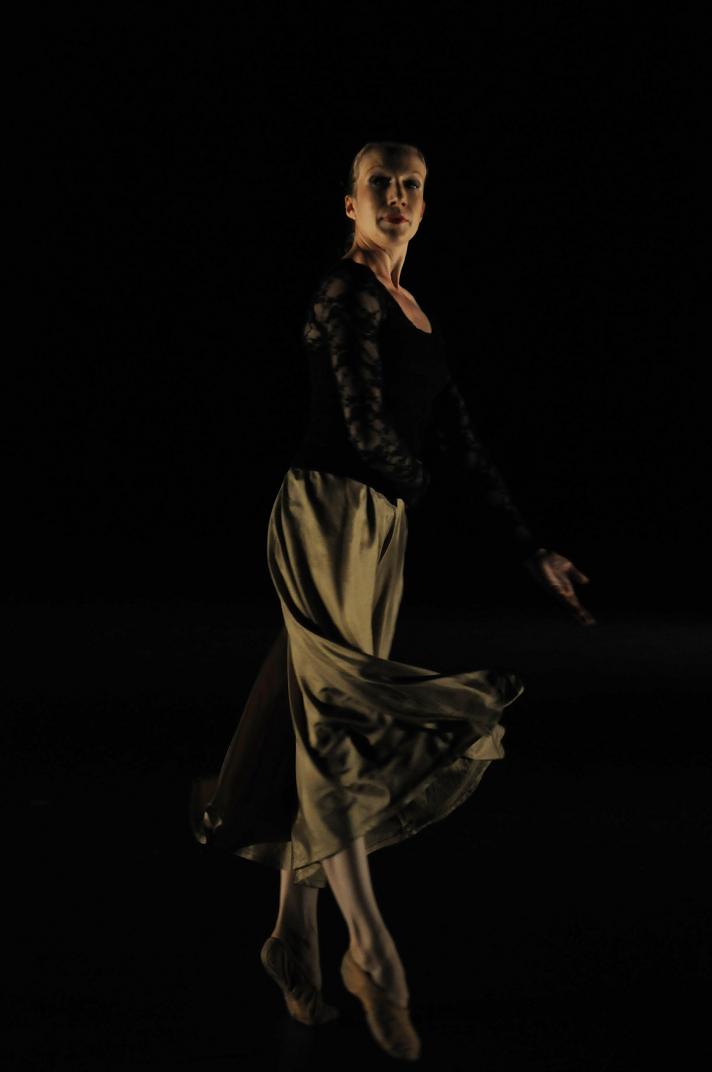
    Sunday June 24, 2012 matinee – Seeing a vast number of dance performances every season – to say nothing of the invitations I must turn down due to my packed schedule (and sometimes – admittedly – due to my sheer lack of interest) – I’m always glad when the annual performances by Lydia Johnson Dance come round. Lydia’s programmes are rewarding on so many levels: her musical choices are astute; her danceworks are thoughtfully crafted and pleasing both to the eye and the spirit; her dancers – whether those long associated with her style or guests invited for specific projects – are invariably beautiful, committed and moving. Lydia steers wonderfully clear of empty theatricality, and of vapid sentimentality, and of the twin dance crimes of cleverness and cuteness (which is not to say that playfulness is abjured, nor wit for that matter). Her works resonate with a direct emotional link to the music and with an expansive view of the human condition, whether they be imtimate domestic dramas, or reflections of the rites of community, or simply abstract visions of the sheer joy of the human body in motion.

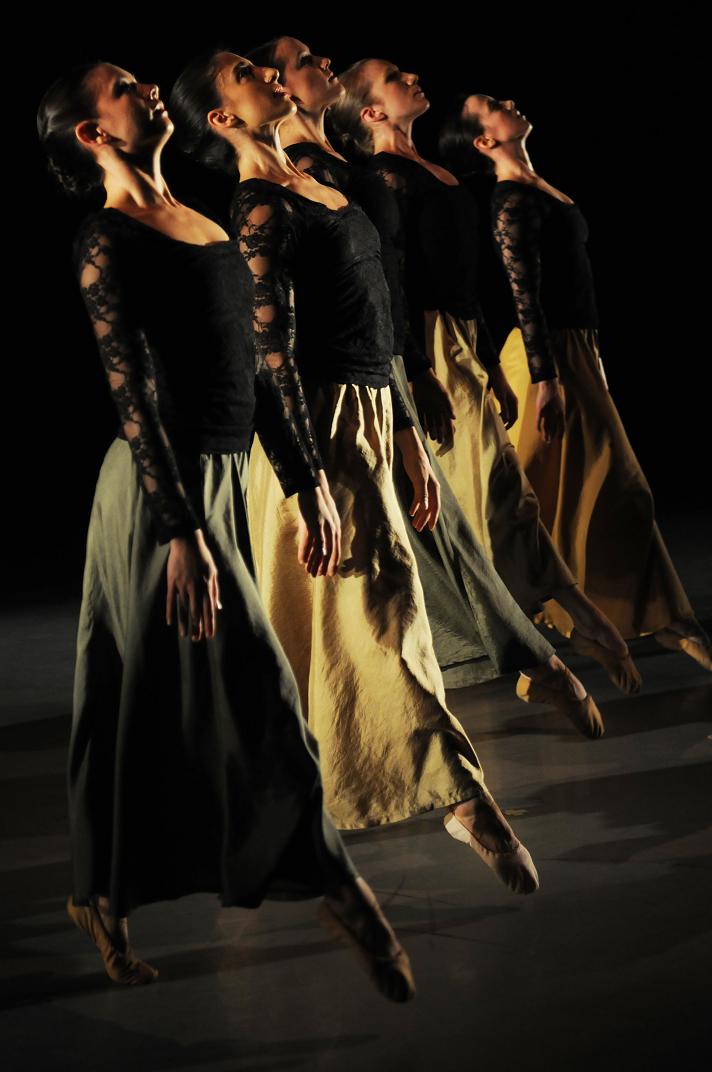
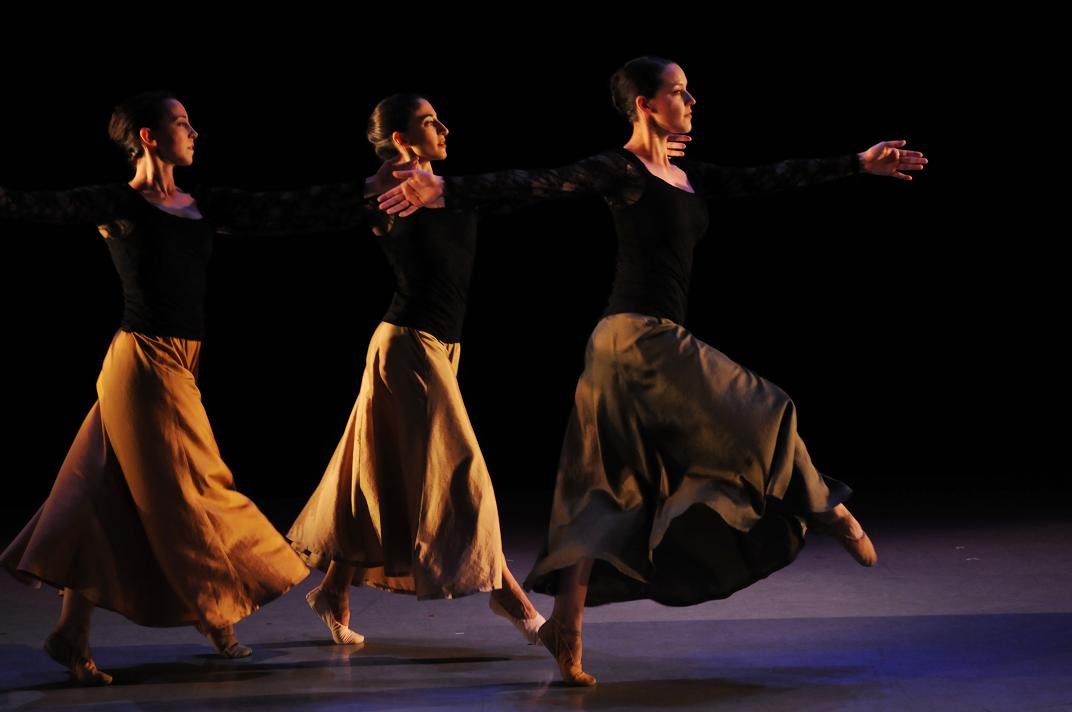
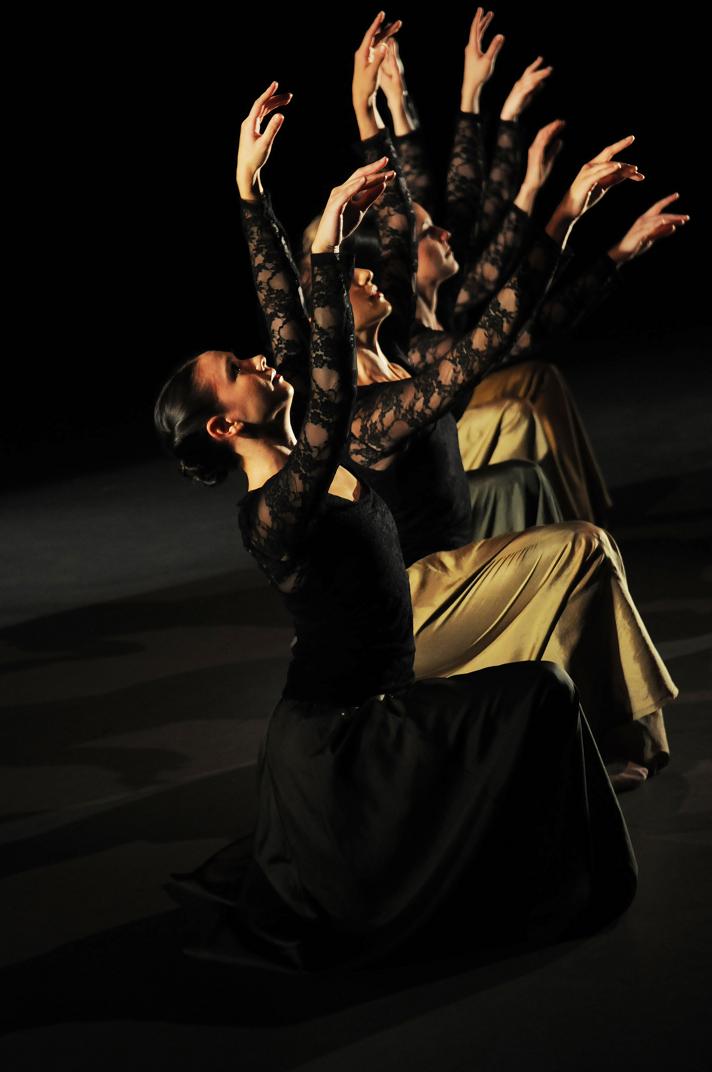
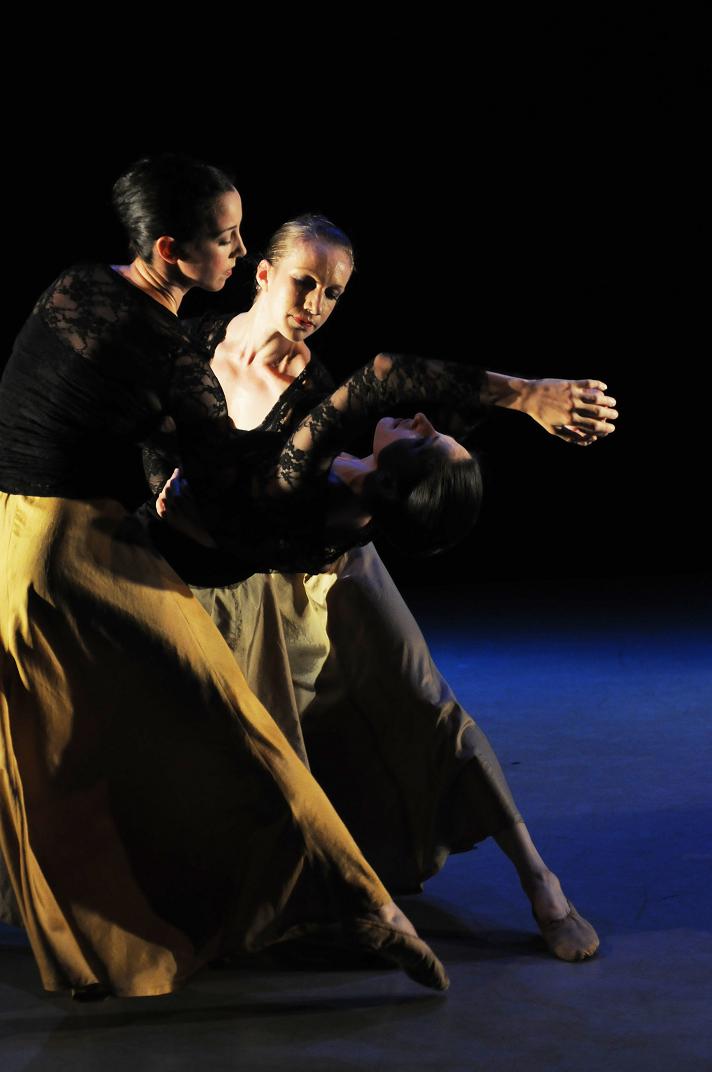
    In what I now consider to be her most beautiful work to date, Lydia opened her engrossing programme today with a piece for female ensemble entitled CROSSINGS BY RIVER. Set to mystical sacred music by Osvaldo Golijov, this dance – so expressively executed – gave me those deep tingles of emotional response that come but rarely these days, indicating that the choreographer has taken the music – already striking in its own right – and given it a visual aspect that seems inevitable.

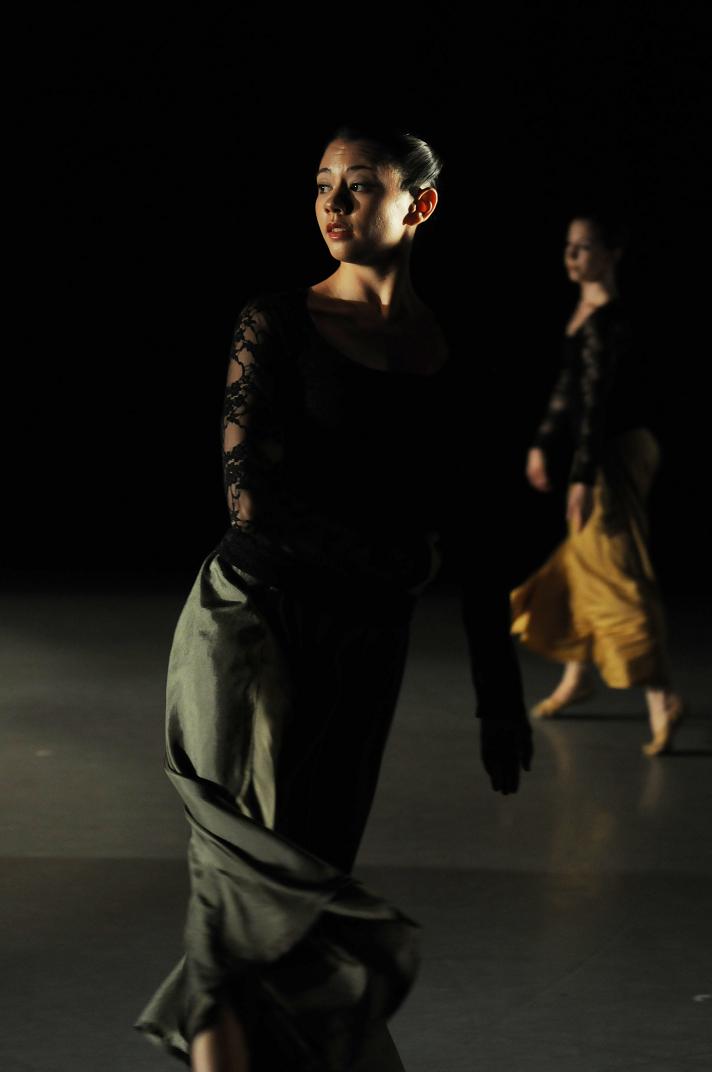
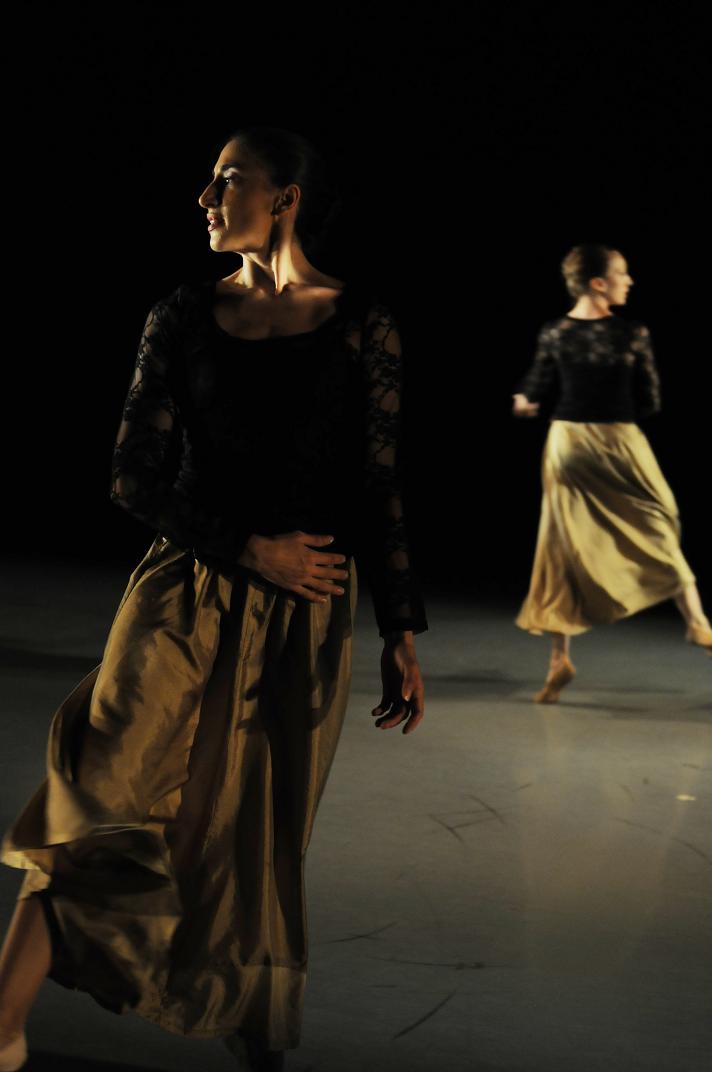
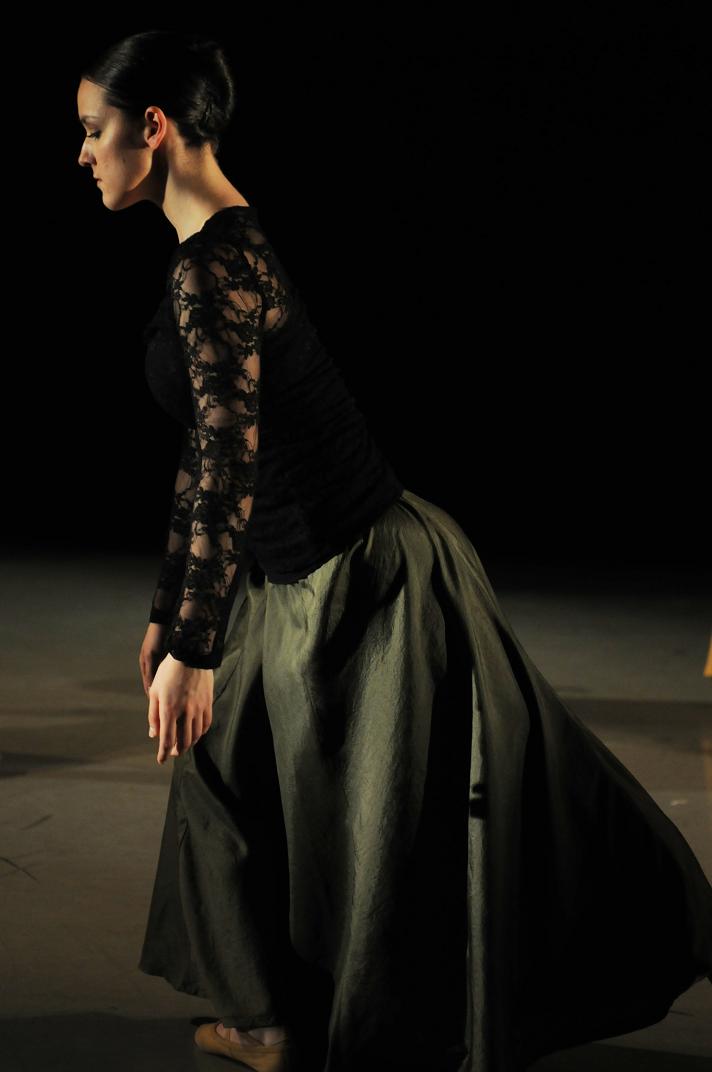
    Having watched this work evolve from one of its earliest rehearsals, I found the experience of seeing it staged and lit to be extremely moving both in its innate spiritual quality and in the serene and dedicated dancing of the five women: Laura DiOrio, Lisa Iannacito McBride, Jessica Sand, Kaitlin Accetta and Sarah Pon. Putting me in mind of the ritualistic works of Martha Graham, CROSSINGS BY RIVER carries on the great dance tradition of memorable works for female ensemble. It needs to be seen and savoured.

    Here is a gallery of Kokyat’s images from this Golijov dancework:

    Copy of A5

    Laura DiOrio, Lisa Iannicito McBride, Jessica Sand

    Copy of A19

    Jessica Sand

    Copy of A26

    Jessica Sand, Lisa Iannacito McBride, Kaitlin Accetta

    Copy of A27

    Sarah Pon

    Copy of A28

    Lisa Iannacito McBride

    Copy of A33

    Kaitlin Accetta

    Copy of A15

    Laura DiOrio

    Copy of A45

    Copy of A50

    Jessica Sand, Laura DiOrio, Lisa Iannacito McBride

    Copy of A55

    Jessica, Lisa & Laura

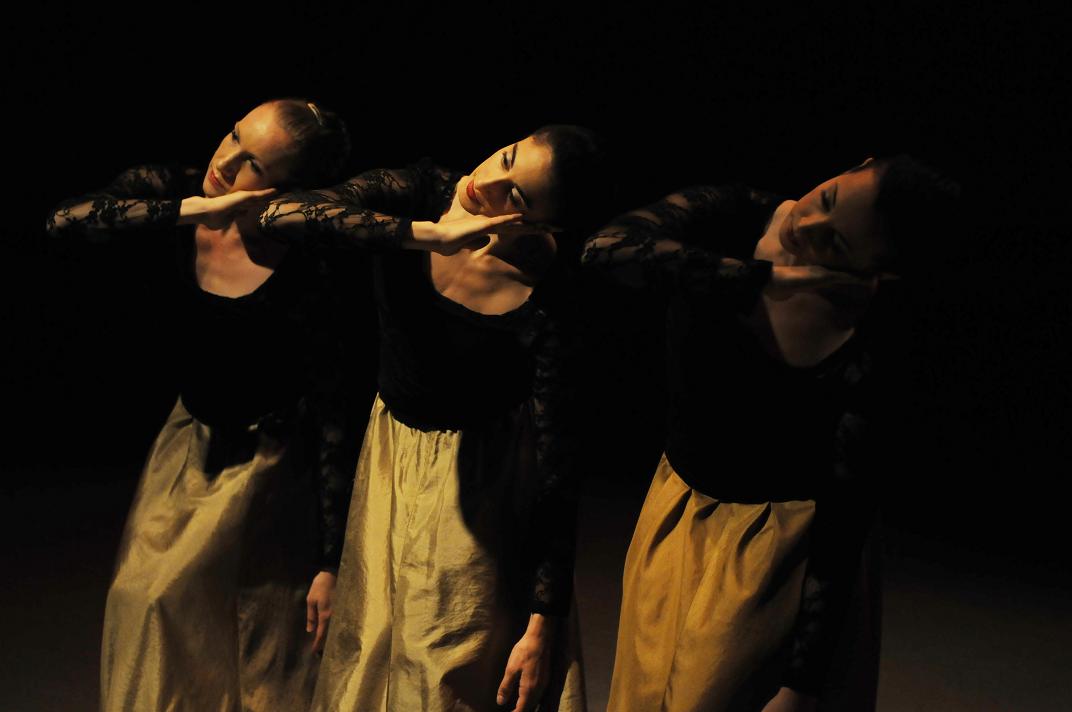
    The costumes for CROSSINGS BY RIVER – soft, satiny skirts and lacy black bodices – were designed by Jessica Sand. The photos are by Kokyat, taken at the dress rehearsal.

    More about this evening of dance here, with still more to follow.

  • Lydia Johnson Dance @ Peridance – Part 3

    Copy of 36

    Above: Reed Luplau of the Lar Lubovitch Dance Company in a guest appearance with Lydia Johnson Dance @ Peridance. Photo by Kokyat.

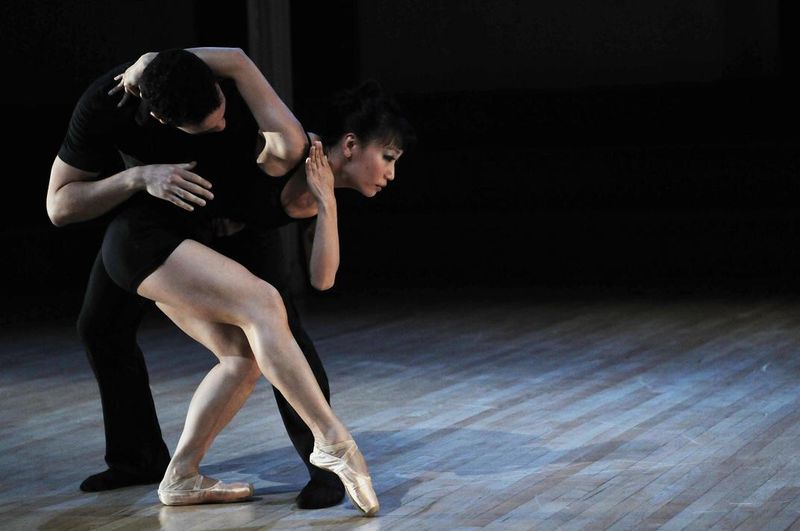
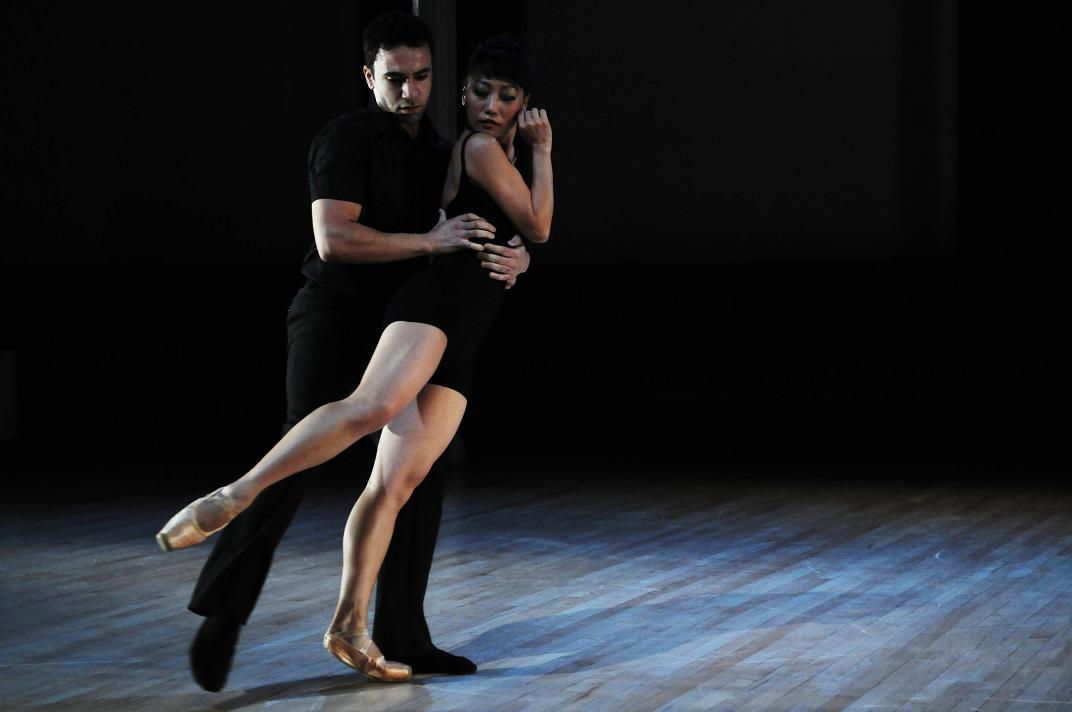
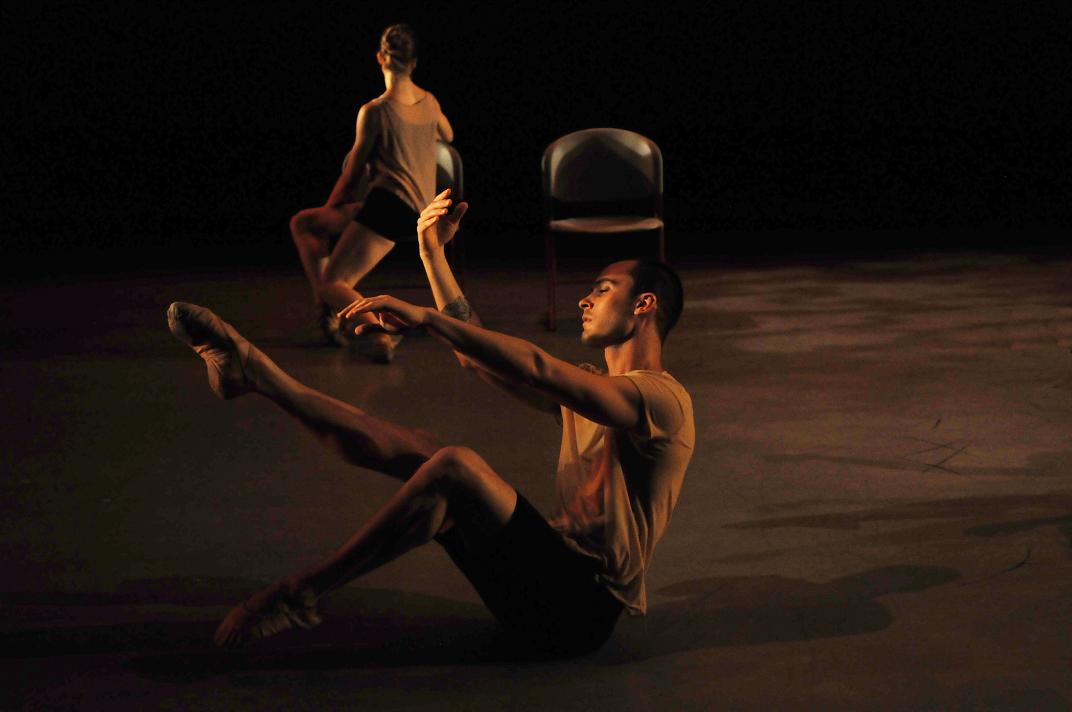
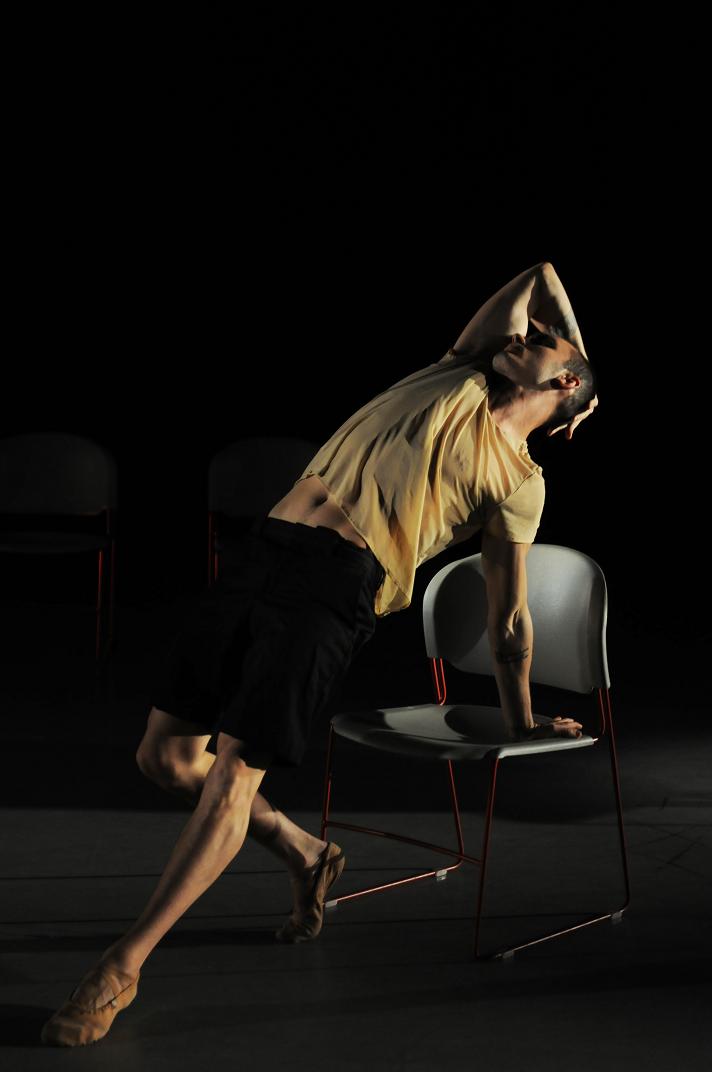
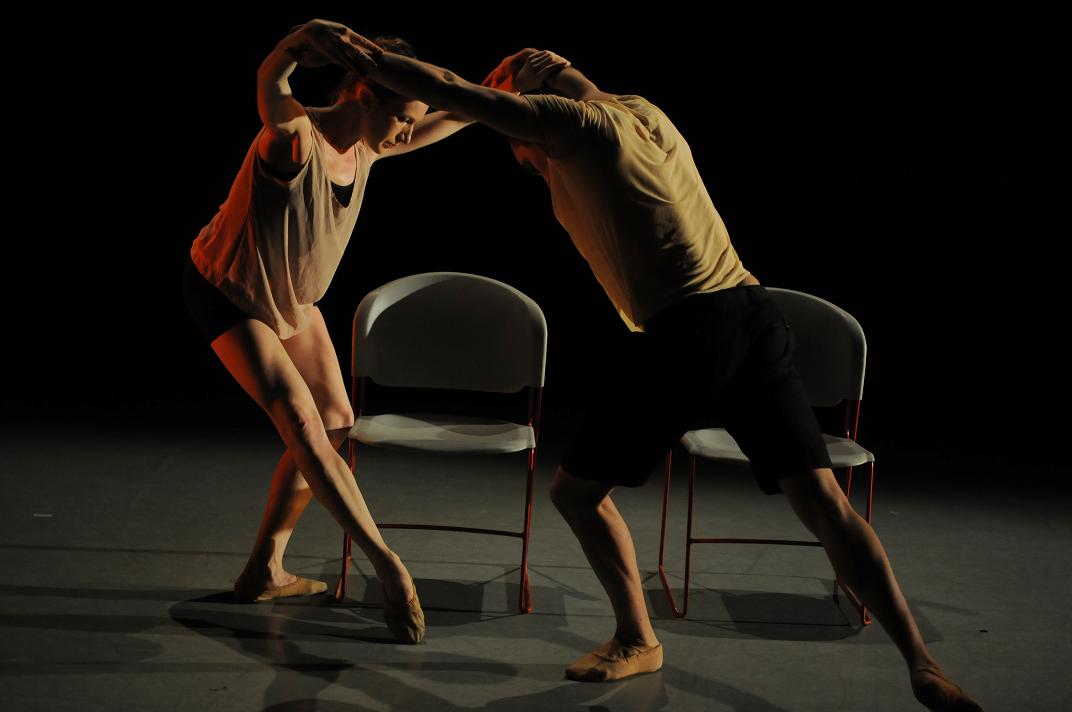
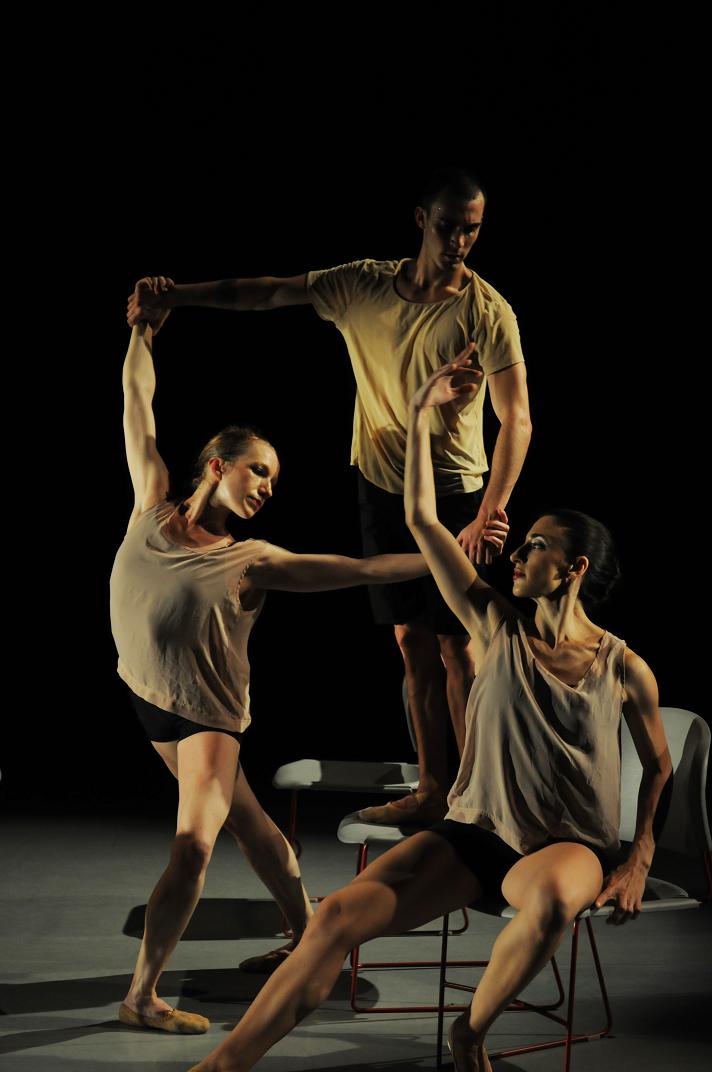
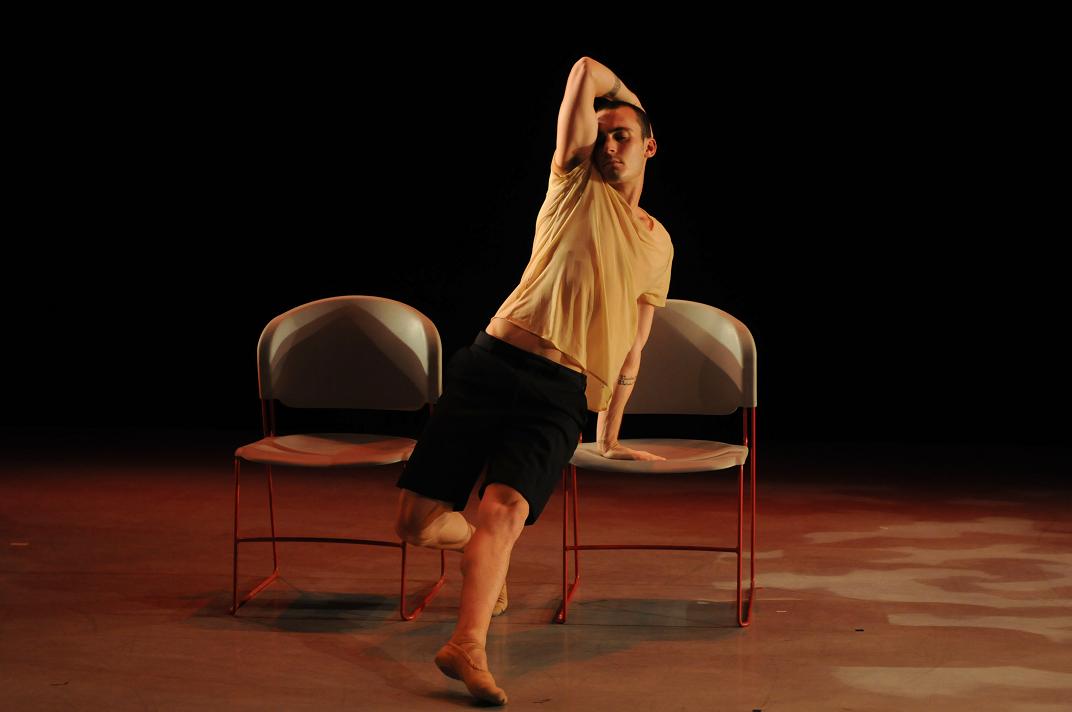
    Haunting and unique, Lydia Johnson’s SUMMER HOUSE is set to chamber works by Philip Glass. In this dreamlike piece, a man and three women recall a period of time spent together in a small Summer cottage far from the world’s hustle and bustle. There is no set narrative, and we do not know who these people are or how they came to be in the same space at the same time. Cross-currents of desire, despair and jealousy weave thru the dance though we can never be sure whose point of view we’re experiencing at a given moment. Thus SUMMER HOUSE leaves much to the imagination of the viewer, and for me – who once spent a marvelous summer in an old Victorian house on Cape Cod – it stirs up all sorts of memories.

    Copy of 2

    Reed Luplau gives a deeply poetic performance in SUMMER HOUSE. Though he interacts with each of the three women, there’s no way of telling where his heart lies; it may in fact lie elsewhere altogether. Reed uses his entire body as an expressive instrument, keeping the physicality of the movement ever-flowing and with his beautiful face illuminated by the emotional colours of the music.

    Copy of 58

    The three women dancing in SUMMER HOUSE – Laura DiOrio, Lisa Iannacito McBride and Jessica Sand – are steeped in Lydia Johnson’s style. Maintaining the mystique that surrounds the piece, we do not know if the girls are sisters, longtime friends or simply strangers who have come together for a brief span of time. Though each relates to the male character individually, there’s also an undeniable bond between the three of them. Thus another layer of enigmas wraps itself around the SUMMER HOUSE. The questions remain unanswered as the lights fade at the end.

    Here are some of Kokyat’s images from SUMMER HOUSE:

    Copy of 9

    Jessica Sand & Lisa Iannacito McBride

    Copy of 21

    Laura DiOrio & Reed Luplau

    Copy of 37

    Reed Luplau

    Copy of 50

    Reed Luplau, Jessica Sand

    Copy of 70

    Laura DiOrio, Lisa Iannacito McBride, Jessica Sand

    Copy of 86

    Reed Luplau

    Copy of 80

    Reed Luplau

    Copy of 92

    Reed Luplau

    Copy of 104

    Laura DiOrio, Reed Luplau

    Copy of 133

    Laura, Reed & Lisa

    Copy of 142

    Copy of 81

    Reed Luplau in Lydia Johnson’s SUMMER HOUSE. Reed will soon be appearing in the feature film FIVE DANCES, written and directed by Alan Brown.

    All photos by Kokyat.

  • Lydia Johnson Dance @ Peridance – Part 2

    Copy of B30

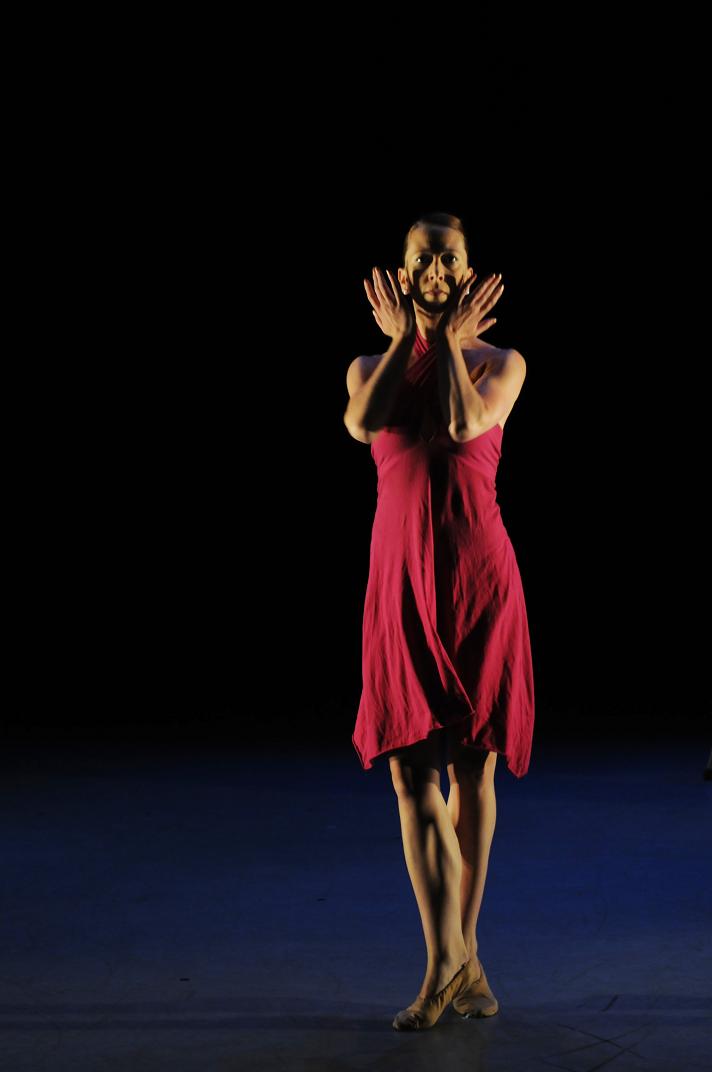
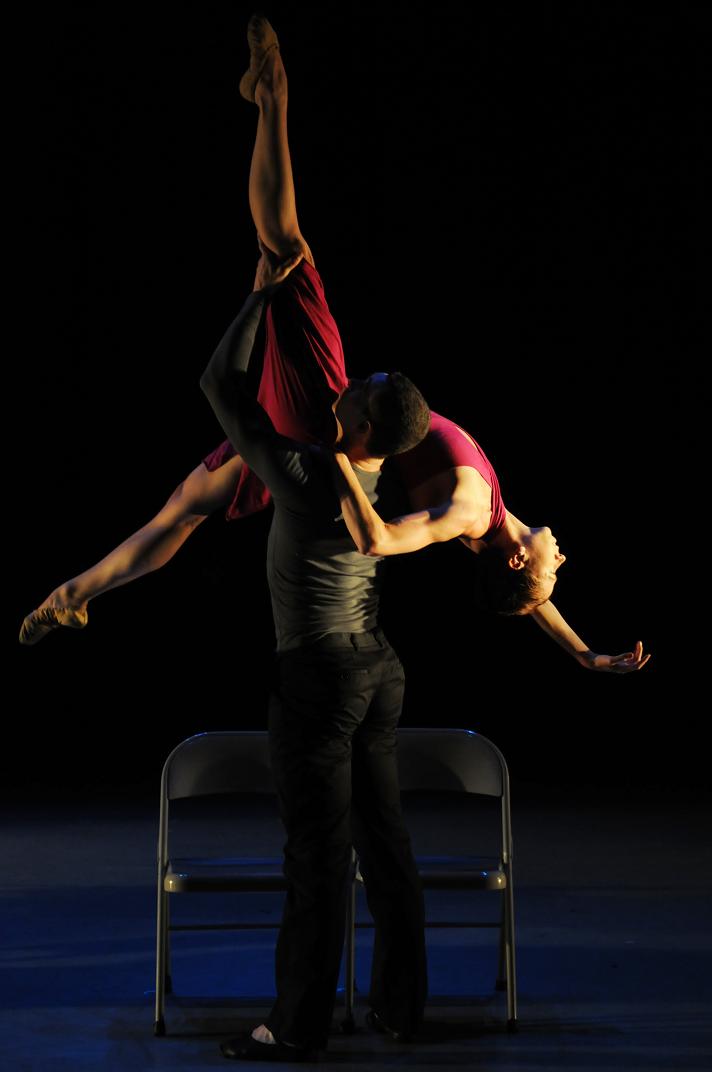
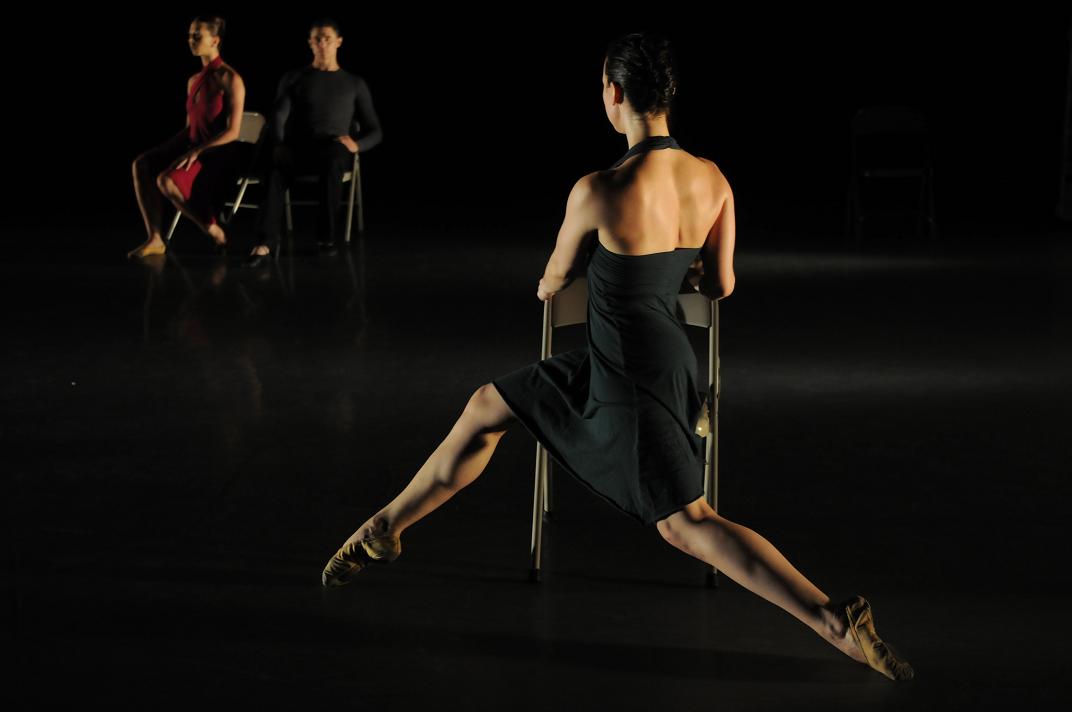
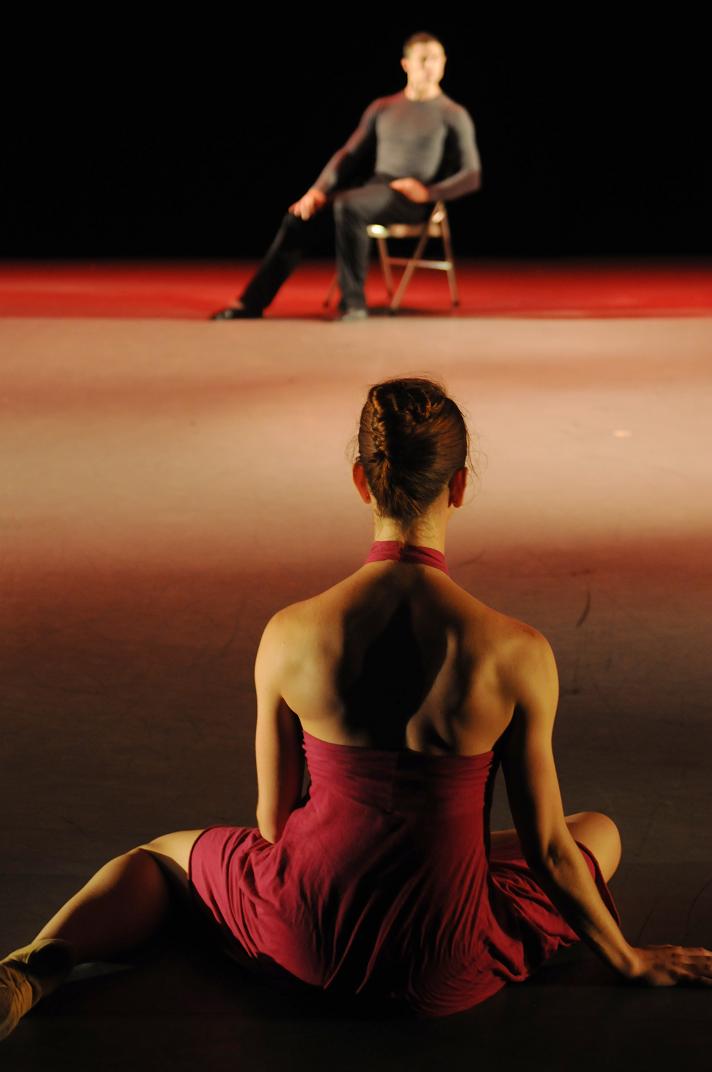
    Above: Max van der Sterre and Kerry Shea in Lydia Johnson’s FALLING OUT, photo by Kokyat. This dancework, set to Philip Glass’s 3rd Symphony, was created in 2006 and revived for Lydia’s 2012 season at Peridance. FALLING OUT centers on a romantic triangle in which the tranquility of a domestic relationship is threatened by the appearance of another woman who captures the roving eye of Max van der Sterre.

    Copy of B11

    Kerry Shea (above) portrays Max’s established lady love…

    Copy of B1

    …and Jessica Sand (above) is the woman who, at first perhaps unwittingly, causes the disruption by her mere presence.

    Copy of B64

    In a complex pas de deux which is a continuous thread throughout the work, the central couple veer from tenderness to outright antagonism. 

    Copy of B44

    For a brief moment the man seems close to making a choice, yet he is continually drawn back to his longtime lover.

    Copy of B107

    In the end, though Max and Kerry are still together, the situation remains unresolved.

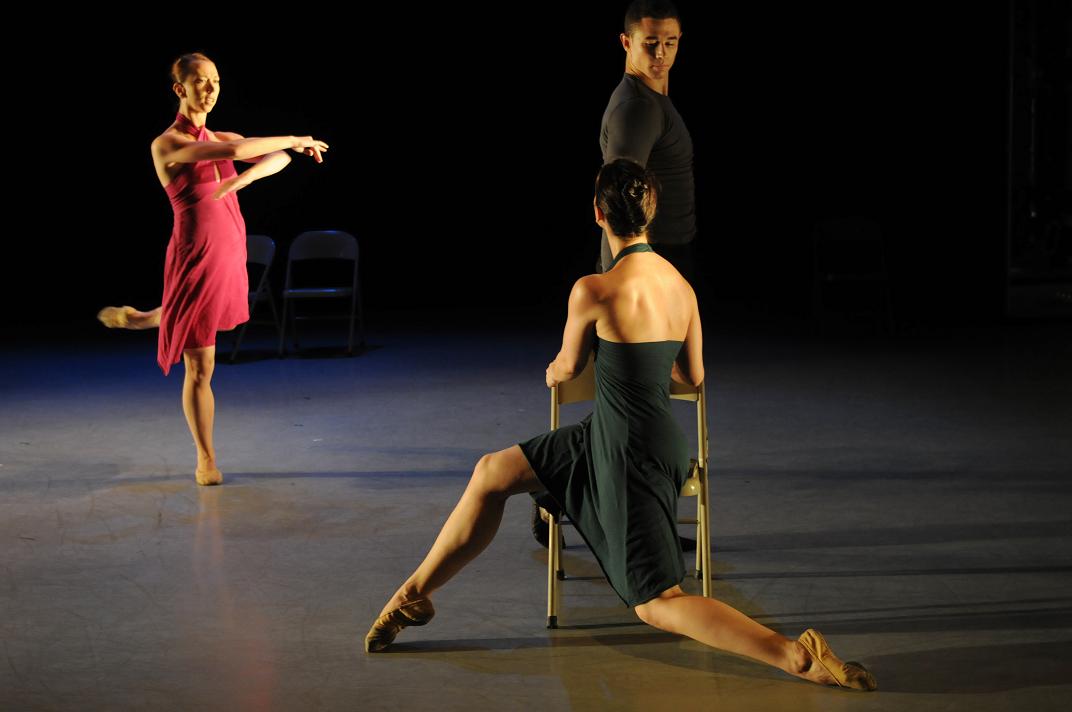
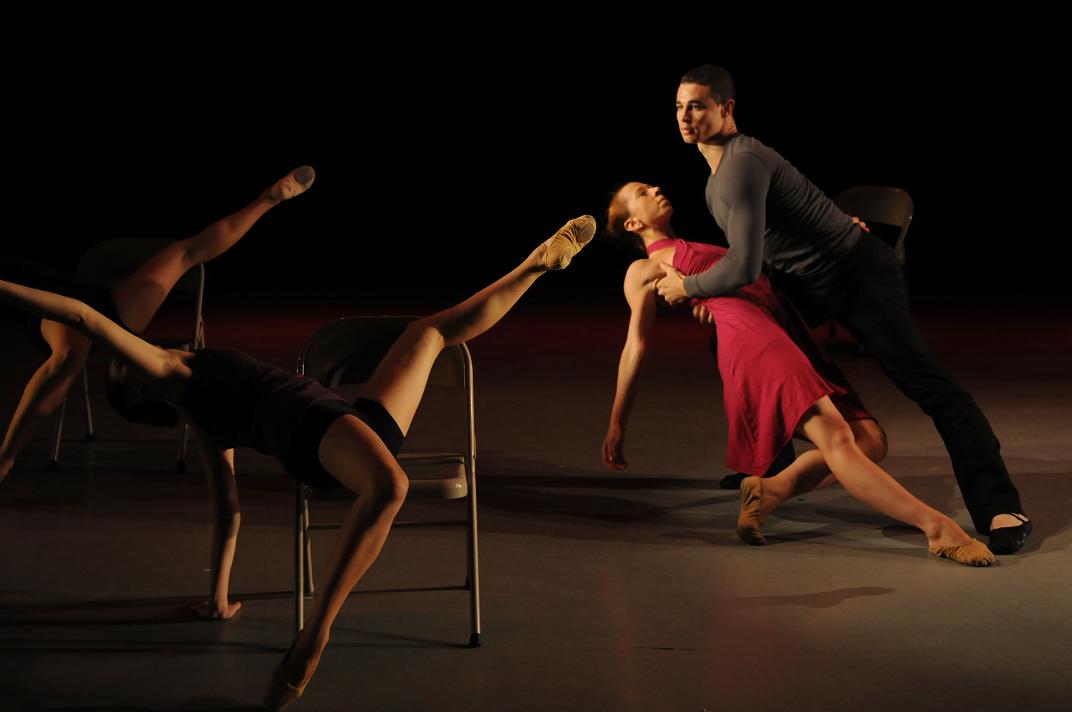
    FALLING OUT provides a sustained and demanding central role for the male dancer in which Max van der Sterre’s magnetic stage presence and the compelling security of his partnering make a vivid impression. Kerry Shea, looking striking in a cerise frock, captures both the strength and vulnerability of the woman whose peace of mind is threatened: beautifully danced, Kerry’s performance is marked by subtle shifts in facial expression that reveal the insecurities beneath the surface of a long-established relationship. Jessica Sand, in the physically demanding role of the ‘other woman’, spends quite a bit of the piece facing upstage; her upper back, shoulders and neck become expressive instruments even when we cannot see her face.

    Copy of B4

    A quartet of women provide a sort of chorus for the work; at first they remain on the sidelines doing synchronized moves either prone or seated. Later they take a more active part in the drama. They seem to represent the man’s past loves – no longer essential to him, but still unforgotten.

    More of Kokyat’s images from FALLING OUT:

    Copy of B1

    Jessica Sand

    Copy of B53

    Copy of B36

    Copy of B80

    All photography by Kokyat. Read more about this performance here, with more to follow.