Author: Philip Gardner

  • AMONG THE STARS/Rehearsal Gallery

    Copy of 36

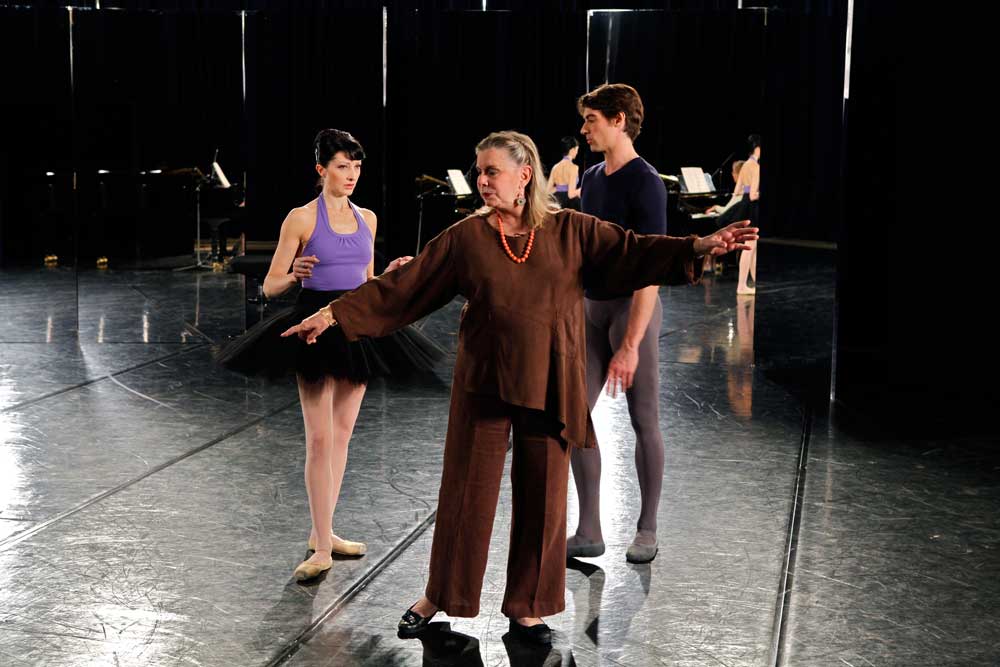
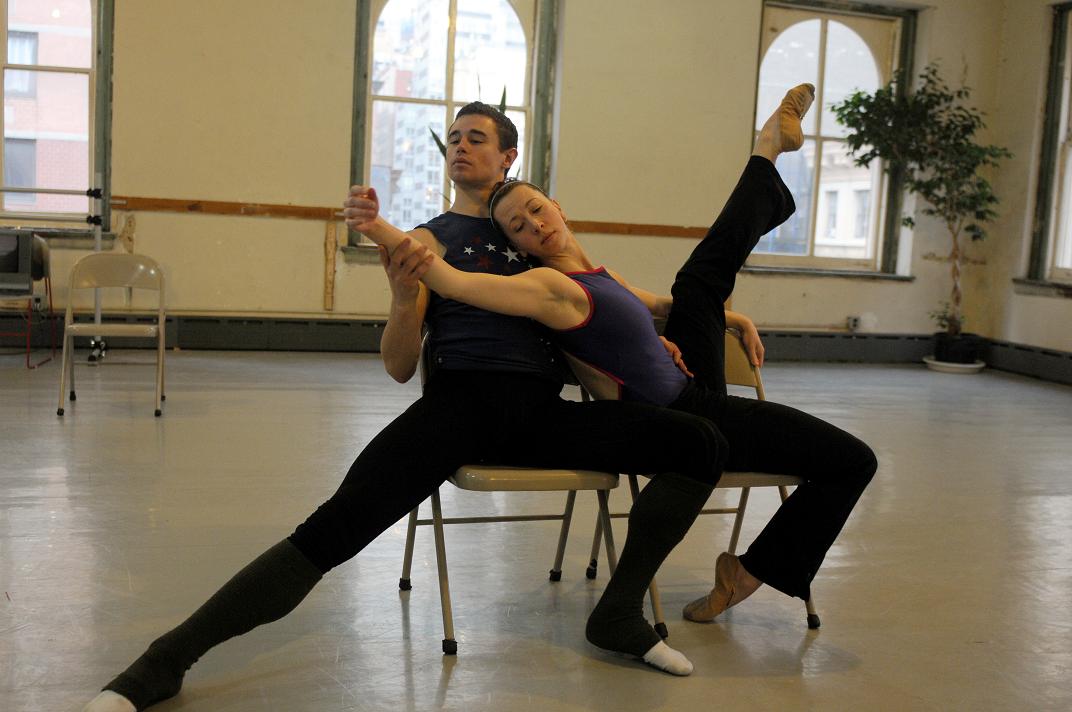
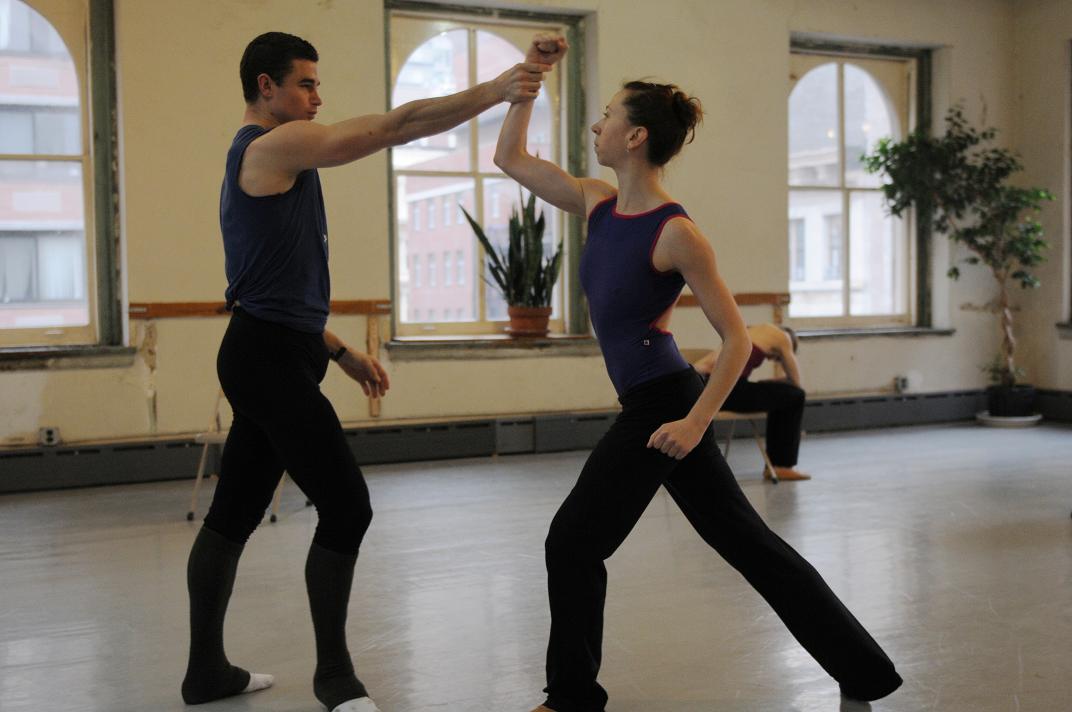
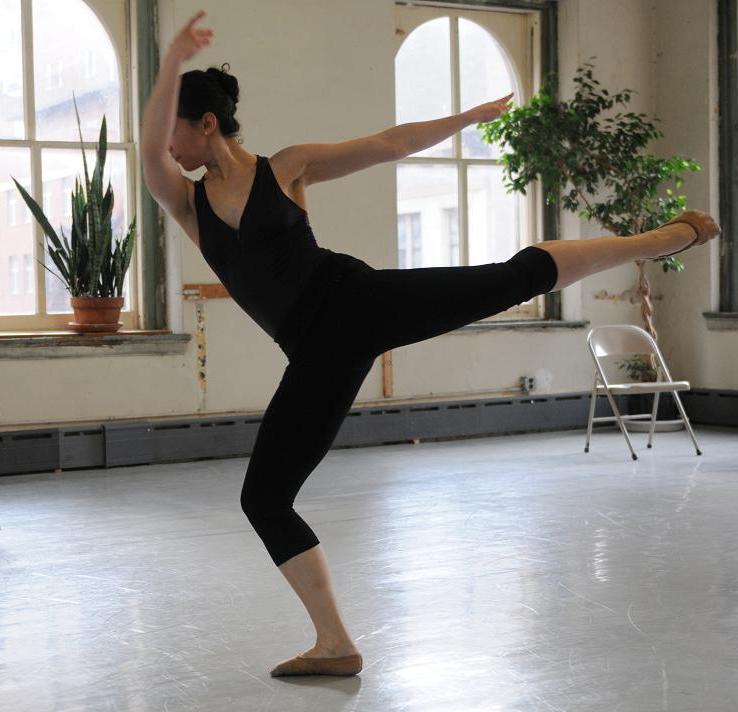
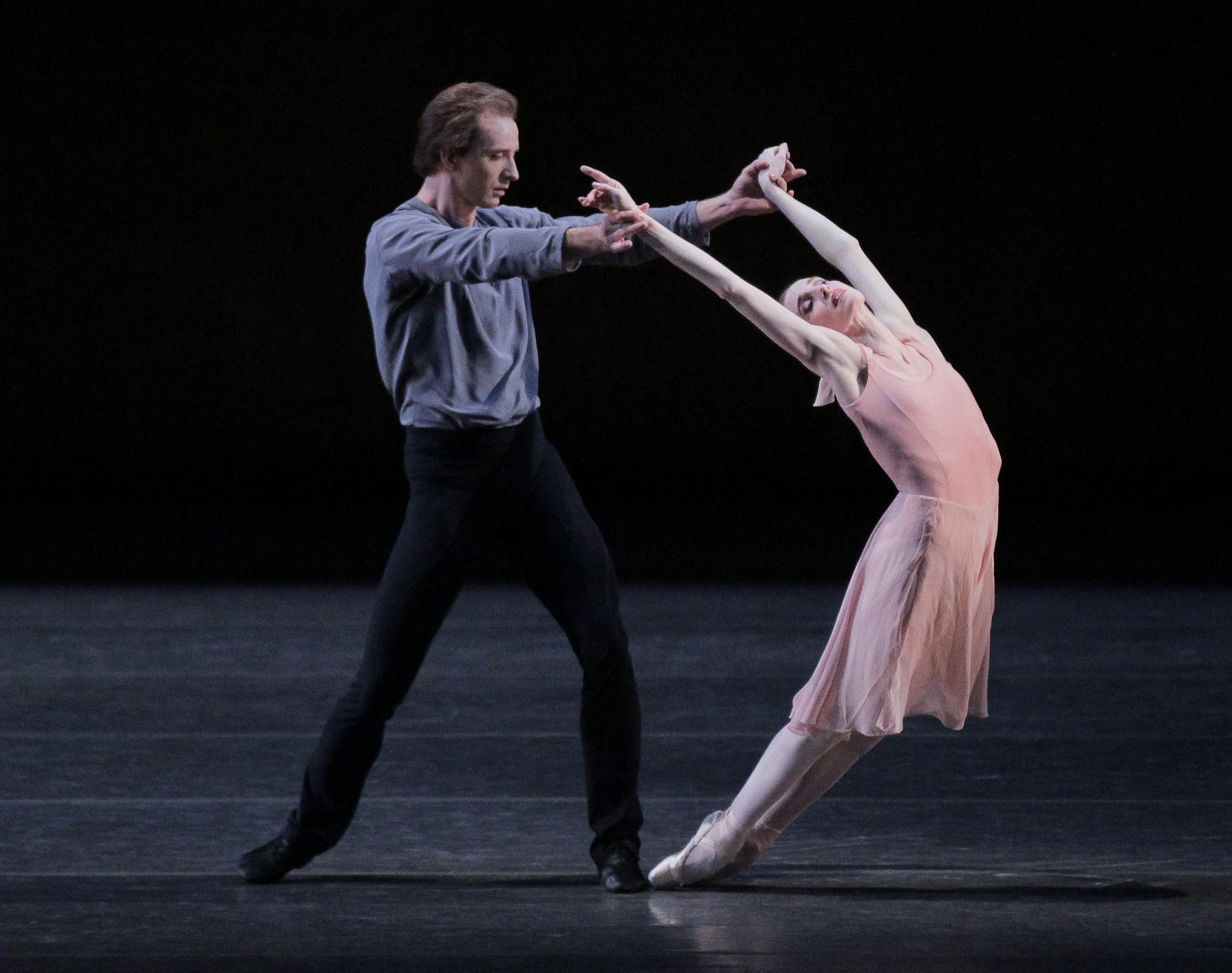
    These are some of Kokyat’s images from a rehearsal of Jessica Lang’s pas de deux AMONG THE STARS. The work was being prepared for two performances at New York City Center as part of the 2011 Fall for Dance Festival. Yuan Yuan Tan, principal ballerina from San Francisco Ballet, and Clifton Brown, who danced with the Alvin Ailey Company for over a decade and now appears with them as a guest artist, premiered the duet together in 2010. The music is by Ryuichi Sakamoto.

    Copy of 10

    Copy of 13

    Copy of 20

    Copy of 30

    Copy of 33

    Copy of 35

    Copy of 8

    Copy of 46

    These images are from a studio rehearsal on October 28, 2011. Details of the Fall for Dance performance of AMONG THE STARS, which drew ecstatic applause from the packed house, will appear here shortly.

    All photos by Kokyat.

  • The Bisley Boy

    Queen-Elizabeth-Darnley-Portrait-c1575

    Over the centuries there have been many unsolved-mystery tales about royal offspring, legitimate or otherwise. Bastard babies of monarchs quietly strangled, starved or sold off; a royal infant who dies in the cradle and is secretly replaced by a serving girl’s babe to preserve the succession; twins separated at birth for whatever reason only to meet up again when one is prince and the other pauper. But no such story that I’ve ever read matches Chris Hunt’s fantastical novel of Tudor times: THE BISLEY BOY, which I have just read again after first encountering it a dozen years ago on a shelf at the Different Light bookstore.

    The notion that Elizabeth I of England was actually a man goes back centuries; it stemmed from a time when the child Elizabeth was suffering from one of her many bouts of serious illness. Sent to a royal residence in the tiny town of Bisley to recover in the healthy air, she worsened and died…or so the story goes. A village boy of similar build and colouring was smuggled in to take the place of the dead princess, sparing her caretakers the wrath of Henry VIII.

    But was it not too convenient that such a lad could be found and the substitution so cleverly made? Novelist Hunt solves this ‘problem’ by making his Bisley Boy a bastard son of Henry VIII’s bastard son Henry Fitzroy. Fitzroy was married at the age of fourteen to Lady Mary Howard and while historically it was believed their union was never consumated, novelist Hunt imagines that the teen-aged Fitzroy fathered a son off Lady Mary. Fitzroy died at the age of 17 in 1536. His baby son, born in the very Bisley residence where Elizabeth came to convalesce, was raised in the house by loyal servants of Fitzroy until his death. Then the boy, at age 2 and known as John Neville, was taken in by a kindly Bisley family. Thus in the small village there was a boy who could believably take the place of Princess Elizabeth: a boy who – like the princess – sprang from a Tudor/Howard union.

    John Neville is drawn to the house where he was born but his adoptive father refuses to answer any questions about the place, which now stands empty, and he forbids the boy to go near the royal cottage. But a few years later, sneaking back to his boyhood home, John finds a slender, elfin young girl playing in the walled garden – a girl who looks so much like him it’s uncanny. It is the Princess Elizabeth. Katherine Champernowne (later to be famously known by her married name, Kat Ashley) is nursing Elizabeth back to health. Kat and the princess spot the boy and he becomes a playmate for Elizabeth. His adoptive father can say nothing to discourage the set-up since a royal wish is his command. 

    One day for a joke, Elizabeth and John change clothes. John, dressed in Elizabeth’s gown, fools even the discerning Kat who is astounded by how much John looks like her young charge.

    When the princess suddenly takes ill again, withers and dies, the horrified Kat begs John to take the place of the Tudor princess and save the nurse from severe punishment. The boy, tired of Bisley and knowing himself to be a grandson of Henry VIII in his own right, agrees. It’s planned only as a temporary ruse, but in fact there is no going back.

    Thus the long charade begins: ‘Elizabeth’ passes muster when meeting her father and siblings as they’d seen her but rarely and of course she’d changed a bit since the last encounter. ‘Elizabeth’ survives the death of her half-brother Edward and the difficult years when Bloody Mary Tudor rules England in a reign of Catholic terror. Becoming queen, ‘Elizabeth’ continues the ruse til her death decades later, with only a very few trusted intimates knowing her secret.

    The story, though far-fetched, meshes well with several things we know about Elizabeth: her eternal virginity, her refusal to marry, her hatred of physicians, even her eventual hair loss which was disguised by elaborate wigs and headdresses. Over the years (in the novel) faithful serving girls smuggled phials of rabbit’s blood into the royal bedchamber, spilling droplets onto the sheets to confirm the queen’s periods. 

    But what of her rumoured intimacies with Thomas Seymour and later with Robert, Earl of Leicester? In both cases, John Neville/Elizabeth – a beautifully androgynous gay boy with lustful appetites – so intrigues the men while keeping them at arm’s length that when ‘she’ capitulates and reveals her true sex, they each admit to having had boys before (“What else can a man do while at sea?” asks Admiral Tom) and they are thrilled to have one now who also happens to be the most powerful person in the realm. Other dalliances come and go, the queen’s aroused state in certain situations disguised by her stiff petticoats and voluminous skirts.

    Near the end of John/Elizabeth’s life, the impetuous Robert Devereux, Earl of Essex, bursts into her bathing chamber and discovers Elizabeth’s secret. Already in trouble for suspected treasonous activities against the crown, Essex is condemned to die although if he’d not found her out, Elizabeth, now an old woman in a man’s withering body, would most likely have spared him. On the scaffold, he did not betray her secret – he didn’t reveal the truth – and he died nobly.

    What a film this would make! I even have someone in mind for the title-role.

    In conjunction with THE BISLEY BOY I also read Beverley Murphy’s BASTARD PRINCE, a factual account of the life of Henry Fitzroy. There seems to be a surprisingly vast amount of documentation about him and the incidents of his short life, culled from sources at the time when he was considered very likely to inherit the English throne. Despite his birth status, it was thought by many that a bastard king was preferable to a legitimately-born queen. The arrival of Prince Edward changed the succession quite decisively, and Henry Fitzroy did not live long enough to pose any threat to Bloody Mary’s ascent to the throne following the early death of her half-brother Edward.

  • Fall for Dance 2011 Program I

    225581_10150182199616935_21202486934_7102569_5129793_n

    Photo: Fabrice Calmels and Victoria Jaiani of The Joffrey Ballet in Edwaard Liang’s WOVEN DREAMS.

    Thursday October 27, 2011 – At the superbly renovated New York City Center, the annual Fall for Dance festival opened tonight with four companies participating:

    PROGRAM I
    Mark Morris Dance Group, All Fours, Mark Morris
    Lil Buck, The Swan, Lil Buck
    Trisha Brown Dance Company, Rogues, Trisha Brown
    The Joffrey Ballet, Woven Dreams, choreographed by Edwaard Liang

    The main reason I went tonight was to see the Edwaard Liang piece (photo at the top) and I enjoyed every second of his WOVEN DREAMS – and so, it seems, did the rest of the crowd who quietly “ooooohed” and “aaaaahed” throughout the ballet and then lavished the Joffrey dancers with sustained applause at the end. If Edwaard had taken a curtain call, that would have been the crowning touch. But he’s too modest. We did see him during intermission and he looks – if possible – handsomer and more fit than ever. I’d give anything to see him dancing again. But the life of a choreographer certainly seems to agree with him, and we need his choreography.

    But to start at the beginning of the evening, as the musicians took their seats to play the Bartok quartet #4 for Mark Morris’s ALL FOURS, I thought maybe this was a piece that would revive my admiration for the choreographer. Back in the 1980s we trekked several times to see Mark Morris at the Pillow and always loved what he was was doing; but over the years it seems to me that he’s run out of creative steam. ALL FOURS, from 2003, avoids the cliche Morris moves – fanny wiggles, pelvic thrusts, waving arms – for the most part. Much of the piece is given over to structured walking about; there’s a good duet for two guys and a nice quartet. The dancers all did well, but as the work passed by it seemed that the same motifs kept cropping up; in the end the waving arms made their appearance. The piece was politely received, but the musicians were vigorously saluted at the end: Jesse Mills and George Valtchev (violins), Jessica Troy )viola) and Wolfram Koessel (cello).

    Charles-lil-buck-riley-headshot

    In the solo THE SWAN, Lil Buck (above) performed his unique fusion choreography to Camille Saint-Saens’ classic Dying Swan: imagine morphing Michael Jackson and Maya Plisestskaya. At first there was some laughter as the street-clad dancer moved in a pool of light, but this quickly turned to admiring sighs and bursts of applause as Lil Buck rose onto the ‘pointes’ of his sneakers. With cellist Joshua Roman and harpist Rita Hequibal Printup rendering the familiar Saint-Saens melody onstage, a few feet away from the dancer, the piece made a cohesive statement of music and movement. True to Isadora Duncan’s ‘rule’ that no dance work should exceed five minutes in duration, it seemed to me that Lil Buck really had something to say. A few toffs turned their noses up but the overwhelming response was whooping enthusiasm.

    Trisha Brown’s Rogues features two men – one tall, one short – dancing mostly in sync to a whimsical score by Alvin Curran. From a frenzy of buzzing insects, the music switches to piano, then some sort of electronic pipe, and then harmonica. The two dancers, Neal Beasley and Lee Serle, were genial and moved smoothly thru the choreography of this pleasant duet.

    After a pause while the huge basket-weave drapery for the Liang piece was hung, the large contingent of Joffrey dancers took the stage for WOVEN DREAMS.

    Looking at the Playbill, my first thought that Edwaard was using too many different composers but then: the soudtrack of a dream is never predictable. Thus he was able to develop this six-movement ballet using music of Ravel, Galasso, Britten and Gorecki. Throughout the piece, Edwaard’s musicality and sense of structure – the keys to success of a large-scale work – were ever evident as was his daring sense of pushing the dancers to extremes of technique and partnering. As the work unfolded, the Joffrey dancers delivered everything Edwaard asked of them with a combination of energy and artistry that seemed perfectly aligned to both the music and the choreography.

    Central to the ballet is a radiant two-part adagio danced by Victoria Jaiani and Fabrice Calmels (photo at the top of this article). As sometimes happens in dreams, this duet is interrupted by an unrelated passage (more about that shortly) but then the couple seem to pick up where they’d left off.

    A choreographer could not ask for two more beautiful and expressive dancers than Ms. Jaiani and Mr. Calmels; the latter’s magnificent physique, long powerful arms and splendid line served as a tower of strength for his radiant partner. Together they moved thru the flowing style of Edwaard’s adagio, making the seemingly impossible partnering motifs look seamlessly grand. The underlying feeling of physical risk keeps the viewer entranced while the dancers’ sense of lyricism sustained the dreamlike atmosphere.

    Between the two pas de deux segments, Edwaard interjects what seemed to me the most brillliant scherzo: a quintet of men suddenly appear before a lime-green background to dance a remarkable pas de cinq to the pizzicato movement from Benjamin Britten’s SIMPLE SYMPHONY. Here Edwaard finds a contemporary accent to the classic ballet vocabulary which male dancers have ‘spoken’ for decades. With its choreographic freshness and touches of subtle wit, this quintet lasted just long enough to leave us craving more. The Joffrey men gave their dancing an extra splash of darkish vibrancy.

    In the larger-scale passages of the outer movements, all 20+ of the Joffrey dancers showed an intrinsic vitality and a willingness to follow Edwaard’s lead into exploring new combinations and patterns. The cumulative effect of the ballet and the way the floating woven tapestry was brought into play seemed to vastly please the packed house and there was enthusiastic applause at the end; I think if Edwaard had  appeared onstage he would have been greeted as a rockstar. Which he is, in my book. 

    Copy of 1

    Above: Kokyat’s photo of the facade of the newly-renovated New York City Center.

    On with the Festival! And thank you, Helene Davis.

  • MORPHOSES: BACCHAE @ The Joyce

    Copy of 113

    Wednesday October 26, 2011 – MORPHOSES presents its production of Luca Veggetti’s BACCHAE at The Joyce. The work draws inspiration from – but is not a literal setting of – Euripides’ ancient Greek tragedy. Composer Paolo Aralla and flautist Erin Lesser are major forces in this creation, with lighting by Roderick Murray and costumes by Mr. Veggetti and Benjamin Briones. In the top photo: dancer Gabrielle Lamb.

    Luca Veggetti’s BACCHAE is a dancework which summons up images of both the rites of the Bacchae – those wild women driven to ecstacy in their worship of Dionysus – and the death of the Theban King Pentheus at their hands. Set in a space surrounded in black silk drapery, the ballet takes on a funereal tone as the abstracted narrative moves to its brutal climax. The sudden exposure of the rear brick wall near the end draws us back to reality, awakening from a nighmare of deception and murder.

    In a prologue, a puppet (skillfully manipulated by an actor all in black) mimes sets forth themes of the  Dionysian rituals to which the Bacchae subscribe. At the dress rehearsal this device seemed to me not to work very well, but it the performance it was surprisingly effective.

    Copy of 21

    But we have already met Dionysus by this time; as in the play, ‘he’ is the first player to appear: Euripides describes his appearance and demeanor as feminine, and Luca Veggetti casts a female – Frances Chiarverini (above) – in the role. Frances is a mistress of the Veggetti style which calls for fluid movement, maintaining a steady flow of motion through knees that are often bent, keeping the body low to the floor. Pivoting and sliding across the space as the hands and arms cut thru the air in angled gestures, the effect can be spiderlike and in this darkish setting seemed almost ominous.

    Copy of 39

    As King Pentheus, the antagonist of the disguised god and who is determined to end the Bacchic rites, Adrian Danchig-Waring (above) brought magnificent presence and powerful dancing to the role. Lured into the trap Dionysus sets for him – an invitation to witness the Bacchae at their rituals – Adrian’s Pentheus is seduced and betrayed to his death.

    Copy of 40

    The two-part pas de deux of Pentheus and his cousin Dionysus is a central aspect of BACCHAE, danced with a powerful sense of give-and-take by Adrian and Frances (above).

    Copy of 55

    The third major character in the drama is Agave, the mother of Pentheus, who unwittingly murders her son after he is caught secretly witnessing the Dionysian revels of the Bacchae. Gabrielle Lamb’s passionate sense of drama – seemingly a natural gift rather than something she’s developed – was vividly projected through both her intense facial expressiveness and her superbly limber body.

    Copy of 7

    The idea of a traditional Greek chorus is adapted here with an ensemble of excellent dancers who weave themselves into the dramatic situations, often appearing or vanishing under the hems of the silken drapes.

    Copy of 89

    As one of the Bacchae, dancer Yusha-Marie Sorzano (above) carries a stick – a reference to the first confrontation between the Bacchae and the soldiers of Pentheus who were sent to shut down their celebrations and bring order out of chaos. The women, using only sticks, were able to fend off the armed guards thru the fervour of their passionate loyalty to Dionysus. In an ensemble, the woman swipe and flourish their sticks thru the air, moving to the swooshing sounds in aggressive stances.

    Copy of 79

    In the opening scene, standing on the sounding platform which is a central element of the work, flautist Erin Lesser (above) evokes the shifting winds of time as she breathes and even speaks across the mouthpiece of her enormous contrabass flute. Throughout this long ‘aria’, Ms. Lesser’s energies and technical skills seemed to re-double from one passage to the next…

    Copy of 65

    …while in the final scene, she re-appears playing her silver flute as Agave/Gabrielle ponders her violent act.

    Luca Veggetti and his collegues have crafted a work that is unlike any other, a unique and evocative summoning of an ancient tale that speaks clearly to us of the vanity of gods and the fervor of their followers which can so often go to extremes. Very apt for today’s world.

    More of Kokyat’s images from this production appear here.

    I felt it was of tremendous benefit to my enjoyment of the evening that I took the time to read the Euripides play before attending. The ballet, which lasts a little over an hour, seemed too short in a way; I wanted more.

    So good to see Arlene Cooper, Giorgia Bovo, Emery LeCrone and Justin Peck among the audience this evening.

    Synopsis of the dancework:

    “Dionysus, the god of wine, prophecy, religious ecstasy, and fertility returns to his birthplace in Thebes in order to clear his mother’s name and punish the insolent city-state for refusing to allow people to worship him.

    King Pentheus of Thebes has declared illegal the Bacchic rituals initiated by his cousin Dionysus. As these rituals represent a threat to social order, King Pentheus orders his soldiers to violently suppress them.

    Dionysus begins the long process of trapping Pentheus, leading him to his death. He convinces the intrigued and excited king to witness the rituals and volunteers to help him clandestinely observe the highly secretive all-female gatherings.

    Dionysus, manipulating the situation, orders the Bacchic worshippers, including the king’s mother Agave, to attack the now vulnerable ruler. As he falls, Pentheus reaches for his mother’s face but Agave, driven mad by Dionysus, proceeds to rip her son limb from limb.”

    MORPHOSES dancers:

    Sarah Atkins
    Yusha-Marie Sorzano
    Brittany Fridenstine-Keefe
    Frances Chiaverini
    Gabrielle Lamb
    Emma Pfaeffle
    Christopher Bordenave
    Brandon Cournay
    Adrian Danchig-Waring
    Willy Laury
    Morgan Lugo

    Watch an brief BACCHAE video here.

    Kokyat and I have followed the creation of BACCHAE from the audition process thru a preview evening (where the mystical ‘sound platform’ was introduced) to a recent studio rehearsal. Luca Veggetti and MORPHOSES artistic director Lourdes Lopez have graciously given us an insider’s look at their creative process, and the dancers have been so kind and generous as we eavesdropped on their work.

  • MORPHOSES/BACCHAE Gallery

    Copy of 31

    A gallery of Kokyat’s images from the MORPHOSES production of Luca Veggetti’s BACCHAE. Read about this performance here. Above: Frances Chiaverini. Click on the image to enhance.

    Copy of 83

    Adrian Danchig-Waring

    Copy of 95

    Gabrielle Lamb

    Copy of 4

    Flautist Erin Lesser

    Copy of 8

    Brandon Cournay

    Copy of 6

    Opening ensemble

    Copy of 13

    Willy Laury

    Copy of 16

    Erin Lesser, Emma Pfaeffle, Brittany Fridenstine-Keefe

    Copy of 17

    Christopher Bordenave

    Copy of 53

    Frances Chiaverini, Adrian Danchig-Waring

    Copy of 59

    Willy Laury, Brittany Fridenstine-Keefe

    Copy of 61

    Erin Lesser, Christopher Bordenave, Yusha-Marie Sorzano and Gabrielle Lamb.

    Copy of 68

    Gabrielle Lamb, Willy Laury

    Copy of 69

    Gabrielle Lamb, Willy Laury, Emma Pfaeffle

    Copy of 70

    Morgan Lugo, Emma Pfaeffle

    Copy of 72

    Emma Pfaeffle, Morgan Lugo

    Copy of 88

    Brittany Fridenstine-Keefe, Emma Pfaeffle

    Copy of 74

    Gabrielle Lamb

    All photography by Kokyat.

  • Anna Sokolow’s ODES: Rehearsal

    Copy of 19

    Sunday October 23, 2011 – My curiosity is truly piqued by the news of upcoming showings of Anna Sokolow’s ODES; I had been hoping for a chance to see a rehearsal prior to attending the actual performance and this evening, unexpectedly, the opportunity arose. I met Kokyat at New York Live Arts (formerly Dance Theater Workshop) on West 19th Street for a look at ODES in the studio.

    You can help fund the revival of this Anna Sokolow work by contributing here.

    Copy of 4

    Jim May, artistic director of Sokolow Theatre Dance, gave the dancers – an assembly of Company members and free-lancers – a brisk warm up that included some shouting. Then we saw a run-thru of the opening movement of ODES.

    Copy of 9

    Jim May coaching the women.

    Copy of 6

    Dancers Lauren Naslund, Yayoi Suzuki and Greg Youdan

    Copy of 11

    Atsushi Yahagi

    Copy of 15

    Jim May coaches Durell R Comedy

    Copy of 31

    Flautist Roberta Michel (above) was in the studio to work out tempos with the dancers who will be performing the central duet of ODES, set to Edgard’s Varese’s Density 21.5. This pas de deux is book-ended by other Varese selections: Octandre and Poème Électonique, both set for a large ensemble of dancers.

    Copy of 25

    The pas de deux is danced by Yayoi Suzuki and Luis Gabriel Zaragoza (above and below)…

    Copy of 24

    Copy of 29

    Jim May gives notes to Yayoi and Gabriel after the run-thru.

    More photos from the rehearsal:

    Copy of 33

    Copy of 35

    Copy of 37

    Copy of 40

    Atsushi Yahagi

    Copy of 1

    Read about the upcoming performances of ODES here.

    My appreciation to Jim May and publicist Audrey Ross for arranging for us to watch and photograph this rehearsal. More of Kokyat’s images will be found here, and my Facebook album is here.

    In April 2010 I was very taken with Sokolow’s LYRIC SUITE, set to music of Alban Berg and danced by students from the Eugene Lang College Dance Department. I am very glad to have an opportunity to see more of Sokolow’s work.

    PERFORMANCE INFORMATION:
    November 10th – 13th, 2011  (Thursday/Friday/Saturday at 9 PM; Sunday at 2 PM)
     [At  7 PM – Thursday only – a special pre-performance fundraiser for the series, followed by the performance]
    Cunningham Studio, 55 Bethune Street, 11th floor
    Tickets: $35  ($100 for opening night with 7 PM fundraiser at a location near the theater)
    Tickets: here or by phone at 1.800.838.3006
  • Nicole Corea

    Copy of 28

    Over the past few months, Kokyat has had the opportunity to photograph some of the most beautiful and expressive dancers in our City. One for whom he and I share a special affection and admiration is Nicole Corea, a member of the prestigious Lar Lubovitch Dance Company. Nicole recently danced a solo created on her by choreographer Ursula Verduzco; entitled Nothing to Hide, the solo is set to music of Yann Tiersen. These images by Kokyat are from a rehearsal of the piece on October 18th, 2011.

    Copy of 1

    Copy of 2

    Copy of 24

    Copy of 26

    Copy of 31

    We’re looking forward to seeing Nicole performing with the Lubovitch Company during their season at the Baryshnikov Arts Center, November 9th thru the 20th. Ticket information here.

  • Rehearsal: Janusphere Dance Company

    Copy of 28

    Thursday September 29, 2011 – On October 7th and 8th, Janusphere Dance Company will present DEVELOPING HORIZONS at the Ellen Stewart Theatre (aka LaMaMa), 66 East 4th Street. Ticket information here. Works choreographed by Darion Smith (the Company’s director), Selina Chau and Danielle Genest will be performed. Since Kokyat and I are unable to attend the performances, Darion very kindly arranged for us to watch a rehearsal tonight at the DANY studios. Above: Marie Lorena Fichaux and Milan Misko.

    It’s always nice to walk into a studio and see people we know: Milan Misko, Leyland Simmons, Selina Chau and Luke Manley. The dancers new to us each all made excellent individual impressions and we’ll look forward to seeing them again. Darion’s choreography is demanding both in terms of technique and partnering; the dancers worked tirelessly throughout the three hour rehearsal while Kokyat recorded their work with his two cameras.

    Copy of 10

    Matt Van Buskirk

    Copy of 3

    Anne-Sophie Rodriguez and Marie Lorena Fichaux

    Copy of 11

    Leyland Simmons

    Copy of 12

    Misei Daimaru and Luke Manley

    Copy of 23

    Marie Lorena Fichaux and Milan Misko

    Copy of 33

    Choreographer Selina Chau with dancer So Young An. Selina has created an expressive solo entitled Ashley on this lovely young dancer. They worked together on developing the gestural nuances that are the key to the solo.

    Copy of 34

    So Young An

    Copy of 35

    So Young An in Selina Chau’s Ashley

    Copy of 37

    Anne-Sophie Rodriguez, Milan Misko

    Copy of 41

    Eun Jung Jung, Luke Manley

    Copy of 27

    Milan Misko, Marie Lorena Fichaux

    Copy of 18

    Luke Manley, Misei Daimaru

    Copy of 30

    Milan Misko, Marie Lorena Fichaux

    Copy of 43

    Darion Smith

    All photos by Kokyat.

  • In The Garden of Beasts

    30001737-p

    Erik Larson’s thought-provoking non-fiction work IN THE GARDEN OF BEASTS reads like a novel. It tells the story of William E Dodd, appointed by President Franklin D Roosevelt as the American ambassador to Berlin in 1933 – at the time when Hitler was consolidating his powers and the Nazi menace was just beginning to get its stranglehold on Germany. Above, the enforced boycotting of Jewish businesses – here the famous Tietz Department Store in Berlin – was an early portent of things to come.

    One of the main problems facing an American ambassador in Germany at the time was the need to get the German government to start paying back $1.2 billion in loans that the US had extended to them. That’s one of the reasons that some of Roosevelt’s choices for the job had turned it down.

    Roosevelt reportedly joked: “It would serve Hitler right if I sent a Jew to Berlin.” The pro-Jewish FDR presidency was sometimes referred to as ‘the Rosenberg administration’. Anti-Semitism was widespread in the USA at the time, though rarely publicly expressed. 40% of the population felt that the Jews “had too much power in the USA” while 20% actually wanted them driven out of the country. The majority of Americans were against raising immigration quotas to accommodate Jews fleeing the signs of impending danger in Europe. 95% of Americans were also opposed to any US involvement in another foreign war.

    William Dodd had no diplomatic experience; he was a scholar writing a four-volume book about the Old South when the President – having ticked preferred names off his list – offered Dodd the Berlin post. Dodd had lived and studied in Leipzig and it was thought that his German-language skills would be a plus. Dodd reluctantly accepted Roosevelt’s urgent plea and he embarked for Germany on July 5, 1933 with his wife and his two grown children.

    Arriving in Berlin, Dodd and his family installed themselves in rather modest quarters eschewing the more grandiose life style favored by most emissaries to Berlin. They found the city charming, and on the surface saw no signs of the rumored violence and thuggery of the rising Nazi movement.

    DSC02111

    Martha, Dodd’s daughter (above), was something of a beauty. Her circle of friends in the US included Thornton Wilder and Carl Sandburg; she continued to correspond with them from Berlin. She entered enthusiastically into the city’s social whirl and was soon meeting and even dating prominent Nazis; she had an on-going affair with Rudolf Diels, head of the Gestapo.

    But one day, on an holiday excursion to Nuremberg, Martha and her friends observed the upsetting humiliation of a young woman, Anna Rath, being dragged nearly naked and head-shaven, thru the streets by a gang of brown-shirted SA troopers. Around her neck was hung a sign: “I wanted to marry a Jew!”

    As an increasing number of such incidents developed, some involving even Americans who were either Jewish or mistaken for Jews, Dodd found himself slowly becoming disillusioned. There were beatings, arrests, people removed into “protective custody” in the dead of night. The rights, privileges and property of Jews were being systematically taken away. If Dodd lodged formal protests, they were met with apologies and promises from government officials that the culprits would be punished. But the downward spiral continued.

    Martha meanwhile became more aware of the machinations and graspings for power among the Nazi leaders when her lover Diels was briefly exiled over a conflict with Heinrich Himmler. One prominent Nazi went so far as to suggest that Martha would be “the perfect woman for Hitler” but then went on to say that the Fuhrer was “an absolute neuter, not a man…” 

    It was finally the Night of Long Knives in July 1934 that made Dodd realize there was no stopping the Nazi behemoth. The US government was as unhappy with Dodd’s work in Berlin as he was in being so far from his beloved farm in Virginia and his languishing writing project. Twice Dodd had returned to his farm for sabbaticals; as 1937 came to a close it was mutually agreed between him and Roosevelt that the ambassadorship was ill-suited to Dodd. He suddenly ‘retired’, vanishing from the Berlin scene with little fanfare.

    Upon hearing of Dodd’s departure, a Nazi official chided “the retiring ambassador’s habitual lack of comprehension of the new Germany.”

    In 1938, Dodd summarized his view of the Germany he had experienced as being of a time and place where “all the people who might oppose the regime have been absolutely silenced. The central idea behind it is to make the rising generation worship their chief and get ready to ‘save civilization’ from the Jews, from Communism and from democracy — thus preparing the way for a Nazified world where all freedom of the individual, of education, and of the churches is to be totally suppressed.”

    Dodd died in 1940 having finished only one volume of his book, Old South.

  • Ocean’s Kingdom

    Banner_half

    Tuesday September 27, 2011 – When I first read that New York City Ballet were going to stage a work “composed”* by Sir Paul McCartney, the notion seemed so yesterday. The famous former Beatle, who created many beloved pop songs decades ago, has never been considered a serious force in the contemporary classic music genre. Alex Ross nails it in this review of the CD of this latest McCartney score.

    Who needs another story ballet in this day and age? Boy meets girl…again? (How about boy meets boy?)  I suppose it can still work: Christopher Wheeldon’s ESTANCIA had a fresh telling of the boy/girl story but it was far more succinctly told – and with better sets and costumes and far better music – than in  OCEAN’S KINGDOM.

    Peter Martins is frequently maligned as being a second-rate choreographer; working in the house that Balanchine built, it’s unlikely that any current choreographer could succeed to the mantle of Mr B without coming in for heavy criticism. Myself, I like a lot of Peter’s ballets and I never dismiss them out of hand. However, a key element in the success of a Martins ballet is always the music that he chooses. His best works (in my estimation) – MORGEN, BURLESKE, OCTET, TALA GAISMA, HALLELUJAH JUNCTION, FRIANDISES, FEARFUL SYMMETRIES, BARBER VIOLIN CONCERTO, JEU DE CARTES, MIRAGE, LES GENTILHOMMES, CHICHESTER PSALMS – all have one thing in common: they are set to great or at least very interesting music. I’m always happy to see these works being programmed at NYCB.

    So here’s the lethal combination that sinks OCEAN’S KINGDOM: too much middling music is applied to a banal plot which leaves the choreographer with the stick end of the lollipop. The score starts off quite beautifully, actually. But it soon becomes evident that there is way too much music that is repetitive or goes nowhere. Each of the ballet’s four scenes is about 5 minutes too long. This requires the choreographer to make too much ‘filler’ dancing and stage business. Gorgeous as Sara Mearns and Robert Fairchild are, we get tired of their long, swoony duets because they go on and on. OK, we know they love each other…how much embrace/lift/swoon do we need to see? But what else can you do to ‘their’ music?  I feel certain Peter would have wanted to avoid asking Sir Paul to make cuts, so he’s strapped with the task of creating movement to faceless, ambling music. No wonder his choreography for this piece is coming in for so much criticism. 

    The contrived plot hinges on the character Scala (superb dancing and acting from Georgina Pazcoguin) who betrays her mistress, allowing the princess to be kidnapped. Since we don’t really know Scala’s motivation, we are puzzled; then just as inexplicably, Scala turns remorseful and tries to undo what she’s done. What choreographer could makes sense out of this, especially with such vapid music to work with?  

    Then there are the costumes, by Sir Paul’s daughter Stella. They are, in a word, ugly. And extremely unflattering to the dancers. The lighting is quite good, especially the beams of light that create Princess Honorata’s prison cell. The rising of the moon is pretty nice.  

    Tonight, it seemed a very long and winding road to get to the end of Ocean’s Kingdom. If I fell for any aspect of the ballet, it was the dancing. But the dancers – some of the greatest movers on Earth – needed far more help from composer and choreographer than they received. But: let it be…they did their best under the circumstances.

    As the 50-minute ballet crawled to a close I felt like a fool for having devoted my time to watching it. My basic reaction to Ocean’s Kingdom was: I don’t want to see it again. The bottom line is – as I have so often said – you cannot make a really good dancework to mediocre music. While the house seemed nearly full there was no enthusiasm to speak of; the dancers took one set of bows to dutiful applause. A lone voice yelled bravas for Sara and Gina. And Amar Ramasar was an audience favorite, understandably. After the show, I wanted to buy Amar, Christian Tworzyanski, Daniel Ulbricht, Megan LeCrone, Craig Hall, Savannah Lowery and Emily Kikta each a beer for them to cry in. Then there were Anthony Huxley, Allen Peiffer and David Prottas as the Drunken Lords (“drunk as lords”…get it?)…what a waste of three handsome, talented guys.  

    Most reviews of the piece have seemed to state that the music is OK or better than OK and that the choreography is uninspired. I would say: the music is as uninspired as the scenario and thus, so is the ballet. I really do not think any choreographer could craft something truly impressive to this score; it might make decent background music for a documentary film about the sinking of the Achille Lauro or some such nautical disaster.

    More could be said but, what’s the point? The reviews (example) have been ho-hum at best, negative at worst. What annoys me more than anything else about OCEAN’S KINGDOM is all the time and effort the dancers had to put into getting this ballet onstage. NYCB have now had two high-profile flops in a row: SEVEN DEADLY SINS and OCEAN’S KINGDOM. No matter how many tickets were sold to these ballets, or how much money the respective galas raised, artistically there were lacklustre in everything but the dancing. Perhaps it’s time to stop trying to haul in the pop/rock crowd or the Broadway audience (largely tourist trade anyway) and concentrate on what NYC Ballet are famous for: neo-classical ballet.

    * I use the word “composed” generously; like many pop music writers, McCartney reportedly cannot read or write music in the sense of a Stravinsky or a Brahms. The Playbill shows that Sir Paul had the help of both an arranger (John Wilson) and an orchestrator (Andrew Cottee); in those circumstances anyone with a sense of rhythm and melody could be deemed a composer. Elgar and Britten must be shaking their heads, somewhere in Heaven.