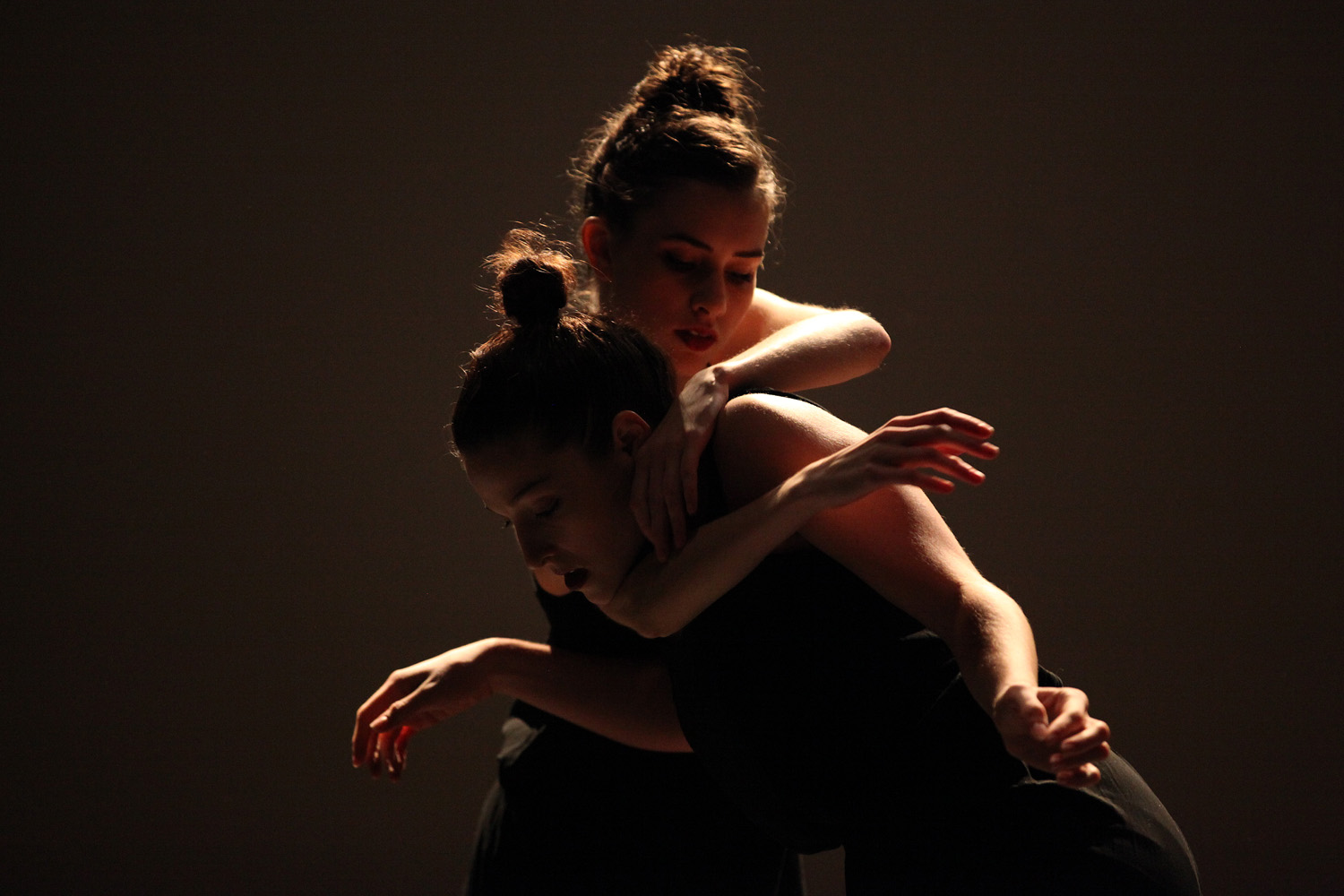
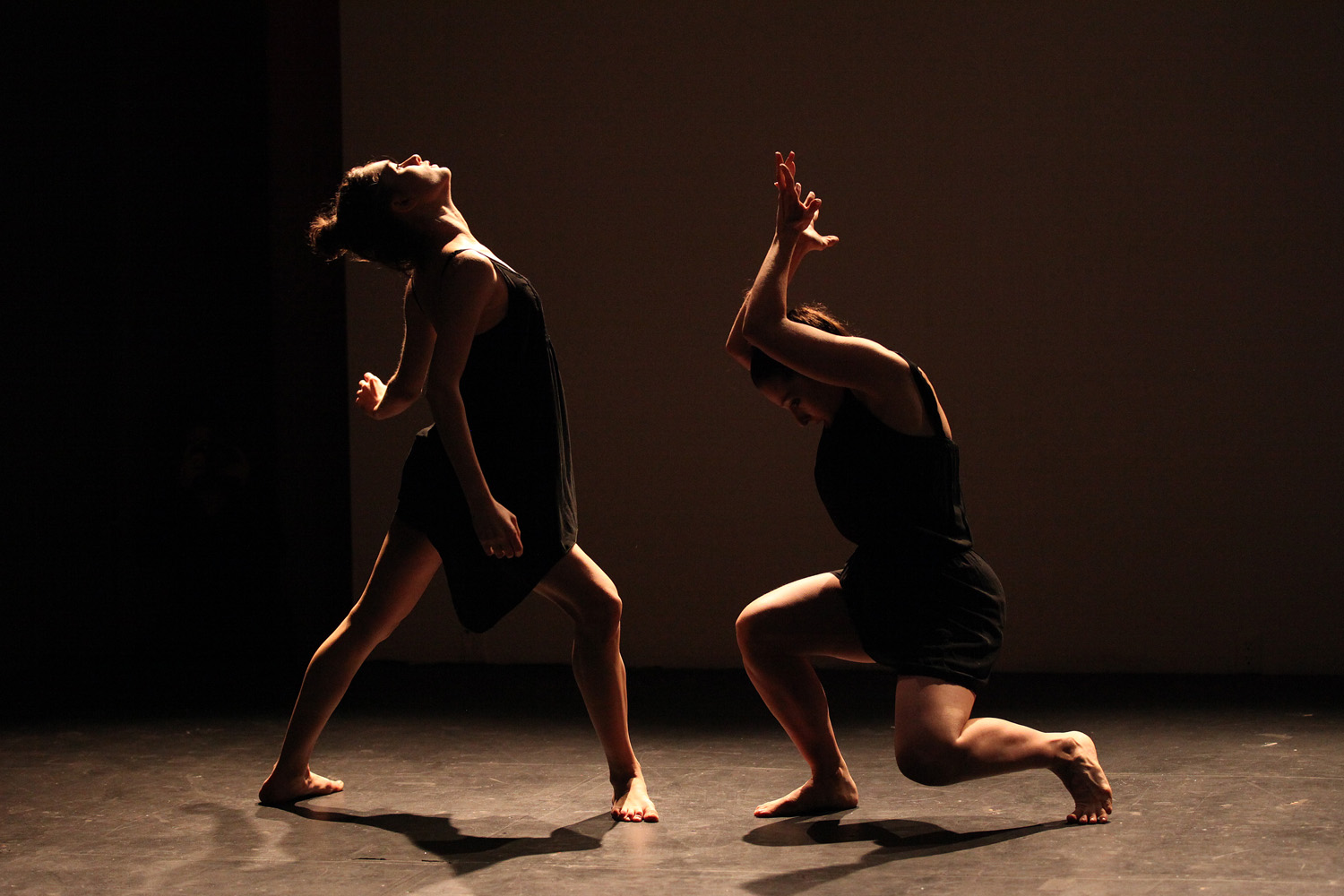
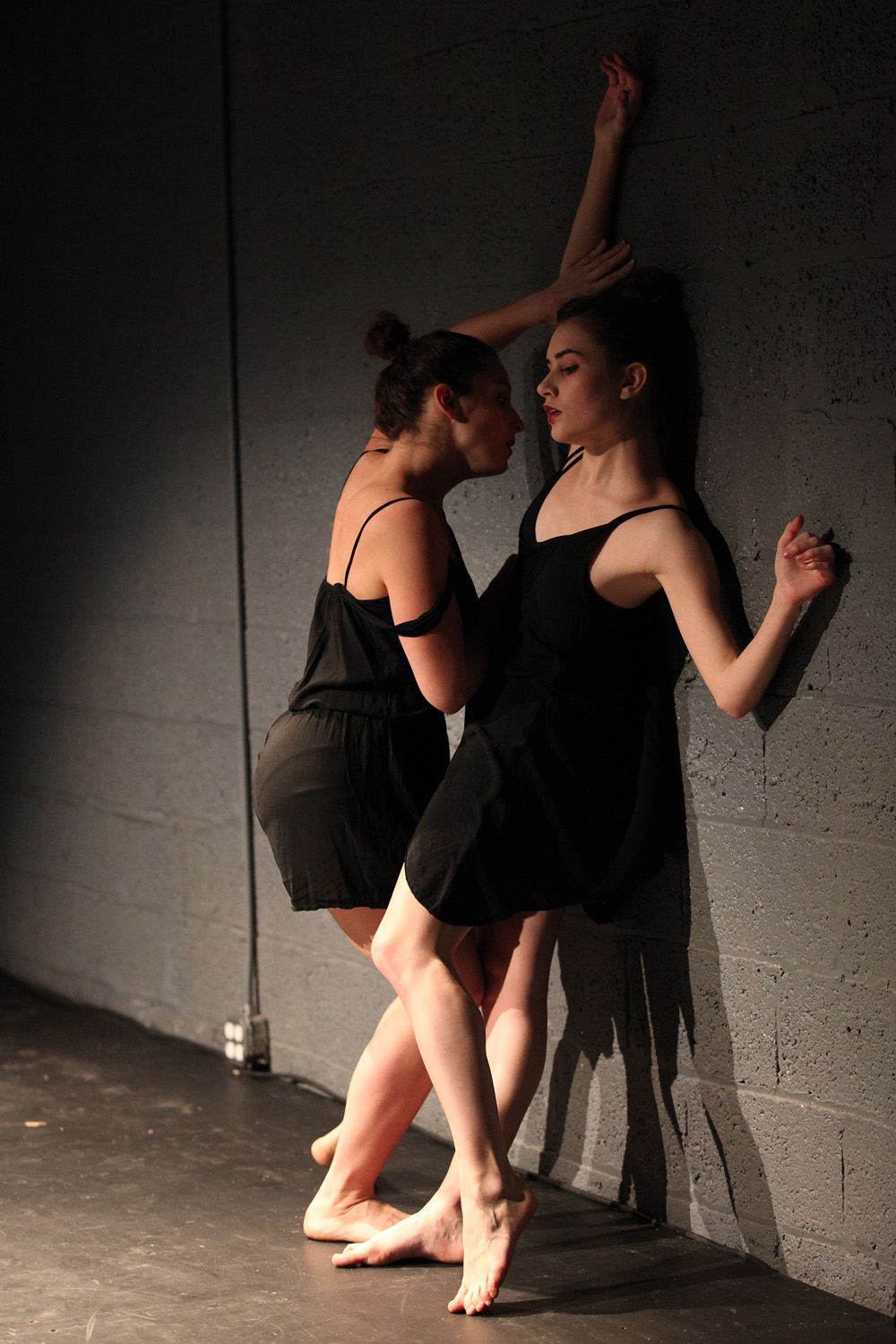
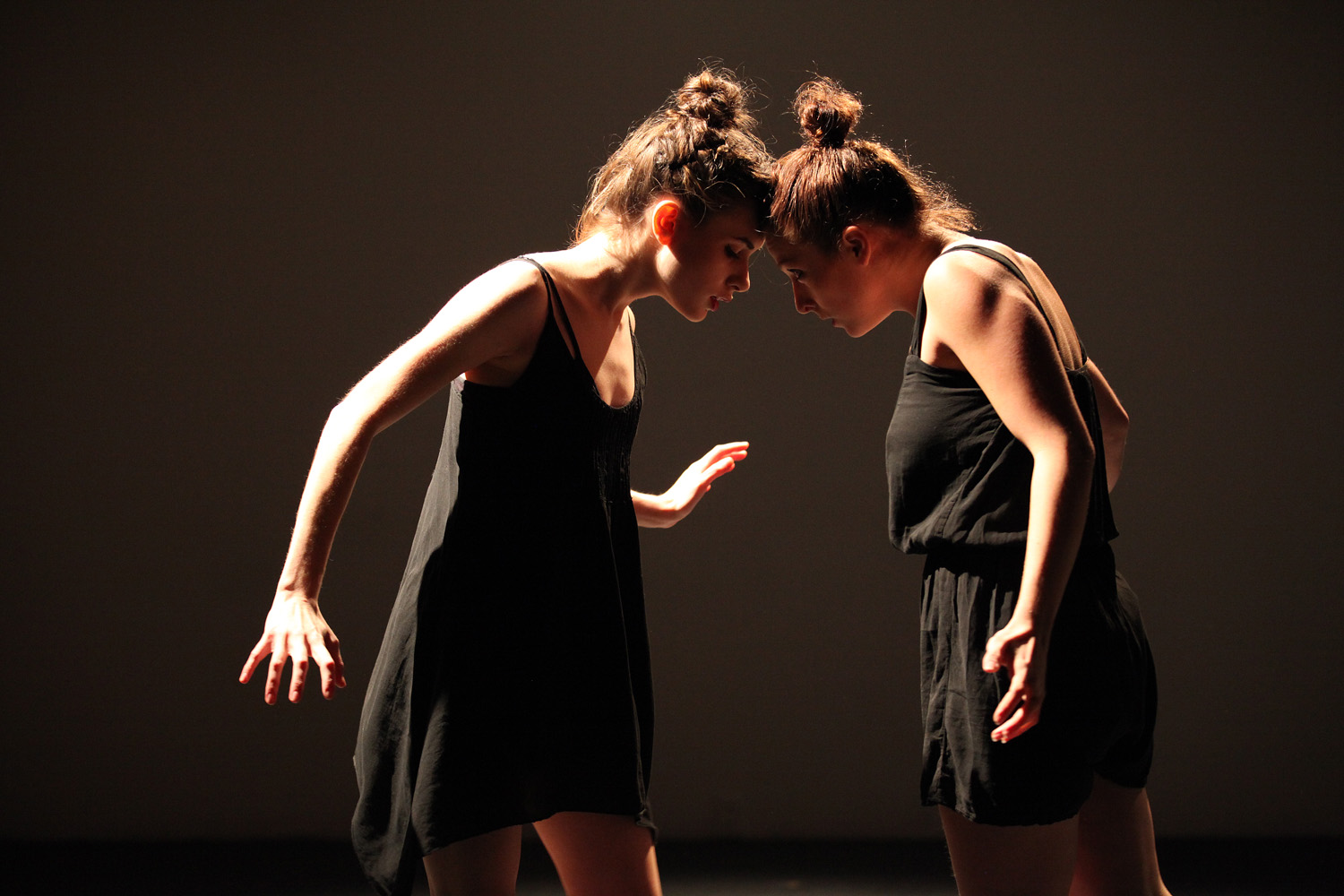
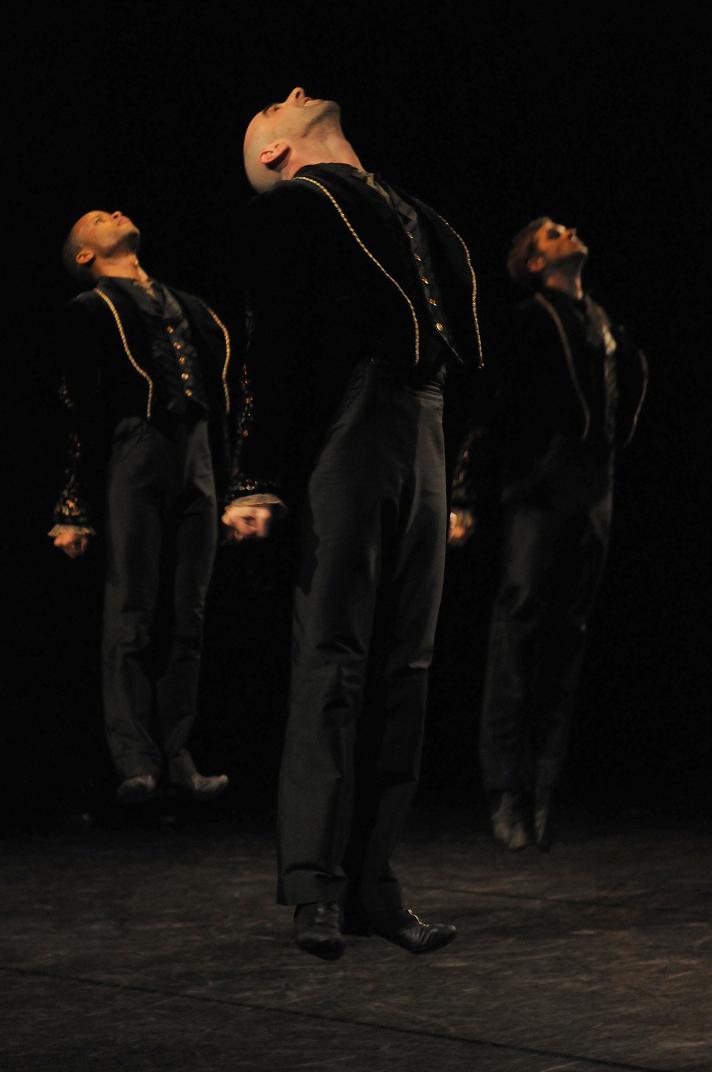
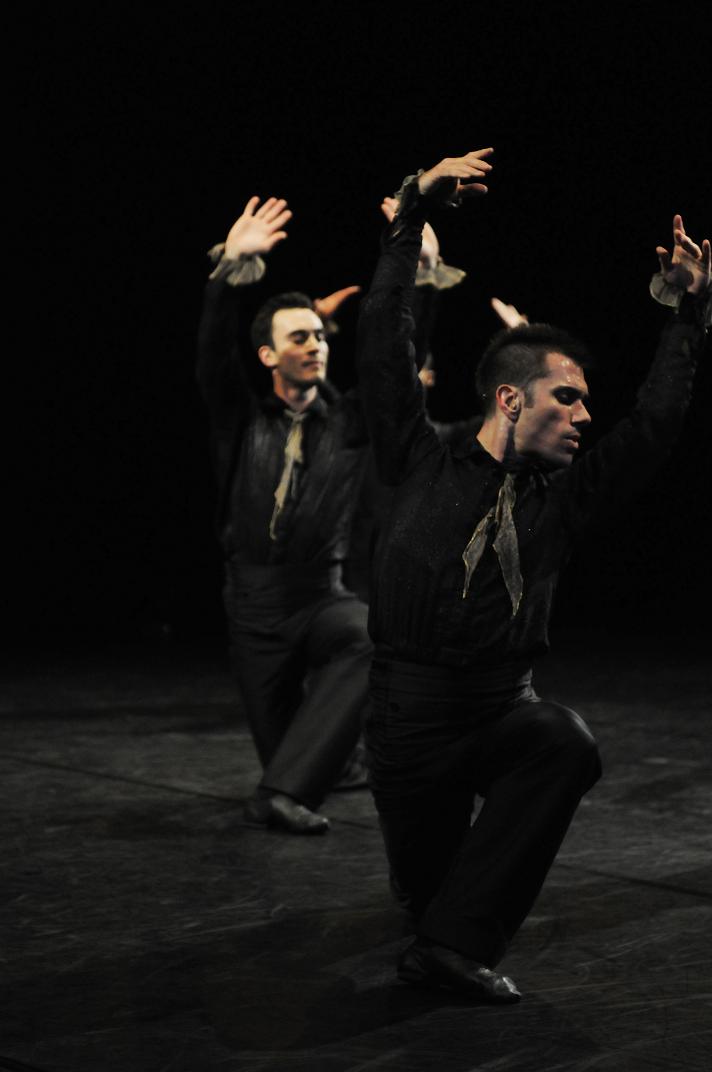
Author: Philip Gardner

  • UNION JACK @ NYC Ballet

    UnionJack

    Tuesday September 27, 2011 – When I think of my ‘top 25’ ballets by George Balanchine, UNION JACK is not on the list. I like to see it once in a while (mainly because you get to see so many dancers we love all in one fell swoop) but it doesn’t compare to things like SERENADE, FOUR TEMPERAMENTS or SYMPHONY IN C mainly because the musical score is just a melange of sea shanties, British naval themes and folk tunes strung together with filler by Hershy Kay. But it suits Balanchine’s purposes well for this ballet, inspired by the military tattoo he saw in Edinburgh, Scotland.

    Tonight, serving as the second half of a programme which opened with the new OCEAN’S KINGDOM, UNION JACK seemed like the most fantastic bloody masterpiece ever made. A lineup of superstar principal dancers led the various regiments onto the stage in Balanchine’s superbly crafted processional in which seemingly every available corps de ballet member and most of the soloists are pressed into kilts to fill the stage.

    One after another, beloved dancers marched into view: Joaquin de Luz, Charles Askegard, Abi Stafford, Jared Angle, Janie Taylor, Wendy Whelan and Maria Kowroski. Corny as it may sound, I simply loved seeing them all onstage together: these are people who have given me so many fantastic nights of dancing over the years. I love them both as artists and as personalities. As they stepped out in the ensuing solos and duets, the lingering gloom induced by OCEAN’S KINGDOM vanished. We were back with our Company and all seemed right with the world again.

    Later, Mr. and Mrs. Andrew Veyette appeared in the dance hall interlude as the Pearly King and his Queen. They were sweet, silly and sly…and meanwhile they both danced very well too.

    In the final segment, super-soloists Adam Hendrickson and Sean Suozzi joined Wendy Whelan for some loose-limbed high-jinx. Joaquin flirted with Abi and Janie and the three of them whisked about the stage with efffortless comic bravura. Jared and Chuck looked terrific, and then Mrs. Harvey (aka Maria K) came strutting along the quarterdeck as a high-kicking Wren.

    UNION JACK might not be the greatest Balanchine ballet but as an antidote to the evening’s earlier offering it was sheer perfection. Several people around me stood up to cheer at the end as the NYCB all-stars came before the curtain to bow.

  • Images from BalaSole

    Copy of 16

    A gallery of Kokyat’s photographs from the September 24th dress rehearsal for BalaSole’s performance of the same date. Above: Daisuke Omiya.

    Copy of 3

    Peter Mills in the opening ensemble

    Copy of 5

    Peter Mills

    Copy of 12

    Ellena Takos

    Copy of 18

    Daisuke Omiya

    Copy of 23

    Allison Kimmel

    Copy of 32

    Ren Xin Lee

    Copy of 33

    Peter Mills

    Copy of 35

    Peter Mills

    Copy of 41

    Julia Halpin

    Copy of 49

    Roberto Villanueva

    Photography by Kokyat.

  • The Dancers of BalaSole’s SPECTRE

    Copy of 44

    Above: Julie Halpin, one of the dancers who appeared in BalaSole‘s SPECTRE which was presented at Ailey Citigroup Theater. Kokyat photographed the participating artists at the dress rehearsal on September 24th. Details of this programme, which gathered dancers from diverse backgrounds, will be found here

    Here are some of Kokyat’s images of the individual dancers:

    Copy of 8

    Lauren Putty

    Copy of 11

    Ellena Takos

    Copy of 15

    Daisuke Omiya

    Copy of 19

    Jasmine Domfort

    Copy of 24

    Allison Kimmel

    Copy of 25

    Gierre Godley

    Copy of 28

    Cailin Murtha

    Copy of 30

    Ren Xin Lee

    Copy of 34

    Peter Mills

    Copy of 40

    Courtney J Cook

    Copy of 47

    Roberto Villanueva

    All photos by Kokyat. Visit a Facebook gallery of his dance images here.

  • BalaSole @ Ailey Citigroup Theater

    Copy of 2

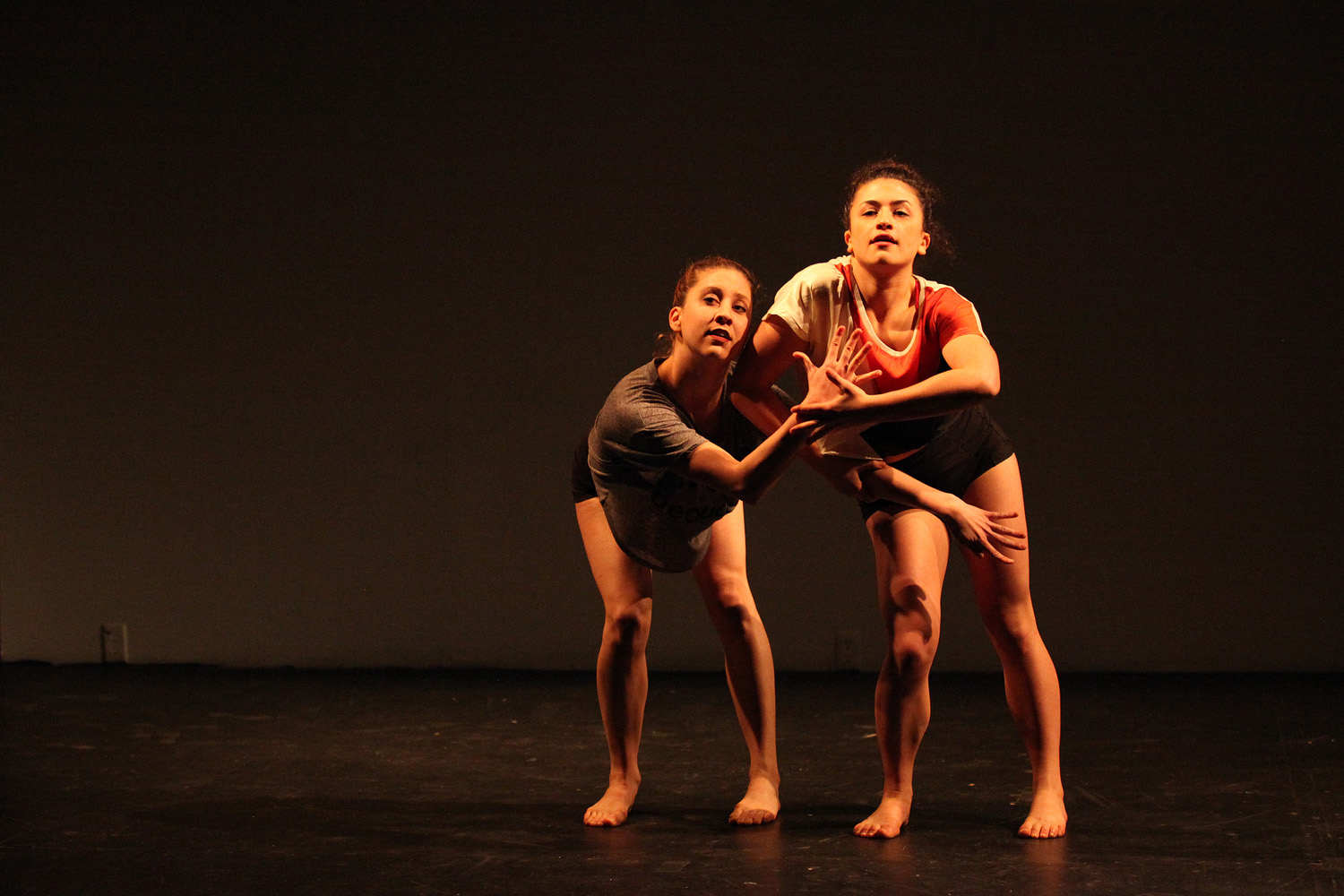
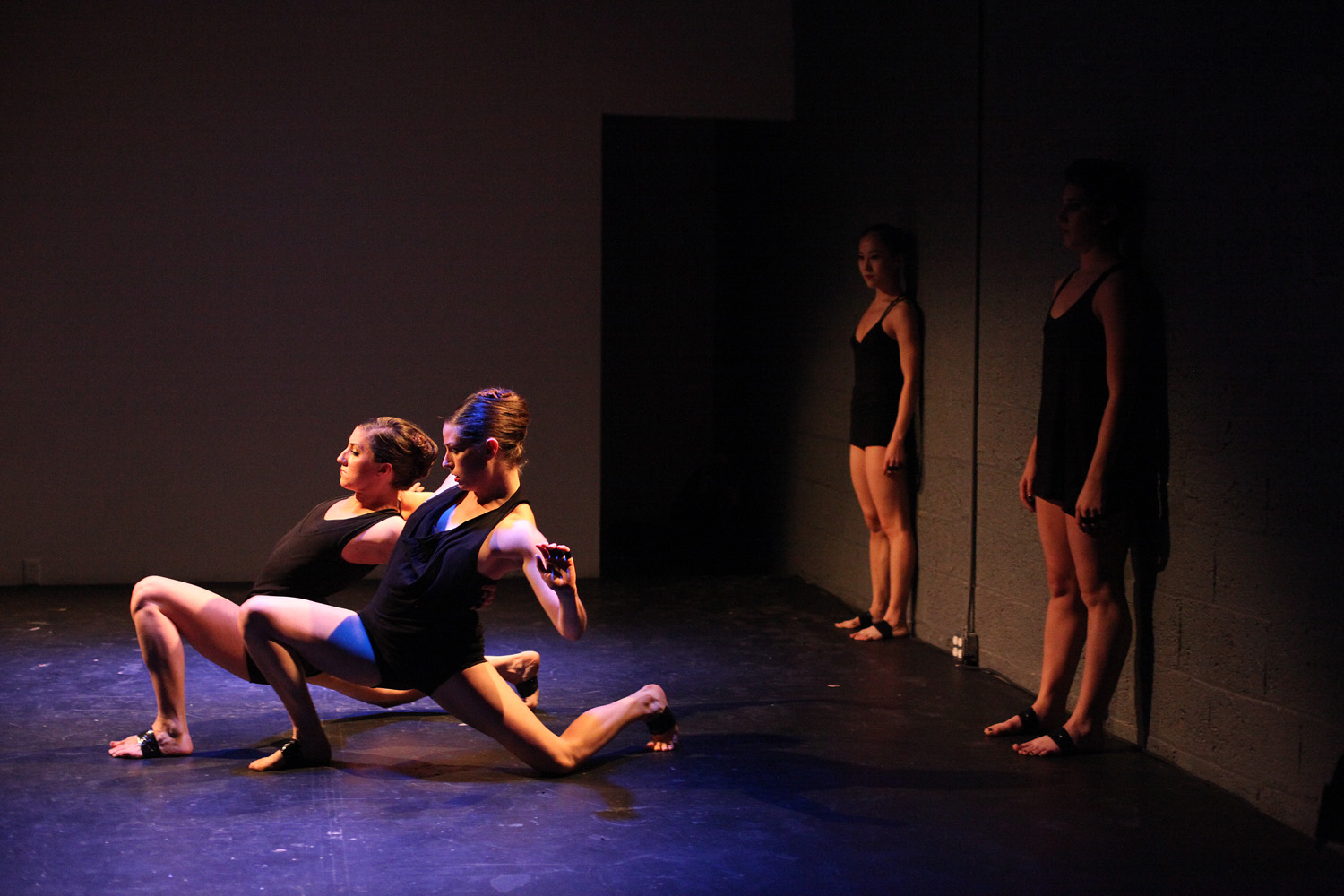
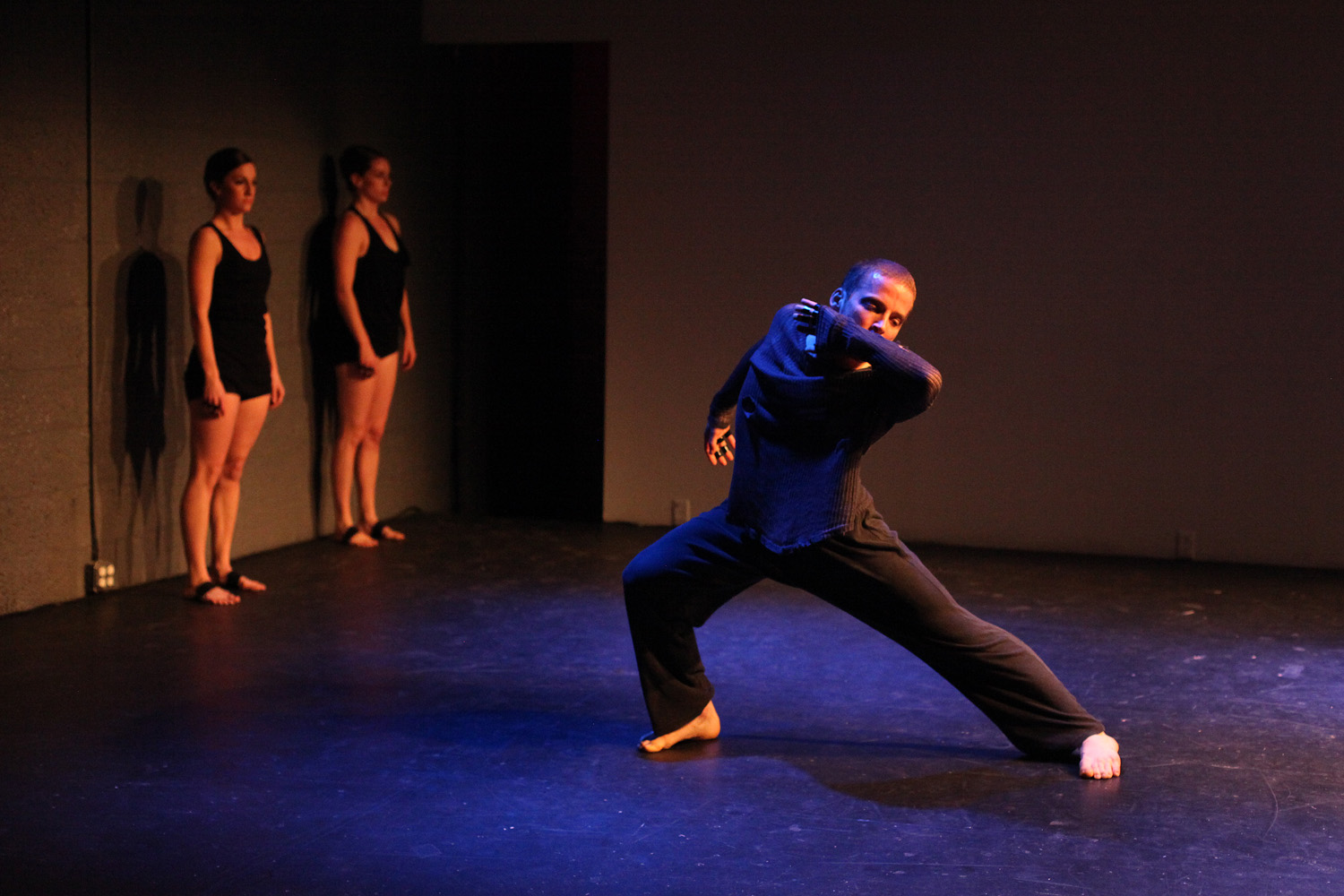
    Saturday September 24, 2011 – Earlier this year we discovered BalaSole, the brainchild of dancer/choreographer Roberto Villanueva. In a series of concerts, Roberto brings together dance artists of varied backgrounds and provides them with a platform to show their work both as creators and dancers. For his July 2011 presentation, Roberto had assembled a very interesting mix of dancers and styles; for tonight’s showing, entitled SPECTRE, an equally fine line-up came together in a very appealing programme. A large and attentive audience at Ailey Citigroup Theater clearly enjoyed this well-paced and finely lit production.

    Click on the images to enhance.

    Copy of 1

    The participating dancers in BalaSole’s concerts win their spots in the programme thru an audition process. Entrants come from all over and they spend a week here in NYC preparing for the performances. Each BalaSole production opens and closes with an ensemble piece put together by the dancers and supervised by Roberto Villanueva. The creation of these two pieces turns a group of solo artists into a collective.

    Copy of 4

    Roberto chose a setting of the familar ‘White Swan’ theme from the Tchaikovsky masterpiece for the opening and closing dances tonight; at first rendered on the celesta, the music then goes into a rather grandiose disco beat: off-putting? Not in the least…actually I thought it was a lot of fun. It gave us an opportunity to see all the dancers – clad in long black skirts – before the solo presentations started. In Kokyat’s photo above: Gierre Godley and Ellena Takos.

    Copy of 7

    Following a brief pause so she could slip into costume, Lauren Putty (above) opened the procession of soloists with a space-filling solo set to a song by Sade. As with almost all the dancers, Ms. Putty’s solo was self-choreographed. Laced with vivid leaps and showing the dancer’s strong dramatic presence, this piece – entitled Reflections – got the evening off to a fine start.

    Copy of 10

    Her tutu-like skirt tied in the back with a large black bow gave Ellena Takos (above) a Degas feeling but her style was contemporary, well-suited to her choice of an Alicia Keys song. I Love You, I Love You Not shows a woman in a romantic quandry, sometimes collapsing to the stage like a crushed marionette.

    Copy of 17

    Daisuke Omiya from Japan has a long resume of experience as a tap dancer but now he’s working on developing a broader style of modern dance. Using an industrial-sounding track from Aphex Twin, the slender danseur moved fluently – but with an edge – in the gritty solo Life Sound which made me think at times of Marco Goecke’s contemporary classic Mopey.

    Copy of 20

    Beautiful and exotic, with luminous eyes, Jasmine Domfort (above) rose from a pool of light to dance Counter Existence, set to Arvo Part’s quietly radiant Spiegel im Spiegel played by Angele Dubeau and La Pieta. Using her hands and even her hair as expressive tools, she created a highly personal atmosphere.

    Copy of 21

    Allison Kimmel (above) began her solo Pursuit with a slow backbend. Dancing to music by Max Richter (excellent choice: a first-rate exponent of the contemporary-classic genre), Ms. Kimmel let the music lead her from pensive to animated as she seemed on a quest for someone or something that eluded her. We saw Allison earlier this year at TAKE Dance‘s summer intensive; we love seeing dancers we’ve seen before…

    Copy of 26

    …which was another reason we were so entranced by Gierre Godley’s performance of Kept? We first saw Gierre (above) in November 2010 dancing with Eryc Taylor Dance. For Kept?, Gierre also used a Max Richter score and he danced it with an intense air of mystery. Drawing his shirt up over his face, a shroud-like image gave the work an ominous feeling; throughout, Gierre’s hands were spell-binding.

    Copy of 29

    Following a brief intermission, Cailin Murtha’s solo Corner of Your Heart had a lamenting quality. Using music of Kurt Bestor and Sam Carlson, the dancer in a simple black dress conveyed an aura of regret and resignation.

    Copy of 31

    Ren Xin Lee (above), dancing an excerpt from Somewhere…We Hear choreographed by Kuik Swee Boon to music of David Darling, conveyed the anxious vulnerability of a traveler in a strange land. With her heavy suitcase in tow, the dancer reminded us of the uncertainty of immigrants searching for a new life.

    Copy of 36

    With his slender form clad in ripped blue-jeans, Peter Mills looked very much an au courant young man, but his solo actually had a timeless quality, greatly enhanced by the music of Dario Marianelli in which instruments from cello to musette were heard. Moving into an agitated state, the dancer’s trembling form confronted the audience directly as From Behind ended.

    Copy of 39

    M.E.A.N. is a solo by Courtney J Cook in which the dancer, in dark trousers and a white shirt, fidgets nervously and paces about restlessly as she deals with a romantic breakdown. “It’s over,” says singer Jill Scott succintly. As evening falls, Ms. Cook lights up another cigarette to sooth her nerves.

    Copy of 46

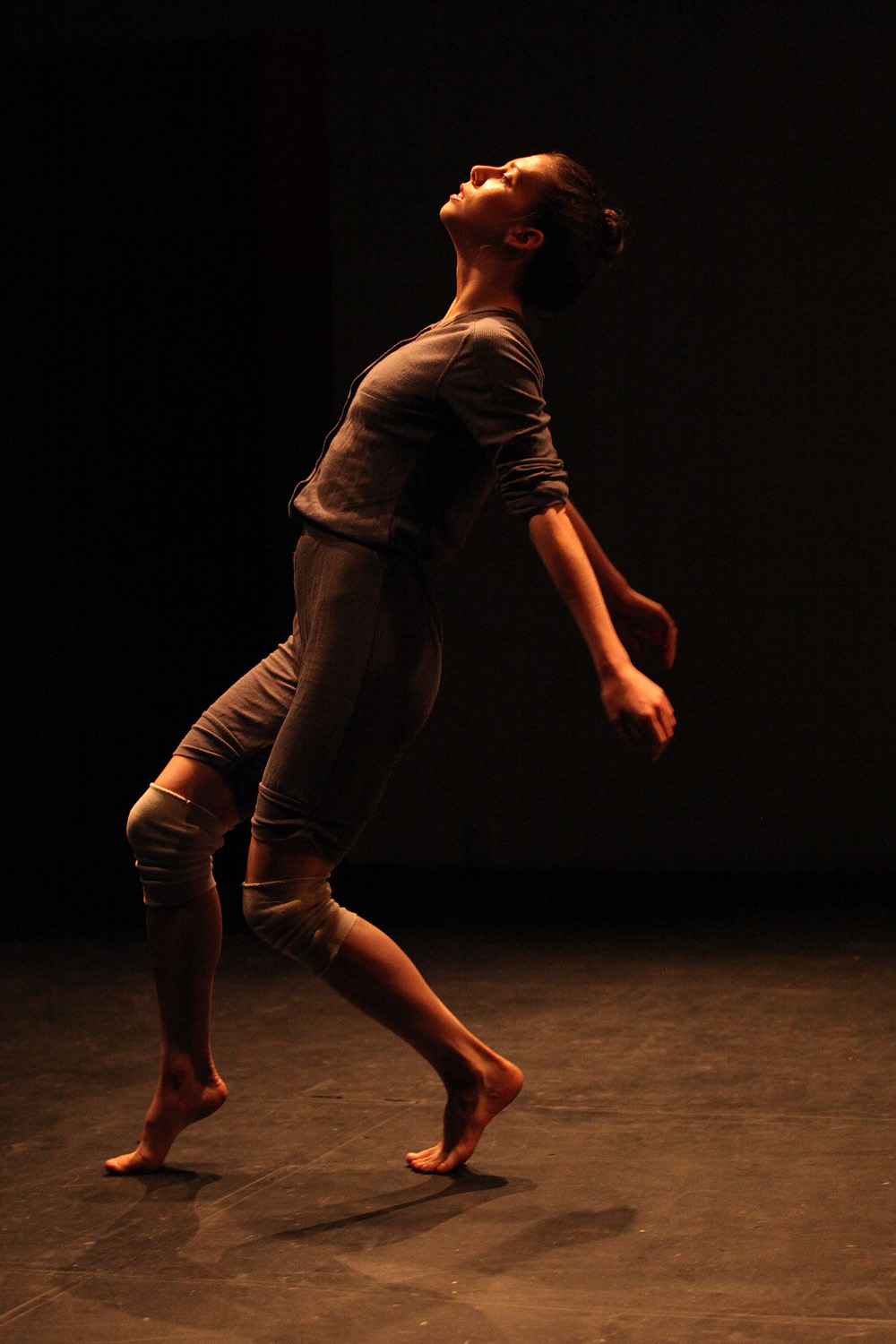
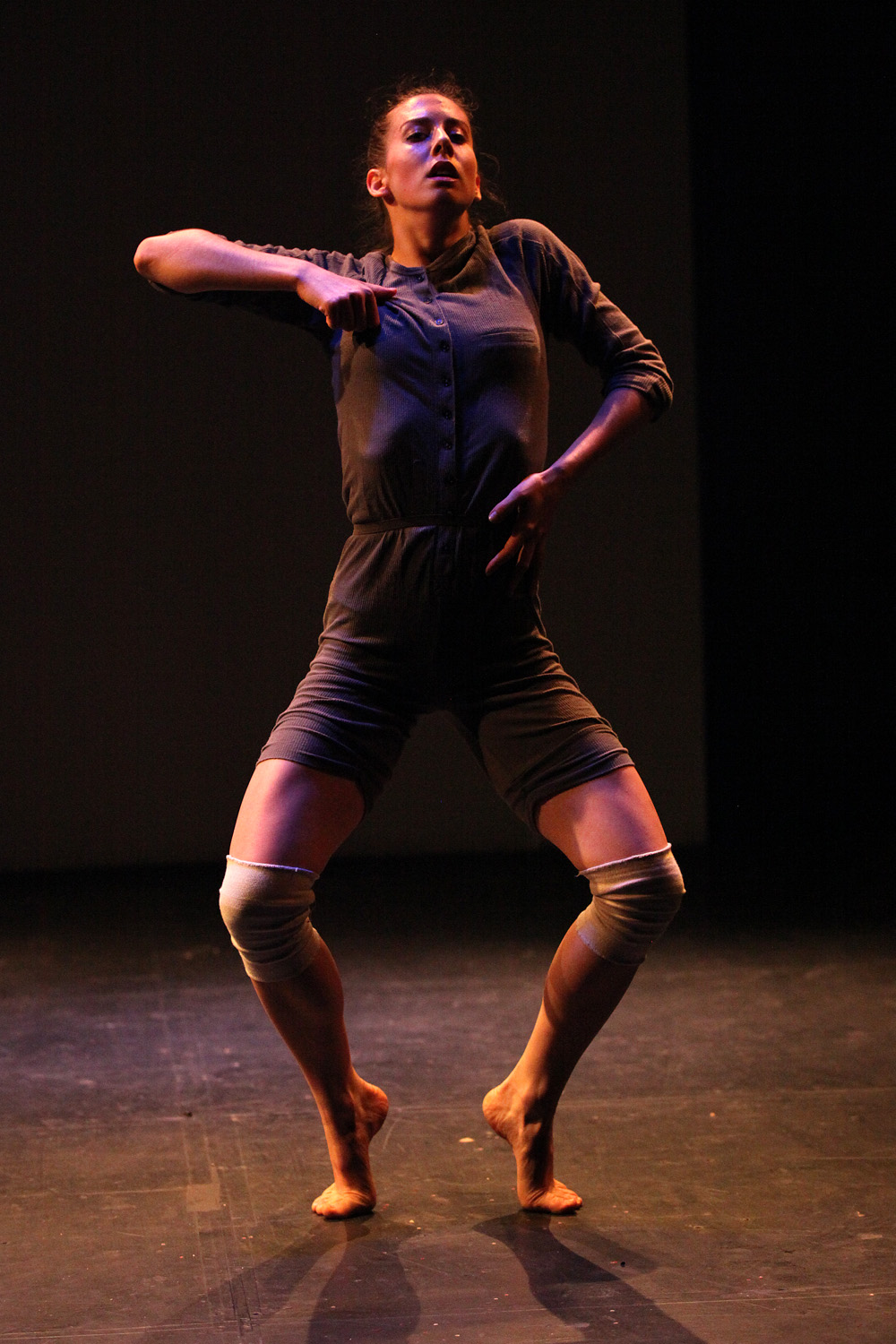
    Julie Halpin’s solo Alone begins with the dancer seated in a straight-back chair and wrapped in a red scarf. Music by Fire Horse propels the dancer into activity but she eventually resigns herself to her lonely vigil. For what or whom is she waiting?

    Copy of 48

    Percussive fanfares precede a ritualistic yet lyrical solo danced by Roberto Villanueva in white briefs and a long sheer white veil. Set surprisingly to Chopin, this work (entitled Be) evoked images of some of Isadora Duncan’s mythic solos. Roberto danced this in a state of serene contemplation…

    Copy of 50

    …kneeling silently as the drums marked the end of the rite.

    Copy of 52

    All the dancers returned for a Tchaikovsky finale: a fantasy of black swans who have wandered far from the lake.

    Copy of 51

    Final curtain call.

    All images by Kokyat. Photos of the individual dancers here.     

  • Cherylyn Lavagnino’s Autumn Soiree


    Copy of 23

    Thursday September 22, 2011 – A really fine evening of dance from Cherylyn Lavagnino‘s beautiful Company, enhanced by live music and performed in a “salon” setting at the Chelsea Art Museum. Above, violinist Jane Chung and dancer Luke Manley in QUIET PLACE, the evening’s final offering.

    Two duets, a quartet and a large ensemble work were danced in different areas of the museum’s large upper gallery. The audience, despite being urged to walk about, mostly remained in their seats, moving their chair as the performance shifted from space to space.

    Copy of 3

    Composer Scott Killian provided the original score for DUET #3 in which two men move thru scuptural poses, often linked like conjoined twins. There’s no hint of romance or physical attraction between the two dancers – Justin Flores and Josh Powell (above). Instead the piece has a rather brotherly feel, and though the pacing in general is slow it is quite demanding in terms of stamina and strength.

    Copy of 8

    As DUET #3 ended, Josh walked away from the space leaving Justin in a pensive pose; he was soon joined by the lovely Selena Chau for the artful duet A BIRD CAME DOWN THE WALK, set to an entrancing score by Toru Takemitsu. This pas de deux seems a perfect companion piece to DUET #3 and some of the same motifs appear in the choreography, subtly altered. Selena and Justin (above) gave a lyrical performance; Ms. Lavagnino’s partnering settings are very appealing and persuasively interpreted by her excellent dancers.

    Copy of 15

    Moving to another area in the large gallery, four dancers appeared to perform WILL which is set to a score by Jane Chung which the composer, a polished violinist, played live tonight. Above, dancers Sarah Bek and Selena Chau.

    Copy of 11

    The work opens with two duets: in the first Ms. Chau and her partner Justin Flores (above) dance with  expressive lyricism – Selena’s vulnerable quality is so appealing  and Justin a fine and attentive partner. Meanwhile…

    Copy of 10

    …the second couple (Sarah Bek and Patrick O’Neill) stand to the side, facing one another silently.

    Copy of 12

    Sarah and Patrick’s duet has a more edgy element to it; these tall and attractive dancers match up well and danced with commanding assurance.

    Copy of 18

    Justin Flores in WILL.

    Copy of 19

    Justin and Patrick in WILL.

    Copy of 30

    A large ensemble then took over the central space of the gallery for the concluding QUIET PLACE; Ms. Chung played the Passacaglia for Solo Violin by Heinrich Ignaz Biber as the dancers moved thru ever-shifting pairings and sub-groups in patterns that evoked images of reverence and ritual.

    Copy of 21

    The individual dancers have ample opportunities for expressiveness: Josh Powell, above…

    Copy of 22

    …Luke Manley and Eric Williams…

    Copy of 25

    …Darion Smith, with Ms Chung in the background.

    Copy of 26

    Violinist Jane Chung, dancers Luke Manley and Claire Westby

    Copy of 27

    Julia Mayo, Josh Palmer, Jane Chung

    Copy of 31

    Josh Palmer

    Copy of 24

    Luke Manley, Eric Williams

    Copy of 28

    Ms. Lavagnino’s choreography in this larger-scale work impressed in its musicality and underlying sense of passion for movement. She’s becoming one of my favorite contemporary choreographers.

    A note about violinist/composer Jane Chung, from the Musica Bella website:

    “Jane Chung, violin/viola, has performed as soloist, recitalist and chamber musician across the United States and Europe, including the festivals of Prussia Cove, Aspen, Taos, Britten-Pears, Utah and Spoleto. She has collaborated as a chamber musician with Joel Krosnick, Rostislav Dubinsky, Luba Edlina, and Steven Isserlis, and the dance company TERRAIN. An enthusiastic performer of contemporary music, Ms. Chung has been a regular guest artist of the Naumburg Award-winning Da Capo Chamber Players since January 2003, including tours to Moscow, St. Petersburg and Minsk. She has also appeared with the Elements Quartet, Non Sequitur, Azure Ensemble, odeonquartet, and worked with Mario Davidovsky and Eric Chasalow.

    Ms. Chung trained primarily at Yale University, where she received a Master of Music degree and a B.A. (magna cum laude) in architecture, and was winner of both the graduate and undergraduate concerto competitions. She then studied in Vienna as a Fulbright grant recipient. Her main teachers include Peter Oundjian and Donald Weilerstein. Ms. Chung has served on the faculty of Mark O’Connor Fiddle Camp and the Great Neck Music Center, and she has taught violin and chamber music at Yale. She is also worked with American Ballet Theatre’s orchestra and has performed with the New York Philharmonic, Orpheus Chamber Orchestra, Seattle Symphony, and Metamorphosen Chamber Orchestra.”

    All photographs by Kokyat. Visit his Leica photoblog here.

  • Matt Murphy’s DISPLACED

    _MG_0763-2 DISPLACED is a dancer-portrait series being created by photographer Matthew Murphy. Above: Matt’s image of one of the participating dancers, New York City Ballet‘s Wendy Whelan, a great favorite of both Matthew and myself. (I have an especially fond memory of the day Matt came with me to photograph Wendy teaching class at MMAC.) 

    IMG_0453

    David Hallberg, danseur supreme and very much in the news of late, is another of Matt’s subjects in this series.

    I asked Matt to tell us a bit about this project:

    “Over the past few years I’ve been looking for a way to merge my two passions: dance and photography. As a former ballet dancer, this specialized art has always been something I loved to capture on camera, but I’ve never done a long-term project combining my two worlds…until now.  

    Displaced was born out of the idea that I wanted to do a portrait series of dancers that didn’t focus on athleticism and virtuosity, which has been showcased by so many photographers in the past; I wanted to photograph dancers without the dancing and look at their existence removed from performance. This series gives me a chance to highlight some of the greatest artists in New York City.

    I’ve been fortunate to collaborate on this project with dancers like David Hallberg, Michelle Dorrance, Keith Roberts, Ashley Bouder, Michael Trusnovec, Wendy Whelan, Gary Chryst and many others.  Over the next month I’ll be working with even more dancers to complete the project, which will be shown at Dance New Amsterdam from November 5th through December 10th.” 

    Matt is presently raising money via Kickstarter to fund the Dance New Amsterdam exhibit. You can make a donation to the project here.

    Update: Although Matt has already reached his Kickstarter goal, you can continute to donate. And I hope you will!

  • Met’s 1961 TROVATORE on SONY

    886979100626

    The Metropolitan Opera on SONY series recently issued the famous February 4, 1961 TROVATORE broadcast with Leontyne Price and Franco Corelli which followed by a week their wildly acclaimed joint Met debut in the Verdi opera. The 1960-61 Met broadcast season was happening without my knowledge, otherwise I would certainly have been glued to my radio. But I did not discover the Met broadcasts until the following season when the fabled Sutherland ‘debut’ LUCIA was the first time I tuned in. From then until just a couple of years ago, I hardly ever missed a broadcast.

    I heard Price and Corelli many times at The Met – Leontyne I actually heard at the Old Met as Fiordiligi in COSI FAN TUTTE (in English) and Franco sang in the first performance I saw at the New Met (as Calaf in TURANDOT). I loved them both in those golden years though I knew Franco could be sloppy at times and Leontyne, over the years, developed some annoying idiosyncrasies. I’d never heard the 1961 TROVATORE so I set aside time to concentrate on it; I must say, it is a very erratic performance.

    Fausto Cleva, a favorite conductor of Renata Tebaldi, takes much of TROVATORE at a breathless clip. For the most part the singers manage to keep up though there’s some scrambling here and there. Aside from Leontyne Price, who strives throughout for thoughtful musicality, the principal quartet of singers tend to sing TROVATORE in verismo style rather than treating it like a god-child of the bel canto era. I suppose there’s a temptation to snarl and bluster in the opera’s dramatic utterances and in a live performance there is no recourse other than to let the singers do what they will in declaiming the text. But it becomes a bit tiresome after a while.

    Corelli is the most lachrymose Manrico I ever heard; he gives the same impression on his commercial recording of the role for EMI, though that is more artfully sung. Of course there is a lot of very powerful and exciting vocalism in his interpretation, but this is somewhat compromised by his melodramatic excesses. Upon receiving news that Leonora is to take the veil, Corelli has a little mad scene which wanders right off the musical map. But despite some slight variability of pitch at times, the utterly distinctive Corelli timbre and his sheer generosity of voice make him a Manrico on the grand scale. Interestingly, Corelli only sang this opera at the Met eleven times, retiring it from his repertory at the House in 1964. A new production in 1969 was reportedly planned for Corelli but in the event Placido Domingo was the Manrico.

    Leontyne Price on the other hand kept Leonora in her repertoire for over twenty years; the great aria “D’amor sull’ali rosee” might be considered the soprano’s theme song and she sang it superbly at the gala that closed the Old Met in 1966. The warmth and shimmering beauty of her timbre provide the vocal high points of this 1961 broadcast where she manages to maintain the Verdian line while her colleagues wander into melodramatic over-accenting of certain passages. For my money, Price was not a soprano with a first-rate forte top; she was best in the floating upper phrases of a role. Corelli drowns her out on the final D-flat of Act I, and her high-C at the climax of the Act IV duet with di Luna doesn’t have any zing to it. But overall it’s wonderful to hear the soprano in all her freshness in this music. Over the ensuing years Price developed a vocal ‘style’ that could be off-putting: growling in the lower register and introducing some bluesy mannerisms that could spoil her performances for me. You don’t hear these on her commercial recordings so much, but in the House she could be very self-indulgent. Nevertheless her singing could still thrill, right to her farewell operatic performance.

    I always loved the sound of Mario Sereni’s voice, so warm and attractive. For me he was at his best in verismo: his Marcello, Carlo Gerard and Tonio (PAGLIACCI) were all very fine; he did leave behind some wonderful studio recordings too, notably his Germont with de los Angeles and his Enrico on the RCA/Moffo LUCIA. But in this TROVATORE he seems way off form. I wonder in fact if he was actually originally scheduled for this  broadcast since Robert Merrill had sung di Luna in the Price/Corelli debut performance and sang it again in the next performance following the broadcast. Whatever the case, Sereni seems unprepared. He sings the wrong entry line in the first scene of Act III and gets lost in the recitative on his entry in Act IV. Some handsome singing along the way is offset by serious pitch problems in the great aria “Il balen”. It’s sad that this particular broadcast should be chosen as a document of Sereni’s live Met performances; I know I can never listen to it again.

    Irene Dalis was a great favorite of mine. She was a powerful stage presence and a singer who could be both passionate and subtle. Her performance is exciting but I feel of all the singers she may have been most put-off by Cleva’s fast tempi. In the Act III, Scene 1 finale Irene is pushed to the limits by the conductor’s absurdly rapid pace and it seems to me that she simply stops singing during the final bars of music. Her final scene is very impressive, though, with the quiet calm of her “Ai nostri monti” and a sustained high B-flat in her last triumphant, vindictive phrase. Ten years after this broadcast, I saw Irene’s Azucena at the Met during a June Festival performance. Despite the intervening decade of singing some of opera’s most demanding roles, she was in fact far more thrilling and vocally secure than on this 1961 broadcast.

    It’s good to have a document of William Wilderman’s performance of Ferrando; his ample and darkishly dramatic singing gets the opera off to a strong start. Teresa Stratas sings the brief role of Inez and there is no mistaking her voice. She strives to make something lovely of her phrase bidding farewell to Leonora at the convent, but Price trumps her by coming in a shade early and stepping on the younger soprano’s tapering piano.

    For all its flaws, listening to this recording reminded me of how much I love this opera. Despite its improbable plot, the vast treasury of Verdi melody makes TROVATORE essential.

  • Kokyat Inteviewed on The Leica Camera Blog

    6a00d8341c4e3853ef013485f90c9b970c-800wi

    Above, ballerina Joy Womack photographed by Kokyat at a studio rehearsal of a solo by choreographer Avi Scher in August 2010. Kokyat photographed the session with his Leica, and he is now the subject of an interview on the Leica Camera Blog. 

    For the past two years I have had the good fortune of having Kokyat’s images on my blog. In addition, he has been a great companion for me in exploring The City and in going places I’d never have gone on my own (like under the Brooklyn Bridge at midnight).

    Here is Kokyat’s photo-commentary on Hurricane Irene.

  • Continuum Contemporary/Ballet to The Pillow

    SALGADO_MM-1

    Donna Salgado (above) took her troupe Continuum Contemporary/Ballet to Jacob’s Pillow on August 25th for an Inside/Out performance. I met Donna and some of her dancers earlier this summer when they were preparing for the Latin Choreographers Festival. On Monday August 22nd, photographer Matt Murphy and I went to the DANY Studios to watch the Company rehearsing for their Pillow appearance. The work being performed is Donna’s setting of THE FOUR SEASONS to the familiar Antonio Vivaldi score. 

    SALGADO_MM-5

    This ballet calls for a large ensemble so there were some new (to me) faces in the studio. Above: the women included Cassandra Coulas, Virginia Horne, Kate Loh, Sarah Atkins, Ashly Noel and Donna herself.

    Here is a galllery of Matt’s photographs from the rehearsal:

    SALGADO_MM-8

    Alfredo Solivan

    SALGADO_MM-2

    Cassandra Coulas

    SALGADO_MM-19

    Matthew Uriniak

    SALGADO_MM-3

    Donna Salgado, Sarah Atkins

    SALGADO_MM-15

    Kate Loh

    SALGADO_MM-20

    Vanessa Salgado

    SALGADO_MM-9

    Ted Keener

    SALGADO_MM-7

    Sarah Atkins

    SALGADO_MM-6

    Donna Salgado

    SALGADO_MM-4

    Sarah Atkins, Kate Loh

    SALGADO_MM-12
    Ted Keener, Sarah Atkins

    SALGADO_MM-13

    I was so lucky to catch Matt with a free hour in his schedule and he produced these images with his usual sureness of eye before rushing off to another shoot. 

  • Addio fiorito asil

    Franco

    A rarity: Franco Corelli sings Pinkerton’s farewell to the little house where he and Cio-Cio-San were briefly happy together: “Addio fiorito asil” from Puccini’s MADAMA BUTTERFLY.

    “Farewell, flowery refuge
    of happiness and love!
    I shall always be tortured
    by the thought of her sweet face.
    Farewell, flowery refuge:
    here where she waited for me..
    Ah, my remorse I cannot bear.
    I must go, how I despise myself!
    Farewell…
    I must flee…I am vile…I despise myself!”