Author: Philip Gardner

  • Nicole Corea

    Copy of 28

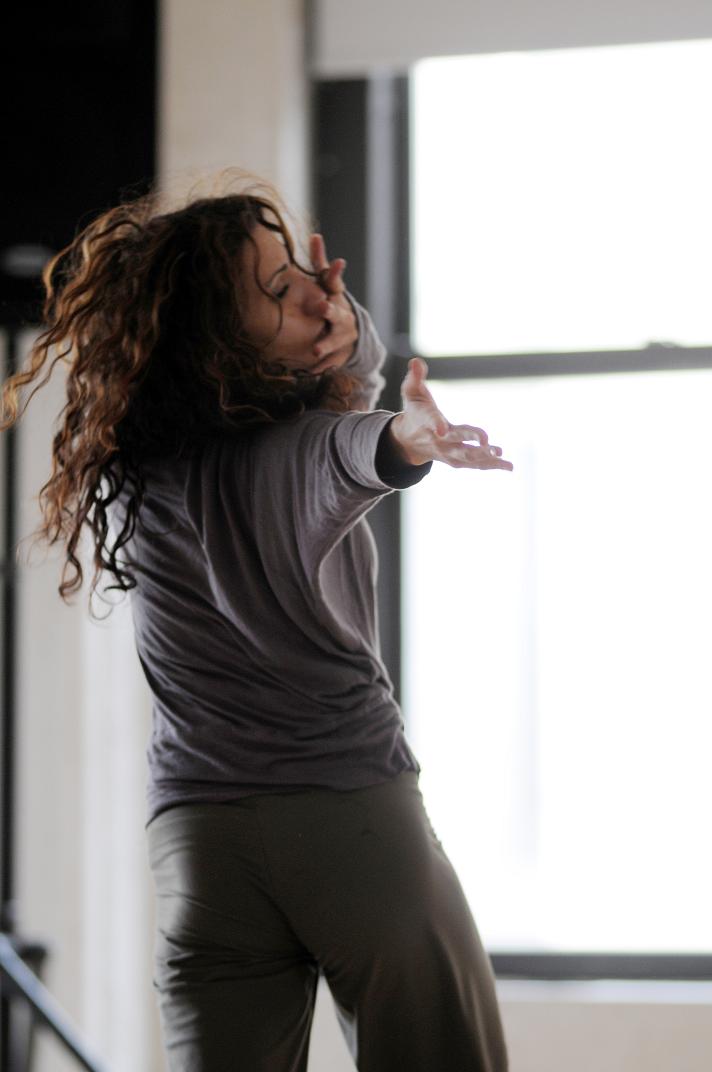
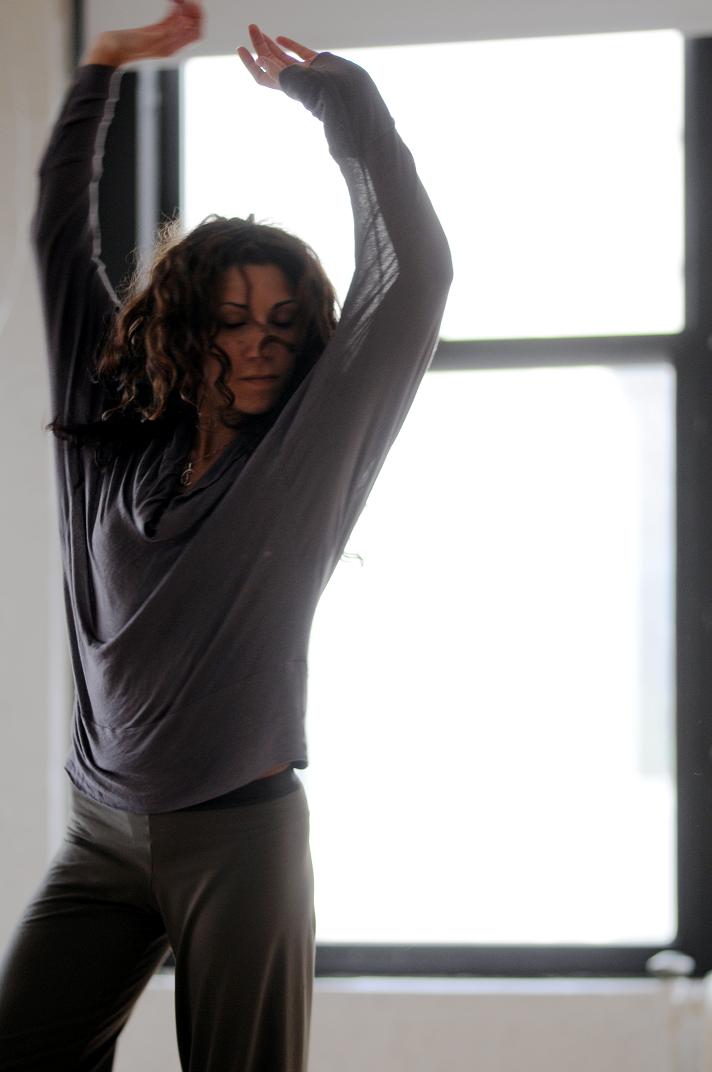
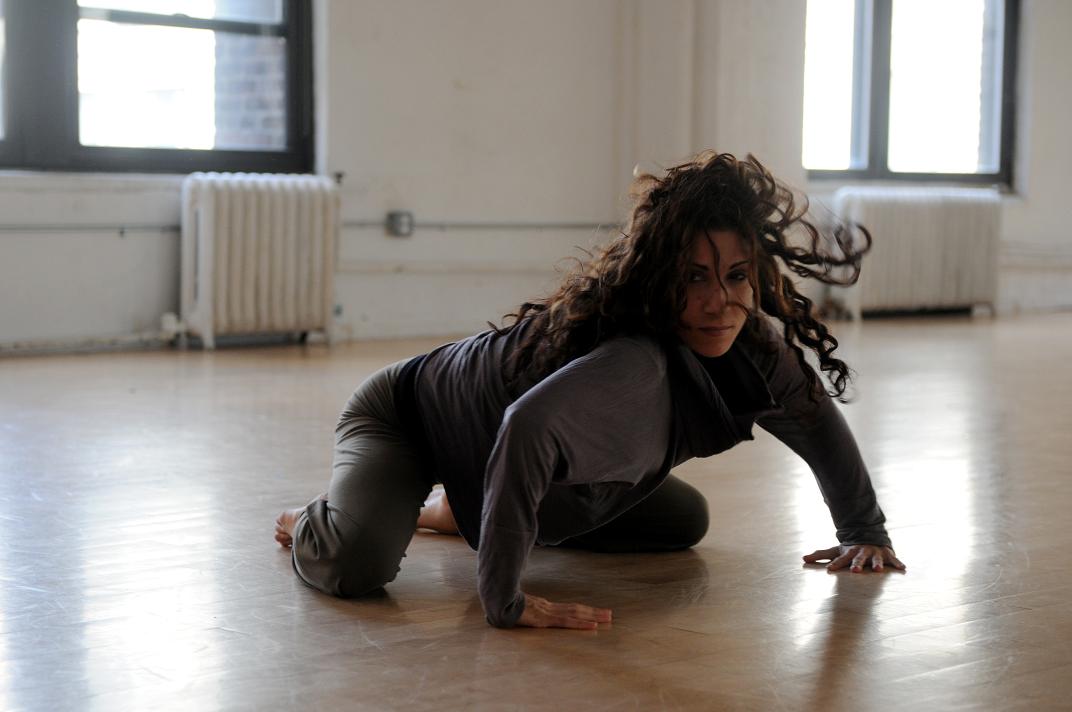
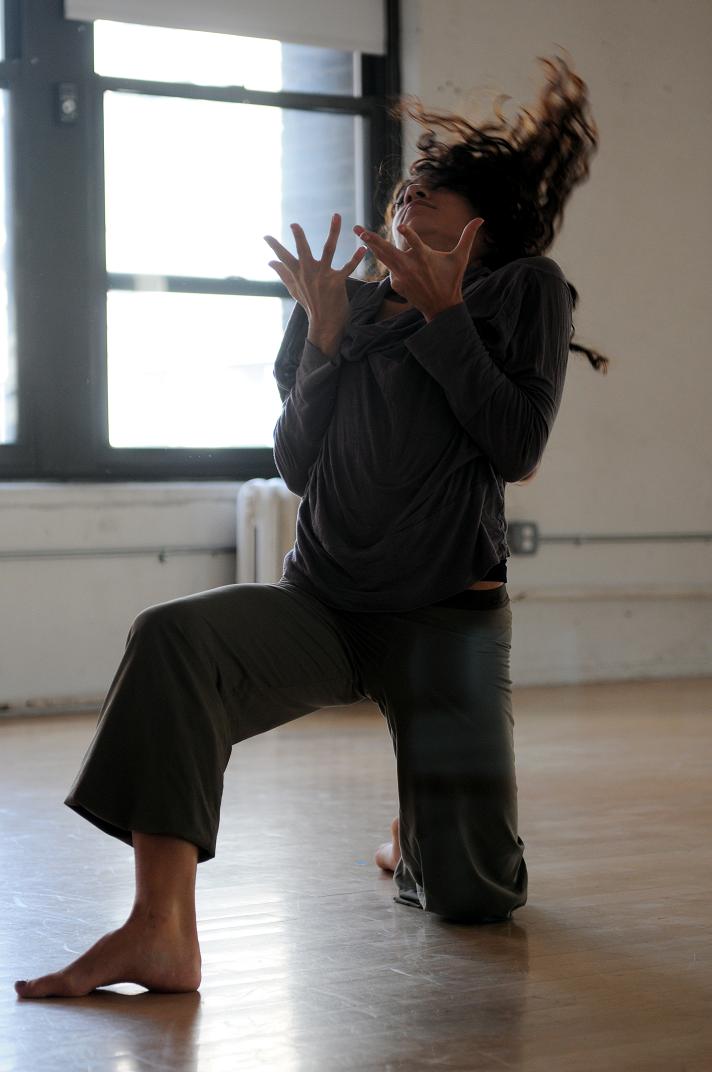
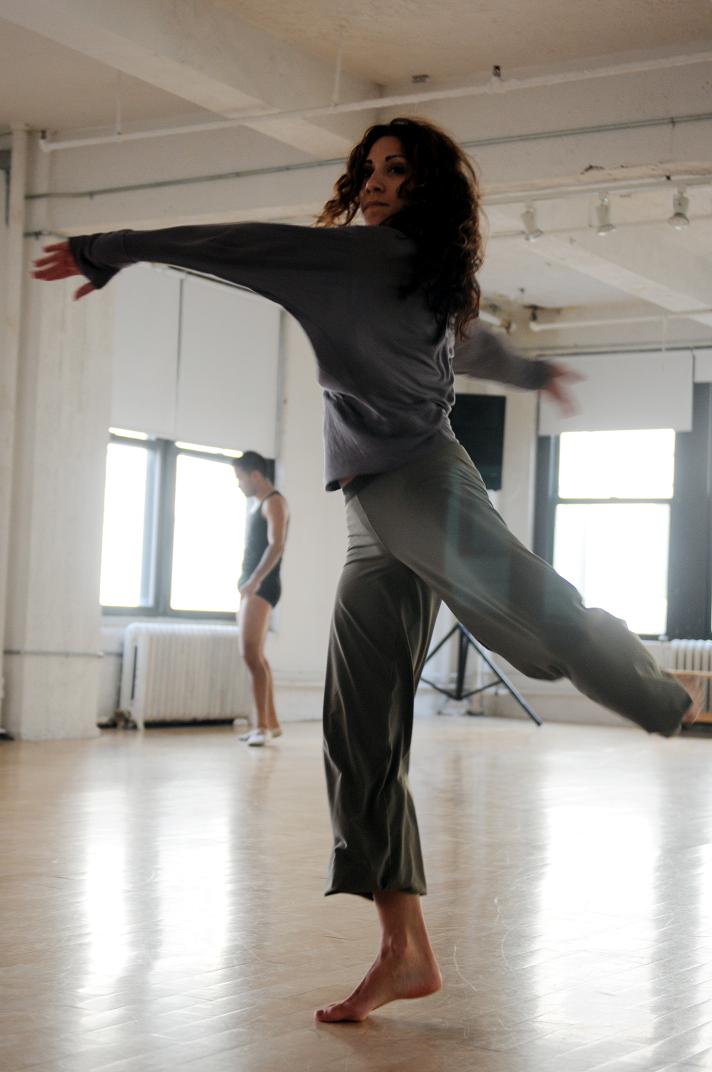
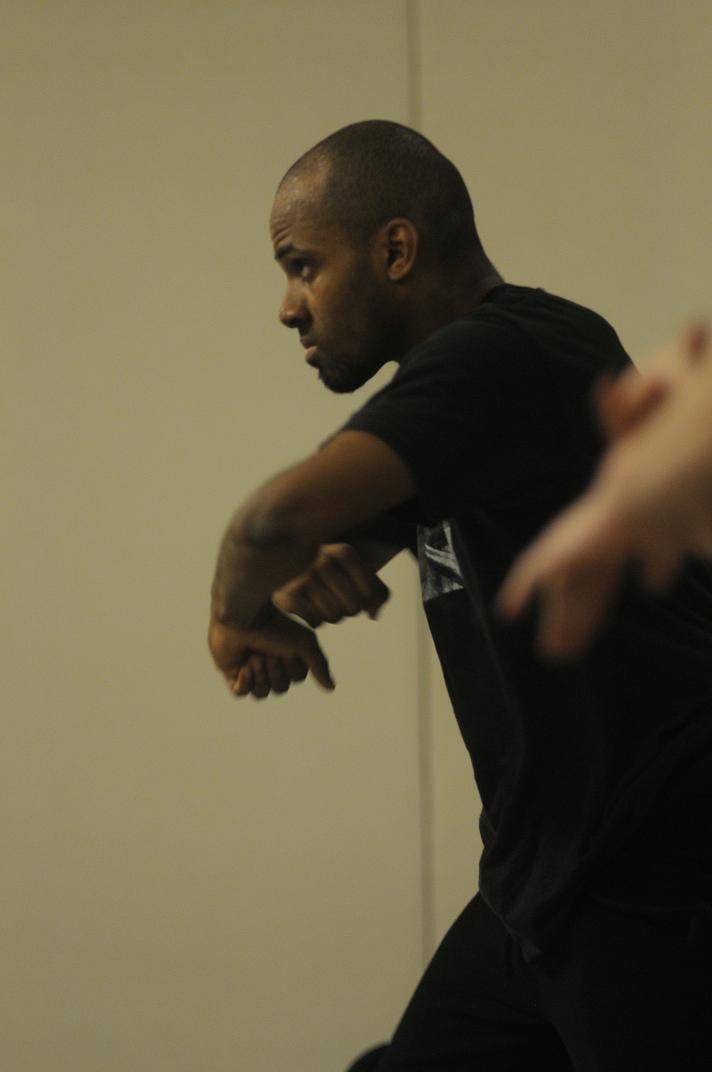
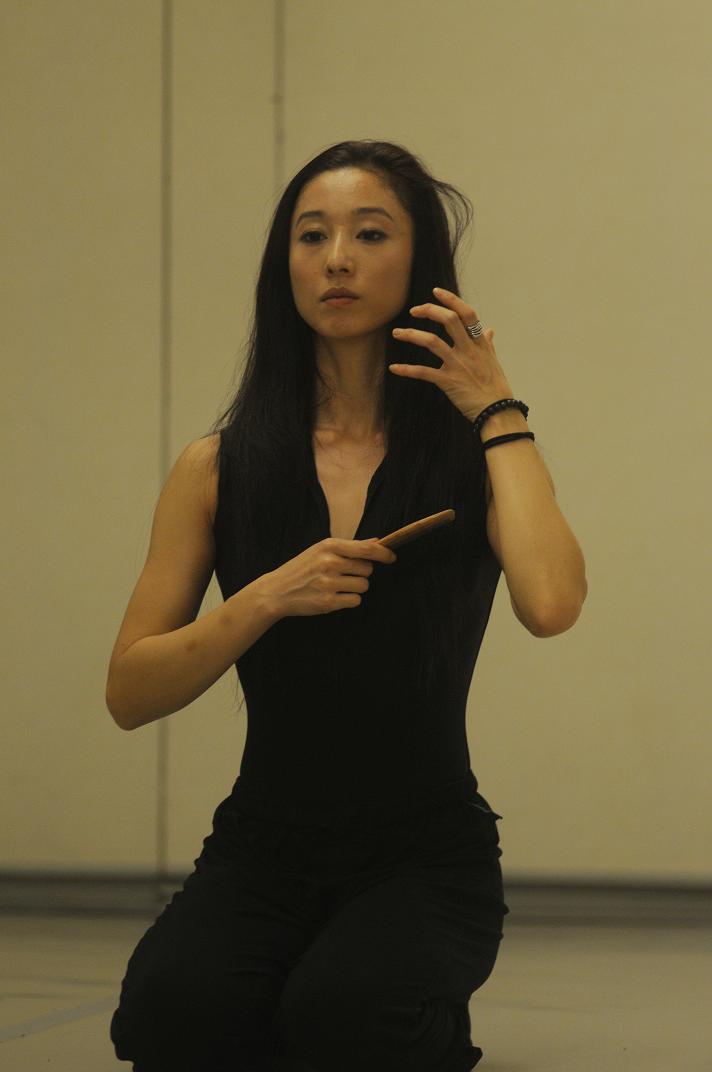
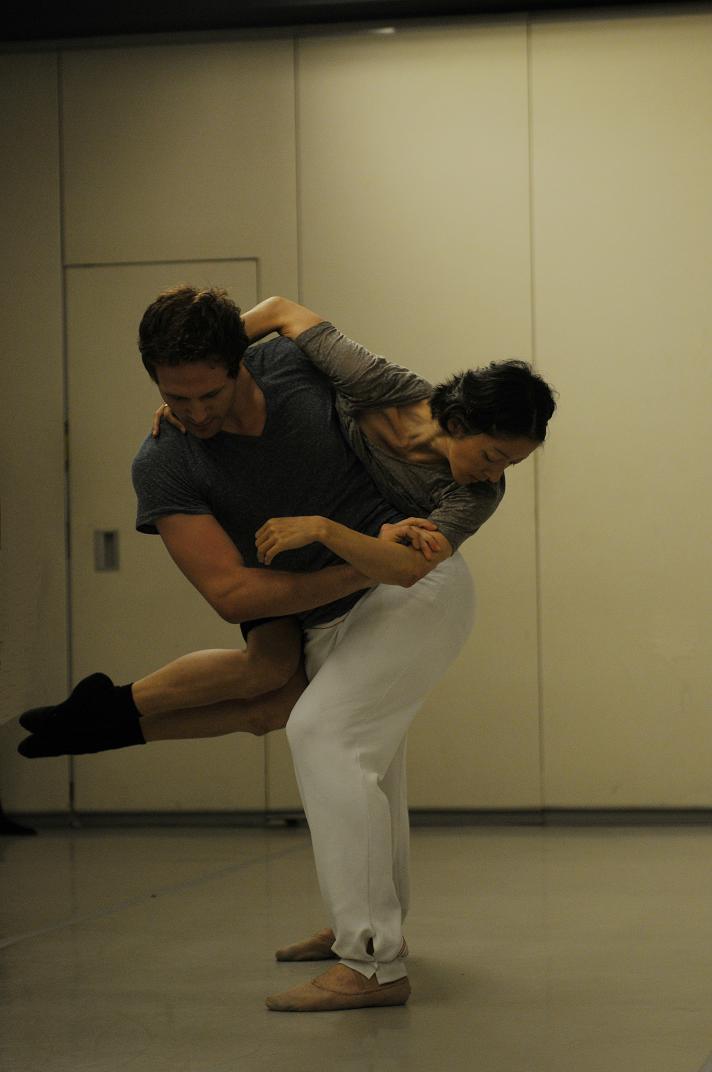
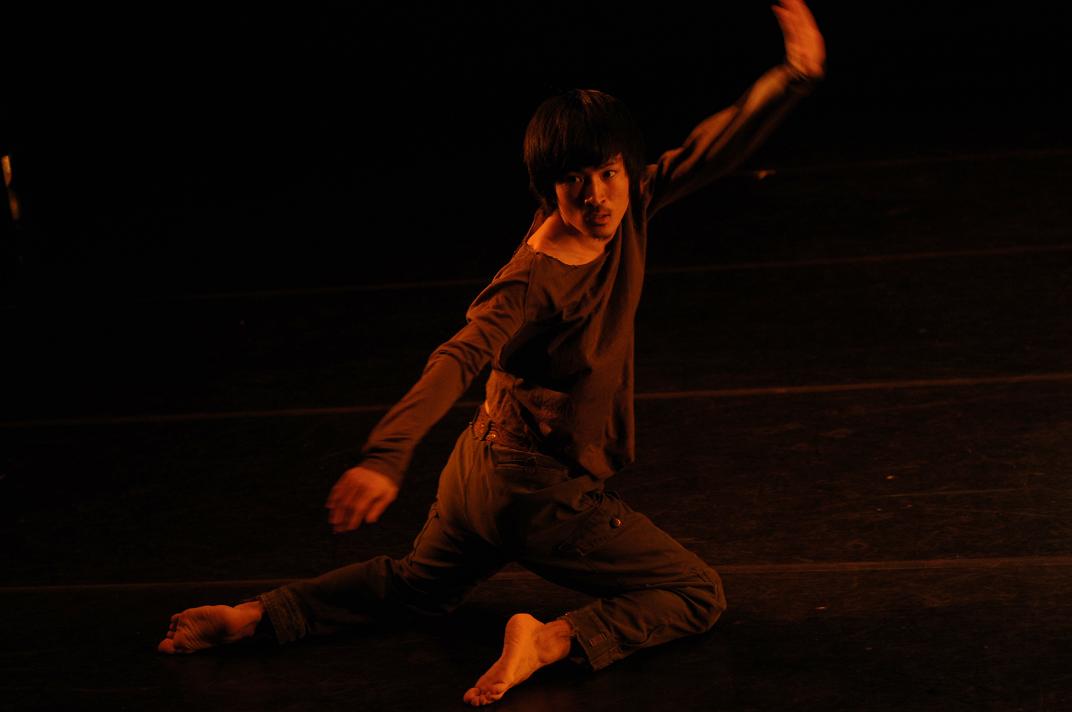
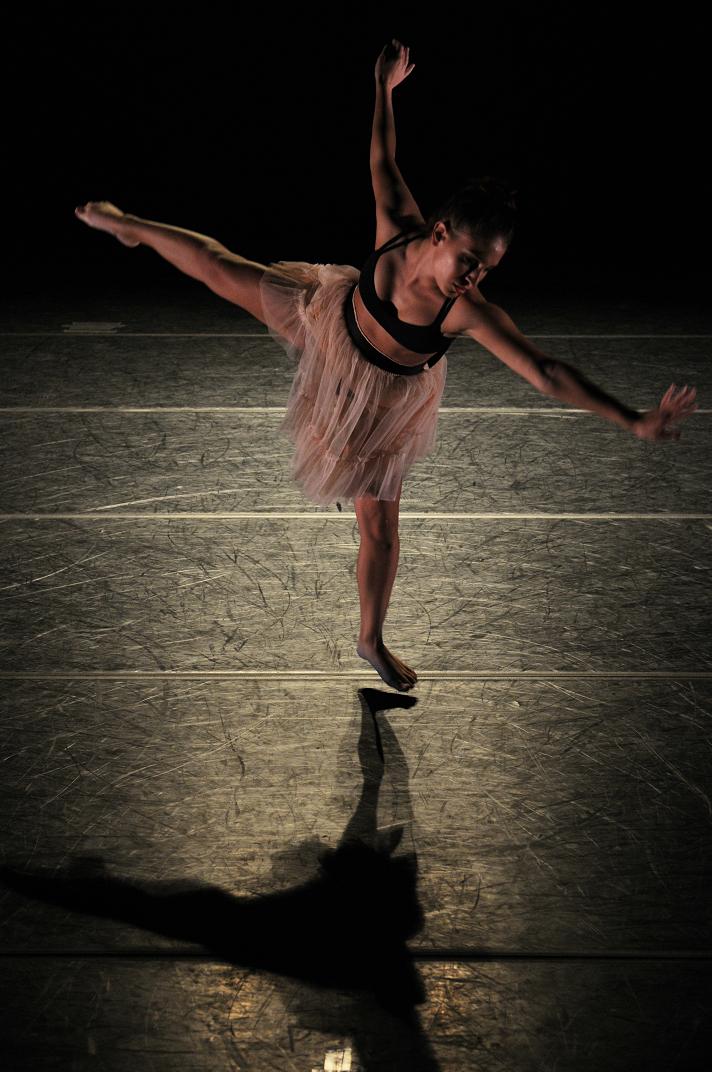
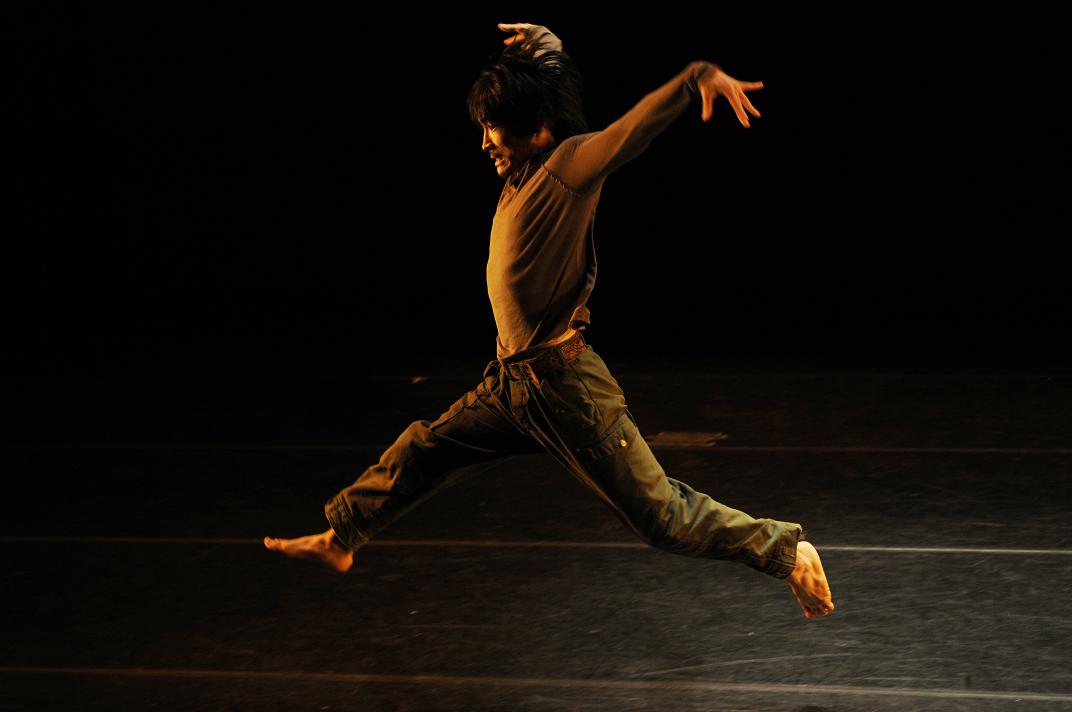
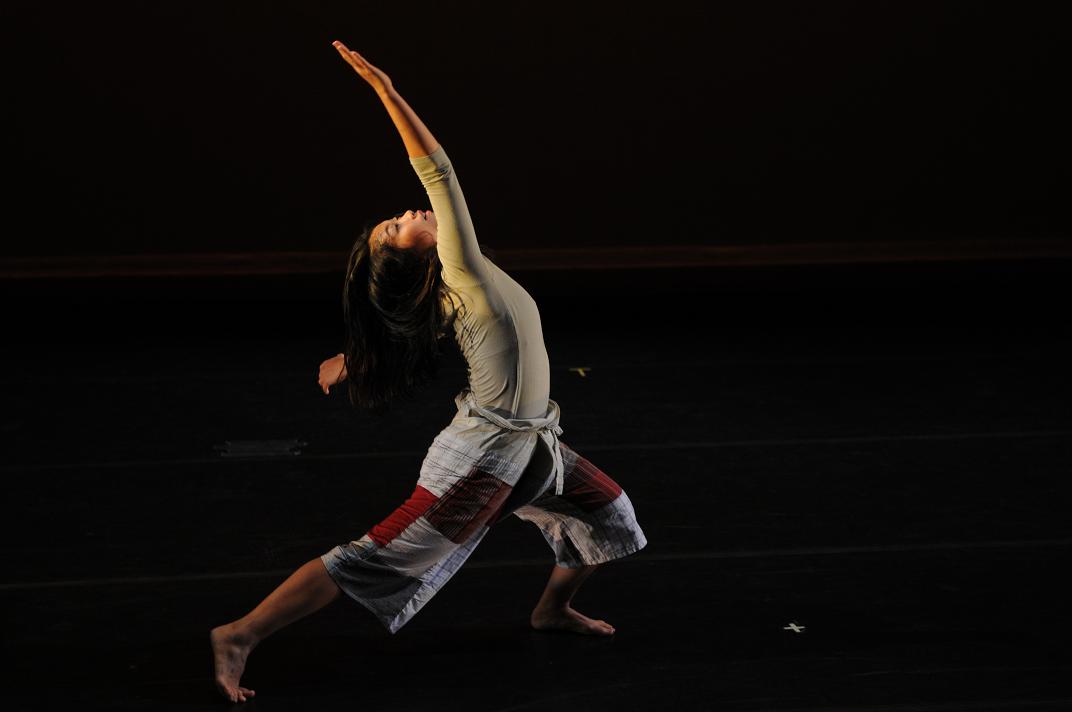
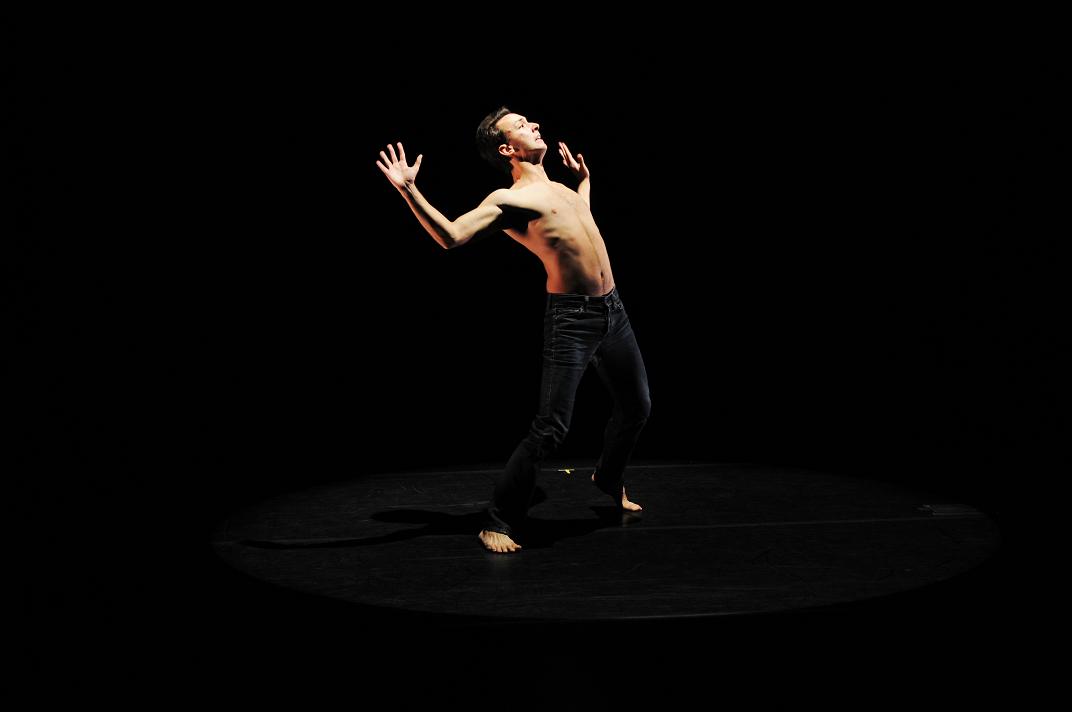
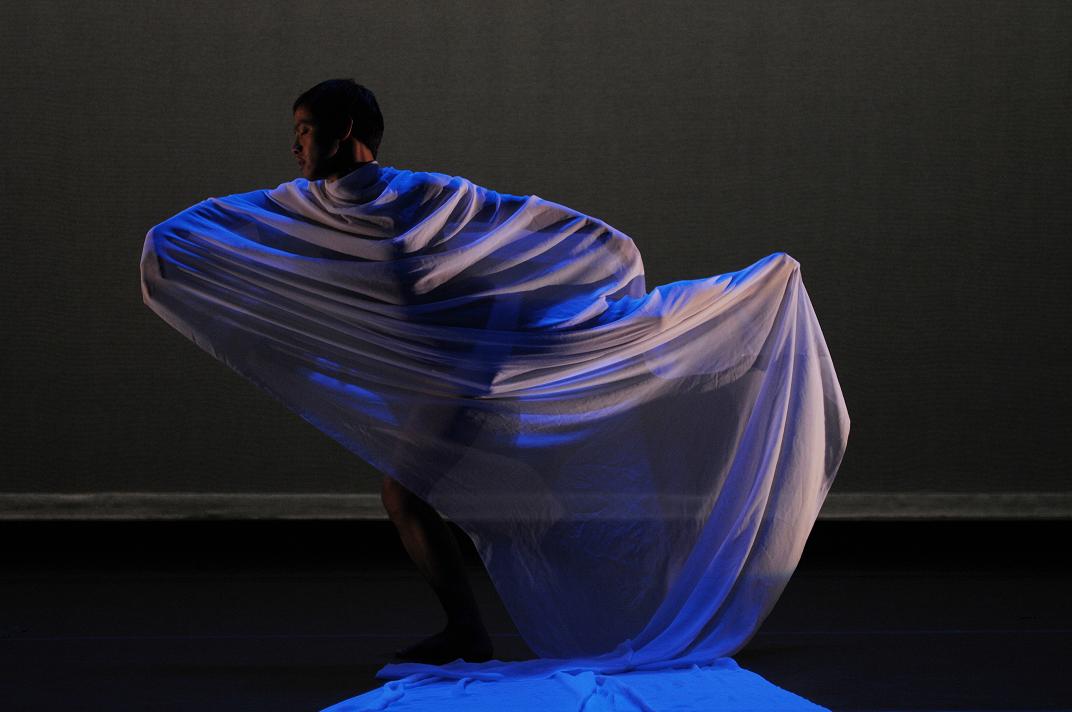
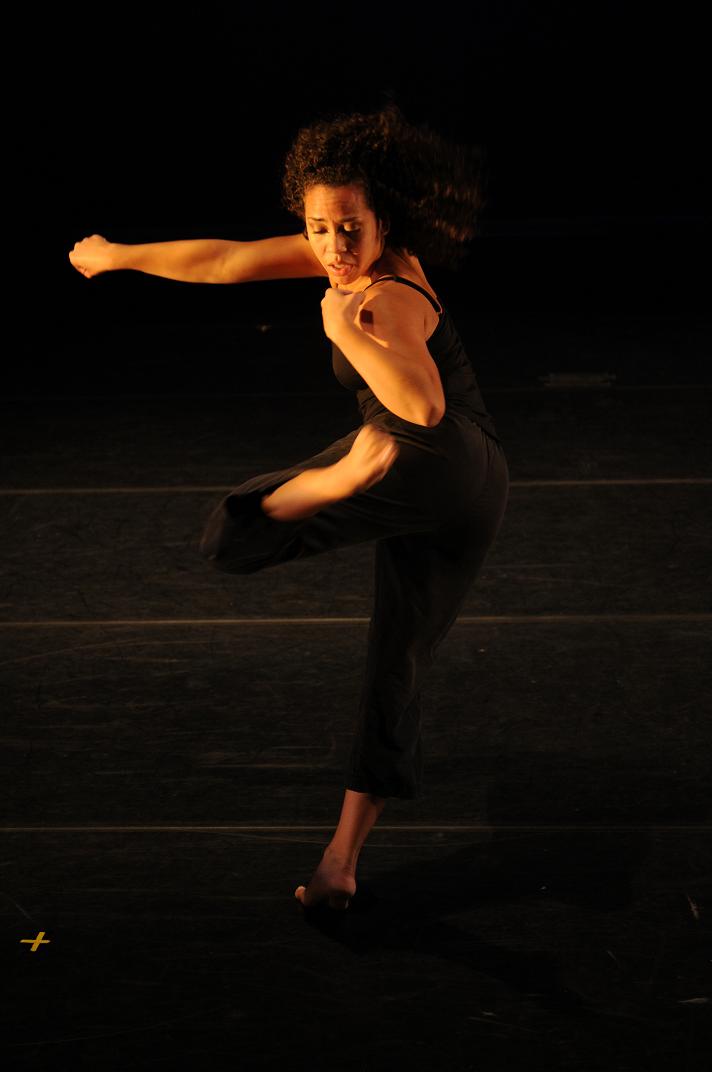
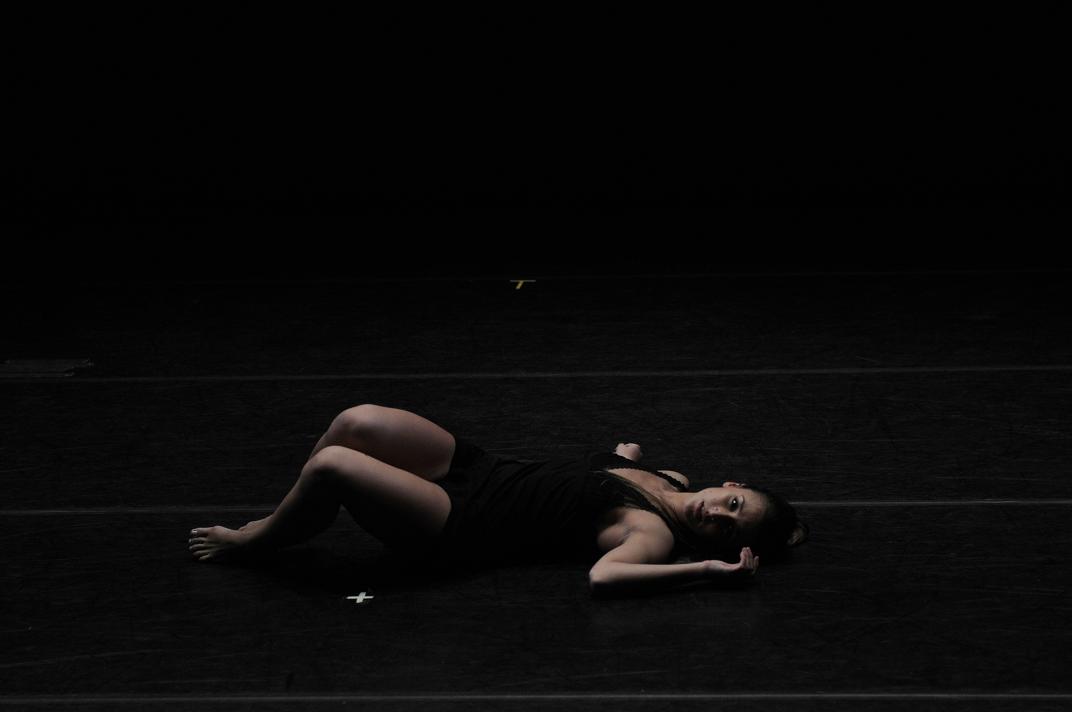
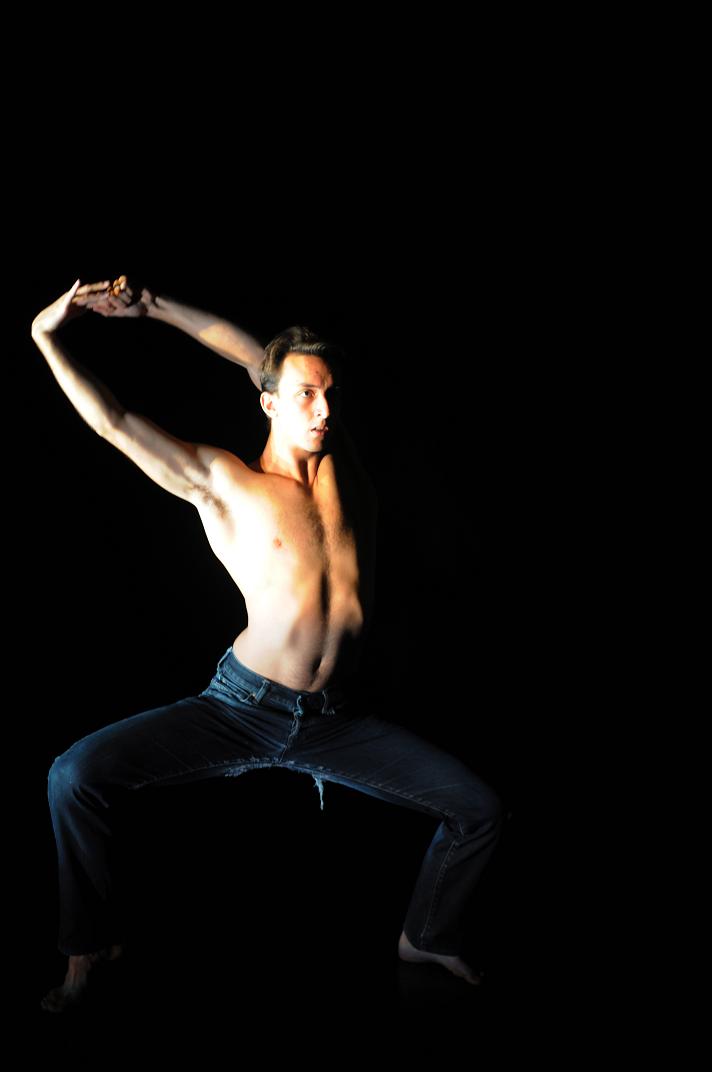
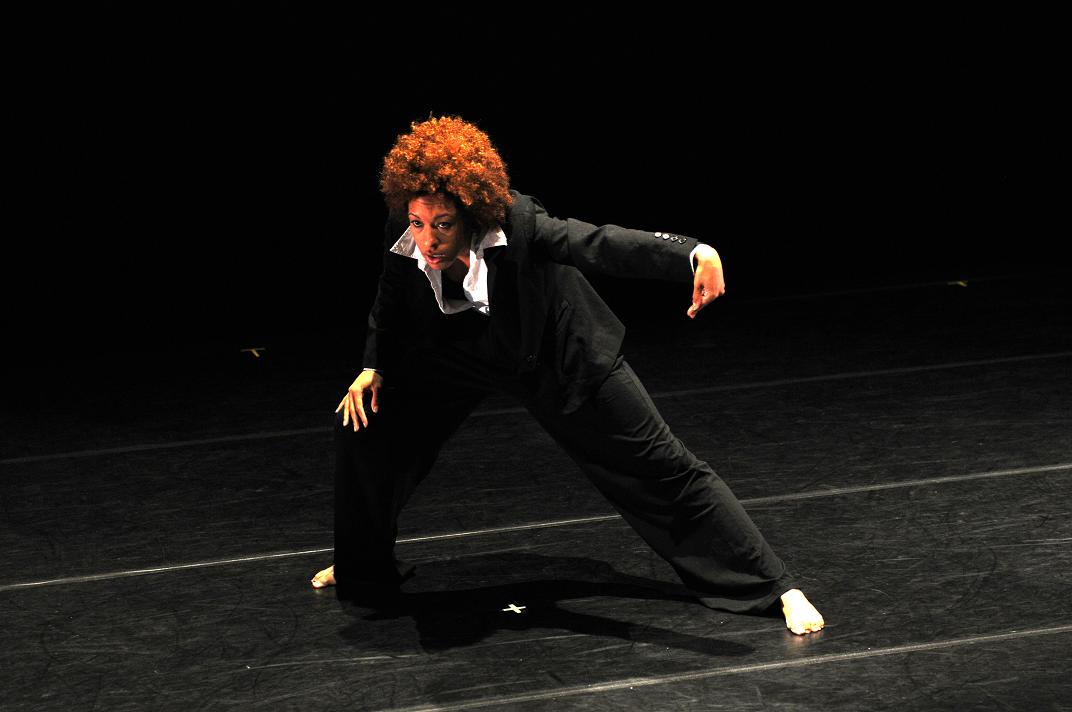
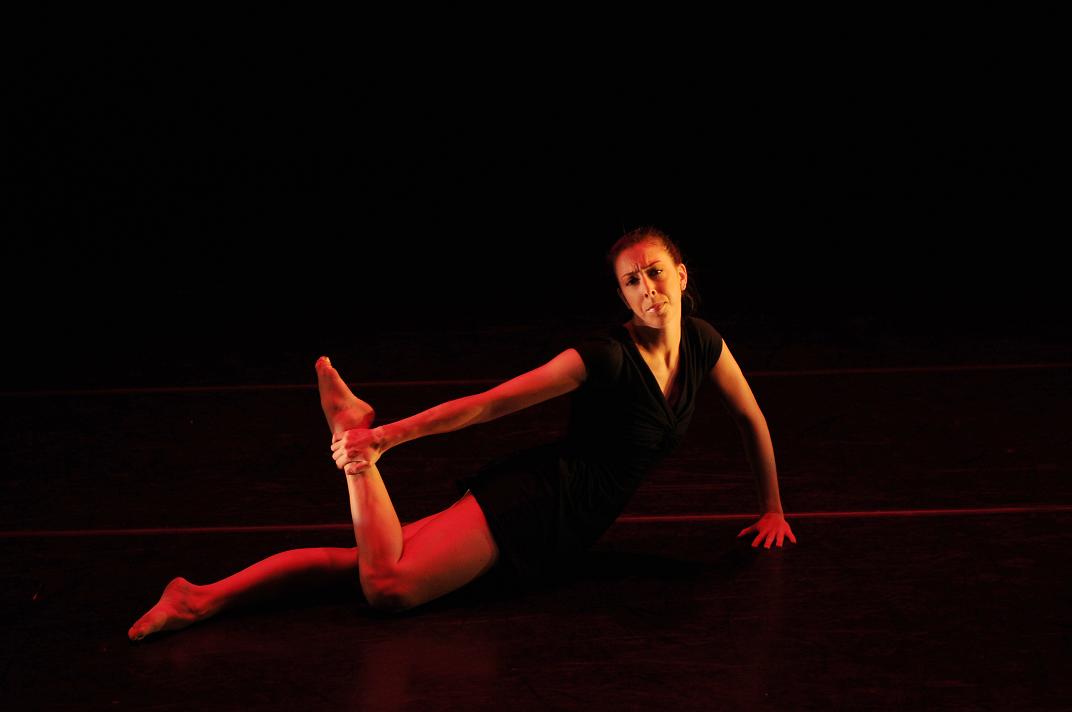
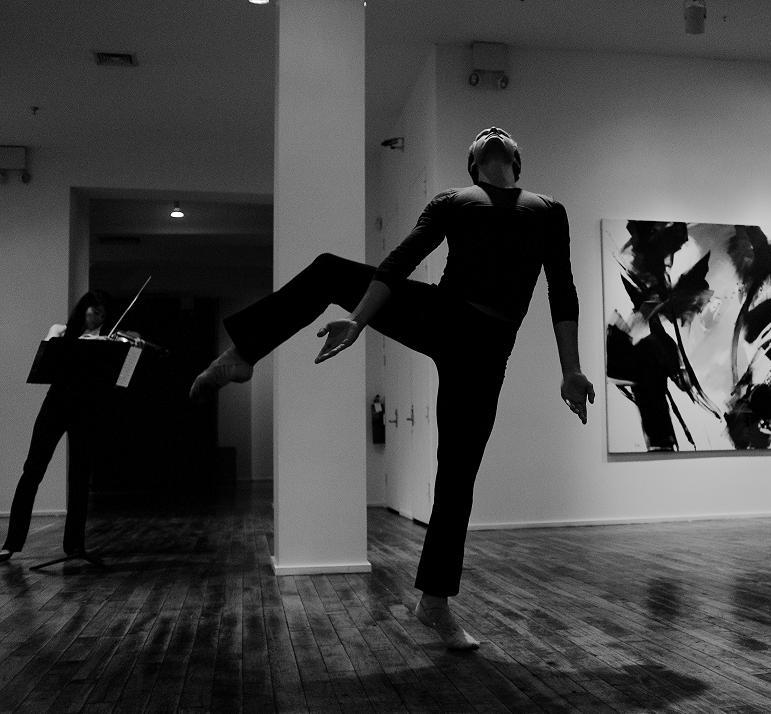
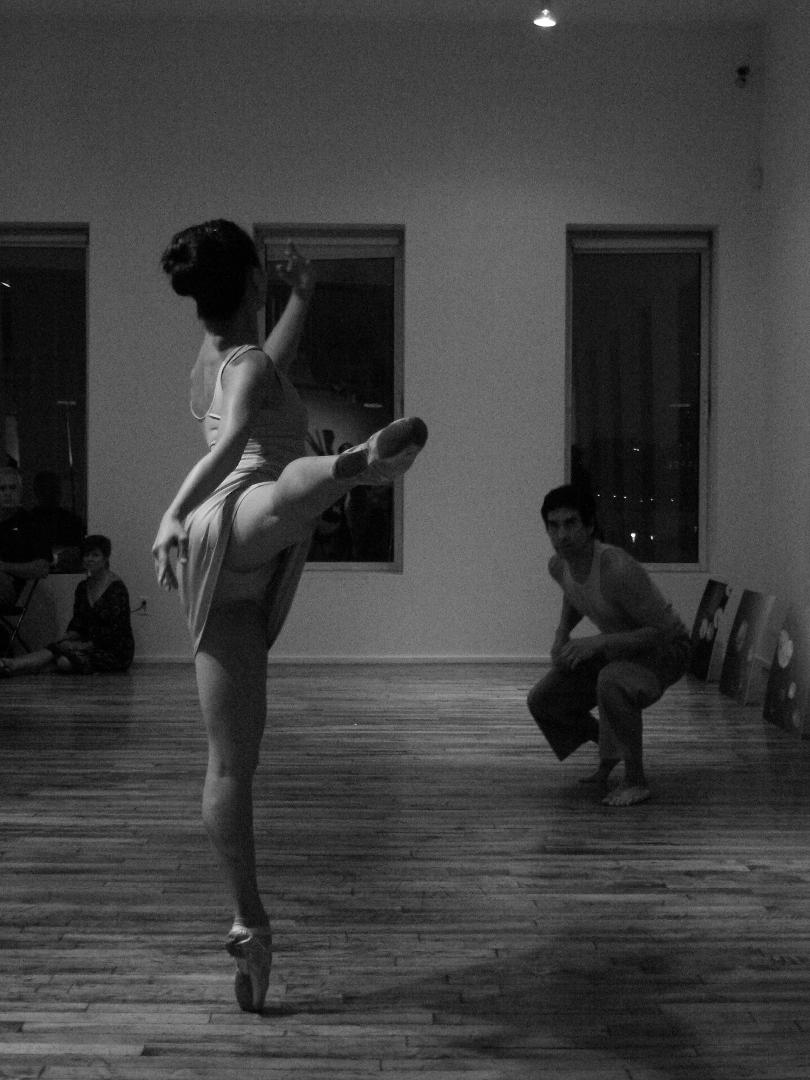
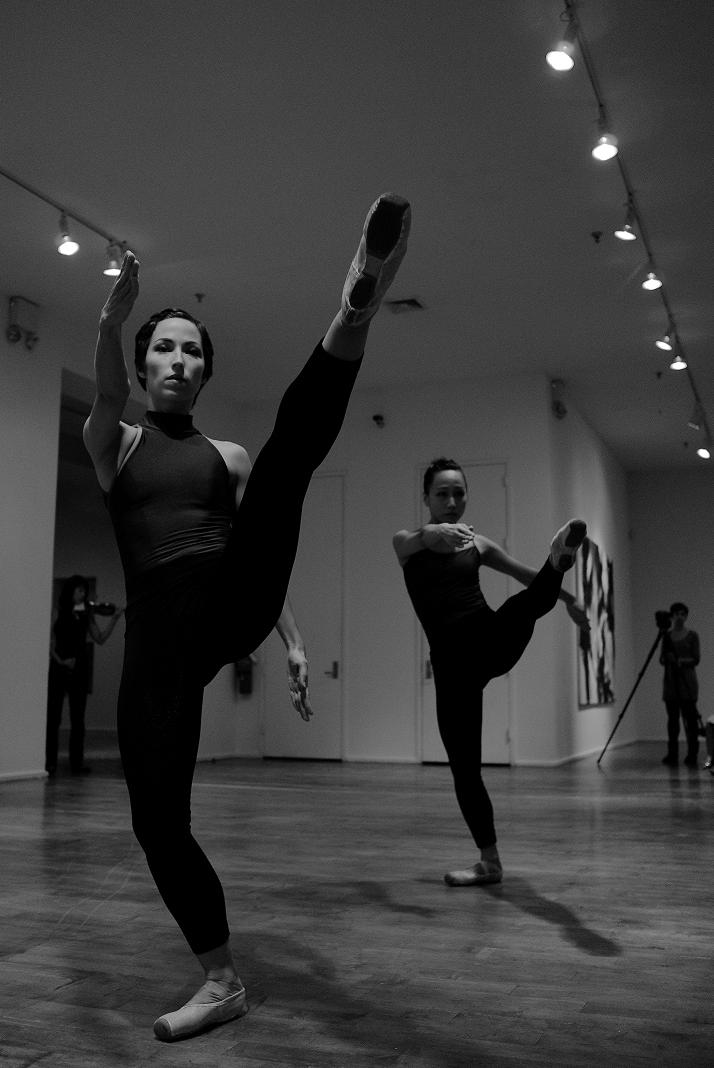
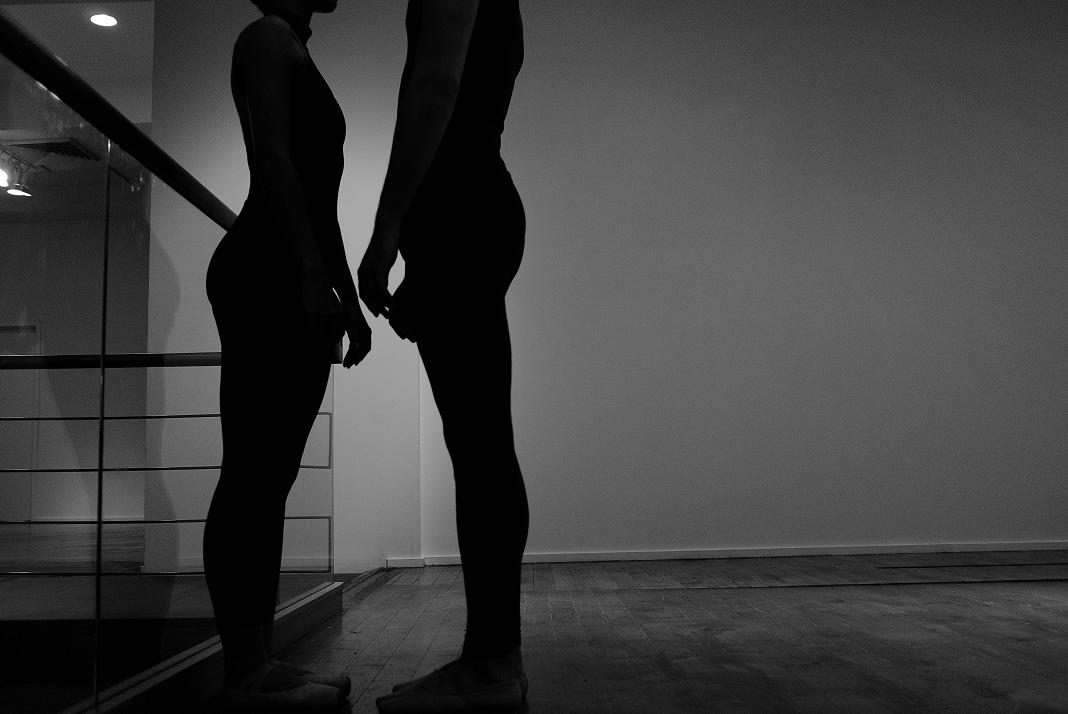
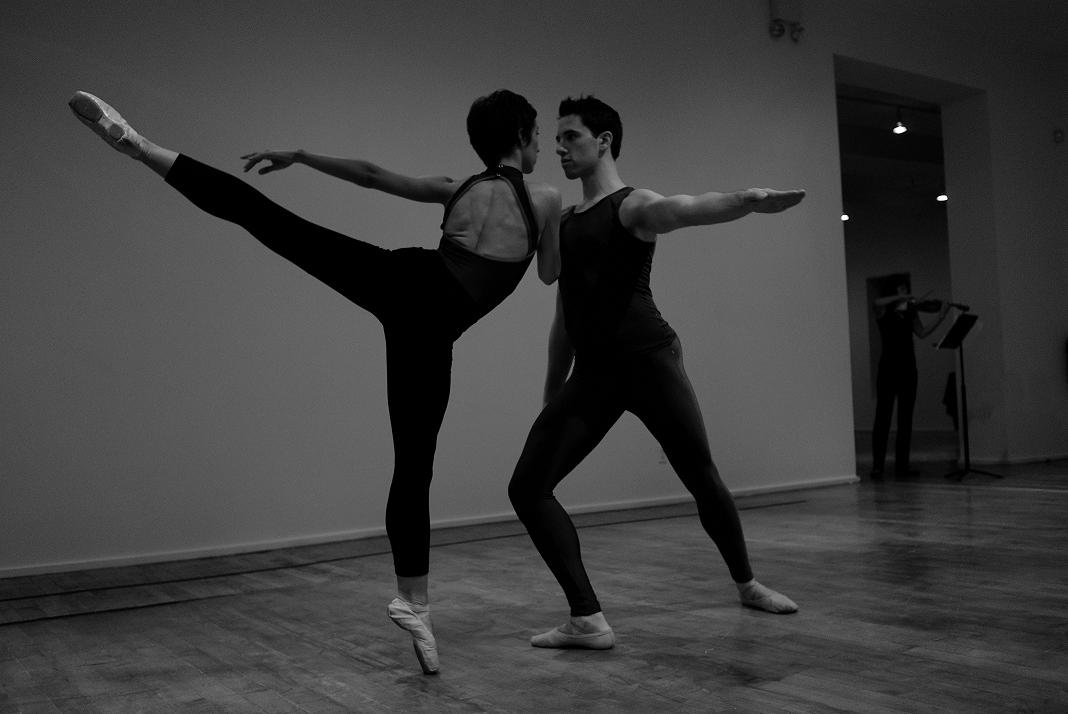
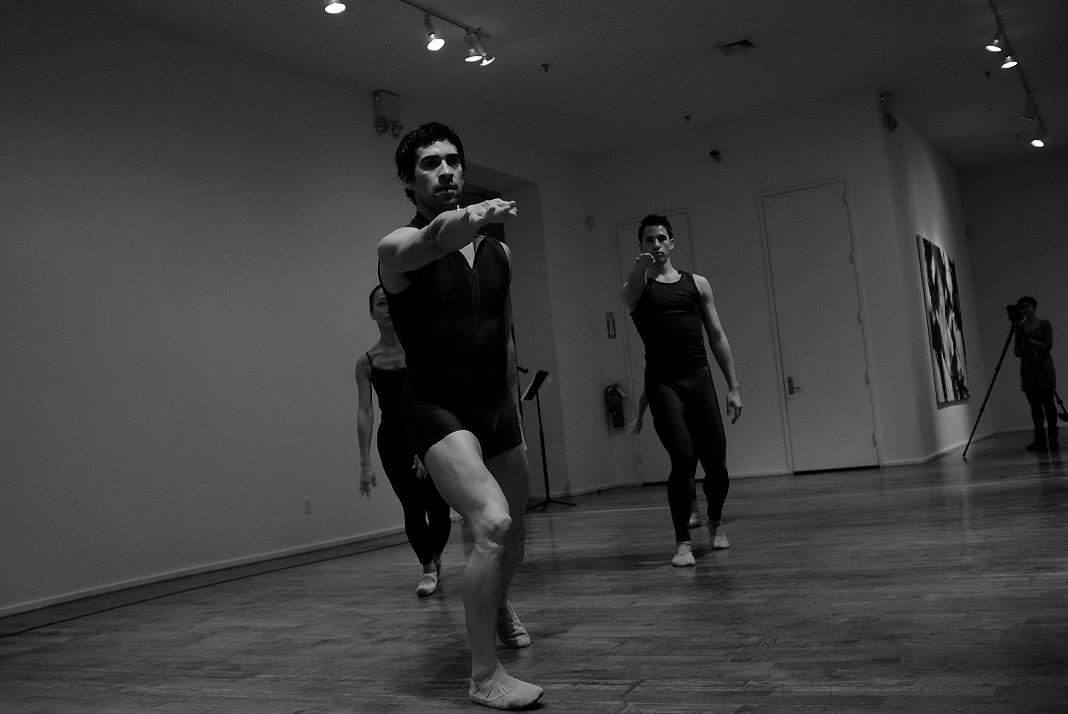
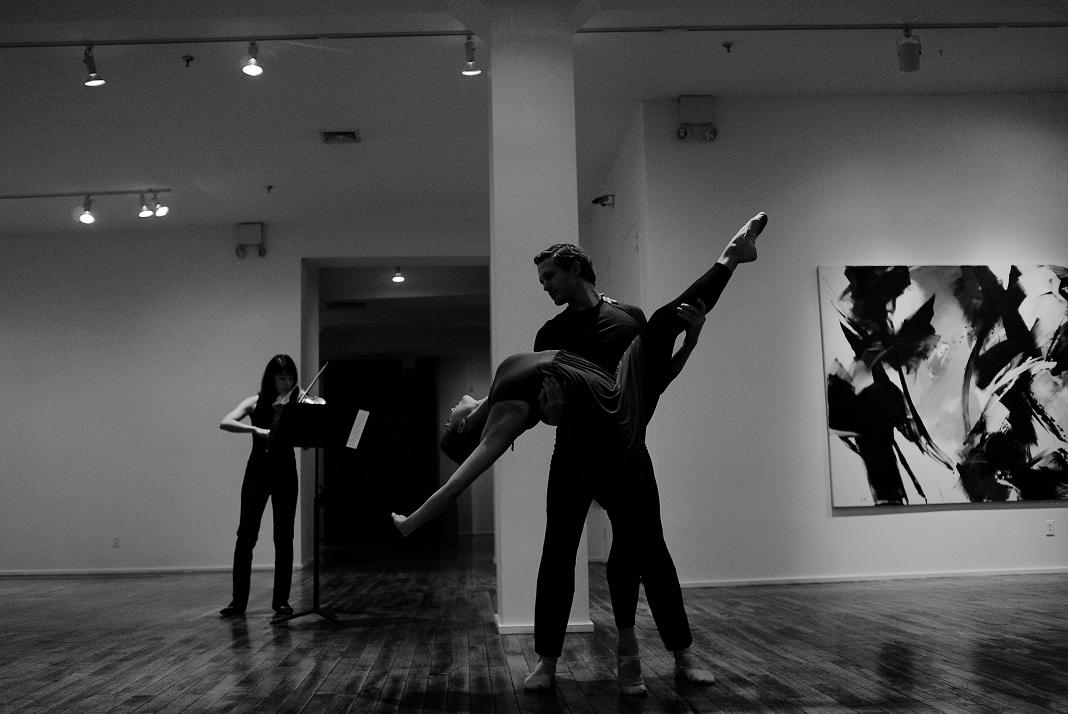
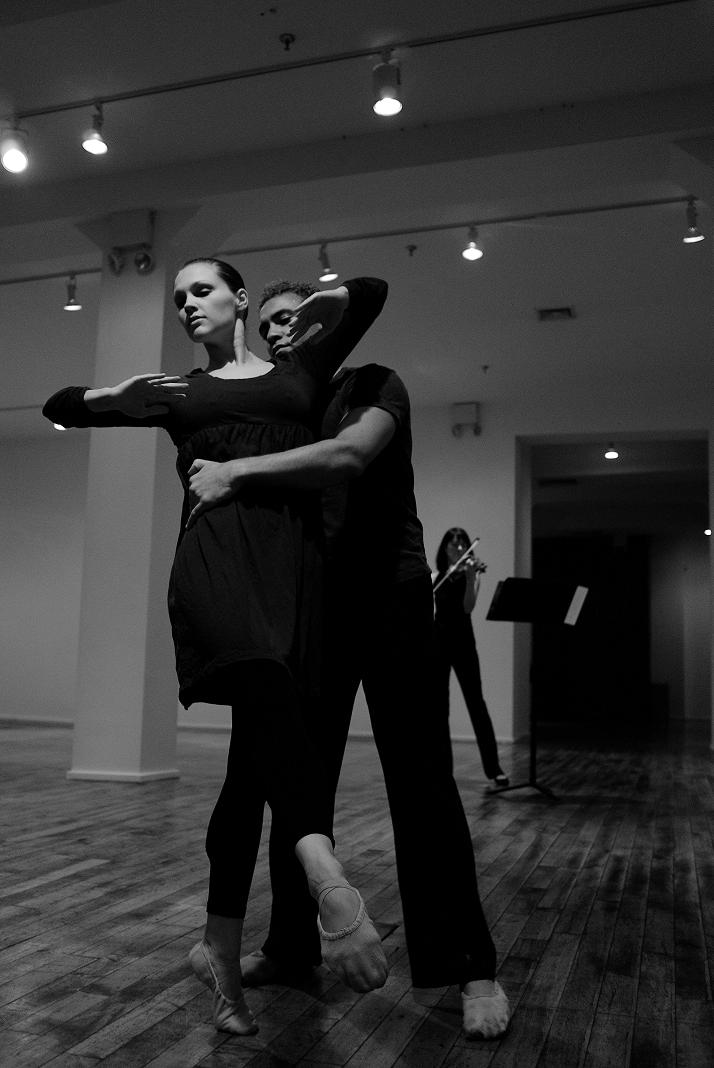
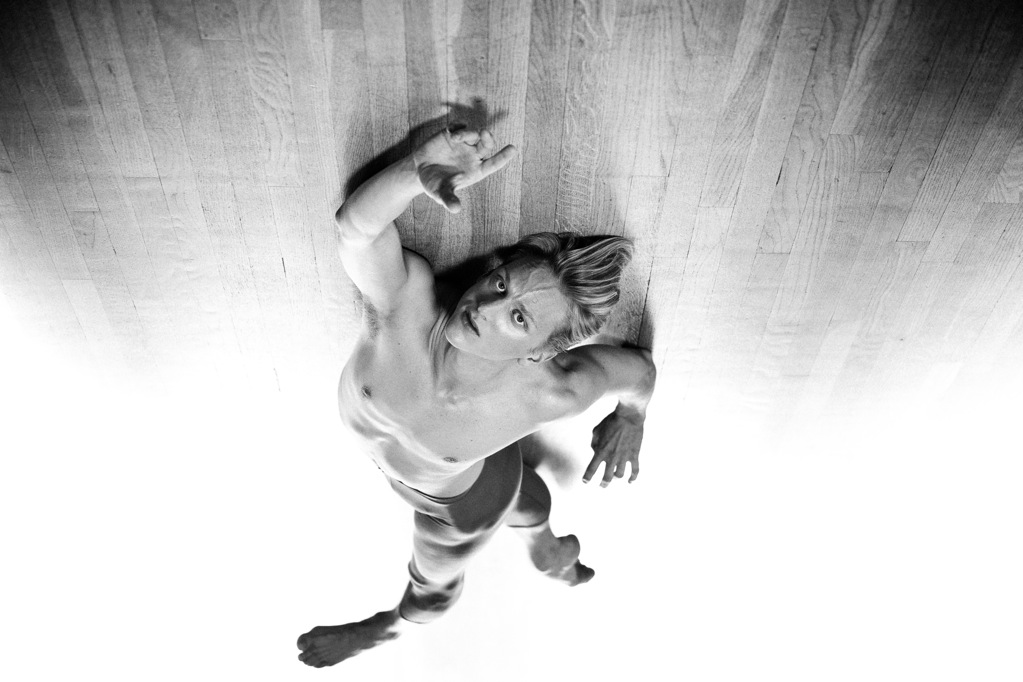
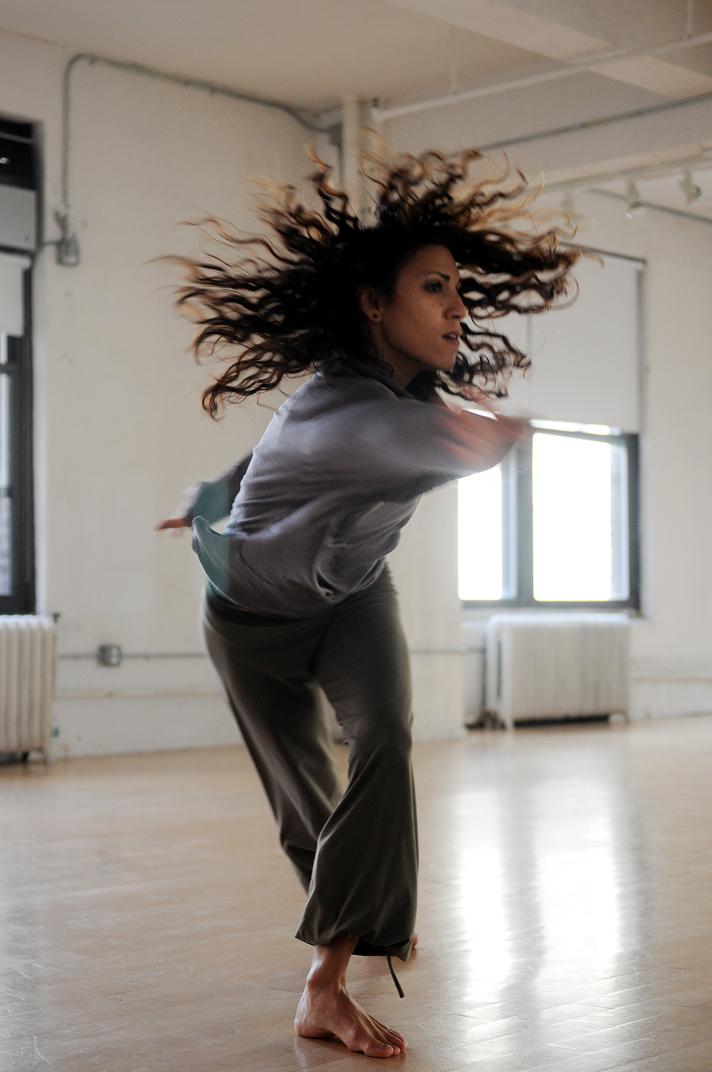
    Over the past few months, Kokyat has had the opportunity to photograph some of the most beautiful and expressive dancers in our City. One for whom he and I share a special affection and admiration is Nicole Corea, a member of the prestigious Lar Lubovitch Dance Company. Nicole recently danced a solo created on her by choreographer Ursula Verduzco; entitled Nothing to Hide, the solo is set to music of Yann Tiersen. These images by Kokyat are from a rehearsal of the piece on October 18th, 2011.

    Copy of 1

    Copy of 2

    Copy of 24

    Copy of 26

    Copy of 31

    We’re looking forward to seeing Nicole performing with the Lubovitch Company during their season at the Baryshnikov Arts Center, November 9th thru the 20th. Ticket information here.

  • Rehearsal: Janusphere Dance Company

    Copy of 28

    Thursday September 29, 2011 – On October 7th and 8th, Janusphere Dance Company will present DEVELOPING HORIZONS at the Ellen Stewart Theatre (aka LaMaMa), 66 East 4th Street. Ticket information here. Works choreographed by Darion Smith (the Company’s director), Selina Chau and Danielle Genest will be performed. Since Kokyat and I are unable to attend the performances, Darion very kindly arranged for us to watch a rehearsal tonight at the DANY studios. Above: Marie Lorena Fichaux and Milan Misko.

    It’s always nice to walk into a studio and see people we know: Milan Misko, Leyland Simmons, Selina Chau and Luke Manley. The dancers new to us each all made excellent individual impressions and we’ll look forward to seeing them again. Darion’s choreography is demanding both in terms of technique and partnering; the dancers worked tirelessly throughout the three hour rehearsal while Kokyat recorded their work with his two cameras.

    Copy of 10

    Matt Van Buskirk

    Copy of 3

    Anne-Sophie Rodriguez and Marie Lorena Fichaux

    Copy of 11

    Leyland Simmons

    Copy of 12

    Misei Daimaru and Luke Manley

    Copy of 23

    Marie Lorena Fichaux and Milan Misko

    Copy of 33

    Choreographer Selina Chau with dancer So Young An. Selina has created an expressive solo entitled Ashley on this lovely young dancer. They worked together on developing the gestural nuances that are the key to the solo.

    Copy of 34

    So Young An

    Copy of 35

    So Young An in Selina Chau’s Ashley

    Copy of 37

    Anne-Sophie Rodriguez, Milan Misko

    Copy of 41

    Eun Jung Jung, Luke Manley

    Copy of 27

    Milan Misko, Marie Lorena Fichaux

    Copy of 18

    Luke Manley, Misei Daimaru

    Copy of 30

    Milan Misko, Marie Lorena Fichaux

    Copy of 43

    Darion Smith

    All photos by Kokyat.

  • In The Garden of Beasts

    30001737-p

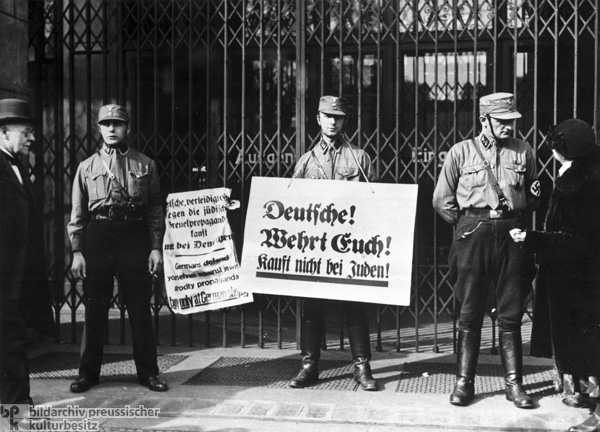
    Erik Larson’s thought-provoking non-fiction work IN THE GARDEN OF BEASTS reads like a novel. It tells the story of William E Dodd, appointed by President Franklin D Roosevelt as the American ambassador to Berlin in 1933 – at the time when Hitler was consolidating his powers and the Nazi menace was just beginning to get its stranglehold on Germany. Above, the enforced boycotting of Jewish businesses – here the famous Tietz Department Store in Berlin – was an early portent of things to come.

    One of the main problems facing an American ambassador in Germany at the time was the need to get the German government to start paying back $1.2 billion in loans that the US had extended to them. That’s one of the reasons that some of Roosevelt’s choices for the job had turned it down.

    Roosevelt reportedly joked: “It would serve Hitler right if I sent a Jew to Berlin.” The pro-Jewish FDR presidency was sometimes referred to as ‘the Rosenberg administration’. Anti-Semitism was widespread in the USA at the time, though rarely publicly expressed. 40% of the population felt that the Jews “had too much power in the USA” while 20% actually wanted them driven out of the country. The majority of Americans were against raising immigration quotas to accommodate Jews fleeing the signs of impending danger in Europe. 95% of Americans were also opposed to any US involvement in another foreign war.

    William Dodd had no diplomatic experience; he was a scholar writing a four-volume book about the Old South when the President – having ticked preferred names off his list – offered Dodd the Berlin post. Dodd had lived and studied in Leipzig and it was thought that his German-language skills would be a plus. Dodd reluctantly accepted Roosevelt’s urgent plea and he embarked for Germany on July 5, 1933 with his wife and his two grown children.

    Arriving in Berlin, Dodd and his family installed themselves in rather modest quarters eschewing the more grandiose life style favored by most emissaries to Berlin. They found the city charming, and on the surface saw no signs of the rumored violence and thuggery of the rising Nazi movement.

    DSC02111

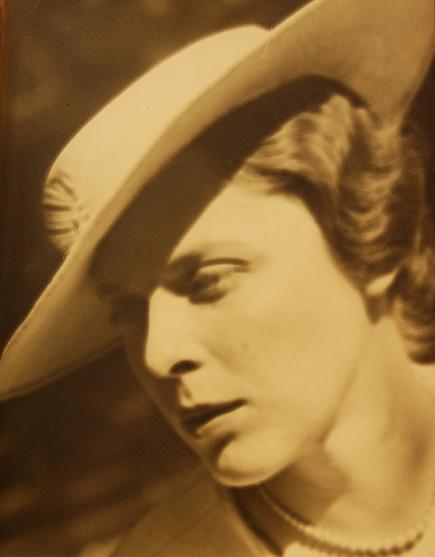
    Martha, Dodd’s daughter (above), was something of a beauty. Her circle of friends in the US included Thornton Wilder and Carl Sandburg; she continued to correspond with them from Berlin. She entered enthusiastically into the city’s social whirl and was soon meeting and even dating prominent Nazis; she had an on-going affair with Rudolf Diels, head of the Gestapo.

    But one day, on an holiday excursion to Nuremberg, Martha and her friends observed the upsetting humiliation of a young woman, Anna Rath, being dragged nearly naked and head-shaven, thru the streets by a gang of brown-shirted SA troopers. Around her neck was hung a sign: “I wanted to marry a Jew!”

    As an increasing number of such incidents developed, some involving even Americans who were either Jewish or mistaken for Jews, Dodd found himself slowly becoming disillusioned. There were beatings, arrests, people removed into “protective custody” in the dead of night. The rights, privileges and property of Jews were being systematically taken away. If Dodd lodged formal protests, they were met with apologies and promises from government officials that the culprits would be punished. But the downward spiral continued.

    Martha meanwhile became more aware of the machinations and graspings for power among the Nazi leaders when her lover Diels was briefly exiled over a conflict with Heinrich Himmler. One prominent Nazi went so far as to suggest that Martha would be “the perfect woman for Hitler” but then went on to say that the Fuhrer was “an absolute neuter, not a man…” 

    It was finally the Night of Long Knives in July 1934 that made Dodd realize there was no stopping the Nazi behemoth. The US government was as unhappy with Dodd’s work in Berlin as he was in being so far from his beloved farm in Virginia and his languishing writing project. Twice Dodd had returned to his farm for sabbaticals; as 1937 came to a close it was mutually agreed between him and Roosevelt that the ambassadorship was ill-suited to Dodd. He suddenly ‘retired’, vanishing from the Berlin scene with little fanfare.

    Upon hearing of Dodd’s departure, a Nazi official chided “the retiring ambassador’s habitual lack of comprehension of the new Germany.”

    In 1938, Dodd summarized his view of the Germany he had experienced as being of a time and place where “all the people who might oppose the regime have been absolutely silenced. The central idea behind it is to make the rising generation worship their chief and get ready to ‘save civilization’ from the Jews, from Communism and from democracy — thus preparing the way for a Nazified world where all freedom of the individual, of education, and of the churches is to be totally suppressed.”

    Dodd died in 1940 having finished only one volume of his book, Old South.

  • Ocean’s Kingdom

    Banner_half

    Tuesday September 27, 2011 – When I first read that New York City Ballet were going to stage a work “composed”* by Sir Paul McCartney, the notion seemed so yesterday. The famous former Beatle, who created many beloved pop songs decades ago, has never been considered a serious force in the contemporary classic music genre. Alex Ross nails it in this review of the CD of this latest McCartney score.

    Who needs another story ballet in this day and age? Boy meets girl…again? (How about boy meets boy?)  I suppose it can still work: Christopher Wheeldon’s ESTANCIA had a fresh telling of the boy/girl story but it was far more succinctly told – and with better sets and costumes and far better music – than in  OCEAN’S KINGDOM.

    Peter Martins is frequently maligned as being a second-rate choreographer; working in the house that Balanchine built, it’s unlikely that any current choreographer could succeed to the mantle of Mr B without coming in for heavy criticism. Myself, I like a lot of Peter’s ballets and I never dismiss them out of hand. However, a key element in the success of a Martins ballet is always the music that he chooses. His best works (in my estimation) – MORGEN, BURLESKE, OCTET, TALA GAISMA, HALLELUJAH JUNCTION, FRIANDISES, FEARFUL SYMMETRIES, BARBER VIOLIN CONCERTO, JEU DE CARTES, MIRAGE, LES GENTILHOMMES, CHICHESTER PSALMS – all have one thing in common: they are set to great or at least very interesting music. I’m always happy to see these works being programmed at NYCB.

    So here’s the lethal combination that sinks OCEAN’S KINGDOM: too much middling music is applied to a banal plot which leaves the choreographer with the stick end of the lollipop. The score starts off quite beautifully, actually. But it soon becomes evident that there is way too much music that is repetitive or goes nowhere. Each of the ballet’s four scenes is about 5 minutes too long. This requires the choreographer to make too much ‘filler’ dancing and stage business. Gorgeous as Sara Mearns and Robert Fairchild are, we get tired of their long, swoony duets because they go on and on. OK, we know they love each other…how much embrace/lift/swoon do we need to see? But what else can you do to ‘their’ music?  I feel certain Peter would have wanted to avoid asking Sir Paul to make cuts, so he’s strapped with the task of creating movement to faceless, ambling music. No wonder his choreography for this piece is coming in for so much criticism. 

    The contrived plot hinges on the character Scala (superb dancing and acting from Georgina Pazcoguin) who betrays her mistress, allowing the princess to be kidnapped. Since we don’t really know Scala’s motivation, we are puzzled; then just as inexplicably, Scala turns remorseful and tries to undo what she’s done. What choreographer could makes sense out of this, especially with such vapid music to work with?  

    Then there are the costumes, by Sir Paul’s daughter Stella. They are, in a word, ugly. And extremely unflattering to the dancers. The lighting is quite good, especially the beams of light that create Princess Honorata’s prison cell. The rising of the moon is pretty nice.  

    Tonight, it seemed a very long and winding road to get to the end of Ocean’s Kingdom. If I fell for any aspect of the ballet, it was the dancing. But the dancers – some of the greatest movers on Earth – needed far more help from composer and choreographer than they received. But: let it be…they did their best under the circumstances.

    As the 50-minute ballet crawled to a close I felt like a fool for having devoted my time to watching it. My basic reaction to Ocean’s Kingdom was: I don’t want to see it again. The bottom line is – as I have so often said – you cannot make a really good dancework to mediocre music. While the house seemed nearly full there was no enthusiasm to speak of; the dancers took one set of bows to dutiful applause. A lone voice yelled bravas for Sara and Gina. And Amar Ramasar was an audience favorite, understandably. After the show, I wanted to buy Amar, Christian Tworzyanski, Daniel Ulbricht, Megan LeCrone, Craig Hall, Savannah Lowery and Emily Kikta each a beer for them to cry in. Then there were Anthony Huxley, Allen Peiffer and David Prottas as the Drunken Lords (“drunk as lords”…get it?)…what a waste of three handsome, talented guys.  

    Most reviews of the piece have seemed to state that the music is OK or better than OK and that the choreography is uninspired. I would say: the music is as uninspired as the scenario and thus, so is the ballet. I really do not think any choreographer could craft something truly impressive to this score; it might make decent background music for a documentary film about the sinking of the Achille Lauro or some such nautical disaster.

    More could be said but, what’s the point? The reviews (example) have been ho-hum at best, negative at worst. What annoys me more than anything else about OCEAN’S KINGDOM is all the time and effort the dancers had to put into getting this ballet onstage. NYCB have now had two high-profile flops in a row: SEVEN DEADLY SINS and OCEAN’S KINGDOM. No matter how many tickets were sold to these ballets, or how much money the respective galas raised, artistically there were lacklustre in everything but the dancing. Perhaps it’s time to stop trying to haul in the pop/rock crowd or the Broadway audience (largely tourist trade anyway) and concentrate on what NYC Ballet are famous for: neo-classical ballet.

    * I use the word “composed” generously; like many pop music writers, McCartney reportedly cannot read or write music in the sense of a Stravinsky or a Brahms. The Playbill shows that Sir Paul had the help of both an arranger (John Wilson) and an orchestrator (Andrew Cottee); in those circumstances anyone with a sense of rhythm and melody could be deemed a composer. Elgar and Britten must be shaking their heads, somewhere in Heaven.

  • UNION JACK @ NYC Ballet

    UnionJack

    Tuesday September 27, 2011 – When I think of my ‘top 25’ ballets by George Balanchine, UNION JACK is not on the list. I like to see it once in a while (mainly because you get to see so many dancers we love all in one fell swoop) but it doesn’t compare to things like SERENADE, FOUR TEMPERAMENTS or SYMPHONY IN C mainly because the musical score is just a melange of sea shanties, British naval themes and folk tunes strung together with filler by Hershy Kay. But it suits Balanchine’s purposes well for this ballet, inspired by the military tattoo he saw in Edinburgh, Scotland.

    Tonight, serving as the second half of a programme which opened with the new OCEAN’S KINGDOM, UNION JACK seemed like the most fantastic bloody masterpiece ever made. A lineup of superstar principal dancers led the various regiments onto the stage in Balanchine’s superbly crafted processional in which seemingly every available corps de ballet member and most of the soloists are pressed into kilts to fill the stage.

    One after another, beloved dancers marched into view: Joaquin de Luz, Charles Askegard, Abi Stafford, Jared Angle, Janie Taylor, Wendy Whelan and Maria Kowroski. Corny as it may sound, I simply loved seeing them all onstage together: these are people who have given me so many fantastic nights of dancing over the years. I love them both as artists and as personalities. As they stepped out in the ensuing solos and duets, the lingering gloom induced by OCEAN’S KINGDOM vanished. We were back with our Company and all seemed right with the world again.

    Later, Mr. and Mrs. Andrew Veyette appeared in the dance hall interlude as the Pearly King and his Queen. They were sweet, silly and sly…and meanwhile they both danced very well too.

    In the final segment, super-soloists Adam Hendrickson and Sean Suozzi joined Wendy Whelan for some loose-limbed high-jinx. Joaquin flirted with Abi and Janie and the three of them whisked about the stage with efffortless comic bravura. Jared and Chuck looked terrific, and then Mrs. Harvey (aka Maria K) came strutting along the quarterdeck as a high-kicking Wren.

    UNION JACK might not be the greatest Balanchine ballet but as an antidote to the evening’s earlier offering it was sheer perfection. Several people around me stood up to cheer at the end as the NYCB all-stars came before the curtain to bow.

  • Images from BalaSole

    Copy of 16

    A gallery of Kokyat’s photographs from the September 24th dress rehearsal for BalaSole’s performance of the same date. Above: Daisuke Omiya.

    Copy of 3

    Peter Mills in the opening ensemble

    Copy of 5

    Peter Mills

    Copy of 12

    Ellena Takos

    Copy of 18

    Daisuke Omiya

    Copy of 23

    Allison Kimmel

    Copy of 32

    Ren Xin Lee

    Copy of 33

    Peter Mills

    Copy of 35

    Peter Mills

    Copy of 41

    Julia Halpin

    Copy of 49

    Roberto Villanueva

    Photography by Kokyat.

  • The Dancers of BalaSole’s SPECTRE

    Copy of 44

    Above: Julie Halpin, one of the dancers who appeared in BalaSole‘s SPECTRE which was presented at Ailey Citigroup Theater. Kokyat photographed the participating artists at the dress rehearsal on September 24th. Details of this programme, which gathered dancers from diverse backgrounds, will be found here

    Here are some of Kokyat’s images of the individual dancers:

    Copy of 8

    Lauren Putty

    Copy of 11

    Ellena Takos

    Copy of 15

    Daisuke Omiya

    Copy of 19

    Jasmine Domfort

    Copy of 24

    Allison Kimmel

    Copy of 25

    Gierre Godley

    Copy of 28

    Cailin Murtha

    Copy of 30

    Ren Xin Lee

    Copy of 34

    Peter Mills

    Copy of 40

    Courtney J Cook

    Copy of 47

    Roberto Villanueva

    All photos by Kokyat. Visit a Facebook gallery of his dance images here.

  • BalaSole @ Ailey Citigroup Theater

    Copy of 2

    Saturday September 24, 2011 – Earlier this year we discovered BalaSole, the brainchild of dancer/choreographer Roberto Villanueva. In a series of concerts, Roberto brings together dance artists of varied backgrounds and provides them with a platform to show their work both as creators and dancers. For his July 2011 presentation, Roberto had assembled a very interesting mix of dancers and styles; for tonight’s showing, entitled SPECTRE, an equally fine line-up came together in a very appealing programme. A large and attentive audience at Ailey Citigroup Theater clearly enjoyed this well-paced and finely lit production.

    Click on the images to enhance.

    Copy of 1

    The participating dancers in BalaSole’s concerts win their spots in the programme thru an audition process. Entrants come from all over and they spend a week here in NYC preparing for the performances. Each BalaSole production opens and closes with an ensemble piece put together by the dancers and supervised by Roberto Villanueva. The creation of these two pieces turns a group of solo artists into a collective.

    Copy of 4

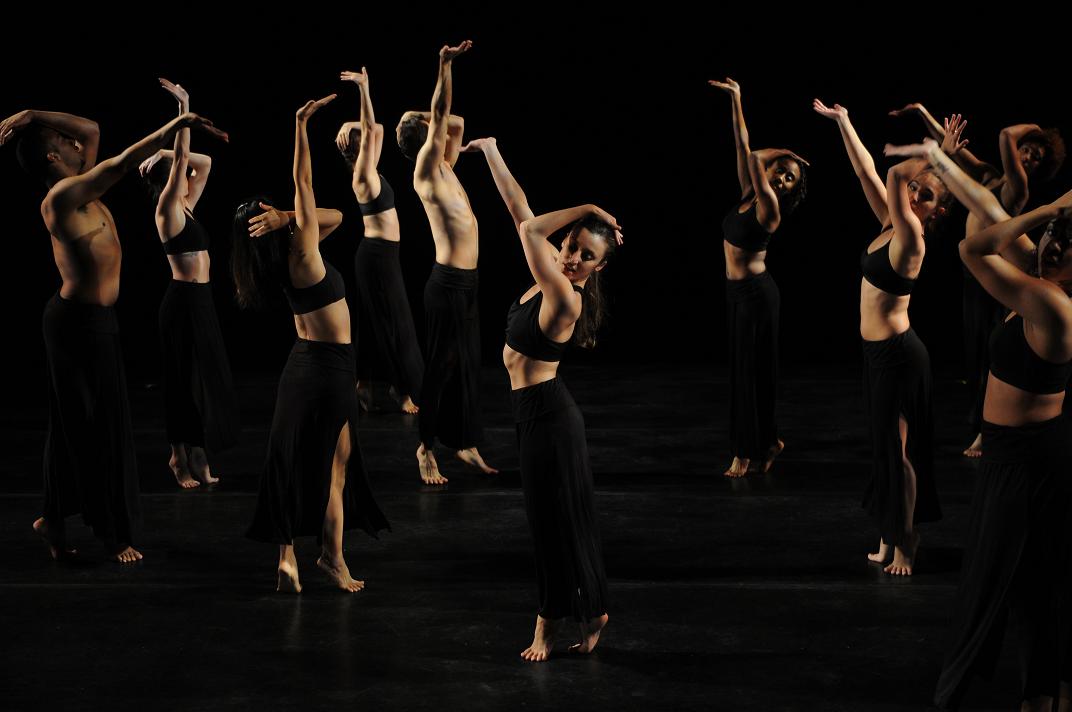
    Roberto chose a setting of the familar ‘White Swan’ theme from the Tchaikovsky masterpiece for the opening and closing dances tonight; at first rendered on the celesta, the music then goes into a rather grandiose disco beat: off-putting? Not in the least…actually I thought it was a lot of fun. It gave us an opportunity to see all the dancers – clad in long black skirts – before the solo presentations started. In Kokyat’s photo above: Gierre Godley and Ellena Takos.

    Copy of 7

    Following a brief pause so she could slip into costume, Lauren Putty (above) opened the procession of soloists with a space-filling solo set to a song by Sade. As with almost all the dancers, Ms. Putty’s solo was self-choreographed. Laced with vivid leaps and showing the dancer’s strong dramatic presence, this piece – entitled Reflections – got the evening off to a fine start.

    Copy of 10

    Her tutu-like skirt tied in the back with a large black bow gave Ellena Takos (above) a Degas feeling but her style was contemporary, well-suited to her choice of an Alicia Keys song. I Love You, I Love You Not shows a woman in a romantic quandry, sometimes collapsing to the stage like a crushed marionette.

    Copy of 17

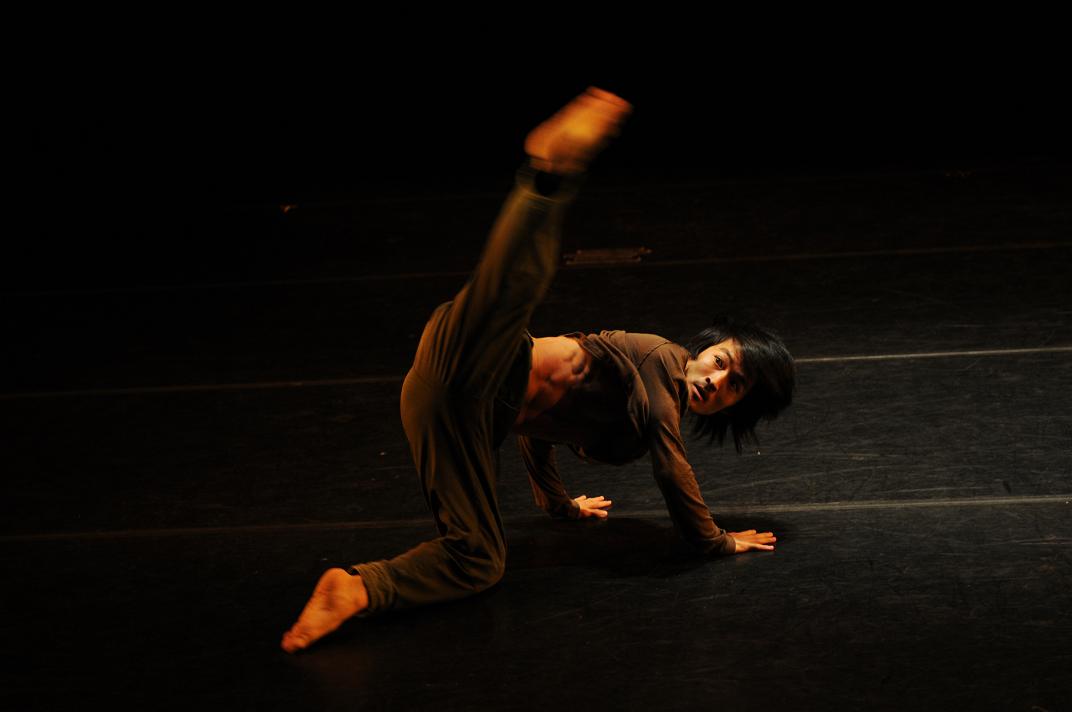
    Daisuke Omiya from Japan has a long resume of experience as a tap dancer but now he’s working on developing a broader style of modern dance. Using an industrial-sounding track from Aphex Twin, the slender danseur moved fluently – but with an edge – in the gritty solo Life Sound which made me think at times of Marco Goecke’s contemporary classic Mopey.

    Copy of 20

    Beautiful and exotic, with luminous eyes, Jasmine Domfort (above) rose from a pool of light to dance Counter Existence, set to Arvo Part’s quietly radiant Spiegel im Spiegel played by Angele Dubeau and La Pieta. Using her hands and even her hair as expressive tools, she created a highly personal atmosphere.

    Copy of 21

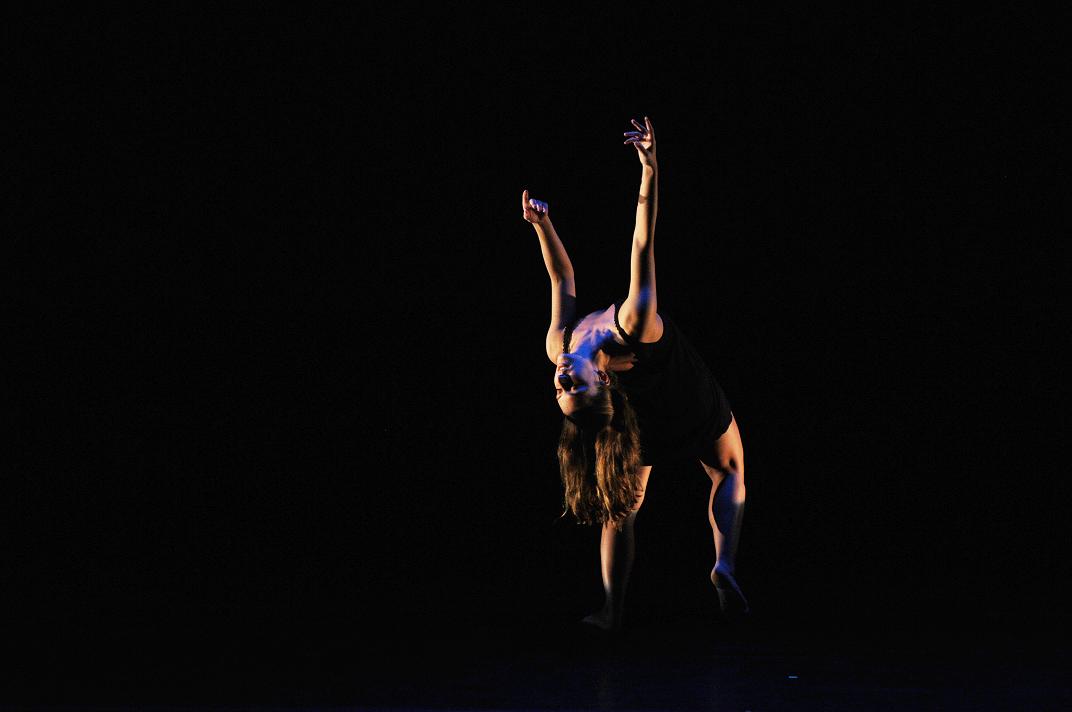
    Allison Kimmel (above) began her solo Pursuit with a slow backbend. Dancing to music by Max Richter (excellent choice: a first-rate exponent of the contemporary-classic genre), Ms. Kimmel let the music lead her from pensive to animated as she seemed on a quest for someone or something that eluded her. We saw Allison earlier this year at TAKE Dance‘s summer intensive; we love seeing dancers we’ve seen before…

    Copy of 26

    …which was another reason we were so entranced by Gierre Godley’s performance of Kept? We first saw Gierre (above) in November 2010 dancing with Eryc Taylor Dance. For Kept?, Gierre also used a Max Richter score and he danced it with an intense air of mystery. Drawing his shirt up over his face, a shroud-like image gave the work an ominous feeling; throughout, Gierre’s hands were spell-binding.

    Copy of 29

    Following a brief intermission, Cailin Murtha’s solo Corner of Your Heart had a lamenting quality. Using music of Kurt Bestor and Sam Carlson, the dancer in a simple black dress conveyed an aura of regret and resignation.

    Copy of 31

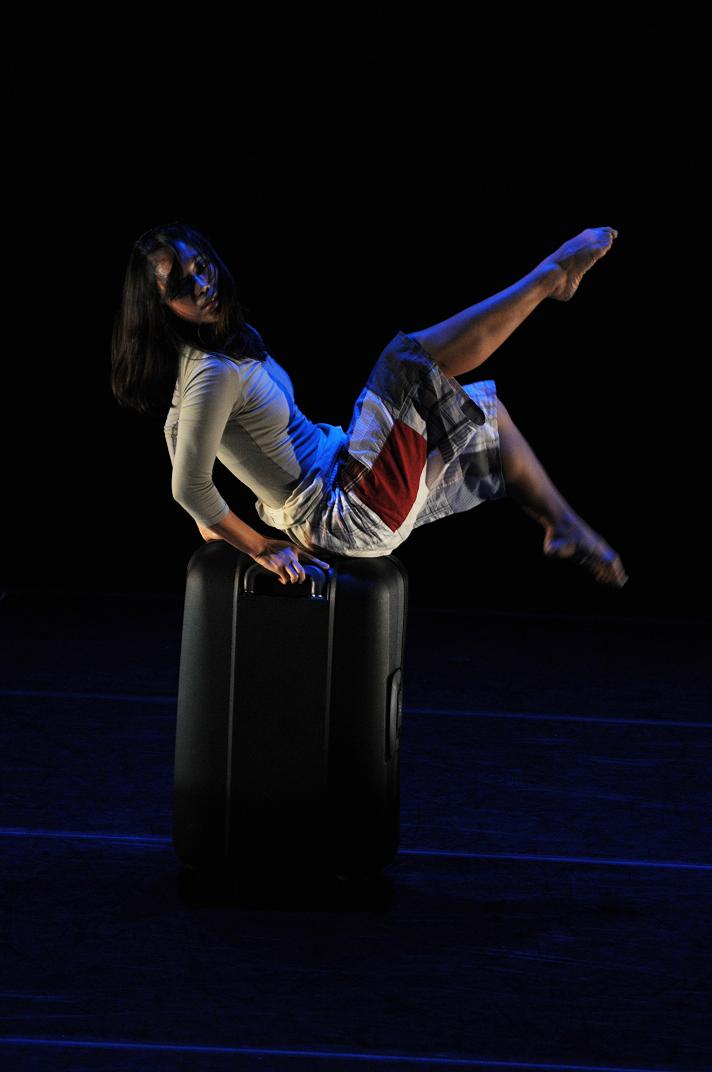
    Ren Xin Lee (above), dancing an excerpt from Somewhere…We Hear choreographed by Kuik Swee Boon to music of David Darling, conveyed the anxious vulnerability of a traveler in a strange land. With her heavy suitcase in tow, the dancer reminded us of the uncertainty of immigrants searching for a new life.

    Copy of 36

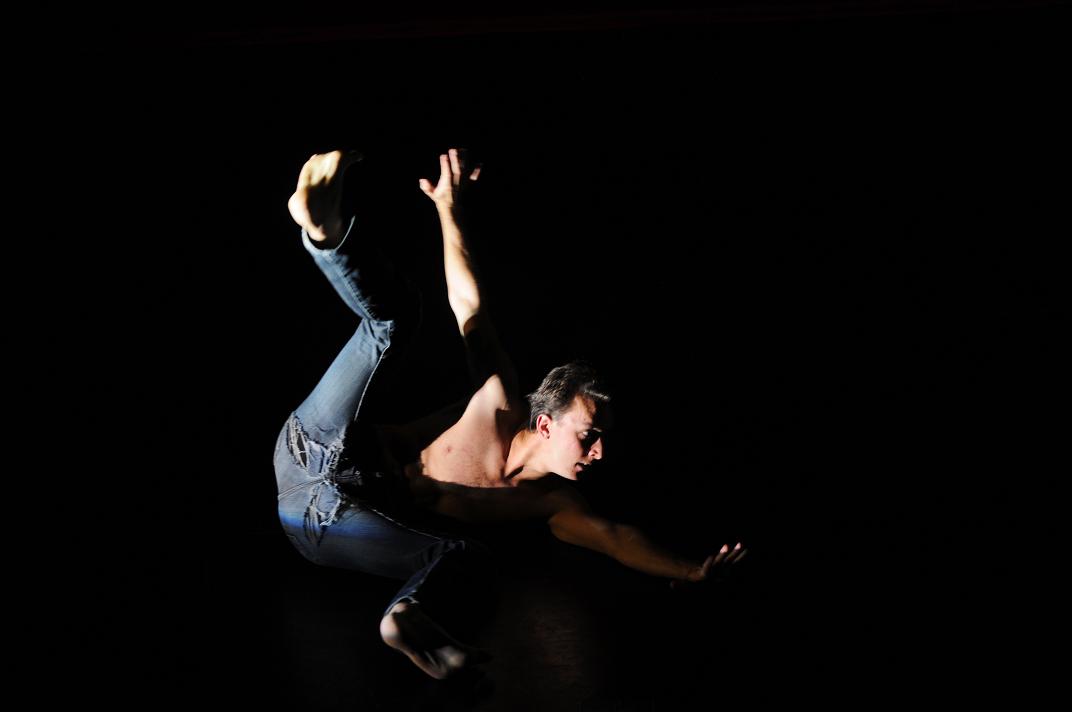
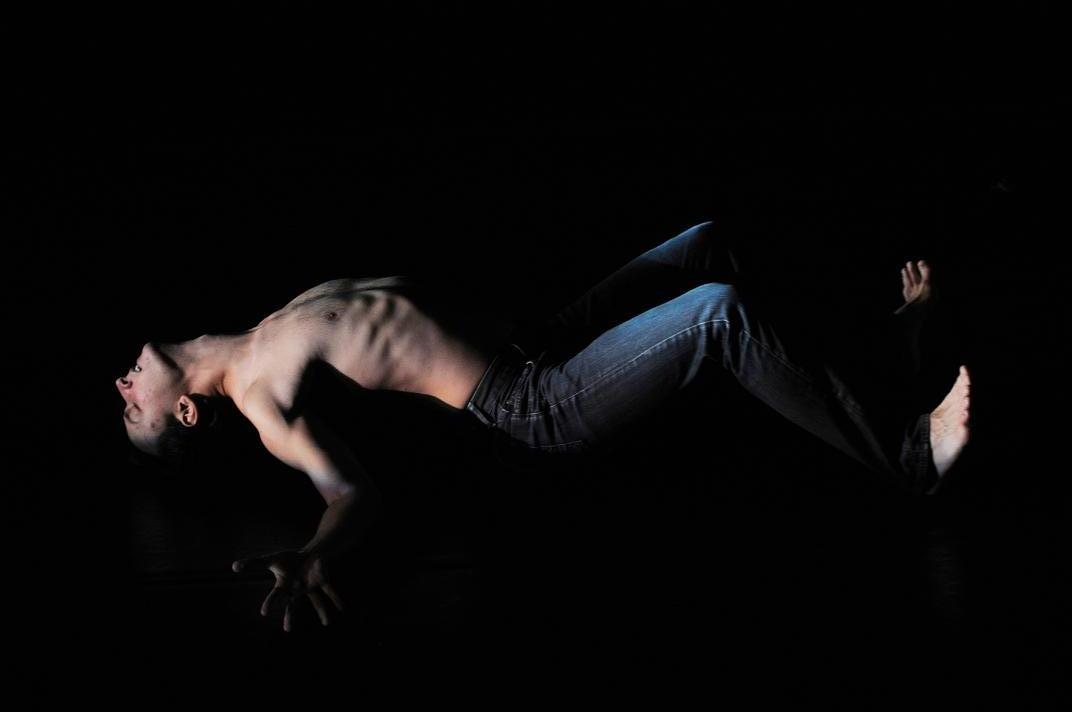
    With his slender form clad in ripped blue-jeans, Peter Mills looked very much an au courant young man, but his solo actually had a timeless quality, greatly enhanced by the music of Dario Marianelli in which instruments from cello to musette were heard. Moving into an agitated state, the dancer’s trembling form confronted the audience directly as From Behind ended.

    Copy of 39

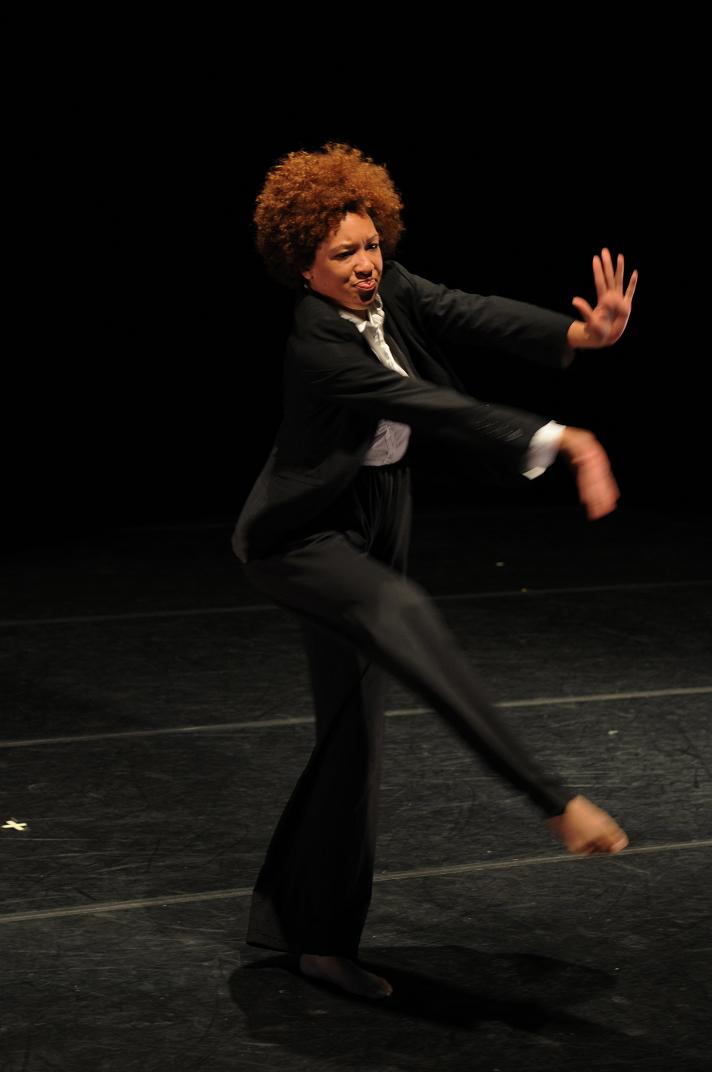
    M.E.A.N. is a solo by Courtney J Cook in which the dancer, in dark trousers and a white shirt, fidgets nervously and paces about restlessly as she deals with a romantic breakdown. “It’s over,” says singer Jill Scott succintly. As evening falls, Ms. Cook lights up another cigarette to sooth her nerves.

    Copy of 46

    Julie Halpin’s solo Alone begins with the dancer seated in a straight-back chair and wrapped in a red scarf. Music by Fire Horse propels the dancer into activity but she eventually resigns herself to her lonely vigil. For what or whom is she waiting?

    Copy of 48

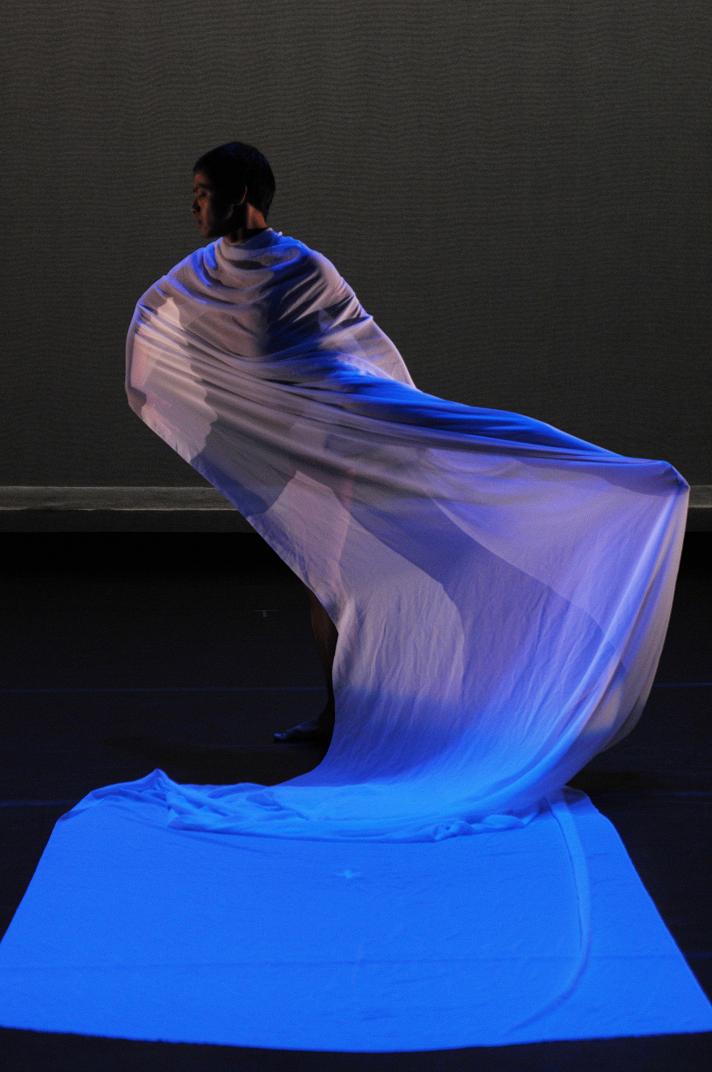
    Percussive fanfares precede a ritualistic yet lyrical solo danced by Roberto Villanueva in white briefs and a long sheer white veil. Set surprisingly to Chopin, this work (entitled Be) evoked images of some of Isadora Duncan’s mythic solos. Roberto danced this in a state of serene contemplation…

    Copy of 50

    …kneeling silently as the drums marked the end of the rite.

    Copy of 52

    All the dancers returned for a Tchaikovsky finale: a fantasy of black swans who have wandered far from the lake.

    Copy of 51

    Final curtain call.

    All images by Kokyat. Photos of the individual dancers here.     

  • Cherylyn Lavagnino’s Autumn Soiree


    Copy of 23

    Thursday September 22, 2011 – A really fine evening of dance from Cherylyn Lavagnino‘s beautiful Company, enhanced by live music and performed in a “salon” setting at the Chelsea Art Museum. Above, violinist Jane Chung and dancer Luke Manley in QUIET PLACE, the evening’s final offering.

    Two duets, a quartet and a large ensemble work were danced in different areas of the museum’s large upper gallery. The audience, despite being urged to walk about, mostly remained in their seats, moving their chair as the performance shifted from space to space.

    Copy of 3

    Composer Scott Killian provided the original score for DUET #3 in which two men move thru scuptural poses, often linked like conjoined twins. There’s no hint of romance or physical attraction between the two dancers – Justin Flores and Josh Powell (above). Instead the piece has a rather brotherly feel, and though the pacing in general is slow it is quite demanding in terms of stamina and strength.

    Copy of 8

    As DUET #3 ended, Josh walked away from the space leaving Justin in a pensive pose; he was soon joined by the lovely Selena Chau for the artful duet A BIRD CAME DOWN THE WALK, set to an entrancing score by Toru Takemitsu. This pas de deux seems a perfect companion piece to DUET #3 and some of the same motifs appear in the choreography, subtly altered. Selena and Justin (above) gave a lyrical performance; Ms. Lavagnino’s partnering settings are very appealing and persuasively interpreted by her excellent dancers.

    Copy of 15

    Moving to another area in the large gallery, four dancers appeared to perform WILL which is set to a score by Jane Chung which the composer, a polished violinist, played live tonight. Above, dancers Sarah Bek and Selena Chau.

    Copy of 11

    The work opens with two duets: in the first Ms. Chau and her partner Justin Flores (above) dance with  expressive lyricism – Selena’s vulnerable quality is so appealing  and Justin a fine and attentive partner. Meanwhile…

    Copy of 10

    …the second couple (Sarah Bek and Patrick O’Neill) stand to the side, facing one another silently.

    Copy of 12

    Sarah and Patrick’s duet has a more edgy element to it; these tall and attractive dancers match up well and danced with commanding assurance.

    Copy of 18

    Justin Flores in WILL.

    Copy of 19

    Justin and Patrick in WILL.

    Copy of 30

    A large ensemble then took over the central space of the gallery for the concluding QUIET PLACE; Ms. Chung played the Passacaglia for Solo Violin by Heinrich Ignaz Biber as the dancers moved thru ever-shifting pairings and sub-groups in patterns that evoked images of reverence and ritual.

    Copy of 21

    The individual dancers have ample opportunities for expressiveness: Josh Powell, above…

    Copy of 22

    …Luke Manley and Eric Williams…

    Copy of 25

    …Darion Smith, with Ms Chung in the background.

    Copy of 26

    Violinist Jane Chung, dancers Luke Manley and Claire Westby

    Copy of 27

    Julia Mayo, Josh Palmer, Jane Chung

    Copy of 31

    Josh Palmer

    Copy of 24

    Luke Manley, Eric Williams

    Copy of 28

    Ms. Lavagnino’s choreography in this larger-scale work impressed in its musicality and underlying sense of passion for movement. She’s becoming one of my favorite contemporary choreographers.

    A note about violinist/composer Jane Chung, from the Musica Bella website:

    “Jane Chung, violin/viola, has performed as soloist, recitalist and chamber musician across the United States and Europe, including the festivals of Prussia Cove, Aspen, Taos, Britten-Pears, Utah and Spoleto. She has collaborated as a chamber musician with Joel Krosnick, Rostislav Dubinsky, Luba Edlina, and Steven Isserlis, and the dance company TERRAIN. An enthusiastic performer of contemporary music, Ms. Chung has been a regular guest artist of the Naumburg Award-winning Da Capo Chamber Players since January 2003, including tours to Moscow, St. Petersburg and Minsk. She has also appeared with the Elements Quartet, Non Sequitur, Azure Ensemble, odeonquartet, and worked with Mario Davidovsky and Eric Chasalow.

    Ms. Chung trained primarily at Yale University, where she received a Master of Music degree and a B.A. (magna cum laude) in architecture, and was winner of both the graduate and undergraduate concerto competitions. She then studied in Vienna as a Fulbright grant recipient. Her main teachers include Peter Oundjian and Donald Weilerstein. Ms. Chung has served on the faculty of Mark O’Connor Fiddle Camp and the Great Neck Music Center, and she has taught violin and chamber music at Yale. She is also worked with American Ballet Theatre’s orchestra and has performed with the New York Philharmonic, Orpheus Chamber Orchestra, Seattle Symphony, and Metamorphosen Chamber Orchestra.”

    All photographs by Kokyat. Visit his Leica photoblog here.
  • Matt Murphy’s DISPLACED

    _MG_0763-2 DISPLACED is a dancer-portrait series being created by photographer Matthew Murphy. Above: Matt’s image of one of the participating dancers, New York City Ballet‘s Wendy Whelan, a great favorite of both Matthew and myself. (I have an especially fond memory of the day Matt came with me to photograph Wendy teaching class at MMAC.) 

    IMG_0453

    David Hallberg, danseur supreme and very much in the news of late, is another of Matt’s subjects in this series.

    I asked Matt to tell us a bit about this project:

    “Over the past few years I’ve been looking for a way to merge my two passions: dance and photography. As a former ballet dancer, this specialized art has always been something I loved to capture on camera, but I’ve never done a long-term project combining my two worlds…until now.  

    Displaced was born out of the idea that I wanted to do a portrait series of dancers that didn’t focus on athleticism and virtuosity, which has been showcased by so many photographers in the past; I wanted to photograph dancers without the dancing and look at their existence removed from performance. This series gives me a chance to highlight some of the greatest artists in New York City.

    I’ve been fortunate to collaborate on this project with dancers like David Hallberg, Michelle Dorrance, Keith Roberts, Ashley Bouder, Michael Trusnovec, Wendy Whelan, Gary Chryst and many others.  Over the next month I’ll be working with even more dancers to complete the project, which will be shown at Dance New Amsterdam from November 5th through December 10th.” 

    Matt is presently raising money via Kickstarter to fund the Dance New Amsterdam exhibit. You can make a donation to the project here.
    Update: Although Matt has already reached his Kickstarter goal, you can continute to donate. And I hope you will!