Author: Philip Gardner

  • Lydia Johnson’s IN CONVERSATION

    Copy of 17

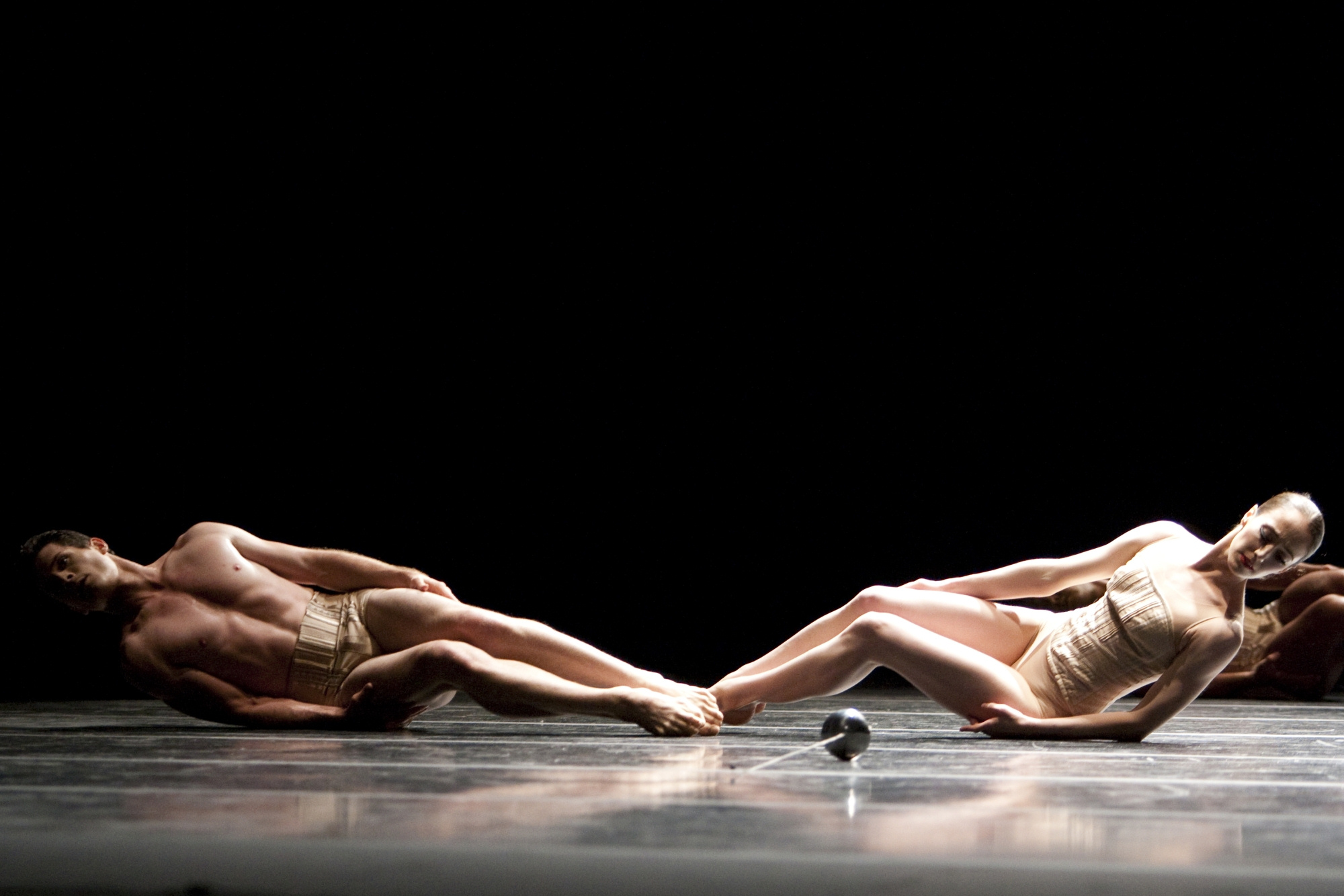
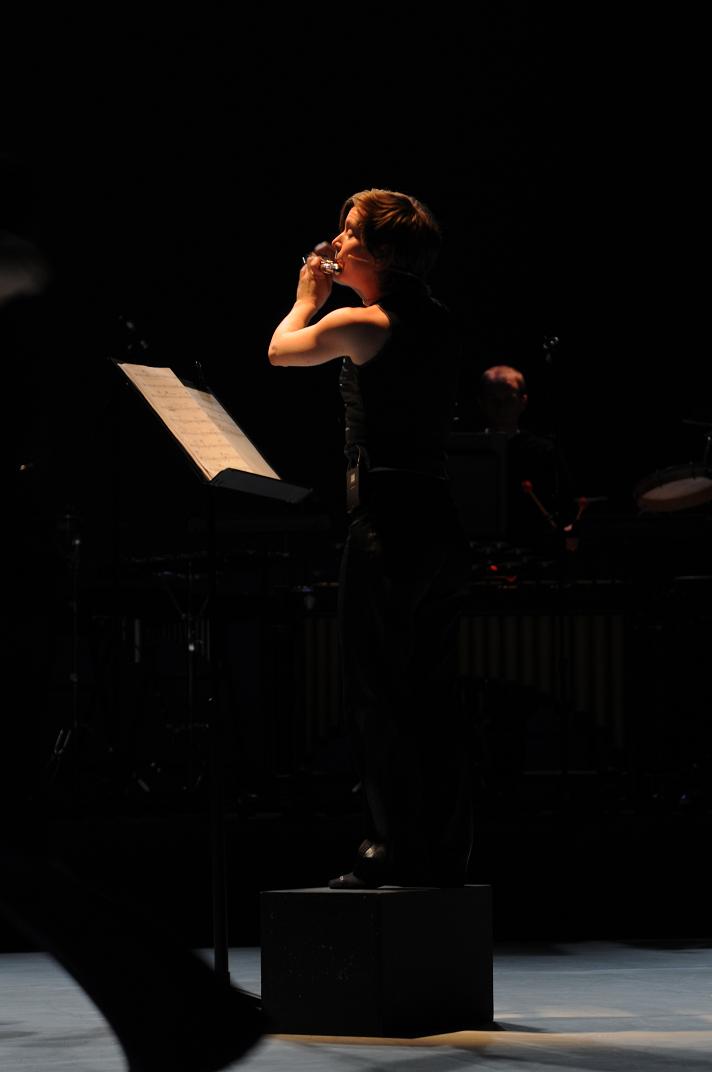
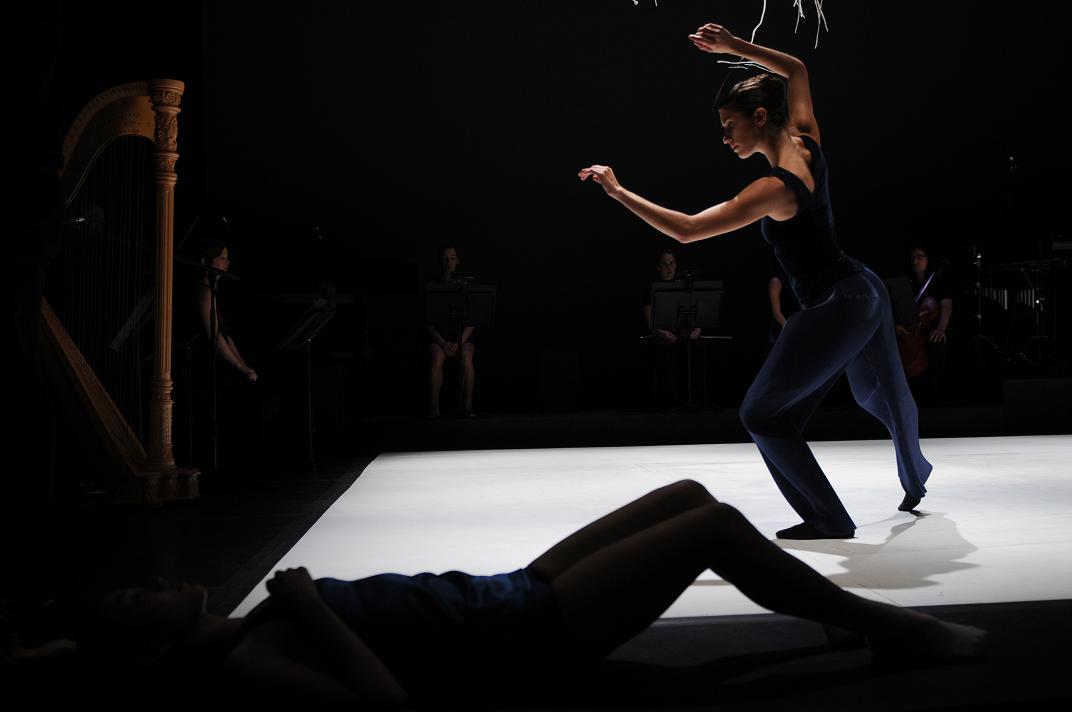
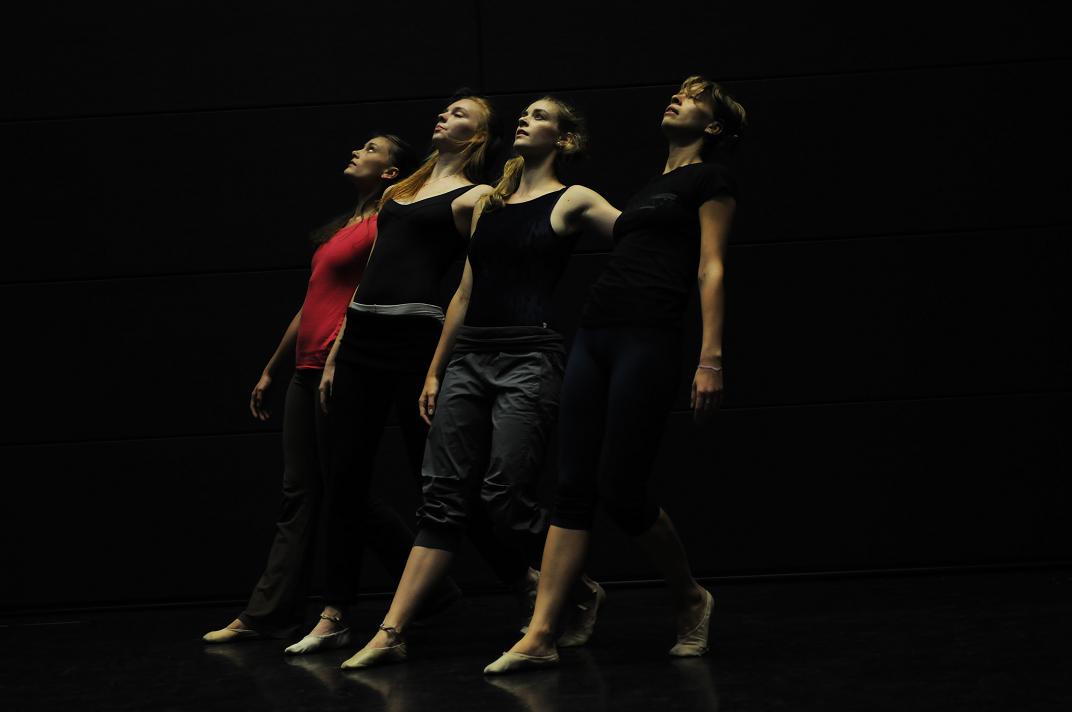
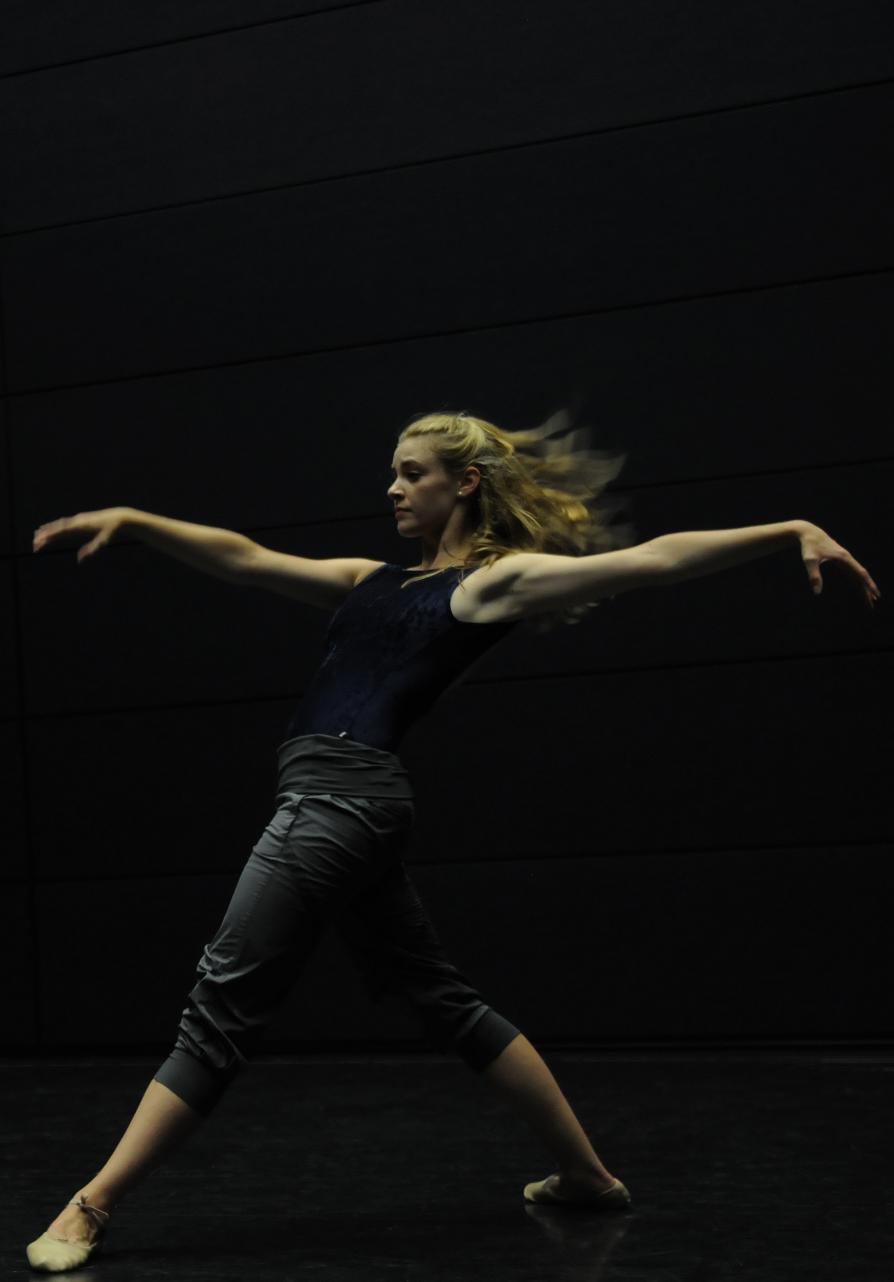
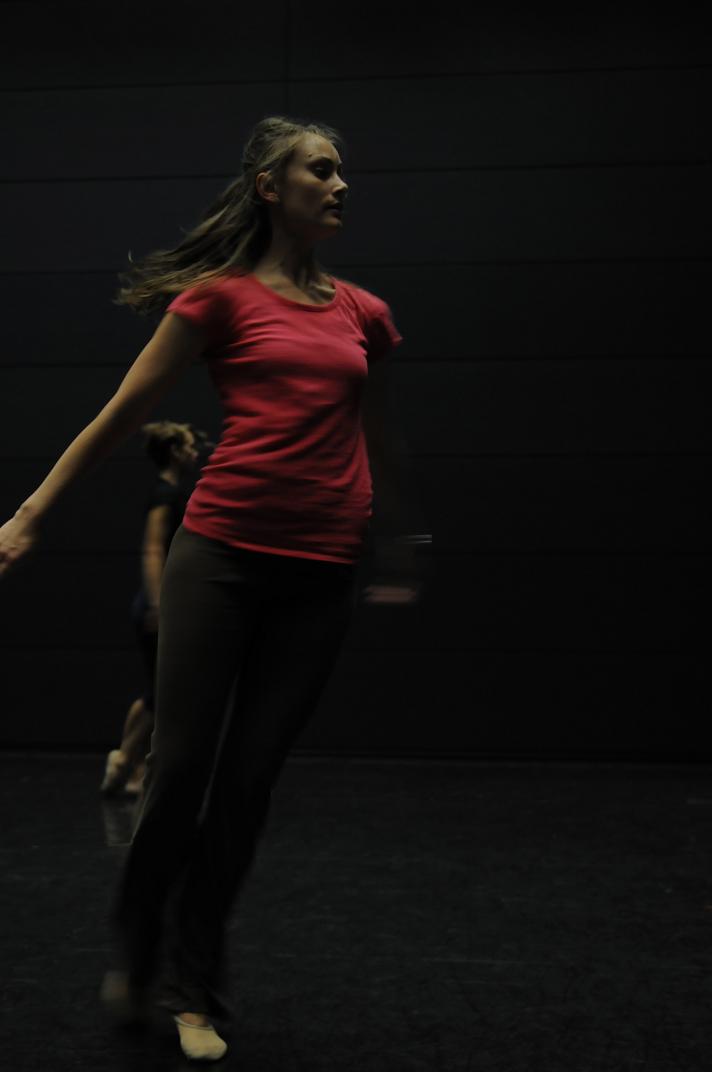
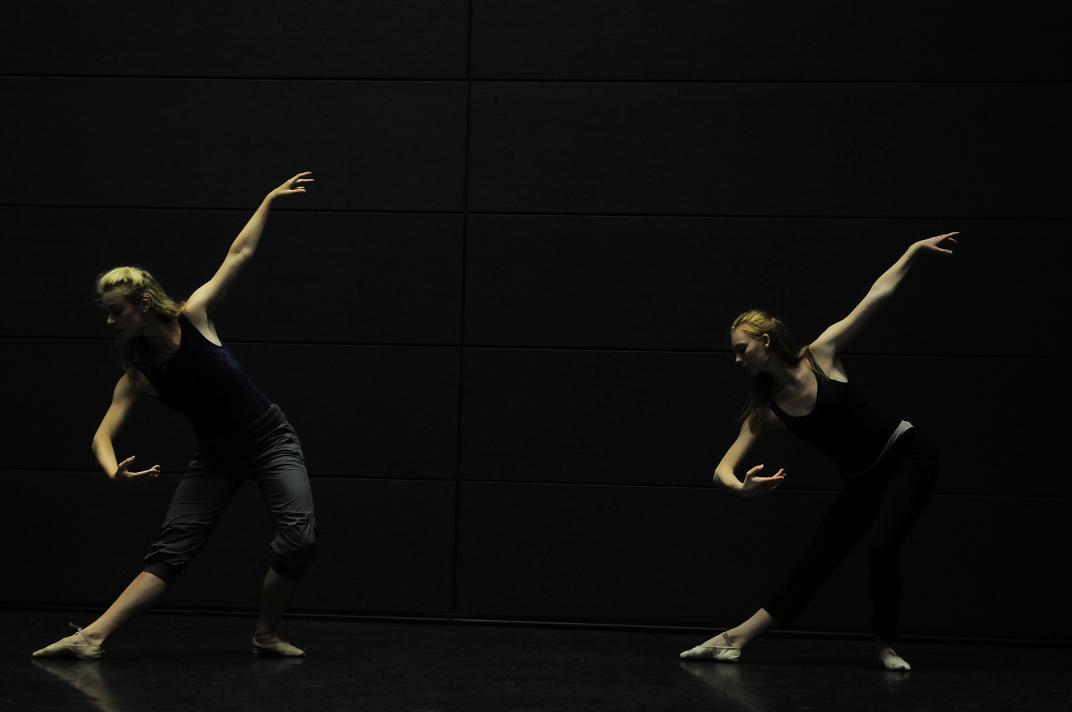
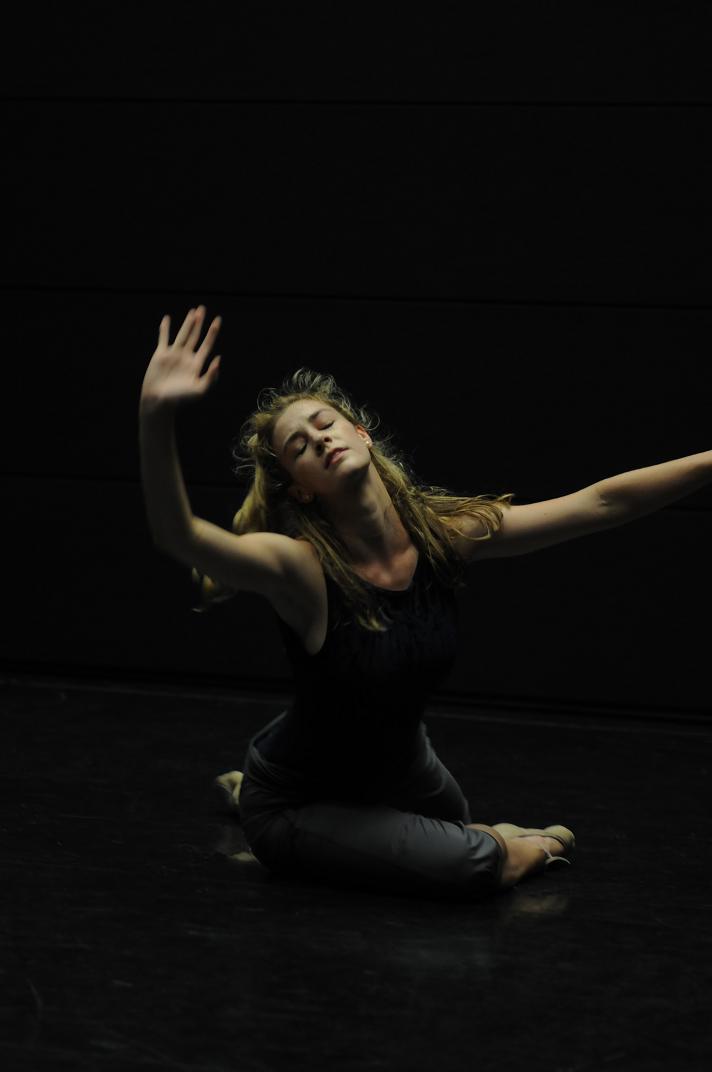
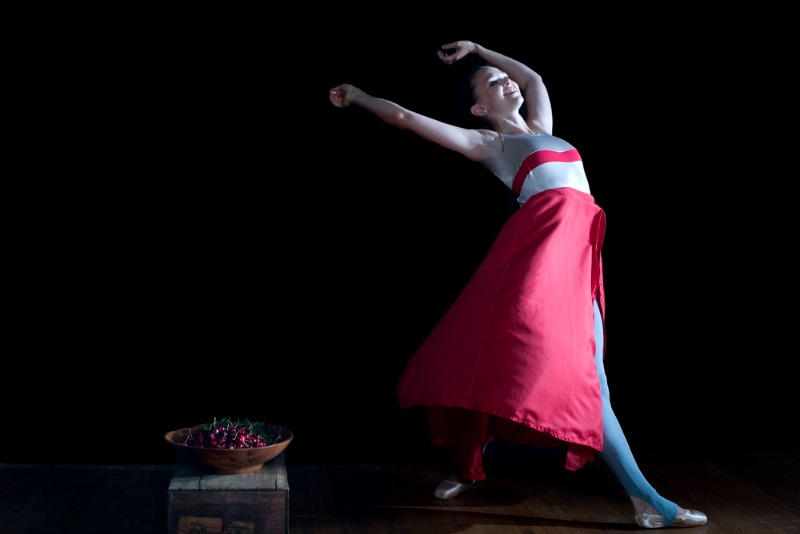
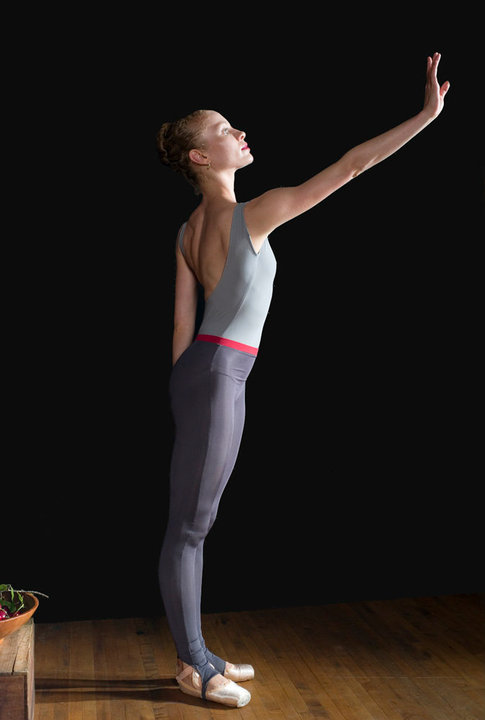
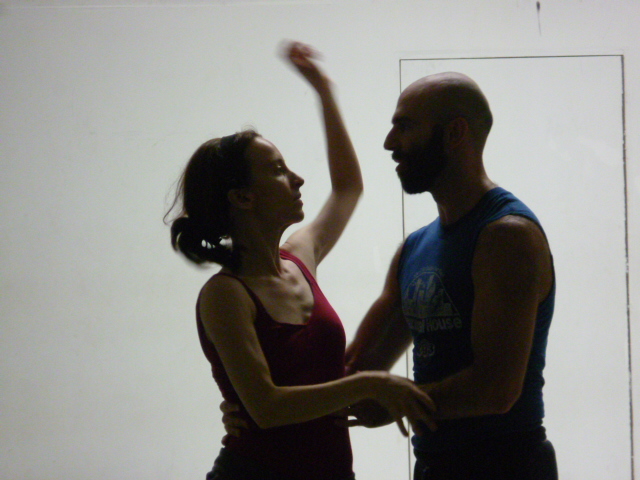
    Last night at Ailey Citigroup, Lydia Johnson Dance  opened their evening with IN CONVERSATION, a work Lydia created in 2004-2005 to music of Philip Glass and set for four dancers. In March 2009 on the evening I first met Lydia, IN CONVERSATION was the first of her works that I saw at a studio presentation of excerpts. Both the piece and the dancers spoke so clearly to me that night, and they spoke yet again last night – with such poignancy of expression that I found myself weeping quietly throughout the whole piece. Above: Kerry Shea and John-Mark Owen.

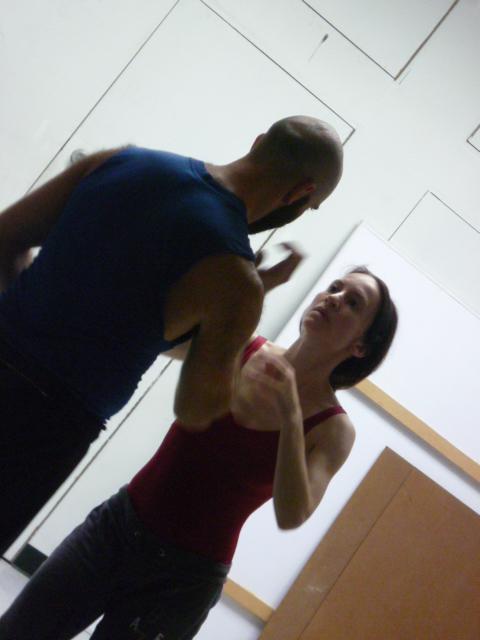
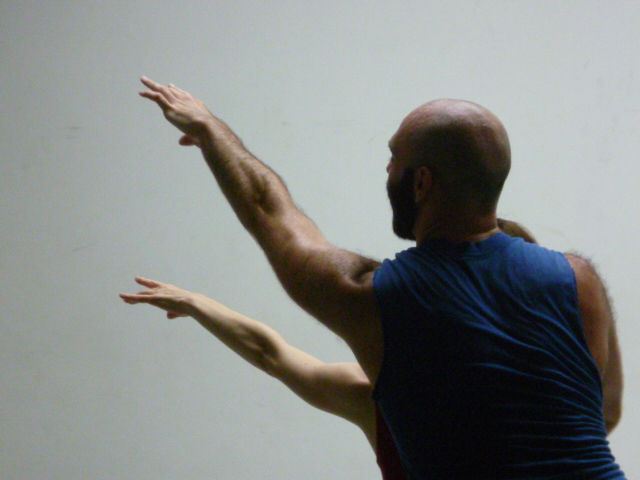
    Here is a series of Kokyat’s photographs from IN CONVERSATION:

    Copy of 3

    Kerry Shea and John-Mark Owen

    Copy of 5

     Kerry Shea and John-Mark Owen

    Copy of 6

    Robert Robinson and John-Mark Owen

    Copy of 2

    Jessica Sand and Robert Robinson

    Copy of 13

    Jessica Sand and Robert Robinson

    Copy of 14

    Jessica & Robert

    Copy of 16

    Kerry Shea

    Copy of 18

    Kerry & John-Mark

    Copy of 20

    Jessica Sand

    It is both odd and wonderful that certain pieces of music or the choreographed movements of certain dancers can move us so deeply and summon our emotions with such intense clarity. During IN CONVERSATION last night the world seemed to disappear and it was just Jessica, Kerry, Robert, John-Mark, Philip Glass and me alone together in that darkened space. I felt so grateful to be experiencing such beauty: compensation for the darkness and despair which seem to be ever-encroaching on our world.

    My deepest gratitude to Kokyat for his images that will keep this experience alive in my memory.

  • Dancing for Avi: Sokvannara Sar

    Copy of 55

    NOTE: Watch the video of Avi Scher & Dancers performing at the Kennedy Center here.

    The Cambodian dancer Sokvannara Sar in rehearsal with choreographer Avi Scher for a performance at the Kennedy Center. Avi has created a solo entitled Garden Dance for Sy with references to traditional Cambodian dance forms and Kokyat was on hand to photograph a rehearsal on May 29, 2010. I’d love to see Avi expand on this allegro solo with one or two additional movements to show the breadth of Sy’s artistry. As it stands now it is a beautiful snapshot of this charismatic dancer.

    Here are Kokyat’s images from the rehearsal (click to enlarge):

    Copy of 56

    Copy of 46

    Copy of 47

    Copy of 48

    Copy of 52

    Copy of 51

    Copy of 49

    Sokvannara Sar is the subject of the film DANCING ACROSS BORDERS.

    Additional images by Kokyat from this rehearsal here.

  • Avi Scher & Dancers: Rehearsal Gallery

    Copy of 19

    Here are more of Kokyat’s photographs from Avi Scher’s rehearsal on May 29, 2010 in preparation for an appearance by Avi Scher & Dancers at the Kennedy Center. Above: Jonathan Mendez and Derrick Agnoletti in TOUCH. Click image for an enhanced view.

    You can watch the Kennedy Center performance here.

    Copy of 6

    Victoria North.

    Copy of 7

    Lauren Stewart. Lauren performs with Suzanne Farrell Ballet.

    Copy of 61

    Elizabeth Claire Walker

    Copy of 9

    Shane Ohmer and Jennifer Goodman

    Copy of 34

    Kelsey Coventry

    Click on the images below to enlarge.

    Copy of 40

    Derrick Agnoletti and Allison Walsh of the Joffrey Ballet.

    Copy of 29

    Jennifer Goodman & Robert Colby Damon

    Copy of 15

    Victoria &  Colby

    Copy of 23

    Derrick Agnoletti, Allison Walsh and Jonathan Mendez.

    All photos by Kokyat. More from this rehearsal here and here.

  • Wheeldon’s ESTANCIA Premieres @ NYCB

    Tylertilerwheeldonmohin

    Saturday May 29, 2010 evening – Continuing their Architecture of Dance festival, New York City Ballet tonight presented the world premiere of Christopher Wheeldon’s ESTANCIA.  Above, Tyler Angle and Tiler Peck rehearsing the Wheeldon in an Andrea Mohin photo…

    Wheeldon-popup

    …and the same two dancers in performance, photo by Paul Kolnik.

    Alberto Ginastera 

    Set to a score by the Argentine composer Alberto Ginastera (above), Christopher’s story ballet about a city boy who comes to a country ranch and wins a senorita’s heart after he tames a wild horse was a genuine hit with the audience tonight : there were roars of approval for the dancers, singer, musicians, costume designer and the choreographer when the bows were taken.

    Cutlip

    Baritone Philip Cutlip (above) speaks and later sings (handsomely) about life on the ranch as a large corps of dancers in simple cowboy/country dress create the community of farm workers with their daily chores and villagers from nearby. The young city slicker (Tyler Angle) comes to the ranch looking for fresh air and a new beginning; he is smitten with the vivacious Tiler Peck (understandably) but she’s not having any of it. When a herd of wild horses pass by, Tiler grabs her lariat and tames one of them. The boy tries to ride the frisky horse and is thrown, losing ground with Tiler and the locals. He takes it as his task to tame a horse of his own and he succeeds, winning the girl’s heart and acceptance into the family of rancheros.

    Turning this simple narrative into dance was the challenge that Christopher set for himself and, buoyed by the colorful orchestration and rhythmic variety of the Ginastera score, he creates a ballet quite unique in the Company’s repertoire. Central to the piece is a magnificent duet for Tiler and Tyler in which their love is expressed in partnering that is both risky and romantic, reflecting their youthful impetuosity and their increasingly tender feelings for each other. It ends as they lay down to sleep. Tiler and Tyler shared a much-deserved joint triumph as they were recalled to the stage several times by the wildly enthusiastic audience.

    The two scenes of horse-taming are brilliantly depicted as five dancers in wonderfully inventive costumes leap and cavort wildly, led by Andrew Veyette who is given some extraordinary combinations which he carries off with bravado. Adding another exciting portrayal to her gallery, Georgina Pazcoguin deserves a special Playbill listing and a solo bow: as the mare that Tyler tames, she’s fantastic.

    100202_bull1

    Santiago Calatrava’s design for the front drop: a herd of cattle fancifully depicted.

    100317_DesertSunset

    The Calatrava backdrop evokes the wide open spaces.

    S10-New-Wheeldon---Wheeldon-and-Ensemble-c29931-09

    Rehearsal photo of Christopher working with the corps by Paul Kolnik. I’m hoping for some production photos soon.  Among the girls at the ranch, Maya Collins continually caught my eye with her sparkling performance – she was in all three ballets tonight and was delightful in each.  

    A revival of Balanchine’s DANSES CONCERTANTES opened the evening.The Eugene Berman setting with its fantasy drop curtain and the colorful costumes give the piece a music-hall feel and the Stravinsky score is a delight, all the more so as it’s so rarely heard. I’m reminded visually of FANFARE and also JEU DE CARTES,

    Four colour-coordinated trios are introduced in succession and then the principal couple of Sterling Hyltin and Gonzalo Garcia appear. This is a great role for Sterling where her natural charm and stage savvy are in full play, her tricky pointe work and a series of slowing pirouettes particularly impressive. Gonzalo is handsome, technically polished and subtly droll. In their perky yellow costumes, Sterling and Gonzalo brought this Balanchine rarity vividly to life.

    Corps-watcher’s delight: twelve of our top corps dancers get to shine in DANSES CONCERTANTES in a series of pas de trois in which each boy has two ballerinas to manage. Graced with deftly etched-in touches of humour, this series of dances were tonight performed by Alina Dronova, Stephanie Zungre and Giovanni Villalobos (in green); Maya Collins, Lauren King and Troy Schumacher (in blue); Kaitlyn Gilliland, Gwyneth Muller and Christian Tworzyanski (in purple) and Faye Arthurs, Ashley Laracey and Daniel Applebaum in red. Since these are some of my favorite dancers on the planet, you can imagine my pleasure in watching them.

    DANSES CONCERTANTES ends with everyone onstage and it’s one of the shortest finales on record, seemingly over before it begins. I look forward to seeing this ballet again soon.

    Somogyi 

    In BRAHMS-SCHOENBERG QUARTET Jennie Somogyi (above) recalled her recent beautiful performances in LIEBESLIEDER with the romantic appeal and technical security of her dancing; Sebastien Marcovici mastered the motif of swirling Jennie around in mid-air and Savannah Lowery’s authoritative pirouettes were given with a classic polish. In the Intermezzo, Jenifer Ringer’s complete perfection in a signature role was most welcome as she swooned gorgeously into the arms of the ardent Jared Angle.The trio of tall women – Dara Johnson, Kaitlyn Gilliland and Gwyneth Muller – looked aristocratic and swirled silkily around the principal couple to lovely effect. Kaitlyn, by the way, almost stole the show in DANSES CONCERTANTES.

    Pk_st_petersburg_yvonne_borree_empty_auditorium_500

    The waves of nostalgia that will sweep thru the theatre in the coming weeks seemed to begin flowing today as Yvonne Borree (photographed above on the Mariinsky stage) appeared in the Andante with her lovely air of modesty and gentleness ideally supported by Benjamin Millepied. Ashley Laracey in a demi-soliste role was totally gorgeous.

    Brahmsschoen

    In the concluding Rondo, Maria Kowroski was a fabulously fiery gypsy lass as she and Charles Askegard threw caution to the wind and danced up a storm. As they swirled and flashed madly around the stage the audience’s temperature rose resulting in a gale of applause and three calls before the curtain.

    Headshot and production photos by Paul Kolnik.

  • In The Studio with Brian Carey Chung

    Copy of 5

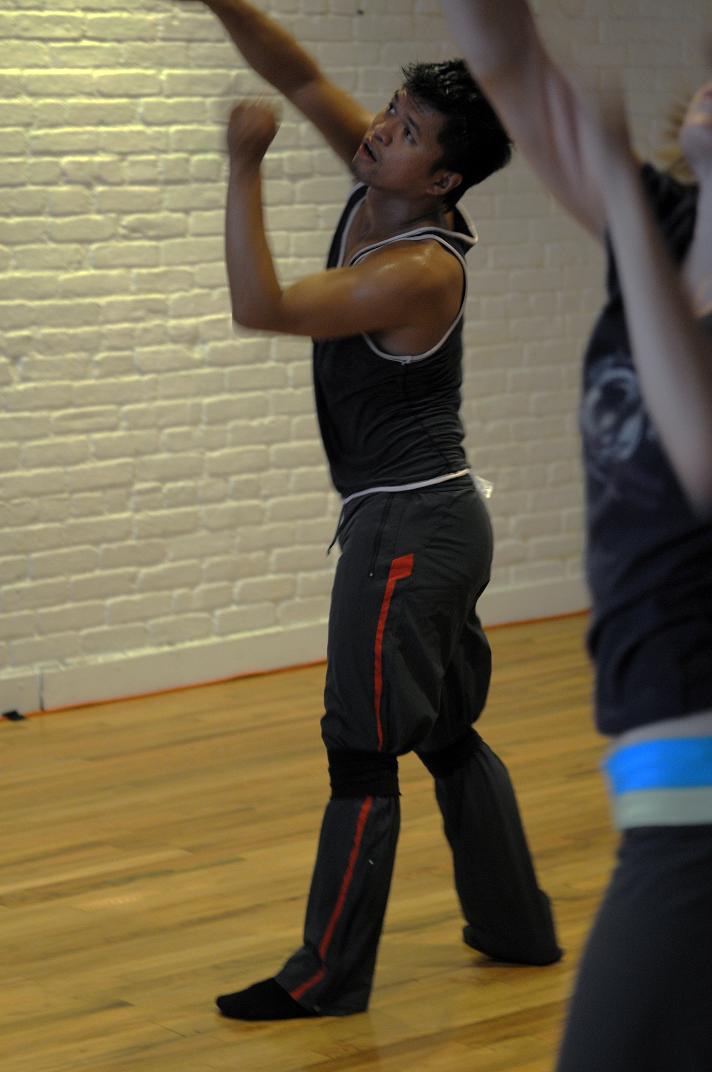
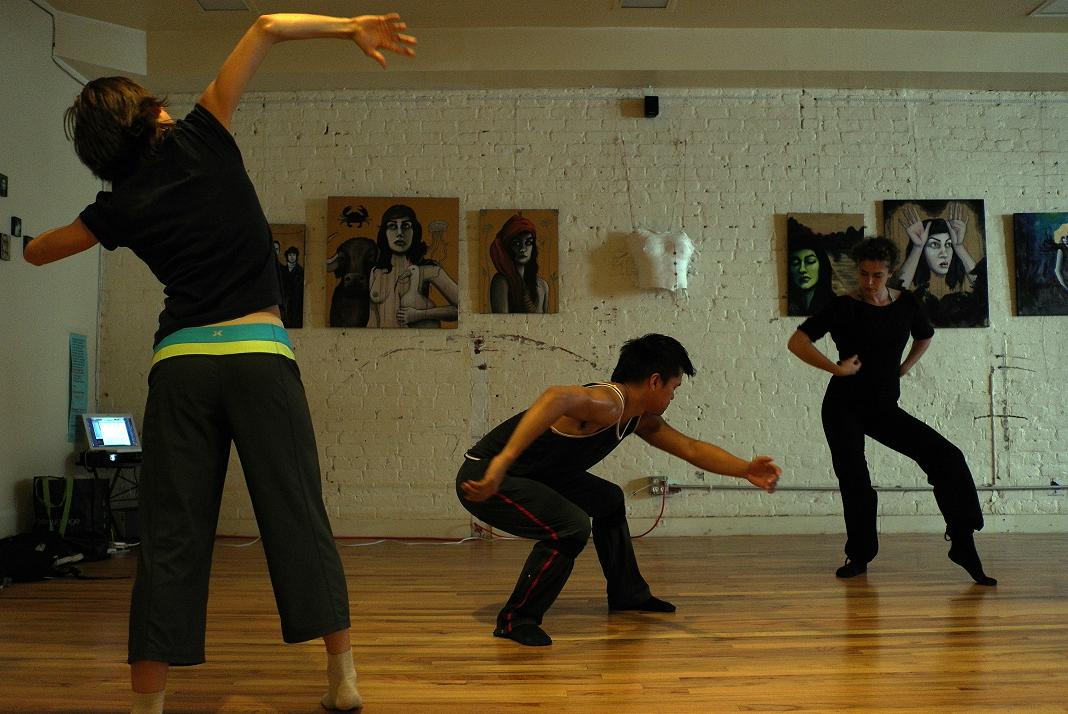
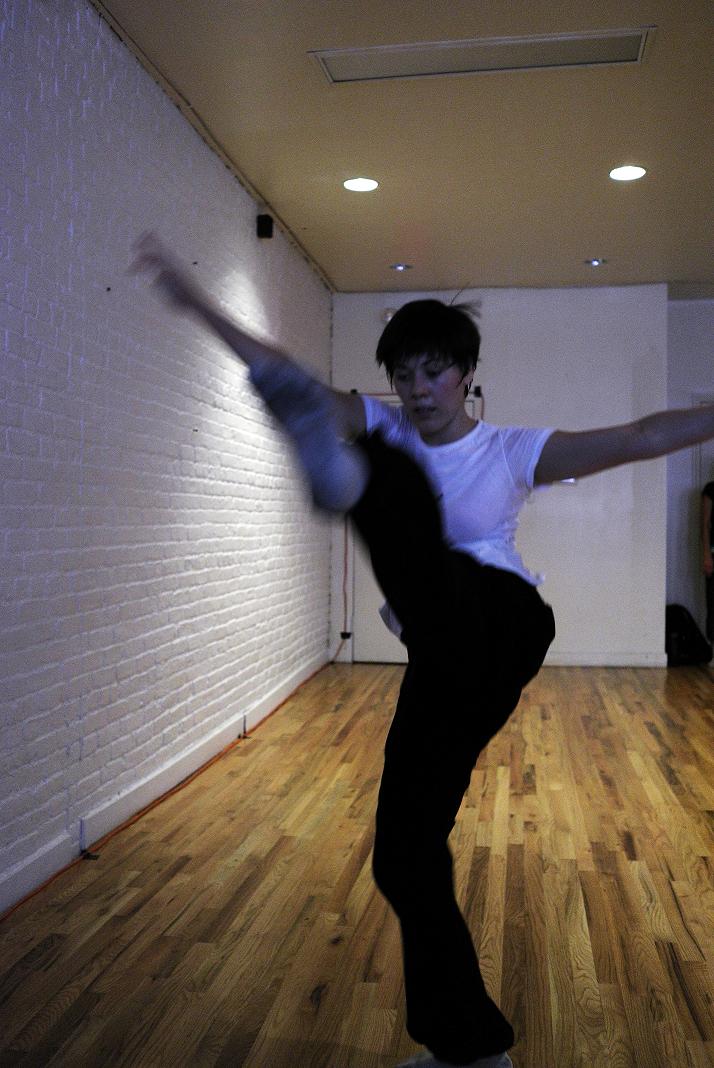
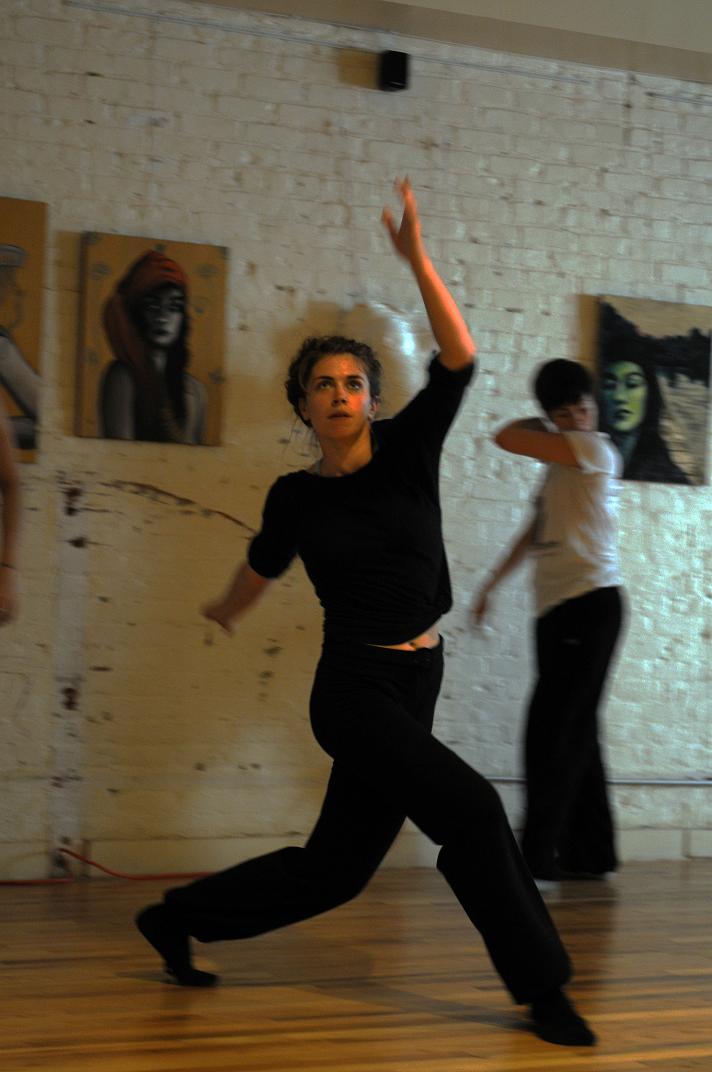
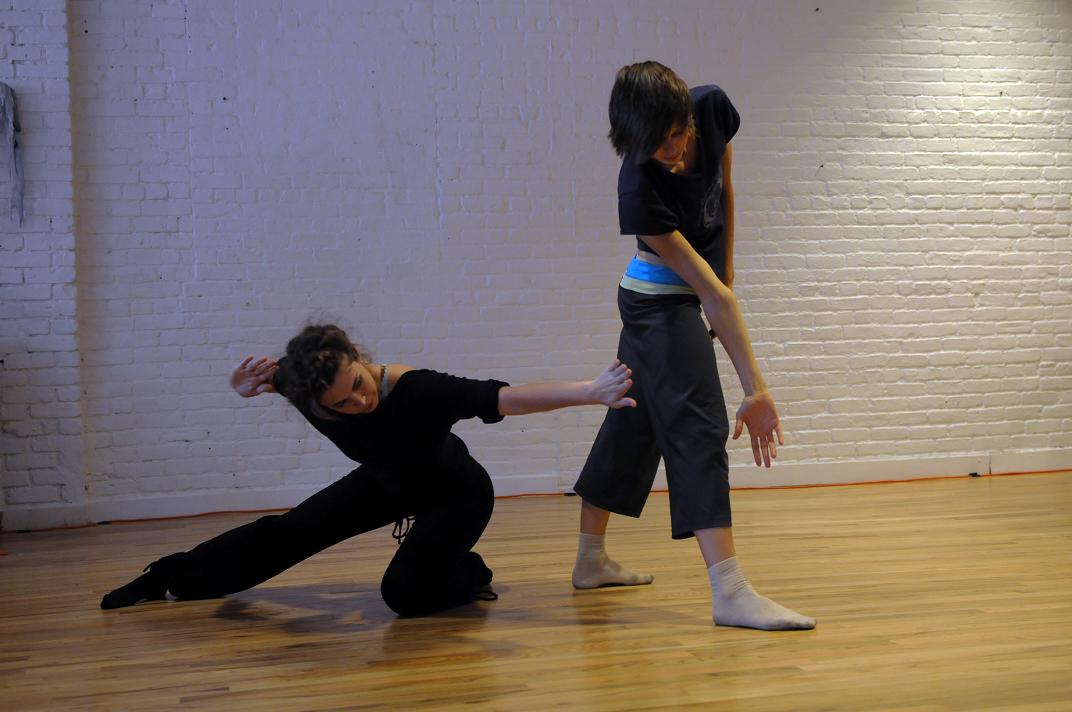
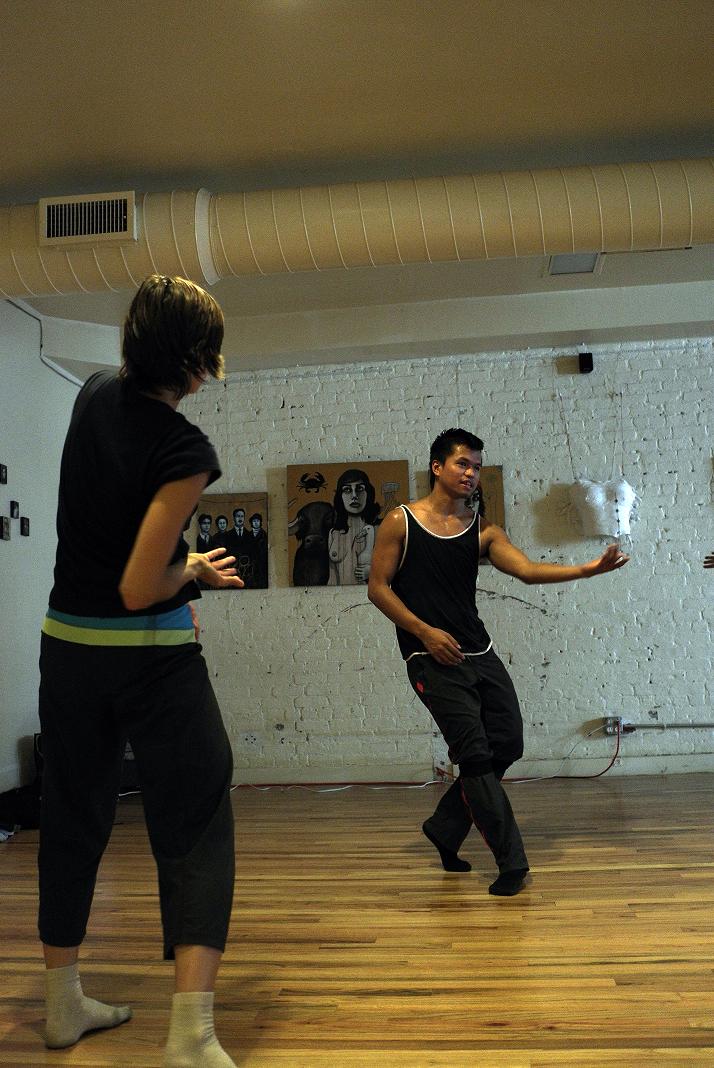
    Friday May 28, 2010 – Kokyat and I went down to the Baryshnikov Arts Center where the tall and ultra-handsome choreographer Brian Carey Chung of Collective Body Dance Lab was working with young dancers from The Joffrey School on a piece to be presented Tuesday June 1st at the Skirball Center. Click on the pictures to enhance.

    Copy of 6

    The work is entitled Message to Al and is set to the brink-of-madness music of Gorecki’s harpsichord concerto. When we arrived the girls were in practice clothes and Brian was pulling his choreography apart and working without the music on individual moves and combinations. He uses a lot of imagery when describing to the young dancers exactly what he wants to see. 

    Copy of 17[1]

    The girls then donned white tutus and Brian began running the piece with music. A feeling of nearly demented restlessness pervades the work while the tutus give it an ironically classic feel. This seeming dichotomy actually works well thanks to Brian’s sense of structure and subtle references to balletic vocabulary woven into a contemporary fabric.

    Copy of 16

    The dancers – beauties all, with gorgeous hair as an added attraction – threw themselves into Brian’s combinations with zest, sometimes seeming like a clan of young Wilis or swans. It’s a great piece and I’d love to see it embellished-upon and developed into something larger.

    Copy of 23

    Copy of 18

    Copy of 12

    The choreographer Brian Carey Chung.

    Copy of 27

    The setting sun outside the huge BAC studio windows gave Kokyat some gorgeous light to shoot by.

  • An All-Balanchine Matinee @ NYC Ballet

    N741263695_892320_8288

    Sunday May 30, 2010 matinee – Martha Swope’s photograph of George Balanchine and his cat Mourka. This afternoon’s performance at New York City Ballet was one of the most satisfying of the hundreds I have attended. Two principals who are nearing their retirement were dancing signature roles and there was also an important and highly auspicious role debut from Rebecca Krohn.

    Last night I had really enjoyed DANSES CONCERTANTES and thought it could not be improved upon in any regard, yet at today’s matinee Sterling Hyltin and Gonzalo Garcia were as technically adept as they were last night but also seemed to be finding subtler nuances of wit and whimsy which gave their interpretation more facets and more charm. Again the corps of twelve were outstanding. 

    As Wendy Whelan and Philip Neal walked slowly amid the nymphs of the Elysian Fields I felt something divine was in the offing and – to be sure – this was perhaps the most poignant of the many performances of CHACONNE that I have seen danced by these two sublime artists. Wendy was translucent, the music seeming to emanate from her hands, her supple back, even her hair, and with her green eyes questing the heavens. When the ballet turns more classic in look and feeling, Wendy’s dancing was like a poetry reading for the eye: so many gorgeous images that she creates with effortless grace. Philip Neal’s performance was a perfect match for Wendy’s in terms of musicality and refinement, his turns so calmly resplendent and his landings like a butterfly lighting on a leaf. I don’t know why he would even think of retiring with his artistry at such a peak. The audience showered them with applause and called them out three times; each time Wendy graciously bowed to Philip before curtsying to the House.

    In the divertissement, Stephanie Zungre seemed ready for bigger assignments as she led the pas de cinq very prettily indeed, and Erica Pereira and Adam Hendrickson took advantage of a perfect tempo today for their tricky duet: bravi! Andrew Scordato was impressive dancing the pas de trois for the first time – his height and carriage would suggest he be cultivated for cavalier roles down the line – and Gwyneth Muller and Ellen Bar were his tall graces. Add Faye Arthurs, Amanda Hankes, Daniel Applebaum and Allen Peiffer plus a strong corps contingent to the mix and voila! Perfection.

    Krohn

    Rebecca Krohn’s (above) debut in STRAVINSKY VIOLIN CONCERTO was a real eye-opener. She put me in mind of some of my earliest memories of watching the Balanchine black-and-white ballets and of the grand ballerinas who danced these iconic roles with such dedication and expressivity back in the day. Rebecca has the look and more importantly the cool, unflappable attitude to make powerful statements in this repertory. And, she’s a beauty into the bargain. I’ve had my eye on Rebecca right from her first appearances on this stage and my instincts were right: she’s got it. If I said that she reminded me of Suzanne Farrell this afternoon that would tell you a lot.

    Rebecca was fortunate to be paired with Amar Ramasar today; they look simply great together and their pas de deux was full of those little touches – gestures and expressions – that tell us the traditions are being well safe-guarded as these works are passed from generation to generation. Amar’s solo dancing was a stage-filling delight: his technique has notched up ten-fold in the past year or two and he’s quite a force to be reckoned with onstage. I want to see the Krohn/Ramasar duo in more and more rep.

    Yvonne Borree was seemingly dancing her familiar role here for the last time and her performance conjured up many memories – I could feel that she was savouring this music and these steps for one last time and it was touching. Ask LaCour was her tower-of-strength cavalier and he took beautiful care of her. Ask’s solo dancing was big-scale and intriguing. The corps were super and the playing of Kurt Nikkanen with Clothilde Otranto on the podium was perfect. 

    Ballet just doesn’t get any better than this.

  • Millepied and Ratmansky Premieres @ NYCB

    IMG

    Thursday April 29, 2010 – The 2010 Spring season at New York City Ballet has opened with the premieres of new ballets by Benjamin Millepied and Alexei Ratmansky, inaugurating a festival of new choreography and music entitled Architecture of Dance and featuring the debut of architect Santiago Calatrava as scenic designer for the Millepied work. Mr. Calatrava’s creations will be seen frequently throughout the Festival as he has designed the settings for five of the new works we shall be seeing. Above: a pencil-and-wine sketch by the architect from the season brochure.

    One of Kristin Sloan’s great short films introduced us to Santiago Calatrava. Peter Martins recalled the Balanchine/Philip Johnson ‘season’ when Mr. Johnson’s glass-like set pieces provided the decor for several ballets; but the notion of great contemporary artists and designers creating dance settings goes back to Diaghilev. Perry Silvey spoke of the excitement of watching the Calatrava designs become realities. Peter then stepped before the curtain and offered a vodka toast to the architect and his wife. Then Faycal Karoui took the podium and the dancing began: we have two new ballets – as different as night and day in every respect – both of which call for additional viewings as they are visually (and musically) rich and complex.

    Ben millepied

    Benjamin (above) has set his new work to music by Thierry Escaich (brief sample here); the ballet arrived on stage with a late-in-the-day cast change when Kathryn Morgan took over for an injured Janie Taylor.

    DSCN0690_Millepied

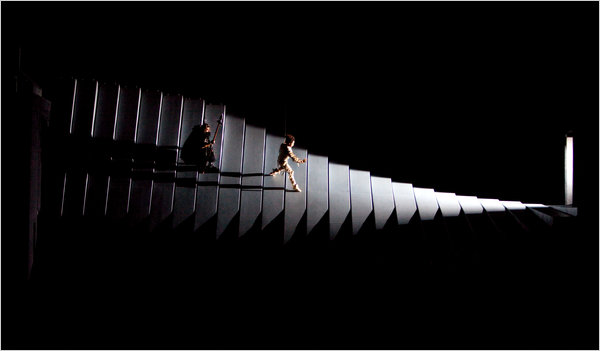
    Entitled WHY AM I NOT WHERE YOU ARE, Benjamin’s ballet provides the first look at Mr. Calatrava’s work (model above): a fan-like arch which is beautifully lit throughout…

    MillepiedCostumes_Men

    …in colours echoed from Marc Happel’s costume designs (above). The work is mysterious and rather sinister, and there is never a wasted moment musically or choreographically.

    The curtain rises on Sean Suozzi alone onstage clad all in white in what seems to be a futuristic ballroom. The corps of sixteen dancers sweep on, the girls in dark tulle skirts a la LA VALSE and the boys in colorful, fitted tuxedos. Kathryn Morgan appears and it soon becomes evident that Sean is a ghost or spirit who cannot be seen by the others. A second couple, Sara Mearns and Amar Ramasar, act as catalysts and leaders of the various groups of dancers who swirl on and off to the turbulent, hallucinatory Escaich score. As the ballet evolves, Sean slowly adds pieces of costuming over his whites; he now becomes visible to Kathryn and they dance together – passionate yet fleeting. Then suddenly the dancers begin to tear Katie’s costume off leaving her all in white – and invisible. Sean seeks her madly as the ballet careens to its dramatic close.

    Benjamin’s choreography visualizes the dark density of the music, which is both other-worldly and relentless. The dancing is grand: Sara Mearns gives a striking performance of lyrical abandon and Amar Ramasar looks fantastic and tosses off a couple of fanciful, fluttering aerial combinations that defy analysis. Kathryn Morgan looks beautifully lost and mystified as she seeks her ghostly lover – her dancing plush and velvety but with a steely, nightmarish edge. Her vulnerability after being attacked and de-frocked was lovely. How wonderful to see Sean Suozzi deliver such a spectacular performance – technically vivid and emotionally intense – in a big role crafted just for him. Sean, the man who created MOPEY, was rightly cheered in his solo bow.

    The corps play a large part in this ballet and Benjamin chose some of the Company’s best and most committed dancers who created an ominous atmosphere while in the meantime dancing superbly. I’ll want to see WHY AM I NOT WHERE YOU ARE again (and again) as its drama, choreography and visual setting invite further delving. Bravo Benjamin!        

    Ratmansky 

    Alexei Ratmansky (above) looked to the past for his music: Edouard Lalo’s nearly forgotten exotic ballet score entitled NAMOUNA. I wondered if he would follow the original libretto (detailed somewhat in the linked article) and in fact he has in a way, but it is more a provocative allusion to the story than a literal telling of a tale.

    Danced against a bare back-panel illuminated in muted shades from copper to slate-blue, the ballet opens with a striking entree for sixteen corps girls, each clad in a creamy diaphanous pleated skirt and a black bobbed-wig (or helmet-like cap – I couldn’t tell, having left my opera glasses at home). Their opening set piece was reminiscent of the BAYADERE Shades though totally different in mood. Later in the same costuming they played small hand-cymbals during Robert Fairchild’s solo, one of the work’s highlights.

    Robert was in fact the central character; clad in a sailor suit he danced handsomely and with technical aplomb. Here is a man with a harem, or at least a liberal list of girlfriends, of which three in particular claim our interest: Sara Mearns, Jenifer Ringer and Wendy Whelan. They arrive in pretty ‘petal’ tutus and beach turbans and each stakes a claim on Robbie’s attentions.

    Jenifer Ringer, in the languid Valse de la cigarette, was spellbinding: a peerless dance-actress, she created a complete character and looked superb doing so. When her choreography turned more technical, she responded with wit and finesse. A perfect and delightful performance.

    Sara Mearns was splendid in her solo which was danced with grand amplitude and Hollywood glamour, with the excellent NYCB corps men giving her strong support. Both here and in the Millepied Sara seemed to be having a fabulous time and her dancing was on peak form, which is saying a lot.

    Meanwhile a trio of the Company’s top technicians (Megan Fairchild, Abi Stafford and Daniel Ulbricht) interjected sprightly combinations and mischievous personalities into the proceedings: each of them had moments in which to shine as individuals, and Daniel was a willing sidekick to Robbie as their beach adventure went on.    

    Costumes1

    Costumes (by Marc Happel and Ruslam Khamdamov, sketch above) enhance the Ratmansky ballet while also making the corps dancers anonymous. Visually, NAMOUNA is a constant pleasure. And the music is enchanting. Despite feeling that Wendy had been seriously under-utilized, I thought when the ballet ended with Rob, Daniel and the boys rushing off (to find more women?) that we had a masterpiece on our hands, something to savour repeatedly. Except: it wasn’t over.

    Now Wendy’s role became clear as she and Robert embarked on a beautifully atmospheric and romantic pas de deux marked by stunning partnering sequences and Wendy’s perfection – all in white – as Muse and Siren. The other dancers and the ensemble had still more to do but the ballet does end with just Rob and Wendy alone onstage in a passionate, prolonged kiss.

    And so, like DANCES AT A GATHERING, Ratmansky’s NAMOUNA is simply too long. But – as with the Robbins – it begs the question: what should be cut? And the answer is: none of it! Monica told me that at a seminar Ratmansky said he felt compelled by the beauty of the music to use all of it and he was right. The ballet runs nearly an hour and though here and there one could see passages that might be compressed I would not want to see any of the individual movements cut.

    One thing that could be deleted is the prelude which is lovely in itself but which – being played with the curtain down – seemed to merely provide the audience with background music for continuing their intermission conversations. It’s atmospheric but with the undercurrent of chatter it really did not draw us into the work; our attention is only seized when the dancing starts.

    So, it’s a long piece but beautiful and unusual and – like the Millepied – it invites repeated viewings. 

    P1000208

    Poster for the Festival…

    27885_10150180019820529_112319735528_12157800_6921144_n

    …and here is the Promenade being decked out for the Gala party. So nice to see all the off-duty and after-performance dancers in party attire; I wish I was more confident in asking to photograph them – several stunning ballerinas (Savannah, Ashley Bouder, Jenifer Ringer and Elysia Dawn) should have been immortalized. Perhaps some party pictures will turn up on Facebook.

    Set and costumes design images from the Company’s Architecture of Dance website. The Festival is off to a fine start and we’ve much to anticipate.

  • OEDIPUS REX @ Avery Fisher Hall

    Alfred-eisenstaedt-russian-composer-igor-stravinsky-wearing-tux-white-tie-and-overcoat-on-night-of-a-performance 

    At Avery Fisher Hall, the New York Philharmonic are in the midst of a Stravinsky Festival entitled The Russian Stravinsky. Conducted by
    Valery Gergiev, the series explores how the composer’s Russian roots have informed
    his works. The Orchestra’s performances of Stravinsky pieces will
    include his ballets The Firebird, Petrushka, Jeu de cartes,
    Orpheus,
    and The Rite of Spring; the choral masterwork Symphony
    of Psalms;
    the dance cantata, Les Noces, based on a Russian
    folk wedding; the opera Oedipus Rex; and L’Histoire du soldat.
    The schedule further includes chamber music concerts, an a cappella choral
    performance by the Mariinsky Theatre Chorus, and a symposium. The Festival runs thru May 8, 2010. Photo of the composer, above.

    OEDIPUS REX is a work that I love but have previously seen performed only once: at Tanglewood where we went especially to hear Jessye Norman as Jocasta and then she canceled (but Kenneth Riegel was a superb Oedipus and Seiji Ozawa led a magnificent performance).

    Headshot1_griffey1
    Waltraud-meier

    With two singers I greatly admire in the principal roles – Anthony Dean Griffey as Oedipus and Waltraud Meier as Jocasta – the current performances seemed like must-see events. Both of these singers have utterly distinctive voices and in recent seasons each has given memorable performances at the Met as Peter Grimes and Isolde respectively. Tony’s voice is ample and warm and he uses the streak of vulnerability that runs thru it to telling expressive effect. The role of Jocasta lies a bit low for Ms. Meier but her signature intense delivery was most welcome and her one sustained top note was a sonic thrill. I was wishing she and Tony had sung the Liebesnacht from TRISTAN as an encore!

    Petrenko_mikhail_0910 

    Mikhail Petrenko ended up with a triple assignment, performing the roles of Creon, Tiresias and the Messenger. His voice is clear and steady; even though Gergiev sometimes allowed the orchestra to nearly cover him, Petrenko didn’t force his tone. Tenor Alexander Timchenko sang pleasingly as the Shepherd at whose utterance the fate of Oedipus is sealed.  

    Jeremy_irons_eragon_4

    In the role of The Speaker, actor Jeremy Irons (yet another truly distinctive voice) brought just the right combination of hauteur and irony to his narration. His is the kind of speaking voice you want to listen to so that his speeches never seemed like interruptions to the music but became part of it.

    The performance reached its apex with the arrival of Jocasta where Valery Gergiev unleashed the orchestra in a grandiose clamor of fanfares which resonated thru the hall to splendid effect.

    Valery-gergiev

    To open the evening a rarity: Le Roi des Etoiles was performed. Taking advantage of the presence of the chorus for the OEDIPUS, Maestro Gergiev (above) presented this mini-cantata which was composed in 1911-12 to a text by the Russian poet Konstantin Balmont.
    The poem is translated as
    “The King of the Stars”. Scored for large orchestra and six-part men’s
    chorus, the cantata lasts only about five minutes (54
    measures of music, we are told). The work is dedicated to Claude Debussy who told Stravinsky it was “extraordinary” but felt that its combination of the massive forces required with its short duration would limit performance possibilities. Le Roi
    des étoiles
    was first performed in public in 1939.

    Stravinsky had stated
    that he used the text not for its meaning but instead for the sound of
    the language. The piece, though short, is rich in harmonics and was sung with spiritual intensity by a contingent of the Mariinsky’s male chorus. Both here and in the OEDIPUS the choral sound had richness, depth and emotional vitality.

    OKkavakosleonidas3eif2008

    Leonidas Kavakos (above) was the soloist in the Stravinsky Violin Concerto which I believe was my first live hearing of this piece in a concert context (I’ve heard it often while watching the Balanchine ballet). For all the excellence of the two vocal works, it was the concerto that I found most thrilling tonight. Played with keen rhythmic vitality by the New York Philharmonic – with many very fine highlighted bits from the various players – the concerto’s solo line was rendered with dazzling virtuosity, sweet or edgy tone as needed and pinpoint dynamic control by Mr. Kavakos. At times nearly dancing to the music, the violinist was in full command of this very demanding score. Gergiev was at his thrilling best here, clearly relishing the tapestry of sound he was weaving from Stravinsky’s intricate pattern. Called back twice by clamorous applause, Leonidas obliged with a solo Bach encore which held the House in attentive silence.

  • New York City Ballet Spring Gala

    P1000212

    Thursday April 29, 2010 – Lydia Wellington, Megan Johnson and Callie Bachman of the New York City Ballet at the Company’s Spring Gala.

    Full report here.

    Two world premieres were given. My initial ratings are:

    Benjamin Millepied’s WHY AM I NOT WHERE YOU ARE = A+

    Alexei Ratmansky’s NAMOUNA, A GRAND DIVERTISSEMENT = A-

    Benjamin’s ballet reminded me in a way of LA VALSE and featured a spectacular performance by Sean Suozzi. The set by architect Santiago Calatrava was magical.

    The Ratmansky is gorgeous – but almost too much of a good thing – with a marvelous opening corps sequence and incredible dancing all round (a special bouquet to Jenifer Ringer for her Oscar-worthy Valse de la cigarette).

    Star-studded audience: I was seated next to Jennie Somogyi and two seats away from Damian Woetzel. Most of the NYC Ballet dancers who were not performing were in the audience, the girls all in party frocks. So nice to see my divine Pauline Golbin again. Albert Evans looked beyond sexy in a white sport coat, and Alexandra Ansanelli and Suki Schorer both looking lovelier than ever.

    P1000209

    The Promenade en fete. Details on the morrow.

  • Architecture of Dance @ NYC Ballet


    New-Ratmansky-Rehearsal---Whelan-C29046-14

    New York City Ballet are about to launch an ambitious season which will include seven new ballets (four of them to commissioned scores) and features the participation of architect Santiago Calatrava in his debut as a theatrical scenic designer. Above: Wendy Whelan in rehearsal for the new Ratmansky ballet. Photo from the NYCB website.

    Suozzimillepied mohin

    Above: Sean Suozzi rehearsing the new Millepied ballet, photo by Andrea Mohin. Teaser video from an orchestral rehearsal here.

    Casting for the opening night gala has been announced:

    SPRING GALA 2010
    THURSDAY, APRIL 29, 7 PM (Conductor:  Fayçal Karoui)

    New Ballet by Benjamin Millepied World Premiere
    Score by Thierry Escaich (Commissioned for NYCB)
    *Kathryn Morgan (replacing Janie Taylor), *Sara Mearns, *Sean Suozzi, *Amar
    Ramasar

         
    New Ballet by Alexei Ratmansky World Premiere
    Score by Edouard Lalo
    *Wendy Whelan, *Jenifer Ringer, *Sara Mearns, *Robert
    Fairchild, *Megan Fairchild, *Abi Stafford, *Daniel Ulbricht


    6a00d8341c4e3853ef0120a6c3b521970b

    Kokyat’s photo above. The Company have created a mini-site dedicated to the current season.


    S10-Calatrava-Installation---Millepied-Set-c29906-09

    Above, the NYCB stage crew readying a set piece by Santiago Calatrava for the new Millepied ballet.

    Among revivals, SERENADE tops the Balanchine list along with AGON, BRAHMS-SCHOENBERG, DIVERTIMENTO #15 and LA SOURCE. One of the few Robbins works I really love, OPUS 19/THE DREAMER returns. Two of the best ballets Peter Martins has made will be presented: BARBER VIOLIN CONCERTO and MORGEN, the latter being my favorite among Peter’s works. And I for one will be pleased to see THE LADY WITH THE LITTLE DOG again.

    Once June arrives, waves of nostalgia will sweep thru the theatre as four of our principal dancers bid farewell to the Company: Yvonne Borree (June 6), Philip Neal (June 13), Albert Evans (June 20) and Darci Kistler (June 27). And on June 24, the beloved maestro Maurice Kaplow will preside from the podium over his own farewell. All five of these artists have played major roles in my super-intense phase of NYCB-going over the past twelve years and in fact the six of us go way back: I remember Yvonne, Philip and Albert when they were just kids, and the great flurry of excitement surrounding Darci Kistler’s ‘birth’ – with Balanchine’s blessing.  And how many evenings had Maestro Kaplow had his hand on the rudder, taking the NYCB musicians thru the wide range of musical styles with which their seasons are filled? It’s going to be a big change not having these folks right where I know I can always find them.