Category: Ballet

  • At Amanda Selwyn’s Open Rehearsal

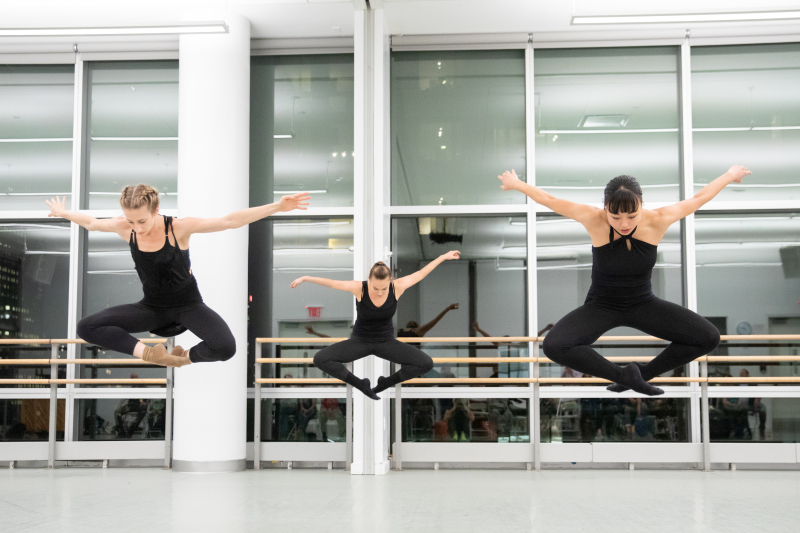
    AmandaSelwynAileyOpenRehearsal_hheron-314

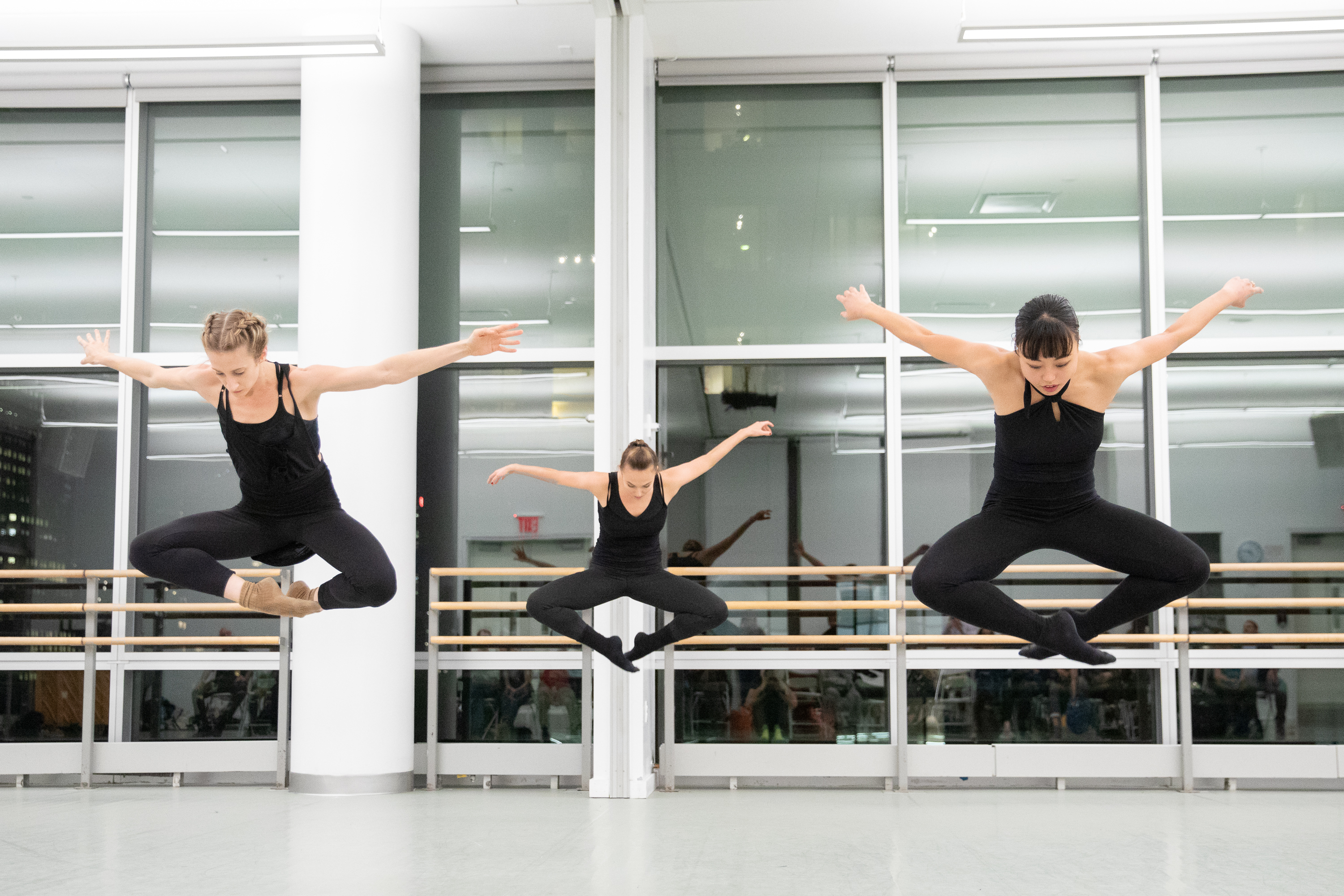
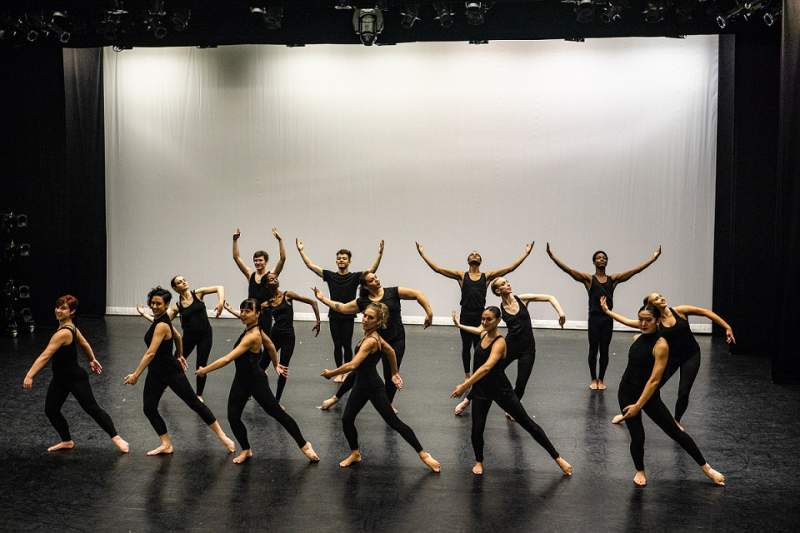
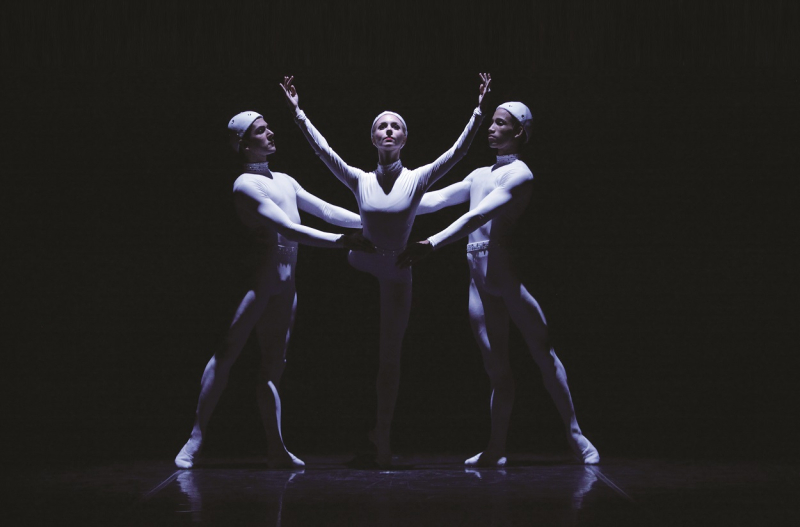
    Above: Sarah Starkweather, Manon Halley, and Misaki Hayama of Amanda Selwyn Dance Theatre; photo by Hayim Heron

    ~ Author: Oberon

    On Monday, October 15th, 2018, I caught up with Amanda Selwyn when her company presented an open rehearsal at the Ailey Studios.

    Over the past few years, my interest in dance has slowly been fading. But there are a few choreographers who will always draw me back, and Amanda is one of them; I can honestly say I’ve never seen a Selwyn work I didn’t like…or love.

    So when I received an invitation to an open rehearsal of Amanda’s new work-in-progress, CROSSROADS, I rearranged my schedule so as to attend. Inspired by the art of Magritte and Escher, Amanda is collaborating with scenic and costume designer Anna-Alisa Belous for this production. CROSSROADS will be performed June 20th thru 22nd, 2019, at New York Live Arts.

    Amanda Selwyn’s danceworks are always a collaborative effort on the part of choreographer and her dancers. In the early phases of creation, the individual dancers come up with phrases or gestures. These movement motifs are taken up by the company, tried in unison. If the consensus is positive, the phrase becomes an experimental element which may be elaborated upon, broken down or re-shuffled, and finally assimilated into the dance. These motifs may appear in various guises – as solo, duet, or ensemble passages – as the work develops. Amanda is the mastermind who assembles, enhances, and molds the finished product.  

    So this evening, I was really happy to see Amanda again, she being one of my favorite danceworld personalities. Three women I’ve met before – Torrey McAnena, Manon Halley, and Sarah Starkweather – are pillars of the Selwyn ensemble. I was delighted to see that Misaki Hayama, who danced recently with Roberto Villanueva’s BalaSole Dance Company, has joined Amanda’s troupe. Alex Cottone has danced for Amanda before, but I had not previously met him. Two new male dancers have just recently joined the Company: tall and athletic Fabricio Seraphim, and a vibrant, energetic young man named Yoshio Pineda.

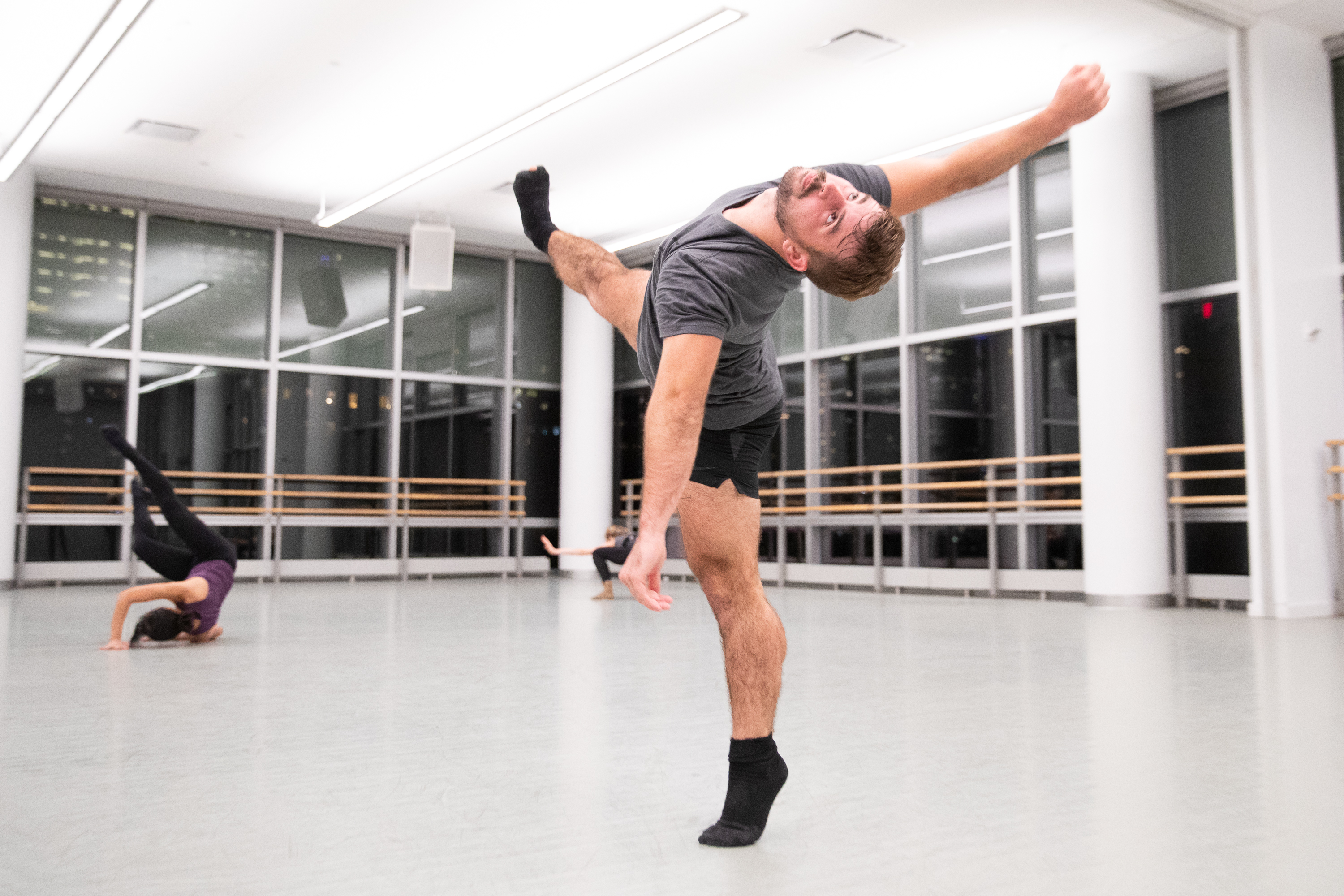
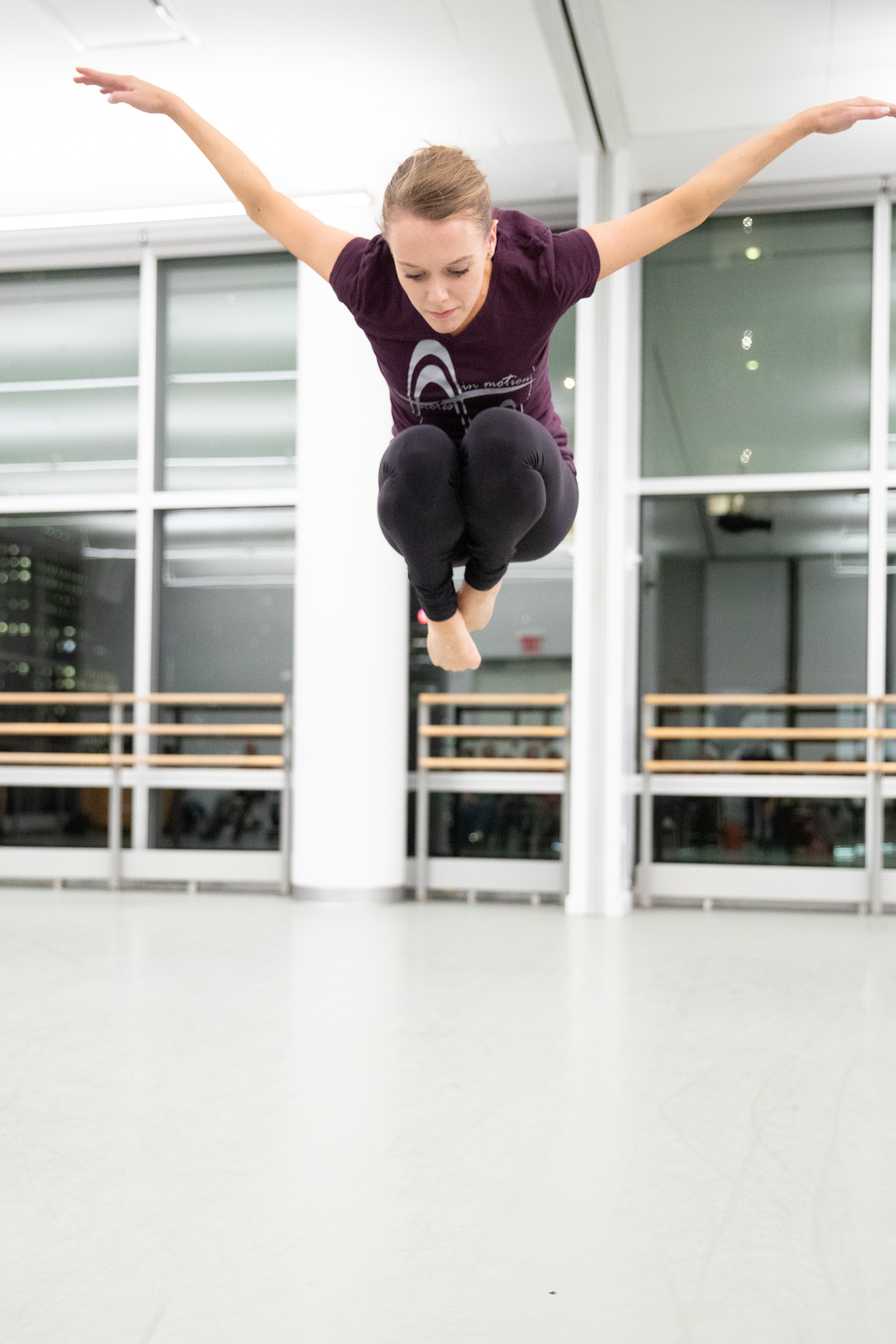
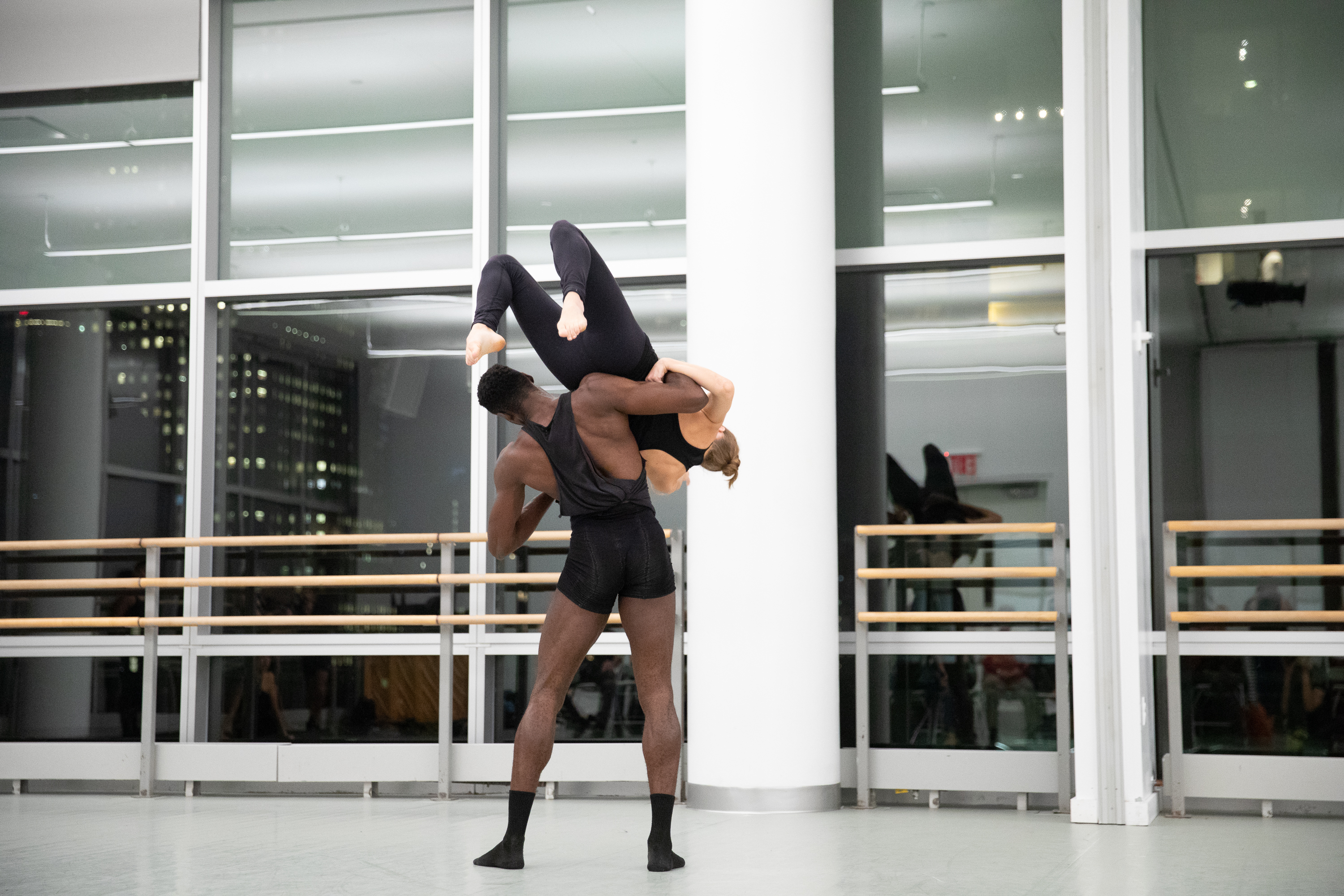
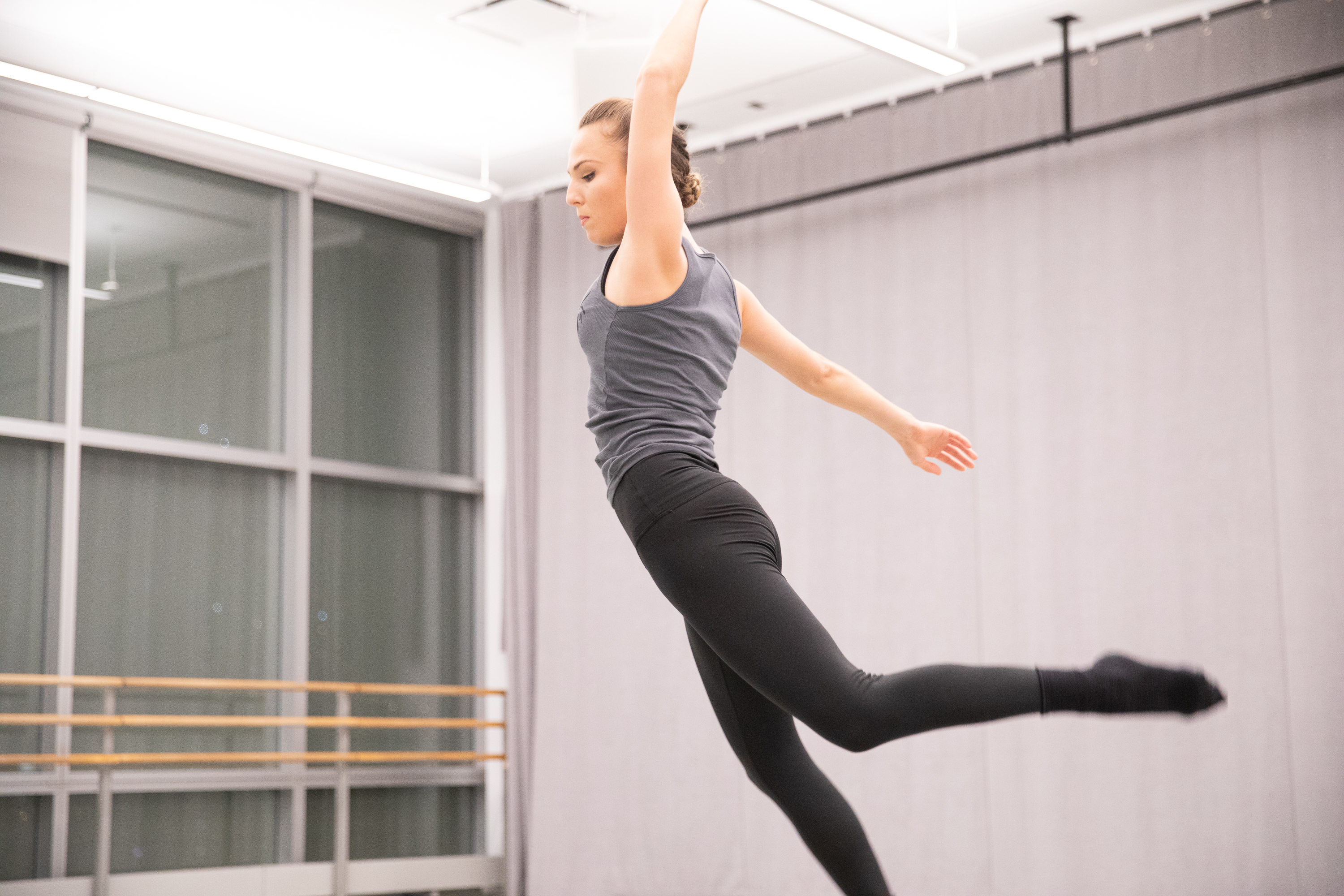
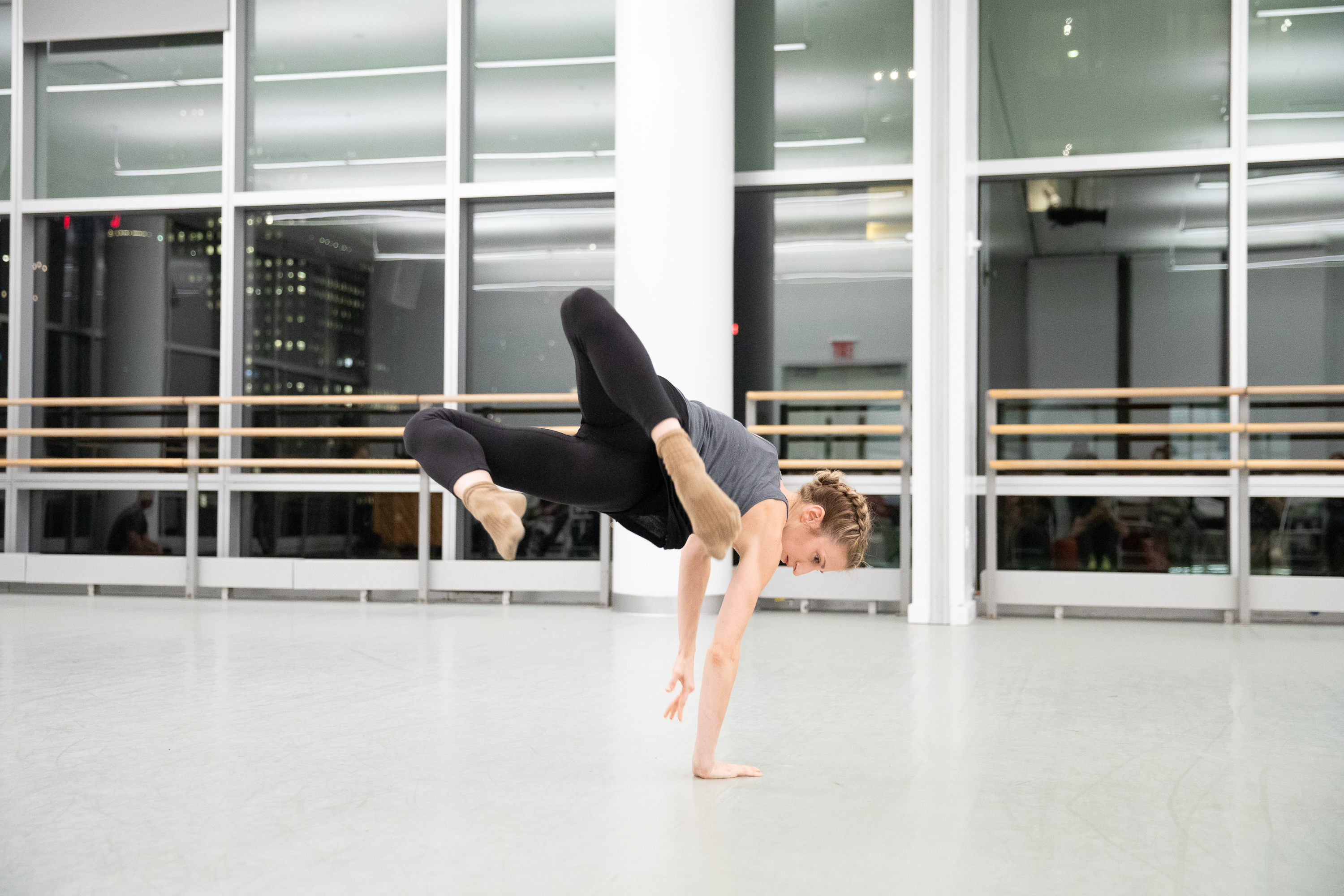
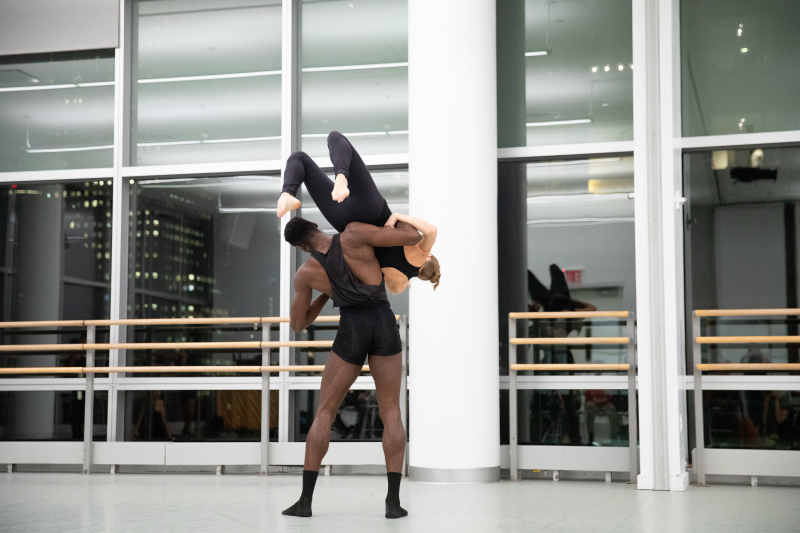
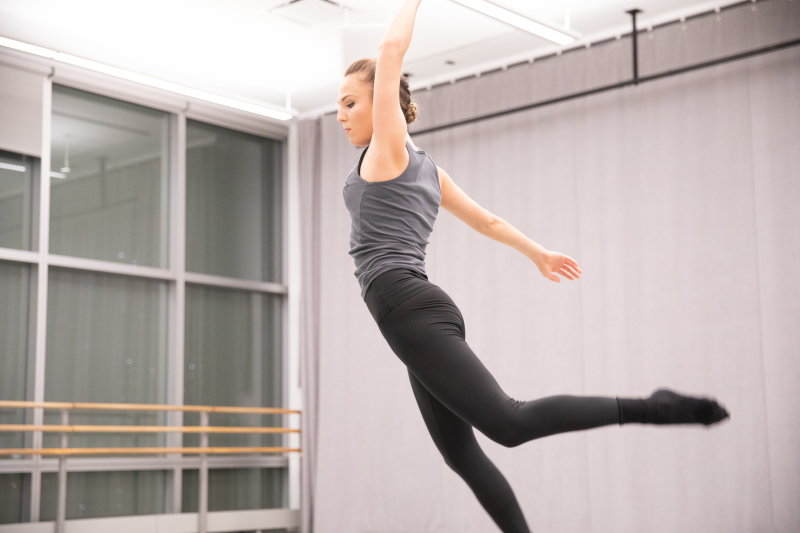
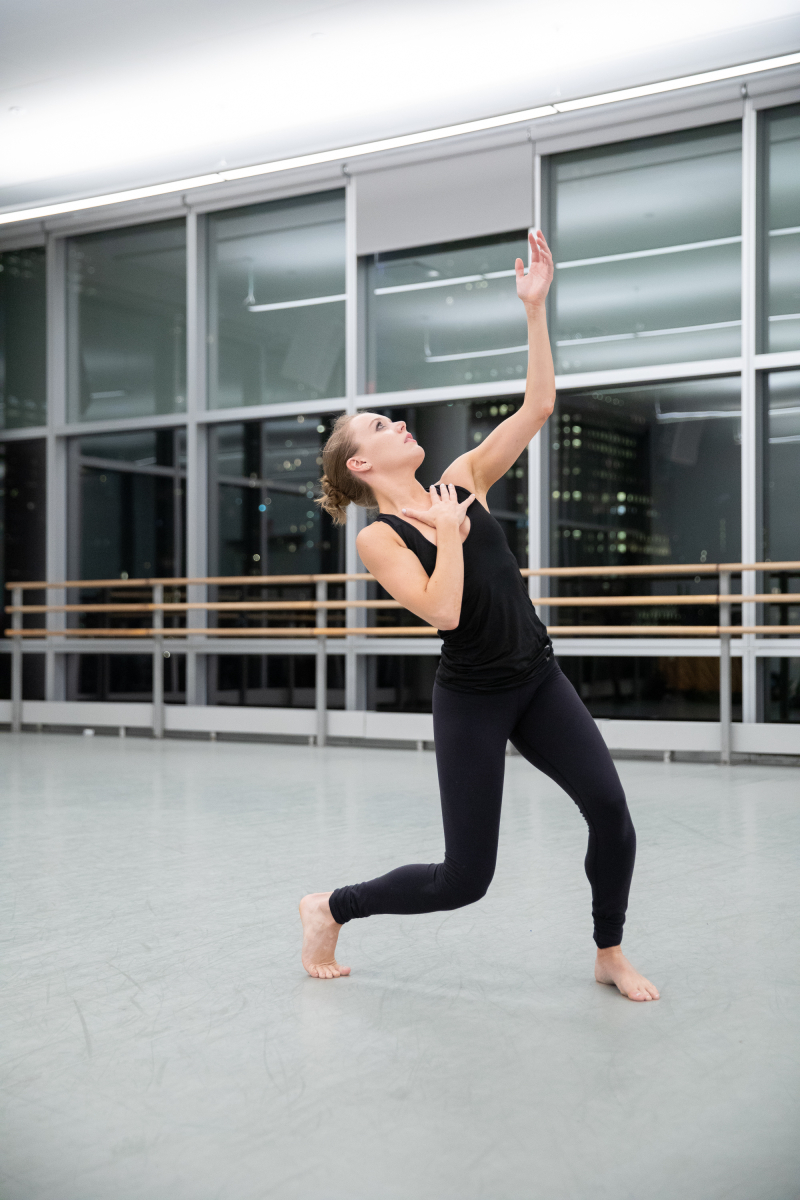
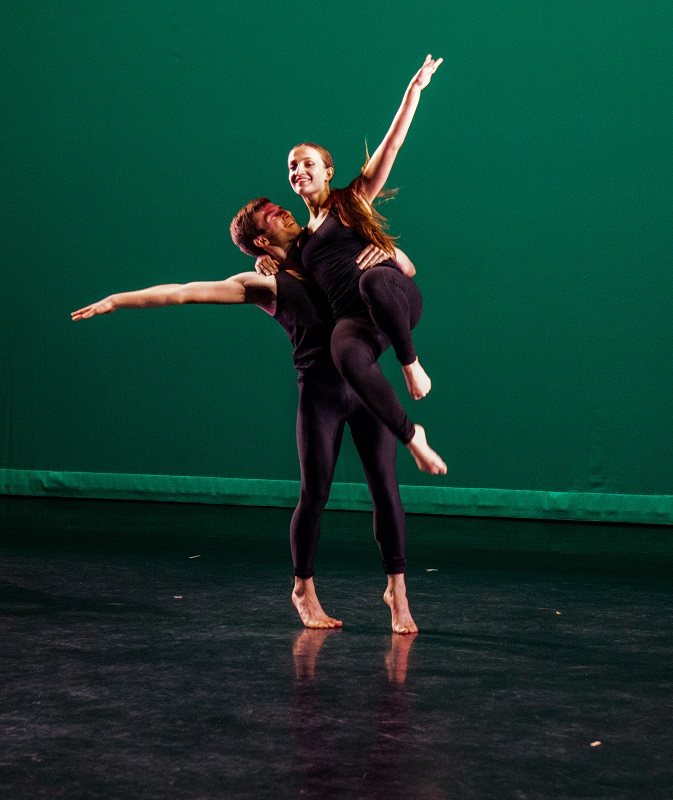
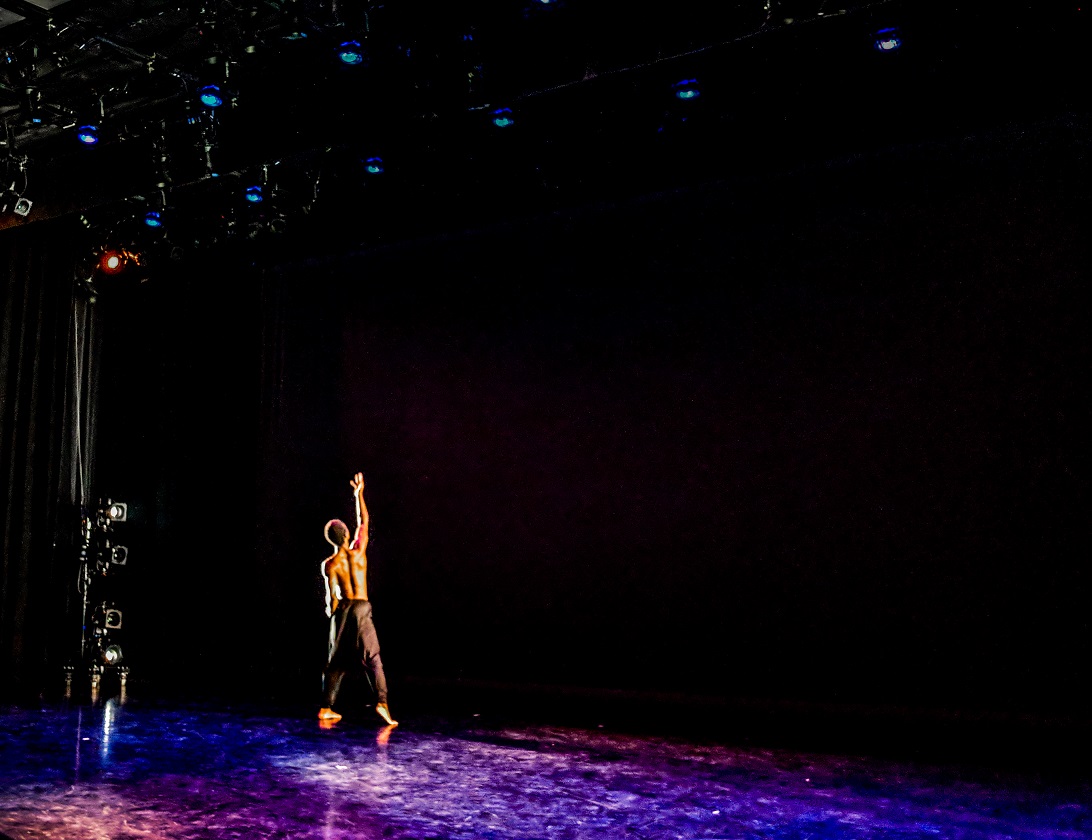
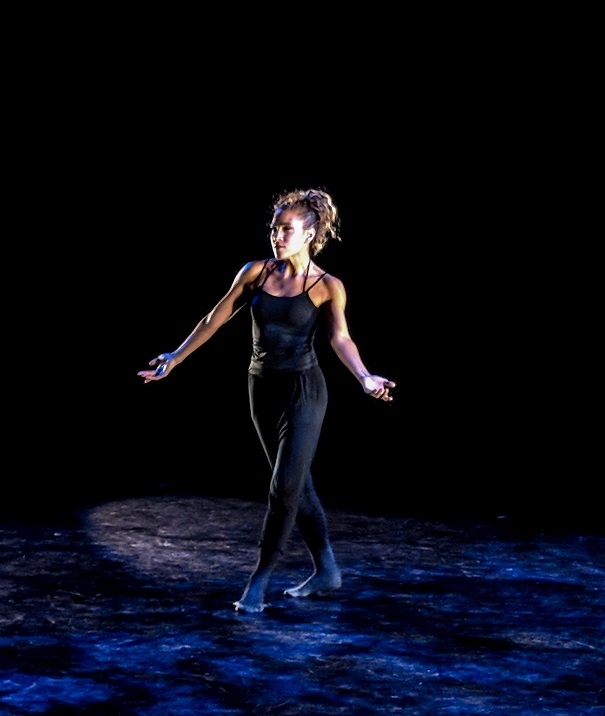
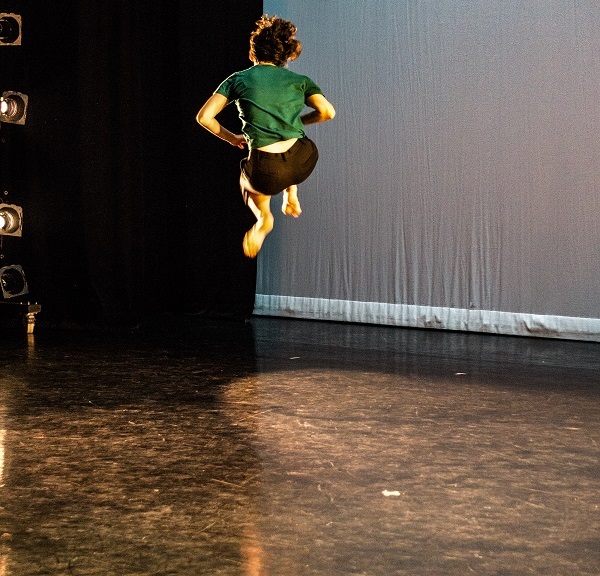
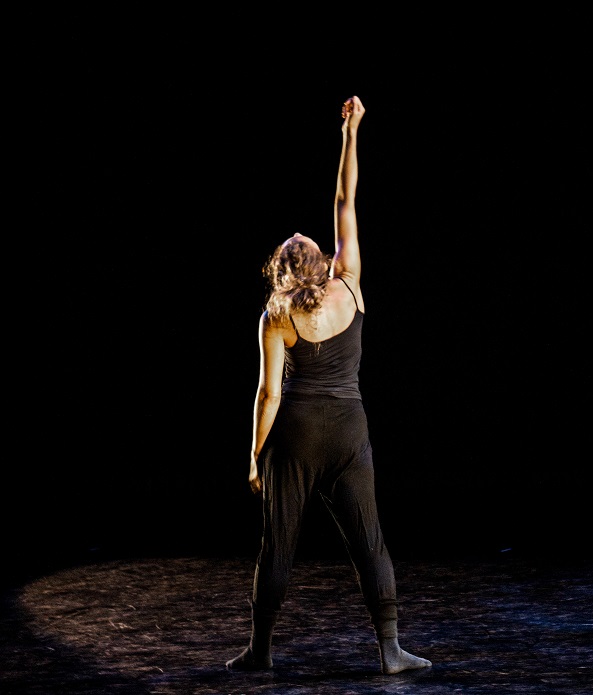
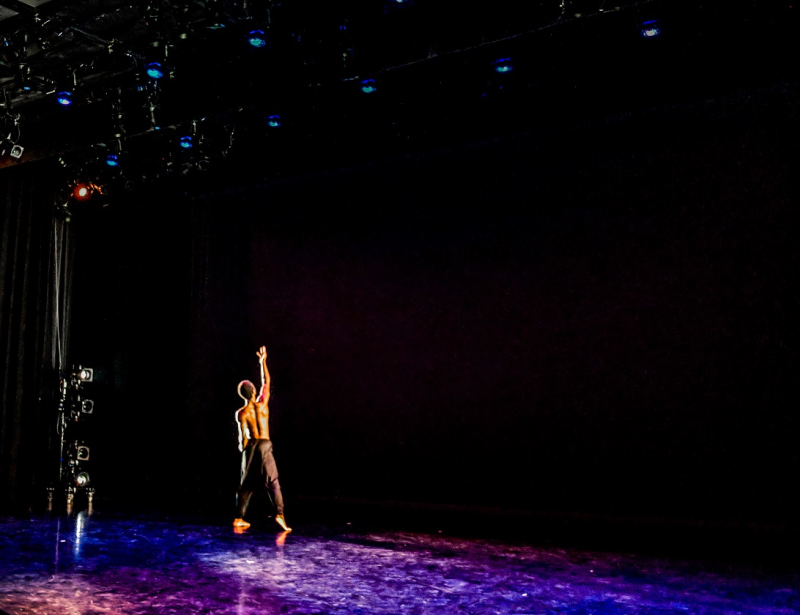
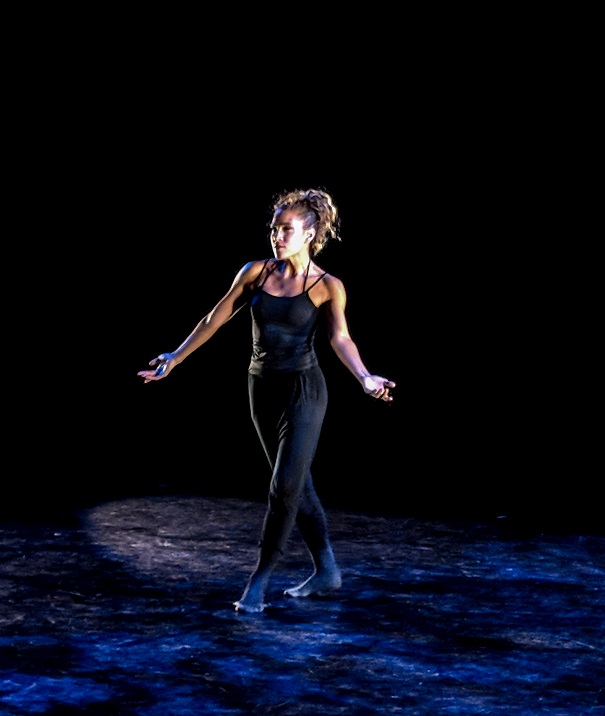
    Here are some images by Hayim Heron from this studio presentation:

    AmandaSelwynAileyOpenRehearsal_hheron-588

    Alex Cottone

    AmandaSelwynAileyOpenRehearsal_hheron-419

    Torrey McAnena

    AmandaSelwynAileyOpenRehearsal_hheron-226

    Fabricio Seraphim and Torrey McAnena

    AmandaSelwynAileyOpenRehearsal_hheron-489

    Manon Halley

    AmandaSelwynAileyOpenRehearsal_hheron-199

    Sarah Starkweather, Alex Cottone

    AmandaSelwynAileyOpenRehearsal_hheron-491

    Misaki Hayama, Sarah Starkweather, Yoshio Pineda

    AmandaSelwynAileyOpenRehearsal_hheron-275

    Torrey McAnena

    AmandaSelwynAileyOpenRehearsal_hheron-335

    Sarah Starkweather

    All photography by Hayim Heron

    It was simply great to watch these dancers, and to feel re-connected to Amanda Selwyn’s work. Now I need to get in touch with her and visit some upcoming rehearsals.

    ~ Oberon

  • At Amanda Selwyn’s Open Rehearsal

    AmandaSelwynAileyOpenRehearsal_hheron-314

    Above: Sarah Starkweather, Manon Halley, and Misaki Hayama of Amanda Selwyn Dance Theatre; photo by Hayim Heron

    ~ Author: Oberon

    On Monday, October 15th, 2018, I caught up with Amanda Selwyn when her company presented an open rehearsal at the Ailey Studios.

    Over the past few years, my interest in dance has slowly been fading. But there are a few choreographers who will always draw me back, and Amanda is one of them; I can honestly say I’ve never seen a Selwyn work I didn’t like…or love.

    So when I received an invitation to an open rehearsal of Amanda’s new work-in-progress, CROSSROADS, I rearranged my schedule so as to attend. Inspired by the art of Magritte and Escher, Amanda is collaborating with scenic and costume designer Anna-Alisa Belous for this production. CROSSROADS will be performed June 20th thru 22nd, 2019, at New York Live Arts.

    Amanda Selwyn’s danceworks are always a collaborative effort on the part of choreographer and her dancers. In the early phases of creation, the individual dancers come up with phrases or gestures. These movement motifs are taken up by the company, tried in unison. If the consensus is positive, the phrase becomes an experimental element which may be elaborated upon, broken down or re-shuffled, and finally assimilated into the dance. These motifs may appear in various guises – as solo, duet, or ensemble passages – as the work develops. Amanda is the mastermind who assembles, enhances, and molds the finished product.  

    So this evening, I was really happy to see Amanda again, she being one of my favorite danceworld personalities. Three women I’ve met before – Torrey McAnena, Manon Halley, and Sarah Starkweather – are pillars of the Selwyn ensemble. I was delighted to see that Misaki Hayama, who danced recently with Roberto Villanueva’s BalaSole Dance Company, has joined Amanda’s troupe. Alex Cottone has danced for Amanda before, but I had not previously met him. Two new male dancers have just recently joined the Company: tall and athletic Fabricio Seraphim, and a vibrant, energetic young man named Yoshio Pineda.

    Here are some images by Hayim Heron from this studio presentation:

    AmandaSelwynAileyOpenRehearsal_hheron-588

    Alex Cottone

    AmandaSelwynAileyOpenRehearsal_hheron-419

    Torrey McAnena

    AmandaSelwynAileyOpenRehearsal_hheron-226

    Fabricio Seraphim and Torrey McAnena

    AmandaSelwynAileyOpenRehearsal_hheron-489

    Manon Halley

    AmandaSelwynAileyOpenRehearsal_hheron-199

    Sarah Starkweather, Alex Cottone

    AmandaSelwynAileyOpenRehearsal_hheron-491

    Misaki Hayama, Sarah Starkweather, Yoshio Pineda

    AmandaSelwynAileyOpenRehearsal_hheron-275

    Torrey McAnena

    AmandaSelwynAileyOpenRehearsal_hheron-335

    Sarah Starkweather

    All photography by Hayim Heron

    It was simply great to watch these dancers, and to feel re-connected to Amanda Selwyn’s work. Now I need to get in touch with her and visit some upcoming rehearsals.

    ~ Oberon

  • Robin Becker’s INTO SUNLIGHT: A Documentary

    6a00d8341c4e3853ef014e8607bdb8970d-800wi

    Above: dancers Yoko Sugimoto-Ikezawa and Joseph Jehle in a 2011 performance of Robin Becker’s INTO SUNLIGHT at the 92nd Street Y; photo by Kokyat

    ~ Author: Oberon

    Thursday September 27th, 2018 – Having followed the development of Robin Becker’s profoundly moving anti-war dancework INTO SUNLIGHT from its early rehearsals in 2010, I was honored to be invited to a screening of the new documentary film about the piece this evening.

    Robin Becker did not set out to create a dancework about the Vietnam War; her idea was to make a piece that would grow out of her sense of helpless despair when the US commenced its war against Iraq. In researching for her project, she came upon David Maraniss’s book THEY MARCHED INTO SUNLIGHT. She immediately felt its power as a depiction of the human aspects of war and of war’s effect on both the people fighting it and on their loved ones waiting at home for them to return (or not), as well as thoughtful citizens enraged by the policies and careless disdain for the value of human life of the politicians who wage wars.

    They-marched-into-sunlight-9780743261043_hr

    INTO SUNLIGHT was inspired by the David Maraniss book ‘They Marched Into Sunlight‘, an account of two days in October 1967 when “…war was raging in Vietnam as the anti-war movement was raging in America.” I’m eyeing my copy of the book on my bookshelf as I write this, and will start re-reading it in a few days.

    The book – and the ballet – revolve around two events that took place on those days in October of 1967: the ambush of a battalion of American soldiers in the Vietnam jungle, and a protest against the Dow Chemical Company at the University of Wisconsin.

    Robin Becker has given the tragic tale a new dimension thru her choreography. Set to a score Chris Lastovicka, Robin’s ballet entwines both threads of the book – the war abroad and the reaction at home – in a cohesive narrative, as dark and haunting as any dancework I have witnessed. Along with Jacqulyn Buglisi’s deeply resonant TABLE OF SILENCE, INTO SUNLIGHT stands as a truly meaningful dance experience. Both works share a common root: they are about something.

    Watch a trailer for INTO SUNLIGHT here. And visit the documentary’s website here.

    Page-9a-dancers

    Above: Robin Becker and company photographed while in Vietnam in 2015 for performances of INTO SUNLIGHT

    Ron Honsa’s film is outstanding on every count. He brings us gorgeously-shot performance footage, segments of Ms. Becker and David Maraniss speaking of the connection between the dancework and the book; and Mr. Honsa follows the Becker company to Vietnam, where INTO SUNLIGHT was performed in 2015.

    But Mr. Honsa delves deeper, bringing us interviews with people whose lives were permanently affected by the events of October 1967: Consuelo Allen, Clark Welch, and Paul Solgin.

    Consuelo Allen’s father, Lieutenant Colonel Terry Allen, Jr., had been home on leave and was saying goodbye to his family before heading back to Vietnam when his five-year-old daughter Consuelo cried out: “You can’t leave! You’re going to die!”  On that fatal morning of October 17, 1967, as he led his Black Lions battalion on a search-and-destroy mission in the Long Nguyen Secret Zone, Terry Allen, Jr. and sixty of his men were killed in an ambush.

    Clark Welch was one of Terry’s commanders. He suffers extreme mental torment over the loss of his men. Both Clark and Consuelo are deeply touching as the tell their stories for the film.

    Paul Solgin was one of the demonstrators at the University of Wisconsin; many of the demonstrators sustained injury at the hands of club-swinging police. Ironically, their freedom of speech and of dissent might be thought to be among the ideals that the soldiers serving in Vietnam were fighting to protect.

    6a00d8341c4e3853ef0133f5d2f779970b-800wi

    Above: me and Robin Becker after the 92nd Y showing of INTO SUNLIGHT in 2011; photo by Kokyat.

    Among the audience at this evening’s showing of the documentary was dancer Nicole Sclafani, who plays a major role in Robin Becker’s INTO SUNLIGHT. In the ballet, Nicole’s duet with Oisín Monaghan depicts a woman who dreamed of the death of her brother from a horrific abdominal wound sustained in battle, only to awaken the next day to find that her dream was prophetic.

    Another true story that is told in INTO SUNLIGHT is of the death of West Point football hero Don Holleder, who – with his comrades – rushed headlong onto the battlefield that October morning and was immediately gunned down. Compellingly danced by Chazz Fenner-McBride, it’s one of the ballet’s heart-stopping moments. 

    Yet another of the most poignant scenes in the dancework is that of a young widow, danced by Yoko Sugimoto-Ikezawa, visiting the grave of her soldier-husband, portrayed in the film by Ricky Werthen. The distraught woman clings to the gravestone, unable to comprehend the loss of her beloved.

    This was written by me after initially reading Mr. Maraniss’s book:

    “For all the emotional power behind the factual re-telling of these events, by far the most overwhelming aspect of the story comes many years after the incidents when the leaders of the two factions who met on that battlefield that October morning meet once again – now old warriors – and explore the anonymous patch of Vietnamese land where so many young men (from both sides) laid down their lives. If only the two commanders could have met before the battle, they might have realized their differences were vastly outweighed by their common humanity. They could have shaken hands and walked back to their respective camps, refusing to kill each other simply because someone had told them it was the thing to do.”

    42661569_10156269132114998_7428979763382845440_n

    UPDATE: This documentary will be shown at AMC Loew’s on Saturday October 20th at 4:00 PM as part of the Chelsea Film Festival.

    ~ Oberon

  • Miro’s New Wolfgang Rihm Ballet

    Mirophotoarnaudfalchier

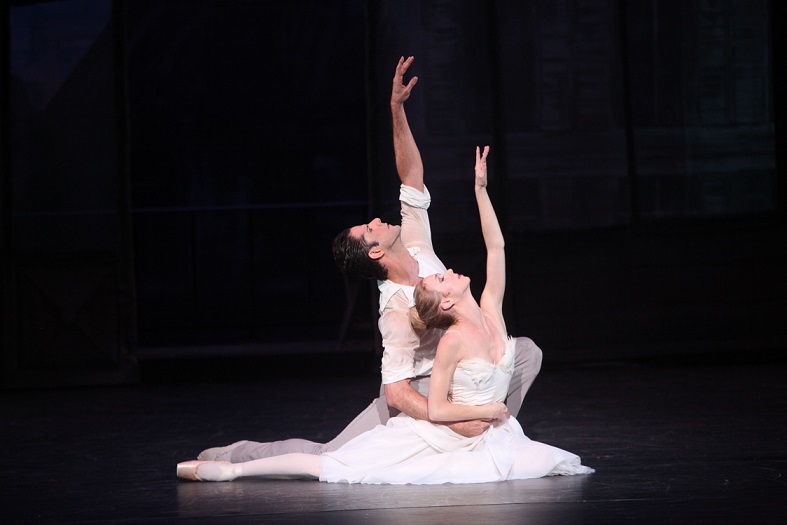
    Above photo by Arnaud Falchier

    ~ Author: Oberon
    Saturday September 22nd, 2018 – A new ballet choreographed by Miro Magloire to music by Wolfgang Rihm was presented as part of New Chamber Ballet‘s 2018-2019 season opener tonight at City Center Studios. Also on the program were three works from the NCB repertory: AMITY (from 2017, to music of Mozart), MEMORIES (JS Bach), and THE LETTER (a narrative work, set to Haydn).

    Just before heading out to Miro’s, I received some bad news on the family front. I thought briefly of just staying home, but then: what could I do at home but brood helplessly? Better to be where there is music and dancing.

    The music of Bach is ever an antidote to daily cares. Pianist Melody Fader’s playing of the selections from The Well-Tempered Klavier that form the score of Miro’s ballet MEMORIES had both spirit and grace. Four dancers – Elizabeth Brown, Kristine Butler, Amber Neff, and Madeleine Williams – appear in Sarah Thea’s sleek, colour-vision costumes.

    Thumbnail_S_2018_02_16_Magloire_043

    Above: Kristine Butler in MEMORIES, photo by Arnaud Falchier

    In the opening moments of this ballet, varying trios of women seem to shut out the fourth. A solo for Elizabeth Brown highlights this dancer’s beautiful arms and hands. Amber Neff and Kristy Butler have an animated duet that evolves into a slow, stretchy, intimate partnership. Elizabeth and Madeleine dance in sync, then Elizabeth and Amber team up.

    The tall women – Kristy and Madeleine – dance fast, followed by a vivid solo from Amber Neff. In this, Amber’s striking port de bras, and a hint that her ‘character’ might be wounded, give a narrative feeling. A floor-based trio for Amber, Kristy, and Madeleine follows, and then another solo passage from Elizabeth shows her special gift for illuminating the music. The foursome bring the ballet to an allegro finish.

    Earlier this Summer, I spent two afternoons watching and re-watching a DVD of Rihm’s opera OEDIPUS, which I found quite engrossing. Yet even with that preparation, I was totally unprepared for the effect the composer’s Über die Linie VII, as played by Doori Na, would have on me. This made for an unusual experience: the music came to increasingly dominate my mind – to the extent that the dancing seemed more like an accompanying dream.

    The ballet, entitled FEEL YOUR FALL, danced by Amber Neff, Madeleine Williams, and Rachele Perla, is rather floor-oriented, with the girls leaning upon one another in encircling embraces, their bodies and spirits enmeshed and entwined. As they rise and dance, one captivating motif stood out: a repeated gathering gesture from the dark-eyed, lovely Ms. Perla which created for me a link to Isadora’s port de bras language.

    “So enthralled by the music!” I scrawled across my notes. From tonal depths of passion to hair’s-breath pianissimi, Doori gave a truly compelling performance of this long and demanding piece. I’ve come to think of Doori as a violinist who can play anything, and this evening his remarkable playing served as confirmation. He called his preparation of the piece “a journey”, and he repays his listeners by taking us on a journey of our own. Simply extraordinary.

    I did have two thoughts on the overall effect of this ballet: I feel it could benefit from having more dancers involved – if for no other reason than that they could dance to this music, which must be a revelation. And I think darker, more dramatic costumes would be fantastic: this actually could be a proverbial ‘black’ ballet. But these are simply idle thoughts: FEEL YOUR FALL is fine just as it stands.

    It took a few minutes for me to return to Earth from this cosmic experience. As a diversion, Melody Fader played Haydn for THE LETTER, a ballet in which Elizabeth Brown and Traci Finch might be viewed as mistress and maid. It has its comic aspects, but the mystery remains to the end: we never learn the contents of the letter.

    The evening concluded with AMITY, Miro’s graceful, golden ballet set to Mozart’s violin sonata K. 296 which Doori and Melody played with distinction. Mlles. Butler, Finch, Neff, and Williams floated and flitted about the space, dancing Miro’s combinations with joyous abandon, so close we could almost reach out and touch them. AMITY was commissioned by dance-lover Edward Petrou in memory of his wife Rachel; this evening, Miro added a further dedication: to the great Arthur Mitchell, who passed away on September 19th.

    ~ Oberon

  • Miro’s New Wolfgang Rihm Ballet

    Mirophotoarnaudfalchier

    Above photo by Arnaud Falchier

    ~ Author: Oberon
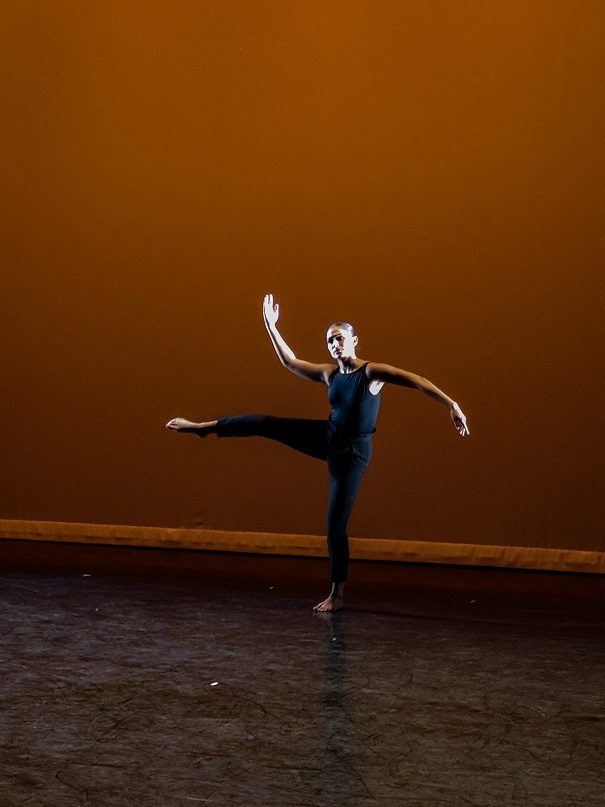
    Saturday September 22nd, 2018 – A new ballet choreographed by Miro Magloire to music by Wolfgang Rihm was presented as part of New Chamber Ballet‘s 2018-2019 season opener tonight at City Center Studios. Also on the program were three works from the NCB repertory: AMITY (from 2017, to music of Mozart), MEMORIES (JS Bach), and THE LETTER (a narrative work, set to Haydn).

    Just before heading out to Miro’s, I received some bad news on the family front. I thought briefly of just staying home, but then: what could I do at home but brood helplessly? Better to be where there is music and dancing.

    The music of Bach is ever an antidote to daily cares. Pianist Melody Fader’s playing of the selections from The Well-Tempered Klavier that form the score of Miro’s ballet MEMORIES had both spirit and grace. Four dancers – Elizabeth Brown, Kristine Butler, Amber Neff, and Madeleine Williams – appear in Sarah Thea’s sleek, colour-vision costumes.

    Thumbnail_S_2018_02_16_Magloire_043

    Above: Kristine Butler in MEMORIES, photo by Arnaud Falchier

    In the opening moments of this ballet, varying trios of women seem to shut out the fourth. A solo for Elizabeth Brown highlights this dancer’s beautiful arms and hands. Amber Neff and Kristy Butler have an animated duet that evolves into a slow, stretchy, intimate partnership. Elizabeth and Madeleine dance in sync, then Elizabeth and Amber team up.

    The tall women – Kristy and Madeleine – dance fast, followed by a vivid solo from Amber Neff. In this, Amber’s striking port de bras, and a hint that her ‘character’ might be wounded, give a narrative feeling. A floor-based trio for Amber, Kristy, and Madeleine follows, and then another solo passage from Elizabeth shows her special gift for illuminating the music. The foursome bring the ballet to an allegro finish.

    Earlier this Summer, I spent two afternoons watching and re-watching a DVD of Rihm’s opera OEDIPUS, which I found quite engrossing. Yet even with that preparation, I was totally unprepared for the effect the composer’s Über die Linie VII, as played by Doori Na, would have on me. This made for an unusual experience: the music came to increasingly dominate my mind – to the extent that the dancing seemed more like an accompanying dream.

    The ballet, entitled FEEL YOUR FALL, danced by Amber Neff, Madeleine Williams, and Rachele Perla, is rather floor-oriented, with the girls leaning upon one another in encircling embraces, their bodies and spirits enmeshed and entwined. As they rise and dance, one captivating motif stood out: a repeated gathering gesture from the dark-eyed, lovely Ms. Perla which created for me a link to Isadora’s port de bras language.

    “So enthralled by the music!” I scrawled across my notes. From tonal depths of passion to hair’s-breath pianissimi, Doori gave a truly compelling performance of this long and demanding piece. I’ve come to think of Doori as a violinist who can play anything, and this evening his remarkable playing served as confirmation. He called his preparation of the piece “a journey”, and he repays his listeners by taking us on a journey of our own. Simply extraordinary.

    I did have two thoughts on the overall effect of this ballet: I feel it could benefit from having more dancers involved – if for no other reason than that they could dance to this music, which must be a revelation. And I think darker, more dramatic costumes would be fantastic: this actually could be a proverbial ‘black’ ballet. But these are simply idle thoughts: FEEL YOUR FALL is fine just as it stands.

    It took a few minutes for me to return to Earth from this cosmic experience. As a diversion, Melody Fader played Haydn for THE LETTER, a ballet in which Elizabeth Brown and Traci Finch might be viewed as mistress and maid. It has its comic aspects, but the mystery remains to the end: we never learn the contents of the letter.

    The evening concluded with AMITY, Miro’s graceful, golden ballet set to Mozart’s violin sonata K. 296 which Doori and Melody played with distinction. Mlles. Butler, Finch, Neff, and Williams floated and flitted about the space, dancing Miro’s combinations with joyous abandon, so close we could almost reach out and touch them. AMITY was commissioned by dance-lover Edward Petrou in memory of his wife Rachel; this evening, Miro added a further dedication: to the great Arthur Mitchell, who passed away on September 19th.

    ~ Oberon

  • Nobuyuki Tsujii|ORPHEUS @ Carnegie Hall

    Photo by Giorgia Bertazzi a

    Above: pianist Nobuyuki Tsujii, photographed by Georgia Bertazzi

    ~ Author: Oberon

    Thursday September 20th, 2018 – Pianist Nobuyuki Tsujii joining the Orpheus Chamber Orchestra for their season-opening concert at Carnegie Hall.

    Arvo Pärt’s Frates opened the evening. Undoubtedly the composer’s best-known work, it was used by choreographer Christopher Wheeldon for his 2003 ballet LITURGY, created on New York City Ballet’s Wendy Whelan and Jock Soto.  In that context, I’ve heard the music performed live many times; but tonight was my first experience of hearing it in a concert setting.

    From its ethereal start, Fratres develops slowly as its theme is repeated in varying registers and instrumentations, punctuated by percussion accents. In this evening’s concert, the 2007 arrangement was performed, which includes winds. String and wind ensembles alternate ‘verses’ as the bass and deep celli sustain a low, grounding note of spiritual resonance. The depth of tone summoned up by the Orpheus players gave Fratres a feel of Russian bassos engaged in ritual chant.

    Mr. Tsujii then joined the orchestra for a performance of Chopin’s Piano Concerto No. 2 in F-Minor, Op. 21, in an arrangement by Shuying Li. The pianist, who is blind, was escorted to the piano where he sat, rocking gently as he awaited his entrance; he seemed to take the measure of the keyboard before launching his impressive and marvel-filled performance.
     
    Nobu (as he is known) gives this music a gorgeous sense of flow. In his first solo passage, his sensitivity and attention to detail were in abundant evidence. He summons up a cushiony sound, and has a keen sense of the mixture of passion and reserve by which the opening Maestoso profits. Blending with the bassoon and then with the horn, Nobu regaled us with sumptuous tone and shining dexterity.
     
    In the central Larghetto, the pianist imbued the music with a sense of quiet rapture, building to a state of transportive romance. Over tremolo strings, a feeling of mystery envelops us; silence falls before a delicate cadenza is introduced. The main melody recurs, leading to a quiet end. Throughout this movement, an atmosphere of hushed anticipation in the hall was a tribute to Nobu’s artistry.
     
    The closing Allegro vivace is styled as a Polish folk dance. Nobu took barely a moment to spring from the Larghetto into this virtuoso revelry, spinning out florid passages with flair.  His buoyant, dazzling playing danced on to the end, when the house erupted in massive applause and shouts of enthusiasm. A full standing ovation greeted Nobu’s bows, and he favored us with a jazzy encore: a concert étude by the Russian composer Nikolai Kapustin. A second encore seemed in the offing, but the musicians walked offstage, leaving the crowd wanting more. I’ll certainly be seeking out Nobu in future; there’s so much music I want to hear him play.
     
    Following the interval, Tchaikovsky’s String Quartet No. 1 in D-Major, Op. 11, was offered in an arrangement for chamber orchestra by Christopher Theofanidis. The Playbill refers to the piece now as a “Chamber Symphony”, which is all well and good, though as my companion Ben Weaver commented, it’s almost unrecognizable to admirers of the original quartet setting.
     
    Mr. Theofanidis’s arrangement – a veritable font of melody – is well-crafted and makes for a pleasing half-hour of listening, being lovingly played by the Orpheus musicians. Unfortunately, maintaining our focus was nearly impossible thanks to a series of distractions. A couple seated nearby spent several minutes intently watching something on their cellphone. Then suddenly the phone began playing Fratres; it took several seconds for the woman to shut it down, whereupon she dropped the phone with a thud. Meanwhile, during the Andante cantabile, a baby fussed loudly. Then the coup de grace: another cellphone played a blithe tune. Amid such shenanigans, concentration on the music we’d come to hear becomes an unnecessary chore.
     
    UPDATE: I’ve just been watching TOUCHING THE SOUND, an extremely moving documentary about Nobuyuki Tsujii’s childhood, the discovery of his remarkable gift, his winning of the Cliburn in 2009, and his outreach to school children whose lives were shattered by the 2011 tsunami in Japan. Watch a trailer for the film here.
     
    A quote from Nobuyuki: “I can see everything…with my heart.”
     
    ~ Oberon

  • Paul Taylor Has Passed Away

    Paul taylor amy young

    Above: dancer Amy Young rehearsing with Paul Taylor

    Paul Taylor, one of the greatest choreographers of all time, has passed away at the age of 88. His catalog of danceworks includes several masterpieces, and his wide-ranging musical choices leave us with an eclectic repertoire ranging from PDQ Bach to Charles Ives, from Edgard Varèse to The Mamas & Papas.

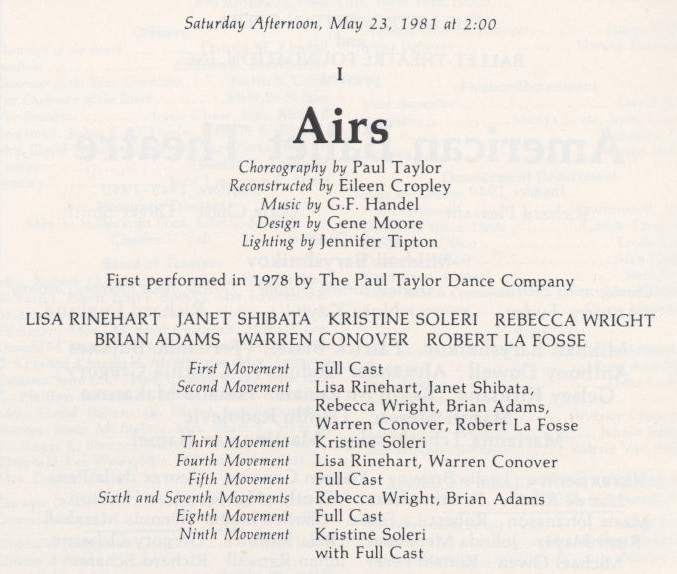
    I was a confirmed lover of classical ballet when my first view of Paul Taylor’s choreography came in 1981 with ABT performing AIRS:

    6a00d8341c4e3853ef00e55082a2ba8833-800wi

    In the Summer of 1982, the Paul Taylor Company were at Jacob’s Pillow, and that was my first experience of seeing a contemporary dance troupe. I fell in love with CLOVEN KINGDOM, and with several of the dancers:

    6a00d8341c4e3853ef00e55096a9058834-800wi

    In the years that followed, we trekked to see Taylor at the Pillow – sometimes 3 or 4 times per Summer. Once I’d moved to New York City, the annual Taylor season became an essential part of life. In recent seasons, the Company have added works by other choreographers to their repertory whilst keeping the Taylor classics fresh and vibrant.

    As the years have passed by, several Taylor dancers have become choreographers in their own right; others have become teachers, or stagers of the Taylor rep. This ever-expanding Taylor family will keep the choreographer’s legacy alive.

    AM MT PT

    Above: dancers Annmaria Mazzini and Michael Trusnovec with Paul Taylor in rehearsal.

    ~ Oberon

  • Bryn Terfel as Creon

    Snapshotu

    Above: Bryn Terfel as Creon

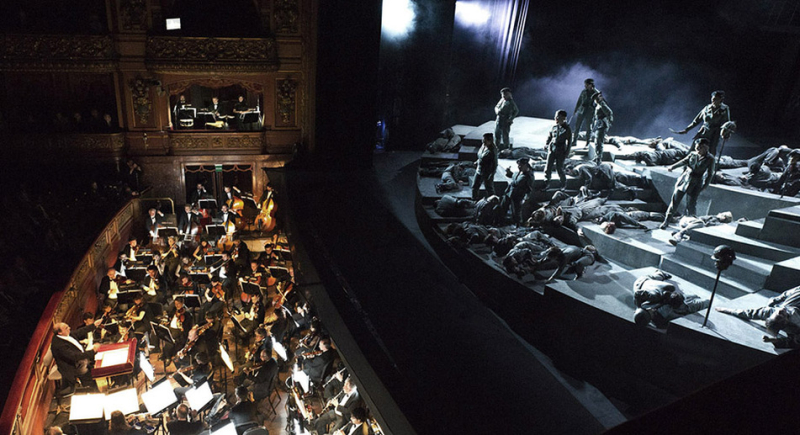
    Spending these long, hot summer afternoons catching up with some DVD-viewing, I finally watched Julie Taymor’s striking production of Stravinsky’s OEDIPUS REX. Visually engrossing in its primitive yet timeless setting and stylized acting and costuming, the performance features powerful vocal performances from Philip Langridge (Oedipus), Jessye Norman (Jocasta), and a particularly vivid Creon played by Bryn Terfel.

    Conductor Seiji Ozawa weaves a brilliant orchestral and choral tapestry. Dancer Min Tanaka is a silent manifestation of Oedipus, stripped nearly naked as he departs Thebes, a blinded and vulnerable fallen king.

    Bryn Terfel – Respondit deus ~ OEDIPUS REX

  • BalaSole’s MEZCLA: A Gallery

    LRM_EXPORT_20180820_192059

    Above: the finale

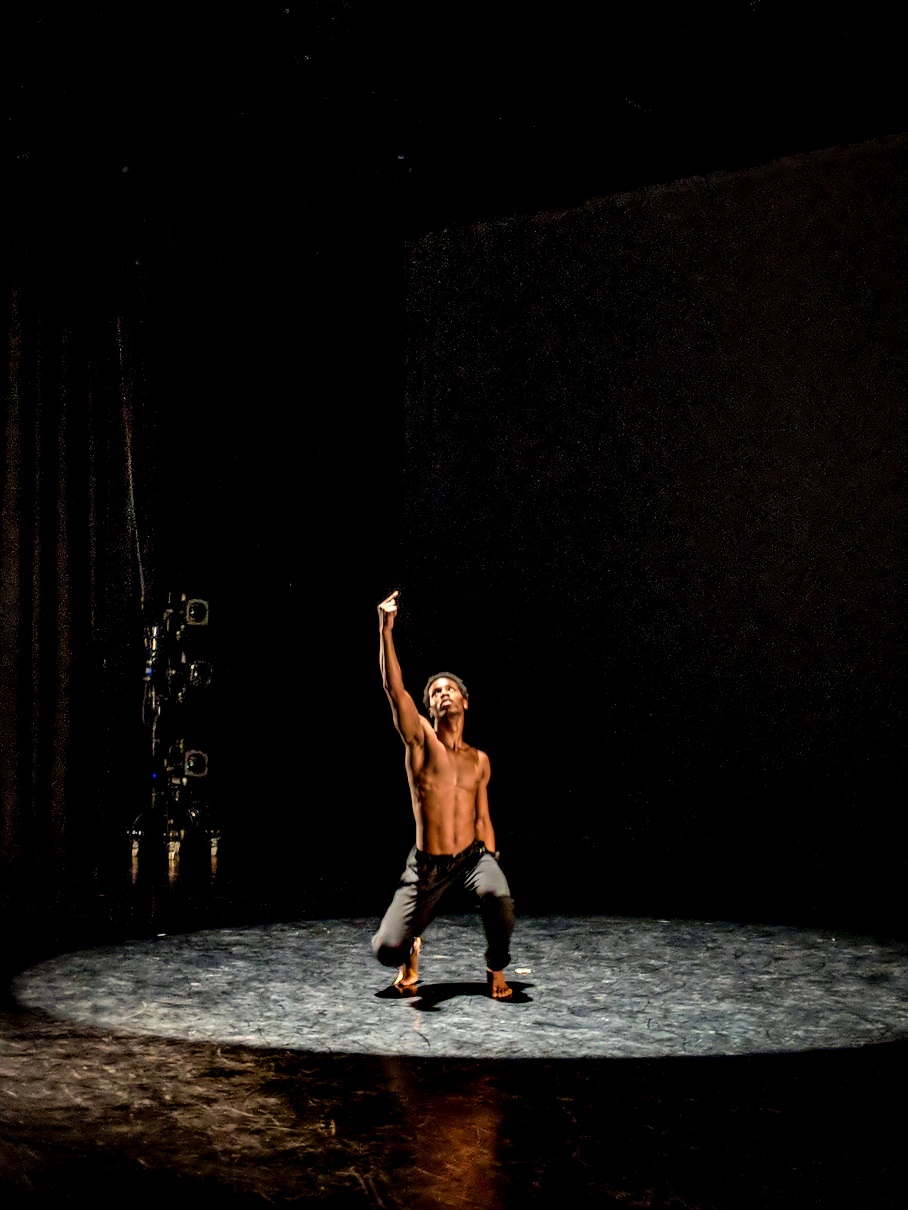
    From BalaSole Dance Company‘s recent production entitled MEZCLA, here is a gallery of images by dancer/photographer Amber Neff.

    LRM_EXPORT_20180820_190252

    Opening Ensemble/CHAPTER 18: Staged by Teal Darkenwald


    LRM_EXPORT_20180820_185042


    Ashley Rossi: TRAJECTORY


    LRM_EXPORT_20180820_125150

    Benji Martin Jr: ILLUMINAR


    LRM_EXPORT_20180818_132712

    Laura Assante: DEARING STREET


    LRM_EXPORT_20180818_131702

    Noëlle Davé: TIME


    LRM_EXPORT_20180818_130853c

    Misaki Hayama: TOURYANSE


    LRM_EXPORT_20180818_125624

    Donterreo Culp: STILL


    LRM_EXPORT_20180817_184311


    Kayla Affrunti: EDGES


    LRM_EXPORT_20180820_183735

    Lauren Settembrino: B-Y


    LRM_EXPORT_20180820_185508

    Mikael Jaworski: WHENEVER YOU WANT


    LRM_EXPORT_20180820_185950

    Aurora Hastings: TILTED


    LRM_EXPORT_20180817_182959

    Nicole Corea: SUSPENDED IN THE SHADOWS


    LRM_EXPORT_20180820_184443(1)

    Closing Ensemble – the men


    LRM_EXPORT_20180820_184752

    Closing Ensemble: staged by Teal Darkenwald


    LRM_EXPORT_20180820_184907

    Curtain call


    Nicole

    Nicole takes a bow


    Just some shots I really like:


    LRM_EXPORT_20180818_130557b


    Misaki Hayama


    LRM_EXPORT_20180818_131821

    Noëlle Davé


    LRM_EXPORT_20180820_183821


    Lauren Settembrino…loved her music!


    LRM_EXPORT_20180820_184106

    The end of Nicole’s solo


    LRM_EXPORT_20180820_185758


    Aurora Hastings


    LRM_EXPORT_20180820_191645


    Emerging Artists Alyssa and Alex Bar, and Chantelle Broomes


    LRM_EXPORT_20180820_192005

    Alyssa and Alex Bar


    LRM_EXPORT_20180820_125346


    Benji Martin Jr


    LRM_EXPORT_20180817_183637

    Nicole Corea


    All photos by Amber Neff.

  • BalaSole’s MEZCLA: A Gallery

    LRM_EXPORT_20180820_192059

    Above: the finale

    From BalaSole Dance Company‘s recent production entitled MEZCLA, here is a gallery of images by dancer/photographer Amber Neff.

    LRM_EXPORT_20180820_190252

    Opening Ensemble/CHAPTER 18: Staged by Teal Darkenwald


    LRM_EXPORT_20180820_185042


    Ashley Rossi: TRAJECTORY


    LRM_EXPORT_20180820_125150

    Benji Martin Jr: ILLUMINAR


    LRM_EXPORT_20180818_132712

    Laura Assante: DEARING STREET


    LRM_EXPORT_20180818_131702

    Noëlle Davé: TIME


    LRM_EXPORT_20180818_130853c

    Misaki Hayama: TOURYANSE


    LRM_EXPORT_20180818_125624

    Donterreo Culp: STILL


    LRM_EXPORT_20180817_184311


    Kayla Affrunti: EDGES


    LRM_EXPORT_20180820_183735

    Lauren Settembrino: B-Y


    LRM_EXPORT_20180820_185508

    Mikael Jaworski: WHENEVER YOU WANT


    LRM_EXPORT_20180820_185950

    Aurora Hastings: TILTED


    LRM_EXPORT_20180817_182959

    Nicole Corea: SUSPENDED IN THE SHADOWS


    LRM_EXPORT_20180820_184443(1)

    Closing Ensemble – the men


    LRM_EXPORT_20180820_184752

    Closing Ensemble: staged by Teal Darkenwald


    LRM_EXPORT_20180820_184907

    Curtain call


    Nicole

    Nicole takes a bow


    Just some shots I really like:


    LRM_EXPORT_20180818_130557b


    Misaki Hayama


    LRM_EXPORT_20180818_131821

    Noëlle Davé


    LRM_EXPORT_20180820_183821


    Lauren Settembrino…loved her music!


    LRM_EXPORT_20180820_184106

    The end of Nicole’s solo


    LRM_EXPORT_20180820_185758


    Aurora Hastings


    LRM_EXPORT_20180820_191645


    Emerging Artists Alyssa and Alex Bar, and Chantelle Broomes


    LRM_EXPORT_20180820_192005

    Alyssa and Alex Bar


    LRM_EXPORT_20180820_125346


    Benji Martin Jr


    LRM_EXPORT_20180817_183637

    Nicole Corea


    All photos by Amber Neff.