Category: Ballet

  • Images from Wheeldon’s LES CARILLONS

    C33333-13_Carillons

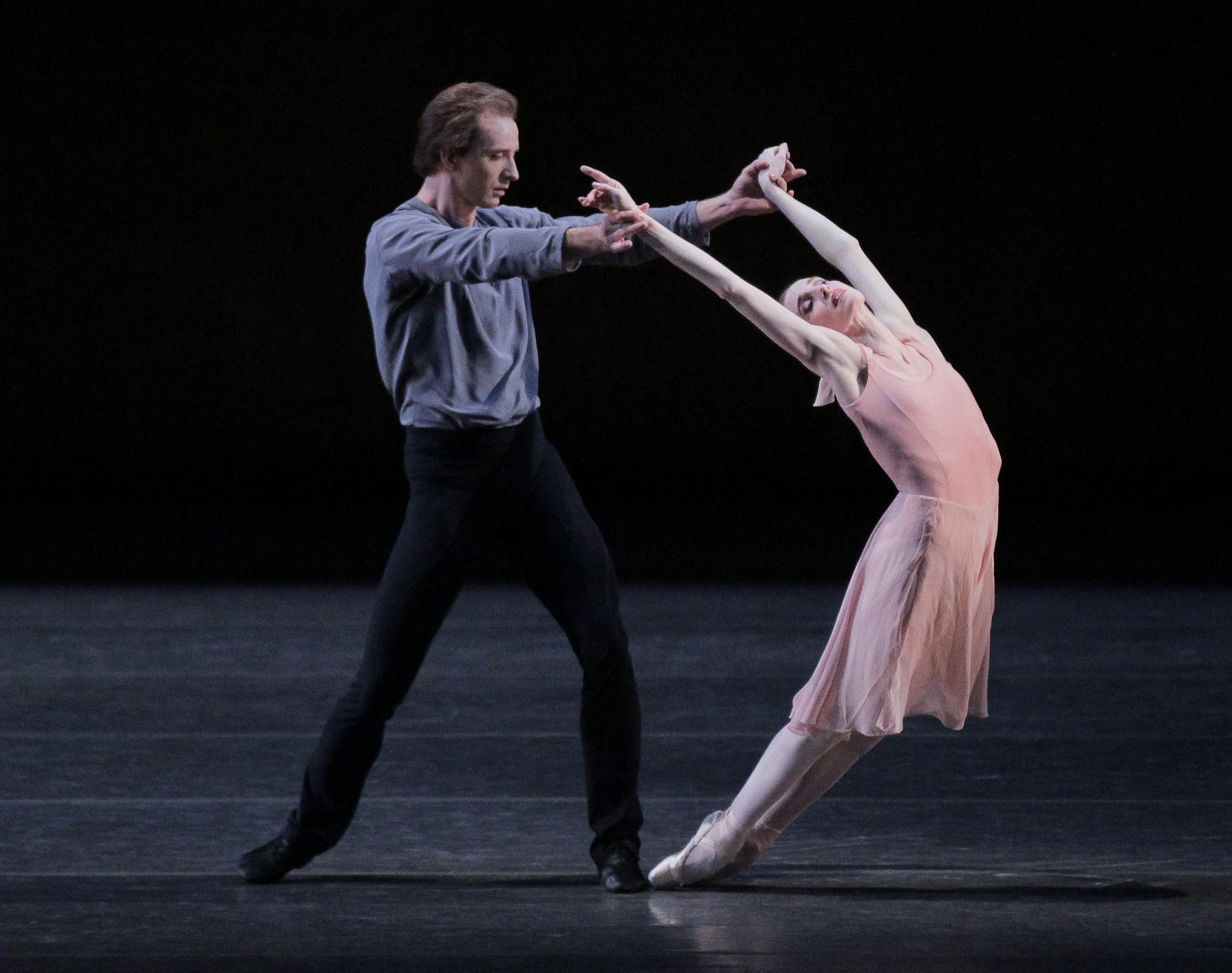
    These photographs by New York City Ballet’s Paul Kolnik are from the new Christopher Wheeldon ballet LES CARILLONS which premiered on January 28th, 2012. Above: Wendy Whelan and Robert Fairchild. Click on each image to enlarge.

    C33331-1_Carillons.

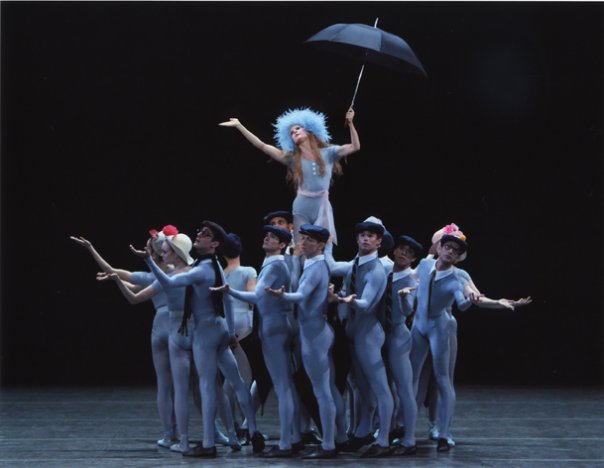
    Ensemble of stars: Tyler Angle. Maria Kowroski, Amar Ramasar, Sara Mearns, Robert Fairchild, Wendy Whelan, Daniel Ulbricht.

    C33333-2_Carillons_PeckGarcia

    Above: Tiler Peck and Gonzalo Garcia. Tiler had a heroic evening, dancing superbly in both LES CARILLONS and DANSE A GRANDE VITESSE as well as stepping in mid-ballet in POLYPHONIA for her injured colleague, Jennie Somogyi. 

    Read about this all-Wheeldon evening here. My thanks to the NYC Ballet press office for providing these photographs.

  • All-Wheeldon @ New York City Ballet

    Christopher-wheeld_1502309c

    Saturday January 28, 2012 evening – I’ve waited a long time for this: the first programme at New York City Ballet devoted entirely to works of Christopher Wheeldon. Christopher, who danced with the Company and attained the rank of soloist before resigning the position to devote all his energies to choreography, eventually served a stint as NYCB‘s first resident choreographer. He then spent three seasons running his own company, MORPHOSES. Now he is one of the most sought-after creators of new ballets in the world. Meanwhile his established works increasingly crop up in the repertoire of top international companies.

    Tonight we saw the world premiere of LES CARILLONS, set to music from Bizet’s L’Arlesienne suites; POLYPHONIA which I tend to think is Wheeldon’s greatest masterpiece to date; and the New York City Ballet premiere of DANSE A GRANDE VITESSE, originally created for the Royal Ballet in 2006. The evening was a huge personal triumph for Christopher and for the individual dancers.

    An unfortunate injury to Jennie Somogyi during her valse in POLYPHONIA was unsettling and surely affected her colleagues in the ballet, though they danced on with poise. After a few minutes, Tiler Peck – who was dancing in the other two ballets tonight – stepped onto the stage and finished the ballet in Somogyi’s place.

    LES CARILLONS is the most purely appealing new ballet I’ve seen at New York City Ballet since Melissa Barak’s SIMPLE SYMPHONY. CARILLONS shares with with the Barak gem its use of familiar and ear-pleasing music, excellent structuring, and striking passages of dance where the classical movement vocabulary gets stretched but never breaks, giving an overall impression of freshness. Andrews Sill, on the podium, mined the Bizet score to perfection, displaying the melodic and rhythmic variety of the music while providing solid support for the dancers.

    CARILLONS begins with ten men onstage; they wear dark fitted costumes with one arm bare; semi-see-thru tops are accented with panels of deep reds or blues. They dance to one of Bizet’s most familiar tunes, soon joined by the women whose wine-toned skirts give the piece an aspect of visual richness. (There is a backdrop but it’s not visible from the 5th Ring). 

    The ten magnificent principals (yes, I include Ana Sophia Scheller since she should be) then embark on a series of vivid solos, duets and ensembles in which Christopher gives them complex and varied things to do, most especially in the partnering aspects and in the use of hands and arms. Meanwhile the corps of ten, equally handsome dancers all, swirl on and off, enriching the visual textures.

    There is a lush saxophone melody to which Sara Mearns and Amar Ramasar dance a spacious pas de deux; there is a vivacious pas de quatre for Ms. Scheller, Tiler Peck, Gonzalo Garcia and Daniel Ulbricht. Wendy Whelan and Robert Fairchild dance a lovely nocturnal duet; then Wendy remains onstage, wandering among the corps dancers as they weave intricate patterns. Wendy’s solo shows her at her radiant best. Wendy and Maria Kowroski (who looked particularly sumptuous in her scarlet gown) dance in beautiful snyc to yet another familiar Bizet melody, and Maria has a gorgeous saxophone adagio with Tyler Angle. In a passage of pure seduction, Sara Mearns displays incredible star power, later joined by the men. The harp lends lyric mystery to a solo impressively danced by Tiler Peck which later extends into a pas de trois for her, Gonzalo and Daniel. Amar Ramasar races around the stage in a series of brilliant leaps. The eye is constantly drawn to one and then another of these charismatic dancers.

    Joshua Thew from the corps de ballet joins the principal men in certain passages; Joshua looked totally at home in this stellar ensemble and with his tall, handsome presence he seems like a dancer deserving of greater opportunities to shine.

    As the ballet’s original musical theme returns, the cast unite for a richly-wrought finale. The crowd let loose with uninhibited shouts of approval as the dancers came forward to bow; flowers for the ladies and lots of screaming when Christopher appeared onstage. After two high-profile strikeouts with new ballets (SEVEN DEADLY SINS and OCEAN’S KINGDOM – failures to be blamed on bad narratives and uninteresting music) I think the public felt they were entitled to express their unbridled enthusiasm. In CARILLONS, Christopher Wheeldon takes music we want to hear and dancers we love to watch and produces structure and movement that does ballet proud.

    POLYPHONIA is always a mesmerizing ballet but it seemed even more so tonight; premiered on January 4th, 2001, this Ligeti-inspired work has always been for me the first dance masterpiece of the 21st century. It continues to fascinate and – like all great danceworks – has passages that we wait for with keen anticipation. Cameron Grant and Alan Moverman at the keyboard made Ligeti’s quirky, nuanced music tingle the ear.

    Jennie Somogyi’s injury, coming during one of my favorite parts of the ballet, placed the performance in a darkish aspect. The other dancers were surely affected by the incident but managed to forge onward with some intriguing dancing.

    The duet for Gonzalo Garcia and Adrian Danchig-Waring, Sara Mearns’ quiet radiance in her mysterious solo, Craig Hall’s godlike presence, the lively pairing of Sterling Hyltin and Adrian Danchig-Waring (can’t wait to see them together in IN G MAJOR coming up), and Tiler Peck’s cool and collected artistry as she unexpectedly added to her already-busy evening by taking over here – all these made strong impressions.

    Central to POLYPHONIA are the two superb duets for Wendy Whelan and Jared Angle. Wendy’s suppleness and the way she turns the angular shapings of her body into poetic statements keep the viewer riveted, while Jared brings an unexpected quality of nobility to the partnering. As Wendy backbends over Jared’s knee and snakes herself into her final kneeling pose, her enigmatic beauty is distilled into a single unforgettable image.

    I really wish I could come to appreciate DANSE A GRAND VITESSE but, seeing it tonight for the second time (the first was danced by Angel Corella’s company at City Center) I found it overly-long, with the athletic partnering tending to lose impact as we see more and more of it. The City Ballet dancers – led by Teresa Reichlen/Craig Hall, Ashley Bouder/Joaquin de Luz, Maria Kowroski/Tyler Angle and Tiler Peck/Andrew Veyette – were nothing short of spectacular, and the corps excelled. But I found my attention wandering as the piece progressed, despite Clothilde Otranto’s dynamic reading of the Michael Nyman score. The best passages seem to me to be for the corps where, in spacious patterns, they and their shadows filled the space. The audience loved it, so clearly I’m in the minority here. I found myself wishing that instead of DGV we could have had a revival of either EVENFALL or KLAVIER, or even of Christopher’s misunderstood and magnificent SHAMBARDS

    What mattered though was that Christopher Wheeldon has brought us a new Bizet ballet to admire and – hopefully – to see again, although ticket pricing now at NYCB makes seeing things twice something to ponder deeply before heading to the box office. 

    The big ovation Christopher received as he came out for a solo bow at the end of the evening was so thoroughly well-deserved.

  • Three Robbins Ballets @ NYCB

    C33283-11_InMemory_WhelJAngCour

    Tuesday January 24, 2012 – Three works by Jerome Robbins, each featuring an ideal ballerina in its central role, were performed tonight at New York City Ballet. The music? Ravel, Berg, Chopin. What a great way to spend a cold Winter’s evening! In the Paul Kolnik photo at the top, Wendy Whelan borne aloft by Jared Angle and Ask LaCour at the end of IN MEMORY OF…

    Robbins600

    The evening opened on a beach where the dancers, in pastel 1920s beachwear, cavorted to the Ravel piano concerto IN G MAJOR. Maria Kowroski (above in a Paul Kolnik) gave a radiant performance and Tyler Angle was a frisky young god in his solo. In the ballet’s central adagio, the two dancers found a fine rapport and a sense of freshness that kept the audience spellbound as they shaped their long limbs into a series of beautiful snapshots. The final lift, as Maria’s leg sweeps heavenward and her pointed foot seems to brush the sky, was thrilling. Excellent corps dancing: a neat moment when Maria is partnered by the tall and slender Austin Laurent made me wish that principals and corpsmen could dance together more extensively. IN G MAJOR has a striking backdrop by Erté, a designer perhaps forgotten nowadays but whose work resonates with Art Deco elegance. His set features a fanciful sunburst and dark outlines suggesting clouds and waves: a remarkably classy beachscape.

    With George Manahan (of New York City Opera) as a guest conductor bringing out some lovely nuances in the score and pianist Susan Walters giving a polished performance at the keyboard, the musicians and dancers conspired to make this a wonderfully gratifying performance in every regard.

    Mr. Manahan also took up the baton for IN MEMORY OF…, the poignantly dramatic work that Robbins set to the violin concerto of Alban Berg. The composer crafted this, his only concerto for solo instrument, in reaction to the death from polio of Manon Gropius (daughter of Alma Mahler and Walter Gropius) at the age of 22. Berg was deeply shaken by the girl’s demise and wrote “To the Memory of an Angel” on the score’s title-page. Tonight the City Ballet‘s concertmaster Kurt Nikkanen gave the work a lustrous performance.

    Robbins sets the ballet in a three-part narrative where we first see the young woman dancing with her beau, later joined by friends. Signs of the girl’s illness begin to manifest and as the corps stride in unison across the stage, the figure of Death appears.

    C33281-14_InMemory_WhelCour

    In a long and intense pas de deux, Death stalks the girl (Ask LaCour and Wendy Whelan, above). She puts up a mighty struggle but in the end she is bested by his implacable strength. Her crumpled body is borne away as the stage fills with the corps, now white-clad angels, who eventually welcome the young woman to the celestial realm.

    Of the many and varied roles in Wendy Whelan’s repertory, the central character in Robbins’ dramatic IN MEMORY OF… suits her most particularly well. Here she is able to convey the girl’s passionate love of life, her confused state as Death begins to attack her, her frantic attempts to stave off the inevitable, and her luminous vulnerability as she succumbs. In the ballet’s final moments, Wendy re-appears, now in virginal white with her hair down, moving among the spirits. Every element of technique, dramatic instinct and expression that Wendy embodies are filtered into this character and her performance is a complete marvel in every sense.

    Ask LaCour, towering over the ballerina, brings an interesting sense of nobility to the Death figure. As he gains control over the girl’s soul, Ask uses his long arms and expressive hands to keep her in his thrall even as she tries to escape. An excellent portrait. Jared Angle was handsome and gently ardent as Wendy’s mortal lover, and I was especially happy to see Faye Arthurs back onstage – after a long hiatus – dancing with the very attractive corps ensemble.   

    20432_636712076840_10906551_36867859_7700456_n

    Sterling Hyltin talks about her role in THE CONCERT here.

    No performance at the ballet or opera these days can ever be free of audience distractions. I had such a nice seat for the evening but on returning from the intermission two idiot girls sitting a couple of seats away had brought in snacks and a bottle of water which they decided to enjoy during IN MEMORY OF… they were just far enough away so that shushing them was to no avail.

    I therefore decided to move for the closing ballet; but having heard that the ushers now don’t allow people to move to another part of the house (even if you’ve paid $100 and want to sit in an unused $29 seat), I decided to try watching THE CONCERT on the screen on the Promende. This did not work out too well, but at least got to watch Sterling and Joaquin de Luz for a while. 

    The saddest aspect of the evening was seeing the vast emptiness of the 4th Ring which was open but occupied by only 2 or 3 spectators. I’m simply at a loss to comprehend what the administration is doing to my favorite dance company. It’s disheartening and alienating. They can spin it however they want, but empty seats are empty seats. It’s especially depressing because the Company are dancing so well. 

  • NYCB NUTCRACKER 2011 #4

    6a00d8341c4e3853ef013487e41fdc970c-800wi

    Tuesday December 27, 2011 – Above, today’s Sugar Plum Fairy at New York City Ballet: Abi Stafford in a Henry Leutwyler photo. Thanks to the Company’s new pricing policy, I only got to see four NUTCRACKERs this season as opposed to my usual seven or eight. I simply can’t afford to go as often as I would have liked, and the notion of bringing a guest is pretty much a thing of the past.

    I’m sure by this point in the holiday season that the dancers and musicians are thoroughly sick of this ballet but they never gave any indication of their NUTZ-fatigue tonight. The house was substantially full despite some gaps of empty seats in the orchestra. To see Abi’s Sugar Plum, with Amar Ramasar as her Cavalier, was a big draw for me this evening. And I hadn’t see Janie Taylor’s Dewdrop in recent seasons so the lineup tonight was especially appealing.

    Vincent Paradiso’s Drosselmeyer is vigorous, and he looks dapper as a prematurely grey and still youthful ‘uncle’. Excellent rapport with the children and guests; Vincent brings some real dancing into his interpretation and animates the entire scene with his lively gestures. Marika Anderson’s Frau Stahlbaum has an interestingly high-strung quality; Christian Tworzyanski is her genial spouse. Conductor Ryan McAdams took the soldier’s solo at an unusually fast pace but Troy Schumacher nailed it with some virtuoso dancing; Sarah Villwock and Kristen Segin were charming in the commedia dell’arte kissing duet. In the Snow Scene I was smitten with Lauren Lovette’s radiant dancing.

    Abi Stafford’s Sugar Plum Fairy opened the second act with her finely-danced solo; she then greeted the procession of divertissement dancers, led off by Mary Elizabeth Sell and Zachary Catazaro who looked authentically Spanish and danced brightly, with Mary holding one balance to striking effect. She’s a dancer deserving of more and more opportunities. Georgina Pazcoguin’s sultry glamour as Arabian held the audience in the palm of her hand: “I like her best!” the little boy sitting behind me said aloud as Gina finished her solo; her fantastic combinations in the finale were the frosting on a delicious Pazcoguin cake. Giovanni Villalobos, another dancer we should see more of, was a sprighty Tea and Sean Suozzi’s space-filling, theatrically vivid Candy Cane energized the crowd. Ashley Laracey danced the tricky Marzipan solo with total command, polishing off her triple pirouettes to perfection. In the ensuing Waltz of the Flowers, Amanda Hankes and Brittany Pollack danced beautifully, leaving me to ponder which of them has the loveliest smile.

    Janie

    Janie Taylor (Leutwyler image, above) is the most ethereal Dewdrop I’ve seen; all different ballerina-types have been cast in this role over the years, from majestic goddesses to petite princesses. I love the variety of interpretations, and Janie’s stands out. With her high-flying extension and elegant jetes, the ballerina brings a touch of impetuosity to everything she does. The audience seemed very taken with her performance, showering her with applause as she flashed thru the brilliant fouette combination; later, in the finale her swift pirouette-to-arabesque sequence was beautifully timed, then she went flying off in a big, stretched-out leap.

    Abi and Amar kept the audience, full of youngsters, in a keenly attentive state with their dancing of the adagio, the grand climax of the Balanchine NUTCRACKER. Here the choreographer shows us the art of classical ballet partnering, echoing the lyric grandeur of the Tchaikovsky score. In this pas de deux, Abi and Amar combined youthful freshness and a sense of courtly manners. Building from one passage to the next, the dancers capitalized on the inherent drama of the duet with its final suspenseful promenade and Abi’s sustained balance; Amar then daringly tossed the ballerina into the air before sweeping her into the final dive. The audience ate it up. 

    TUESDAY EVENING, DECEMBER 27, 6 PM (Conductor: McAdams)

    SUGARPLUM: A. Stafford; CAVALIER: Ramasar; DEWDROP: Taylor; HERR DROSSELMEIER: Paradiso; MARZIPAN: Laracey; HOT CHOCOLATE: Sell, Catazaro; COFFEE: Pazcoguin; TEA: Villalobos; CANDY CANE: Suozzi; MOTHER GINGER: Thew; FLOWERS: Hankes, Pollack; DOLLS: Villwock, Segin; SOLDIER: Schumacher; MOUSE KING: Dieck; DR & FRAU STAHLBAUM: Anderson, Tworzyanski

    As we now head into the Winter season at New York City Ballet, many long-time fans of the Company are finding their loyalty tested as they remain fully supportive of the dancers but find the marketing practices of the current regime off-putting. How it will play out remains to be seen.

  • Ailey Dances Taylor’s ARDEN COURT

    2171b376-36df-4999-97fa-2e282f56ccfd

    Saturday December 24, 2011 matinee – Paul Taylor’s ARDEN COURT is one of the 20th century’s great dance masterpieces; this season it is being danced by Alvin Ailey American Dance Theater (photo above by Mark Lennihan) during their season at City Center, the first Taylor work to be performed by the Ailey Company. Looking at my packed December calendar a couple of weeks ago, I realized that today was going to be my one Ailey opportunity of the year, and how fortunate that ARDEN COURT was part of an extremely attractive programme:

    Arden Court 
    Cry
    The Hunt
    Revelations

    Copy of 8(3)

    One of the finest dancers on the current scene, Kanji Segawa, joined Ailey earlier this year and Kokyat and I were especially happy to find Kanji dancing a lot this afternoon. Kokyat photographed Kanji (above) dancing with MORPHOSES at the Guggenheim in the Autumn of 2010. His brilliant, buoyant leaps in the men’s diagonal entree passage of ARDEN COURT were outstanding, and he flung himself into the non-stop demands of Robert Battle’s dark and sexy THE HUNT with characteristic flair. 

    Taylor danced by Ailey looks phenomenal. The dancers, in their sleek costumes, are propelled with effortless grace and power thru the demanding combinations, swept along on the vivid and superby danceable music of William Boyce. ARDEN COURT was set on the Ailey Company by one of the all-time great Taylor dancers, Cathy McCann.

    AAADT_s_Briana_Reed_in_Alvin_Ailey_s_Cry._Photo_by_Paul_Kolnik.-prv

    Briana Reed (above, photographed by Paul Kolnik) danced the extended three-part Alvin Ailey solo CRY; with her unfettered extension and combination of strength and tenderness, Ms. Reed scored a huge hit with the crowd and was greeted with rockstar ovations, thoroughly deserved.
    Ailey2-dance2_1834269b

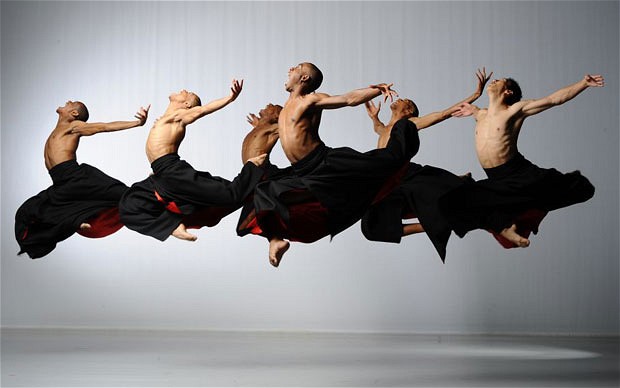
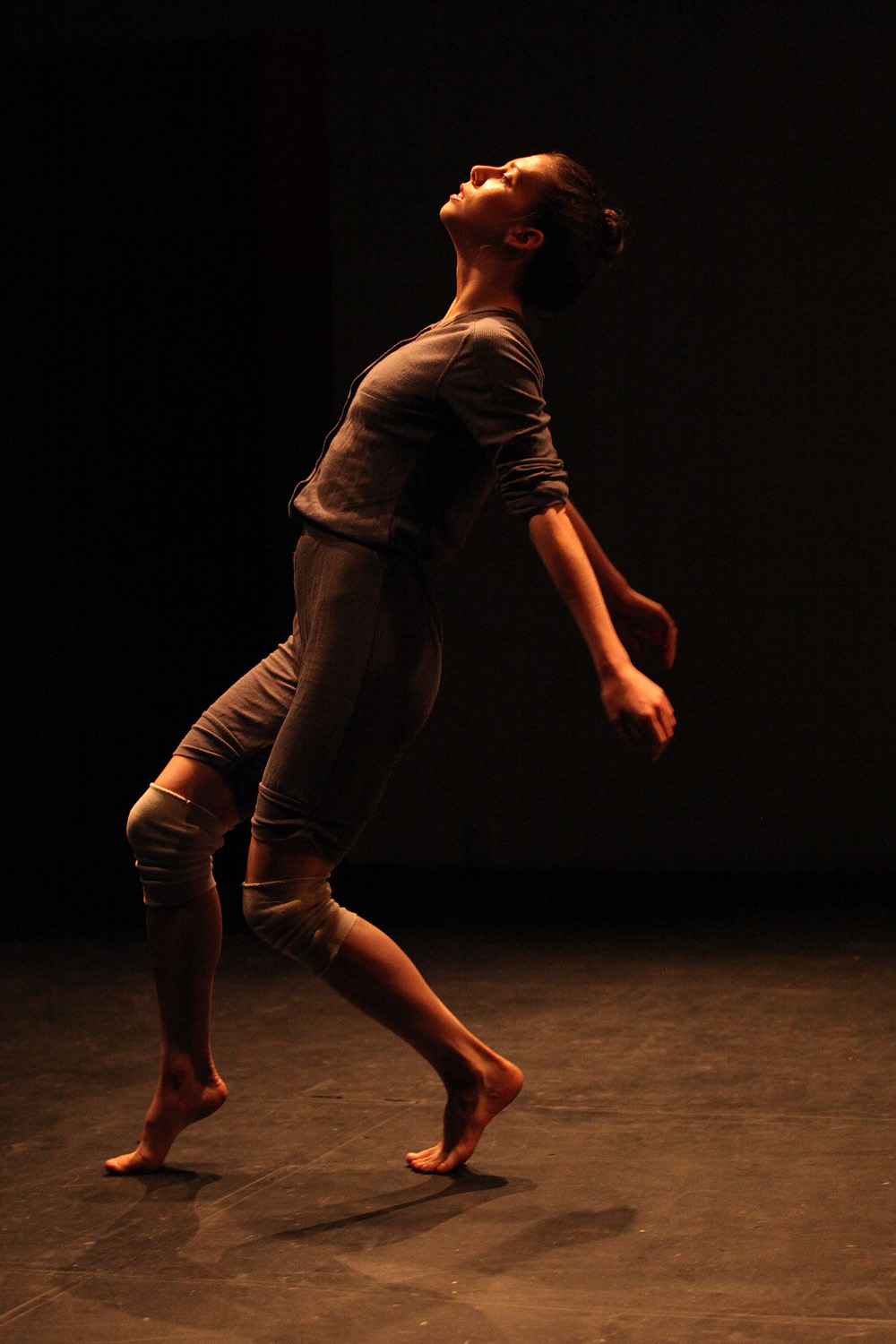
    Robert Battle’s powerful all-male ensemble work THE HUNT (above, Eduardo Patino photo) is set to a driven, percussive score by Les Tambours du Bronx. With six men (it seems like more) in long black skirts swirling and sailing thru the air, this work is sexy, ritualistic and mysterious all at once. There are few moments of repose in this martial-arts inspired, combative dance. 

    6a00d8341c4e3853ef0162fe656fbf970d-800wi
    Revelation
    : Clifton Brown, above, photographed by Kokyat earlier this year in rehearsal with Lar Lubovitch. We’ve been so fortunate to have been in the studio with Clifton several times in 2011 while he’s been working with Lubovitch and with Jessica Lang Dance. Today, in Ailey’s classic REVELATIONS Clifton burst onto the stage in Sinner Man and treated us to some simply magnificent dancing. In the finale he was a god-like cavalier, radiating both majesty and warmth. 

    Each section of REVELATIONS is set to traditional spirituals and gospel hymns, celebrating congregation and community while sometimes investigating individual journeys of the spirit. One memorable segment is I Wanna Be Ready, superbly danced today by Michael Francis McBride. In the finale, the women appear in marigold-yellow gowns with fans on a sweltering summer afternoon for a jubilant cotillion with their handsome beaus.

    I hardly ever have a chance to see the Ailey Company; their season always falls at the busiest time of the year. This afternoon’s performance showed them to be on peak form as the Robert Battle era commences with a bang! Such splendid dancers: I need to get to know them better.

  • The Current Sessions

    IMG_0312

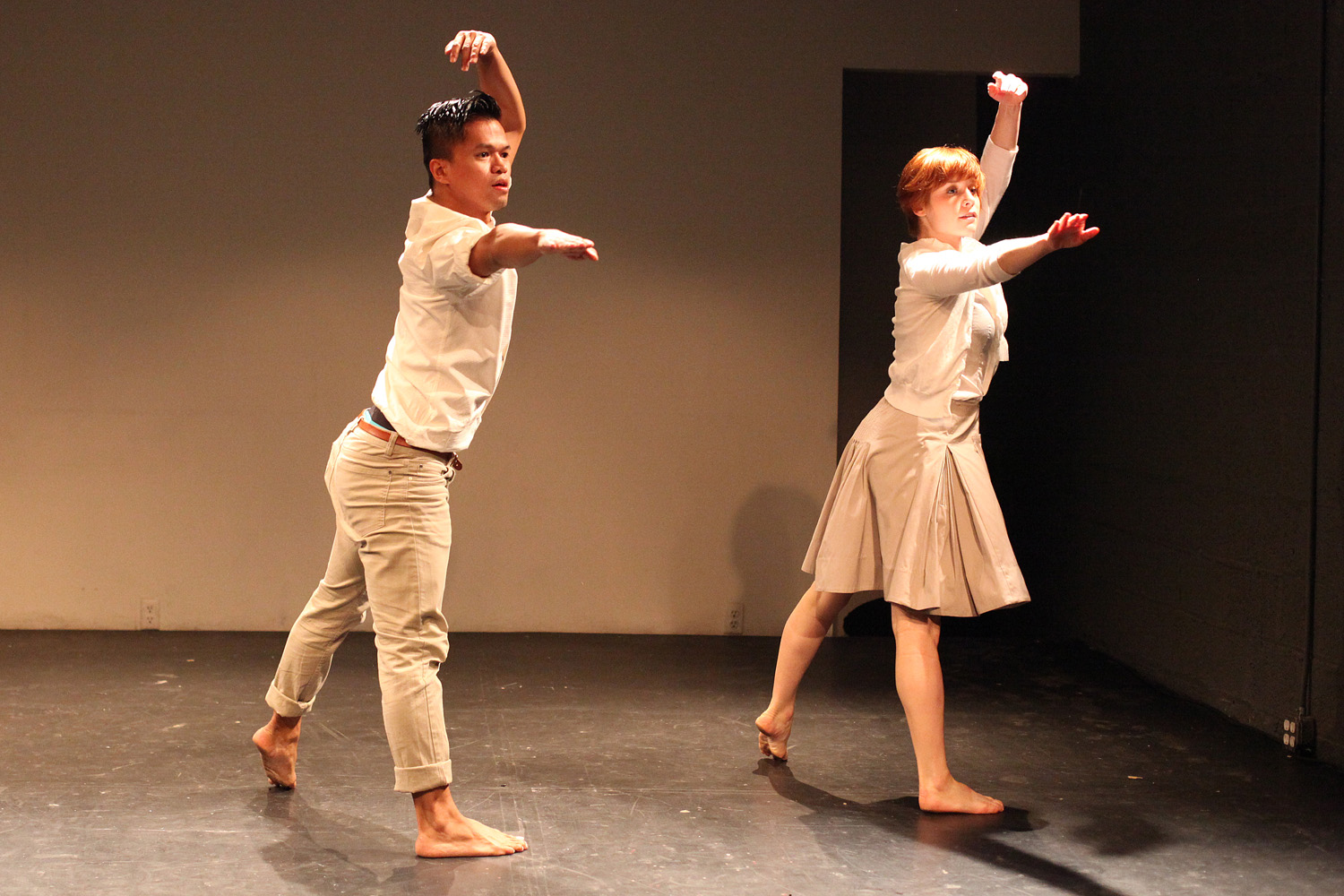
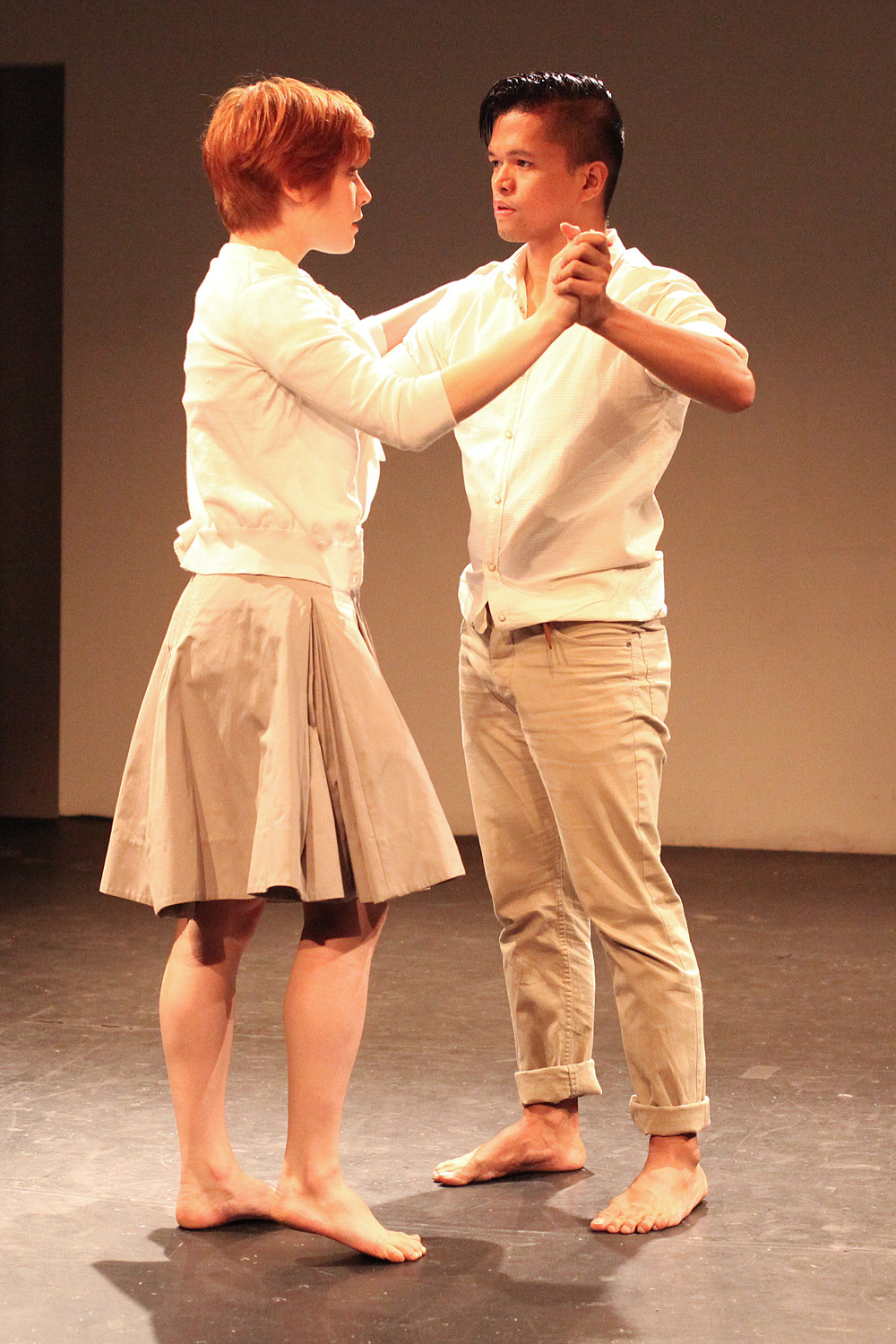
    Monday November 28, 2011 – Down to the Wild Project in the East Village (or would we say NoHo?) for The Current Sessions, a programme featuring works – both live and on film – by nine choreographers. The Wild Project venue is a very neat space for dance, seating about 90 people in raked rows. The lobby is small, immaculate, welcoming – with a ‘garage door’ that I imagine would be open on Summer evenings. Earlier in the day, photographer Nir Arieli and I had watched the dress rehersal where he recorded the images you see here. 

    Photo at the top from Allison Jones’ Listen to Me.

    The evening gave me an odd sensation: I was by far the oldest person in the audience. Aside from Kokyat and I, it was a twenty-something crowd: swigging form beer bottles, they were attentive and enthusiastic. The danceworks were created and performed by people of their generation with music that suits their frame of reference. All the works presented – even the witty ones – showed seriousness of creative intent as well as committed and always enjoyable dancing. The sold-out crowd were keenly receptive to it all.

    IMG_0062

    In her solo a room, home Jenna Otter used the space beautifully and set a standard for the works to come. At close range, the dancer’s breathing became part of the texture of her performance as she veered from restless to subdued. Her excellent choice of Bach was the only nod to anything remotely classical in terms of music this evening, however I would like to express a hope that dance artists will stop using Glenn Gould’s versions of Bach with the pianist’s vocal ‘commentary’ always a distraction. There are a million recordings of all things Bach. Choose a different pianist.
    IMG_0202

    In a duet by choreographer Allison Jones, dancers Hayley Jones and Amir Rappaport put their intimate and intense relationship on public view. Entitled Listen to Me, this duet on the surface is about two friends each trying to make a point. But there’s a sexual undercurrent as well, of control and of unspoken passion. The two dancers were beautifully expressive of the work’s wide-ranging emotional setting. The music was pleasant, innocuous, forgettable – a drawback shared by by most of the rest of the works we saw all evening.

    Here are more of Nir’s images from Listen to Me:

    IMG_0240

    IMG_0367

    IMG_0380

    Above: from Allison Jones’ Listen to Me.

    IMG_0396

    In the solo Ragerian’s Vignettes, Genna Baroni showed an interesting mixture of technical strength and personal modesty. This dichotomy made her quite fascinating to watch, with the dancer immersed in herself though also warily aware of the audience. Again the music was simply there, neither enhancing nor distracting from the dance.

    IMG_0525

    Above: Genna Baroni

    IMG_0685

    Bennyroyce Royon’s duet Wander seems to portray a couple in an on-going relationship who have lost their focal point. As they vocalize their thoughts, which shift from the mundane to the profound, they move around one another, close but not connecting. Clad in casual summer-wear, Benny and his partner Marie Zvosec look great together. Benny’s choice of a sentimental waltzy song from Pale White Moon suits him and Marie very well here.

    IMG_0753

    In the end, they find a new beginning.

    A brief film 4PLAY from Yarden Raz concluded the first half of the evening. It had a Chaplinesque feel to it.

    At the dress rehearsal, dancers Christopher Ralph and Gregory Dolbashian had simply marked thru Jonathan Royse Windham’s Oh! Darlin’ so that I really couldn’t get a feeling for what it would be like. But at the actual performance, Jonathan delivered a truly droll performance of this little vignette about a boy’s livelong love for his teddy bear. As Chris and Greg removed layers of Jonathan’s clothes, starting with his jammies, the dancer aged perceptibly. By the end, he was a bent old man…but still steadfastly attached to his bear. The familiar Beatle tune gave the piece an ironic twist.

    IMG_0970

    In Alexis Convento’s raucously charming duet la baggare, rival French femme fatales (dancers Allison Sale and Lynda Senisi, above) each attempt to get the upper hand in this fast-paced romp with a Moulin Rouge feeling.

    IMG_0795

    Allison and Lynda gave their on-going competitive spat a distinctive flair.

    Jordan Isadore’s two-part film SARA began with a blonde-wigged dancer striking balletic poses, perfectly in sync to an antique music box. This truly funny flick gave way to a four-panel display of two dancers shot from four different angles; this was amusing for a minute, then went on too long. Brevity is still the soul of wit.

    IMG_1399

    In the end, it was Yin Yue’s mysterious and well-crafted we have been here before that stood out among the evening’s offerings in its use of more than two dancers and its darkish, dreamy atmosphere. An abstract work, we have been here before shows Yin Yue’s fine sense of structure and – in addition to her own dancing, which has a specific perfume – her choice of persuasive individual fellow dancers to shape her work: Sarah F Parker, Jacqueline Stewart, Grace Whitworth and Daniel Holt.

    IMG_1454

    Daniel Holt in Yin Yue’s we have been here before.

    All photography by Nir Arieli.

  • TAKE Dance @ WestFest/Rehearsal

    Copy of 5

    On December 10th, the men of TAKE Dance will perform the dazzling quartet from Takehiro Ueyama’s SALARYMAN at WestFest as part of the four-night celebration of dance at the Cunningham Studio at Westbeth, 55 Bethune Street in Manhattan.

    SALARYMAN premiered in May 2011 and was received with great enthusiasm; another opportunity to see the complete work arises this Winter when TAKE Dance appear at Baruch Performing Arts Center, February 8th – 12th, 2012. Details to follow.

    Copy of 6

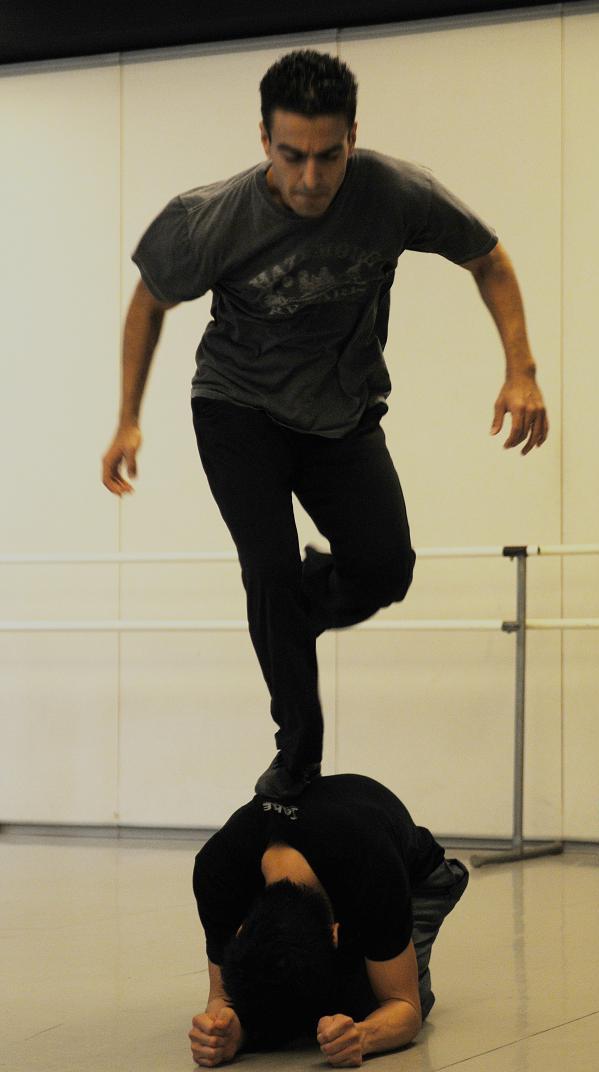
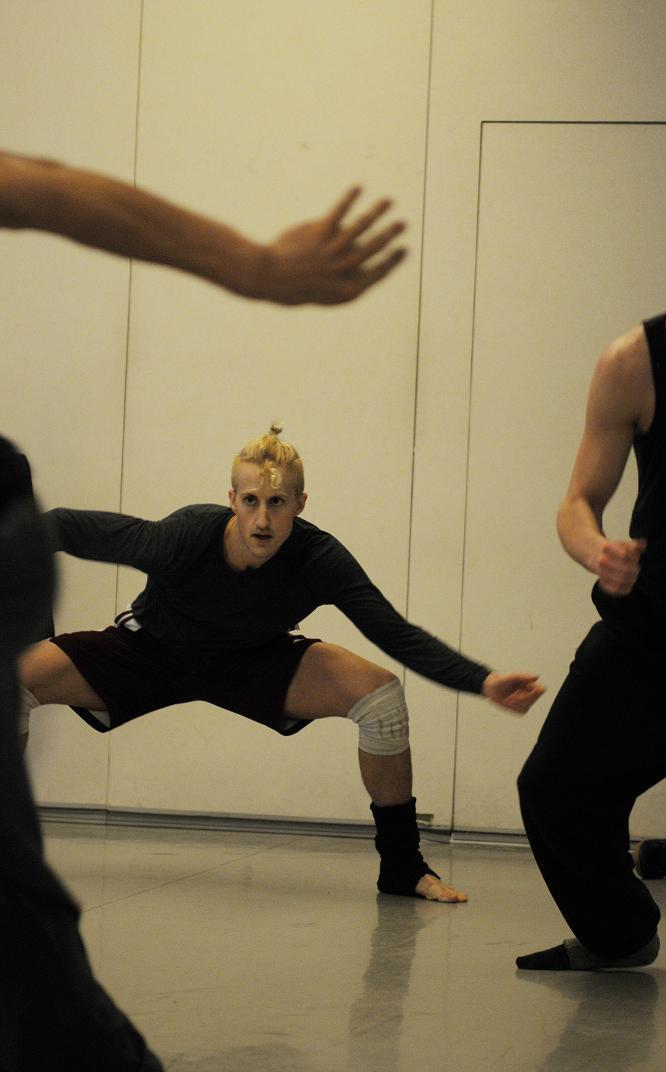
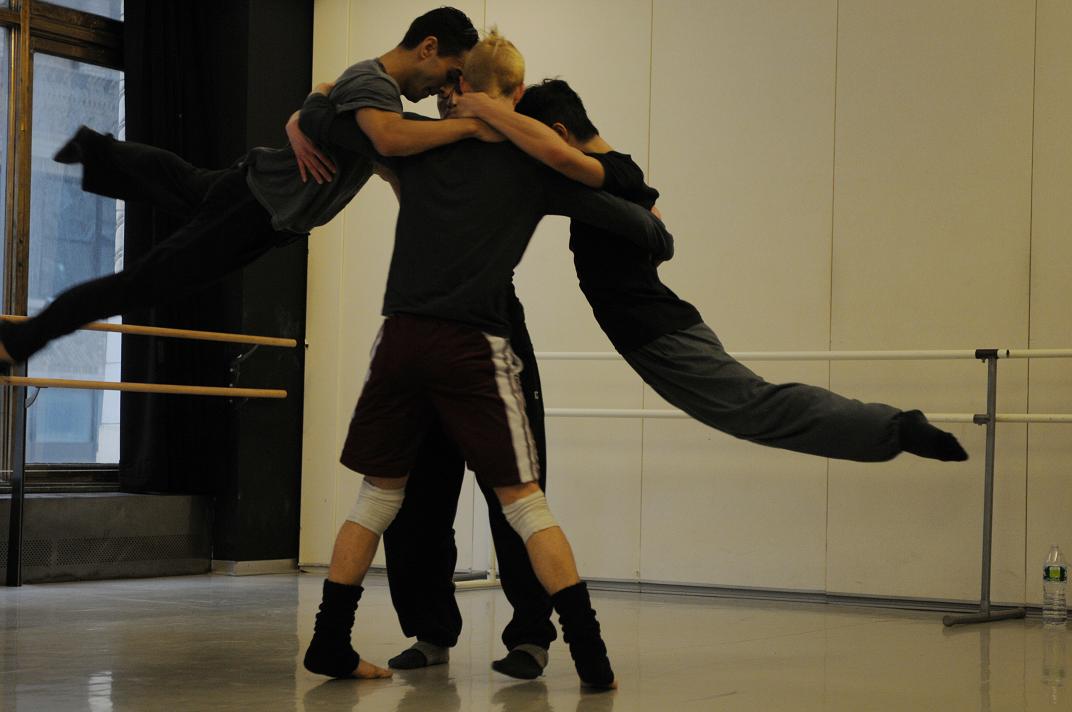
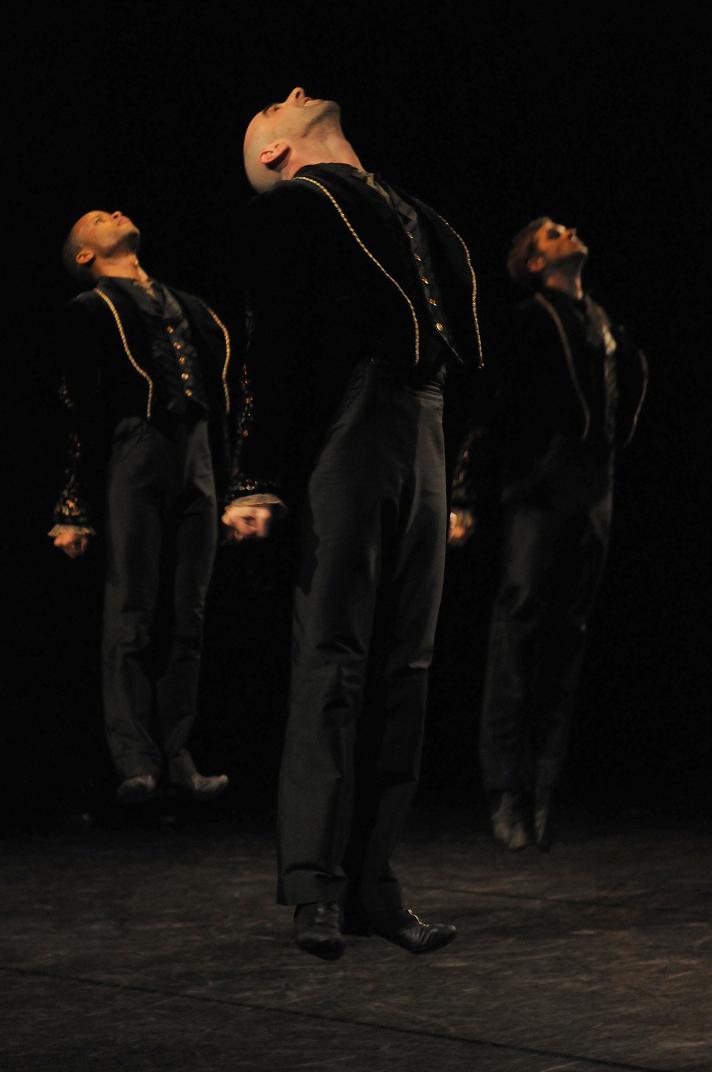
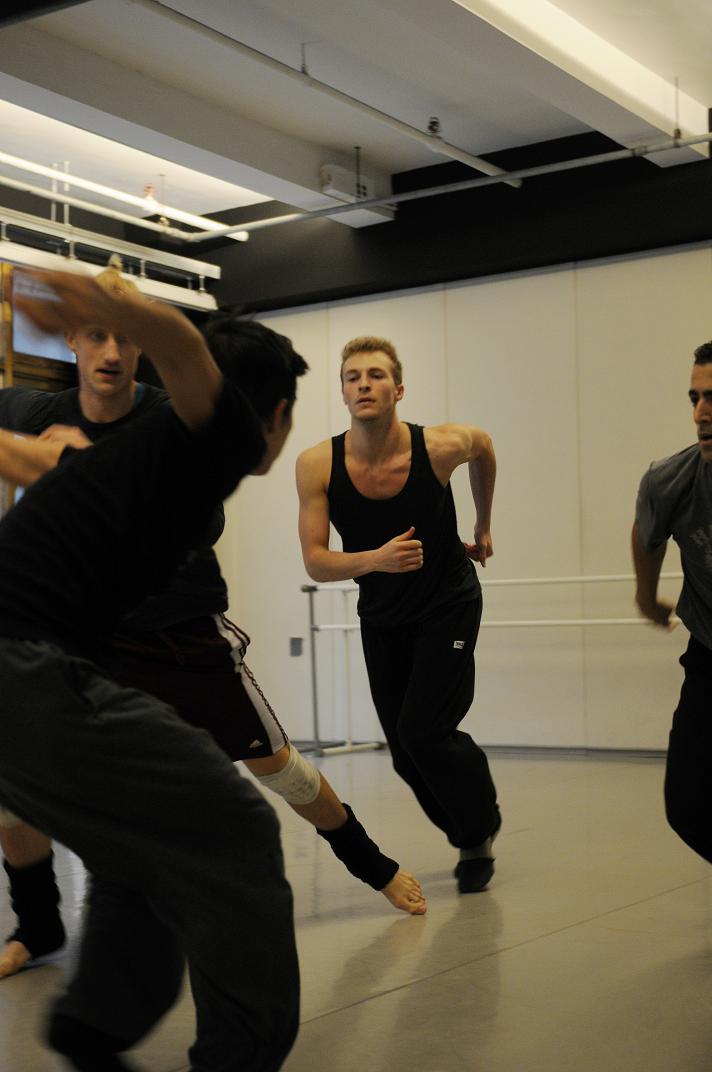
    Kokyat’s photos here are from a studio rehearsal for the SALARYMAN quartet on November 26th at DANY Studios. The dancers are John Eirich, Kile Hotchkiss, Clinton Edward Martin and Kei Tsuruharatani.

    Copy of 1

    John Eirich, Kei Tsuruharatani

    Copy of 10

    Kyle Hotchkiss, John Eirich

    Copy of 8

    Clinton Edward Martin

    Copy of 16

    Bump

    Copy of 11

    Swirl

    Copy of 2

    The dance is breathless in its energy and relentless in its pacing.

    Copy of 15

    Choreographer Take Ueyama giving notes, with dancer Kei Tsuruharatani.

    All photos by Kokyat.

  • Beijing Dance Company @ Alice Tully Hall

    BDC 3 Warriors photo

    Friday November 25, 2011 – Beijing Dance Company are on a US tour this month; having danced in Boston, Pittsburg, and Washington DC they are at Alice Tully Hall for a four-performance run. There’s been something of a Chinese invasion here of late: Cloud Gate and Beijing Dance Theater have recently been at BAM, and the National Acrobats of the People’s Republic of China put on a vastly entertaining single show at Brooklyn College last month. The trend continues in January with performances of THE PEONY PAVILION by the China Jinling Dance Company at Lincoln Center. Information here.

    The works presented tonight by Beijing Dance Company were inspired by Chinese folklore and myth, dating back hundreds of years BC. Of the ten danceworks presented, most had a sentimental feeling underscored by the traditional-sounding music. Only in the final Yellow River could one sense a slight break with tradition. As one colorful work followed another, the excellence of the dancers and their commitment to dance was strongly evident.

    References to iconic cultural elements abound: calligraphy, bamboo, the crane, the butterfly, flying fairies, the terra-cotta warriors, Bhuddist rituals. Costumes were rich in detail though sometimes a bit garish while a series of projections which set the tone of each piece might have been even more effective if the colours had been more subdued. 
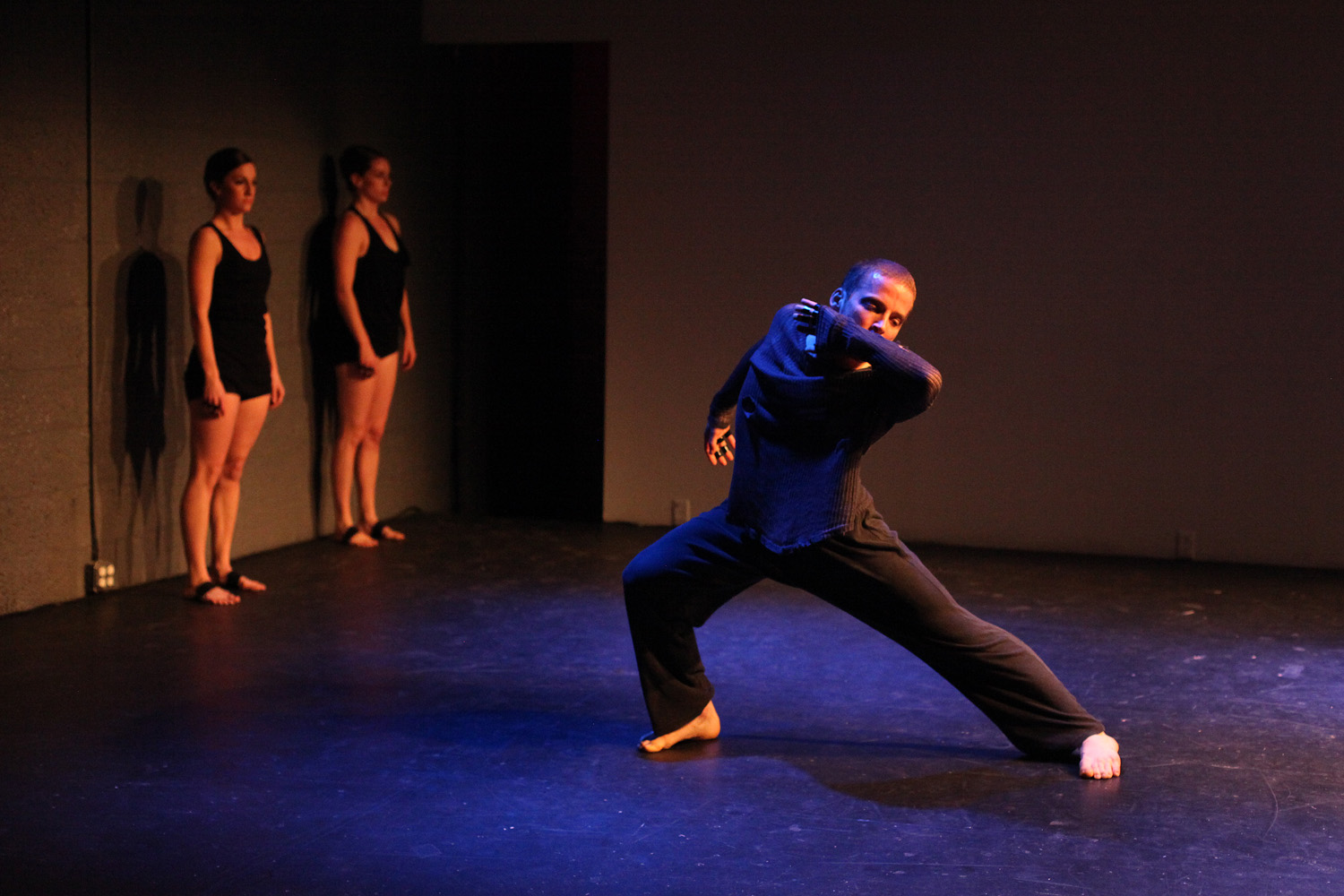
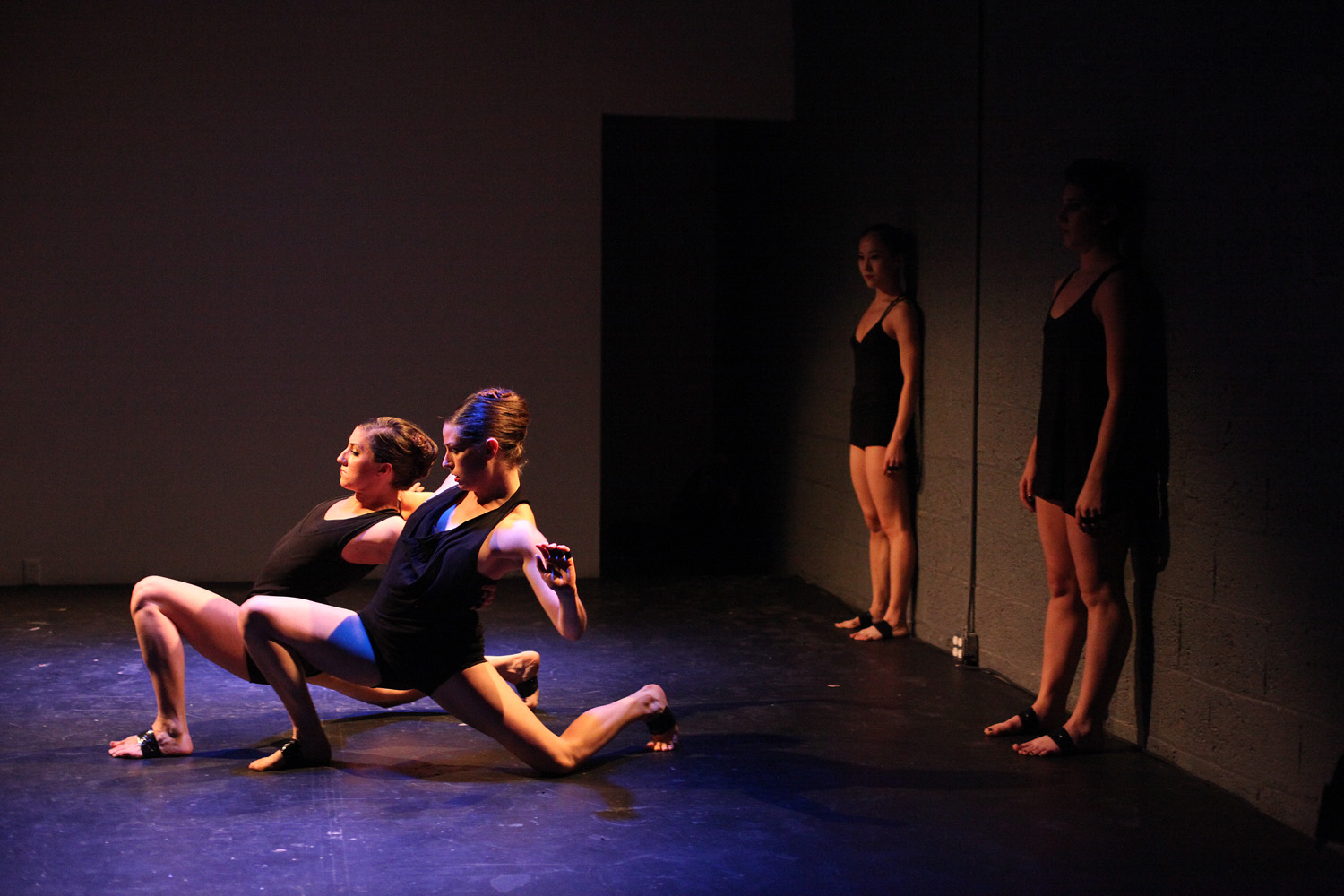
    My favorite work of the evening was Free and Unfettered Spirits in which the men of the Company seemed at one with nature; wearing mossy-green full-sleeved costumes the brotherhood danced their rites in an outdoor setting. Earlier, in her solo Flying Fairy, dancer Zhao Qiao manipulated the super-long sleeves of her dress in mesmerizing swirls and flourishes. The most powerful and exciting dance came from the four men who appeared as warriors (top photo) in Emperor Qin’s Soldiers; their fusion of kung fu, acrobatics and ballet elicited a loud ovation.
    Perhaps the best-known work on the programme was The Butterfly Lovers, a Romeo and Juliet tale of forbidden love. Very well-danced, this work at times veered into the realms of cloying sentimentality; it is a little too long and the choreography sometimes seemed thinly stretched over the music. Nevertheless, the dancing was excellent.

    The audience for the most part were attentive and enthusiastic – except, of course, the young boy sitting near us who squirmed and muttered throughout the first half without any admonishment from his mother. Most dance programmes are not for kids, especially one like this which is somewhat stately in its pacing and musical presentation.

  • Lar Lubovitch’s MEN’S STORIES/Gallery

    Copy of 3

    On November 19th. Kokyat photographed the Lar Lubovitch Dance Company in a performance of the choreographer’s MEN’S DANCES. Read about the evening here.

    Copy of 1

    Clifton Brown, Brian McGinnis, Milan Misko

    Copy of 4

    Jason McDole

    Copy of 6

    Attila Joey Csiki

    Copy of 8

    Clifton Brown

    Copy of 9

    Reed Luplau, Jason McDole

    All photos by Kokyat.

  • Ballet Next/Photos

    WhiteSwan_0338_retouch

    Images by Paul B. Goode from the dress rehearsal for the premiere performance by BALLET NEXT. Above: Michele Wiles and Charles Askegard in the White Swan pas de deux.

    Entwined_1217_retouch

    Jennie Somogyi and Charles Askegard in Margo Sappington’s Entwined.

    LaFollia_1976_retouch

    Michele Wiles and Drew Jacoby in Mauro Bigonzetti’s La Follia.