Category: Ballet

  • Pointe & Pirouettes @ MMAC: Wendy Whelan

    WWMaster-6

    Monday February 21, 2011 – New York City Ballet’s principal ballerina Wendy Whelan gave an afternoon class at Manhattan Movement and Arts Center as part of their day-long Pointe and Pirouettes event. I asked Matt Murphy, dance photographer de luxe, to meet me there and he was happy to since he is as big a fan of Ms. Whelan as I am.
    WWMaster-7

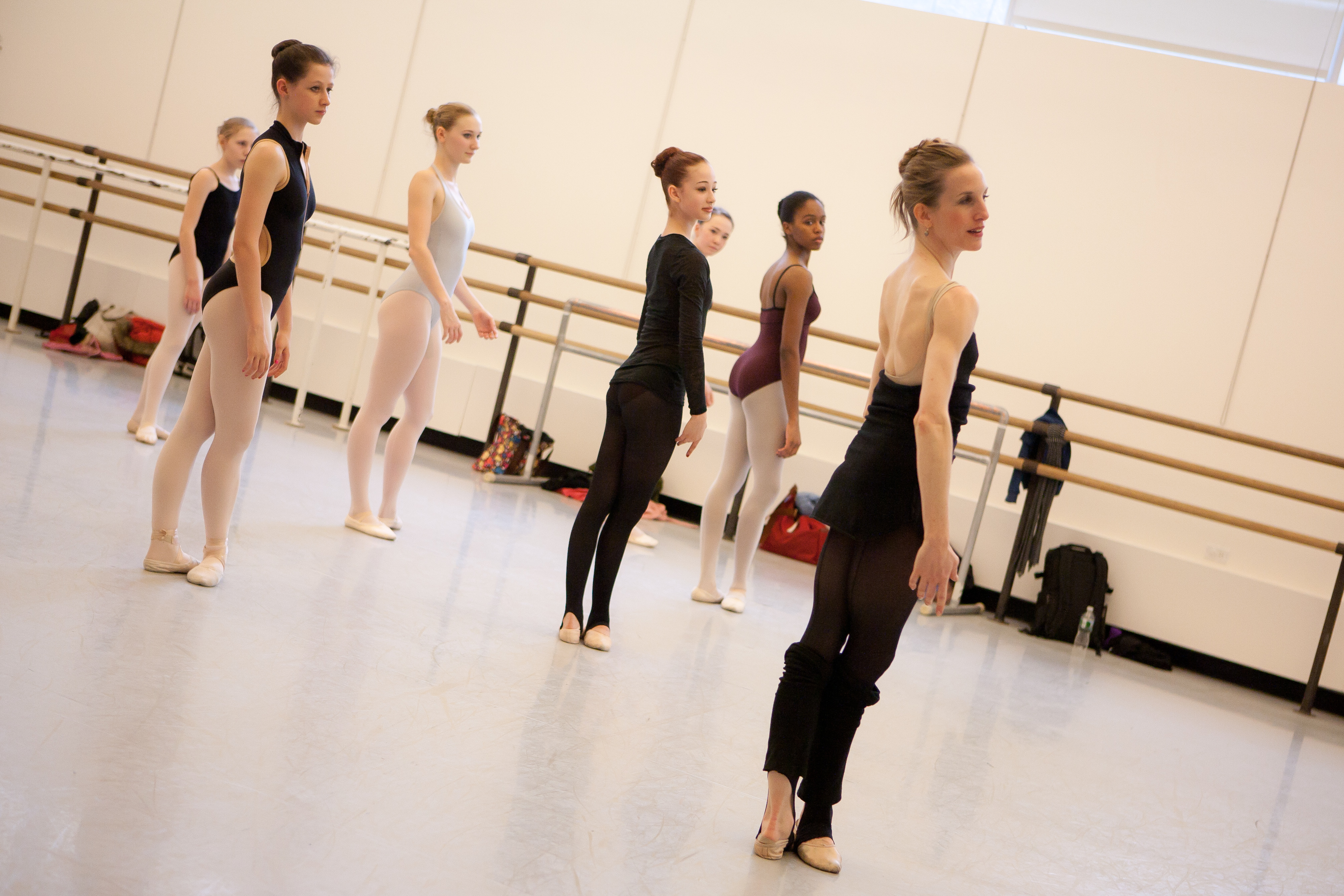
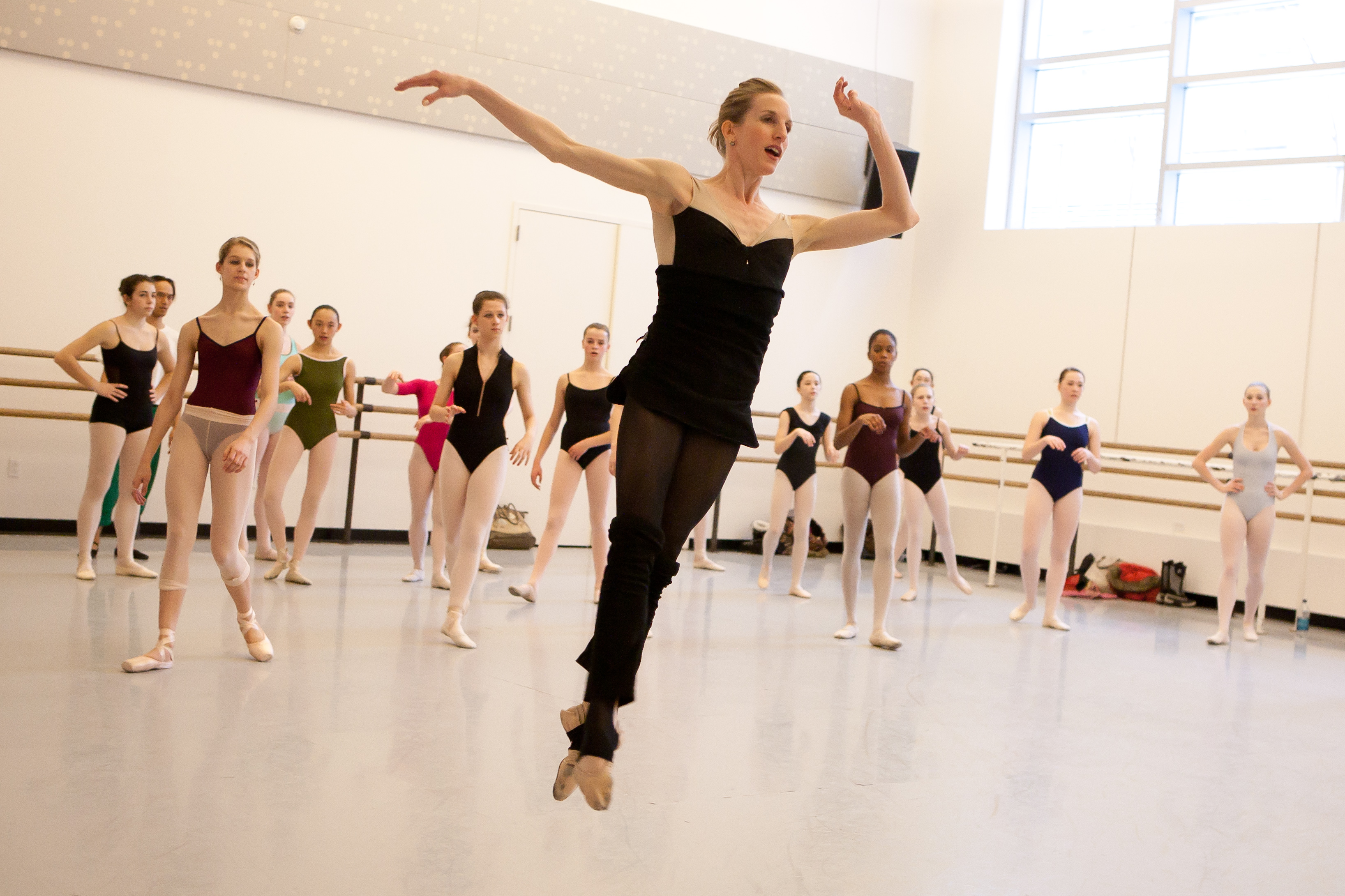
    Wendy’s classroom was filled to capacity with dancers from many levels. Rather than ‘talking down’ to some of the youngest dancers, Wendy set the pace and complexity of the exercises and combinations quite high, giving the girls a taste of what they’ll need to be prepared to do as they dance into the future. Wendy gave gentle and helpful corrections, mixed in with more specific remarks about body placement and keys to projecting the movement into the performing space. 
    WWMaster-3

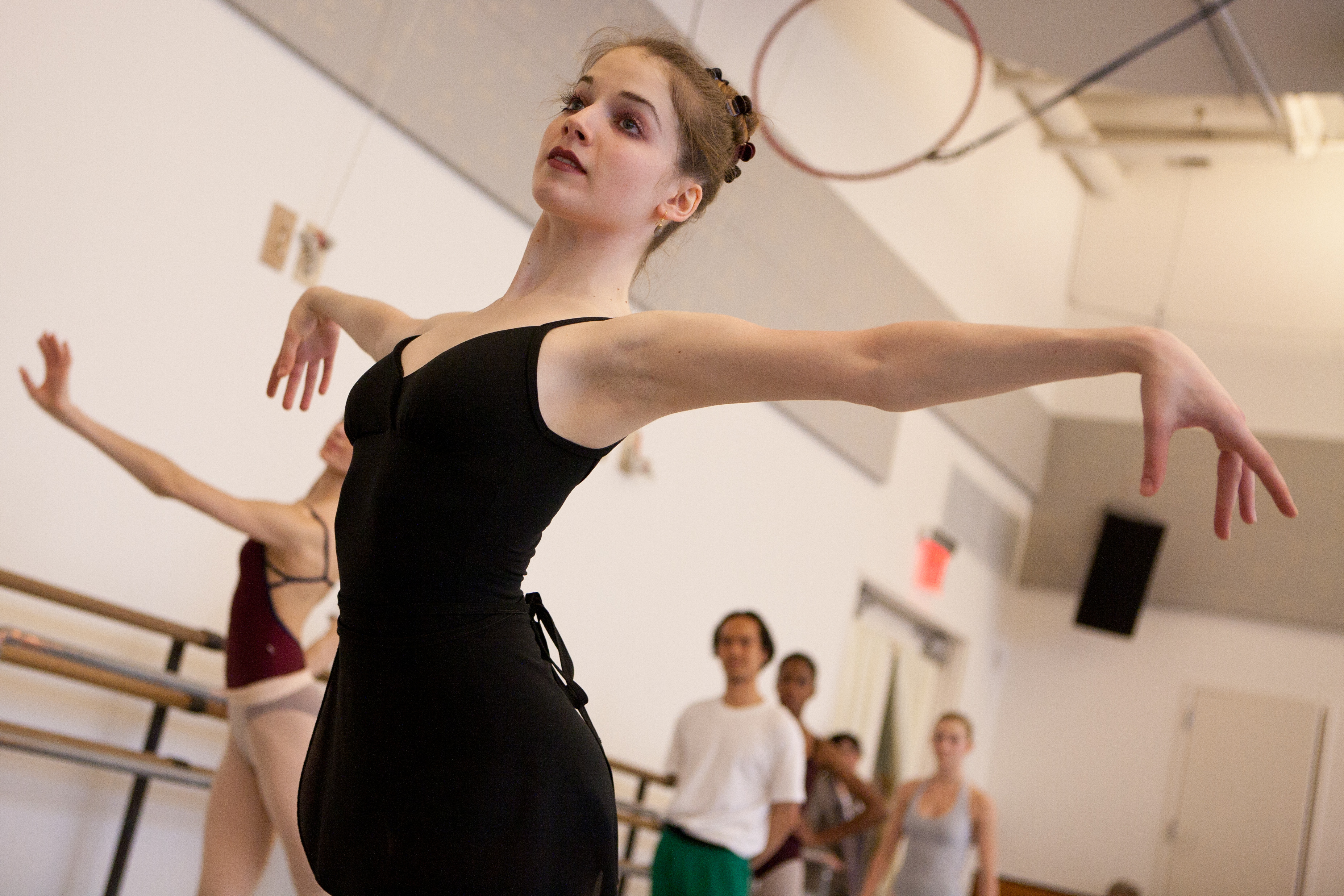
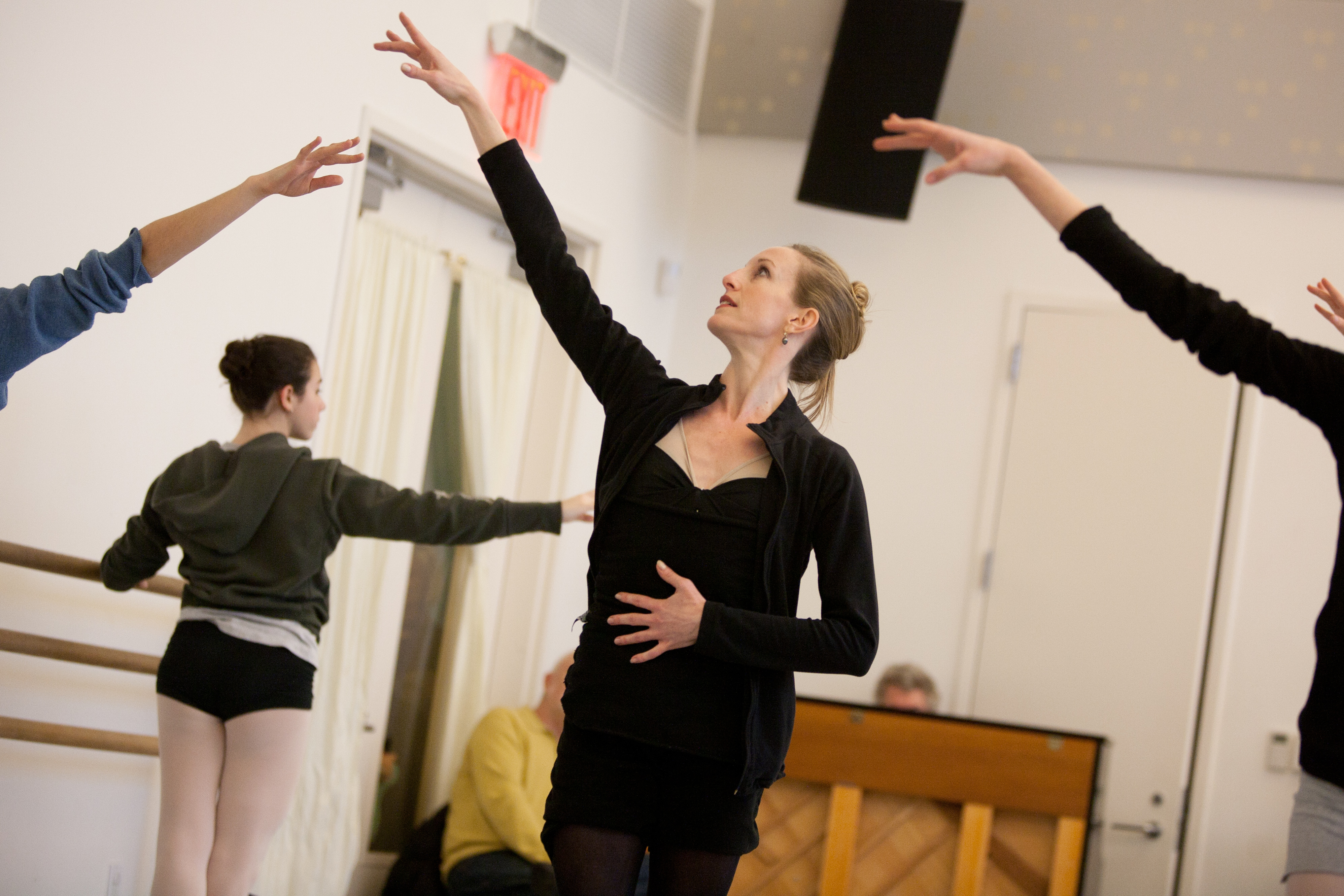
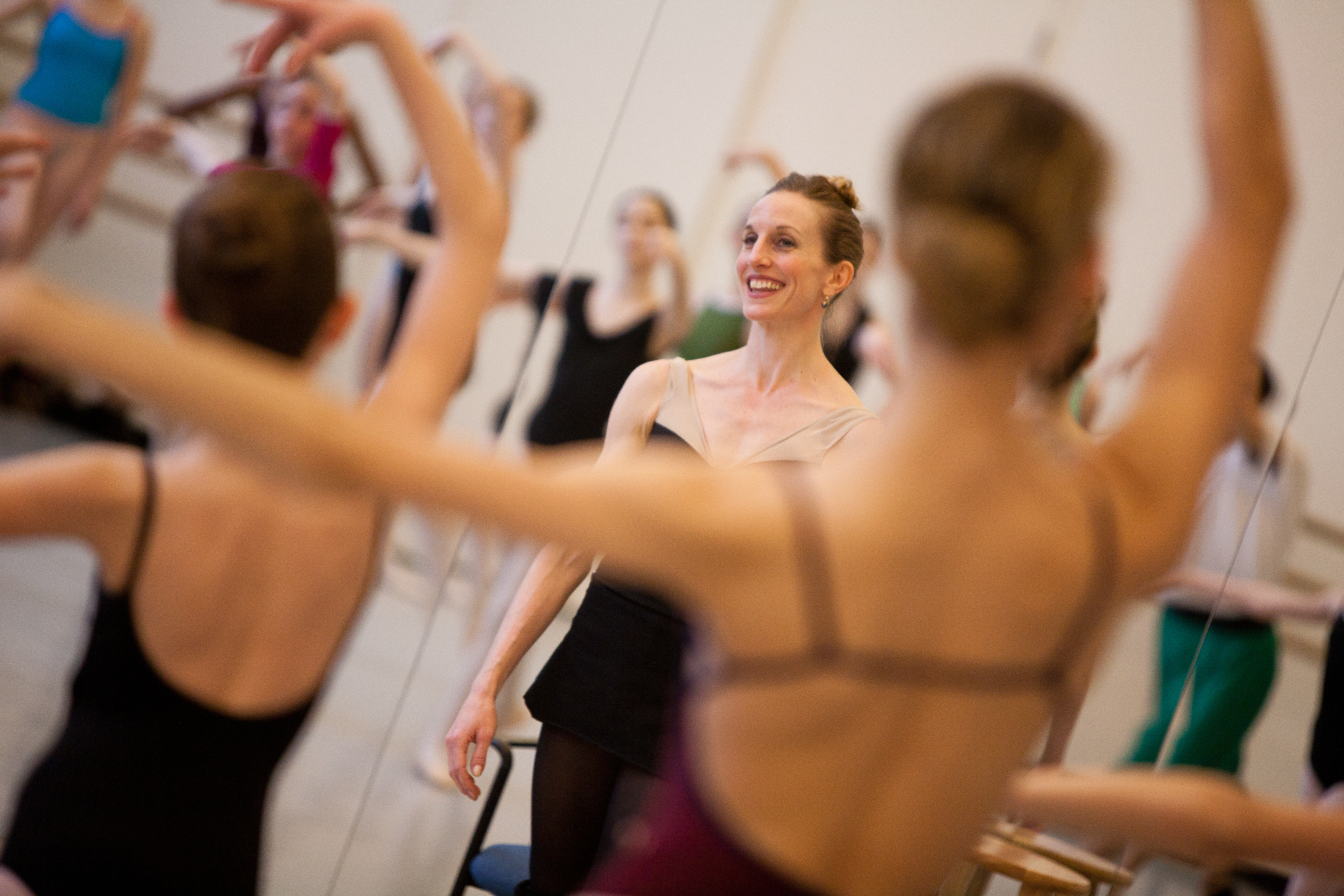
    One thing she spoke of which I think is sometimes not given enough attention in class is using the eyes while you are dancing. Not only must you watch where you are going, but you need to look to your hand in an extended port de bras or to your foot in develope to say to the audience: “Look how beautiful this movement is!” Sure enough, I’ve seen her do this so many times when watching her from my high/side perch at NYC Ballet performances: she’ll look right up along her arm and hand and right into my eyes. This kind of contact draws the viewer into the dance and makes it personal. How wonderful to find among the photos Matt sent me this very image, above. (Of course all the professional ballerinas know  this ‘eye-language’, but there’s something extra captivating about peering thru your opera glasses into Wendy’s gaze.)
    WWMaster-5

    I loved her barre excercise based on envelope, a move I hardly ever think about – and how beautifully she executes it. This in fact was one thing about the class that I found most intriguing: how difficult it is to look at anyone else when Wendy Whelan is in the room. But despite the allure of watching her demonstrate, she deflects attention to the students; she treats them all as colleagues and fellow travelers on the path that turns work into art.
    WWMaster-8

    Despite the studio being filled to bursting, I couldn’t help but wish that even more students could have had the benefit of taking Wendy’s class.

    There were a few dancers in the room that I recognized from other visits to MMAC

    WWMaster-10

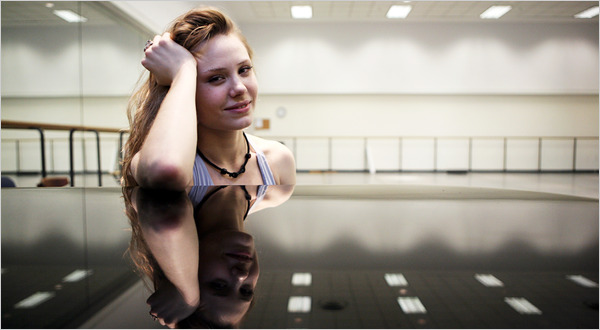
    …including the young ballerina Amy Gilson (above) who caught my eye and Matthew’s lens.

    IMG_0036-2

    One of the most distinctive and delightful people in the New York City dance world, Deborah Wingert – an outstanding teacher and priestess of Terpsichore in her own right – took Wendy’s class. Kokyat and I are especially enamoured of Ms. Wingert and her lovely spirit.

    WWMaster-9

    As the class flew by, I felt an urge to clamber up onto the piano and set the clock back by a half-hour or so just to keep Wendy and the dancers there a bit longer.

    WWMaster-1

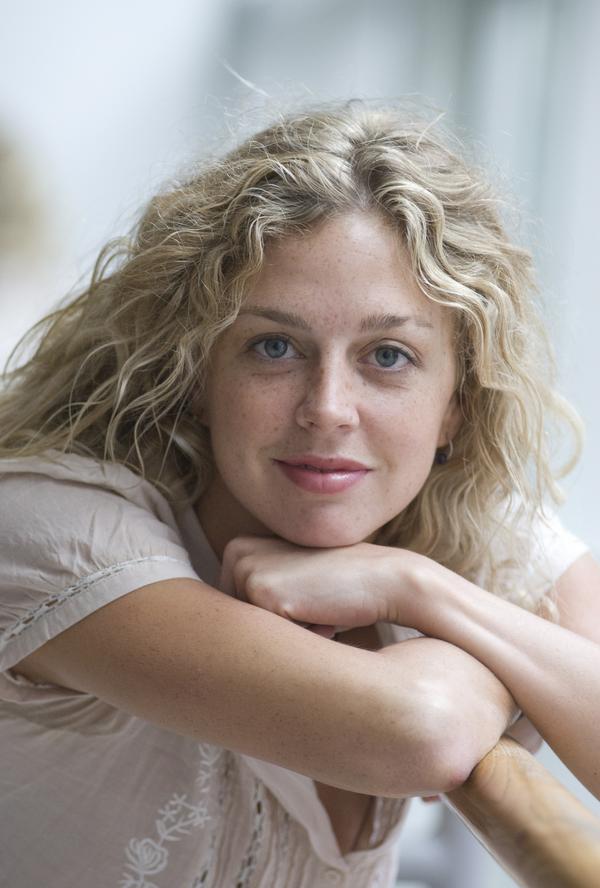
    I’ve saved the best for last. I am not sure how Matthew managed in this crowded and bustling studio setting to capture this portrait of Wendy but I am so glad that he did, and I’ll let him keep the secret of this capture all to himself. It’s one of my favorite images ever of this fascinating dancer.

    My thanks to Wendy, Francois Perron, Matt Murphy, MMAC‘s Erin Fogarty and the publicist Michelle Brandon Tabnick – and all the dancers – for a beautiful late-Winter day full of dance.

    All photos by Matthew Murphy.
  • David Grenke’s VESPERS/Rehearsal

    Copy of 3

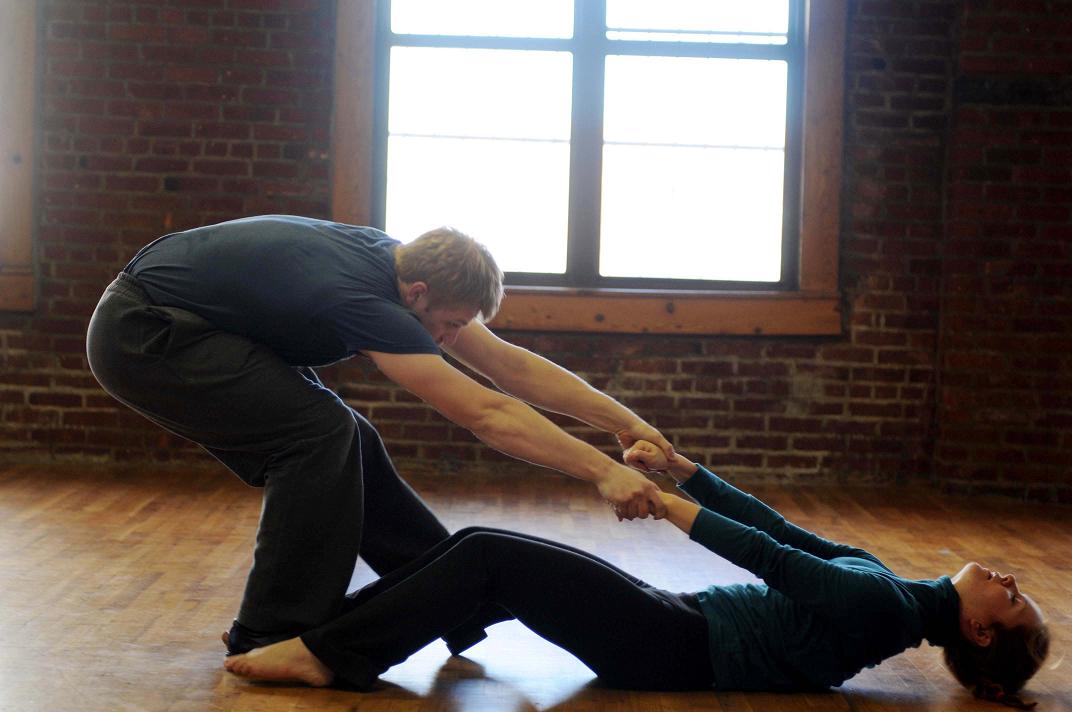
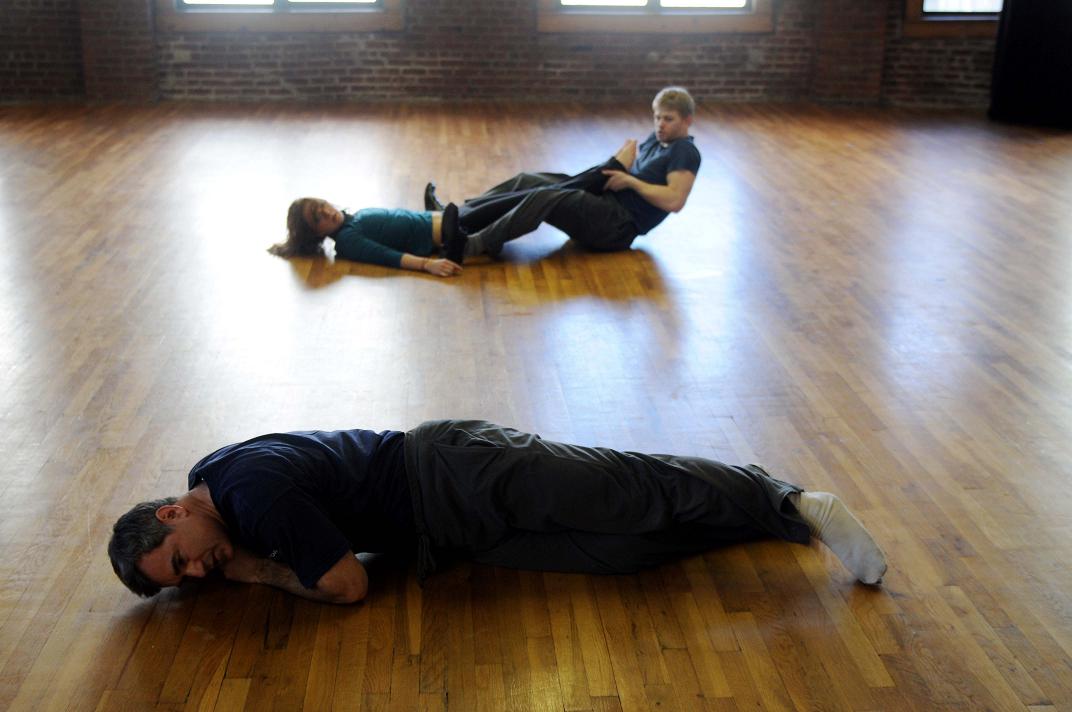
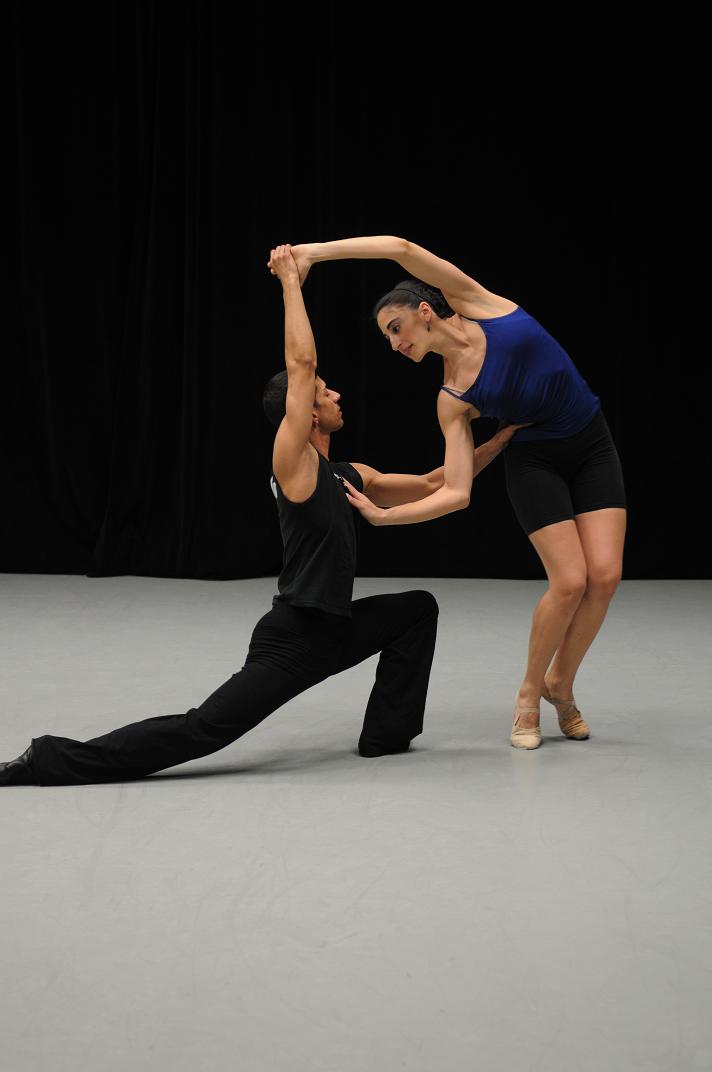
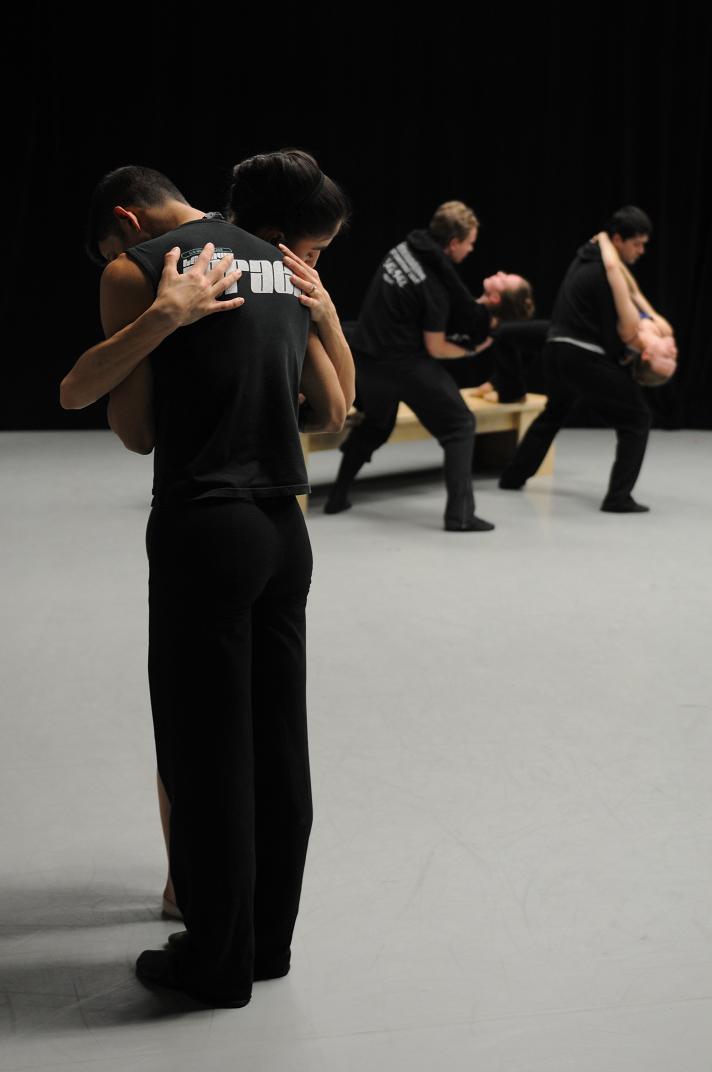
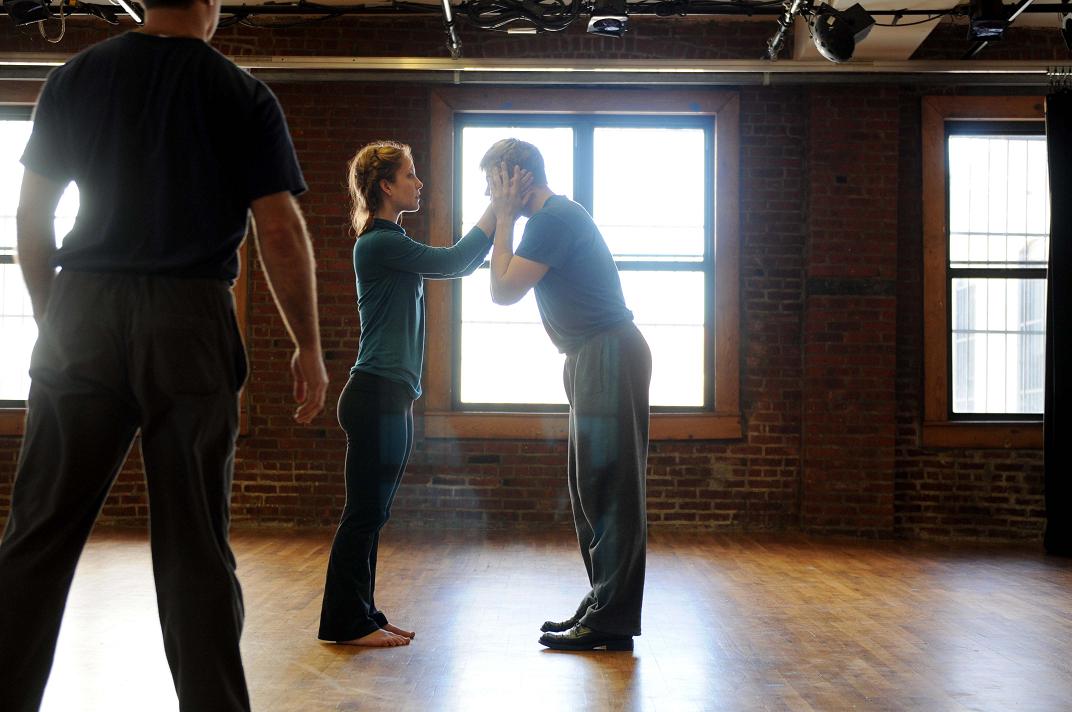
    Sunday February 20, 2011 – Kokyat and I went out to Brooklyn where Shannon MacDowell, a young dancer we have met thru her work with Amy Marshall Dance Company and isadoraNow was rehearsing a duet by David Grenke, VESPERS, with her partner Brian Runstrom in preparation for the upcoming performances at the Cedar Lake theater by Dancers Responding to AIDS.

    Copy of 28

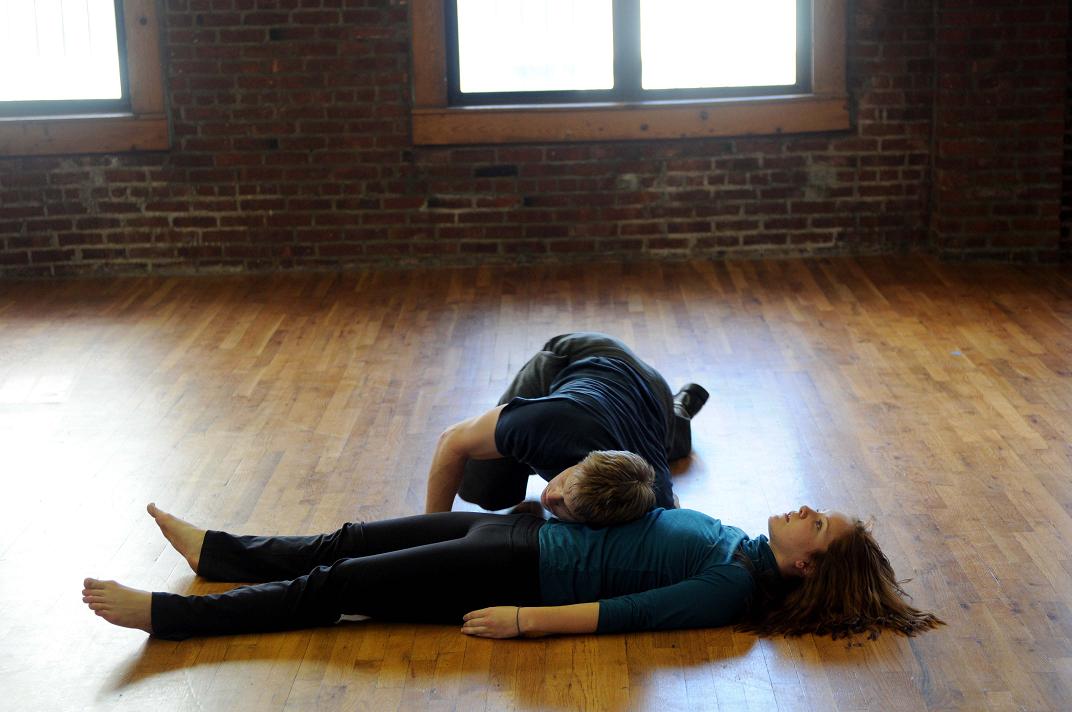
    David Grenke, a former principal dancer with Paul Taylor Dance Company, created VESPERS in 1992. Set to the Tom Waits song ‘Tom Traubert’s Blues‘, the duet portrays a man attempting to raise his beloved from the dead.

    You can hear the music here; If you aren’t familiar with the voice of Tom Waits – described by critic Daniel Durchholz as sounding “like it was soaked in a vat of bourbon, left hanging in the smokehouse for a few months, and then taken outside and run over with a car” – it might take some getting used to. In the context of David Grenke’s dancework, the singing is strangely haunting.

    Copy of 46

    As soon as Shannon and her partner Brian Runstrom began the rehearsal today I recalled seeing a film of this work up at the Pillow at the time Grenke was creating it. They were showing various dance clips on a screen in the Pillow’s visitors center and I remember some women were watching it; one said: “This is so sexist, I hate it!” and another asked: “Why is he abusing this poor woman?”  I said aloud, “She’s dead. He’s not abusing her, he’s trying to wake her up!”

    Copy of 9

    It was a powerful experience to re-encounter the duet today, danced to the raspy invocations of Waltzing Matilda. Shannon and Brian had been learning the duet from a filmed version and this was their first time actually being in the studio with David. The dancers have the basic moves and structure down, the choreographer was detailing their work and bringing it into focus.

    Copy of 26

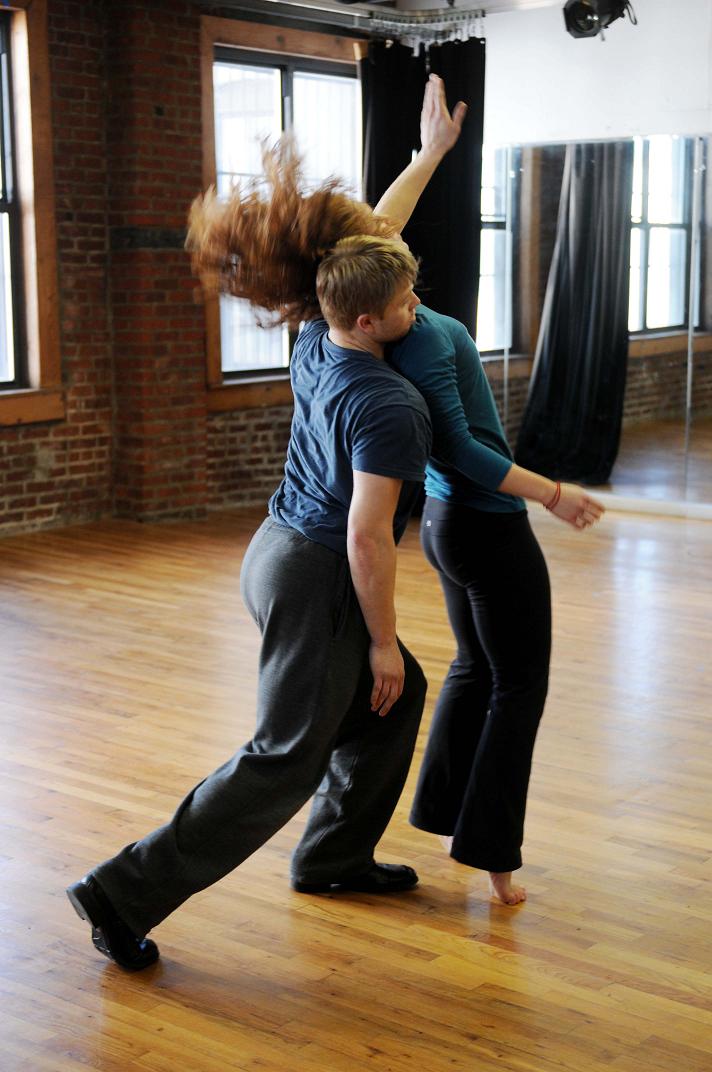
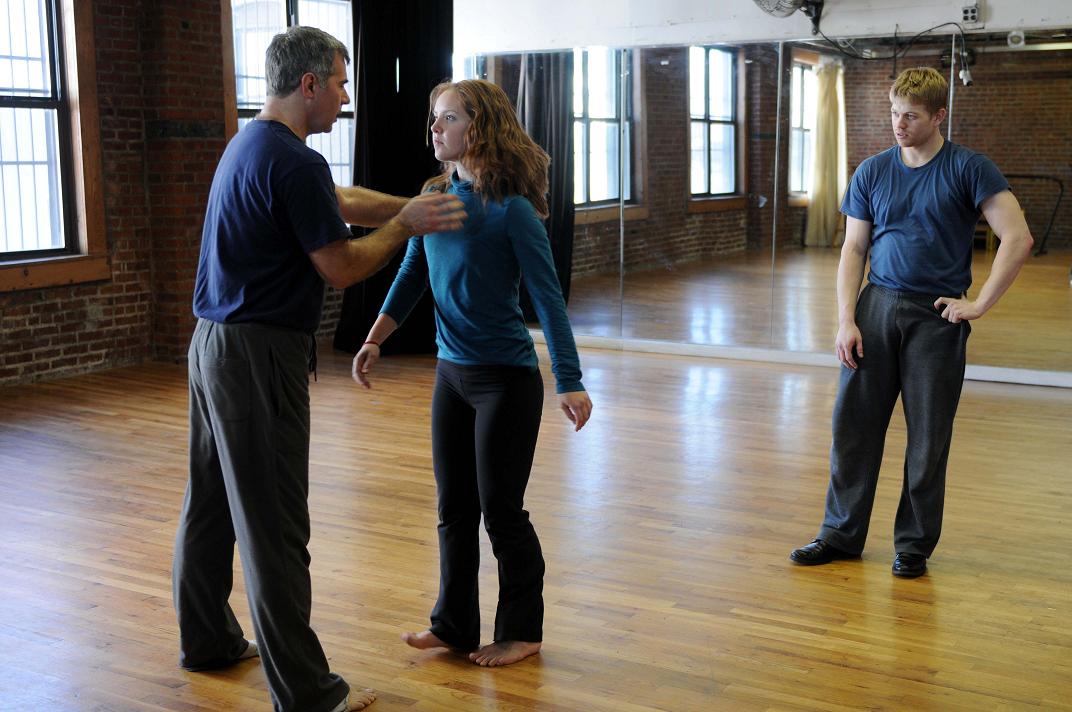
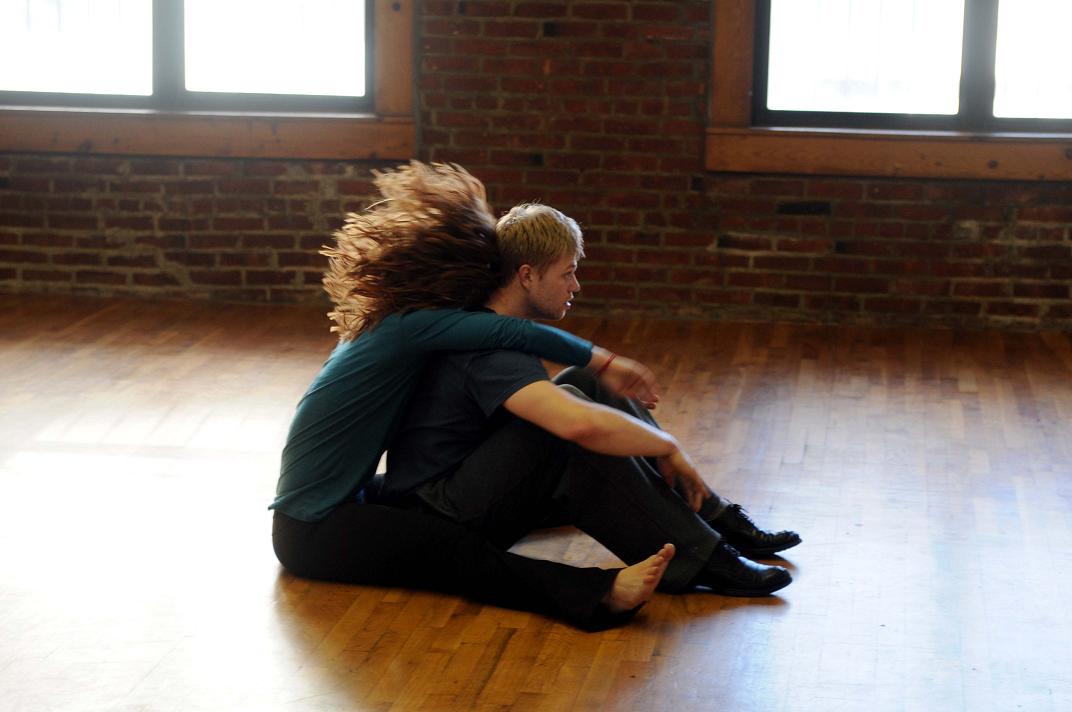
    The piece is intensely physical and full of body contact. “Don’t let it get sexual!” David admonished: “That’s not what it’s about.” Shannon and Brian responded keenly to all that David asked of them. Sometimes the choreographer would step in, taking the place of one of the dancers to show how he wanted something to be done. But he also let Shannon and Brian bring their own personalities into play.
    Copy of 1

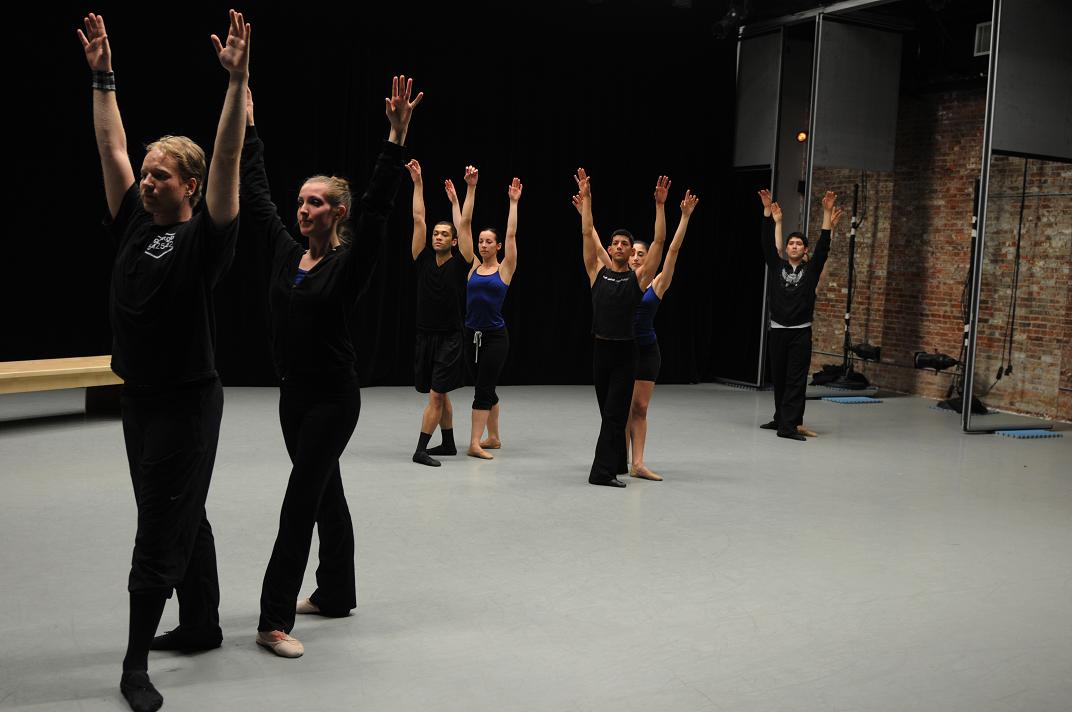
    Shannon MacDowell and choreographer David Grenke

    Copy of 18

    Brian Runstrom, Shannon MacDowell

    Copy of 20

    Copy of 29

    Copy of 43

    Copy of 45

    Copy of 52 

    Copy of 53

    Copy of 40

    The light in the studio was quite evocative; Kokyat shot the duet in the available light and though we were there for less than an hour, the atmosphere of VESPERS radiated strongly as David and the dancers kept their focus on the process. Looking forward to seeing their finished work at the Cedar Lake performances.

    All photos: Kokyat.

  • Sara Mearns in CORTEGE HONGROIS

    Sara

    Paul Kolnik’s photograph of New York City Ballet principal dancer Sara Mearns in Balanchine’s CORTEGE HONGROIS. Read about the performance here.

    Click on the image to enlarge.

  • Scheller’s CORTEGE/Revival of OUTLIER

    Copy of 4

    Saturday January 29, 2011 – Ana Sophia Scheller’s debut in the prima ballerina role of Balanchine’s CORTEGE HONGROIS was a big attraction for me this afternoon at New York City Ballet. Kokyat photographed the Argentine ballerina last November when she appeared with Avi Scher & Dancers.

    CORTÈGE HONGROIS: *Scheller, Askegard, Laracey, *Hankes, Lowery, Suozzi
         intermission 
    OUTLIER: Bouder, Kowroski, T. Peck, Hyltin, Whelan, Ramasar, R. Fairchild, *Alberda, De Luz, *Tworzyanski, Hall [Solo violin: Nikkanen]

    The two ballets are so well-contrasted in every regard, making for a really satisfying visit to the ballet this afternoon. Andrews Sill was on the podium and gave the Glazunov a lush romantic treatment; along with the excellent violinist Kurt Nikkanen, the orchestra made the OUTLIER score so darkly radiant.

    Ana Sophia Scheller’s Raymonda is a gorgeous princess, regal but not haughty. With her classic poise, technique and beauty, the ballerina gave her dancing a special sense of allure and mystery. One especially lovely moment came near the end of the adagio when she swirled through a series of pirouettes which seemed almost to be in slow-motion: really dreamy. I’ve always loved watching Scheller and would give anything to see her as Kitri, Gamzatti, Juliet, Giselle, Aurora or Swanhilda. Her originally-announced partner, Jonathan Stafford, was replaced by Charles Askegard whose fluent partnering I think we tend to take for granted, but we shouldn’t.

    Savannah Lowery and Sean Suozzi were a grand gypsy couple. They rightly conveyed an underlying sexual tension during the slow opening of the czardas, then burst into joyous swirling dance when the tempo quickens. (Sean’s upcoming debut as the Prodigal Son is circled in red on my calendar: February 8th). The solo variations were danced tonight by Ashley Laracey and Amanda Hankes, much to my delight, and the pas de quatre danced by Mlles. Adams, Brown, Dronova and King was extremely fine. The big corps look superb in the green-white-gold costuming and the whole ballet is such a pleasure to watch…and to hear.      

    2010-05-17-dancered

    I really liked Wayne McGregor’s OUTLIER at its premiere last May and thoroughly enjoyed seeing it again this afternoon. It’s vastly dfferent from anything else in the repertoire; there are some production photos here. In the above Paul Kolnik photo, Tiler Peck in the ballet’s opening moments.

    The ballet begins in silence: a vivid circle of red illuminates the stage floor as the orchestra starts to sound the very quiet opening phrases of the Thomas Ades score. Then Tiler Peck and Craig Hall begin to move slowly, almost warily at first. The work proceeds, highlighted by a series of duets: Maria Kowroski and Robert Fairchild, Robert with Amar Ramasar, Wendy Whelan with Craig Hall (to an especially gorgeous theme in the score). Debuting Devin Alberda has a duet with Sterling Hyltin, both dancers so light and luminous in their movement. An ensemble passage is danced to an intriguing tom-tom rhythm with strings and woodwinds. Meanwhile, the lighting is really striking throughout the ballet – it’s good to see it from ‘above’. Ashley Bouder looks great with her hair in bangs and with her stellar dancing taking on an restless element. Christian Tworzyanski and Joaquin de Luz are wonderful to watch although – along with Wendy Whelan – I wish they had more to do. In fact OUTLIER is one of those rare works that I wish was longer! I’ll catch it two or three more times this Winter because who knows when we might see it again.

  • Parsons Dance @ The Joyce

    Parsons Dance DSC_6633_high res small

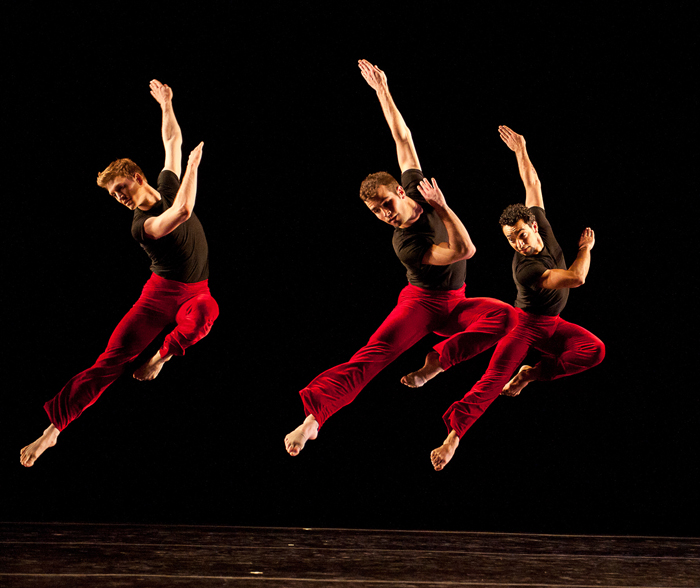
    Thursday January 27, 2011 – Great dancing from Parsons Dance at The Joyce tonight, performing five works by David Parsons and a new piece by Monica Bill Barnes. Kokyat and I recently got to watch the Company rehearsing and thus became familiar with some of the newer faces in the troupe. An enthusiastic audience saluted the dancers with applause and cheers at the end of a well-paced programme. The Company are at The Joyce thru February 6th; read about specially discounted tickets here. Top image: Abby Silva Gavezzoli, Eric Bourne and Sarah Braverman photographed by Paula Lobo.

    Parsons+Dance+2011+Joyce-567 small

    The evening began with BACHIANA, a work which I saw at its first public showing (even before its official premiere) at Jacob’s Pillow on August 29, 1992. I knew even then it would become a Parsons classic and it looks great nowadays with it’s vivid dark red costuming and excellent lighting. This piece is a great programme-opener for it immediately serves notice both of the choreographer’s freedom-of- movement style and the joy therein of the Parsons dancers. One fanciful motif is the men head-standing for quite a long time. For all its fast-paced, celebratory dancing, an outstanding highlight of the piece is the adagio duet danced by Abby Silva Gavezzoli and Miguel Quinones in which they slowly make their way across the stage together in expressive partnering combinations to the strains of the Bach Air on a G-String. Photo of Eric Bourne, Steve Vaughn and Miguel Quinones in BACHIANA by B. Docktor.

    Paula_Lobo_Dance_Photography-2 small

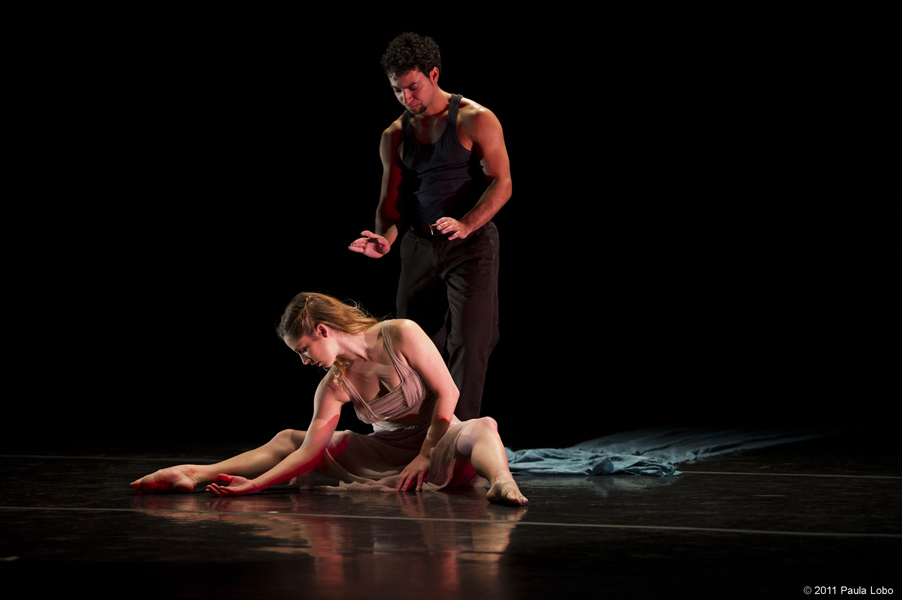
    Miguel Quinones, in my humble opinion one of Gotham’s most extraordinary male dancers, speaks about the new duet PORTINARI – which David Parsons has created for Miguel and the blonde beauty Sarah Braverman – here. The dancers are pictured above in a Paula Lobo photo. Kokyat’s images from a rehearsal of this duet may be found here.

    The duet was inspired by the life and work of the Brazilian painter Candido Portinari, best known for his panels War and Peace at the United Nations headquarters here in New York. Portinari died in 1962 from lead poisoning induced by his constant use of lead-based paints.

    For this duet, David Parsons turns to the very familiar music of Samuel Barber: the Adagio for Strings. As with his use of the Bach Air in BACHIANA, David’s choreography makes us listen to the music afresh. Miguel ‘creates’ Sarah – his Madonna and muse – with his brush. Their duet is quietly ecstatic and builds to a fantastic pose with Sarah standing on Miguel’s shoulders; from there she takes a breath-taking plunge into his arms. But the story isn’t over: the painter then descends into sickness and death, with the woman consoling him. As he expires in her arms the light fades and the dancers are drawn into shadow. The audience watched the two dancers in awed silence; Sarah and Miguel give a perfect and memorable interpretation of this duet.

    SLOW DANCE 1 small

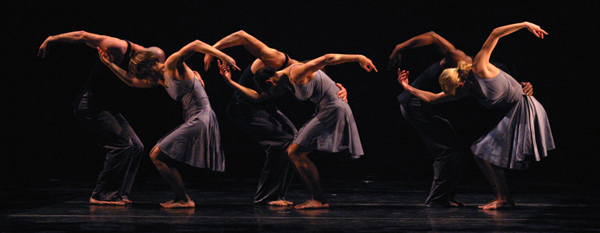
    In David Parsons’ 2003 work SLOW DANCE, three couples dance in a somewhat confined space to music of Kenji Bunch. This work is quite different from anything else in the Parsons repertoire…

    Parsons+Dance+2011+Joyce-623 small

    …the dancers looked fine and reveled in some high lifts that decorate the piece. Photo: B. Doktor.

    Parsons Dance rarely perform choreography by anyone other than David Parsons but this season they have added Monica Bill Barnes’ LOVE, OH LOVE to their repertoire. Despite being perfectly danced and ‘acted’ by the Parsons troupe, the work’s mildly amusing qualities are offset for me by the use of pop love-anthems that – while appropriate for the theme – are too loud and go on too long. I couldn’t wait for it to end. I know it’s meant to be ironic, but the musical overkill is too much. Irony and brevity must go go hand-in-hand to be really effective. Nevertheless: excellent work by the dancers.

    _DSC4925

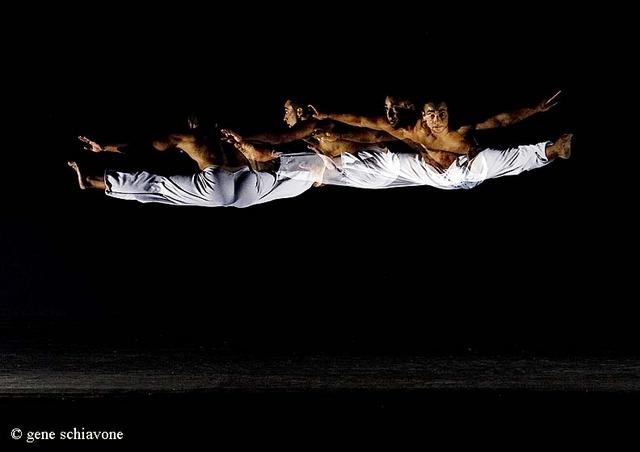
    In a tour de force, Miguel Quinones (Gene Schiavone photo, above) performed the imaginative and wildly popular solo CAUGHT in which a flashing strobe light makes the dancer appear to be literally dancing on air. Miguel, who danced in every single piece tonight and was still full of energy in the final NASCIMENTO, moved miraculously thru the over-100 jumps which constitute the choreography of CAUGHT, leaving his beautiful torso bathed in sweat as he finally ‘landed’. At the end, the crowd screamed wildly for the dancer: a demonstration of awe and affection which Miguel received with modest grace.

    L_e04af1a19ba345019ad0869823bcb7e4

    NASCIMENTO begins and ends with Abby Silva Gavezzoli (Elena Olivio portrait above) alone onstage. Abby’s sexy and lush dancing sets the pace of this colorful work in which the Parsons dancers revel in their choreographer’s signature style: witty, spacious, affectionate and vital. The music of Milton Nascimento, the appealing Santo Loquasto costumes and the excellent lighting by Howell Binkley (all evening) conspire to make this an exciting closing number.

    Now in his third decade of presenting dance, David Parsons remains at the top of his game. His newest works, PORTINARI and RUN TO YOU, seem destined to take their places among the Parsons classics that always make his New York seasons so enjoyable. And his current roster of dancers are as exciting and dynamic as any to be seen in our dancing City.

  • Another SWAN @ NYC Ballet

    ArticleLarge

    Due to the extraordinary demand for tickets, New York City Ballet have announced an additional performance of the Peter Martins SWAN LAKE for Friday February 11th. Sara Mearns is scheduled to dance Odette/Odile that evening. Photo of Sara by Damon Winter.

    It’s amusing to hear people attribute the great interest in these SWAN performances to the recent film BLACK SWAN. But the last previous revival of Martins’ SWAN LAKE was also a sellout, and that was long before the movie was made. 

  • Lydia Johnson Dance: Class @ Peridance

    Copy of 56

    Friday January 28, 2011 – Went dashing thru the snow (now slush, actually) to the East Side to watch a class at Peridance offered by a choreographer whose work I especially like: Lydia Johnson. Lisa Iannacito McBride of Lydia’s company (above, a studio photo by Kokyat) called the large group of about thirty students to order promptly at 11:30 AM and started to teach them a passage from Lydia’s work entitled DUSK, set to music of Henrych Gorecki. 

    I’ve seen Lisa dance many times but she’s also a really fine teacher; looking chic in a deep-purple satiny leotard, Lisa began the phrase and the students immediately picked up the basics. Laura DiOrio and Jessica Sand of Lydia’s company were on hand to help the dancers with tips on how they each execute the phrase. From watching the three girls, I saw how they are each able to achieve their unique shading of a danced expression while always remaining in the context of the basic qualities of movement.

    These classes where a phrase is taught are always so interesting to me because as a frustrated shoulda-been dancer, I’m continually amazed by how quickly the dancers in the studio can translate the instructor’s movement into their own bodies. Once Lisa went beyond the initial steps and gestures, I was throughly lost but the young dancers picked it up and ran with it. Within minutes they were working the passage and then the group broke into smaller units and took turns spiffing it up.

    Lydia sometimes addressed the dancers, speaking of the imagery that she had in mind when creating a given movement, but she steered clear of saying what the dance was supposed to ‘mean’; her remarks were more in terms of finding the freedom of each dancers’ individual expression than in trying to impose an interpretive boundary. I think this is why her own dancers always look so good: they filter the steps and gestures thru their own bodies and spirits, making individual statements while always maintaining the atmosphere that the music creates.

    As the session progressed, the group was broken down still further into four units and each performed the phrase as a canon, starting in different corners of the room. By the end of the class, they were starting to look like a Company.

    Lydia’s dancers Eric Vlach and Or Sagi were dancing, and so were two dancers I was familiar with: Justin Lynch and Danielle Schulz. There were other familiar faces but I can’t put names to them. The time sped by and all too soon the studio was emptying as another group of dancers stood waiting for the space. Many of the participants in Lydia’s class were headed to other classes or rehearsals, or to the jobs they hold down to pay the bills since dance jobs are not all that plentiful these days. Still, I find the idea of this life of dancing – of physical work to an artistic end – so fascinating.  

    Even if I’d known that one could make a life in dance and even if I’d pursued it, by now I would be retired. But who knows? I might have gone from dancing to having my own dance company. There are certainly plenty of dancers in New York City who would look great performing, and who deserve the opportunity to do it.

  • Fantastic POLYPHONIA @ NYC Ballet

    Wheeldon071022_4_560

    Wednesday January 26, 2011 – Christopher Wheeldon’s POLYPHONIA returned to the New York City Ballet repertoire tonight in a striking performance with a cast led by Wheeldon muse Wendy Whelan. Photo of Christopher above is by Peter Hapak.

    573_4100

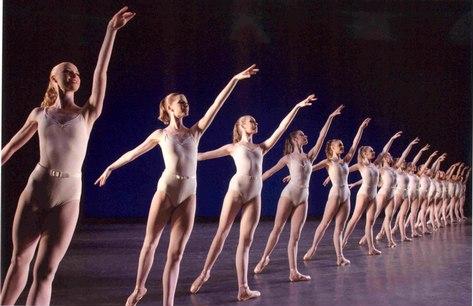
    Opening the evening was the stunning image of the NYCB corps women, pony-tailed and is white leotards, in the iconic diagonal which heralds the start of Balanchine’s SYMPHONY IN THREE MOVEMENTS. Moments after curtain-rise, Daniel Ulbricht came bounding into view; he was soon joined by the vibrant Sterling Hyltin in a high-jump contest: so great to see these two very accomplished dancers giving such vitality to their every move. Savannah Lowery has been out for a while but she came roaring back with a grand performance where she pulled off a triple series of pirouettes climaxing each set with a wonderful Balanchine-off-kilter moment. Sean Suozzi’s energy stood out. In the pas de deux, which starts with that whimsical tune, Abi Stafford and Sebastien Marcovici looked great together; I cannot recall having seen this partnership before and it’s a good one. The ten demi-solistes kept my opera glasses on high alert and the corps girls – including some of the newest Company faces – did well. Faycal Karoui and the orchestra gave the Stravinsky score a fine flourish.

    Wheeldon’s POLYPHONIA premiered at NYCB in 2001; for me it’s the work that put the choreographer on the map. I was at the first night and was bowled over by it. And I had the same reaction to tonight’s performance. The Ligeti piano music, by turns quirky and mysterious, was played by Cameron Grant and Alan Moverman. Mark Stanley’s lighting sets the dancing off with some marvelous shadowplay, and the deep-purple Holly Hynes costumes are an added asset.

    Polyphonia_08_WW_and_TA_Big_storyslide_image_storyslide_image

    No one speaks Wheeldon with such clarity and expressiveness as Wendy Whelan; returning to this role that was crafted on her body, the great and enigmatic ballerina astonished once again with her supple movement, daringly stretched poses and her flair for creating drama from the abstract. Everyone who recalls Jock Soto in this ballet will have kept a mental gallery of images of the great Whelan/Soto partnership: they were unforgettable together. But Tyler Angle has put his own stamp on this work with his cool, magnificent partnering and his dancing, which in the past couple of years has taken on a unique lustre. He’s now among the most riveting danseurs I’ve encountered over the past four decades. Photo of Wendy and Tyler above by Erin Baiano.

    Power and beauty seem to have been the watchwords in casting this revival, encapsulating in the 30-minute work the current state of NYCB’s roster: an embarassment of riches. Teresa Reichlen and Amar Ramasar are spell-binding not only in physical allure but in the way they channel their personal magnetism into the movement. They are just so great to watch together. Tiler Peck continues to show us in every performance what an astonishing and versatile dancer she is: her technique amazes, her ever-deeping artistry is a true pleasure to behold. In their enchanting waltz, Tiler and the equally impressive Andrew Veyette made me smile in admiration. Andrew has really got the knack for being a contemporary cavalier, and he and Amar turned their duet into a highlight of the ballet. 

    Sara Mearns danced with quiet radiance in her solo (created originally on Alexandra Ansanelli) and added another compelling performance to her catalog. Her Raymonda in CORTEGE HONGROIS last week was equally fascinating, these two ballets testifying to her expressive range. In the company of these stars, Chase Finlay looked wonderfully at home, his dancing and partnering not only impressive in the moment but also as a promise of things to come.

    Im-old-fashioned-photo-by-paul-kolnik

    Normally I don’t stay when I’M OLD FASHIONED (Paul Kolnik photo, above) is the closing work on the programme due to my general aversion to Hollywood or Broadway-style ballets. But Maria Kowroski is having such a glorious season that I felt like I really wanted to see her dancing tonight. She was just splendid of course, dancing with Tyler Angle (who subbed for his brother Jared). And Rebecca Krohn and Jenifer Ringer looked and danced divinely as well, partnered by those handsome dudes Justin Peck and Robert Fairchild respectively. The corps looked spiffy and the choreography is actually pretty good.

    But tonight I realized what’s always really killed this piece for me. No, it’s not the comparison people always make between how Fred and Rita move in the film to how the NYCB dancers move onstage. No, that doesn’t irk me: Fred and Rita are in their element and the ‘live’ dancers are working in a hybrid style for all that it’s grounded in classic technique.

    No, it’s the music that ultimately makes this ballet unappealing to me. Of course the actual Jerome Kern song I’m Old Fashioned is a gem. But Morton Gould’s arrangement of it is lackslustre, and it’s sad to see great dancers dancing to third-rate music.

    The ballet also suffers from cliches: “You bumped into me!”, “That guy cut in on me and stole my girl!” “Let me gaze at the skyline for a moment.”  After a while, despite the excellence of the dancing, the piece makes me restless. But it was good to see Maria, Becky and Jeni.

  • Images from POLYPHONIA

    858_RechRama_Poly

    Photographs by Paul Kolnik from the current revival of Wheeldon’s POLYPHONIA at New York City Ballet. Read about it here. Above: Teresa Reichlen and Amar Ramasar.

    597_WhelTang_Poly

    Above: Wendy Whelan and Tyler Angle.

    My thanks to the folks at NYCB for their swift photo service!

  • Lydia Johnson Dance: BACH/Gallery I

    Copy of 17

    This is the first of two galleries of photographs that Kokyat took at the Peridance presentation by Lydia Johnson Dance of an as-yet-untitled work to music of J. S. Bach. Read about the evening here. Pictured above are dancers Robert Robinson and Lisa Iannacito McBride.

    These images are from a pre-performance run-thru:

    Copy of 1

    Laura Di Orio & James Hernandez

    Copy of 4

    Or Sagi & Lisa Iannacito McBride

    Copy of 7

    Robert Robinson & Jessica Sand

    Copy of 8

    Or and Lisa in the foreground

    Copy of 10

    Ensemble

    Copy of 11

    Eric Vlach and Shannon Maynor

    A second gallery of pictures from this evening will be found here.

    Lydia has classes running at Peridance this week; you can drop in for a single class ($20) on Thursday or Friday at 11:30 AM.  On Sunday from 1:00 PM til 4:00 the Company will hold auditions at Peridance for upcoming projects.