Category: Dance

  • Miro On A Monday

    Tom Schaefer photo

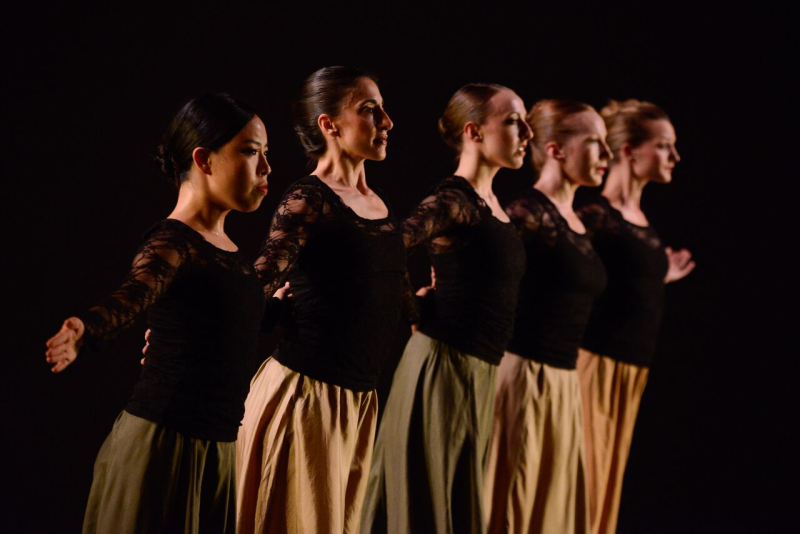
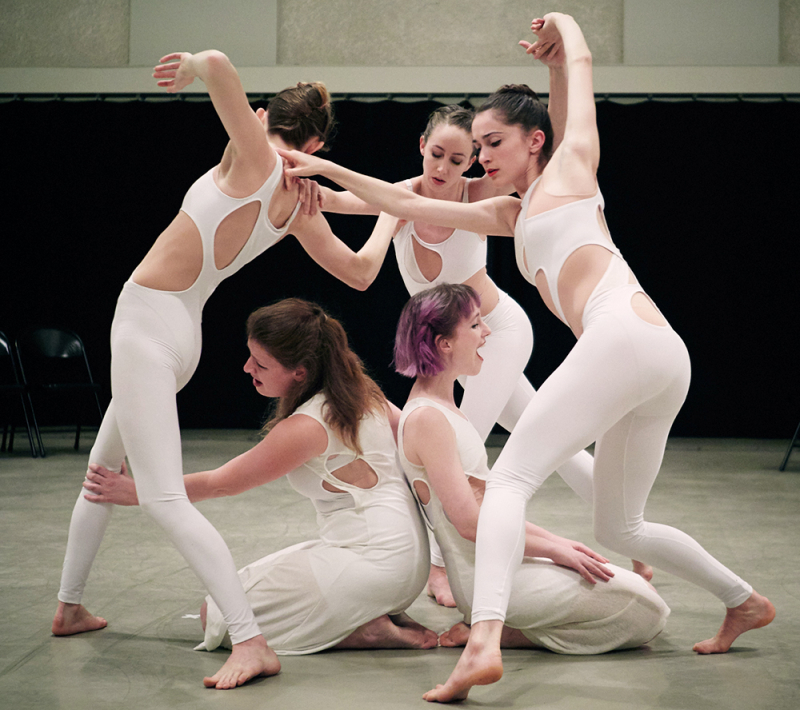
    Above: dancers from New Chamber Ballet and singers from Ekmeles in Miro Magloire’s SANCTUM; photo by Tom Schaefer

    Author: Oberon

    Monday February 18th, 2019 – Miro Magloire’s New Chamber Ballet normally give their performances on weekends, so I was surprised to be invited to see them on a Monday evening. Mondays are often quiet nights for me: neither the Philharmonic nor Chamber Music Society have Monday performances; nor – for that matter – does New York City Ballet. So it was nice to trek down to the City Center Studios on this clear, chilly evening to see Miro’s company, and to hear some incredible music, beautifully played…and sung. I must also say: the 7:30 PM start time was a big plus in my book.

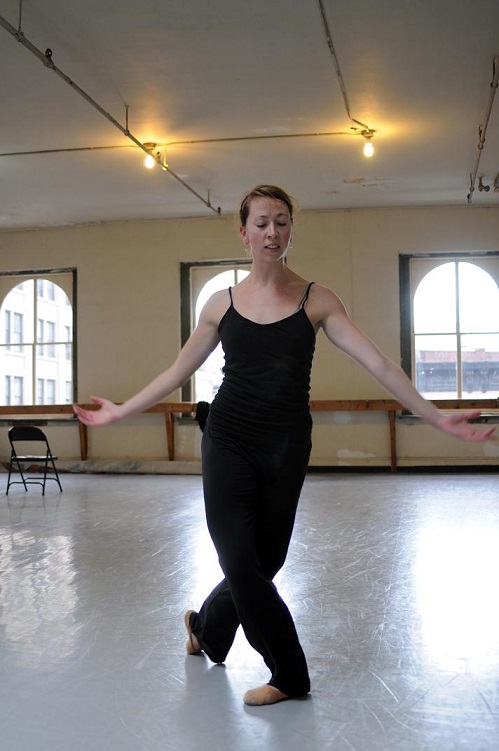
    The program opened with MORNING SONG, a solo dancework to music by John Cage that Miro made on his uniquely marvelous dancer, Elizabeth Brown. Doori Na, a violinist who can master the trickiest score and make it mean something, played Cage’s ‘Cheap Imitation‘ (1st movement) to perfection whilst the dancer moved about the space with lyrical authority: a priestess evoking the dawn.

    With ecstatic gestures that recall the ground-breaking dances of Isadora Duncan, Elizabeth held the audience under a spell throughout the work’s duration. A very long pause, wherein she remains still, has a power if its own. Elizabeth’s slow circling of the space in calm, weighted/weightless stepping turns, was hypnotic. As dancer and violinist bowed to one another at the close of MORNING SONG, the return to reality was like awakening from a wonderful dream. All that is beautiful in music and dance seems to be distilled into this incredible work.

    After only the briefest pause, New Chamber Ballet’s bevy of ballerinas – Sarah Atkins, Kristy Butler, Amber Neff, Rachele Perla, and Madeleine Williams – joined three singers from the Ekmeles vocal ensemble – Charlotte Mundy, Mary Elizabeth Mackenzie, and Elisa Sutherland – and pianist Melody Fader and violinist Doori Na, for the premiere of Miro’s SANCTUM.  Vocal music by Kaja Saariaho (Changing Lights and From The Grammar Of Dreams) and Karin Rehnqvist (Davids Nimm) invites the singers to be part of the dance. Melody and Doori perform – luminously – Saariaho’s Nocturne, Calices, Prelude, Tocar, and Ballade, as well as Rehnqvist’s Dans.

    SANCTUM has been in-progress for some time, in various guises, and I have seen parts of it in rehearsal or in performance over the past several months. Tonight, with the dancers and singers in Sarah Thea’s bone-white costumes, Miro wove all the elements into a 70-minute ballet.

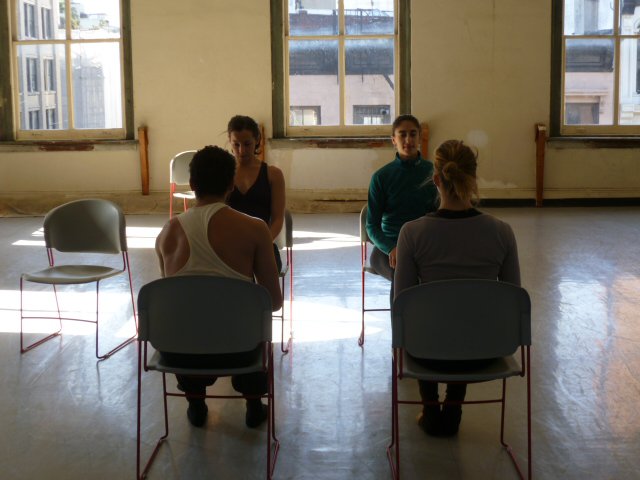
    SANCTUM opens with seated couples (dancers and singers) dreamily dependent on each other, rocking gently. The strikingly clear voice of Charlotte Mundy fills the space: this high, iridescent sound might be the voice we’ve been looking for for Berg’s Lulu. The dancing commences with a duet for two tall women: Kristy Butler and Madeleine Williams. Amber Neff and Rachele Perla, having donned toe shoes, join.

    The music is spectacularly beautiful – Saariaho (along with Penderecki) is for me the most fascinating of contemporary composers – and Melody and Doori play it thrillingly: being seated immediately next to these two musicians, every nuance and demi-tint of the scores become tantalizing.

    The dance continues to unfold, including Madeleine Williams in a solo that creates a stylistic link to the earlier-seen MORNING SONG. Amber Neff and Ms. Williams dance a duet in Miro’s trademark intense/entangled partnering mode; the music here features vertiginous piano scales which Ms. Fader played with intrinsic flair. Sarah Atkins, Rachele Perla, and Kristy Butler engage in a prancing trio, and Sarah also has a demanding, floor-oriented solo. The singers return, each pairing up with a dancer in a stop-and-start circular promenade. The ending of the ballet is not as powerful as one might hope: the women simply walk away, perhaps to carry on their antique rites in another part of the forest.

    Meanwhile, the two musicians have found a path into our subconscious with this other-worldly music. Over the course of the ballet, their playing has created a separate, almost alien, world. And at some point along the way, I realized that this particular work of Miro’s is not best-experienced in a fully-lit, in-the-round studio setting.

    As we observe the grace and power of the dancing, we must also face our mere-mortal counterparts seated across from us: fidgeting, reading their programs, even nodding off. The music continuously draws us away from the everyday to a mythic place of feminine mystique and magic; but the ordinariness of the studio setting keeps jarringly pulling us back to reality.

    I feel that, in a darkened theater with imaginative lighting, SANCTUM could be as compelling visually as it is musically.

    ~ Oberon

  • At Amanda Selwyn’s Rehearsal

    0D9A2416

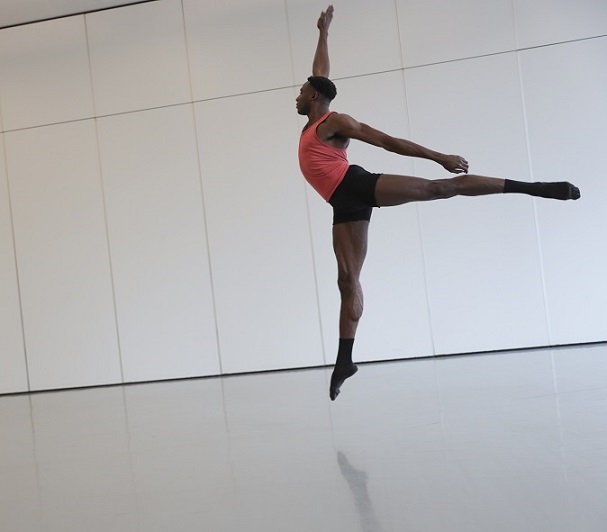
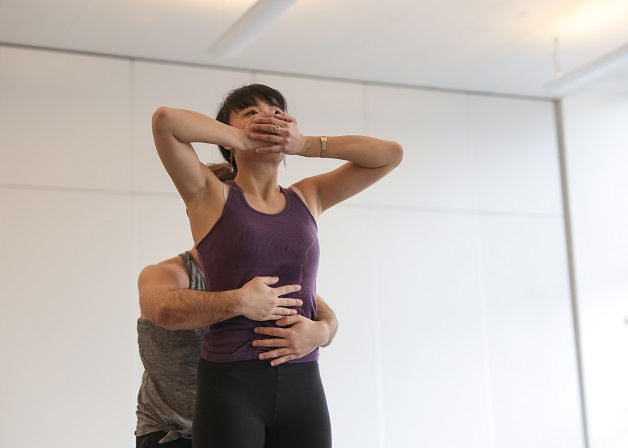
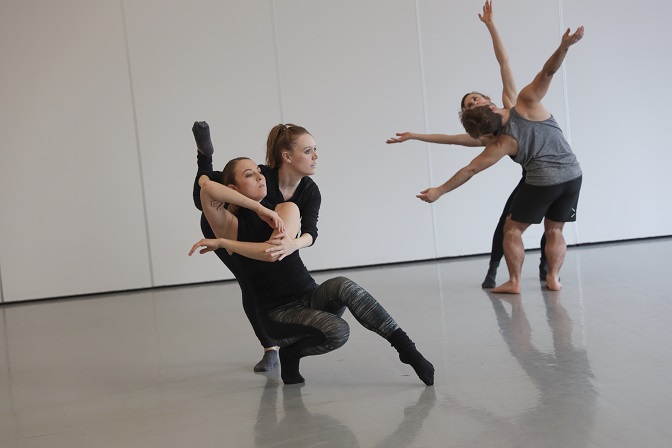
    Monday January 28th, 2019 – Photographer Travis Magee and I stopped in at the Ailey Studios today where Amanda Selwyn and her dancers were rehearsing their work-in-progress, CROSSROADS. Inspired by the art of Magritte and Escher, the premiere performances will be given June 20th thru 22nd, 2019, at New York Live Arts.

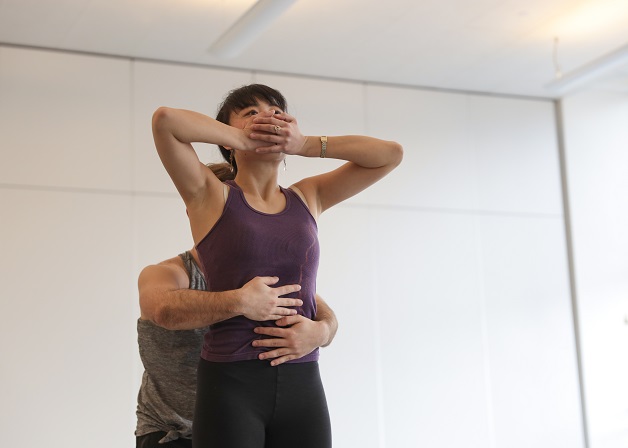
    In October, we had a first look at CROSSROADS when the Company held an open rehearsal. There, we watched the individual dancers creating movement phrases which are then taught to their colleagues, and later elaborated on or modified by the ensemble, to be finally woven into the overall fabric of the dancework. 

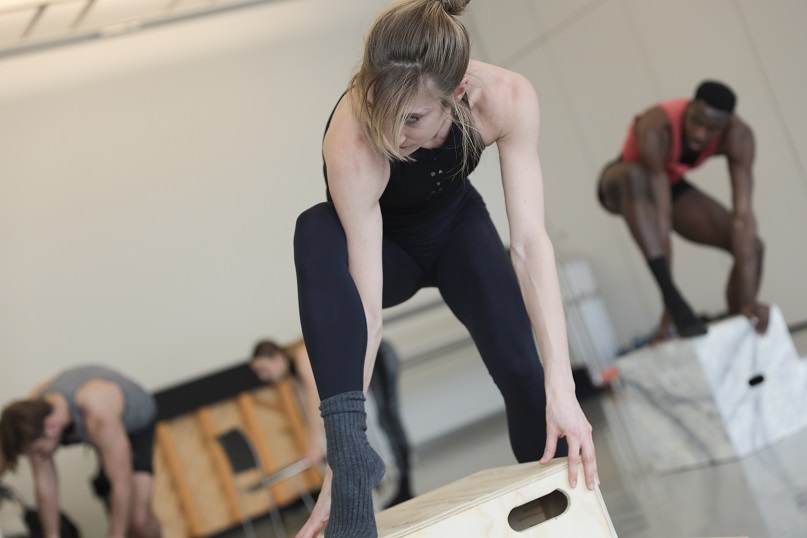
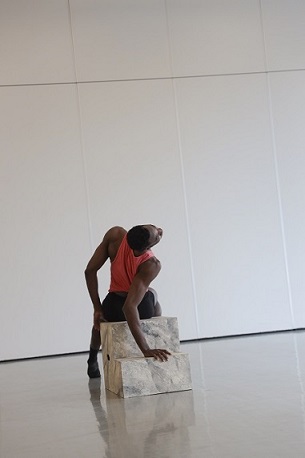
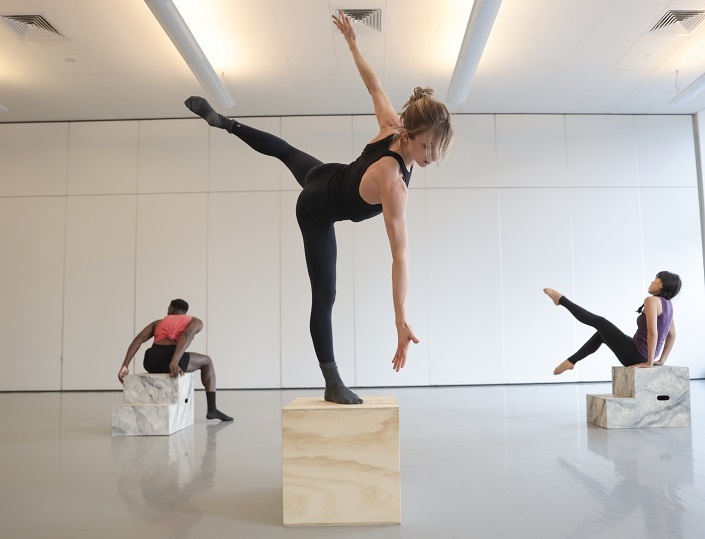
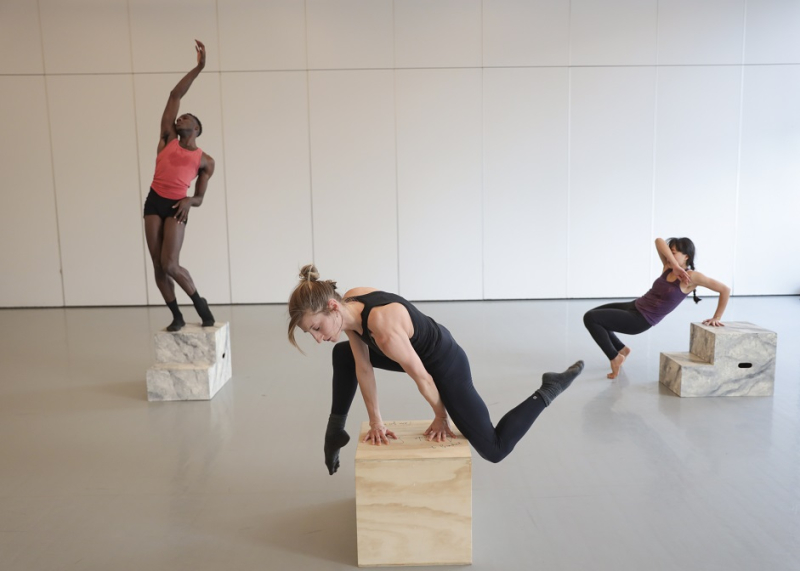
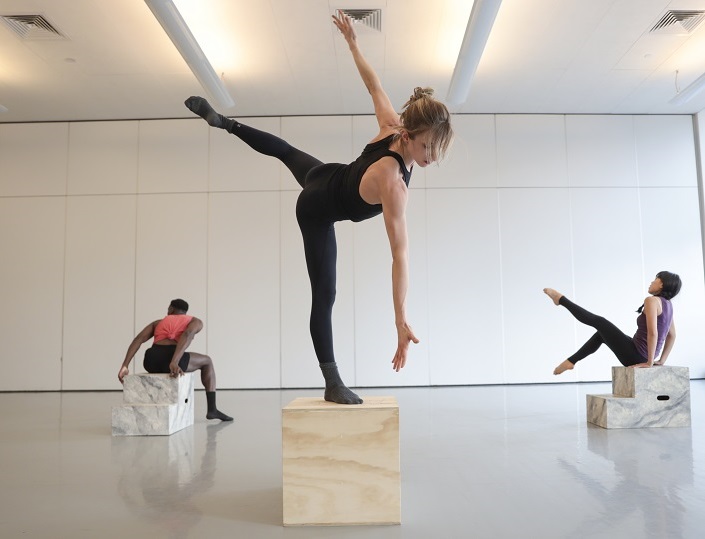
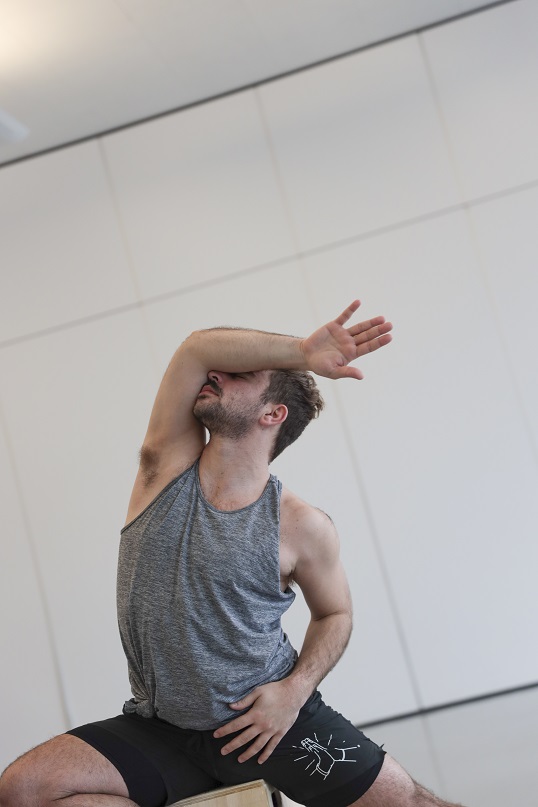
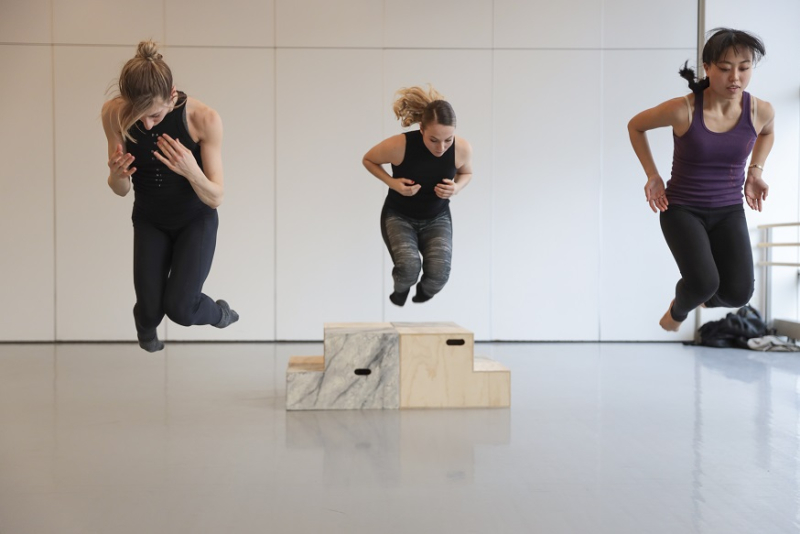
    This process continued today, and Amanda described to me the set pieces (doors, re-arrangeable boxes) that will become part of the staging. This afternoon, the stackable boxes were in play, with the dancers getting used to using them as seats, pedestals, and springboards for athletic feats. 

    The rehearsal atmosphere is relaxed, but with a strong focus on mastering the various movements that will become part of CROSSROADS.

    The dancers of Amanda Selwyn Dance Theatre are:

    0D9A2746

    Torrey McAnena…

    0D9A2476

    …Alex Cottone…

    0D9A2516

    …Sarah Starkweather…

    0D9A2477

    …Manon Hallay…

    0D9A2692

    …Fabricio Seraphin…

    0D9A2877

    …and Misaki Hayama. 

    And here are more of Travis Magee’s images from today’s rehearsal:

    0D9A2407

    0D9A2428

    Sarah Starkweather

    Fabricio

    Fabricio Seraphin

    0D9A2443

    Fabricio, Sarah, and Misaki

    0D9A2450

    Fabricio, Sarah, Misaki

    0D9A2537

    Fabricio

    0D9A2545

    Alex Cottone

    0D9A2658

    Alex and Misaki

    0D9A2709

    Alex and Misaki

    0D9A2736

    Torrey, with Alex and Sarah

    0D9A2751

    Torry McAnena

    0D9A2787

    Torrey, Manon, with Alex and Sarah

    0D9A2835

    Manon and Misaki

    0D9A2804

    Sarah, Manon, and Misaki

    All photos by Travis Magee

    ~ Oberon

  • At Amanda Selwyn’s Rehearsal

    0D9A2416

    Monday January 28th, 2019 – Photographer Travis Magee and I stopped in at the Ailey Studios today where Amanda Selwyn and her dancers were rehearsing their work-in-progress, CROSSROADS. Inspired by the art of Magritte and Escher, the premiere performances will be given June 20th thru 22nd, 2019, at New York Live Arts.

    In October, we had a first look at CROSSROADS when the Company held an open rehearsal. There, we watched the individual dancers creating movement phrases which are then taught to their colleagues, and later elaborated on or modified by the ensemble, to be finally woven into the overall fabric of the dancework. 

    This process continued today, and Amanda described to me the set pieces (doors, re-arrangeable boxes) that will become part of the staging. This afternoon, the stackable boxes were in play, with the dancers getting used to using them as seats, pedestals, and springboards for athletic feats. 

    The rehearsal atmosphere is relaxed, but with a strong focus on mastering the various movements that will become part of CROSSROADS.

    The dancers of Amanda Selwyn Dance Theatre are:

    0D9A2746

    Torrey McAnena…

    0D9A2476

    …Alex Cottone…

    0D9A2516

    …Sarah Starkweather…

    0D9A2477

    …Manon Hallay…

    0D9A2692

    …Fabricio Seraphin…

    0D9A2877

    …and Misaki Hayama. 

    And here are more of Travis Magee’s images from today’s rehearsal:

    0D9A2407

    0D9A2428

    Sarah Starkweather

    Fabricio

    Fabricio Seraphin

    0D9A2443

    Fabricio, Sarah, and Misaki

    0D9A2450

    Fabricio, Sarah, Misaki

    0D9A2537

    Fabricio

    0D9A2545

    Alex Cottone

    0D9A2658

    Alex and Misaki

    0D9A2709

    Alex and Misaki

    0D9A2736

    Torrey, with Alex and Sarah

    0D9A2751

    Torry McAnena

    0D9A2787

    Torrey, Manon, with Alex and Sarah

    0D9A2835

    Manon and Misaki

    0D9A2804

    Sarah, Manon, and Misaki

    All photos by Travis Magee

    ~ Oberon

  • Esteemed Ensemble @ Chamber Music Society

    51295376_23843411079570734_7199686573439320064_n.png

    Above: the artists of today’s esteemed ensemble – Wu Han, Daniel Hope, Paul Neubauer, and David Finckel – at Chamber Music Society of Lincoln Center

    ~ Author: Oberon

    Sunday January 27th, 2019 – Four great musicians joined forces this evening at Alice Tully Hall as Chamber Music Society of Lincoln Center continued their season with a program of works by Josef Suk, Johannes Brahms, and Antonín Dvořák.

    A-1120029-1275043084.jpeg

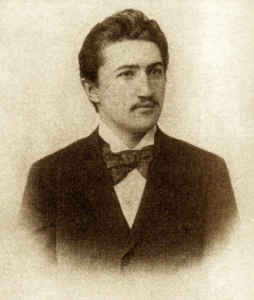
    Josef Suk (above), the least-known of the three composers, was a prominent violinist and Dvořák’s son-in-law. Suk’s Quartet in A minor, Op. 1, dates from 1891; it was his first published work.

    From its passionate start, with the strings playing a unison theme from which David Finckel’s cello and Daniel Hope’s violin emerge in prominent solo lines, this vivid music abounds in gorgeousness . Wu Han at the Steinway brings the tempo down a bit and a flow of melodies commences. Paul Neubauer’s viola heralds a brief drama – a tempest that soon subsides, though a subtle agitation lingers. Cellist David Finckel’s darkish timbre contrasts with the high silkiness of Mr. Hope’s violin. The strings united provide a rich texture that gives the impression of a full string orchestra in play, whilst Wu Han relishes Suk’s appealing writing for the piano. A passage of soul-filling passion brings the first movement to a glorious end.

    The extraordinary softness of Wu Han’s touch at the Steinway lures us into the central Adagio. Then a cello theme of great richness is brought forth by Mr. Finckel, taken up by Mr. Hope’s violin singing sweetly on high, echoed by the Neubauer viola. The strings have a beautifully blended passage: luminous playing from all. With the rippling piano and gleaming violin, a feeling of rapture rises up. The music stops, then the cello and piano lead us into a new dream. Violin and viola harmonize as the cello offers a plucked accompaniment. The Adagio – in which the magical essence of chamber music seems to be sublimely enshrined – reaches its heavenly end, fading into bliss.

    But there’s no time for reverie: Wu Han launches the concluding Allegro con fuoco at once, the strings offering sharp accents along the way. Later the pianist produces a high shimmer – a sparkling delicacy over which the strings harmonize. Things turn folkish, with a gypsy dance getting quite expansive before a lull of calm; then on to a grand finish. 

    This was my second hearing of Josef Suk’s Opus 1 and the second time it has had the same magical effect on my. Why is this composer’s music not heard more often?  

    Next on the program was Johannes Brahms’ Quartet No. 3, Op. 60 which was written in 1855-56 and revised in 1874. The period in which Brahms began sketching this work was a very difficult time, for his friend Robert Schumann had been confined in a mental hospital; Brahms was in a highly emotional state.

    The dramatic, sorrowing phrases that open the Allegro con fuoco attest to Brahms’s troubled spirit. But the music swirls forward on the wings of a piano theme; it becomes almost celebratory but then retreats to a doleful conclusion.

    The piano is the motivating force of the ensuing Scherzo; the music is agitated, almost angry. The Andante commences with a long cello solo, expressively played by Mr. Finckel. Mr. Hope then duets with the cello; Mr. Neubauer joins in an entwining string trio; the piano has a lovely part to play. A sense of longing builds.

    The concluding Allegro, which begins with a restless motif played by Wu han and Mr. Hope. Far from the traditional upbeat finale, this one by Brahms lingers in a serious, rather pensive mood, ending with an abrupt chord.

    After the interval, Dvořák’s Quartet in E-flat major, Op. 87 (1889) was splendidly played. This quartet has its folksong aspects, especially in the outer movements. The opening Allegro con fuoco is thematically abundant, with trade-offs among the string voices and lovely piano passages. After a big, thrilling buildup, the music simmers down; there’s a very effective tremolo motif exchanged by the violin and viola before the first movement comes to its finish.

    David Finckel opened the Lento with a poetic cello melody, which is carried onward by Mr. Hope’s violin. The piano has a lyrical part to play here – charmingly rendered by Wu Han – as the themes pass thru sublime modulations. A slow dance commences, with plucked strings, and the movement finds its resolution.

    The third movement, Allegro moderato, has the feel of a waltz. From its exciting start, the music presses forward with rustic elements: the piano takes on the aspect of a hammer dulcimer. Mssrs. Hope and Neubauer match subtleties, and the violist has a final say as the movement concludes.

    The zesty Finale is a real crowd-pleaser, and, when played as it was tonight, assures itself of a vociferous reaction from an appreciative audience.

    For all the excellence of the Brahms and Dvořák, it was the opening Suk that lingered in my mind.

    ~ Oberon

  • Esteemed Ensemble @ Chamber Music Society

    51295376_23843411079570734_7199686573439320064_n.png

    Above: the artists of today’s esteemed ensemble – Wu Han, Daniel Hope, Paul Neubauer, and David Finckel – at Chamber Music Society of Lincoln Center

    ~ Author: Oberon

    Sunday January 27th, 2019 – Four great musicians joined forces this evening at Alice Tully Hall as Chamber Music Society of Lincoln Center continued their season with a program of works by Josef Suk, Johannes Brahms, and Antonín Dvořák.

    A-1120029-1275043084.jpeg

    Josef Suk (above), the least-known of the three composers, was a prominent violinist and Dvořák’s son-in-law. Suk’s Quartet in A minor, Op. 1, dates from 1891; it was his first published work.

    From its passionate start, with the strings playing a unison theme from which David Finckel’s cello and Daniel Hope’s violin emerge in prominent solo lines, this vivid music abounds in gorgeousness . Wu Han at the Steinway brings the tempo down a bit and a flow of melodies commences. Paul Neubauer’s viola heralds a brief drama – a tempest that soon subsides, though a subtle agitation lingers. Cellist David Finckel’s darkish timbre contrasts with the high silkiness of Mr. Hope’s violin. The strings united provide a rich texture that gives the impression of a full string orchestra in play, whilst Wu Han relishes Suk’s appealing writing for the piano. A passage of soul-filling passion brings the first movement to a glorious end.

    The extraordinary softness of Wu Han’s touch at the Steinway lures us into the central Adagio. Then a cello theme of great richness is brought forth by Mr. Finckel, taken up by Mr. Hope’s violin singing sweetly on high, echoed by the Neubauer viola. The strings have a beautifully blended passage: luminous playing from all. With the rippling piano and gleaming violin, a feeling of rapture rises up. The music stops, then the cello and piano lead us into a new dream. Violin and viola harmonize as the cello offers a plucked accompaniment. The Adagio – in which the magical essence of chamber music seems to be sublimely enshrined – reaches its heavenly end, fading into bliss.

    But there’s no time for reverie: Wu Han launches the concluding Allegro con fuoco at once, the strings offering sharp accents along the way. Later the pianist produces a high shimmer – a sparkling delicacy over which the strings harmonize. Things turn folkish, with a gypsy dance getting quite expansive before a lull of calm; then on to a grand finish. 

    This was my second hearing of Josef Suk’s Opus 1 and the second time it has had the same magical effect on my. Why is this composer’s music not heard more often?  

    Next on the program was Johannes Brahms’ Quartet No. 3, Op. 60 which was written in 1855-56 and revised in 1874. The period in which Brahms began sketching this work was a very difficult time, for his friend Robert Schumann had been confined in a mental hospital; Brahms was in a highly emotional state.

    The dramatic, sorrowing phrases that open the Allegro con fuoco attest to Brahms’s troubled spirit. But the music swirls forward on the wings of a piano theme; it becomes almost celebratory but then retreats to a doleful conclusion.

    The piano is the motivating force of the ensuing Scherzo; the music is agitated, almost angry. The Andante commences with a long cello solo, expressively played by Mr. Finckel. Mr. Hope then duets with the cello; Mr. Neubauer joins in an entwining string trio; the piano has a lovely part to play. A sense of longing builds.

    The concluding Allegro, which begins with a restless motif played by Wu han and Mr. Hope. Far from the traditional upbeat finale, this one by Brahms lingers in a serious, rather pensive mood, ending with an abrupt chord.

    After the interval, Dvořák’s Quartet in E-flat major, Op. 87 (1889) was splendidly played. This quartet has its folksong aspects, especially in the outer movements. The opening Allegro con fuoco is thematically abundant, with trade-offs among the string voices and lovely piano passages. After a big, thrilling buildup, the music simmers down; there’s a very effective tremolo motif exchanged by the violin and viola before the first movement comes to its finish.

    David Finckel opened the Lento with a poetic cello melody, which is carried onward by Mr. Hope’s violin. The piano has a lyrical part to play here – charmingly rendered by Wu Han – as the themes pass thru sublime modulations. A slow dance commences, with plucked strings, and the movement finds its resolution.

    The third movement, Allegro moderato, has the feel of a waltz. From its exciting start, the music presses forward with rustic elements: the piano takes on the aspect of a hammer dulcimer. Mssrs. Hope and Neubauer match subtleties, and the violist has a final say as the movement concludes.

    The zesty Finale is a real crowd-pleaser, and, when played as it was tonight, assures itself of a vociferous reaction from an appreciative audience.

    For all the excellence of the Brahms and Dvořák, it was the opening Suk that lingered in my mind.

    ~ Oberon

  • Lydia Johnson Dance ~ Retrospective – Part IV

    12814347_10153470036923526_6316221232388951043_n

    Above: dancers Blake Hennessy-York and Sarah Pon after a rehearsal

    The 2016 season marked a transitional period for Lydia Johnson Dance: the roster of the Company was evolving. Their annual New York City performances took place in March rather than June.

    1557492_10153524522403526_5171198097577764693_n

    The program featured repeats NIGHT OF THE FLYING HORSES (above: Laura Di Orio and Brynt Beitman)…

    12919846_10153544176833526_1349054394289731279_n

    …and GIVING WAY (with guest artist Riccardo Battaglia and Blake Hennessy-York), plus a new jazz piece, HINDSIGHT, which quickly disappeared from the repertoire. Performance photos from the 2016 performance by Nir Arieli.

    But the sad news was that the 2016 season marked the last performances with the Company of Sarah Pon and Blake Hennessy-York, who had decided to move to California. In their seasons with Lydia Johnson Dance, they made their mark in every ballet they danced in, and for their farewell they encored their outstanding performance in WHAT COUNTS.

    12795446_10153465792028526_1062266244066689420_n

    Above: Blake and Sarah, rehearsing

    13466415_10153719315028526_8461955679054400303_n

    The great outdoors: Brynt Beitman and Laura Di Orio in a pas de deux from NIGHT OF THE FLYING HORSES.

    As rehearsals for 2017 began, the Company roster was much changed from when I first connected with Lydia Johnson Dance. But some surprises were in store:

    14962741_10209103893208493_969022386819372478_n

    Lisa Iannacito McBride (in black, rehearsing with Laura Di Orio and Katie Lohiya, above ) returned as a guest artist to dance the role she had created in CROSSINGS BY RIVER…

    304693_10151080994803526_1597229455_n

    …and, incredibly, Blake and Sarah came in from the West Coast to dance the roles made on them in GIVING WAY.

    This was an especially happy time to be part of the extended LJD family, and privy to rehearsals:

    14910487_10209103950009913_2521372843909942851_n

    It was simply great to have Lisa back in the studio…

    13413575_10207863587761632_4515039308130984208_n

    …and Chris Bloom, on a break from Ballet Hispanico, popped in…

    13445820_10207863589441674_4606341104290949215_n

    …to dance with Katie Lohiya.

    13428441_10207863588281645_2737574780800113738_n

    The partnership of Chazz Fenner-McBride and Min Kim developed in leaps and bounds…

    12813995_10153470036548526_39574393432111450_n

    …and they are always in good spirits during rehearsal.

    14333563_10153940627643526_3763133290813763056_n

    Min Kim and Laura DiOrio in company class…

    14953887_10209107714824031_8927625525154349393_n

    …and Laura rehearsing with Dona Wiley, who was just joining the Company.

    The performances in June 2017 were given at New York Live Arts in Chelsea. The program was especially strong, with two new ballets: TRIO SONATAS, set to Handel, and This, and my heart beside… one of Lydia’s most personal works, to music by Philip Glass. The all-female CROSSINGS BY RIVER made a welcome return to the repertoire, and a repeat of the previous season’s GIVING WAY was handsomely danced.

    Photos from the 2017 season by Nir Arieli:

    6a00d8341c4e3853ef01bb09a7efef970d-800wi

    CROSSINGS BY RIVER: Min Kim, Lisa Iannacito McBride, Dona Wiley, Laura Di Orio, Katie Lohiya

    6a00d8341c4e3853ef01bb09a7f02e970d-800wi

    CROSSINGS BY RIVER: Katie Lohiya, Laura Di Orio, Lisa Iannacito McBride

    6a00d8341c4e3853ef01b8d28f16d7970c-800wi

    GIVING WAY: Brynt Beitman and Blake Hennessy-York

    6a00d8341c4e3853ef01b7c904cd87970b-800wi

    GIVING WAY: Laura Di Orio and Brynt Beitman

    6a00d8341c4e3853ef01b7c904d207970b-800wi

    TRIO SONATAS: Danny Pigliavento and Katie Lohiya

    6a00d8341c4e3853ef01b7c904d048970b-800wi

    TRIO SONATAS: Chazz Fenner-McBride and Min Kim

    6a00d8341c4e3853ef01b7c904d634970b-800wi

    This, and my heart beside…: Sara Spangler and Katie Lohiya. Sara, a young dancer from Lydia Johnson’s school, made a lovely impression in this ballet

    6a00d8341c4e3853ef01bb09a7f8b9970d-800wi

    This, and my heart beside…: guest artists Mary Beth Hansohn and Peter Chursin were spellbinding

    6a00d8341c4e3853ef01bb09a7f908970d-800wi

    This, and my heart beside…: Danny Pigliavento and Katie Lohiya. Their partnership has a poignant lyricism.

    Among the many photos from the rehearsal period for the 2017 season, this is a particular favorite of mine, though it’s not in the studio:

    13432369_10153714386528526_2192772087061383777_n

    LJD Women: Min Kim, Lisa Iannacito McBride, Laura Di Orio, and Katie Lohiya

    ~ Oberon

  • Lydia Johnson Dance ~ Retrospective – Part IV

    12814347_10153470036923526_6316221232388951043_n

    Above: dancers Blake Hennessy-York and Sarah Pon after a rehearsal

    The 2016 season marked a transitional period for Lydia Johnson Dance: the roster of the Company was evolving. Their annual New York City performances took place in March rather than June.

    1557492_10153524522403526_5171198097577764693_n

    The program featured repeats NIGHT OF THE FLYING HORSES (above: Laura Di Orio and Brynt Beitman)…

    12919846_10153544176833526_1349054394289731279_n

    …and GIVING WAY (with guest artist Riccardo Battaglia and Blake Hennessy-York), plus a new jazz piece, HINDSIGHT, which quickly disappeared from the repertoire. Performance photos from the 2016 performance by Nir Arieli.

    But the sad news was that the 2016 season marked the last performances with the Company of Sarah Pon and Blake Hennessy-York, who had decided to move to California. In their seasons with Lydia Johnson Dance, they made their mark in every ballet they danced in, and for their farewell they encored their outstanding performance in WHAT COUNTS.

    12795446_10153465792028526_1062266244066689420_n

    Above: Blake and Sarah, rehearsing

    13466415_10153719315028526_8461955679054400303_n

    The great outdoors: Brynt Beitman and Laura Di Orio in a pas de deux from NIGHT OF THE FLYING HORSES.

    As rehearsals for 2017 began, the Company roster was much changed from when I first connected with Lydia Johnson Dance. But some surprises were in store:

    14962741_10209103893208493_969022386819372478_n

    Lisa Iannacito McBride (in black, rehearsing with Laura Di Orio and Katie Lohiya, above ) returned as a guest artist to dance the role she had created in CROSSINGS BY RIVER…

    304693_10151080994803526_1597229455_n

    …and, incredibly, Blake and Sarah came in from the West Coast to dance the roles made on them in GIVING WAY.

    This was an especially happy time to be part of the extended LJD family, and privy to rehearsals:

    14910487_10209103950009913_2521372843909942851_n

    It was simply great to have Lisa back in the studio…

    13413575_10207863587761632_4515039308130984208_n

    …and Chris Bloom, on a break from Ballet Hispanico, popped in…

    13445820_10207863589441674_4606341104290949215_n

    …to dance with Katie Lohiya.

    13428441_10207863588281645_2737574780800113738_n

    The partnership of Chazz Fenner-McBride and Min Kim developed in leaps and bounds…

    12813995_10153470036548526_39574393432111450_n

    …and they are always in good spirits during rehearsal.

    14333563_10153940627643526_3763133290813763056_n

    Min Kim and Laura DiOrio in company class…

    14953887_10209107714824031_8927625525154349393_n

    …and Laura rehearsing with Dona Wiley, who was just joining the Company.

    The performances in June 2017 were given at New York Live Arts in Chelsea. The program was especially strong, with two new ballets: TRIO SONATAS, set to Handel, and This, and my heart beside… one of Lydia’s most personal works, to music by Philip Glass. The all-female CROSSINGS BY RIVER made a welcome return to the repertoire, and a repeat of the previous season’s GIVING WAY was handsomely danced.

    Photos from the 2017 season by Nir Arieli:

    6a00d8341c4e3853ef01bb09a7efef970d-800wi

    CROSSINGS BY RIVER: Min Kim, Lisa Iannacito McBride, Dona Wiley, Laura Di Orio, Katie Lohiya

    6a00d8341c4e3853ef01bb09a7f02e970d-800wi

    CROSSINGS BY RIVER: Katie Lohiya, Laura Di Orio, Lisa Iannacito McBride

    6a00d8341c4e3853ef01b8d28f16d7970c-800wi

    GIVING WAY: Brynt Beitman and Blake Hennessy-York

    6a00d8341c4e3853ef01b7c904cd87970b-800wi

    GIVING WAY: Laura Di Orio and Brynt Beitman

    6a00d8341c4e3853ef01b7c904d207970b-800wi

    TRIO SONATAS: Danny Pigliavento and Katie Lohiya

    6a00d8341c4e3853ef01b7c904d048970b-800wi

    TRIO SONATAS: Chazz Fenner-McBride and Min Kim

    6a00d8341c4e3853ef01b7c904d634970b-800wi

    This, and my heart beside…: Sara Spangler and Katie Lohiya. Sara, a young dancer from Lydia Johnson’s school, made a lovely impression in this ballet

    6a00d8341c4e3853ef01bb09a7f8b9970d-800wi

    This, and my heart beside…: guest artists Mary Beth Hansohn and Peter Chursin were spellbinding

    6a00d8341c4e3853ef01bb09a7f908970d-800wi

    This, and my heart beside…: Danny Pigliavento and Katie Lohiya. Their partnership has a poignant lyricism.

    Among the many photos from the rehearsal period for the 2017 season, this is a particular favorite of mine, though it’s not in the studio:

    13432369_10153714386528526_2192772087061383777_n

    LJD Women: Min Kim, Lisa Iannacito McBride, Laura Di Orio, and Katie Lohiya

    ~ Oberon

  • Lydia Johnson Dance ~ Retrospective

    73230_1552248160159_5128356_n

    Above: the studio at Battery Dance where Lydia Johnson Dance rehearsed during the first years of our association; photo by Kokyat

    It was on a March evening in 2009 that I first encountered the choreography of Lydia Johnson; a press invitation sent to me by publicist Audrey Ross had piqued my curiosity enough to prompt me to go – with my fellow blogger Evan Namerow – to a studio showing by Lydia Johnson Dance.

    What I discovered that night was choreography that successfully melded elements of classical ballet and contemporary dance, that had a keen connection to the music, and that – rarest of all – had an emotional resonance that I had found in only a handful of works by current choreographers of the day.

    Tucker Jessica Lemberger 2009

    Above: Tucker Ty Davis and Jessica Sand; photo by Julie Lemberger. Tucker and Jessica were among the dancers who appeared in that first-encounter studio event

    I can’t remember now the sequence of correspondence between Lydia and myself that led to my being invited, along with my photographer/friend Kokyat, to a rehearsal of Lydia’s company down at the Battery Dance studios. At that time, Kokyat was a dance photographer in the making; he became a master over time. In the ensuing months, he and I spent many hours in that studio – so steeped in the very essence of dance – and we became friends with all the dancers…and with Lydia herself. 

    Here are some of Kokyat’s photos from those happy days at Battery Dance:

    Eric Jessica Kokyat 2009

    Eric Vlach, Jessica Sand

    Lisa Jesse Kokyat 2009

    Lisa Iannacito and Jesse Marks

    Jessica Kokyat 2009

    Jessica Sand

    6a00d8341c4e3853ef0133ecd6ec07970b-800wi

    Robert Robinson, Jessica Sand

    6a00d8341c4e3853ef0147e1b60ffe970b-800wi

    Jessica Sand

    6a00d8341c4e3853ef0148c7bf390a970c-800wi

    Lisa Iannacito

    6a00d8341c4e3853ef0162fda213af970d-800wi

    Laura Di Orio

    6a00d8341c4e3853ef0120a64d52f2970b

    Kerry Shea

    6a00d8341c4e3853ef014e88a83cc7970d-800wi

    Sean Patrick Mahoney, a guest artist from the Paul Taylor Dance Company, with Jessica Sand

    6a00d8341c4e3853ef0147e4276da9970b-800wi

    Sarah Pon and Blake Hennessy-York, a young married couple who joined Lydia Johnson Dance and made it their artistic home

    6a00d8341c4e3853ef01538eb4b773970b-800wi

    Guest artist Sean Patrick Mahoney

    6a00d8341c4e3853ef01676158447c970b-800wi

    Guest artist Max van der Sterre with Kerry Shea

    72759_1552247120133_3137225_n

    An early rehearsal of SUMMER HOUSE

    6a00d8341c4e3853ef016300629303970d

    Laura Di Orio, Kaitlin Accetta

    6a00d8341c4e3853ef01543283c6af970c-800wi

    Blake Hennessy-York and the ensemble

    6a00d8341c4e3853ef015438240b35970c-800wi

    A rehearsal of CROSSINGS BY RIVER

    6a00d8341c4e3853ef0168e6597cd9970c-800wi

    Guest artist Max van der Sterre

    Robert Robinson's bday Kokyat 2010

    Celebrating dancer Robert Robinson’s birthday

    Lydia Kokyat 2009

    Lydia Johnson

    Now for some of Kokyat’s onstage images of the Lydia Johnson Dance in works we saw in the first two or three seasons of our affiliation:

    6a00d8341c4e3853ef01538f4a9494970b-800wi

    UNTITLED BACH (Shannon Maynor, Eric Vlach)

    6a00d8341c4e3853ef0154331d97d4970c-800wi

    SUMMER HOUSE (Laura Di Orio, Robert Robinson)

    6a00d8341c4e3853ef01538f4a9c8e970b-800wi

    Dancer Justin Lynch

    DREAM SEQUENCE Jesse Kokyat 2010

    DREAM SEQUENCE (Jesse Marks, center)

    DUSK Kokyat 2009

    DUSK

    END OF THE MOVIE Erica Schweer Laurs Kokyat 2010

    END OF THE MOVIE (Erica Schweer, Laura Di Orio)

    Eric Jessica DUSK Kokyat 2009

    DUSK (Eric Vlach, Jessica Sand)

    James Laura UNTITLED BACH 2010

    UNTITLED BACH (James Hernandez, Laura Di Orio)

    Jessica IN CONVERSATION Kokyat 2010

    IN CONVERSATION (Jessica Sand)

    Robert Jesse UNTITLED BACH 2010

    UNTITLED BACH (Robert Robinson, Jesse Marks)

    LAMENT Kokyat 2009

    LAMENT

    Dream

    DREAM SEQUENCE (Eric Vlach, Jessica Sand, James Hernandez, Laura Barbee).

    J-M Kerry IN COMVERSATION Kokyat 2010

    IN CONVERSATION (John-Mark Owen, Kerry Shea)

    And some studio shots from Oberon:

    69055_1553260665471_8178068_n

    Robert Robinson, Jessica Sand

    292565_3500004772857_625378975_n

    SUMMER HOUSE rehearsal: Lisa and Jessica

    67745_1552247600145_8139061_n

    SUMMER HOUSE rehearsal: Robert, Laura

    394206_3930916585383_1515812787_n

    Lauren Perry

    381042_3930918785438_470944862_n

    Laura Di Orio

    By now, the dancers were used to having Kokyat and I breathing down their necks, so to speak…so much so, that Kokyat was permitted to photograph the Company’s 2011 performance in New York City from backstage. 

    This first installment covers roughly 2009-2011, with a couple of 2012 images thrown in. I’ll continue this retrospective in a few days – picking up where I left off – when I have had time to gather photos for a second gallery.

    ~ Oberon

  • Joshua Bell|NY String Orchestra

    JoshuaBell-696x329

    Above: Joshua Bell

    ~ Author: Oberon

    Friday December 28th, 2018 – Holding forth at Carnegie Hall over the holidays, the New York String Orchestra presented a Christmas Eve concert (which Ben Weaver wrote about here) and then followed up with this evening’s program which brought us Joshua Bell as soloist for the Brahms Violin Concerto, book-ended by George Walker’s Lyric and Tchaikovsky’s Pathétique Symphony.

    George Walker‘s Lyric for Strings opened the program. From its very soft opening, this music was drawing us in and clearing our minds of the worries and woes that abound in these troubled times. Guest conductor Karina Canellakis and the young musicians savoured the rich themes, the Romantic Era yet still contemporary-sounding harmonies, the beautiful layering of arching violins and darkish basses. The music quietens, then a new melodic journey commences. After some thoughtful hesitations, the work finds a gentle ending: we are in a tranquil place. 

    Joshua Bell gave a knockout performance of the Brahms Violin Concerto in D-Major, Op. 77. The concerto’s first movement (Allegro non troppo) is especially rich in themes; following a unison opening passage, the music becomes quite grand. An excellent contingent of wind players joined the ensemble. Joshua Bell’s intense playing – and his feel for the dramatic – found a counterpoise in the ravishing sheen of his highest range, his pinpoint dynamic control, and his pliantly persuasive phrasing.
     
    A recurring theme, which make us think of springtime, found the violinist at his most lyrical, while in the demanding cadenza, Mr. Bell’s masterful dispatching of flurries of notes covering a vast range reached its end with a shimmering trill. The movement’s final measures were sublime.
     
    The winds set the mood of the Adagio. A marvelous oboe solo and – later – an impressive passage of bassoon playing – fell sweetly on the ear. Mr. Bell’s silken sounds in the upper register cast a spell over the hall, his exquisite control giving me chills of delight. In his mixture of passion and refinement, the music seemed so alive. Without pause, Maestro Jaime Laredo took us directly into the final movement; here, in the familiar theme, the rhythmic vitality of the orchestra and Mr. Bell’s bravura playing combined to winning effect.
     
    A full-house standing ovation greeted Joshua Bell’s stunning performance; hopes for an encore had the audience calling him back for repeated bows. But perhaps he felt that nothing really could follow the Brahms, especially after such a thrilling rendition.
     
    Following the interval, several alumni of the New York String Orchestra joined the current ensemble for a tonally lush rendering of Tchaikovsky’s Symphony No. 6, Pathétique. Among these alumni were several of today’s finest artists – people like violinist Pamela Frank, violist Steven Tennenbom, cellists Peter Wiley and Nicholas Canellakis, bass player Timothy Cobb, and clarinetist Anthony McGill. These musicians did not take over the principal chairs from the current players, but simply joined the ranks of the orchestra, seated interspersed among their young colleagues. I can only imagine how inspiring it must be for these emerging musicians to be playing alongside David Kim or Kurt Muroki.

    Maestro Laredo crafted a rich-hued, passionate performance, and the musicians played their hearts out. As the symphony unfolded – really impressively played – I found the first two movements to be magnificent in every regard. The Allegro molto vivace – which Tchaikovsky seems to have referred to as a ‘scherzo‘ and which one writer described as “a waltz with a limp” – seemed to go on too long. And as affecting as the final Adagio lamentoso is, there are themes in SWAN LAKE, SLEEPING BEAUTY and the Serenade for Strings that I find far more moving.

    Over time, people have sometimes felt that the Adagio lamentoso, with its faltering heartbeat at the end, presages the composer’s death. Within nine days after conducting the first performance of his the epic Sixth, Tchaikovsky would in fact be dead. There are various theories about the cause of the composer’s sudden demise: cholera from drinking tainted water, suicide induced by depression, or a sentence of death imposed on him by a ‘Court of Honor’ when his affair/infatuation with a young nobleman, Prince Vladimir Argutinsky (whose father was a high-placed official in the tsar’s court) came to light. In this third scenario, Tchaikovsky took poison after the Court’s verdict was handed down.

    Tchaikovsky & argutinsky
     
    Above: Tchaikovsky with Prince Vladimir Argutinsky
     
    Applause between movements somewhat spoiled the atmosphere tonight, even though after the Allegro non troppo of the Brahms it was understandable that the full house wanted to to applaud Mr. Bell. But premature applause at the end of the Tchaikovsky was a more serious mood breaker.
     
    ~ Oberon
  • Catherine Gallant’s THE SECRET

    6a00d8341c4e3853ef01b7c86c90a3970b

    Above: The Secret in rehearsal; the dancers are Janete Gondim and Eleanor Bunker

    Catherine Gallant’s The Secret, one of my favorite danceworks experienced in recent seasons, may be seen on Vimeo here.

    Seeing The Secret in 2016 prompted this response from me:

    “The evening could not have a had a more propitious start than Ms. Gallant’s The Secret; like white-clad angels, the two dancers – Janete Gondim and Eleanor Bunker – continually conveyed the sense of wonder which permeates this dancework like a delicious fragrance.

    With Ygor Shetsov at the piano, playing the Scriabin Poeme in F-sharp major, the two dancers moved about the space with a sort of quiet urgency, pausing to marvel at the treasure they had found, and which they were holding in the palms of their hands. The choreography flows gorgeously on the music: simple moves which take on a poetic resonance in the personalities of the two women; Janete and Eleanor were captivating to watch, and The Secret joins a short list of danceworks I’ve encountered in the past 20 years that ideally meld music, mood, and movement, leaving a lasting impression.”
    ~ Oberon