Category: Dance

  • TAKE Dance @ WestFest/Rehearsal

    Copy of 5

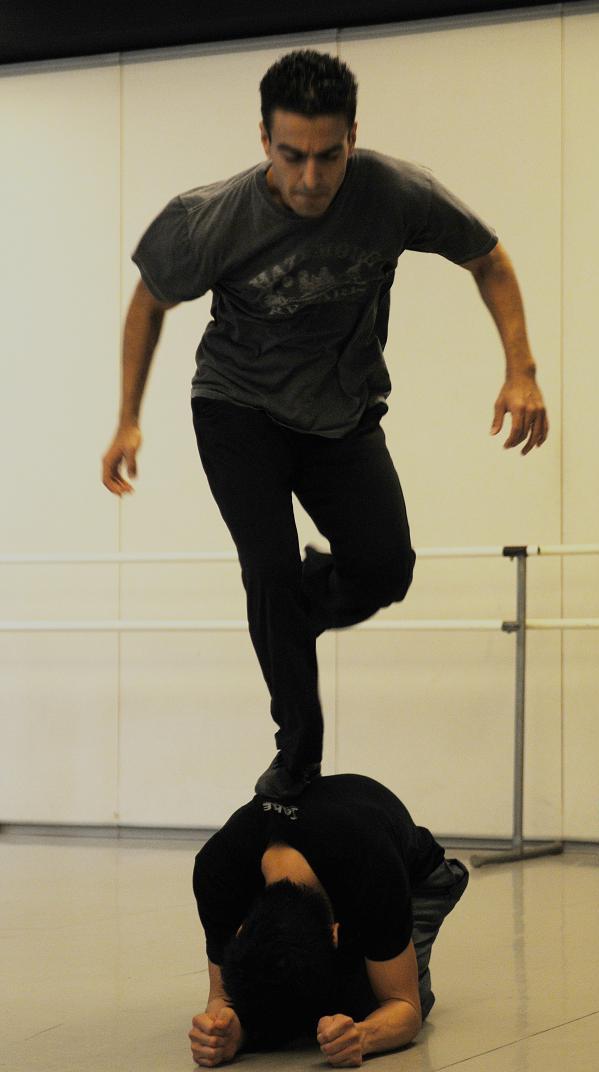
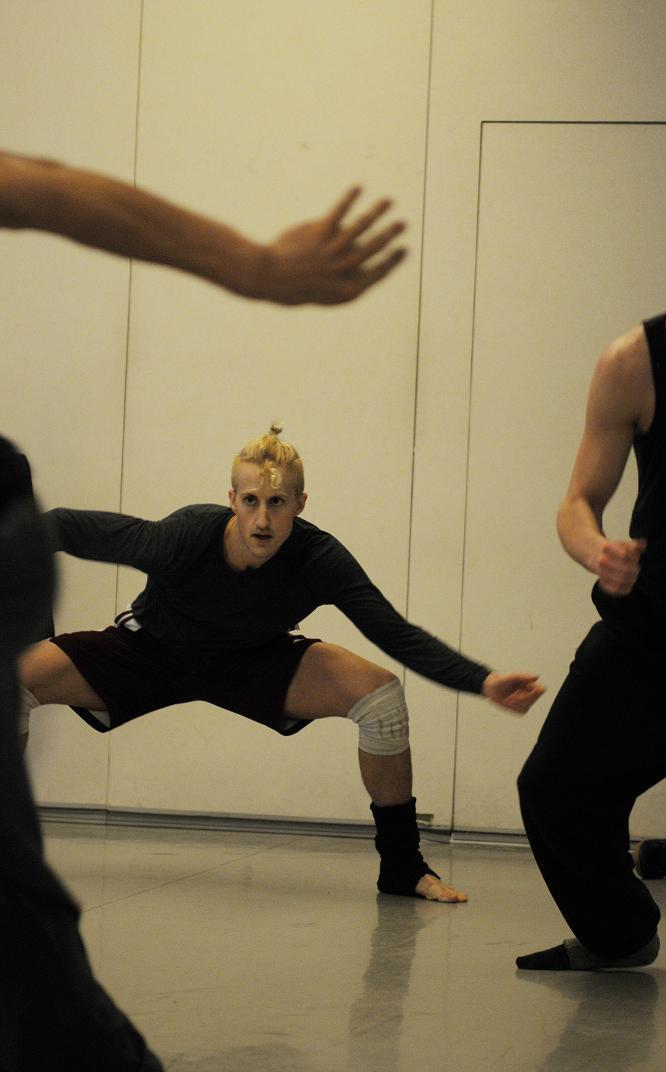
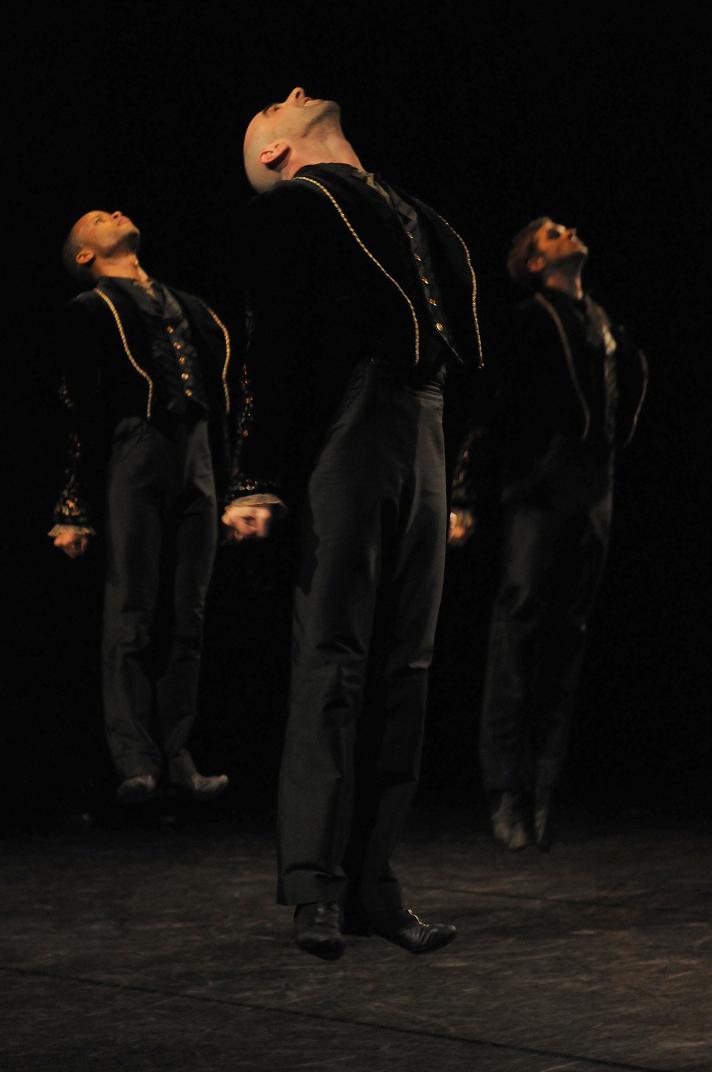
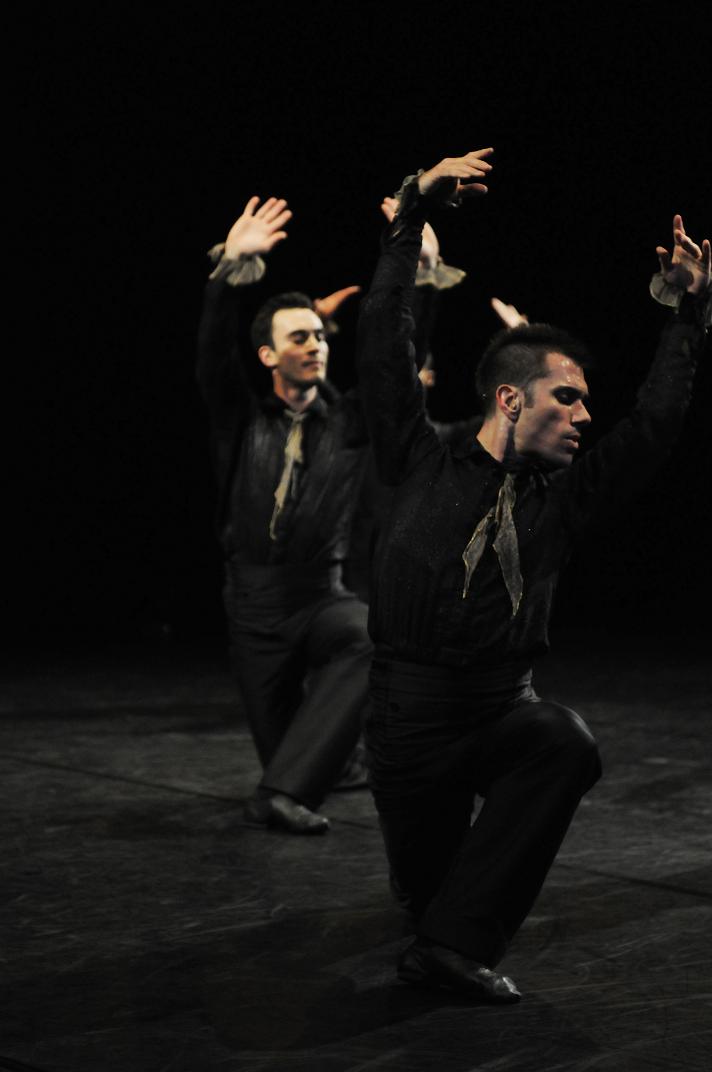
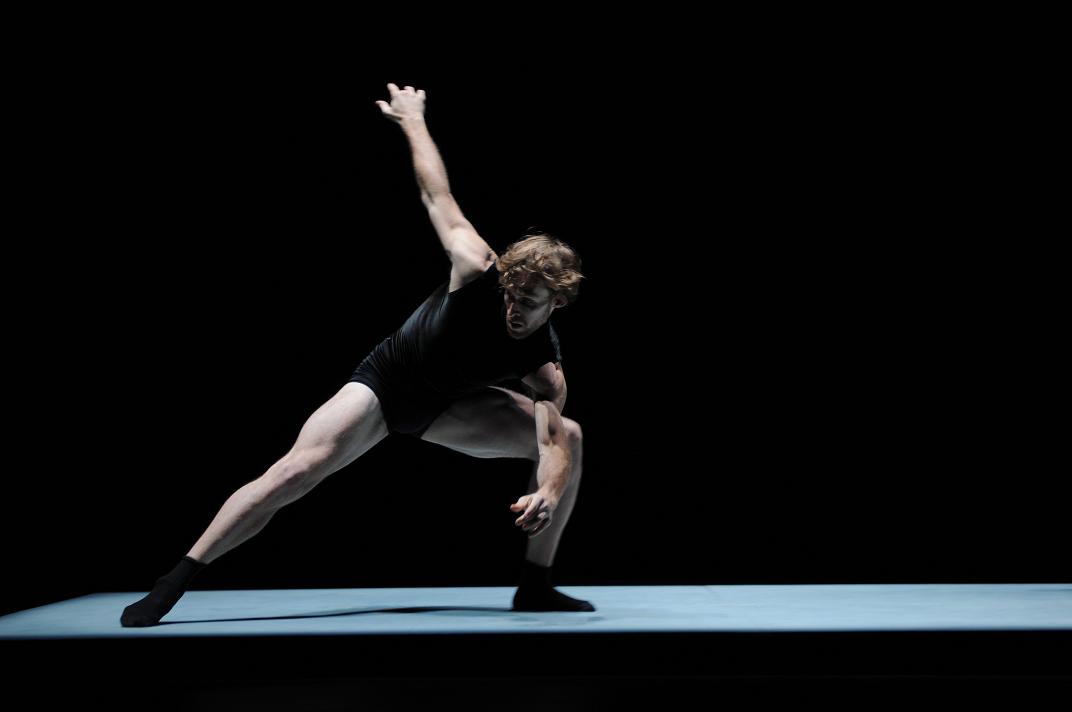
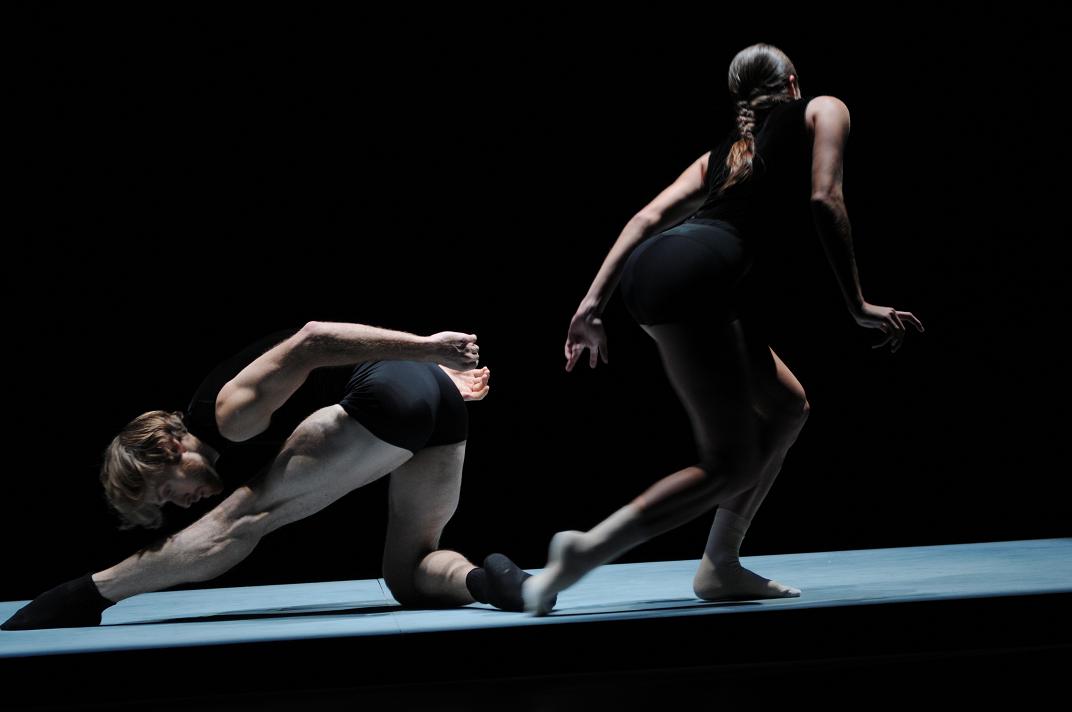
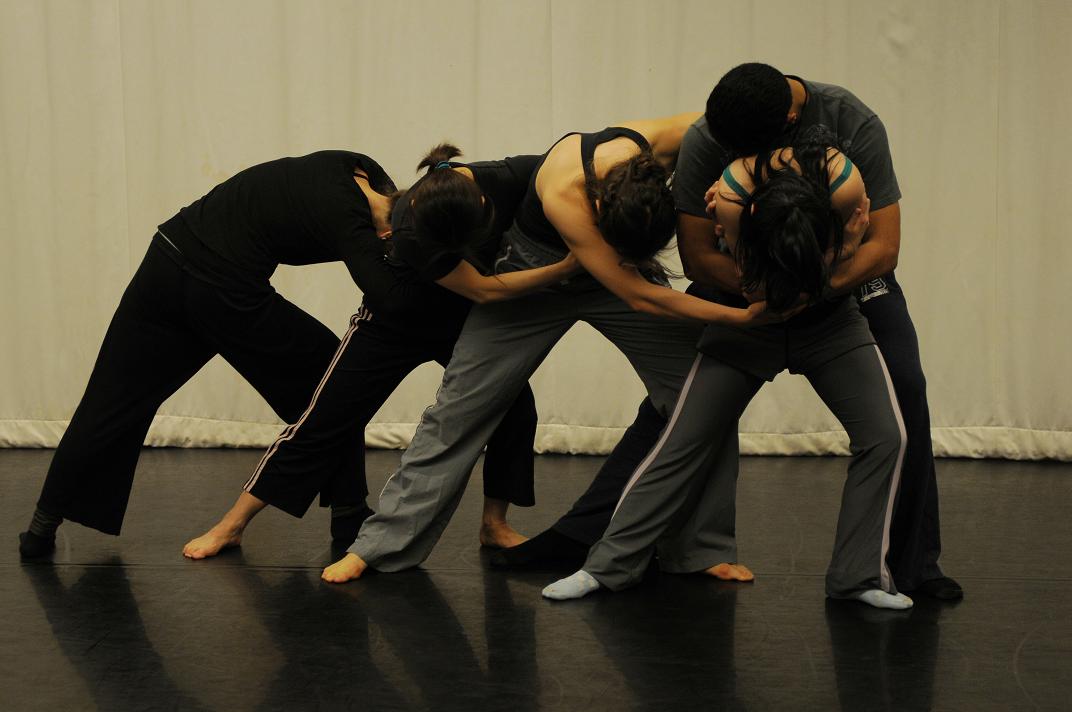
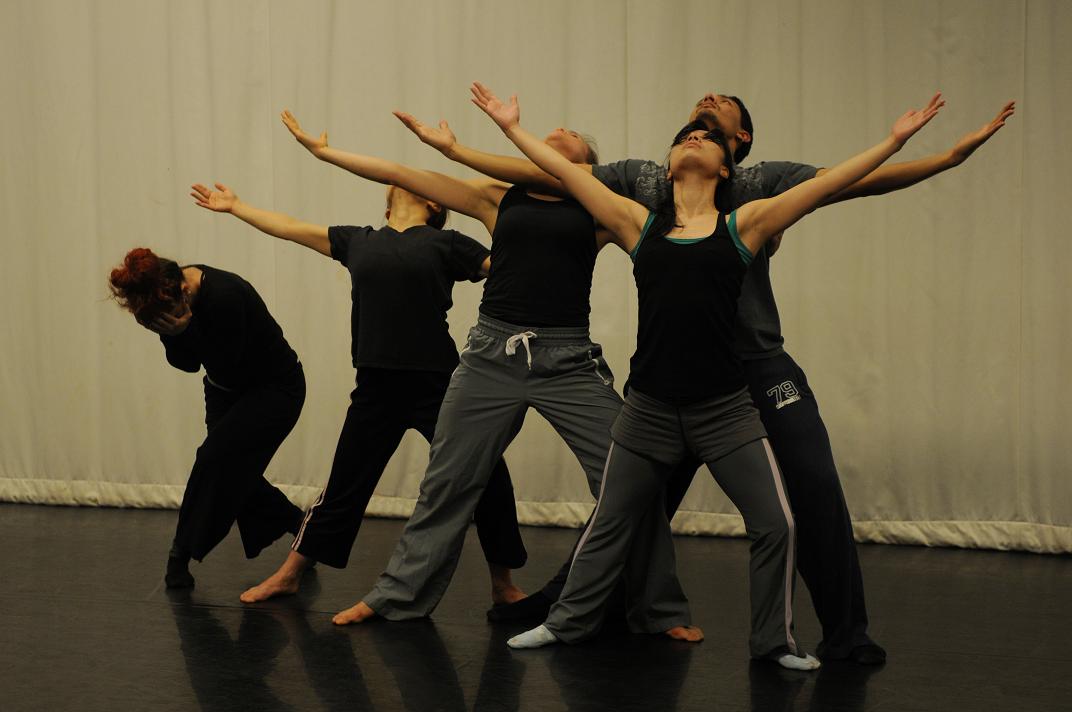
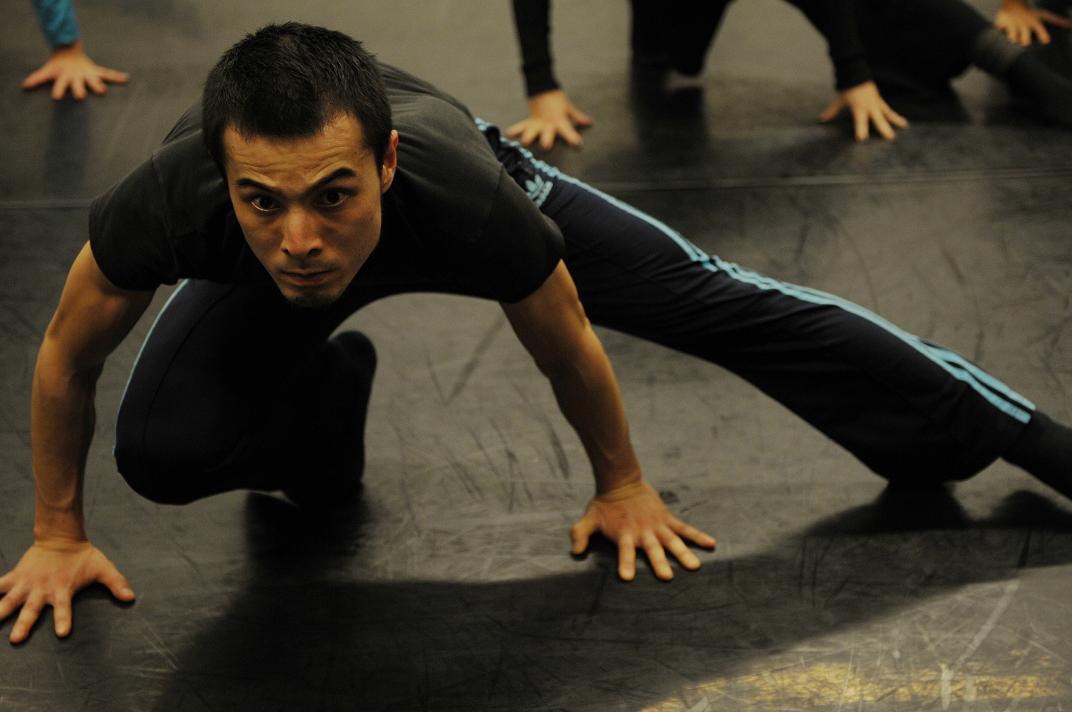
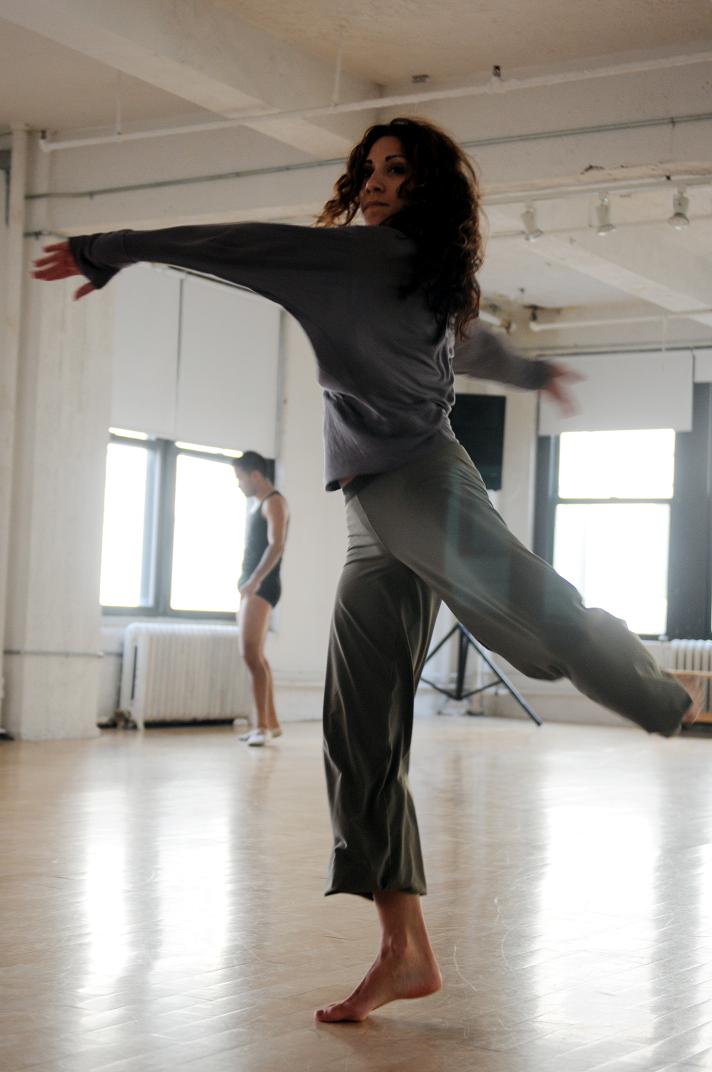
    On December 10th, the men of TAKE Dance will perform the dazzling quartet from Takehiro Ueyama’s SALARYMAN at WestFest as part of the four-night celebration of dance at the Cunningham Studio at Westbeth, 55 Bethune Street in Manhattan.

    SALARYMAN premiered in May 2011 and was received with great enthusiasm; another opportunity to see the complete work arises this Winter when TAKE Dance appear at Baruch Performing Arts Center, February 8th – 12th, 2012. Details to follow.

    Copy of 6

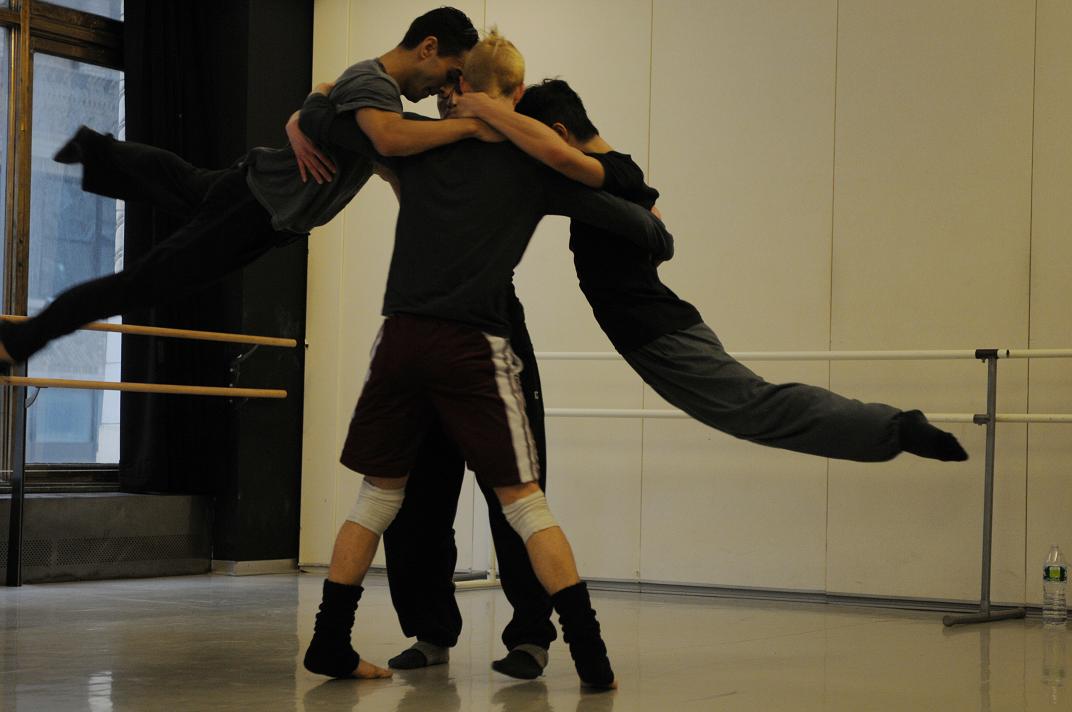
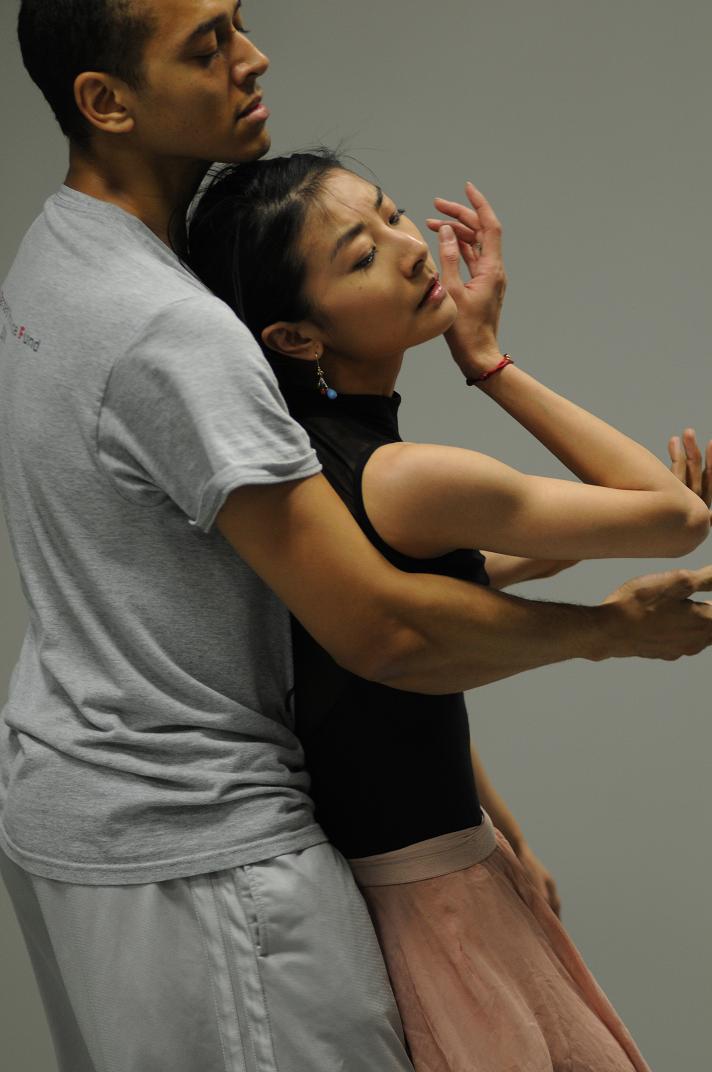
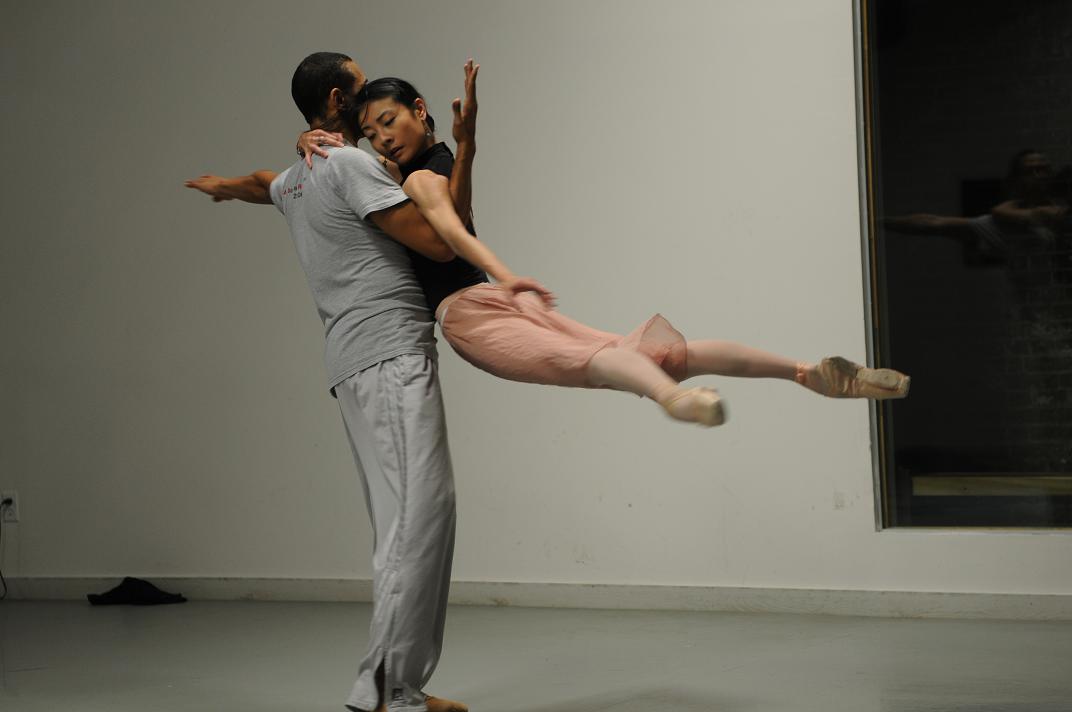
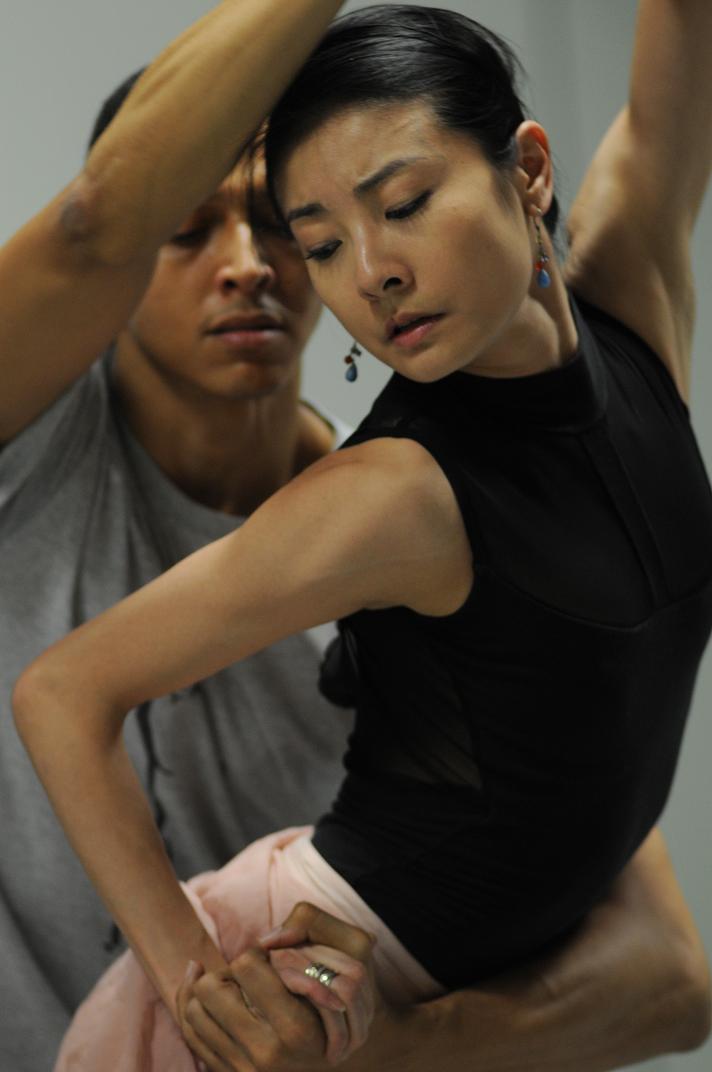
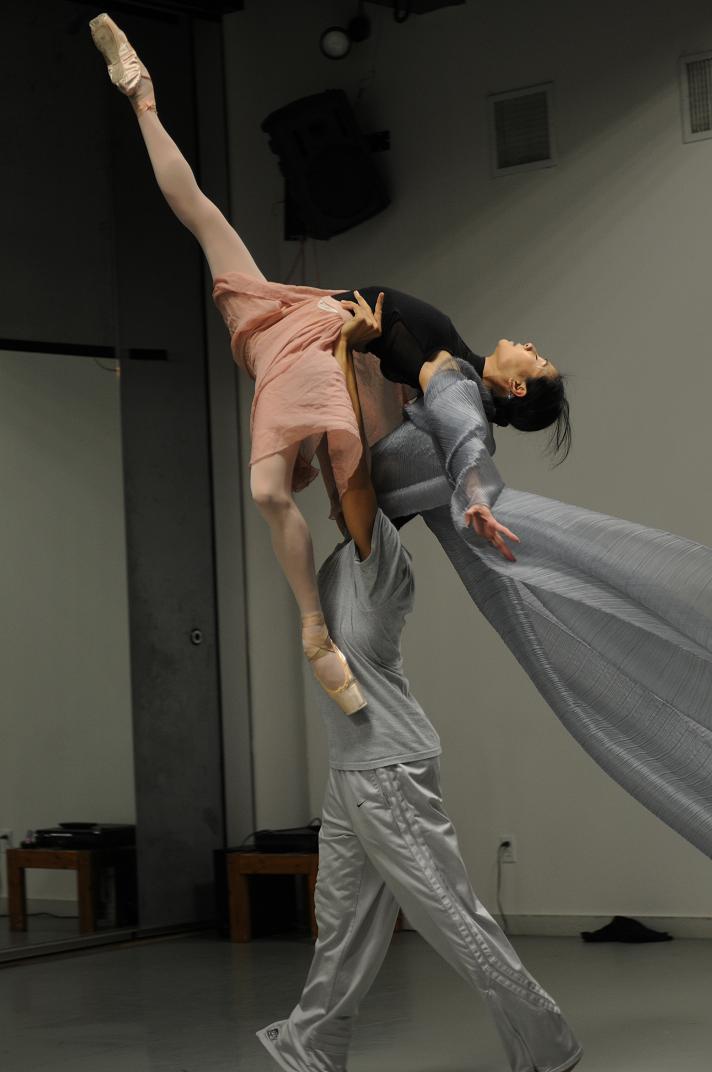
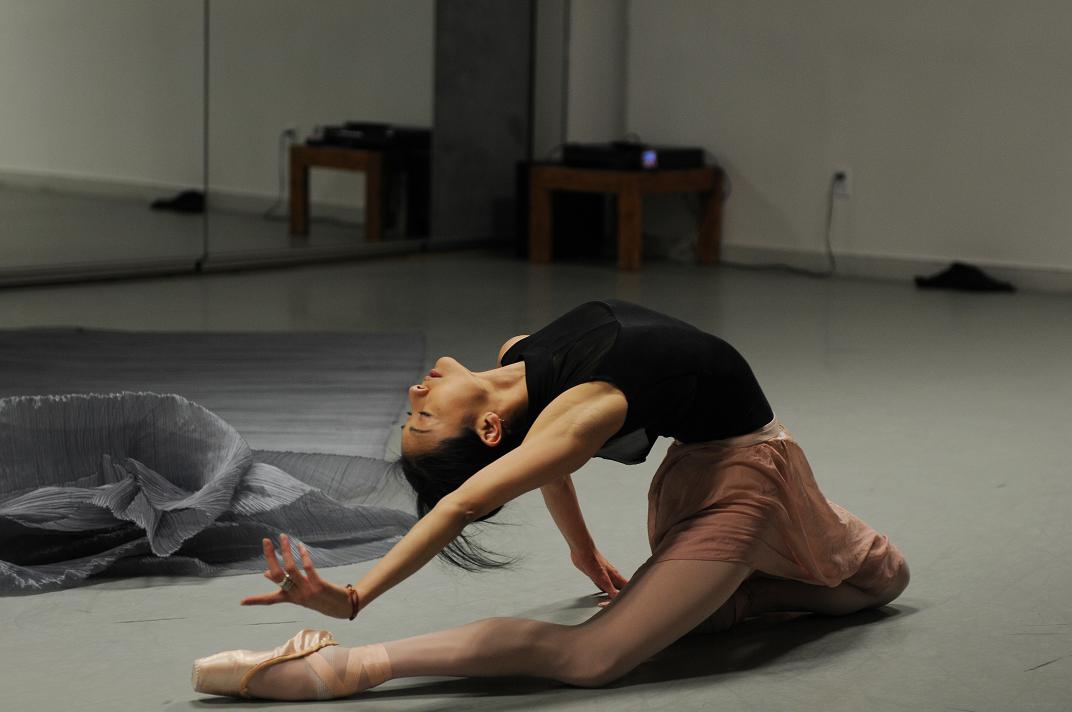
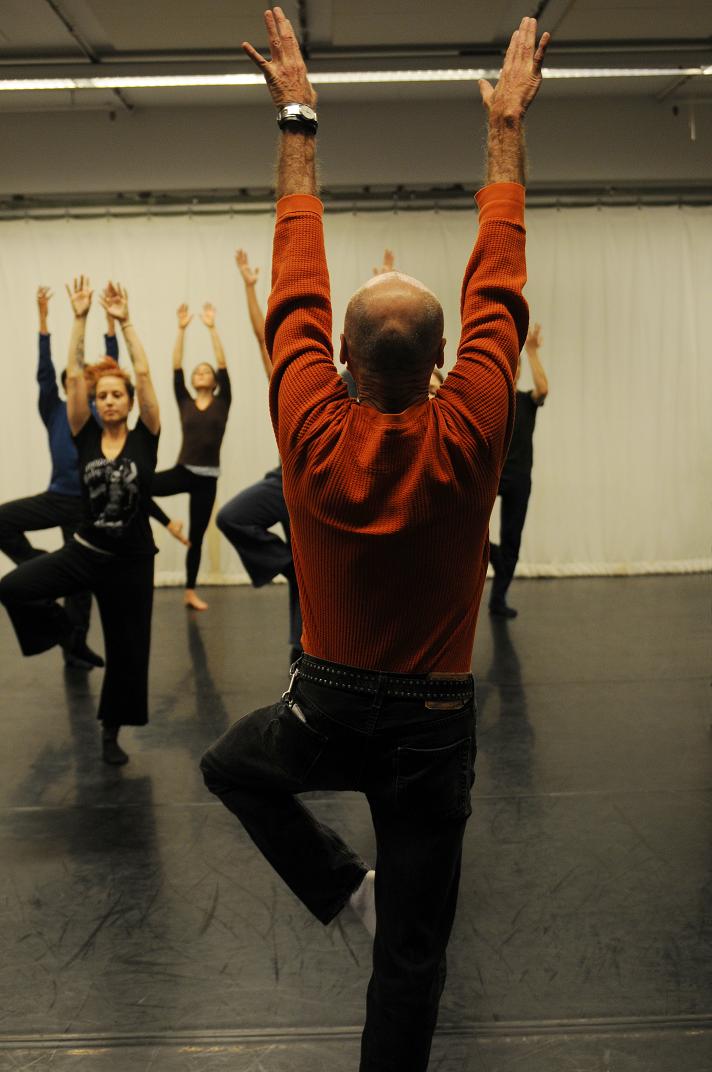
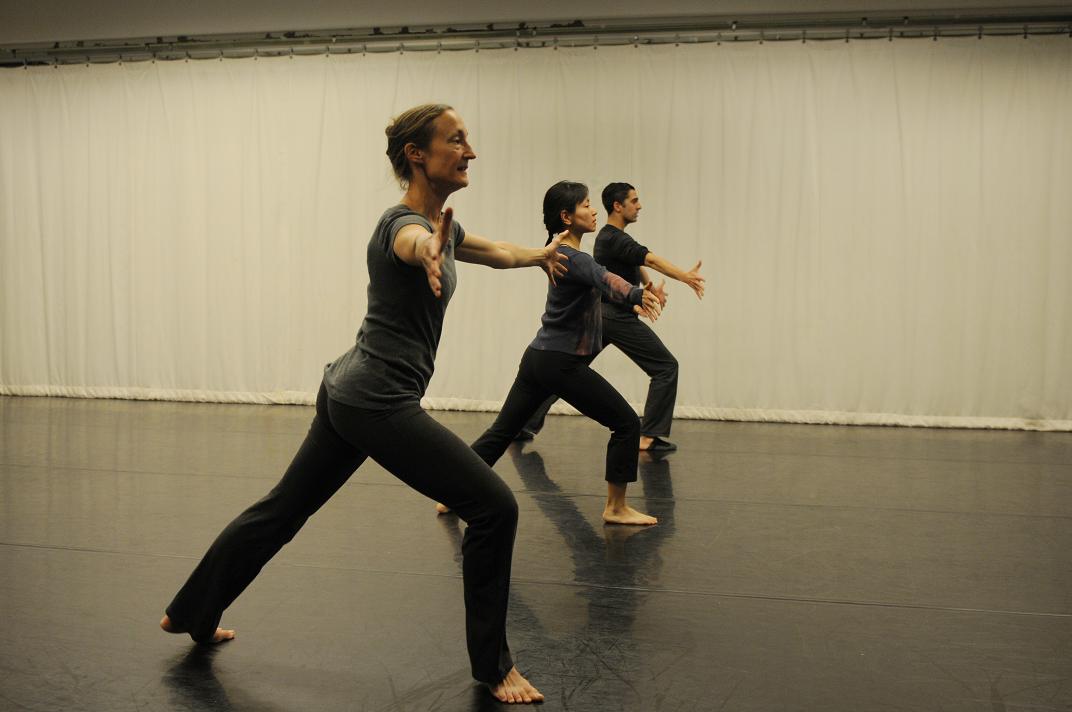
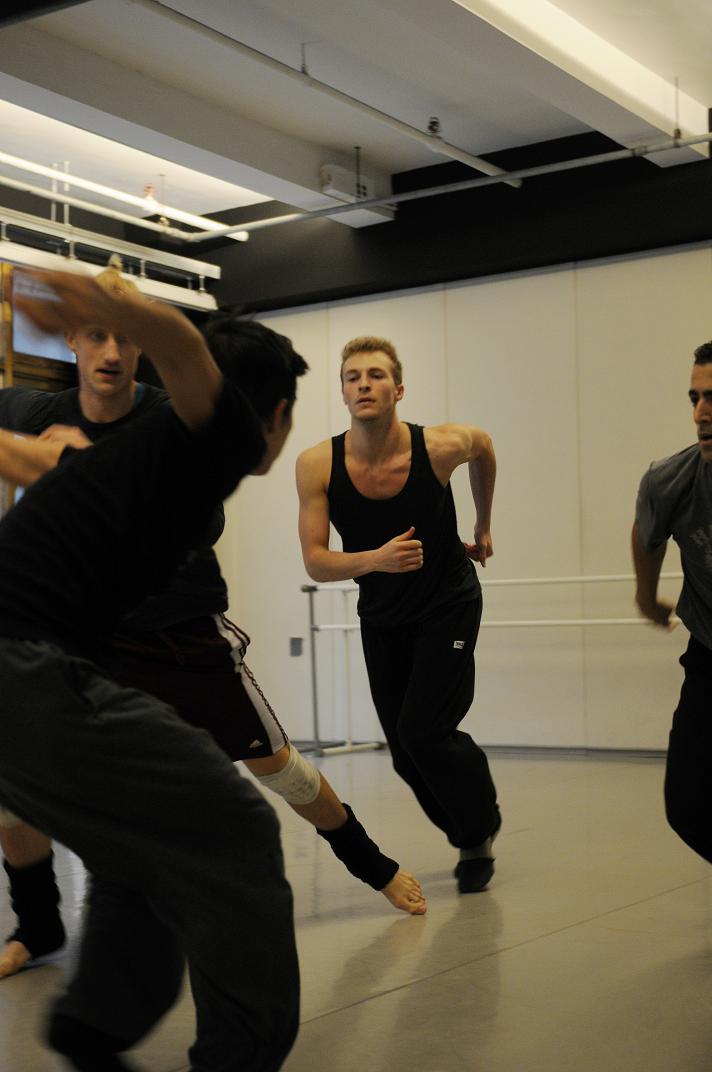
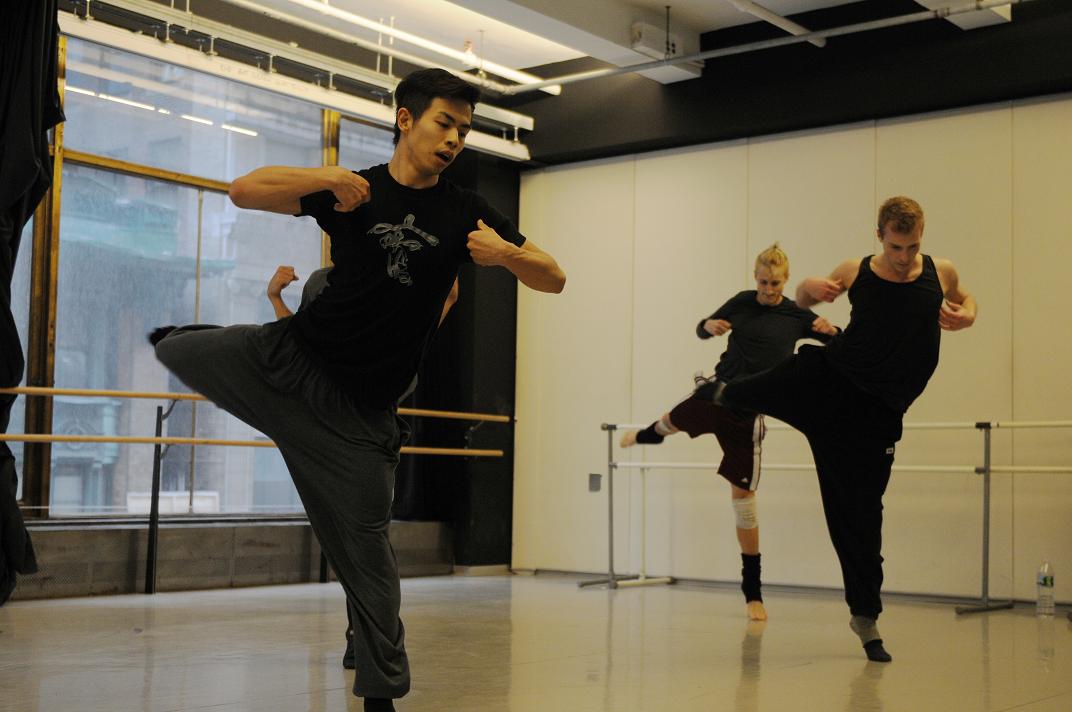
    Kokyat’s photos here are from a studio rehearsal for the SALARYMAN quartet on November 26th at DANY Studios. The dancers are John Eirich, Kile Hotchkiss, Clinton Edward Martin and Kei Tsuruharatani.

    Copy of 1

    John Eirich, Kei Tsuruharatani

    Copy of 10

    Kyle Hotchkiss, John Eirich

    Copy of 8

    Clinton Edward Martin

    Copy of 16

    Bump

    Copy of 11

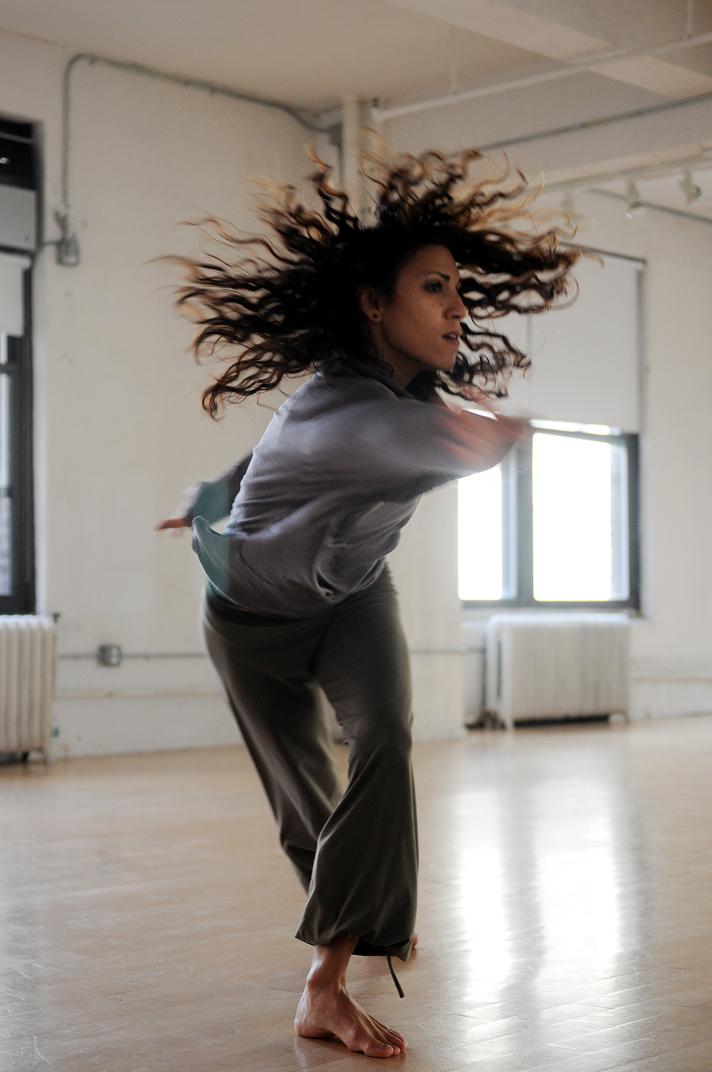
    Swirl

    Copy of 2

    The dance is breathless in its energy and relentless in its pacing.

    Copy of 15

    Choreographer Take Ueyama giving notes, with dancer Kei Tsuruharatani.

    All photos by Kokyat.

  • Beijing Dance Company @ Alice Tully Hall

    BDC 3 Warriors photo

    Friday November 25, 2011 – Beijing Dance Company are on a US tour this month; having danced in Boston, Pittsburg, and Washington DC they are at Alice Tully Hall for a four-performance run. There’s been something of a Chinese invasion here of late: Cloud Gate and Beijing Dance Theater have recently been at BAM, and the National Acrobats of the People’s Republic of China put on a vastly entertaining single show at Brooklyn College last month. The trend continues in January with performances of THE PEONY PAVILION by the China Jinling Dance Company at Lincoln Center. Information here.

    The works presented tonight by Beijing Dance Company were inspired by Chinese folklore and myth, dating back hundreds of years BC. Of the ten danceworks presented, most had a sentimental feeling underscored by the traditional-sounding music. Only in the final Yellow River could one sense a slight break with tradition. As one colorful work followed another, the excellence of the dancers and their commitment to dance was strongly evident.

    References to iconic cultural elements abound: calligraphy, bamboo, the crane, the butterfly, flying fairies, the terra-cotta warriors, Bhuddist rituals. Costumes were rich in detail though sometimes a bit garish while a series of projections which set the tone of each piece might have been even more effective if the colours had been more subdued. 

    My favorite work of the evening was Free and Unfettered Spirits in which the men of the Company seemed at one with nature; wearing mossy-green full-sleeved costumes the brotherhood danced their rites in an outdoor setting. Earlier, in her solo Flying Fairy, dancer Zhao Qiao manipulated the super-long sleeves of her dress in mesmerizing swirls and flourishes. The most powerful and exciting dance came from the four men who appeared as warriors (top photo) in Emperor Qin’s Soldiers; their fusion of kung fu, acrobatics and ballet elicited a loud ovation.

    Perhaps the best-known work on the programme was The Butterfly Lovers, a Romeo and Juliet tale of forbidden love. Very well-danced, this work at times veered into the realms of cloying sentimentality; it is a little too long and the choreography sometimes seemed thinly stretched over the music. Nevertheless, the dancing was excellent.

    The audience for the most part were attentive and enthusiastic – except, of course, the young boy sitting near us who squirmed and muttered throughout the first half without any admonishment from his mother. Most dance programmes are not for kids, especially one like this which is somewhat stately in its pacing and musical presentation.

  • Lar Lubovitch’s MEN’S STORIES/Gallery

    Copy of 3

    On November 19th. Kokyat photographed the Lar Lubovitch Dance Company in a performance of the choreographer’s MEN’S DANCES. Read about the evening here.

    Copy of 1

    Clifton Brown, Brian McGinnis, Milan Misko

    Copy of 4

    Jason McDole

    Copy of 6

    Attila Joey Csiki

    Copy of 8

    Clifton Brown

    Copy of 9

    Reed Luplau, Jason McDole

    All photos by Kokyat.

  • Ballet Next!

    Mcl2223

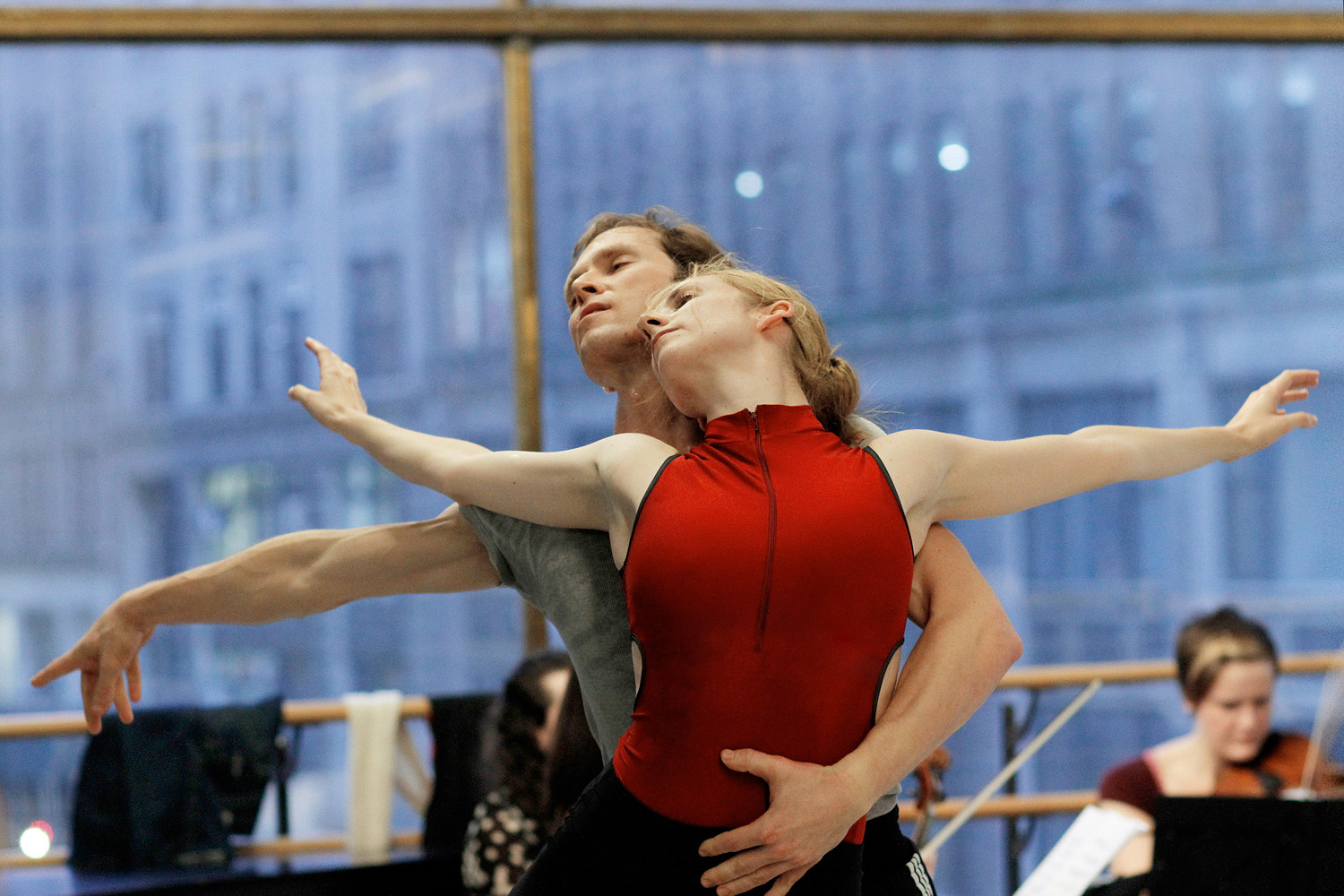
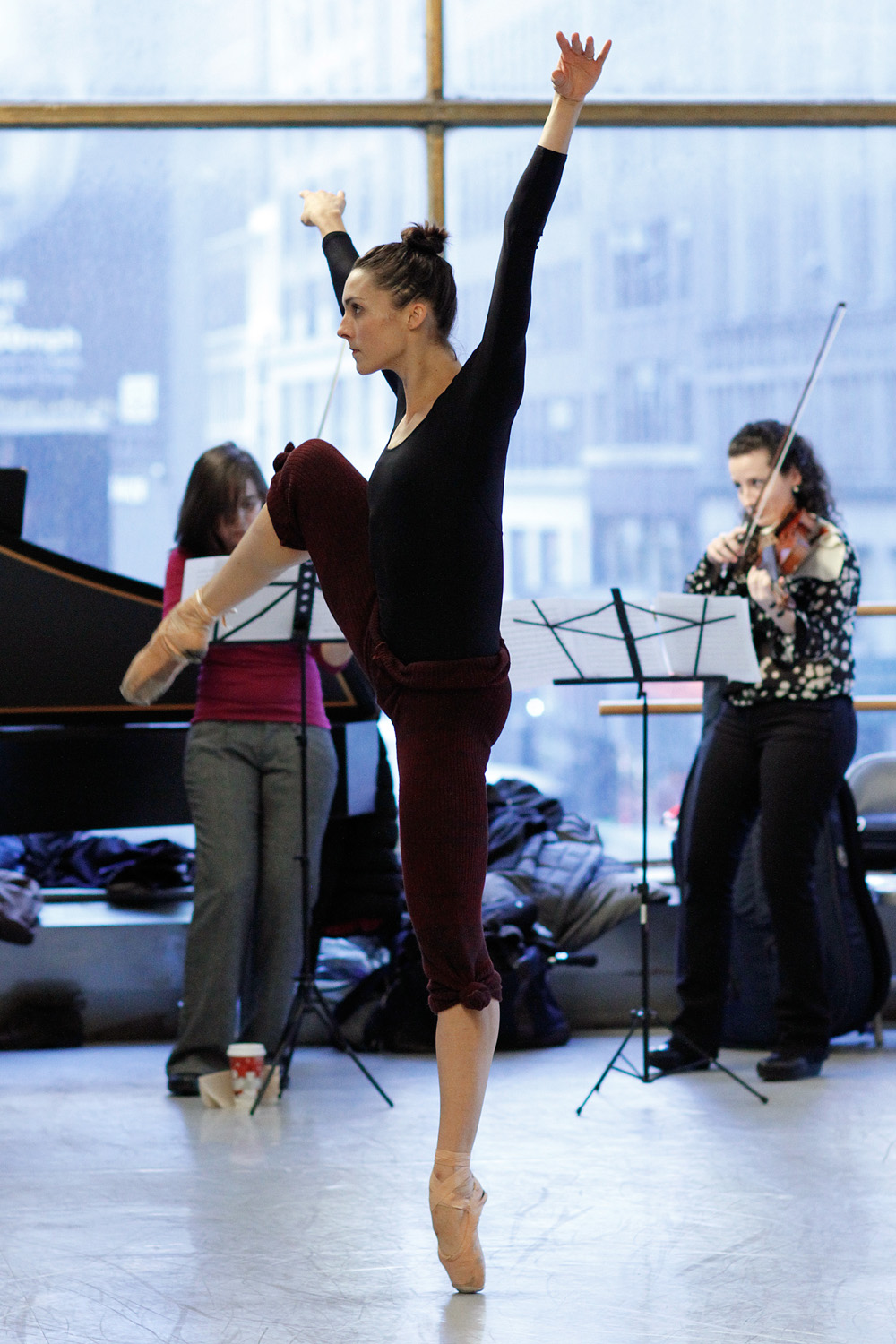
    Monday November 21, 2011 – In one of the most-anticipated dance events of recent seasons, BALLET NEXT have made their world debut with a single calling-card performance at The Joyce. The theater was filled to over-flowing and many luminaries from the Gotham dance scene were on hand, lending the evening a special air of excitement. Rehearsal photo of Michele Wiles and Charles Askegard at the top by Nir Arieli. Click on the images to enlarge.

    In the Summer of 2011, two of ballet’s premiere dancers made their farewell appearances with their respective resident companies: Charles Askegard had a full-scale grand gala as his last performance with New York City Ballet. But ABT‘s Michele Wiles simply slipped away without fanfare, leaving New York balletomanes wondering why.

    Not long afterward came the announcement that these two tall and tremendously talented artists would be launching their own ballet company: Ballet Next. Their plan: to present classic and new works with world-class dancers, calling upon top choreographers of the day and working with live music. Tonight their initial offering was an emphatic success.

    _MG_8729

    As the audience settled into expectant silence, the ensemble of musicians struck up the White Swan prelude and moments later Michele Wiles (above, in rehearsal) made Odette’s iconic entrance to a burst of applause. Then Charles Askegard stepped onstage; the audience greeted him affectionately. The two dancers look so very fine together, with Michele’s long limbs shaping the classic poses with finesse and Charles giving a textbook lesson in the art of partnering: ardent but never fussy. Their partnership immediately made me start making a list of works I want to see them dance together: the BAYADERE Shades pas de deux comes first.

    The first half of the evening was devoted to the classics and to Tchaikovsky; Ballet Next‘s musical director Elad Kabilio and his fellow musicians now introduced the Act III pas de deux from SLEEPING BEAUTY. San Francisco Ballet‘s delicious petite etoile Maria Kochetkova was exquisite as Aurora and New York City Ballet’s Joaquin de Luz was her blindingly handsome Prince. Their partnership had the youthful charm and elegance that makes the balletomane’s heart beat the faster; they held their finely-shaped final fish dive (of three) to the delight of the crowd. In their solos, the two dancers swept thru the demands with flair, re-uniting for a bravura coda. Their lovely performance extended to their gracious bows.

    _MG_8937

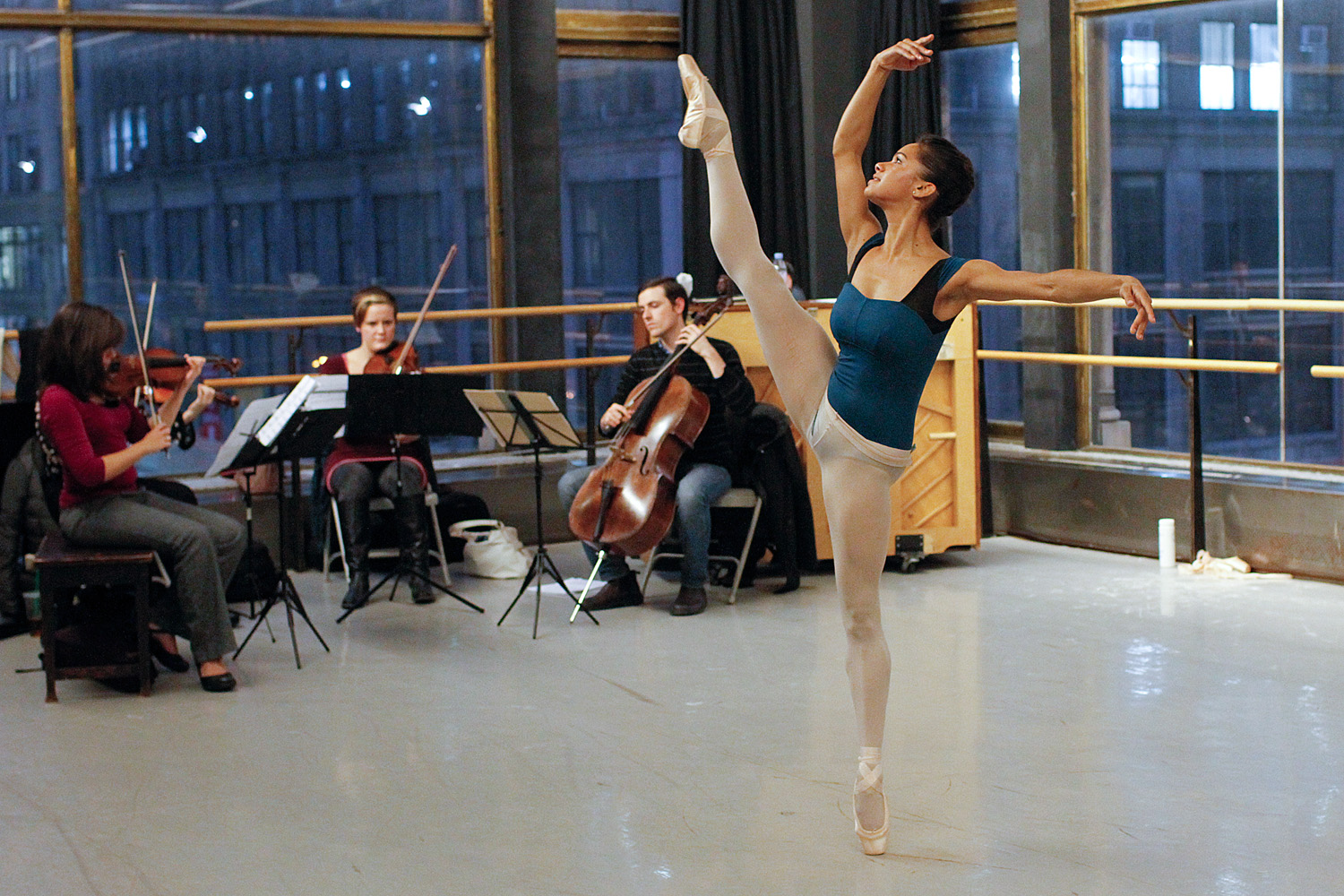
    From ABT, soloists Misty Copeland (rehearsal image, above) and Jared Matthews gave a joyous, space-filling performance of Balanchine’s Tchaikovsky Pas de Deux. The Joyce stage could barely contain their ebullient dancing; their easy rapport as partners and the speed and clarity of their solo dancing won the audience’s vociferous approval.

    Following the intermission, Ms. Kochetkova re-appeared in a whimsical costume: pink body tights, a head-wrap, and half a tutu. She danced a Jorma Elo solo entitled ONE OVERTURE set to music of Mozart and Biber. This solo calls for pure classical technique applied in off-kilter, witty combinations as the dancer occasionally whisks offstage only to re-appear. In the pit, Ben Laude switched from piano to harpsichord for an authentic Baroque texture. The choreography is clever and unusual but the piece is a trifle too long.

    _MG_7393

    For Satie, Mr. Laude reverts to the piano and the curtain rises on New York City Ballet principal Jennie Somogyi with Charles Askegard (rehearsal photo, above) to dance a Margo Sappington duet, ENTWINED. This work is stylized in its shaping but there are erotic undercurrents in play, as one might expect from the choreographer who gave us Oh! Calcutta! The two dancers, in sleek body tights, look fantastic together. I hope Ms. Somogyi is at the top of Ballet Next‘s list of dancers for future return engagements; there are so many things I would love to see her dance. It was fun to see Ms. Sappington joining the dancers onstage at the end.

    Misty Copeland then returned to dance a solo, ONE, choreographed by Robert Sher-Machherndl to music by Max Richter. In this solo, Misty showed off the power of both her technique and her ability to hold the audience in the palm of her hand. The choreography was not memorable, and the piece went on a bit longer than necessary, but as a vehicle for the dancer all was well.

    _MG_8961

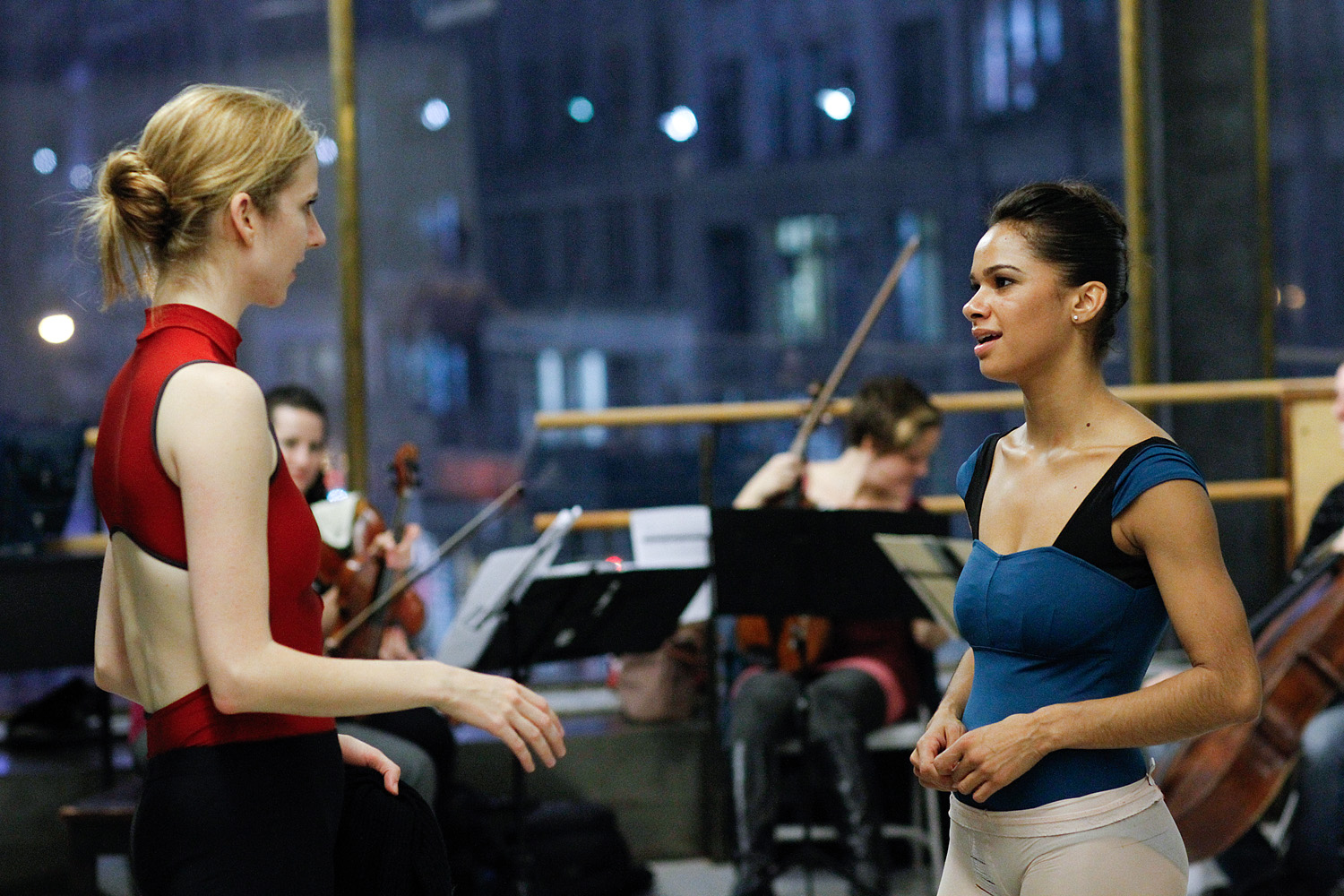
    Above: Michele and Misty taking a break at rehearsal.

    The musicians then struck up Vivaldi’s beloved La Follia and the curtain rose on Michele Wiles and Drew Jacoby crouching in a pool of light. The two leggy ballerinas then took off in Mauro Bigonzetti’s demanding and fast-paced choreography, dancing in sync or in solo passages. Bigonzetti keeps throwing steps and gestures at the two girls; they take it all in stride and keep sailing on the music.

    _MG_8301

    “Faster!”, Drew Jacoby (above, in the studio) called out to the musicians at a rehearsal I attended, although she was already moving at high velocity. In her solo Michele spun some silky pirouettes; there’s some very quirky footwork in the finale which then seems to evaporate at the girls return to their opening pose.

    _MG_8265

    Above: Michele Wiles rehearsing the Bigonzetti.

    As all the dancers came out to bow, I was thinking of the endless possibilities for future Ballet Next programmes. With their extensive network of friends who are also great dancers, Michele and Charles can call upon stellar line-ups in the wink of an eye. There’s a vast store of established works that they can dance, both popular and forgotten, which will fare well in their live-music settings. And there are many choreographers I’d like to see them working with – Jessica Lang, Melissa Barak, Emery LeCrone, Edwaard Liang, Andonis Foniadakis, Pontus Lidberg, Justin Peck and Luca Veggetti come immediately to mind. Let’s see what’s next for Ballet Next.

    The rehearsal photos included here are by Nir Arieli.

  • Fall for Dance 2011 Program II

    Copy of 38

    Above: Clifton Brown and Yuan Yuan Tan in Kokyat’s image from a rehearsal of Jessica Lang’s AMONG THE STARS. More photos from this rehearsal will be found here.

    Sunday October 30, 2011 – The Fall for Dance 2011 festival continues with:

    PROGRAM II
    Vertigo Dance Company, Mana (adapted for Fall for Dance); Noa Wertheim, choreographer
    Drew Jacoby, Bloom; Andrea Miller (Artistic Director of Gallim Dance), choreographer
    Jessica Lang Dance, Among the Stars; Jessica Lang, choreographer
    Richard Alston Dance Company, Roughcut; Richard Alston, choreographer

    Manajpg-192d50ffae90605c

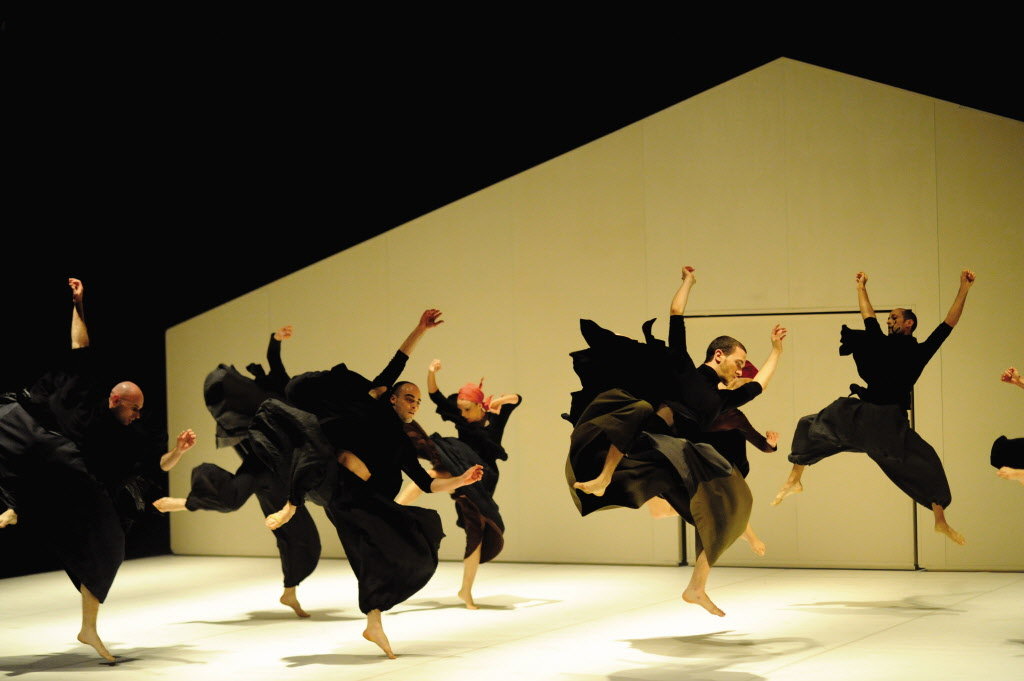
    In Noa Wertheim’s MANA (photo above by Gadi Dagon), Vertigo Dance Company from Israel featured eight dancers in dark-toned long tunics, skirts and wide-legged trousers dancing before a beautifully lit silhouette/facade thru the door of which they come and go. With folk-like motifs of circular patterns and casually organized duets, the movement feels both spontaneous and ritualistic. Ran Bagno’s mid-East fusion score is rhythmically varied with some quirkly instrumentation; it is pleasantly innocuous and eventually unmemorable. The dancing was excellent and the dancers deserved the enthusiastic response of the audience, but the work would make a more persuasive statement if it were pared down a bit. It gives the impression of someone who goes on talking after his point has already been made.

    Ffd11_2

    The imperial contemporary ballerina Drew Jacoby (this year’s calendar girl for Fall for Dance, in a Lois Greenfield photo above) then danced a new solo created on her by Gallim Dance‘s Andrea Miller. Entitled BLOOM, set to music of Radiohead, the solo finds the dancer on a blue-lit stage in a gossamer cerise frock; dancing bare-footed rather than in toe-shoes gives the ballerina a vulnerable look. Swirling thru windswept patterns that propel her around the space, Drew is restless and relentless. Elements of classic ballet technique are subtly spun into the choreography – big jete, attitude turns – and are executed at high velocity. In moments of relative calm the dancer seems aware of the audience but is then propelled on her way again, at times almost against her will. The curtain falls but Drew continues to dance at the lip of the stage and eventually sails back into the re-opened space. The solo personifies the dancer as a force of nature and is a wonderful Drew Jacoby portrait; we get to see Drew again at the Festival in Pontus Lidberg’s Faune (November 1st & 2nd).

    Copy of 12

    Yuan Yuan Tan, principal ballerina of San Francisco Ballet, and Clifton Brown, beloved Alvin Ailey star since 1999 and now a guest artist with that Company, created quite a stir as they danced Jessica Lang’s mystically luminous duet for star-crossed lovers, AMONG THE STARS. Above, the two dancers at a recent studio rehearsal, photographed by Kokyat.

    The duet draws upon the legend (found in many cultures) of Altair, a lowly herdsman who dared to love Vega, daughter of a goddess. They are punished by being transformed into stars separated by the vast river of the Milky Way, But it is said that the Goddess of Heaven, out of pity, decided to let them unite once a year on the seventh day of the seventh lunar month as she was touched by their devotion.

    Poetic images of tenderness and longing fill this pas de deux, which Ms. Lang has set to music of Ryuichi Sakamoto. Yuan Yuan Tan and Clifton Brown danced with poignant lyricism, the ballerina’s compelling technical mastery wedded to her delicately nuanced gesture and expression while Mr. Brown was the epitome of masculine grace. The audience, spellbound by the piece and by these two magnificent artists, erupted in a frenzied ovation as the dancers stepped forward to bow.

    1287A4

    ROUGHCUT, performed by the Richard Alston Dance Company, closed the evening. It was perhaps impossible to imagine something that could follow the sublime dancing of the Lang duet; in the event the Alston piece gave the right counter-balance of mood but stretched out beyond its viability as the choreographer worked to fill the two long Steve Reich pieces with dance. In the end it seemed too much of a good thing.

    Clarinetist Roger Heaton and guitarist James Woodrow played the demanding Reich scores live, standing at either side of the proscenium. The nine Alston dancers gave unstinting energy and flair to the choreographer’s spirited, driven combinations, soaring about the stage in spacious leaps and turns. There were passages of near-respite in some solo and duet segments but the onrush of movement never abated. As the dancers were rightly hailed at the end, I was thinking how much ROUGHCUT reminded me of some of David Parsons’ fast-paced works. But David would have known when to get out the scissors.

  • AMONG THE STARS/Rehearsal Gallery

    Copy of 36

    These are some of Kokyat’s images from a rehearsal of Jessica Lang’s pas de deux AMONG THE STARS. The work was being prepared for two performances at New York City Center as part of the 2011 Fall for Dance Festival. Yuan Yuan Tan, principal ballerina from San Francisco Ballet, and Clifton Brown, who danced with the Alvin Ailey Company for over a decade and now appears with them as a guest artist, premiered the duet together in 2010. The music is by Ryuichi Sakamoto.

    Copy of 10

    Copy of 13

    Copy of 20

    Copy of 30

    Copy of 33

    Copy of 35

    Copy of 8

    Copy of 46

    These images are from a studio rehearsal on October 28, 2011. Details of the Fall for Dance performance of AMONG THE STARS, which drew ecstatic applause from the packed house, will appear here shortly.

    All photos by Kokyat.

  • Fall for Dance 2011 Program I

    225581_10150182199616935_21202486934_7102569_5129793_n

    Photo: Fabrice Calmels and Victoria Jaiani of The Joffrey Ballet in Edwaard Liang’s WOVEN DREAMS.

    Thursday October 27, 2011 – At the superbly renovated New York City Center, the annual Fall for Dance festival opened tonight with four companies participating:

    PROGRAM I
    Mark Morris Dance Group, All Fours, Mark Morris
    Lil Buck, The Swan, Lil Buck
    Trisha Brown Dance Company, Rogues, Trisha Brown
    The Joffrey Ballet, Woven Dreams, choreographed by Edwaard Liang

    The main reason I went tonight was to see the Edwaard Liang piece (photo at the top) and I enjoyed every second of his WOVEN DREAMS – and so, it seems, did the rest of the crowd who quietly “ooooohed” and “aaaaahed” throughout the ballet and then lavished the Joffrey dancers with sustained applause at the end. If Edwaard had taken a curtain call, that would have been the crowning touch. But he’s too modest. We did see him during intermission and he looks – if possible – handsomer and more fit than ever. I’d give anything to see him dancing again. But the life of a choreographer certainly seems to agree with him, and we need his choreography.

    But to start at the beginning of the evening, as the musicians took their seats to play the Bartok quartet #4 for Mark Morris’s ALL FOURS, I thought maybe this was a piece that would revive my admiration for the choreographer. Back in the 1980s we trekked several times to see Mark Morris at the Pillow and always loved what he was was doing; but over the years it seems to me that he’s run out of creative steam. ALL FOURS, from 2003, avoids the cliche Morris moves – fanny wiggles, pelvic thrusts, waving arms – for the most part. Much of the piece is given over to structured walking about; there’s a good duet for two guys and a nice quartet. The dancers all did well, but as the work passed by it seemed that the same motifs kept cropping up; in the end the waving arms made their appearance. The piece was politely received, but the musicians were vigorously saluted at the end: Jesse Mills and George Valtchev (violins), Jessica Troy )viola) and Wolfram Koessel (cello).

    Charles-lil-buck-riley-headshot

    In the solo THE SWAN, Lil Buck (above) performed his unique fusion choreography to Camille Saint-Saens’ classic Dying Swan: imagine morphing Michael Jackson and Maya Plisestskaya. At first there was some laughter as the street-clad dancer moved in a pool of light, but this quickly turned to admiring sighs and bursts of applause as Lil Buck rose onto the ‘pointes’ of his sneakers. With cellist Joshua Roman and harpist Rita Hequibal Printup rendering the familiar Saint-Saens melody onstage, a few feet away from the dancer, the piece made a cohesive statement of music and movement. True to Isadora Duncan’s ‘rule’ that no dance work should exceed five minutes in duration, it seemed to me that Lil Buck really had something to say. A few toffs turned their noses up but the overwhelming response was whooping enthusiasm.

    Trisha Brown’s Rogues features two men – one tall, one short – dancing mostly in sync to a whimsical score by Alvin Curran. From a frenzy of buzzing insects, the music switches to piano, then some sort of electronic pipe, and then harmonica. The two dancers, Neal Beasley and Lee Serle, were genial and moved smoothly thru the choreography of this pleasant duet.

    After a pause while the huge basket-weave drapery for the Liang piece was hung, the large contingent of Joffrey dancers took the stage for WOVEN DREAMS.

    Looking at the Playbill, my first thought that Edwaard was using too many different composers but then: the soudtrack of a dream is never predictable. Thus he was able to develop this six-movement ballet using music of Ravel, Galasso, Britten and Gorecki. Throughout the piece, Edwaard’s musicality and sense of structure – the keys to success of a large-scale work – were ever evident as was his daring sense of pushing the dancers to extremes of technique and partnering. As the work unfolded, the Joffrey dancers delivered everything Edwaard asked of them with a combination of energy and artistry that seemed perfectly aligned to both the music and the choreography.

    Central to the ballet is a radiant two-part adagio danced by Victoria Jaiani and Fabrice Calmels (photo at the top of this article). As sometimes happens in dreams, this duet is interrupted by an unrelated passage (more about that shortly) but then the couple seem to pick up where they’d left off.

    A choreographer could not ask for two more beautiful and expressive dancers than Ms. Jaiani and Mr. Calmels; the latter’s magnificent physique, long powerful arms and splendid line served as a tower of strength for his radiant partner. Together they moved thru the flowing style of Edwaard’s adagio, making the seemingly impossible partnering motifs look seamlessly grand. The underlying feeling of physical risk keeps the viewer entranced while the dancers’ sense of lyricism sustained the dreamlike atmosphere.

    Between the two pas de deux segments, Edwaard interjects what seemed to me the most brillliant scherzo: a quintet of men suddenly appear before a lime-green background to dance a remarkable pas de cinq to the pizzicato movement from Benjamin Britten’s SIMPLE SYMPHONY. Here Edwaard finds a contemporary accent to the classic ballet vocabulary which male dancers have ‘spoken’ for decades. With its choreographic freshness and touches of subtle wit, this quintet lasted just long enough to leave us craving more. The Joffrey men gave their dancing an extra splash of darkish vibrancy.

    In the larger-scale passages of the outer movements, all 20+ of the Joffrey dancers showed an intrinsic vitality and a willingness to follow Edwaard’s lead into exploring new combinations and patterns. The cumulative effect of the ballet and the way the floating woven tapestry was brought into play seemed to vastly please the packed house and there was enthusiastic applause at the end; I think if Edwaard had  appeared onstage he would have been greeted as a rockstar. Which he is, in my book. 

    Copy of 1

    Above: Kokyat’s photo of the facade of the newly-renovated New York City Center.

    On with the Festival! And thank you, Helene Davis.

  • MORPHOSES: BACCHAE @ The Joyce

    Copy of 113

    Wednesday October 26, 2011 – MORPHOSES presents its production of Luca Veggetti’s BACCHAE at The Joyce. The work draws inspiration from – but is not a literal setting of – Euripides’ ancient Greek tragedy. Composer Paolo Aralla and flautist Erin Lesser are major forces in this creation, with lighting by Roderick Murray and costumes by Mr. Veggetti and Benjamin Briones. In the top photo: dancer Gabrielle Lamb.

    Luca Veggetti’s BACCHAE is a dancework which summons up images of both the rites of the Bacchae – those wild women driven to ecstacy in their worship of Dionysus – and the death of the Theban King Pentheus at their hands. Set in a space surrounded in black silk drapery, the ballet takes on a funereal tone as the abstracted narrative moves to its brutal climax. The sudden exposure of the rear brick wall near the end draws us back to reality, awakening from a nighmare of deception and murder.

    In a prologue, a puppet (skillfully manipulated by an actor all in black) mimes sets forth themes of the  Dionysian rituals to which the Bacchae subscribe. At the dress rehearsal this device seemed to me not to work very well, but it the performance it was surprisingly effective.

    Copy of 21

    But we have already met Dionysus by this time; as in the play, ‘he’ is the first player to appear: Euripides describes his appearance and demeanor as feminine, and Luca Veggetti casts a female – Frances Chiarverini (above) – in the role. Frances is a mistress of the Veggetti style which calls for fluid movement, maintaining a steady flow of motion through knees that are often bent, keeping the body low to the floor. Pivoting and sliding across the space as the hands and arms cut thru the air in angled gestures, the effect can be spiderlike and in this darkish setting seemed almost ominous.

    Copy of 39

    As King Pentheus, the antagonist of the disguised god and who is determined to end the Bacchic rites, Adrian Danchig-Waring (above) brought magnificent presence and powerful dancing to the role. Lured into the trap Dionysus sets for him – an invitation to witness the Bacchae at their rituals – Adrian’s Pentheus is seduced and betrayed to his death.

    Copy of 40

    The two-part pas de deux of Pentheus and his cousin Dionysus is a central aspect of BACCHAE, danced with a powerful sense of give-and-take by Adrian and Frances (above).

    Copy of 55

    The third major character in the drama is Agave, the mother of Pentheus, who unwittingly murders her son after he is caught secretly witnessing the Dionysian revels of the Bacchae. Gabrielle Lamb’s passionate sense of drama – seemingly a natural gift rather than something she’s developed – was vividly projected through both her intense facial expressiveness and her superbly limber body.

    Copy of 7

    The idea of a traditional Greek chorus is adapted here with an ensemble of excellent dancers who weave themselves into the dramatic situations, often appearing or vanishing under the hems of the silken drapes.

    Copy of 89

    As one of the Bacchae, dancer Yusha-Marie Sorzano (above) carries a stick – a reference to the first confrontation between the Bacchae and the soldiers of Pentheus who were sent to shut down their celebrations and bring order out of chaos. The women, using only sticks, were able to fend off the armed guards thru the fervour of their passionate loyalty to Dionysus. In an ensemble, the woman swipe and flourish their sticks thru the air, moving to the swooshing sounds in aggressive stances.

    Copy of 79

    In the opening scene, standing on the sounding platform which is a central element of the work, flautist Erin Lesser (above) evokes the shifting winds of time as she breathes and even speaks across the mouthpiece of her enormous contrabass flute. Throughout this long ‘aria’, Ms. Lesser’s energies and technical skills seemed to re-double from one passage to the next…

    Copy of 65

    …while in the final scene, she re-appears playing her silver flute as Agave/Gabrielle ponders her violent act.

    Luca Veggetti and his collegues have crafted a work that is unlike any other, a unique and evocative summoning of an ancient tale that speaks clearly to us of the vanity of gods and the fervor of their followers which can so often go to extremes. Very apt for today’s world.

    More of Kokyat’s images from this production appear here.

    I felt it was of tremendous benefit to my enjoyment of the evening that I took the time to read the Euripides play before attending. The ballet, which lasts a little over an hour, seemed too short in a way; I wanted more.

    So good to see Arlene Cooper, Giorgia Bovo, Emery LeCrone and Justin Peck among the audience this evening.

    Synopsis of the dancework:

    “Dionysus, the god of wine, prophecy, religious ecstasy, and fertility returns to his birthplace in Thebes in order to clear his mother’s name and punish the insolent city-state for refusing to allow people to worship him.

    King Pentheus of Thebes has declared illegal the Bacchic rituals initiated by his cousin Dionysus. As these rituals represent a threat to social order, King Pentheus orders his soldiers to violently suppress them.

    Dionysus begins the long process of trapping Pentheus, leading him to his death. He convinces the intrigued and excited king to witness the rituals and volunteers to help him clandestinely observe the highly secretive all-female gatherings.

    Dionysus, manipulating the situation, orders the Bacchic worshippers, including the king’s mother Agave, to attack the now vulnerable ruler. As he falls, Pentheus reaches for his mother’s face but Agave, driven mad by Dionysus, proceeds to rip her son limb from limb.”

    MORPHOSES dancers:

    Sarah Atkins
    Yusha-Marie Sorzano
    Brittany Fridenstine-Keefe
    Frances Chiaverini
    Gabrielle Lamb
    Emma Pfaeffle
    Christopher Bordenave
    Brandon Cournay
    Adrian Danchig-Waring
    Willy Laury
    Morgan Lugo

    Watch an brief BACCHAE video here.

    Kokyat and I have followed the creation of BACCHAE from the audition process thru a preview evening (where the mystical ‘sound platform’ was introduced) to a recent studio rehearsal. Luca Veggetti and MORPHOSES artistic director Lourdes Lopez have graciously given us an insider’s look at their creative process, and the dancers have been so kind and generous as we eavesdropped on their work.
  • Anna Sokolow’s ODES: Rehearsal

    Copy of 19

    Sunday October 23, 2011 – My curiosity is truly piqued by the news of upcoming showings of Anna Sokolow’s ODES; I had been hoping for a chance to see a rehearsal prior to attending the actual performance and this evening, unexpectedly, the opportunity arose. I met Kokyat at New York Live Arts (formerly Dance Theater Workshop) on West 19th Street for a look at ODES in the studio.

    You can help fund the revival of this Anna Sokolow work by contributing here.

    Copy of 4

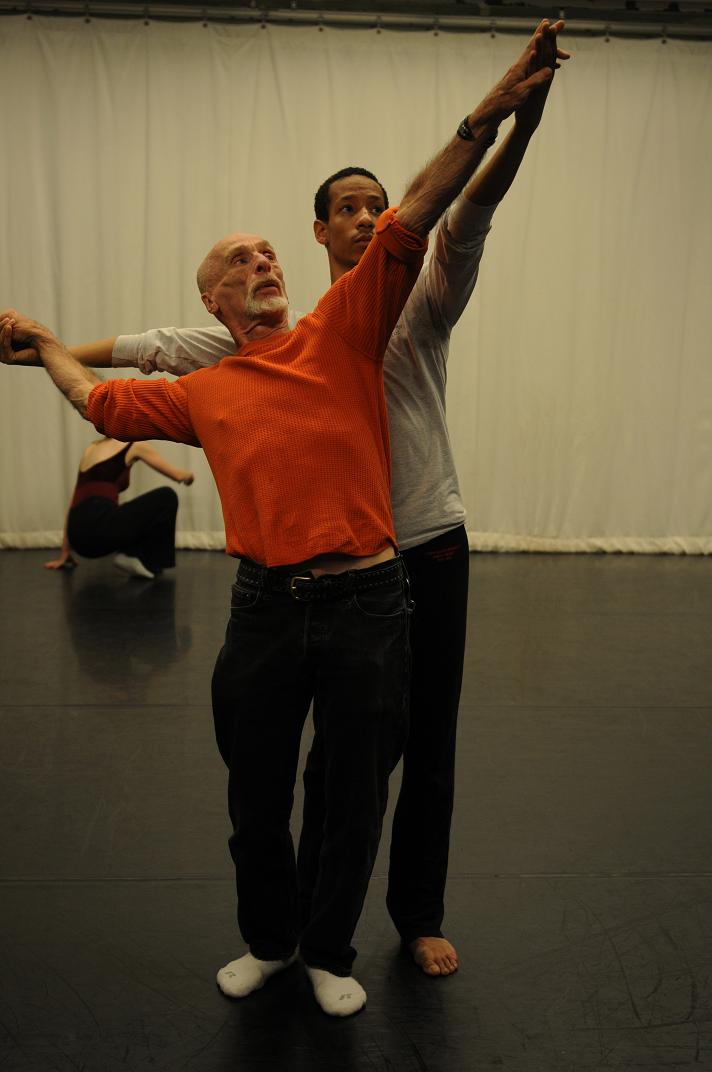
    Jim May, artistic director of Sokolow Theatre Dance, gave the dancers – an assembly of Company members and free-lancers – a brisk warm up that included some shouting. Then we saw a run-thru of the opening movement of ODES.

    Copy of 9

    Jim May coaching the women.

    Copy of 6

    Dancers Lauren Naslund, Yayoi Suzuki and Greg Youdan

    Copy of 11

    Atsushi Yahagi

    Copy of 15

    Jim May coaches Durell R Comedy

    Copy of 31

    Flautist Roberta Michel (above) was in the studio to work out tempos with the dancers who will be performing the central duet of ODES, set to Edgard’s Varese’s Density 21.5. This pas de deux is book-ended by other Varese selections: Octandre and Poème Électonique, both set for a large ensemble of dancers.

    Copy of 25

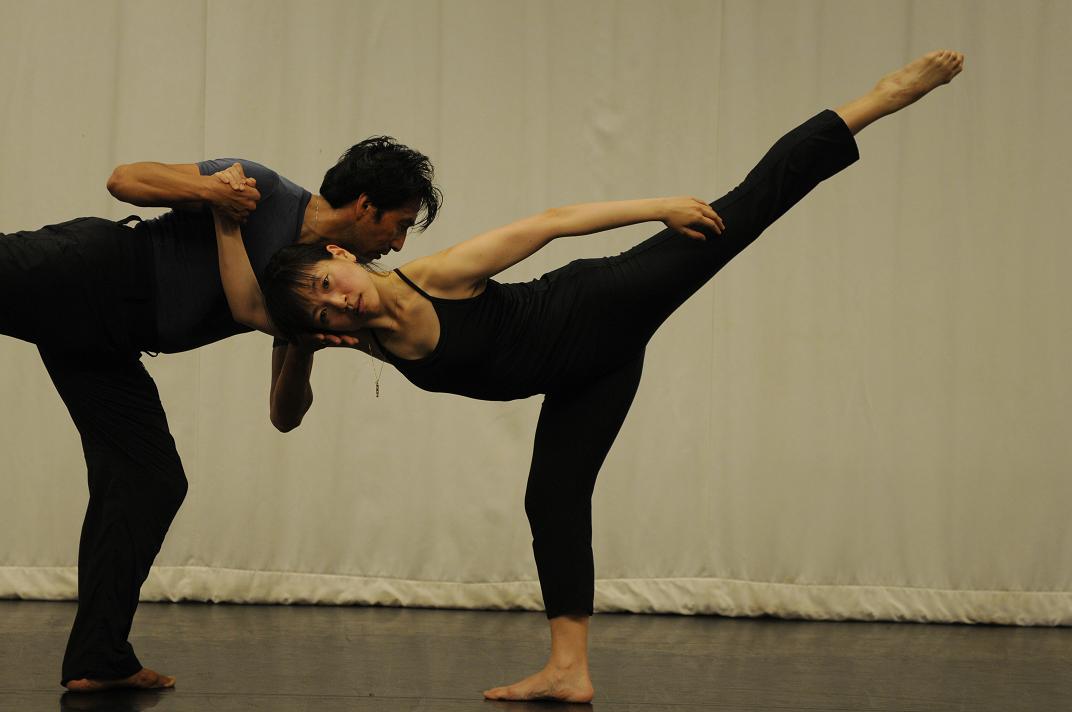
    The pas de deux is danced by Yayoi Suzuki and Luis Gabriel Zaragoza (above and below)…

    Copy of 24

    Copy of 29

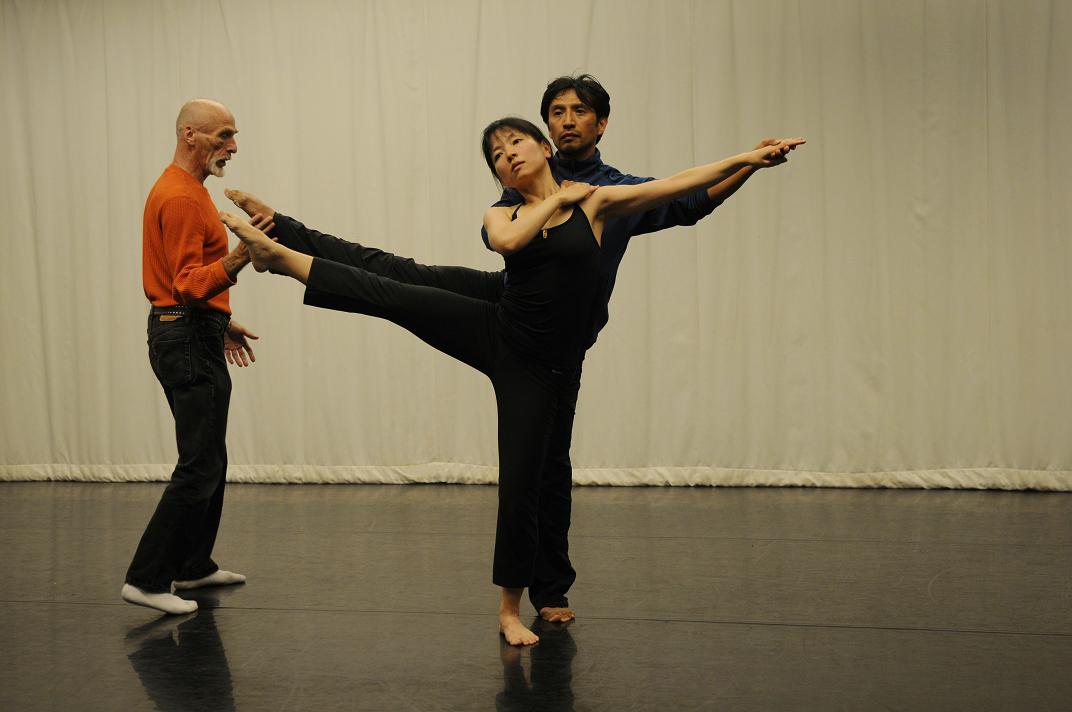
    Jim May gives notes to Yayoi and Gabriel after the run-thru.

    More photos from the rehearsal:

    Copy of 33

    Copy of 35

    Copy of 37

    Copy of 40

    Atsushi Yahagi

    Copy of 1

    Read about the upcoming performances of ODES here.

    My appreciation to Jim May and publicist Audrey Ross for arranging for us to watch and photograph this rehearsal. More of Kokyat’s images will be found here, and my Facebook album is here.

    In April 2010 I was very taken with Sokolow’s LYRIC SUITE, set to music of Alban Berg and danced by students from the Eugene Lang College Dance Department. I am very glad to have an opportunity to see more of Sokolow’s work.
    PERFORMANCE INFORMATION:
    November 10th – 13th, 2011  (Thursday/Friday/Saturday at 9 PM; Sunday at 2 PM)
     [At  7 PM – Thursday only – a special pre-performance fundraiser for the series, followed by the performance]
    Cunningham Studio, 55 Bethune Street, 11th floor
    Tickets: $35  ($100 for opening night with 7 PM fundraiser at a location near the theater)
    Tickets: here or by phone at 1.800.838.3006
  • Nicole Corea

    Copy of 28

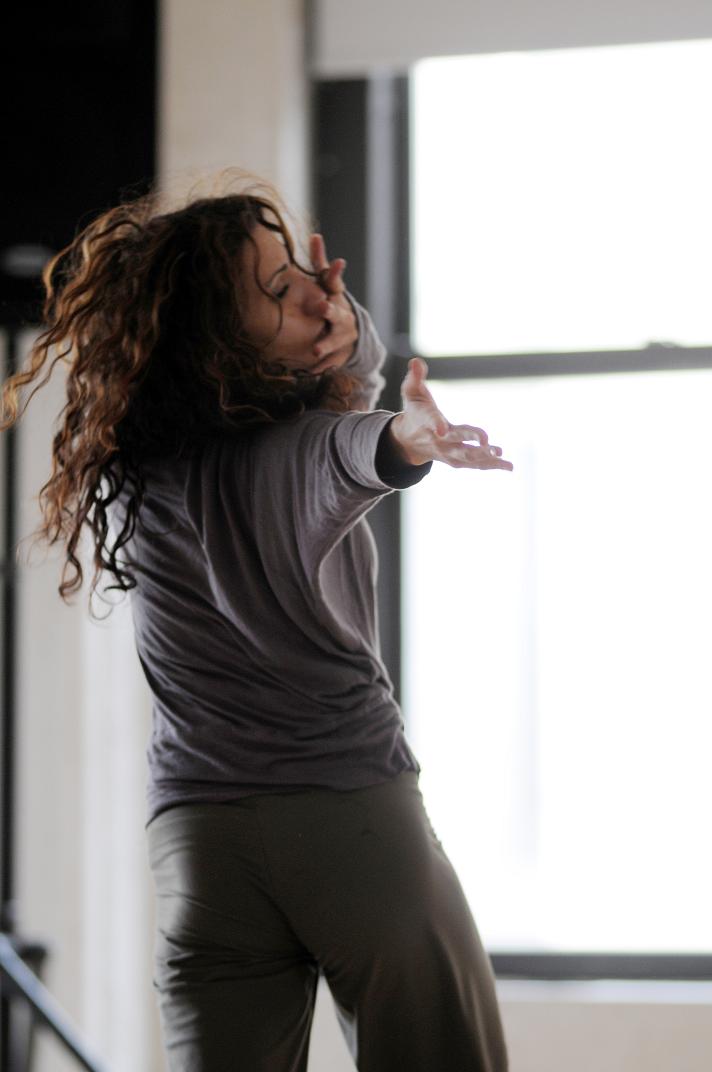
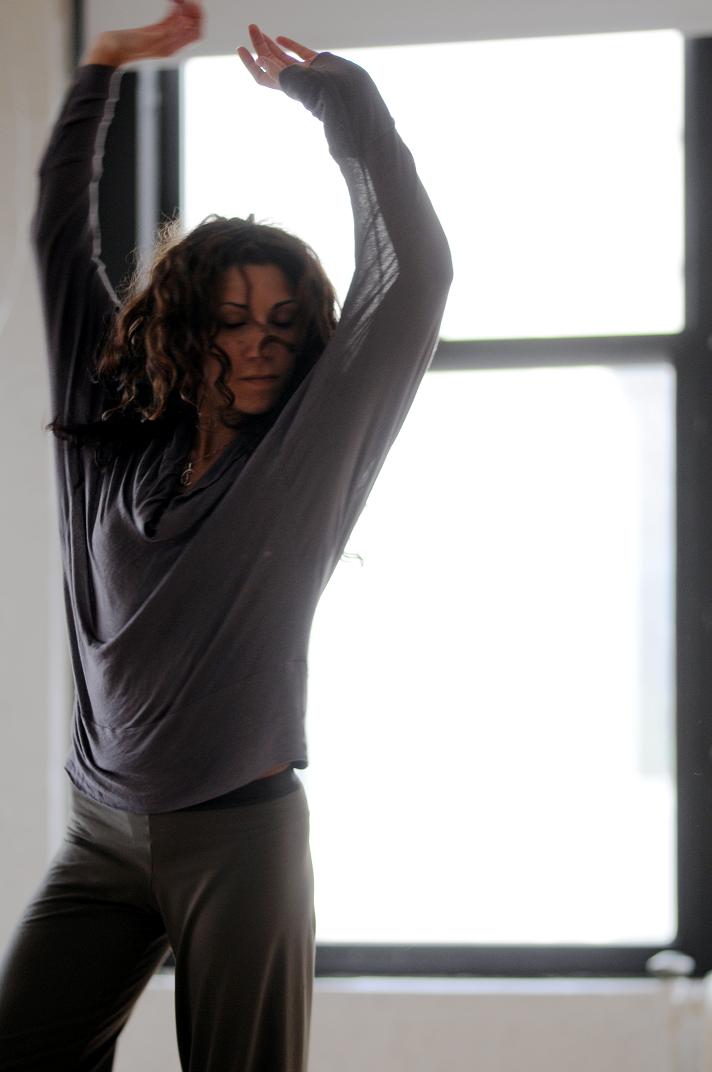
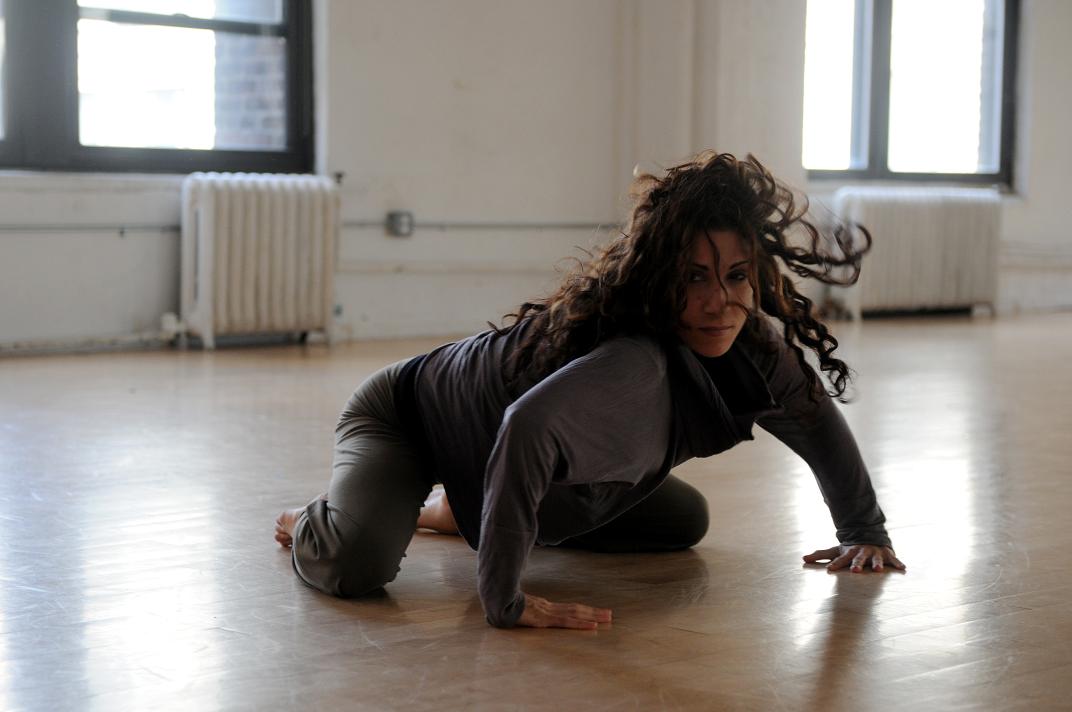
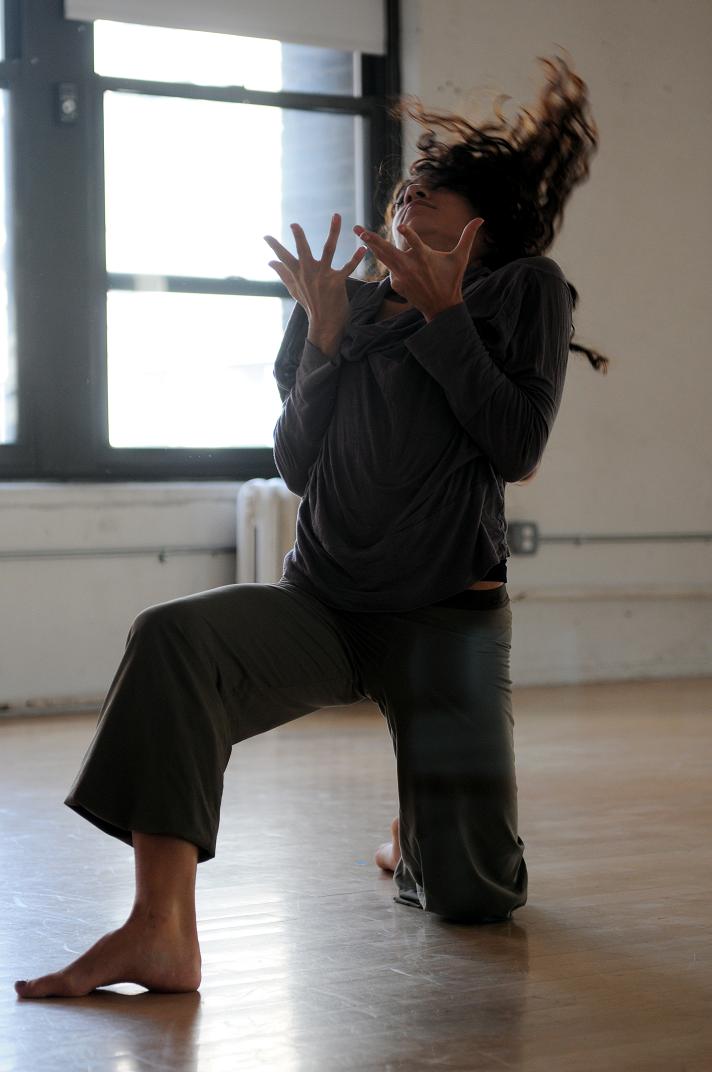
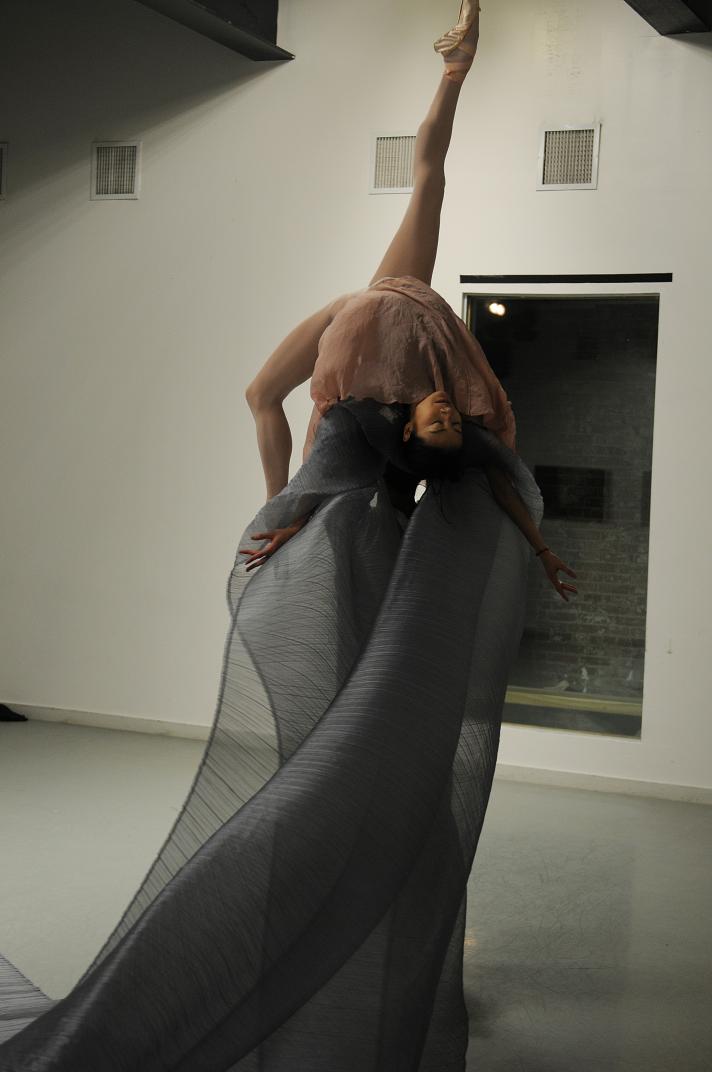
    Over the past few months, Kokyat has had the opportunity to photograph some of the most beautiful and expressive dancers in our City. One for whom he and I share a special affection and admiration is Nicole Corea, a member of the prestigious Lar Lubovitch Dance Company. Nicole recently danced a solo created on her by choreographer Ursula Verduzco; entitled Nothing to Hide, the solo is set to music of Yann Tiersen. These images by Kokyat are from a rehearsal of the piece on October 18th, 2011.
    Copy of 1

    Copy of 2

    Copy of 24

    Copy of 26

    Copy of 31

    We’re looking forward to seeing Nicole performing with the Lubovitch Company during their season at the Baryshnikov Arts Center, November 9th thru the 20th. Ticket information here.