Category: Dance

  • Scheller’s CORTEGE/Revival of OUTLIER

    Copy of 4

    Saturday January 29, 2011 – Ana Sophia Scheller’s debut in the prima ballerina role of Balanchine’s CORTEGE HONGROIS was a big attraction for me this afternoon at New York City Ballet. Kokyat photographed the Argentine ballerina last November when she appeared with Avi Scher & Dancers.

    CORTÈGE HONGROIS: *Scheller, Askegard, Laracey, *Hankes, Lowery, Suozzi
         intermission 
    OUTLIER: Bouder, Kowroski, T. Peck, Hyltin, Whelan, Ramasar, R. Fairchild, *Alberda, De Luz, *Tworzyanski, Hall [Solo violin: Nikkanen]

    The two ballets are so well-contrasted in every regard, making for a really satisfying visit to the ballet this afternoon. Andrews Sill was on the podium and gave the Glazunov a lush romantic treatment; along with the excellent violinist Kurt Nikkanen, the orchestra made the OUTLIER score so darkly radiant.

    Ana Sophia Scheller’s Raymonda is a gorgeous princess, regal but not haughty. With her classic poise, technique and beauty, the ballerina gave her dancing a special sense of allure and mystery. One especially lovely moment came near the end of the adagio when she swirled through a series of pirouettes which seemed almost to be in slow-motion: really dreamy. I’ve always loved watching Scheller and would give anything to see her as Kitri, Gamzatti, Juliet, Giselle, Aurora or Swanhilda. Her originally-announced partner, Jonathan Stafford, was replaced by Charles Askegard whose fluent partnering I think we tend to take for granted, but we shouldn’t.

    Savannah Lowery and Sean Suozzi were a grand gypsy couple. They rightly conveyed an underlying sexual tension during the slow opening of the czardas, then burst into joyous swirling dance when the tempo quickens. (Sean’s upcoming debut as the Prodigal Son is circled in red on my calendar: February 8th). The solo variations were danced tonight by Ashley Laracey and Amanda Hankes, much to my delight, and the pas de quatre danced by Mlles. Adams, Brown, Dronova and King was extremely fine. The big corps look superb in the green-white-gold costuming and the whole ballet is such a pleasure to watch…and to hear.      

    2010-05-17-dancered

    I really liked Wayne McGregor’s OUTLIER at its premiere last May and thoroughly enjoyed seeing it again this afternoon. It’s vastly dfferent from anything else in the repertoire; there are some production photos here. In the above Paul Kolnik photo, Tiler Peck in the ballet’s opening moments.

    The ballet begins in silence: a vivid circle of red illuminates the stage floor as the orchestra starts to sound the very quiet opening phrases of the Thomas Ades score. Then Tiler Peck and Craig Hall begin to move slowly, almost warily at first. The work proceeds, highlighted by a series of duets: Maria Kowroski and Robert Fairchild, Robert with Amar Ramasar, Wendy Whelan with Craig Hall (to an especially gorgeous theme in the score). Debuting Devin Alberda has a duet with Sterling Hyltin, both dancers so light and luminous in their movement. An ensemble passage is danced to an intriguing tom-tom rhythm with strings and woodwinds. Meanwhile, the lighting is really striking throughout the ballet – it’s good to see it from ‘above’. Ashley Bouder looks great with her hair in bangs and with her stellar dancing taking on an restless element. Christian Tworzyanski and Joaquin de Luz are wonderful to watch although – along with Wendy Whelan – I wish they had more to do. In fact OUTLIER is one of those rare works that I wish was longer! I’ll catch it two or three more times this Winter because who knows when we might see it again.

  • Parsons Dance @ The Joyce

    Parsons Dance DSC_6633_high res small

    Thursday January 27, 2011 – Great dancing from Parsons Dance at The Joyce tonight, performing five works by David Parsons and a new piece by Monica Bill Barnes. Kokyat and I recently got to watch the Company rehearsing and thus became familiar with some of the newer faces in the troupe. An enthusiastic audience saluted the dancers with applause and cheers at the end of a well-paced programme. The Company are at The Joyce thru February 6th; read about specially discounted tickets here. Top image: Abby Silva Gavezzoli, Eric Bourne and Sarah Braverman photographed by Paula Lobo.

    Parsons+Dance+2011+Joyce-567 small

    The evening began with BACHIANA, a work which I saw at its first public showing (even before its official premiere) at Jacob’s Pillow on August 29, 1992. I knew even then it would become a Parsons classic and it looks great nowadays with it’s vivid dark red costuming and excellent lighting. This piece is a great programme-opener for it immediately serves notice both of the choreographer’s freedom-of- movement style and the joy therein of the Parsons dancers. One fanciful motif is the men head-standing for quite a long time. For all its fast-paced, celebratory dancing, an outstanding highlight of the piece is the adagio duet danced by Abby Silva Gavezzoli and Miguel Quinones in which they slowly make their way across the stage together in expressive partnering combinations to the strains of the Bach Air on a G-String. Photo of Eric Bourne, Steve Vaughn and Miguel Quinones in BACHIANA by B. Docktor.

    Paula_Lobo_Dance_Photography-2 small

    Miguel Quinones, in my humble opinion one of Gotham’s most extraordinary male dancers, speaks about the new duet PORTINARI – which David Parsons has created for Miguel and the blonde beauty Sarah Braverman – here. The dancers are pictured above in a Paula Lobo photo. Kokyat’s images from a rehearsal of this duet may be found here.

    The duet was inspired by the life and work of the Brazilian painter Candido Portinari, best known for his panels War and Peace at the United Nations headquarters here in New York. Portinari died in 1962 from lead poisoning induced by his constant use of lead-based paints.

    For this duet, David Parsons turns to the very familiar music of Samuel Barber: the Adagio for Strings. As with his use of the Bach Air in BACHIANA, David’s choreography makes us listen to the music afresh. Miguel ‘creates’ Sarah – his Madonna and muse – with his brush. Their duet is quietly ecstatic and builds to a fantastic pose with Sarah standing on Miguel’s shoulders; from there she takes a breath-taking plunge into his arms. But the story isn’t over: the painter then descends into sickness and death, with the woman consoling him. As he expires in her arms the light fades and the dancers are drawn into shadow. The audience watched the two dancers in awed silence; Sarah and Miguel give a perfect and memorable interpretation of this duet.

    SLOW DANCE 1 small

    In David Parsons’ 2003 work SLOW DANCE, three couples dance in a somewhat confined space to music of Kenji Bunch. This work is quite different from anything else in the Parsons repertoire…

    Parsons+Dance+2011+Joyce-623 small

    …the dancers looked fine and reveled in some high lifts that decorate the piece. Photo: B. Doktor.

    Parsons Dance rarely perform choreography by anyone other than David Parsons but this season they have added Monica Bill Barnes’ LOVE, OH LOVE to their repertoire. Despite being perfectly danced and ‘acted’ by the Parsons troupe, the work’s mildly amusing qualities are offset for me by the use of pop love-anthems that – while appropriate for the theme – are too loud and go on too long. I couldn’t wait for it to end. I know it’s meant to be ironic, but the musical overkill is too much. Irony and brevity must go go hand-in-hand to be really effective. Nevertheless: excellent work by the dancers.

    _DSC4925

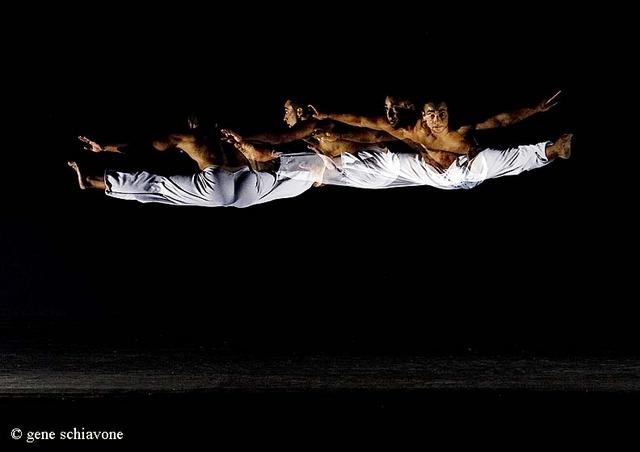
    In a tour de force, Miguel Quinones (Gene Schiavone photo, above) performed the imaginative and wildly popular solo CAUGHT in which a flashing strobe light makes the dancer appear to be literally dancing on air. Miguel, who danced in every single piece tonight and was still full of energy in the final NASCIMENTO, moved miraculously thru the over-100 jumps which constitute the choreography of CAUGHT, leaving his beautiful torso bathed in sweat as he finally ‘landed’. At the end, the crowd screamed wildly for the dancer: a demonstration of awe and affection which Miguel received with modest grace.

    L_e04af1a19ba345019ad0869823bcb7e4

    NASCIMENTO begins and ends with Abby Silva Gavezzoli (Elena Olivio portrait above) alone onstage. Abby’s sexy and lush dancing sets the pace of this colorful work in which the Parsons dancers revel in their choreographer’s signature style: witty, spacious, affectionate and vital. The music of Milton Nascimento, the appealing Santo Loquasto costumes and the excellent lighting by Howell Binkley (all evening) conspire to make this an exciting closing number.

    Now in his third decade of presenting dance, David Parsons remains at the top of his game. His newest works, PORTINARI and RUN TO YOU, seem destined to take their places among the Parsons classics that always make his New York seasons so enjoyable. And his current roster of dancers are as exciting and dynamic as any to be seen in our dancing City.

  • Another SWAN @ NYC Ballet

    ArticleLarge

    Due to the extraordinary demand for tickets, New York City Ballet have announced an additional performance of the Peter Martins SWAN LAKE for Friday February 11th. Sara Mearns is scheduled to dance Odette/Odile that evening. Photo of Sara by Damon Winter.

    It’s amusing to hear people attribute the great interest in these SWAN performances to the recent film BLACK SWAN. But the last previous revival of Martins’ SWAN LAKE was also a sellout, and that was long before the movie was made. 

  • Lydia Johnson Dance: Class @ Peridance

    Copy of 56

    Friday January 28, 2011 – Went dashing thru the snow (now slush, actually) to the East Side to watch a class at Peridance offered by a choreographer whose work I especially like: Lydia Johnson. Lisa Iannacito McBride of Lydia’s company (above, a studio photo by Kokyat) called the large group of about thirty students to order promptly at 11:30 AM and started to teach them a passage from Lydia’s work entitled DUSK, set to music of Henrych Gorecki. 

    I’ve seen Lisa dance many times but she’s also a really fine teacher; looking chic in a deep-purple satiny leotard, Lisa began the phrase and the students immediately picked up the basics. Laura DiOrio and Jessica Sand of Lydia’s company were on hand to help the dancers with tips on how they each execute the phrase. From watching the three girls, I saw how they are each able to achieve their unique shading of a danced expression while always remaining in the context of the basic qualities of movement.

    These classes where a phrase is taught are always so interesting to me because as a frustrated shoulda-been dancer, I’m continually amazed by how quickly the dancers in the studio can translate the instructor’s movement into their own bodies. Once Lisa went beyond the initial steps and gestures, I was throughly lost but the young dancers picked it up and ran with it. Within minutes they were working the passage and then the group broke into smaller units and took turns spiffing it up.

    Lydia sometimes addressed the dancers, speaking of the imagery that she had in mind when creating a given movement, but she steered clear of saying what the dance was supposed to ‘mean’; her remarks were more in terms of finding the freedom of each dancers’ individual expression than in trying to impose an interpretive boundary. I think this is why her own dancers always look so good: they filter the steps and gestures thru their own bodies and spirits, making individual statements while always maintaining the atmosphere that the music creates.

    As the session progressed, the group was broken down still further into four units and each performed the phrase as a canon, starting in different corners of the room. By the end of the class, they were starting to look like a Company.

    Lydia’s dancers Eric Vlach and Or Sagi were dancing, and so were two dancers I was familiar with: Justin Lynch and Danielle Schulz. There were other familiar faces but I can’t put names to them. The time sped by and all too soon the studio was emptying as another group of dancers stood waiting for the space. Many of the participants in Lydia’s class were headed to other classes or rehearsals, or to the jobs they hold down to pay the bills since dance jobs are not all that plentiful these days. Still, I find the idea of this life of dancing – of physical work to an artistic end – so fascinating.  

    Even if I’d known that one could make a life in dance and even if I’d pursued it, by now I would be retired. But who knows? I might have gone from dancing to having my own dance company. There are certainly plenty of dancers in New York City who would look great performing, and who deserve the opportunity to do it.

  • Lydia Johnson Dance: BACH/Gallery I

    Copy of 17

    This is the first of two galleries of photographs that Kokyat took at the Peridance presentation by Lydia Johnson Dance of an as-yet-untitled work to music of J. S. Bach. Read about the evening here. Pictured above are dancers Robert Robinson and Lisa Iannacito McBride.

    These images are from a pre-performance run-thru:

    Copy of 1

    Laura Di Orio & James Hernandez

    Copy of 4

    Or Sagi & Lisa Iannacito McBride

    Copy of 7

    Robert Robinson & Jessica Sand

    Copy of 8

    Or and Lisa in the foreground

    Copy of 10

    Ensemble

    Copy of 11

    Eric Vlach and Shannon Maynor

    A second gallery of pictures from this evening will be found here.

    Lydia has classes running at Peridance this week; you can drop in for a single class ($20) on Thursday or Friday at 11:30 AM.  On Sunday from 1:00 PM til 4:00 the Company will hold auditions at Peridance for upcoming projects.

  • NYCB NUTCRACKER 2010 #6

    Hot_chocolate

    Thursday December 30, 2010 @ 2:00 PM – Today’s treat: Hot Chocolate!

    This was one of those difficult days at the ballet – nothing to do with the dancing, which was super all afternoon. But my usual safe-haven in the 5th Ring was full of chatty, cell-phone prone, camera clicking and food-consuming persons (a group, so it seems – they all knew each other). They were pretty quiet during the overture and then there was some commotion and they started going in and out and there was lots of whispering. Apparently they did not like the 5th Ring view and went to complain or find other seats. I gave up and went to standing room, But there was a kid up in the gallery who talked all the way thru the party scene with no attempt from his parents to shut him up. Other people were shushing and one woman said: “Take him out!” but the parents didn’t budge.

    So, all I remember about Act I today was that Vincent Paradiso seemed to be doing twice as many flat-footed entrechats as usual in the Soldier doll solo. I love it when the dancers improvise like that. The snow scene was very pretty and perhaps that music finally lulled the blabbering brat in the Fourth Ring to sleep.

    The main reason I went to the performance today was to see Rebecca Krohn’s Sugar Plum Fairy. Anyone who has been reading my blog for a while knows that Rebecca is one of my ballerinas of choice: I singled her out soon after she joined the Company and I’ve been very pleased with her progress – most especially in the last two or three years where she seemed to really take things to another level in terms of presence and presentation. She has the look, the technique and the artistry and she showed them all off to perfection today with a very impressive performance of this difficult role.

    Right from her first entry, everything looked so polished and clear. The solo was attractively danced in the lyric style with just a trace of prima ballerina hauteur here and there to keep things fascinating. Her cavalier in the pas de deux was Zachary Catazaro, one of the handsomest guys in the Company. I’d mostly only ever seen him in the large corps works so I had no idea how he would fare in this testing adagio or how he would register as a stage presence beyond his good looks. He did really well; he and Rebecca had clearly worked hard to develop a strong partnership and things went smoothly, they looked great together and they had a flair for finishing things off with just the right flourish. The audience seemed very taken with them and gave them a big cheer at the curtain calls. After this, I would look for Zachary’s partnering stock for go way up; as for Rebecca, one might say ‘a star is born’ but she’s been a star in my book for a while now.

    Zachary_catazaro  Krohn

    Zachary Catazaro and Rebecca Krohn; headshots by Paul Kolnik.

    Tiler Peck’s Dewdrop was spectacular, full of sustained balances and brilliant pirouettes. She varied the pacing of certain phrases, such as her spins en attitude which seemed to linger on the music to delightful effect. A phenomenal dancer in every respect.

    Marika Anderson and Gwyneth Muller were poised and gracious as the demi-flowers. Mary Elizabeth Sell repeated her excellent Spanish senorita from yesterday; today she danced with Devin Alberda, one of the corps de ballet‘s most accomplished young men. Both Mary and Devin seem ready for more and bigger assignments. Megan LeCrone’s Arabian is all mysterious allure, and superbly danced. Antonio Carmena (Tea) and Giovanni Villolobos (Candy Cane) were on fine form.

    As the Marzipan’s back-up quartet Likolani Brown, Alina Dronova, Callie Bachman and Meagan Mann danced charmingly and remained unperturbed when the fire alarm started going off during their piece. Brittany Pollack was the main Shepherdess, adding another sparkling performance to her list. In the finale, Brittany treated us to three beautifully elongated grand jetes: no signs of NUTCRACKER fatigue from this rising star.

    Brittany’s vibrant performance was one more reason to celebrate the perfection of the Balanchine staging of this ballet. There’s been a lot of controversy about the new ABT/Ratmansky production, but one thing is clear: the set pieces of the Act II divertissement in the Balanchine version are surely more rewarding to dance than their Ratmansky counterparts. Spanish, Arabian, Marzipan, Dewdrop – these Balanchine roles give young up-and-coming dancers great opportunities to step out and show what they can do. Ratmansky’s Spanish and Marzipan are nothing-special ensemble pieces, his Arabian is a bare-chested guy doing a walk-about, and there’s no Dewdrop at all. 

    It was interesting today to listen to the Battle of the Mice music while leaning against the back wall of the gallery, not watching the action. You don’t even need to see the stage to know exactly what’s happening because Balanchine uses every militaristic ruffle and flourish in the music – right down to the smallest instrumental nuance – to depict the conflict in theatrical detail.

  • Photoshoot: Christopher Ralph

    Copy of 2 (3)

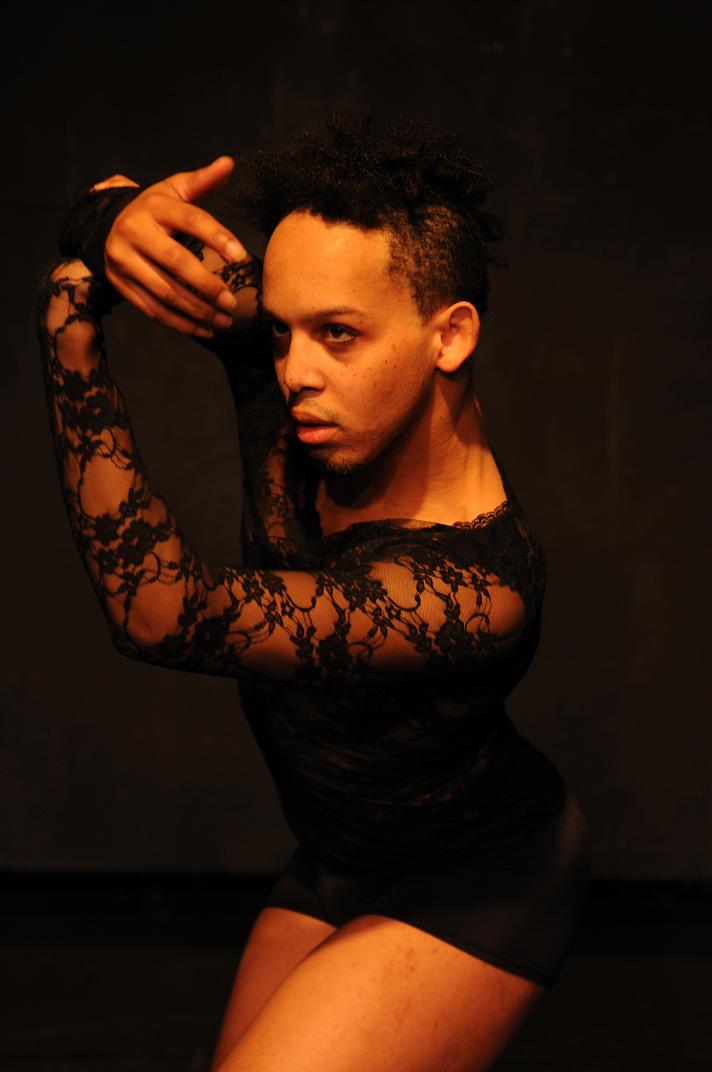
    Kokyat’s images of dancer Christopher Ralph from our December 19, 2010 photoshoot at The Secret Theatre in Queens.

    Copy of 4

    Copy of 3

    Copy of 6

    Copy of 5

    Copy of 3 (3)

  • DASH Ensemble: News

    Copy of 17

    Gregory Dolbashian’s DASH Ensemble are preparing for their performances at Dance Theater Workshop on January 7th and 8th where they are sharing the bill with Camille Brown, Helios Dance Theater and Corbindances. Above photo by Kokyat: Christopher Ralph and Marie Doherty of the DASH Ensemble.

    Watch a cool video of Gregory talking about The Playground here. 

  • Ratmansky’s NUTCRACKER for ABT

    Copy of AV4

    Sunday December 26, 2010 at 5:30 PM – Ever since he photographed Veronika Part when she was dancing for Avi Scher, Kokyat has been smitten with the ballerina. He had a second opportunity to photograph her when she repeated her role in Avi’s ballet TOUCH. He and I went to see her in ABT’s SWAN LAKE and he was really excited at the prospect of seeing her in Alexei Ratmansky’s new version of THE NUTCRACKER. Kokyat’s image of the ballerina, above.

    I have always liked ABT’s ‘Baryshnikov’ NUTCRACKER though I must say I think the filmed version falls short of experiencing it in the theatre. I especially like what Baryshnikov did with some of the divertissement pieces, most notably Spanish (danced in this filmed clip by Jolinda Menendez and Clark Tippett) and Marzipan (Aurea Hammerli and Warren Connover in the filmed excerpt).   I also have a soft spot for the way Baryshinikov made the pas de deux a ‘psychological’ pas de trois for Clara, the Prince and Drosselmeyer. I once saw three consecutive performances of the Baryshnikov production on a single weekend: my Claras were Leslie Browne, Mariana Tcherkassky and Natalia Markarova. Much as I admire Gelsey Kirkland in the film, each of these ballerinas was quite wonderful in the role.

    Aside from the Balanchine NUTCRACKER which I have seen close to a hundred times (not counting the filmed version), the Baryshnikov setting is the only version of this ballet I’m really familiar with. But it’s been years since it was presented ‘live’ and now ABT have put on a new version at BAM and so we braved the snowy trek to Brooklyn and the restless audience full of kids to see what Ratmansky has devised.

    2010-b-nutcracker

    The Ratmansky NUTCRACKER opens in the Stahlbaum kitchen. Mice (beautifully costumed in in grey tailcoats) play a big role in this production, especially one little mouse who quickly became tiresome. The kitchen scene was an unnecessary addition since it had nothing to do with anything.

    One immediate realization about this production is how much better the NYCB orchestra play this score than their ABT counterparts. Of course, the NYCB musicians have had much more experience playing it. (The interpolated violin intermezzo which links the two scenes of Act I of the Balanchine is not done at ABT).

    The party scene is played in a large, flat-tourquoise room. The children in this scene are too old to still be enchanted by Christmas, so they are spoiled and snotty instead. There’s hardly any dancing aside from the Harlequin/Columbine duo and a couple known as The Recruit and the Canteen Keeper. These mechanical dolls appear from large wrapped Xmas boxes just as the dolls in Balanchine’s version do. But their choreography isn’t nearly as lovely. They also reappear randomly later in the production.

    There is no sense of mystery or magic about Ratmansky’s Drosselmeyer who looks – in his plaid pants and spangled cloak-liner – like a 19th century dandy/pimp. Isaac Stappas, handsome as ever, did what he could with the role.

    Nutrehearse

    Rehearsal photo: Ratmansky, Gomes, Part.

    The Battle of the Mice is a rather helter-skelter affair. Then we’re off to the Snow scene where Clara and her boy-prince encounter their older selves in the persons of Veronika Part and Marcelo Gomes. The younger and older couple have a sort of parallel pas de deux; there’s lots of hugging and excitement over being with someone you love but the choreography for Part & Gomes seems hellbent on making them look their worst for the most part. You have two of the greatest dancers in the world at your disposal and this is all you could think of to do? Meanwhile the snowflakes are doing some dancing but it isn’t cohesive; in fact it’s rather random….and they sometimes lay down on the floor. Their petite leaps in place make lots of toe-shoe racket on the stage, causing me to yearn for Balanchine’s swift, magical and winter-quiet snowflakes. Where are Mary Sell and Sarah Villwock when you need them? Well, anyway, all the ABT snowflakes appear to die at the end of the scene. Drosselmeyer pushes on a large sleigh but its runners have not been oiled and there’s a loud screeching sound. He manages to run over the tutu of one of the recumbent snowflakes before her gets Clara and her boy-prince into the sleigh to head for Sugar Plum Land. 

    Ratmansky’s divertissement ‘national dances’ lack the charm of the Balanchine versions – the music is charming, so the choreography should be also. Aside from a conventional and pleasing Spanish dance for three couples, most of the choreography in ABT’s Act II went in for cuteness and cleverness rather than vivacity or anything vaguely poetic.

    Who knew, for example, that the Nutcracker has five sisters? Dressed in pink top hats, five excellent ABT ballerinas danced very nicely but the choreography just seemed so pointless (they had the Marzipan music). I could swear I saw Maria Riccetto among them though she was not listed.

    In Arabian, all I could think was “Sascha Radetsky came back to ABT for this?”  The conductor chose a molasses-in-January tempo, making the already-long piece stretch out interminably. The handsome Sascha, in harem pants, bare-chested and beautifully tattooed, simply walked around the stage while four women teased, cajoled and scolded him. At the very end of the piece he did a very quick phrase of real dancing and then swept off.

    Marian Butler and Joseph Gorak were fine in Chinese though they had more interesting things to do in the finale than in the set piece. Three men danced a slapstick Russian trepak; the dancers were replacing the announced trio and I am not sure I got the names right but they seemed to be Luis Ribagorda, Roman Zhurbin and Julio Bragado-Young.

    Ever since Balanchine put a male dancer on stilts and created a drag Mother Ginger, several productions have done the same in this number. Ratmansky tries it again but what undermines his version is having the ‘polichinelles’ dressed as Red Hot Chili Peppers. Cuteness prevailed yet again and by this point things were getting pretty stale. (Baryshnikov’s pleasing solution to this set piece was to have it danced by four Jesters with tinkling bells sewn to their costumes).

    The Waltz of the Flowers featured anonymously pretty choreography; there’s no Dewdrop but there are four male Bees who buzz around the bouquet of ballerinas. My heart bled for the four excellent danseurs who were forced to carry on with much coy prancing about. Baryshnikov’s version had also omitted the Dewdrop role, and he too used men in the Waltz but they were elegantly dressed cavaliers, not silly and superfluous bugs.

    Part and Gomes danced splendidly in the grand pas de deux, given in standard performance order (adagio/male solo/female solo/coda) as opposed to Balanchine’s version which rearranges it, putting the Sugar Plum variation at the start of Act II. There were some exciting partnering feats in the duet but even here Ratmansky seemed to feel a need to be different just for the sake of being different; the choreography wasn’t memorable enough for me to recall specifics. At times, though, it seemed to me that the choreography was working against the natural grace of the dancers by making them do odd things.

    As the finale draws to a close, Gomes asks Part to marry him. He places a ring on her finger while attendants place a veil on her head. They elope.

    At the end, in a bizarre scene, Clara is seen in her bed with Gomes standing to one side and the boy-prince at the other. She awakes and goes first to one, then the other. Does she want them to get in bed with her? They recoil and withdraw. Clara settles down with her Nutcracker doll as the voyeuristic Drosselmeyer peeks in thru the window.

    Copy of 1

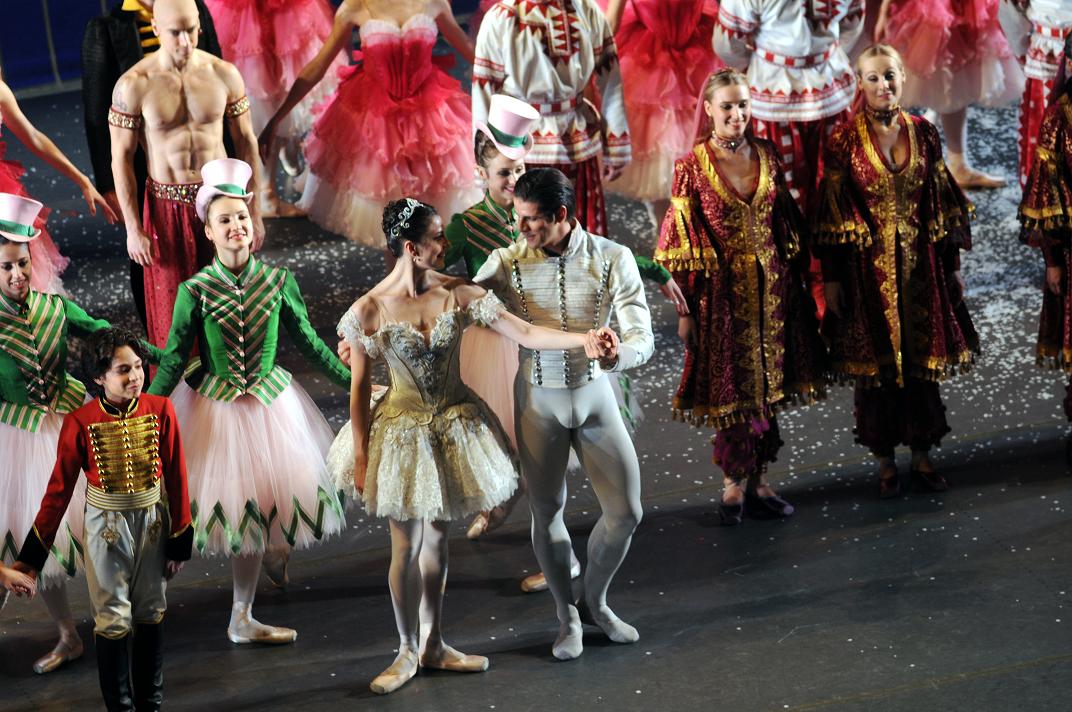
    Curtain call photos by K. Click to enlarge.

    Copy of 5

    There were lots of empty seats though it’s possible the weather was to blame for some of them, The production seems to have been built for touring; it looks nice enough at BAM but I think it would be really dwarfed at the Met.

    My guideline for the success or failure of a ballet production is simple: is it something I want to see again or – failing that – would I be willing to see again despite misgivings just to see other dancers in the leading roles? This production fails on both counts. Kokyat liked some of it simply because it was so visually different from anything else. I kept wishing they’d simply refurbished the Baryshinikov.

    My friend and fellow blogger Tonya Plank takes a different view of the production here; she saw a different cast and I believe she plans to see additional performances.

    So many superb dancers in each roster rank: I wish ABT would make more of an effort to mount productions which are truly worthy of their talents. 

    Thinking about current choreographers who might offer an interesting take on NUTCRACKER, the names Christopher Wheeldon, Edwaard Liang and Melissa Barak came to mind.

  • Catching Up With Edwaard Liang

    37915_10150097091169478_581954477_7362145_2806021_n

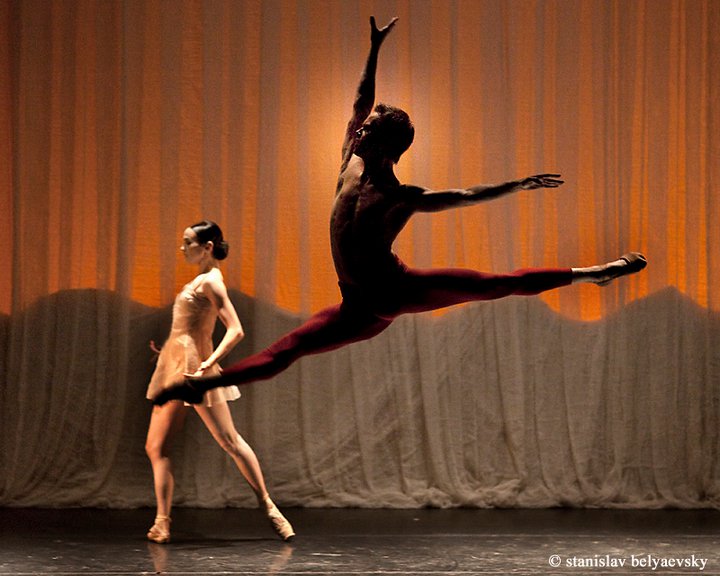
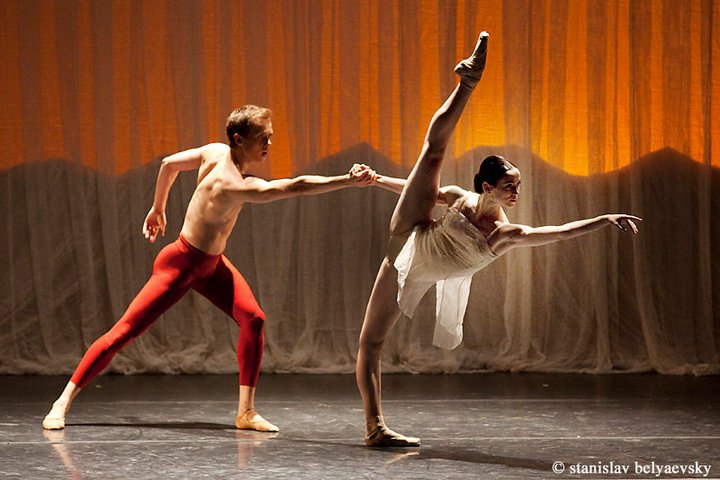
    Seeing Stanislav Belyaevsky‘s photo of the Mariinsky dancers Leonid Sarafanov and Oleysia Novikova in Edwaard Liang‘s FLIGHT OF ANGELS (above) reminded me that it was time to check in wth Edwaard to see what he’s been up to and what’s in the future for him.

    33480_448432417127_205250232127_5161867_3570534_n

    Here is another image by Mr. Belyaesvsky from Edwaard’s Mariinsky ballet with Novikova and Sarafanov. Earlier this year, Edwaard created FLIGHT OF ANGELS in St. Petersburg and he shared this experience  on my blog here and here. Then in May he was in Singapore and then it was Summer and…now it’s Autumn and an Edwaard Liang update is definitely overdue.

    55769_458857041945_517551945_6093887_4296006_o

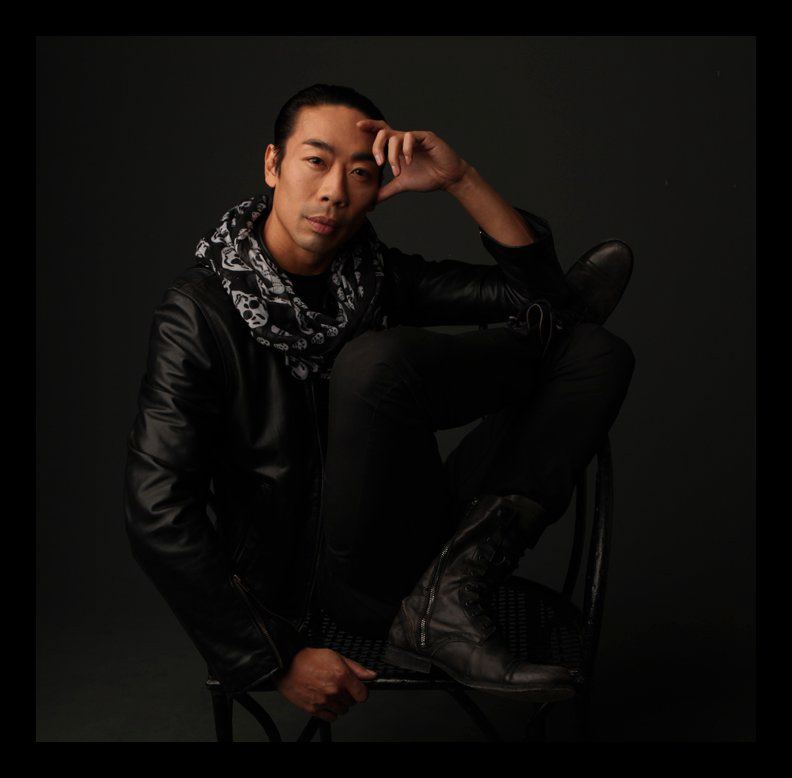
    Portrait of Edwaard by Hauser & Fredda.

    Edwaard Liang was the subject of my first Oberon’s Grove interview and it has been one of the most-read and most-Googled articles on my blog ever. A lot has happened for Edwaard since this interview, but the story of a wonderful dancer who became a wonderful and much-in-demand choreographer is a really good read – which I can say, since he did most of the writing.

    Edwaard sent me a basic list of his upcoming choreographic engagements:

    "I'm currently working with Joffrey Ballet, choreographing a new work for spring 2011.

    This Winter: re-working a piece for Yuan Yuan Tan and Damian Smith
    for the SFBallet Gala in January.

    Winter: Start my second work for Singapore Dance Theatre

    Spring 2011: - Premiere Joffrey new creation

    - create and premiere a new work for Washington Ballet

    Early summer: premiere Singapore Dance Theatre new creation

    Fall of 2011 - start a new work for San Francisco Ballet for 2012

    2012- Full length Romeo and Juliet for Tulsa Ballet

    - New creation for Houston Ballet"

    Then I had a few questions to ask him:

    What music are you using for your new Joffrey piece?

              “I’m using 4 different composers: Ravel, Michael Galasso, Britten, Gorecki.” 

    How far in advance do you pick your music?

              “I am always looking and researching.  I sometimes have music already set aside… sometimes I’m searching for a certain project.”

    Do you have a list of musical works you would like to set and then wait for the right company to choose from the list or is it more spontaneous?

              “I always have a wish list of music.. but it really has to fit with the company and the ballet I have in mind.  So its half planned and half spontaneous.”
    Do companies ever ask you to use specific music or is that always up to you? 

             “Yes.. certain companies have hired me for a specific project or piece of music.  But that is always a bit harder.”

    Do you find your mind racing ahead to all these projects or are you taking it one thing at a time? 

             “I try not to focus on too many things at once.  I’m really just doing one project at a time.”

    How great that you go back to Singapore…those dancers look so young,..and serious!

             “I’m so happy to go back and work. I love working in Asia. I really want to do more in China, Hong Kong, etc.”

    55267_458857451945_517551945_6093894_5914371_o

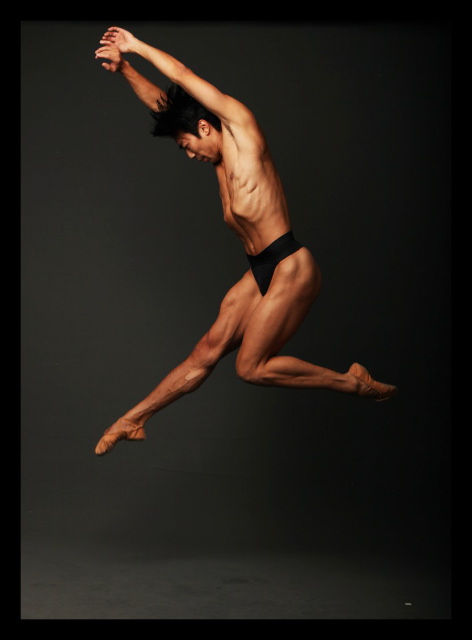
    Photo: Hauser & Fredda. Although officially ‘retired’ as a dancer, Edwaard has obviously maintained his dancing form.