(A long, 3-part story about the eight performances I attended at the Old Met back in the 1960s. I think a lot of young opera-goers these days don’t realize there was an Old Met!)
Note that the links to musical excerpts no longer work.
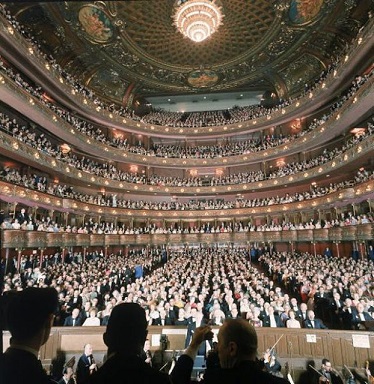
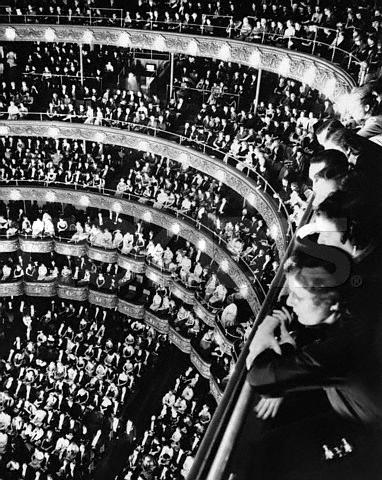
Above: The Old Met (1883-1966)
Author: Oberon
As a teen-aged opera-lover living in a tiny town six hours from New York City (by bus or train), I often felt very far-removed from my beloved art form. During those early years of my operatic obsession, I maintained a connection with The Met via the Texaco-Metropolitan Opera radio network, never missing a broadcast. For me, those broadcasts were far more meaningful than going to church.
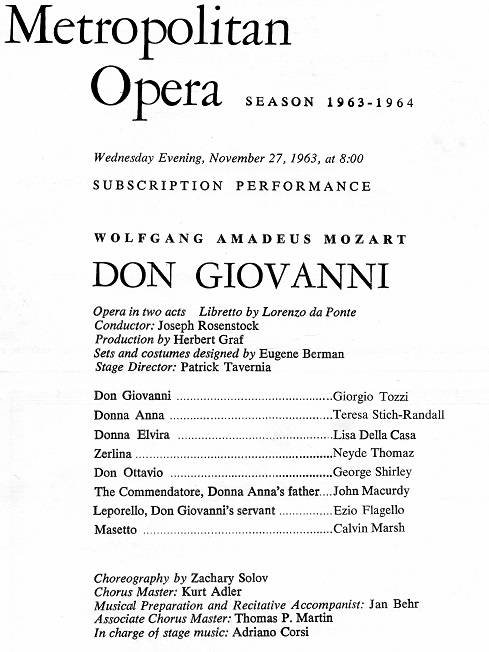
In the Autumn of 1963, my parents very kindly planned a trip to New York City which would include my first visit to the Met. I ordered the tickets by mail and was so excited when they arrived; I was going to go alone (!) to DON GIOVANNI, and my parents would come with me on the second night, to see FAUST.
By a twist of fate, our trip to New York followed by only a few days the assassination of John F Kennedy. We’d been following the whole story on TV, and my brother and I were watching “live” when Jack Ruby stepped out of a crowd and shot Lee Harvey Oswald. A pall was thus cast over what should have been my happy first visit to The Met. But once in the dilapidated but – to me – awe-inspiring hall, everything else faded to insignificance.
Knowing they’d be moving uptown to Lincoln Center, The Met was putting no money into maintaining the venerable House on 39th and Broadway. Paint was peeling, seat cushions torn, small bits of gilt-work and even lighting fixtures had been torn off the walls as souvenirs. Everything looked dusty and drab.
Where I was sitting, high up and on the side, the singularly uncomfortable seats allowed very little legroom. On the back of each seat, a small metal box was attached that contained cheap opera glasses; by depositing a quarter, you could use these during a performance. Many of these boxes had by now been torn off and smuggled out as mementos; those that remained were dented and disfigured by people prying them open to avoid the twenty-five cent fee. Hardly any of them still contained the small binoculars.

From my perch, I was particularly taken by my view of the proscenium, which was by now coated with dust and grime but somehow still beautiful. Amidst the decorative carved wreathes and furbelows were the plaques bearing the names of six great operatic composers: Gluck, Mozart, Beethoven, Wagner, Gounod, and Verdi. Puccini and Strauss had not yet made their mark in the opera world when those names were chosen.
The house lights dimmed, and my first Met performance commenced:
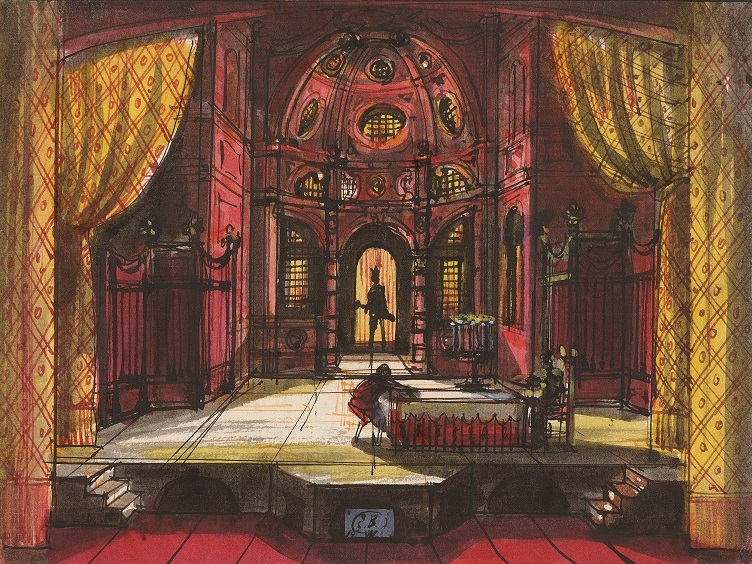
The DON GIOVANNI production was by designed by Eugene Berman (the Banquet Scene, above); I was duly impressed on seeing them in the House. The Berman sets traveled to Lincoln Center with the Company, and were utilized there until a Franco Zeffirelli production replaced them in 1990.
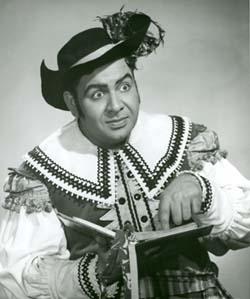
The very first voice I heard in the great Old House was that of basso Ezio Flagello (above), singing Leporello in DON GIOVANNI. Flagello had a wonderful voice; he sang more than 500 performances with The Met, including opening night of the New House, between 1957 and 1984.
Donna Anna and Donna Elvira were sung by two of the premiere Mozart sopranos of the day: Teresa Stich-Randall and Lisa Della Casa.
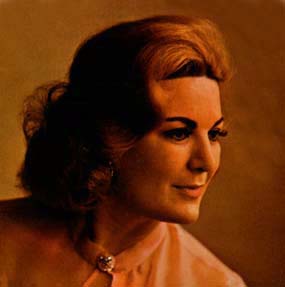
Teresa Stich-Randall was the only singer I mentioned in my very brief diary entry the morning after the performance. Years later, when I was living in Connecticut and Ms. Stich-Randall had returned there to care for her aging mother, we had a brief correspondence; but a planned meeting never materialized due to a big blizzard.
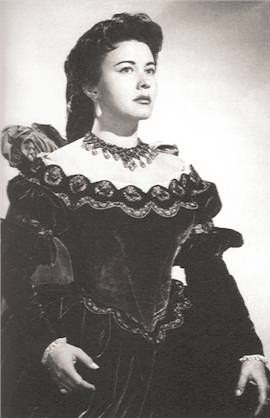
Lisa Della Casa was one of the most beautiful women ever to grace the operatic stages of the world. I saw her a second time as Donna Elvira at the New Met, during the first season there: she sounded wonderful and looked lovelier than ever.
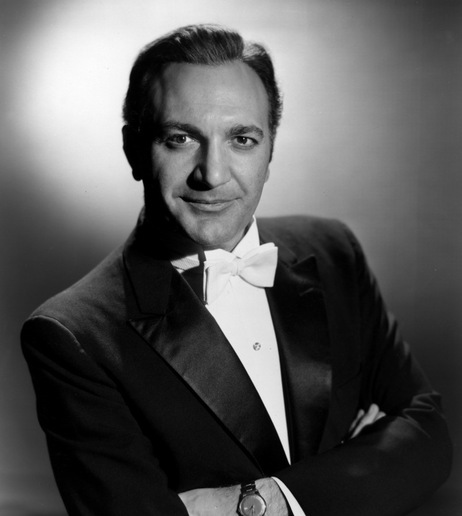
Giorgio Tozzi was Don Giovanni; his was one of the first operatic voices I had become familiar with as he sang arias from NABUCCO and SIMON BOCCANEGRA on the first opera LP I ever owned. He was one of my favorite singers; I had heard him on so many broadcasts prior to this first “live” encounter. A few years later, he was my first Hans Sachs.
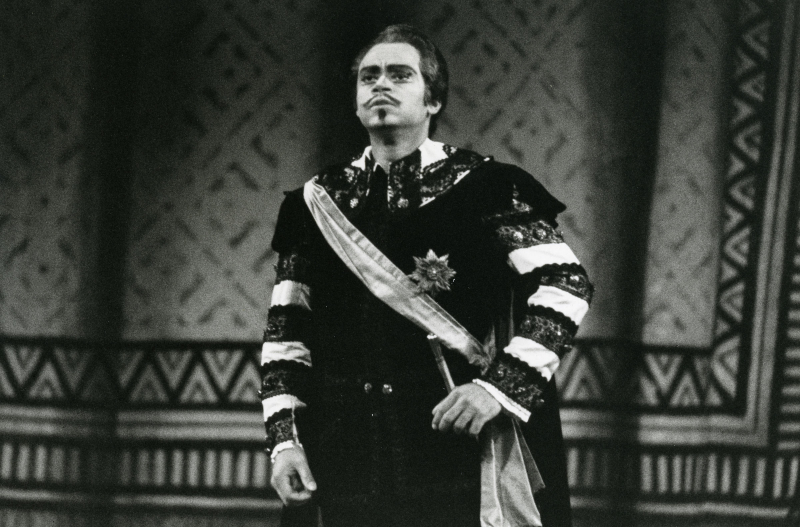
George Shirley sang Don Ottavio, his first appearance in the role. Mr. Shirley’s pliant lyric tenor made him a favorite with Met audiences; he chalked up some 275 performances with the Company in New York City and on tour between 1961 and 1972. His career has been ongoing: in 2018, he sang the Emperor Altoum in TURANDOT in a concert performance with the Detroit Symphony.
The very fine baritone Calvin Marsh (Masetto) and basso John Macurdy (The Commendatore) also sang on my first Met evening. Mr. Macurdy went on to give a thousand performances (!) with the Metropolitan Opera Company, and was my first-ever Narbal (TROYENS) and King Marke (TRISTAN UND ISOLDE).
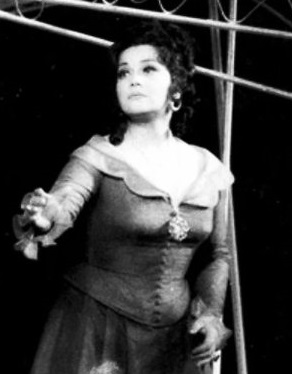
And I was quite taken by the Brazilian soprano Neyde Thomaz, who sang prettily as Zerlina. Although four Zerlinas were the sum total of her Met career, she was a beloved singer in her native land. As of this writing, she is still with us, and has 9,000+ fans on Facebook.
I must admit that, at this point in my opera-loving career, conductors did not make a great impression on me. In truth, I did not know the operas well enough to form an opinion of how well they were conducted; that would change slowly over the ensuing years.
But I did recognize the names of my first two Met conductors from their broadcast performances: Joseph Rosenstock was on the podium for DON GIOVANNI, and the following night Fausto Cleva conducted FAUST:
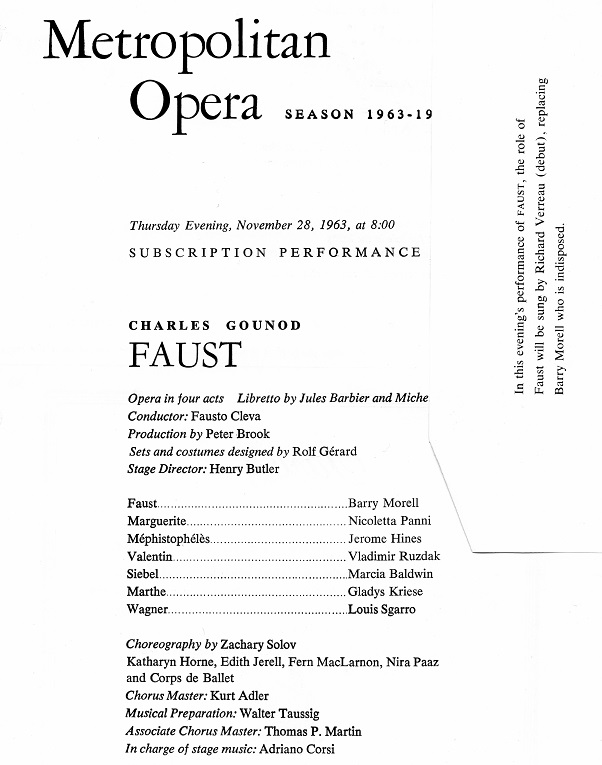
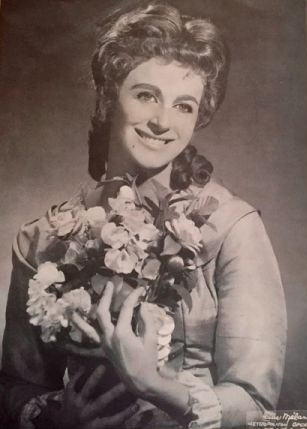
Like Neyde Thomaz in DON GIOVANNI, Nicoletta Panni (above) – my first Marguerite – had a four-performance Met career: two Mimis and two Marguerites. I loved her! In my diary, I singled her out for her lovely voice and her moving acting in the opera’s final scene. And I can still see her, clad all in white, kneeling to the applauding audience before the iconic gold curtain. It was at that moment that I realized that my dream had come true, and that I was now witnessing live the bows that been described so many times by Milton Cross on the Saturday broadcasts.
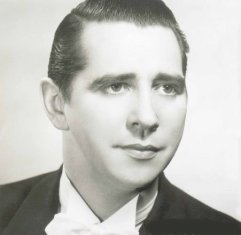
And I also very much liked the singing of Richard Verreau (above), making his debut on short notice as Faust, replacing Barry Morell. Morell was at that point the tenor I knew best, from his Met broadcasts and his performances at Cincinnati Summer Opera. Mr. Verreau’s singing was so stylish, his tone so appealing; I assumed he would continue to perform at The Met after such a fine debut. But after two MANONs and an evening of opera arias and duets at Lewisohn Stadium, he, like Mlles. Thomaz and Panni, did not sing with The Met again.
Jerome Hines was the evening’s Méphistophélès, and my diary mentions his acting but not his singing. If memory serves, Hines was going thru a bad patch vocally at this particular point in his career. He re-bounded and went on singing into his 80s.
As Valentin, Croatian baritone Vladimir Ruzdak impressed me: his voice was dark-timbered and powerful. His career at The Met comprised sixteen performances over a two-year stretch. He continued to perform often in Europe, and later directed opera and even did some composing.
Marcia Baldwin was my Siebel; I liked her aria a lot. Many years later, when I was working at Tower Records, Marcia came in with her longtime companion. My boss, Bryan, and I chatted them up. Great people! Thereafter, they would always come by whenever they were in town.
It was nice to see onstage – as Marthe and Wagner – Gladys Kriese and Louis Sgarro, two singers who I’d heard many times on the Met broadcasts. FAUST has a long ballet, which bored me to tears.
Writing about these two performances, it’s interesting that so many briefly flashing “Met comets” appeared on these back-to-back evenings. Even Ms. Stich-Randall, who had a huge career in Europe and made some important recordings, only sang 24 times at The Met, and in only two roles: Fiordiligi and Donna Anna. But while singers like Mlles. Panni and Thomaz and Msssr. Verreau and Ruzdak may be largely forgotten today, to me their voices really meant something.
~~~~~~~~~~~~~~~~~~~~~~~~~~~~~~~~~~~~~~~~~~~~~
~ The continuing story of my experiences attending performances at the Old Met as a very avid young opera-lover:
In January 1965, I was the proverbial small-town boy, sixteen years old; I took the train alone (for the first time) from Syracuse to Harrison NY. There, a man who had grown up in my hometown, and who had worked for my father at the drug store, was now teaching music at a high school. He knew that I’d become fascinated with opera, so he arranged with my parents that I should make the trip.
Being a Metropolitan Opera subscriber, he had passes to a dress rehearsal of The Met’s Alfred Lunt/Rolf Gerard English-language production of Mozart’s COSI FAN TUTTE. Following that, we would have dinner and then go to a performance of the Cecil Beaton production of TURANDOT in the evening.
The excursion marked the first time I traveled anywhere on my own, and the first time I slept in a bed with an adult male. Part of me wanted desperately to be seduced, but nothing happened in that department; I hardly slept though…the situation was so provocative.
On that Thursday morning, he made breakfast and then we drove into the City. The COSI dress rehearsal had quite a large audience. I can’t remember where we sat, nor why we didn’t go to the stage door afterwards.
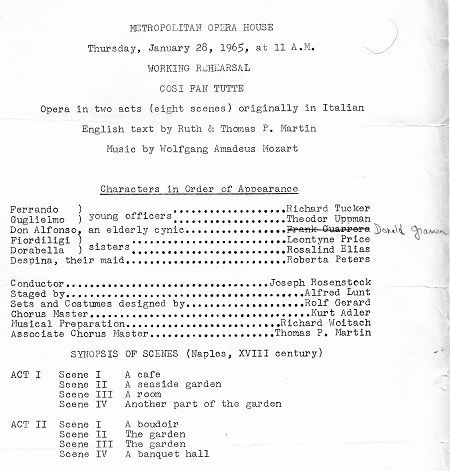
The COSI revival had what amounted to an all-star (and all-American) cast. Aside from Donald Gramm, who was replacing Frank Guarrera as Don Alfonso, all these voices were familiar to me from the Texaco Saturday matinee radio broadcasts.
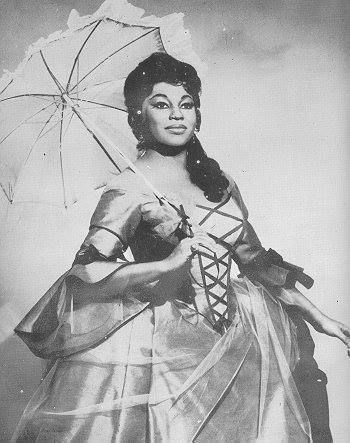
At that time, Leontyne Price (above, in her COSI costume) was already the toast of New York, although her fame would increase exponentially in the years ahead. Fiordiligi was one of three Mozart roles Ms. Price sang at The Met (Donna Anna, plus two Paminas in English being the others.) She sounded lustrous in Fiordiligi’s music, and sang the florid passages of the role smoothly. Her high notes had a lovely bloom.
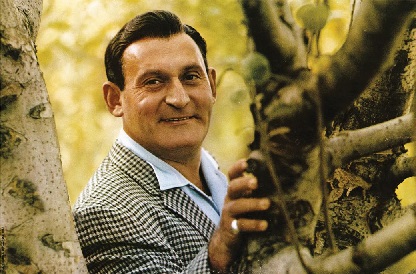
Richard Tucker (above) was one of the greatest tenors in the history of The Met; this was the first of many Met performances by this most generous of singers that I greatly enjoyed. Like Leontyne Price, Tucker was not thought of as a Mozartean. But he sang beautifully, especially in the aria “Un aura amoroso” (I don’t recall the English words used). Tucker was also a very good comic actor. I can’t find any Mozart excerpts by Mr. Tucker (he also sang Tamino, and would have been a wonderful Idomeneo or Tito) but here’s something (very non-Mozartean) that shows off his English-language diction.
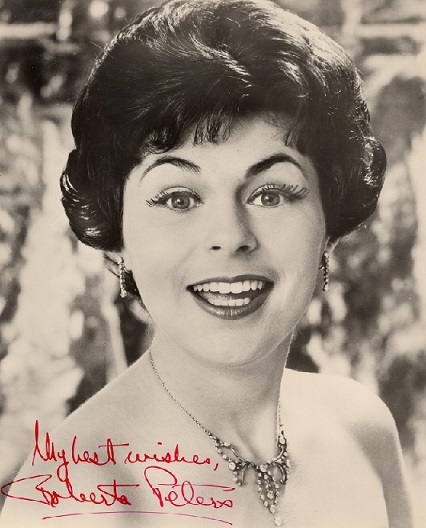
Roberta Peters (above) was a scintillating, well-loved coloratura, famous for her Gilda and Queen of the Night. As Despina, she was a lively actress, and added sparkle to the ensembles. Here’s she is in bel canto mode:
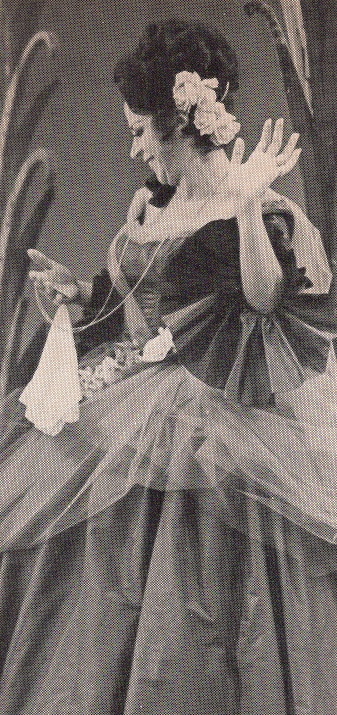
Rosalind Elias (above, as Dorabella) – she of the gorgeous face and figure – had a lush voice that was once described as “high-caloric”. She looked terrifically buxom in her costumes, was a brilliant actress, and sang superbly. Here’s a sampling of Roz’s Mozart singing:
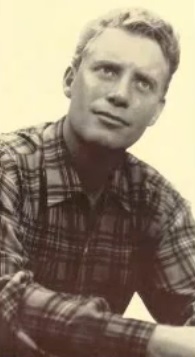
Theodor Uppman (above), the popular young lyric baritone, was a beloved Papageno and Masetto at that time…and he had already sung Pelléas opposite Victoria de los Angeles. He sang stylishly as Guglielmo, and was a key player in the comedy.
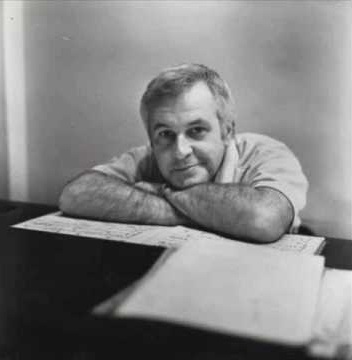
Donald Gramm (above) – then a rising American singer – became better-known over time for his song repertoire, though years later I did catch him onstage as Leporello (at both The Met and New York City Opera), and as Oroveso in NORMA in Boston (a performance wherein he interpolated an aria Wagner had composed for his character.) At this dress rehearsal, Gramm excelled as the crafty Don Alfonso, and his diction was especially clear.
We must have had dinner someplace nearby before going to the evening performance of TURANDOT; I can’t remember where. But I do remember that TURANDOT was far more exciting for me than COSI had been.
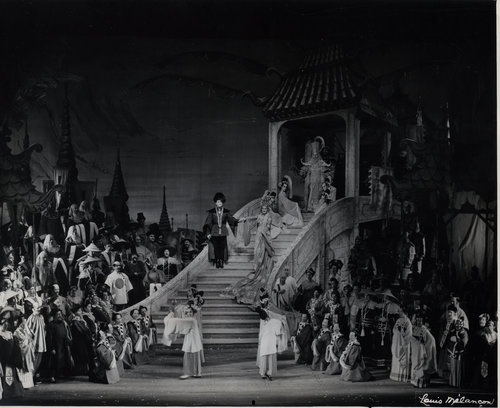
The Cecil Beaton production (Act II set, above) had brought Birgit Nilsson’s triumphantly-sung Turandot to New York City. Nilsson sang it at The Met, and then took it on tour. Mary Curtis-Verna was the first soprano to appear as Turandot in the production, other than Nilsson. As we sat waiting for the performance to begin, around me I heard people expressing the notion that Ms. Curtis-Verna and her tenor, Jess Thomas, were unlikely to come within hailing distance of the Nilsson/Corelli team. Of course, I had heard Birgit and Franco on two Saturday broadcasts of the opera; secretly, thrilling as they were, I was kind of glad to be hearing different singers in this music. Variety is the spice of operatic life, after all.
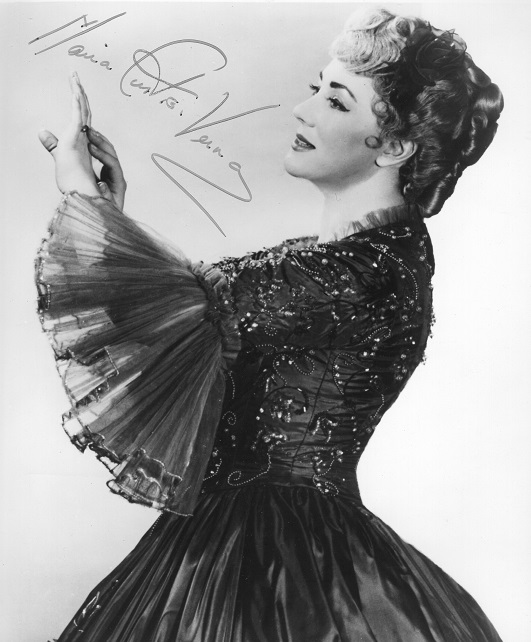
And how different, indeed! Instead of Nilsson’s silvery trumpet of a voice, in Ms. Curtis-Verna (above) we had a warm, very Italianate-sounding soprano of ample power, with a beautiful stage presence. What I remember most about her performance was the perfectly projected, sustained high B-flat with which she ended the evening.
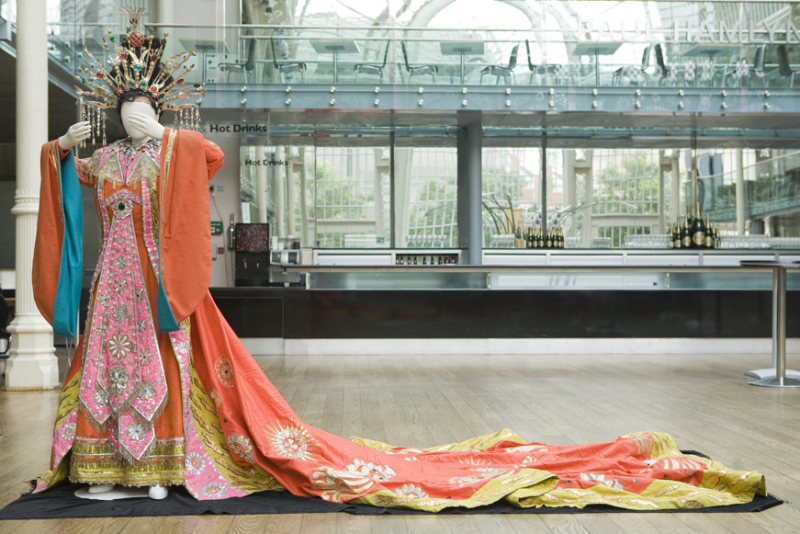
Above: the original Cecil Beaton costume for Turandot, now in the archives of the Royal Opera House, Covent Garden, where the production originated.
I quite naturally assumed that I would be hearing Mary Curtis-Verna at The New Met the following season, but – after singing the Triumphal Scene from AIDA at the closing night gala at the Old Met – she never appeared with the Company again.
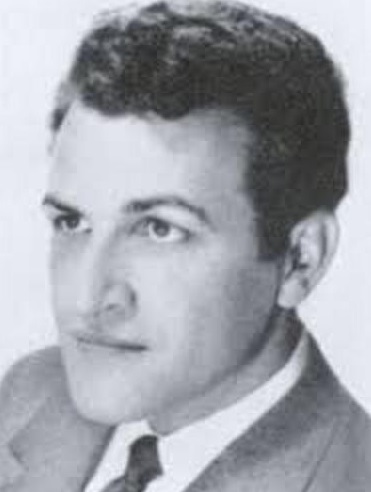
Jess Thomas (above) was the Calaf that night. He looked striking in the Unknown Prince’s black costume and fur hat. Though his was not at all an Italianate sound, Thomas had power and to spare; he made a strong impression both physically and vocally. In September of 1966, he was the tenor lead in the opening night performance at the New Met, as Julius Caesar in Samuel Barber’s ANTONY & CLEOPATRA.
Best-known for his Wagner roles, Jess Thomas would later be my first Tristan, Parsifal, and Siegfried.
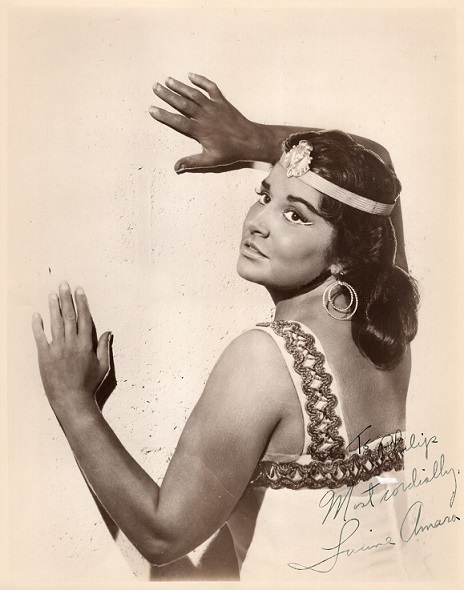
Lucine Amara (above, as Aida) stole the show vocally; her Liu was movingly sung, with some finely-spun pianissimi. Having heard her on the broadcasts, I thought she was an excellent singer – and I continued to think that, even after I discovered that her reputation was that of a ‘house singer’, devoid of vocal glamour. To me, her Nedda, Antonia in HOFFMANN, Donna Elvira, Mimi, Butterfly, Ellen Orford, and Aida were all perfectly pleasing, and whenever, in future seasons, I was at a performance where she stepped in for a more celebrated soprano, I didn’t mind in the least.
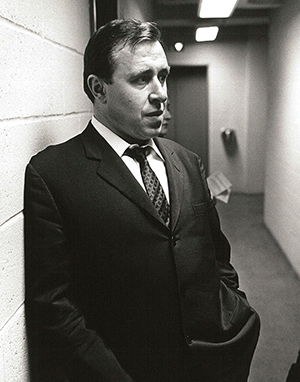
Making a tremendous impression as the blind King Timur was Bonaldo Giaiotti (above). Already, from having heard him on the Saturday broadcasts, he was among my favorite singers; and in fact, over the years, no other basso could dislodge Giaiotti from the pedestal I’d placed him on. It was a voice filled with humanity.
At this point in my opera-loving career, I had not yet become intrigued with the music Puccini assigned to the three ministers: Ping, Pang, and Pong. Their atmospheric scene prior to the Riddle Contest is now one of my favorite parts of the score. On this evening that scene was robustly sung by Calvin Marsh, Charles Anthony, and Robert Nagy. Robert Goodloe was a fine Mandarin, and the great Italian character tenor Mariano Caruso was the venerable Emperor Altoum.
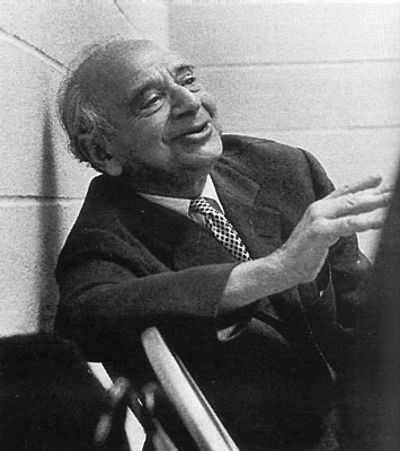
Fausto Cleva (above), the Met’s go-to conductor for the Italian repertoire, wielded the baton. He seemed pleased as punch at the curtain calls: a man small of frame, with a shock of white hair, he had an old-world elegance in his white tie and tails.
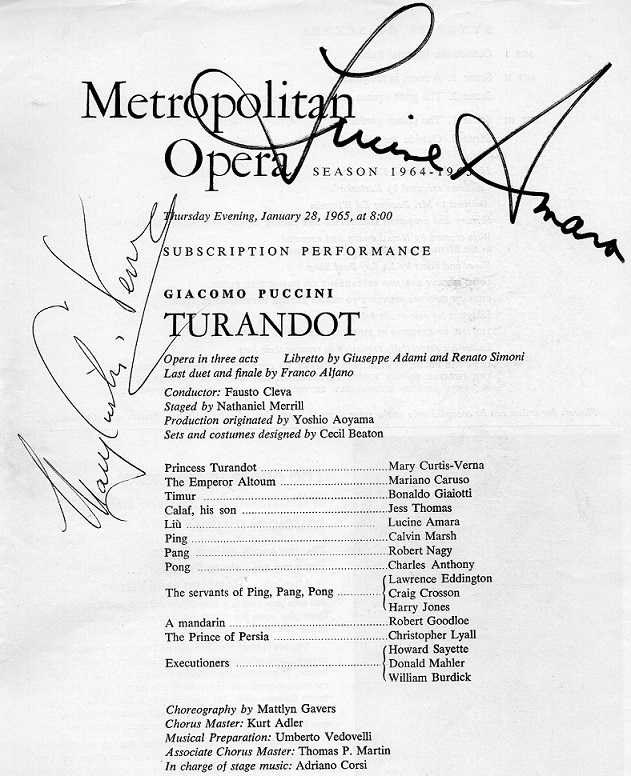
We went backstage, and stood in a long queue to meet the two sopranos; I realized that several men on that line were looking at me – not that I was anything special to look at, but youth in and of itself is a great asset in the gay world…as I came to discover.
Mary Curtis-Verna and Lucine Amara signed my program. I don’t know why we didn’t visit any of the male singers; maybe my host was thinking of the long drive home. Between the excitement of the opera and having this long-legged man next to me in bed, I did not sleep much. I was beginning to think longingly of what it would be like to give in to my desire; it was to be another eight years before I found out.
There was one more trip to the Old Met to come: in November of 1965 I attended four consecutive performances in the dilapidated – but undoubtedly still grand – old theater. For now, though, it was back to the little town…but at least I knew for sure where life would be taking me.
~~~~~~~~~~~~~~~~~~~~~~~~~~~~~~~~~~~~~~~~~~~~~
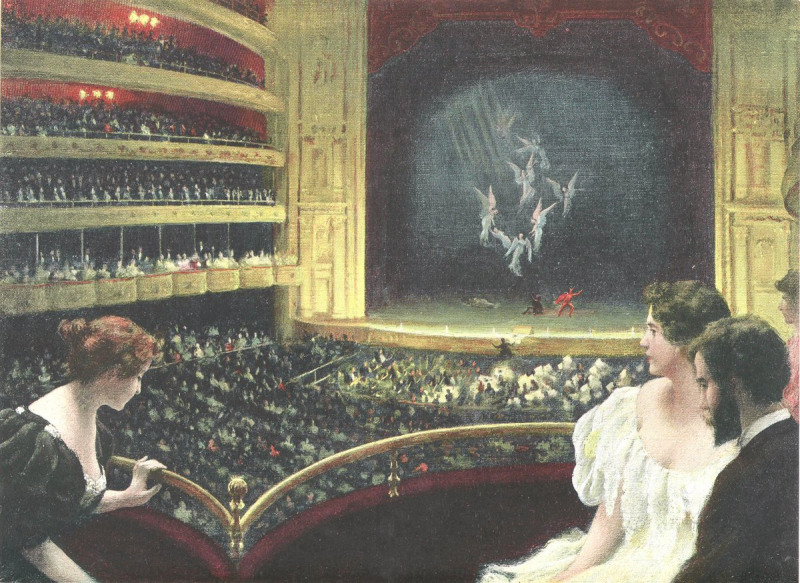
Above: at The Old Met, final scene of FAUST
~ In November, 1965, I saw my last performances at the Old Met. This was my first “long weekend” at the opera; such weekends became my routine over the next 30 years. In the late Summer of 1966, I would make first solo trip to New York City to join the box office line for the opening performances at the New Met, where I was to see hundreds of performances in the ensuing seasons. That saga started here, and continues to this day.
But in the Autumn of 1965, the Old Met was still The Met. For me, it was thrilling to see four performances in three days, and I wished that there were weekday matinees that I could have gone to: I wanted opera, all day, all the time. It hadn’t yet occurred to me that the productions had to be rehearsed.
My long weekend opened with the first Verdi opera I ever saw at The Met:
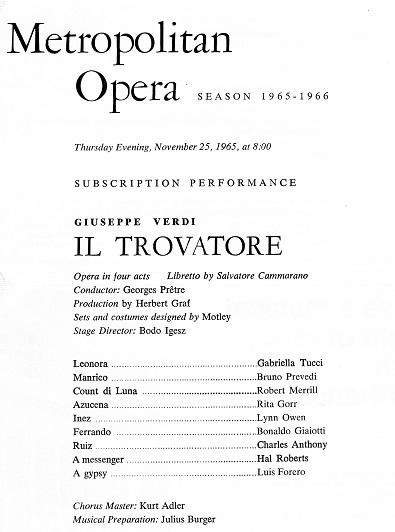
This was a thrilling experience, and I thought parts of the performance compared favourably with the old Milanov-Bjoerling RCA recording that I’d learned TROVATORE from.
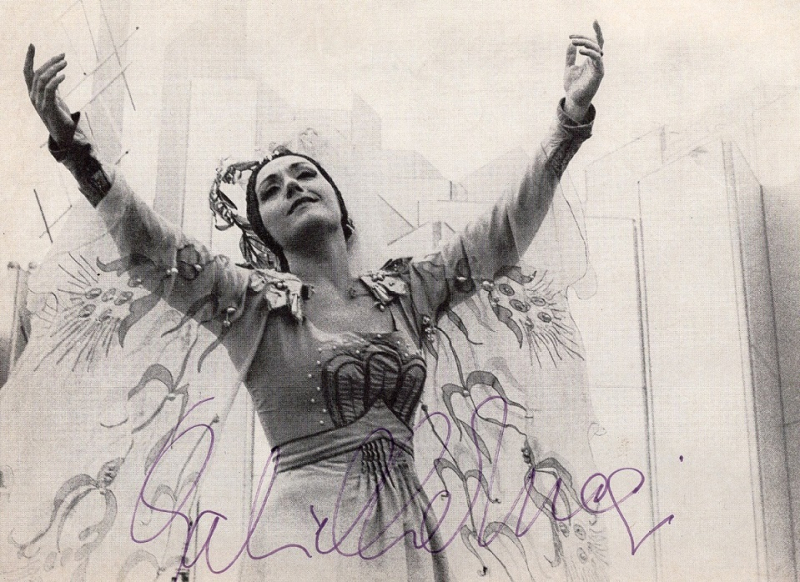
Gabriella Tucci (above) was, at that time, my favorite soprano; having heard her on many Texaco broadcasts – as Butterfly, Aida, Violetta, Desdemona, Alice Ford, and the FORZA Leonora – she set a standard for the way I thought these roles should (or could) be sung.
Tucci’s legato, and her persuasive way of spinning out the vocal line, made every phrase of her Leonora enjoyable. In her great fourth act aria, “D’amor sull’ali rosee“, Tucci reached an exalted interpretive level; she followed this with a dramatic rendering of the “Miserere“. In those years, the cabaletta “Tu vedrai che amor” was never sung – in fact, I never even knew it existed until I heard Martina Arroyo sing it on a Met broadcast in the 1970s. Ms. Tucci capped her lovely performance with a magnificent, sustained pianissimo on her final “addio…” before the opera rushed to its close.
Gabriella Tucci – D’amor sull’all rosee ~ TROVATORE
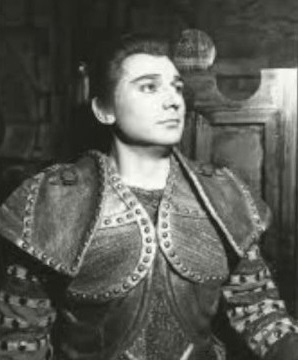
Bruno Prevedi (above) was a handsome man with a sturdy spinto sound. He sang 65 performances with the Met, in New York and on tour, over three-year span. He was Anna Moffo’s Alfredo in the Cecil Beaton TRAVIATA, and he was Don Carlo in Claudio Abbado’s Met debut performance. Although his sound was not particularly distinctive, I enjoyed everything I heard him sing during those years. When his Met career ended, Prevedi continued to sing extensively in Europe and South America until 1982, he passed away in 1988, aged 60.
In this performance as Manrico, his voice was house-filling, warm, and clear; he was well-applauded without raising the audience’s wild enthusiasm the way Corelli, Bergonzi, and Tucker did.
Bruno Prevedi – MACBETH ~ O figli o figli miei!
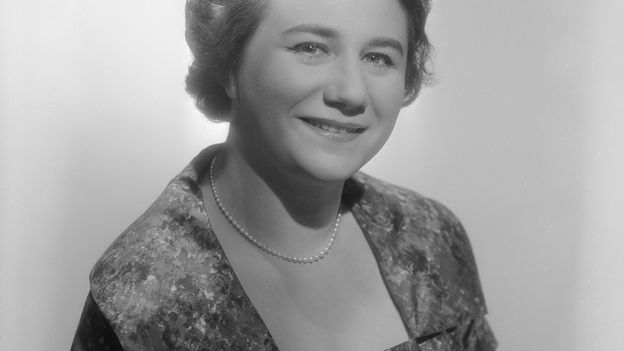
Rita Gorr (above) was a thrilling Azucena; her voice sounded huge in the House, and she was the dominating force of the evening. Gorr’s Met career, however, was not extensive; over a 4-year span, she sang 40 performances with the Company. During the first season at the New Met, she sang four performances as Amneris, and was thereafter never heard there again.
I lost track of her after that, but apparently vocal problems had cropped up. Her career continued in Europe, though in smaller roles. I therefore consider myself fortunate to have heard her in peak form in this TROVATORE.
Rita Gorr – Samson et Dalila ~ Printemps qui commence

Robert Merrill (above) was already a great favorite of mine from his many broadcasts and recordings. I was excited to be hearing him in the House, where he was a huge audience favorite, winning entrance applause and lots of bravos at his curtain calls.
Robert Merrill – TROVATORE ~ Il balen del suo sorriso
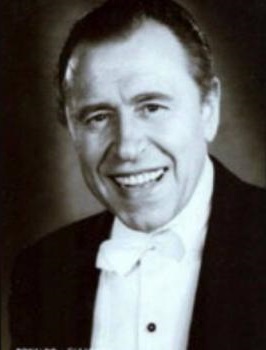
Bonaldo Giaiotti (above) was an excellent Ferrando. He had already established himself as my primo basso and, as the years went by, I never had much cause to think of him as anything else. It’s still the bass sound I most love to hear.
Bonaldo Giaiotti – Come dal ciel precipita ~ MACBETH
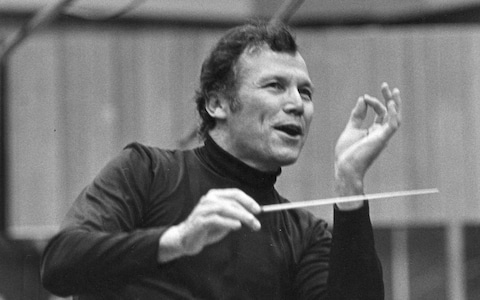
Georges Prêtre conducted this TROVATORE, wherein I sometimes thought he pushed the orchestra for volume at the expense of the singers. Two days later, he conducted FAUST, and it seemed perfect.
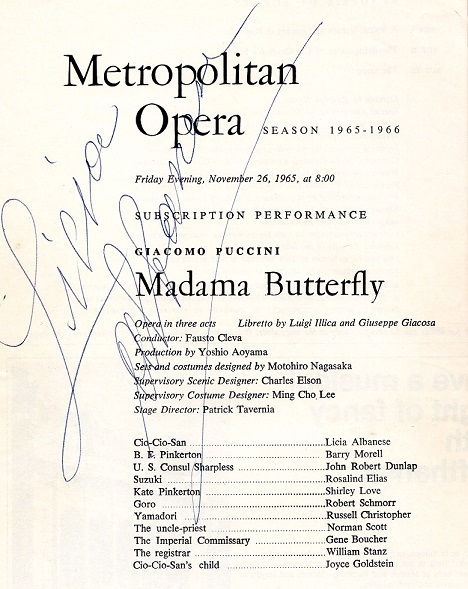
[Note: Joann Grillo replaced Rosalind Elias as Suzuki.]
This performance of BUTTERFLY marked Licia Albanese’s last appearance in this role which was so closely associated with her. It was, in fact, her penultimate performance with the Company; in January 1966 she sang MANON LESCAUT as her farewell to the Met stage, and in July, she appeared with the Company as Mimi in a concert performance of LA BOHEME at the Newport Festival.
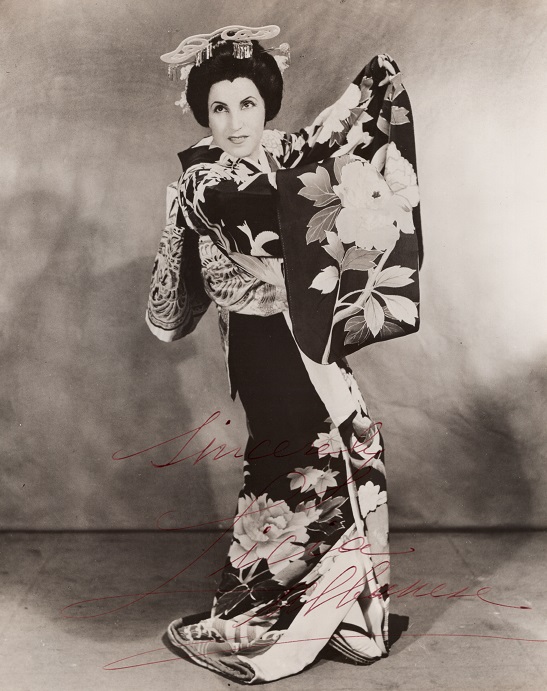
Of this last of the diva’s many Butterflies, I wrote: “The great Albanese in her greatest role…in fine voice, with good, strong top notes, she was especially good both in her singing and acting in Act II. A great artist, a famous portrayal! Met her, and got her autograph.”
Licia Albanese – Ancora un passo or via ~ MADAMA BUTTERFLY
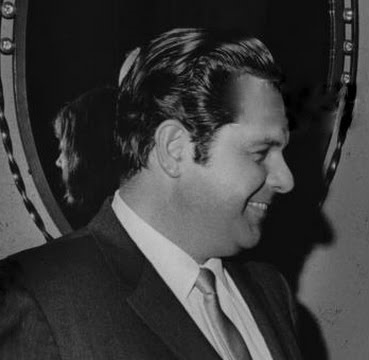
At this point in time, Barry Morell was the tenor I had most frequently encountered in live performance: he had sung the Duke of Mantua, Alfredo Germont, and Massenet’s des Grieux at Cincinnati Summer Opera. Morell was a generous singer, with an easy Italianate style.
Barry Morell – Addio fiorito asil – MADAMA BUTTERFLY
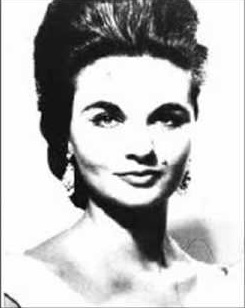
Joann Grillo (above), taking over from Rosalind Elias (who I had really been looking forward to hearing), sang well as Suzuki, and proved an attentive maid when she saw that the hem of Albanese’s costume had caught on a stage-floor nail: Ms. Grillo quickly moved to release it.
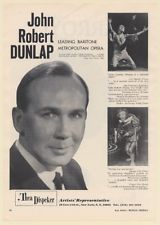
John Robert Dunlap sang only two roles at The Met: Sharpless in BUTTERFLY and Jim Larkens in FANCIULLA DEL WEST. His final performance, as Larkens, was on April 11th, 1966: a student matinee which was the unannounced first-ever performance at the New Met at Lincoln Center. In what was described as a “sound test”, busloads of students were the first people to experience an opera in the new theatre. Mr. Dunlap seems to have faded from memory soon after this performance, even though he was Renata Scotto’s Sharpless at her Met debut.
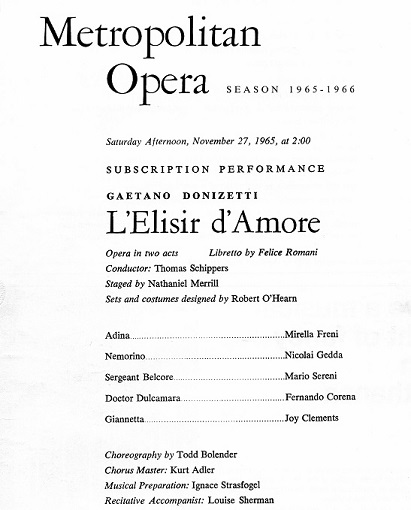
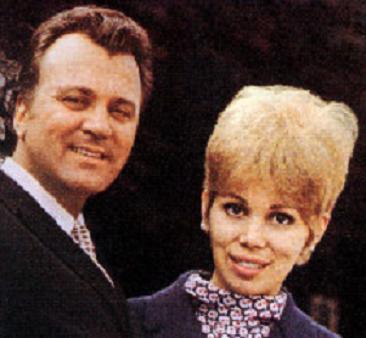
The Saturday matinee of ELISIR D’AMORE brought together the much-admired tenor Nicolai Gedda and the lovely young Italian soprano Mirella Freni, who had only recently made her Met debut as Mimi and who went on to become a beloved star with the Company.
Nicolai Gedda – Elisir d’amore ~ Una furtiva lagrima
Mr. Gedda was immensely popular, and during the opera’s single intermission the people near me were excited by the prospect of hearing his “Una furtiva lagrima” in Act II. Sure enough, it was superb.
Mirella Freni – Elisir d’amore ~ Prendi per me sei libero
Ms. Freni was a lyric rather than a coloratura Adina, and the wonderful freshness of her sound – as well as her graceful presence – charmed the audience.
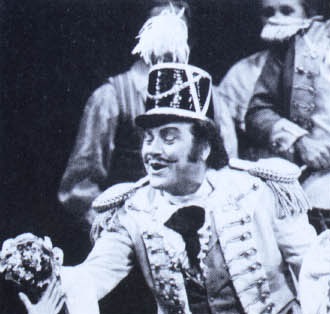
Mario Sereni (above), with a voice I always loved to hear, was the swaggering Belcore. Once the Company moved to Lincoln Center, I saw him frequently, admiring him especially as Carlo Gerard in ANDREA CHENIER, Marcello in BOHEME, and as Tonio in PAGLIACCI.
Mario Sereni – Come Paride vezzoso ~ ELISIR D’AMORE
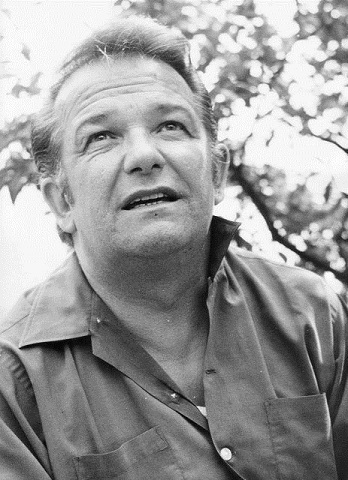
And the inimitable Fernando Corena (above), king of patter, was Dulcamara. This was one of the leading roles Corena sang, but for me he came to be most dearly remembered as the Sacristan in TOSCA over the ensuing years.
Fernando Corena – La vendetta ~ NOZZE DI FIGARO
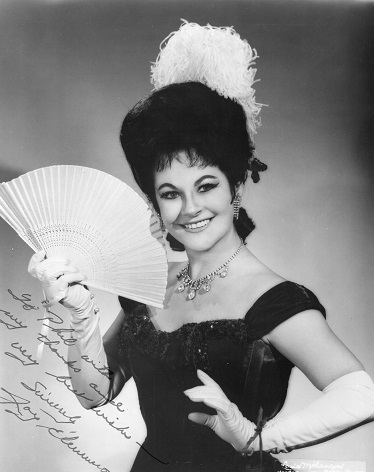
Joy Clements (above, as Adele in FLEDERMAUS) made a sparkling impression as Giannetta; in the coming years, I saw her many times both at The Met and at New York City Opera where she had the distinction of singing both Mozart’s Susanna (one of the best I ever encountered) and Carlisle Floyd’s Susannah. In 1969, Joy Clements sang a fine Violetta as a guest artist at Syracuse, New York; at that time, I thought of her as a soubrette, and so I was very pleased with the deeper impression she made in TRAVIATA. She later sent me the above photo.
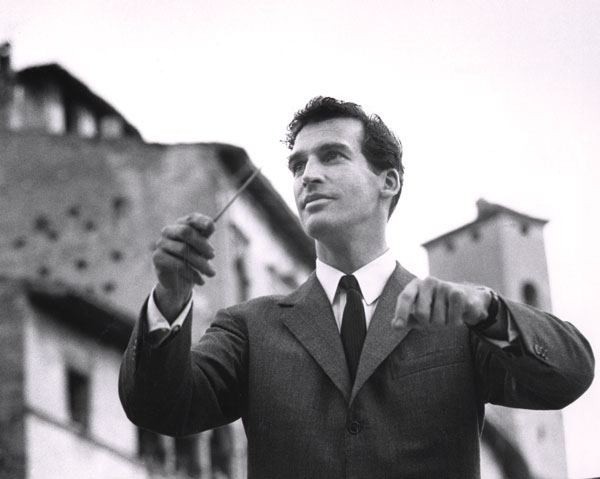
The ELISIR was conducted by the handsome, ill-fated Thomas Schippers (above). The matinee-idol maestro had made his Met debut in 1955, at the age of 25. He conducted nearly 350 performances at The Met (The Old and The New) and on tour, before being felled by lung cancer in 1977 at the age of 47.
Although I was still rather new to opera-going, I was already realizing that I much preferred tragic operas to comic ones. Over the ensuing years, I would gradually discard comedies from my ‘repertoire’; but ELISIR can still lure me in, if there’s a good cast
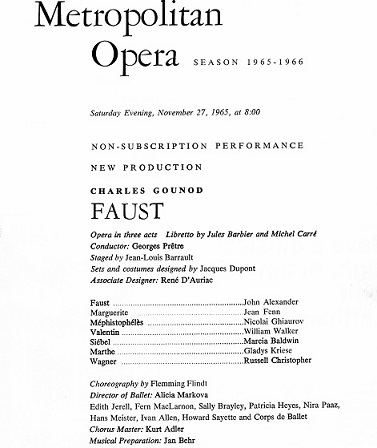
I can’t remember why I did not go to the stage door after the ELISIR; perhaps I met my parents for supper before heading back to the Old House – for the last time – where FAUST was presented in a very different production from the one I had seen two years earlier.
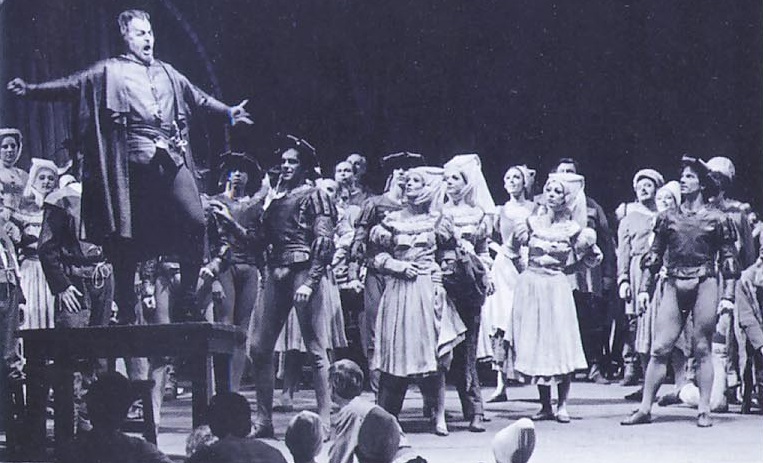
Above: a scene from FAUST in the Barrault staging
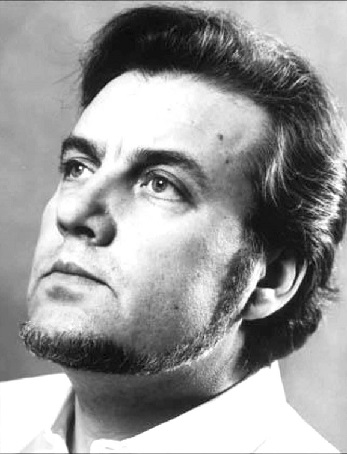
The main attraction onstage was the Méphistophélès of the charismatic Bulgarian basso Nicolai Ghiaurov (above), who had made his Met debut three weeks earlier as Philip II in DON CARLO. Ghiaurov’s splendid stage presence, aligned with his glamorous basso sound, was a thrill to experience.
Nicolai Ghiaurov – FAUST ~ Il etait temps
Four very fine American singers took the other leading roles in FAUST:
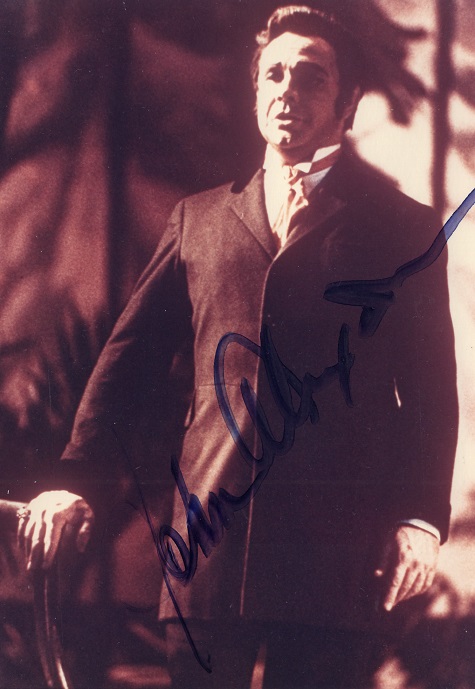
John Alexander (above, as Anatol in VANESSA)
Alexander was a real gentleman-tenor. There was no showing off or grand-standing, just performance after performance of top-level singing in a wide variety of roles. He sang with The Met in New York City and on tour, from 1961 to 1987, chalking up 380 appearances in everything from Mozart’s IDOMENEO to Barber’s VANESSA.
John Alexander – FAUST ~ aria – Met b’cast 1966
For all the excellence of his work at The Met, it was John Alexander’s stunning performance as Bacchus in the New York City Opera’s 1974 production of Strauss’s ARIADNE AUF NAXOS that thrilled me the most; it was a performance that put this opera at the top of my “favorites” list, where it has stayed every since.
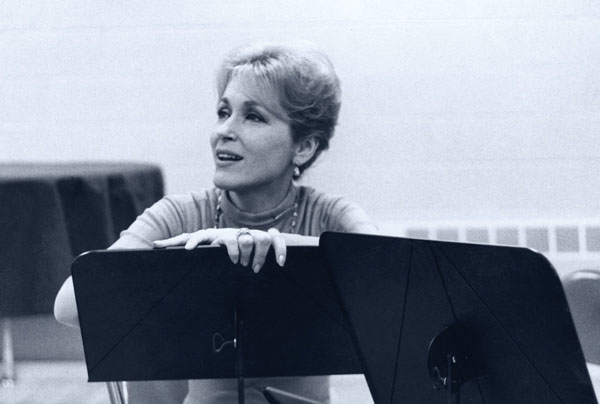
Jean Fenn (above) sang Marguerite with gleaming tone and well-projected high notes. Together with Alexander and Ghiaurov, she made the final trio the thrilling finish to the opera that it should be.
Although she never attained prima donna status, Ms. Fenn was engaging both to watch and to hear. At the New Met, I greatly enjoyed her Musetta, and she was my first-ever Eva in MEISTERSINGER. As of this writing, she is still with us.
There’s few recorded tracks of Jean Fenn; I did locate this BOHEME duet with Mario Lanza:
Jean Fenn & Mario Lanza – O soave fanciulla ~ BOHEME
William Walker (Valentin) and Marcia Baldwin (Siebel) both had extensive careers at The Met, and in the ensuing years, I would encounter them many times onstage. In this FAUST – my final opera at the old Met – they were excellent.
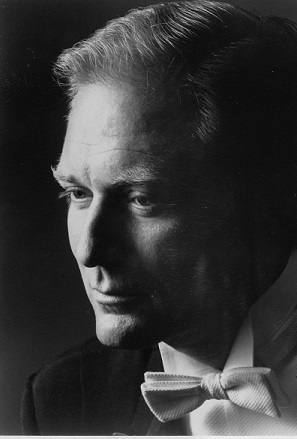
William Walker (above) was a Met Auditions winner in 1962, and joined the Company immediately…and sang Papageno (in English) in his first Met season. Among his many roles were Kothner in MEISTERSINGER, the Herald in LOHENGRIN, both Schaunard and Marcello in BOHEME, Sharpless in BUTTERFLY, Enrico in LUCIA DI LAMMERMOOR, and Prince Yeletsky in QUEEN OF SPADES. He sang regularly at The Met until 1978.
William Walker – Valentin’s aria ~ FAUST – Met bcast 1966
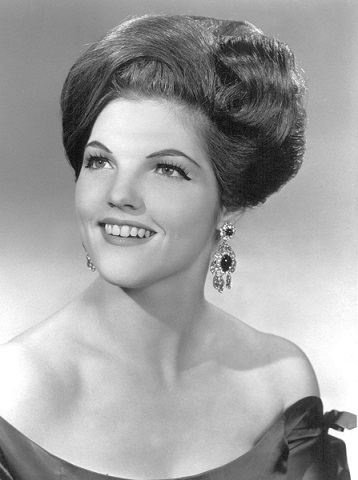
Marcia Baldwin (above) was the evening’s Siebel, as she had been when I first saw this opera two years earlier. She sang the aria most attractively. Little could I have guessed that I would meet her and come to know her in a different context many years later, when I was living in New York City and working at Tower Records. When she passed away in 2016, one of my few remaining connections to the Old Met was lost.
Marcia Baldwin – Siebel’s arias ~ FAUST – Met bcast 1966
As the opera drew to its close with that exciting trio, I wasn’t really thinking “…this is the last time I will ever be here…”, because I was hoping to get back for more Old Met performances in the Spring of 1966. It didn’t happen. The next Met performance I saw was at Lincoln Center: Nilsson, Corelli, and Stratas in TURANDOT.
The life of an ardent opera-lover is full of ironies and coincidences: it hadn’t dawned on me until recently that the last opera I saw at the Old Met was the Gounod masterpiece that had opened the House in 1883.
To end this reminiscence, here’s the final trio of FAUST sung – as it was on that opening night in 1883 – in Italian. Of the three singers here, two (Pobbe and Poggi) had very limited Met careers, and the basso Raffaele Arie never sang there at all.
FAUST ~ final trio – in Italian – Marcella Pobbe – Gianni Poggi – Raffaele Arie
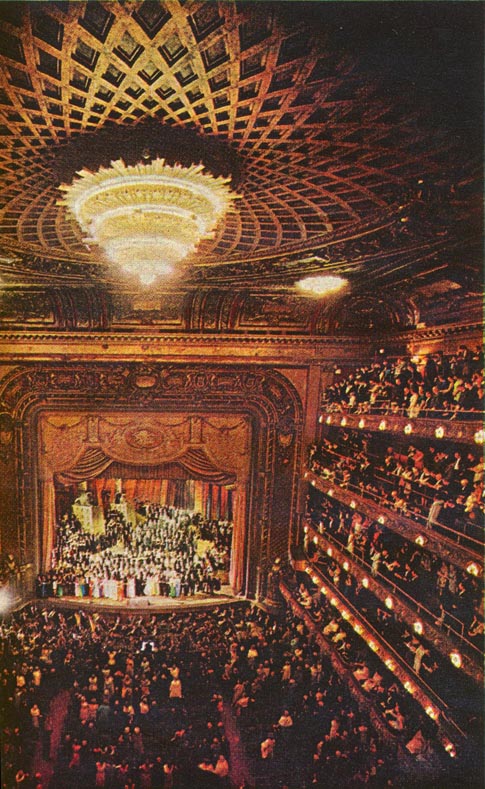
Above: final curtain call at the Old Met
~ Oberon
(Note: some links in this story might not work; it originated on Oberon’s Grove many, many moons ago.)






 Oberon's Glade