Blog
-
Lydia Johnson Dance @ NYLA
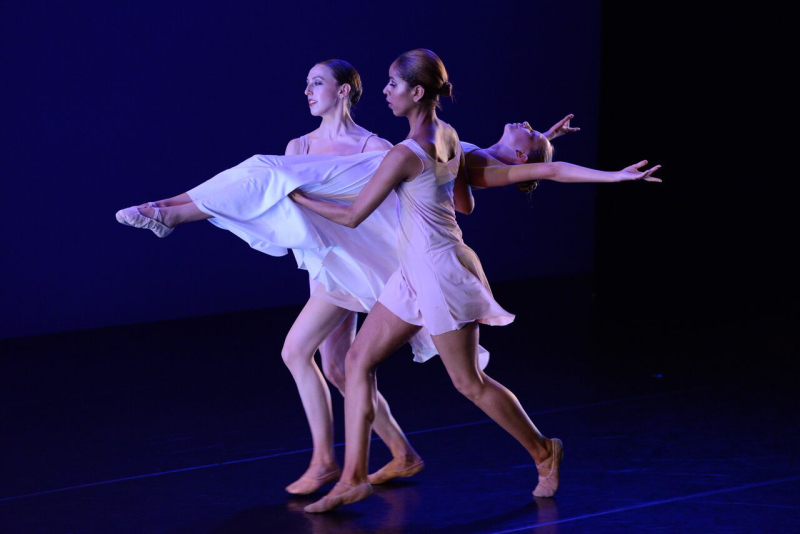
Above: Nir Arieli’s image of Dona Wiley, Sara Spangler, and Blair Reavis-Tyler in Lydia Johnson’s This, and my heart beside…
Author: Oberon
Wednesday June 21st, 2017 – Lydia Johnson Dance‘s annual New York season opened tonight at New York Live Arts in Chelsea. Performing in two new works, as well as the revival of a Johnson classic from 2012, and the repeat of a darkish ensemble work held over from last season, the Company dancers displayed the strength, technical accomplishment, emotional commitment, and ever-appealing individuality of face and form that sets them in a unique place on the Gotham dancescape. For Lydia Johnson’s work, rooted as it is classical ballet technique, is alive with dramatic nuances that paradoxically seem both contemporary and curiously evocative of ancient modes of dance.
Among current choreographers, Lydia’s work bristles and blooms with a poignant sense of humanity. There’s nary a trace of theatricality in her dances; rather, she uses the music as a canvas on which emotions – both the deep and the subtle – are painted. Expressions of tenderness (so lacking in our lives today), hope, remorse, uncertainty, and the frailty of the human heart well up on the music, sometimes unexpectedly. How often, watching Lydia’s troupe in rehearsal, have I fought back tears or felt pangs of regret as I connect memories from my own life with things she is depicting in dance.
To Lydia’s good fortune, her work has always attracted dancers with an intrinsic gift for colouring their performances with expressive hues, drawing on their own recollections and experiences to captivate the viewer with their commitment, energy, and passion.
This season, a particularly striking ensemble has gathered together to offer up Lydia’s ballets: from Company mainstays Laura DiOrio, Katie Martin-Lohiya, MinSeon Kim, Brynt Beitman, and Chazz Fenner- McBride to newcomers Daniel Pigliavento, Dona Wiley, Lauren Treat, Blair Reavis-Tyler, and Hope K Ruth, everyone shone: each in his or her own way. Debuting with the Company, a marvelous ballet-duo, Mary Beth Hansohn and Peter Chusin, left me hoping that tonight marks the start of their ongoing involvement with Lydia’s troupe.
Of special joy was the re-appearance at Lydia Johnson Dance of a pair of beloved dancers, Sarah Pon and Blake Hennessy-York; they had moved to the West Coast last year, and have graciously flown in to reprise their roles in Giving Way. And we also welcomed back Lisa Iannacito McBride, a key dancer during her seasons with Lydia Johnson Dance. Lisa has come back to perform a role made on her in 2012 in Crossings by River; in the intervening years, Lisa has been raising her son and dancing in her current neighborhood, up the Hudson River. This was not a sentimental return, but rather a vibrant and supremely assured performance from a dancer who always lights up the stage.
As we sat waiting for the performance to start, I was reflecting on all that has happened since the Company last danced in New York City. I felt quite certain, having seen some rehearsals, that this would be a strong program. As the evening flowed onward, I found the impact of the music, the choreography, and the dancing exceeded expectations in every regard.
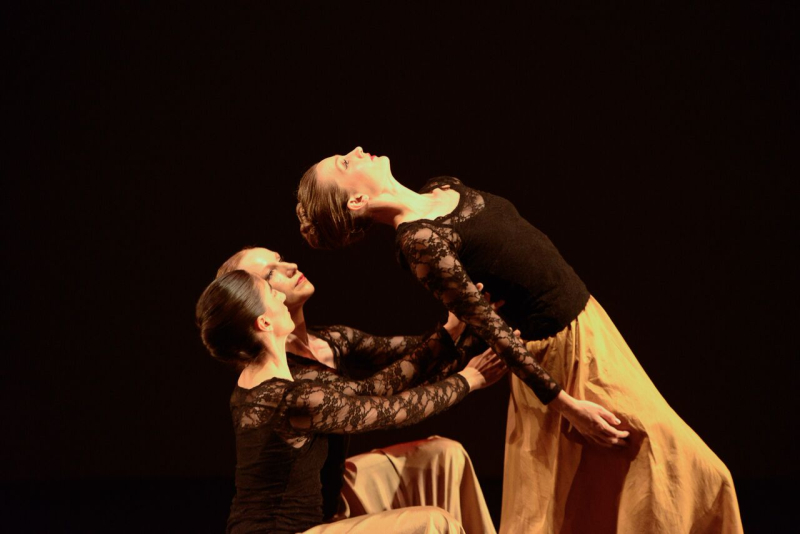
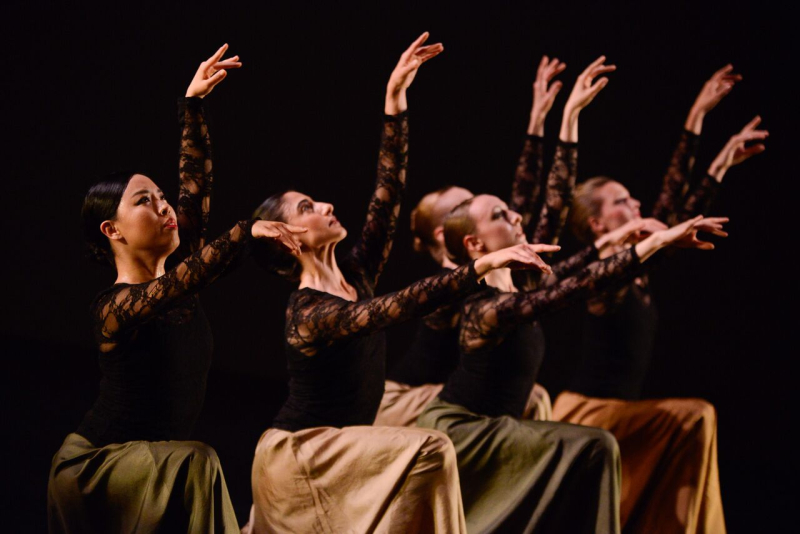
Above: Lisa Iannacito McBride, Laura DiOrio, and Katie Martin-Lohiya in Crossings by River; photo by Nir Arieli
In Crossings by River, music of Osvaldo Golijov is the ideal setting for a dancework depicting the quiet rituals of a group of five women. Their flowing golden skirts and black lace bodices lend a Spanish flavour to the proceedings and, from the rooted, gestural elements at the start thru to spacious circlings laced with solo passages, and on to the consoling, rocking motifs of the sisterhood, Lydia Johnson’s choreography takes the Balanchinian stance of letting us see the music.
The five women gave an exceptionally well-integrated performance; two members of the original cast for Crossings were re-visiting their roles today: Lisa Iannacito McBride and Laura DiOrio. Their confident, expressive dancing resonates from the depths of their feminine spirits. Since the creation of this ballet, both Lisa and Laura have become mothers; this added an intangible layer of richness to their portrayals.
Katie Martin-Lohiya, who has become a paragon of the Lydia Johnson style, radiated assurance and grace, and MinSeon Kim stepped into one of Lydia’s most intriguing solos – the dancer subtly changes directions as she moves about the space – and made it her own. Dona Wiley, in her first performances with Lydia Johnson Dance, was an elegant presence and danced beautifully in this finely-integrated ensemble work.
Here are some of Nir Arieli’s images from Crossings by River:
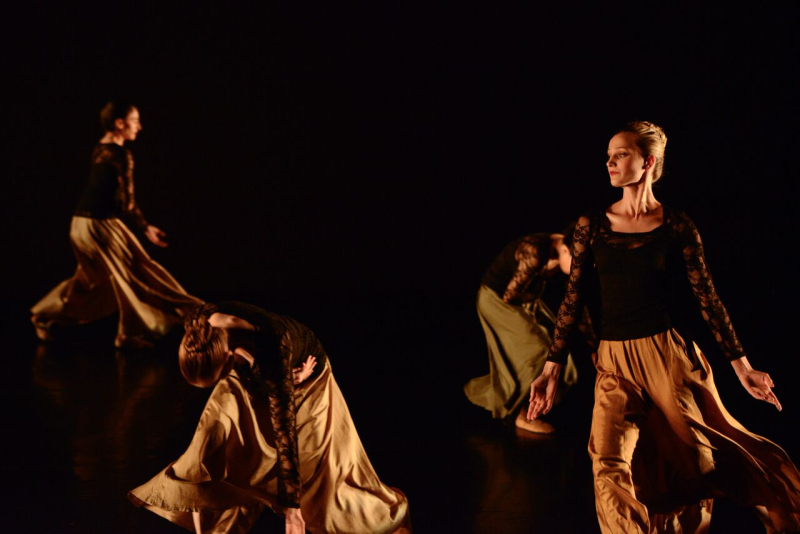
Katie Martin-Lohiya
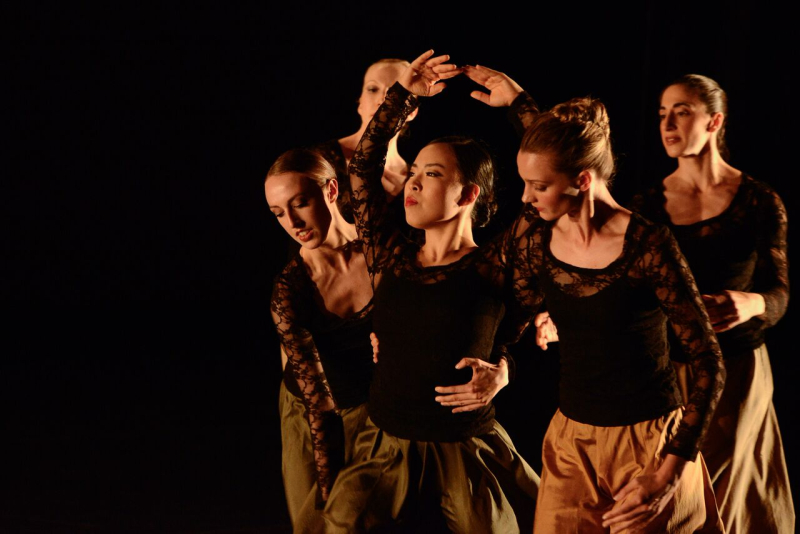
Dona Wiley, Min SeonKim, Katie Martin-Lohiya
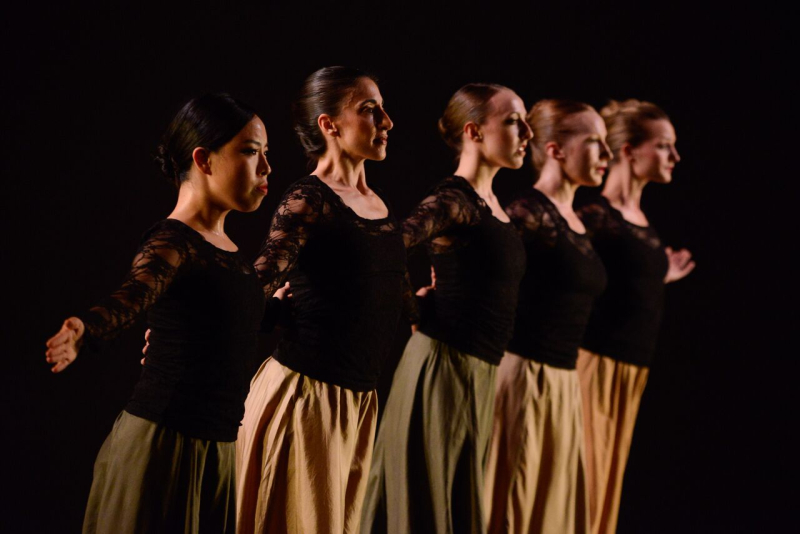
Min, Lisa, Dona, Laura, Katie
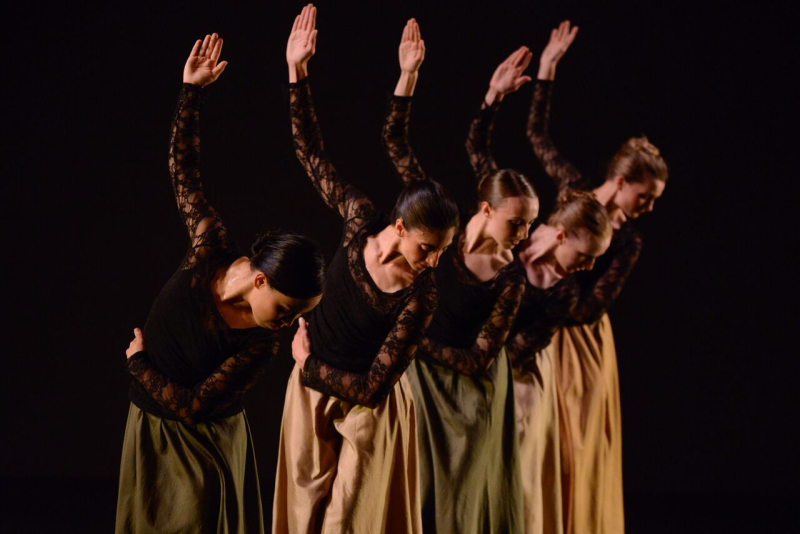
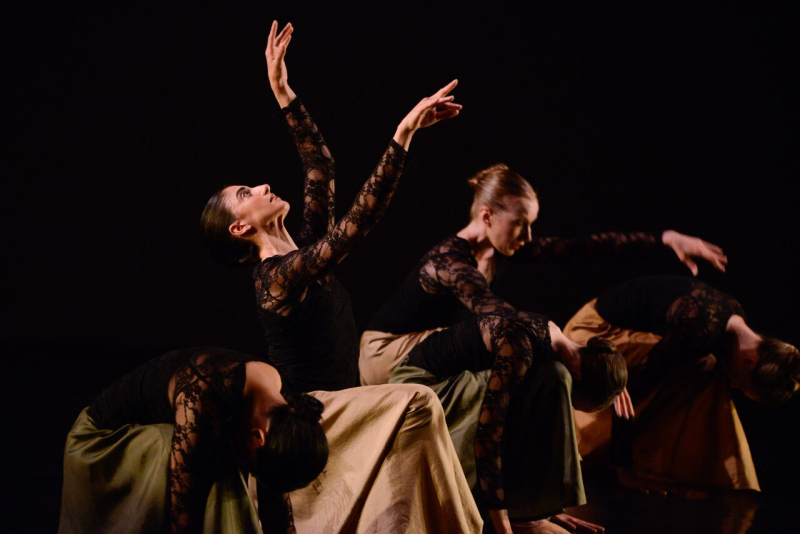
Lisa Iannacito McBride
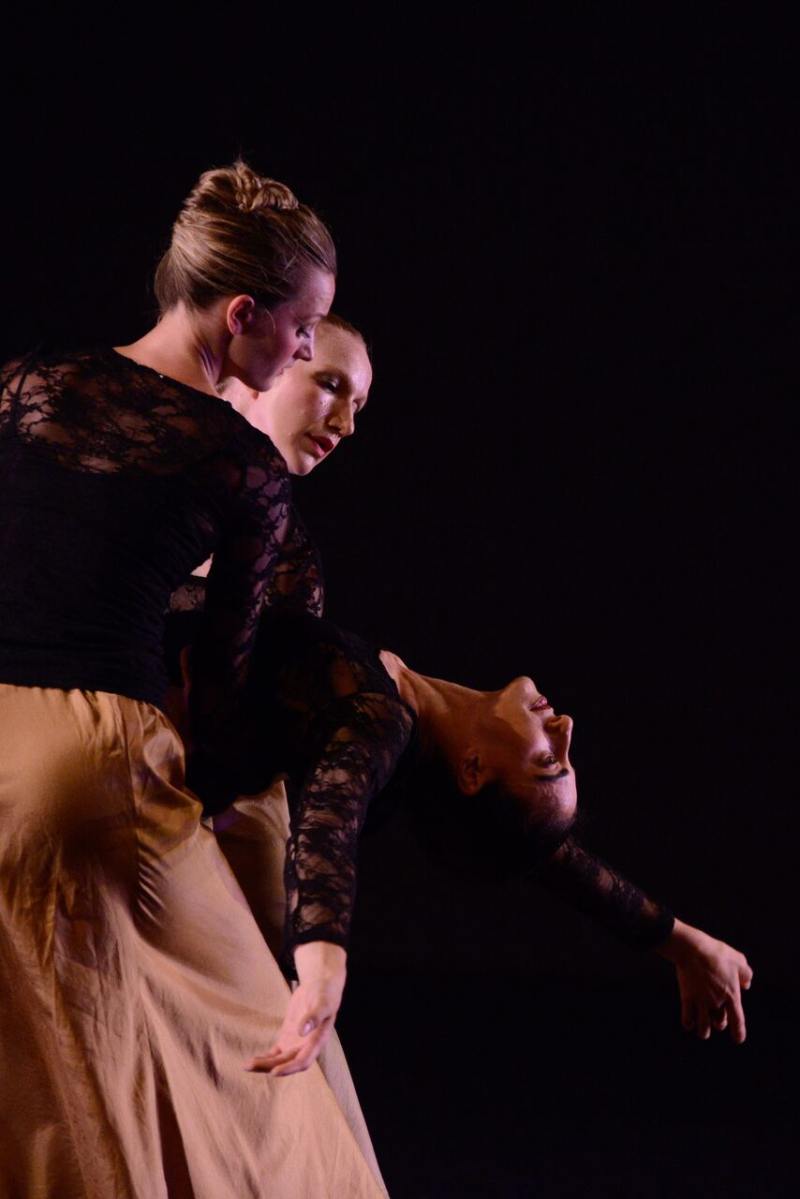
Katie, Laura, and Lisa
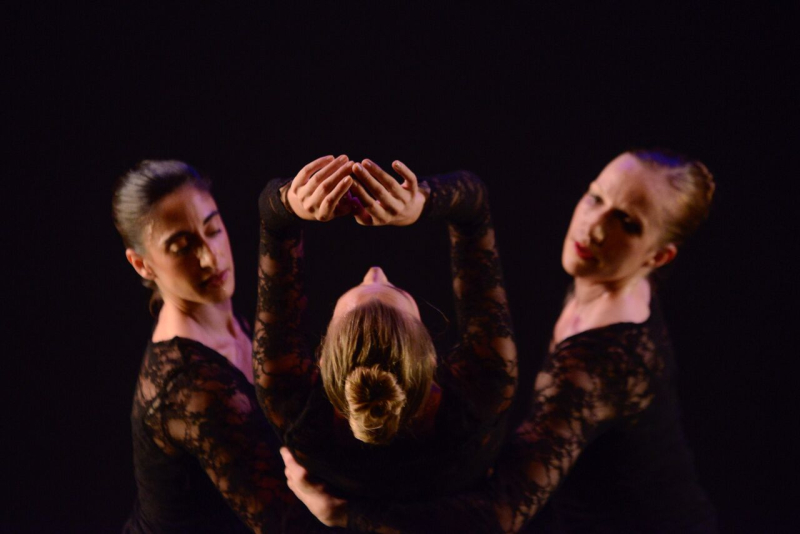
Katie, gently rocked by Lisa and Laura
Giving Way is being presented for the third consecutive season; I must say it seemed even more vital this year than previously, though I cannot put my finger on the reason. A sense of urgency was in full flourish among the dancers, whilst the more lyrical passages were hauntingly evocative.
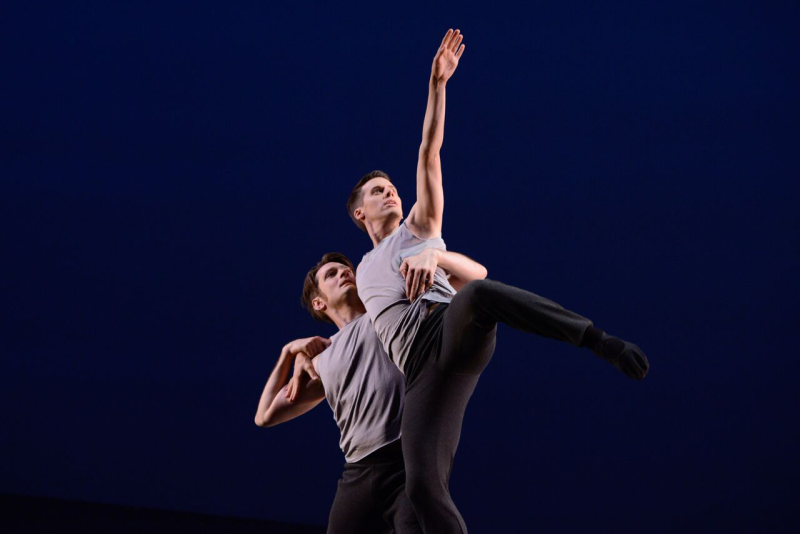
Following a dynamic opening in which opposing quartets of men and women advance and retreat, Lydia Johnson brings forth an intensely personal duet for two boys: Blake Hennessy-York and Brynt Beitman. Their performance was a highlight of the evening, as Nir’s images attest:
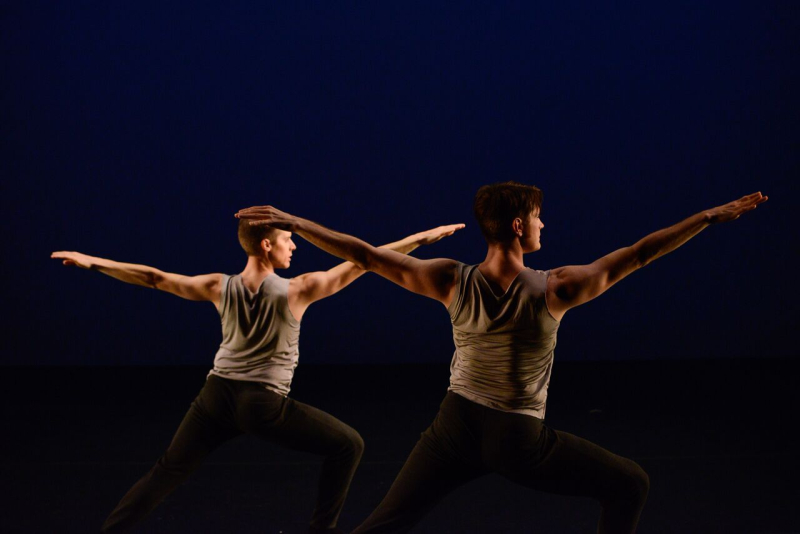
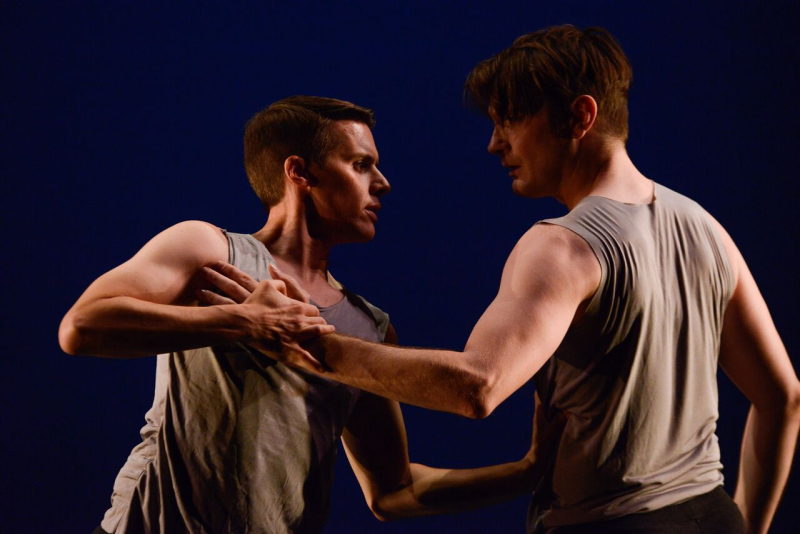
A men’s quartet – swaying at first and then more animated – leads on the the heart of the ballet, set to a gorgeously mystical music for marimba and cello. A folkish cello passage for the men evolves to a memorable pas de deux danced by Laura Di Orio and Brynt Beitman:
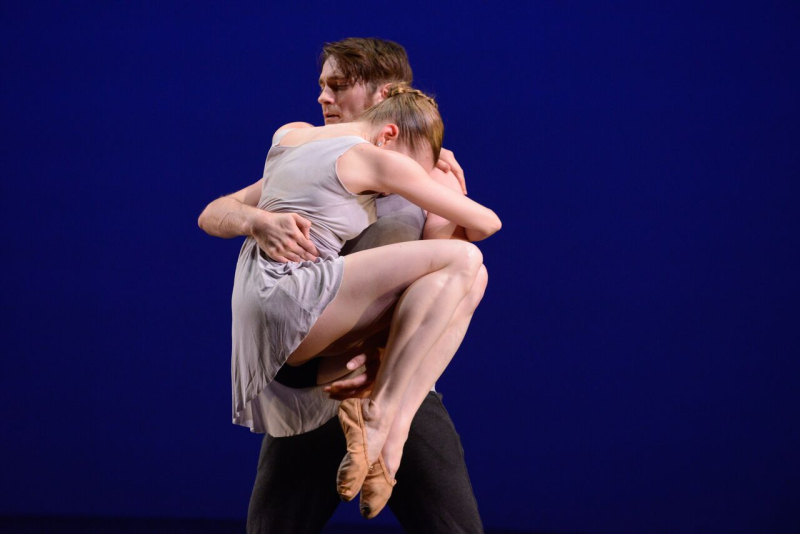
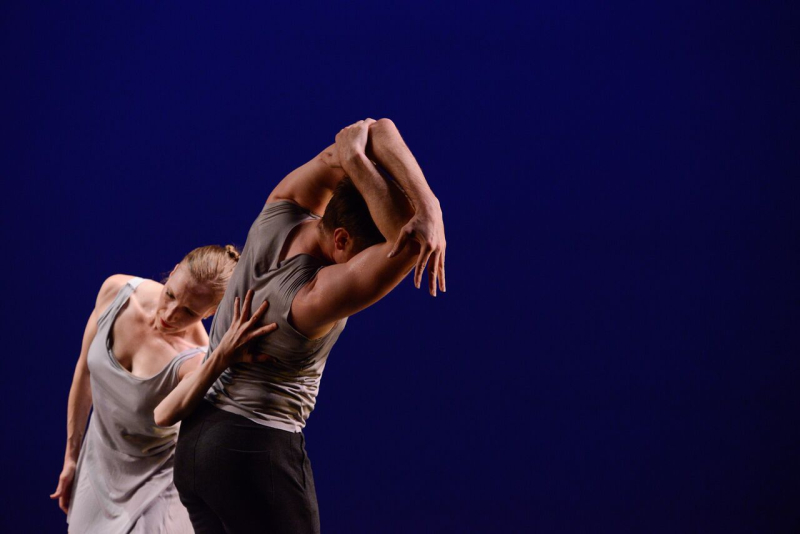

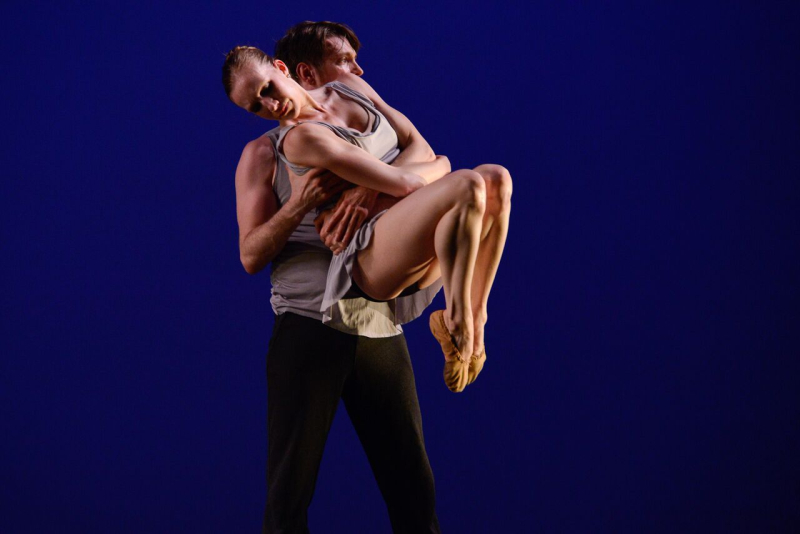
In a unique passage, girls are lifted by pairs of men:
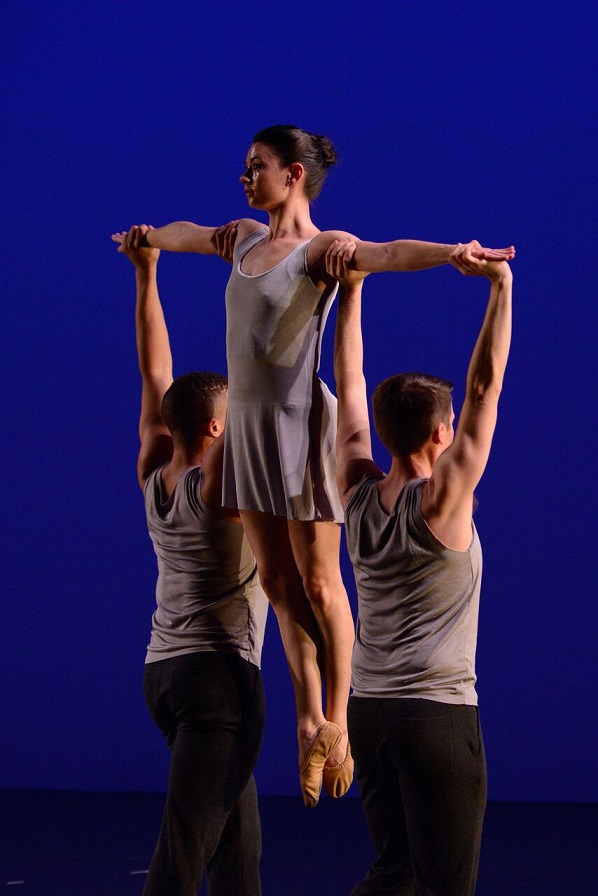
Sarah Pon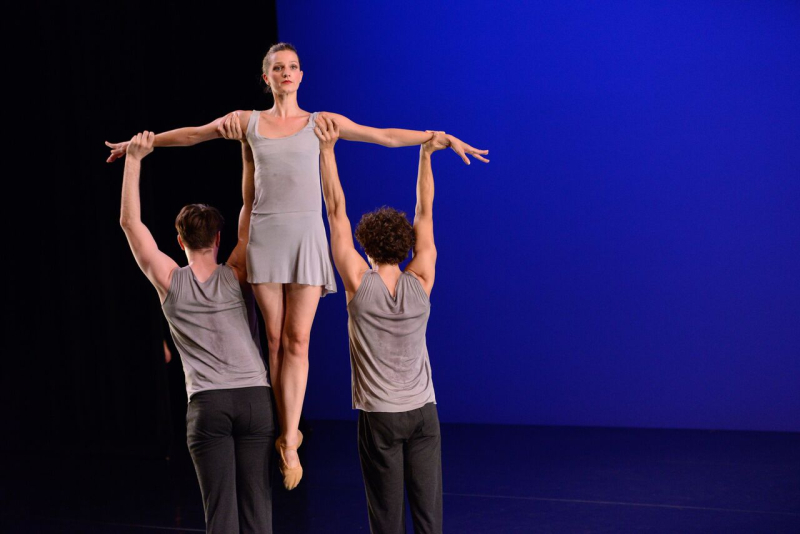
Katie Martin-Lohiya
Spectacular solo dancing from Chazz Fenner-McBride in Giving Way brought another outstanding performance from this incredibly gifted and vividly communicative dancer. I have been following Chazz over the past few seasons, dancing first for Robin Becker and now for Lydia Johnson. He just gets better and better: fearless, powerful, but always lyrical at heart: such a perpetual pleasure to watch him.
Giving Way ends with the dancers undulating in a wave-like passage as the light fades.
Here are more of Nir images from Giving Way:

Peter Chursin, Blake Hennessy-York
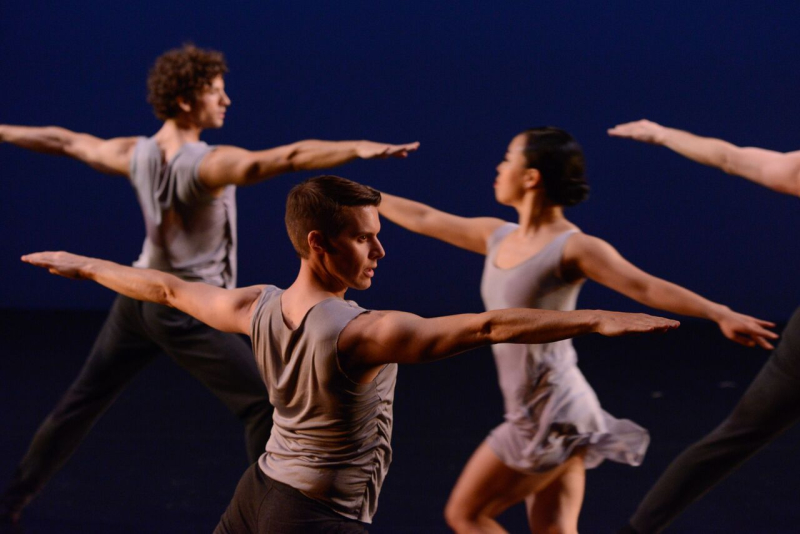
Blake Hennessy-York
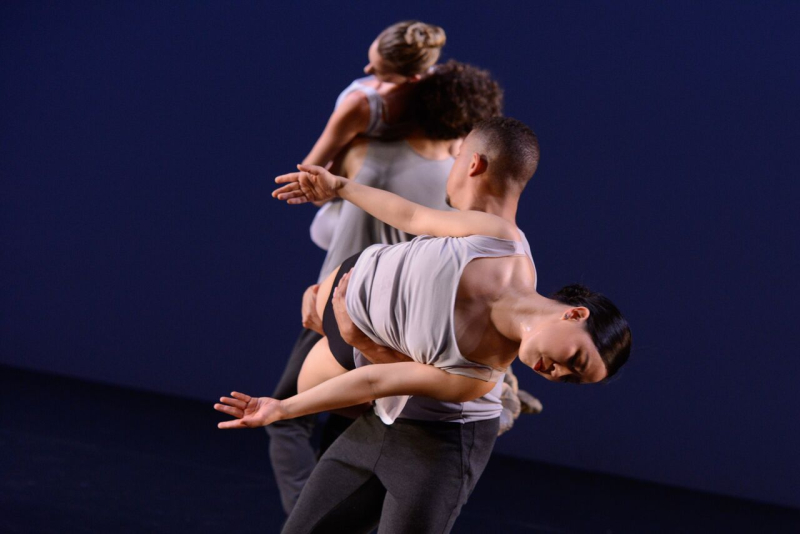
Chazz Fenner-McBride & MinSeon Kim
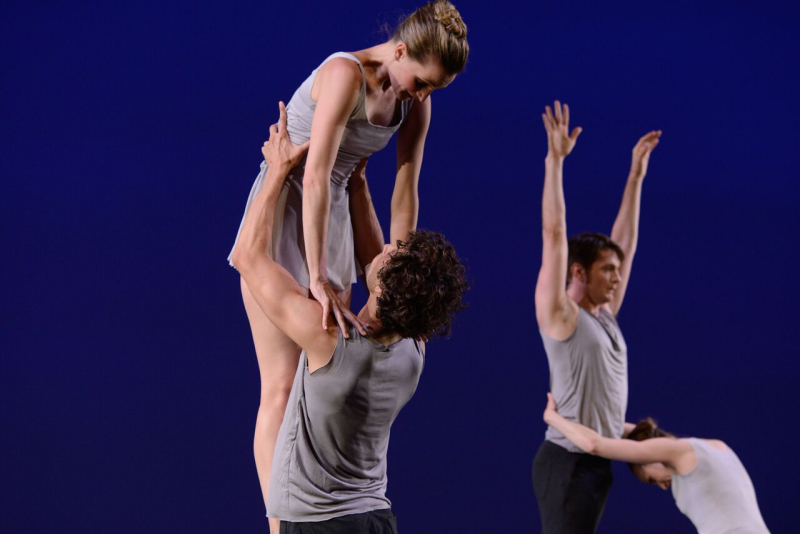
Katie Martin-Lohiya, Peter Chursin
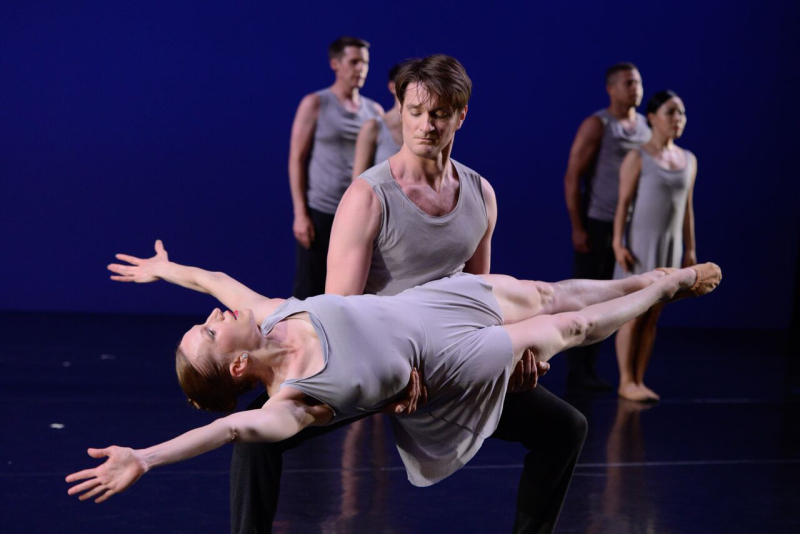
Brynt Beitman, Laura DiOrio
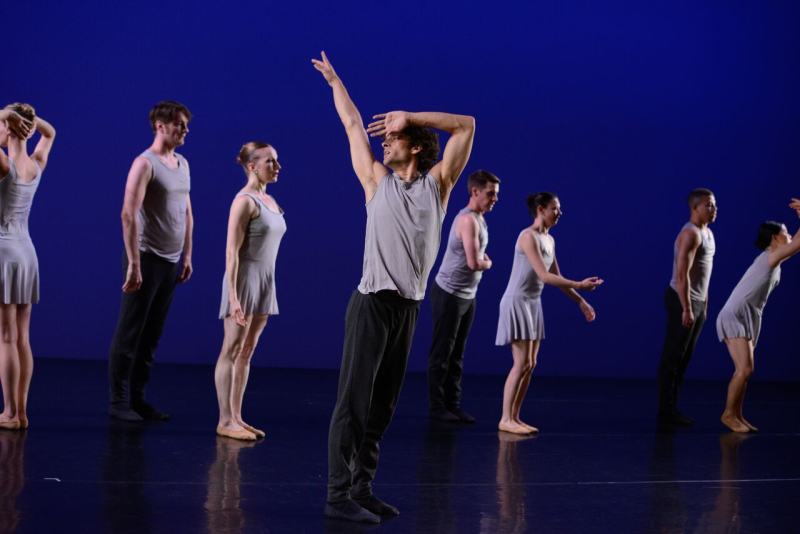
Peter Chursin
The music of Georg Friedrich Handel cries out: “Dance to me!” The contrasts between the lively allegros and the lyrical andantes set up a perfect opportunity for choreographers to show off both their dancers’ technical proficiency and their emotive qualities.
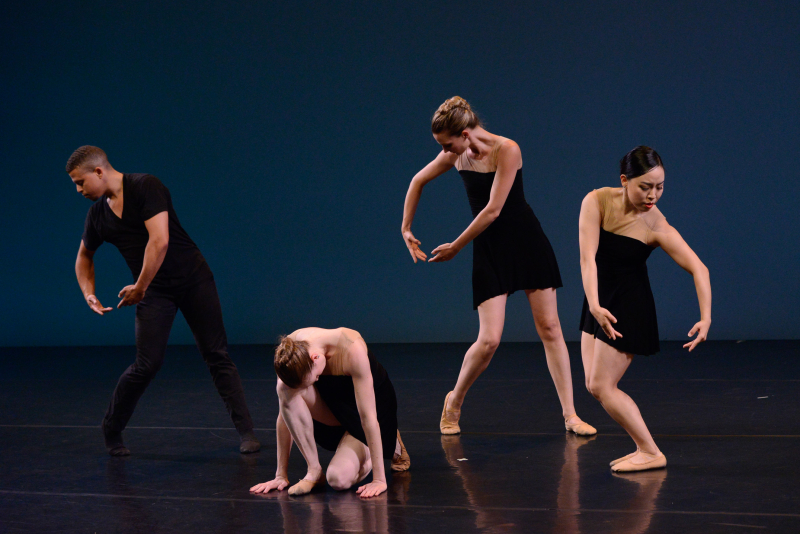
In the premiere of her new Handel ballet, Trio Sonatas, Lydia Johnson shows her usual structural deftness and musicality. The dancers strike off-kilter, stylized poses (above) before things turn more animated, with small leaps in place and the girls flinging themselves dramatically into Chazz’s arms.
Duet motifs, and a walking ensemble ensue: the Company’s newest members have opportunities to shine. Daniel Pigliavento dances with Katie Martin-Lohiya – their long limbs and tender sense of lyricism shaping the movement persuasively:
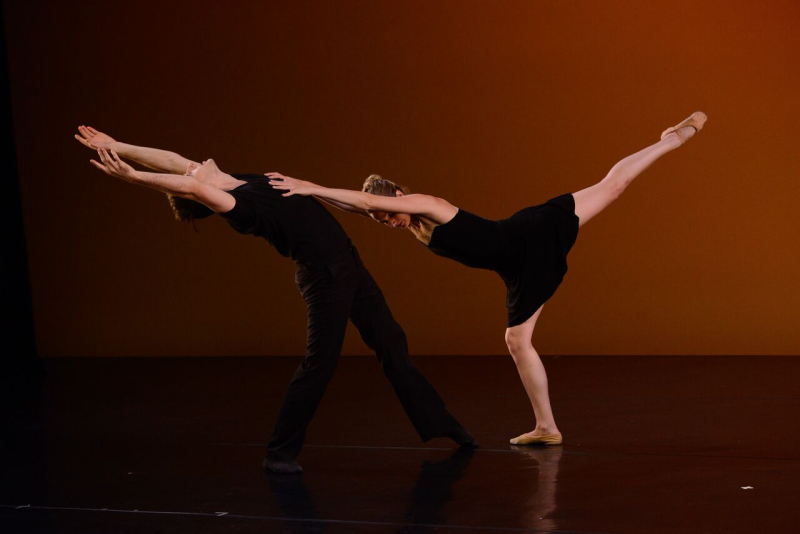
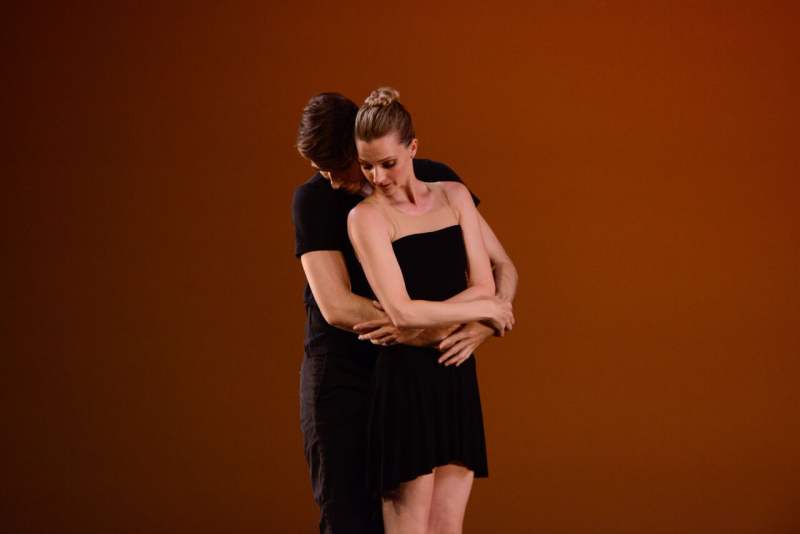
Lydia’s newest ladies – Dona Wiley, Lauren Treat, Blair Reavis-Tyler, and Hope K Ruth – are seen to advantage in the Handel work. A sprightly finale strikes up, with the dancers doing swift lay-downs before springing back to action. Chazz Fenner-McBride’s daring catches of the petite and charming Hope K Ruth drew appreciative murmurs from the crowd. A female ensemble with decorative gestures, another bit of brightness from Ms. Ruth, and a duo passage for Chazz and Blair Reavis-Tyler draw Trio Sonatas to its close.
Trio Sonatas images from Nir Arieli:
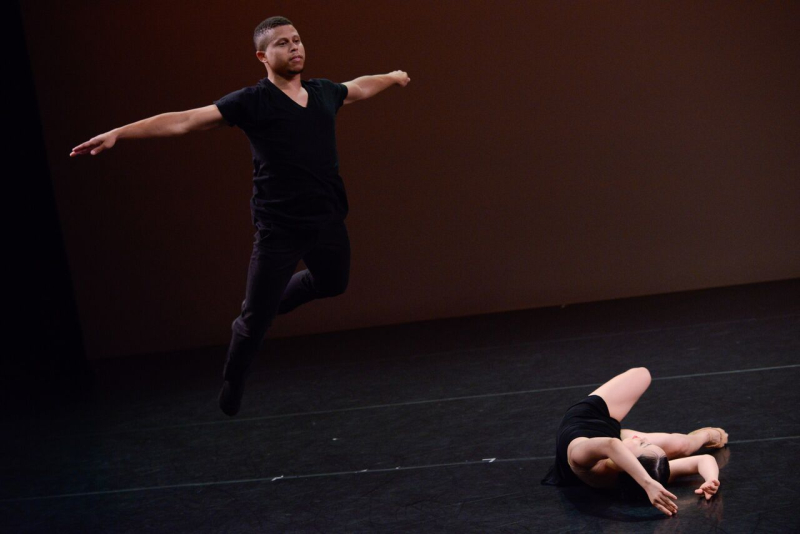
Chazz fenner-McBride and MinSeon Kim
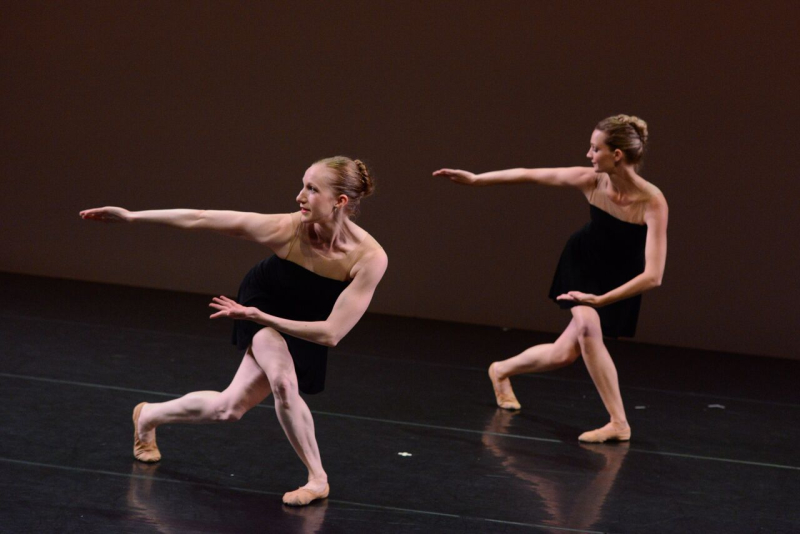
Laura DiOrio and Katie Martin-Lohiya
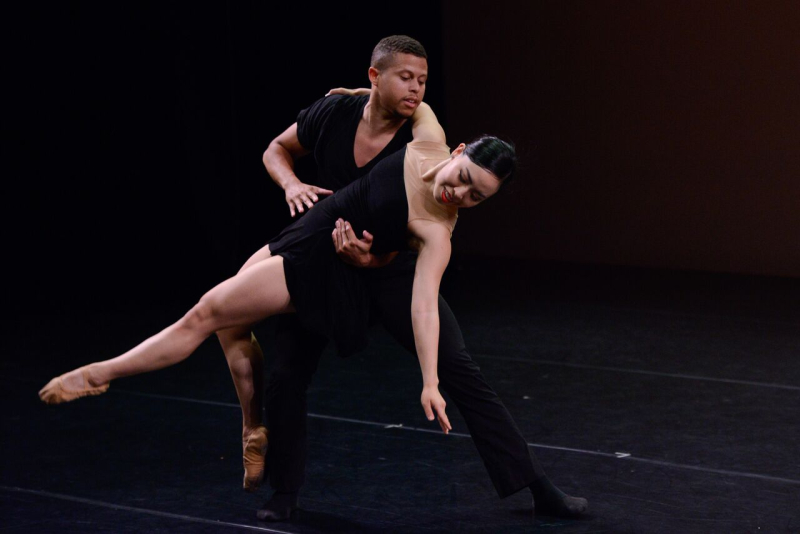
Chazz Fenner-McBride and MinSeon Kim

Chazz Fenner-McBride and Dona Wiley
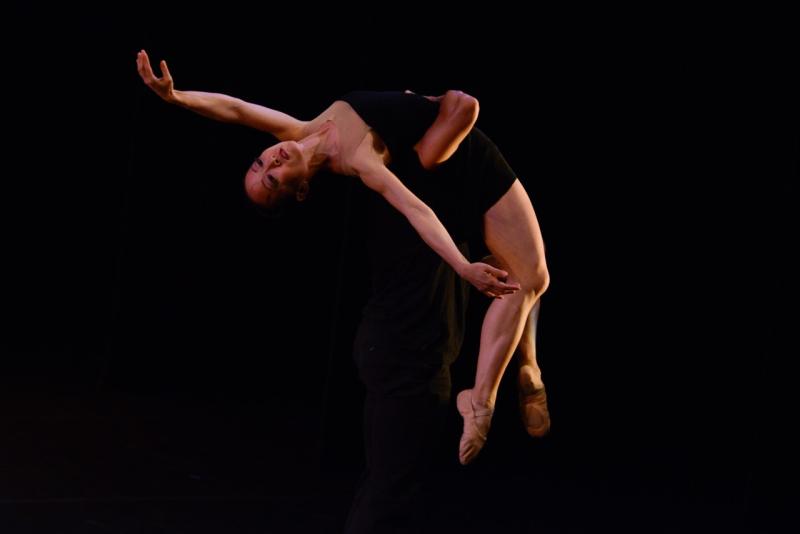
Hope K Ruth
This, and my heart beside… is Lydia Johnson’s very newest work, and let’s say it flat-out: it’s a masterpiece. The title of the ballet is drawn from this Emily Dickinson poem:
“It’s all I have to bring today—
This, and my heart beside—
This, and my heart, and all the fields—
And all the meadows wide—
Be sure you count—should I forget
Some one the sum could tell—
This, and my heart, and all the Bees
Which in the Clover dwell.”To music by Marc Mellits and Philip Glass, the choreographer has deployed her large cast in an inspired manner; the ballet features the appearance of a young girl, Sara Spangler, and centers on three couples: Mary Beth Hansohn and Peter Chursin, MinSeon Kim and Chazz Fenner-McBride, and Katie Martin-Lohiya dancing with Daniel Pigliavento.
One aspect of this work that is most intriguing is that its narrative qualities seem to loom up along a fluid timeline; rather than linear storytelling, the dancers seem to slip from the here-and-now into memories from the past and dreams of things to come. Philip Glass’s music amplifies this sense of layers of time, just as it did in Lydia Johnson’s earlier work Summer House, also danced to Glass.
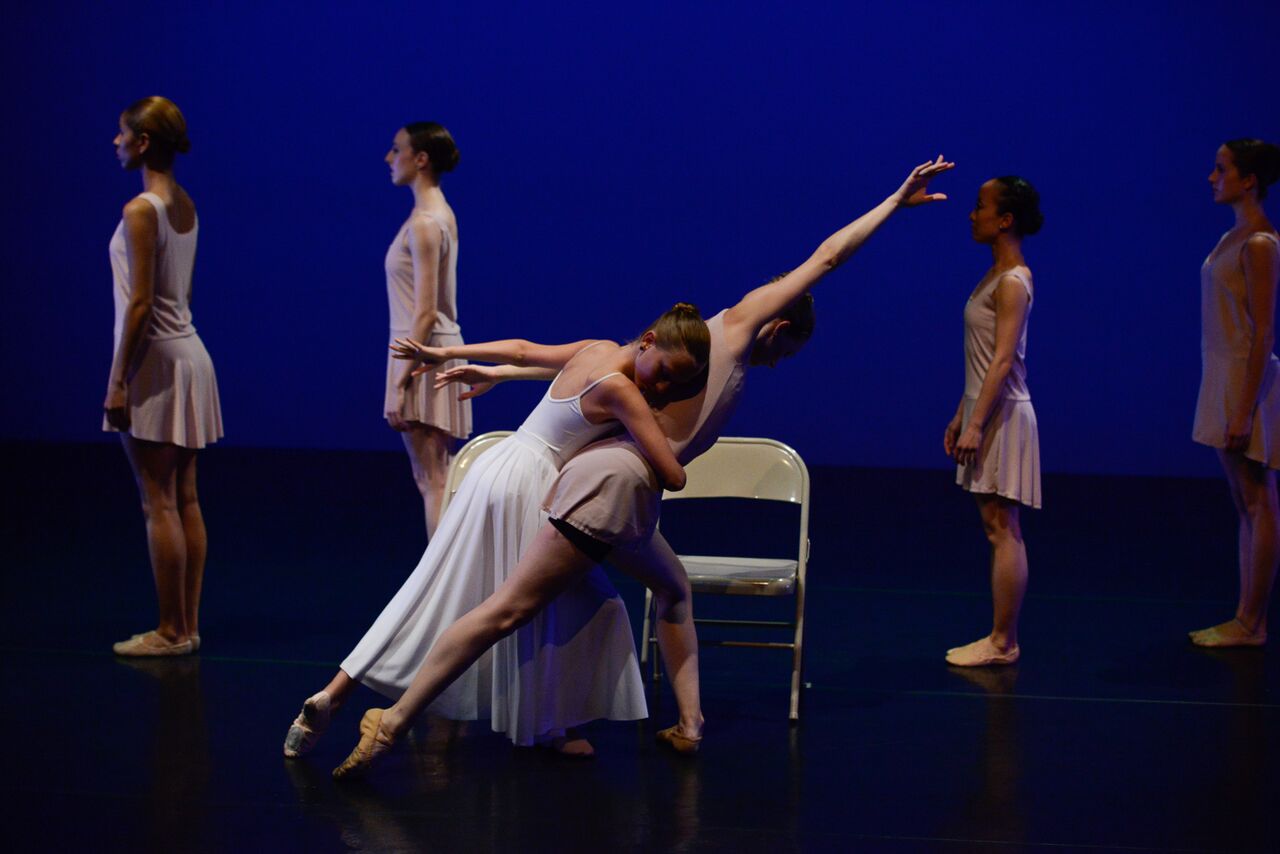
The Marc Mellitts segment of This, and my heart beside… has the feeling of a prologue. Sara Spangler’s perfection in the role of The Child (above, with Katie Martin-Lohiya) removed the risk of any inadvertent scene-stealing on her part: she was a calm, natural, lovely presence throughout.
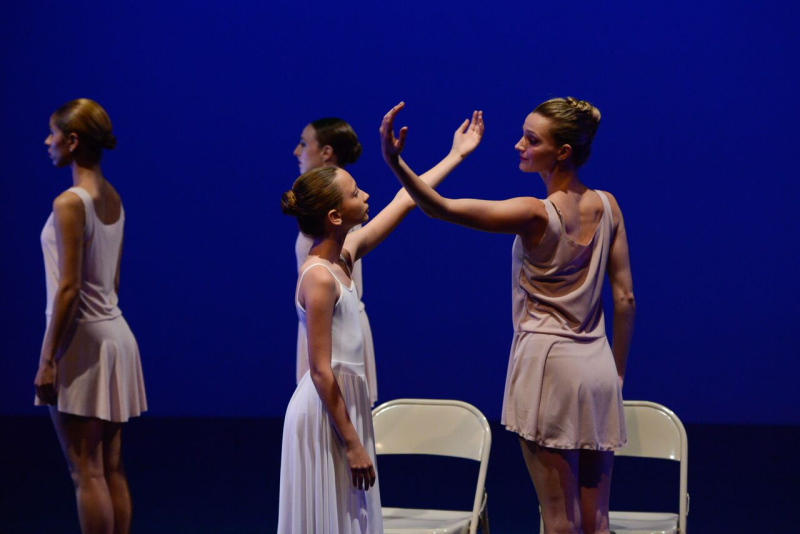
Sara Spangler and Katie Martin-Lohiya
Once the Philip Glass music commences, we are drawn deeper into the drama. In a dancework rife with emotion, the exact inter-relationships of the characters become a matter of what the individual viewer chooses to focus on. There is much going on; the ballet will require additional viewings before one can draw any definitive conclusions – though, on the other hand, definitive conclusions may not be possible in this case.
In a striking partnership, Mary Beth Hansohn and Peter Chursin delved into both the passion and the problems inherent in a long-time love affair. Resistance and surrender vie for the upper hand, and it is all so true-to-life. Here are some of Nir’s images of this charismatic pair of dancers:
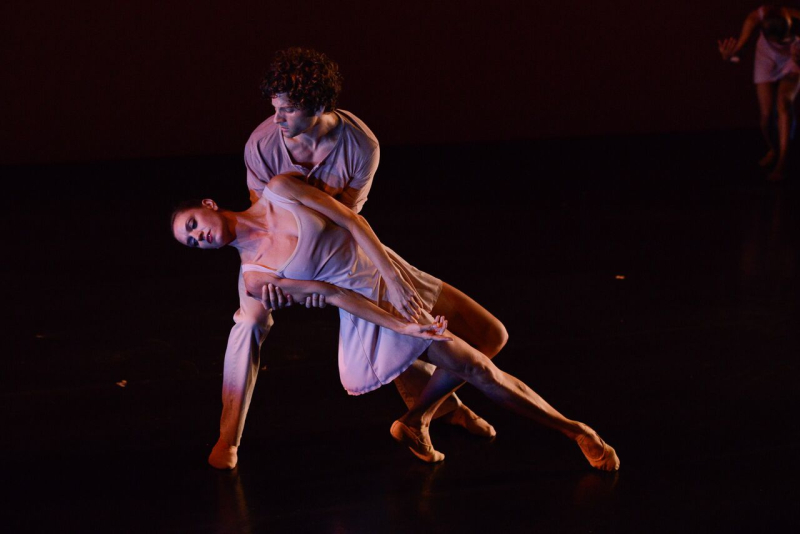
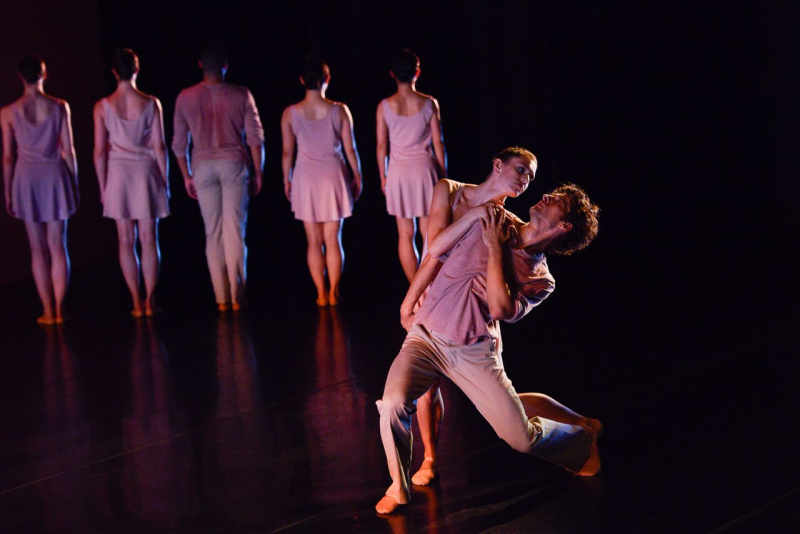
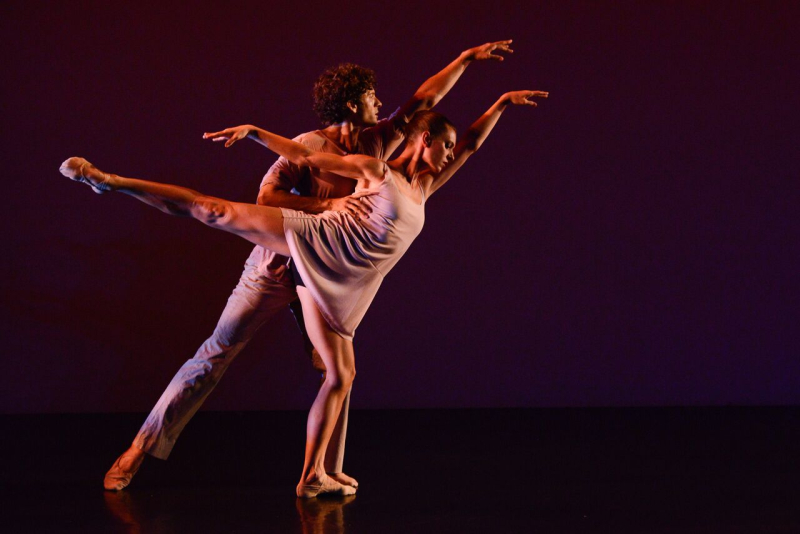
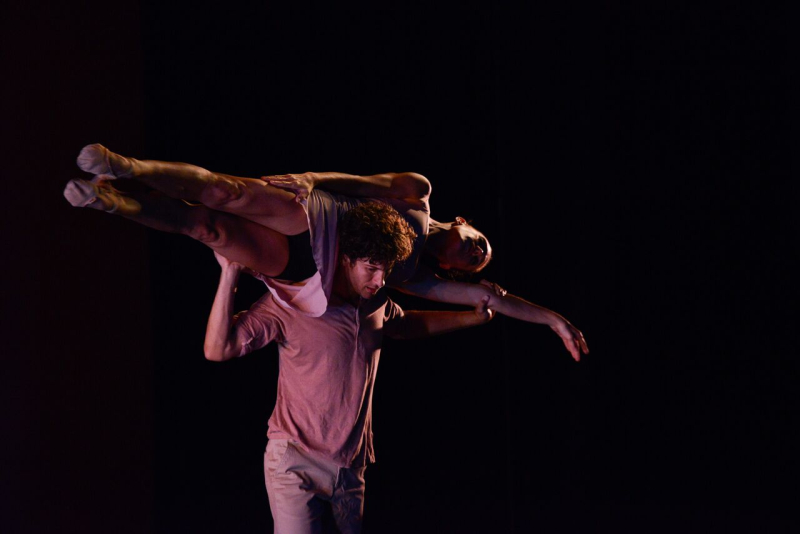
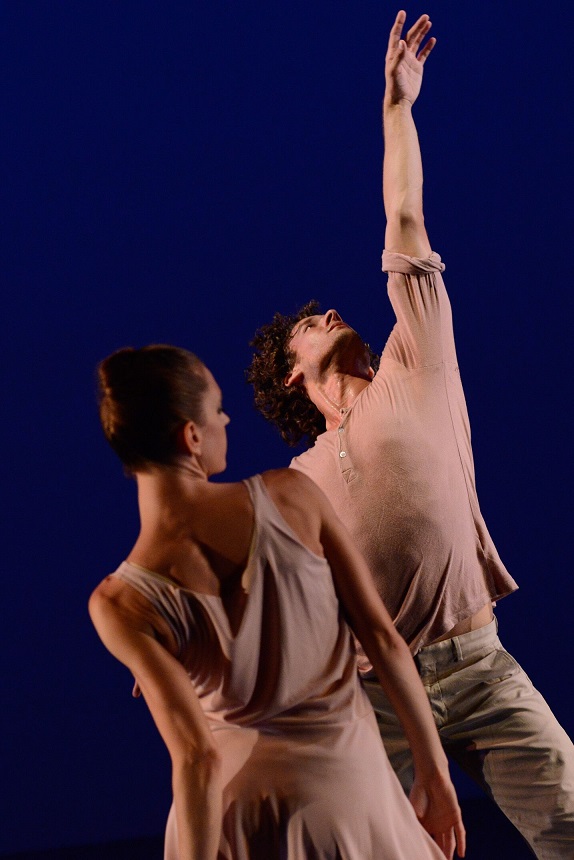
One memorable moment in the Hansohn/Chursin relationship came when they seemed to express opposing viewpoints in flashes of pirouettes.
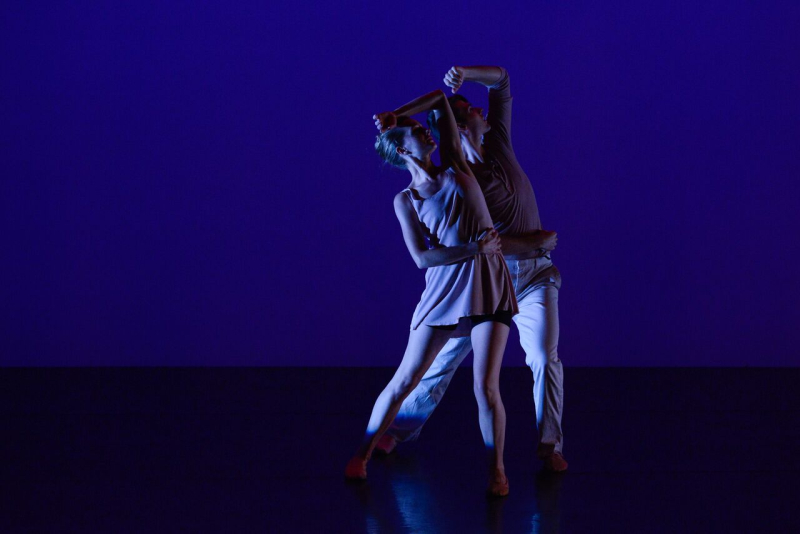
The second couple, Katie Martin-Lohiya and Daniel Pigliavento (above), seem more steadfast in their love. It is they, in the end, who have charge of the young girl.
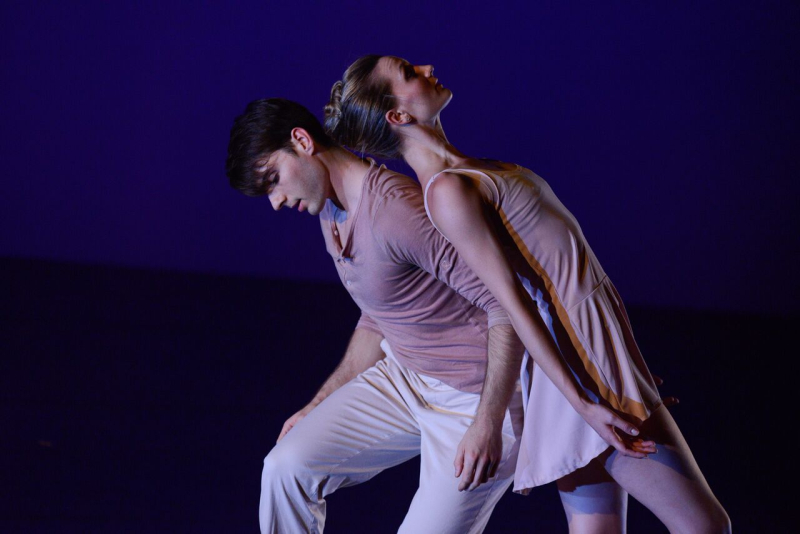
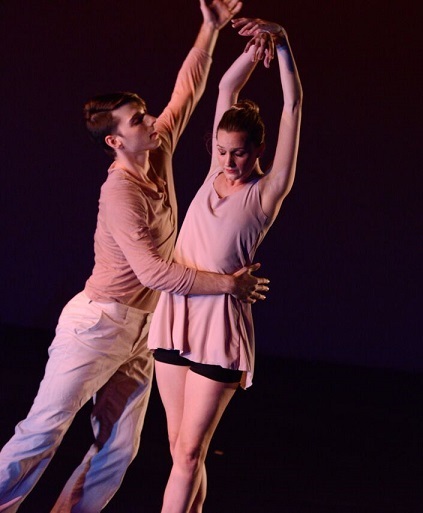
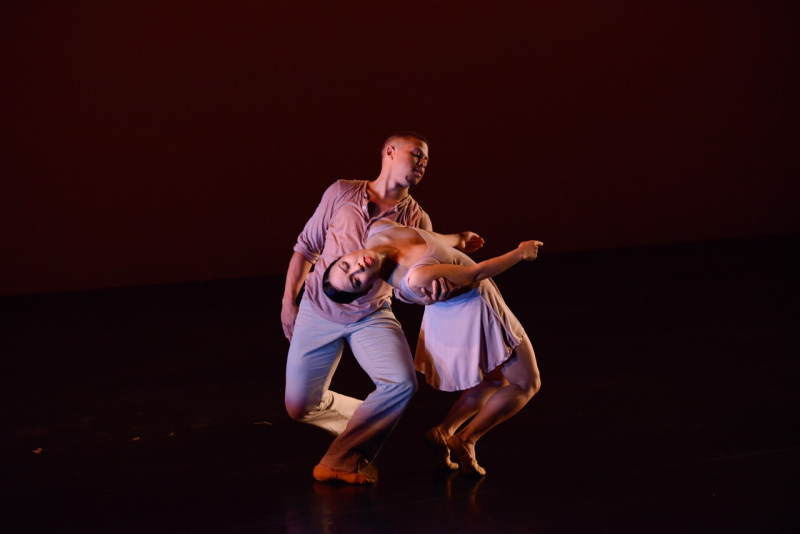
MinSeon Kim and Chazz Fenner-McBride (above) are a youthful couple, alternately joyous and a bit scrappy; all seems well between them until – as the ballet nears its end – Chazz becomes intrigued with Mary Beth. This sets up a brief and subtle but tension-filled encounter for Chazz and Peter. The situation remains unresolved, as does the music. As the light fades, Peter and MinSeon are on their own, with Mary Beth in Chazz’s encircling arms. The child, for whom all that has gone before may be a vision of the future, is safe in the protective love of Katie and Daniel.
Others will have seen variable narratives in this complex but wonderfully absorbing work; and over time, I may change my opinion of what has happened in the course of This, and my heart beside…
But I won’t change my mind about the work itself: it’s something to treasure.
~ Oberon
-
Rehearsing: Lydia Johnson Dance

Above: Nir Arieli’s rehearsal photo from the final moments of Lydia Johnson’s new creation This, and my heart beside…
Author: Oberon
Lydia Johnson Dance will be at New York Live Arts, 219 West 19th Street, on June 21st, 22nd, and 23rd, 2017. The performances are at 7:30 PM each evening. Tickets here.
Two new works choreographed by Lydia Johnson will be presented: Trio Sonatas, to music of Georg Friedrich Handel, and This, and my heart beside…, inspired by Emily Dickinson’s poem “It’s All I Have to Bring Today” and set to music by Marc Mellits and Philip Glass. Completing the program will be a revival of Lydia’s 2012 ballet for five women, Crossings By River, to music by Osvaldo Golijov, and Giving Way, returning from last season, with music by Mellits and Golijov.
On Friday June 16th, Lydia invited photographer Nir Arieli and me to her rehearsal at the Ballet Hispanico studios. Giving Way was being run when we arrived, and here are some of Nir’s images from that work.
Click on each photo to enlarge.

Laura DiOrio

Brynt Beitman

Blake Hennessy-York and Brynt Beitman

Blake and Brynt
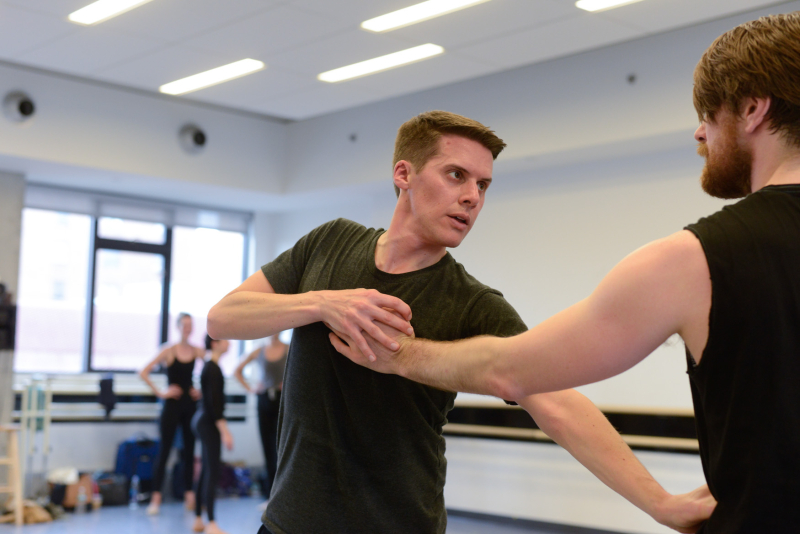
Blake and Brynt
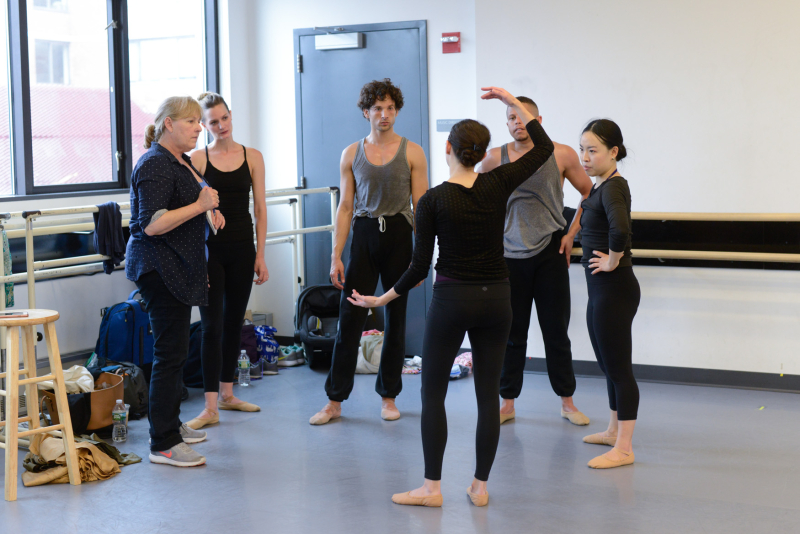
Above: Lydia with Sarah Pon, who will be dancing in Giving Way at NYLA, giving notes
After a brief respite, the large ensemble involved in This, and my heart beside… took their places and I got to see this moving and disturbingly beautiful work in a full run-thru.
Here is the Emily Dickinson poem from which the ballet’s title is derived:
“It’s all I have to bring today—
This, and my heart beside—
This, and my heart, and all the fields—
And all the meadows wide—
Be sure you count—should I forget
Someone the sum could tell—
This, and my heart, and all the Bees
Which in the Clover dwell.”The ballet is built around three couples, each of them at a different stage in their relationship:

MinSeon Kim and Chazz Fenner-McBride, observed by the ensemble…
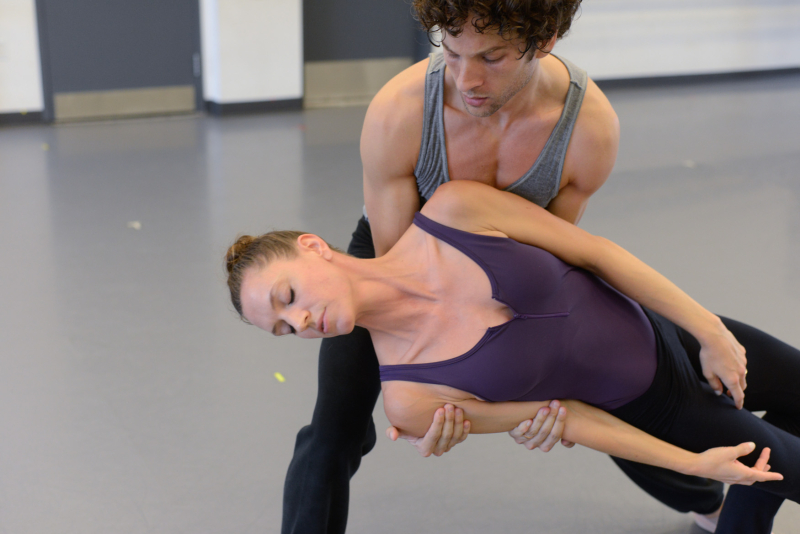
…Mary Beth Hansohn and Peter Chursin…

…and Daniel Pigliavento and Katie Martin-Lohiya.
Dona Wiley, Hope K Ruth, Blair Reavis-Tyler, and Lauren Treat form the ensemble for this poetic work, and also appearing will be Sara Spangler, a very young dancer who was not at today’s rehearsal.

This, and my heart beside… opens with a sort of prologue set to a Marc Mellits score which serves to set the stage for the drama which will unfold. Above: Dona Wiley, and Katie Martin-Lohiya (seated).
Lydia then turns to one of Philip Glass’s most haunting works, from his Etudes, Book 2: No 17, for the unfolding of the ballet. I won’t give away too much about the piece – Nir’s photos will say more than words can express – but this is a dancework which grasps the heart and never lets go.
Here is This, and my heart beside… in rehearsal:

Katie and Daniel

Daniel, Katie, Chazz, Min
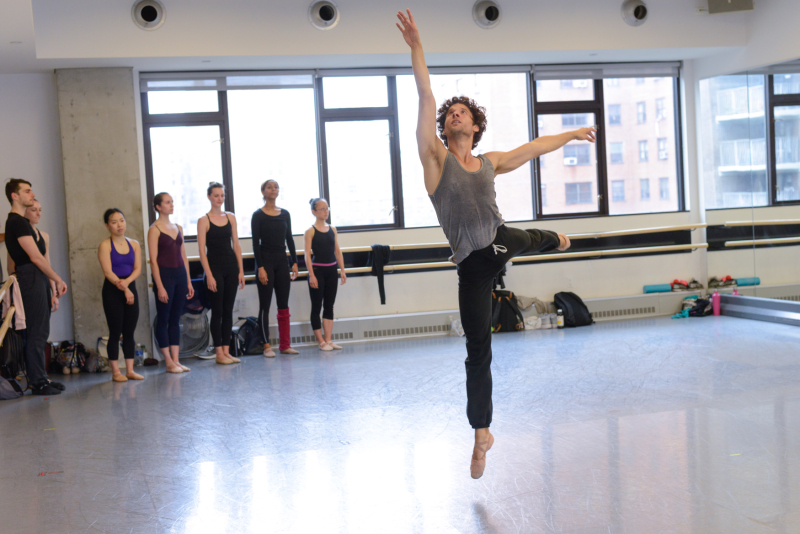
Peter
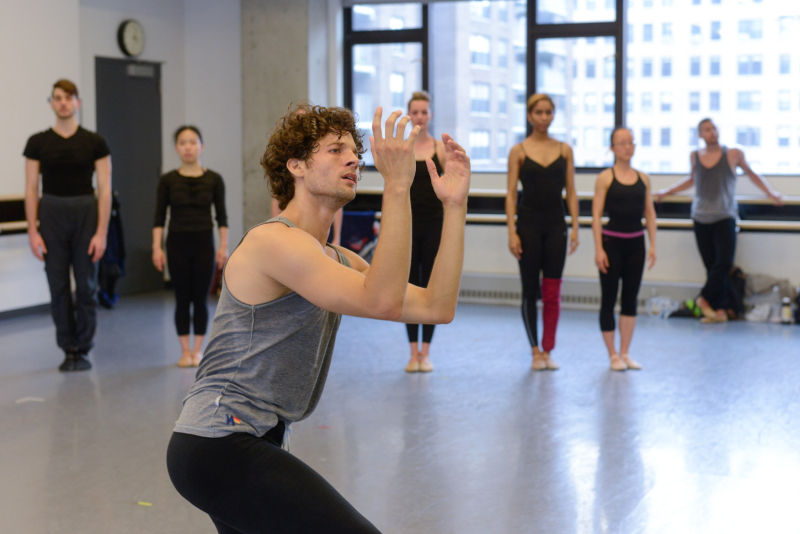
Peter

Chazz and Min, observed by Mary Beth

Peter and Mary Beth

Mary Beth and Min
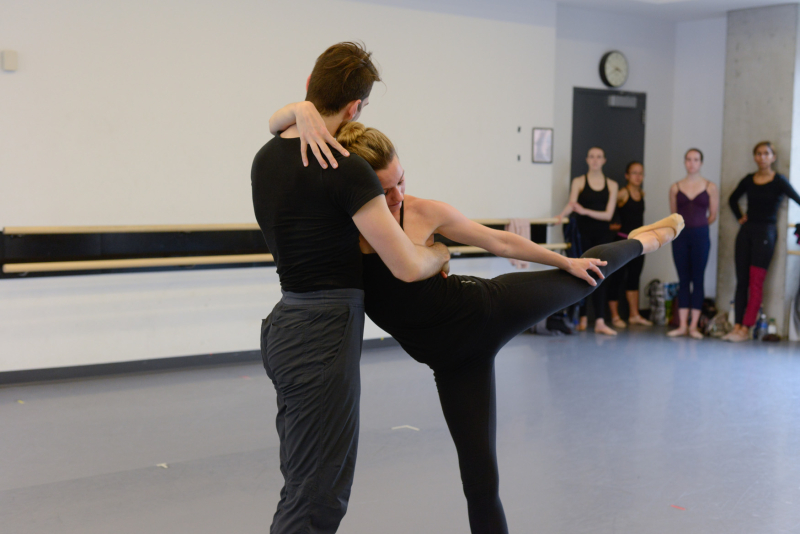
Daniel and Katie

Min, Mary Beth, Chazz, Peter
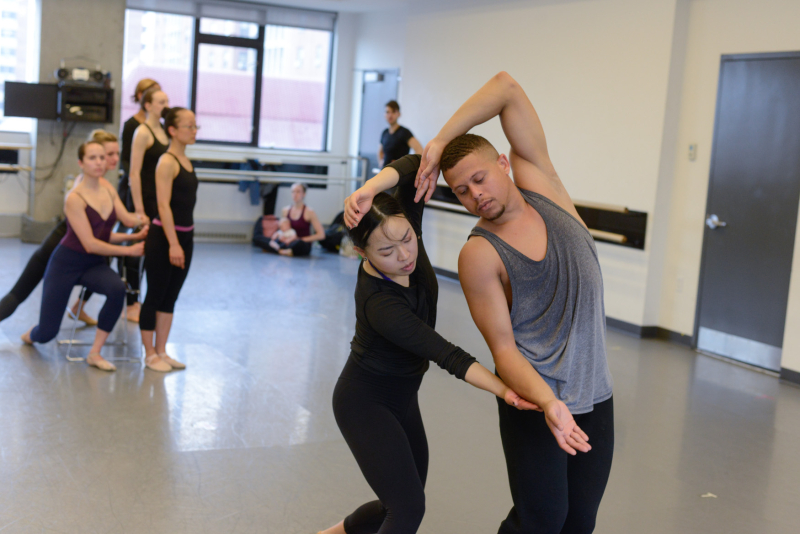
Min and Chazz

Mary Beth and Peter

Mary Beth and Peter

Katie and Daniel
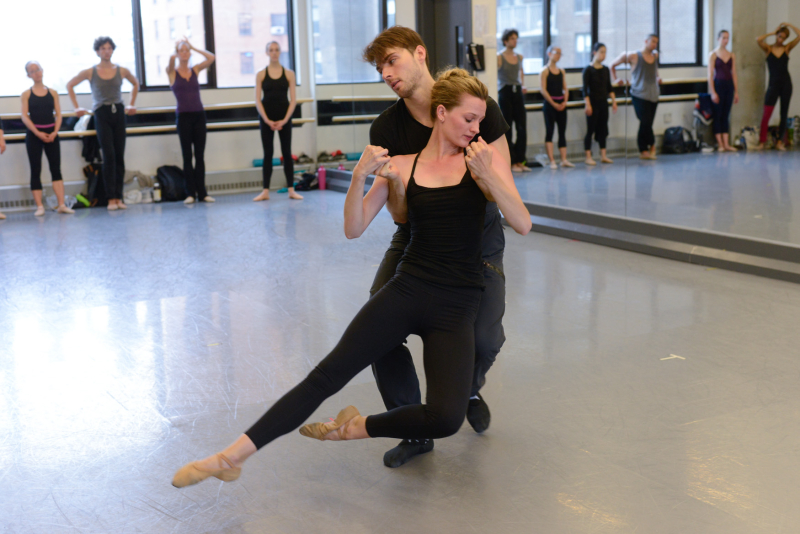
Daniel and Katie

Mary Beth and Peter
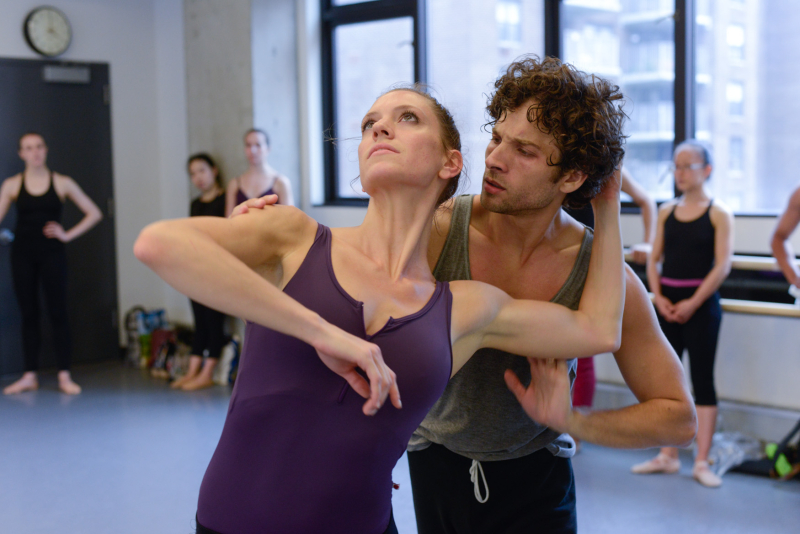
Mary Beth and Peter

Peter, Mary Beth, Chazz

Mary Beth and Peter
This, and my heart beside… ends without a musical resolution. It is a ballet filled with unanswered questions.
All photos by Nir Arieli, with my sincere appreciation.
~ Oberon
-
From Cardiff ~ 2017: Excellent Massenet

At the fourth concert of the 2017 Cardiff Singer of the World Competition, exceptional performances of two arias from Massenet’s WERTHER were particularly gratifying. Tenor Kang Wang (above), who has sung an impressive Narraboth at The Met, delivered the poet’s lamenting “Pourquoi Me Réveiller?“ with striking sincerity.

Catriona Morison (above), from Scotland, moved me deeply with her sense of quiet desperation in Charlotte’s “Air des Lettres“. A superbly attractive woman, Ms. Morison’s voice and her emotional engagement in the character’s situation made her performance of this aria – which does not always work well out of context – as fine as any I can recall.
UPDATE: Catriona Morison was co-winner – along with Mongolian baritone Ariunbaatar Ganbaatar – of the 2017 Cardiff Singer of the World Song Prize. Watch as Dame Kiri Te Kanawa presents the trophy here.
Both Ms. Morison and and Kang Wang along are finalists in the competition for the Main Prize, as are Mr. Ganbaatar, England’s Louise Adler, and the American baritone Anthony Clark Evans.
UPDATE #2: Hot off the press: Catriona Morison named Cardiff Singer of the World 2017!! Can I pick ’em or can I??
-
From Cardiff ~ 2017: Iurri Samoilov
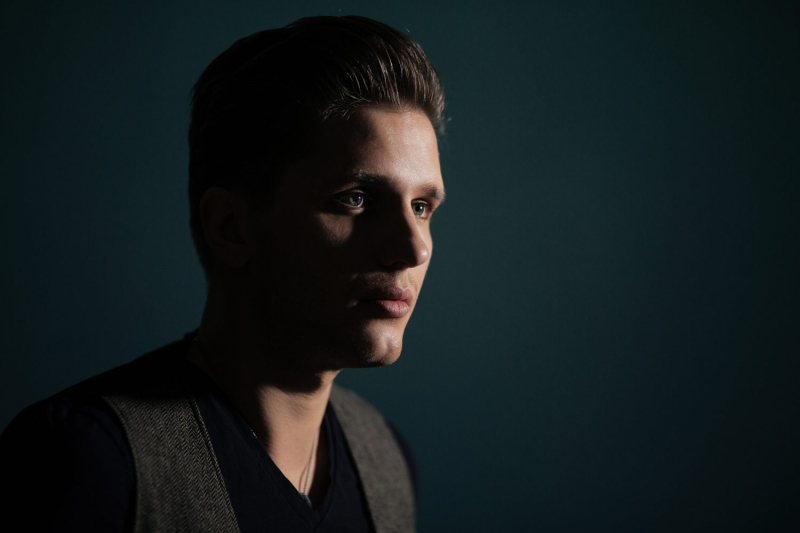
I haven’t been overly impressed with most of the singers at this year’s Cardiff Singer of the World Competition, but baritone Iurii Samoilov from the Ukraine moved me in this Rachmaninoff song.
-
Restless Creature: The Film

RESTLESS CREATURE, the documentary about Wendy Whelan that dance lovers everywhere have been waiting for, is now playing (thru June 6th) at Film Forum down on Houston Street in New York City. Since, as most of my readers know by now, I’ve been on the disabled list for several weeks, I had the good fortune of receiving a link to watch the film at home.
Very soon after I moved to New York City and started working at Tower Records, Wendy Whelan came in to shop one afternoon. She had been my dream dancer since I first took note of her as an outstanding, unique ballerina in my favorite dance company: New York City Ballet. Feeling overwhelmingly shy in the presence of my idol, I managed to croak out an uncertain “Hello, Wendy!” Incredibly, she seemed equally shy. We talked about the weather.
From that day on, I ran into her frequently – both at the store and around Lincoln Center, where I loved hanging out for hours in hopes of seeing my beloved dancers coming and going from rehearsals and performances. Whenever Wendy passed by, she always stopped to chat; she has an incredible sense of humor, and a knack for making whoever she’s talking to feel…blessed.
I have a million Wendy Whelan stories, and I’ll put some links to some of my favorites at the end of this article. But right now, it’s showtime! Roll RESTLESS CREATURE…
~~~~~~~~~~~~~~~~~~~~~~~~~~~~~~~~~~~~~~~~~~~~~~~~~~~~~~~~~~~~~~~~~~~~~~~~~~~~~~~~~~~~~~~~~~~~
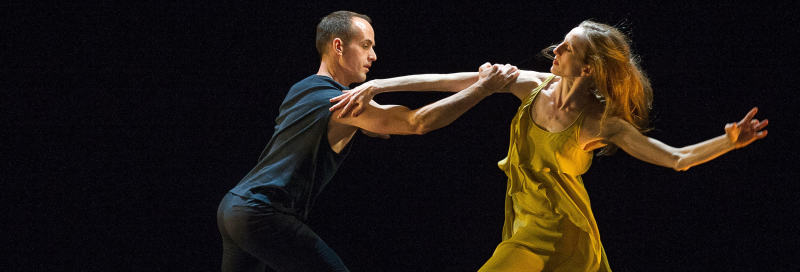
Above: Brian Brooks and Wendy Whelan, photo by Christopher Duggan
When I think of Wendy Whelan, the word that always comes to mind is: gratitude. Gratitude, not simply for her sublime artistry as a dancer, or her wit and warmth as a friend, but a true feeling of being thankful that our dance careers – hers performing, mine observing – have dovetailed so perfectly. From the first memories of singling her out on a stageful of magnificent dancers in her early days at New York City Ballet down to this very afternoon – watching her in the strikingly candid and deeply moving documentary RESTLESS CREATURE – Wendy has been one of those people who – quite simply – makes life worth living.
The film opens with some footage from Jerome Robbins’ GLASS PIECES, with Wendy and Adrian Danchig-Waring in the pas de deux. Within seconds, the pristine beauty and ineffable mystique of Wendy Whelan have already moved me to tears. And that’s how I spent the entire 90-minute span of watching this film: on a roller-coaster of emotion as Wendy’s transition from prima ballerina to contemporary dancer de luxe is observed at close range in scene after scene which reveal both a deep vulnerability and a powerful strength of will in this complex and supremely human woman.
“If I don’t dance, I’d rather die!” says Wendy early in the film; we then follow her on her journey beyond classical ballet and into another realm of dance: a journey marked by a surgical intervention with all its attendant hope and despair.
Courageously, Wendy even lets us eavesdrop in the operating room, and we can only marvel at the technological advances that make what once would have been an unthinkable procedure go forward smoothly. From thence, with her handsome husband David Michalek ever a quiet pillar of strength, the ups and downs of recovery are chronicled. “It’s depressing to think of what I can’t do anymore,” Wendy broods, as she works thru physical therapy. Yet all the time, the future beckons.
She speaks of roles having been taken away from her at New York City Ballet and of a conversation with Peter Martins that devastated her when he said, “I don’t want people to see you in decline.” With raw honesty, Wendy admits this episode caused her debilitating pain.
But she carries on; her first gentle barre is an obstacle to be overcome: she is anxious to get back to work. With a focus on what she can do, her RESTLESS CREATURE program has taken shape: she will dance duets – not on pointe – with each of four choreographers. But the recovery process stalls as pain begins to creep back in. When a hawk appears outside her window, Wendy takes it as an omen and postpones the RESTLESS CREATURE tour. The toll this decision takes on her is potent.
But, resilience is in her nature. She works thru the pain and finds her strength again. Wendy plans her farewell program at New York City Ballet, determined to take leave of the House of Mr B during her 30th year with the Company. One last surprise comes her way: Alexei Ratmansky asks her to dance in his new creation PICTURES AT AN EXHIBITION. She is thrilled by the invitation, and seems to be having a blast doing it. {Wendy is currently staging PICTURES AT AN EXHIBITION for Pacific Northwest Ballet.}
The night of the farewell is beautifully documented: Wendy dances with her next-generation partners Tyler Angle and Craig Hall, finishing the evening in a pas de trois specially crafted by Christopher Wheeldon and Akexei Ratmansky which ends with Wendy aloft, leaving the past behind and reaching for the future.
Throughout the film there are delightful glimpses of people I love: Lynne Goldberg, Emily Coates, Sean Stewart, Maria Kowroski and Martin Harvey, Gonzalo Garcia, Edward Watson, Ask LaCour, Chris Bloom, Reid Bartelme, Abi Stafford, Tiler Peck, Sean Suozzi, Joshua Thew, Allegra Kent, Jacques D’Amboise, Wendy Perron, Gillian Murphy, Ethan Stiefel, Gwyneth Muller, Chuck Askegard, and oh-so-many more. Three of Wendy’s most marvelous cavaliers are seen: Jock Soto, Philip Neal, and Peter Boal. Mr. Boal pays Wendy an incredible – and honest – compliment when he says, “You changed how people behave in this profession.”
Watching the film made me think yet again of Wendy as a very special kind of star, for while it is wonderful to be admired, applauded, honored, and revered as an artist, it is even more rewarding to be loved, not only for what you do but for who you are.
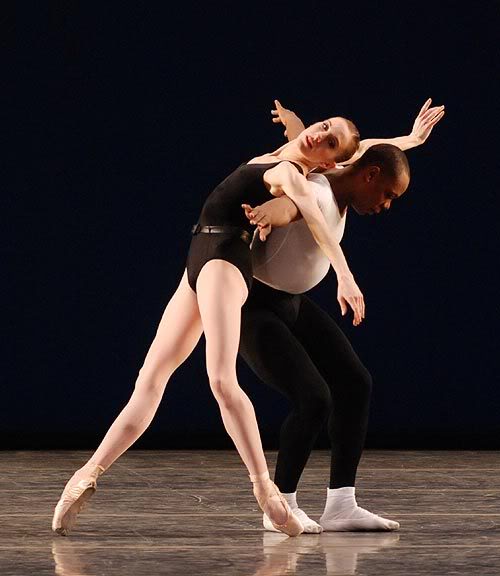
At the very end of RESTLESS CREATURE, there is one final tugging of the heartstrings: the film is dedicated to the memory of Albert Evans.
~~~~~~~~~~~~~~~~~~~~~~~~~~~~~~~~~~~~~~~~~~~~~~~~~~~~~~~~~~~~~~~~~~~~~~~~~~~~~~~~~~~~~~~~~~~~
Here are some past articles from my blog about Wendy Whelan that you might enjoy reading:
-
Augustin Hadelich @ The NY Philharmonic

Above: Augustin Hadelich; photo Jesse Costa/WBUR.
Author: Scoresby
Thursday May 25th 2017 – In a flavorful all-Czech program, the young conductor Jakub Hrůša made his New York Philharmonic debut at David Geffen Hall. The violinist Augustin Hadelich was featured on the program, returning to the New York Philharmonic. While I had never heard Mr. Hrůša before, I have been a fan of Mr. Hadelich’s for some time.
The first piece on the program was the enigmatic Dvorak Violin Concerto in A minor, Op. 53. This is a virtuosic showpiece from early on in Dvorak’s career and has never been a favorite of mine. Mr. Hadelich gave an astoundingly clean, dexterous, and lyrical account once again proving he is a superb interpreter. In the first movement he managed to structure the wandering sections and yet still find time to pause to savor the lyrical sections. The orchestra had a warm sound, but the orchestral writing for this piece is too large for a solo violin. Nonetheless, the musicians blended well with Mr. Hadelich’s tone, creating a very satisfying performance. There was a moment at the end of the first movement in which the horn and violin seemed to fuse timbres creating a beautiful effect evoking a warmer version of a woods call. These sensual movements made the piece much more exciting than I had expected.
Another was the way the woodwinds played the searing melody during the first movement – it felt like the one could feel the energy from that section of the orchestra. During the virtuosic final movement, Mr. Hadelich managed to playfully entertain with the many Czech dances – the orchestra following his lead well under Mr. Hrůša. Right before launching into the fast pace finish, Mr. Hadelich took one dramatic pause as if to breathe. It was perfectly timed and made the rush to the finish even more alert. As an encore, he gave a technically perfect and surprisingly lyrical account of Paganini’s Caprice No. 1. Mr. Hadelich managed to squeeze all the color that one can out of a showpiece like that.

Above, conductor Jakub Hrůša photographed by Andreas Herzau
The evening’s second half started with three of Dvroak’s Slavonic Dances: Op. 46, No. 1; Op. 72, No.2; and Op. 72, No. 7. The first one is a loud colorful fanfare that sounds nationalistic. Mr. Hrůša led a clear account that let the instruments breathe – the crowd burst into applause at the finish of this dance. The second is a much more tragic/lyrical piece which was deftly handled. While indulging for some of the thick textures, Mr. Hrůša made sure to keep the orchestra at bay to build into the third piece in the set – which sounded similar to the opening fanfare. These were crowd-pleasers certainly, but played well and with a sense of purpose.
After having read about it and listened to it on recording for many years, I finally got the chance to hear Janacek’s Taras Bulba, Rhapsody for Orchestra. This imaginative piece is loosely based on Gogol’s eponymous novella – but Janacek picks three particular scenes to set into music. The first depicts the son of Taras Bulba falling in love with a Polish woman, which eventually ends when Taras executes him for treason. The music itself alternates between sweeping sections depicting the tryst and intense war sounds. In the background of both sections the organ and bells are a constant reminder of his fate.
Mr. Hrůša drew a colorful and dramatic account, creating extremes in the alternate sections while having enough charisma to push through the piece. The orchestra emphasized the special sound effects well. The ending chord with the organ and bells created an almost vacuum-like effect, throwing the hall into silence. During the second movement, Taras Bulba’s other son is captured by the Polish and is watching them dance as his death draws nearer and nearer. Eventually after meeting Taras Bulba he is executed.
Here the orchestra sounded much lighter than in the first movement. The harps in the introduction lifted up the entire orchestra, playing both passionately and lyrically. The players managed to produce pulsing dance rhythms well, making the dance seem stuttering and intense. I noticed many similarities between the structure of this movement and Janacek’s second string quartet. He uses the violins in many of the same ways and the opening chords of the quartet appear through the entirety of second movement of the orchestral piece. I also noticed that Janacek manages to create sweeping opera-like sections. Mr. Hrůša managed to get deep anxious playing from the orchestra leading into the final bars. As if to add to the musical drama some audience member shouted a defiant “Nooo!” just as the movement was ending.
While the last movement depicts Taras Bulba dying, he also sees his own soldiers escaping capture. Thus the music Janacek compose during this movement is mighty and proud. While well played, Mr. Hrůša had the orchestra climax in volume too early, making the other large dynamics less powerful.
Nonetheless, one of my favorite parts of the piece is when the percussion strikes silencing all of the other instruments. The horns then slowly come in out of sync with each other, creating a call and response echoing effect. The orchestra pulled this off perfectly – building to a dramatic ending with the organ and bells being used to maximum effect. The result was both terrifying and uplifting, transporting the audience to the idealist vision of Janacek’s fantasy.
~ Scoresby
-
Brahms|Thorvaldsdottir|Salonen @ NY Phil
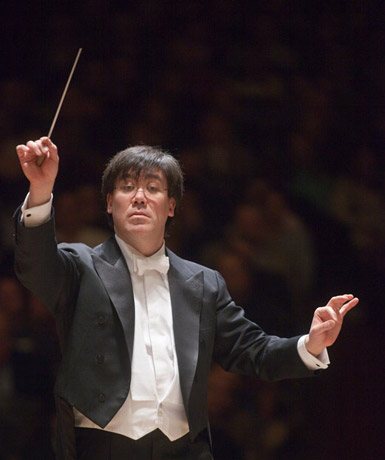
Above: Alan Gilbert, in a Michael J Lutch photo
Author: Scoresby
Tuesday May 23rd 2017 – Now in the final weeks of his tenure as music director, Alan Gilbert led the New York Philharmonic at David Geffen Hall in the last of four concerts of a diverse program. Guest soloists included the respected violinist Leonidas Kavakos, soprano Anu Komsi, and soprano Piia Komsi (both sopranos in their NY Philharmonic Subscription debuts). It also happened to be a night devoted to the retiring members of the NY Philharmonic and such there was a ceremony right after intermission.
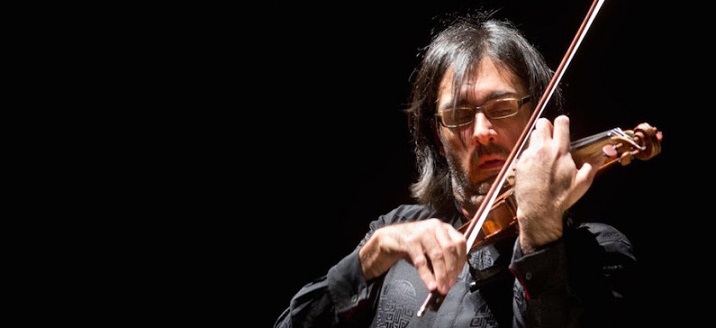
The program started out with the classic Brahms’s Concerto in D major for Violin and Orchestra, Op. 77. I have heard Mr. Kavakos (above) a few times before and have always enjoyed his performances. This Brahms was taken at a slow pace in the first movement. Mr. Kavakos seemed to use a style of playing with very light bow pressure and many staccato notes, which emphasized the more modernist elements of the work (particularly in the cadenza). While most players make this into a flashy piece, both the orchestra and Mr. Kavakos seemed to be tempered, bordering on torpid. They did bring transparency and structure, emphasizing each phrase.
Opening with a sensual organ-like chorale, the second movement seemed more effective at this tempo. It allowed the orchestra to breathe through some of the more beautiful tutti sections and Mr. Kavakos time to care for each line. The finale was Mr. Kavakos at his best, finally managing to fully synchronize with the orchestra and lunging through difficult technical demands.
After the intermission was the annual New York Philharmonic ceremony honoring both the retiring and retired musicians. This is a time-honored tradition in which retiring musicians give a speech – it is also a nice time for former musicians to come back to the orchestra.

As the violist and Chairperson of the Musician’s Orchestra Committee Dawn Hannay (above) pointed out in her memorable speech, the musicians and history of an organization are vital in creating a particular sound. “Without the musicians, the conductor is just waiving their arms around.”

Above: Anna Thorvaldsdottir; photo by Kristinn Ingvarsson
The second piece on the program was the New York premiere of Aeriality by the young Icelandic composer Anna Thorvaldsdottir. While this was my first time hearing any of her work live, I have been relishing two recent discs of her music for the past few years – one released by Deutsche Grammophon and the other recorded by International Contemporary Ensemble. It was a pleasure to hear this rich music live, which is a completely different experience than listening to an album. As with many of Ms. Thorvaldsdottir’s pieces, the sound is huge and immersive.
In some ways, one might consider this piece as much an ambient soundscape as it is a structured musical piece. The percussion seems the only thing grounding about the music; it otherwise shifts through a variety of textures and colors – almost like moving through space. It is a evokes strong visuals of a primordial landscape in my mind. The clusters, density, and waves of sound all increase until a climactic moment when the music turns into light, feathery texturing. It really felt like the orchestra arrived somewhere it fell silent. The performers drew a big sound and played well. Mr. Gilbert led a slower account that accentuated the many textures, but also felt a little less structured.
The program closed with the New York premiere of a work by the esteemed composer and conductor Esa-Pekka Salonen. The piece was an older one from his output entitled Wing on Wing, inspired by the completion of Frank Gehry’s Walt Disney Concert Hall. It includes two sopranos who move to different parts of the hall, percussionists who also play from different parts of the hall, the electronic sounds of a fish, and the voice of Frank Gehry himself.
The sopranos Anna and Pii Komsi did an excellent job through difficult descending and ascending passages that evoked the sounds of a siren. While the orchestra played rivetingly throughout the work, the electronics sounded a little kitschy. The piece has classic Salonen sound of colorful open sounding chords with interesting textures from a variety of instruments. It evoked both Ligeti’s Atmosphères and Debussy’s Jeux, melded with Salonen’s creative rhythms.
The moment that grabbed the most was the final purely orchestral section, in which the orchestra bursts into a frenetic dance anchored by the percussion. It was lovely to hear the New York Philharmonic present important contemporary composers and a nice reminder of the importance of the musicians in the orchestra.
~ Scoresby
 Oberon's Glade