Blog

  • Young People Committing Suicide

    Glsuici4

    It’s so pleasant to sit here blogging about dance, music, opera and my adventures in Gotham; it’s nice to feel so involved in the world that I write about and to have my wonderful friend Kokyat preserving our experiences with his camera. In general I try to steer clear of politics and religion on my blog, partly because they are such devisive topics and I am so very tired of divisiveness. Also there are countless sites where you can go for every political and religious perspective and where you can join in discussions of those topics and rant, rage or despair to your heart”s content; I prefer my blog to be an oasis of beauty and reason.

    But in recent weeks there has been an alarming spate of suicides among young people related to their sexual identity, whether real or as perceived by their peers. Columnist Dan Savage has contributed a video entitled It Gets Better which urges young gay people not to despair, to stay the course and look forward to a time when they can emerge from the shadow-world of mental and physical abuse, embrace the world in all its diverse beauty and – hopefully – live happily ever after.

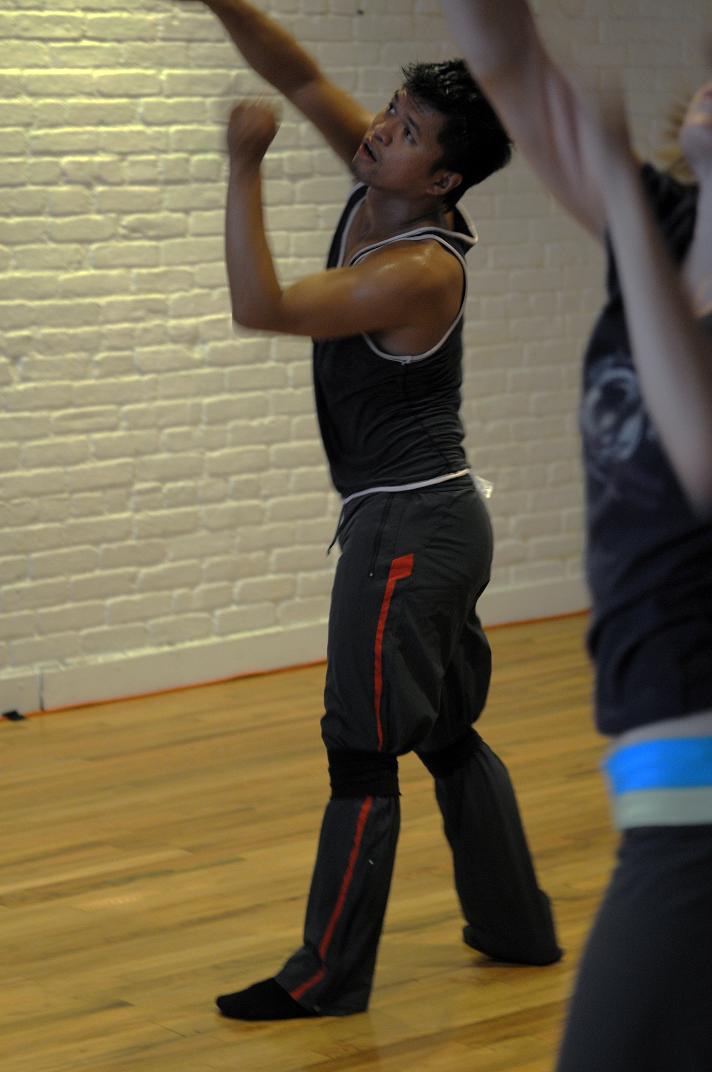
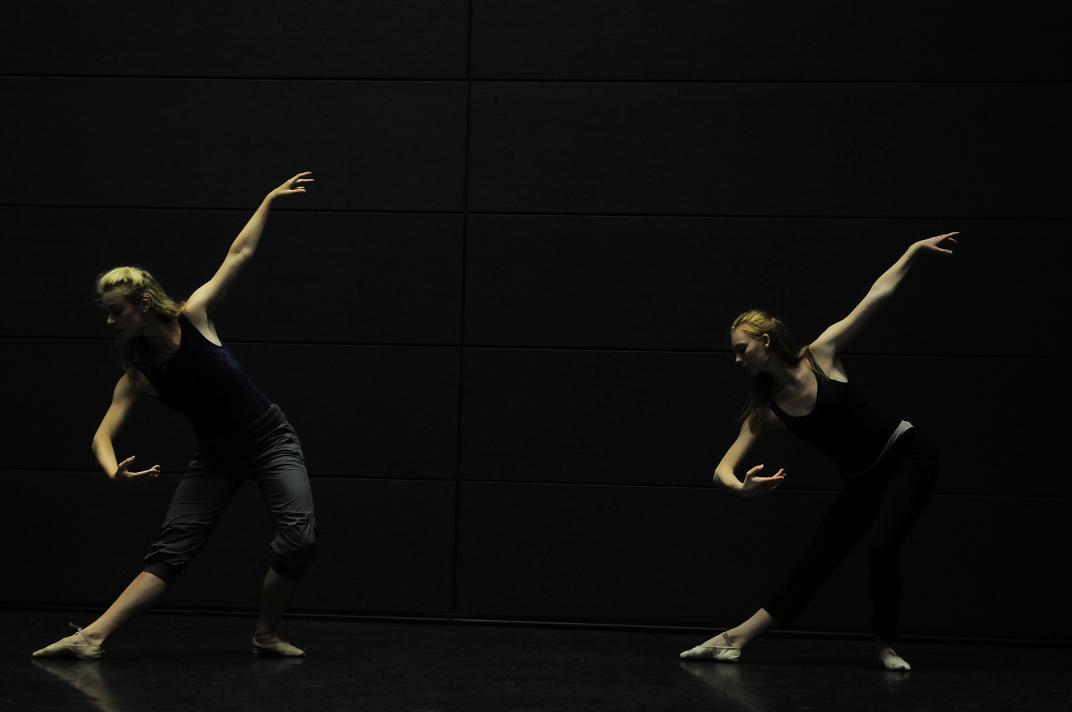
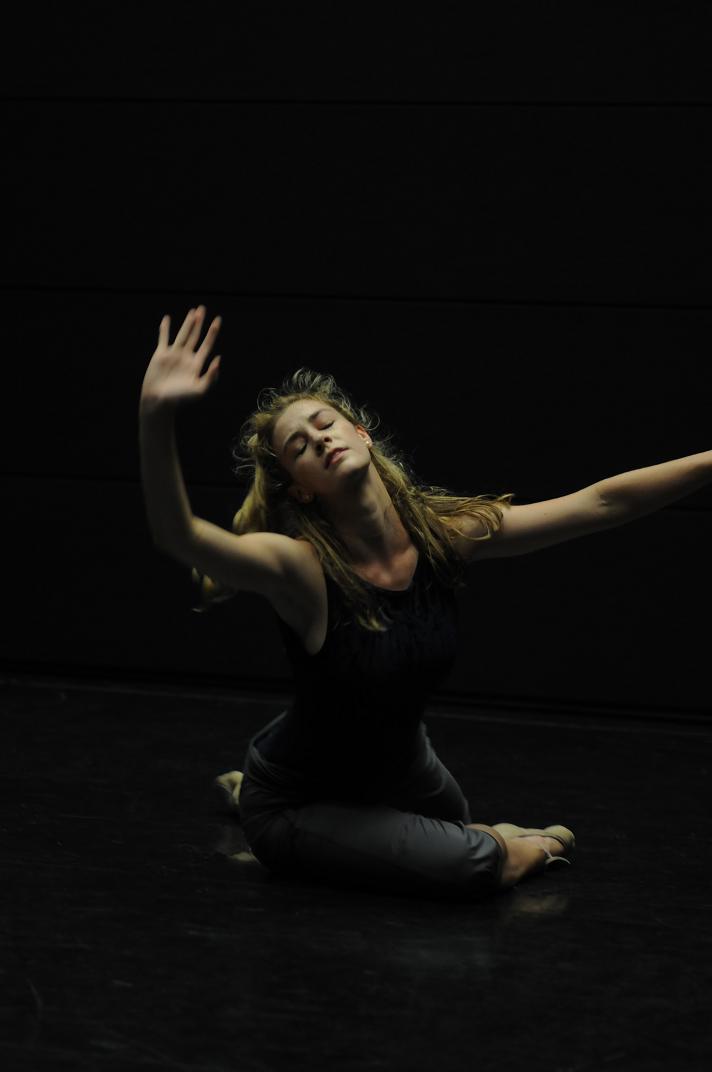
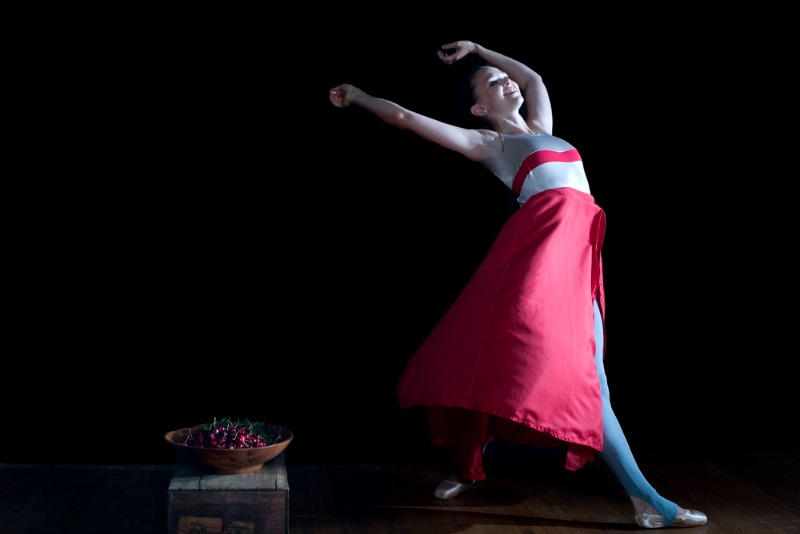
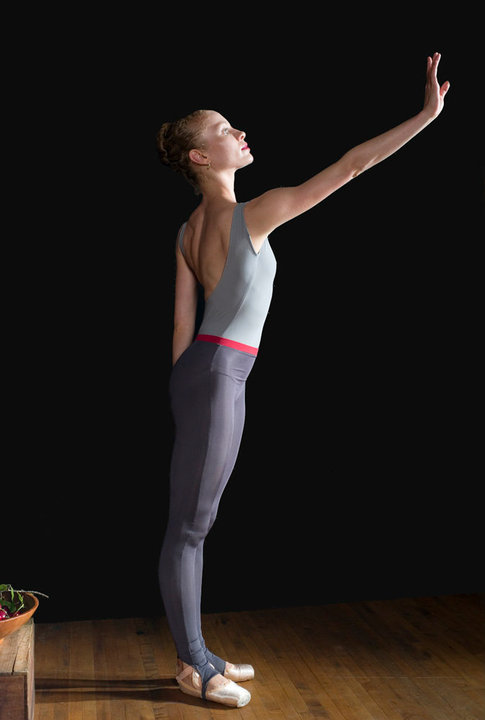
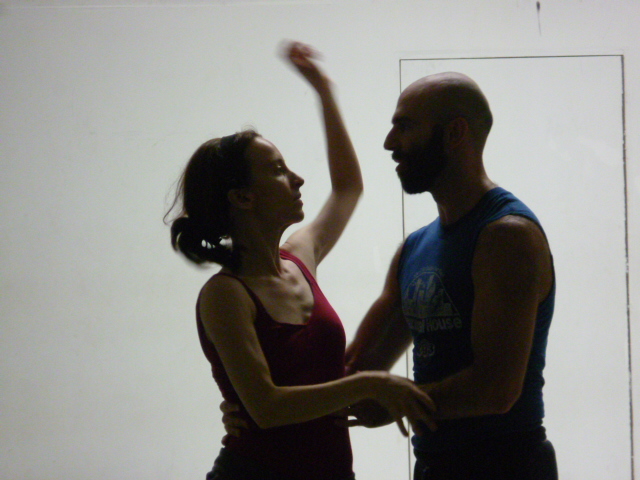
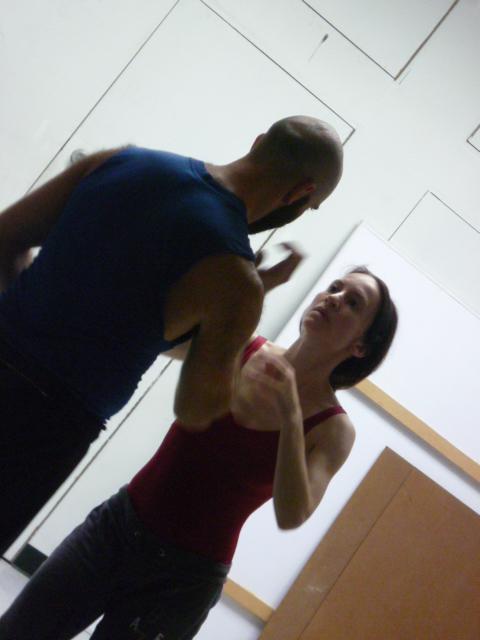
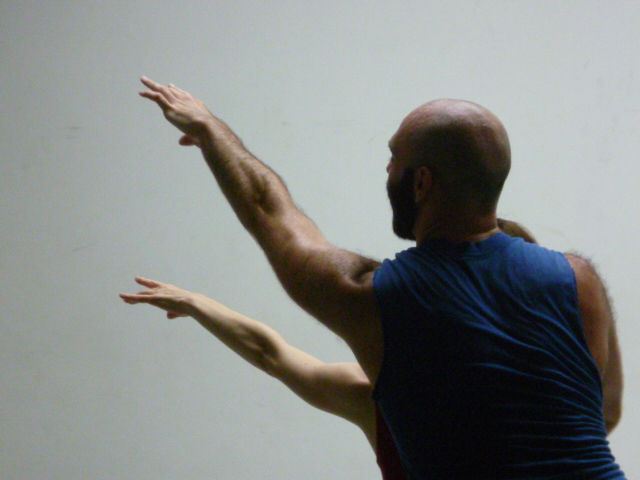
    Dancer/choreographer Bennyroyce Royon has made a short film that young people should watch.

    Growing up in a tiny town in the 60s and early 70s, I was terrified. I was so different from everyone else. Even once I began to understand what my ‘problem’ was there were no answers, and no one to talk about it with. In this situation you are virtually alone. 

    Back then, on so many days, I pretended to be sick to stay home from school – and in fact, my fears did make me physically ill so many times. My parents were respected members of the community and my older brother (a rebel-without-a-cause type, but OK since he was straight) and my sister were very popular with their peers. I realize that if not for these facts I would have had an even harder time – I remember once when I was being harrassed an older student passed by and said, “Hey, he’s Jeff Gardner’s little brother…leave him alone!”  I suppose if I’d had the courage to tell my brother what was happening to me, he would have beat the crap out of my assailants for me and maybe even pulled his jack-knife on them. But how could I talk to him about my feelings? How could I talk to anyone?

    Dan Savage’s video suggests the possibility that the troubled small-town kids of today might find ways of reaching out to older gay people via the internet. This is a great idea however it is also fraught with risks: if parents find their kids are corresponding with homosexuals – or have even watched Dan’s video –  it will make life for these kids even worse. And also, how would an adolescent in rural Texas or a teenaged girl in Utah be able to distinguish between someone genuinely wanting to help them and someone who just wants to get into their pants, or blackmail them?

    When I attended the vigil last year for the young people murdered at a gay center in Tel Aviv I was so moved by the plight of some of our local gay youth who told their own stories of being bullied and disowned. Luckily for them here in a major city there are places you can go, people you can turn to. In Smalltown USA there are no such options. 

    The Obama administration, after hood-winking gays into supporting their ‘Change You Can Believe In’ pep talks, continue dancing around gay issues, tossing crumbs from the table here and there and trying to appear sympathetic to gays in such matters as DADT and DOMA while avoiding taking any real leadership position on either matter, and filing court briefs behind the scenes that seem aimed at maintaining the status quo.

    I have sometimes asked my sister if she knows of young people in our little hometown (she still lives there) who might be in need of someone to talk to about their sexual orientation. Of course you can just imagine the reaction of parents when they hear that some faggot from the Big City wants to talk to their kid.

    Of course another facet of all this is the tacit affirmation that staying in the closet is the best policy; athletes, actors, political figures, dancers, musicians, religious leaders – people who might serve as powerful role models for young gays everywhere – continue to play it straight or at the very least play it ambiguous out of fear of having their careers de-railed by an admission of their sexuality. One newscaster who interviewed the parents of a recent teen-suicide has never stood up and said that he’s gay, though it was not all that long ago that you’d see him around the NY club scene. And he had a fling with my ex. So for all his ‘concern’ he seems to lack the basic courage to be himself and thus maybe help – however indirectly – a young person somewhere in Middle America who is struggling with an incredible burden.

    It was in fact only thru the love and understanding of two people – Jeanette and Ann(e) Olga – that I never took the pills I had stashed away and that I am here today to look back on it all and thank them for keeping me alive, even though they didn’t know that that is exactly what they were doing.

    I have always viewed life as a journey and this song – which I’ve always loved and which I’ve been listening to a lot lately – always feels like it was written just for me. Maybe young people will listen to it and come to realize that life in all its beauty and mystery lies ahead of them:

    “In my early years I hid my tears
    And passed my days alone
    Adrift on an ocean of loneliness
    My dreams like nets were thrown
    To catch the love that I’d heard of
    In books and films and songs
    Now there’s a world of illusion and fantasy
    In the place where the real world belongs

    Still I look for the beauty in songs…
    To fill my head and lead me on
    Though my dreams have come up torn and anchored
    As many times as love has come and gone

    To those gentle ones my memory runs
    To the laughter we shared at the meetings
    I filled their kitchens and living rooms
    With my schemes and my broken dreams
    It was never clear how far or near
    The gates to my citadel lay…
    They were cutting from stone some dreams of their own
    But they listened to mine anyway

    I’m not sure what I’m trying to say
    It could be I’ve lost my way
    Though I keep a watch over the distance
    Heaven’s no closer than it was yesterday

    And the angels are older
    They know not to wait up for the sun
    They look over my shoulder
    At the maps and the drawings of the journey I’ve begun

    Now the distance leads me farther on
    Though the reasons I once had are gone
    I keep thinking I’ll find what I’m looking for
    In the sand beneath the dawn

    But the angels are older
    They can see that the sun’s setting fast
    They look over my shoulder
    At the vision of paradise, the changing light of the past
    And they lay down behind me
    To sleep beside the road til the morning has come
    Where they know they will find me
    With my maps and my faith in the distance
    Moving farther on”
  • Ballet Class with Deborah Wingert

    P1090143

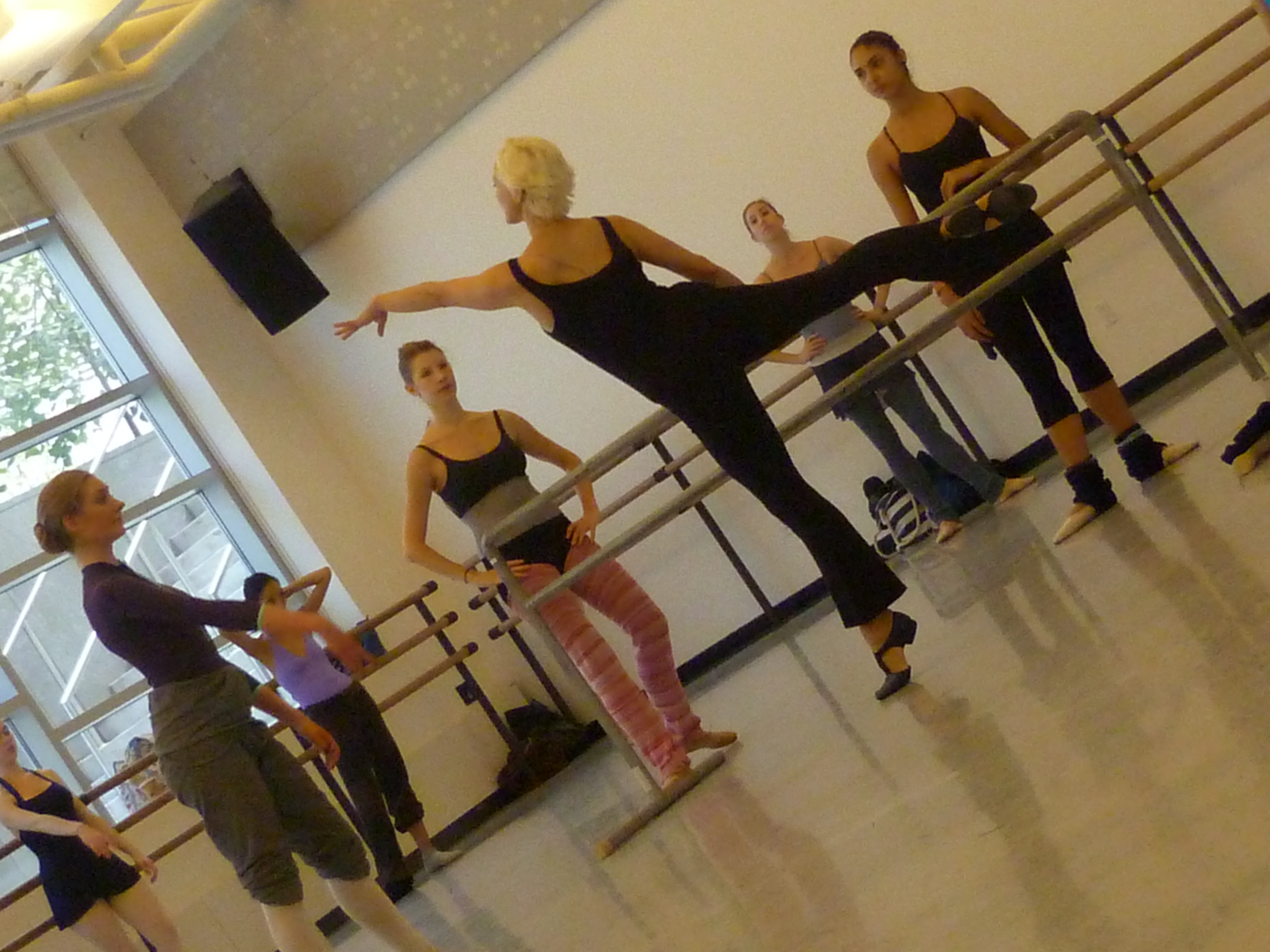
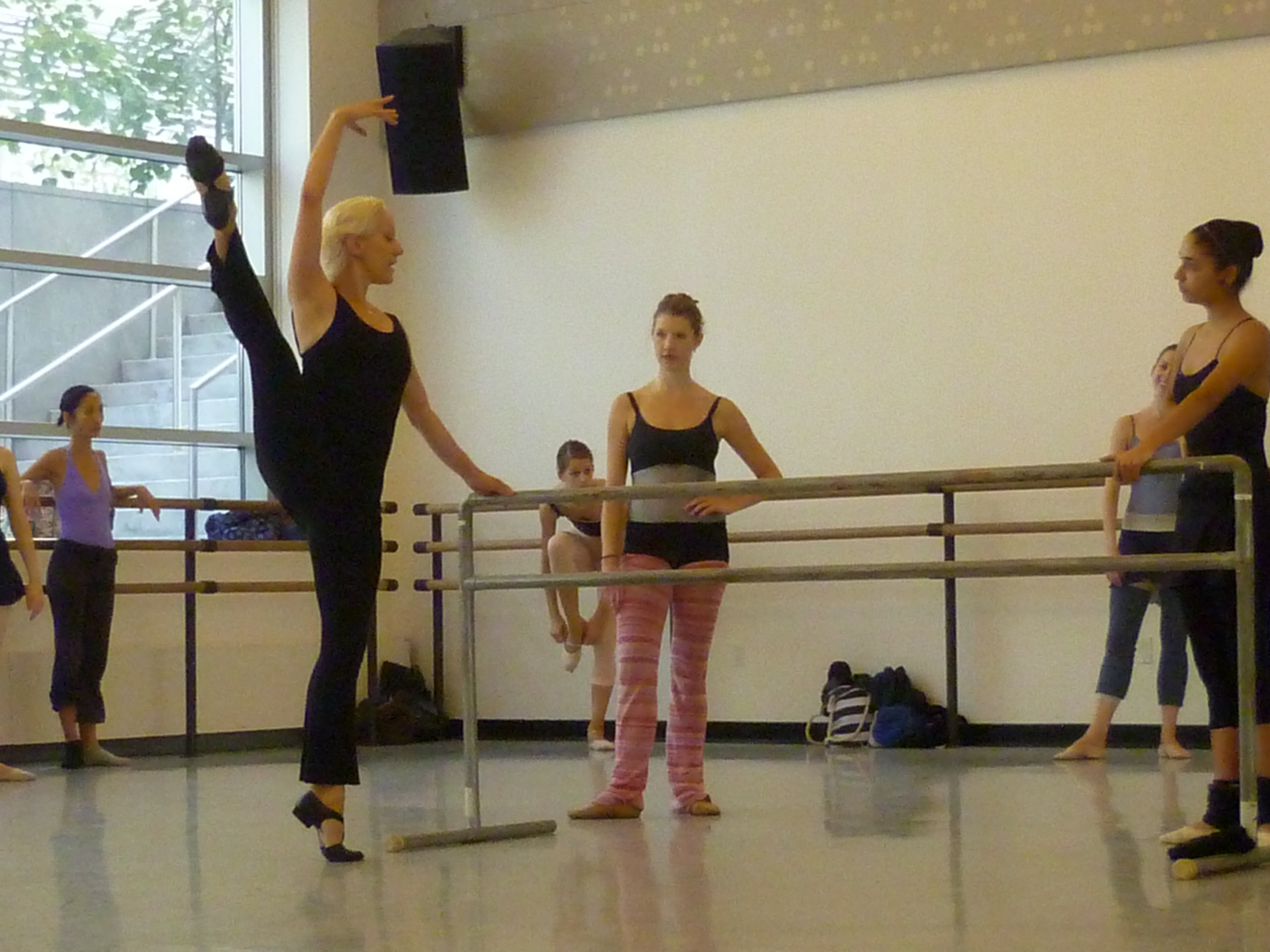
    Wednesday September 29, 2010 – How I wish I could have been taking class with Deborah Wingert this morning at Manhattan Movement and Arts Center instead of just watching. Throughout the 90-minute class I was constantly envying the dancers and wishing that this was how I had spent my life rather than in a cubicle or on the retail floor.

    P1090275

    I had watched Deborah Wingert, formerly of New York City Ballet, teach class at the New York International Ballet Competition last summer and I thought 1) she is gorgeous and 2) she gives a really good class. She has a quick eye for details, gives corrections in an authoritative manner and calls out praise when she sees something well-executed. In imparting her technical advice to the students, Deborah uses imagery, both humorous and poetic. She will show the students how bad a pose or move looks when poorly executed and then show them how to make it look beautiful.  Her knack for finding just the isolated element in a flow of movement that is preventing the student from making the best possible effect seems instinctive, though clearly it was honed thru years of studying, dancing and working with George Balanchine and Jerome Robbins. She often refers to these two men in her detailed descriptions of how something should look but it’s not mere name-dropping; it’s almost as if she was passing on things the two choreographers had just told her a day or two ago.

    Enhancing the atmosphere of the studio at every moment was the de luxe musicianship of pianist Mijin Jung. Mijin’s playing always seemed to have just the right tempo and her choices of the melodies as well as her excellent technique made her playing seem like a labor of love.

    P1090123

    The students were all very fine dancers, including two girls we’ve met previously at Miro Magloire’s New Chamber Ballet: Maddie Deavenport and Lauren Toole. One amazing aspect of watching dancers of this level in class is hearing the teacher call out the next combination: “Let’s do this-this-this-this-this-and finish with this, then repeat on the other side.” Immediately the students dance it out while I am still mentally at the first “Let’s do this…” I suppose after a while these things become second-nature but it always amuses and baffles me how quickly they absorb.

    P1090280

    The class flew by and all-too-soon the dancers were applauding the excellent pianist Mijin Jung and Deborah came over to talk with Kokyat and me; up close the white-blonde woman with the phenomenally green eyes becomes even more striking; her speaking voice (both in class and in conversation) is melodious and her tiny injections of wit – and her references to people and ballets out of the past – make her so intriguing to talk with. Coming out into the lobby space, we encountered two Balanchine legends – Allegra Kent and John Clifford – and were introduced to them by Deborah.

    Kokyat spent the 90 minutes padding around the studio to catch everything as best he could; the dancers were very gracious about this intrusion into their routine. We’ll have his photos here in the next couple of days. The pictures with this article are from my little Lumix. 

    Copy of P 2

    Kokyat did me a special favor and immediately processed and sent me this picture of Deborah and Allegra Kent taken right after Deborah’s class today. Click the image to enlarge.

    Deborah Wingert teaches open class at MMAC (on West 60th Street) on Wednesdays at 10:30 AM now thru December; I urge all my ballet-dancing young friends and acquaintances to take class from her. If I was physically able, I’d be the first person at her barre every Wednesday.

  • Violin Concerti @ New York City Ballet

    Violin

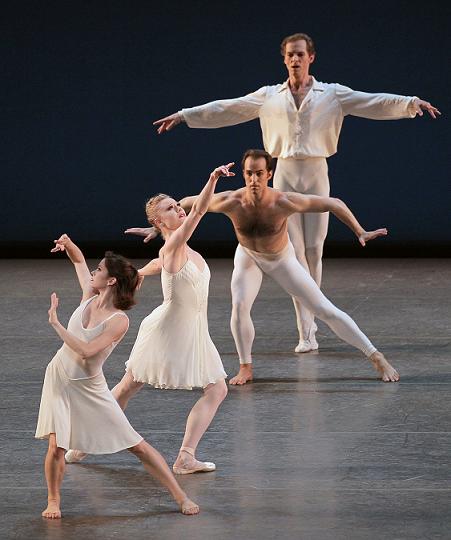
    Saturday September 25, 2010 evening – Ballets set to three great 20th century violin concertos were presented tonight at New York City Ballet. This excellent programme was one of the most enjoyable – and impressively danced – evenings in recent seasons. Faycal Karoui was on the podium and three very fine violinists took turns, playing works of Barber, Prokofiev and Stravinsky.

    Delmoni

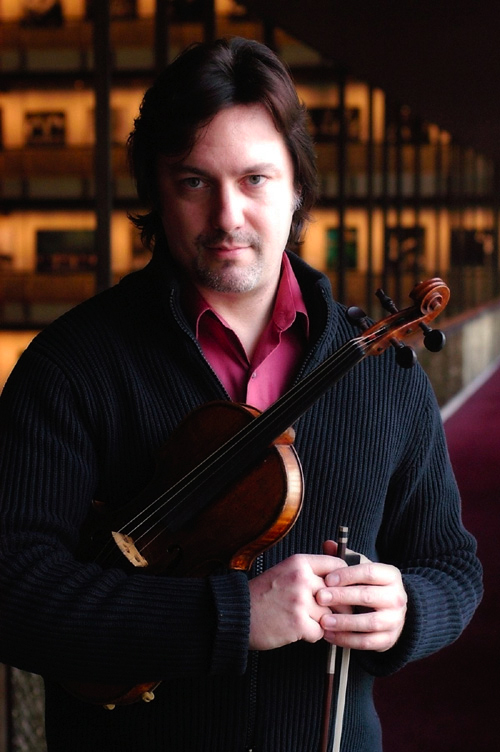
    Arturo Delmoni (above) played the gorgeous Samuel Barber piece. Read about this concerto’s troubled ‘birth’ here – it’s a great story out of recent musical history. Mr. Delmoni played it gorgeously tonight and the orchestra – save for an errant oboe – sounded wonderful.

    Kaplow-2-popup

    A Paul Kolnik photo from BARBER VIOLIN CONCERTO above, with this evening’s cast: Charles Askegard, Sara Mearns, Jared Angle and Megan Fairchild.

    When Sara Mearns stepped into the spotlight I just knew she was going to give an astonishing performance and she certainly did: her dancing had a great sense of freedom and expansive lyricism in the opening movement where she would step into whirling arabesques which she sustained with a floated feeling. Charles Askegard was yet again the ideally attentive cavalier: always right there at the right moment. They look super together. 

    The ‘modern dance’ roles in this ballet were originally created on Kate Johnson and David Parsons when they were members of Paul Taylor Dance Company. It would be fun sometime to see current dancers from the Taylor company in this Peter Martins work; I’d love to see Aileen Roehl and either Michael Trusnovec or Francisco Graciano in this ballet. But NYCB’s Megan Fairchild and Jared Angle are so fine in these roles that we really needn’t look elsewhere. They dance bare-footed, something you don’t often see at NYCB.

    C30469-13Barber

    Above: tonight’s cast in a Paul Kolnik photo. In the second movement, Jared Angle’s tortured soul is becalmed by Sara Mearns – up to a point. Then suddenly the tension shifts and it is Sara being subjugated by Jared; what a frisson when her hair comes down! Jared carries her off to some unknown fate and we never see them again.

    Megan

    What a terrific performance Megan Fairchild gave – her Henry Leutwyler portrait above. I’ve seen her in this ballet before but she’s totally upped the level of her performance both as dancer and presence. It’s quite a leap from being a perfect Aurora to this role which has built-in elements of humour but is performed with a straight face. Megan nailed it and in the closing allegro section she pestered Charles Askegard to perfection; the audience were laughing but the dancers were dead serious. At the end she clambers up onto Chuck’s shoulders, he flips her and drops her to the floor – a tricky passage, expertly timed by the dancers today. Watching Megan Fairchild’s performance I thought I’d love to see her in more of the Taylor rep.  

    6a00d8341c4e3853ef0133ed1f9bf6970b-800wi

    Above: Gonzalo Garcia photographed by Kokyat while dancing with MORPHOSES in Central Park last summer. Gonzalo has chalked up one success after another since joining NYC Ballet but I tend to think that his performance in Jerome Robbins OPUS 19/THE DREAMER is one of those perfect matchings of dancer to role. For all the passion and intensity of his dancing here, Gonzalo always keeps that slight detachment from reality that sets the dreamer apart. A beautifully wrought and expressive performance. His muse tonight was Janie Taylor whose sense of mystery plays so well into this ballet, for we do not know if she is real or simply a figure in the dreamer’s imagination. Janie danced beautifully – her third role in two weeks – and she is such a captivating dancer to watch. Excellent dancing by the corps made this performance of OPUS 19 especially pleasing, and violinist Lydia Hong (I cannot find a photo of her!) played with poetic clarity. 

    Nikkanen

    Kurt Nikkanen played the Stravinsky with authority, an ideal mixture of tension and flow, and touches of wit and of gypsy bravado.

    Maria

    In the Stravinsky, Maria Kowroski (above, in Henry Leutwyler’s photo) gave a sensational performance, remarkable for the clarity of her technique, her sweepingly high extensions, wonderfully supple torso and a quiet sense of joy in dancing Balanchine’s steps in the final movement. In her pas de deux with Sebastien Marcovici, the two dancers kept a current of dramatic energy flowing back and forth. Sebastien looks great – a powerful force onstage – and he and Maria created a whole portfolio of memorable black-and-white Balanchine images in that single duet. 

    Sterling-hyltin-in-stravinsky-violin-concerto-by-jeff-gurwin

    Sterling Hyltin (photo by Jeff Gurwin) looks so delectably lovely and youthful when the curtain rises; when she starts to dance it’s with a real feeling of authority. She has worked up a superb interpretation of this role, not only in her footwork and timing but with facial expressions which transmit both the nuances of the music and her underlying pleasure in dancing Balanchine’s phrases. Ask LaCour towers over Sterling like a protective prince; the beautiful moment when they simply stand together and Ask, with a sweeping gesture, shows Sterling the world before her, was especially poignant tonight.

    Sterling and Maria exchanged smiles as the finale progressed and the whole Company seemed to be on a thriving mutual wavelength of camaraderie. The individual performances by the corps dancers gave me a lot to watch and as always the watching paid off. Wei was especially happy to see Faye Arthurs dancing in a duet passage with Sebastien right after their first entrance.

    Maria, Sterling, Sebastien, Ask and Ms. Hong were enthusiastically applauded and came out for an extra bow at the end of this wonderfully satisfying evening.  

    In a dance-related story, an exhibit of costumes from the Ballets Russes opens in London. I hope this collection will eventually be shown in New York City.  

  • At The Rover With Bennyroyce Royon

    Copy of 29

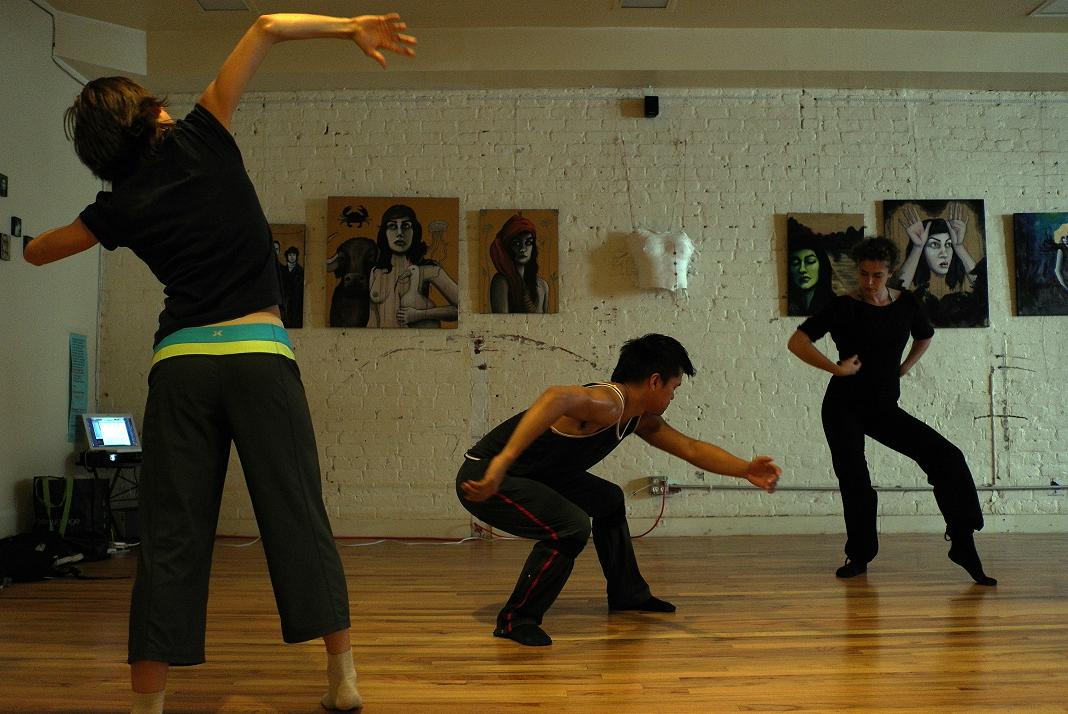
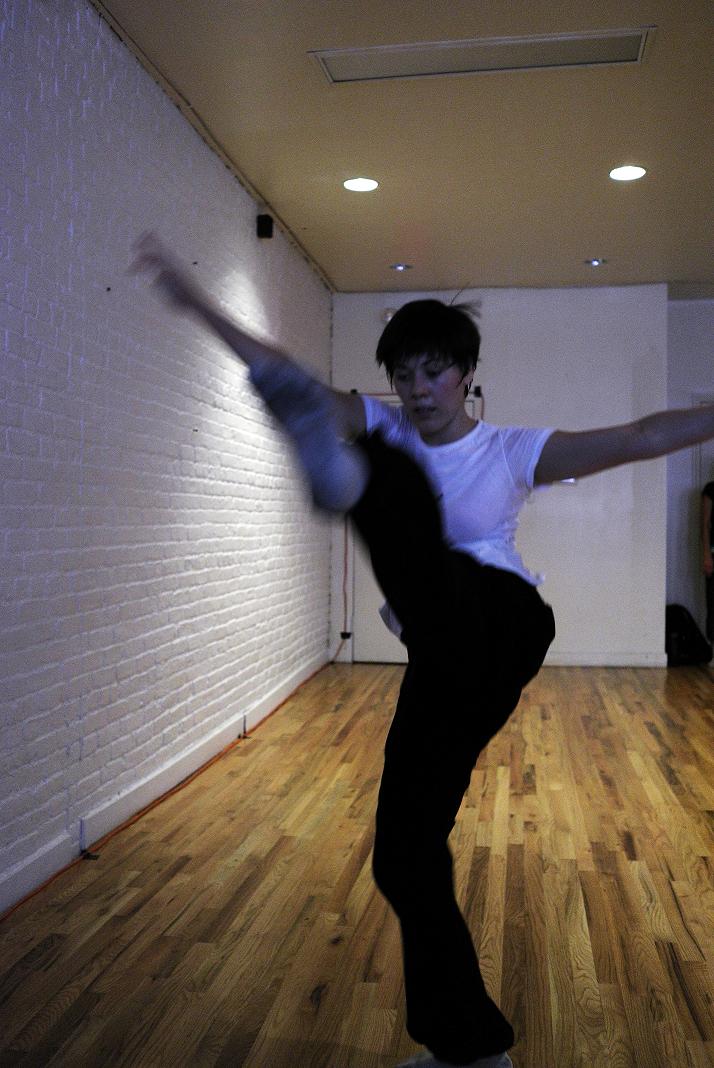
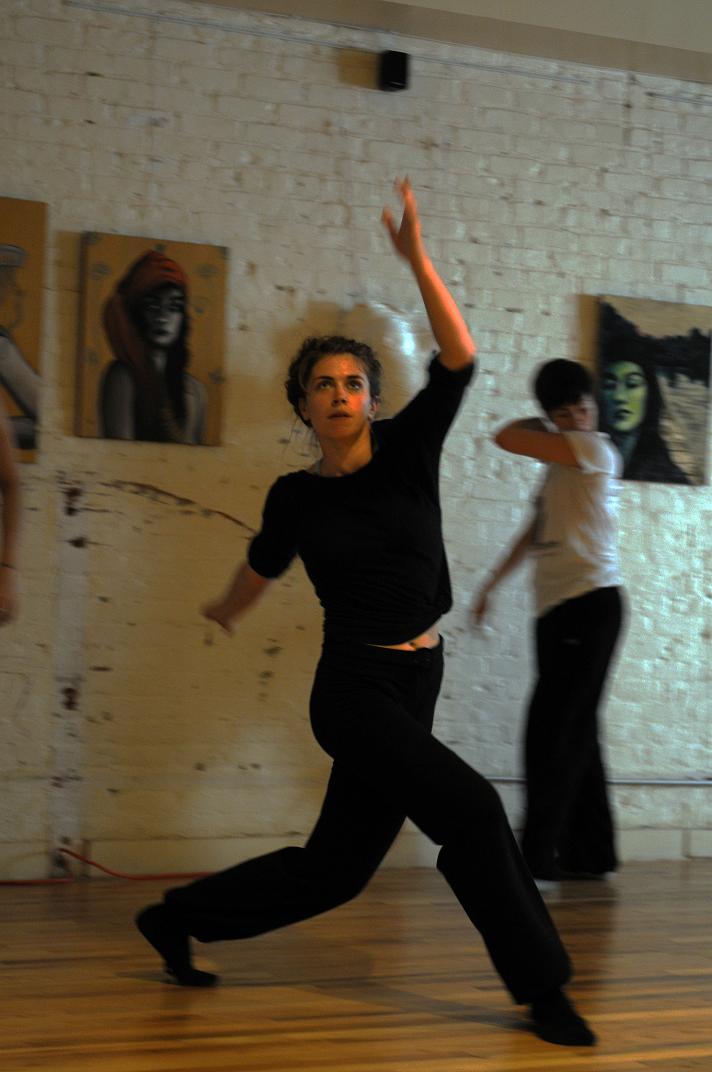
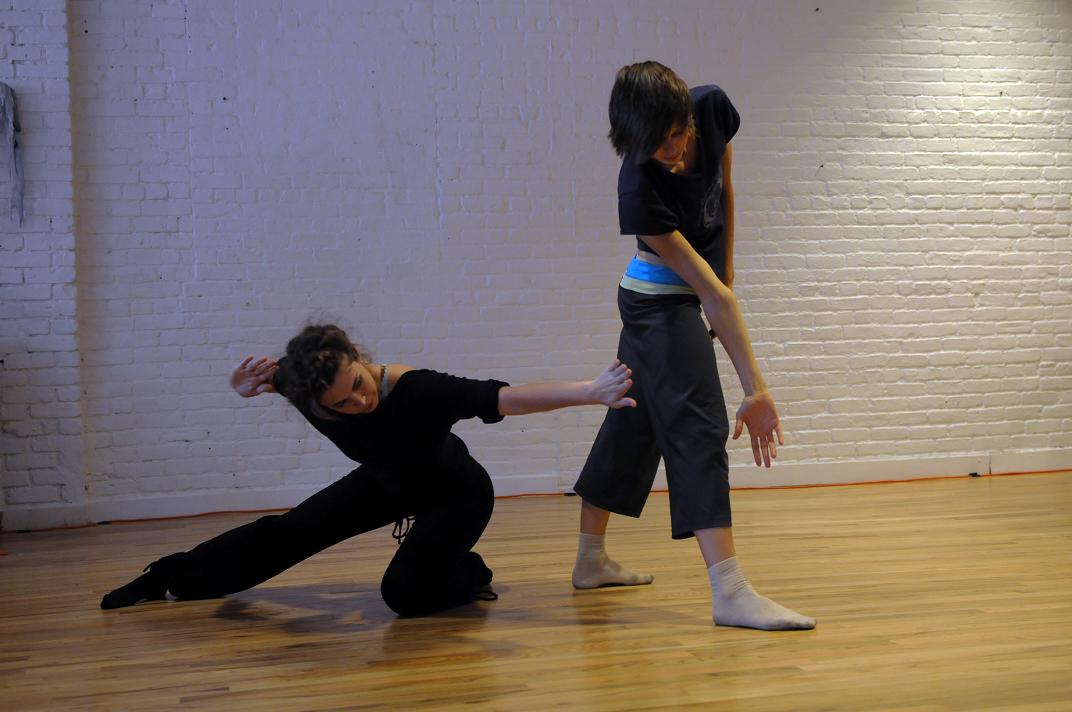
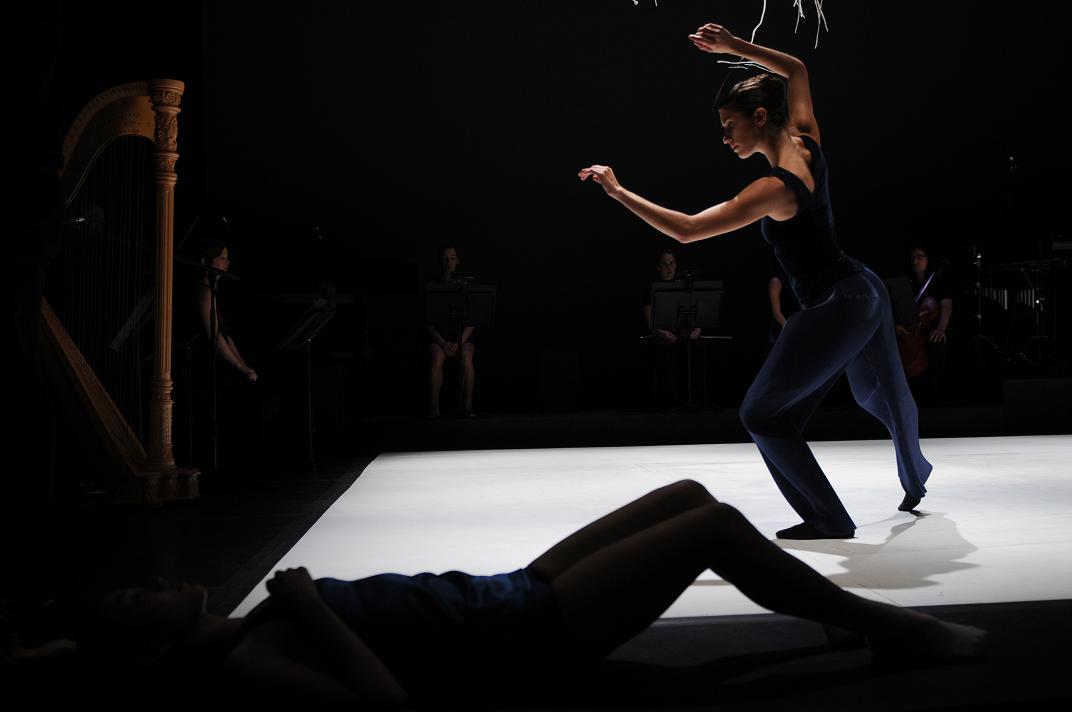
    Friday September 25, 2010 – We dropped in on dancer/choreographer Bennyroyce Royon (above) at the Rover Studios on Wooster Street where he was working with four dancers in an informal setting.

    Copy of 30

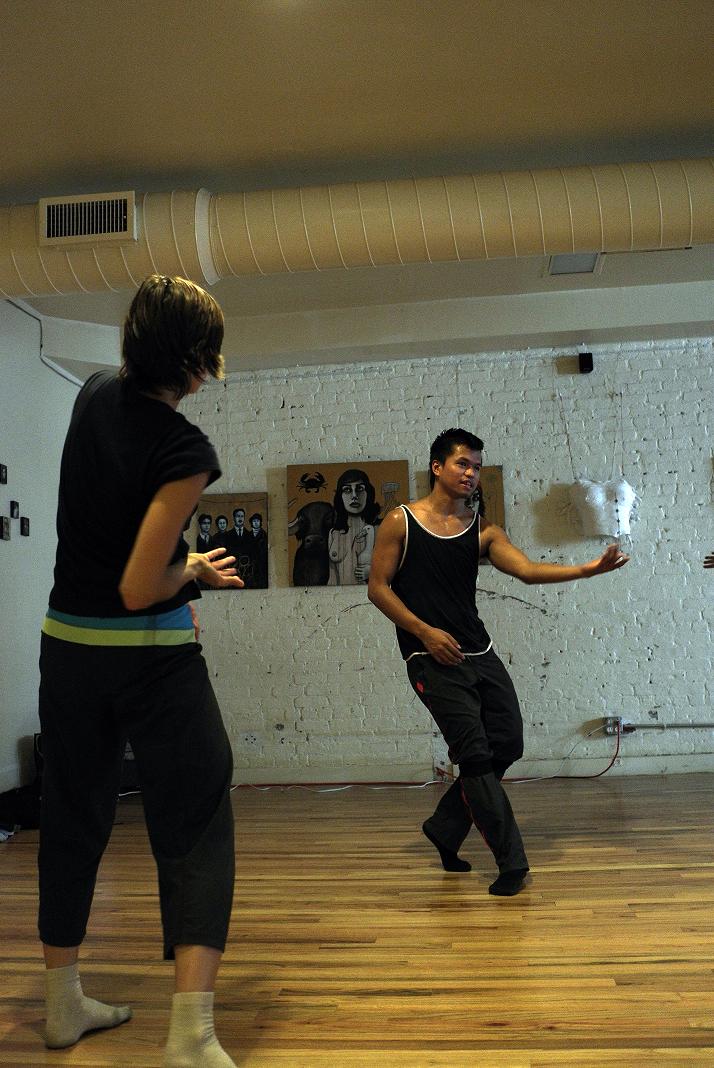
    Nearly half of Benny’s studio space had been overtaken by a big collection of all sorts of lamps which had arrived early for an upcoming installation. Undaunted, Benny and the girls got into an exploration of movement thru improvisation and abstraction.

    Copy of 7

    Demonstrating a basic pattern of steps which radiated fluid motion thru the torso and arms, Benny – one of the smoothest movers I’ve ever seen – got the girls into the flow of things with his easy-going style and positive feedback.

    Copy of 3

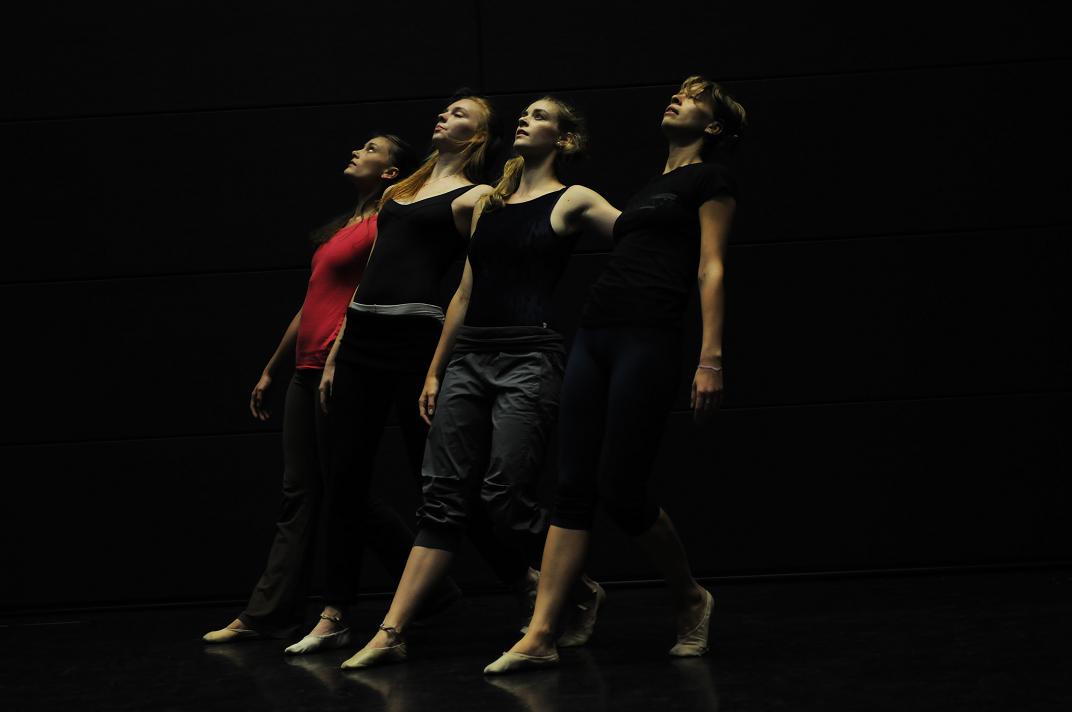
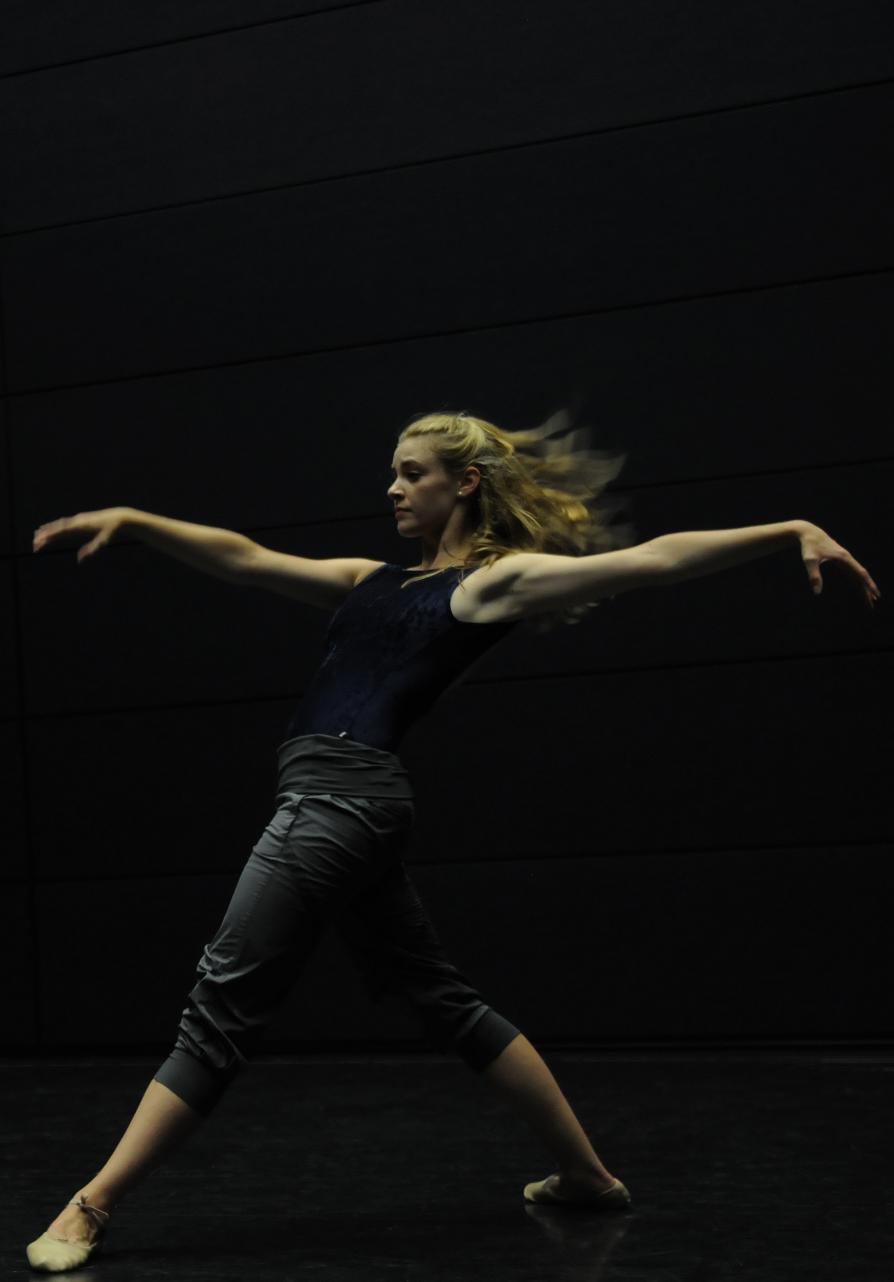
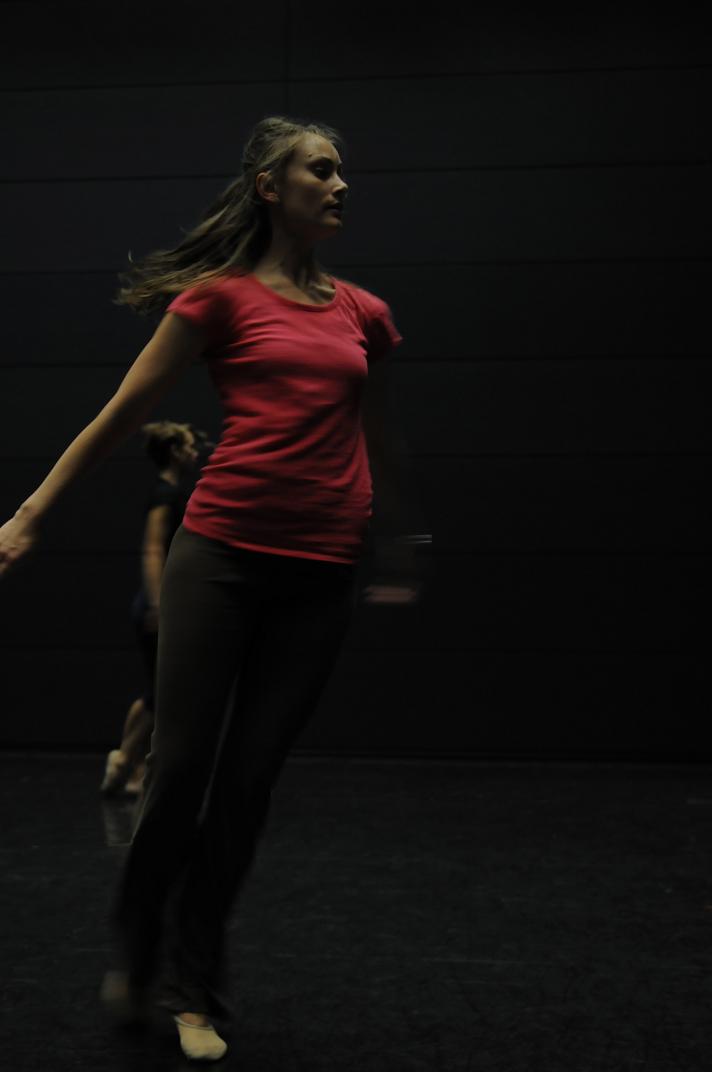
    The four women – very different physical types – picked up on Benny’s energy and his centered spirit. The room was full of the expressive energy of the body in motion. Kokyat and I really enjoyed the experience; here are some of K’s images from the afternoon:

    Copy of 4

    Melissa Peraldo and Benny

    Copy of 14

    Abby Geartner works it (above and below)…

    Copy of 15 

    Copy of 20

    Melissa Peraldo

    Copy of 6

    Cat Cogliandro

    Copy of 19

    Carson Reiners

    Copy of 25

    Carson & Melissa

    Copy of 22

    Melissa & Carson

    Copy of 5

    In the weeks since I first met  Bennyroyce Royon this past April, he has presented an evening of dance entitled The Chronos Project, danced with Karole Armitage’s company at the Cedar Lake Theater, and went to Aarhaus, Denmark with his colleague Natsuki Arai to dance a Brian Carey Chung duet, LONELY HOUSE.

    Benny

    Today’s dancers: Carson Reiners, Melissa Peraldo, Abby Geartner, Cat Cogliandro with Benny.

    All photos: Kokyat.

  • PNB’s Director’s Choice

    PetiteMort2

    Above: Angela Sterling’s photograph of Pacific Northwest Ballet dancers Seth Orza and Sarah Ricard Orza in Jiri Kylian’s PETITE MORT, part of the Company’s Director’s Choice programme.

    View a slideshow of images from this production here.

  • Met’s New RHEINGOLD Fizzles Out in the End

     6a00d8341c4e3853ef0134877379cf970c

    Thursday September 23, 2010 – Just a few notes about the Met’s new RHEINGOLD which I saw at the dress rehearsal. Musically, it’s an A+ RHEINGOLD with Maestro James Levine seemingly choosing a somewhat faster pace than in his most recent traversals of the score. Wonderful orchestral detail.

    Among the many vocal pleasures today, the Loge of Richard Croft ranks high as the most beautifully sung interpretation of that music I can recall ever hearing. His wonderfully clear and plaintive sound fell so melodiously on the ear. Bravissimo! Bryn Terfel’s Wotan alternated thunderbolts of tone with lieder-like intimacy – I really enjoyed listening to him – and Eric Owens sang with power and cutting dramatic edge as Alberich. Stephanie Blythe’s strongly sung but expressively colourless Fricka made me long for the dynamic and verbal detail such artists as Helga Dernesch, Christa Ludwig and Yvonne Naef have brought to this role at the Met. Grandly sung giants: Hans-Peter Konig and Franz-Josef Siegel. Patricia Bardon, looking a bit like Lady Gaga, sounded fine as Erda and Wendy Bryn Harmer’s powerful vocalism as Freia made me wish she was singing Brunnhilde. Kudos to Dwayne Croft (Donner) for rushing up onto the steeply raked platform to summon the lightning bolts with his authoritative “Heda! Hedo!”; his striking vocalism was superbly abbetted by the Met’s horns. Adam Diegel made a good impression as Froh and Gerhard Siegel compensated for missing out as Mime last season (due to ill health) with a finely-wrought vocal characterization today. Lastly (firstly, really) Lisette Oropesa, Jennifer Johnson and Tamara Mumford were the vocally attractive and verbally nuanced Rhinemaidens. They were called on for risky flying, some acrobatics and some nice balletic gestures and they dove in – so to speak – with good-natured compliance. There was something a bit ominous about their dark, long fins.

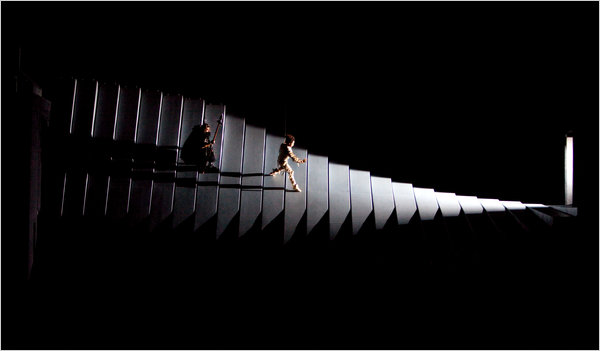
    The Robert Lepage production is neither here nor there. Two outstanding ‘pictures’ linger in the mind: the opening with the mermaid-Rhine daughters drifting up thru the blue depths of the Rhine to perch high above the stage floor for their teasing of Alberich…

    Rheingold richard termine

    …and (above, in Richard Termine’s photo) the beautifully evocative walk high above the stage of Wotan and Loge as they head to Nibelheim (an effect dampened, however, by their visible fly-wires). Once in Nibelheim the braziers and billowing smoke are most effective. Excellent screaming from Alberich’s hapless gang of slaves.

    During much of the afternoon, the singers in rather drab costumes – Ms. Blythe looking especially frumpy in mossy green – simply stand in front of grey walls on grey floors and sing. The characterizations are standard and generalized and there is no galvanizing moment, no memorable stroke of drama.

    Among the production’s oddities were the first entries of Freia, Donner and Froh (acting doubles, I believe) who slide down a steep ramp head-first – pointlessly. Freia is made to look like Minnie in LA FANCIULLA DEL WEST; when it is time for the gold to be measured out in Freia’s dimensions, poor Miss Harmer had to lay in a fussily-arranged hammock while cheap fake-gold armory was heaped upon her. Then she had to sit up to listen to Erda’s warning and then lay back down in her hammock til Wotan paid the full price for her release.

    I expected fantastical effects for Alberich’s transformations into dragon and toad but the dragon was just a huge skeleton shoved out by visible stagehands. The stuffed frog was a droll touch and he was caught by Loge and tossed into a nearby pot and the lid hastily put on. That was pretty amusing.

    Apparently a mechanical malfunction caused the finale to look very lame and empty: the gods are reportedly supposed to be seen scaling the wall and heading for Valhalla, but this all went awry. Ms. Blythe, heading down below the set where a double would supposedly take over for the climb, seemed to get stuck between the set’s two panels. Her upper body remained visible; the lights went down but she did not move. Then as the grandiose music depicting the entry of the gods into Valhalla thundered from the pit, nothing happened onstage. Panels of rainbow colours flowed across at the back of the set but there was no Valhalla and no gods, neither singers nor doubles.

    Even if the ending gets fixed, which it must if the production is to have any kind of meaning, the overall impression is of a rather dull staging – a dutiful telling of the story without the expected visual dazzle. For all the stand-and-deliver vocalism I thought a plain old Bayreuth-style disc could have been used as a setting, saving the Met a bundle. 

    There were only a handful of spectators at the rehearsal. Before it started, I was enjoying the sound of the Met’s trumpeters warming up with their Wagnerian fanfares and I realized that the lady sitting next to me was none other than Diana Soviero – one of my all-time favorite Violettas and Butterflies. We had a nice chat.

  • Saariaho/Veggetti MAA @ the Miller Theatre

    Copy of 21

    Wednesday September 22, 2010 – After watching a preview of the ballet MAA at the Guggenheim two days ago, I was anxious to see the entire work staged at Columbia’s Miller Theatre. For his setting of Kaija Saariaho’s 1991 score, choreographer Luca Veggetti has assembled a cast of seven dancers, all but one of them having associations with Juilliard Dance Division. Kokyat and I attended the dress rehearsal where he took these photographs. Click on the image above to enhance.

    View a ‘trailer’ for MAA from the Guggenheim’s Works and Process presentation here.  

    MAA will be repeated on Friday and Saturday September 24th and 25th; for more information contact the Miller Theater box office at 212-854-7799.

    The Saariaho score was played tonight by the remarkable International Contemporary Ensemble, the same musicians who blew my mind with their brilliant rendering of Xenakis’ ORESTEIA at the same venue in September 2008. Among those players with outstanding solo moments were harpist Bridget Kibbey, the perpetually brilliant Jacob Greenberg on keyboards…

    Copy of 8

    …violinist Erik Carlson…

    Copy of 48

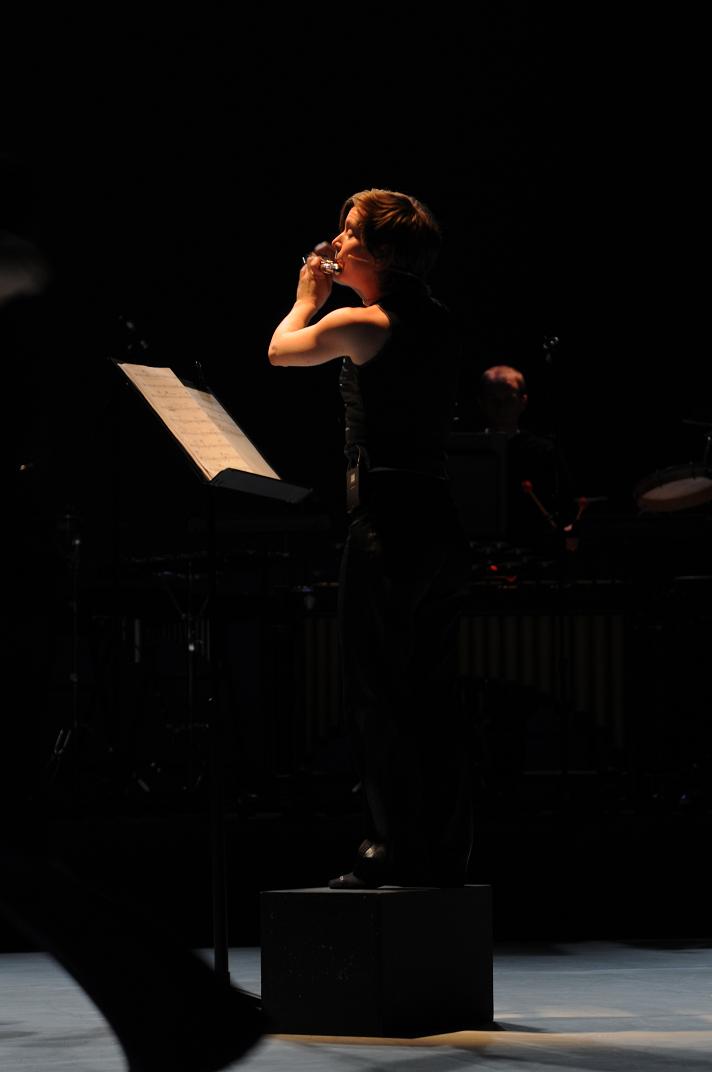
    …and flautist Claire Chase.

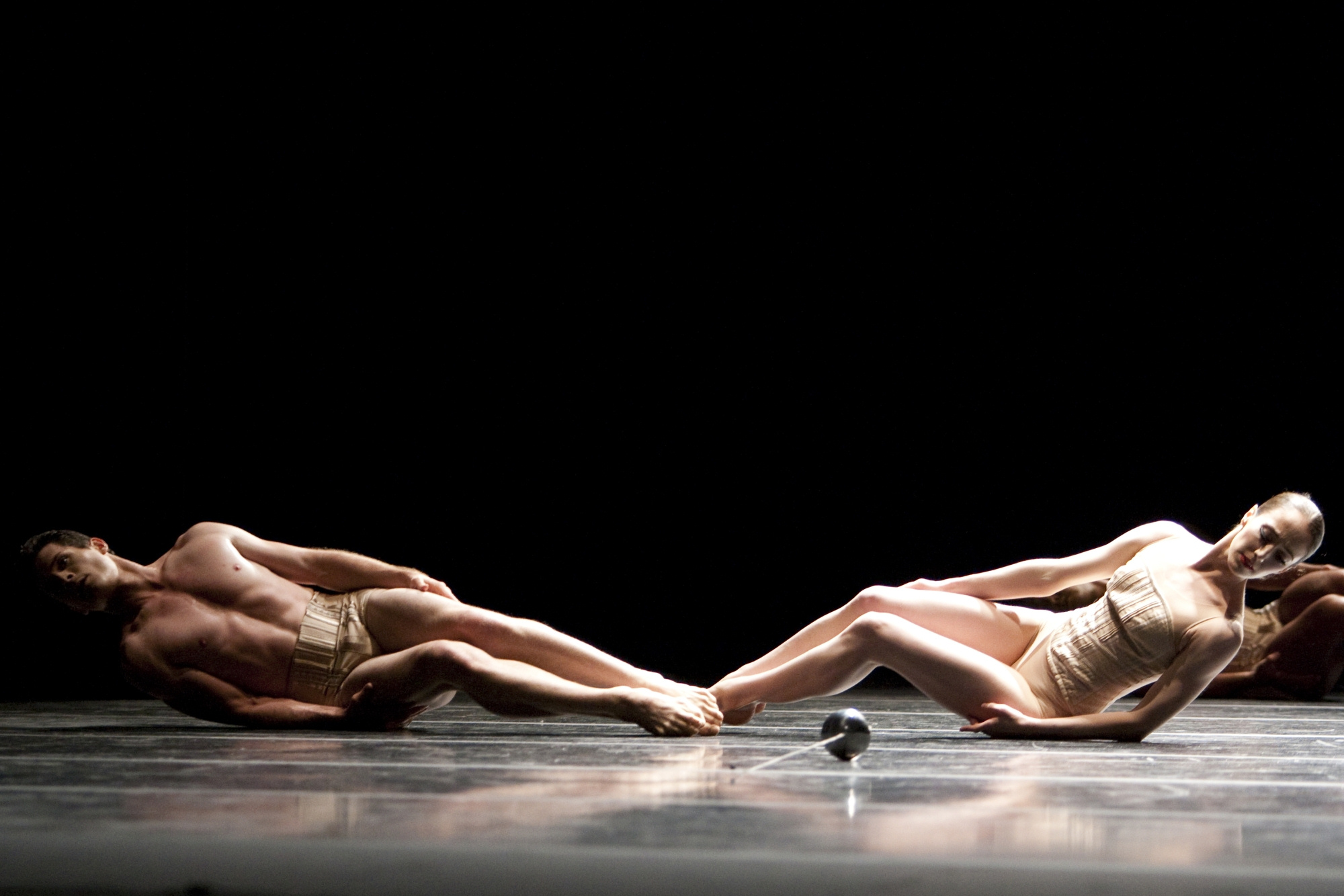
    MAA opens with a prelude (entitled Journey) in which the electronified sound of the composer’s footsteps impart a sense of mystery and carry us away from the everyday world to the place where we watch the dancers moving to Luca Veggetti’s seemlessly flowing, other-worldly style which attunes so perfectly to the ballet’s score. Intense movement phrases are interspersed with moments of repose, and the dancers who are not dancing at a given moment might sit or lay down on the floor, or take a seat among the musicians. One especially beautful motif is a sliding movement as the dancers glide from place to place across the floor.

    Copy of 4

    From the opening quartet entitled Gates, the dancers are Craig Black and Chen Zielinski…

    Copy of 3

    …Viktor Usov and Min Young Lee. Such off-kilter balances recur as the ballet progresses.

    Copy of 7

    In her long and marvelously expressive solo (entitled …de la Terre), Frances Chiaverini (above) is accompanied by Erik Carlson’s violin, the sound of which resonates, buzzes and warps electronically.

    Copy of 10

    Above: dancer and violinist: Frances Chiaverini and Erik Carlson performing …de la Terre.

    Copy of 13

    One of the most captivating musical passages is Forest in which magical sound-textures are achieved by all the instruments playing same-note staccati while the timpani suggests a sexual undercurrent. Some choreographers might have gone in for bursts of allegro dancing here, but Mr. Veggetti instead gives us a stretchy, sexy-tension duet for Casia Vengeochea and Spencer Dickhaus (photo above).

    The remaining three movements are danced by the ensemble; here are some individual photos of these young dancers:

    Copy of 5

    Viktor Usov, Min Young Lee

    Copy of 6

    Min Young Lee

    Copy of 16

    Spencer Dickhaus

    Copy of 14

    Casia Vengoecheva with Spencer Dickhaus

    Copy of 1

    Craig Black, Chen Zielinski

    Copy of 28

    The ensemble

    Copy of 36

    Craig Black, Frances Chiaverini and Viktor Usov

    Copy of 46

    As the music shimmers to a hush, the dancers slowly move off (Min Young Lee, above)…

    Copy of 49

    …leaving the stage to Ms. Chase as darkness falls. Click the image to enlarge.

    Enhancing the stage picture were the lighting designs of Roderick Murray, sculptural pieces by Moe Yoshida and costumes designed by the choreographer with Deanna Berg MacLean. During the applause, Ms. Saariaho appeared onstage and kissed each dancer and musician in turn.

    All photos by Kokyat; some of his black and white images from the dress rehearsal are here.

  • Rehearsal: Emery LeCrone for New Chamber Ballet

    Copy of 7

    Saturday August 28, 2010 – Choreographer Emery LeCrone invited us to her rehearsal at MMAC today for the upcoming performances of her ballet FIVE SONGS FOR PIANO by Miro Magloire’s New Chamber Ballet which take place at City Center Studio on September 18th and 19th. Above: the dancers, Alexandra Blacker at the right. Click on the above image to enlarge.

    Copy of 3

    The ballet was originally created for the Columbia Ballet Collaborative and is set to music of Felix Mendelssohn. Pianist Melody Fader was on hand to play the score ‘live’ for today’s rehearsal; Melody and Emery above. The ballet is set for five women, the dancers being Victoria North, Madeleine Deavenport, Elizabeth Brown, Lauren Toole and a new face at New Chamber Ballet: Alexandra Blacker.


    Copy of 10

    FIVE SONGS FOR PIANO is truly lyrical, taking wing on the music of Mendelssohn which Emery has visualized with clarity of movement and rich emotional undercurrents. One key element of today’s rehearsal was the meshing of steps with the right tempo for each movement to show the dancers to best advantage. Adjustments were readily made and Emery also asked Melody for to linger momentarily in a couple of transitional passages to underscore the nuances of a dancer’s upper body or port de bras. In a final run-thru, everything seemed to be jelling quite nicely.

    Here are some of Kokyat’s images from the rehearsal:

    Copy of 14

    Victoria North

    Copy of 15

    Copy of 21

    Copy of 26

    Victoria and Emery

    Copy of 33

    Elizabeth Brown

    Copy of 38

    Maddie Deavenport

    Copy of 37

    Lauren Toole

    Copy of 34

    Victoria North, Alexandra Blacker

    Copy of 40

    Victoria North

    Copy of 1

    Melody, Emery and Miro

    For New Chamber Ballet’s upcoming performances, in addition to Emery’s Mendelssohn ballet, there will be a revival of Miro Magloire’s Adue
    (http://www.newchamberballet.com/rep/adue.html); then Miro’s Haydn
    ballet (which premiered this past Spring but will be completely re-worked and re-titled), and a new ballet set by Miro to his own music. Melody Fader will be the pianist. Ticket information here.

    All photos: Kokyat.

  • Troy Schumacher’s SATELLITE


    Photo

    Troy Schumacher of the New York City Ballet spent part of his summer creating a new piece entitled SATELLITE. Above: Marika Anderson. View videos from the ballet here.

    I asked Troy to tell me a little about his ballet. He replied:

    “This was a work commissioned by the Satellite Gallery in
    conjunction with the Dogwood Center for the Performing Arts in Fremont,
    Michigan. I put a group of dancers together including myself, Ashley Laracey, Justin
    Peck, Marika Anderson, Lauren King, and Daniel Applebaum. In the first
    half of the programme, excerpts from Agon and Barber Violin Concerto as well as the complete Tschaikovsky Pas de Deux were danced.

    The music for Satellite was
    created by Nick Jaina (piano), Nathan Langston (violin), and Amanda
    Lawrence (viola). This was a collaborative process
    between the four of us. It started with Bernard Tschumi’s Manhattan Transcripts and an epic poem and a ‘mood arc’ by Kevin Draper. The
    musicians and I took those three inspirations and created an initial
    structure for the piece that developed as the project continued. What I
    found particularly interesting was that each musician also collaborated
    to compose their own parts in this piece, which seems to be quite rare. The musicians played live and it was wonderful. And Andrew Scordato of NYCB designed the costumes.”

    45499_1405871951779_1381800013_31054120_4439715_n

    Ashley Laracey and Justin Peck

    45734_1406018995455_1381800013_31054264_1071243_n

    Lauren King

    44806_1405147293663_1381800013_31052360_7703160_n

    Daniel Applebaum

    40215_1405147573670_1381800013_31052366_4065652_n

    Photos by Lora Robertson, used with her kind permission.

  • John Mark-Owen Studio Rehearsal

    P1060453

    Monday August 23, 2010 – A rainy, cool day: perfect for watching dancers in the studio. Choreographer John-Mark Owen is preparing for an appearance at the DanceNOW Festival on September 9th and today he working with dancer Julie Voshell on his duet Unam Ceylum, set to music of Heinrich Biber.

    P1060494

    This was Julie’s first rehearsal of this piece and they’d been working on it for a half-hour when I arrived. Julie and John-Mark are great friends so it was a very easy-going, laugh-filled atmosphere. They watched a performance video of the piece and talked their way thru it, then began trying some phrases and marking various passages. In this way, Julie learned the basic structure and key elements of the piece in less than an hour.

    P1060513

    It’s really interesting to see how dancers assimilate verbal cues and translate them into their own language of movement. John-Mark has scheduled plenty of rehearsal time but I think they’ll have the duet at performance level very soon; they can spend the remaining sessions polishing the fine points.


    P1060492

    Unam Ceylum is one movement of John-Mark’s memorable and deeply personal TRIPTYCH: three duets danced by the same couple which trace the development and dissolving of a relationship. The music is achingly beautiful and the work has an intrinsic spiritual quality.

    P1060505

    The studio was rather dark for taking pictures today; I was wishing Kokyat was there with his two cameras. The photos here were shot with my little Lumix.

    P1060455

    P1060514