Blog

  • The Tucker Gala @ Carnegie Hall ~ 2024

    Richard-Tucker

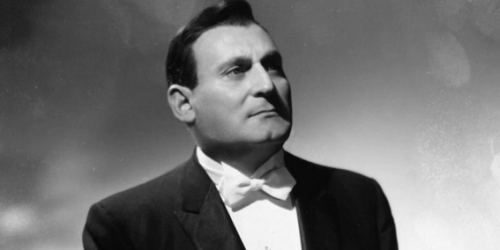
    Above: Rlchard Tucker

    ~ Author: Oberon

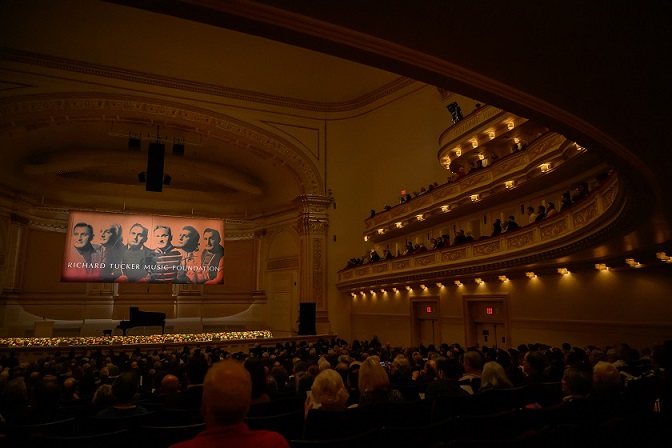
    Sunday October 27th, 2024 – The 49th annual Richard Tucker Music Foundation gala took place this evening at Carnegie Hall. It was an excellent program – including one aria that is rarely performed – with much impressive vocalism. The evening descended into silliness during the encores, but the audience overwhelmingly approved of la commedia, leaving me feeling like an old stick in the mud.

    You always run into people you know at the Tucker Gala. I was especially happy tonight to run into my friend – and fellow Patricia Brooks fan – from back in the day: Matthew Epstein.
    003-RICHARD_TUCKER_GALA_2024-0025

    Photo by Dario Acosta

    Following tradition, the first voice we heard was that of Richard Tucker singing the “Addio alla madre” from CAVALLERIA RUSTICANA. The power and passion of his voice are immortal.
    014-RICHARD_TUCKER_GALA_2024-0214

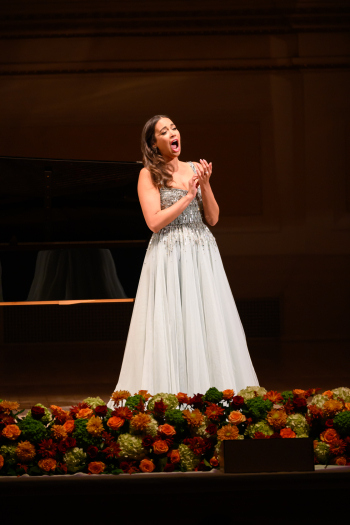
    Above: Nadine Sierra, photo by Dario Acosta

    After Barry Tucker’s welcoming speech, the program commenced with Mimi’s narrative “Mi chiamano Mimi” from LA BOHEME; this brought Nadine Sierra and pianist Bryan Wagorn together in a rendition that was a bit slower than we might be accustomed to, but which gave us more time to savour Nadine’s luxuriant phrasing and lovely tone. She made the slow rise to B-natural before commencing “…ma quando vien o sgelo…” which makes such a magical effect. Listening to her this evening made me think that Nadine could now venture into roles like Mimi, Liu, and Amelia Grimaldi, and even Desdemona and the TROVATORE Leonora.
    028-RICHARD_TUCKER_GALA_2024-0340

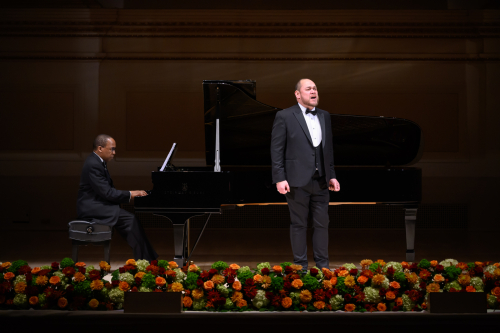
    Quinn Kelsey (above, photo by Dario Acosta) then took the stage, accompanied by Howard Watkins, for a truly magnificent “Eri tu” from BALLO IN MASCHERA. This was opera at its grandest, the singer filling the Hall with a flood of golden tone, achingly heartfelt in the character’s distress and his sense of defeat and resignation. This is a baritone voice to rank with the greatest of my experience: Warren, Merrill, MacNeil, Milnes, and the unforgettable Dmitri Hvorostovsky.
    047-RICHARD_TUCKER_GALA_2024-0506

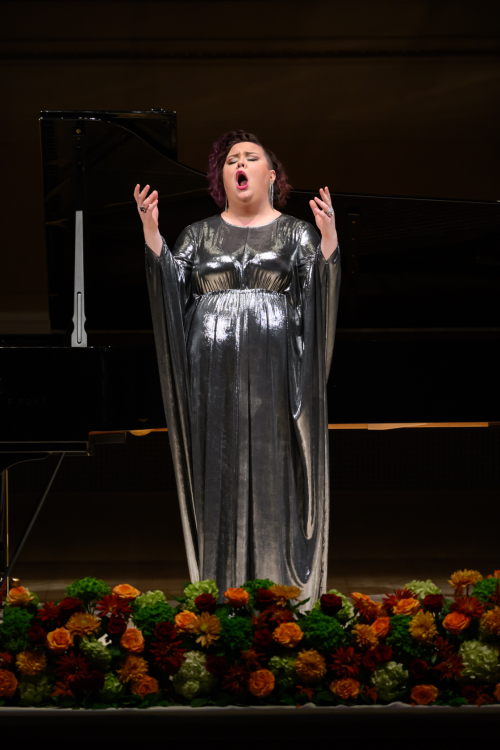
    Jamie Barton (above, photo by Dario Acosta), looking like an errant Valkyrie in her metallic-silver frock, was hilarious in the Witch’s aria from HANSEL & GRETEL. Mr. Watkins at the piano was a perfect accomplice to Jamie’s rowdy, riotous performance. Later, we would hear Jamie in bel canto mode, and finally as a top-flight songstress.
    071-RICHARD_TUCKER_GALA_2024-0704

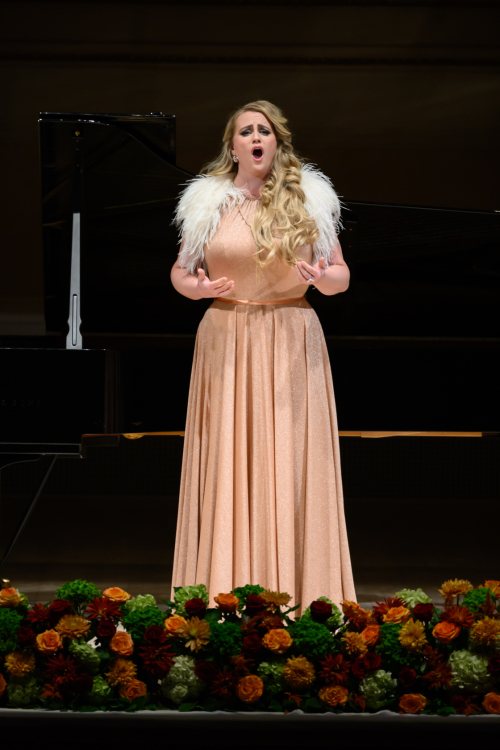
    Rachel Willis-Sorenson (above, photo by Dario Acosta), who the day before had joined Jamie Barton and Michael Fabiano in a rousing Met matinee of TROVATORE, today gave us the immortal “Casta viva” from Bellini’s NORMA. Although this bel canto jewel really needs an orchestra-and-chorus setting, Ms. Willis-Soremson and Mr. Wagorn were so persuasive that such concerns became irrelevant. With her impressive breath control, the soprano commanded the long phrases, introducing subtle nuances along the way. She concluded the aria with a gorgeous cadenza and then spun out an incredible inverted trill before sustaining the final note.
    082-RICHARD_TUCKER_GALA_2024-0805

    Above: Michael Fabiano, photo by Dario Acosta

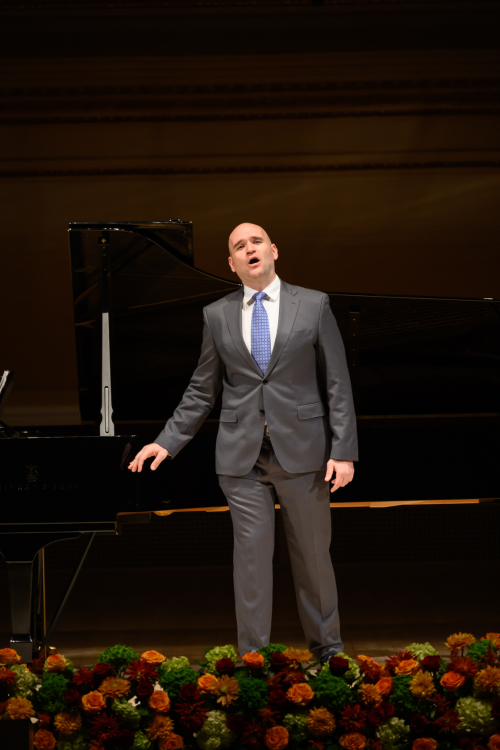
    At yesterday’s Met TROVATORE, a commotion in the wings after “Di quella pira” had raised questions; this evening they were answered: Michael Fabiano had fallen on exiting the stage and sustained an injury; he had managed to finish his Manrico – but, as anyone who has taken a fall knows – it’s the day after that the soreness manifests itself. The poor tenor – heroic, but obviously in deep pain – was slowly helped onto the stage by Mr. Watkins. Michael spoke briefly of the incident, then regaled us with a sublime rendering of Henri Duparc’s “Phidylé“, displaying his lyrical side after yesterday’s powerhouse Manrico.
    096-RICHARD_TUCKER_GALA_2024-0910

    Above: Elena Villalón, photo by Dario Acosta

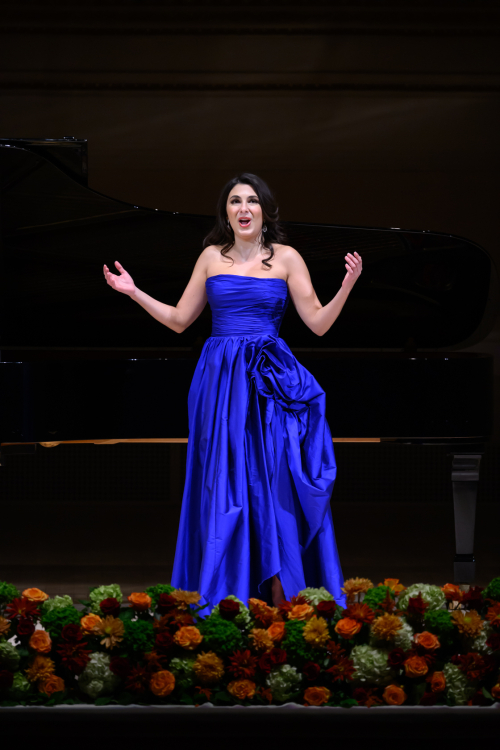
    Giving us some the most delightful singing of the evening was the soprano Elena Villalón, a Tucker Grant winner and currently at The Met in the Golijov AINADAMAR, having debuted there in the previous season as a charming Amor in ORFEO ED EURIDICE. Tonight, looking ravishing in her deep blue gown, the Cuban-American soprano sang Manon’s double aria from the Cours la Reine scene from the Massenet opera, with Mr. Watkins a gallant companion. The Villalón Manon is captivating, and she won my heart just as Patricia Brooks, Jeannette Pilou, and Lisette Oropesa have done in the role over the years.
    115-RICHARD_TUCKER_GALA_2024-1040

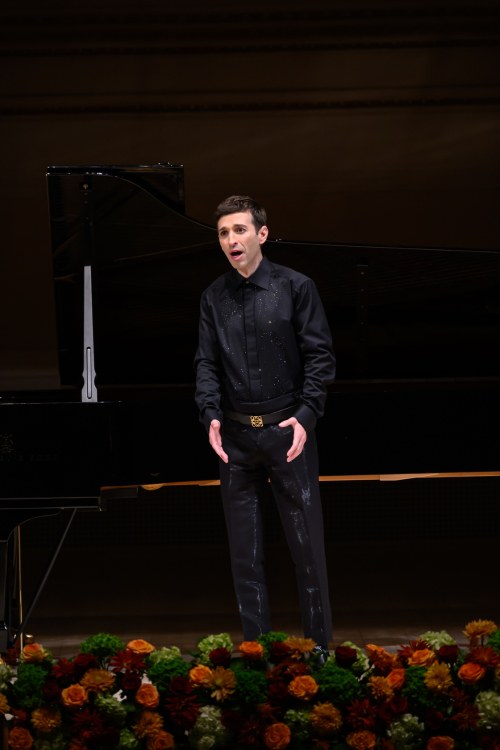
    Anthony Roth Costanzo (above, photo by Dario Acosta), in a sparkly shirt, was simply magnificent in Handel’s Stille amare from TOLOMEO. The voice is so delectable to hear in the Carnegie acoustic. Anthony’s emotional connection to the music – and his sublime pianissimi – were truly touching to experience.
    140-RICHARD_TUCKER_GALA_2024-1241

    Above: J’nai Bridges, photo by Dario Acosta

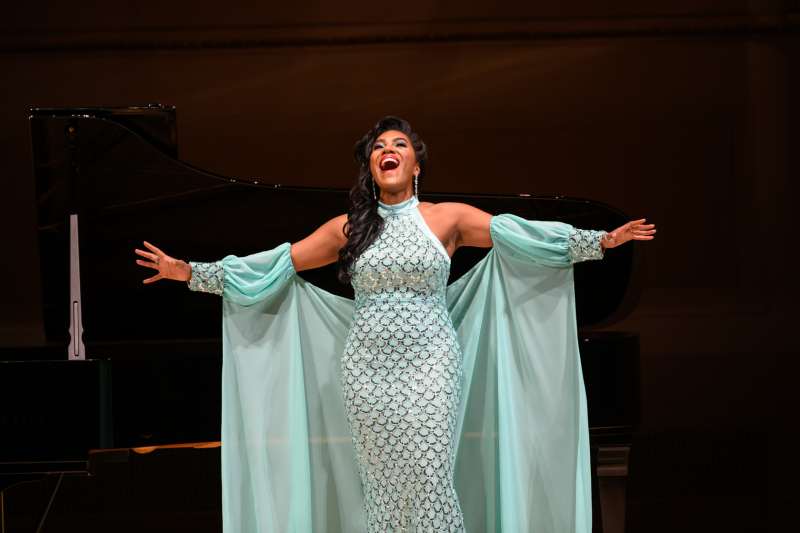
    Til tonight, I’d never heard Sapho’s grand final aria from the Gounod opera named after her sung live; but I’ve thrilled to its sense of grandeur and doom since by chance hearing a recording of Heather Begg singing it in English many, many moons ago. Thank you, J’nai Bridges, for bringing this splendid aria to currency. Mr. Wagorn was again simply perfect as the mezzo, resplendent in a mint green gown, delivered the poignant recit and majestic aria – which ends on a thrilling top note that Ms. Bridges sustained mightily – so convincingly that the vision of the heroine hurling herself into the ocean at the end was palpable.
    156-RICHARD_TUCKER_GALA_2024-1369

    Above: Anthony León, photo by Dario Acosta

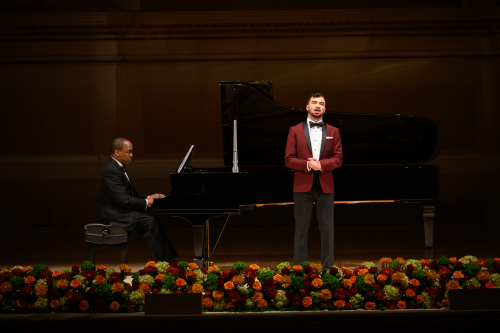
    Anthony León, 2022 1st prize and the Zarauela prize winner at the Operalia competition, sang a poetic “Una furtiva lagrima” from ELISIR D’AMORE with Mr. Watkins giving the youthful tenor wings on which to fly. The voice is sweet and clear, the singing so sincere, the words lovingly set forth, and the final phrase finely controlled. 
    166-RICHARD_TUCKER_GALA_2024-1406

    Above: Ryan Speedo Green, photo by Dario Acosta

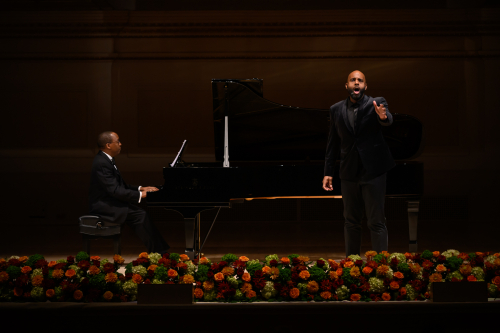
    After hearing his Serenade this evening, we must have Ryan Speedo Green’s Don Giovanni in the next Met revival of the Mozart masterpiece: such a suave singer, with charisma to burn. Ryan had sung a commanding Ferrando in yesterday’s TROVATORE, and I look forward his Spirit Messenger in the upcoming Met revival of FRAU OHNE SCHATTEN…to say nothing of his impending Zankel Hall recital on January 22nd, 2025…check out the program here!
    190-RICHARD_TUCKER_GALA_2024-1590

    Above: Nadine Sierra and Quinn Kelsey; photo by Dario Acosta

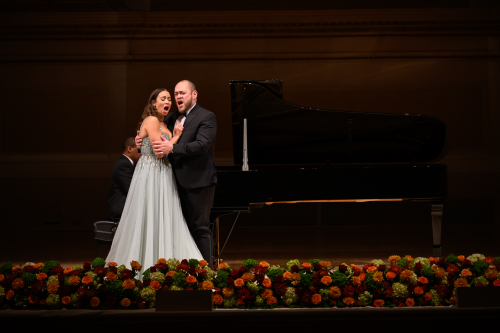
    In the great duet of Gilda and her father from RIGOLETTO, Nadine Serra and Quinn Kelsey seemed to give us the very essence of opera. With perfect musical support from Mr. Watkins, the two singers wandered about the stage, seemingly unable to face one another after the jester’s beloved Gilda’s had been defiled at the hands of the Duke. From “Piangi, piangi fanciulla…”on, Quinn held Nadine in his consoling arms. Their singing was so compelling, and Mr. Watkins’ playing so true to the music, that for a brief time we were transported to that poetic place that only opera can carry us up. By the end, Nadine was weeping. The audience response was delirious, and rightfully so.
    216-RICHARD_TUCKER_GALA_2024-1725

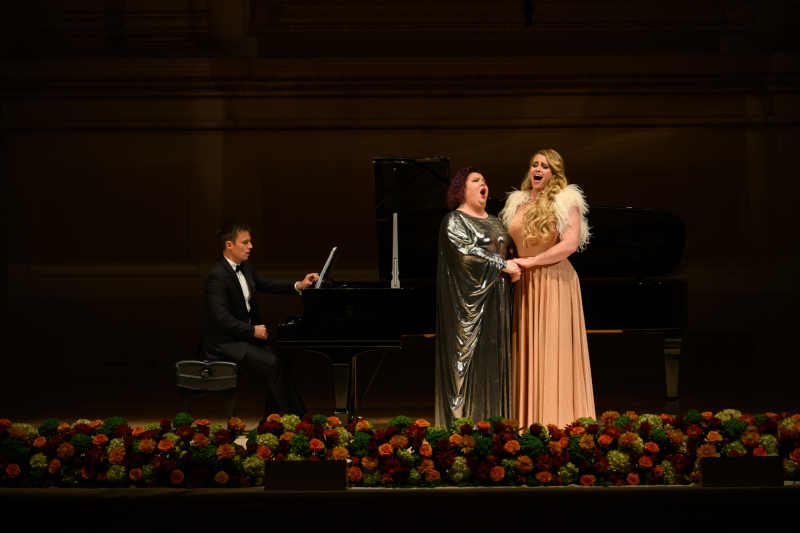
    Mlles. Willis-Sorenson and Barton (above, photo by Dario Acosta) brought bel canto to the fore with “Mira, O Norma” from the Bellini opera, Mr. Wagorn playing a key role in this beloved duet of rivals who become – if only briefly – fast friends. The voices made for a very congenial blend, the harmonies lingering so endearingly in he ear. Following the slow section, a dramatic exchange between the women was resolved with Ms. Willis-Sorenson’s “Trovo un’amica ancor”. and then they set off the vocal fireworks “Si, fino all’ore estreme”, even etching is some delicious harmonized turns before joining together on the penultimate note. 
    227-RICHARD_TUCKER_GALA_2024-1799

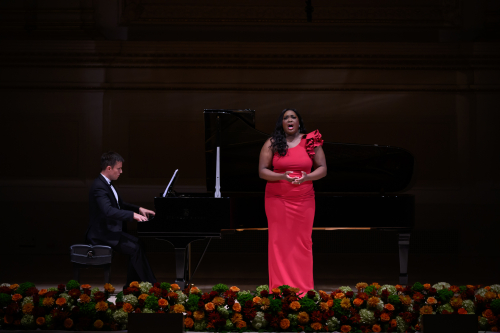
    Above: Angel Blue, photo by Dario Acosta

    The previously unannounced Angel Blue made a striking entrance in her red diva-gown. With Mr. Wagorn, she sounded like a goddess; she sang “America The Beautiful” with great ardor, then moved directly to Lee Hoiby’s touching “Lady of the Harbor”, a hymn to the Statue of Liberty. Angel sang with mythic power and pride, an iconic presence as she sang of the hope and the blessings of the American dream.

    Encores now commenced with Anthony Roth Costanzo duetting with himself in the cat-and-mouse scene of Susanna and Count Almaviva from NOZZE DI FIGARO

    As a child, I had a Swiss music box that played Stephen Foster’s “Beautiful Dreamer”; I was thinking of this when Nadine Serra and her college pal Bryan Wagorn gave the song a glowing lustre. They ended with a hug of genuine affection.

    Mr. Leon was affectionately welcomed back for an ardent, “Non puede ser” with Mr Watkins; and then – singing unaccompanied – Ryan Speedo Green sang “Deep River” straight from the heart. Ms. Bridges returned for a passionate “My man’s gone now” from PORGY AND BESS, and then Jamie Barton sang “It’s You I Like”: a Jake Heggie charmer that mixes Chopin and Fred Rogers.

    The evening ended with Nadine, Anthony, and Mr. Wagorn in a musical three-way spoof that was pretty silly, but the audience loved it. 
    313-RICHARD_TUCKER_GALA_2024-2145

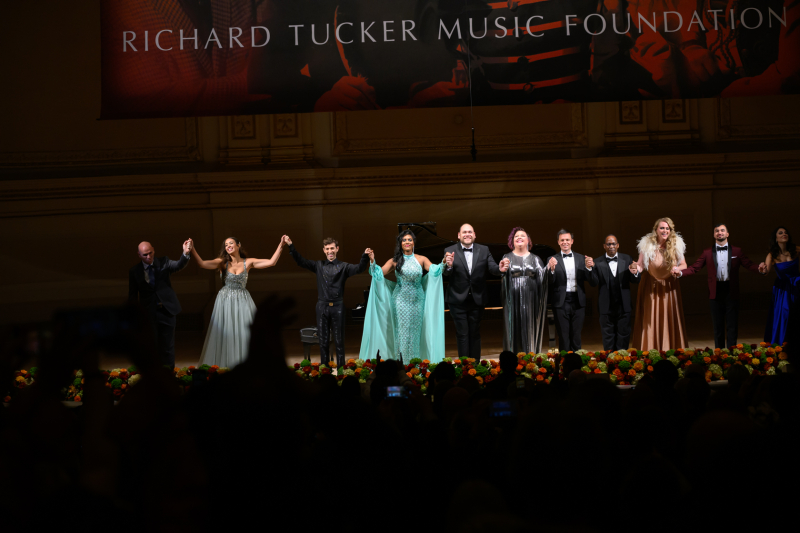
    Final bow. This, and all performance photos, by Dario Acosta.

    My thanks to Mallory McFarland of Morahan Arts and Media for arranging things for me.

    ~ Oberon

  • The Beethoven Quartets @ CMS

    Cms

    Above: the Calidore String Quartet at Alice Tully Hall; photo by Da Ping Luo

    ~ Author: Ben Weaver

    October 22nd & 27th, 2024 – Throughout the 2024-25 season, the Chamber Music Society of Lincoln Center is hosting a traversal of the complete Beethoven String Quartets at Alice Tully Hall, performed by a single ensemble: New York-based Calidore String Quartet. The ensemble is Jeffrey Meyers and Ryan Meehan on violins, Jeremy Berry on the viola, and Estelle Choi on the cello. The first two evenings of the cycle – October 22nd and 27th – included three quartets on each night.

    The 27-year-old Ludwig van Beethoven was commissioned to compose six String Quartets, alongside his former teacher Franz Joseph Haydn, who was considered the father of the string quartet. Haydn was ultimately only able to finish 2 of the 6 quartets he was supposed to compose, but Beethoven dove head-first into his first string quartets which became his Op. 18. By the time Beethoven reached the end of his life, he composed 16 string quartets, which have become the Mount Everest of the genre, arguably only equaled by Dmitri Shostakovich’s 15 String Quartets composed more than a century later.

    Commonly the Op. 18 String Quartets are called the Early String Quartets. Even though Beethoven was already exploring his more explosive and adventurous musical nature in other musical genres, most notably his piano sonatas, with these first forays into the string quartet, he harkened back to his predecessor masters of the genre, Haydn and Mozart. The Calidore Quartet are performing the works in the order they were composed, not numbered in the published score. The sequence is Nos. 3, 1, 2, 5, 4 and 6.

    By and large, these early six quartets are light in nature, with the first violin dominating the procedures. Happily, first violin Jeffrey Myers is an exceptional musician, the sweet sound of his instrument effortlessly filling the concert hall. Quartet No. 3 in D major opens with a charming melody, lovingly shaped by the Calidores, the lush and warm sound of their ensemble emphasizing the Classical and early Romantic nature of the works. (By contrast, for example, when the Danish String Quartet performed a full cycle of the Quartets at CMS in 2020, they leaned into their more modern sound, closer to Beethoven’s last quartets.) 

    Quartet No. 1 in F major also opens with a graceful, contagious melody – an obvious common thread running through all six of these works. Here, but especially in the second movement, cellist Estelle Choi, gets several key moments to stand out with a dark, glowing sound. There’s a depth to this movement that foreshadows Beethoven’s Romantic nature, one he would unleash in later compositions. He said this sorrowful movement was inspired by the ending of Shakespeare’s “Romeo and Juliet.” 

    The Calidores took most of the faster movements at a wonderfully quick pace: delirious, never chaotic. The beautiful coordination between the four partners kept them in perfect sync. This was most evident in the Quartet No. 2 in G major, the most humorous and closest in spirit to Haydn from the bunch.

    Quartet No. 5 in A major is thoughtful in its first two movements, with unexpected dramatic outbursts that bring surprising drama. Violist Jeremy Berry’s lovely solos shine in the second movement, as jagged stabs from the violins interrupt him. Second violin Ryan Meehan’s slightly sharper tone (not pitch) being a great contrast to Meyers’ sweeter sound. The third movement is a set of variations, the last of which is a tune that you can’t help but tap your toes to.

    Quartets No. 4 in C minor and No. 6 in B-flat major come closest to the Beethoven who would redefine Romanticism. Both of full drama and unexpected turns. No. 4 omits a traditional slow movement altogether, instead containing a Scherzo and Minuet in the middle. The Calidores darkened their sound for the dramatic outbursts, but kept their sense of humor for the quartet’s surprising and unexpected pizzicato close. 

    Quartet No. 6 in B-flat major, which closes this series of the Early Quartets, gives greater voice to the second violin and cello, with Meehan and Choi balancing Beethoven’s growing darkness, while the first violin soars above them. The final movement is an extraordinary piece by itself, with an extended grave “introduction” Beethoven titled “La Malinconia” (Melancholy.) It’s movement that lets us look into the future of Beethoven’s progress. The Calidores’ performance brought the full house to its feet.It should be noted that, especially on the 27th, the audience was remarkably quiet, hypnotized by these wonderful performances that made us all eagerly await the continuation of the cycle.

    The Calidore String Quartet will perform the Middle Quartets at Alice Tully Hall on January 28 and February 4, 2025. The Late Quartets, including the somewhat demented Große Fugue, will be performed on May 9 and 18, 2025. I recommend that anyone who missed these performances make sure to not miss rest of what is already an excellent cycle. 

    ~ Ben Weaver

  • @ My Met Score Desk for TROVATORE

    Daniele-callegari-jpg

    Above: Maestro Daniele Callegari

    ~ Author: Oberon

    Saturday October 26th, 2024 matinee – What made this performance outstanding was the conducting of Daniele Callegari; he made the music come alive with brisk but never rushed tempi, whilst keeping the volume under control, helping the singers to sing without forcing. At a few points, the musicians fell back on the Y N-Z approach: play loud and fast. But mostly, the performance was immeasurably satisfying. It wasn’t until I got home and checked the archives that I realized I’d heard a Callegari TROVATORE in 2013; the awfulness of his cast that night had made me purge the memory from my mind.

    This afternoon, TROVATORE started with a bang: Ryan Speedo Green’s Ferrando immediately established the singer’s vocal authority, seizing our interest – and holding it – throughout his monolog, which was expertly supported by the Maestro. Ryan’s diminuendo on “All’inferno!” was chilling. The scene’s finale, and the sounding of the castle’s alarm bells, assured us we were in for some vibrant Verdi.

    As Inez, Briana Hunter’s appealing voice and sense of urgency in her exchange with Rachel Willis-Sorenson’s Leonora engaged us in their story right from the start. At first, Ms. Willis-Sorenson’s tone showed a steady beat, and passing hints of sharpness, but the voice would come under control as the opera progressed. Maestro Callegari kept the forward impetus of “Tacea la notte placida” flowing, and the soprano went on to regale us with her deft vocalism in “Di tale amor“, etching in some very fine trills.

    Igor Golovatenko gave the Count di Luna’s opening lines a quiet, sustained feeling; then the power of his voice came into play.  All afternoon, he would prove himself an excellent Verdi baritone. The harp sounds, and Michael Fabiano’s instinctive phrasing and passionate delivery of the words of his serenade were a joy to experience. Coming forward, Mr. Fabiano’s scornful “Infida!” raised the performance’s temperature to the boiling point. Ms. Willis-Sorenson scorchingly brilliant “M’odi” staved off the duel until the dynamic stretta ended with a joint high D-flat from the soprano and tenor, and the adversaries’ swords clanged as they rushed off.

    Barton azucena

    After a truly rousing Anvil Chorus with the blacksmiths’ thunderous hammerings, Jamie Barton (above in a MET Opera photo) commenced Azucena’s iconic “Stride la vampa” and I was soon thinking this would be Jamie’s best Met role to date. She could be deliciously subtle one moment and richly chesty the next, and her trills and top notes were really impressive. She ended the brief aria with a bang, but there was no applause. Jamie’s very sustained “Mi vendica!” was another perfect touch. Ned Hanlon’s powerful summons from the Old Gypsy made its mark.The gypsies headed off.

    Now mother and son are alone, and Jamie commences the old woman’s story: what perfect support the Maestro and his players gave to her great narrative, and how persuasive the mezzo’s story-telling. As Azucena is about to tell her son the ironic truth of those moments at her mother’s execution, Fabiano/Manrico takes a poignant diminuendo of “Tu forse…?” and then the fire music of the high strings gives him an answer even before his mother can say the words. Jamie nailed the top B-flat of the story’s climactic moment, then sang her final lines in a sustained, chilling hush. Back in the day, this kind of singing would have stopped the show,  but today there was only a brief round of applause.

    A vividly expressive conversation between mother and son brings on Fabiano’s “Mal reggendo” in which his lyricism and sense of ebb and flow captivates, as does his marvelously quiet “Non ferir!” This great scene now races to its end with the striking duet “Perigliarti ancor...” with some plummy chest notes from Jamie, and as well as a colorful, wide-ranging cadenza.

    Maestro Callegari gave us a wonderfully stealthy opening to the Convent Scene, and then Mr. Golovatenko’s great voicing of the recit leads to an exchange with Ryan Speedo Green before cresting with Di Luna’s powerfully delivered “Leonora di mia!. The great aria “Il balen...” was taken slightly faster that usual; overall it was beautifully sung though there were traces of sharpness along the way. Mr. Golovatenko was heartily cheered. Another exchange with Mr. Green, with some urgent chorus passages, led to di Luna’s brief cabaletta, which fades away as the nuns are heard approaching.

    Fab igor

    Above: Michael Fabiano and Igor Golovatenko as Manrico and Count di Luna; a MET Opera photo

    There was a lovely exchange of farewells between Mlles. Willis-Sorenson and Hunter before all Hell breaks loose and Manrico returns from the dead. Ms. Willis-Sorenson launches the ensemble in hesitant wonder at her beloved’s re-appearance…radiant top notes, and the poignant “Sei tu dal ciel discendere?” from Leonora, and then a trading of insults between her rival lovers. Suddenly Manrico’s men rush in crying “Urgel viva!” and Manrico greets them with one of my favorite lines in the opera: “Miei prodi guerrieri!” The ensemble rushes to a finish but is halted for Ms. Willis-Sorenson to again beautifully voice her wonderment at her beloved’s resurrection.

    After the interval, Ryan Speedo Green is again superb as he urges the Count di Luna’s men to victory in the coming siege. Azucena is apprehended lurking about the camp; Jamie Barton’s “Giorni poveri” is expressively sung, with nice subtleties of phrasing, but after Mr. Green calls the old gypsy out, Jamie turns fiery with “Deh, rallentate…!” 

    Inside his besieged castle, Manrico tries to calm Leonora though his fate seems predestined. Mr. Fabiano’s recit and his gorgeously phrased “Ah, si, ben mio” won him vociferous applause, though I was sensing a bit of tension in the highest notes. After a tenderly harmonized duet passage with his beloved, Ruiz (played by Daniel O’Hearn) rushed in to tell of Azucena’s impending execution. Manrco’s “Di quella pira” was taken at breakneck speed…very exciting…though again, Mr. Fabiano’s highest notes were not thoroughly comfortable.

    After the applause had died down, there was a very odd sound of someone screaming from the stage-left wing; this was followed by a moan, and the sound of someone talking on a cellphone. No idea what the problem was.

    (Update: on Sunday evening at the Tucker Gala, I found out the reason for the offstage commotion. After singing the Di quella pira“, Michael Fabiano walked into the wings and tripped over something. He let out a scream and then a moan, and you could hear a walkie-talkie call summoning medics. He finished the opera, but last night at Carnegie Hall, he had to be walked unto the stage by the pianist, moving stiffly and very slowly. Kudos to Michael for keeping his commitment to the Tucker event.)

    Now Ms. Willis-Sorenson regaled us with her spectacular singing in the great scene where Leonora comes to the tower where her lover is awaiting execution; she seeks to bargain with di Luna and save Manrico’s life. As Ruiz, Mr. O’Hearn brings her to this dark place; his voicing of his despair over Manrico’s imminent death was infinitely touching when a trace of a gentle sob spoke volumes of his devotion. 

    The the Met stage was now Ms. Willis-Sorenson’s to own, and own she did. Absolutely phenomenal singing here! Her recit was finely phrased, then came the beloved aria “D’amor sull’ali rosee” in which the soprano held her own against memories of great Leonoras from the past. Her line was beautifully sustained, the trills lovingly defined, her tone richly lyrical. In the cresting lines “Ma deh! non dirgli, improvvido, le pene del mio cor!” did not spin the piano/pianissimo effects that many sopranos favor, but instead sounded more resolute. Her cadenza featured a lovely piano top note, on which she did a thrilling crescendo. She finished the aria with the lower ending.

    In the Miserere that follows, a vivid sense of fate developed at the soprano’s “Quel suon, quelle prece”, and her anguish at hearing Manrico’s voice singing an ardent farewell to her was palpable. Ms. Willis-Sorenson then sailed thru her cabaletta, dispensing the coloratura with aplomb and capping the scena with a house-filling high-C.

    Both the diva and Mr. Golovatenko were cooking in their great duet, sung with great abandon and dramatic pointing of the text. Some people will doubtless say that the soprano left out the high-C at the end, but…it’s not in the score. 

    In prison, awaiting execution, Manrico tries to calm his anxious mother; Mr. Fabiano sang with consoling beauty of tone whilst Ms. Barton delivered a fearsome “Parola orrendo!“. Jamie’s superb control made “Si, la stanchezza” so moving, and then the two singers found a lovely blend in “Ai nostri monti“, with a perfect fadeway at the end. Mr. Fabiano’s anger at Leonora makes sparks fly, but Jamie interrupts them with a dreamy reprise of “Ai nostri monti“. 

    Fab w-s

    Above: Michael Fabiano and Rachel Willis-Sorenson in the opera’s final scene; a MET Opera photo

    Leonora reveals that her death is at hand: she has taken poison. Ms. Willis-Sorenson’s “Pria che d’altri vivere” was so poignant. Her death releases di Luna from his promise, and Manrico is swiftly executed. Jamie Barton then gave the opera a flaming finish with her powerful “Sei vendicata, o madre!” 

    Bravi, tutti!

    Trovatore.jpg r-2

    I went to the stage door after the performance where I met Maestro Callegari; he very kindly signed my program (above). 

    ~ Oberon

  • Rectangles and Circumstance @ 92nd Street Y

    Thumbnail_So Percussion-0014

    Above: Caroline Shaw; performance photo by Joseph Sinnott

    ~ Author: Lili Tobias

    Wednesday October 23rd, 2024 – As part of a tour of the new album Rectangles and Circumstance, Caroline Shaw and Sō Percussion performed a concert at the 92nd Street Y’s Kaufmann Concert Hall this past Wednesday. The concert was split into two halves—the two sides of the record—plus a performance in between of Shaw’s 2017 piece for Sō Percussion, Narrow Sea.

    As I walked into the concert hall, my eyes were immediately drawn to the immense set-up of musical instruments. There were truly so much stuff on stage that was hard to pinpoint exactly what was making what noise most of the time, leaving the origin of many of the sounds a mystery to me. Regardless of the specifics, I thought that Shaw and Sō Percussion were able to craft incredibly effective transitions from phases of primarily vocals (sung by Shaw herself) to mostly instrumentals to a balance of both. I’m curious how this performance might feel in a smaller venue though, so that the audience could get a better view of the instruments.


    Thumbnail_So Percussion-0693


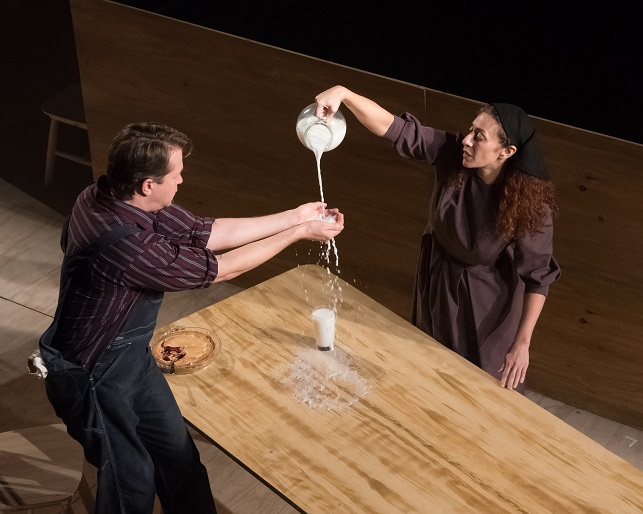
    Singer Alicia Olatuja joined Sō Percussion (above, photo by Joseph Sinnott) for the performance of Narrow Sea. Her voice was quite different from Shaw’s, and it was cool to hear the contrast in how it blended with the percussion. Water also played a large part in both Narrow Sea and Rectangles and Circumstance. The final song on the first half of Rectangles and Circumstance was “The Parting Glass,” which is a Scottish/Irish folk song. During the performance of this song, a pitcher water was poured into a bowl, which one of the percussionists then dipped a set of crotales (I think) into. This had the effect of bending the pitch downwards and dampening the sound—very cool! In Narrow Sea, Olatuja multi-tasked by pouring water into bowls, all while still singing. The percussionists then hit the bowls with mallets as the water filled them up.


    Shaw is definitely no stranger to setting interesting lyrics, and the lyrics on Rectangles and Circumstance were especially intriguing. They were largely inspired by nineteenth-century poems, taken in new directions by Shaw and the members of the quartet. In many of the songs, the repetition and extra-grammatical usage of the words felt mesmerizingly surreal. Shaw often sang into some kind of vocoder that added harmonies or looped her singing. She was also joined by another singer (whose name unfortunately doesn’t appear in the program!) on a few of the songs, and the two of their voices were balanced so well that it almost sounded like the vocoder, but more natural.


    Thumbnail_So Percussion-0254


    Performance photo by Joseph Sinnott


    I was blown away by the cover of Schubert’s “An die Musik,” which ended the concert (and the album). The ensemble seamlessly transitioned into this final song through a long sustained rumbling sound that I could literally feel echoing through my body as it radiated through the hall. Going with a water metaphor (since that seemed to be a theme in this performance) I felt like I was submerged in water but the water was music, fragments of melody floating by on the waves of sound. As the song came to its end, Shaw introduced some distorting effects on her vocals. It was almost as if I was drifting off to sleep while listening to the song playing on an old record player in another room. The perfect end to the evening!


    While I had only heard Shaw’s more “classical” music in the past, I felt so much resemblance in her compositional language to the music tonight as well. In particular, I’ve always admired how Shaw handles very simple sounds in her music. She’s able to tread the line between simple and complex sounds exceedingly well, never over-complicating anything that doesn’t need to be. I also find that she is able to create very effective transitions between contrasting parts of her music, bringing the listener to the new sonic environment in a completely instinctive way. She and the members of Sō Percussion seemed to gel really well on stage, and that strong partnership was apparent in the music itself too. It was wonderful to hear a different side of Shaw’s music, and side full of collaboration, that felt both new and also familiar at the same time! 


    ~ Lili Tobias

  • Vivaldi: Salve Regina ~ Andreas Scholl

    Scholl jpg

    Andreas Scholl sings Vivaldi’s Salve Regina.

    Listen here.

  • Tebaldi/Simionato ~ GIOCONDA Duet

    Tebaldi simionato

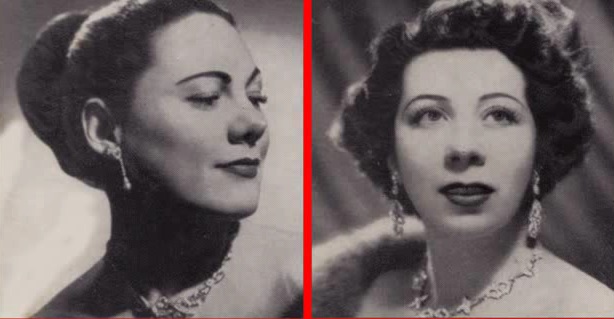
    Renata Tebaldi and Giulietta Simionato (above) sing the great duet “L’amo come il fulgor del creato” from Ponchielli’s LA GIOCONDA at a Chicago Lyric Opera gala in 1956. Sir Georg Solti conducts.

    Listen here

  • Lioba Braun ~ Alto Rhapsody

    Lioba Braun

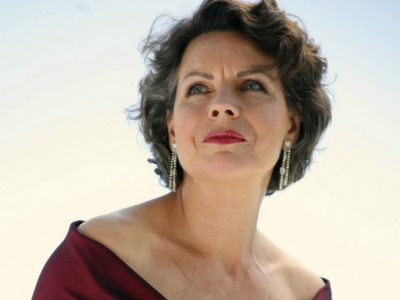
    Lioba Braun sings Johannes Brahms’ Alto Rhapsody, with Helmuth Rilling conducting the Radio-Sinfonieorchester Stuttgart des SWR.

    Listen here.

    German mezzo-soprano Lioba Braun was born in 1957. Based at the Nationaltheater Mannheim, she has appeared at the major opera houses and festivals of Europe. She became internationally known after singing Brangäne at the Bayreuth Festival in 1994, and she performed the soprano role of Isolde onstage for the first time in 2012.

  • Paola Prestini’s SILENT NIGHT @ National Sawdust

    Prestini

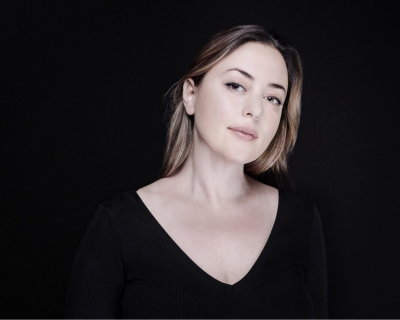
    Above: composer Paola Prestini; photo by Caroline Tompkins

    ~ Author: Lili Tobias

    Saturday October 28th, 2024 – I was lucky enough to have a front row seat to the world premiere of composer Paola Prestini’s new opera, Silent Light. I walked into National Sawdust on Saturday night to ambient insect noises mingling with the chatter of the audience finding their seats. As I looked out over the set of unfinished wood, I could smell the faint hint of bacon, eggs, and pancakes. And these things were just the beginning of how this production expanded not only my ears, but all of my senses!

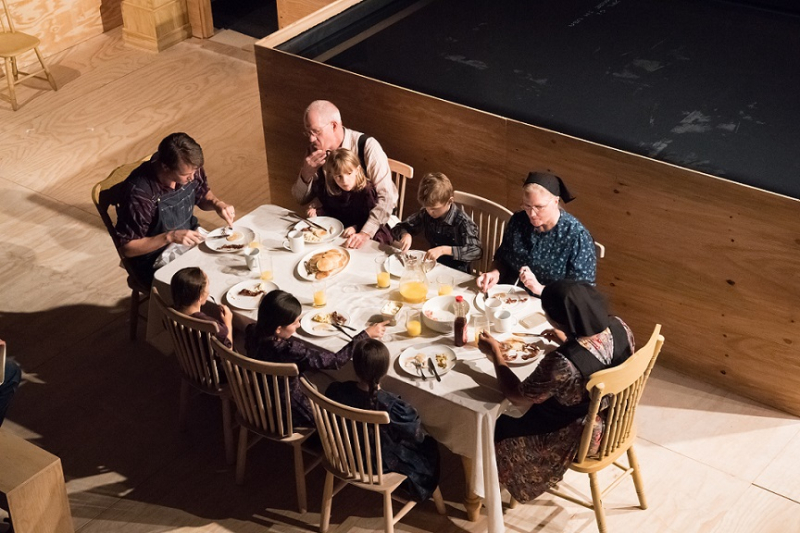
    The innovative ways Prestini played with the sounds, visuals, and physical objects on stage really made Silent Light stand out, though the plot stuck close to standard operatic tropes—love, infidelity, etc. One of the first aspects of this that caught my attention was how she used mundane sounds either by themselves or incorporated into the musical sounds. The opera gets underway with the loud tick-tock of a grandfather clock (seen in the back left corner of the stage) oscillating in volume. The louder it gets, the more surreal the set feels. As that first scene progresses, the women and children of the family come onstage to set the table for breakfast (cooked onstage!) and all begin eating. The natural clatter of plates and utensils mingling with the warm low brass and string instruments created a very fun and realistic soundscape. It truly felt like the audience members were invisible observers within the room with the characters.


    Silent Light performance at NS_0115_


    Above: the ensemble, photo by Jill Steinberg


    I was especially impressed with the transitions between scenes, both in terms of the music and the staging. As breakfast wraps up, a wave of construction sounds rise up from the left side of the stage as the chorus becomes a team of workers. There’s a large waft of dust, which visually separates the two halves of the stage between the men at work outside and the women at work in the house. There were also two wonderful moments of transition between diagetic and non-diagetic music. One occurred during this scene as the chamber ensemble begins playing what seemed to me a lively popular song and the chorus sings along, simultaneously moving the chairs and table to prepare for the next scene. And later on, a French ballad begins playing on a television in the kitchen, then becoming the background for the characters Johan and Marianne to meet up in a hotel room. Both transitions were executed so seamlessly and really helped push the the flow of action forward.


    Silent Light performance at NS_0498_


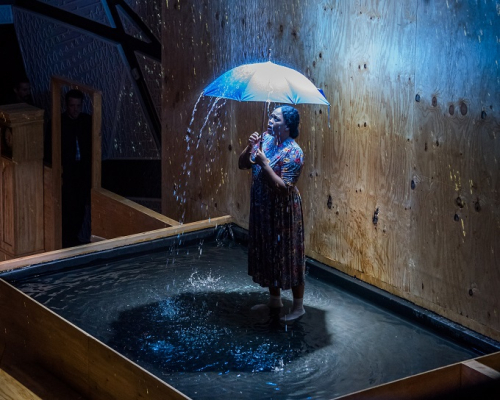
    Above: Brittany Renee; photo by Jill Steinberg


    Another remarkable aspect of this opera were the juxtapositions between silence or quiet sounds and loud, nearly overbearing sounds. Overall, I felt like there was minimal actual singing in this opera, but not in a bad way at all! As a listener, I tend to get fatigued when operas have extra long passages of continuous singing, so I really appreciated the many moments of silence or instrumental music—or even just foley sounds—that provided contrast (and rest for the singers’ voices too). There were also many moments of abrupt shift from sound to silence. One especially striking moment takes place when Johan and his wife Esther are driving in a truck, Esther knowing that Johan has just slept with Marianne. The music, accompanied by the sound of heavy rain, creates a steady and unceasing anxiety as Esther finally comes to terms with her own feelings about her husband’s affair. Then it suddenly stops as she rushes out of the truck, leaving behind just the sound of the rain (and the literal water which has started pouring down onto the stage!).


    Tony & margaret silent light


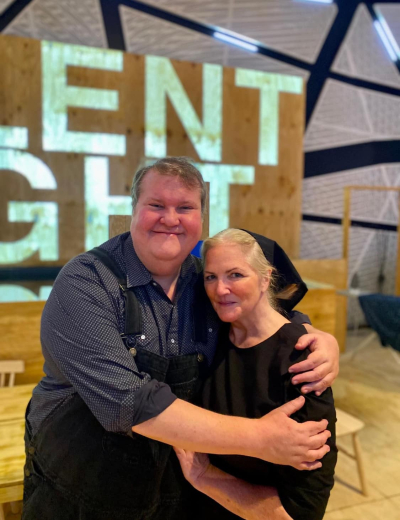
    Above: Anthony Dean Griffey and Margaret Lattimore; photo courtesy of Mr. Griffey


    I also want to add that the novelties of this opera did not go unsupported by amazing musicianship. All the singers were incredibly strong both vocally and as actors, and the lyricism of Prestini’s music really helped them sound even more amazing! I also enjoyed Prestini’s writing for brass. Because of the small size of the instrumental ensemble, the proportion of brass instruments to other types felt very high relative to, for example, an orchestra. I liked how predominant a role the trumpet and trombone played in the music, and they really added a unique depth to the sound that was especially resonant in the small performance space.


    Silent Light performance at NS_0230_


    Above: Daniel Okulitch and Julia Mintzer, photo by Jill Steinberg


    This opera contained so many interesting things that it’s honestly been difficult to write about everything that caught my attention! I thought it was a huge success at National Sawdust, and I hope it gets many more performances. It will be super interesting to see how the staging evolves in different spaces and with different cast members. Silent Light was an incredibly immersive experience, and there was always something of interest to listen to, look at, and even smell!


    ~ Lili Tobias

  • Parlando: Night Music @ Merkin Hall

    Merkin

    ~ Author: Lili Tobias

    Thursday September 26th, 2024 – A wonderful night to spend listening to Parlando’s Night Music! Led by conductor Ian Niederhoffer, Parlando is a one-of-a-kind orchestra that strives to introduce listeners to underrepresented works through inventive programming and spoken introductions that provide context for each piece. As is standard for the ensemble, Thursday’s program featured a wide range of classical music all united under the theme of “night” (and this concert covered a span of just over 200 years!).

    The concert opened with the Nocturne from Fauré’s The Shylock Suite, Op. 57. I was unfamiliar with this piece, but it was a pleasure to hear for the first time. The orchestra played with an exceedingly delicate and precise tone. Though the piece was quiet all the way through, every note was clearly audible throughout the hall.


    Next was Takemitsu’s By The Sea, which I was really looking forward to (and it didn’t disappoint)! In the past, I’ve seen some of Takemitsu’s chamber music scores and have always been blown away by how beautiful the written music itself is. This was my first time hearing any piece of his live, and any conception of how I thought the written music might sound was eclipsed by the incredible real-life sounds of the orchestra and two soloists. When introducing By The Sea, Niederhoffer mentioned that the first version of this piece was a duo between flute and guitar, and I could still feel the chamber music-like qualities present in the orchestral re-arrangement. The soloists and the strings lead each other back and forth in a constant ebb and flow of dynamic swells—just like the waves of the ocean the piece was inspired by.


    Parlando


    Flautist Yoobin Son and harpist Parker Ramsay (photo above by Crios Photography) then joined the orchestra once more for the second movement from Mozart’s Concerto for Flute, Harp, and Orchestra in C Major, K. 299. I was especially impressed with Son’s incredible phrasing and expressive playing, which brought this intensely lyrical movement to another level. (She also wore a stunning lilac dress from designer Issey Miyake which seemed to float and dance along to the music.)


    The final piece on the program, Bartók’s Music for Strings, Percussion, and Celesta, Sz. 106, was a pleasant surprise. As someone who is not generally a fan of Bartók, I happened to love this piece. However, even after learning a bit about the social context surrounding its composition, I had a very different emotional response to the music. While the first movement wasn’t quite my cup of tea (especially after having had to sightread the fugue subject once for a musicianship class in college!), I greatly enjoyed the second, third, and fourth movements. The second and fourth I found especially fun—a stark contrast with the anguish Bartok may have intended it to convey. My ears latched onto the driving rhythms and confident percussive attacks and interpreted the music as lively and powerful, in a predominantly positive way.


    The orchestra was met with a well-deserved standing ovation at the end, and the concert was followed by a lively reception. While there was talk during the reception of finding a larger venue for future Parlando concerts, I actually think that smaller-scale performances could be a huge benefit towards Niederhoffer’s vision. A more intimate concert space could help open up dialogue between the musicians, audience, and even composers if they’re still living. As an audience member, I felt a bit boxed in by the spoken introductions to each piece—almost as if I was being told what to feel rather than encouraged to react to the music in my own way. While I completely understand the value in providing this musical context to the audience, I think there is a lot of further potential to create a more multi-faceted dialogue that draws from the diverse backgrounds and unique interpretations of both the musicians and the audience members. I’m excited to see what the future of Parlando holds!


    ~ Lili Tobias

  • ETHEL @ Merkin Hall

    Persist-photo

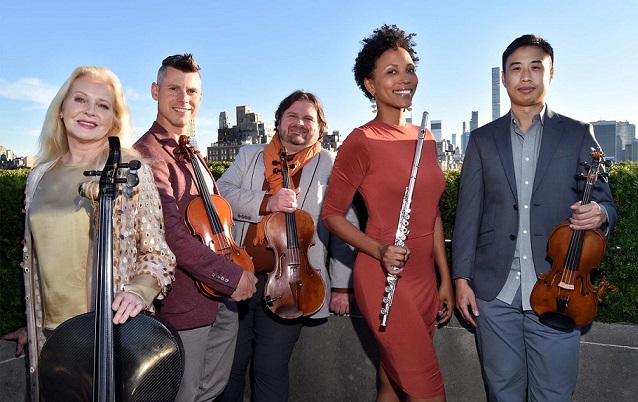
    Above: the members of ETHEL – Dorothy Lawson, Kip Jones, Ralph Farris, and Corin Lee – with flautist Allison Loggins-Hull; photo from the ensemble’s website

    ~ Author: Shoshana Klein

    Tuesday September 24th, 2024 – In the middle of a busy week, I got to hear the legendary string quartet ETHEL as well as flautist/composer Allison Loggins-Hull at Merkin Hall – the beginning of their official season as well as mine! Somehow I hadn’t crossed paths with ETHEL before, although I have known about them for a while – as one of the few dedicated new-music string quartets.

    PXL_20240924_235056666


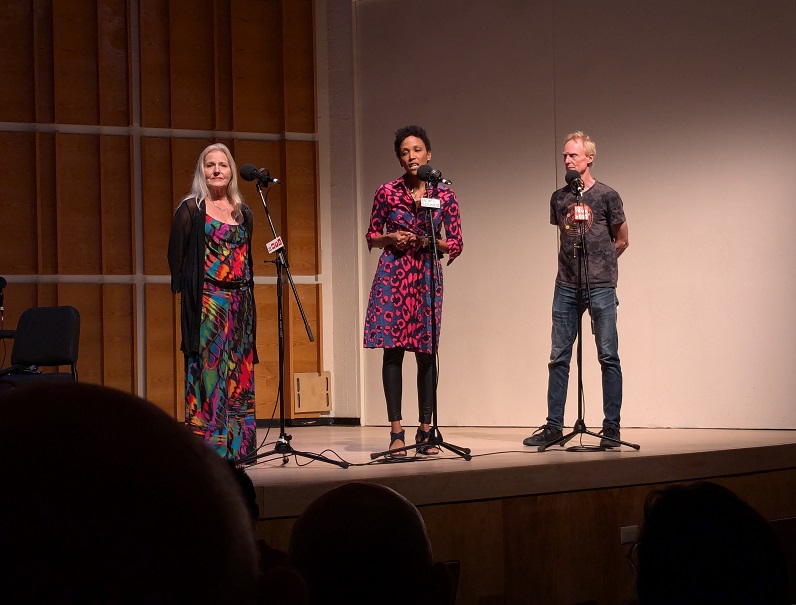
    Above: interview with Dorothy Lawson, Allison Loggins-Hull, and John Schaefer


    This concert was also a New Sounds live broadcast, so in between each piece there were interviews by John Schafer with members of the ensemble. While I’m not a die-hard New Sounds listener, I’ve heard enough to be excited to hear it happening live.


    Another interesting note is that the ensemble was set up a little differently than you’d expect – with the viola on the left, the cello on the right and then the violins flanking the flute, which was in the middle. It makes for a bit more of a balanced sound than the usual string quartet, which has the violins on one side and the two lower voices on the other.


    The first piece, by Sam Wu, called Terraria, was in a very familiar new-music tonality that it feels like we use a lot nowadays, but there were enough different soundscapes for it to be interesting and engaging. It felt very much descriptive of a type of landscape and was a good opening piece.


    The second piece was by Migiwa “Miggy” Miyajima, who is Japanese – the piece was in four movements and she has a jazz background that was evident but not overwhelming. Each movement was distinct and interesting, and my favorite might have been one in which members of the string quartet vocalized a drone while Allison played an alto-flute melody over the top.


    The next piece was by Leilehua Lanzilloti – the composer on the program I was most familiar with – and was introduced with some information about Hawaii and US imperialism. They talked a lot about how the music had a lot of the “island music” feeling and that definitely came through – partially through some layered rhythmic plucking textures in the strings. Another really interesting effect was one in which the strings used multiple strings playing the same note and oscillated back and forth – sort of the string equivalent of what I’d call a timbral trill on the oboe, in which you slightly change the note so that it’s only vaguely perceptible. 


    The piece by Xavier Muzik was fun and energetic – it definitely had a different energy than the pieces before it even though it started somewhat similarly to some of the others. The last piece, by Ms. Loggins-Hull, had electronics and started with a fixed media drum beat that was kind of intense. It was a really nice piece that had a lot of variation and she certainly didn’t seem to give herself an easy part, which she of course performed flawlessly.


    I’m going to be honest: this concert was in the middle of a really busy time and I can’t say that I gave it the attention it deserved, but I was able to tell that all the music was really high quality and of course the performers are as well. It was well curated and nice to have one experience that was about an hour and a half interspersed with engaging interviews about the music. It always takes me a minute to get used to an amplified string quartet, but the sound was really well done and sounded exactly like listening to new sounds, which was both comforting and exciting to hear while seeing the music being made.


    ~ Shoshana Klein