Blog

  • TURANDOT ~ Buenos Aires 2006

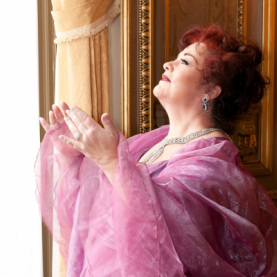
    Makris

    Above: Cynthia Makris

    The Teatro Colon presented Puccini’s TURANDOT at Luna Park, Buenos Aires, in 2006. Cynthia Makris sang Turandot, with Darío Volonté (Calaf), Eliana Bayón (Liú), Ariel Cazes (Timur), and Walter Schwarz (The Mandarin). Carlos Vieu conducts.

    Watch and listen here.

  • 50 Years Ago: WERTHER @ The Met

    Crespin charloitte-1 jpg

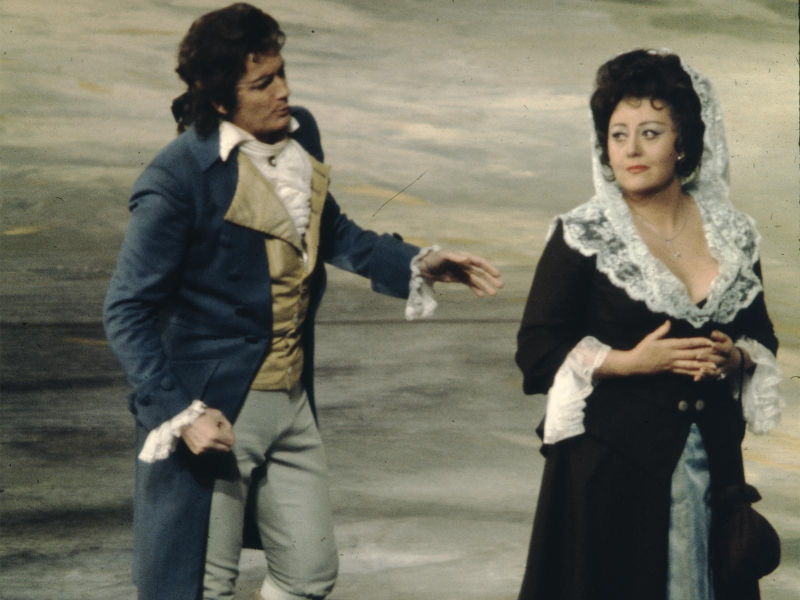
    Above: Régine Crespin as Charlotte

    On March 31st, 1971, I saw Massenet’s WERTHER for the first time. It was one of the events of the season, as the beloved soprano Régine Crespin was singing Charlotte with the Company for the first time, and Franco Corelli was repeating his popular success as the melancholy poet of the title-role.

    Mme. Crespin seemed to be transitioning to mezzo-soprano roles at this point in her career. By 1975, she would soon be owning the role of Carmen with her unique portrayal of the seductive gypsy. But while both Charlotte and Carmen had sometimes been sung by sopranos, Crespin’s increasing discomfort in the upper range meant that her days as the Marschallin, Sieglinde, and Tosca were over. Her final Met role with Mme. de Croissy in Poulenc’s DIALOGUES DES CARMELITES, in which she appeared with the Company for the last time in 1987.

    There had been rumors of the French diva’s vocal and personal crises, but on the night of the WERTHER, we were simply happy to be seeing and hearing her again…and in a new role.

    Regine Crespin – Air des Larmes ~ WERTHER

    Here’s what I wrote in my opera diary the morning after:

    “WERTHER – First time. I liked it, for the most part, though only the third act really drew me in. The sets were beautiful, and Alain Lombard conducted well. Fernando Corena as the Bailiff was excellent, as was John Reardon in the rather short role of Albert. Gail Robinson was a fine Sophie; her voice and stage presence are very appealing.
     
    Corelli was an Italianate Werther, and his acting bordered on the hammy. But he was in far better voice than in last season’s DON CARLO. He looked very handsome. Werther’s death scene, which goes on and on and on, made me impatient for the curtain to fall. Corelli’s fans were delirious during the bows.
     
    Crespin had a huge triumph as Chatlotte! Her voice is not all it once was, but she had many wonderful passages. The range of the role suits her well, and she looked beautiful. In Acts I and II she did some lovely soft singing, and in the third act she was really marvelous: both the Air des Lettres and the Air de Larmes were VERY effectively sung and heavily applauded, and she ended the act thrillingly. She had some pitch trouble in the final act, but was still very exciting. BRAVISSIMA!  Crespin was very sweet backstage, after having received a thunderous ovation. Photo! A very nice night!”

    Werther-1 jpg

    I still remember the long ovation after the final curtain, with the principals called out several times. Up in the Family Circle, the mood was celebratory: between the Corelli fans and the Crespin admirers, there was plenty of cheering.

    Corelli crespin

    Above: Corelli and Crespin onstage; a Met Opera photo

    I went backstage after the performance; Mme. Crespin looked radiant and was very charming when I asked to take her photo. I can’t recall why I didn’t ask her to sign my cast page that night, but here’s the happy prima donna

    Crespin-1 jpg

    ~ Oberon

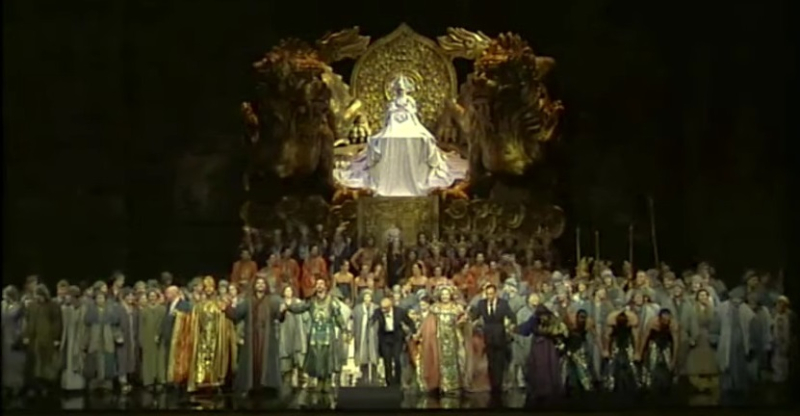
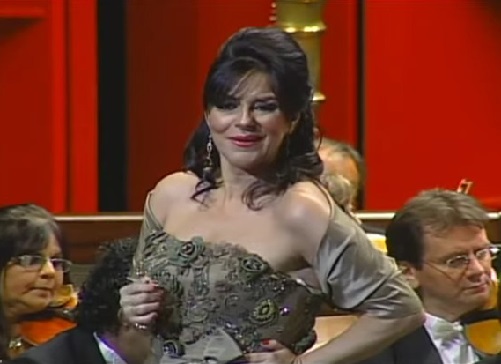
  • TURANDOT @ The Liceu ~ 2009

    Snapshot liceu turandot

    A performance of TURANDOT at the Teatro del Gran Liceu, Barcelona, in 2009

    Watch and listen here.

    CAST:

    Turandot (Soprano): Anna Shafajinskaia
    Calaf (Tenor): Fabio Armiliato
    Liu (Soprano): Daniela Dessi
    Ping, Canciller (Barítone): Gabriel Bermùndez
    Pang (tenor): Eduardo Santamaria
    Pong (tenor): Vicente Esteve Madrid
    Timur (Basso): Giorgio Giuseppini
    Altoum (tenor): Josep Ruiz

    Conductor: Giuliano Carella

    In this production by Nuria Esprit, Turandot kills herself at the end, thus fulfilling her promise: “Mai nessun m’avrà!

    Anna Shafajinskaya sang an exciting Turandot at New York City Opera in 2001.

  • Latonia Moore and Jesus Garcia ~ MANON duet

    Snapshot - latonia manon

    Latonia Moore and Jesus Garcia sing the St. Sulpice duet from Massenet’s MANON in a concert given by the Vermont Youth Symphony in 2013.

    Watch and listen here.


  • Michelle Bradley ~ Barber’s HERMIT SONGS

    Snapshot hermit songs

    Soprano Michelle Bradley and pianist Valeria Polunina perform Samuel Barber’s Hermit Songs.

    Watch and listen here.

  • John Adams: THE WOUND-DRESSER

    Snapshot callahan

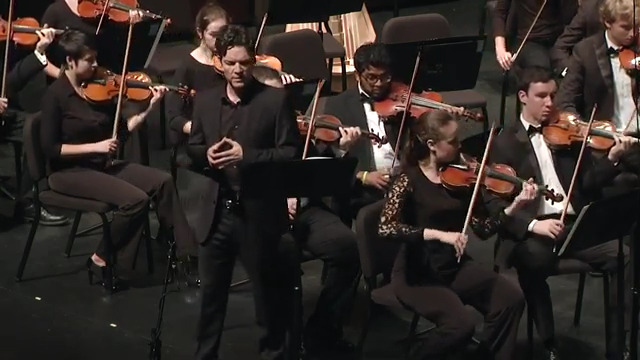
    The University of North Carolina Symphony Orchestra, conducted by Tonu Kalam, Music Director, leads a performance of John Adams’ The Wound-Dresser with bass-baritone soloist Marc Callahan. The concert took place in October 2018.

    Watch and listen here.

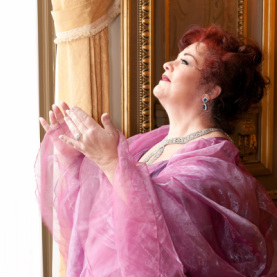
  • Alessandra Marc’s Met Debut ~ 1989

    Marc

    Alessandra Marc made her Metropolitan Opera debut on October 14th, 1989. My friend Paul and I were there. Soon after, another friend sent me a recording of parts of the performance.

    AIDA ~ duet – Alessandra Marc & Stefania Toczyska ~ Met 10-14-89

    Alessandra Marc – Met debut as Aida – excerpts – w Martinucci & Toczyska – 10~14~89

    Marc aiida-1

    Here’s my diary entry, written late on the evening of the date; despite the excitement of the Marc debut, Stefania Toczyska’s Amneris was the afternoon’s masterpiece:

    “Overall, a good performance and better-than-good much of the time. Audience most distracting (candy wrappers at their worst!). The settings are grand and it’s a Met-sized production, but very little happens dramatically – it falls to the individual singers to create theatrical sparks.

    Christian Badea favored slow tempi in general – but his support of the singers, in allowing them time to breathe and to sustain the vocal line, was admirable. The orchestra played very well, though there were times when their volume threatened to swamp even this big-voiced cast. The ballet was rather silly, though well-danced.

    While the Marc debut was the afternoon’s focal point, it was the superb Amneris of Stefania Toczyska who topped the cast. She sang with tremendous authority and passion, and she alone of the principals had a grasp of the drama. Her upper range has grown more secure over time, whilst maintaining a strong chest voice; her lovely entries in the opening passages of the Boudoir Scene were especially fine. And Toczyska is ever alert to the situation in every scene, creating a wonderfully feminine portrait of the ultimately distraught princess.

    The Judgement Scene was her crowning glory, a tremendously thrilling twenty minutes. After her beautifully sustained “Io stessa lo gettai…” the audience broke in with sustained applause. She concluded the scene with a fiery verbal assault in the priests, followed by a sustained final note before rushing off in a fury. Toczyska is a very attractive singer and her Amneris was deeply satisfying to experience. To top it off, she graciously pushed the debuting Aida, Alessandra Marc, forward during the group bow and started applauding her!

    Marc made a highly successful Met debut. Her voice has a curiously stimulating throb; at times it lacks resonance in the lower range, but the top has a lovely, almost girlish quality (such as we sometimes hear on recordings of sopranos from the early days of audio documentation): Marc’s voice blooms as it ascends. 

    Although lacking the ultimate cresting power in ensembles that some sopranos can muster, the soprano’s singing abounded in gorgeousness: starting with “Ritorna vincitor“, she won the audience with her opulent tone and marvelous turnings of phrase. The unaccompanied descending phrase in the Triumphal Scene was especially superb, and in the Nile Scene she proved herself with a splendid “O patria mia“, rising to a sustained, glowing high-C, and phrasing magically. 

    Marc did not make the most of the dramatic phrases of the duet with Amonasro, as some Aidas do, but in the seductive passages of the duet with Radames (“La tra foreste virgini…”) she sounded truly alluring. Likewise, the opera’s final duet showed the Marc voice at its distinctive best. Applause for the soprano was enthusiastic throughout the evening, and at the end the audience showered her with enthusiastic bravas

    Nicola Martinucci was a far more than capable Radames: his bronze-tinged voice has a nice metallic edge when needed, with strong tops – one or two of which were almost imperceptibly a hair’s breadth flat. Martinucci’s “Celeste Aida” went very well, with a sustained conclusion that won a vociferous response from the crowd. His voice cut thru the ensembles of the Triumphal Scene, and he found his lyric side in the Nile Scene before ending with a prolonged, ringing “Io resto a te!” Together with Toczyska, Martinucci made vocal sparks fly in the Judgement Scene, and he finished the opera strongly. Throughout, his slender, masculine figure looked great onstage, and his authentic Italian sound was more than welcome. 

    Juan Pons really sang Amonasro – no barking or hectoring. His warm sound and exemplary phrasing gave his singing a wonderfully noble sense of humanity…really impressive.

    Margaret Jane Wray sang beautifully as the Priestess, and Mark Baker strongly as the Messenger. Franco de Grandis sounded rough and effortful as the King, but even so he outshone the sadly out-of-voice Ramfis of Stephen Dupont.

    Despite the audience distractions, Paul and I were glad to have been there, and we enjoyed talking over the performance on the drive home.”

    ~ Oberon
  • Alessandra Marc’s Met Debut ~ 1989

    Marc

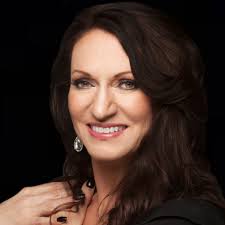
    Alessandra Marc made her Metropolitan Opera debut on October 14th, 1989. My friend Paul and I were there. Soon after, another friend sent me a recording of parts of the performance.

    AIDA ~ duet – Alessandra Marc & Stefania Toczyska ~ Met 10-14-89

    Alessandra Marc – Met debut as Aida – excerpts – w Martinucci & Toczyska – 10~14~89

    Marc aiida-1

    Here’s my diary entry, written late on the evening of the date; despite the excitement of the Marc debut, Stefania Toczyska’s Amneris was the afternoon’s masterpiece:

    “Overall, a good performance and better-than-good much of the time. Audience most distracting (candy wrappers at their worst!). The settings are grand and it’s a Met-sized production, but very little happens dramatically – it falls to the individual singers to create theatrical sparks.

    Christian Badea favored slow tempi in general – but his support of the singers, in allowing them time to breathe and to sustain the vocal line, was admirable. The orchestra played very well, though there were times when their volume threatened to swamp even this big-voiced cast. The ballet was rather silly, though well-danced.

    While the Marc debut was the afternoon’s focal point, it was the superb Amneris of Stefania Toczyska who topped the cast. She sang with tremendous authority and passion, and she alone of the principals had a grasp of the drama. Her upper range has grown more secure over time, whilst maintaining a strong chest voice; her lovely entries in the opening passages of the Boudoir Scene were especially fine. And Toczyska is ever alert to the situation in every scene, creating a wonderfully feminine portrait of the ultimately distraught princess.

    The Judgement Scene was her crowning glory, a tremendously thrilling twenty minutes. After her beautifully sustained “Io stessa lo gettai…” the audience broke in with sustained applause. She concluded the scene with a fiery verbal assault in the priests, followed by a sustained final note before rushing off in a fury. Toczyska is a very attractive singer and her Amneris was deeply satisfying to experience. To top it off, she graciously pushed the debuting Aida, Alessandra Marc, forward during the group bow and started applauding her!

    Marc made a highly successful Met debut. Her voice has a curiously stimulating throb; at times it lacks resonance in the lower range, but the top has a lovely, almost girlish quality (such as we sometimes hear on recordings of sopranos from the early days of audio documentation): Marc’s voice blooms as it ascends. 

    Although lacking the ultimate cresting power in ensembles that some sopranos can muster, the soprano’s singing abounded in gorgeousness: starting with “Ritorna vincitor“, she won the audience with her opulent tone and marvelous turnings of phrase. The unaccompanied descending phrase in the Triumphal Scene was especially superb, and in the Nile Scene she proved herself with a splendid “O patria mia“, rising to a sustained, glowing high-C, and phrasing magically. 

    Marc did not make the most of the dramatic phrases of the duet with Amonasro, as some Aidas do, but in the seductive passages of the duet with Radames (“La tra foreste virgini…”) she sounded truly alluring. Likewise, the opera’s final duet showed the Marc voice at its distinctive best. Applause for the soprano was enthusiastic throughout the evening, and at the end the audience showered her with enthusiastic bravas

    Nicola Martinucci was a far more than capable Radames: his bronze-tinged voice has a nice metallic edge when needed, with strong tops – one or two of which were almost imperceptibly a hair’s breadth flat. Martinucci’s “Celeste Aida” went very well, with a sustained conclusion that won a vociferous response from the crowd. His voice cut thru the ensembles of the Triumphal Scene, and he found his lyric side in the Nile Scene before ending with a prolonged, ringing “Io resto a te!” Together with Toczyska, Martinucci made vocal sparks fly in the Judgement Scene, and he finished the opera strongly. Throughout, his slender, masculine figure looked great onstage, and his authentic Italian sound was more than welcome. 

    Juan Pons really sang Amonasro – no barking or hectoring. His warm sound and exemplary phrasing gave his singing a wonderfully noble sense of humanity…really impressive.

    Margaret Jane Wray sang beautifully as the Priestess, and Mark Baker strongly as the Messenger. Franco de Grandis sounded rough and effortful as the King, but even so he outshone the sadly out-of-voice Ramfis of Stephen Dupont.

    Despite the audience distractions, Paul and I were glad to have been there, and we enjoyed talking over the performance on the drive home.”

    ~ Oberon

  • Nancy Fabiola Herrera ~ “De España Vengo”

    Snapshot - nancy

    Nancy Fabiola Herrera sings “De España Vengo” from the zarzuela El Niño Judío in a concert given in Santo Domingo in 2011.

    Watch and listen here.

  • Matthew Rose ~ Barber’s DOVER BEACH

    Snapshot dover

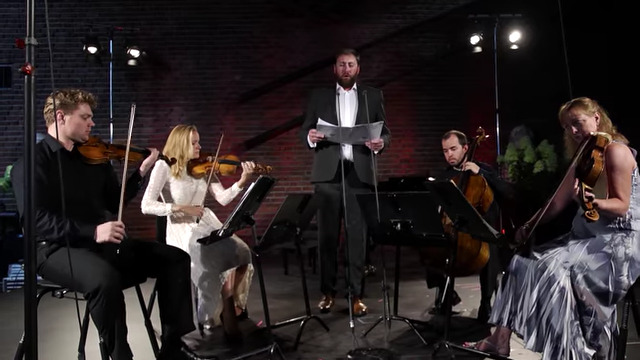
    Basso Matthew Rose sings Samuel Barber’s Dover Beach at a 2013 concert given at the Maritime Museum in Oslo, Norway. Forming the marvelous string quartet are David Coucheron and Marte Krogh (violins), Cynthia Phelps (viola), and Efe Baltacigil (cello).

    Watch and listen here.