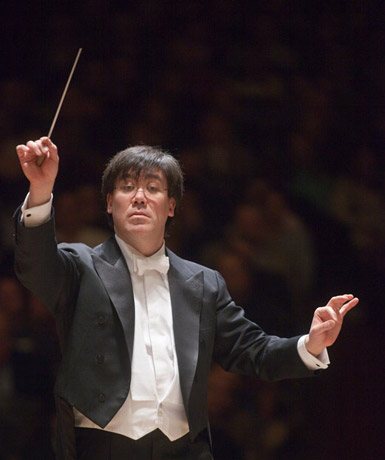
Above: Alan Gilbert, in a Michael J Lutch photo
Author: Scoresby
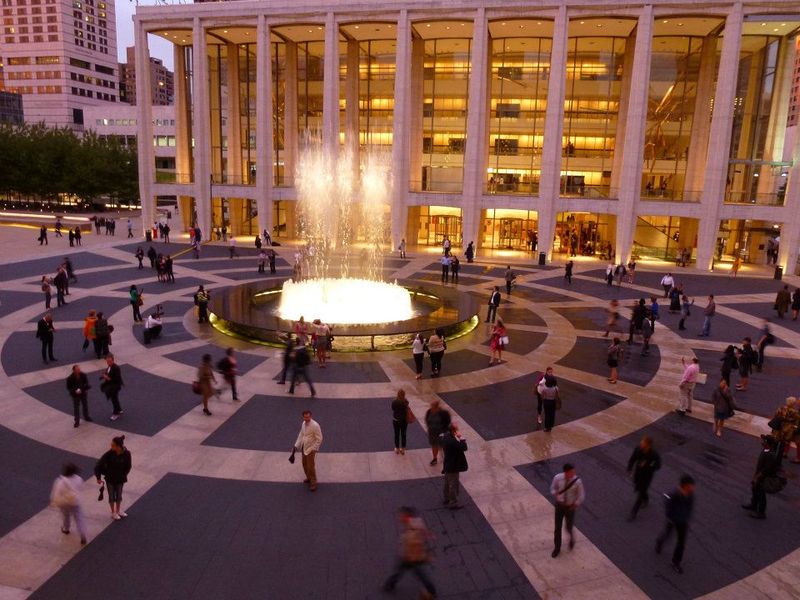
Tuesday May 23rd 2017 – Now in the final weeks of his tenure as music director, Alan Gilbert led the New York Philharmonic at David Geffen Hall in the last of four concerts of a diverse program. Guest soloists included the respected violinist Leonidas Kavakos, soprano Anu Komsi, and soprano Piia Komsi (both sopranos in their NY Philharmonic Subscription debuts). It also happened to be a night devoted to the retiring members of the NY Philharmonic and such there was a ceremony right after intermission.
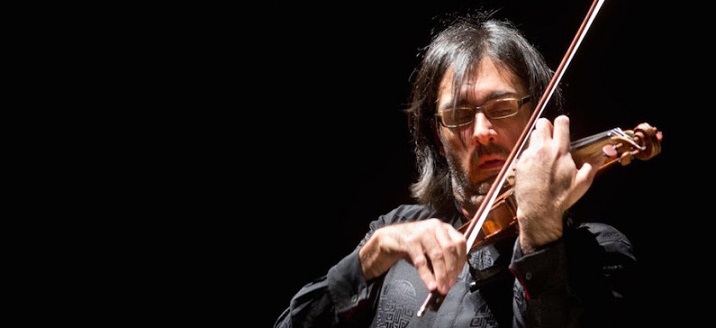
The program started out with the classic Brahms’s Concerto in D major for Violin and Orchestra, Op. 77. I have heard Mr. Kavakos (above) a few times before and have always enjoyed his performances. This Brahms was taken at a slow pace in the first movement. Mr. Kavakos seemed to use a style of playing with very light bow pressure and many staccato notes, which emphasized the more modernist elements of the work (particularly in the cadenza). While most players make this into a flashy piece, both the orchestra and Mr. Kavakos seemed to be tempered, bordering on torpid. They did bring transparency and structure, emphasizing each phrase.
Opening with a sensual organ-like chorale, the second movement seemed more effective at this tempo. It allowed the orchestra to breathe through some of the more beautiful tutti sections and Mr. Kavakos time to care for each line. The finale was Mr. Kavakos at his best, finally managing to fully synchronize with the orchestra and lunging through difficult technical demands.
After the intermission was the annual New York Philharmonic ceremony honoring both the retiring and retired musicians. This is a time-honored tradition in which retiring musicians give a speech – it is also a nice time for former musicians to come back to the orchestra.

As the violist and Chairperson of the Musician’s Orchestra Committee Dawn Hannay (above) pointed out in her memorable speech, the musicians and history of an organization are vital in creating a particular sound. “Without the musicians, the conductor is just waiving their arms around.”

Above: Anna Thorvaldsdottir; photo by Kristinn Ingvarsson
The second piece on the program was the New York premiere of Aeriality by the young Icelandic composer Anna Thorvaldsdottir. While this was my first time hearing any of her work live, I have been relishing two recent discs of her music for the past few years – one released by Deutsche Grammophon and the other recorded by International Contemporary Ensemble. It was a pleasure to hear this rich music live, which is a completely different experience than listening to an album. As with many of Ms. Thorvaldsdottir’s pieces, the sound is huge and immersive.
In some ways, one might consider this piece as much an ambient soundscape as it is a structured musical piece. The percussion seems the only thing grounding about the music; it otherwise shifts through a variety of textures and colors – almost like moving through space. It is a evokes strong visuals of a primordial landscape in my mind. The clusters, density, and waves of sound all increase until a climactic moment when the music turns into light, feathery texturing. It really felt like the orchestra arrived somewhere it fell silent. The performers drew a big sound and played well. Mr. Gilbert led a slower account that accentuated the many textures, but also felt a little less structured.
The program closed with the New York premiere of a work by the esteemed composer and conductor Esa-Pekka Salonen. The piece was an older one from his output entitled Wing on Wing, inspired by the completion of Frank Gehry’s Walt Disney Concert Hall. It includes two sopranos who move to different parts of the hall, percussionists who also play from different parts of the hall, the electronic sounds of a fish, and the voice of Frank Gehry himself.
The sopranos Anna and Pii Komsi did an excellent job through difficult descending and ascending passages that evoked the sounds of a siren. While the orchestra played rivetingly throughout the work, the electronics sounded a little kitschy. The piece has classic Salonen sound of colorful open sounding chords with interesting textures from a variety of instruments. It evoked both Ligeti’s Atmosphères and Debussy’s Jeux, melded with Salonen’s creative rhythms.
The moment that grabbed the most was the final purely orchestral section, in which the orchestra bursts into a frenetic dance anchored by the percussion. It was lovely to hear the New York Philharmonic present important contemporary composers and a nice reminder of the importance of the musicians in the orchestra.
~ Scoresby



 Oberon's Glade