Tag: Concert

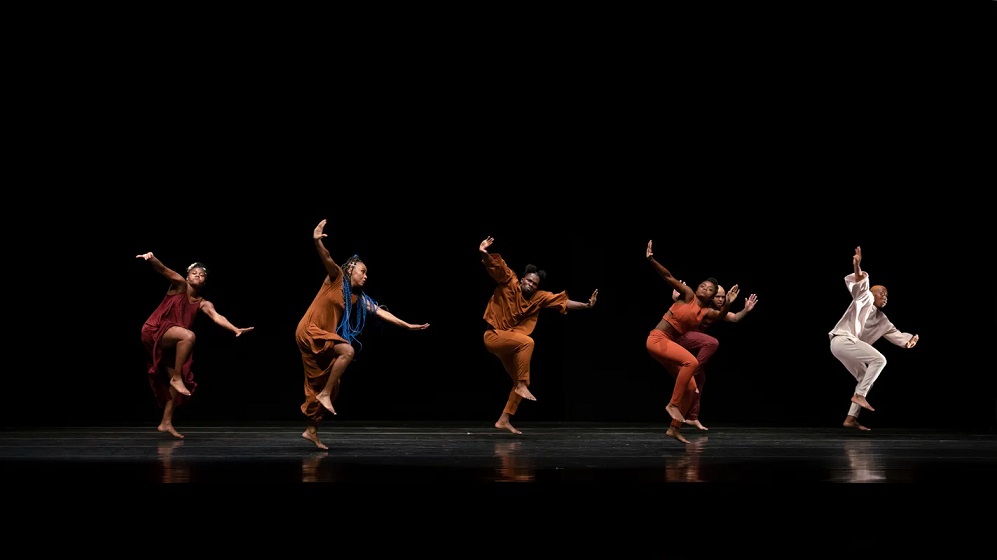
  • Sankofa Danzafro @ The Joyce

    Dancers Liliana Hurtado  Yesid Quejada  Diego Leon de los Rios  Nicolas Mosquera  Wiliam Camilo Perlaza  Jhoan Andres Mosquera_Photo by Marcela Gómez (3)

    Photo by Marcela Gómez

    ~ Author: Oberon

    Wednesday February 28th, 2024 –  Still on a high from last night’s CARMINA BURANA at Carnegie Hall, I went down to The Joyce on a rainy evening to see the Colombia-based dance company Sankofa Danzafro performing Behind the South: Dances for Manuel, which took me even higher.

    The work references the Colombian writer Manuel Zapata Olivella, whose “Changó, el Gran Putas” – a mythological construction of South America’s African diaspora which spans more than five hundred years of history – took the author two decades to complete.

    The Company’s Artistic Director, Rafael Palacios’ work celebrates the traditional music and dances of the muntu (the African people) as a key element of the Afro-Colombian community. Sankofa means “to return to” or “to go back and fetch…”: a finding of one’s roots.

    I read all the background information regarding what I was about to see and hear, but it all vanished from my head when the house lights went down: for one hour I was simply mesmerized by music and movement.

    Seated in an upstage corner were the two drummers who cast a spell over the hall with their playing: Juan José Luna Coha and Gregg Anderson Hudson Mitchell. The rhythmic vitality of their drumming was a primal force – like the heartbeat of the universe – creating an irresistible and urgent need to dance. 

    In a brief prologue, individual dancers rush fearfully about the stage, dodging bullets and sometimes hurling stones at their oppressors. Then the first of the tales unfolds: Rebel Blood. A woman in a white gown stands trembling in a pool of light. The mood is somber, and mystical voices are heard. A red-clad quartet of dancers emerge; they dance in pairs. Now a heavily pregnant woman enters, tethered to her mate by a silken cord. The man begins to shake uncontrollably; a pale spirit appears and carries him away.

    Then comes the Song of Yemayá, a nurturing sea-goddess all in white who performs a flowing solo invoking protective energy. The red quartet return, and a vocal solo is heard, which evolves into a hypnotic rhythm. A procession now arrives, to the ringing of a bell: the pregnant woman and her mate return. The scene slowly fades. 

    A lone female, masked and ghostly, appears. Eerie vibraphone-like music is heard as spirits gather. Dancing with small, rapid steps, they move hypnotically about the stage in evolving patterns, almost like automatons. From the assembled community, fleeting solos stand out. The endless beat accelerates and things get wild before the initial woman is left alone.

    A freshly agitated rhythm leaps up, the dancing full of fast steps, and a sense of exuberance rises. There are swift comings and goings as the pace quickens, becoming a runabout, and a frantic man shakes violently. The dancing slows, and in the end the dancers strike poses in place as the light fades.

    The audience had clearly been enthralled throughout the piece; they now rose as one to scream heartily for the dancers. The two drummers came forward to a torrent of cheers. The stage was cleared, but insistent applause brought everyone back for another bow. Waves of love seemed to fill the hall, flowing to – and from – the stage.

    I don’t feel I’ve done justice to the evening and the emotions the piece evoked. I must say, it’s nearly impossible to take notes at The Joyce; in the darkness, you end up writing lines on top of lines, and when you get home it is all undecipherable. But what I was feeling during this hour can’t really be expressed in words…you had to be there.

    ~ Oberon

  • CARMINA BURANA @ Carnegie Hall

    Carl-orff

    Above: composer Carl Orff

    ~ Author: Oberon

    Tuesday February 27th, 2024 – This evening at Carnegie Hall, the Orchestra of St Luke’s presented Carl Orff’s CARMINA BURANA. The performance was conducted by Tito Muñoz, with soloists Ying Fang (soprano) Nicholas Phan (tenor), and Norman Garrett (baritone), and the Westminster Symphonic Choir (James Jordan, Director) and the Young People’s Chorus of New York City (Francisco J. Núñez, Artistic Director).

    What an exhilarating evening! The Carnegie stage was jam-packed with music-makers, and they brought the amazing score vividly to life. There is never a dull moment in CARMINA BURANA; every bar of music engages us. Maestro Muñoz had the massed forces under fingertip control, and by keeping his arms poised in the air between the work’s individual movements, he held applause at bay…until the end, when an ovation of tsunami proportions swept thru the venerable Hall, everyone on their feet and cheering with delight.

    The choral singing was truly impressive, ever-alert to the shifting rhythms and the swirls of words. Their dynamic range is vast, down to near whispers at times, and then going full-tilt in the lusty Tavern Song. Likewise, Orff’s keenly judged orchestration was given in its full glory: rich, sweeping strings, clear and enticing winds (a special cheer for the flutes), and the percussionists, who are busy all evening with an array of instruments that includes chimes and castanets. The sounds of piano and celesta add magic to Orff”s imaginative scoring.

    The work is divided into 25 relatively short sections, many of which are assigned to the chorus. There are three solo vocalists; the first to be heard was baritone Norman Garrett, a tall gentleman with an intriguing timbre. He was especially impressive in the Cour d’amours section, where the vocal line took him from falsetto to bass-like depths, and where a high-lying song displayed his lyrical powers. He looked very dapper in his tux.

    By contrast, tenor Nicholas Phan wore an appropriately white nightclub suit in his role of a Roasted Swan. His treacherous aria, which lingers in a super-high tessitura, was cunningly managed, and his droll facial expressions conveyed the bird’s torment.  

    That ravishing soprano, Ying Fang, was the crowning glory of the evening. Clad in an unusual white frock trimmed in black, the soprano’s crystalline purity of timbre was magically projected into the great Hall. She lingered on uncannily sustained pianissimi that hung on the air like an alluring perfume. And on the sensual heights heights of the Dulcissime, Ying Fang’s voice shimmered with an intoxicating glow.

    ~ Oberon

  • Saint-Saëns and Fauré @ CMS

    Anthony_McGill_2022-Todd-Rosenberg

    Above: Anthony McGill, photo by Todd Rosenberg

    ~ Author: Oberon

    Sunday February 25th, 2024 – Music by two of France’s most beloved composers – Camille Saint-Saëns and Gabriel Fauré – was on offer this evening at Alice Tully Hall. Chamber Music Society of Lincoln Center once again assembled a stellar group of musicians, assuring a thoroughly enjoyable concert experience.

    Gabriel Fauré’s Dolly Suite for Piano, Four-Hands, composed between 1894 and 1896, made for a charming start to the program. Pianists Anne-Maria McDermott and Gloria Chien gave a splendid performance of the work, which derives its name from an affectionate nickname for Helene Bardac, the young daughter of Fauré’s long-time mistress, Emma Bardac. Fauré composed these gem-like miniatures between 1893 and 1896, to mark Helene’s birthdays and other events in her young life.

    The suite’s movements are:

    Berceuse (a lullabye), honoring Helene’s first birthday (Allegretto moderato).
    Mi-a-ou, which gently mocks Helene’s attempts to pronounce the name of her elder brother Raoul, who later became a pupil of Fauré’s.
    Le Jardin de Dolly (Andantino); this was composed as a present for New Year’s Day, 1895. It contains a quotation from Fauré’s first violin sonata, composed 20 years earlier.
    Kitty-valse: this is not about a cat, but rather about the Bardacs’ pet dog, named Ketty.
    Tendresse, an andante, was written in 1896 and presages the composer’s beloved Nocturnes.
    Le pas espagnol (Allegro) denotes a lively Spanish dance tune which brings the suite to its close.

    Tonight, Ms. Chien was in charge of the lower octaves, and Ms. McDermott of the upper. They seemed to be truly enjoying playing this music, which veers from rambunctious to elegant. At the end, they embraced, and then basked in the audience’s warm applause.

    It’s always a delight to hear Anthony McGill, Principal Clarinet of The New York Philharmonic, and this evening he regaled us with his sumptuous playing of Camille Saint-Saëns’ Sonata in E-flat major, Op. 167, dating from 1921…one of the composer’s last works. With Ms. Chien at the Steinway, the music simply glowed, from first note to last.

    The opening Allegretto has a subdued start, but passion lurks beneath the surface. Mr. McGill was soon astounding us with his mastery of dynamics and his fluent coloratura. His pianissimi must be experienced to be believed: such control! Infinite beauty of tone is a McGill trademark, reaching our souls like a blessing from above. The movement has a poetic finish.

    From a sprightly start, the Allegro animato finds the two players in perfect simpatico mode. Enchanting subtleties from both musicans continually cast a spell over the Hall. Ms. Chien opened the Lento with a deep, somber melody. She then commences a soft heartbeat motif, with Mr. McGill’s clarinet singing a forlorn melody. A wistful ‘ending’ is reached, but there’s a lovely piano postlude to follow.

    Rapid keyboard figurations open the concluding Molto allegro, wherein the virtuosity of both players delights us: rapid scales and sparkling cascades of notes are crystal clear. Then M. Saint-Saëns makes a surprising mood-swing: there is a gorgeous fade-away, from which a lovely melody arises. Mr. McGill’s final pianissimo note, sustained to spine-tinlging effect, was simply uncanny.  

    Meigui-zhang-original c

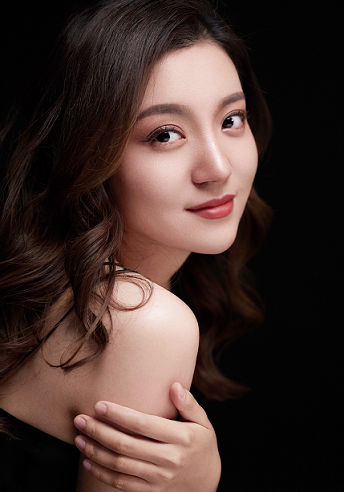
    I cannot recall ever having heard Fauré’s La Bonne Chanson performed live before. When this concert was first announced, Sasha Cooke was listed as the soloist; but in the event, it was the radiant young Chinese soprano Meigui Zhang (photo above) who sang the Fauré for us…exquisitely.

    It’s been nearly a year since I first heard Ms. Zhang: in John Luther Adams’ Vespers of the Blessed Earth, on a memorable evening at Carnegie Hall, which you can read about here. For the Fauré songs tonight, she joined an ensemble of outstanding musicians: violinists Arnaud Sussmann and Paul Huang, violist Matthew Lipman, the NY Phil’s primo basso Timothy Cobb, and Ms. Chien at the piano.

    The nine songs are settings of nine poems by Paul Verlaine, which the poet wrote as a wedding gift to his wife. (Ironically, Verlaine had also had an affair with Emma Bardac, mistress of Fauré.)

    The songs explore many moods, by turns restless, idyllic, passionate, and pensive. The pretty, lyrical quality of Ms. Zhang’s voice is ideally suited to these songs. Particularly impressive were “J’allais par les chemins perfides” where the singer’s silken tone sounded especially lovely among the rich string mix; the urgent ecstasy of “Avant que tu ne t’en ailles“; the meltingly soft allure of her tone in “Donc, ce sera par un clair j:our d’été” with its beautifully sustained final note; and the sweet rapture of her “L’hiver a cessé“. Surely Ms. Zhang gained many new admirers this evening.

    In these songs, the piano and strings provide a sonic tapestry into which the voice is woven to magical effect. Ms. Chien’s playing was a constant source of pleasure, and Arnaud Sussmann’s tone shimmered on high, seconded by Paul Huang. The deeper voices gave plushness to the ensemble: Matthew Lipman (viola) and David Requiro (cello) have much to do – they were particularly fine in “N’est-ce pas?”  The composer might have given more to the bass, but Mr. Cobb made the most of each opportunity.

    Following the interval, a glorious rendering of Camille Saint-Saëns’ 1875 Quartet in B-flat major brought together Ms. McDermott, and Mssrs. Huang, Lipman, and Requiro. Ms. McDermott commences the opening Allegretto, with the trio of strings joining in a unison passage. The blending of the four voices is most cordial, with the pianist’s seamless phrasing and the intriguing timbres of the three string players. I hadn’t heard Paul Huang for a while, and it was simply great to hear his distinctive sound again, as he sailed thru an ascending/decending solo motif. The Allegretto has a terrific ending.

    Ms. McDermott emphatically attacks the opening bars of the Andante maestoso; the strings again join in unison, and the music has a vaguely Russian feel. There’s a slow piano theme, with the strings etching in comments along the way. Things then turn fast and furious, Ms. McDermott commanding the keyboard and the strings slashing away. Turbulence! 

    Mr. Lipman and Ms. McDemott launch the delightful Poco allegro, which charmed my companion and me with its Mendelssohnian flavor. There are major/minor shifts which lead to a Paul Huang cadenza, passionately played and with a ravishing trill. The music races lightly forward to a deliciously subtle finish.

    The concluding Allegro starts briskly, the piano leading the way. The strings play in unison or pass phrases to one another. There’s an underlying restlessness that calms to a series of soft pizzicati. A slow build-up of tension gives way to a luxuriant sense of peace before a rising passage brings this splendid piece to its end. The musicians enjoyed a standing ovation; with our spirits lifted, we headed out into the freezing winter night.

    ~ Oberon

  • The Cleveland Orchestra ~ Prokofiev & Webern

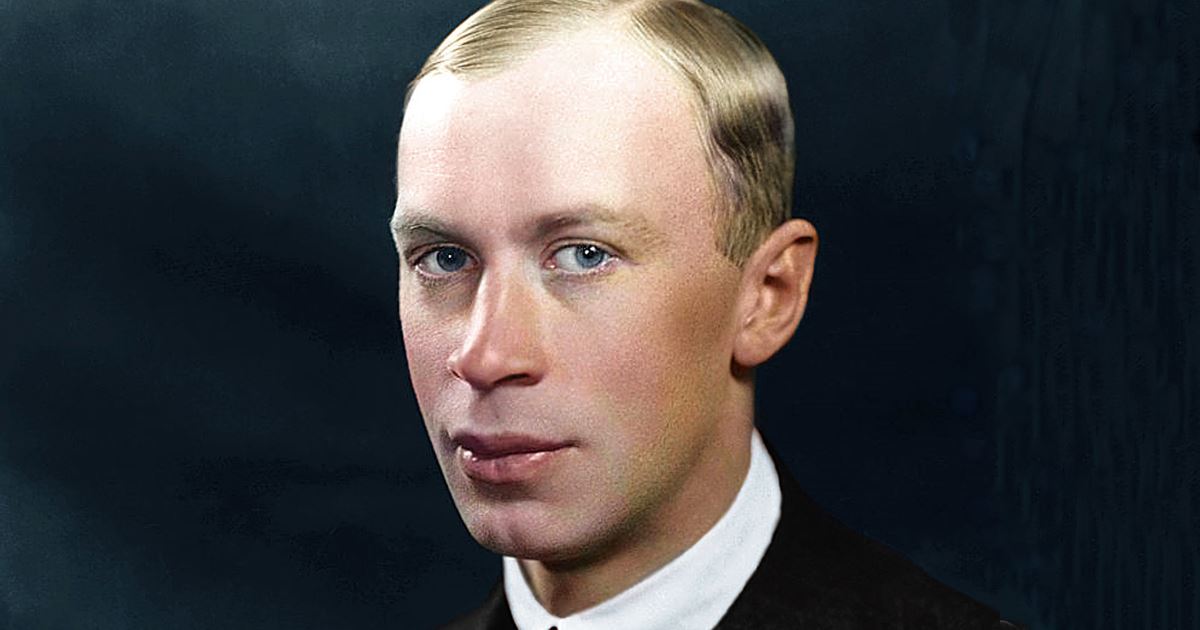
    Sergei-prokofiev

    Above: Sergei Prokofiev

    ~ Author: Oberon

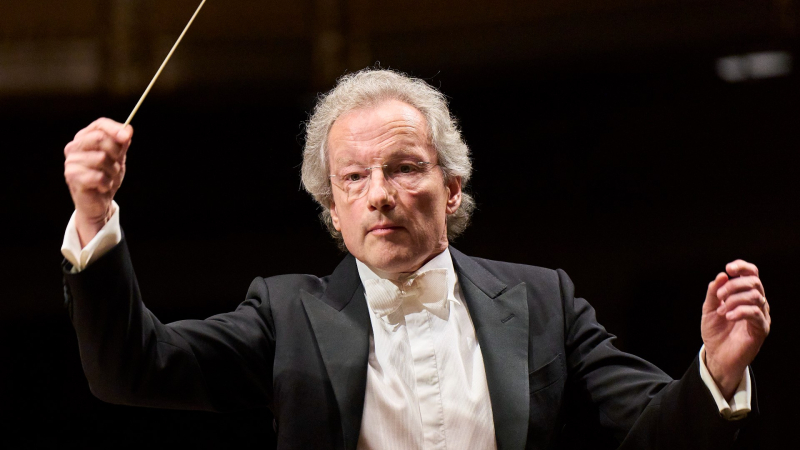
    Sunday January 21st, 2024 matinee – The Cleveland Orchestra offering an afternoon of symphonies by Sergei Prokofiev and Anton Webern, conducted by Franz Welser-Möst, at Carnegie Hall. Maestro Welser-Möst has recently returned to conducting following several weeks of treatment for cancer. The program was rather unusual, with two Prokofiev symphonies book-ending a performance of Anton Webern’s rarely-played Symphony, Op. 21.

    Prokofiev’s Symphony No. 2 in D-Minor, Op. 40, in rather odd piece, consisting of only two movements. It opens with a dazzling Allegro ben articolato: brass voices issue vivid calls, rollicking strings join in, and a march springs up. Plucking violins and rich motifs from the basses lend a cinematic quality. The music rolls on like a big machine, calming briefly only to turn into a fugue, with the horns blazing away. Battling rhythms bass and turbulent strings add to the excitement, with the trumpet sounding a repeated phrase. A new march emerges, going faster and faster. The horns! The drums! And then: a sudden silence.

    The theme-and-variations second movement begins with a gently poised theme played by the oboe and then taken up by the violins. Solo wind voices – flute, clarinet, bassoon – sound over dense strings with somber basses. A slow, ponderous dance gains momentum. The music moves thru various moods, from witty to pensive; with percolating winds and urgent strings, a big sway develops, turning into a whirlwind agitato. Suddenly, a full stop. The music resumes, trudging forward; after potential endings prove evasive, the oboe is heard again over lulling strings. To me, this second movement went on a bit too long…but it was all so beautifully played.  

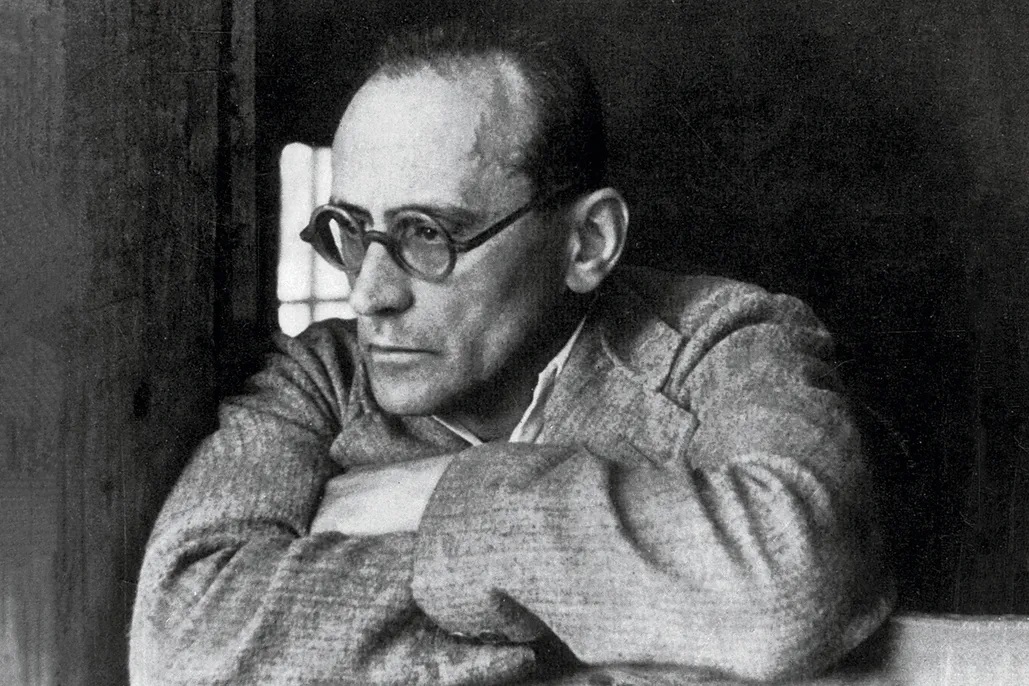
    Webern jpg

    Anton Webern (above) composed his Symphony, Op. 21 in 1928. Set for strings (without double-basses), harp, clarinet, bass-clarinet, and two horns, this miniature lasts all of ten minutes and is divided into two movements. The writing of the opening Ruhig schreitend (“Walking quietly”) is very spare: the wind instruments have brief phrases, whilst the strings comment. The harp adds an interesting texture. The second movement, Variations, has more substance musically. To the general listener, the piece may seem quizzical and a bit aimless, though it is highly regarded by musicians and scholars as a distillation of “symphonic logic”.

    Following the interval, we heard a thrilling performance of the Prokofiev 5th symphony, spectacularly played. It opens with an Andante that for a moment made me think Enzo Grimaldo’s ship riding its anchor in the sea off Venice in Act II of LA GIOCONDA. Where do these imagined connections come from?  Sixty years of opera-going! New themes are heard, richly played, and a sense of grandeur develops. The Cleveland basses are just fabulous, underlining so much gorgeous music-making: with a vast breadth of sound that is overwhelming to experience, the Andante reaches its glorious conclusion.

    The Allegro marcato that follows was the highlight of the evening – and of the season to date. Right from its sprightly start, this music is brilliant and dynamic, with superb bits for the various wind instruments etched in. Wit and irony abound in this technicolored music: a sumptuous treat. The music speeds up, with marvelous unison violins taking us to a sudden end. 

    The ensuing Adagio begins with an off-kilter waltz from which a lush theme for the strings emerges. The velvety depths of the basses enrich and ennoble this massively lyrical sonic feast, which later develops another simply gorgeous violin melody, and a luminous clarinet passage: an abundance of riches, all strikingly played.

    The final Allegro giacoso has a songful start, which turns agitated. The wind soloists exchange mini-themes, and then the basses introduce a fresh song, which builds and hustles along, sailing forward. Prokofiev pauses for a brief, nostalgic interlude before the momentum resumes with an optimistic rush to the finish line. Brilliant!!

    Welser-Möst

    The thrilling performance of the 5th symphony was greeted with fervent applause. Welcome back, Maestro Welser-Möst!

    Note: Photo of the conductor by Roger Mastroianni.

    ~ Oberon

  • The Cleveland Orchestra ~ Prokofiev & Webern

    Sergei-prokofiev

    Above: Sergei Prokofiev

    ~ Author: Oberon

    Sunday January 21st, 2024 matinee – The Cleveland Orchestra offering an afternoon of symphonies by Sergei Prokofiev and Anton Webern, conducted by Franz Welser-Möst, at Carnegie Hall. Maestro Welser-Möst has recently returned to conducting following several weeks of treatment for cancer. The program was rather unusual, with two Prokofiev symphonies book-ending a performance of Anton Webern’s rarely-played Symphony, Op. 21.

    Prokofiev’s Symphony No. 2 in D-Minor, Op. 40, in rather odd piece, consisting of only two movements. It opens with a dazzling Allegro ben articolato: brass voices issue vivid calls, rollicking strings join in, and a march springs up. Plucking violins and rich motifs from the basses lend a cinematic quality. The music rolls on like a big machine, calming briefly only to turn into a fugue, with the horns blazing away. Battling rhythms bass and turbulent strings add to the excitement, with the trumpet sounding a repeated phrase. A new march emerges, going faster and faster. The horns! The drums! And then: a sudden silence.

    The theme-and-variations second movement begins with a gently poised theme played by the oboe and then taken up by the violins. Solo wind voices – flute, clarinet, bassoon – sound over dense strings with somber basses. A slow, ponderous dance gains momentum. The music moves thru various moods, from witty to pensive; with percolating winds and urgent strings, a big sway develops, turning into a whirlwind agitato. Suddenly, a full stop. The music resumes, trudging forward; after potential endings prove evasive, the oboe is heard again over lulling strings. To me, this second movement went on a bit too long…but it was all so beautifully played.  

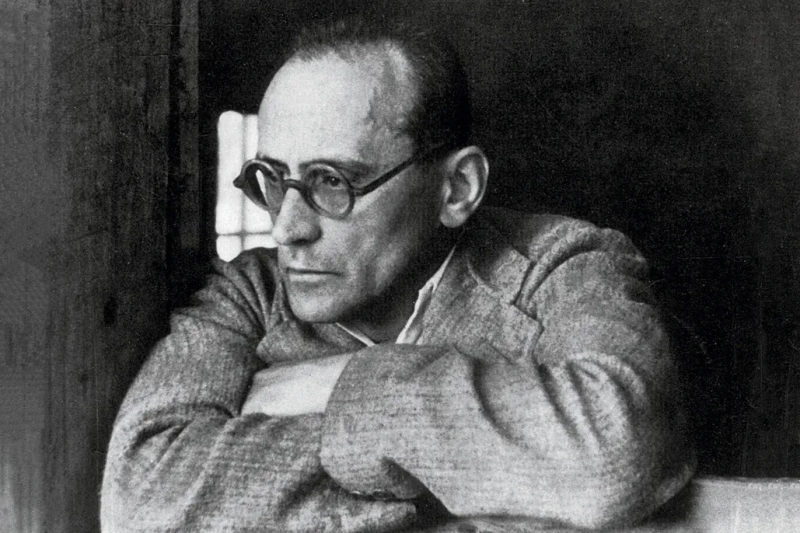
    Webern jpg

    Anton Webern (above) composed his Symphony, Op. 21 in 1928. Set for strings (without double-basses), harp, clarinet, bass-clarinet, and two horns, this miniature lasts all of ten minutes and is divided into two movements. The writing of the opening Ruhig schreitend (“Walking quietly”) is very spare: the wind instruments have brief phrases, whilst the strings comment. The harp adds an interesting texture. The second movement, Variations, has more substance musically. To the general listener, the piece may seem quizzical and a bit aimless, though it is highly regarded by musicians and scholars as a distillation of “symphonic logic”.

    Following the interval, we heard a thrilling performance of the Prokofiev 5th symphony, spectacularly played. It opens with an Andante that for a moment made me think Enzo Grimaldo’s ship riding its anchor in the sea off Venice in Act II of LA GIOCONDA. Where do these imagined connections come from?  Sixty years of opera-going! New themes are heard, richly played, and a sense of grandeur develops. The Cleveland basses are just fabulous, underlining so much gorgeous music-making: with a vast breadth of sound that is overwhelming to experience, the Andante reaches its glorious conclusion.

    The Allegro marcato that follows was the highlight of the evening – and of the season to date. Right from its sprightly start, this music is brilliant and dynamic, with superb bits for the various wind instruments etched in. Wit and irony abound in this technicolored music: a sumptuous treat. The music speeds up, with marvelous unison violins taking us to a sudden end. 

    The ensuing Adagio begins with an off-kilter waltz from which a lush theme for the strings emerges. The velvety depths of the basses enrich and ennoble this massively lyrical sonic feast, which later develops another simply gorgeous violin melody, and a luminous clarinet passage: an abundance of riches, all strikingly played.

    The final Allegro giacoso has a songful start, which turns agitated. The wind soloists exchange mini-themes, and then the basses introduce a fresh song, which builds and hustles along, sailing forward. Prokofiev pauses for a brief, nostalgic interlude before the momentum resumes with an optimistic rush to the finish line. Brilliant!!

    Welser-Möst

    The thrilling performance of the 5th symphony was greeted with fervent applause. Welcome back, Maestro Welser-Möst!

    Note: Photo of the conductor by Roger Mastroianni.

    ~ Oberon

  • Julie Taymor’s MAGIC FLUTE ~ 2023 #2

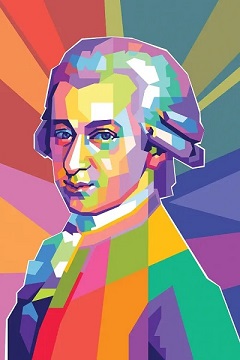
    Mozart jpg

    Author: Oberon

    Saturday December 30th, 2023 matinee – Back for a second performance of the Taymor abbreviated, English-language version of MAGIC FLUTE this afternoon. There were singers new to me in the cast, and also one of the brightest lights of the ‘now’ generation: soprano Liv Redpath, who I was keen to hear again after having very much enjoyed her singing at the Richard Tucker Gala at Carnegie Hall earlier this season, as well as her scintillating Oscar in BALLO IN MASCHERA at The Met.

    Gareth Morrell was on the podium this afternoon, pacing things perfectly and supporting the singers at every moment. It took a few moments for the Three Ladies to find their blend, but once they got going, their singing was appealing – though their role in the story is reduced by too much musical cutting in this version. Amanda Batista’s soprano is bright and clear, and Lindsay Ammann’s alto warm and dusky. As the 2nd Lady, Edyta Kulczak is always fun to hear, and her timbre is the most distinctive of the three. The Three Spirits were again weakly cast vocally. As the two Priests (essentially spoken roles), clear diction is key: Dylan Morrongiello and Paul Corona were spot on. And the duo of Guards – Daniel O’Hearn and Rocky Eugenio Sellers – helped make the Trial Scene a highlight of the show.

    Especially pleasing to hear this afternoon were Thomas Capobianco as Monastatos and William Guanbo Su as the Speaker. Mr. Capobianco seemed to favor a more ‘vocal’ approach to the slave’s music, rather than just going after comic effects. Mr. Su displayed a rich, imposing bass timbre and his excellent diction made his scene with Tamino (my favorite part of the opera) wonderfully understandable. At this, the turning point of the story, a round of applause covered the work’s most poetic moment: Tamino’s “O endless night!

    In the role of the questing Prince, Joshua Blue (who sang a very fine Verdi REQUIEM with Oratorio Society at Carnegie Hall in 2019), sang his ‘portrait aria’ persuasively, though the cuts in the music dampen the effectiveness of this paean to love. Mr. Blue’s voice falls pleasingly on the ear, with its sense of blooming lyricism;…he replied to Pamina’s radiant “Tamino mine!” with an ardent “Pamina mine!

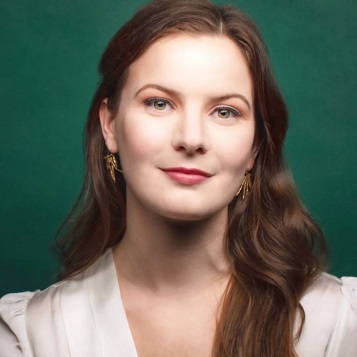
    Liv_Redpath jpg

    Liv Redpath gave a sterling Pamina, her timbre having a nice sheen to it, and her dynamics wonderfully responsive to the princess’s moods. When Papageno, attempting to rescue Pamina, suggests that they lie to Sarastro to cover their subterfuge, Ms. Redpath responded with a heavenly “Be truthful!” and, as mentioned earlier, her “Tamino mine!” was simply gorgeous. She phrased the arching line of Pamina’s great aria perfectly, though an undercurrent of noise from the many children in the audience somewhat undermined the moment.

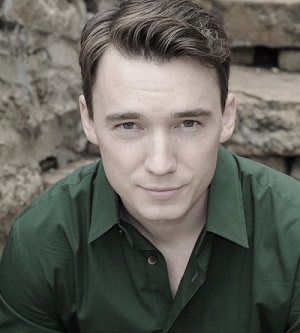
    Alexander-Elliot

    Alexander Birch Elliott (above) was a clear audience favorite – understandably so. His voice is robustly masculine and his diction clear as a bell: perfect delivery of line after line. He caught all the humor of the translation, and was truly hilarious as he employed an echo effect when trying to locate “Tamino…no…no…!” as darkness engulfed the scene. Mr. Elliott sealed his triumph with a terrific rendering of “Ein Mädchen oder Weibchen” (or whatever it is in translation) and enjoyed a lively ovation at his solo bow before calling forth his Papagena – Lindsay Ohse – who brought a nice touch of earthiness to her singing.

    At opposite ends of the opera’s vast span of vocal range, Jeni Houser (Queen of the Night) and James Creswell (Sarastro) both fared very well indeed. Ms. Houser’s a light-voiced Queen in the manner of Roberta Peters or Erika Köth; her first aria had some lovely delicacies of expression – as if to mask the Queen’s true intentions – and she spun out the coloratura of the concluding segment with aplomb. Her ‘vengeance aria’ was impressive in its agility and accuracy, and she summoned a nice dose of venom for her climactic command: “Swear…swear…swear!!!”  

    As the benevolent Sarastro, James Creswell’s spoken lines were vividly clear and finely inflected. In his two arias, he showed a bass voice suffused with a sense of compassion, true to his mission to save the world from encroaching darkness.

    If only we could find a Sarastro for our own time.

    ~ Oberon

  • Christmas Eve 2023 @ Carnegie Hall

    Laredo hristova Milena Pajaro-van de Stadt

    Above: Jaime Laredo, Bella Hristova, and Milena Pajaro-van de Stadt 

    ~ Author: Oberon

    Sunday December 24th, 2023 – The New York String Orchestra’s Christmas Eve concert at Carnegie Hall this year was an all-Mozart program which featured soloists Bella Hristova (violin) and violist Milena Pajaro–van de Stadt (viola) with Jaime Laredo on the podium. I invited my long-time friend Rob Scott to join me; Rob was one of the very first people I met on moving to NYC twenty-five years ago. Later, he became Lisette Oropesa’s first manager, helping her to launch her brilliant career.

    I learned the overture to The Marriage of Figaro long before I heard the complete opera: we played a transcription of it in my high-school band (we also played the prelude to Lohengrin Act III!). Tonight, the young players of the New York String Orchestra gave a lively and immaculately-played rendering of the Figaro, immediately setting the mood of the evening.  There were many young children among the audience tonight, and this brisk music seemed to draw them in.

    A wonderful sense of attentive silence was sustained in the hall throughout the playing of the Sinfonia concertante in E-flat Major, K. 364, which I was – incredibly enough – hearing “live” for the first time. Dating from 1779, this is simply a great piece of music. The two soloists chose striking gowns that brought a glamorous touch to the evening: Ms Hristova in an elegant, one-shoulder forest green frock, and Ms. Pajaro–van de Stadt in shimmering gold and silver.

    In the Sinfonia‘s opening Allegro maestoso, duetting motifs for two horns are picked up by two oboes, with the orchestra’s basses sound velvety. Now the soloists join, their timbres ideally matched as they exchange phrases; displaying their fluent techniques; the two seem to converse whilst gracious horn harmonies are heard. In Mozart’s day, cadenzas were usually improvised by the performers, but in the Sinfonia Concertante’s first and second movements, the composer specifically wrote out the cadenzas. And what magical cadenzas they are, played tonight with great finesse and charm.

    The ensuing Andante takes on a feeling of mournful lyricism, with Ms. Hristova’s beautifully sustained tone singing a lament that is then taken up by the duskier colours of Ms. Pajaro–van de Stadt’s viola. A sense of exquisite sadness slowly gives way to tender harmonies  A rich tutti passage leads to the cadenza of the entwining solo voices, underscored by sustained horn tones. Bella’s enchanting trills take us to a sublimely poignant finish.

    Maestro Laredo let the hushed atmosphere linger by keeping his arms poised before delving into the concluding Presto wherein the horns and oboes are again welcome, with the basses sounding so appealing to my ear. In a spirit of friendly competition, Mlles. Hristova and Pajaro–van de Stadt regaled us with their virtuosity, clearly savoring every phrase that Mozart offered them. A roar of applause rang out as the final note hung on the air, and our gracious soloists embraced one another. For this precious half-hour, the woes of the world had been forgotten.

    The familiar Symphony No. 35, “Haffner“, made for a perfect end to the evening; despite the fact that some of the children in the crowd became a bit restive, the power of Mozart’s spirit prevailed. The young musicians handled all of the music’s demands with assurance, and I especially loved hearing the timpani lending an air of nobility to the concluding Presto

    ~ Oberon

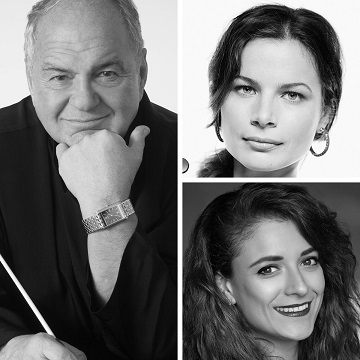
  • Tormis/Britten/Prokofiev @ The NY Phil

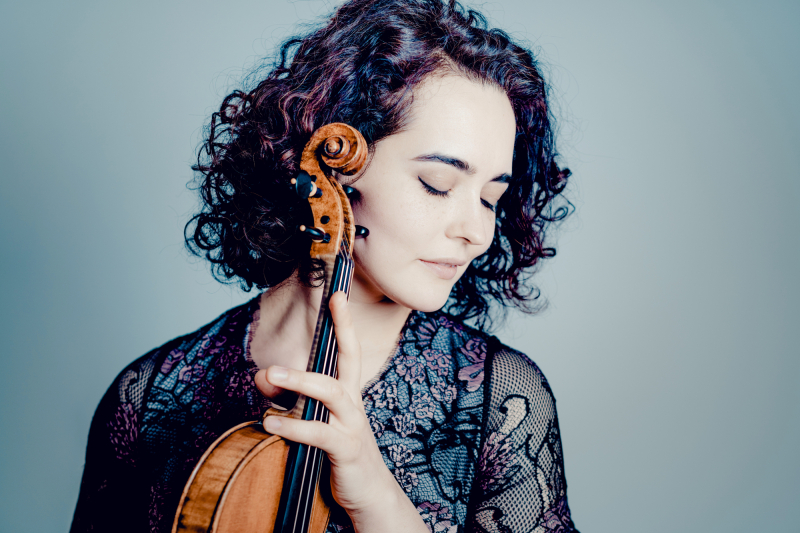
    ALENA-BAEVA-c-Andrej-Grilc

    Above: violinist Alena Baeva, photo by Andrej Grilc

    Author: Ben Weaver

    Friday November 17th, 2023 – Maestro Paavo Järvi returned to the New York Philharmonic’s David Geffen Hall for concerts featuring less familiar works by two of 20th Century’s greatest composers: Benjamin Britten and Sergei Prokofiev.

    Benjamin Britten’s Violin Concerto, Op. 15 – the only work he composed in that genre – was written in 1938-39, soon after Britten heard the world premiere performance of Alban Berg’s Violin Concerto in 1936. Indeed, the soloist who premiered Berg’s work, Antonio Brosa, would premiere Britten’s Concerto in 1940 conducted by Sir John Barbirolli, and do so with the New York Philharmonic in NYC. (In another bit of trivia, Britten composed some of the concerto while staying with Aaron Copland.) Britten revised the composition as late as 1965 (when he heard that Jascha Heifetz was considering performing it, though Heifetz would supposedly go on to declare the work “unplayable”), and it was this final edition that violinist Alena Baeva performed in these concerts. (It’s playable after all.)

    Opening with a series of timpani strokes can only evoke Beethoven’s Violin Concerto from more than a century earlier. The violin enters with a lament in the instrument’s highest registers – something Britten does often in the concerto. The second half of the first movement is taken over by a sort of a march, a persistent distant thumping, which reminded me of the villagers hunting Peter Grimes in Britten’s opera, composed a few years later.

    Ms. Baeva, in her New York Philharmonic debut, makes a rather small and tinny sound that struggled to make an impression in the concerto’s dramatic moments. To Maestro Järvi’s credit, he kept the orchestra under control, so as not to cover the soloist altogether. But in the more intimate parts, Ms. Baeva was a deeply moving narrator, which makes me want to hear her in a chamber music setting. In the extended cadenza that concludes the second movement, Ms. Baeva was mesmerizing and dazzling. The final movement is a series of variations in the form of a passacaglia, and it concludes with a lament (movement is marked Andante lento), and here Ms. Baeva’s lyrical side was wonderfully moving.

    Sergei Prokofiev’s Symphony No. 6 in E-flat minor, Op. 111 lives – unfairly – in the shadow of his more famous Fifth. Composed in 1945-47, and premiered later that year by Evgeny Mravinsky and the Leningrad Philharmonic, it is a magnificent work that never drags despite its roughly 45-minute run time.

    The Sixth’s fortunes changed over the years. Despite an acclaimed premiere in 1947, it was soon condemned by all the usual Stalinist suspects and disappeared from Soviet concert halls until the 1960s. (It was more popular in the West; Leopold Stokowski first conducted it with the NY Philharmonic in 1949). One of the complaints against the work was that it was not cheerful enough to inspire the Soviet people. Which is perhaps fair enough, but Prokofiev was not trying to cheer anyone up with this particular symphony. It opens darkly in the low strings before moving on to more lyrical themes. The second movement is the most emotional part of the symphony, woodwinds shrieking in agony. And the third movement is the most cheerful of the three, but not cheerful enough to appease Stalin.

    The Sixth sounds to me like the most mature of Prokofiev’s work. It never disintegrates into circus music, which – no matter how ironically – can on occasion be tiresome. Paavo Järvi certainly has this music in his bones and the NY Philharmonic delivered a stupendous performance. I ended up taking almost no notes as the music played because I was so hypnotized by what we heard. This is the sort of music the New York Philharmonic plays as well as anyone, and better than most. 

    Also included on the program was an unknown to most of us Overture No. 2 by the Estonian composer Veljo Tormis. Composed in 1958-59 it is a thrilling, expertly crafted work. Its highly dramatic, driven, almost cinematic opening (it would fit many movie chases beautifully), gives way to a lovely, if brief, cello solo (Patric Jee as the principal cellist in this performance). The middle section of the overture is reduced to a wonderful chamber-scale (just three violins at one point) before the breathless opening section returns. The work ends with three chords, long pauses between each one. Frequently, an audience will applaud prematurely, and certainly with an unfamiliar composition such as this, the risks were high. And yet – the silence held, Paavo Järvi controlling not just the orchestra, but, however briefly, the audience as well.

    Which brings me to a brief point about audience behavior and etiquette; we all know that both have degraded seriously over the years. At this performance, sitting just an empty seat away myself and my companion, a young woman played Candy Crush on her phone the entire evening. She was there with two friends, who seemed more interested in the music than she was…but they did not ask her to stop. I am reminded how, some years ago, the actor and playwright Wallace Shawn got in trouble at a Carnegie Hall concert for yelling at another audience member for behaving badly. Perhaps we should have been celebrating Mr. Shawn instead.

    ~ Ben Weaver

  • The Tucker Gala @ Carnegie Hall 2023

    08-TUCKER_GALA_2023-7573

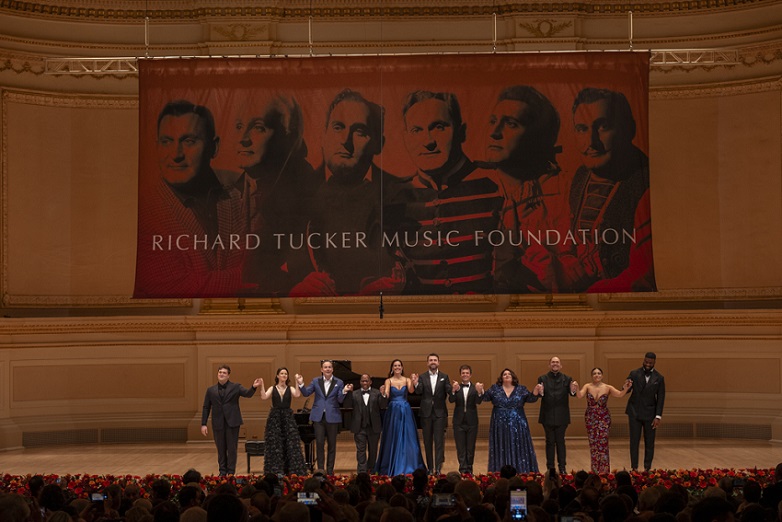
    Above, the artists take a bow at the end of the 2023 Tucker Gala: Sean Michael Plumb, Liv Redpath, Stephen Costello, Howard Watkins, Federica Lombardi, Ben Bliss, Bryan Wagorn, Angela Meade, Quinn Kelsey, Ailyn Pérez, and Soloman Howard. Photo by Dario Acosta.

    Author: Oberon

    Sunday October 29th, 2023 – The annual Richard Tucker Foundation gala took place this evening at Carnegie Hall. Barry Tucker, son of the illustrious tenor, greeted us and explained that financial considerations had compelled the Foundation to present this year’s concert without an orchestra. But soon after the program began, concerns about the lack of an orchestra were assuaged by the excellence of the two pianists who took turns at the Steinway: Bryan Wagorn and Howard Watkins. Bravo, bravo, bravo gentlemen!

    Of the announced roster of artists, Angel Blue, Matthew Polenzani, and Christian van Horn had withdrawn, and basso Soloman Howard joined the line-up on short notice.

    08-TUCKER_GALA_2023-2314

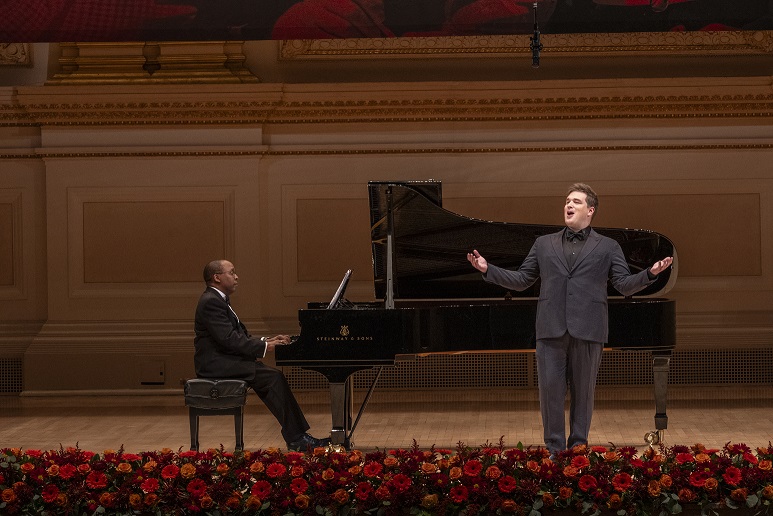
    The program opened with Sean Michael Plumb, a 2022 Tucker Career Grant recipient, giving an excellent rendering of Figaro’s  “Largo al factotum“, with Howard Watkins at the keyboard providing brilliant support. Mr. Plumb’s voice, wide-ranging and handsome of timbre, sounded great in the great Hall. 

    31-TUCKER_GALA_2023-2423

    Bryan Wagorn played beautifully the Catalani aria “Ebben, ne andro lontana” from LA WALLY, sung by  Angela Meade. The pervasive flutter of the Meade voice has never been to my liking, but this aria suited her far better than some of the roles she has sung at The Met. She sang passionately, summoning some chesty resonances; the singing was mostly unrelentingly loud, missing the nuances that can make the aria so personal. She was very much an audience favorite, both here and – later – in a duet from TROVATORE.  

    65-TUCKER_GALA_2023-2518

    Soloman Howard, a tall and charismatic basso, offered Fiesco’s great aria “Il lacerato spirito” from Verdi’s SIMON BOCCANEGRA. His singing was powerful: an emotion-ladened outpouring of a father’s despair which becomes poignantly reflective at “Il serto a lei de’ martiri pietoso il cielo diè…”; so engaged was Mr. Howard in the character that one could almost hear the chanting of the mourners from the chapel, even though no chorus was present. The moving final descent at “Prega, Maria, per me…” was heart-breaking in its expressiveness. And Mr. Wagorn at the piano captured the music’s atmosphere to perfection.  

    97-TUCKER_GALA_2023-2640

    New to me, soprano Liv Redpath looked fetching in a ruffled black frock. Rather than the announced Act I aria from LUCIA DI LAMMERMOOR, Ms. Redpath intrigued us with a sterling performance of Ophélie’s mad scene from Ambroise Thomas’s HAMLET. Assured of technique, with a lovely array of pastels in her colour palette – as well as a silvery, limpid quality to her coloratura – the comely soprano had the Carnegie crowd fully engaged. Mr. Watkins at the piano created the scene’s atmosphere from note one.

    119-TUCKER_GALA_2023-2773

    Bringing his lovely timbre and engaging style to the Duke of Mantua’s aria “Parmi veder le lagrime” was the tall, slender tenor Ben Bliss. A Mozart specialist, Ben always manages to combine passion and elegance in his singing. Mr. Watkins was again perfect, setting a properly impatient pace for the cabaletta, “Possente amor mi chiama” (‘A powerful love calls me!’).

    135-TUCKER_GALA_2023-2856

    The tall and striking Italian soprano Federica Lombardi, who has won a lot of hearts at The Met with her superb singing of Mozart’s Contessa Almaviva, Elettra, and Donna Anna, tonight offered a spellbinding performance of Anna Bolena’s mad scene from the Donizetti opera. Clad in an elegant blue gown, the soprano looked queenly indeed, and her long arms and expressive hands seemed to shape the music to touching effect. Following a ravishing “Al dolce guidami“, she sang a single verse of the cabalettaCoppia iniqua!” which was taken a bit too fast and which really needs both verses (and the chorus’s interjections) to be really meaningful. Nevertheless, the overall effect of Ms. Lombardi’s performance was fascinating.

    169-TUCKER_GALA_2023-3114

    The next two selections were thrilling: Quinn Kelsey’s sustained, gorgeously phrased singing of Macbeth’s “Pieta, rispetta, amore” is everything you want from a Verdi baritone. The voice is huge, warm, and awash with a sense of the human spirit: singing that simply reduced me to tears.

    185-TUCKER_GALA_2023-3255

    Stephen Costello followed Mr. Kelsey with a magnificent rendering of the haunting aria “Deserto in terra” from Donizetti’s DON SEBASTIANO. In this aria, Don Sebastiano, king of Portugal, stands alone on a battlefield strewn with corpses and longs for the consolation of his beloved. Mr. Costello’s depth of feeling, his passion, and his poignantly styled phrasing went straight to my heart, and his top notes were amazingly clear and sustained. Luciano Pavarotti and John Osborn have given us glorious voicings of this aria, and Mr. Costello’s can stand proudly alongside them.

    217-TUCKER_GALA_2023-3502

    More Donizetti, on a cheerier note, brought us Ms. Redpath and Mr. Plumb in the charming duet of Norina and Dr. Malatesta from DON PASQUALE. They sang it beautifully, not over-doing the comic effects.

    03-TUCKER_GALA_2023-3660

    Ailyn Pérez sang Butterly’s “Un bel di” most attractively, though for me it is an aria that doesn’t work very well in concert, being too narrative. Ms. Pérez produced some silky piano moments, exploring the character’s vulnerability beneath her steadfast belief in her husband’s return. The soprano’s gown was something else.

    247-TUCKER_GALA_2023-3797

    Ms. Lombardi and Mr. Bliss made a very attractive couple – both physically and vocally – in the duet “Parigi o cara” from TRAVIATA. They are well matched in height, and they established an instant rapport, their timbres blending to perfection, their ardent phrasing so savourable. Bravi!  Could we have them together in the Met’s next TRAVIATA revival?

    279-TUCKER_GALA_2023-4051

    Ms. Meade and Mr. Kelsey gave a full-tilt performance of the Leonora/Di Luna duet from TROVATORE

    299-TUCKER_GALA_2023-4164

    …and then Mr. Costello (stepping in for the absent Matthew Polenzani) and Sean Michael Plumb sang the affecting, brotherly duet “Au fond du temple saint” from LES PECHEURS DES PERLES with its heartfelt harmonies. The two brought poetic ardor to their singing, their timbres entwining persuasively. They embraced at the end. 

    There were encores: Ms. Lombardi in a zarzuela aria which was a bit too long, though finely sung, and Mr. Bliss in a song that was too small-scaled for the big space. Ms. Pérez gave a sensual touch to Manuel Ponce’s “Estrillita“, with some ravishing pianissimi. Mr. Kelsey and Mr. Costello added further laurels to their vocal triumphs earlier in the evening, the baritone with a mind-bogglingly perfect “If ever I would leave you” from CAMELOT, and Mr. Costello pouring out his heart and soul in a thrilling “Corengrato“.

    All photos by Dario Acosta, courtesy of the Richard Tucker Foundation. 

    ~ Oberon

  • An Evening of Trios @ Carnegie Hall

    Trio 1

    Performance photo by Chris Lee, courtesy of Carnegie Hall

    ~ Author: Oberon

    Tuesday October 24th, 2023 – Three beloved luminaries of the classical music world joined forces on the Carnegie Hall stage tonight, playing trios by Haydn, Ravel, and Mendelssohn. Pianist Jean-Yves Thibaudet, violinist Lisa Batiashvili, and cellist Gautier Capuçon took the stage to a warm welcome from the crowd.

    I’m sure the two gentlemen will forgive me if I mention my particular affection for Ms. Batiashvili; I became familiar with her artistry thru her appearances with the New York Philharmonic during Alan Gilbert’s tenure. Violinist and maestro formed a particularly cordial musical relationship; their rapport was as lovely to watch as to hear. Tonight, it was wonderful to see Lisa on the Carnegie Hall stage, looking elegant in a black trouser number with black stilettos.

    The opening Allegro moderato of the Haydn E-major Trio commences with a plucked motif, which will recur at times as the movement goes forward. In the cantabile passages, the sweetness of Ms. Batashvili’s tone was finely meshed with the mellow lyricism of the Capuçon cello, whilst M. Thibaudet at the Steinway produces silvery cascades of notes.

    The Allegretto opens with a rather somber unison passages, and then M. Thibaudet begins a long piano solo, with appealing commenting phrases from the violin and cello. Some vivid flourishes near the movement’s end carry us on to the final cadence.

    The trio’s final Allegro has a gently bustling feeling, with the players bringing lovely subtleties to the music. A darkish, minor-key interlude develops into a tempest, and the movement then takes a da capo before reaching a coda with retards and pauses etched in. Beautiful blends of timbres, and a sense of camaraderie among the artists that was lovely to observe.

    The players rose for a bow, and then immediately sat down to play Maurice Ravel’s Piano Trio.

    M. Thibaudet’s delicate piano introduction to the opening Modéré creates a sense of mystery. The strings join, and the music develops a gentle sway. Cello and violin exchange brief melodic sentences, and the music grows passionate. Then Ms. Batiashvili spins out exquisite phrases in the violin’s highest range; following an agitato interruption. The music turns dreamy.

    Ravel titles the second movement Pantoum, which refers to a Malaysian form of poetry.  It is sprightly and dancelike, with the strings conversing. There are some stormy bits, and then an acceleration. M. Thibaudet opens the third movement, Passacaille, with a low, simple theme. M. Capuçon joins, with a hauntingly deep, rather mournful melody, and Ms. Batiashvili brings her magic to a ravishing solo. Passion waxes and wanes, with the music becoming dense and darkish; things quieten for a sustained cello solo, richly played. The piano brings the movement to a close.

    The last movement of the Ravel is an Allegro appassionato. It has a high, airy start, luminously played from our trio. The music gets grand. Ms. Batiashvili executes a sustained trill, to which M. Capuçon replies with a trill of his own. At the Steinway, M. Thibaudet’s technical wizardry is on display. The music rushes on, restless…and dazzling.  

    The Mendelssohn piano trios are the first chamber works I fell in love with, and while the first of the two is my favorite, I am always very pleased to hear either of them played live. Tonight, it was the second that was on offer, played to perfection.

    The C-minor Piano Trio finds Mendelssohn at his passionate, rhapsodic finest. The pianist immediately sets the tone with an unsettled opening theme; a second theme – song-like and fervent – takes over, played first by the violin and cello with the piano accompanying. M. Thibaudet is simply marvelous here, and the ebb and flow of the familiar melodies gave a feeling of reassurance.

    The piano opens the ensuing Andante, lending a feeling of peace. Violin and cello harmonize with extraordinary beauty of tone, creating a wistful mood. Next comes a true Mendelssohnian delight: a jittery, scrambling Scherzo, to which the players brought pristine technique and spine-tingling nuances. The trio’s finale veers from between minor and major modes, with mood swings shifting from agitated to tranquil. Here the perfect blending of the three voices was at its most savourable.

    The audience, one of the most attentive and alert in recent seasons, cheered heartily as the musicians took their bows. An encore was demanded: the Vivace from Dvořák’s Piano Trio in E-minor, Opus 90. The  music has a gypsy lilt and featured a long solo for Ms. Batiashvili, a remarkably sustained tremelo from M. Capuçon, and an array of delights from M. Thibaudet.

    After a couple of weeks of my feeling out-of-sorts, this concert provided a miracle cure. Thank you, Lisa, Jean-Yves, and Gautier!!

    Lisa b capucon thibaudet carnegie 2023

    Heading out for a bow; photo by Chris Lee

    Trio 2

    Photo by Chris Lee, courtesy of Carnegie Hall

    ~ Oberon