Tag: Felix Mendelssohn

  • Mendelssohn Evening @ CMS

    F m

    Above: Felix Mendelssohn

    ~ Author: Oberon

    Tuesday February 25th, 2025 – Chamber Music Society of Lincoln Center offering an all-Mendelssohn evening featuring a de luxe ensemble of musicians: pianist Anne-Marie McDermott, violinist Arnaud Sussmann, cellist Nicholas Canellakis, and the Escher Quartet.

    This concert was a much-needed lift of my spirits after weeks of unbearably frigid weather and a weekend of unsettling health issues. Just setting foot in Alice Tully Hall made me feel better; and then the music – and the musicians – provided just the right antidote to my malaise. By the end of the program, I was thoroughly rejuvenated. 

    20250225_CMS_Mendelssohn_DressRehearsal__Preview_045

    Mr. Canellakis and Ms. McDermott (above photo by Da Ping Luo) opened the program with the Sonata No. 1 in B-flat major, Op. 45. The sonata’s Allegro vivace commences with a unison passage; a rolling melody emerges, in which he cello’s lower range is explored. Moving into minor mode, the music becomes insistent. Arpeggios from the Canellakis cello turn into long tones sustained over a roaming piano. The music turns passionate, then grand, leading to a brisk finish full of Ms. McDermott’s marvelous playing.

    The winsome piano introduction to the Andante signals the appearance of a familiar theme. Nick’s melodious cello sings over elegant passages from the Steinway; Ms. McDermott then plays a delicate dance accompanied by plucked cello figurations. An increase of passion lasts only moments; the piano resumes its lightness and the music fades away.

    The concluding Allegro assai brings a flow of melody; things get more animated, sweeping forward with lyrical, haunting passages. An energetic ending looms, but Mendelssohn instead provides a peace-filled finish. 

    20250225_CMS_Mendelssohn_DressRehearsal__Preview_063

    Above, the Escher Quartet: Adam Barnett-Hart, Brendan Speltz, Brook Speltz, Pierre Lapointe; photo by Da Ping Luo

    The Eschers then took the stage for the Quartet in F-minor for Strings, Op. 80.

    Fanny Mendelssohn, Felix Mendelssohn’s beloved older sister, had died unexpectedly at the age of 41 in May of 1847. Felix, devastated, was unable to attend the funeral; he went to Switzerland to recover. There, he hiked and painted, and forced himself to compose, managing to compete his F-minor quartet. It would be one of his last completed works; he died on  November 4th at the age of 38.

    The Allegro vivace assai has an agitated feel: fast, fantastical music with sentimental pauses woven in. The Eschers’ trademark blend is at its most persuasive, viola and cello emerging with darker hues. Classic harmonies abound, and then the foursome become speed demons.

    Unison passages open the familiar Scherzo; while energetic, the music abounds in subtleties that hint at deeper underlying thoughts. Viola and cello sing in unison before the scherzo reaches what seems like a delicate finish, only to be extended by a sort of coda.

    Anguish overtakes the mood in the Adagio as Brook Speltz’s velvety cello sings a poignant melody. This is music full of longing. Themes are passed about, each of the four voices distinctively expressive. The quartet’s dynamic range is lovingly in evidence. Almost unbearably beautiful harmonies are set forth, with violist Pierre Lapointe in a lamenting passage before before Adam Barnett-Hart’s violin makes a final, poignant ascent.

    The minor mode feels ominous as the finale commences. The insistent cello carries the musicians to fresh themes, with shifts from major to minor seeming to evoke Mendelssohn’s struggle with his emotions in his mourning state. Mr. Barnett-Hart’s marvelous artistry shines in the work’s concluding measures. The Eschers, ever immaculate in their music-making, were warmly hailed by the packed house.

    Following the interval, the Eschers re-appeared for an Andante and Scherzo culled from Four Pieces for String Quartet, Op. 81, opening with an Andante sostenuto filled with courtly elegance. Mr. Lapointe savors a solo viola melody, and then things speed up. Sweet violin phrases are met by animation from the cello. Mr. Barnett-Hart’s cadenza leads to a da capo, and the music comes to a pretty finish.

    Next on offer was more music from Opus 81: a Scherzo in Midsummer Night’s Dream mode which introduces duetting from Mr. Barnett-Hart and his fellow violinist, Brendan Speltz. This is witty and wonderful music, thoroughly captivating.
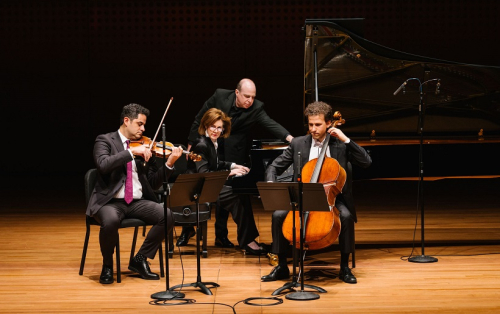
    20250225_CMS_Mendelssohn_DressRehearsal__Preview_006

    Above: Arnaud Sussmann, Anne-Marie McDermott, and Nick Canellakis; photo by Da Ping Luo

    To conclude the evening, the Trio No. 2 in C-minor for piano, violin, and cello, Op. 66, was given a thrilling rendering by Ms. McDermott, joined by violinist Arnaud Sussmann and Mr. Canellakis.

    Rolling piano motifs and restless strings open the main theme of the first movement, in which melodious themes are passed among the three musicians. Ms. McDermott, in some of the most amazing playing I have ever heard from her, set forth cascading keyboard passages – filled with both passion and subtlety – to dazzling effect. The Canellakis cello has a tender melody, taken up by the Sussmann violin, with magical support from Ms. McDermott; her playing was epic, and the trio swept onward with interwoven harmonies from the gentlemen. Bravi, bravi, bravi!!

    The gentle Andante espressivo, with its nostalgic piano introduction, becomes waltz-like as the strings join lovingly. Piano interludes enchant; Mr. Canellakis delights with his poetic playing, while the sheer perfection of Mr. Sussmann’s artistry creates a simply gorgeous atmosphere in which we can linger and dream. Passion rises, only to settle into bliss. 

    Next, music that shows us why Mendelssohn is the King of the Scherzo…it’s swift and sure, the playing dazzling. The musicians seemed to be having a blast here.

    The cello, and then violin, set the mood of the concluding Allegro appassionato…and passion is indeed the byword here. Bending minor-key themes are intriguing; Ms. McDemott is simply sensational at every moment. Crazy fun! But then a reverential interlude suddenly emerges, Mr. Sussmann’s violin singing sweetly over the piano accompaniment. This introspection gives way to thrilling build-up of emotion, with Ms. McDemott’s keyboard on the verge of bursting into flame.

    As the last note sounded, the audience rose to salute the players with a roaring ovation that brought them forth for a second bow, much to everyone’s delight. I literally felt reborn. 

    ~ Oberon

  • From Mendelssohn @ Chamber Music Society

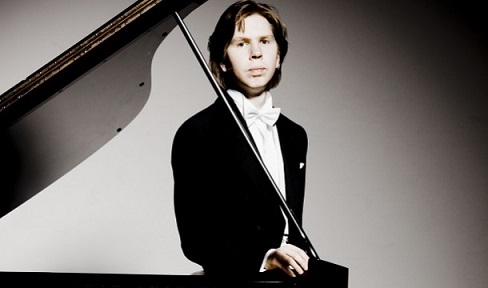
    Barnatan-8-gallery

    Above: pianist Inon Barnatan, photographed by Marco Borggreve

    ~ Author: Oberon

    Sunday April 28th, 2019 – Music by Felix Mendelssohn, and by three composers he inspired, was on offer by Chamber Music Society of Lincoln Center at Alice Tully Hall this evening. The Society drew together an international ensemble of extraordinary musicians for a program of mostly familiar works, with a Schumann gem – a piece I’d never heard, nor even heard of – thrown into the mix for good measure. 

    5ae1bc9352939

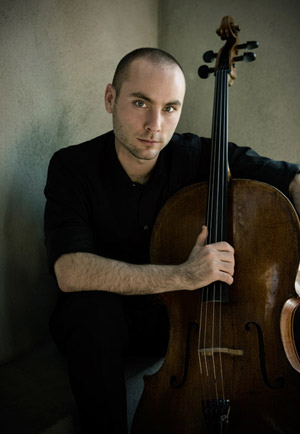
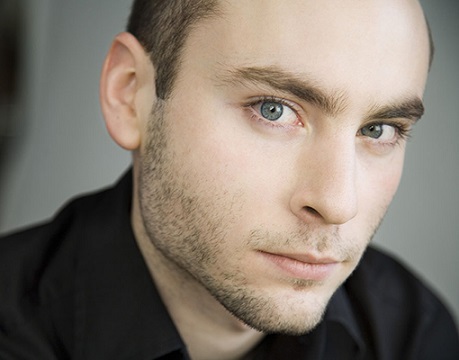
    The Swedish cellist Jakob Koranyi (above in a Lisa-Marie Mazzucco photo) and Israeli pianist Inon Barnatan opened the concert with Mendelssohn’s Lied ohne Worte in D-major, Op. 109. The musicians proved to be an ideal pairing: they both play from the heart. This is a song sung by the cello, with a bittersweet melody, and an interlude that is passionate and then animated, before leading back to theme. The cellist ranges from a ravishingly sustained and tapered high note to – soon after – a plunge to the depths; the music ends with a rising phrase. A packed house called the two gentlemen back for a bow. The evening was off to a wonderful start.

    Robert Schumann’s Märchenerzählungen (‘Fairy Tales‘) for Clarinet, Viola, and Piano, Op. 132, was one of the composer’s last completed works. It was written in 1853, just five months before his attempted suicide and his subsequent confinement in a mental institution, where he died in 1856 at the age of 46. 

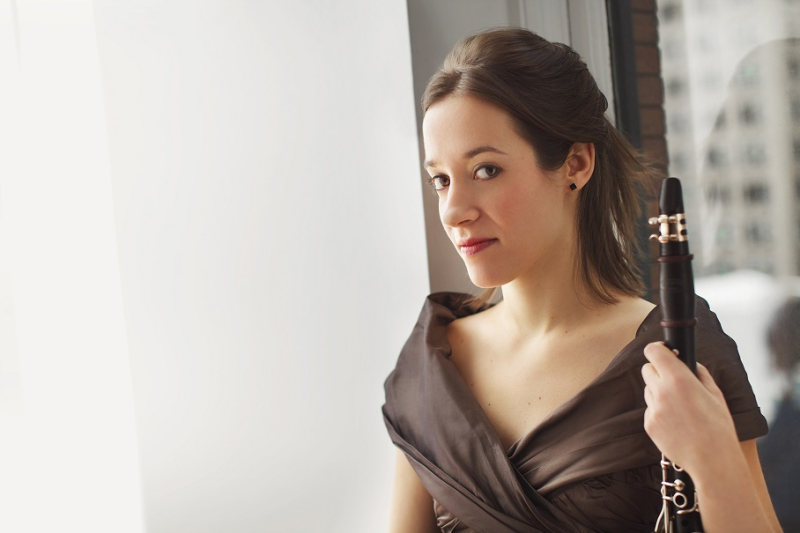
    Romie_Formal_2

    Märchenerzählungen brought forth the excellent Canadian clarinetist Romie DeGuise-Langlois (above); living as we do in a time when a number of superb clarinetists have thriving careers, it’s always a special pleasure for me to hear Romie, with her colorful tone and abundant technique. She was joined by violist Paul Neubauer and Mr. Barnatan for the four miniatures that comprise Märchenerzählungen

    The entwining of the mezzo-soprano-ranged voices of clarinet and viola was intriguing to hear: in the first movement, the music veers from playful to songful with lightness of mood, and Romie’s dynamic range – and her very pretty trill – were beautifully evident.

    An almost march-like pace commences the second movement, with blithely harmonized duetting from the clarinet and viola. An ensuing darkish mood felt a bit tongue-in-cheek: was Schumann toying with us?

    Mssrs. Neubauer and Barnatan open the third movement with sublime softness, joined soon by the clarinet. A wistfully exquisite blend of the three instruments – with immaculate turns of phrase – became achingly beautiful in its freely flowing lyricism. The movement’s sustained ending was very touching.

    In the final movement, clarinet and viola converse, then are heard as a duo. A charming interlude, with lightly etched motifs from Mr. Barnatan at the Steinway, shifts onward to a gallant finish. The only fault I could find with this Schumann work was that it’s too short: I wanted to hear more from Ms. DeGuise-Langlois.

    Paul-neubauer-by-tristan-cook

    Paul Neubauer (above, in a Tristan Cook photo) returned immediately with Mr. Barnatan for a lustrous performance of Johannes Brahms’ Sonata in E-flat major for Viola and Piano, Op. 120, No. 2, composed in 1894. The opening Allegro amabile brings us a sweet and subtle song, followed by a passionate passage from the pianist. Things then settle into a rather pensive state, both players delighting us with their dynamic palette and their feeling for the ebb and flow of the themes. A Romantic atmosphere, with the music soft and lovely, carries us thru a change of mood.

    In the second movement, Appassionato, the urgent passion of the opening statement subsides, but an underlying restlessness lingers. A hymn-like theme for solo piano lets us savour Mr. Barnatan’s artistry; joining in, Mr. Neubauer’s viola carries the melody to the instrument’s depths. In a sudden upswing, the music turns waltzy…and then finds a cool, darkish ending.

    The sonata’s final movement has a simple theme; the music is slow, with an air of Bach about it. A charming dance variation crops up, playful in its quirky swiftness, which is eventually becalmed. The work ends with a multi-faceted coda. Mssrs. Neubauer and Barnatan were rightly hailed for their warm-hearted performance. 

    Following the interval, Mr. Barnatan had the stage to himself for “Juin – Barcarolle” from Tchaikovsky’s Les saisons for Piano, Op. 37b.  This is echt-Tchaikovsky, with Mr. Barnatan relishing each note of the theme, which is thoughtful, and almost somber. Following a brief animation, descending notes bring us back to the melody. The music takes on a sort of shimmer, and then goes deep before rising to a soft, fading finish.

    Cho-Liang Lin

    Above: violinist Cho-Liang Lin, photo by K C Alfred

    The evening ended with a glorious performance of the Mendelssohn Trio No. 2 in C-minor for Piano, Violin, and Cello, Op. 66, in which Mssrs. Koranyi and Barnatan were joined by master violinist Cho-Liang Lin. The two Mendelssohn piano trios were the first chamber works to seize my attention, back at a time when I listened almost exclusively to opera.

    The passion – and the abundant lyric detail – of the music was served to perfection by Mssrs. Lin, Koranyi, and Barnatan. Their performance had a polish and glow that somehow made the music sound even more gorgeous to me than it ever has. It would be hard to imagine anything more moving – and thrilling – to me on a personal level than experiencing this music (which essentially opened up a new world for me when I heard it by chance on the radio…oh!, so many years ago) played with such lustre and vitality as it was tonight. A sublime, poignant experience; all my emotions were in play.

    It meant so much to me to be hearing this performance, as offered by the Chamber Music Society where – in the past few years, thanks to their generous welcome – I have had the opportunity to explore the vast chamber music repertoire, played by the great artists of our time. I became quite emotional as the trio of musicians produced one glorious passage after another tonight. And, in fact, the entire audience seemed to have fallen under a spell of enchantment. 

    The bows were not even off the strings when the applause commenced, the audience expressing their fervent delight with the performance – and their admiration for the musicians – in a spontaneous, full-house standing ovation. The players took a second bow as shouts of ‘bravo!‘ rang thru the hall. 

     ~ Oberon

  • Mendelssohn’s Sorrow @ Chamber Music Society

    20170226_MS

    Above: the Schumann Quartet

    Sunday February 26th, 2017 – Following last week’s Chamber Music Society of Lincoln Center‘s program centering on joy-filled music by Felix Mendelssohn, we were back at Alice Tully Hall to experience the great composer’s more melancholy moods. With music of Bach and Schumann also on offer, we became acquainted with Schumann String Quartet, and could admire once again three artists whose CMS performances to date have given particular pleasure: violinist Danbi Um, cellist Jakob Koranyi, and pianist Juho Pohjonen.

    Juho_Pohjonen009_0

    Mr. Pohjonen (above) opened the evening with Bach’s Chromatic Fantasy and Fugue in D minor for Keyboard, BWV 903. The Finnish pianist’s elegance of technique and his Olde World mystique always summon up for me visions of pianists from bygone days performing in the drawing rooms of Paris, Budapest, or Vienna. But for all those dreamworld allusions, Mr. Pohjonen’s playing has vibrant immediacy and is very much of our time.  

    Mr. Pohjonen, in a program note, describes the Chromatic Fantasy as “labyrinthine”, and that it most surely is; but it’s a wonderful work to get lost in, and as the pianist drew us along the music’s sometimes eccentric, almost improvisational pathways, we could only marvel at the gradations of both subtlety and passion in his playing.

    The Schumann Quartet intrigued us from the very opening notes of their rendering of Mendelssohn’s Fugue in E-flat major. From her first phrase, violist Liisa Randalu drew us in; the three Schumann brothers – Erik and Ken (violins), and Mark (cello) – take up the wistful melody in turn. The music becomes gently animated, with the four voices blending serenely. Poignant colours from the rising violin and the honeyed resonance of the cello frame Ms. Randalu’s expressive playing. These textures will become key elements in the Schumann Quartet’s performance of the composer’s Quartet in F-minor, which followed immediately.

    Mendelssohn’s last completed major work, the F-minor quartet was composed in 1847. On returning to Frankfurt from a tiring stay in London in early May, the composer soon learned that Fanny, his beloved sister, had died of a stroke. Mendelssohn struggled that summer with work on numerous projects, but was only able to complete this final quartet, dedicated to Fanny’s memory. On November 4th, he died following a series of strokes. He was 38 years old.

    The F-minor quartet opens with scurrying attacks and a sense of restless energy. The music softens to a nervous pulsing as the cello sings from lyrical depths, with the luminous violin overhead. The movement then accelerates to a striking finish. The “scherzo” ironically mixes passionate phrases with delicate commentary. Viola and cello rumble darkly in the brief trio passage, then the tempest stirs up again before a little coda vanishes into thin air.

    A simple song that Mendelssohn and Fanny had shared in happier times memorializes their bond in the touching Adagio, which commences with a descending cello passage. The recollections evoked by the song, which is a sweet melody in its own right, are now tinged with sadness. Superbly controlled tone  from Erik Schumann’s violin was most affecting; the pulsing cello then heralds a surge of despairing passion.

    The finale is restless, at times verging on dissonant. Passing notions of lyricism are swept away, and wild passages for the violin warn of an impending disaster. This is a composer on the brink.

    The Schumann Quartet’s very impressive playing of this disturbing yet strangely beautiful piece earned them a very warm acclamation from the Tully Hall crowd. It is pleasing to know that they will be back with us next season in this same lovely space to share other aspects of their artistry – music from The Roaring Twenties on March 4th, 2018, and a full Schumann Quartet evening on April 29th, 2018, when they’ll play works of Haydn, Bartok, Reimann, and Schumann. 

    Following the interval, Mr. Pohjonen offered Robert Schumann’s Arabesque in C major for Piano, Op. 18. This episodic piece has a narrative aspect, though none is stated or even implied. Mr. Pohjonen relished the melodious themes that rise up, veering from major to minor as the Arabesque flows forward. Subtle passages become treasurable in this pianist’s interpretation, and the poetic finish of the work was lovingly expressed.

    Juho Pohjonen returned with his colleagues Danbi Um and Jakob Koranyi for Schumann’s Trio No. 1 D minor for Piano, Violin, and Cello, Op. 63.

    Danbi-Um-Banner_2

    Above: Danbi Um, photo by Vanessa Briceño

    Koranyi_Jakob_pc_Anna-Lena_Ahlström_1_72

    Above: Jakob Koranyi, photo by Anna-Lena Ahlström

    Ms. Um, lithe and lovely in a fair burgundy-hued gown, displayed the sweetness of tone that makes listening to her so enjoyable; Messrs Koranyi and Pohjonen are masters of dynamic nuance, and thus the three together delivered page after page of radiant, colorful playing. 

    The D-minor trio’s opening movement calls for rippling arpeggios from the pianist, expertly set forth by Mr. Pohjonen. Ms. Um and Mr. Koranyi harmonize and converse in passages which switch from lyrical yearning to emphatic declamation. A pause, and a new theme emerges: delicate at first, then turning passionate. A sense of agitation prevails in this movement, despite ‘settled’ moments: the three musicians captured these shifts of mood so well, and they savored the rather unexpected ending. 

    Marked “Lebhaft, doch nicht zu rasch” (‘Lively, but not rushed’), the scherzo has the feel of a scuffing, skipping dance. Rising and falling scales glow in the calmer interlude; but the dance soon strikes up again…and comes to a sudden halt.

    The trio’s third movement embarks on a disconsolate violin passage, played with affecting expressiveness and lovely control by Ms. Um. When Mr. Koranyi’s cello joins in, this simple melody becomes increasingly touching. A gently urgent central section reverts to the slow, sad gorgeousness so evocatively sustained by our three musicians, the cello sounding from the depths.

    The tuneful finale seems almost joyous, but shadows can still hover. The playing is marvelously integrated, becoming tender – almost dreamy – with smoothly rippling piano and the violin on the ascent. The themes mingle, developing into a big song. This simmers down briefly before a final rush of energy propels us to the finish. 

    I had felt pretty certain the Um-Koranyi-Pohjonen collaboration would produce memorable results, and I was right. We must hear them together again – soon – and let’s start with my favorite chamber works: the Mendelssohn piano trios. The audience shared my enthusiasm for the three musicians, calling them back for a second bow this evening.

    • Bach Chromatic Fantasy and Fugue in D minor for Keyboard, BWV 903 (before 1723)
    • Mendelssohn Fugue in E-flat major for String Quartet, Op. 81, No. 4 (1827)
    • Mendelssohn Quartet in F minor for Strings, Op. 80 (1847)
    • Schumann Arabesque in C major for Piano, Op. 18 (1838-39)
    • Schumann Trio No. 1 D minor for Piano, Violin, and Cello, Op. 63 (1847)
  • Mendelssohn’s Sorrow @ Chamber Music Society

    20170226_MS

    Above: the Schumann Quartet

    Sunday February 26th, 2017 – Following last week’s Chamber Music Society of Lincoln Center‘s program centering on joy-filled music by Felix Mendelssohn, we were back at Alice Tully Hall to experience the great composer’s more melancholy moods. With music of Bach and Schumann also on offer, we became acquainted with Schumann String Quartet, and could admire once again three artists whose CMS performances to date have given particular pleasure: violinist Danbi Um, cellist Jakob Koranyi, and pianist Juho Pohjonen.

    Juho_Pohjonen009_0

    Mr. Pohjonen (above) opened the evening with Bach’s Chromatic Fantasy and Fugue in D minor for Keyboard, BWV 903. The Finnish pianist’s elegance of technique and his Olde World mystique always summon up for me visions of pianists from bygone days performing in the drawing rooms of Paris, Budapest, or Vienna. But for all those dreamworld allusions, Mr. Pohjonen’s playing has vibrant immediacy and is very much of our time.  

    Mr. Pohjonen, in a program note, describes the Chromatic Fantasy as “labyrinthine”, and that it most surely is; but it’s a wonderful work to get lost in, and as the pianist drew us along the music’s sometimes eccentric, almost improvisational pathways, we could only marvel at the gradations of both subtlety and passion in his playing.

    The Schumann Quartet intrigued us from the very opening notes of their rendering of Mendelssohn’s Fugue in E-flat major. From her first phrase, violist Liisa Randalu drew us in; the three Schumann brothers – Erik and Ken (violins), and Mark (cello) – take up the wistful melody in turn. The music becomes gently animated, with the four voices blending serenely. Poignant colours from the rising violin and the honeyed resonance of the cello frame Ms. Randalu’s expressive playing. These textures will become key elements in the Schumann Quartet’s performance of the composer’s Quartet in F-minor, which followed immediately.

    Mendelssohn’s last completed major work, the F-minor quartet was composed in 1847. On returning to Frankfurt from a tiring stay in London in early May, the composer soon learned that Fanny, his beloved sister, had died of a stroke. Mendelssohn struggled that summer with work on numerous projects, but was only able to complete this final quartet, dedicated to Fanny’s memory. On November 4th, he died following a series of strokes. He was 38 years old.

    The F-minor quartet opens with scurrying attacks and a sense of restless energy. The music softens to a nervous pulsing as the cello sings from lyrical depths, with the luminous violin overhead. The movement then accelerates to a striking finish. The “scherzo” ironically mixes passionate phrases with delicate commentary. Viola and cello rumble darkly in the brief trio passage, then the tempest stirs up again before a little coda vanishes into thin air.

    A simple song that Mendelssohn and Fanny had shared in happier times memorializes their bond in the touching Adagio, which commences with a descending cello passage. The recollections evoked by the song, which is a sweet melody in its own right, are now tinged with sadness. Superbly controlled tone  from Erik Schumann’s violin was most affecting; the pulsing cello then heralds a surge of despairing passion.

    The finale is restless, at times verging on dissonant. Passing notions of lyricism are swept away, and wild passages for the violin warn of an impending disaster. This is a composer on the brink.

    The Schumann Quartet’s very impressive playing of this disturbing yet strangely beautiful piece earned them a very warm acclamation from the Tully Hall crowd. It is pleasing to know that they will be back with us next season in this same lovely space to share other aspects of their artistry – music from The Roaring Twenties on March 4th, 2018, and a full Schumann Quartet evening on April 29th, 2018, when they’ll play works of Haydn, Bartok, Reimann, and Schumann. 

    Following the interval, Mr. Pohjonen offered Robert Schumann’s Arabesque in C major for Piano, Op. 18. This episodic piece has a narrative aspect, though none is stated or even implied. Mr. Pohjonen relished the melodious themes that rise up, veering from major to minor as the Arabesque flows forward. Subtle passages become treasurable in this pianist’s interpretation, and the poetic finish of the work was lovingly expressed.

    Juho Pohjonen returned with his colleagues Danbi Um and Jakob Koranyi for Schumann’s Trio No. 1 D minor for Piano, Violin, and Cello, Op. 63.

    Danbi-Um-Banner_2

    Above: Danbi Um, photo by Vanessa Briceño

    Koranyi_Jakob_pc_Anna-Lena_Ahlström_1_72

    Above: Jakob Koranyi, photo by Anna-Lena Ahlström

    Ms. Um, lithe and lovely in a fair burgundy-hued gown, displayed the sweetness of tone that makes listening to her so enjoyable; Messrs Koranyi and Pohjonen are masters of dynamic nuance, and thus the three together delivered page after page of radiant, colorful playing. 

    The D-minor trio’s opening movement calls for rippling arpeggios from the pianist, expertly set forth by Mr. Pohjonen. Ms. Um and Mr. Koranyi harmonize and converse in passages which switch from lyrical yearning to emphatic declamation. A pause, and a new theme emerges: delicate at first, then turning passionate. A sense of agitation prevails in this movement, despite ‘settled’ moments: the three musicians captured these shifts of mood so well, and they savored the rather unexpected ending. 

    Marked “Lebhaft, doch nicht zu rasch” (‘Lively, but not rushed’), the scherzo has the feel of a scuffing, skipping dance. Rising and falling scales glow in the calmer interlude; but the dance soon strikes up again…and comes to a sudden halt.

    The trio’s third movement embarks on a disconsolate violin passage, played with affecting expressiveness and lovely control by Ms. Um. When Mr. Koranyi’s cello joins in, this simple melody becomes increasingly touching. A gently urgent central section reverts to the slow, sad gorgeousness so evocatively sustained by our three musicians, the cello sounding from the depths.

    The tuneful finale seems almost joyous, but shadows can still hover. The playing is marvelously integrated, becoming tender – almost dreamy – with smoothly rippling piano and the violin on the ascent. The themes mingle, developing into a big song. This simmers down briefly before a final rush of energy propels us to the finish. 

    I had felt pretty certain the Um-Koranyi-Pohjonen collaboration would produce memorable results, and I was right. We must hear them together again – soon – and let’s start with my favorite chamber works: the Mendelssohn piano trios. The audience shared my enthusiasm for the three musicians, calling them back for a second bow this evening.

    • Bach Chromatic Fantasy and Fugue in D minor for Keyboard, BWV 903 (before 1723)
    • Mendelssohn Fugue in E-flat major for String Quartet, Op. 81, No. 4 (1827)
    • Mendelssohn Quartet in F minor for Strings, Op. 80 (1847)
    • Schumann Arabesque in C major for Piano, Op. 18 (1838-39)
    • Schumann Trio No. 1 D minor for Piano, Violin, and Cello, Op. 63 (1847)