Tag: Friday January

  • Graham Winter Intensive Showcase

    L1670767

    Friday January 15th, 2016 – Tadej Brdnik invited me to a showcase performance today at the Martha Graham Dance Company‘s home space on Bethune Street where participants in the Graham 2016 Winter Intensive showed a standing-room-only crowd what they’d been working on for the past three weeks.

    Following some solo composition studies and repertory excerpts, presented by the Graham school’s Yung Yung Tsui and Lone Larsen, choreographer Joshua Beamish had a group of male and female students demonstrate how dance can be developed from a single phrase. Maxine Sherman then presented several women in an excerpt from CAVE OF THE HEART; this solo was danced by the girls in unison and in canon. 

    The male contingent from the Intensive then appeared for CELEBRATION, a 1934 work which Graham set to music by Louis Horst. Graham originally created CELEBRATION with an all-female cast; Tadej has now been tasked with re-working it for a male ensemble. Fifteen men danced it today; it’s a very dynamic piece, showing Graham’s customary skill in structuring movement to achieve the maximum effect. Tadej mentioned that the choreography includes approximately 400 jumps, putting it into a special category alongside David Parsons’ CAUGHT.

    Among the dancers today, both male and female, some showed great promise.

    I always love being at Graham events, and was so happy to see – in addition to Tadej and Joshua – Denise Vale, Blakeley White-McGuire, Ying Xin, future maman Carrie Ellmore-Tallitsch, Abdiel Cedric Jacobsen, and Lloyd Knight. 

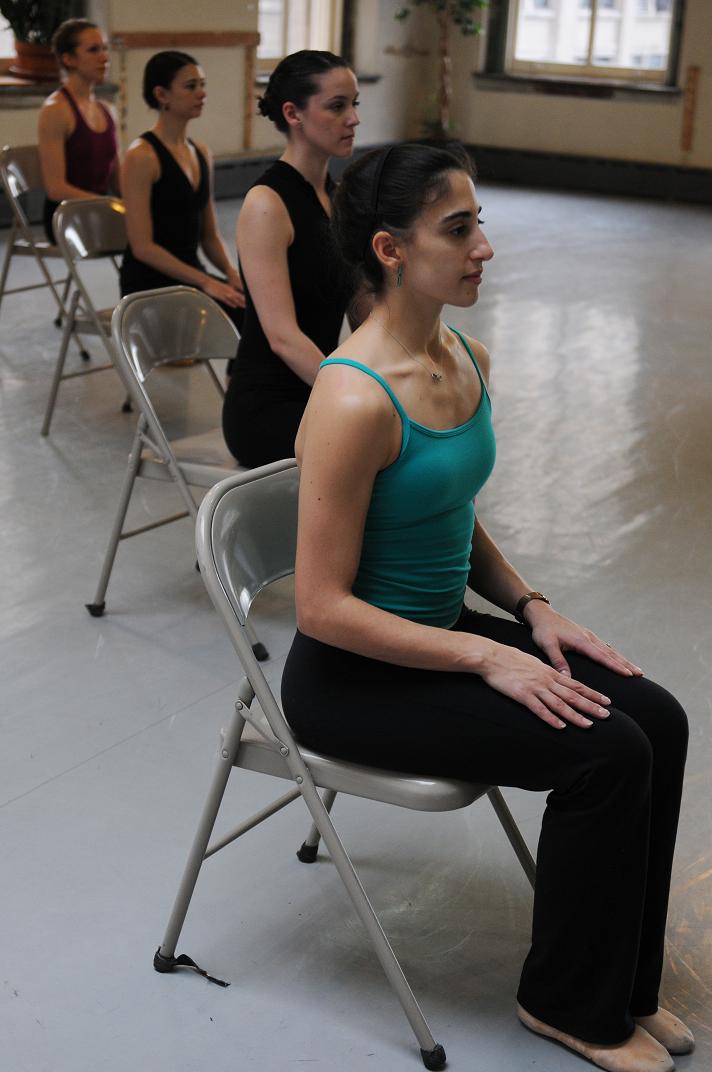
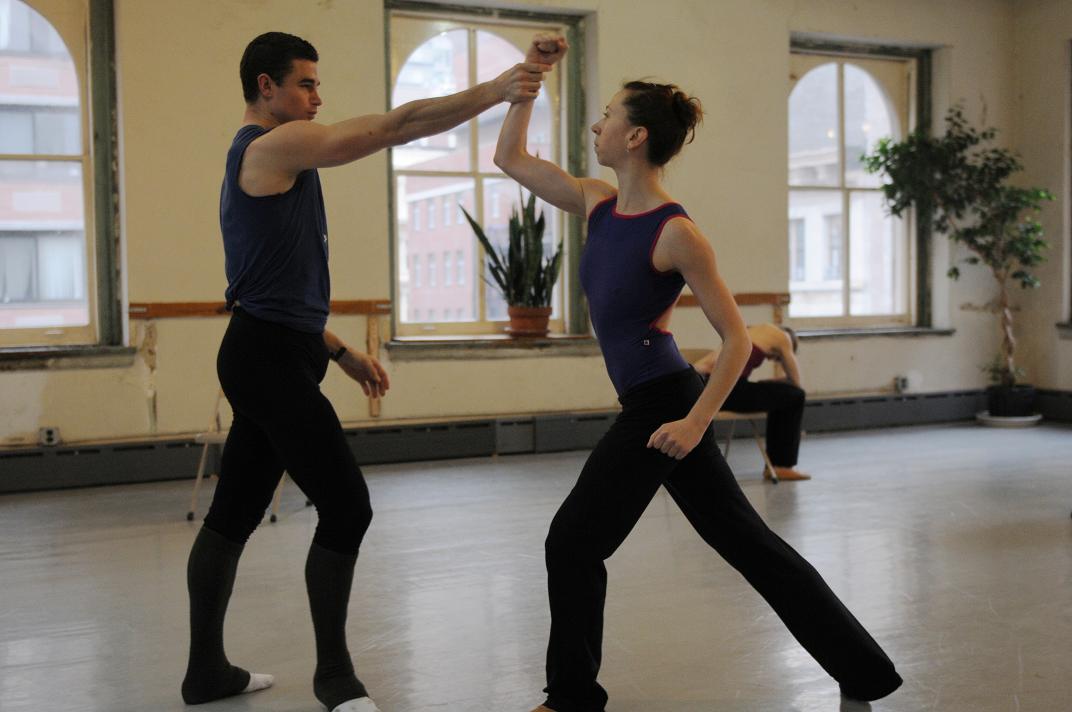
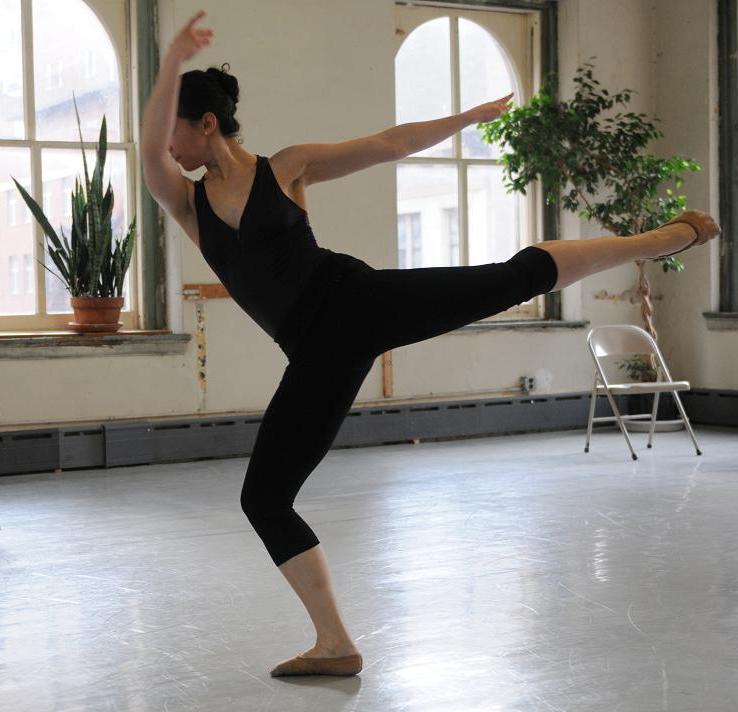
    I had planned to take lots of photos, but latecomers arrived and took seats to my immediate right, and I didn’t want to disturb them with my camera. So I have only the one image (at the top) of a dancer in her composition study at the start of the presentation.

  • Vengerov/Long Yu @ The NY Philharmonic

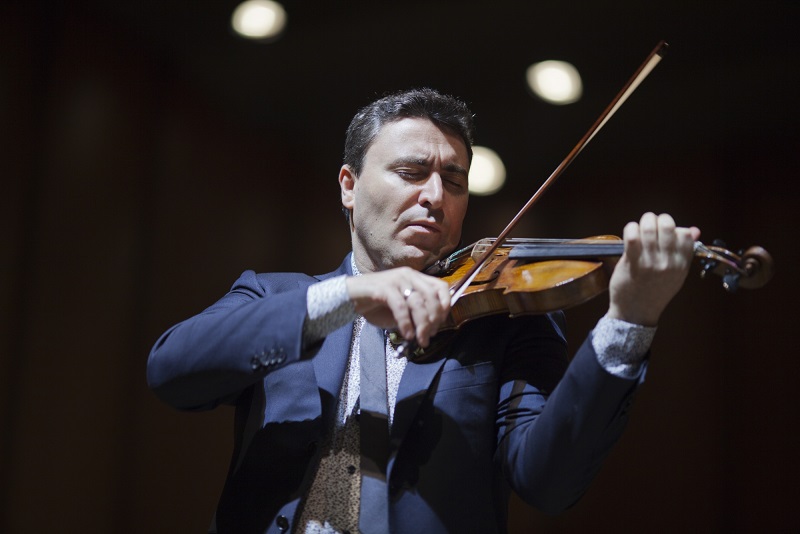
    Vengerov-5

    Above: violinist Maxim Vengerov

    Friday January 23rd, 2015 – A “Russian Night” at The New York Philharmomic, with Maxim Vengerov as soloist for the Tchaikovsky violin concerto, followed by the Shostakovich 5th symphony. Long Yu was on the podium for what proved to be one of the outstanding concerts in an already-outstanding NY Phil season.

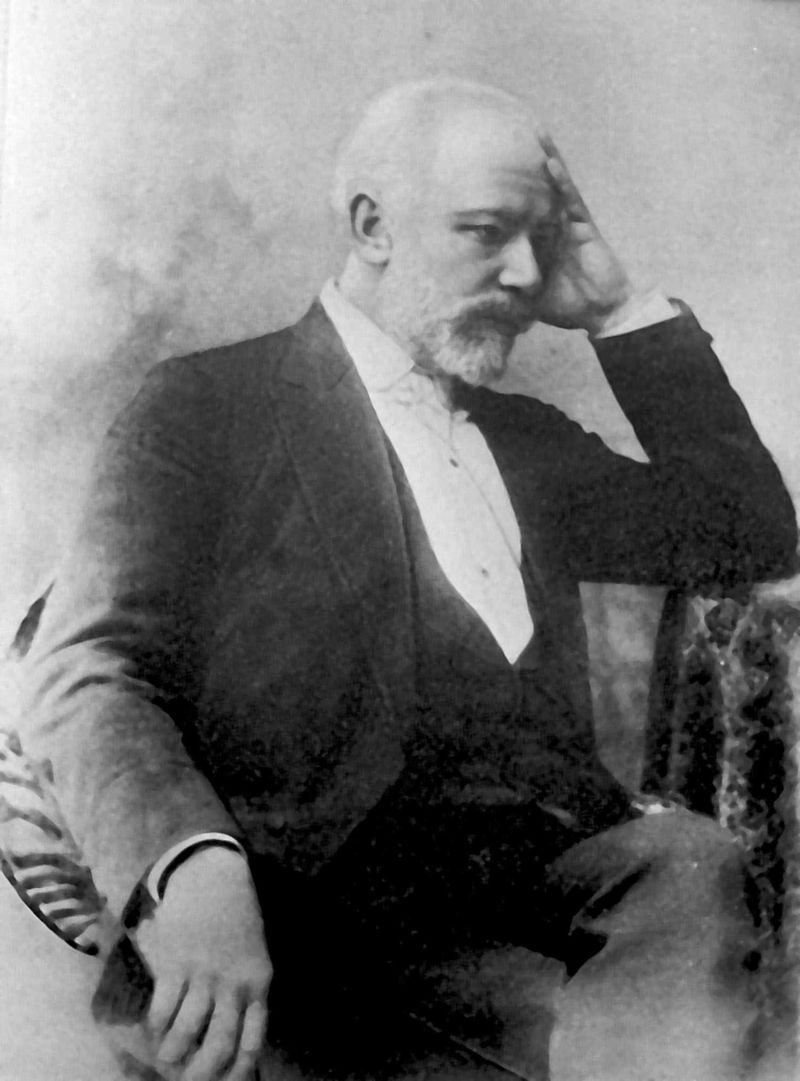
    The Tchaikovsky violin concerto makes extreme demands on the soloist. Tchaikovsky wrote it for (and originally dedicated it to) Leopold Auer, who declared it unplayable; though eventually Auer mastered it, the premiere went to Adolf Brodsky. Since then, it has become a repertory staple, in part because players want to show their mastery of it and in part because it is such a melodically entrancing piece.

    Of the concerto’s 1881 premiere in Vienna, the critic Eduard Hanslick wrote that “…the violin was not played but beaten black and blue”. Mr. Vengerov’s playing was not violent, but in the intense passages where the notes fly off the strings at the speed of light one could imagine how the piece must have both astounded and baffled both musicians and audiences as the concerto began making its way into the international repertoire.

    Vengerov, in the violin’s first statements, showed an Old World warmth of timbre and a seductive sense of legato, while the orchestra brought a rich density of sound to their familar themes. As the technical fireworks loom up, the violinist dazzled with his accuracy and speed; in the cadenza there were a couple of wiry notes at the top of the register but these were swept aside by a masterful, uncannily sustained trill. Sailing forward, Vengerov continued to move us with his poignant expressiveness in the lyrical passages whilst evoking our smiling admiration for his brilliant dexterity in the blazes of fiorature.  As he finished in a blaze of glory, the audience erupted in shouts of rejoicing and a full standing ovation ensued. After bowing repeatedly, Vengerov gave us an encore: a Bach adagio that showed his heartfelt artistry to perfection.

    Longyu

    Following the interval, Long Yu (above) led a grand and deeply satisfying of the Shostakovich 5th. This symphony marked the composer’s efforts to mollify the Soviet government following Joseph Stalin’s scathing denunciation his opera Lady Macbeth of Mtsensk District in 1936. Overnight Shostakovich had  become a persona non grata. He knew that his next symphony, the 5th, would be crucial if he was to continue his career. Although the 5th did indeed win a resounding success and salvage his reputation with the Soviet, he continued to fall in and out of favor with the government for years to come.

    This is a symphony overflowing with marvelous thematic material. Conductor Long Yu painted a magificent sound canvas, drawing all the rich and varied voices of this incredible orchestra into a cohesive and beautifully-shaped whole. Shostakovich’s orchestration is highly imaginative and constantly allures the ear with such vivid interjections as piano, harps, and xylophone. As the vast array of string players sail thru some really marvelous passages, whether plucked (in the witty Scherzo) or richly bowed, the composer provides the horns and trumpets with triumphal opportunities – resoundingly seized tonight – and there are splendid gems for solo winds: flute (Robert Langevin), clarinet (Anthony McGill), Liang Wang (oboe) and Kim Laskowski (bassoon). The outstanding playing of our acting concertmaster Sheryl Staples was rightly recognized by Long Yu as he presented her in a solo bow, greeted with ‘bravas‘ from the crowd. Everyone in the hall had swept to their feet after the final chord echoed, hailing the orchestra, the conductor, and the resounding genius of Shostakovich.

    A splendid night of music-making then, with the promise of much more to come in this Philharmonic season.

  • NYCB Tchaikovsky Festival 2013 #5

    LS0202_ph100201.jpg.cms

    Friday January 25, 2013 – There nothing like a late seating to ruin an evening at the ballet. And it’s particularly maddening when the opening ballet is BAISER DE LA FEE: a ballet where atmosphere is everything. Yet conductor Andrews Sill had no sooner begun to spin this delicious score when the ushers began tromping up and down the aisles with their little flashlights and urgent stage whispers and their footfalls on the uncarpeted floor: the magic of the Tchaikovsky/Stravinsky score went out the window. Once the spell of a ballet has been broken there’s no redeeming it, and so despite truly gorgeous dancing from Tiler Peck, Robert Farchild, the lovely demi-solistes Alina Dronova and Erica Pereira and the pretty flock of corps ballerinas, BAISER went for nought tonight.

    There’s really no excuse to seat people after the conductor enters the pit: there are closed-circuit screens on each level where latecomers can watch the first ballet. Excuses like “the traffic”, “the MTA”, “the weather” don’t fly: that’s life in Gotham. Why should the seating of a score of stragglers infringe on the enjoyment of the vast majority of people who have made the effort to be there on time? I suppose there’s no point in kvetching: no one cares anyway.

    Unfortunately, the bad vibe stretched into Tchaikovsky Pas de Deux also, and despite the charming dancing and daredevil flourishes of the beloved Megan Fairchild/Joaquin de Luz partnership, I was feeling grumpy. Soon the two dancers cheered me up, and Megan’s marvelous fouettes in the coda were a real treat. Joaquin’s solo drew sighs of admiration from the crowd, and even though the second fish dive in the coda was a bit off-kilter, this delightful duo already had their success sewn up.

    BAL DE COUTURE is a Peter Martins ballet created to show off costumes designed by Valentino; it is a sort of pageant in which twenty principal dancers promenade and waltz to Tchaikovsky. A dreamy adagio for Janie Taylor and Sebastien Marcovici seems unrelated to the rest of the ballet, and their romance is intruded upon by Rob Fairchild who momentarily lures Janie’s attentions. The choreography throughout is formulaic with ballroomy touches. The women’s costumes are singularly unflattering, with Janie’s wafting pink a la SONNAMBULA bearing no relation to the black-white-and-red get-ups the other girls are wearing. The dancers went thru the motions sportingly, the music is so much more-than-pleasant (both dance numbers EUGENE ONEGIN are played) but the sum total effect of the piece is negligible: the time, expense and talent involved could have been better put to use elsewhere.

    At last the evening bloomed in full with DIAMONDS; I don’t like the gaudy tinsel-town decor of the current setting but from a musical and choreographic viewpoint DIAMONDS always glows. Sara Mearns danced with meltingly magical style in the adagio passages: she gracefully incorporates the allusions to Odette and Raymonda into the ballet, and she is simply gorgeous to watch. In the allegro section, her bravura dancing did not quite have its usual impetuosity but in the finale she was grand in every way. Ask LaCour made his debut in this ballet tonight: his partnering was very supple, his expression noble and poetic, his sense of the underlying courtly romance of the piece right on the mark. Long-legged danseurs do not always command the allegro footwork in a given ballet, but Ask came thru very nicely in the showy moments. As the ballet drew to its final minutes, Sara beamed her luxuriant smile on Ask and it seemed this rather last-minute partnership had worked out well in every regard: Sara and Ask basked in a very warm ovation and took and extra curtain call, very well-deserved. The demi-soliste quartet of Lauren King, Ashley Laracey, Gwyneth Muller and Megan LeCrone and the excellent work of the corps helped to compensate for the evening’s unsavory start: thoughts of the late seating were gone. But not forgotten.    

    DIVERTIMENTO FROM ‘LE BAISER DE LA FÉE’: T. Peck, *R. Fairchild, Pereira, Dronova

    TCHAIKOVSKY PAS DE DEUX: M. Fairchild, De Luz

    BAL DE COUTURE: Kowroski, Reichlen, Krohn, Scheller, Hyltin, A. Stafford, T. Peck, M. Fairchild, Bouder, Taylor, J. Angle, la Cour, Danchig-Waring, Veyette, R. Fairchild, Ramasar, Finlay, De Luz, Carmena, Marcovici

    DIAMONDS from JEWELS: Mearns, *La Cour
  • Rehearsal: Lydia Johnson’s FALLING OUT

    Copy of 11

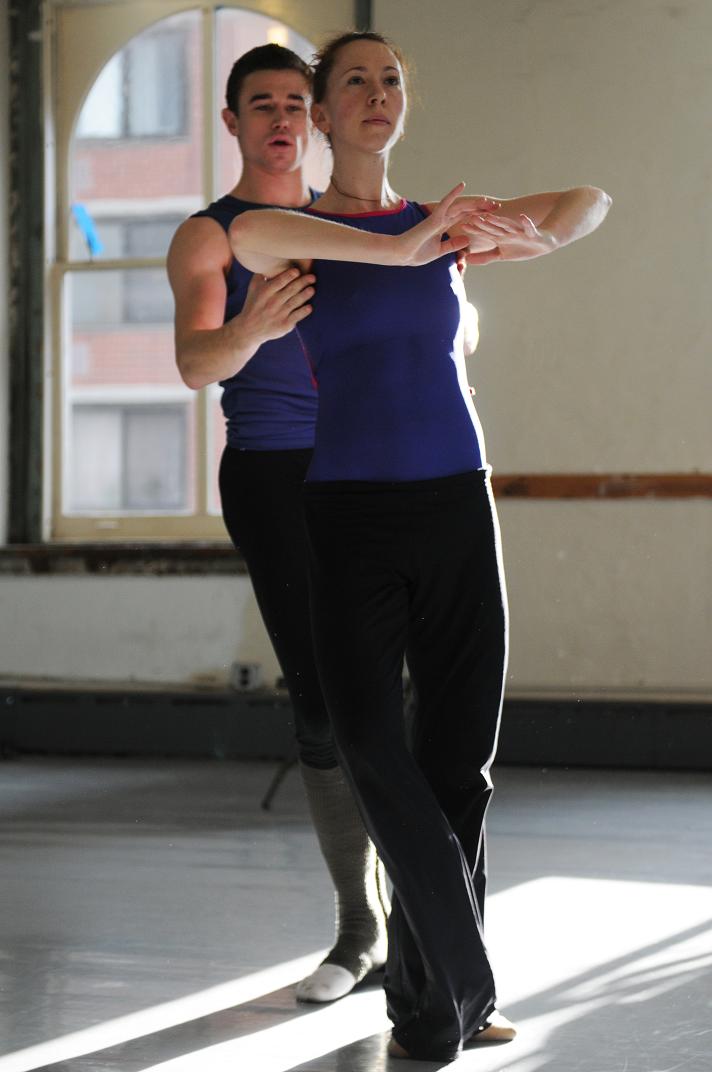
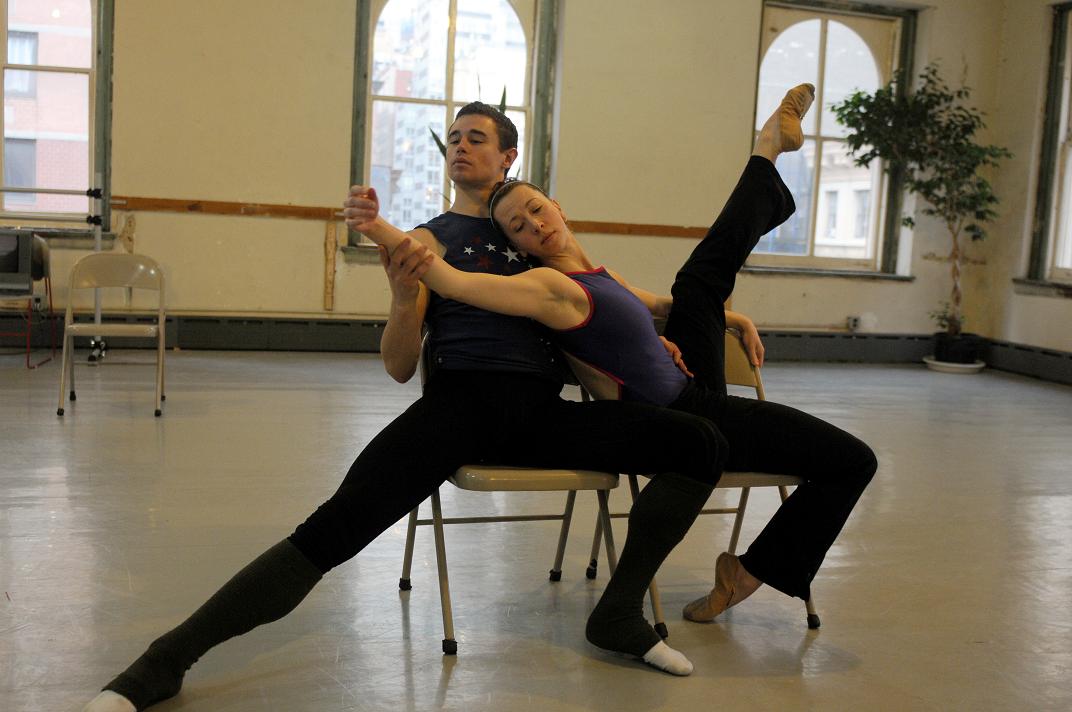
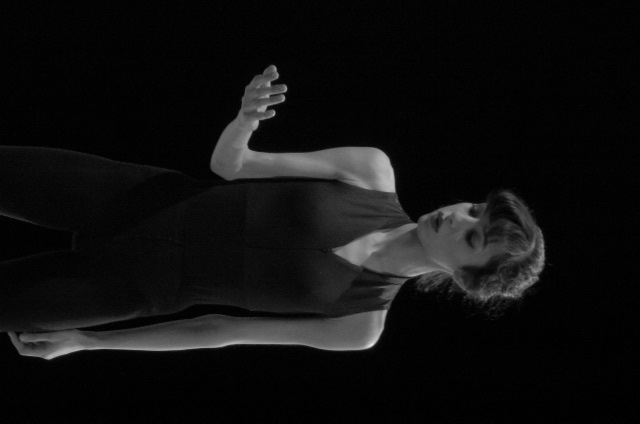
    Friday January 27, 2012 – Today at the Battery Dance studio, Lydia Johnson’s dancers were rehearsing her 2006 dancework FALLING OUT. Set to music of Philip Glass (his 3rd Symphony) FALLING OUT will be performed at a special matinee at Peridance on Sunday February 26th. In Kokyat’s image at the top, Max van der Sterre and Kerry Shea.

    Copy of 21

    The work is essentially plotless but the theme of a romantic triangle is clearly established: the relationship between Kerry and Max is a tempestuous one in which moments of harmony (above) alternate with fiery outbursts. The ‘other’ woman, danced by Jessica Sand (seated at right in the photo above) remains an enigmatic figure in the piece. Jessica and Max never dance together; we can never be sure if Jessica is real or an idealized vision in Max’s mind that lures his attentions away from Kerry.

    Copy of 13

    Meanwhile a female chorus, at first indifferent to the central conflict but later drawn into it, dance in stylized a commentary on the action. The dancers are Lisa Iannacito McBride, Kaitlin Accetta, Sarah Pon and Laura Di Orio. 

    Copy of 29

    It was an overcast day, but from time to time the sun broke thru the clouds and the studio was illuminated. Above: Laura and Kaitlin.

    Copy of 69

    Dramatic structure: the elements of FALLING OUT are brilliantly sorted in Lydia’s choreography which seems like a play without words. She uses the Glass score with deft imagination, balancing speed and stillness, contemplation and action.

    Copy of 33

    Max and Kerry have developed an impressive partnership in which Max’s strength and skill allows Kerry complete freedom to simply be her beautiful self. They have all the moves down pat and spent the rehearsal mainly working on exploring nuances of gesture and expression. Lydia’s style of encouraging her dancers to paticipate in the process of refining the movement makes her rehearsals unusually satisfying to watch.

      Copy of 58

    Star power: Max’s t-shirt says it all. Great presence, and a real force in the studio.

    Copy of 64

    Max and Kerry

    Copy of 1

    Mood swings: the couple go from tender…

    Copy of 72

    …to turbulent in a flash.

    Copy of 45

    Mysterious force: Jessica Sand keeps us wondering exactly who this woman is, interloper or silent muse? The questions that FALLING OUT raises about the idea of devotion vs desire give us pause to contemplate the realties and illusions of romantic relationships.

    Copy of 50

    Sleeping beauties 

    FALLING OUT, along with Lydia’s as-yet-untitled new Golijov piece, will be shown at Peridance on Sunday February 26th at 2:30 PM. $10.00 donation-based admission.

    All photos by Kokyat. His Leica images from this rehearsal are here.

  • Lydia Johnson Dance: Class @ Peridance

    Copy of 56

    Friday January 28, 2011 – Went dashing thru the snow (now slush, actually) to the East Side to watch a class at Peridance offered by a choreographer whose work I especially like: Lydia Johnson. Lisa Iannacito McBride of Lydia’s company (above, a studio photo by Kokyat) called the large group of about thirty students to order promptly at 11:30 AM and started to teach them a passage from Lydia’s work entitled DUSK, set to music of Henrych Gorecki. 

    I’ve seen Lisa dance many times but she’s also a really fine teacher; looking chic in a deep-purple satiny leotard, Lisa began the phrase and the students immediately picked up the basics. Laura DiOrio and Jessica Sand of Lydia’s company were on hand to help the dancers with tips on how they each execute the phrase. From watching the three girls, I saw how they are each able to achieve their unique shading of a danced expression while always remaining in the context of the basic qualities of movement.

    These classes where a phrase is taught are always so interesting to me because as a frustrated shoulda-been dancer, I’m continually amazed by how quickly the dancers in the studio can translate the instructor’s movement into their own bodies. Once Lisa went beyond the initial steps and gestures, I was throughly lost but the young dancers picked it up and ran with it. Within minutes they were working the passage and then the group broke into smaller units and took turns spiffing it up.

    Lydia sometimes addressed the dancers, speaking of the imagery that she had in mind when creating a given movement, but she steered clear of saying what the dance was supposed to ‘mean’; her remarks were more in terms of finding the freedom of each dancers’ individual expression than in trying to impose an interpretive boundary. I think this is why her own dancers always look so good: they filter the steps and gestures thru their own bodies and spirits, making individual statements while always maintaining the atmosphere that the music creates.

    As the session progressed, the group was broken down still further into four units and each performed the phrase as a canon, starting in different corners of the room. By the end of the class, they were starting to look like a Company.

    Lydia’s dancers Eric Vlach and Or Sagi were dancing, and so were two dancers I was familiar with: Justin Lynch and Danielle Schulz. There were other familiar faces but I can’t put names to them. The time sped by and all too soon the studio was emptying as another group of dancers stood waiting for the space. Many of the participants in Lydia’s class were headed to other classes or rehearsals, or to the jobs they hold down to pay the bills since dance jobs are not all that plentiful these days. Still, I find the idea of this life of dancing – of physical work to an artistic end – so fascinating.  

    Even if I’d known that one could make a life in dance and even if I’d pursued it, by now I would be retired. But who knows? I might have gone from dancing to having my own dance company. There are certainly plenty of dancers in New York City who would look great performing, and who deserve the opportunity to do it.