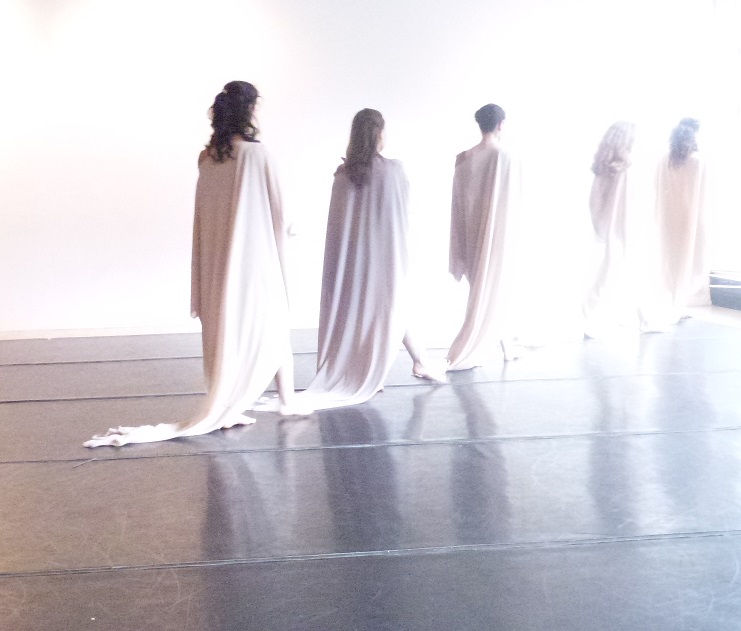
Tag: Isadora Duncan

  • Francesca Todesco ~ Isadora Duncan Classes

    20181011121518-f108-sokolowtodesco2018photobydanieldugan

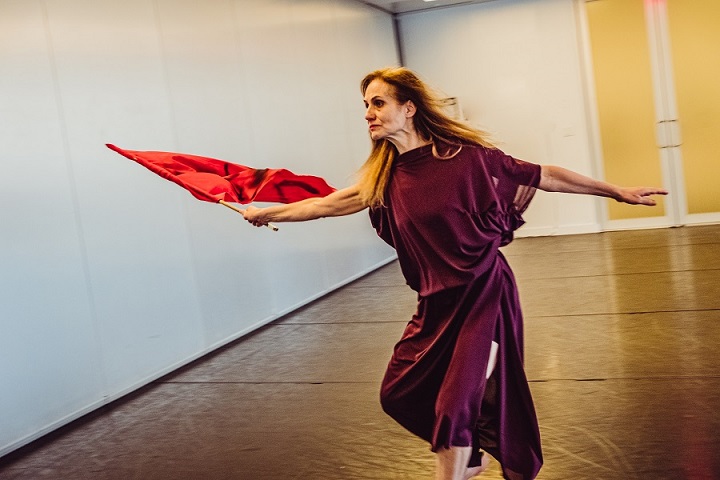
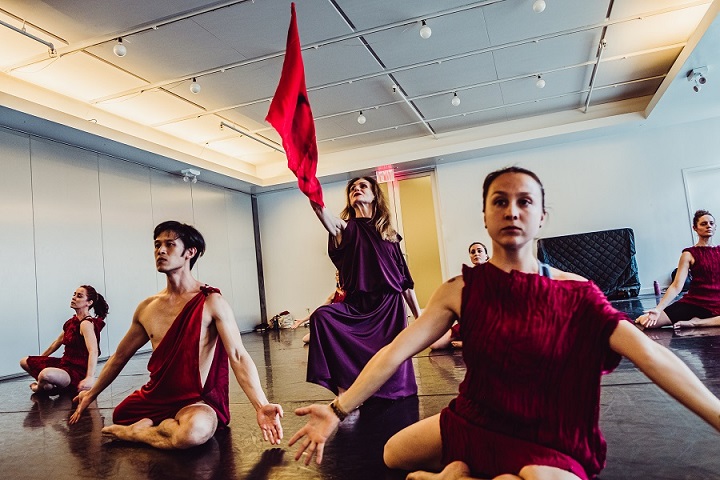
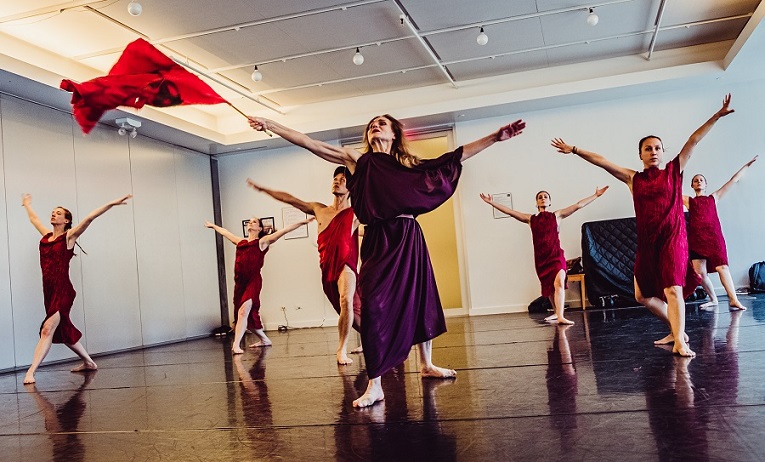
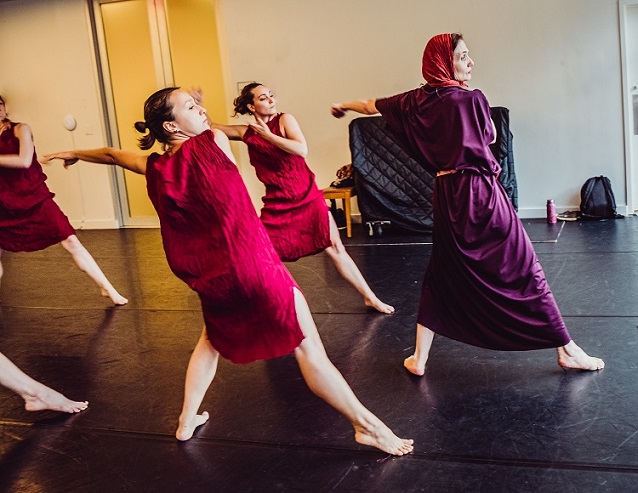
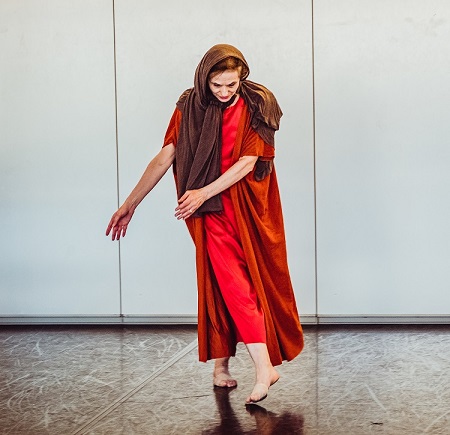
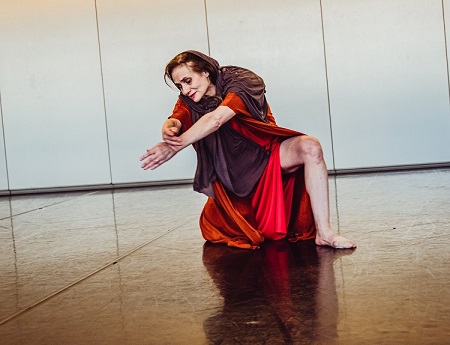
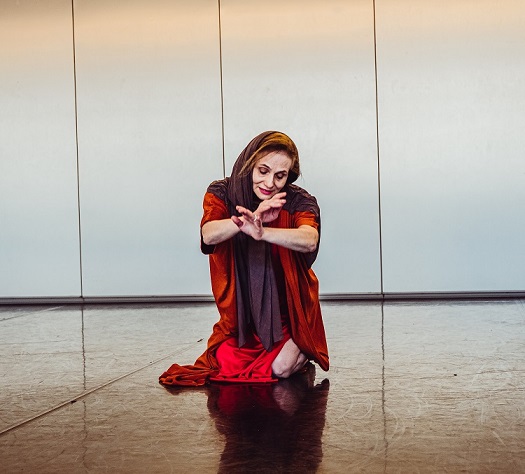
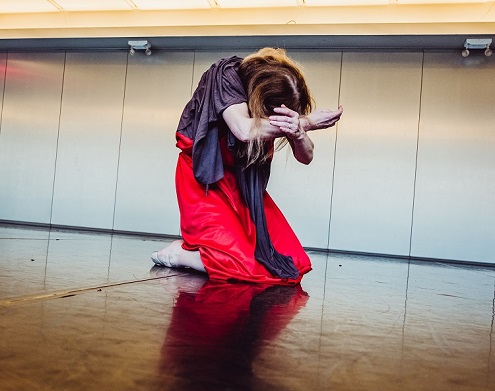
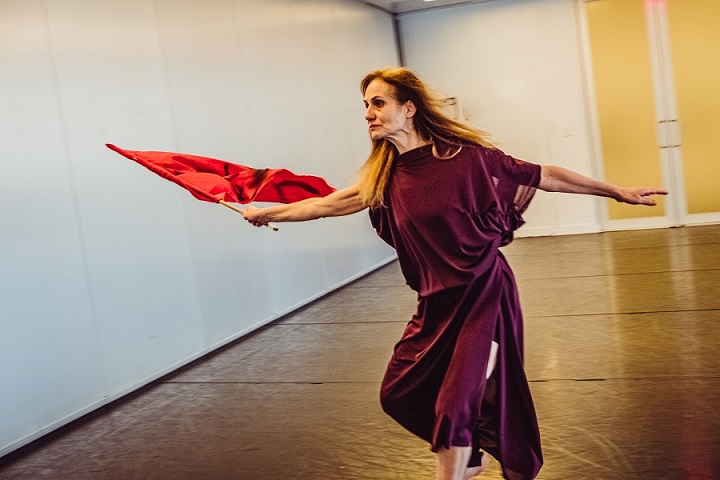
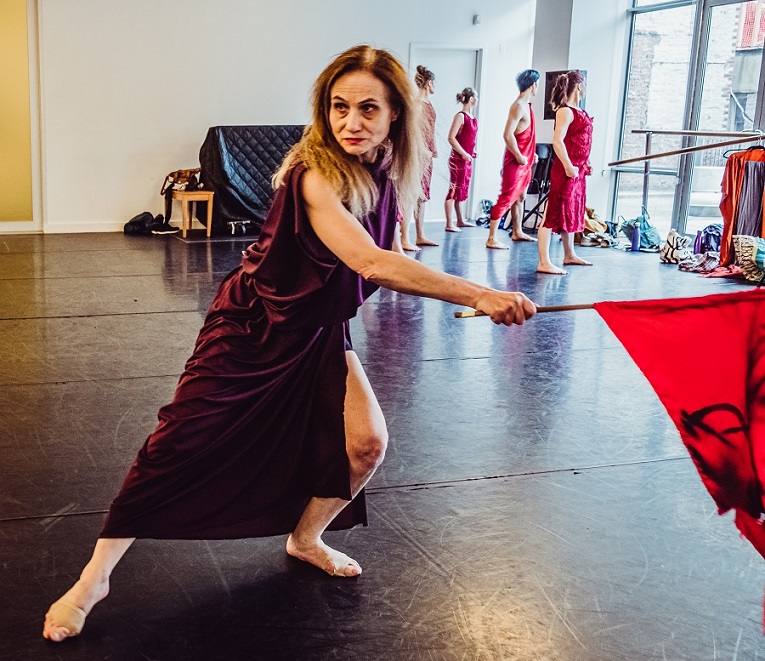
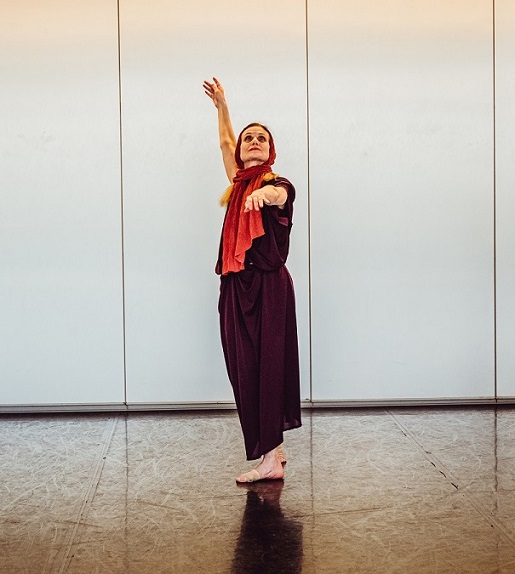
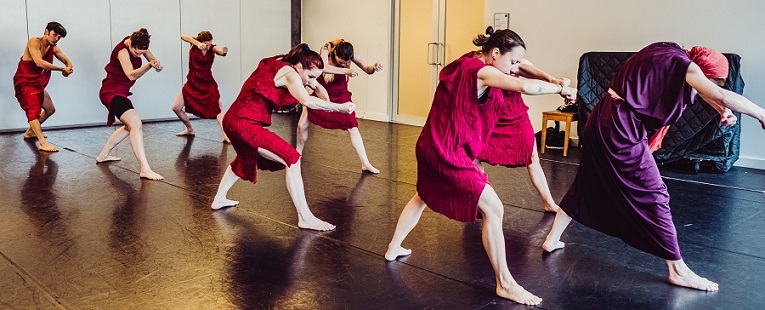
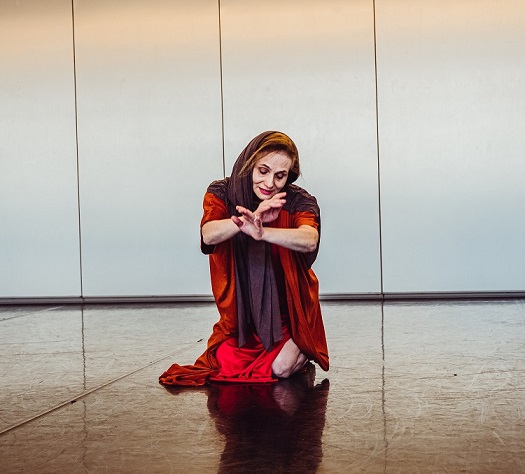
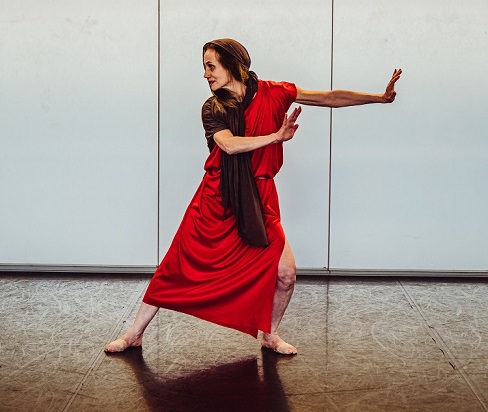
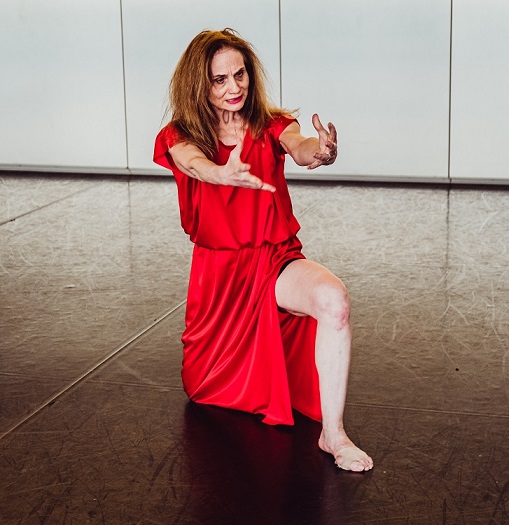
    Francesca Todesco (above) is offering a series of classes focusing on the technique and repertory of Isadora Duncan, to be held on Fridays from 1:00-3:00 PM at 12 Saint Marks Place, on Manhattan’s Lower East Side. The classes will run from September 20th thru December 20th, 2019. Details below:

    70988457_2955578114469155_7951244578235875328_n

    Francesca’s dedication to the Duncan legacy – both as a dancer and teacher – makes her an invaluable spokeswoman in all matters Isadora. Francesca recently attended the Isadora Duncan International Symposium in London – an event held every other year in a different city – where an international gathering of performers, instructors, and writers meet to celebrate and honor the Mother of Modern Dance.

    Francesca Todesco epitomizes the enduring grace and power of the Duncan style, which has been handed down from generation to generation; she studied here in New York with Catherine Gallant and Loretta Thomas. Thru her classes, Francesca continues the tradition.

    Isadora Duncan is one of the most fascinating women of all time. I read her biography once a year, and have found that my interest in her took on a personal resonance when I realized that I am related on my mother’s side to one of Isadora’s pianists – and lovers: Walter Morse Rummel. Their story is but one of so many intriguing episodes in the life of this spellbinding woman.

    ~ Oberon

  • Beth Jucovy/Dance Visions NY: Isadora’s Russian Repertory

    DSCF7652

    Above: I-Nam Jiemvitayanukoon and Beth Jucovy in Isadora Duncan’s Varshavianka; photo by Dmitry Beryozkin

    ~ Author: Oberon

    Monday May 27th, 2019 – Since I had a prior commitment on the evening of their appearance at Sans Limites Movement 2019, Beth Jucovy very kindly arranged for me and photographer Dmitry Beryozkin to watch a rehearsal of her Company, Dance Visions NY, who are presenting the Company’s staging of Isadora Duncan’s Russian Workers Songs and Scriabin Etudes at the festival.

    These works were transmitted to Ms. Jucovy directly by 2nd generation Duncan exponent, Julia Levien, with the exception of The Crossing, which was passed on to Ms. Jucovy by Adrienne Ramm. Isadora Duncan’s Scriabin Etudes consist of Mother, The Crossing, and Revolutionary. The Russian Workers Songs are entitled Dubinushka and Varshavianka.

    These danceworks were created by Isadora Duncan circa 1923; they were all revived by Irma Duncan and re-staged by Julia Levien, who had danced with Irma’s company. The dances reflect Isadora’s experiences while she lived in Revolutionary Russia; among their themes are struggle, awakening, protest, revolution, and – ultimately – victory.

    Dance Visions NY dancers who perform in the Russian Workers Songs are Beth Jucovy, Anastasia Benedetti, Louisa Cathcart, Cathleen Deutscher, Ligia Gaissionok, I-Nam Jiemvitayanukoon, Shannon McMullan, and Rebekah Mulkey. The Scriabin Etudes – three solos – are danced by Ms. Jucovy.
     
    After running thru the Russian Workers Songs a couple of times in practice clothes, the dancers donned the red-hued costumes and danced both pieces full-out.
     
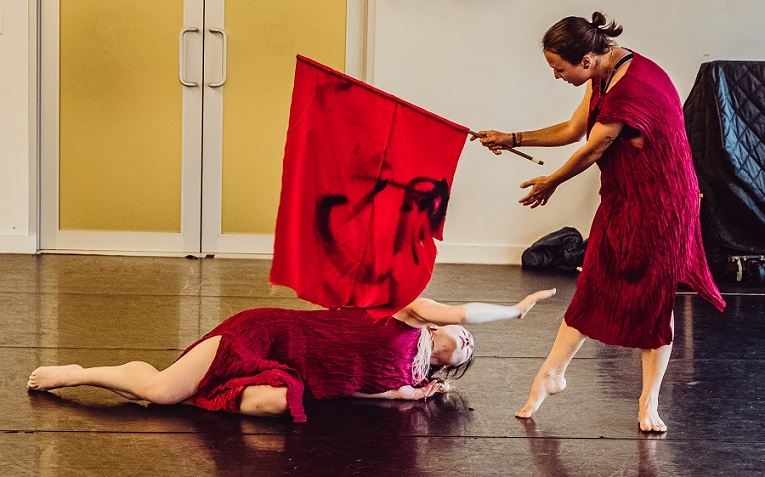
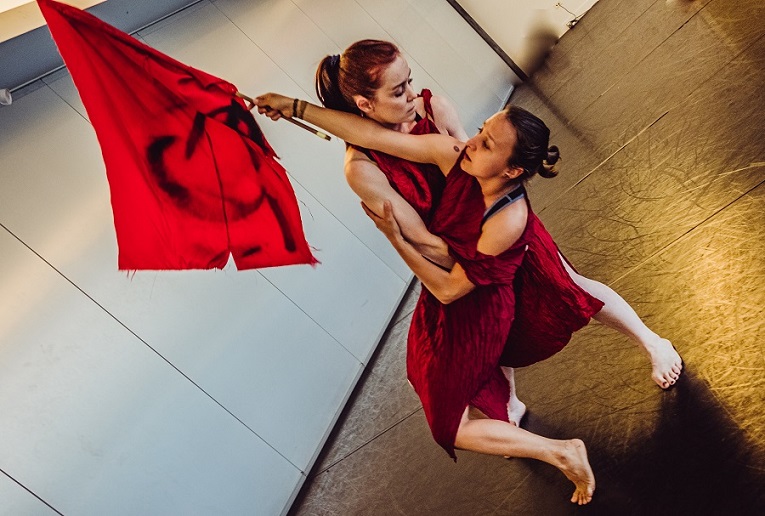
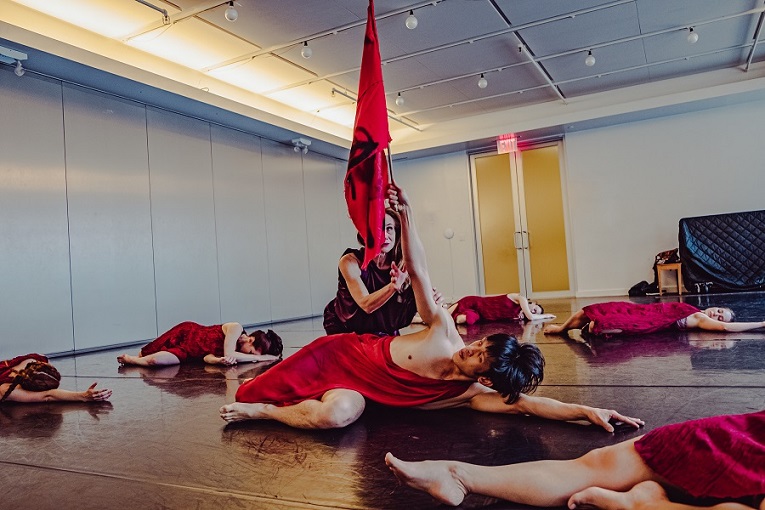
    The Varshavianka sings of the struggle of the workers to throw off the yoke of oppression. Marching under the red flag of Liberty, one by one the valiant fighters are shot down; but with each casualty, another brave worker takes up the banner. In the end, the fallen are transfigured; they rise again to carry on the struggle.
     
    Photos from Varshavianka:
     
    DSCF7575
     
    Beth Jucovy
     
    DSCF7577
     
    DSCF7603
     
    Louisa Cathcart and Ligia Gaissionok
     
    DSCF7606
    Ligia Gaissionok and Cathleen Deutscher
     
    DSCF7609
     
    Cathleen Deutscher and Ligia Gaissionbok
     
    DSCF7627
     
    I-Nam Jiemvitayanukoon and Shannon McMullan
    DSCF7637
     
    I-Nam Jiemvitayanukoon, Shannon McMullan
     
    DSCF7650
     
    DSCF7656
     
    DSCF7660
     
    DSCF7667
     
    DSCF7670
     
    Above: the finale of the Varshavianka
     
    The Dubinushka was sung by dock workers, hauling the heavy ropes in the shipyard; they sang this song to maintain the rhythm of their work.
     
    Photos from Dubinushka:
     
    DSCF7515
     
    Beth Jucovy
     
    DSCF7522
     
    DSCF7535
     
    DSCF7543
     
    DSCF7556
     
    DSCF7565
     
    Above: in the foreground are Shannon McMullan and Rebekah Mulkey
     
    After dancing the Workers Songs, the dancers began packing up to leave. We talked with them briefly: some have been dancing with Ms. Jucovy for many years, so the Company definitely has the feel of family. Beth began tidying up the studio, and I asked her a question about the Scriabin Etudes. “Shall I dance them for you?”, she asked. And in the twinkling of an eye, she donned the Isadorian scarves and began to dance the three solos.
     
    Mother:
     
    DSCF7698
     
    DSCF7730
     
    DSCF7752
     
    DSCF7765
     
    DSCF7795
     
    The Crossing:
     
    DSCF7808
     
    DSCF7828
     
    DSCF7848
     
    DSCF7863
     
    Revolutionary:
     
    DSCF7928
     
    DSCF7945
     
    DSCF7971
     
    DSCF8009
     
    Beth danced these solos in full performance mode, deeply involved and vibrantly expressive; it was so generous of her to share these unique works with us.
     
    ~ Oberon
     
    Photos: Dmitry Beryozkin  
  • Beth Jucovy/Dance Visions NY: Isadora’s Russian Repertory

    DSCF7652

    Above: I-Nam Jiemvitayanukoon and Beth Jucovy in Isadora Duncan’s Varshavianka; photo by Dmitry Beryozkin

    ~ Author: Oberon

    Monday May 27th, 2019 – Since I had a prior commitment on the evening of their appearance at Sans Limites Movement 2019, Beth Jucovy very kindly arranged for me and photographer Dmitry Beryozkin to watch a rehearsal of her Company, Dance Visions NY, who are presenting the Company’s staging of Isadora Duncan’s Russian Workers Songs and Scriabin Etudes at the festival.

    These works were transmitted to Ms. Jucovy directly by 2nd generation Duncan exponent, Julia Levien, with the exception of The Crossing, which was passed on to Ms. Jucovy by Adrienne Ramm. Isadora Duncan’s Scriabin Etudes consist of Mother, The Crossing, and Revolutionary. The Russian Workers Songs are entitled Dubinushka and Varshavianka.

    These danceworks were created by Isadora Duncan circa 1923; they were all revived by Irma Duncan and re-staged by Julia Levien, who had danced with Irma’s company. The dances reflect Isadora’s experiences while she lived in Revolutionary Russia; among their themes are struggle, awakening, protest, revolution, and – ultimately – victory.

    Dance Visions NY dancers who perform in the Russian Workers Songs are Beth Jucovy, Anastasia Benedetti, Louisa Cathcart, Cathleen Deutscher, Ligia Gaissionok, I-Nam Jiemvitayanukoon, Shannon McMullan, and Rebekah Mulkey. The Scriabin Etudes – three solos – are danced by Ms. Jucovy.
     
    After running thru the Russian Workers Songs a couple of times in practice clothes, the dancers donned the red-hued costumes and danced both pieces full-out.
     
    The Varshavianka sings of the struggle of the workers to throw off the yoke of oppression. Marching under the red flag of Liberty, one by one the valiant fighters are shot down; but with each casualty, another brave worker takes up the banner. In the end, the fallen are transfigured; they rise again to carry on the struggle.
     
    Photos from Varshavianka:
     
    DSCF7575
     
    Beth Jucovy
     
    DSCF7577
     
    DSCF7603
     
    Louisa Cathcart and Ligia Gaissionok
     
    DSCF7606
    Ligia Gaissionok and Cathleen Deutscher
     
    DSCF7609
     
    Cathleen Deutscher and Ligia Gaissionbok
     
    DSCF7627
     
    I-Nam Jiemvitayanukoon and Shannon McMullan
    DSCF7637
     
    I-Nam Jiemvitayanukoon, Shannon McMullan
     
    DSCF7650
     
    DSCF7656
     
    DSCF7660
     
    DSCF7667
     
    DSCF7670
     
    Above: the finale of the Varshavianka
     
    The Dubinushka was sung by dock workers, hauling the heavy ropes in the shipyard; they sang this song to maintain the rhythm of their work.
     
    Photos from Dubinushka:
     
    DSCF7515
     
    Beth Jucovy
     
    DSCF7522
     
    DSCF7535
     
    DSCF7543
     
    DSCF7556
     
    DSCF7565
     
    Above: in the foreground are Shannon McMullan and Rebekah Mulkey
     
    After dancing the Workers Songs, the dancers began packing up to leave. We talked with them briefly: some have been dancing with Ms. Jucovy for many years, so the Company definitely has the feel of family. Beth began tidying up the studio, and I asked her a question about the Scriabin Etudes. “Shall I dance them for you?”, she asked. And in the twinkling of an eye, she donned the Isadorian scarves and began to dance the three solos.
     
    Mother:
     
    DSCF7698
     
    DSCF7730
     
    DSCF7752
     
    DSCF7765
     
    DSCF7795
     
    The Crossing:
     
    DSCF7808
     
    DSCF7828
     
    DSCF7848
     
    DSCF7863
     
    Revolutionary:
     
    DSCF7928
     
    DSCF7945
     
    DSCF7971
     
    DSCF8009
     
    Beth danced these solos in full performance mode, deeply involved and vibrantly expressive; it was so generous of her to share these unique works with us.
     
    ~ Oberon
     
    Photos: Dmitry Beryozkin  

  • Isadora: Lament, Hope, and Renewal

    Duncan_2

    Wednesday September 17th, 2014 – Lori Belilove and the Isadora Duncan Dance Company presented an evening of film, live performance and discussion in an intimate salon setting at the Company’s home space on West 26th Street. A few days after marking the anniversary of Isadora’s untimely death (on September 14th, 1927), Lori and her Company keep the spirit of ‘the mother of modern dance’ vividly alive.
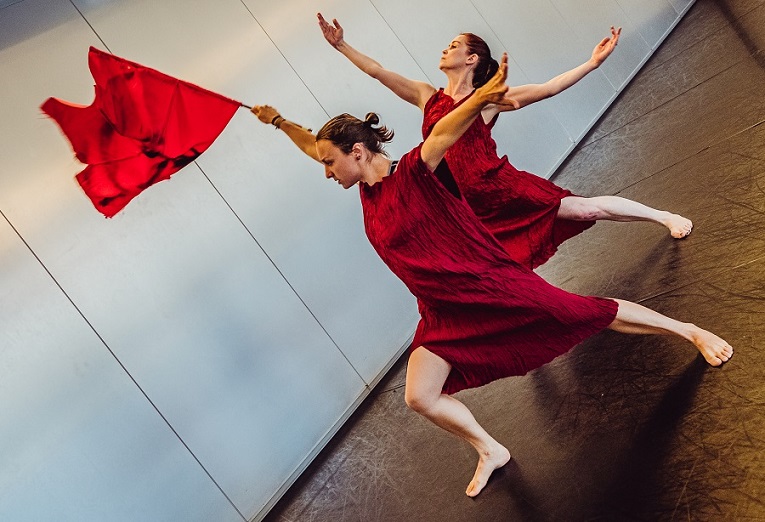
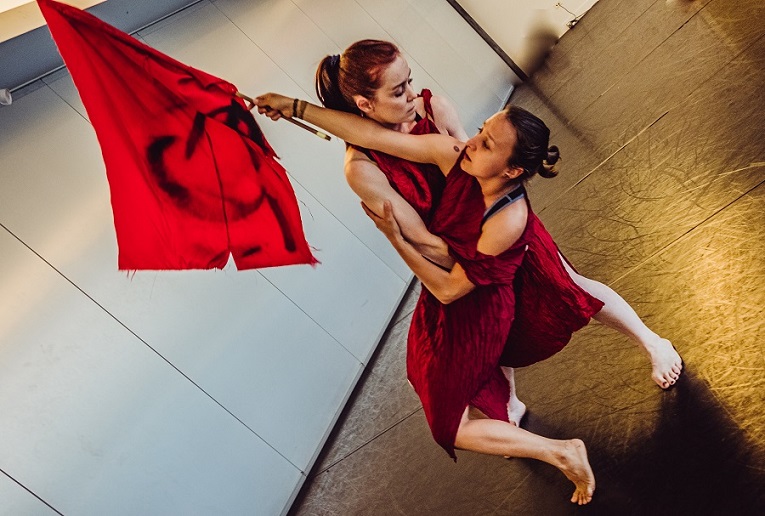
    For me, this week brought the unusual happenstance of back-to-back evenings of Martha Graham and Isadora Duncan. These two pioneering forces on the frontiers of modern dance seem to me to be twin goddesses: from them, so many blessings flow – even onto the present day.

    Central to this Isadora evening was the showing of a silent film clip of brief fragments from Dance of the Priestesses, a ‘lost’ Duncan work. This film, made in 1963, features extremely rare footage of Anna Duncan, one of the original Isadorables. In the film,  Anna dances with Julia Levien and Hortense Kooluris, two women who were the teachers of Lori Belilove: thus the direct line of passing the torch from generation to generation is maintained. 

    The film was entrusted to Lori Belilove and it inspired her to embark on a restoration of Dance of the Priestesses which, until now, had been little more than a legend. The dance is set to music by Christoph Willibald von Gluck from his opera IPHIGENIE EN TAURIDE. In the film, Anna, Julia and Hortense show a wonderful weighted quality. Lori was able to impart this to the dancers of her current Company and, after viewing the film, we were treated to a beautiful live rendering of the piece. Lori has set it for five women (Isadora’s ensemble works can be danced by small or large contingents of dancers). The girls looked stately in their midnight-blue gowns, with Morgana Rose Mellett in a prominent role and Kim D’Agnese, Emily D’Angelo, Faith Kimberling, and Nicole Poulos as her sister/priestesses. Their performance evoked the ancient gods and the mythic rituals of times long vanished.

    686

    Also on film, we saw a full performance of Slow March (photo above) as performed by the Company last May.

    Isadora created danceworks in several moods, stemming from her mental state at the time of creation. Joyous, celebratory dances gave way to dark, lamenting themes following the death of her two children. Lori Belilove performed two of these despairing solos tonight: Death and The Maiden (set to Chopin) and Mother (set to Scriabin). The mood was brightened by two Chopin mazurkas danced by Mlles. D’Agnese, Mellett, Kimberling and D’Angelo in signature pink-and-white Grecian tunics. Lori and the four girls joined in an extended finale: Dance of the Blessed Spirits and Orpheus’ Lament, both drawn from themes from Gluck’s opera ORFEO ED EURIDICE

    Pianist Melody Fader played all the selections for the evening, an enhancement to the atmosphere of the performance. 

    Watching the dances this evening, I couldn’t help but think that today’s young choreographers could benefit greatly in studying Isadora’s work. In terms of musicality, structure and creation of mood, Isadora’s instincts always seem spot-on. As dancer Miki Orihara wrote in her notes for her recent solo concert, we may look into the future of dance by investigating the past.

  • Honoring Isadora Duncan’s GRANDE MARCHE

    AVT_Isadora-Duncan_4025

    On Saturday, May 31, 2014 at 5:00 PM, the Green-Wood Historic Fund will host a tribute to Isadora Duncan (above), one of the most innovative and fascinating figures in the history of dance, as Catherine Gallant and her dance company (Catherine Gallant/DANCE) perform some of Duncan’s most memorable works. 

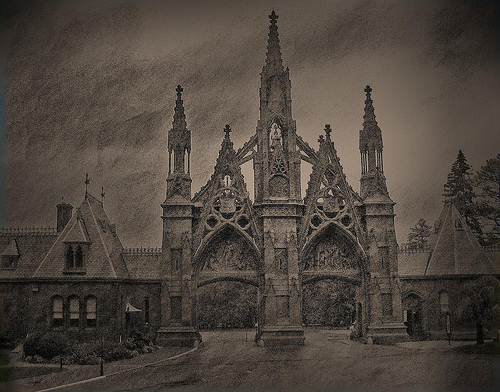
    Green-wood

    Green-Wood (above) is located at 5th Avenue and 25th Street in Brooklyn.  Further information and tickets here.

    L1420039

    The performance marks the centennial of Duncan’s GRANDE MARCHE (created in 1914), set to the music of Franz Schubert, and further includes other late-period Duncan dances born of her sorrow. The Company will also present works of hope and rebirth, set to a Nocturne and Polonaise of Chopin, followed by Isadora Duncan’s dances of exuberance and light to celebrate the rising of the sun.

    L1410784

    Since I was otherwise engaged on the day of the performance, Ms. Gallant (above, with dancer Michelle Cohen) very kindly welcomed me to a studio run-thru of her programme; this took place on an overcast, rainy afternoon at the Gibney Dance Center. Beautiful atmosphere in the studio as the women prepared their costumes and arranged their hair for the dances to come.

    In addition to the Duncan works beging presented, Catherine Gallant has created new pieces which resonate with the inspiration of Isadora. One of these, WAVE (set to Chopin) was being rehearsed when I arrived:

    L1410643

    Above: Magherita Tisato, Megan Minturn (seated) and Michelle Cohen rehearsing WAVE

    L1410758

    …and (above), the same moment in costume. Ms. Gallant has also created PRAYER, set to music of Leonard Bernstein, which will close the programme.

    In addition to GRANDE MARCHE, the Duncan works to be presented are: POLONAISE (1919); HARP (1920); MOTHER (1923); ANDANTE (1917); SCHERZO (1917); and NOCTURNE (1914).

    Here are some photos from my studio visit:

    L1410761

    Megan Minturn in WAVE

    L1410856

    The ensemble in POLONAISE

    L1410971

    Margherita Tisato, Megan Minturn, and Natalia Brillante

    L1410967

    Michelle Cohen

    L1410984

    Catherine Gallant

    L1420077

    Loretta Thomas, soloist in GRANDE MARCHE

    L1420123

    Margherita Tisato and Loretta Thomas in GRANDE MARCHE

    L1420134

    Loretta Thomas and Margherita Tisato

    L1420149

    Loretta Thomas

    L1420098

    Recessional from GRANDE MARCHE

    This was one of those studio experiences that seemed to touch upon the very essence of dance; as Miki Orihara said of her recent solo concert RESONANCE, we must look to the past to find the future of this art form.  Those who think that Isadora’s dances are outdated and irrelevant today should perhaps stop thinking and start feeling. In the work of Ms. Gallant and her dancers, the past finds us in the present; I commend them all for keeping the flame burning.

  • Isadora Rediscovered

    P1100497

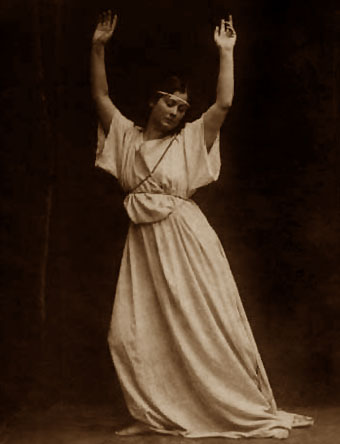
    Isadora Duncan (above, in 1908) is a legendary name in the world of dance. Born in San Francisco in 1877, Isadora moved to Paris in 1900 where she taught a style of dance freed from the constraints of classical ballet technique. She also performed, and her reputation for dancing to classical music wearing a Grecian tunic in her bare feet and with hair down made her a celebrity.

    In her private life, Duncan’s affair with Paris Singer (of the sewing-machine Singers), her tempestuous marriage to poet Sergei Yesenin and an affair with the poetess Mercedes de Acosta (as well as a rumoured dalliance with Eleanora Duse) were manifestations of her free-thinking lifestyle. She embraced Communism; she gave birth to three children out of wedlock, though none survived her.  

    Fatal accidents plagued Isadora to the end: her father died in the sinking of the SS Mohegan in 1898 and her two young children were killed in a bizarre accident in Paris in 1913 when a car in which they were sitting with their nanny rolled into the Seine. Duncan met her own death in an equally strange manner: riding in an open car, her long scarf became entangled in the rear wheel and she was strangled.

    People today may be familiar with the tragedies of Duncan’s life and of her pioneering work as a dancer but: what were her dances actually like?  The group IsadoraNOW under the direction of Elyssa Dru Rosenberg have invited us to a rehearsal on Halloween evening. Watch a brief video here of dancers from IsadoraNOW performing, and there’s a lovely gallery of photos of the Company here. I’m very much anticipating this experience.