Tag: Metropolitan Opera

  • EUGENE ONEGIN @ The Met

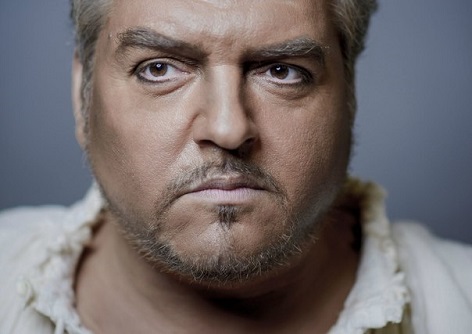
    Netrebko ONEGIN

    Above: Anna Netrebko as Tatiana

    Author: Ben Weaver

    Saturday April 22nd, 2017 matinee – Tchaikovsky’s operatic adaptation of Pushkin’s “Eugene Onegin” arrived this Spring at the Metropolitan Opera. Today, the season’s final performance of the opera was telecast via HD to cinemas around the world. It’s a practice that has been contributing to the hemorrhaging of live audience attendance for the house. The Met auditorium has countless empty seats more often than not, and many of those that are filled are actually papered and subsidized by donors. Today’s ONEGIN matinee was one of only two performances of the opera that actually sold out.
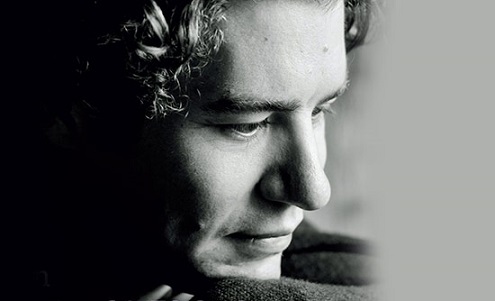
    Robin-Ticciati

    In the pit was the English conductor Robin Ticciati (above). He led a really magnificent reading the score, the Met Orchestra responding to Tchaikovsky’s superb orchestration with perfection. Ticciati was careful not to overwhelm the singers with sound (Tchaikovsky’s orchestral writing is often dense). There was a wonderful lightness to his interpretation, each musical strand rising magically out of the tapestry of sound. His energetic, forward moving pacing mostly worked well. Perhaps if Tatiana in her Letter Scene and Lensky in his Act II aria had been allowed to linger just a tad longer…but overall Tchaikovsky’s magical score danced and sighed superbly.

    The cast assembled for the revival of this 2013 production was first rate. At the heart of it was Anna Netrebko as Tatiana. When Netrebko first sang the role at the Met in 2013 I did not think she made a great impression. Primarily I objected to her bland reading of the text, disappointing for a native speaker. She has certainly been able to deepen her understanding of the role. This afternoon she was a living, breathing heroine. Her Letter Scene was by turns wistful and sad, excited and terrified. Fear as she awaits Onegin’s arrival, and shame at his rejection, were palpable. Haughtiness, in a crimson gown at the royal ball in Act III as she sees Onegin for the first time in many years, was delicious. And the final scene revealed verismo-ish declarations that she will not betray her husband. I suddenly remembered that Netrebko has sung Lady Macbeth and intends to sing Tosca too. These flashes of pure steel were thrilling. Vocally she was excellent. There are occasional tendencies (not new to her) to stray off pitch in her middle voice. But her top was strong and gleaming, and the aforementioned steel in the final scene brought to mind Galina Vishnevskaya. The young, impressionable Tatiana is a woman now, royalty even. She won’t let Onegin forget this.
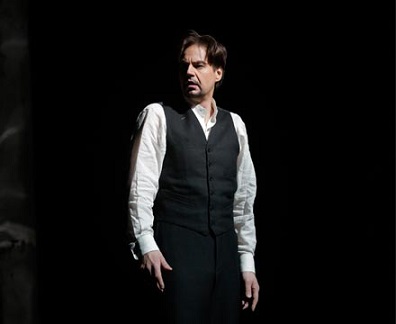
    Mattei ONEGIN

    Peter Mattei as Onegin (above) was in stunning voice. Truly this is one of the most beautiful baritone sounds in the world. Soft and plush, but not lacking in volume. Mattei’s long-limbed figure undergoes a reverse transformation of Tatiana. Haughty and indifferent at first, he unravels as Tatiana grows in stature. While Mattei’s singing was beyond reproach, his Russian diction was quite poor. In Act 1 it was still recognizable as Russian. Alas, as the opera progressed I often wasn’t sure he was singing in Russian at all, or just making sounds intended to sound vaguely Slavic.

    Russian tenor Alexei Dolgov was a terrific Lensky. His singing is effortless. Perhaps his neurotic, bordering hysteric Lensky would not be to all tastes, but it was believable, and – again – the singing was terrific. His Act II aria was heart-wrenching; his Russian diction crystal clear. Elena Maximova, as Lensky’s fiancée Olga, did everything right dramatically and musically. Perhaps the voice is a bit too monochrome and lacks warmth, but during the Act II ball she wonderfully conveyed a flirty, young woman who only too late realizes that her behavior towards her fiancée will lead to tragedy.

    It is a great touch to have a young bass play Prince Gremin. Usually Gremin is seen as an old man, but a youthful Stefan Kocan, with the necessary low notes in full bloom, leaves no doubt why Tatiana would refuse to leave him for a now-pathetic Onegin. 

    It was wonderful to see and hear two veteran Russian mezzos as the matriarchs. Elena Zaremba as Madame Larina showed off a still gleaming, forceful mezzo, effortlessly dominating ensembles. The great Larissa Diadkova, long one of my favorite singers, was a superb Filippyevna. There is still much voice left and dramatically her fussy Nanny was by turns funny and deeply moving as she recalls her own youth. My first live Filippyevna was the legendary Irina Arkhipova making a much belated Met debut in 1997. It is the highest compliment I can pay Diadkova to say that she is in the Arkhipova stratosphere of artists. 

    There were wonderful supporting appearances by Tony Stevenson as Triquet (lovely singing of the birthday song; it’s a character that can be very grating, but Stevenson is a superb character singer/actor), Richard Bernstein as Zaretski, and David Crawford as a Captain. The chorus was in excellent form, under the leadership of Donald Palumbo. 

    The big problem with the Met’s ONEGIN, alas, is the mediocre-to-terrible production by Deborah Warner, sets by Tom Pye, costumes by Chloe Obolensky and lighting by Jean Kalman. Warner’s boring conception is old-fashioned in the worst sense of the word. I’m as fond of a “period appropriate” production as anyone, but Warner’s staging contributes nothing to the work. The previous, gorgeous production by Robert Carsen showed more depth with a simple white box and autumn leaves than Warner and team manage with stuffy period detail. The silly “when in doubt, just lay down on the stage” trope should be made illegal. All of Act I is set in the Larin country home living room. Why the family would bring their entire farming staff in there, and then allow people to throw wheat on the living room floor, is a mystery. The Duel scene is the most effective, a moody wintry landscape. But the columns in all of Act III are simply too large, sitting like titans, distracting from any and all action on the stage. 

    So it was the superb cast of singing actors, the orchestra, and thrilling conducting by Ticciati that made this ONEGIN a superb musical event.

    ~ Ben Weaver
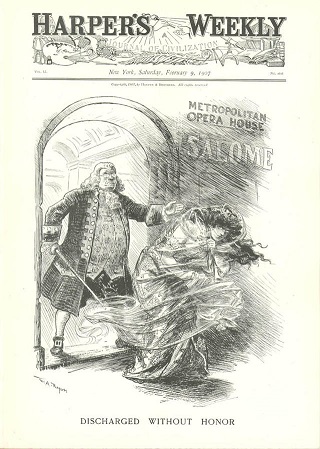
  • SALOME @ The Met

    Salome1

    “You know, there are three kinds of Salomes: those who can sing it, those who can dance it, and those who should be shot!” ~ Leonie Rysanek

    Wednesday December 28th, 2016 – My friend Dmitry and I had really been looking forward to seeing SALOME at The Met this season; it’s among our favorite scores. I bought tickets in advance for two performances, since I wanted to hear both Željko Lučić and Greer Grimsley as Jochanaan.

    Then came the news that the scheduled Salome, Catherine Naglestad, had withdrawn from the title-role, and was to be replaced by Patricia Racette. Racette used to be a particular favorite of mine, going back to her performances as Emmeline in Tobias Picker’s opera at NYCO. She was a marvelous Met Mimi, Violetta, and Ellen Orford, and I very much enjoyed her Elisabetta in DON CARLO. But as the seasons have passed, the wear-and-tear has really begun to show in Racette’s singing. Still, as recently as 2013, she gave a striking performance in Dallapiccola’s IL PRIGIONIERO with The New York Philharmonic.

    Since then, anything I have heard from her has sounded sadly worn and unpleasant. I suppose there’s something honorable about “the sword wearing out the sheath” in the service of art, but after a while the artistry and dedication no longer compensate for the sound being produced.

    I don’t want to dwell on the negative, but much of Racette’s singing was really off-putting. In the lower-to-middle-range passages, she was often covered by the orchestra. The heavy usage the soprano has subjected her voice to really shows in this music: the vibrato has spread so that in the upper range there’s no core to a sustained note; the louder the note, the wider the fluctuation.

    Salome is supposedly a teenager, but Strauss wrote the part in a way that only a mature and experienced soprano can cope with it. Thus the Dance of the Seven Veils must be handled with kid gloves; soprano and choreographer have to find ways for a woman of a certain age who is capable of singing the role to be reasonably credible in the dance-moves. For this famous scene, Racette chose an unflattering get-up: a sort of tuxedo affair with hot pants and a top hat. The choreography was duly carried out by the soprano and two men, but it was about as provocative as an after-dinner mint (to quote from the film CABARET). As the dance ended, Dmitry and I quietly left the theater.

    To briefly note the evening’s positive elements: Greer Grimsley was a powerful Jochanaan – though the amplification of his voice from the cistern was unflattering – and Gerhard Siegel was pretty much perfect as Herod. Excellent singing and portrayals from Nancy Fabiola Herrera as Herodias (great high notes!) and Kang Wang, who was vocally clear and thrilling as Narraboth. I loved seeing John Hancock onstage again, and there was fine work from Carolyn Sproule, Kathryn Day, Nicholas Brownlee, Richard Bernstein (ever the impressive stage figure, as when he kept the prophet on a long leash), Mikhail Petrenko, and Paul Corona. Allan Glassman led a strong quintet of Jews who were well-differentiated as personalities and just as annoying as one imagines Strauss intended them to be.

    The orchestra played superbly, and conductor Johannes Debus did well to highlight the myriad hues of the opera’s marvelous orchestration. Debus did not, however, always maintain an ideal union between pit and stage, sometimes drowning out the singers.

    Neither Dmitry nor I could recall the fanciful fore-curtain of angels, but perhaps we’ve suppressed the memory of it. The audience seemed pretty much captivated by the whole performance, though the woman seated in the adjoining box giggled and commented aloud during the dance. 

    Over the years and through repeated hearing, I’ve found that my favorite passage of SALOME is Jochanaan’s admonition to Salome to seek Christ at the Sea of Galilee. Tonight, Mr. Grimsley and concertmaster David Chan rendered this moment so beautifully; I suppose it’s odd that an atheist should be moved by this affirmation of faith, but to be honest, I often find expressions of deep and simple belief to be truly touching.

    Metropolitan Opera House
    December 28th, 2016

    SALOME
    Richard Strauss
    Salome..................Patricia Racette
    Herod...................Gerhard Siegel
    Herodias................Nancy Fabiola Herrera
    Jochanaan...............Greer Grimsley
    Narraboth...............Kang Wang
    Page....................Carolyn Sproule
    Jew.....................Allan Glassman
    Jew.....................Mark Schowalter
    Jew.....................Noah Baetge
    Jew.....................Alex Richardson
    Jew.....................David Crawford
    Nazarene................Mikhail Petrenko
    Nazarene................Paul Corona
    Soldier.................Nicholas Brownlee
    Soldier.................Richard Bernstein
    Cappadocian.............John Hancock
    Slave...................Kathryn Day
    Executioner.............Reginald Braithwaite

    Conductor...............Johannes Debus

  • Met’s Holiday MAGIC FLUTE

    Zauberflote Marty Sohl

    Tuesday December 20th, 2016 – Julie Taymor’s inventive production of Mozart’s MAGIC FLUTE (above, in a Marty Sohl/Met Opera photo) is the Metropolitan Opera’s 2016 holiday season offering. In this pared-down version, sung in English, quite a bit of dialogue is cut, but – alas! – so are some of my favorite moments from the score. The overture is reduced to merely the opening chords; half of Tamino’s ‘portrait’ aria is sacrificed; and the loss of the enchanting “Bei Männern” duet and of the divine Chorus of the Priests are the unkindest cuts of all.

    The Taymor is the third Met production of FLUTE in my operatic career, following the dazzling Chagall and the vivid David Hockney. Ms. Taymor’s setting is a charmer, with a crew of black-clad deck-hands manipulating giant puppets, a huge pre-historic bird to carry the Three Genii aloft, and a bevy of colorful avian-ballerinas (led by Emery LeCrone) who are enchanted by Papageno’s bells. 

    Antony Walker led a finely-paced performance, where both the light-hearted and the profound aspects of the score were given due honor. The sound of Érik Gratton’s flute, playing from the pit, fell most graciously on the ear, especially in the Trial Scene.

    Brugger, Janai 2

    The Met put forth a very appealing cast this evening. Janai Brugger (above) as Pamina and Ben Bliss as Tamino sang so persuasively that the loss of half of Ben’s aria and of Janai’s duet with Papageno were to be all the more lamented. Mr. Bliss, who gave a lovely recital at Weill Hall earlier this season, was a tall and ardent Prince, his singing clear and stylish.

    Ms. Brugger’s Pamina was a revelation: her warm vibrato and delicious turns of phrase captivated me all evening. The voice is very ‘present’ in the big hall; her highest notes, often nuanced to a luminous piano, were exquisite. The great aria was a moving expression of feminine vulnerability wherein Pamina’s mistaken belief that Tamino no longer loves her was movingly conveyed. I’m very sorry now that I missed Ms. Brugger’s Liu at The Met; the role I most want to hear her in – soon – is Mimi in BOHEME.

    Headshot-watch02a

    Morris Robinson (above) was a majestic, vocally grand Sarastro. His voice spans the range with true command – the deep notes wonderfully resonant – and in matters of phrasing and diction he imbues the music with a rich sense of humanity. It’s always a great pleasure to hear Mr. Robinson at the Met, and tonight his performance was particularly impressive. 

    Christopher Maltman’s Papageno was a genuine joy, his singing robust and sprightly by turns, and his Brit accent adding an extra bit of charm. An agile actor, Mr. Maltman took the production’s pratfalls in stride. He made the birdcatcher a vivacious but never silly character, and we were all rooting for him to win his Papagena, played – with creaky quirkiness when old and blithe perkiness when young – by Dísella Lárusdóttir.

    As the Queen of the Night, Jessica Pratt was undaunted by this most difficult of debut roles. In two arias, touching on five high-Fs, the soprano is in a make-or-break situation; Ms. Pratt came thru with flying colours, bringing a striking sense of drama to her spoken instructions to Pamina (to commit murder) and with deft coloratura in the ensuing aria. In her final command: “Swear! Swear! Swear to avenge me!” Ms. Pratt latched onto a brilliantly sustained top note that rang splendidly into the hall.

    Shenyang played the all-too-brief role of The Speaker; his scene with Tamino outside the temple is actually my favorite part of the opera, wherein Tamino’s world is turned upside-down. Shenyang and Mr. Bliss were excellent here, and how I was wishing that the bass-baritone sang in New York far more frequently. 

    Robert Brubaker gave a brilliant performance as the duplicitous Monastatos, his singing strong and his diction clear. Making his exit after being repelled by Pamina, Mr. Brubaker casually tossed the line: “If I can’t have the daughter, I’ll try for the mother!” over his shoulder. I laughed out loud. 

    Wendy Bryn Harmer, Sarah Mesko (debut), and Maria Zifchak made a very fine trio of Ladies, vocally well-matched and carrying out all their stage business with aplomb. An especially impressive trio of Genii – Daniel Katzman, Misha Grossman, and Dylan Hansen Hamme – sang firmly and blended very well in music that is often delivered weakly and with unsure pitch. Good work, boys! Mark Schowalter and Scott Scully (Priests) and Noah Baetge and Rod Nelman (Guards) rounded out the evening’s cast.

    In the well-sold House were hundreds of children, and for the most part they were silent as mice. Of course the exception had to be sitting right next to us: she did some epic nose-blowing throughout the latter scenes of the evening. Step out to the hallway, dear!

    Then, on leaving the theatre, my friend Claudia and I were accosted by a deranged patron who was incensed and righteously offended that the opera had not been given complete and was not sung in German: somehow this became our fault. After a moment of being polite, I was overcome by his severe case of halitosis. He blustered on and on while we ignored him. Finally he rushed away, crashing into the revolving door. What a miserable bloke.

    But all’s well as ends better, as the hobbits say. We had a great time at the Met tonight.

  • Met’s Holiday MAGIC FLUTE

    Zauberflote Marty Sohl

    Tuesday December 20th, 2016 – Julie Taymor’s inventive production of Mozart’s MAGIC FLUTE (above, in a Marty Sohl/Met Opera photo) is the Metropolitan Opera’s 2016 holiday season offering. In this pared-down version, sung in English, quite a bit of dialogue is cut, but – alas! – so are some of my favorite moments from the score. The overture is reduced to merely the opening chords; half of Tamino’s ‘portrait’ aria is sacrificed; and the loss of the enchanting “Bei Männern” duet and of the divine Chorus of the Priests are the unkindest cuts of all.

    The Taymor is the third Met production of FLUTE in my operatic career, following the dazzling Chagall and the vivid David Hockney. Ms. Taymor’s setting is a charmer, with a crew of black-clad deck-hands manipulating giant puppets, a huge pre-historic bird to carry the Three Genii aloft, and a bevy of colorful avian-ballerinas (led by Emery LeCrone) who are enchanted by Papageno’s bells. 

    Antony Walker led a finely-paced performance, where both the light-hearted and the profound aspects of the score were given due honor. The sound of Érik Gratton’s flute, playing from the pit, fell most graciously on the ear, especially in the Trial Scene.

    Brugger, Janai 2

    The Met put forth a very appealing cast this evening. Janai Brugger (above) as Pamina and Ben Bliss as Tamino sang so persuasively that the loss of half of Ben’s aria and of Janai’s duet with Papageno were to be all the more lamented. Mr. Bliss, who gave a lovely recital at Weill Hall earlier this season, was a tall and ardent Prince, his singing clear and stylish.

    Ms. Brugger’s Pamina was a revelation: her warm vibrato and delicious turns of phrase captivated me all evening. The voice is very ‘present’ in the big hall; her highest notes, often nuanced to a luminous piano, were exquisite. The great aria was a moving expression of feminine vulnerability wherein Pamina’s mistaken belief that Tamino no longer loves her was movingly conveyed. I’m very sorry now that I missed Ms. Brugger’s Liu at The Met; the role I most want to hear her in – soon – is Mimi in BOHEME.

    Headshot-watch02a

    Morris Robinson (above) was a majestic, vocally grand Sarastro. His voice spans the range with true command – the deep notes wonderfully resonant – and in matters of phrasing and diction he imbues the music with a rich sense of humanity. It’s always a great pleasure to hear Mr. Robinson at the Met, and tonight his performance was particularly impressive. 

    Christopher Maltman’s Papageno was a genuine joy, his singing robust and sprightly by turns, and his Brit accent adding an extra bit of charm. An agile actor, Mr. Maltman took the production’s pratfalls in stride. He made the birdcatcher a vivacious but never silly character, and we were all rooting for him to win his Papagena, played – with creaky quirkiness when old and blithe perkiness when young – by Dísella Lárusdóttir.

    As the Queen of the Night, Jessica Pratt was undaunted by this most difficult of debut roles. In two arias, touching on five high-Fs, the soprano is in a make-or-break situation; Ms. Pratt came thru with flying colours, bringing a striking sense of drama to her spoken instructions to Pamina (to commit murder) and with deft coloratura in the ensuing aria. In her final command: “Swear! Swear! Swear to avenge me!” Ms. Pratt latched onto a brilliantly sustained top note that rang splendidly into the hall.

    Shenyang played the all-too-brief role of The Speaker; his scene with Tamino outside the temple is actually my favorite part of the opera, wherein Tamino’s world is turned upside-down. Shenyang and Mr. Bliss were excellent here, and how I was wishing that the bass-baritone sang in New York far more frequently. 

    Robert Brubaker gave a brilliant performance as the duplicitous Monastatos, his singing strong and his diction clear. Making his exit after being repelled by Pamina, Mr. Brubaker casually tossed the line: “If I can’t have the daughter, I’ll try for the mother!” over his shoulder. I laughed out loud. 

    Wendy Bryn Harmer, Sarah Mesko (debut), and Maria Zifchak made a very fine trio of Ladies, vocally well-matched and carrying out all their stage business with aplomb. An especially impressive trio of Genii – Daniel Katzman, Misha Grossman, and Dylan Hansen Hamme – sang firmly and blended very well in music that is often delivered weakly and with unsure pitch. Good work, boys! Mark Schowalter and Scott Scully (Priests) and Noah Baetge and Rod Nelman (Guards) rounded out the evening’s cast.

    In the well-sold House were hundreds of children, and for the most part they were silent as mice. Of course the exception had to be sitting right next to us: she did some epic nose-blowing throughout the latter scenes of the evening. Step out to the hallway, dear!

    Then, on leaving the theatre, my friend Claudia and I were accosted by a deranged patron who was incensed and righteously offended that the opera had not been given complete and was not sung in German: somehow this became our fault. After a moment of being polite, I was overcome by his severe case of halitosis. He blustered on and on while we ignored him. Finally he rushed away, crashing into the revolving door. What a miserable bloke.

    But all’s well as ends better, as the hobbits say. We had a great time at the Met tonight.

  • Cynthia Phelps|Jaap van Zweden|NY Phil

    Cynthia Phelps

    Saturday November 19th, 2016 – Even before I started going to The New York Philharmonic faithfully, I was a fan of Cynthia Phelps (above) from her work with Chamber Music Society of Lincoln Center. Tonight, Ms. Phelps was center-stage at Geffen Hall, playing a brand new viola concerto by composer Julia Adolphe. The program further featured works by two of my extreme favorite composers – Wagner and Tchaikovsky – and was conducted by the Philharmonic’s Music Director designate, Jaap van Zweden.

    It has been ten years since The Metropolitan Opera last performed LOHENGRIN, and I for one have really missed it; I was grateful tonight for the opportunity to hear the opera’s Act I prelude, and – under Maestro van Zweden’s baton – the artists of the Philharmonic gave it a stunning performance.

    Wagner wrote of the prelude as being a depiction of the descent of the Holy Grail to Earth; it opens on high, with ethereal violins, and the rapture slowly spreads from one section of the orchestra to another, creating a sonic glow. At the very end, a return to the stratosphere with a pianissimo whisper from the violins leaves us breathless. Maestro van Zweden molded the piece lovingly, controlling the layerings of sound to perfection and creating an organic whole. It is simply an astonishing and unique piece of music.

    Cynthia Phelps, gowned in blue, then took the stage to a warm welcome for Julia Adolphe’s viola concerto; entitled Unearth, Release, the concerto is in three movements, each being sub-titled. The first is Captive Voices, and it opens on a mysterious note with the viola playing in the low register. The composer employs a variety of percussion effects, and here the vibraphone sounds eerily. The viola remains unsettled – as if talking to itself – and then rises slowly out of the depths. A brief shimmer in the violins, a gong resonates ominously, and then the music turns big and cinematic; bells sound, the horns give voice, and magically the harp enters the mix: the concerto’s most intriguing passage – for viola and harp in a pinging dialogue – ensues. An odd, probably sub-conscious quote from LA FORZA DEL DESTINO pricked up my ear; deep, sustained notes from Ms. Phelps, and then her line rises to mingle with the harp again as the music fades into air.

    The second movement, Surface Tension, begins with an animated, scurrying passage. The viola is kept busy against shifting rhythmic patterns from the orchestra until the movement comes to an abrupt halt. The dreamlike opening of the third movement, Embracing Mist, features Frank Huang’s violin playing on high. The viola rises, and the cabasa makes a somewhat creepy appearance. Trumpet and English horn speak up before the music turns more expansive, over-lain by a brief horn duet. Ms. Phelps’s viola whispers to us one last time.

    The concerto has a darkling appeal, and Ms. Phelps’ playing of it is first-rate; it has the potential to become a vehicle for violists worldwide. The composer took a bow, and the Philharmonic audience – always so responsive when a player from the home team takes a soloist role – showered Ms. Phelps with affection.

    Zweden Borggreve a

    Maestro van Zweden (above, in a Marco Borggreve portrait) and the Philharmonic players then gave a thrilling rendering of Tchaikovsky’s 4th symphony. From the opening fanfares, the performance was marked by big, passionate playing whilst jewel-like moments from the various solo voices emerged along the way to delight us. During the course of the first movement, my admiration for Maestro van Zweden became unbounded: his very animated podium personality and his brilliant alternation of jabs, lures, and summonses as he cued the various players was simply delightful to behold. Among the most cordial passages were an alternation of violins vs winds over timpani, and big playing from the horns; flute, clarinet, oboe, bassoon, and horn soloists shone forth. The music excited us thru its sense of urgency.

    Liang Wang’s evocative playing of the oboe solo that opens the second movement was a high point of the performance; in this Andantino, very much à la Russe, the wind soloists again flourished in each opportunity the composer provides.

    The dazzling unison plucking of the strings in the Scherzo was vividly crisp and clear tonight, with the Maestro’s fingertip control of the volume sometimes honed the sound down to a delicate pianissimo whilst maintaining the lively atmosphere. Oboe and flute again sing appealingly.

    A grand, wild start to the concluding Allegro con fuoco established immediately the fact that Maestro van Zweden was taking the designation “con fuoco” (“fiery”) very much to heart. The orchestra simply blazed away, a mighty conflagration that dazzled the audience in no uncertain terms. As the symphony reached its fantastical conclusion, the Geffen Hall audience burst into unrestrained shouts of approval and gales of applause: everyone stood up to cheer. Maestro van Zweden returned and signaled the musicians to rise, but instead they remained seated and joined in the applause, giving the conductor a solo bow. The audience loved it.

    An evening, then, that moved from the spiritual to the exhilarating, superbly played, and with a Maestro from whom, it seems clear, we can expect great things.

  • Noseda|Yuja Wang|London Symphony

    Gianandrea Noseda

    Friday October 28th, 2016 – Gianandrea Noseda (above) conducting the London Symphony at Geffen Hall, with works by Wagner and Shostakovich book-ending a performance of the Ravel G-major piano concerto by Yuja Wang. The concert was part of the Lincoln Center Great Performers series.

    The evening began with the orchestra making an “entrance”. This pretentious ritual should be abandoned, and tonight’s audience weren’t buying it: there was about 5 seconds of applause and then the majority of the players had to find their places in silence. It was all mildly embarrassing. After the intermission, they tried it again and, after a smattering of hand-claps, silence again prevailed. 

    I’m so accustomed to hearing the overture to DIE MEISTERSINGER played from the Metropolitan Opera House’s pit that the massed sound of The London players onstage at Geffen tonight came as a jolt. To me, Gianandrea Noseda’s choice of pacing in the opening theme seemed too slow. The sound was very dense and I missed the layering of voices that can make this music so fascinating. The playing was marvelous, and the impression grandiose, but much of the time it seemed like sonic over-kill: exciting in its own way, but not finding an emotional center. 

    Yuja-wang

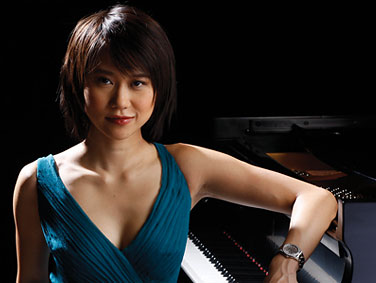
    Above: Yuja Wang

    I love a well-contrasted program, but following the Wagner overture with Ravel’s charmingly jazzy and often delicate G-major piano concerto – an idea that seemed ideal on paper – didn’t quite come off. The Ravel, dazzlingly played by Yuja Wang, seemed oddly inconsequential – for all its delights.

    Commencing in the ‘toy piano’ register, the opening Allegramente proceeds thru varying moods – from magically mystery to bluesy languor – with the piano line woven among gentle coloristic passages from the winds and harp. In the Adagio, introspective yet subtly passionate, we’re reminded of the beautiful ‘beach’ pas de deux that Jerome Robbins created for his ballet “In G Major“. Boisterous interjections from wind instruments attempt to jar the pianist from her mission in the concluding Allegro assai, but the music rushes onward to a final exclamation point.

    Yuja Wang performed the concerto superbly, making a particularly lovely impression with the extraordinary delicacy of her playing in the Adagio. In the animation of the finale, she blazed away with marvelous energy, causing the audience to explode in cheers and tumultuous applause at her final jubilant gesture. Ms. Wang is a musician who brings a rock-star’s pizazz to classical music; but far from being just a stage-crafty icon, she has the technique and artistry to stand with the best of today’s pianists.

    This evening, Yuja Wang played three encores. This delighted the crowd, but in the midst of a symphonic concert, one encore suffices…or two, at a stretch; in a solo recital, you can keep encoring til the wee hours, as Marilyn Horne did at Salzburg in 1984. Ms. Wang’s third recall brought her most intriguing playing of the evening an: arrangement of Schubert’s Gretchen am Spinnrade which was hypnotic in its restlessness and its melodious mood of quiet desperation.

    Is Shostakovich’s fifth symphony the greatest symphony ever written? It certainly seemed that way tonight, and though one wonders what the composer might have written had he not been in need of paying penance to Stalin following the dictator’s displeasure with LADY MACBETH OF MTSENSK, the result of Shostakovich’s desire to please under threatening circumstances resulted in this titanic masterpiece.

    Maestro Noseda and The London players served up this astounding music in a performance that was thrilling from first note to last. Commencing with solo clarinet and moving on to a passage with piano and deep brass, the opening Moderato becomes extremely noisy..and then subsides. The pairing of flute and horn is a stroke of genius, with the clarinet and high violin picking up the melodic thread. The misterioso flute casts a spell.

    In the Allegretto, solo winds pop up before Shostakovich commences a waltz. Irony and wit hover overall, with featured passages for a procession of instruments: violin, flute, trumpet, a bassoon duo. Plucking strings bring a fresh texture.

    The dolorous opening of the Largo dispels any thoughts of lightness that the Allegretto might have stirred up. In this third movement, the brass do not play at all. Weeping strings, and the mingling of harp and flute lead to a rising sense of passion coloured by desolation. This evolves into a theme for oboe and violins. A lonely clarinet and a forlorn flute speak to us before a grand build-up commences with the strings in unison really digging into it. The music wafts into a high haze of despair, the harp trying to console. Just as the whispering final phrase was vanishing into thin air, someone’s device made an annoying intrusion: another great musical moment smudged by thoughtlessness. 

    The fourth movement, with its driven sense of propulsive grandeur, is thought to have marked Shostakovich’s triumph over the woes besetting him; but it has also been described as “forced rejoicing”. Whichever may be the case, the glorious horn theme, the aching strings, and the slow build-up to the epic finish certainly raised the spirits tonight. The cymbalist’s exuberant clashes at the end took on a celebratory feel.  

    It was reported that, at this symphony’s 1937 premiere, members of the audience began to weep openly during the Largo. Today, some 80 years on, there is still much to weep over in the world: religious and political forces continue to divide mankind; our planet is slowly being ravaged; racism, sexism, ageism, homophobia, and casual violence pervade the headlines daily. As we seem to slip deeper and deeper into some terrible abyss, it is in music, art, poetry, dance, and great literature that we may seek consolation. Tonight, the Shostakovich felt like an affirmation of faith in humanity, and we must cling to that against all odds.

  • The Met @ Lincoln Center: 50 Years On

    1380x591_50th_anniversary

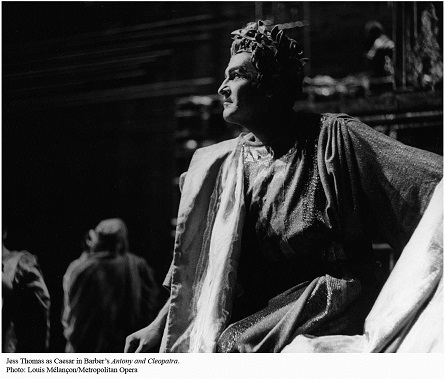
    September 16th, 2016 – Fifty years ago tonight, the Metropolitan Opera opened at their new home at Lincoln Center with the world premiere performance of Samuel Barber’s ANTONY AND CLEOPATRA starring Leontyne Price, Justino Diaz, and Jess Thomas, conducted by Thomas Schippers. The performance was broadcast live, and – needless to say – I was tuned in.

    Antony6667.04

    I remember listening in my little room in the big house in tiny Hannibal, New York, where I grew up. The possibility of a strike by the musicians of The Met’s orchestra had left the future of the season beyond this first night up in the air; but during the intermission, Rudolf Bing stepped out before the gold curtain to announce that the strike had been averted and new contracts signed. I – always so reticent – let out a whoop and raced downstairs, excitedly telling my parents the news; they thought I was deranged, but that was nothing new.

    Antony6667.10

    But I had a vested interest in the outcome of The Met’s contract negotiations, because in August I had made my first solo trip to New York City and I had tickets to several upcoming performances, including the final ANTONY AND CLEOPATRA of the run. So now my plans were a “go”, and I was soon making frequent pilgrimages to Lincoln Center and falling in love with the City where I would eventually live.

    Read an article about my experience on the first ticket line for The Met at Lincoln Center here.

  • The Rhinemaidens

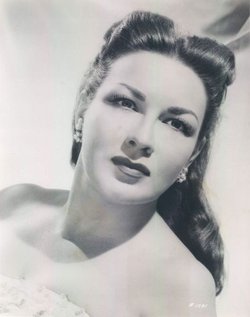
    Heidi krall

    Soprano Heidi Krall (above) leads a distinctive trio of Rhinemaidens in this excerpt from a 1957 Met RHEINGOLD:

    The Rhinemaidens ~ Das Rheingold – Heidi Krall – Rosalind Elias – Sandra Warfield – with Lawrence Davidson – Met bcast 1957 – Steidry cond

    Ms. Krall sang nearly 300 performances with the Metropolitan Opera Company, both at the Old Met and on tour. While usually heard in roles like Frasquita or The Priestess in AIDA, she did sing several Musettas, as well as appearing as Micaela, Donna Elvira, Nedda, and the 1st Lady in ZAUBERFLOETE.

  • Encore: ELEKTRA @ The Met

    Mask-of-agamemnon

    Above: The Mask of Agamemnon

    Saturday April 30th, 2016 matinee – Since ELEKTRA is one of my favorite operas – sometimes I think it is my favorite opera – I planned to see The Met’s new production of it once, and then to hear it again from a score desk.

    Some people had issues with the voices of Nina Stemme and Adrianne Pieczonka at the production’s Met premiere on April 14th: squally, shrill, and flat were among descriptive words I heard being tossed about. There were also complaints that Waltraud Meier, as Klytemnestra, was “inaudible” or at least seriously under-powered vocally. So when my friend Dmitry and I attended the second performance on April 18th, we were pleased to find that both Stemme and Pieczonka sounded much better than we’d been expecting, and that Meier, though vocally restrained when compared to such past exponents of the role as Resnik, Rysanek, Fassbaender, Christa Ludwig, or Mignon Dunn, was able to make something of the music thru diction and vocal colour.

    This afternoon, the three principal women all seemed rather out of sorts vocally. Stemme sounded frayed and effortful, the highest notes sometimes just a shade flat and her vibrato more intrusive than at the earlier performance. Ms. Pieczonka was likewise on lesser form, tending to sound shrill under pressure, and the voices of both sopranos seemed smaller and less free that I remembered. Ms. Meier was – honestly (and I am a big fan of hers) – nearly inaudible much of the time; a lot of her verbal detail didn’t penetrate the orchestra. (Since the performance was being broadcast, undoubtedly Ms. Meier made a much more vivid impression over the airwaves).

    Stemme and Pieczonka did achieve a higher level as the afternoon wore on; their most exciting singing came after the murder of Aegisth and on thru to the end of the opera. But compared to their earlier performance, they were both a bit disappointing. Of course, we have to take into account that these are two of the most fearsome and challenging roles in the soprano repertoire, and are being sung over a huge orchestra in a vast space. The wear and tear on their instruments must be incredible.

    The audience at large were undeterred by concerns over vocal matters, and they lustily cheered the three women at the curtain calls; the ovation for Ms. Stemme – well-merited for her generosity and courage – was enormous, and the house lights were turned on so she could see everyone standing and screaming for her.

    For me, it was the opera itself – and Esa-Pekka Salonen’s conducting of it – that made the performance memorable. The orchestra played spectacularly, and if Maestro Salonen sped thru some of the music (the Recognition Scene seemed really fast) it sort of added to the sense of exhilaration I was experiencing just from hearing the opera live again. 

    Eric Owens made an outstanding impression as Orestes today; his first lines established a powerful and rather creepy vocal presence, and at “Lass den Orest…” he was truly splendid. He has the right amplitude for this music in this house, and was deservedly hailed at his solo bow. 

    Special mention to Bonita Hyman for her rich, deep contralto singing as the First Maid, and to the remarkable Roberta Alexander, who again made such a moving impression as the Fifth Maid, a Chéreau ‘invention’ that paid off handsomely.

    Metropolitan Opera House
    April 30th, 2016 Matinee

    ELEKTRA
    Richard Strauss

    Elektra....................Nina Stemme
    Chrysothemis...............Adrianne Pieczonka
    Klytämnestra...............Waltraud Meier
    Orest......................Eric Owens
    Aegisth....................Burkhard Ulrich
    Overseer...................Susan Neves
    Serving Woman..............Bonita Hyman
    Serving Woman..............Maya Lahyani
    Serving Woman..............Andrea Hill
    Serving Woman..............Claudia Waite
    Serving Woman..............Roberta Alexander
    Confidant..................Susan Neves
    Trainbearer................Andrea Hill
    Young Servant..............Mark Schowalter
    Old Servant................James Courtney
    Guardian...................Kevin Short

    Conductor..................Esa-Pekka Salonen

  • Matinee @ The Met: OTELLO

    Hibla

    Saturday April 23rd, 2016 matinee – I went to this performance of OTELLO at The Met expressly to hear Hibla Gerzmava (above) as Desdemona. Feeling no need to see the production, I took a score desk. Since I could not see the stage, I missed a cast change that took place spontaneously between Acts III and IV.

    Aleksandrs Antonenko started out strongly, seeming to be in better voice as Otello than at the earlier performance I had heard; but by the end of Act III he was taking stuff down an octave and speaking the lines. A substitute sang Act IV while Antonenko acted the role.

    CK24Try3SVw

    The cover, named Francesco Anile (above), sounded more Italianate and his vibrato was less prominent than Antonenko’s; but since I was unaware of the change, I just thought – from what I was hearing – that Antonenko had gotten a second wind and was making a final push. A spokesperson for the Met came onstage before the curtain calls started to explain what had happened (this was also needed for the radio audience). Then Antonenko and Gerzmava bowed together…she seemed to be trying to console him…and finally Anile came out in jeans and sneakers with an old robe thrown over his shoulders.

    Antonenko’s uneven performance in the first half of the evening included a some really nice passages mixed in with the more effortful ones. But I wondered – as I had at the earlier performance I saw – whether he merited a new production (for an opening night) at The Met, considering his less-than-stellar vocalism. Since Domingo retired the role, only Johan Botha has been more than a serviceable Otello at The Met. Heppner, Galouzine, and Cura were variable, at best. Without a world-class exponent of the title-role around these days, new productions seem unwarranted.

    Ms. Gerzmava’s voice is beautifully ‘present’ in the big Met space. Her singing has a darkish glow, she phrases appealingly, and incorporates piano effects nicely, if rather sparingly (I kept hoping for more). A trace of sharpness was evident here and there, and the final A-flat of the Ave Maria would have been more effective if held just a bit longer.

    As has sometimes happened before at The Met, the sound of voices from the lighting bay in the auditorium’s ceiling ruined much of the Willow Song and Ave Maria; it was around the same time that a cellphone also went off.

    All of the wonderful things about Željko Lučić – the authentic Met-sized voice, the uninhibited range, the dramatic nuances he brings to his singing – are undone by continuous problems of pitch. So many thrilling moments in Lučić’s Iago today were offset by his seeming inability to control this serious defect.

    Chad Shelton’s Roderigo stood out – both in terms of voice and inflection – among the supporting cast today. Jennifer Johnson Cano (Emilia), Alexey Dolgov (Cassio), Jeff Mattsey (Montano), and Tyler Duncan (A Herald who is ready for bigger roles) all did well. And that beloved Wotan and Hans Sachs, James Morris, was warmly greeted at his curtain call in the role of Lodovico.

    Conductor Adam Fischer set the opera on its way with a stimulatingly powerful treatment of the storm music; The Met chorus and orchestra were ship-shape all afternoon. 

    A fun article about Signor Anile’s stepping in here.

    Metropolitan Opera House
    April 23rd, 2016 matinee

    OTELLO
    Giuseppe Verdi

    Otello..................Aleksandrs Antonenko/Francesco Anile (Act IV)
    Desdemona...............Hibla Gerzmava
    Iago....................Zeljko Lucic
    Emilia..................Jennifer Johnson Cano
    Cassio..................Alexey Dolgov
    Lodovico................James Morris
    Montàno.................Jeff Mattsey
    Roderigo................Chad Shelton
    Herald..................Tyler Duncan

    Conductor...............Adam Fischer