Tag: Miro Magloire

  • New Chamber Ballet ~ Gallery

    IMG_9128_edited

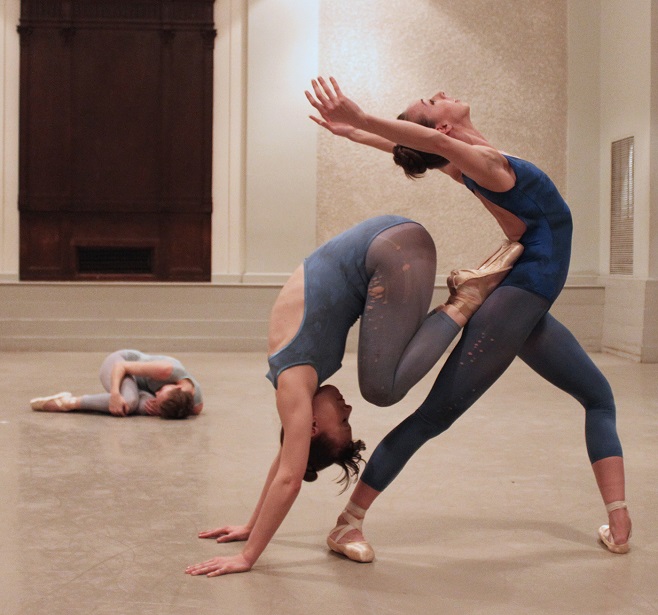
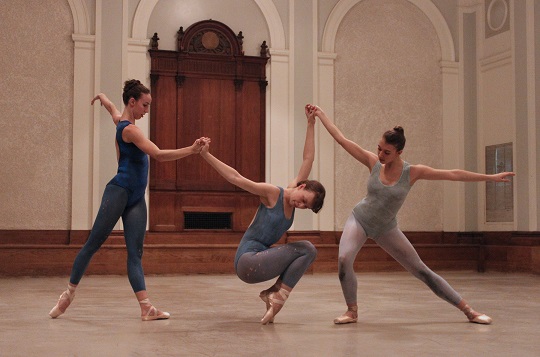
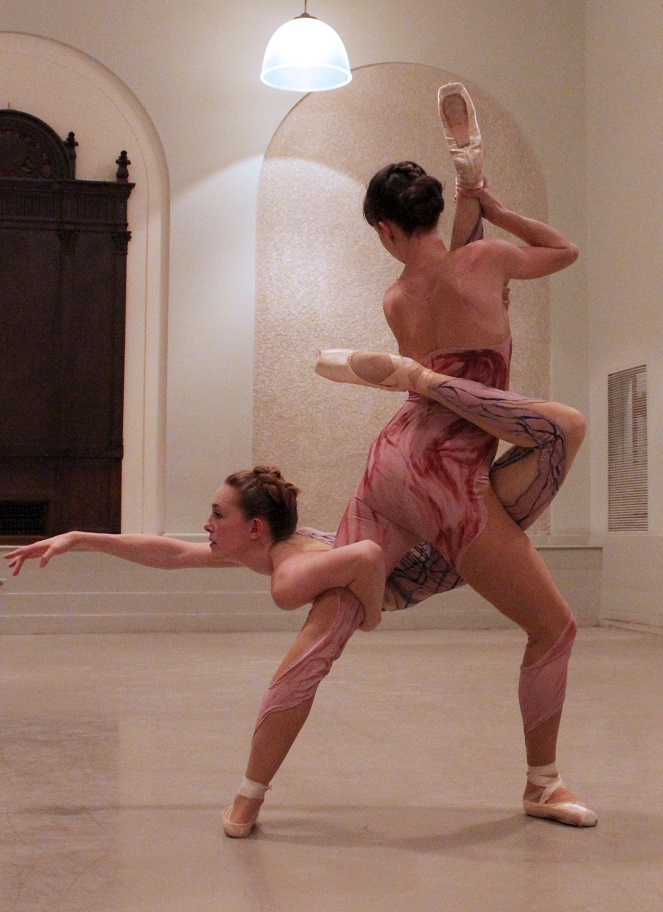
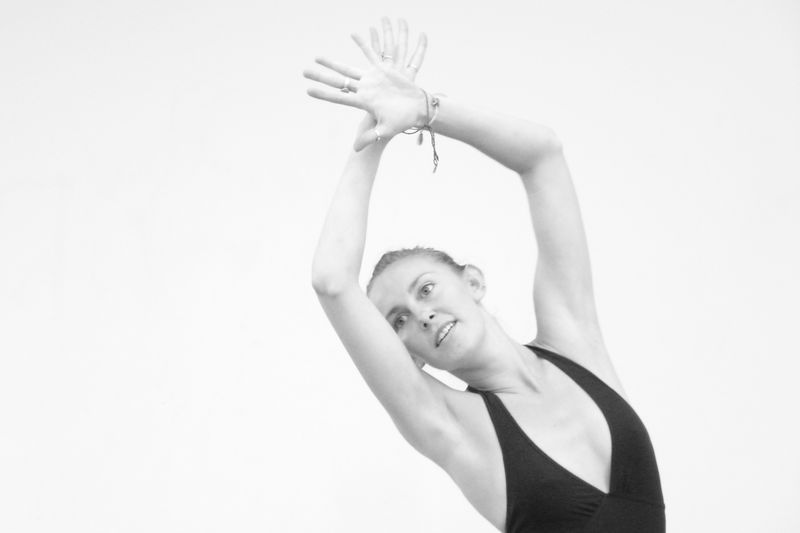
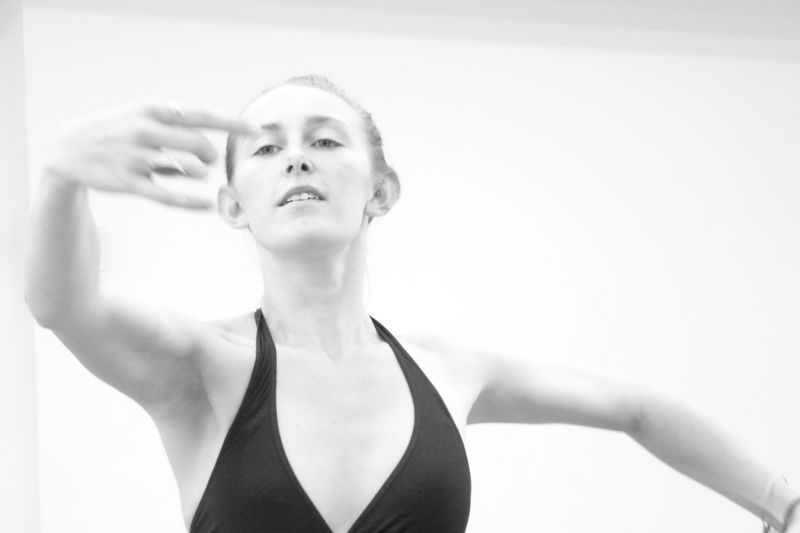
    Above: dancers Sarah Atkins and Amber Neff in Miro Magloire’s RAVEL’D

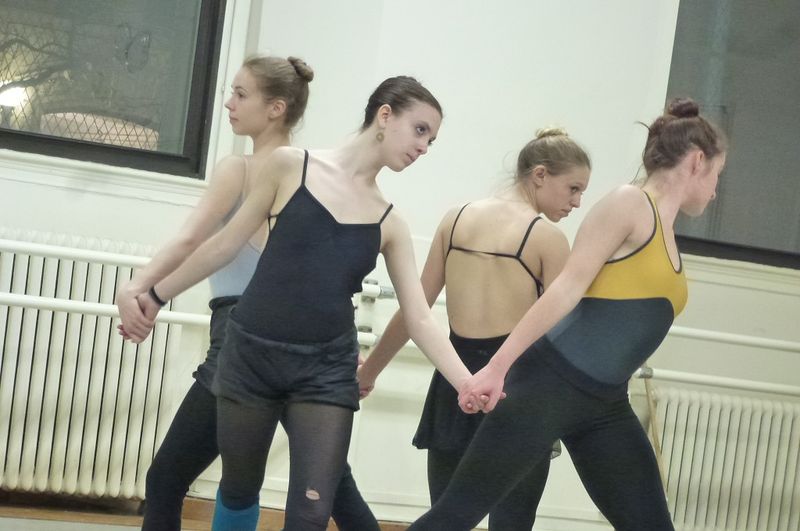
    Photographs from New Chamber Ballet‘s February 2016 performances at New York City Center Studios. Read about the program here, and about a rehearsal I attended here.

    All the choreography depicted is by Miro Magloire, and all the images are courtesy of New Chamber Ballet:

    IMG_9225_edited

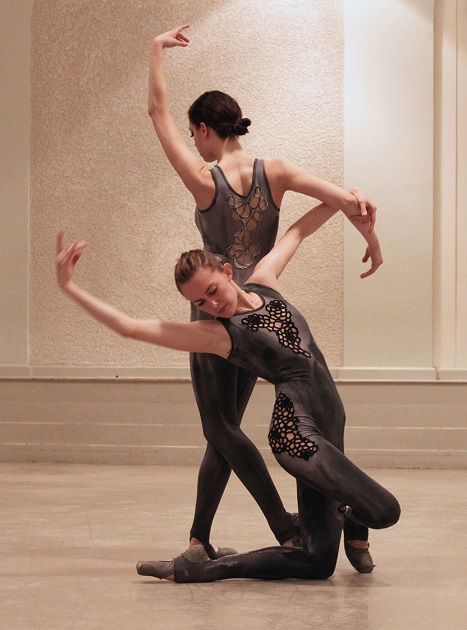
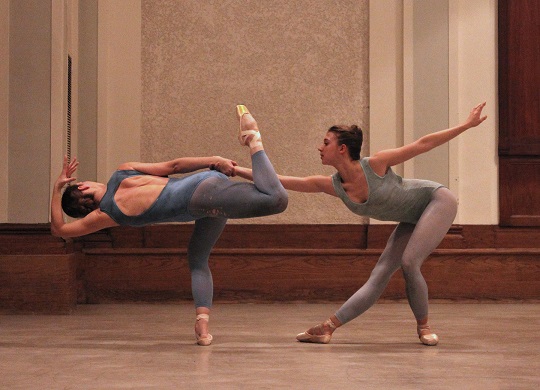
    Amber Neff and Traci Finch in GRAVITY

    IMG_9239_edited

    Amber Neff, Elizabeth Brown, and Traci Finch in GRAVITY

    IMG_9359_edited-bw

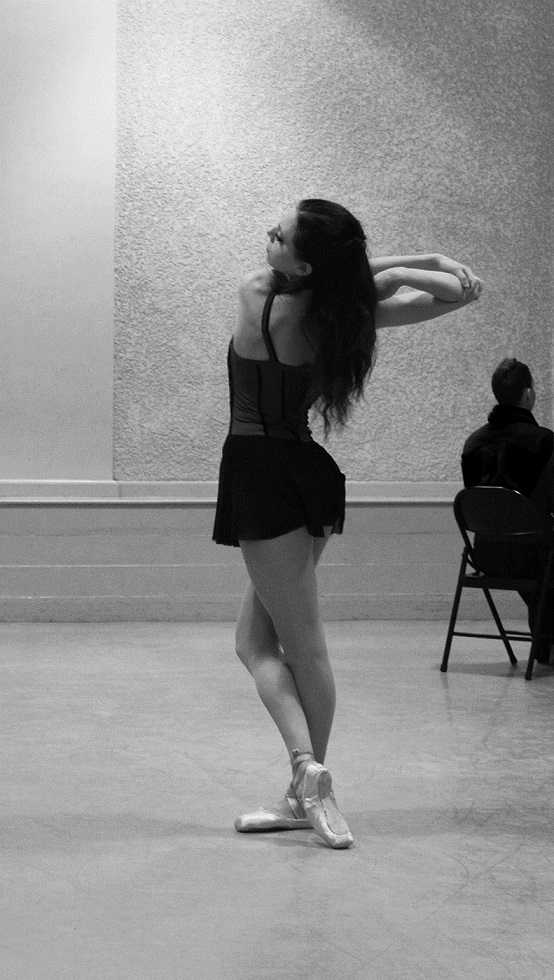
    Shoshana Rosenfield in QUARTET

    IMG_9363_edited-bw

    Shoshana Rosenfield in QUARTET

    IMG_9369_edited-bw

    Shoshana Rosenfield with Sarah Atkins and Traci Finch in QUARTET

    IMG_9389_edited-bw

    Elizabeth Brown, Amber Neff, Traci Finch and Sarah Atkins surround Shoshana Rosenfield in QUARTET

    IMG_9406_edited

    Amber Neff and Shoshana Rosenfield in VOICELESSNESS

    IMG_9431_edited

    Shoshana Rosenfield and Amber Neff in VOICELESSNESS

    IMG_9443_edited

    Shoshana Rosenfield and Amber Neff in VOICELESSNESS

  • An Evening @ New Chamber Ballet

    11229387_10153700794988571_1643682530134201836_o

    Friday November 20th, 2015 – Miro Magloire’s New Chamber Ballet presenting works by Miro and resident choreographer Constantine Baecher in a nicely-mixed programme of new and olde music – expertly played – and danced by Miro’s uniquely talented band of ballerinas. In the intimate setting of the City Center Studios, there’s a sense of immediacy – both of the music and the dancing – that no other dance company in Gotham can quite match.

    In his most recent works, Miro’s choreography has been daring in its exploration of female partnering. Tonight’s concert opened with the premiere of a full version of Gravity, excerpted earlier this season and which I’d seen in a formative rehearsal.

    First off, a salute to violinist Doori Na for his impressive rendering of “Six Pieces for Violin” by Friedrich Cerha. The venerable Austrian composer, soon to celebrate his 90th birthday, is currently in the news locally as The Met is offering a new production of Alban Berg’s LULU which Mr. Cerha completed upon Berg’s death.

    Gravity was danced tonight by Elisabeth Brown, Traci Finch, and NCB’s newest member Cassidy Hall. The dancers alternate between posing and partnering: a duet for Elizabeth and Traci is observed by Cassidy, who then inserts herself into the dance. Elizabeth’s solo comes as the music falls silent; she then dances with Cassidy in a duet where Elizabeth, at full stretch, is nearly parallel to the floor in displaying a superb line.

    IMG_8922-edited-sm

    The dancers then polish off the ballet with a trio (Traci, Elizabeth and Cassidy, above). 

    More images from Gravity, photographed by Amber Neff:

    IMG_8883-edited-sm

    Cassidy Hall and Traci Finch

    IMG_8906-edited-sm

    Elizabeth Brown and Cassidy Hall

    Someone once wrote of Aristotle Onassis: “He was not the first man to want both his wife and his mistress.”  That very notion was the starting point of The Other Woman, Miro’s ‘classic triangle’ ballet set to a classic score: Bach’s B-minor violin sonata. 

    An en travesti Sarah Atkins, wearing a jaunty fedora, faces the age-old dilemma of the married man as he vacillates between his wife and his lover. Elizabeth Brown and Holly Curran offer contrasting attractions of face, form, and personality; in this very theatrical piece, their dancing is urgent and nuanced. The rival women confront one another while Sarah dances a space-filling solo. In the end it seems no real decision has been reached, and it feels like more chapters are yet to come before this story ends.

    Doori Na and pianist Taka Kigawa played the Bach so attractively, and moments later Taka returned play Beat Furrer’s ‘Voicelessness. The snow has no voice’ for Miro’s second premiere of the evening: Voicelessness. Taka’s playing was marvelous right from the murmuring start of the piece; he was able to sustain a pianissimo misterioso atmosphere throughout with great control. This was punctuated with the occasional emphatic high staccato.

    IMG_8328-edited-sm

    In this duet the two dancers – Amber Neff and Cassidy Hall, (above) – perform extremely demanding and intensely intimate feats of partnering. The two girls, abetted by Taka Kigawa’s keyboard, sustained the tension of the work most impressively.

    IMG_8354-edited-sm

    Above: Amber Neff and Cassidy Hall in Voicelessness

     
    More images from Voicelessness; these photos are by Sarah Thea who also designed the costumes for four of the five works seen tonight:
     
    IMG_8170-edited-sm
     
    Amber Neff, Cassidy Hall
     
    IMG_8201-edited-sm

    Amber Neff and Cassidy Hall
     
    Following the interval, Richard Carrick’s score ‘In flow’ for solo violin provided another showcase for Doori Na as Miro’s Friction unfolded. The ballet opens in silence before Doori’s violin sounds hesitantly; the angular, sinuous music includes an alarming forte ‘scrunch’ at one point. Dancers Holly Curran and Amber Neff moved thru the intricate partnering motifs with total assurance and dealt with the technical demands Miro makes on them with cool confidence.
     
    The evening closed with Constantine Baecher’s lively and very original ballet, Mozart Trio, set to excerpts from the composer’s piano sonatas played with genial clarity by Taka Kigawa.
     
    In this ballet about beginnings and endings, the dancers speak: they speak not only of where they are and what they are doing at the moment, but also – more cosmically – of where they are in their lives.
     
    Traci Finch narrates solos by Elizabeth Brown and Sarah Atkins in turn, describing their dancing and giving us bytes of biography. In the second movement, Sarah’s solo takes an autobiographical approach (“I’m in the middle!” she calls out – of her dance, of her career, of her life?). The third movement is an abstracted trio for all three dancers, full of energy and wit, until they reach the self-declared “end of the end!”
     
    New Chamber Ballet‘s next performances are set for February 26th and 27th, 2016. More details will be forthcoming as the dates draw nigh.

  • New Season @ New Chamber Ballet

    11951394_10153559309753571_5653016928534843419_n

    Saturday September 12th, 2015 – After celebrating their tenth anniversary season in 2014-2015, Miro Magloire’s New Chamber Ballet have commenced their second decade of presenting intimate, on-pointe evenings of dance with live music: a formula which maintains NCB‘s unique place in the Gotham dance-sphere and keeps Miro’s loyal followers coming back for more.

    This evening’s programme was all-Magloire in terms of choreography, and mostly ‘modern’ in terms of music: aside from the Mozart setting of the opening ballet, the oldest work played tonight dates from 1952 (Morton Feldman’s Extensions 3), and anything that’s younger than me counts as ‘modern’.

    It is, in fact, Miro’s musical integrity that accounts for my unflagging interest in his work: I can go to his performances knowing I can depend on him to serve up music – whether olde or written last year – that will fascinate. His musicians – Melody Fader (piano) and Doori Na (violin) – seem capable of leaping over whatever technical obstacles might be set in their path – a virtue in itself, since contemporary composers often seem intent on pushing the boundaries of an instrument’s capabilities.

    Likewise, Miro continues to expand the choreographic possibilities of what an all-female troupe of dancers can do. His most recent works – three of them seen tonight – take same-sex ballet partnering into uncharted territory.

    Miro is comfortable with both narrative and abstract works. The evening’s opener – IN THE PARLOUR – is set to Mozart’s violin sonata in E-minor K. 304, which was handsomely played by Melody Fader and Doori Na. In this domestic drama, three women express shifts in friendships and matters of trust. A beautiful solo for Elizabeth Brown begins haltingly, in silence; soon she is wafting serenely about the space. She pauses to write upon the wall; in this she is thwarted by a destructive Sarah Atkins. Meanwhile, a third woman – Holly Curran – seems unsure of whose side she’s on. Holly’s crisis is resolved as she allies with sneaky Sarah. The three girls danced flawlessly and sustained the mysterious atmosphere of the ballet.

    Tristan Murail’s score for LA MANDRAGORE veers from turbulence to high, shining motifs, and then to a misterioso atmosphere; Melody Fader at the piano showed a sure feel for the moods of the piece. The two lithe and wonderfully supple dancers – Traci Finch and Amber Neff – moved thru the enmeshed, intimate partnering passages with physical strength and a sense of mutual assurance that was truly impressive. 

    6a00d8341c4e3853ef0177428f3d23970d-800wi

    As Sarah Atkins (above, photo by Kokyat) strolls onto the stage wearing long white evening gloves and smoking a cigarette, a vision of Nijinska’s LES BICHES pops into mind; but Miro’s ballet GLOVE is in fact more intriguing than Nijinsk’a old Poulenc ballet. Melody Fader’s expert playing of Feldman’s Extensions 3 sets the scene for this small jewel of a work in which Holly Curran and Elizabeth Brown become increasingly desirous of obtaining Sarah’s gloves. There are comings and goings – the dancers periodically hide behind the piano, concocting their future moves – and the ballet ends with a mysterious seizure.

    I had seen a rehearsal of parts of Miro’s newest creation GRAVITY; both at the rehearsal and at this evening’s performance, I was captivated by Doori Na’s masterful playing of the score for this ballet: numbers 3 and 5 from Friedrich Cerha’s Six Pieces for Solo Violin. In introducing this premiere tonight, Miro’s enthusiasm for Cerha’s music makes me quite certain we will see the remaining movements of the score being danced to in the near future.

    Tonight’s enticing presentation of the work as it currently stands was delicious both musically and in the dancing: Elizabeth Brown, Traci Finch, and New Chamber Ballet debutante Cassidy Hall formed a strong sisterhood and smoothly wove their way thru the many demanding elements of Miro’s choreography. The work is sculptural, with partnering motifs that can be fluid one moment and angular the next. Among the many felicitous moments were…

    L1610535

    …a rhapsodic wingspan gesture from Elizabeth Brown, supported by Traci…

    L1610643

    …and a lovely slow attitude promenade by Traci and Cassidy, as seen in these rehearsal images.

    GRAVITY has the feel of an impending Magloire masterpiece; let’s see where the Cerha takes the choreographer next.

    L1570060

    Above: rehearsing FRICTION: Amber Neff and Holly Curran

    Doori Na and his violin propelled the evening to a fine finish in Richard Carrick’s In Flow, as set by Miro for his ballet FRICTION. Doori took the music from its hesitant opening thru a rather boozy passage of seasick pitch and on to some skittering and stuttering motifs to a big, passionate rhythm. For the dancers, again the intimacy is palpable; Amber and Holly are in full flourish for the demanding partnering and the dance well-captures the textures of the music. Holly’s black tights and toe shoes were an added visual enticement.

    After ten years of reporting on the Manhattan dance scene, there are times when I think I’ve seen all there is to see. Yet a handful of choreographers and companies continue to hold my attention, and Miro and his New Chamber Ballet are among their small number…as much for the music as for the dancing. And that’s exactly how it should be.

  • New Chamber Ballet: Four Works

    L1550484

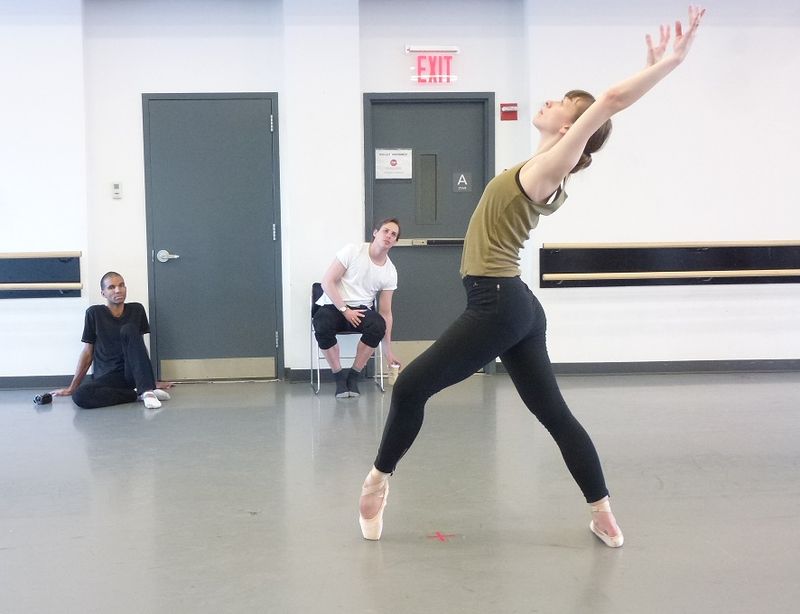
    Above: Elizabeth Brown of New Chamber Ballet rehearsing the solo Moments, observed by choreographers Miro Magloire and Constantine Baecher

    Saturday April 18th, 2015 – “Ballet is Woman,” said George Balanchine; and Miro Magloire‘s New Chamber Ballet seems to be living proof of it. Miro’s obvious delight and skill in choreographing for female dancers has resulted in a series of works which honor the ballerina tradition whilst at the same time pushing boundaries, especially in the realm same-sex partnering. Tonight, the customary New Chamber Ballet formula of women dancing in an up-close-and-personal setting to live music brought us works by both Miro and NCB‘s resident choreographer Constantine Baecher, including two world premieres.

    Now celebrating their tenth anniversary, New Chamber Ballet have always presented an ensemble of finely-trained ballerinas with vivid, individualized personalities. The current quartet maintains the high standard: these are women who are comfortable with having their audience literally within reach, able to dance with confidence and poise in an intimate setting. Their dancing is enhanced by the accomplished musicality of violinist Doori Na and pianist Melody Fader who are always ready, willing, and able to tackle whatever music Miro hands them – and that’s saying a great deal.

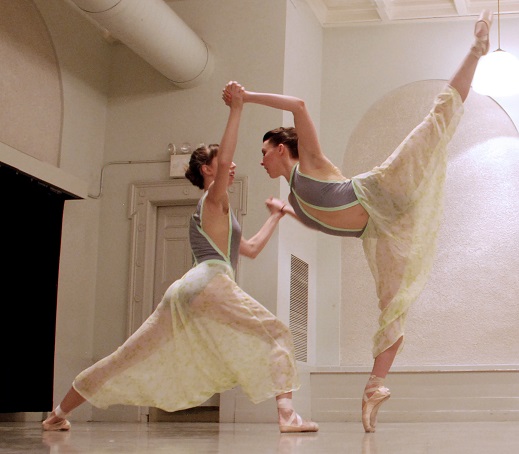
    Entangled, a quartet for on- and off-pointe dancers, is performed to Paganini’s Caprices expertly played by Doori Na. The girls, in Sarah Thea’s minty-green sheer costumes with a harem feeling, are paired off: two on pointe (Sarah Atkins and Traci Finch) and two in slippers (Elizabeth Brown and Amber Neff). 
    L1550289

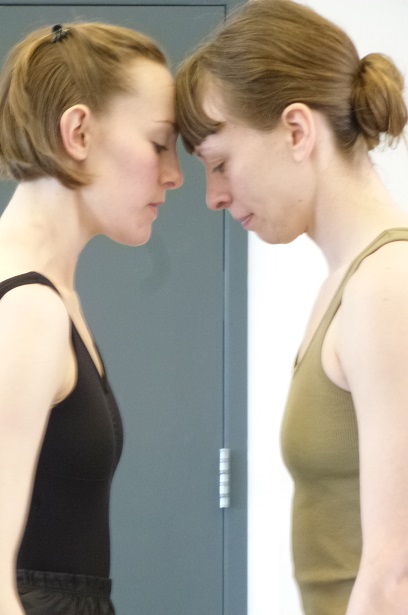
    The ballet opens with Amber and Elizabeth face to face (rehearsal image, above); they rush away from one another and then meet again – repeatedly – in an approach-avoidance sequence. Their dance becomes spastic; they struggle on the floor and there are shakes and shapes. Doori, the violinist, is meanwhile making fast and furious with the demanding Paganini score. The pointe couple appear: Sarah and Traci in stylized balletic poses with stretched arabesques and sculptural port de bras. The couples alternate; the soft-slipper girls have a shuffling little jig. As the adagio begins, the pointe pair lean into one another before they are left alone to a high violin shimmer. Innovative floor choreography follows. We half expect a faster final movement, but instead the ballet ends quietly.  

    Elizabeth Brown, a founding member of New Chamber Ballet, has been thru a serious injury episode and has come back in phenomenal physical condition and more expressive than ever. A unique dancer, Elizabeth performed Miro’s solo Moments to Salvatore Sciarrino’s Caprices 5,2, and 6. Doori Na plays the annoying (in a good way) and demanding score with touches of wit. The opening section is all about line and control, and Elizabeth here reveled in these beautiful, slow-to-still poses. The choreography becomes more animated, gestural, and space-filling, with a spirited circle of piqué turns. New Chamber Ballet audiences tend to be rather reserved, but lusty cheers went up after Moments.
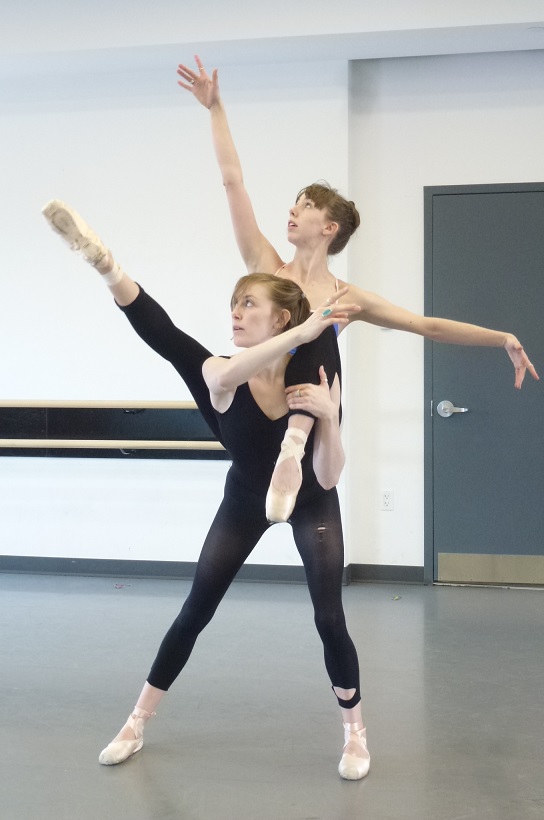
    L1550245

    Above: Traci Finch and Amber Neff rehearsing Miro Magloire’s newest ballet, La Mandragore

    La Mandragore (The Mandrake) is a new duet by Miro set to Tristan Murail’s solo piano work of the same title. Melody Fader at the keyboard showed a particular affinity for this music which begins misterioso, becomes turbulent, then sinks back into eerie calm. Dancers Traci Finch and Amber Neff meet Miro’s complex partnering demands head-on; they are fearless, strong and supple as they wrap around one another, performing lifts and mutually supportive feats in an unusual mixture of power and intimacy. Miro pushes the two dancers to extremes and they respond with compelling assurance and grace.  

    The world premiere of NCB resident choreographer Constantine Baecher’s Two Tauri and A Tiger marked yet another success for Constantine, who has created several works for New Chamber Ballet over the years. Two Tauri opens with Elizabeth Brown rushing on to a stimulating Mozart theme played by Melody Fader; Elizabeth’s solo is questing and energetic. Traci Finch enters next, followed by Sarah Atkins, each dancing a restless and animated solo. The movement has a playful, windswept feeling with an aspect of childlike joy, as when Elizabeth and Traci join hands and spin mirthfully about. 

    The music pauses and we hear the dancers breathing; they re-group in silence, have a walkabout, and a bit more spinning. As Melody intones a more staid Mozart theme, the ballet becomes pensive. The girls circle around, holding hands and relying on counter-balance. This passage recalls Balanchine’s fondness for similar linkings, and also evokes Matisse’s La Danse. As the music animates, the dancers rush about and a pair will playfully drag the third as in a children’s game. This recedes into a more temperate passage with some stretching motifs. Overall, Two Tauri seems like a romping, good-natured piece; yet I feel there might be some underlying shadows, too. I’ll need to see it again to get a deeper sense if it. One thing for sure: the three dancers seemed to be genuinely having a good time dancing it.

    So nice to see Candice Thompson, Amy Brandt, Emery LeCrone, and Lauren Toole among the audience tonight.

    New Chamber Ballet will conclude their 10th anniversary season with performances on June 12th and 13th, 2015. Further details will be forthcoming.
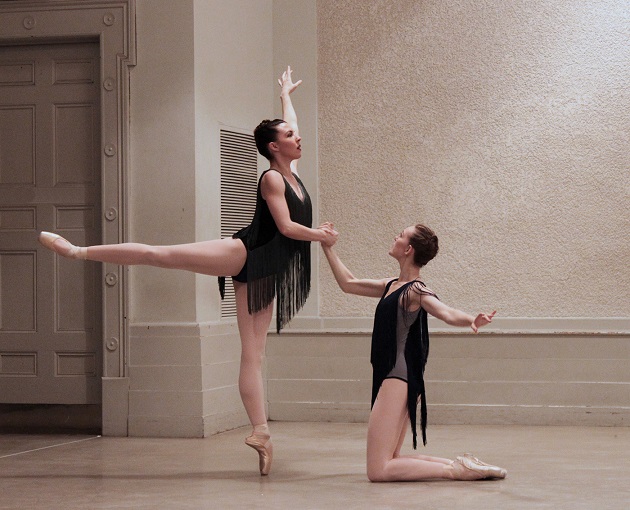
  • Miro Magloire for CBC

    L1540856

    Above: dancers from Columbia Ballet Collaborative rehearsing a new Miro Magloire ballet; the girls are Vanessa van Deusen, Shoshana Rosenfield, Alyssa Hubbard, and Morgan Caglianone

    Sunday March 29th, 2015 – This evening I stopped in at Barnard College where Miro Magloire, artistic director of New Chamber Ballet, is creating a new work for Columbia Ballet Collaborative‘s upcoming performances – a matinee and an evening show at The Miller Theater, Columbia University on Saturday April 18th, 2015.

    L1540721

    Above: violinist Pala Garcia, Miro Magloire

    The music Miro has selected is “tanz.tanz” for solo violin by composer Reiko Fueting, who is a professor at Manhattan School of Music; it will be played live by violinist Pala Garcia.

    L1540947

    A nice, relaxed atmosphere in the studio this evening; the dancers were experimenting with a seated back-to-back formation from which Miro wanted them to rise…

    L1540804

    …this produced some mirth from the girls, but eventually they figured out how to make it work. 

    L1540883

    There was also an attempt to cover their neighbor’s mouth or eyes by feeling: more levity. But again it soon was absorbed into the dance.

    L1540861

    Miro later had them draw into a Matisse-like circular formation, moving faster and faster.

    L1540730

    There are fleeting partnered passages (Morgan and Alyssa, above)…

    L1540931

    …and reflective moments where the girls sit, each in her own dreamy world (Vanessa, above).

    L1540880

    As the rehearsal was drawing to a close, Shoshana Rosenfield (above) breezed thru a beautiful solo passage, full of swift, lyrical turns.

    For the Spring 2015 season, Columbia Ballet Collaborative welcomes new ballets by five choreographers: Charles Askegard, former dancer with American Ballet Theatre and New York City Ballet and co-founder of Ballet Next; Roya Carreras, graduate of UC Irvine’s Claire Trevor School of the Arts and dancer with Danielle Russo Dance Company (NYC); Serena Mackool, senior at the School of General Studies and former dancer with Tulsa Ballet, Ballet San Antonio, and Proyectos en Movimiento; Miro Magloire, founder and artistic director of New Chamber Ballet; and Katya Vasilaky, Postdoctoral Earth Institute Research Fellow at Columbia University and former dancer with San Francisco Ballet. CBC is also proud to present selections from George Balanchine’s Who Cares?.

    Tickets will be $10 with a Columbia University ID, $15 with a non-Columbia University student ID, and $22 for general admission. They are available for purchase via these links: 

    3pm Show

    8pm Show

  • New Chamber Ballet: Gallery

    Entangled ncb

    Images from New Chamber Ballet‘s February 2015 performances at City Center Studios have come my way. Read about the evening here. Above, from Miro Magloire’s ballet ENTANGLED; the dancers are Sarah Atkins and Traci Finch. The above photo and the following images from Miro’s ballet RAW are provided by courtesy of New Chamber Ballet:

    IMG_6772_edited

    From RAW: the dancers are Traci Finch and Amber Neff

    IMG_6804_edited

    RAW: Traci Finch, Amber Neff

    IMG_6819_edited

    RAW: Amber Neff, Traci Finch

    IMG_6836_edited

    RAW: Amber Neff, Traci Finch

    IMG_6983_edited

    From Miro Magloire’s RAW: Amber Neff, Traci Finch

    The costume designs for both RAW and ENTANGLED are by Sarah Thea. She provided the following photos from ENTANGLED, used with permission:

    DSC_0571_edited

    Traci Finch, Sarah Atkins

    DSC_0926_edited

    Traci Finch, Sarah Atkins

    10987575_821115211937_7307417082433706898_n

    Above: pianist Melody Fader; photo by Cherie B

    Live music is a key element at all New Chamber Ballet performances. Pianist Melody Fader has been Miro’s collaborator for several seasons and, along with violinist Doori Na, she makes the music an integral factor in the audience’s enjoyment of NCB evenings. Melody is currently in the midst of a Kickstarter campaign to develop funding for her chamber music project, something that’s dear to her heart. You can find out all about it – and help make it happen – here.

    New Chamber Ballet‘s next performances will be April 17th and 18th, 2015. Information about repertory and tickets will be forthcoming.
  • 10th Anniversary @ New Chamber Ballet

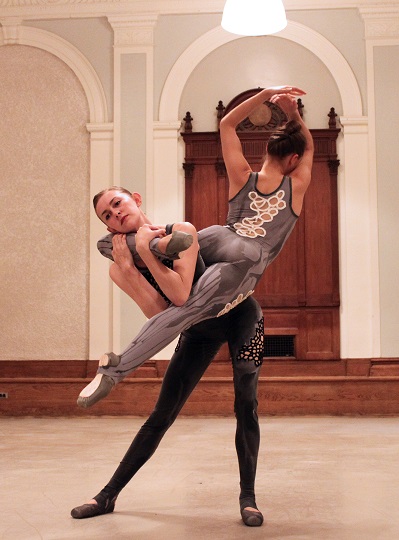
    Miro ncb rehearsal

    Above: New Chamber Ballet company class; photo by Amber Neff

    Friday September 19th, 2014 – Miro Magloire’s New Chamber Ballet have inaugurated their tenth anniversary season with a programme featuring three Miro Magloire premieres and a work by NCB resident choreographer Constantine Baecher’s “Happy Dance Of The Wild Skeletons” (to music of John Cage), as well as Miro’s intriguing “Tilting and Leaning“, set to piano music by Pierre Boulez.

    Over the past decade, New Chamber Ballet have carved out a special niche for themselves in the Gotham dance world. Their “up-close-and-personal” concerts – always danced to live music – have drawn ever-expanding audiences, and tonight they played to a standing-room-only crowd.

    Much praise is due pianist Melody Fader and violinist Doori Na who perform the often complex scores that Miro likes to use with a high level of musicality. Exceptional tonight was their performance of Mauricio Kagel’s ‘Klangwölfe’ for the ballet RAW.

    In recent seasons Miro has presented narrative works: domestic dramas about ghosts, sibling rivalries, or mysterious letters. This evening’s three new works are more abstract though of course certain themes might be implied. The first ballet is aptly titled FAST FORWARD; danced to Beethoven’s ‘Rondo for Violin and Piano’, the work has three ballerinas – Sarah Atkins, Holly Curran, and Traci Finch – rushing about the space in speedy (even risky) combinations. The breathless quality of the movement is a fine response to the zesty drive of the Beethoven as played by Doori and Melody.

    Miro020-3289003989-O

    Above: Sarah Artkins in Miro’s TILTING/LEANING; photo by Adam Jason

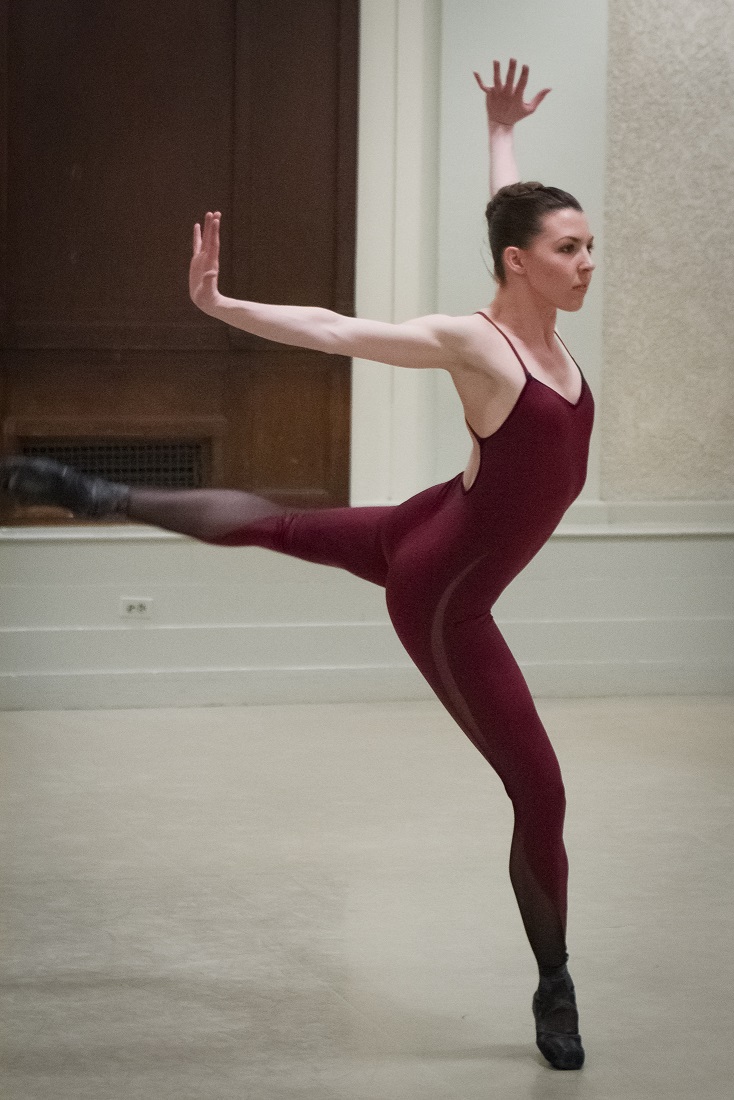
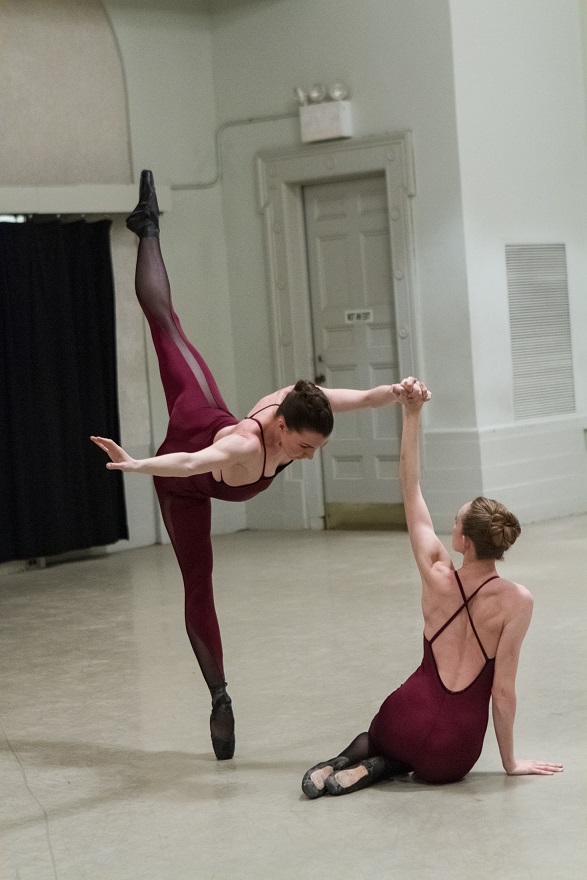
    Melody Fader took in stride the demands of Pierre Boulez’s ‘Notations’ which accompanies last season’s intriguing duet TILTING/LEANING. Dressed in Sarah Thea Swafford’s sleek wine-coloured body tights, dancers Sarah Atkins, Traci Finch, and Amber Neff go from intense to playful and back again in choreography where they balance against one another in unique and quirky shapes.

    Miro052-3289006317-O

    Supported arabesques are a signature motif in TILTING/LEANING (Sarah and Amber above, in an Adam Jason photo). At the end Sarah and Amber appear to ‘fold’ Traci into an improbable little bundle. This ballet rewards repeated viewings with its resonant nuances.

    L1480519

    For Holly Curran (rehearsal image, above), Miro has created an unusual tour de force solo entitled IN THE COLD. While Melody Fader spins out some Satie at the piano, Holly appears alternately shell-shocked, frantic, or trembling with the chills. Repetitive, compulsive moves give way to a spacious manège of leaps; the dancer periodically assumes a potent arabesque or pauses to rearrange herself before contemplating her next move. The solo, which choreographically rather plays against the expected responses to the Satie melodies, was excellently mastered by dancer and pianist.

    10486513_10152694171488571_8874687051716580051_n

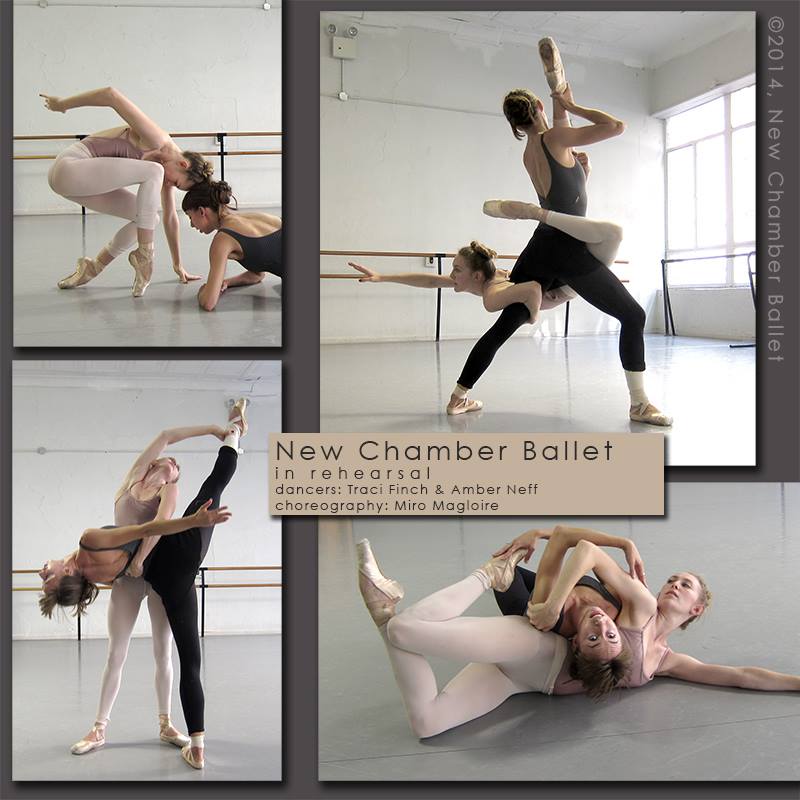
    Above: rehearsal images from Miro’s new duet RAW

    Miro’s meshing of music and movement created yet another fresh vision with RAW. Introducing the work, Miro spoke affectionately of the German-Argentine composer Mauricio Kagel who was Miro’s composition teacher. The choreographer pays homage to his musical mentor with one of his most inspired works to date: RAW is such a fascinating piece that when it ended I immediately wanted to see (and hear) it again.

    Doori Na – his strings muted – and Melody Fader evoked a misterioso atmosphere: Doori showed great control as he spun out a thread of sound, and Melody later drew forth a shimmering, high-lying theme from the keyboard. Dancers Traci Finch and Amber Neff are literally entwined much of the time in this duet; their handling of the strenuous partnering motifs, including lifts and intimate bondings, gave the ballet a captivating intensity. An aggressive passage eventually leads to serene, almost worshipful images as Amber leans against the piano and Traci kneels at her feet. RAW seems to veer from sensuous to sterile to pensive, and it is perhaps Miro’s most intimate creation to date.

    To end the evening, Miro invited the viewers to circle the dancefloor, the better to watch Constantine Baecher’s impetuous romp of a duet, HAPPY DANCE OF THE WILD SKELETONS. Melody Fader plays John Cage’s ‘Bacchanale’ on a prepared piano as dancers Traci Finch and Amber Neff – in girlish playsuits and bobbi-sox – indulge in playful, slap-happy hijinx. Their hair comes down at the end, as they revel in the sheer joy of being silly.

    Happy anniversary, Miro!

    The Company’s next performances will be on November 21st and 22nd. 2014. Visit their website here.

  • New Chamber Ballet: Baecher and Magloire

    1426491_541344345952393_316149436_n

    Saturday November 23, 2013 – New Chamber Ballet‘s 2013-2014 season continued this evening with a program featuring a Miro Magloire premiere and a revised version of a Constantine Baecher ballet. As always at New Chamber Ballet, live music was an essential component of the performance: pianist Melody Fader and violinist Doori Na were in their element, particularly in the very demanding (commissioned) score by Michel Galante for Miro’s new ballet.

    In Miro’s “A Present” which opened the evening, three women (Elizabeth Brown, Holly Curran, and Amber Neff) go to great lengths to have and to hold onto a necklace which has been sent them by an unknown admirer. A note is enclosed with the gift, but we never learn who it is from or what it says. After some under-handed pilfering and a frantic chase, the bauble is destroyed and the note torn to shreds. Doori Na played a suite of melodies from Tchaikovsky’s Nutcracker, arranged for solo violin, while the three girls fought for possession of the mysterious gift.

    Another conflict ballet comes in the form of Miro’s “Sister, My Sister” wherein dancer Amber Neff is annoyed – to the point of becoming homicidal – by her sister, soprano Charlotte Mundy. The Morton Feldman score calls for Ms. Mundy to vocalize on single, sustained notes. This gets under her sister’s skin. Melody Fader and Doori Na (unseen) played the angular Feldman score as the two women battled it out.

    “Stay With Me”, the new Magloire/Galante collaboration, is perhaps Miro’s finest achievement to date. There are narrative undercurrents but no specific scenario is suggested: the ballet is essentially two duets – the first for Holly Curran and Traci Finch and the second danced by Ms. Curran with Sarah Atkins. The girls wear simple tights and halter tops. In the first duet, Holly and Traci dance an entwined mirror-image adagio; Traci at one point executes a wonderfully fluid backbend. Sarah Atkins silently observes the end of the Traci/Holly duet and then she takes Traci’s place – as the latter walks away – and continues the dance with Holly. The choreography presents a stylized language of intimacy, and the mystery of who these women are and what they mean to one another remains unsolved as the ballet ends.

    IMG_20131117_220510_edited

    Above: dancers Holly Curran and Traci Finch in a rehearsal image by Amber Neff

    The Galante score for “Stay With Me” is fascinating and it challenges the two musicians in terms of both technique and stamina. The piece opens with both piano and violin playing in the highest range. Doori’s violin slithers up and down rapid chromatic scales or lingers for measure after measure on a single pinging tone, while Melody at one point produces a series of sweeping downhill glissandi covering the full keyboard; elsewhere the piano writing favors ethereal high shimmers. Kudos to these two musicians for their spell-binding performance. “Stay With Me” is a ballet I will want to see and hear again soon.

    Constantine Baecher’s “Allow You To Look At Me” was originally a sort of joint-biography of Mr. Baecher and dancer Elizabeth Brown and their long-time association. In tonight’s revision, now titled “Allow You To Look At Me Again” that intensely personal element has been discarded in favor of a more generalized narrative about what it means to perform and to expose oneself to public scrutiny. Narrator Jonathan Parks-Ramage now reads the biographies of each of the three participants – Ms. Brown, Holly Curran and Mr. Baecher – rather than the former poetic story of Constantine and Elizabeth’s mutual admiration. At the piano, Melody Fader plays familiar melodies which underline the personal facets of each dancer’s self-view. The solo for Elizabeth Brown, danced to Debussy’s ever-poignant Clair de Lune, was the evocative apex of the ballet and a lovely portrait of this dictinctive dancer. The work, though now less personal, remains powerful.


  • In the Studio with Miro Magloire

    L1200876

    Above: Holly Curran and Traci Finch rehearsing for New Chamber Ballet

    Wednesday August 28th, 2013 – Miro Magloire, always one of the busiest people on the New York City dance scene, is busier than ever these days. Not only is he preparing for the upcoming performances of his New Chamber Ballet (September 6th & 7th at City Center Studios) but he is also creating five new works for the Austrian Cultural Forum’s Moving Sounds Festival for a performance on September 20th, as well as looking ahead to New Chamber Ballet‘s tour to Germany.

    For the Moving Sounds Festival, New Chamber Ballet will team up with
    the Argento Chamber Ensemble for a program of five new ballets – and a
    revival – to music by contemporary Austrian and American composers. A world premiere collaboration with
    composer Michel Galante, a new work to a new score by composer Nina C.
    Young, and new creations to scores by Beat Furrer, Georg Friedrich Haas,
    and Arthur Kampela will be featured. The program – which will also include a revival of Miro’s ECHOES to music by Anton Webern – takes place at the Bohemian National Hall, Czech Center, 321 East 73rd Street, NYC on September 20th. Visit the Festival’s page here.

    I stopped in at Ballet Hispanico today where Miro and his dancers – Elizabeth Brown, Sarah Atkins, Holly Curran, Amber Neff and Traci Finch – were working on some of the new rep. Composer Nina C Young dropped by to see the piece Miro is creating to her score.

    Here are some photos I took of the new works in rehearsal:

    L1200839

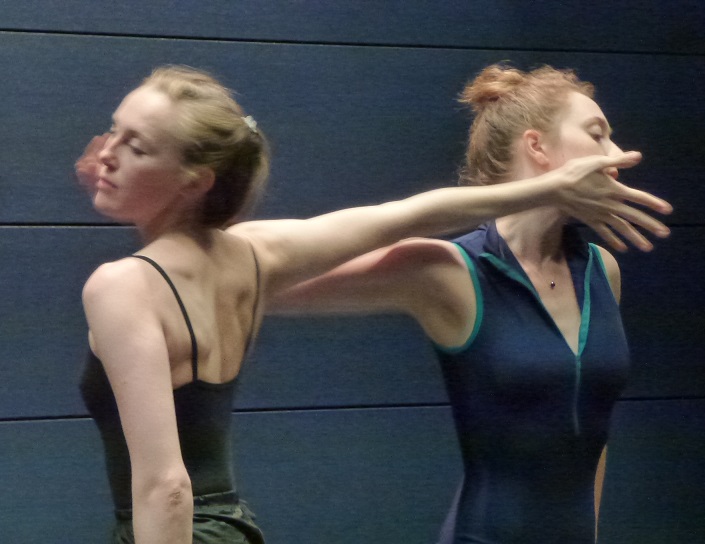
    Ellizabeth Brown and Amber Neff

    L1200709

    Traci Finch and Holly Curran

    L1200794

    Amber Neff

    L1200807

    Elizabeth Brown

    L1200932

    Holly Curran, Amber Neff

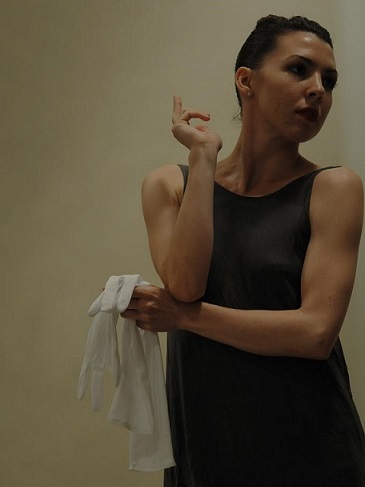
    The final half-hour of the rehearsal time was devoted to Amber Neff working on the solo IN A SIMPLE BLACK DRESS, one of my favorites among Miro’s ever-expanding repertoire of intimate ballets. Here are some images of Amber rehearsing this solo:

    L1200988

    L1210107

    L1210054

    L1210147

    L1210189