Tag: Sunday January

  • An Evening with David Finckel and Wu Han

    Wu han - finckel

    ~ Author: Oberon

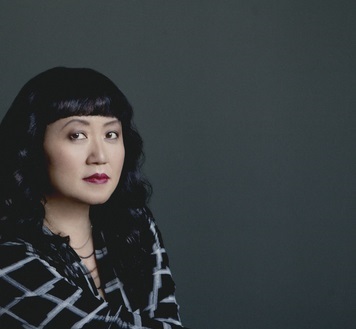
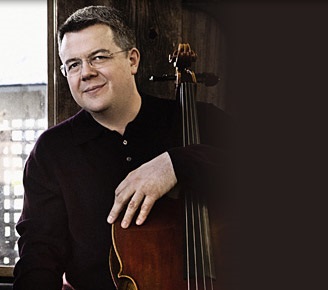
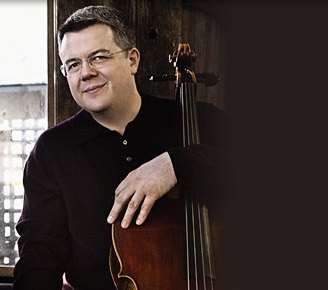
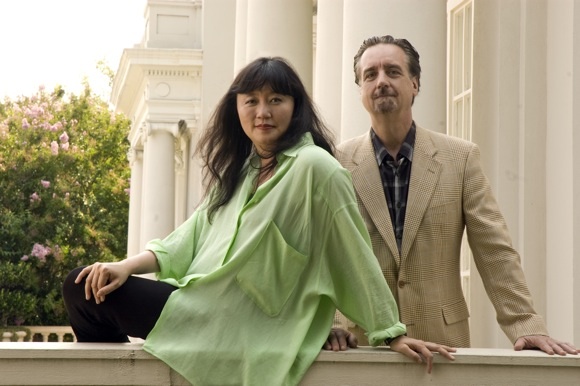
    Sunday January 28th, 2024 – Pianist Wu Han and her husband, cellist David Finckel (photo above), are the co-Artistic Directors of Chamber Music Society of Lincoln Center. This evening at Alice Tully Hall, they shared the stage to present a well-devised program of works by Debussy, Bruce Adolphe, Shostakovich, and Dvořák.

    Claude Debussy’s Sonata for Cello and Piano, composed in 1915, was initially subtitled “Pierrot is angry at the moon“. It is a charming piece in three brief movements. The opening Prologue calls for very subtle piano playing, which Wu Han is always so good at. Skittering music is heard, followed by an awakening of tenderness. The music then goes deep. Plucking cello and staccato notes from the piano decorate the Serenade, which has a jazzy feel. For the Final, swirls of notes from the keyboard and appealing melodic fragments carry the players to a fast finish.

    In 1998, Bruce Adolphe wrote Couple for Cello and Piano for Wu Han and David Finckel. The four movements suggest different aspects of an evolving relationship: the first begins dreamily, then accelerates before fading away. A warm, nostalgic feeling arises in the second movement, with the cello digging in. The slow third movement has a sentimental air, and the final section is animated and light-hearted. The composer joined the artists for a bow at the end.

    Dmitri Shostakovich’s Sonata in D-minor for Cello and Piano, Op. 40 dates from 1934. A beautiful feeling of restlessness runs thru the opening Allegro moderato; the piano glitters on high, and a lovely cello theme is heard. Plucked notes and staccati spring up, and then the music slows. The following Allegro is a kind of scherzo: a swirling dance with music that slips and slides into an insistent rhythm. The songful Largo commences with a wistful cello theme that sinks to the depths; the piano sounds a steady heartbeat. The music turns dreamy, with the piano evoking feelings of peace. The cello carries us into the minor mode, seeking a quiet ending. At last we reach the final Allegro: a big, folksy dance, full of animation. There is a grand piano ‘cadenza’ which develops a sense of irony. The sprightly cello joins, and all seems well with the world. Wu Han and David Finckel basked in a sustained standing ovation, called back for a second bow as the packed hall resounded with shouts of approval.

    In 1889, Antonín Dvořák wrote his Quartet in E-flat major for Piano, Violin, Viola, and Cello, Op. 87. For this finale to the evening’s program, pianist and cellist were joined by Richard Lin (violin) and Timothy Ridout (viola). These two young gentlemen looked very dapper, and they played superbly.

    The opening Allegro con fuoco has an urgent start. The piano takes over, leading to an anxious passage before a joyous melody arrives. We hear colorful playing from the violin and viola as they exchange phrases or harmonize, The Finckel cello adds depth to the textures. Mr Lin’s violin sings on high, and Wu Han offers luminous piano phrases. A buzzy tremelo exchange between violin and viola is a delightful touch. Brilliant playing from all!

    With a simply gorgeous cello motif, David Finckel opens the Lento, and there is magical duetting here from Mssrs. Lin and Ridout. The music turns passionate…and then charming. Achingly beautiful harmonies tug at our souls; Mr. Finckel then resumes his poignant melody, amiably supported by pizzicati from the violin and viola. There is a marvelous sheen to the sound as a progression of modulations leads us onward and Wu Han’s hypnotic playing casts a heavenly spell.

    Now comes the waltz-like opening of the Allegro moderato, grazioso with its gypsy tinge. This movement contains and endless supply of marvels, including sizzling tremelos and rhythmic tapping of the strings. Melodious, dancing phrases carry us onward.

    The gypsy spirit prevails into the final Allegro ma non troppo: a veritable celebration of Czech folk dance. Mssrs. Lin and Ridout were simply incredible here, for their beauty of tone and of expression. Together with Wu Han and David Finckel, they made this Dvořák masterpiece an exuberant statement about the power of music to inspire and reassure us in dark times. Tonight, these four artists gave us one of the outstanding musical experiences of recent seasons, reaffirming yet again the invaluable role Chamber Music Society of Lincoln Center plays in the life of the City.

    ~ Oberon
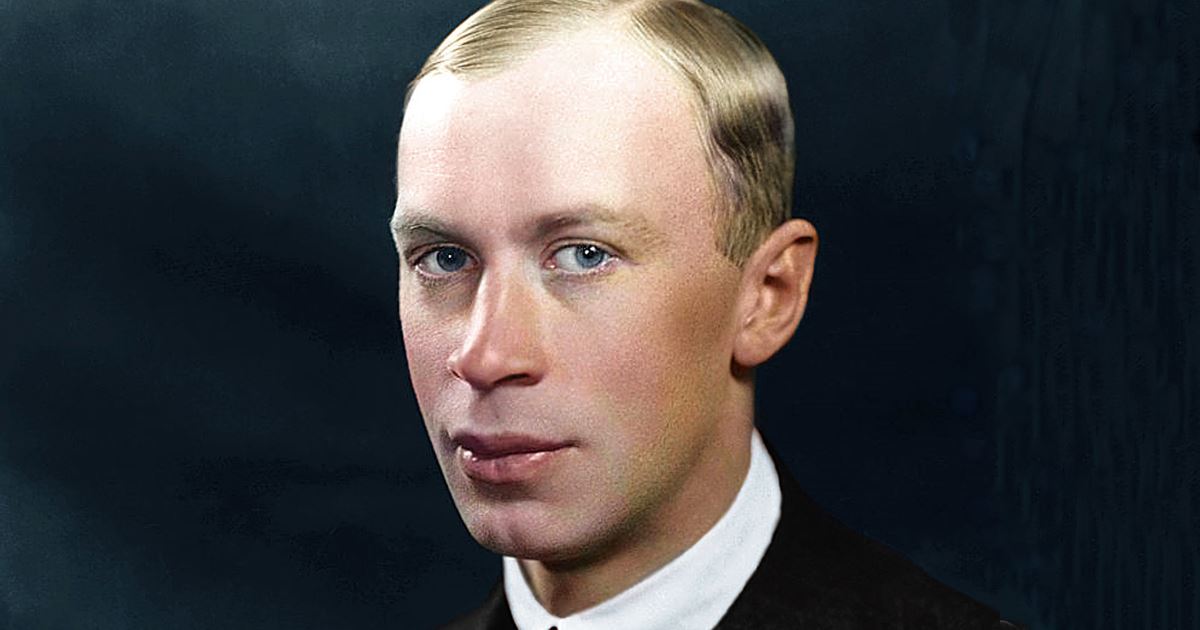
  • The Cleveland Orchestra ~ Prokofiev & Webern

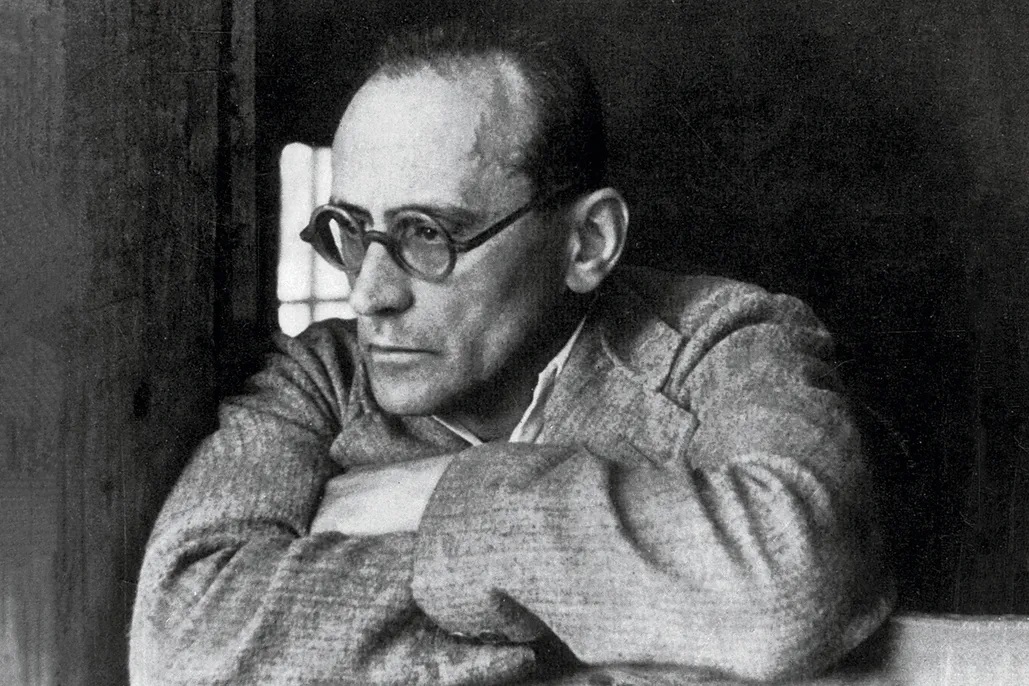
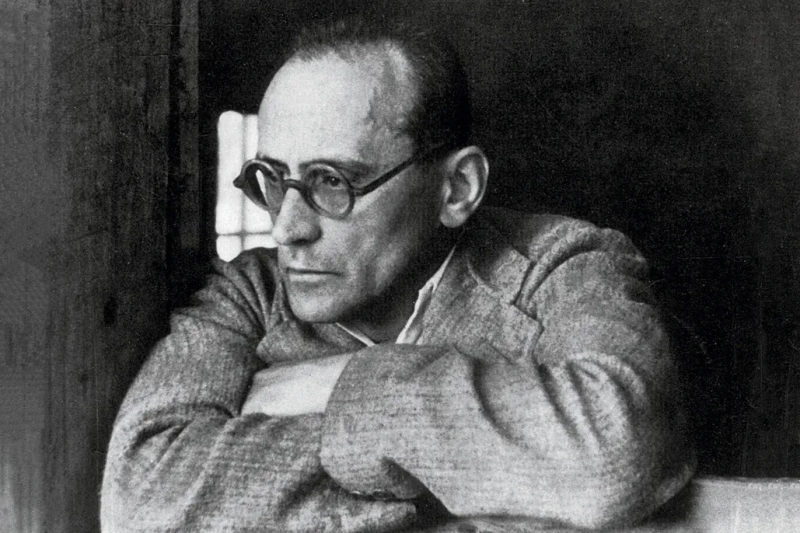
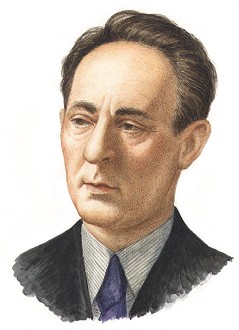
    Sergei-prokofiev

    Above: Sergei Prokofiev

    ~ Author: Oberon

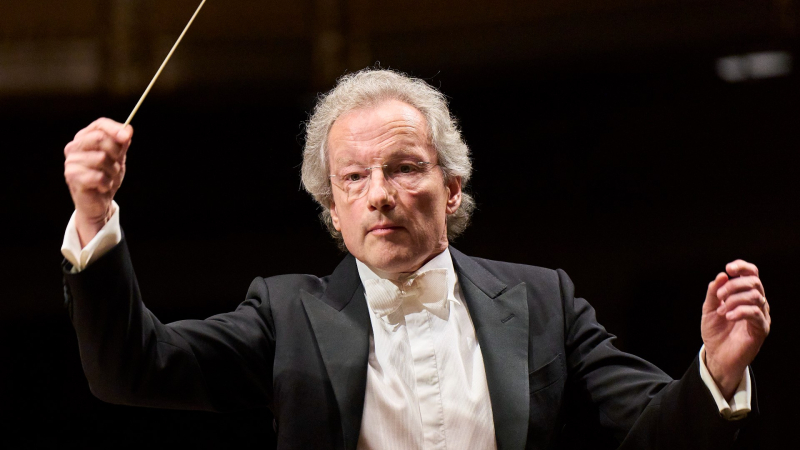
    Sunday January 21st, 2024 matinee – The Cleveland Orchestra offering an afternoon of symphonies by Sergei Prokofiev and Anton Webern, conducted by Franz Welser-Möst, at Carnegie Hall. Maestro Welser-Möst has recently returned to conducting following several weeks of treatment for cancer. The program was rather unusual, with two Prokofiev symphonies book-ending a performance of Anton Webern’s rarely-played Symphony, Op. 21.

    Prokofiev’s Symphony No. 2 in D-Minor, Op. 40, in rather odd piece, consisting of only two movements. It opens with a dazzling Allegro ben articolato: brass voices issue vivid calls, rollicking strings join in, and a march springs up. Plucking violins and rich motifs from the basses lend a cinematic quality. The music rolls on like a big machine, calming briefly only to turn into a fugue, with the horns blazing away. Battling rhythms bass and turbulent strings add to the excitement, with the trumpet sounding a repeated phrase. A new march emerges, going faster and faster. The horns! The drums! And then: a sudden silence.

    The theme-and-variations second movement begins with a gently poised theme played by the oboe and then taken up by the violins. Solo wind voices – flute, clarinet, bassoon – sound over dense strings with somber basses. A slow, ponderous dance gains momentum. The music moves thru various moods, from witty to pensive; with percolating winds and urgent strings, a big sway develops, turning into a whirlwind agitato. Suddenly, a full stop. The music resumes, trudging forward; after potential endings prove evasive, the oboe is heard again over lulling strings. To me, this second movement went on a bit too long…but it was all so beautifully played.  

    Webern jpg

    Anton Webern (above) composed his Symphony, Op. 21 in 1928. Set for strings (without double-basses), harp, clarinet, bass-clarinet, and two horns, this miniature lasts all of ten minutes and is divided into two movements. The writing of the opening Ruhig schreitend (“Walking quietly”) is very spare: the wind instruments have brief phrases, whilst the strings comment. The harp adds an interesting texture. The second movement, Variations, has more substance musically. To the general listener, the piece may seem quizzical and a bit aimless, though it is highly regarded by musicians and scholars as a distillation of “symphonic logic”.

    Following the interval, we heard a thrilling performance of the Prokofiev 5th symphony, spectacularly played. It opens with an Andante that for a moment made me think Enzo Grimaldo’s ship riding its anchor in the sea off Venice in Act II of LA GIOCONDA. Where do these imagined connections come from?  Sixty years of opera-going! New themes are heard, richly played, and a sense of grandeur develops. The Cleveland basses are just fabulous, underlining so much gorgeous music-making: with a vast breadth of sound that is overwhelming to experience, the Andante reaches its glorious conclusion.

    The Allegro marcato that follows was the highlight of the evening – and of the season to date. Right from its sprightly start, this music is brilliant and dynamic, with superb bits for the various wind instruments etched in. Wit and irony abound in this technicolored music: a sumptuous treat. The music speeds up, with marvelous unison violins taking us to a sudden end. 

    The ensuing Adagio begins with an off-kilter waltz from which a lush theme for the strings emerges. The velvety depths of the basses enrich and ennoble this massively lyrical sonic feast, which later develops another simply gorgeous violin melody, and a luminous clarinet passage: an abundance of riches, all strikingly played.

    The final Allegro giacoso has a songful start, which turns agitated. The wind soloists exchange mini-themes, and then the basses introduce a fresh song, which builds and hustles along, sailing forward. Prokofiev pauses for a brief, nostalgic interlude before the momentum resumes with an optimistic rush to the finish line. Brilliant!!

    Welser-Möst

    The thrilling performance of the 5th symphony was greeted with fervent applause. Welcome back, Maestro Welser-Möst!

    Note: Photo of the conductor by Roger Mastroianni.

    ~ Oberon

  • The Cleveland Orchestra ~ Prokofiev & Webern

    Sergei-prokofiev

    Above: Sergei Prokofiev

    ~ Author: Oberon

    Sunday January 21st, 2024 matinee – The Cleveland Orchestra offering an afternoon of symphonies by Sergei Prokofiev and Anton Webern, conducted by Franz Welser-Möst, at Carnegie Hall. Maestro Welser-Möst has recently returned to conducting following several weeks of treatment for cancer. The program was rather unusual, with two Prokofiev symphonies book-ending a performance of Anton Webern’s rarely-played Symphony, Op. 21.

    Prokofiev’s Symphony No. 2 in D-Minor, Op. 40, in rather odd piece, consisting of only two movements. It opens with a dazzling Allegro ben articolato: brass voices issue vivid calls, rollicking strings join in, and a march springs up. Plucking violins and rich motifs from the basses lend a cinematic quality. The music rolls on like a big machine, calming briefly only to turn into a fugue, with the horns blazing away. Battling rhythms bass and turbulent strings add to the excitement, with the trumpet sounding a repeated phrase. A new march emerges, going faster and faster. The horns! The drums! And then: a sudden silence.

    The theme-and-variations second movement begins with a gently poised theme played by the oboe and then taken up by the violins. Solo wind voices – flute, clarinet, bassoon – sound over dense strings with somber basses. A slow, ponderous dance gains momentum. The music moves thru various moods, from witty to pensive; with percolating winds and urgent strings, a big sway develops, turning into a whirlwind agitato. Suddenly, a full stop. The music resumes, trudging forward; after potential endings prove evasive, the oboe is heard again over lulling strings. To me, this second movement went on a bit too long…but it was all so beautifully played.  

    Webern jpg

    Anton Webern (above) composed his Symphony, Op. 21 in 1928. Set for strings (without double-basses), harp, clarinet, bass-clarinet, and two horns, this miniature lasts all of ten minutes and is divided into two movements. The writing of the opening Ruhig schreitend (“Walking quietly”) is very spare: the wind instruments have brief phrases, whilst the strings comment. The harp adds an interesting texture. The second movement, Variations, has more substance musically. To the general listener, the piece may seem quizzical and a bit aimless, though it is highly regarded by musicians and scholars as a distillation of “symphonic logic”.

    Following the interval, we heard a thrilling performance of the Prokofiev 5th symphony, spectacularly played. It opens with an Andante that for a moment made me think Enzo Grimaldo’s ship riding its anchor in the sea off Venice in Act II of LA GIOCONDA. Where do these imagined connections come from?  Sixty years of opera-going! New themes are heard, richly played, and a sense of grandeur develops. The Cleveland basses are just fabulous, underlining so much gorgeous music-making: with a vast breadth of sound that is overwhelming to experience, the Andante reaches its glorious conclusion.

    The Allegro marcato that follows was the highlight of the evening – and of the season to date. Right from its sprightly start, this music is brilliant and dynamic, with superb bits for the various wind instruments etched in. Wit and irony abound in this technicolored music: a sumptuous treat. The music speeds up, with marvelous unison violins taking us to a sudden end. 

    The ensuing Adagio begins with an off-kilter waltz from which a lush theme for the strings emerges. The velvety depths of the basses enrich and ennoble this massively lyrical sonic feast, which later develops another simply gorgeous violin melody, and a luminous clarinet passage: an abundance of riches, all strikingly played.

    The final Allegro giacoso has a songful start, which turns agitated. The wind soloists exchange mini-themes, and then the basses introduce a fresh song, which builds and hustles along, sailing forward. Prokofiev pauses for a brief, nostalgic interlude before the momentum resumes with an optimistic rush to the finish line. Brilliant!!

    Welser-Möst

    The thrilling performance of the 5th symphony was greeted with fervent applause. Welcome back, Maestro Welser-Möst!

    Note: Photo of the conductor by Roger Mastroianni.

    ~ Oberon

  • More Schubert @ Chamber Music Society

    Ben beilman

    Above: violinist Benjamin Beilman

    Sunday January 29th, 2023 – Continuing their Schubert-centric Winter Festival, Chamber Music Society of Lincoln Center today offered a full evening of the master’s works, performed by an elite sextet of artists.

    Schubert’s Adagio and Rondo concertante in F-major for Piano, Violin, Viola, and Cello, was composed in 1816. It is essentially a miniature piano concerto. At the Steinway, Gloria Chien was joined by Benjamin Beilman (violin), Paul Neubauer (viola), and David Requiro (cello).

    Extraordinary richness of tone as the players struck up the introductory phrases; Mr. Beilman then set forth with a dreamy melody. Ms. Chein’s crystal-clear technique offered a counter-song to the dense string harmonies as the music turned dramatic and then sprightly. Things get quite merry, with dancing rhythms propelled by vivid bowing. The music turns delicate before accelerating to a lively finish.

    For the composer’s Allegro in A -minor (“Lebensstürme”), dating from 1828, the pianists were Wu Han, taking the lower octaves, and Alessio Bax, taking the upper. From its dramatic start, the music has a restless quality. Passages of extroverted energy mingle with wonderfully subtle moments: huge crashing chords give way to a haunting misterioso passage, and sharp attacks are becalmed by a poignant, pensive theme. Suddenly, silence falls. And then the pianists play on to a swift finish. 

    Ben Beilman, looking very dapper in his velvet jacket, and pianist Gloria Chien then blew the roof off Alice Tully Hall with their sensational playing of the long and demanding Fantasy in C-major for Violin and Piano, composed in 1827. To Ms. Chein’s lovely, rippling piano modulations, Mr. Beilmen embarked on an achingly gorgeous violin theme, his playing so hushed and tender as he spun out magically pure sustained tones at super-pianissimo. The audience seemed to hold its collective breath, overcome by the sheer beauty of the playing.  

    Now a charming allegro springs up. The music – lilting, light, and dazzling – calls for festoons of fiorature from both players. After a dramatic outburst, with searing violin phrases, a piano cadenza restores peace. Then, in a moment of total silence, a cellphone sounded; I momentarily thought Mr. Beilman was going to stop playing, but instead he countered the intrusion with playing of ineffable sweetness.

    The music turns dancelike, with the violinist alternating edgy plucking with sweeping upward phrases. Virtuoso playing from both artists leads to an interlude, and to a gossamer violin cadenza. Then we return to the beginning: to the enchantment of the work’s first measures. Now commences an onward flight towards the finish, with Mr. Beilman’s incredible tremelos on succeeding notes taking on the air of a demented fiddler. As their astounding performance reached its end, the crowd’s pent up excitement burst forth in a tidal wave of applause and cheers; Ms. Chein and Mr. Beilman faced a full-house standing ovation as a great feeling of joy filled the hall.

    CMS_100721_Gloria_Chien

    Above: pianist Gloria Chien

    Following the interval, Wu Han strode onto the stage in her ruby-red shoes to tell us about some of the programs CMS will be offering in their 2023-2024; we picked up brochures in the lobby after the concert, and immediately marked off several dates to put on our calendars.

    The evening’s concluding work, also composed in 1827, was the Trio No.1 in B-flat major for Piano, Violin, and Cello. For this, Mr. Bax joined Mssrs. Beilman and Requiro.

    The trio’s movement, marked Allegro Moderato, begins in a celebratory mood. It’s lovely to welcome Mr. Requiro back to Alice Tully Hall: he is a cellist of noble tone, capable of great subtlety; here, he takes up a serene melody, to be joined soon after by Mr. Beilman. As the movement flows on, the two string players are heard in unison or with their timbres entwining. Mr. Bax’s playing is so fluent, and with a keen sense of timing.

    In the ensuing Andante un poco mosso, Mr. Bax leads off with a lullabye-like theme; the cello then commences a familiar melody, which is later passed on to the violin and piano. Mr Beilman’s flawless dynamic control is again something to relish, whilst the sound of Mr. Requiro’s cello tore at my heart. Counter-melodies and elegant tonal blends illuminate the music, which has a heavenly conclusion.

    The light and lively Scherzo Allegro draws on dance rhythms. It comes to a full stop, then rebounds, with fresh themes being passed from player to player. The concluding Rondo, with its sprightly start, is full of witty dotted motifs, arpeggios, and trills. The music dances on to a merry finish, leaving the players to savor the audience’s grateful applause and shouts of bravo!

    ~ Oberon

  • Romantic Perspectives @ Chamber Music Society

    Wu Han

    Above: pianist Wu Han

    Sunday January 39th, 2022 – This evening’s program at Chamber Music Society of Lincoln Center, entitled Romantic Perspectives, was truly a soul-warming experience, following a week of cold weather and a gusty snowstorm the previous day.

    The program got off to an exciting start with a performance of the Scherzo from Johannes Brahms’s “F-A-E” Sonata for Violin and Piano, dating from 1853. With Wu Han at the piano, violinist Chad Hoopes brought real flair to his playing. From the buzzy opening, the two musicians were in perfect sync. This Scherzo has a lyrical interlude, wherein the players’ dynamics meshed ideally; then, back to a lively allegro. What an exhilarating way to start a concert!

    Next came a spectacular performance of Gustav Mahler’s sole work in the chamber music genre: the Quartet in A-minor for Piano, Violin, Viola, and Cello, composed in 1876. Violinist Danbi Um, elegant in a ruffled ultramarine tulle gown, led her colleagues onstage. Before taking her place at the Steinway, Wu Han stepped forward to introduce us to two young musicians making their CMS debuts this evening: violist Timothy Ridout, and cellist Sihao He

    No pianist can establish a musical mood quite like like Wu Han does; with the deep, brooding opening measures of the Mahler, she immediately drew us in. The fabulous sound Sihao He summons from his cello was soon blending with Mr. Ridout’s handsome viola tone and the silken magic of Ms. Um’s violin. As the single movement progressed, the four musicians took us deeper and deeper into the music, their playing resplendently full-bodied and thrillingly intense. Passions ebb and flow, and then a darkish calm settles over us. Ms. Um’s exquisite playing, and the extraordinarily poetic phrasing of Mssrs. Ridout and He, were all underscored by Wu Han’s captivating dynamic mastery. It seemed impossible to think that only four players could produce such an ‘orchestral’ sound; their performance moved me deeply.

    Ridout

    Above: violist Timothy Ridout

    Composed in 1861, Antonín Dvořák‘s Quintet in A-minor for Two Violins, Two Violas, and Cello, Op.1, brought together the evening’s full string contingent: violinists Danbi Um and Chad Hoopes, violists Paul Neubauer and Timothy Ridout, and cellist Sihao He.

    Written when Dvořák was twenty years old, this quintet was the first of his works to be ascribed an opus number. In the opening Adagio — Allegro ma non troppo, the unison slow introduction gives way to a dancing, animated feeling. The tone qualities of the five musicians were perfectly integrated, with Mr. Hoopes excelling in the numerous melodic flights for violin, nimbly seconded by Ms. Um; and Sihao He amplified the beautiful impression he had made in the Mahler. This movement has an unusual ending.

    The ensuing Lento brings forth cantabile melodies; the main theme is taken up by Mr. Ridout’s viola (Dvořák’s own instrument) playing over a rhythmical accompaniment provided by the other players. The middle section of the movement provides a fresh theme, after which we hear a reprise of the introductory melody. The composer gives both violists ample opportunity here, and the contrasting timbres of Mssrs. Neubauer and Ridout were savourable indeed. The violins play in unison, then Mr. Hoopes again moved me with a high-lying passage. A swaying mood develops, and a rising violin motif leads us to the movement’s finish

    The quartet’s Finale – Allegro con brio involves three primary themes. The marvelous sound of Sihao He’s cello was continually alluring to the ear, and Mr. Ridout again shone in a songful passage. The superb blend these five artists achieved carried us on to the work’s ending, hailed by the crowd with warm applause.

    It is interesting to note that Dvořák seemingly never heard his opus 1; its first public performance came seventeen years after his death, and it was not published until 1943.

    Sihao he

    Above: cellist Sihao He

    Having recently enjoyed Maxim Vengerov’s stunning performance of César Franck‘s Violin Concerto at Carnegie Hall, I was definitely in the mood for more of Franck’s music. This evening’s CMS program ended with the composer’s Quintet in F-minor for Piano, Two Violins, Viola, and Cello, dating from 1879.

    With a descending phrase from Danbi Um, the passionate slow introduction to the first movement is underway. Wu Han’s gorgeous entry has a hesitant feeling, as if the composer is not quite sure where he wants to take us; a rather fitful acceleration finally achieves Allegro status. Now all five players begin to pass the melodies from one to another. Mr. Neubauer’s dusky viola, Wu Han’s magical piano, the lovely sense of longing from Danbi Um’s violin, the poignant sound of Sihao He’s cello…all combined as the music turns huge. In this movement, a melody of chromatic half-steps is heard, creating a musical tension which  our players today clearly relished.

    The second movement, marked Lento, con molto sentimento, begins with a haunting theme from Wu Han’s keyboard, and sublime lyricism from Danbi Um. The chromaticism which awoke in the opening movement becomes more pervasive now, with Ms. Um and Mr. He trading phrases. Wu Han’s playing is heavenly, and the cellist is simply stunning. The music builds in grandeur and then dissipates, becoming celestial. Mr. Neubauer’s lovely viola passage, ethereal sounds from the piano, and Danbi Um’s haunting violin draw the movement to a tender finish.

    Chad Hoopes opens the final movement with a bustling motif, joined by Ms. Um in an agitato mode. The strings play the work’s main melody in unison, with a vibrant crescendo. A brief, sweet song from Danbi Um leads to a big build-up of sound and emotion as the quintet sails onward to an epic finale.

    A full-house standing ovation greeted the players, who were called back for a second bow, much to everyone’s delight.

    ~ Oberon

  • All-French Program @ Chamber Music Society

    Paulhuang

    Above: violinist Paul Huang

    ~ Author: Oberon

    Sunday January 26th, 2020 – As darkness continues to settle over the world at an alarming rate, the reassurance of great music, poetry, and art becomes increasingly essential in keeping our spirits from being battered down beyond repair. Tonight’s program of music by three French masters, played with elegance and passion by a quartet of extraordinary artists, was an uplifting experience such as Chamber Music Society of Lincoln Center are wont to offer us.

    In her enlivening and reassuring speech of welcome, the Society’s co-Artistic Director (and tonight’s pianist) Wu Han spoke of the connection between the program’s three composers: Camille Saint-Saëns was the teacher of Gabriel Fauré, who in turn taught Maurice Ravel. Though the perfume of each work is distinctive, the feeling of a continuum was a key element as the evening progressed.

    Saint-Saëns’ Trio No. 1 in F-major for Piano, Violin, and Cello, Op. 18 (1864) opened the program, played to perfection by Wu Han (piano), Paul Huang (violin), and Clive Greensmith (cello). It is a work full of mood swings. The work’s opening Allegro vivace has a playful, exhilarating, dance-like feeling. Briefly rhapsodic, the music mostly maintains a lightness which the three players seemed to revel in. At the Steinway, the virtuosic keyboard passages were given a quicksilver feeling by Wu Han. The silent communication between the musicians was charming to behold as the work unfurled with a lively sense of optimism. 

    A sustained tone from Mr. Huang’s 1742 “ex-Wieniawski” Guarneri del Gesù is heard over Wu Han’s mysterious pacing motif as the Andante commences. The violin’s wistful song leads the music to a darker, more dramatic place. Clive Greensmith’s rich cello tone is heard in an exchange of phrases with the Huang violin, building to arching, gorgeous harmonies. Twinkling sounds from the piano underscore an à la Russe passage from the cellist which is taken up by the violin, Mr. Huang’s tone at its most alluring and silken. Fascinating subtle sounds shine from the keyboard; the violin has a sweetly rambling paragraph which morphs into a cello cadenza. In a da capo, the movement’s feeling of mystery returns, but is even more pronounced. The music, played with captivating nuance, moves to a fading end. As silence fell, my companion and I sighed from the sheer beauty of it all.

    The plucking, prancing Scherzo – alive with syncopated staccati – transforms into a swaying dance. The music romps along, witty and exuberant, with a da capo that leads to a false ending – the applause charmingly vetoed as the players hastily resumed in a dash to the actual finish line.

    The trio’s final Allegro opens with the violin and cello trading very brief phrases over a sparkling piano accompaniment. A unique series of slides up-and-down the scale becomes emblematic here: first played by violin and cello, and later by the piano, they create a slightly woozy effect. With a sense of hustle and flow, this Saint-Saëns masterpiece concluded, igniting the first of the evening’s enthusiastic ovations.  

    Mssrs. Huang and Greensmith returned for Maurice Ravel’s Sonata for Violin and Cello. In 1920, Ravel was asked by his publisher Durand to contribute to an issue of “La Revue Musicale“, dedicated to Claude Debussy. Included were the first movement of Ravel’s Sonata for Violin and Cello, as well as works contributed by Debussy’s friends Stravinsky, Satie, Dukas, Bartok and de Falla. This first movement of Ravel’s Sonata, of which the autograph is lost, was later expanded upon by the composer into a four-movement work which includes some tantalizing modernities in the writing.

    This Ravel work is rarely heard, and it seemed so fresh and contemporary in the hands of our two outstanding players this evening. Clocking in at twenty minutes, the sonata is in four brief movements. A touch of jazz can be felt in the opening Allegro, wherein the two impeccable musicians treated us to music with a feel of perpetual motion. Très vif describes the second movement, a pluck-fest that evolves into swift bowing. A bit of slashing is heard, followed by an almost boogie-woogie cello line and some delicious trills from the violin. After a slight lull, things pulse up again for a jazzy finish.

    Marked Lent, the third movement opening with a deep, searching cello passage. Following this is a pensive duet that has an oddly liturgical feel, and gets quite eerie. A rise in passion is temporary, for the movement ends with a air of quiet sadness; Mssrs. Huang and Greensmith displayed consummate control in sustaining the atmosphere here. The final movement, established by the rhythmic cello, is dancelike and fun; at its end, the two players were heartily cheered as they bowed to the house, and to one another. Excellent! 

    Following the interval, violist Matthew Lipman joined his colleagues in a gorgeous performance of Gabriel Fauré’s Quartet No. 1 in C-minor for Piano, Violin, Viola, and Cello, Op. 15 (1876-79).

    The rich opening of this piano quartet has a dramatic feeling, with the strings in unison. Mr. Lipman’s viola takes up a dipping motif, which is passed about as melodic strands develop. From the pianist, a solo is heard over sustained strings. Mr. Huang pursues the melody, so persuasively, as the movement flows along lyrically. Plucking sprightliness and brief disputes of rhythm mark the Scherzo, with its trio section offering a change of pace.

    Wu Han’s magical mastery of the softest dynamics becomes a key element in the Adagio. Cello, viola, and violin in turn are each heard in a rising passage before meshing in somber harmonies. An interlude, tinged with regret, is finely rendered. Again Wu Han’s exquisitely delicate lyricism can be savoured, drawing us into the poignant sadness that permeates this movement: the composer’s reaction to having been rejected in his romantic pursuit of Pauline Viardot’s daughter. 

    The energetic Allegro molto is not the music that concluded this work when it was premiered in 1880. Fauré replaced the movement in 1883, prior to the piano quartet’s publication in 1884. The replacement offers a rising motif which the string players constantly return to, and makes for an enjoyable finale. Still, we are left wondering what the original final movement was like.

    A packed Alice Tully Hall reverberated with applause and cheers as the musicians took their bows to a full-house standing ovation. The players responded to our acclaim by offering a lovely Schumann encore before sending us forth to face the realities of life with a renewed sense of hope.

    ~ Oberon

  • Brahms & Fauré @ Chamber Music Society

    Paul Watkins

    Above: cellist Paul Watkins

    Sunday January 29th, 2017 – Following an unsettling week, it was particularly reassuring to settle into the embracing space of Alice Tully Hall this evening and be serenaded by four estimable musicians in Chamber Music Society of Lincoln Center‘s program of works by Johannes Brahms and Gabriel Fauré. 

    In 1853, Robert Schumann and Johannes Brahms teamed up with Schumann’s student, Albert Dietrich, to write a “welcome home” sonata for violinist/composer Joseph Joachim, whose travels had kept him away from Düsseldorf for several weeks. The music was set around the notes F-A-E, which stood for Joachim’s personal motto, “Frei, aber einsam” (‘Free, but lonely’). Dietrich wrote the first movement, with Schumann taking on the second and fourth, leaving Brahms with the third.

    Joachim retained the sole copy of the score after performing it; he had the Brahms Scherzo published in 1906, after the composer’s death; the full sonata was not published until much later.

    The complete ‘FAE Sonata‘ is rarely heard these days, but the Brahms Scherzo has become a popular stand-alone work in the chamber music repertoire. It commences in a brisk, passionate mode which returns following an affettuoso interlude. Tonight, violinist Ani Kavafian and pianist Alessio Bax brought great energy to the opening paragraph, subsiding to a gently rhapsodic state in the calm of the central section before setting up a spirited drive to the finish.

    Violist Yura Lee and cellist Paul Watkins then joined Ms. Kavafian and Mr. Bax for the Fauré. A unison string theme opens the quartet, with the entrance of the piano filling out the sonic texture that will keep us enchanted for the next half-hour. Ms. Lee’s wonderfully sensitive playing – a hallmark of the evening – meshed lyrically with the sweetness of Ms. Kavafian’s violin, the quiet rapture of Mr. Watkins’ cello, and the elegant romance of Mr. Bax’s phrasing from the Steinway. The music veers briefly to the dramatic before subsiding into a cushioning warmth from viola and cello whilst the violin wafts on high.

    Plucking strings and a rolling theme from Mr. Bax open the second movement. Later, the piano comments ironically as the strings try to revive the first movement’s main theme in a rather off-kilter manner; the music slows, and then steals away.

    In the Adagio third movement, Yura Lee’s dreamy playing had a transportive quality; Fauré’s student Charles Koechlin has written that “…the viola would have to be invented for this Adagio if it did not already exist…”, and Ms. Lee’s playing underlined the truth of that notion. Moving forward, violin and piano achieve a lovely blend and the music begins to turn passionate; Fauré manages a balance of intensity and calm in this movement that is quite unique.

    A darker and somewhat turbulent mood is created at the start of the quartet’s concluding Allegro molto: Ms. Lee and Mr. Watkins sing a deep theme together before a more lilting quality begins to rise. Mr. Bax commences a dance, drawing the string players in with his rhythmic emphasis as the music builds and dances on to an exuberant end.

    Following the interval, the performance of the Brahms second quartet was somewhat compromised by the high-pitched sound of a faltering hearing-aid battery. After the quartet’s first movement, Ms. Kavafian asked the audience if they were hearing it too, and several people replied in the affirmative. The players took a moment to gather their concentration before proceeding. Annoying as such disruptive sounds are to the audience, it must be doubly difficult to play in such circumstances as the musicians are always listening for one another and the extraneous sound must be particularly jarring. They played on, admirably, and the noise seemed to subside as the performance evolved.

    It was in the Brahms quartet that Mr. Bax seized upon the prominence the composer assigned to the piano’s role and delighted us with truly gorgeous playing; my notes are full of little stars and exclamation marks, and scrawls of “Bax…Bax…Bax!”

    Rhythmic distinctiveness marks the first movement, the four players ever-alert to nuance as cello and violin each have a passage of stepping forward. And then, it’s in the Adagio that we get to the heart of the matter: commencing as a lullaby, the piano’s tranquil, song-like theme was an outstanding Bax passage. The string voices murmur deeply and the piano replies; passions ebb and flow, and the strings unite in a brief trio. Ms. Kavafian and Mr. Watkins play in unison, leading to the development of a big song from which the violinist eventually shimmers upward; a hushed coda aptly rounds out this Adagio dream.

    A simple song opens the Scherzo, which moves on thru various permutations. A transition to a more energetic passage leads to more animated playing, with a Hungarian lilt. This gypsy colouring extends into the quartet’s concluding Allegro, with Ms. Kavafian and Mr. Bax leading the way. The folksy dance motifs, however, are tempered by an unhurried feeling. The music becomes almost gentle at times, before a final build-up.

    We emerged into the cold chill of impending February, jolted back to the realities of life. Now – more than ever – we will seek solace in great music, art, poetry, and dance, looking to concert halls and museums as sanctuaries of reason and compassion.  

    • Brahms Scherzo, WoO 2, from “F-A-E” Sonata for Violin and Piano (1853)
    • Fauré Quartet No. 2 in G minor for Piano, Violin, Viola, and Cello, Op. 45 (1885-86)
    • Brahms Quartet No. 2 in A major for Piano, Violin, Viola, and Cello, Op. 26 (1861)
  • Brahms & Fauré @ Chamber Music Society

    Paul Watkins

    Above: cellist Paul Watkins

    Sunday January 29th, 2017 – Following an unsettling week, it was particularly reassuring to settle into the embracing space of Alice Tully Hall this evening and be serenaded by four estimable musicians in Chamber Music Society of Lincoln Center‘s program of works by Johannes Brahms and Gabriel Fauré. 

    In 1853, Robert Schumann and Johannes Brahms teamed up with Schumann’s student, Albert Dietrich, to write a “welcome home” sonata for violinist/composer Joseph Joachim, whose travels had kept him away from Düsseldorf for several weeks. The music was set around the notes F-A-E, which stood for Joachim’s personal motto, “Frei, aber einsam” (‘Free, but lonely’). Dietrich wrote the first movement, with Schumann taking on the second and fourth, leaving Brahms with the third.

    Joachim retained the sole copy of the score after performing it; he had the Brahms Scherzo published in 1906, after the composer’s death; the full sonata was not published until much later.

    The complete ‘FAE Sonata‘ is rarely heard these days, but the Brahms Scherzo has become a popular stand-alone work in the chamber music repertoire. It commences in a brisk, passionate mode which returns following an affettuoso interlude. Tonight, violinist Ani Kavafian and pianist Alessio Bax brought great energy to the opening paragraph, subsiding to a gently rhapsodic state in the calm of the central section before setting up a spirited drive to the finish.

    Violist Yura Lee and cellist Paul Watkins then joined Ms. Kavafian and Mr. Bax for the Fauré. A unison string theme opens the quartet, with the entrance of the piano filling out the sonic texture that will keep us enchanted for the next half-hour. Ms. Lee’s wonderfully sensitive playing – a hallmark of the evening – meshed lyrically with the sweetness of Ms. Kavafian’s violin, the quiet rapture of Mr. Watkins’ cello, and the elegant romance of Mr. Bax’s phrasing from the Steinway. The music veers briefly to the dramatic before subsiding into a cushioning warmth from viola and cello whilst the violin wafts on high.

    Plucking strings and a rolling theme from Mr. Bax open the second movement. Later, the piano comments ironically as the strings try to revive the first movement’s main theme in a rather off-kilter manner; the music slows, and then steals away.

    In the Adagio third movement, Yura Lee’s dreamy playing had a transportive quality; Fauré’s student Charles Koechlin has written that “…the viola would have to be invented for this Adagio if it did not already exist…”, and Ms. Lee’s playing underlined the truth of that notion. Moving forward, violin and piano achieve a lovely blend and the music begins to turn passionate; Fauré manages a balance of intensity and calm in this movement that is quite unique.

    A darker and somewhat turbulent mood is created at the start of the quartet’s concluding Allegro molto: Ms. Lee and Mr. Watkins sing a deep theme together before a more lilting quality begins to rise. Mr. Bax commences a dance, drawing the string players in with his rhythmic emphasis as the music builds and dances on to an exuberant end.

    Following the interval, the performance of the Brahms second quartet was somewhat compromised by the high-pitched sound of a faltering hearing-aid battery. After the quartet’s first movement, Ms. Kavafian asked the audience if they were hearing it too, and several people replied in the affirmative. The players took a moment to gather their concentration before proceeding. Annoying as such disruptive sounds are to the audience, it must be doubly difficult to play in such circumstances as the musicians are always listening for one another and the extraneous sound must be particularly jarring. They played on, admirably, and the noise seemed to subside as the performance evolved.

    It was in the Brahms quartet that Mr. Bax seized upon the prominence the composer assigned to the piano’s role and delighted us with truly gorgeous playing; my notes are full of little stars and exclamation marks, and scrawls of “Bax…Bax…Bax!”

    Rhythmic distinctiveness marks the first movement, the four players ever-alert to nuance as cello and violin each have a passage of stepping forward. And then, it’s in the Adagio that we get to the heart of the matter: commencing as a lullaby, the piano’s tranquil, song-like theme was an outstanding Bax passage. The string voices murmur deeply and the piano replies; passions ebb and flow, and the strings unite in a brief trio. Ms. Kavafian and Mr. Watkins play in unison, leading to the development of a big song from which the violinist eventually shimmers upward; a hushed coda aptly rounds out this Adagio dream.

    A simple song opens the Scherzo, which moves on thru various permutations. A transition to a more energetic passage leads to more animated playing, with a Hungarian lilt. This gypsy colouring extends into the quartet’s concluding Allegro, with Ms. Kavafian and Mr. Bax leading the way. The folksy dance motifs, however, are tempered by an unhurried feeling. The music becomes almost gentle at times, before a final build-up.

    We emerged into the cold chill of impending February, jolted back to the realities of life. Now – more than ever – we will seek solace in great music, art, poetry, and dance, looking to concert halls and museums as sanctuaries of reason and compassion.  

    • Brahms Scherzo, WoO 2, from “F-A-E” Sonata for Violin and Piano (1853)
    • Fauré Quartet No. 2 in G minor for Piano, Violin, Viola, and Cello, Op. 45 (1885-86)
    • Brahms Quartet No. 2 in A major for Piano, Violin, Viola, and Cello, Op. 26 (1861)

  • Philharmonic Ensembles: In A Fishbowl

    Martinu
    Above: composer Bohuslav Martinů

    Sunday January 17th, 2016 matinee – Yet another highly enjoyable concert in the Philharmonic Ensembles series at Merkin Hall: artists from The New York Philharmonic performing chamber music in an intimate setting.

    These days, more than ever, I am looking to music to lift my spirits and help alleviate the symptoms of weltschmerz that threaten to overwhelm me. Feeling particularly low this morning, part of me wanted simply to stay home; but I headed down to Merkin and just a few moments into the opening Martinů, the dark pall began to lift. By the end of the concert, I felt fortified and ready to face another week. 

    MARTINŮ  –  Duo No. 1 for Violin and Cello, H.157
    Joo Young Oh, violin; Alexei Yupanqui Gonzales, cello

    The afternoon’s opening work was composed by Bohuslav Martinů in 1927 while he was living in Paris, studying with composer Albert Roussel. It’s a delightful two-movement piece – the first soulful, the second a lively dance. Superbly performed by violinist Joo Young Oh and cellist Alexei Yupanqui Gonzales, the slow movement impelled my rejuvenation process after just a few bars with its heartfelt melodies and lovely meshing of the two voices. In the second movement, a long cello solo was really a joy to hear; I thought the violin might have an equal opportunity, but instead the piece danced on to its ending. The two players had a fine rapport, the violinist reaching over to shift the cellist’s score as the cello ‘cadenza’ was launched. 

    John SICHEL  –  Fishbowl Diaries No. 3
    Vladimir Tsypin, violin; Blake Hinson, bass; John A. Sichel, narrator

    In something of a departure, John Sichel’s Fishbowl Diaries #3 featured a spoken narrative, delivered by the composer himself. The three short vignettes were accompanied by the Philharmonic’s Vladimir Tsypin, violin, and  Blake Hinson, bass. The first tale, entitled Heather From Card Member Services, was truly droll and had the audience laughing aloud. Juliet of The Rats, a story of thwarted infatuation in a laboratory setting, had Shakesperian allusions. The third and final setting, Dolphin Man: Mwa-ha-ha-ha-ha, struck close to home: it tells of that moment in childhood when those of us who are ‘different’ realize that people are laughing at us, either gently or cruelly. Mine happened when I was nine or ten years old, and it put a damper on my self-confidence that has stayed with me to this day. It’s kind of amazing that Mr. Sichel has hit this nail so perfectly on the head.

    DVOŘÁK  –  Piano Trio in E minor, Op. 90, Dumky
    Anna Rabinova, violin; Patrick Jee, cello; Wei-Yi Yang, piano 

    Totally engrossing, uplifting, and thought-provoking was the experience of hearing today’s playing of the Dvořák Dumky trio. “Dumka” literally means “thought”, and the word also refers to a type of Slavic folk-song that veers in mood from mournful to euphoric. Each of the six dumka that Dvořák has strung together for us in this imaginative and marvelous work is a feast in and of itself: poignant melodies abound, only to swirl unexpectedly into vigorous dance passages. 

    The music calls for both deeply emotional colours and exuberant virtuosity. Anna Rabinova’s passionately expressive playing of the violin line found a complimentary spirit in the rich piano textures of Wei-Yi Yang, whilst heart-stoppingly gorgeous tone from cellist Patrick Jee gave the music its soulful core. The three musicians moved me deeply in this fantastic performance. Bravi, bravi, bravi
         
    BEETHOVEN  –  Quintet for Piano and Winds
    Sherry Sylar, oboe; Pascual Martínez Forteza, clarinet; Kim Laskowski, bassoon; R. Allen Spanjer, horn; Yi-Fang Huang, piano

    Still more delights followed the interval with a performance of the Beethoven Quintet for Piano and Winds. Here, Yi-Fang Huang was the lyrically deft pianist, and the wind voices gave us an especially mellow blend in the Andante cantabile. R. Allen Spanger, who I met and enjoyed chatting with often while I was working at Tower (he’s an avid opera fan) produced that autumnally luminous sound that I always strove for in my horn-playing years but never achieved. The three reed players were congenially matched: Sherry Sylar (oboe), Pascual Martinez Fortenza (clarinet), and Kim Laskowski (bassoon) traded melodies and mingled their timbres in a performance rich in sonic rewards.

    We emerged from the hall into a gentle snowfall. The music had worked its magic. My sincere gratitude to all the participating artists.  

  • Classical Flowering @ Chamber Music Society

    Spohr

    Above: the composer Louis Spohr

    Sunday January 26th, 2014 – The recent snowstorm and its resulting impact on the MTA made me miss the Orion String Quartet’s program of Haydn and Mozart at Chamber Music Society of Lincoln Center on January 21st – a program that drew such a rush on the box office that it was repeated the following evening at the Rose Studio. Tonight, still in an Arctic deep-freeze, I made it to Alice Tully Hall for Classical Flowering, a performance which brought together ten superb players in the following program:

    The three works, all written within a twenty-year span, made for a genuinely pleasing experience in the peaceful ambiance of Alice Tully Hall: a refuge not only from the Winter weather but also from increasingly dark and upsetting world events. 

    Schubert’s Trio in B-flat major is an incomplete composition; only the first movement (and some thirty-nine bars of a second, slower one) has come down to us. Perhaps the 19-year-old composer intended to return to the work at some point but – with his active musical imagination – countless other projects took up his time. So we are left with this very appealing single movement, a beautiful prelude to the two larger works on tonight’s program. Elmar Oliveira, Cynthia Phelps and Nicholas Canellakis played superbly and the piece was over almost before it began. But Ms. Phelps and Mr. Canellakis were with us all evening – playing in all three offerings tonight – and Mr. Oliveira returned for the closing Beethoven.

    Louis Spohr, the least-well-known of today’s three composers, received a commission in 1813 from  Johann Tost, a wealthy merchant and amateur musician, for a chamber work featuring both winds and strings. Spohr thus penned his Grand Nonetto, one of the few of his compositions to remain in active repertory over the ensuing two centuries.

    The Nonetto‘s opening Allegro draws upon a lyrical main theme first heard as a four-note motif at the work’s very beginning. The second movement is an Allegro Scherzo comprising two trios: the first with the violin prominent in a dance-rhythm called the landler, and the other featuring the wind voices. This is followed by an Adagio with song-like themes played alternately by strings and winds; then the Nonetto reaches its finale in a sonata-form movement with tuneful episodes calling forth the solo voices from the ensemble.

    A remarkable ensemble of musicians took the Tully Hall stage for the Spohr: the strings arranged on our left and the woodwinds on our right. And in the center, Radovan Vlatkovic with his horn; for it is the horn that gives this work its special, burnished glow. Mr. Vlatkovic’s mellow playing was a delight here, and then later – in the Beethoven – he surpassed himself. Marvelous inter-action among the string players: the excellent violinist Arnaud Sussman taking the lead with Cynthia Phelps, Nicholas Canellakis and Kurt Muroki giving clarity to the inner voices; across the way, the regal flautist Tara Helen O’Connor  piped beautifully in her melodic flights. Romie De Guise-Langlois displayed impressive breath-control in the flowing clarinet passages; Stephen Taylor (oboe) and Peter Kolkay (bassoon) played with fluent expression.

    Beethoven’s Septet in E-flat Major, written in 1799, was the oldest work on the program today. In six movements, this work was one of Beethoven’s most popular during his lifetime, though he is said to have wished it had been burned. Luckily, he didn’t get his wish and the Septet comes down to us today as an outstanding musical delight.

    The six-movement structure has the flavour of a classic divertimento. The third movement, the most popular section of the work, is an adaptation of the minuet from the composer’s Piano Sonata in G major; the fourth movement is a series of variations in which each player has the opportunity to shine. The Septet‘s final movement features a violin cadenza, delivered today with silken virtuosity by Elmar Olveira.

    The audience – a full house held in rapt attentiveness throughout the program – gave the collective of magical music-makers a rousing ovation at the end of the concert, calling the players out for an extra bow. The Beethoven was outstanding in every regard and special kudos to cellist Nicholas Canellakis for his finely-wrought solo passage in the fifth movement and to Mr. Vlatkovic’s wonderfully plush horn-playing, especially in the last three movements. Ms. De Guise-Langlois and Mr. Kolkay were the polished woodwind voices, and along with Messrs. Oliveira and Canellakis, Cynthia Phelps and Kurt Muroki made a string quartet of the highest calibre. A brilliant performance overall.

    The evening’s participating artists: