Tag: Sunday October

  • The Tucker Gala @ Carnegie Hall ~ 2024

    Richard-Tucker

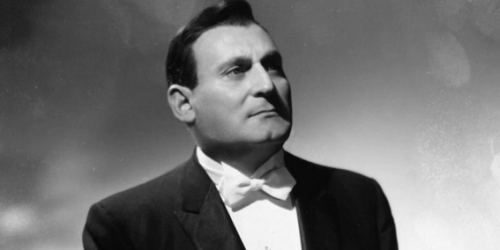
    Above: Rlchard Tucker

    ~ Author: Oberon

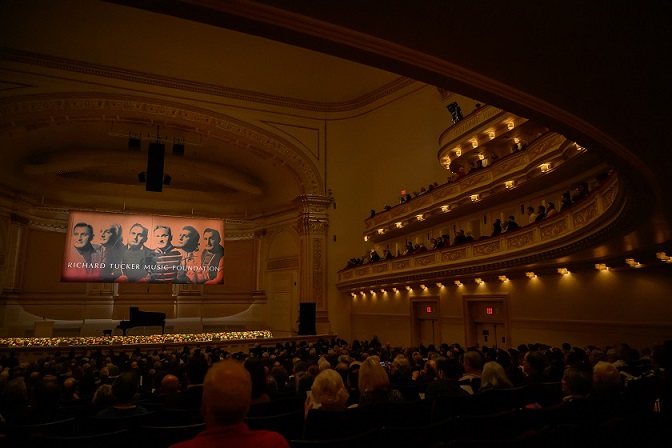
    Sunday October 27th, 2024 – The 49th annual Richard Tucker Music Foundation gala took place this evening at Carnegie Hall. It was an excellent program – including one aria that is rarely performed – with much impressive vocalism. The evening descended into silliness during the encores, but the audience overwhelmingly approved of la commedia, leaving me feeling like an old stick in the mud.

    You always run into people you know at the Tucker Gala. I was especially happy tonight to run into my friend – and fellow Patricia Brooks fan – from back in the day: Matthew Epstein.
    003-RICHARD_TUCKER_GALA_2024-0025

    Photo by Dario Acosta

    Following tradition, the first voice we heard was that of Richard Tucker singing the “Addio alla madre” from CAVALLERIA RUSTICANA. The power and passion of his voice are immortal.
    014-RICHARD_TUCKER_GALA_2024-0214

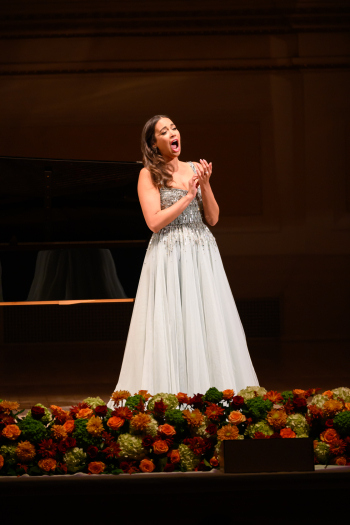
    Above: Nadine Sierra, photo by Dario Acosta

    After Barry Tucker’s welcoming speech, the program commenced with Mimi’s narrative “Mi chiamano Mimi” from LA BOHEME; this brought Nadine Sierra and pianist Bryan Wagorn together in a rendition that was a bit slower than we might be accustomed to, but which gave us more time to savour Nadine’s luxuriant phrasing and lovely tone. She made the slow rise to B-natural before commencing “…ma quando vien o sgelo…” which makes such a magical effect. Listening to her this evening made me think that Nadine could now venture into roles like Mimi, Liu, and Amelia Grimaldi, and even Desdemona and the TROVATORE Leonora.
    028-RICHARD_TUCKER_GALA_2024-0340

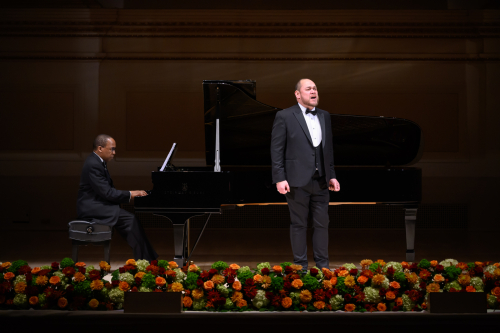
    Quinn Kelsey (above, photo by Dario Acosta) then took the stage, accompanied by Howard Watkins, for a truly magnificent “Eri tu” from BALLO IN MASCHERA. This was opera at its grandest, the singer filling the Hall with a flood of golden tone, achingly heartfelt in the character’s distress and his sense of defeat and resignation. This is a baritone voice to rank with the greatest of my experience: Warren, Merrill, MacNeil, Milnes, and the unforgettable Dmitri Hvorostovsky.
    047-RICHARD_TUCKER_GALA_2024-0506

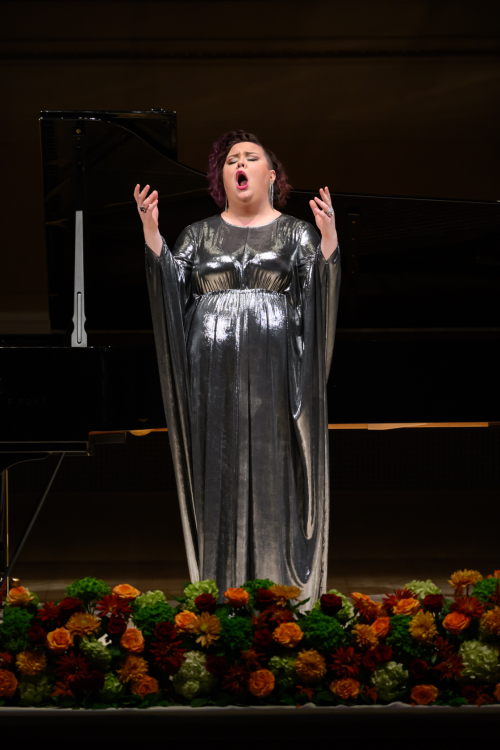
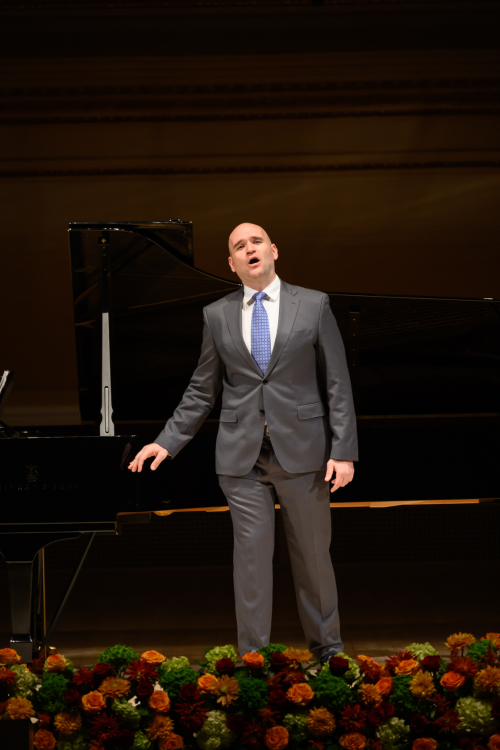
    Jamie Barton (above, photo by Dario Acosta), looking like an errant Valkyrie in her metallic-silver frock, was hilarious in the Witch’s aria from HANSEL & GRETEL. Mr. Watkins at the piano was a perfect accomplice to Jamie’s rowdy, riotous performance. Later, we would hear Jamie in bel canto mode, and finally as a top-flight songstress.
    071-RICHARD_TUCKER_GALA_2024-0704

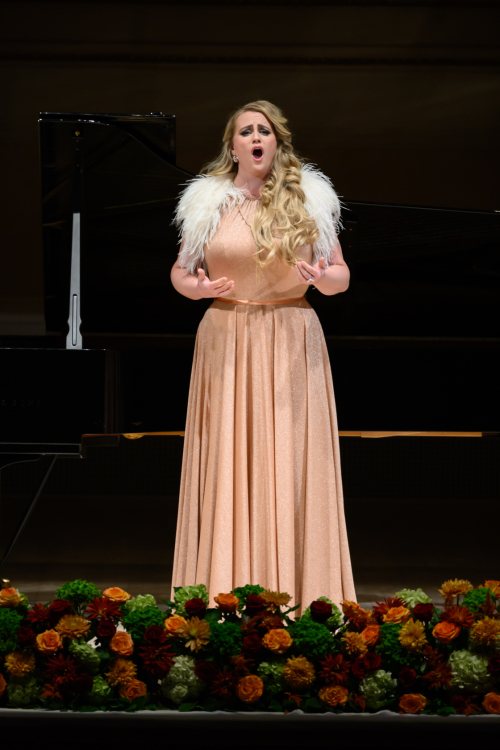
    Rachel Willis-Sorenson (above, photo by Dario Acosta), who the day before had joined Jamie Barton and Michael Fabiano in a rousing Met matinee of TROVATORE, today gave us the immortal “Casta viva” from Bellini’s NORMA. Although this bel canto jewel really needs an orchestra-and-chorus setting, Ms. Willis-Soremson and Mr. Wagorn were so persuasive that such concerns became irrelevant. With her impressive breath control, the soprano commanded the long phrases, introducing subtle nuances along the way. She concluded the aria with a gorgeous cadenza and then spun out an incredible inverted trill before sustaining the final note.
    082-RICHARD_TUCKER_GALA_2024-0805

    Above: Michael Fabiano, photo by Dario Acosta

    At yesterday’s Met TROVATORE, a commotion in the wings after “Di quella pira” had raised questions; this evening they were answered: Michael Fabiano had fallen on exiting the stage and sustained an injury; he had managed to finish his Manrico – but, as anyone who has taken a fall knows – it’s the day after that the soreness manifests itself. The poor tenor – heroic, but obviously in deep pain – was slowly helped onto the stage by Mr. Watkins. Michael spoke briefly of the incident, then regaled us with a sublime rendering of Henri Duparc’s “Phidylé“, displaying his lyrical side after yesterday’s powerhouse Manrico.
    096-RICHARD_TUCKER_GALA_2024-0910

    Above: Elena Villalón, photo by Dario Acosta

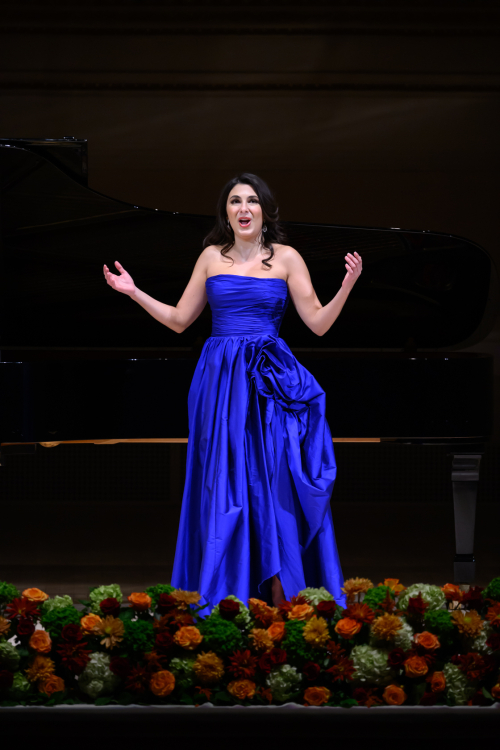
    Giving us some the most delightful singing of the evening was the soprano Elena Villalón, a Tucker Grant winner and currently at The Met in the Golijov AINADAMAR, having debuted there in the previous season as a charming Amor in ORFEO ED EURIDICE. Tonight, looking ravishing in her deep blue gown, the Cuban-American soprano sang Manon’s double aria from the Cours la Reine scene from the Massenet opera, with Mr. Watkins a gallant companion. The Villalón Manon is captivating, and she won my heart just as Patricia Brooks, Jeannette Pilou, and Lisette Oropesa have done in the role over the years.
    115-RICHARD_TUCKER_GALA_2024-1040

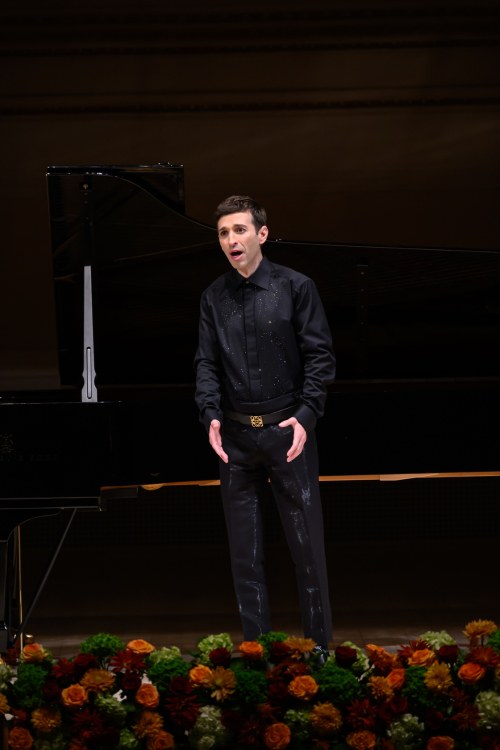
    Anthony Roth Costanzo (above, photo by Dario Acosta), in a sparkly shirt, was simply magnificent in Handel’s Stille amare from TOLOMEO. The voice is so delectable to hear in the Carnegie acoustic. Anthony’s emotional connection to the music – and his sublime pianissimi – were truly touching to experience.
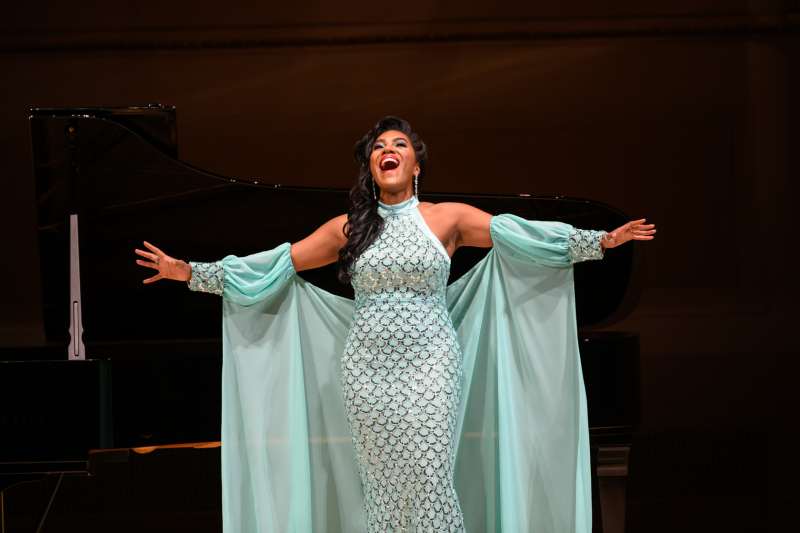
    140-RICHARD_TUCKER_GALA_2024-1241

    Above: J’nai Bridges, photo by Dario Acosta

    Til tonight, I’d never heard Sapho’s grand final aria from the Gounod opera named after her sung live; but I’ve thrilled to its sense of grandeur and doom since by chance hearing a recording of Heather Begg singing it in English many, many moons ago. Thank you, J’nai Bridges, for bringing this splendid aria to currency. Mr. Wagorn was again simply perfect as the mezzo, resplendent in a mint green gown, delivered the poignant recit and majestic aria – which ends on a thrilling top note that Ms. Bridges sustained mightily – so convincingly that the vision of the heroine hurling herself into the ocean at the end was palpable.
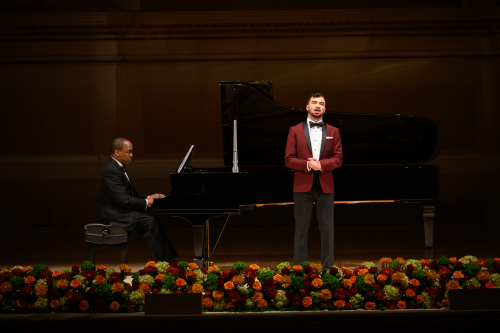
    156-RICHARD_TUCKER_GALA_2024-1369

    Above: Anthony León, photo by Dario Acosta

    Anthony León, 2022 1st prize and the Zarauela prize winner at the Operalia competition, sang a poetic “Una furtiva lagrima” from ELISIR D’AMORE with Mr. Watkins giving the youthful tenor wings on which to fly. The voice is sweet and clear, the singing so sincere, the words lovingly set forth, and the final phrase finely controlled. 
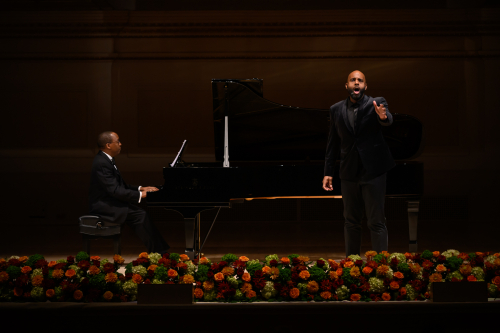
    166-RICHARD_TUCKER_GALA_2024-1406

    Above: Ryan Speedo Green, photo by Dario Acosta

    After hearing his Serenade this evening, we must have Ryan Speedo Green’s Don Giovanni in the next Met revival of the Mozart masterpiece: such a suave singer, with charisma to burn. Ryan had sung a commanding Ferrando in yesterday’s TROVATORE, and I look forward his Spirit Messenger in the upcoming Met revival of FRAU OHNE SCHATTEN…to say nothing of his impending Zankel Hall recital on January 22nd, 2025…check out the program here!
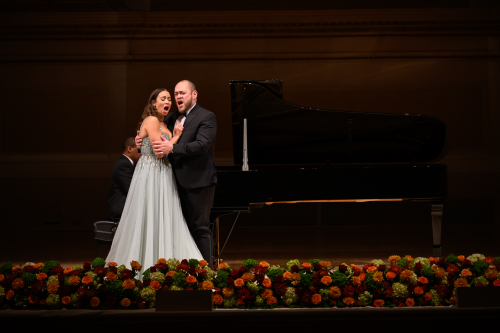
    190-RICHARD_TUCKER_GALA_2024-1590

    Above: Nadine Sierra and Quinn Kelsey; photo by Dario Acosta

    In the great duet of Gilda and her father from RIGOLETTO, Nadine Serra and Quinn Kelsey seemed to give us the very essence of opera. With perfect musical support from Mr. Watkins, the two singers wandered about the stage, seemingly unable to face one another after the jester’s beloved Gilda’s had been defiled at the hands of the Duke. From “Piangi, piangi fanciulla…”on, Quinn held Nadine in his consoling arms. Their singing was so compelling, and Mr. Watkins’ playing so true to the music, that for a brief time we were transported to that poetic place that only opera can carry us up. By the end, Nadine was weeping. The audience response was delirious, and rightfully so.
    216-RICHARD_TUCKER_GALA_2024-1725

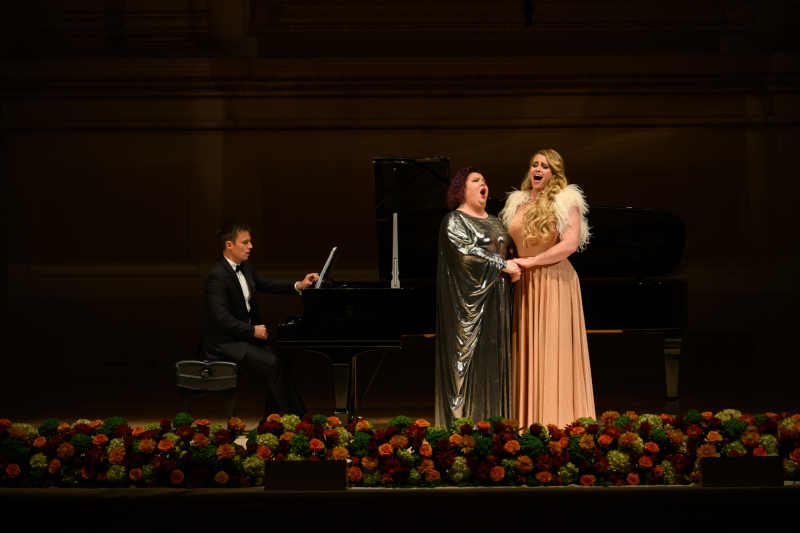
    Mlles. Willis-Sorenson and Barton (above, photo by Dario Acosta) brought bel canto to the fore with “Mira, O Norma” from the Bellini opera, Mr. Wagorn playing a key role in this beloved duet of rivals who become – if only briefly – fast friends. The voices made for a very congenial blend, the harmonies lingering so endearingly in he ear. Following the slow section, a dramatic exchange between the women was resolved with Ms. Willis-Sorenson’s “Trovo un’amica ancor”. and then they set off the vocal fireworks “Si, fino all’ore estreme”, even etching is some delicious harmonized turns before joining together on the penultimate note. 
    227-RICHARD_TUCKER_GALA_2024-1799

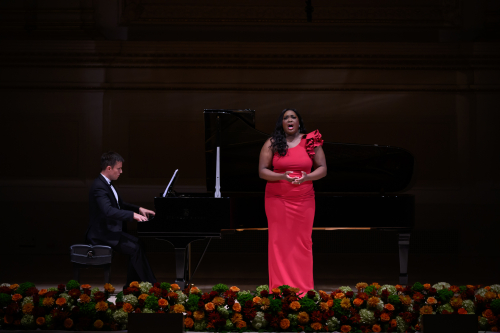
    Above: Angel Blue, photo by Dario Acosta

    The previously unannounced Angel Blue made a striking entrance in her red diva-gown. With Mr. Wagorn, she sounded like a goddess; she sang “America The Beautiful” with great ardor, then moved directly to Lee Hoiby’s touching “Lady of the Harbor”, a hymn to the Statue of Liberty. Angel sang with mythic power and pride, an iconic presence as she sang of the hope and the blessings of the American dream.

    Encores now commenced with Anthony Roth Costanzo duetting with himself in the cat-and-mouse scene of Susanna and Count Almaviva from NOZZE DI FIGARO

    As a child, I had a Swiss music box that played Stephen Foster’s “Beautiful Dreamer”; I was thinking of this when Nadine Serra and her college pal Bryan Wagorn gave the song a glowing lustre. They ended with a hug of genuine affection.

    Mr. Leon was affectionately welcomed back for an ardent, “Non puede ser” with Mr Watkins; and then – singing unaccompanied – Ryan Speedo Green sang “Deep River” straight from the heart. Ms. Bridges returned for a passionate “My man’s gone now” from PORGY AND BESS, and then Jamie Barton sang “It’s You I Like”: a Jake Heggie charmer that mixes Chopin and Fred Rogers.

    The evening ended with Nadine, Anthony, and Mr. Wagorn in a musical three-way spoof that was pretty silly, but the audience loved it. 
    313-RICHARD_TUCKER_GALA_2024-2145

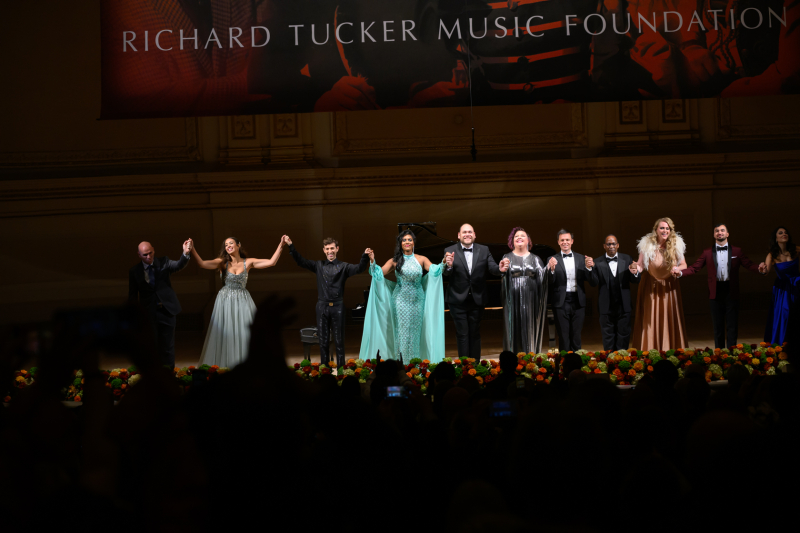
    Final bow. This, and all performance photos, by Dario Acosta.

    My thanks to Mallory McFarland of Morahan Arts and Media for arranging things for me.

    ~ Oberon

  • John Cage’s Ryoanji at the Japan Society

    John cage

    Above: John Cage in Japan; photo by Yasuhiro Yoshioka, Courtesy of Sogetsu Foundation

    Author: Shoshana Klein

    Sunday October 22nd, 2023 – The Japan Society is doing a John Cage’s Japan series, of which this was the second installment. It was directed by Tomomi Adachi and played by members of the International Contemporary Ensemble.

    The premise is very interesting – the performers play John Cage’s Ryoanji, and there is a video with reactive elements. After intermission, the video is played back and the performers use it as a score to perform again. I was left with many questions – though I read most of the program, I think it could have benefited from explanations of some sort.


    First of all, some musicians were here, and some were in Japan, supposedly. There was a vocalist and a Hichiriki (according to the program) coming from speakers, but we never saw these performers or were introduced to them. It was also 300 AM in Japan, so I’m not sure how likely it was that they were performing live in this performance. They were not present for the second half. Instead, Adachi (I think) performed with the original trio. 


    It was unclear to me how the video was reactive to the musicians – it was a sort of constellation visual with points of light moving around, and brightly colored lines and shapes would appear, connecting these star-like dots. If the lines and shapes were related to the audio being played, I couldn’t figure out how – my best guess for the video reactivity had to do with the perspective and the amount of movement. For instance, for a while it seemed like the perspective, zoom, and amount of movement of the start may be affected by the musicians, but if so, it seemed to change throughout the performance. It was interesting to try to figure out and they were cool visuals, but relatively static throughout the 20 or 30 minute performance.


    The piece, musically, was pretty sparse and I had trouble finding structure or latching on to anything, but the musicians obviously played well together and there were moments of responsiveness that were nice. Reading about the score is helpful – it’s not really notated and the performers are basically playing graphic scores of drawings of rocks. It should be noted that I do like John Cage, at least theoretically – I think his ideas and philosophical concepts are very interesting, but sometimes I find it hard to translate that to an enjoyable auditory experience.


    The second half had significantly more musical movement, though it wasn’t clear how they were using the video as a score, and it appeared that they were also reading music (maybe the original score in combination?). It seemed shorter than the first half but I’m not sure that it was, it could have been my perception since there was so much more to listen for. All in all, an interesting experience that I would have liked to know more about. 


    ~ Shoshana Klein

  • John Cage’s Ryoanji at the Japan Society

    John cage

    Above: John Cage in Japan; photo by Yasuhiro Yoshioka, Courtesy of Sogetsu Foundation

    Author: Shoshana Klein

    Sunday October 22nd, 2023 – The Japan Society is doing a John Cage’s Japan series, of which this was the second installment. It was directed by Tomomi Adachi and played by members of the International Contemporary Ensemble.

    The premise is very interesting – the performers play John Cage’s Ryoanji, and there is a video with reactive elements. After intermission, the video is played back and the performers use it as a score to perform again. I was left with many questions – though I read most of the program, I think it could have benefited from explanations of some sort.


    First of all, some musicians were here, and some were in Japan, supposedly. There was a vocalist and a Hichiriki (according to the program) coming from speakers, but we never saw these performers or were introduced to them. It was also 300 AM in Japan, so I’m not sure how likely it was that they were performing live in this performance. They were not present for the second half. Instead, Adachi (I think) performed with the original trio. 


    It was unclear to me how the video was reactive to the musicians – it was a sort of constellation visual with points of light moving around, and brightly colored lines and shapes would appear, connecting these star-like dots. If the lines and shapes were related to the audio being played, I couldn’t figure out how – my best guess for the video reactivity had to do with the perspective and the amount of movement. For instance, for a while it seemed like the perspective, zoom, and amount of movement of the start may be affected by the musicians, but if so, it seemed to change throughout the performance. It was interesting to try to figure out and they were cool visuals, but relatively static throughout the 20 or 30 minute performance.


    The piece, musically, was pretty sparse and I had trouble finding structure or latching on to anything, but the musicians obviously played well together and there were moments of responsiveness that were nice. Reading about the score is helpful – it’s not really notated and the performers are basically playing graphic scores of drawings of rocks. It should be noted that I do like John Cage, at least theoretically – I think his ideas and philosophical concepts are very interesting, but sometimes I find it hard to translate that to an enjoyable auditory experience.


    The second half had significantly more musical movement, though it wasn’t clear how they were using the video as a score, and it appeared that they were also reading music (maybe the original score in combination?). It seemed shorter than the first half but I’m not sure that it was, it could have been my perception since there was so much more to listen for. All in all, an interesting experience that I would have liked to know more about. 


    ~ Shoshana Klein

  • Danish String Quartet @ Chamber Music Society

    Danish qt

    Above: the Danish String Quartet, photographed by Caroline Bittencourt. From left: Rune Tonsgaard Sørensen (violin); Fredrik Schøyen Sjölin (cello); Frederik Øland (violin); Asbjørn Nørgaard (viola)

    NOTE: I again apologize for the “look” of this post. Due to a prolonged downtime at Typepad, the photo may not appear.

    Sunday October 30th, 2022 – How wonderful to hear the Danish String Quartet live again! Their iconic sound is really quite unlike that of any other string quartet, though how to describe what actually sets them apart is nearly impossible. You simply have to be there.

    This evening they brought us music of Mozart, Britten, and Schumann, all of it played with silken smoothness of tone and technique. One nice thing about the Danish: the two violinists switched seats in the course of the program, so that today we got to experience Rune Tonsgaard Sørensen taking the lead for the two Mozart works, and Frederik Øland in the Britten and Schumann.

    A large audience greeted the Danes with warm applause; the players sat down, and immediately set the evening sailing with Mozart’s Divertimento #15, K. 138. Expert timing marked their playing of the uplifting opening Allegro; world weariness was quickly banished as polished phrase after phrase drew us in. What sounds! The sustained line of the Andante allowed us to savour the textures of Mozart’s harmonies, which become quite delicate for a while. Mr. Tonsgaard Sørensen’s sublime phrasing, and the velvety warmth provided (all evening) by cellist Fredrik Schoyen Sjölin were most welcome. From its lively start, the concluding Presto swept us along, its charming and witty mid-section an added attraction. This short and sweet Divertimento was a perfect concert opener.

    How wonderful to hear Benjamin Britten’s Three Divertimenti the day after experiencing the composer’s masterwork PETER GRIMES at The Met. These brilliant miniatures make a nicely-contrasted concert set, and The Danes played them to perfection. The amusingly off-kilter March highlights the quartet’s outstanding violist Asbjørn Nørgaard. The music steps along, with a brief detour for some Mendelssohnian lightness, before gaining speed to a sudden finish. The second divertimento, Waltz,  features gently plucking rhythms, the violin and viola topping things off. We dance blithely along, faster and faster, to a cute conclusion. The agitato start of Burlesque soon has the players strumming, plucking, and tapping their instruments. The music accelerates to a brisk conclusion.

    Now for another Mozart treat: the Quartet in E-flat major, K. 428. The opening Allegro non troppo commences with the players in unison, Mr. Tonsgaard Sørensen leading the way. Such gracious music: the violist much (and marvelously) occupied, the cellist the beating heart, the violin’s upward runs providing a gentle lift to the spirit. It’s magical music, and magically played. The Andante con moto has a lovely start, with bending harmonies sweetly blended.  The intrinsic beauty of Mozart’s melodies creates a timeless feeling, with Mr. Tonsgaard Sørensen‘s silken tone giving us the blessing of calm. I wanted it to go on and on.

    But, instead, a Minuet must be danced: such elegance! A minor-key interlude provides contrast, and Mr.  Tonsgaard Sørensen‘s demonstrates perfect control before passing a theme off to Mr. Øland. We now arrive at the final Allegro vivace, bustling and blithe, with coy hesitations. The abounding charm of the music gives the feeling that all’s right with the world….an illusion, I know, but…illusions are, by their nature, sweet.

    Following the interval, Robert Schumann’s Quartet in A-major, Op.41, No, 3, made for a spectacular finish to the program. A feeling of sweet sadness permeates the opening movement, in which the intertwining voices mingle expressively. An agitato figuration for the cello draws a response from the other three voices. There is an underlying anxiousness at the start of the second movement which creates a restless feeling, and the cello takes the lead with a tender theme; the music – rich and dense – becomes a slow dance. Again, the blend the players achieve is simply miraculous.

    Now comes the crowing glory of the evening: the Adagio molto. Following a poignant start, the viola draws us in with a searching feeling. The violin and viola play a rising phrase that seems to draw us heavenward, whilst a captivating density of tone from the lower voices carries us deeper and deeper into the music; the sounds of the violins seem to hypnotize us. The end of the movement is so profoundly gorgeous that all else is forgotten. 

    But Schumann has an Allegro molto vivace up his sleeve to delight us: from an agitato start, scurrying motifs pop up. Then a trudging beat commences, dancing us on the the finish.

    Reveling in a full-house standing ovation, the Danish String Quartet offered an encore from Papa Haydn’s very first work for string quartet, giving us yet another sublime musical experience.

    ~ Oberon

  • @ My Met Score Desk for ORFEO ED EURIDICE

    785x590_orfeo3

    Above: Hei-Kyung Hong as Euridice and Jamie Barton as Orfeo; a Met Opera photo

    ~ Author: Oberon

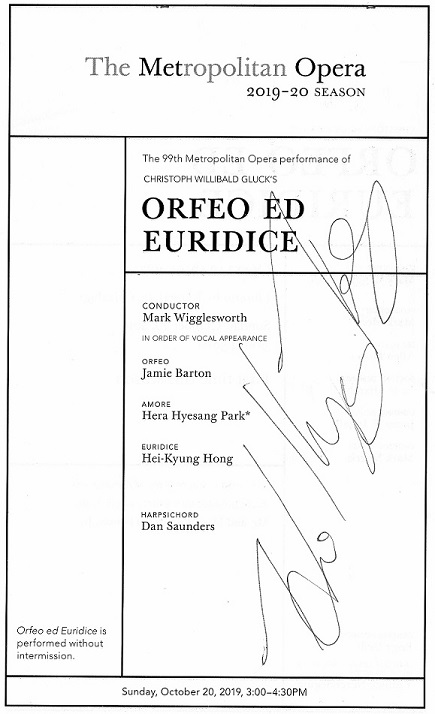
    Sunday October 20th, 2019 matinee – Not being a fan of Mark Morris, nor of Jamie Barton, I nevertheless went to The Met this afternoon to experience Gluck’s ORFEO ED EURIDICE live because Hei-Kyung Hong was singing Euridice. I saw this production when it was new, and hated almost everything about it; so today, all I needed was a score desk to hear Ms. Hong. 

    It was nice to see a substantial audience for this Sunday matinee, which for some reason started 15 minutes late. The opera is given as a single act, lasting about 90 minutes. The story unfolds almost too quickly until the interminable never-ending ending.

    The Met is probably too big of a place to best experience this music. Orchestra and chorus fared well under Mark Wigglesworth’s baton, though there were times when the noise of the dancing intruded.

    From the Met’s Young Artist program, soprano Hera Hyesung Park was a pretty-voiced, incisive Amor. In the large space, Jamie Barton’s voice was wonderfully present in the music of Orfeo; she uses chest voice constantly when venturing below F whilst the upper notes sound a bit tense. Her singing was impressive in its way, but she never moved me.

    Hei-Kyung Hong’s touchingly clear, expressive singing had an insistently plaintive quality that finally induces her husband to look at her, causing her second death. I’ve never heard Euridice’s “you-don’t-love-me-anymore” guilt trip so persuasively laid on. Hei-Kyung’s curtain call was lovely: she came out in her white gown and was greeted by a barrage of bouquets sailing over the footlights.

    I have many fond memories of Hei-Kyung, going back to her days singing Woglinde and Servilia, and then becoming a peerless Mimi and Liu. One of my favorite conversations with her, while I was working at Tower, came on the day James Levine had asked her to sing Eva in DIE MEISTERSINGER. She was a bit panicked by the offer, and wanted a recording to listen to before she committed. I handed her Helen Donath’s, and told her not to worry. She had a beautiful success in the role.

    Scanned Section 4-1

    Today, realizing that over all the many times I have seen her onstage and met her face-to-face, I’d never asked Hei-Kyung for her autograph. I waited for her for over an hour at the stage door. Finally, she came out with family and friends and gave me a kiss, and her signature.

    ~ Oberon

  • Bychkov|Czech Philharmonic ~ Mahler 2nd

    3jb9qd-semyonbych-master

    Above: Maestro Semyon Bychkov

    Author: Oberon

    Sunday October 28th, 2019 matinee – Attending a performance of the Mahler 2nd invariably fills me with memories of past performances of the work that I have experienced. By far the most meaningful of these came at Carnegie Hall in December 2001 when my late friend Makiko Narumi sang the solo alto part in a performance by the Juilliard Orchestra. She was suffering from a rare form of cancer, but heroically she sang…and moved everyone to tears with her “Urlicht“. She left Carnegie Hall in a wheelchair that night, and never sang in public again. She flew to Japan in March 2002 to seek treatment there, but she died at her parents’ home in Aomori within a month.

    This afternoon, back at Carnegie, the great conductor Semyon Bychkov led the Czech Philharmonic in a rendering of this Mahler masterpiece that was not quite the soul-stirring experience I had been anticipating; the reasons for this were mainly extra-musical.

    The conductor’s pacing of the work was flawless, and there were long paragraphs of superbly layered sound from the orchestra. The symphony’s epic climaxes and their ensuing ebbing away were impeccably judged by the Maestro. The courtly opening of the second movement, and the ‘Halloween’ dance of the third reminded me yet again of what a great work the Mahler 2nd truly is. Full-bodied strings and expert solo woodwind playing gave a great deal of pleasure, and the chorus played their part in the proceedings to wonderful effect.

    These positive elements were somewhat offset by some fluffed brass playing, and by vocal soloists who were more serviceable than inspiring. Mezzo-Soprano Elisabeth Kulman sounded lovely in the very quiet start of the Urlicht; later, a trace of flatness crept in, and the concluding rising phrase of the song seemed a bit unsupported. She sounded fine, though, in the later O glaube! Soprano Christiane Karg’s upper notes were somewhat tremulous, though overall her sound is appealing.

    But it was a series of noises in the hall that eventually took on a comic aspect – due to their frequency and timing – which made concentrating on the music next to impossible. It started during a dead silence midway thru the symphony’s opening Allegro maestoso; and it happened again during the Andante moderato. Then, just as Ms. Kulman was starting the Urlicht, there was a loud thud. And something else was dropped during an offstage brass passage.

    In the final movement, everything at last seemed to be going smoothly – aside from some wonky brass notes and yet another dropped item – until the chorus made their hushed entrance. Here, atmosphere is everything. But the sound of a door closing somewhere ruined it.

    When so many earth-bound distractions occur in the course of a single symphony, one feels battered down. My high expectations for this concert were slowly frittered away as the afternoon wore on. 

    Considering my abiding love for the Mahler 2nd, this is not at all the type of article I thought I’d be writing this evening. But an accumulation of ordinary annoyances – there were others that I haven’t mentioned – got the upper hand today.

    NOTE: Ben Weaver writes about the Czech Philharmonic’s opening performance at Carnegie Hall, which took place on Saturday evening, October 27th, here. Ben was with me at the Mahler matinee, and said that the blips in the brass playing on Sunday were nowhere evident in the Dvořák program. He felt in general that the orchestra players might have been experiencing some fatigue on Sunday afternoon following a big program on Saturday night. He also said that the Dvořák program was free of audience distractions and extraneous noises. 

    ~ Oberon

  • Bohemia in Bloom @ Chamber Music Society

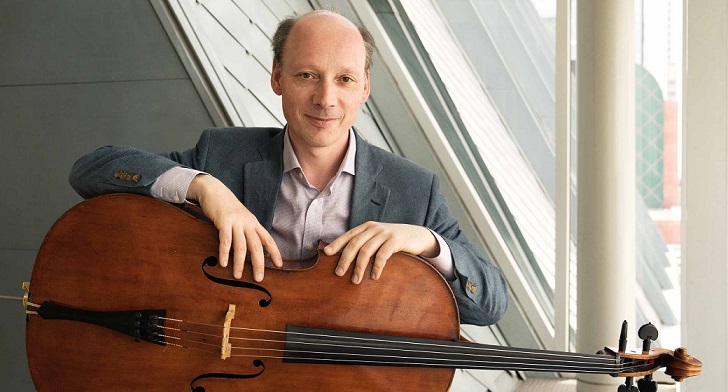
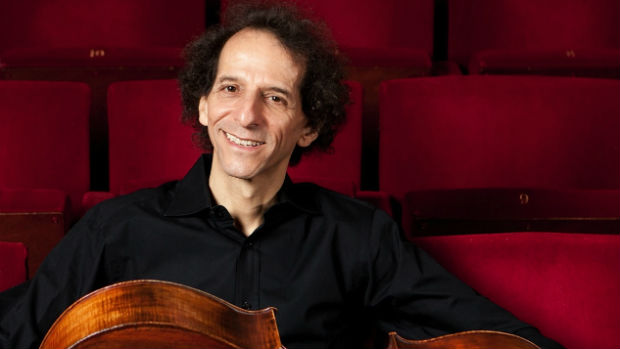
    Clive Greensmith

    Above: cellist Clive Greensmith

    Author: Oberon

    Sunday October 22nd, 2017 – This program offered by Chamber Music Society of Lincoln Center of works by three Czech composers got off to a dazzling start with music by Josef Suk, with whose music I’d had little previous connection. Suk’s Piano Quartet in A minor was his opus #1; he dedicated it to his teacher, Antonin Dvorák.

    Hearing this quartet tonight was an experience I would have described in the 1960s as “mind-blowing”. The Suk also provided us with an introduction to a remarkable cellist, Clive Greensmith. For fourteen years the cellist of the Tokyo String Quartet, Mr. Greensmith is now a chamber/symphonic soloist and a member of the Montrose Trio. As the applause for this evening’s opening Suk quartet commenced, my companion and I turned to one another and said, “The cellist!” We’ll be looking for any opportunity to hear him again.

    Composed in 1891, Josef Suk’s piano quartet simply brims over with glorious melody and rhythmic vitality. He writes beautifully for all four instruments, giving each voice ample opportunity to shine forth. Mr. Greensmith, in his first CMS appearance, found himself in the elite company of some of our favorite CMS personalities.

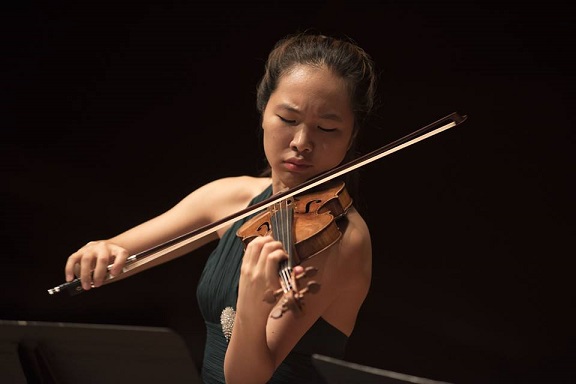
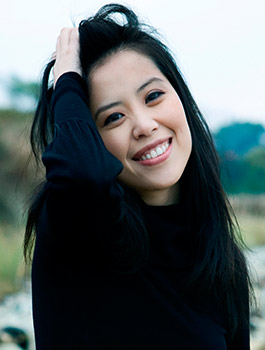
    Danbi

    Above: violinist Danbi Um

    From the very opening, with the strings playing a unison theme from which Danbi Um’s violin takes flight, we are drawn into this music. Gloria Chien at the Steinway brings the tempo down a bit and a flow of melodies commences which will carry us thru the first two movements, evoking spine-tingling sensations thru their heart-on-sleeve beauty. The passion of the music rises and falls, building to grand themes and then subsiding to provide solo opportunities for the players.

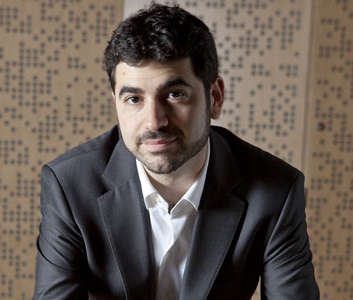
    7714943343e43b17749221426c024487-300x200

    Yura Lee (above), always so very welcome among the Society’s many peerless artists, gives her customary dusky glow to the viola passages, and Mr. Greensmith’s cello is thrilling in both its uncanny resonance and immaculate finesse. Playing together in their deeper range, our three string soloists produced a rich texture that gave the impression of a full string orchestra in play. A passage of soul-filling passion brings the first movement to an end.

    Gloria-chien

    Above: Gloria Chien

    Extraordinary softness of touch from Gloria Chien’s keyboard lures us into the central Adagio. Then Mr. Greensmith commenced a cello theme of incredible richness: heavenly playing. Ms. Um’s elegant violin sails sweet and high, and then Ms. Lee joins her string colleagues in an assault on the emotions: “These Players!” is all I wrote.

    But Suk, in this Adagio, has still more to offer us: for Mr. Greensmith’s cello again plunges to the depths. By this point I’m literally entranced. Briefly the music seems to sparkle from the piano and high violin, and then a splendidly rhapsodic feeling takes over. Where one might expect this music to finish with a final grand gesture, it instead goes into a long fade-away and vanishes into thin air.

    Ms. Chien is superb in the quartet’s closing Allegro con fuoco, which is at times scherzo-like in feeling. The pianist plays inventive bridges between solo passages for the three string players. An almost militant feeling develops, only to give way to more tender feelings – expressively played by our quartet – before reaching a joyous close. This performance of the Suk will be held high on my list of magical experiences at Chamber Music Society.

    Michael-Brown-piano

    Above: pianist Michael Brown

    Antonin Dvořák’s first piano quintet, opus 5, was originally performed at Prague in 1872. The composer was not pleased with the work and withdrew it. Fifteen years later, he re-worked the quintet but again was unhappy with it; and so it was that his opus 5 piano quintet was never performed during Dvořák’s lifetime. A manuscript of the 1887 revision was found following World War I and was performed by students at the Prague Conservatory on March 29th, 1922. The score was finally published until 1959.

    Much as I love Dvořák’s music in general, I must say that he was perhaps correct in thinking this particular work doesn’t show him at his best. It’s very attractive music, to be sure, and it goes without saying that it was played to perfection this evening. But somehow it reaches the heart only sporadically.

    Michael Brown at the Steinway opens the quintet, with Mr. Greensmith’s cello passage leading into an appealing violin melody played over a courtly string figure. The tempo slows, then rekindles itself; limpid piano phrases develop into a big tutti finale for the first movement.

    Mr. Brown’s playing was so clear and thoughtful in the sad and somewhat hesitant piano solo that begins the Andante sostenuto. Danbi Um offers an achingly lovely violin solo; the music gets dense and then Danbi and Clive Greensmith trade phrases…like silk and velvet respectively. Mr. Brown’s playing here is truly exquisite, and Ms. Lee took every opportunity to let her viola sound forth. Ms. Um’s violin makes a soft ascent to a quiet ending.

    The final movement begins agitato, with Mr. Brown running off a jaunty piano bit before all join in. The piano is in fact quite prominent throughout this Allegro con brio: from a quaint tune to an almost “toy” piano moment, Mr. Brown has it all superbly in hand. Thru numerous modulations, the music reaches an ebullient end.

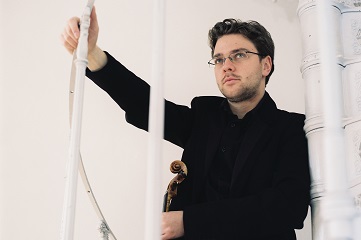
    As2

    Above: violinist Alexander Sitkovetsky

    Following the interval, Alexander Sitkovetsky took the lead in the Smetana G-minor Piano Trio, the opening passages of which provided a perfect showcase for the violinist’s passionate playing. Mr. Greensmith introduces a somewhat sunnier theme, and Mr. Sitkovetsky’s violin soars to the heights. Pulsing energy and a big sweep give way to another flight from the violin. Things get rather turbulent, calmed by Ms. Chien’s fluent piano solo. A grandiose buildup collapses into a swift end.

    The second movement starts out quiet yet lively, with a unison passage. A violin interlude, played lovingly by Mr. Sitkovetsky, is lyrical; then the music turns weightier, with a slow, almost trudging beat. A dancelike feeling emerges, and moves on to an unexpectedly sudden finish.

    The Presto finale opens in a state of near madness, quite a scrambling feeling. Ms. Chien’s piano has a sense of urgency, then she plays single notes in succession to mark a quietening. An affecting cello theme is taken up by the violin. Lovely melodies, over rippling piano figures, vanish in another burst of forward motion; then the tender cello theme is heard once again, with the piano blending, and a really fine, pensive solo bit from the Steinway. The strings sing out, only to give way to a dirge-like passage. But the music rebounds with vitality, Mr. Sitkovetsky’s violin rising in triumph. All seems about to end well, but Smetana briefly lets a cloud creep by before it’s dispelled by a brisk three-bar fortissimo.

    After joining in the standing ovation that greeted the players at the end, my friend Adi and I found ourselves discussing yet again how fulfilling these CMS concerts are, and how wonderful the music always sounds in Alice Tully’s house.

    The Repertory: 

    • Suk Quartet in A minor for Piano, Violin, Viola, and Cello, Op. 1 (1891)
    • Dvořák Quintet in A major for Piano, Two Violins, Viola, and Cello, Op. 5 (1872)
    • Smetana Trio in G minor for Piano, Violin, and Cello, Op. 15 (1855, rev. 1857)

    ~ Oberon

  • Prevailing Winds @ Chamber Music Society

    Romie

    Above: clarinetist Romie de Guise-Langlois 

    Sunday October 25th, 2015 – Kudos, yet again, to the folks at Chamber Music Society of Lincoln Center for putting together this imaginative program for which some of the outstanding wind players of the day gathered together to form a first-rate ensemble. The genial pianist Jean-Efflam Bavouzet brought his own magic to three of the four works presented.

    During the week leading up to this concert, some wonderful news came from the Society – I am sharing this directly from their press release: “Chamber Music Society of Lincoln Center has announced a $4 million unrestricted gift, the largest in its history, from long-time patron and devoted chamber music lover Jane Kitselman, who passed away on March 18, 2015, at the age of 87.  The formal announcement was made at a reception following the October 20th Chamber Music Society concert at Alice Tully Hall, which was performed in her memory.  Ms. Kitselman, a cellist, was especially fond of string quartet literature, and CMS is dedicating its forthcoming performances of the Beethoven String Quartet Cycle to her.  In addition, there will be an annual concert dedicated to Jane Kitselman, to be performed in perpetuity.”

    I couldn’t help but feel that this news, which people around us were discussing prior to the start of this evening’s concert, set the atmosphere in Tully Hall at an even higher degree of anticipation that usual.

    Ligeti’s Six Bagatelles, as performed this evening, are transcriptions by the composer from twelve piano bagatelles; these pieces are very short, lasting two to three minutes each. In the first bagatelle, Allegro con spirito, a playful, percolating rhythm charmingly peters out. The second bagatelle commences with a sad chorale which evolves with a variety textures and harmonies and ends on an ironic “beep”. In the third, Allegro grazioso, the flute sings over bubbling clarinet and bassoon and there’s a gorgeous horn passage. Bagatelle number four is an exuberant Presto ruvidi, vividly dance-like. The following Adagio, dedicated to the memory of Bela Bartok, begins as a somber dirge but is then enlivened when the flute speaks up; a repeated two note theme underlines an exchange of trills between flute and clarinet, and the piece ends on a benedictive chord. The last bagatelle, marked Allegro vivace, has a quirky start and then pulses along as the horn goes high and the piccolo pipes up. Things turn rather frenetic but in the end, a muted horn solo provides an unexpected finish. In these six Ligeti gems, we have met our five wind soloists and they have displayed their outstanding gifts of technique and artistry; they were called back for a bow.

    The least-known composer on the program today was surely Albéric Magnard; his life story ended tragically in 1914 when he stood his ground against the invading Germans and perished when they set fire to his house in Baron, France.

    In a program note, pianist Jean-Efflam Bavouzet spoke lovingly of the evening’s Magnard work: “I hope you will leave the concert with lasting memories of having discovered the captivating music of a hitherto lesser-known composer.” My hope, having heard this revelatory quintet, is that the Society will pursue and present other works from the Magnard catalog, which is sadly limited – by his tragic death – to only thirty compositions.

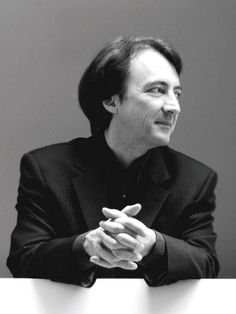
    Bavouzet

    Above: Jean-Efflam Bavouzet

    Knowing nought of Magnard’s music, I was thoroughly captivated this evening by his D-minor quintet for which the terrific pianist Jean-Efflam Bavouzet joined Mlles. O’Connor and de Guise-Langlois, Stephen Taylor, and Peter Kolkay. The music is intrinsically “French”, loaded with marvelous melodies, and Mr. Bavouzet proved the ideal maître of the keyboard to lead us on this magical journey.

    After an opening piano solo, the wind instruments trade themes over a rippling keyboard motif. Individual voices tantalize, such as in a plaintive passage for Mr. Taylor’s oboe and some delicious trills from Ms. O’Connor’s flute. An unexpected fugue is an intriguing highlight.

    In the ensuing slow movement, marked Tendre, Romie de Guise-Langlois stole my heart yet again with her deeply expressive playing of a poignant melody entwined in M. Bavouzet’s poetic piano sounds. This theme becomes passionate and then pensive; I found myself with tears running down my face from the sheer beauty of Romie’s playing. M. Bavouzet draws us on, though, with a solo passage which continues to ripple under a serene chorale from the winds. 

    Ms. O’Connor’s flute takes on a waltz-like air as she opens the third movement in tandem with M. Bavouzet; the pianist has another vivacious solo before the wind voices enter, evoking Springtime cheer. Mr. Taylor’s oboe seized upon an oddly Mid-Eastern-sounding theme, playing with great control. 

    By now I was thoroughly engrossed in this Magnard work, only to discover fresh vistas in the final movement, charmingly marked Joyeux. A jaunty oboe solo leads off, the other voices passing the idea around. Peter Kolkay’s amiable sustaining of single tones had an ironic quality, and Ms. O’Connor’s flute wafts over us. A mini-fugue is a fleeting delight, and a two-note theme somehow develops into a march. In a mellowing out, Mr. Kolkay’s bassoon glows in a superb passage with M. Bavouzet. The pianist then takes a dynamic lead thru a few small detours before all join in a final tutti melody. 

    Have I rambled on too long, sometimes shifting from past to present tense? It’s because, in remembering, I am still there. Does that make any sense? 

    Following the interval, the only work on the program somewhat familiar to me: the Rimsky-Korsakov B-flat major quintet. This piece was composed in 1876 for a chamber music competition held by the Russian Music Society, but its premiere was spoilt by some indifferent playing. Fortunately, the piece survived this fiasco, for it is – like the Magnard – a thorough delight.

    Following a speedy start, the bassoon draws us in. All the wind voices have their say, including a lovely dialogue between flute and bassoon. There’s a rush to the finish, and then the astoundingly plush sound of Radovan Vlatković’s horn intones a serene theme over M. Bavouzet’s piano.

    (I must pause here to say, as a frustrated high-school horn player, that Mr. Vlatković’s tone quality has the ideal Autumnal richness that always eluded me; his gorgeous playing here – all evening, in fact – made me envious. I even scrawled “I am jealous!” next to his name in my playbill.)

    But – moving on with the Rimsky-Korsakov – clarinet and flute trade dreamy phrases before the piano introduces a new theme, echoed by the ensemble. And then Mr.Vlatković chimed in again – spectacular sound – before the bassoon and clarinet meshed voices leading to a mellow end.

    The final Rondo: allegretto starts with a joy-filled skipping rhythm; there is bassoon irony as the voices swirl about before returning to the theme. Romie de Guise-Langlois brought forth a redolent, deeply ‘Russian’ theme which was passed to the horn. A sparkling flute cadenza and another clarinet passage carry the players to a final sprint. 

    Poulenc’s Sextet for Piano and Winds is a different kind of treasure: including elements of jazz, ragtime, pop songs of the interbellum era, high wit, and gentle sarcasm, there are also stretches of pure lyricism (a bassoon theme, for one) along the way. The players had a grand time of it, and the final Prestissimo felt like a transfusion, an antidote to the world-weariness that’s been creeping up on me of late. Great music, played as it was tonight, does one a world of good.  

    The Repertory:

    The Participating Artists:

  • 2015-2016 Season Opens at CMS

    N C

    Above: cellist Nicholas Canellakis

    Sunday October 18th, 2015 – Chamber Music Society of Lincoln Center opening their new season at Alice Tully Hall with a sold-out concert that played to a crowd of music lovers as attentive as they were appreciative.

    As is their wont, Chamber Music Society put together an impressive ensemble of musicians this evening; it was especially gratifying to hear cellist Nicholas Canellakis again after he had bowled me over with his playing of Leon Kirchner’s Music for Cello and Orchestra with the American Symphony Orchestra this past April. Mr. Canellakis played in all three works this evening – a triple treat.

    Over the course of the evening, three pianists took turns at the Steinway. After greeting the audience  tonight in her capacity as co-artistic director of the Society, Wu Han took her place at the keyboard and dazzled us yet again with her subtle, evocative artistry. She was joined for the opening Haydn trio by Ani Kavafian – in her 44th year (!) of participating in the Society’s concerts and playing with her characteristic super-fine style – and Mr. Canellakis, whose deep-burgundy cello resonance was amply pleasing.

    The blended timbres of these three ‘voices’ and the gracious communicative rapport they established immediately drew the audience into the music, setting the tone for the whole evening. Their deeply-felt playing of the central Andante gave way to the foot-tapping dance rhythm of the final Allegro, which they set forth with joyous vigor.

    The Mendelssohn D-major sextet sounded remarkably fresh this evening in a glowing performance of such dazzling clarity that the audience could barely suppress their delight, erupting in a gale of applause the moment the final chord was released. The players basked in a lively ovation, deservedly called out for a second bow.

    And what players! The velvety bass of Joseph Conyers set the groundwork for the piece, with Mr. Canellakis and violists Paul Neubauer and Matthew Lipman summoning up some exceptionally tender harmonies in the Adagio, where Chad Hoopes interjected some sweet violin solo moments. In his first concert with CMS, pianist Michael Brown’s rippling enticements and poised lyricism in the earlier movements gave way to thrilling virtuosity in the concluding Allegro vivace.

    This final movement, taken at an exhilaratingly speedy pace, found all the players reveling in the dancing spirit of the work. A sudden change of pace and mood brought out some of Mr. Brown’s most fabulous playing, and then the work sailed on to its invigorating end. The audience’s spontaneous reaction and their embrace of the players during the ensuing applause was both joyous and heartfelt.

    A tough act to follow, indeed; yet as pianist Anne-Marie McDermott led her colleagues out for the concluding Schumann, I felt certain we were in for yet another revelatory experience. And I was right.

    Here we could more extensively savour Mr. Lipman’s viola skills: this young musician, who made an impromptu CMS debut last season when he stepped in for another artist, displayed handsome tone and a smile that seemed to signal his delight in playing such great music for such an engaged audience. Ms. Kavafian, unspooling silken melodies, was amiably seconded by Mr. Hoopes, whilst Nicholas Canellakis polished off his evening with engaging, expressive playing. Ms. McDermott’s luxuriantly dexterous playing fell ever-so-pleasingly on the ear.

    In the first movement, cellist and violist participate in rise-and-fall scale motif, Mr. Lipman seeming to finish Mr. Canellakis’s sentences.The second movement begins hesitantly; the viola becomes prominent, and Ms. Kavafian plays high and sweet. A rising scale theme is passed from voice to voice. In the concluding movement, we are dancing again; but there’s a sudden volte-face, a slowdown where Ms. McDermott’s piano rumbles in some lower range scalework before the engines are revved up again and the piece dances on to the end.

    Another warm ovation, another double curtain call; and then out into the first chill of early Autumn.

    The Repertory:

    The Participating Artists:


  • Fauré & Ysaÿe at Chamber Music Society

    AnneMarie-McDermott-Jan-2013-468x310

    Above: pianist Anne-Marie McDermott

    Sunday October 26th, 2014 – Works by the Belgian violinist/composer Eugène Ysaÿe and his better-known French contemporary Gabriel Fauré were on the bill at Alice Tully Hall as Chamber Music Society of Lincoln Center presented this dusk-hour concert on a cool Autumn day. My friend Monica Wellington and I are both very much admirers of the Fauré works used by George Balanchine in his poetic ballet EMERALDS, but neither of us were much familiar with the music of Ysaÿe.

    The opening work: why is it called the Dolly Suite? Excellent question, and one I’d never thought to delve into until now, when I’m hearing it played live for the first time. ‘Dolly’ was the affectionate nickname of Helene Bardac, the young daughter of Fauré’s long-time mistress, Emma Bardac. Fauré composed the brief works that comprise the suite between 1893 and 1896, to mark birthdays and other events in Helene’s life.

    The suite’s movements are:

    Berceuse (a lullabye), honoring Helene’s first birthday (Allegretto moderato).
    Mi-a-ou, which gently mocks Helene’s attempts to pronounce the name of her elder brother Raoul, who later became a pupil of Fauré’s.
    Le Jardin de Dolly (Andantino); this was composed as a present for New Year’s Day, 1895. It contains a quotation from Fauré’s first violin sonata, composed 20 years earlier.
    Kitty-valse: this is not about a cat, but rather about the Bardacs’ pet dog, named Ketty.
    Tendresse, an andante, was written in 1896 and presages the composer’s beloved Nocturnes.
    Le pas espagnol (Allegro) denotes a lively Spanish dance tune which brings the suite to its close.

    Cms_01

    The suite is set for piano four-hands, and as I watched Wu Han (above) and Anne-Marie McDermott together at the keyboard, I couldn’t help but think of them as the Dolly Sisters. In her opening remarks, Wu Han spoke of the intimate nature of chamber music and the fact that there’s nothing quite so intimate as playing piano four-hands. She and Ms. McDermott seemed to be having a grand time with this music. Their immaculate playing illuminated the six contrasted movements, which veer from boisterous to delicate, sometimes in the twinkling of an eye. The audience were as charmed by the work as by the players.

    Index

    Yura Lee (above) is a favorite with CMS audiences; she seems most often to be heard here as a violist, but tonight she had a lovely opportunity to bring forth her violin for a subtle and ravishing performance of Ysaÿe’s Rêve d’enfant (a CMS premiere) in which she played with clear lyricism and great control. Ms. McDermott at the Steinway underscored her colleague’s transportive musicianship with playing of calming refinement.

    Dautricourt

    In a rare performance of Ysaÿe’s Sonata in A minor for Two Violins (tonight marked the work’s CMS premiere), a duet sometimes deemed unplayable, Yura Lee and Nicholas Dautricourt (above) remained undaunted by the composer’s overwhelming technical demands, and they formed a spirited team, spurring one another on in a friendly atmosphere of “Anything you can play, I can play sweeter…softer…faster…” Mr. Dautricourt appeared for this piece in his shirtsleeves, tieless and untucked: clearly he meant business. The two virtuosos sailed on and on through the intricacies of this long duet, the audience with them every step of the way and saluting them sincerely at the end for having triumphed against improbable odds.

    Carr cellist

    After the interval, cellist Colin Carr (above) indeed charmed Monica and me with his gorgeous playing of Fauré’s Sicilienne; originally set for cello and piano, as we heard it performed tonight, this melodious gem was later re-worked by the composer into his score of incidental music for a production of Maeterlinck’s Pelléas et Mélisande; and from that incarnation, Balanchine plucked it to be part of his elegant ballet EMERALDS. Mr. Carr, with Wu Han’s polished support, brought his warm tone and a particularly nice, merlot-flavoured lower register to this evocative performance. As a contrast, cellist and pianist gave us another Fauré miniature: Papillon (‘Butterfly’) in which the cellist’s fingers flutter up and down the strings, twice pausing in more sustained passages.

    In Fauré’s Quartet No. 1 in C minor for Piano, Violin, Viola, and Cello, Op. 15 – the concluding work tonight – Ms. McDermott summoned up the rhapsodic qualites of the opening movement, then turned vividly playful in the scherzo which follows. Ms. Lee  – her viola really singing – along with Mssrs. Dautricourt and Carr treated us to some genuinely poetic playing, especially in the adagio where the three voices passed the melodies between themselves with playing of a satiny eloquence. Indeed, the level of playing throughout the evening left me yet again in awe of the Society’s unique roster of artists.

    The Program:

    Fauré Dolly Suite for Piano, Four Hands, Op. 56 (1894-96)

    Ysaÿe Rêve d’enfant for Violin and Piano, Op. 14 (1895-1900)

    Ysaÿe Sonata in A minor for Two Violins (1915)

    Fauré Sicilienne for Cello and Piano, Op. 78 (1898) 

    Fauré Papillon for Cello and Piano, Op. 77 (before 1885)

    Fauré Quartet No. 1 in C minor for Piano, Violin, Viola, and Cello, Op. 15 (1876-79)

    The Participating Artists