
Above: Wu Wei, tonight’s soloist at The New York Philharmonic
Author: Oberon
Tuesday October 22nd, 2019 – Unsuk Chin’s Šu, for Sheng and Orchestra, performed by Wu Wei, was the centerpiece of this evening’s New York Philharmonic concert at David Geffen Gall. Susanna Mälkki was on the podium for a program that also featured music by Haydn and Strauss. It turned out to be a memorable evening, continuing a string of inspiring performances that I have enjoyed in these first weeks of the classical music season.
Haydn’s Symphony No. 22, Philosopher, was the opening work. It’s a short – and very neat – symphony, which commences with an Adagio throughout which a steady, pacing pulse is maintained. The English horn is prominent, as are the horns (who excelled in the third movement). The concluding Presto had a lovely, bustling atmosphere. Ms. Mälkki’s finely-measured and elegant conducting drew excellent playing from the ensemble.
Wu Wei then took his place for Marie-Josée Kravis Prize-winner Unsuk Chin’s Šu. The composer stated that, for her, the sheng is associated with the “yearning for a distant sound…” Šu – and Wu Wei’s playing of it – is truly engaging.

What is a sheng? You may well ask (I certainly did). Above is an illustration, and here is an interesting article about this ancient Chinese reeded instrument. And what does the sheng sound like? Not similar to the oboe or bassoon – which was what I was expecting – but instead it reminds me very much of the musette, that enchanting little French bagpipe that was fashionable in French court circles in the 17th and 18th centuries.
Šu begins with whispered, other-worldly sounds from the solo instrument. A vast array of percussion instruments will be heard as the work progresses – shimmering bells, eerie gongs, powerful drumbeats – whilst Mr. Wu’s sheng sighs and shivers. He produces echo effects, bending high notes to vary the pitch, and sometimes sounding like a squeezebox.
The music seems to come to us from distant galaxies; images of frozen landscapes are evoked. The composer shows her mastery of texture and of rhythmic shifts. Violins stationed in the hall’s upper tier sing as if from from the heavens. Deep tuba rumblings give way to big, dense brass waves; the music becomes bouncy and then pounding.
As calm sets in, Mr. Wu plays a sort of cadenza: fast, rhythmic, ascending, A forward impetus then takes over: the music sways, and the player sways with it, shifting his weight as he reels off amazing passages.
The music subsides to a quiver; the orchestra produces a sustained, deep hum as the sheng is heard in ethereal whispers. Chimes sound, and this dreamworld fades into memory.
Both the audience and musicians onstage enthusiastically applauded Wu Wei for his phenomenal performance. As a second wave of cheering swept thru the house, Mr. Wu returned for a brilliant (and sometimes witty) encore that called for incredible virtuosity; both his playing and his physicality – including some stomping dance steps and interjected shouts – captivated the crowd, and he basked in a rock-star ovation at the end.
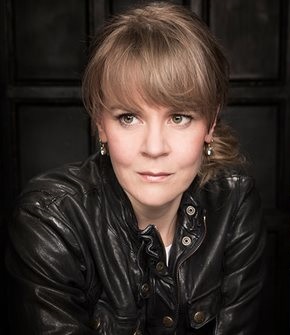
Above: tonight’s conductor Susanna Mälkki
Following the interval, Ms. Mälkki led a truly impressive performance of Richard Strauss’s Also Sprach Zarathustra. From its deep growl of a start rises the majestic, super-familiar theme that sets this blazing masterpiece on its way. The Philharmonic’s stellar bass section, joined by the organ, gave a rich depth to the music that sent chills thru me. Strauss has woven one appealing thread after another into this royal sonic tapestry; it’s a work in which there’s never a dull moment. Abounding in solo opportunities for individual instruments – clarinet, cello, trumpet, oboe, a trio of bassoons – the work further features a glorious tutti theme for celli and violins, and an enchanting Viennese waltz (led by the silken-tone of Sheryl Staples’ violin).
Glimmers of ARIADNE AUF NAXOS, DER ROSENKAVALIER, and DIE FRAU OHNE SCHATTEN flitted thru the air as this epic performance by The Philharmonic sailed gorgeously forward. The only blot on the evening came when a grand orchestral cutoff was ruined by a child muttering and a cellphone going off, spoiling the dramatic effect of a sudden silence.
~ Oberon
 Oberon's Glade