Category: Blog
-
On Christmas Eve
 So, we’ll go no more a-rovingSo late into the night,Though the heart be still as loving,And the moon be still as bright.For the sword outwears its sheath,And the soul wears out the breast,And the heart must pause to breathe,And love itself must rest.Oh, the night was made for loving,And the day returns too soon,Yet we’ll go no more a-rovingBy the light of the moon.~ Lord Byron
 -
The Forgotten Impressionist
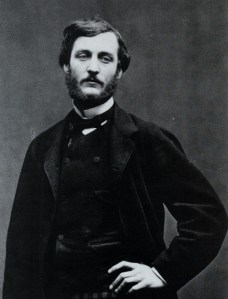
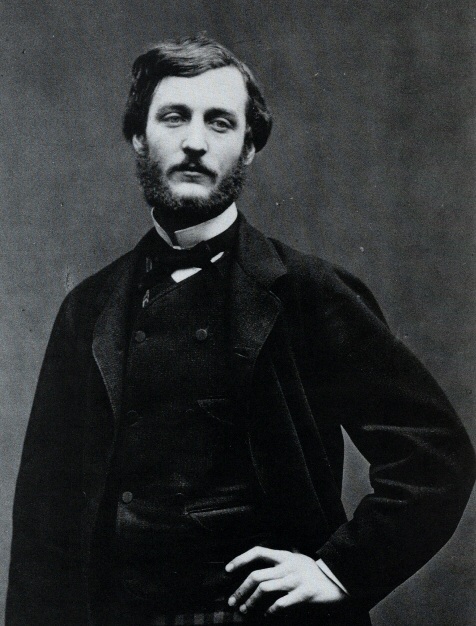
When we think of the Impressionists, we think of Manet, Degas, Monet, Cezanne, Renoir. But there was another pioneering spirit in that group: Frédéric Bazille (above). Born in 1841, the son of a wealthy land-owner from Montpellier, Bazille came to Paris as a young man to pursue his interest in painting after failing to pass his exams in medical studies.
Bazille befriended Monet, Renoir, and Alfred Sisley. The foursome were to take painting out of the studio and into the natural world where colour and light inspired them. It was slow going: the ‘official’ Parisian art world was ultra-conservative, elite, concerned mainly with maintaining familiar elements of style. Bazille’s access to family funds helped his fellow artists through lean times; they shared flats and studio space. Opportunities to show their work were few and far between; but slowly the ‘impressionists‘ began to make their mark, and the public took inspiration from their work.

Bazille’s works include the lovely Black Woman With Peonies from 1870 (above)…
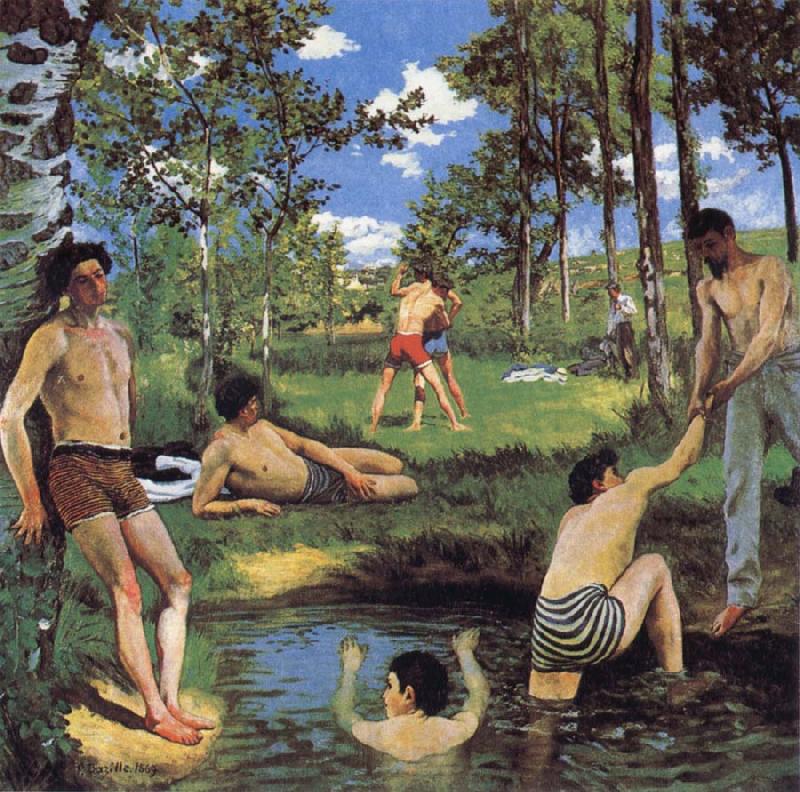
…and the atmospheric Summer Scene daing from 1869 (above).
Click on each painting to enlarge.
That Bazille never developed as truly unique a ‘voice’ in the Impressionist school as his more famous colleagues did, was a result of the outbreak of the Franco-Prussian War in 1870. Bazille signed up and, on November 28th, 1870, he was killed in a skirmish in Burgundy at the age of 29.
Bazille, whose name I had only noted in passing when reading about the other artists of the Impressionist school, came to my attention recently as we watched the excellent BBC series THE IMPRESSIONISTS. In this docu-drama. much of which was shot in Provence and Normandy (as well as at Giverny) Bazille is played by the handsome British actor James Lance. Lance’s warmth and sensitivity fill the opening episode of the series, and it’s sad when his character meets his end. Richard Armitage and Julian Glover play Monet at different stages of his life. The film of course cannot hope to document all the artists who were part of the Impressionsist movement, but it’s well-filmed and acted, instructive and highly enjoyable.

Above, from the film: Claude Monet (Richard Armitage), Auguste Renoir (Charlie Condou) and
Frederic Bazille (James Lance). -
Willow Song
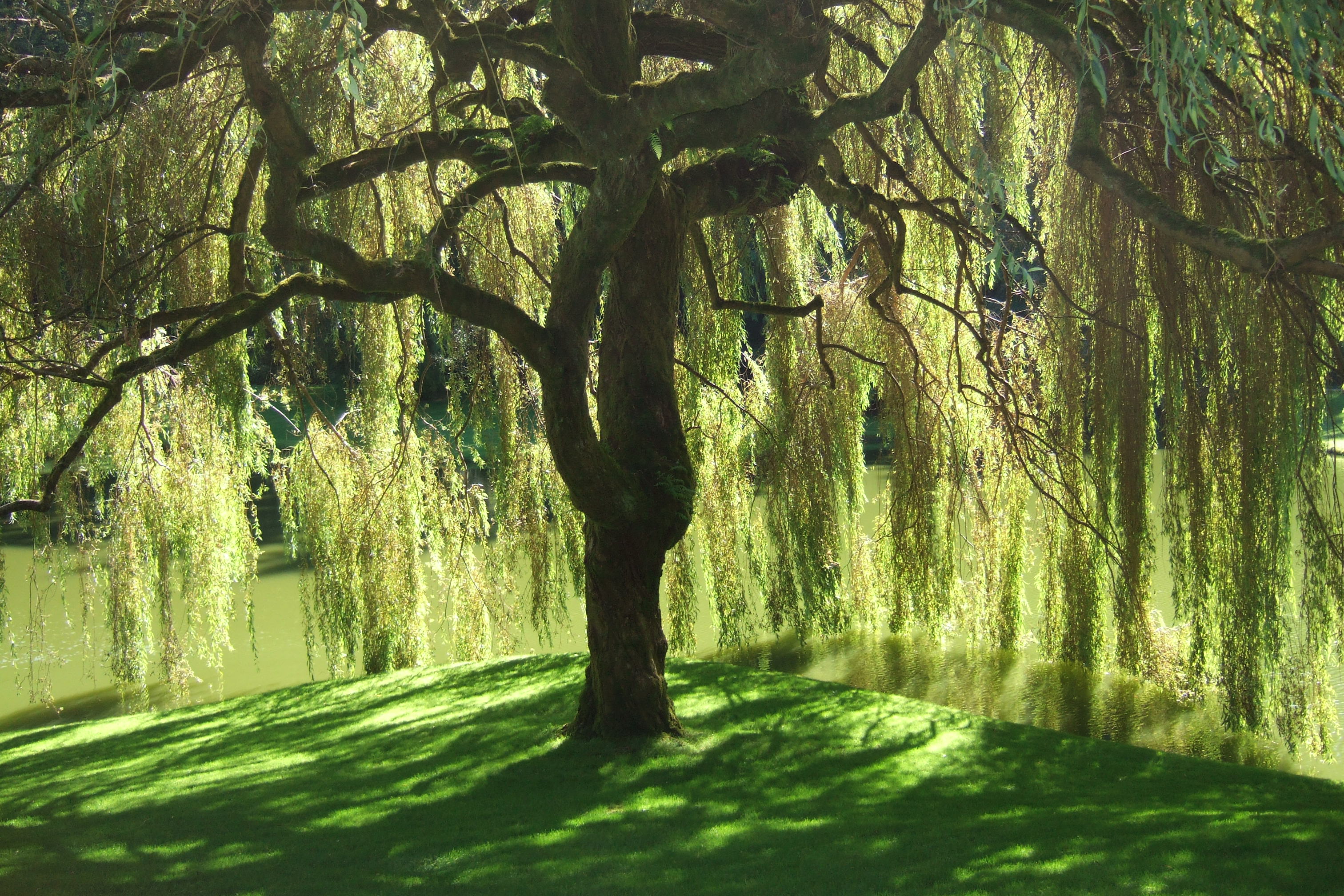
Beverly Sills sings the Willow Song from Douglas Moore’s BALLAD OF BABY DOE. The lyrics are so meaningful to me at this point in time.
“Willow, where we met together…Willow, when our love was new…Willow, if he once should be returning pray tell him I am weeping too.
So far from each other as the days pass in their emptiness away…O my love, must it be forever…never once again to meet as on that day…and never rediscover a way of telling all our hearts could say.
Gone are the days of pleasure….gone are the friends I had of yore…only the recollection fatal of a word that was spoken: Nevermore…
Willow, where we met together…Willow, when our love was new…Willow, if he once should be returning pray tell him I am weeping too…”
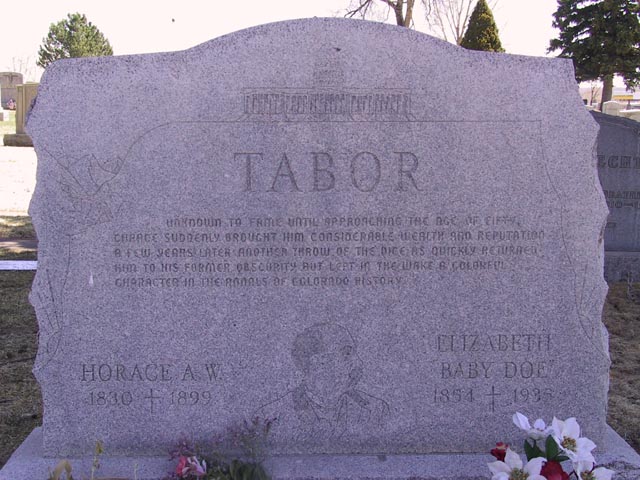
The grave of Baby Doe and Horace Tabor, Mount Olivet Cemetery, Wheat Ridge, Colorado.





 Oberon's Glade