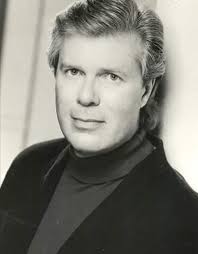
Baritone David Malis singing Wolf’s “Verborgenheit” from the fifth preliminary round of the BBC Cardiff Singer Of The World competition in 1985. The pianist is Julian Smith.
David won the title that year. Watch and listen here.
Baritone David Malis singing Wolf’s “Verborgenheit” from the fifth preliminary round of the BBC Cardiff Singer Of The World competition in 1985. The pianist is Julian Smith.
David won the title that year. Watch and listen here.
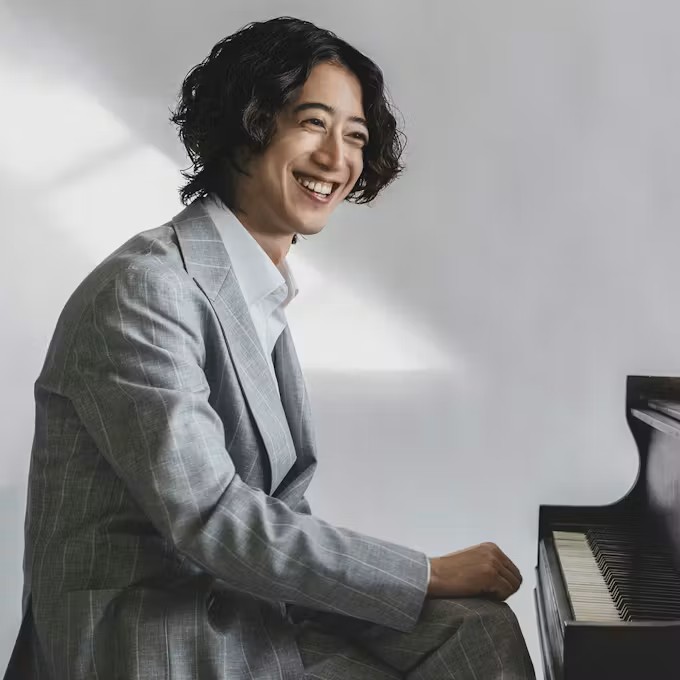
Above: pianist Hayato Sumino
~ Author: Kevin DallaSanta
Tuesday March 31st, 2026 – Fresh from his Carnegie Hall debut, pianist Hayato Sumino returned tonight to the Perelman Stage, performing Gershwin’s Piano Concerto with the Philadelphia Orchestra, led by Marin Alsop.
Both composer and pianist straddled the classical-jazz divide. For Gershwin, who was riding on the recent success of his Rhapsody in Blue, the commissioned concerto was an earnest attempt at academic writing. Gershwin’s use of traditional form and motivic unity appealed to the critical sensibilities of discerning ears, without compromising on the “blue” harmonies and rhythmic vitality that had made his Rhapsody a public success.
For Sumino, the concerto offered a chance to show off his classical bona fides alongside his love of jazz and improvisation. As in his strong showings at the XVIII Chopin Competition and his Carnegie debut, last fall, in solo recital, Sumino demonstrated great attention to detail and a formidable technique, with ferocious octaves and crystalline passagework. Together with Alsop, Sumino provided a compelling reading and avoided the triteness that often afflicts performers in the melancholy sections of Gershwin’s music.
However, in a crowded landscape of soloists, it is Sumino’s improvisational abilities that have differentiated him as a pianist and attracted a vast following on social media. After an improvised cadenza in the final movement, the vigorous response of the audience brought an encore improvisation on I’ve Got Rhythm. The song is closely associated with Earl Wild, who transcribed it for piano, and like Sumino crossed between jazz and classical idioms with fluency. Sumino’s take on the tune was delightful and full of clever references, such as Chopin’s A-flat Polonaise.
Classical purists may balk at the presence of Gershwin on a program, the substitution of improvisation for written cadenzas, or the role of social media as performing artists adapt to a changing public. Nonetheless, the enthusiastic response to Sumino’s musical offerings speaks to Carnegie’s efforts at diversifying their programming. If pianists can avoid typecasting, in the modern era, Sumino’s well-rounded abilities promise many interesting performances to come.
Preceding the concerto was the New York premiere of The Rock You Stand On, by John Adams, in its New York premiere. Like Gershwin, Adams frequently draws from American jazz alongside the classical tradition. Consistent with his other short orchestral works, such as Short Ride in a Fast Machine, this commission featured syncopated rhythms and minimalistic development. Dense harmonic clusters primarily drive the texture and rhythm, with only a secondary impact on modal shifts.
The program noted Adams’ mutual affinity with Alsop. Her forward-pressing momentum and vigorous baton were an excellent match for the work’s propulsive energy and staccato chords. Adams often groups sections into competing motifs, such as bursts of brass vying with string ostinati for musical dominance. At times, the volumes between sections were not equally balanced, stemming either from orchestration or from realization.
Commissioned composers often face a difficult choice between refining their existing style and innovating. Taken as a whole, Adams’ creative legacy includes many instances of risk-taking, such as Nixon in China (which Alsop has recorded) and On the Transmigration of Souls. Fans of Adams’ signature style will not be disappointed with this addition to his oeuvre. With time, The Rock You Stand On will take its place in his output.
After intermission, the orchestra turned to Prokofiev’s Romeo and Juliet. Delectable, succulent, and rich, Prokofiev’s take on the tale is among the best standalone scores in the ballet repertoire. The composer’s harmonic language shines as tonal chords resolve in unexpected ways, paralleling the bitter twists that characterize Shakespeare’s tragedy.
Romeo and Juliet spotlighted Philadelphia’s particular strengths: a sweet, warm tone, and smooth handoffs between instrumental sections. Alsop paid close attention to the narrative of the work, highlighting the many motifs that define the characters and their struggles. However, dynamic imbalances persisted, compounded by the live acoustics of the hall. It may be that Severance, where Alsop is principal guest conductor, provides more favorable acoustics. Or perhaps the Prokofiev is simply too much fun to play with restraint. After all, the young protagonists themselves loved with abandon.
In creating a separate orchestral version, Prokofiev invites questions about the subtractive nature of art. Is his ballet still Shakespeare without actors to tell the tale? Are the orchestral suites less-than for the lack of dancers, or do they stand on their own as a purely musical work? The enduring popularity of the work suggests that audiences, at least, find that the original narrative enhances the music.
In a fortunate coincidence, this performance of Romeo and Juliet precedes a summer staging with the Public Theater at the Delacorte in Central Park, and follows a recent staging at Stag & Lion Theatre Company. Shakespeare’s classic tale appears to benefit from continual reinterpretation, inspiring ballets, Broadway, and film. In the subsequent season at Carnegie, Philadelphia will explore another ballet, Ravel’s Daphnis et Chloé.
~ Kevin DallaSanta
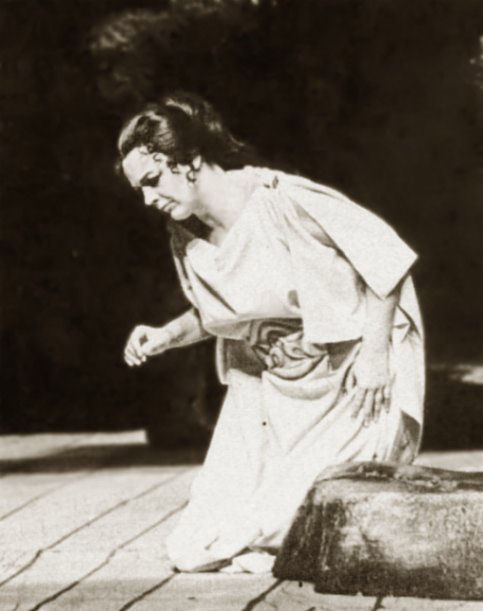
Above: Sigrid Kehl as Ariadne
Every once in a while, I discover a voice I’d never heard before; even rarer is to come upon a singer I’d never heard of. It happened recently with Sigrid Kehl.
Born in Berlin in 1929, Ms. Kehl made her operatic debut in her native city in 1956. In 1957, she joined the opera company at Leipzig where she sang for many years. She sang mezzo roles like Amneris, Eboli, Venus, Brangaene, Octavian, Gluck’s Orfeo, and the Nurse in Strauss’s FRAU OHNE SCHATTEN. In 1970, she started taking on such soprano roles as Leonore in FIDELIO, Ariadne, Isolde, and Kundry.
As the years passed, Ms. Kehl moved between mezzo – adding Venus and Ortrud – and soprano parts, including an Elektra when she stepped in at short notice for an ailing colleague. She worked with such conductors as Otmar Suitner, Vaclav Neumann, Zubin Mehta, and Kurt Masur.
After retiring from the stage, she taught at the Leipzing Conservatory for many years. She passed away in 2024 at the age of 95.
I first heard the Kehl voice singing Brunnhilde’s “Ewig war ich” from SIEGFRIED, conducted by Wolf-Dieter Hauschild. Listen here.
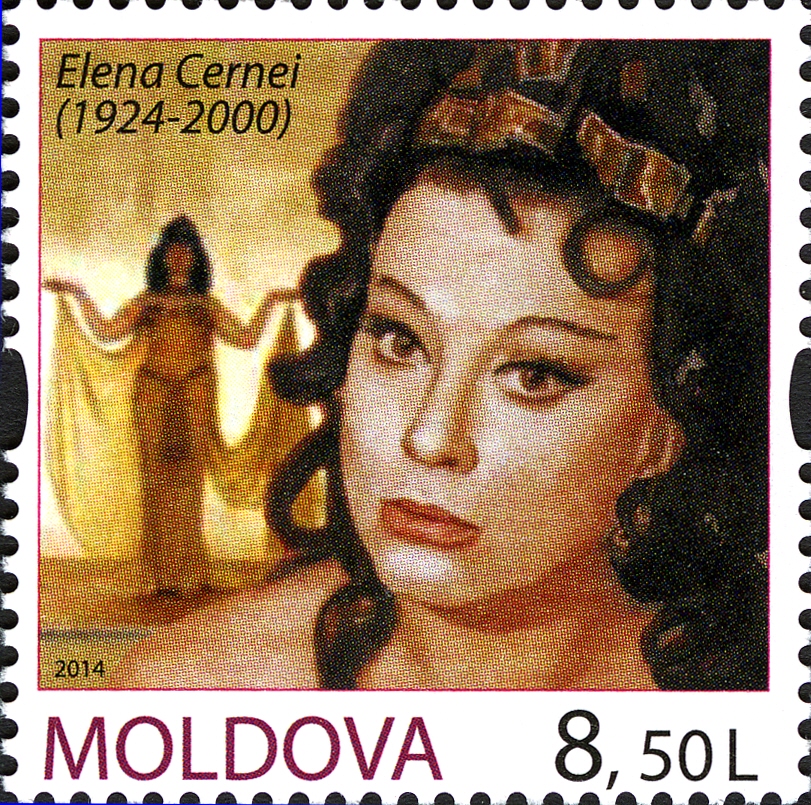
The Romanian mezzo-soprano Elena Cernei sings Jules Massenet’s “Élégie” from a radio concert given at Bucharest in 1968. The pianist is Dorina Popovici.
Listen here.
Ms. Cernei made her Metropolitan Opera debut as Dalila in 1965. In 1966, she sang Amneris in the first AIDA I ever saw. Her other Met roles were Maddalena in RIGOLETTO and the Princesse de Bouillon in ADRIANA LECOUVREUR; her Carmen won praise from the NY Times.
After her death in 2000, the Romanian government honored Ms. Cernei with the creation of a postage stamp.
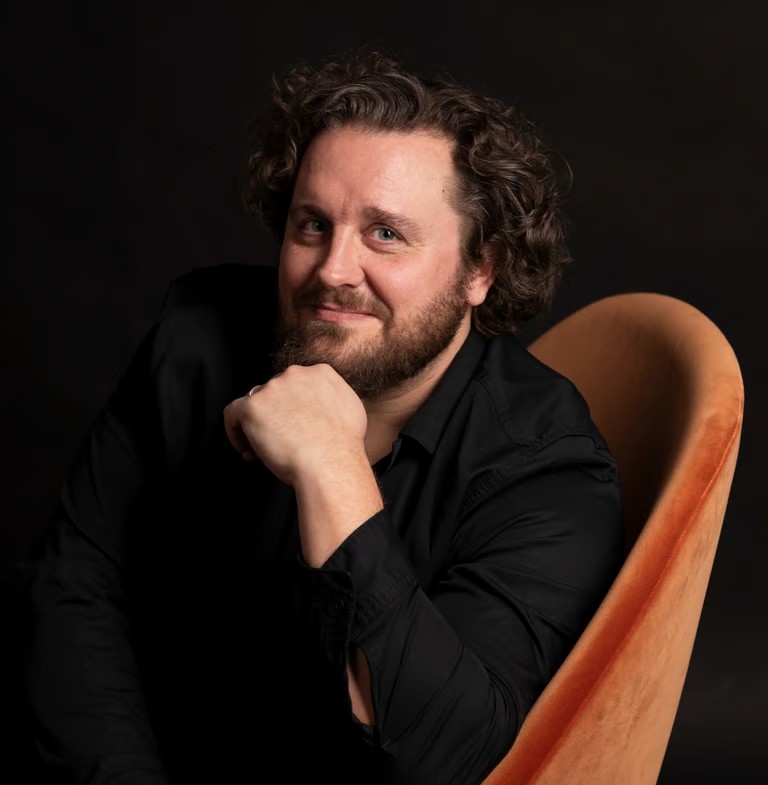
Above: Michael Spyres, photo by Dasha Buben
Bari-tenor Michael Spyres sings Wagner’s Wesendonck Lieder at a concert given in Strasbourg in 2024. Ludovic Morlot conducts.
Watch and listen here.
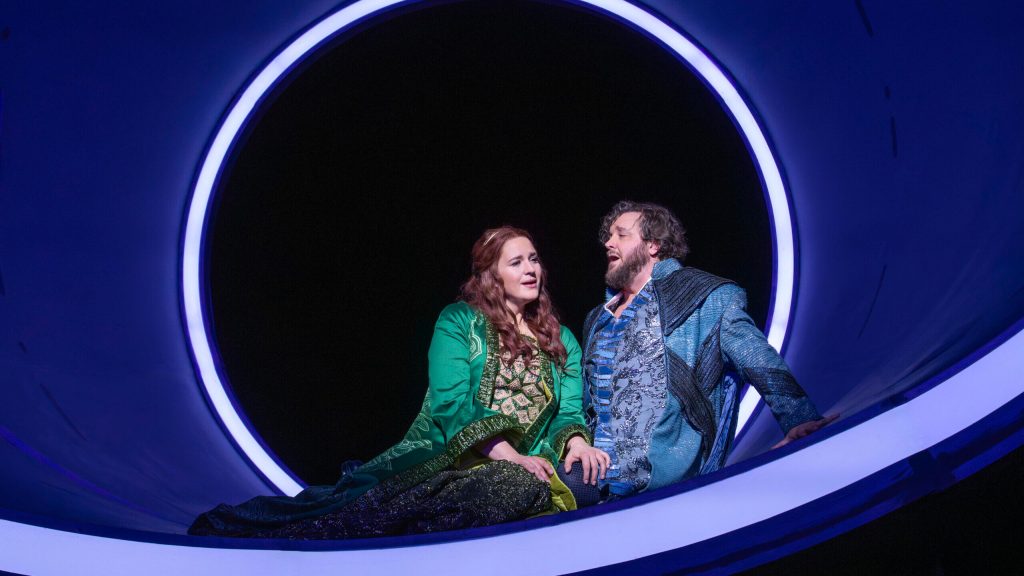
Above: Lise Davidsen and Michael Spyres as Isolde and Tristan; a MetOpera photo
~ Author: Oberon
Sunday March 29th, 2026 matinee – After several low-energy days, I thought seriously of skipping today’s matinee of TRISTAN UND ISOLDE at The Met. When the current season was announced, this Wagner masterpiece was at the top of my list of performances to attend. But as the date approached, the thought of a very long afternoon in the Met’s always-chilly score desk area found me in a “to-go-or-not-to-go” mood. So I made a deal with myself: to go for two acts.
It was an engrossing and wonderfully satisfying afternoon. The prelude alone was worth the trip: gorgeous playing (all afternoon) from the Met Orchestra made for a compelling sonic experience. Everyone knows how I feel about Yannick N-S, but this – along with his Met PARSIFAL in 2018 – was the best thing he has done in the House to date. Of course, true to form, there were patches where he let the orchestra swamp the voices; but I had expected there to be more of those passages. It was a relief to find him on his best behavior, though he could have done even more to support the voices is these long, arduous roles .
As the prelude faded away, a fantastic voice beamed out from the Family Circle: Ben Reisinger, a Met Young Artist, filled the darkened hall with his poetic rendering on the Sailor’s song. His voice holds great promise for the Wagnerian rep – and so much more – in the years to come: bravo…bravissimo!
The first act unfolded beautifully; though the orchestra did sometimes hinder the singers, Lise Davidsen and Ekaterina Gubanova managed to illuminate their phrases with lyrical flair. Mr. Reisinger repeats his song with some cunning modulations of dynamics. We hear Tristan (Michael Spyres) and Kurwenal (Tomasz Konieczny) for the first time; as the afternoon progresses, these voices will thrill us again and again.
Ms. Davidsen’s Narrative and Curse was inspired. Both in the dazzling focus of her high notes and in the urgency and poetry of her telling of her first meeting with Tristan, she lived the character so convincingly. Her “Er sag mir in die Augen…” gave me a frisson of romantic bliss. Her top-B was brilliant, though quickly released.
As the act progressed, the orchestra continued to periodically encroach on the voices; though her timbre is lovely, Ms. Gubanova does not quite have the carrying power to make Brangaene a force in drama. The potion is prepared, the orchestra so expressive. Mssrs. Spyres and Konieczny sound terrific; Ms. Davidsen’s lower register lacks colour in places. I noted that some people around me had nodded off. The final fanfares from the pit, which end Act I, awaken everyone.
Two longtime friends I had not seen in months came to chat with me during the extended interval. The house darkened; Yannick was heartily cheered as his return to the podium. The urgency and anticipation of the prelude were spoilt by a woman near me opening a crinkly bag of snacks: could you not have eaten during the Gelb-length intermission?
Ms. Davidsen’s top notes continue to ring true; Mr. Spyres brings a wonderful mix of lyricism and muscularity to his singing. The orchestra taxes the voices in the more strenuous passages. At last, the quiet ardor of “O sink hernieder, Nacht der Liebe” casts its spell over us. The voices of soprano and tenor achieve a beautiful blend, Ms. Davidsen finding a radiant softness of tone, whilst Mr. Spyres brings a tenderness of expression that no other Tristan in my experience has equaled.
Ms. Gubanova, in Brangaene’s two warnings, is lovely for the most part. Ms. Davidsen’s alluring piano phrases continue to entice; Mr. Spyres is thrilling as he commences “the liebestod theme”, igniting a flow of ecstatic singing that was simply sensational. Then, cruelly, the world crashes down about the lovers.
Ryan Speedo Green’s is not the type of voice one expects to hear in King Marke’s music, but as his long, heart-rending narrative progressed, he became increasingly persuasive…to the point where one wanted him to go on and on. Moments of heartbreak and despair over Tristan’s betrayal were achingly voiced, and the orchestra supported the singer poignantly. But as things became more intense, Yannick let the voice be covered, somewhat blunting the singer’s effectiveness.
Now Tristan turns to Isolde and asks if she will follow him into the realm of darkness: such melodious singing from Mr. Spyres…bravo!! Ms. Davidsen’s reply is hauntingly rendered. Wagnerian magic abounds, until Melot’s sword pierces Tristan.
~ Oberon
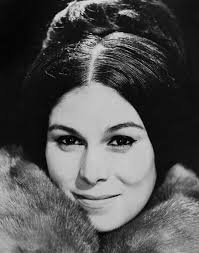
A performance of Bellini’s NORMA given at Newark, NJ, in 1980. My beloved friend Gilda Cruz-Romo (above) is Norma, with Ermanno Mauro as Pollione, Mariana Paunova as Adalgisa, and Sergio Ventriglia as Oroveso. Alfredo Silipigni conducts.
Listen here.
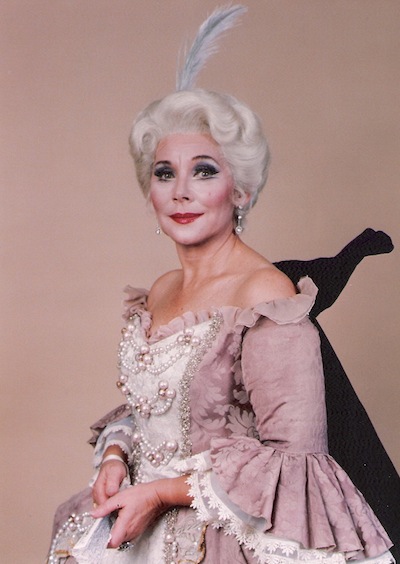
This Metropolitan Opera broadcast of Strauss’s DER ROSENKAVALIER is now available for listening via YouTube.
I remember hearing this performance live on the radio, and being much taken by Evelyn Lear’s singing as the Marschallin. The entire cast is impressive, and the conducting by the inimitable Karl Böhm is matchless.
It’s always wonderful to find that such precious documents have been preserved.
Listen here.
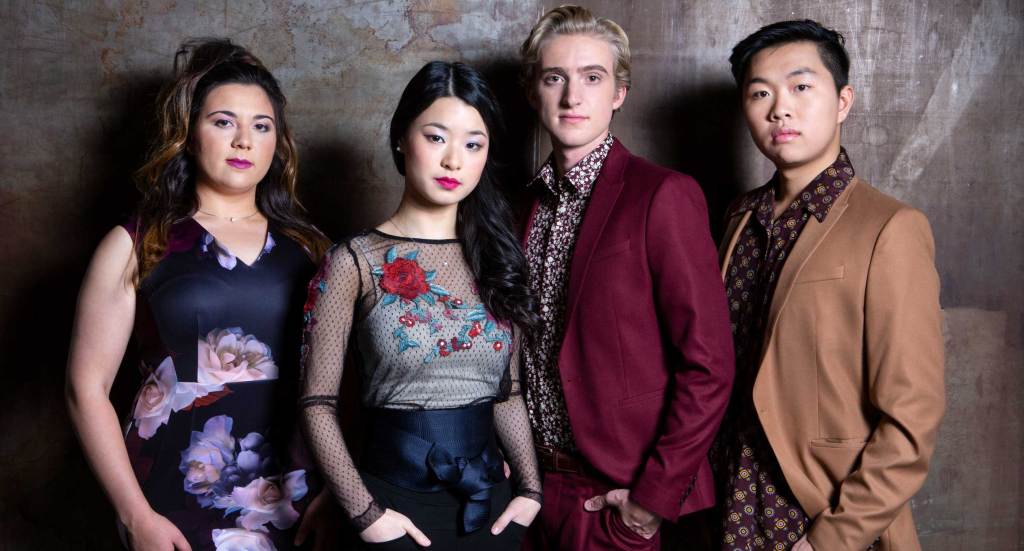
Above, the artists of the Viano Quartet: Aiden Kane, Lucy Wang, Tate Zawadiuk, and Hao Zhou
~ Author: Oberon
Sunday March 22nd, 2026 -The fantastic musicians of the Viano Quartet were back at Alice Tully Hall this evening as Chamber Music Society of Lincoln Center presented them in a finely-designed and wonderfully satisfying program.
Both of the women – Lucy Wang (violin) and Aiden Kane (viola) – chose gowns in different shades of green; the gentlemen (violinist Hao Zhou and cellist Tate Zawadiuk) looked very dapper in their tuxedos. Ms. Wang took the first chair for the opening work: Joseph Haydn’s Quartet in D-major for Strings, Hob. III:79, Op. 76, No. 5, composed in 1797. The opening Allegretto has a gracious, lyrical start. Things suddenly light up, but soon the main theme is revisited. The movement ends on a lively note. Mr. Zhou then rose and left the stage: a string had broken. His colleagues followed him.
After a few minutes, the players returned to the stage and took up where they’d left off: with the Largo, a poetic movement in the cantabile style. Ms. Wang opens with a tender theme, to which the others bring sweet harmonies, their timbres meshing in a polished blend. Ms. Kane’s velvety viola takes up the theme, then passes it on to Mr. Zawadiuk’s richly expressive cello. The exceptional tonal allure of each voice falls so lovingly on the ear.
With the Minuet, in which the cello is prominent, themes are passed from player to player. The movement has a sudden end, and then the lively, bustling music of the final Presto takes over. A steady beat from the viola keeps things pulsing along to an exuberant ending.
Music of Felix Mendelssohn came next: the Quartet in D-major, Op. 44, No. 1, dating from 1838. The agitato opening of the Molto allegro vivace (so exciting!) immediately confirms the reason Mendelssohn is so high on my list of favorite composers. Mr. Zhou is now the first chair, taking the lead with his impeccable playing. Great bowing from the Zawadiuk cello is as much fun to watch as to hear. The music veers into minor mode; a shivering motif from Ms. Kane’s viola is another delight. The pace slows, bringing on some rich harmonies. The cello is amiably plucked before descending to the depths. Things quieten, though tension remains. The music then sweeps on, with more shivers, to a big finish. I actually said “Wow!” aloud.
The voices entwine perfectly in the Menuetto; a flowing, nuanced solo from Mr. Zhou gets incredibly subtle; he plays on, delighting the ear. Plucked passages open the Andante, with cello tones anchoring a sublime blend. A violin cadenza eases into a plucked finish. The concluding Presto con brio has a scurrying start; endless pleasure is derived from hearing all the details brought out by each of the players. The viola glows; the speedy violins, the swift and sure passages of the cello…these elements unite so pleasingly. The “Viano blend” is in full bloom as the music dashes on to a sensational finish. The crowd was loving every moment of this Mendelssohn masterwork, bursting into fervent applause at the end.
After the interval, we heard Anton Webern’s gorgeous Langsamer Satz (1905). The piece is said to have been inspired by a hiking holiday in the mountains outside of Vienna, where Webern had taken his future wife. He is thought to have intended to write an entire quartet, but put it aside after completing this one movement. My companion was fascinated to hear this piece, which is so unlike the other Webern works she’s heard. The music’s Brahmsian beauty suits the Vianos to perfection..
Crowning the evening, Dmitri Shostakovich’s Quartet No. 9 in E-flat major, Op. 117, composed in 1964, is in five movements which progress without pause in one fantastical arc. It opens with viola and cello on a sustained note whilst the violins wander above. A plucking dance evolves as the viola sings. Fragments of melody are passed about, and a sense of longing develops. Another dance – this one galloping along as the cello saws away before trilling – turns more subtle. The music gets dreamy, and densely poetic. A searing violin passage brings a broadening quality of dense harmonies. The music develops a buzzing agitation, wild and insistent, before blazing onward with a strutting quality that oddly evokes the William Tell overture. The piece reaches its ending with the violin high in a serene heaven.
The program concluded with the triumphant Viano players basking in an epic standing ovation. As an encore, they offered the slow movement of Tchaikovsky’s first quartet. The reassuring beauty of their playing offered desperately needed solace in an ever-darkening world.
~ Oberon
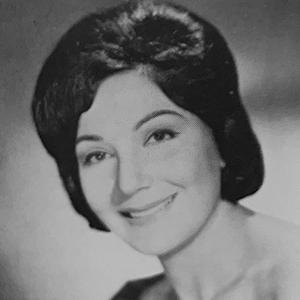
In November of 1963, just a few days before attending a Metropolitan Opera performance for the first time, I saw my first-ever MADAMA BUTTERFLY when the New York City Opera brought it on tour to Syracuse, New York. Julius Rudel, the Company’s stalwart maestro, was on the podium, and the cast included singers I would see many times in the ensuing years: people like Beverly Evans, Frank Porretta, Ron Bottcher, and Spiro Malas. In the title role, Maria di Gerlando (photo above)made an especially fine impression; but,though she continued to be a regular at NYC Opera for several more years, I never saw her again. Still, the memory of her beautiful singing as Cio-Cio-San lingered in my mind.
Many seasons later, when YouTube began making hundreds of recordings of live opera performances available, I would periodically search the di Gerlando name in hopes of finding more recordings of her in the Italian repertoire so as to have a souvenir of a soprano who has remained dear to me.
Just days ago, a concert performance of Verdi’s OTELLO given in Washington DC in 1960 popped up. In excellent sound, the cast includes one of James McCracken’s earliest renderings of the title-role role, which would become closely identified with him. The conductor is Paul Calloway. And there, immediately grabbing my attention, was the name Maria di Gerlando.
I immediately listened to the performance…twice. The soprano is indeed an excellent Desdemona, sometimes putting me (and other listeners) in mind of the beloved Italian soprano Licia Albanese.
Listen to the OTELLO here, and read about Maria di Gerlando’s career here.
 Oberon's Glade