Blog

  • Lydia Johnson Dance @ Newport


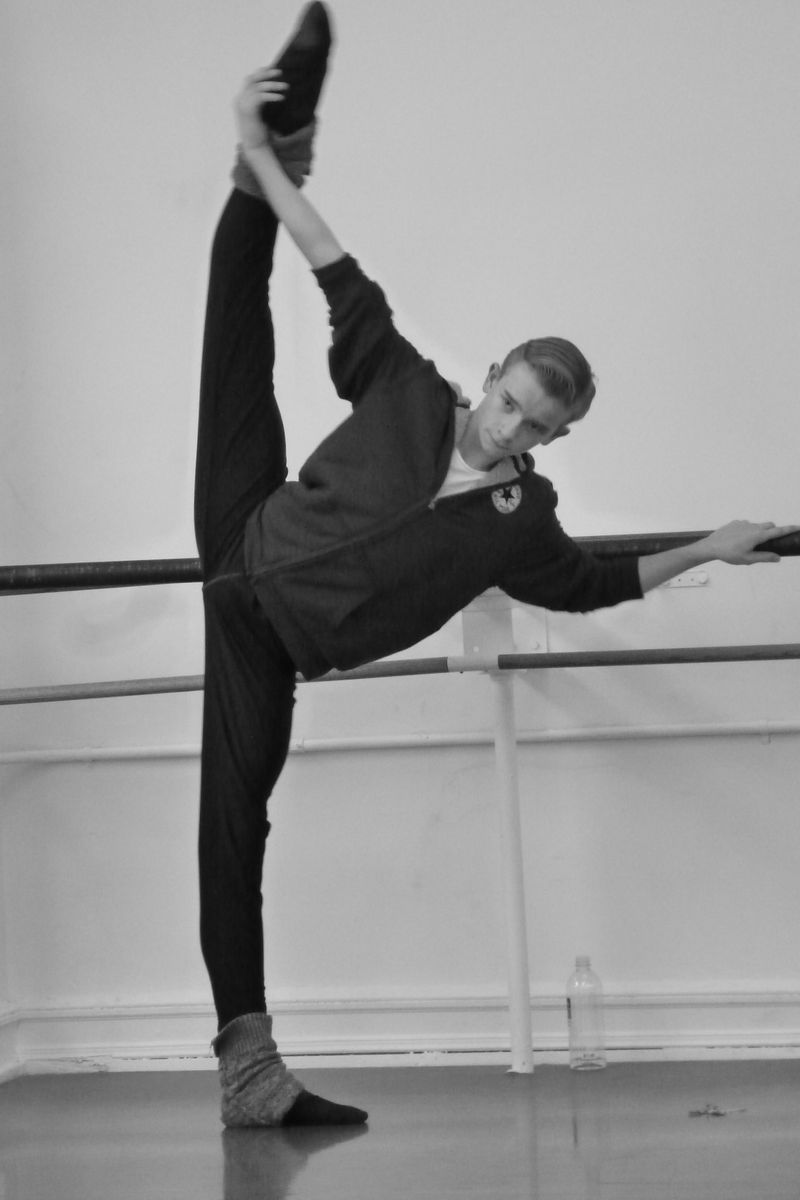
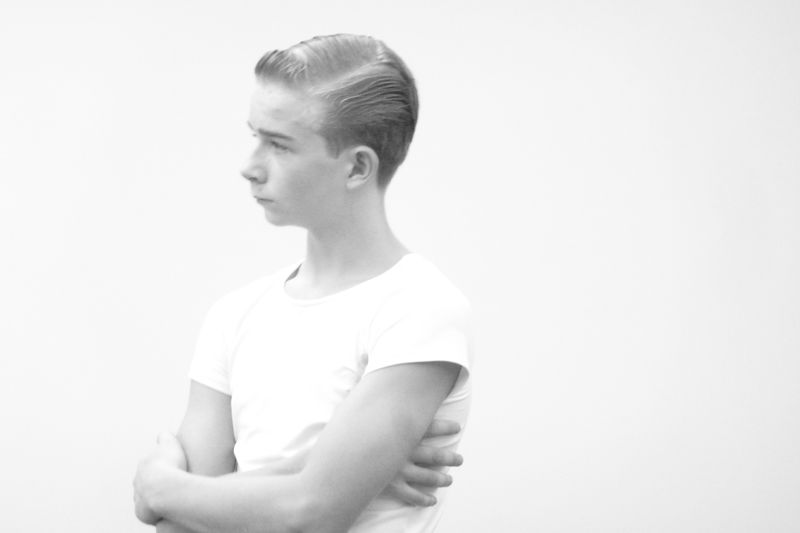
    535939_10200150104049360_418784361_n

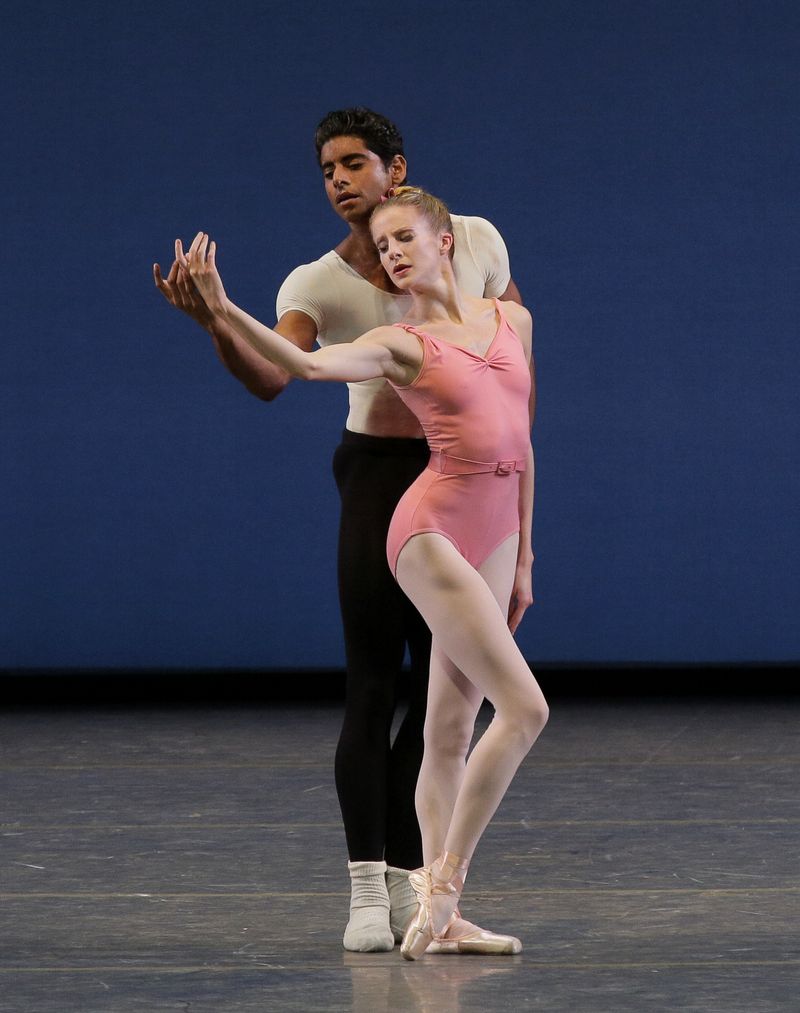
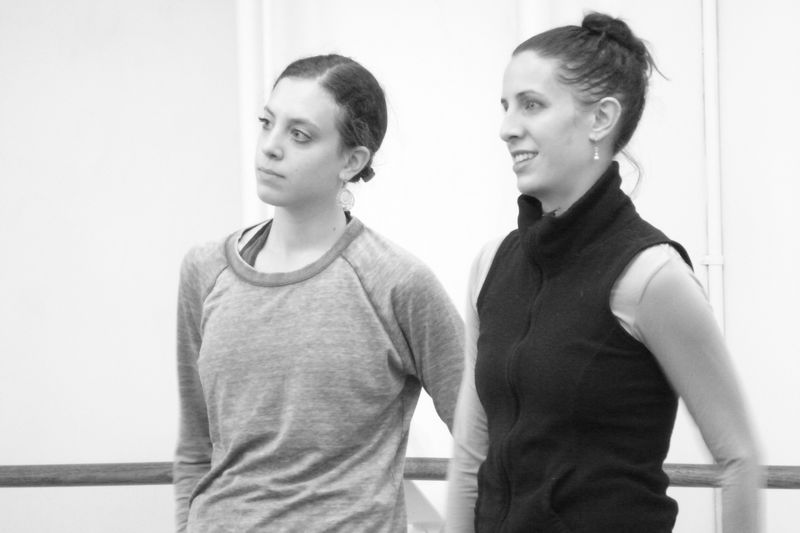
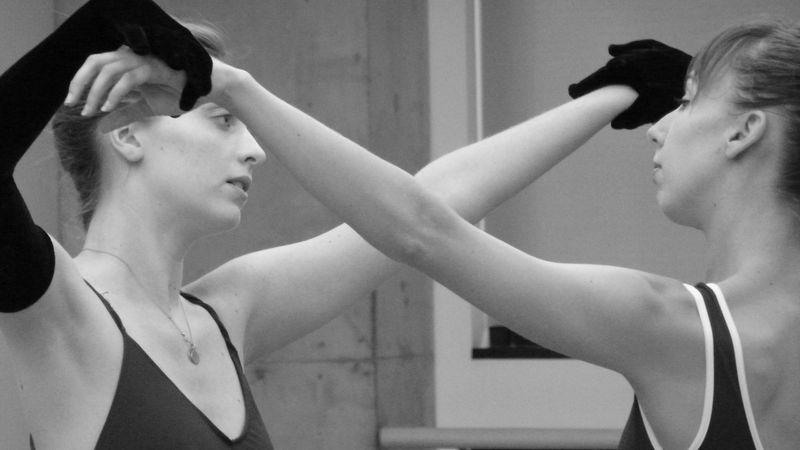
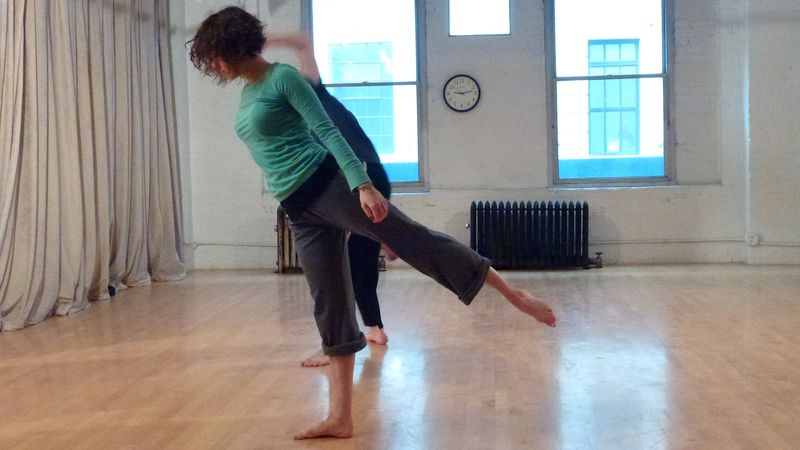
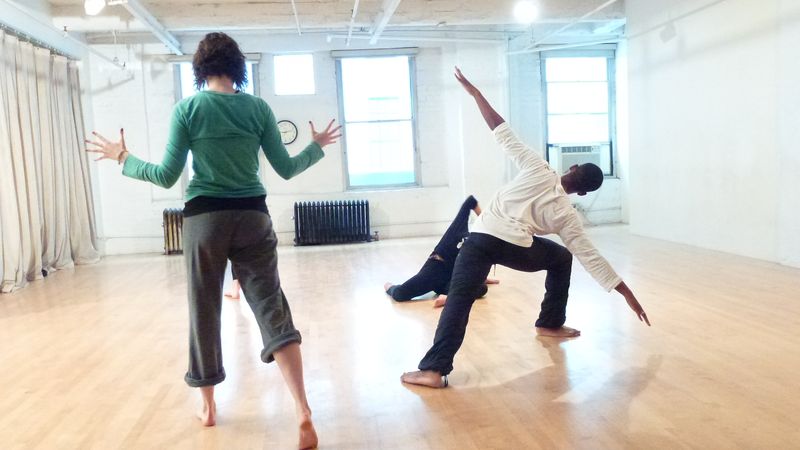
    Rehearsal photo: dancers Kerry Shea and Eric Williams

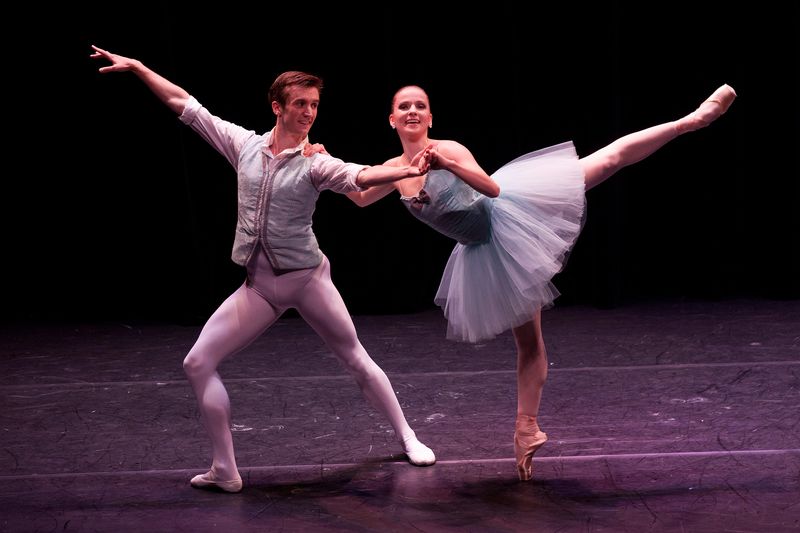
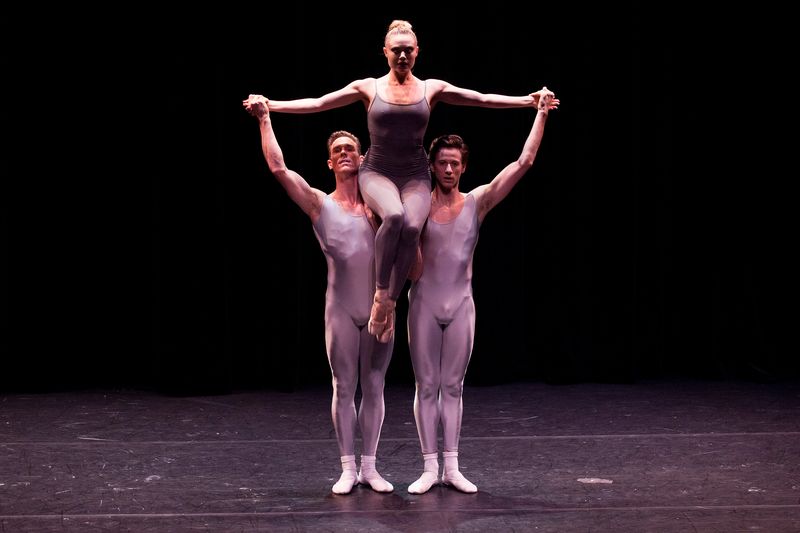
    Lydia Johnson Dance have been appearing at the Great Friends Dance Festival in Newport, Rhode Island. The Company presented Lydia’s intimate 2005 work, IN CONVERSATION. This piece, set to Philip Glass’s Violin Concerto, was the first work of Lydia’s that I ever encountered…and from there my admiration for her choreography, musical choices and wonderful dancers has grown exponentially over the ensuing years.

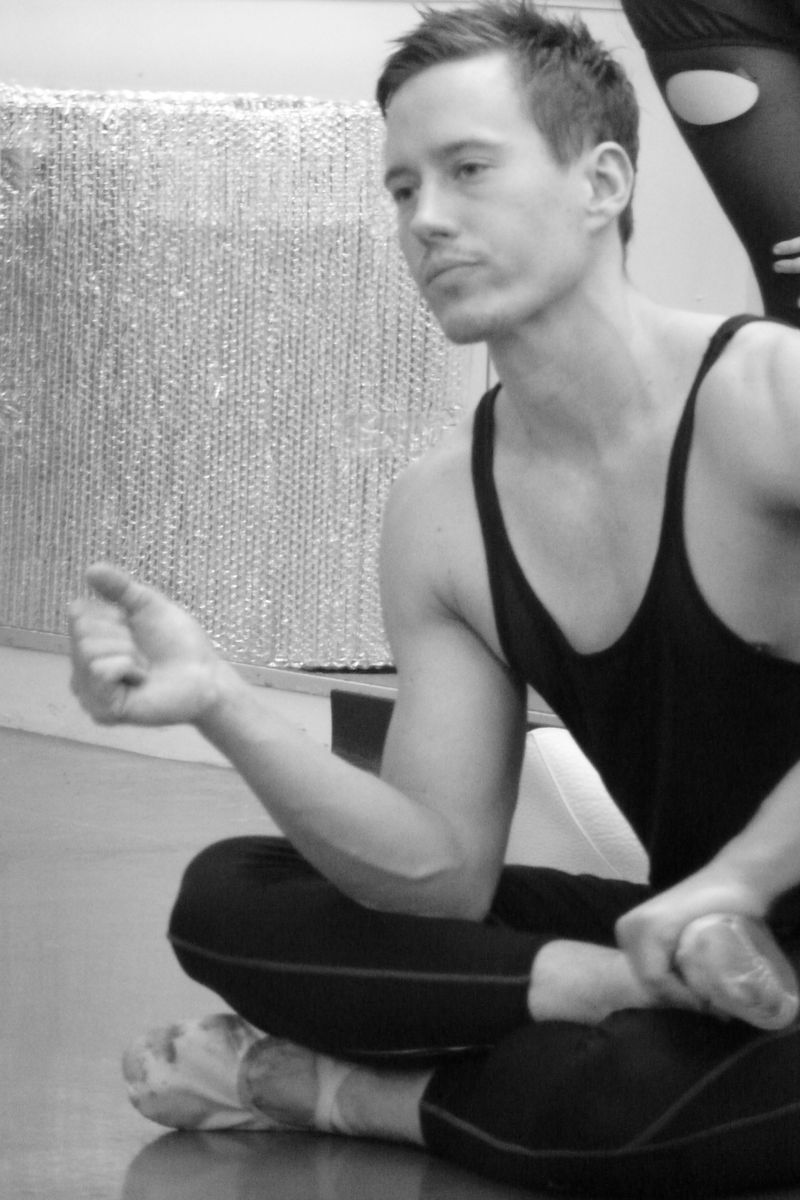
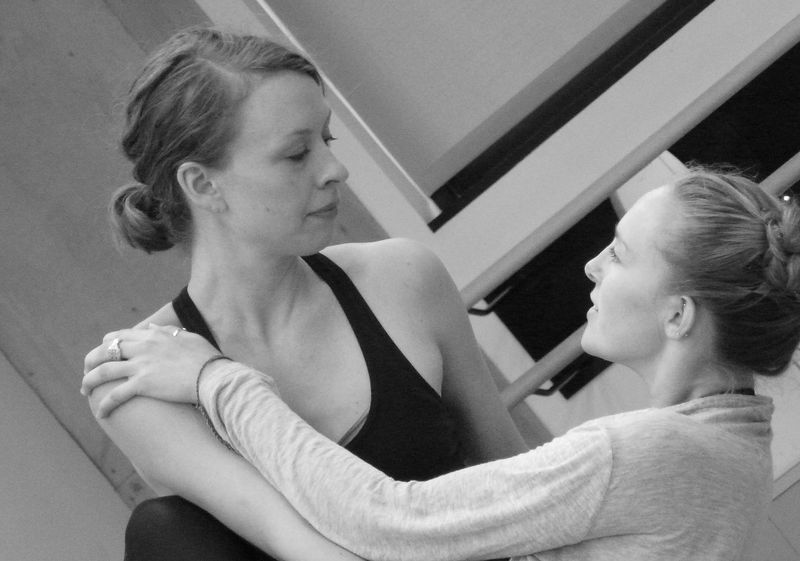
    532776_10200188366605900_1319576249_n

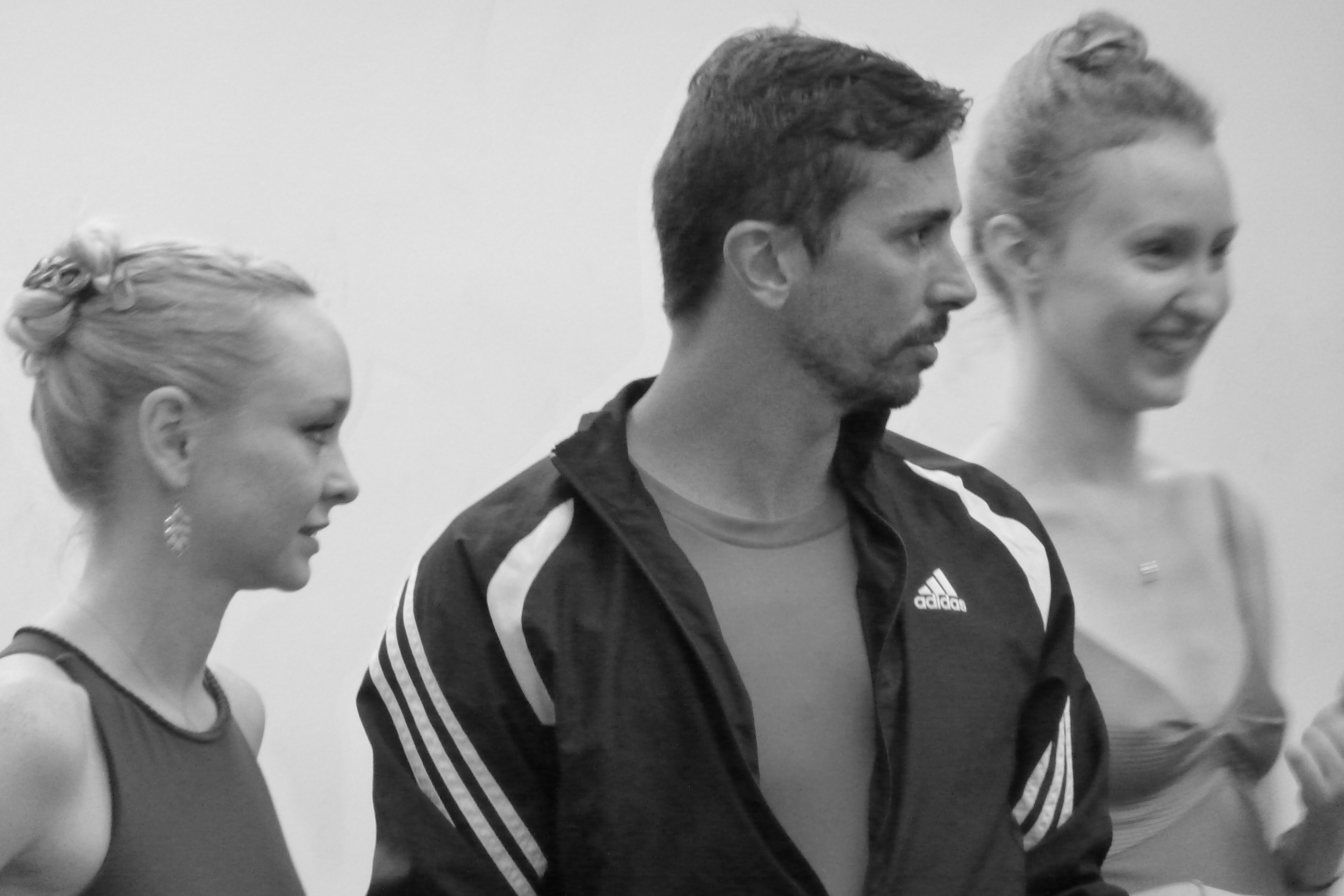
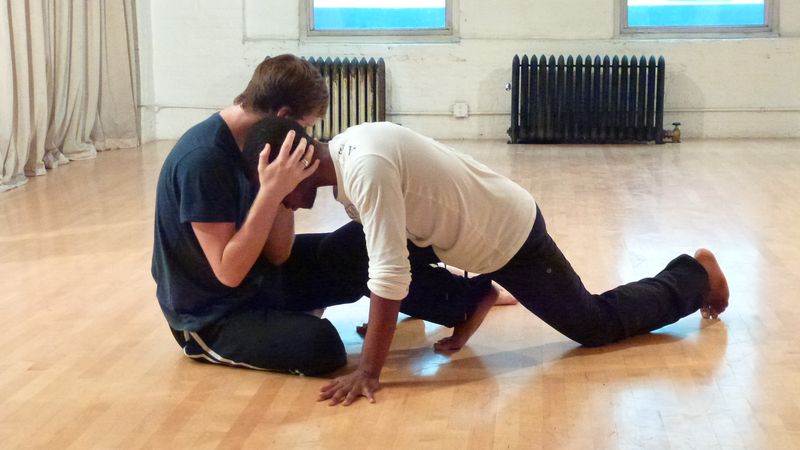
    Above: dancers Laura DiOrio and Anthony Bocconi in the studio

    The Festival performances of Lydia’s IN CONVERSATION drew a very positive review:

    “Another visiting dance company – Lydia Johnson Dance from New
    York and New Jersey – provided a lovely romantic and classical mood as
    two couples danced contemporary pas de deux to Philip Glass’s  
    Violin Concerto. Further defining the classicism of the dance was the
    attire – the two men in long black pants and tops, the females in white
    and wearing halter tops. The couples displayed, seemingly without effort, slow motion pirouettes that lifted lightly over heads and backs, and
    graceful, precise coordinated movements that extended even to the the
    fingers and wrists.

    The artistry of
    this group was truly breathtaking and must be seen to be appreciated.
    The lifts, swirls,   leaps, turns, falls, risings and meldings were performed
    with such athleticism and grace that watching the changing
    geometry of limbs it seemed as though Da Vinci anatomy sketches had come
    alive to dance.”

    ~ Sandra Matuschka
    The Newport Daily News

    Lydia Johnson Dance will return to the Great Friends Dance Festival to perform NIGHT OF THE FLYING HORSES on July 25th, 26th and 27th. Ticket information here.

  • DIY Dancer Interviews Craig Salstein

    Craig-Salstein-Photo-by-Acapella-Pictures

    Craig Salstein, soloist at ABT, talks about his new enterprise Intermezzo Dance Company in an interview at DIY Dancer here.

    Photo: A Capella Pictures

  • A Memorable Concert From Tanglewood

    Vickers

    Above: tenor Jon Vickers

    It seems everything is on YouTube these days; I was especially glad to come upon this concert which I was fortunate enough to have attended. The performance of Act I of Wagner’s DIE WALKURE took place at Tanglewood in 1979; Jessye Norman was Sieglinde, Jon Vickers sang Siegmund and Gwynne Howell was Hunding. Seiji Ozawa conducted the Boston Symphony Orchestra. It seems to have been the only time that Norman and Vickers sang this music together.

    The concert has held its prominent place in my memory mainly because of Jon Vickers’ singing as Siegmund. While listening to the YouTube recording, I decided to dig out my opera diary write-up of the concert and see if the impressions I registered in the diary the morning after the concert held true upon listening to it again, almost 35 years later.

    Of course any broadcast in going to create a very different sonic impression from when you are sitting in the concert space, and that’s especially true in a vast setting such as Tanglewood.

    My diary entry reflects my admiration for Ozawa’s conducting and for Gwynne Howell’s singing as Hunding, and that holds true on listening to the recording. Jon Vickers is as sensational as I remember him being.

    At the time of the concert, my Sieglinde was Leonie Rysanek. I thought she was the only one and so I had compared the impact of Jessye Norman’s performance to Leonie’s and found it wanting. This was my first time experiencing Jessye live and depite so many admirable aspects in her singing, I did not think she was as thrilling in the role as Leonie was. Of course, they are totally different types of singers and listening to Jessye on the recording there is just so much to enjoy. At the time, I praised her lower register especially, and her dynamics and her persuasive way with the text; but I found her a bit too restrained and lady-like overall, and also noted that her top register did not really bloom (the top was Leonie’s glory at the time). And to me it seems on the recording a couple of Jessye’s highest notes are just a hair’s breadth below pitch.

    Norman went on to become a great favorite of mine, though I always thought she was really a mezzo-soprano. (By far the grandest singing I ever heard from her came in a concert performance of Act II of SAMSON ET DALILA at Carnegie Hall in 1983 where I thought to myself… ‘this is Jessye!’)

    Listening now to the Tanglewood recording makes me think more highly of Norman’s performance; of course over the ensuing years I have enjoyed many types of Sieglindes since those incredible Rysanek-evenings. My perspective has broadened and Norman’s interpretation seems pretty grand to me now.

    Vickers bowled me over at Tanglewood and he does so again on the recording. In his white sport coat  he reminded me of “…a wrestler dressed for the prom.” Siegmund’s music was “…offered with unstinting vocal generosity (as well as unbelievable subtlety!). Vickers, with that rough-beautiful timbre, gave his all. His command and artistry were dazzling. The great moments – the whole Sword monolog with its unearthly cries of ‘Wälse! Wälse!’;…his gorgeous ‘Winterstürme’; the enthralling build-up to pulling out the sword; his impassioned presentation of Notung to Sieglinde, and his stentorian final lines – were just the pinnacles of a truly magnificent performance.”

    “As Ozawa and the orchestra crashed thru the heart-stopping pages and drove the act to its glorious conclusion, the whole audience leapt up with a massive shout. The soloists and conductor were called out many times, to frantic ovations…”

    So nice to have this souvenir of a wonderful memory.

  • Amanda Selwyn’s IT’S A GAME

    BRI_9061-10-L

    Photo by Brian Krontz; click on the image to enlarge.

    Friday June 28th, 2013 – Amanda Selwyn Dance Theatre presenting IT’S A GAME at New York Live Arts down in Chelsea on Pride Weekend 2013. The atmosphere in the neighborhood was palpable as the gay and lesbian community celebrate the good news handed down from the Supreme Court earlier this week. Amanda’s 50-minute work, inspired by the designs of Alexander McQueen and the magic of Harry Potter, was a decorative diversion on this start-of-summer evening.
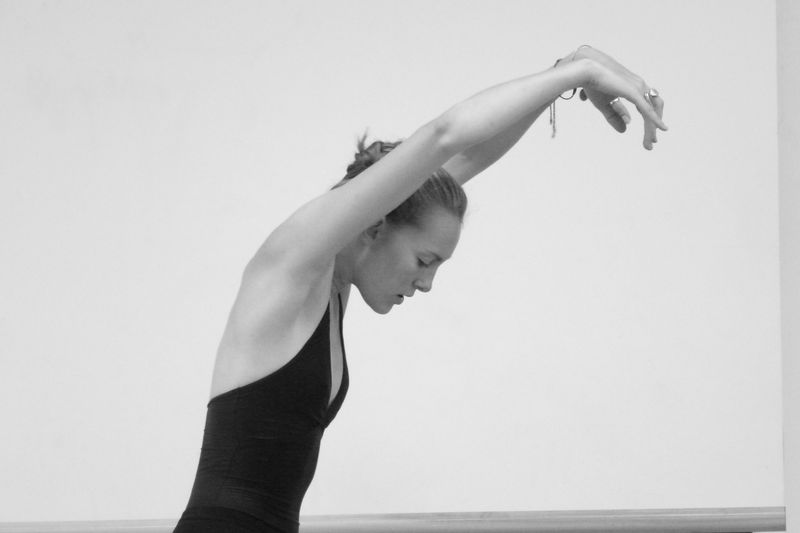
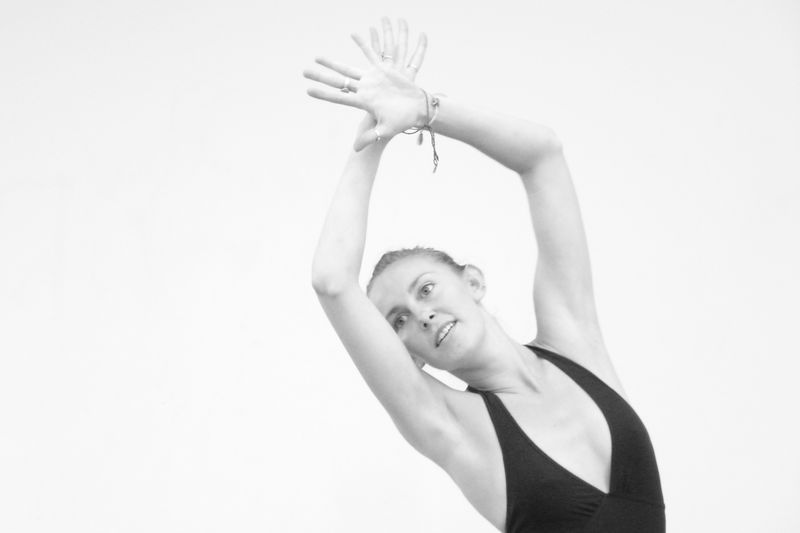
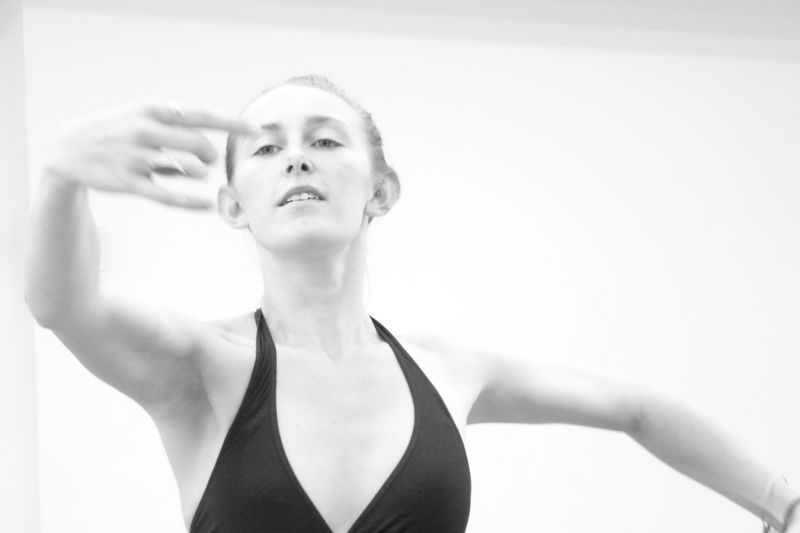
    In April, photographer Matt Murphy and I had stopped in at Amanda’s studio while IT’S A GAME was being created. Now the dancework has been dressed (Ana-Alisa Belous designed the fanciful costumes) and superbly lit (Dan Ozminkowski). Music from no fewer than 14 artists comprises the score for the dancing which takes place in three brief ‘acts’, each with several sub-sections.
    Bri_8127-1a

    IT’S A GAME begins with a ritualistic entree of the six dancers, each holding a glowing orb. Emily Pacilio has a beautifully expressive solo danced in a stream of light, set to a soulful Russian-sounding theme. The ensemble weave about the solo dancer, enticing her into the community.

    BRI_9631-14-L

    Then the games begin: large chess pieces are moved across squares of light; later dice and playing cards will be introduced. These props are used as fantasy elements, drawing the dancers into fleeting duets (with some very clever partnering motifs) and playful ensembles. The choreographer’s feel for visual polyphony keeps the focus of the work shifting from dancer to dancer: solo opportunities weave into the mix, and the sense of physicality between the dancers is maintained as the lighting steers our attention from one movement pattern to the next. A rectangular pathway of light surrounds the playing field, the dancers trace their steps around it in one of the evening’s most striking moments.

    The dice are thrown, the cards are dealt…checkmate. The dancers have returned – now in striped beachwear – with their hand-lights, now glowing red. One expects an elaborate, playful finale but instead the work ends on a question-mark, and a sudden plunge into darkness.

    The only slight flaw in the evening was the raising of the house lights
    between the work’s thee sections. This tended to break the spell
    somewhat, with the audience becoming restless and whispery. Better to
    keep things in the dark.

    The dancers showed high commitment to the movement and music: four well-contrasted personalities among the women, and two long-limbed boys with flourishing extensions. Here are some of Brian Krontz’s images from the dress rehearsal:

    BRI_9965-18-L

    Emily Pacilio

    BRI_0204-21-L

    Victor Larue, Torrey McAnena

    BRI_8995-9-L

    Randall Anthony Smith

    BRI_8319-3-L

    Jenny Gillan

    BRI_0780-29-L

    Sarah Buscaino

    BRI_0551-26-L

    Victor Larue

    BRI_8395-4-L

    Emily Pacilio

    BRI_9297-12-L

    Randall Anthony Smith

    BRI_0531-24-L

    BRI_8644-7-L

    BRI_8477-5-L

    Victor Larue

    BRI_9705-15-L

    All photography by Brian Krontz

  • BalletCollective Studio Showing

    Home

    Above: BalletCollective dancer Taylor Stanley photographed by Christopher Starbody

    Thursday June 27th, 2013 – Today Troy Schumacher invited me to a special showing of his new work for BalletCollective, in preparation for the Company’s upcoming New York City performances.

    At the Ailey Citigroup Theater, friends and supporters of the Collective watched Troy working out some phrases with his exciting ensemble of dancers, all of whom are current or recent members of New York City Ballet. The work is accompanied by live music composed and conducted by Ellis Ludwig-Leone and played by ACME. During this preliminary tinkering session, lighting designer Brandon Baker tried out various effects. We were then shown a run-thru of the work-in-progress.

    The ballet, The Impulse Wants Company, takes wing on a poem by Cynthia Zarin, who was present for the showing. The music is both perfectly contemporary and beautifully melodic, with some interesting rhythmic figures; the musicians are expert.

    Ms. Zarin’s poem reflects on childhood visits to a beach, on nature, weather, on people and conversations recalled from the past. I didn’t read thru the poem until I’d seen the ballet, but the line “I was a water nymph” might have inspired the opening solo for Kaitlyn Gilliland, the tall ballerina who – with her poetic arabesque and arching back-bend – seems to conjure visions of Odette. David Prottas, a prince of a dancer, joins her. There is a trio of young women – Lauren King, Ashley Laracey and Meagan Mann – who remind me of Rhinemaidens or the nymphs on the lonely shore of Ariadne’s Naxos.

    Harrison Coll, a dynamic young dancer, joins Taylor Stanley in an off-kilter waltz, Taylor’s solo begins with him swaying like a tree in the breeze; later he travels up a diagonal in some skitteringly fast footwork before circling the space in a questing motif. 

    Troy Schumacher told us the that this ballet was created in ten days of studio time; in terms of both movement and imagination, it shows his distinctive choreographic style which uses the classic vocabulary of steps and port de bras with fresh, contemporary nuances. And he has the grest good fortune to be working with some of the best dancers in the world. 

    It was nice to see so many familiar faces from among New York City’s serious dance aficianados here supporting Troy today, and to greet the lovely former New York City Ballet ballerina Maya Collins, who now dances with Miami City Ballet.. 

    BalletCollective will be performing The Impulse Wants Company along with a re-working of their 2012 ballet Epistasis at The Joyce on August 14th and 15th. Information and tickets here.

    You can follow BalletCollective on Ashley Laracey’s blog: The Insider.

  • Heidi Latsky Dance @ Baruch

    L1160394

    Above: Jillian Hollis of Heidi Latsky Dance, rehearsal photo

    Tuesday June 25, 2013 – Heidi Latsky Dance in performance at Baruch Performing Arts Center. I met Heidi and her dancers just a few days ago at a rehearsal and I pushed things around on my schedule so I could attend her performance tonight. She presented the two works I’d seen in rehearsal: SOLO COUNTERSOLO and SOMEWHERE.

    SOLO COUNTERSOLO opens with six dancers clad in simple black outfits standing in a row in “dark light”. The music by Chris Brierley seems jittery and anxious but the dancers hardly move until the pace slows to a deep adagio; this evolves into a soulful turbulence and later into music that is best described as ‘starlit’. To this sound tapestry, the dancers move in and out around Heidi, who seems to dance in her own world. Tempos vary but the movement isn’t always rigidly aligned to the beat: at one point everyone moves faster and faster, and later there is a simple, stylized procession. A mystical trio for women, a dynamic male duet, a meditative quartet, Heidi dancing with the two boys: all of this flows naturally. Heidi continues to express her own  private passions in fluid combinations as the dancers swirl around her is restless pirouettes. A gorgeous wing-like motif for the arms seems to be a signature element (it’s also used in SOMEWHERE) and gives an expansive, ecstatic quality. As the piece draws to a close, step-dancing takes on a new look, to a bouncy beat; but the work in fact ends with a silent coda.

    Aided and abetted by her generous, tireless dancers (Meredith Fages, Saki Masuda, Jillian Hollis, Brynt Beitman and Gregory Youdan), Heidi has crafted a “dance about dancing” that is physically demanding and very rewarding to watch.   


    L1160529

    Heidi Latsky: winged victory

    After only the briefest of breaks, the dancers were right back onstage for SOMEWHERE. Much as the song “Somewhere Over The Rainbow” is both melodically and lyrically resonant, the idea of hearing ten versions of it in a row might seem too much of a good thing. But the settings – everything from boys’ choir to disco to barbershop quartet – showed such a variety of pace and feeling that it made for an engrossing soundtrack. I took a special liking for Israel Kamakawiwo’ole’s charming version with ukelele in which the vocalist plays with the words to delicious effect. And of course there was Judy Garland’s classic version of the song.

    In this work Heidi’s company of dancers were joined by performers with physical disablities; steering clear of anything maudlin or overly sentimental, Heidi gave them beautiful and expressive movement which added to the emotional power of the piece. Thus Robert Simpson opened SOMEWHERE seated with his back to the audience, the “wing” motif used with simple clarity. In the far corner, Greg Youdan’s solo echoes Robert’s phrasing. Meredith Fages and Brynt Beitman have distinctive solo passages, as does Jerron Herman who dances with electric animation. Greg and Jerron have a smooth, linear duet and Saki Masuda and Jillian Hollis dance vividly in-sync. Sign language expressed at high velocity marks the duet for Alexandria Wailes and John McGinty, followed by Ms. Wailes’ remarkably lovely signing solo as she kneels before the seated Mr. Mc Ginty. Heidi’s adagio solo flows seamlessly into a strikingly intimate duet for Jillian and Jerron in which they stand stock still, only their faces meeting as they express a dreamlike connection. They embrace tenderly as the light fades.

    L1160555

    Jillian Hollis and Jerron Herman

    A reprise of ‘…Over The Rainbow‘ accompanied the curtain calls and then Brynt Beitman suddenly burst into an impromptu solo. Perfect way to end the evening. 

    Heidi had a full house for this first of three shows (repeats are this Thursday and Friday) and it was great running into Cherylyn Lavagnino, Jill Echo and Take Ueyama.

  • Concert at El Museo de el Barrio

    Schumann

    Above: the composer Robert Schumann

    Saturday June 22nd, 2013 – The Hudson Valley Singers presented a concert entitled HYMN OF LOVE at the Museo de el Barrio this evening. I walked across Central Park North under a beautiful summer sky and met my friend Monica there. The theatre space at the Museo is charming, with its fairy tale murals; it was a full house, or nearly so. 

    One doesn’t expect to hear a piano concerto or an orchestral suite at a choral concert, and the program stretched to two and a quarter hours, what with all the rearranging of the stage to suit the configurations of musicians and singers for each piece. During the longish intermission, Monica and I caught up on ballet gossip.

    Piano Concerto #1 by Carl Maria von Weber opened the evening. Weber has never been high on my list of opera composers: a performance of FREISCHUTZ that I attended decades ago at NYC Opera was a crashing bore, and despite the splendid “Ozean!” aria I have never been able to listen to the whole of OBERON. But beyond opera, his enchanting ‘Invitation to the Dance’ makes a perfect setting for the Fokine ballet SPECTRE DE LA ROSE. And so it was an interesting opportunity to hear the composer’s piano concerto tonight. Eugene Sirotkine both played very well and conducted from the keyboard. The New York Metamorphoses Orchestra is a fine ensemble of young players, notably their flautist and oboist. The concerto might make a first-rate classical ballet, in the right choreographic hands.

    The chorus, with vocal soloists, then took to the stage for two pieces by Roobert Schumann: Adventlied and Requiem fữr Mignon. These two works deal with aspects of parenthood, the first being in anticipation of the birth of a new baby and the second a sad reflecton on the death of a beloved child. The large chorus, a lovely generational mix, sang with fervent lyricism. The music for the trio of women in the Requiem (Eleni Colenos, Liana Brooke Guberman and Alexandra Lushtak) brought to mind the trio of nymphs in Strauss’ ARIADNE AUF NAXOS. Robert Garner was the baritone soloist in both Schumann works, joined in the Adventlied by Mlles. Brooke Guberman and Kushtak along with the appealing tenor sound of David Guzman.

    In a delightful interlude, The Elm City Girls Choir brought us folksongs from America, Russia, Bulgaria and Africa.  Their fresh young voices blended well in surprisingly confident harmonies as they swayed and clapped to the varying rhythms of each song.


    Carl_nielsen_1892_xl

    Above: the composer Carl Nielsen

    From Aladdin Suite by Carl Nielsen – a tuneful colorful compilation of vignetttes composed as incidental music for a play – we heard  an Oriental
    March, a Dance of the Morning Clouds. a delicate Chinese Dance, and the concluding Blackamoor’s Dance. The players of the New York Metamorphoses Orchestra, under Mr. Sirotkkine’s baton, seized on the music’s coloristic opportunities, each instrument having its expressive voice. Seated in the audience, the chorus took up some humming passages, adding to the sonic palette.

    Hymnus Amoris (the title which inspired the programme) by Carl Nielsen, is a large-scale work which the composer crafted as a paean to love after taking his honeymoon. All of the evening’s choral participants took part, along with soloists Ms. Calenos, Mssrs. Guzman and Garner, and bass Emmanuel Mendez-Chumaceiro. The music is celebratory and ecstatic, and voices and instruments joined in a fervent ‘hymn of love’ with Mr. Sirotkine at the helm.