Blog

  • Nomad Contemporary Ballet

    375941_3950873724299_1471473223_n

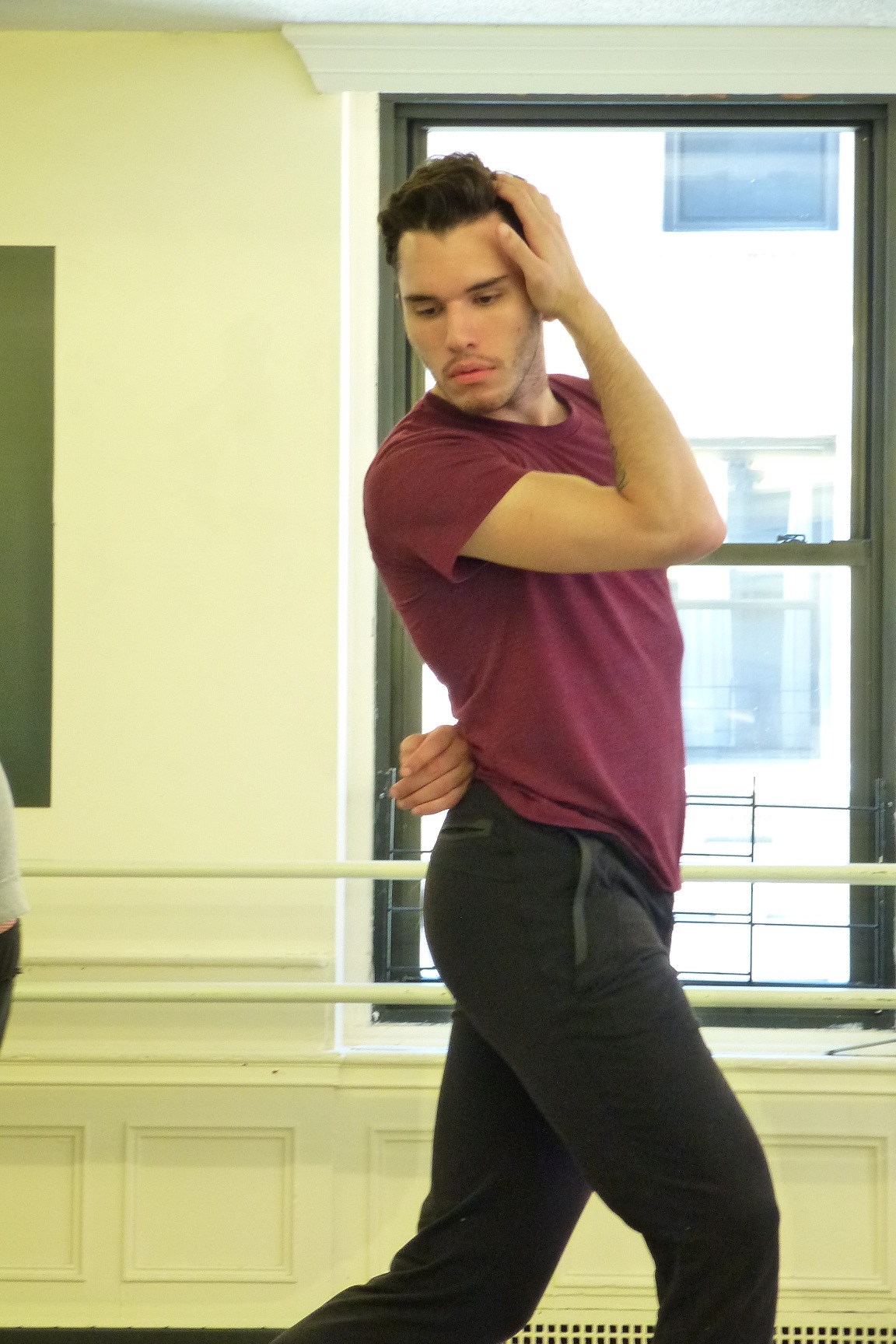
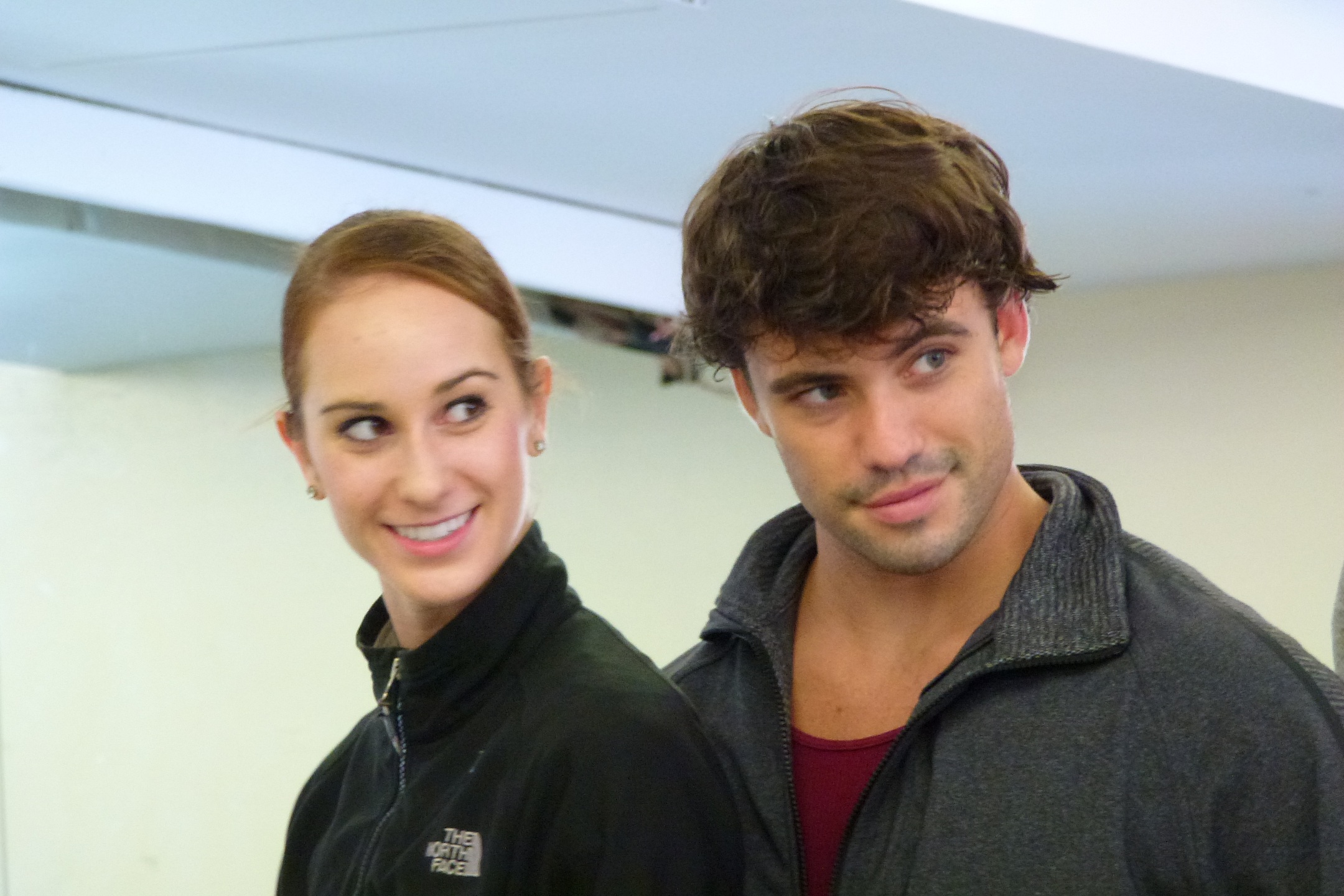
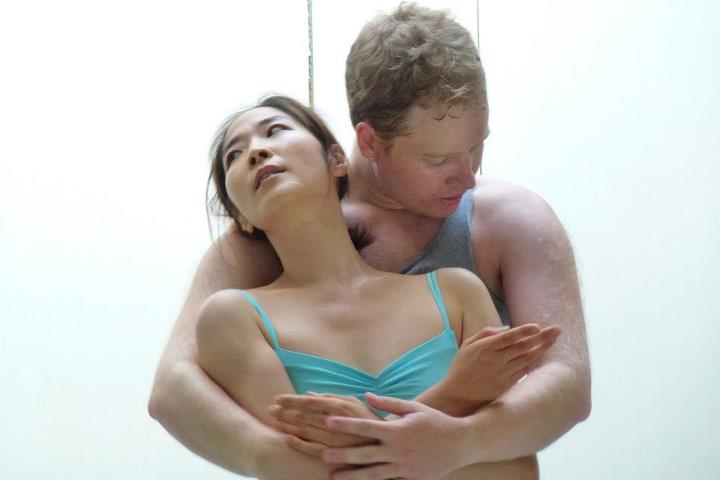
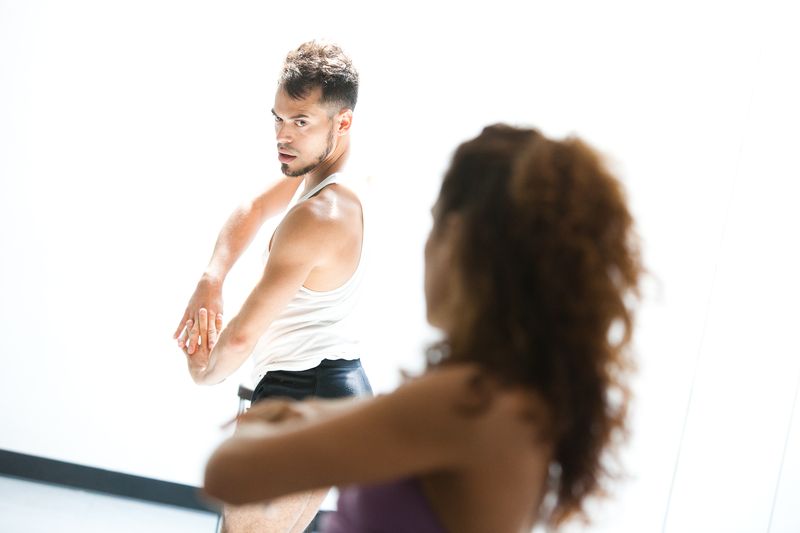
    Above: Eun Jung Jung and Eric Vlach in rehearsal for Nomad Contemporary Ballet.

    Sunday September 23, 2012 matinee – Nomad Contemporary Ballet, under the artistic direction of Kristen McGrew, gave their debut performances in New York City this weekend at the Alvin Ailey Studios. I attended the second of two performances; there was a full and attentive house, an unbroken progression of successful and pleasingly contrasted danceworks, a troupe of very accomplished and appealing dancers, a fine array of music, nice costume designs, effective and uncomplicated lighting. In short, it was a very satisfying afternoon of dance. 

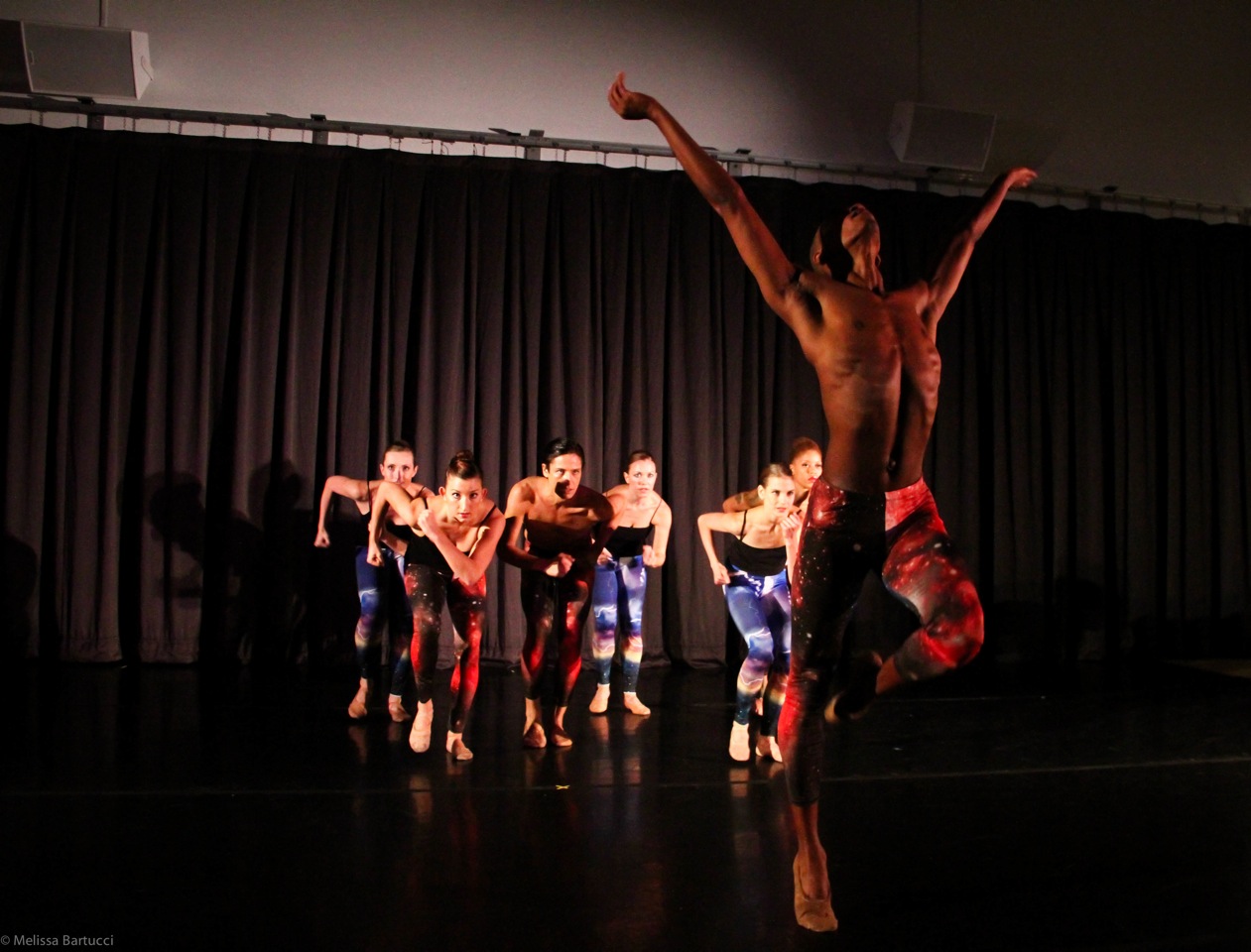
    Ursula Verduzco’s wonderfully animated THE GAME opened the performance with the dancers running in place. They wear colourful flannel tights embellished with constellations and galaxies, reminding me of a kid’s pajamas. To music by Dead Can Dance, the dancers swoop and leap about the space, forming mini-cliques and then going off on other tangents. A very good way to kick off the programme.

    It was the duet ADRIFT, choreographed by Ms. McGrew, that introduced me to Nomad when it was performed recently as part of the Latin Choreographers Festival 2012. I loved it then and loved it even more today as it took on a new resonance by virtue of this brief program note: “Two people who love one another but are not lovers, bound together to a single person who they both loved and lost: his wife, her sister.”  That single sentence threw a poignant light on the duet and it became a very moving piece to watch today…and just a bit harrowing in my current fragile state of mind. Dancing beautifully to Bach, Erin Ginn and Eric Vlach were so expressive that they left me with a lump in my throat.
    199089_491740260837359_615142581_n

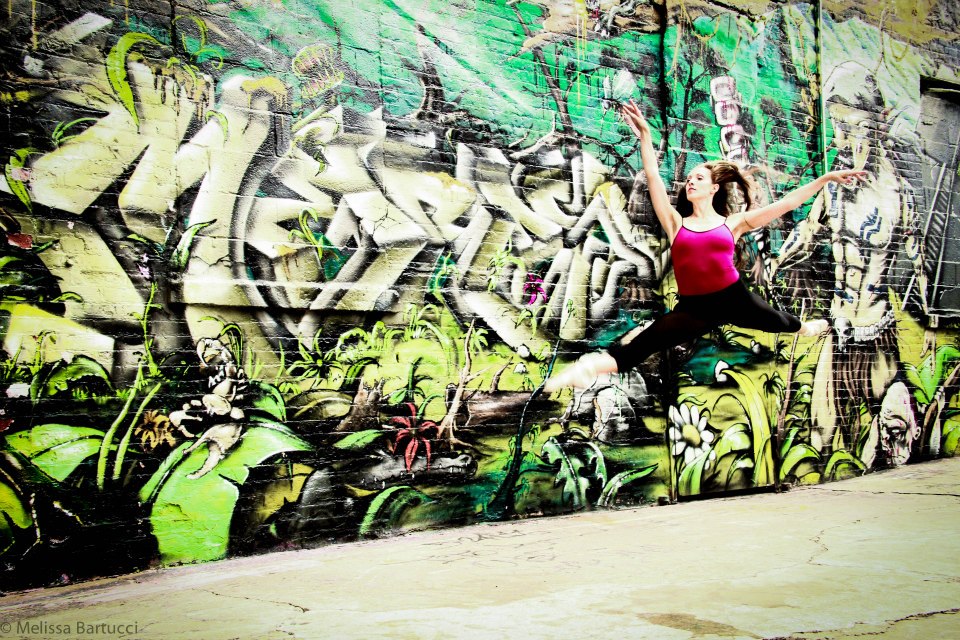
    Above: dancer Shannon Maynor photographed by Melissa Bartucci.

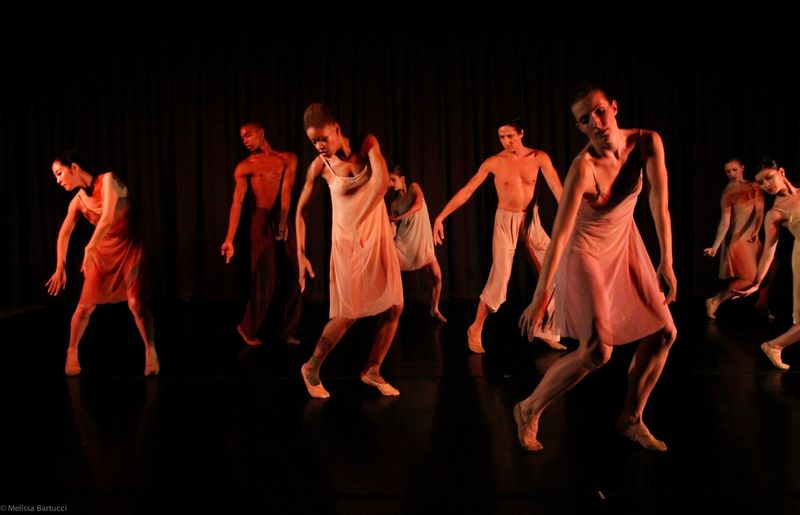
    If ADRIFT was touching, the next work MIDNIGHT ABYSS made me feel suicidal…oh, it was very well-choreographed (by Adrienne Hurd) and danced, but that song – Jacques Brel’s ‘Ne me quitte pas’ – what a stab in the heart that is!  Luckily there was no revolver or razor blade to hand. So I made myself focus on the two dancers who opened the piece: Shannon Maynor and J’Michea Walker. Excellent, both of them. The piece develops into a large work with some ritualistic unison phrases; on my playbill I scrawled ‘gorgeous ensemble’. Shannon is a really impressive dancer to watch; her dancing has both strength and beauty. It was a piece that matched my mood and thus took on a particular dark lustre of its own. I’d love to see it again.

    Choreographer Janet Atallah turned to music of Philip Glass for her work SYNAPSE; some people think Glass has been over-used for dance but I say: the more Glass the better. I’ve yet to see a work set to his music that I actively disliked. Ms. Atallah’s piece unfolded pleasingly, on pointe and with lots of classic ballet vocabulary woven into fresh sentences and paragraphs. A solo for Shannon Maynor and her duet with J’Michea Waker were among the finest passages, as was an adagio for four women.

    In a triple tour de force, Alexei Agoudine (of ABT) not only choreographed his ballet RUSTY ROMANCE but also wrote the music for it and designed the costumes. Witty and wistful, this story of the love of a spark plug for a fuel filter was a real charmer from start to finish. Joel Levy as the mechanic sets things in motion (later his own pirouettes drew a round of applause); there’s a quartet of on-pointe sparkplugs and then there’s the hapless fuel filter, played by Eric Vlach. The winsome and pretty Erin Ginn loses her heart to Eric and they have a love duet after which Erin’s energy has drained away. She pines for him as her sister-sparks make fun of her; but love conquers all and the ballet ends with a triumphant apotheosis.

    200585_491738844170834_1670898728_n

    Above: dancer Erin Ginn, photo by Melissa Bartucci.

    Kristen McGrew’s RUA (‘Red’) ended the afternoon in fine fashion, the dancers in red and black moving fluently to music of Antonio Vivaldi. The piece is very astutely structured and the combinations are woven together with a sure hand, giving the dancers ample oppportunity to shine both as individuals and as an ensemble. A particularly lovely adagio for Eun Jung Jung and Eric Vlach gave the ballet its center. Kristen’s musical choices – Bach and Vivaldi in this programme – put her in alignment with me as to setting the creative energy on music that is worthy to be danced, especially when a work is on pointe. Music for dance needn’t be classical, but it does need to be classy.

    In addition to the dancers named in the above paragraphs, Nomad Contemporary Ballet also gave us Khiara M Bridges, Alessandra Giambelli, Bethany Lange, Rebecca Ross, and Malik Warlick each of whom I was able to focus on in the course of the afternoon.

    I’m hoping these calling-card performances will be the start of a prospering time for this Company which can offer performing opportunities for dancers steeped in classical ballet, and the possibility for choreographers to create new works in that genre. I congratulate Kristen and eveyone involved for this new beginning.

    Here are some images from the actual performance; the photographer is Melissa Bartucci:
    IMG_4167

    From THE GAME with dancer J’Michea Walker in the foreground

    IMG_4378

    From ADRIFT; the dancers are Erin Ginn and Eric Vlach
    IMG_4391

    The ensemble in MIDNIGHT ABYSS

    IMG_4498

    Shannon Maynor and J’Michea Walker in SYNAPSE

    IMG_3810

    Above: dancer Eun Jung Jung

    Click on each of these images to enlarge.
  • CONTRASTS at Riverside Church

    MM_TONY_M-2

    Above: Morales Dance rehearsal photo by Matt Murphy. The dancers are Leonel Linares and Nicole Corea.

    Saturday September 22, 2012 – Tony Morales of Morales Dance is the driving force behind CONTRASTS, a programme of works by four choreographers presented at The Theater at Riverside Church. Tony’s guest choreographers are Lydia Johnson (Artistic
    Director of Lydia Johnson Dance), Yesid Lopez (Director of DeMa Dance
    Co
    ) and Henning Rübsam (Artistic Director of SENSEDANCE).

    I’d been looking forward to this alignment of dance and dancers for some time, and the evening came off very well indeed, with major kudos to Mike Riggs for his lighting designs that produced some striking images in the varied works.

    Morales Dance presented three works on the programme, opening with the Spring-like freshness of SCENES. To music of Benedetto Marcello, the dancers are first seen kneeling in a circle in a pool of light. The opening sequence has a ritualistic feel which envolves into an airy and pleasing series of dances: an allegro duet for Nicole Corea (a guest dancer from Lar Lubovitch Dance Company) and MarieLorene Fichaux, a pas de trois for Alison Cook Beatty, Jerome Stigler and Leonel Linares. Kate Loh makes a lovely impression in her dancing here (and later, in AMOR BRUTAL), A solo for Alison Cook Beatty, danced in silence, forms a bridge to the concluding passages danced to Chopin. As the work moves to its finale, the dancers return to their opening circle of light.

    Later in the evening we saw Tony Morales’ AMOR BRUTAL, a narrative work that I’ve watched being developed in the studio over time. In August, Matt Murphy produced some beautiful images at a rehearsal of the piece. Soft billows of smoke waft across the stage as singer Mary Ann Stewart and pianist Sandro Russo (performing live onstage) embark on the Manuel de Falla songs which provide the setting for this domestic drama. Nicole Corea and Leonel Linares have reached the point of no return in their marital conflict and now it’s a question of where the couple’s three daughters will set their allegiance. Nicole, dancing with her ever-radiant personal commitment, naturally assumes that her girls will be in her camp. But it’s the n’er-do-well father, danced with easy charm by Leonel, who has his daughters in the palm of his hand. The work ends with Nicole completely marginalized; the sisters (Kate Loh, Alison Cook Beatty, MarieLorene Fichaux) turn their backs on her and her husband slips out of the picture entirely. Adding a last personal touch to this work, the concluding song Amor Brutal is performed on a recording by Tony Morales’ father, who passed away earlier this year.

    Three duets comprise the final Morales work on the programme: PIANO PIECES: the first danced by Kate Loh and Alison Cook Beatty to a waltz tune, the second performed by MarieLorene Fichaux and Jerome Stigler to Scriabin, and the third danced by Nicole Corea and Leonel Linares to Scarlatti.

    The opening image of Lydia Johnson’s CHANGE OF HEART, enhanced by Mike Riggs’ lighting, caused me to gasp for breath momentarily: this work-  which I have watched being created over the past several months – and these dancers have a special significance to me. Some people close to me know of my unhappy Summer and of the rift between me and my cherished friend who should have been with me tonight watching Lydia’s work. However, sometimes the very things that remind us of past happiness also reassure us as we try to move on. Between the Bach music and the sheer expressive beauty of Lydia’s troupe of dancers, the experience was uplifting.

    For musicality and fine structuring, few people currently choreographing in the New York dance scene can compare with Lydia Johnson. There is thought, passion and tenderness in her work, and a depth of musical resonance that is very satisfying to behold. Yet for all that, in the end it’s the dancers whose ‘speaking’ of a choreographer’s unique dialect will make a dancework meaningful or not.

    This evening Lydia’s ensemble was led by two of her core dancers: Jessica Sand and Laura DiOrio. Having watched these two young women countless times in the studio or in performance, it is still and always a moving experience to see them rendering Lydia’s choreography with such clarity and grace. Reed Luplau (guest dancer from Lar Lubovitch Dance Company) created a remarkable impression in Lydia’s SUMMER HOUSE earlier this year; he wears Lydia’s style like a second skin. Katie Martin, Natalia Wodnicka and Min Seon Kim have been dancing for Lydia for the past few months and are blending well into the ensemble, each with her own distinctive signature. The newest comers to Lydia’s work – Lauren Perry, Christopher Bloom and Eric Williams – already look more than at home here, and Ms. Perry with her fresh face and feel put me in mind of a favorite dancer from the past: Kate Johnson of the Paul Taylor Dance Company.

    402235_3930921345502_183455664_n

    Rehearsal image: Laura DiOrio, Eric Williams, Jessica Sand.

    And so this particular collective of dancers worked beautifully together to develop the flowing patterns of CHANGE OF HEART: solo moments, duets and ensembles sweep graciously by on the Bach score. A pas de trois for Laura, Reed and Eric, a duet for Jessica and Reed, a men’s trio…these are some of the moments that stood out. But it’s not really a work of highlights but rather a tapestry in which each thread seems richly colourful and alive.

    The evening was entitled CONTRASTS, and so something really dark and wild was bound to crop up along the way. Henning Rubsam’s HALF-LIFE is set to a thunderously propulsive score by Laibach. With the ever-vibrant Temple Kemezis and Jacqueline Stewart on pointe, this non-stop dark revel of contemporary ballet style came lke a jolt. Paul Oisin Monaghan, one of Gotham’s most intriguing dancers, always captures the eye. And the astounding power and presence of Max van der Sterre was electrifying. Musically disturbing and on-the-edge in its movement, HALF-LIFE has a life of its own. Mike Riggs’ lighting made a big impression here.

    The one choreographer with whose work I was unfamiliar, Yesid Lopez, offered a really appealing work for four girls entitled STRINGS. The costumes – corset-like bodices and gauzy soft-hued pantalooons – were especially lovely and the music (Chopin, Nyman, Dvorak) was matched by the atmospheric glow of Mike Riggs’ lighting. Jessica Black was featured in a solo passage, and the work made me want to see more of Mr. Lopez’s choreography.

  • Rehearsal: John-Mark Owen’s REQUIEM

    L1000256

    Dancer Josh Christopher (above) takes a central role in John-Mark Owen’s REQUIEM.

    Wednesday August 29, 2012 – Today I went over to the 92nd Street Y where choreographer John-Mark Owen was rehearsing for his upcoming presentation of REQUIEM. The performances are scheduled for September 13th thru 15th at Manhattan Movement and Arts Center.  Ticket information here.

    Taking on the Mozart REQUIEM from a choreographic standpoint is a major project, and John-Mark has risen to the task in this ensemble work which avoids a literal interpretation of the sacred texts and favours instead a painterly approach. Each ‘frame’ of the ballet becomes part of a living gallery; John-Mark applies a dramatic subtext but he isn’t a slave to it. The sculptural feeling of certain passages, as well as the unison ‘choral’ phrases of walking or marching, respond to the architecture of the music with its sense of ritual.

    L1000183

    John-Mark has assembled a strong cast, with particularly vivid performances by Aaron Mattocks (above) as a sinister and even brutal dark angel…

    L1000263

    …and the intense lyricism of John Christopher (above). Kerry Shea and Amy Brandt have the principal female roles.

    Here are some images from the rehearsal and of the individual dancers involved:

    L1000119

    The ensemble

    L1000149

    Josh Christopher and John-Mark Owen

    L1000267

    Aaron Mattocks, Amy Brandt

    L1000284

    Ensemble

    L1000156

    Josh Christopher, Aaron Mattocks

    L1000305

    Jason Stotz, Nadezhna Vostrikov

    L1000163

    JoVonna Parks, Oisin Monaghan

    L1000195

    Kelsey Coventry

    L1000274

    Alfredo Solivan

    L1000215

    Kristen Deiss, Kelsey Coventry

    L1000036

    Kerry Shea

    L1000060

    Josh Christopher

    L1000028

    Nadezhna Vostrikov

    L1000088

    Kelsey Coventry, Jason Stotz

    L1000162

    Oisin Monaghan, Matt Van

    L1000024

    John-Mark Owen

  • Maralin Niska’s “In Questa Reggia”

    6a00d8341c4e3853ef010534a50443970c-800wi

    Soprano Maralin Niska sings Turandot’s “In questa reggia” in a live performance by the New York City Opera in Los Angeles, 1976. Ermanno Mauro is Calaf.

    Maralin Niska’s performances are among the most vivid memories of my own golden age of opera. I wrote about her here.

    Other Niska rarities gave surfaced: a very early sample, singing Liu’s aria from TURANDOT, and  Yaroslavna’s aria from PRINCE IGOR (in English), one of the first operas I heard Maralin sing.  

  • Continuum Contemporary/Ballet @ The Pillow

    Pillow Edit 4A

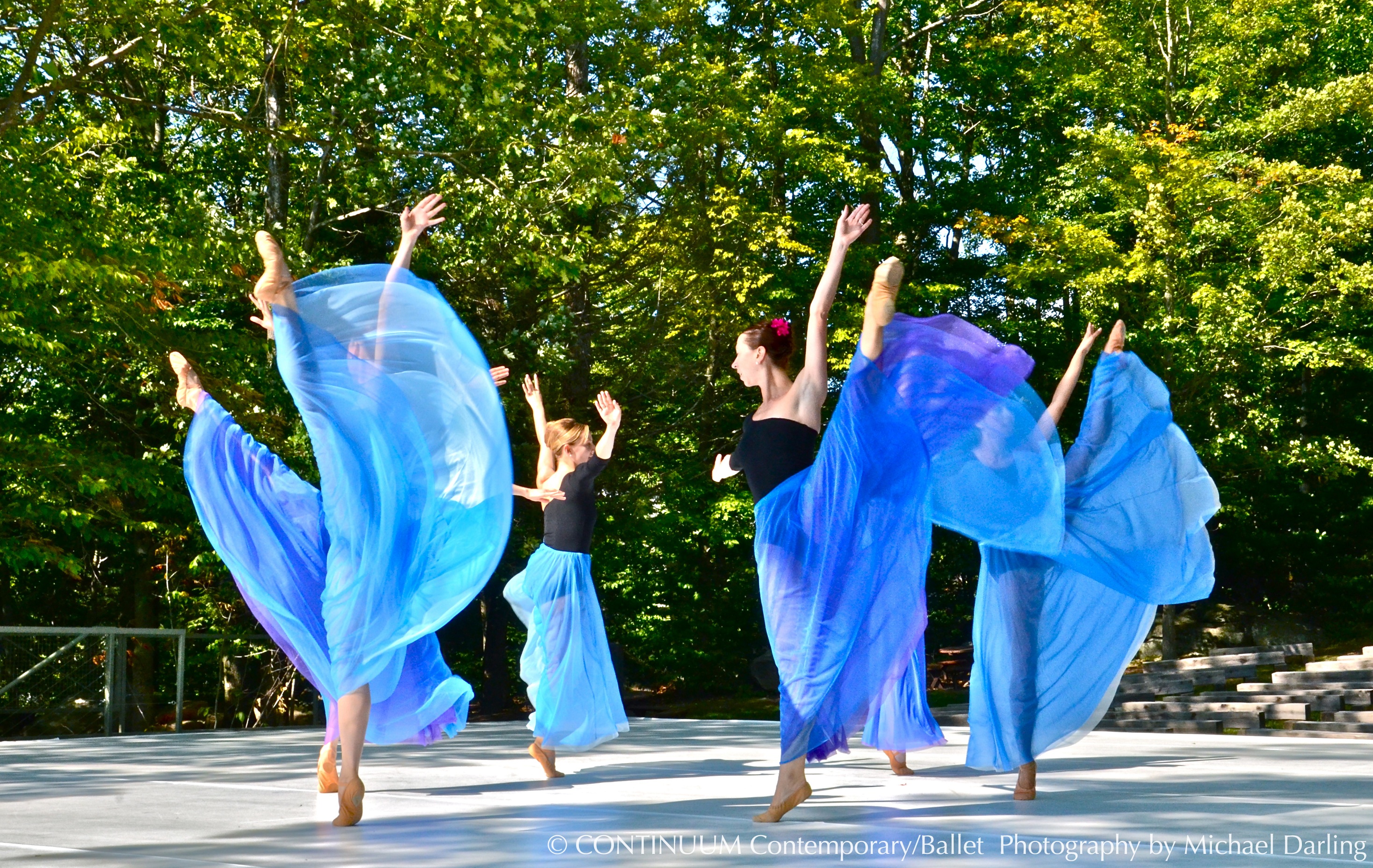
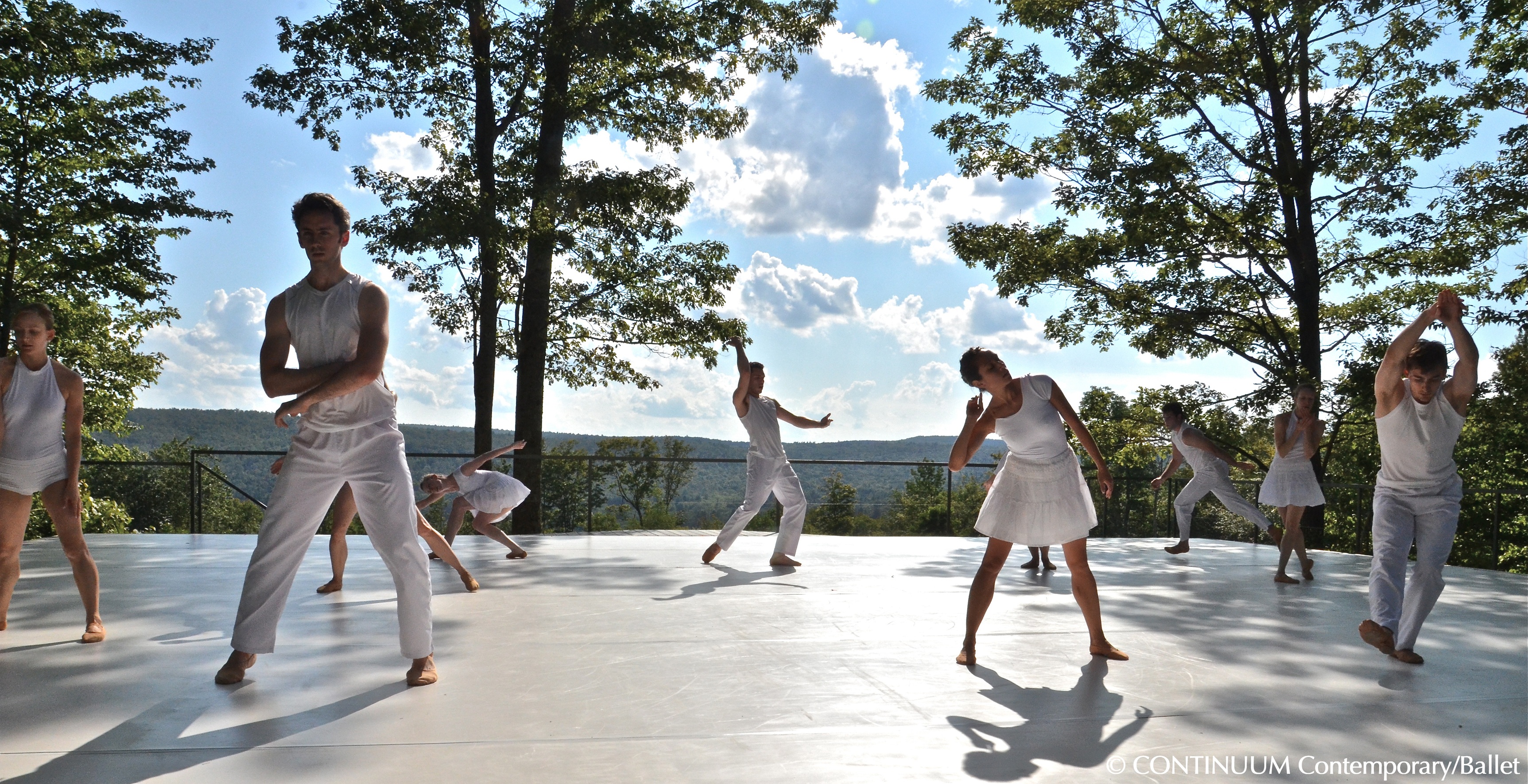
    Donna Salgado’s Continuum Contemporary/Ballet appeared at Jacob’s Pillow earlier this summer as part of the festival’s Inside/Out series. Photographer Michael Darling provides these images from the Company’s performance. Click on each picture to enlarge.

    Pillow Edit 3A

    Laura DiOrio

    Pillow Edit 6A

    Sarah Atkins

    Pillow Edit 9B

    Eric Williams

    Pillow Edit 12A

    Virginia Horne & Eric Williams

    Pillow Edit 24A

    Laura DiOrio & Eric Williams

    Pillow Edit 30A

    Ensemble

  • US Open Qualifying Tournament 2012/Day 3

    P1260785

    Above: India’s Yuki Bhambri signing autographs after winning his first-round qualifying match at the US Open.

    Tuesday August 21, 2012 – Over the past few years I’ve discovered and followed certain players during the US Open qualifying matches – people like Alejandro Falla, Bjorn Phau, Go Soeda, Tatsuma Ito and Rajeev Ram. This year all five of those men were up in the rankings and so were into the main draw already; congratulations to all of them, but it meant I would be spending this year’s tournament mostly checking out players new to me. Yuki Bhambri was the most exciting new discovery for me: he has an powerful serve and, after losing the first set, he buckled down and gave an impressive display of tennis skills in defeating the excellent and exciting Argentine Horacio Zeballos. It was close match, ending with a tie-breaker for the third set. I will definitely want to see Bhambri play again later in the week.

    It was a beautiful day at the Open, breezy and with a nice mix of sun and clouds. There was a sizeable crowd and the usual annoyances of small children (parents: little kids get restless and cranky at tennis tournaments so leave ’em with a sitter), cellphones, and people gabbing during play. But for the most part I was able to find quiet spots to watch from, or to move if things got distracting. I was delighted to see the great Billie Jean King walking from court to court early in the day (the whole place is named after her, and deservedly so).

    My first match was between two women I didnt know anything about: Dinah Pfizenmaier and Heidi El Tabakh. I initially pegged Pfizenmaier as the likely winner,but on the big points El Tabakh was able to capitalize and she won the match.

    Thailand’s Danai Udomchoke, who I’ve seen play many times, put up a valiant fight but was out-gunned by Spain’s Adrian Menendez-Maceiras.

    Three Asian women – all new to me – scored impressive victories: Ying-Ying Duan (very tall) and SaiSai Zheng (with a tendency to moon-ball) were representing the next generation of Chinese players, while Taipei’s Yung-Jan Chan presented her opponent with a double-bagel victory.

    After watching Yuki Bhambri’s exciting victory, I decided to head home on a high note although there were still matches in progress. There’s some construction going on at the Tennis Center and both the noise and the necessary ‘detours’ are inconveniences.

    P1260793

    But I did take a look at the newly-opened Court 17, a smallish arena-style venue with an intimate feeling. I hope to see a match there at some point this week.

  • US Open Qualifying Tournament 2012/Day 2

    P1260801

    Wednesday August 22, 2012 – Tsung-Hua Yang of Tapiei (above) made a big impression on me at the 2011 US Open qualifying tournament and I was glad to have the opportunity to see him play again today. He faced Antonio Veic of Croatia in the very first match of the day.

    Yang’s playing is impressive for steadiness and technical sureness. His opponent was fiery and theatrical, with a couple of major outbursts of temper when he got what he thought was a bad call. Yang simply maintained his composure and moved unperturbed thru the match; he seemed destined to win from the start. Two rain delays – one of about 15 minutes and a second lasting only a couple of minutes – interrupted play. And as Yang was serving for the match, it started raining harder. He was able to secure the win just before all tournament play was suspended for about 45 minutes.

    Antonio Veic did display a sense of humour amidst his theatrics: when called for a foot fault, he asked the lineswoman “Which foot?”

    Once the rains stopped and things got dried out, I stayed at the same court to watch China’s Yi-Fan Xu, a petite player who managed to thwart the tall British woman Naomi Broady. With a mixture of moon-balls and craftiness, Xu seemed to prevent Broady from making any headway.

    After Xu’s win, I moved from court to court: no match really captured my attention although I was curious to see the ‘new’ Chinese male player Ze Zhang in action. He has a lot of talent, and he’s quite tall but his opponent – the second-seeded Slovenian Aljaz Bedene – showed that experience counts for a lot in these situations. The Frenchman Josselin Ouanna similarly kept Taipei’s Ti Chen from building any momentum, despite some impressive shots.

    We’ll see how my favorites fare on Thursday and that will determine whether I need to go again on Friday.

  • US Open Qualifying Tournament 2012

    P1260785

    Above: India’s Yuki Bhambri signing autographs after winning his first-round qualifying match at the US Open.

    Tuesday August 21, 2012 – Over the past few years I’ve discovered and followed certain players during the US Open qualifying matches – people like Alejandro Falla, Bjorn Phau, Go Soeda, Tatsuma Ito and Rajeev Ram. This year all five of those men were up in the rankings and so were into the main draw already; congratulations to all of them, but it meant I would be spending this year’s tournament mostly checking out players new to me. Yuki Bhambri was the most exciting new discovery for me: he has an powerful serve and, after losing the first set, he buckled down and gave an impressive display of tennis skills in defeating the excellent and exciting Argentine Horacio Zeballos. It was close match, ending with a tie-breaker for the third set. I will definitely want to see Bhambri play again later in the week.

    It was a beautiful day at the Open, breezy and with a nice mix of sun and clouds. There was a sizeable crowd and the usual annoyances of small children (parents: little kids get restless and cranky at tennis tournaments so leave ’em with a sitter), cellphones, and people gabbing during play. But for the most part I was able to find quiet spots to watch from, or to move if things got distracting. I was delighted to see the great Billie Jean King walking from court to court early in the day (the whole place is named after her, and deservedly so).

    My first match was between two women I didnt know anything about: Dinah Pfizenmaier and Heidi El Tabakh. I initially pegged Pfizenmaier as the likely winner,but on the big points El Tabakh was able to capitalize and she won the match.

    Thailand’s Danai Udomchoke, who I’ve seen play many times, put up a valiant fight but was out-gunned by Spain’s Adrian Menendez-Maceiras.

    Three Asian women – all new to me – scored impressive victories: Ying-Ying Duan (very tall) and SaiSai Zheng (with a tendency to moon-ball) were representing the next generation of Chinese players, while Taipei’s Yung-Jan Chan presented her opponent with a double-bagel victory.

    After watching Yuki Bhambri’s exciting victory, I decided to head home on a high note although there were still matches in progress. There’s some construction going on at the Tennis Center and both the noise and the necessary ‘detours’ are inconveniences.

    P1260793

    But I did take a look at the newly-opened Court 17, a smallish arena-style venue with an intimate feeling. I hope to see a match there at some point this week.