Blog

  • ADORATION @ The Sheen Center

    Adoration_Baranova-8660

    Photo by Maria Baranova

    Saturday January 20th, 2024 – I’m so glad I managed to get to see Adoration as part of the Prototype Festival. I haven’t seen the movie that it was based on, but would be interested in seeing it now – the story was well done but I would be curious to see how much more detail is explored in a movie version. For those who don’t know, the story is about a teenage kid (Simon) coming to terms with his parents’ death and their pasts. Simon reveals at school that his father was a terrorist and it seems that he opens up discussions with his classmates and online that are incredibly relevant at this moment in time. 

    I ended up being very focused on the storytelling and messaging of the difficult content, but want to make sure to first say that the music was amazing – Mary Kouyoumdjian’s score was beautiful – the instrumental parts often unassuming but supporting the drama, and the vocal lines soaring and satisfying. I don’t have the best ear when it comes to vocalists, but I thought they all sounded great – particularly Omar Najmi in the role of Simon. The choice to have them all mic’d was an interesting one which seemed mostly relevant for the purpose of adding reverb to certain scenes. It was a nice effect and changed up the sound a bit, though it didn’t seem necessary to me. Overall I imagine it added more control and an even sound – everyone was heard clearly throughout the show. 


    The set was simple but striking. I really liked the gradual beginning to the show – young Simon is on stage before the show starts, writing and sitting on the floor. The staging and set used live video that I’ve seen at many new opera productions recently – though in some interesting new ways, juxtaposed with recorded video, or used to project a photograph. 


    Adoration_Baranova-8840


    Photo by Maria Baranova


    Still, the most interesting part of this show was the story, for me. I was constantly asking myself questions and hoping to get clarity – which were mostly answered, though not explored in too much depth (understandable in the one act setting). I thought it was interesting that the main theme that was brought continually back was “innocence” rather than what many people might see in this type of source material: justice or justification, or motive. The real discussion of these themes comes from the actions of the character of Simon’s teacher, who is mentoring him and pushing him to explore his parents’ past. Her motives are questioned until we learn her backstory and understand her involvement in a new light. Was that the point? 


    It’s very hard to present something like this at any moment in time, but particularly now. I commend those who decided to do it anyway – and am curious what they hoped for us to get from it. I hope the piece has a long life and more people have the opportunity to ask these questions.


    ~ Shoshana Klein
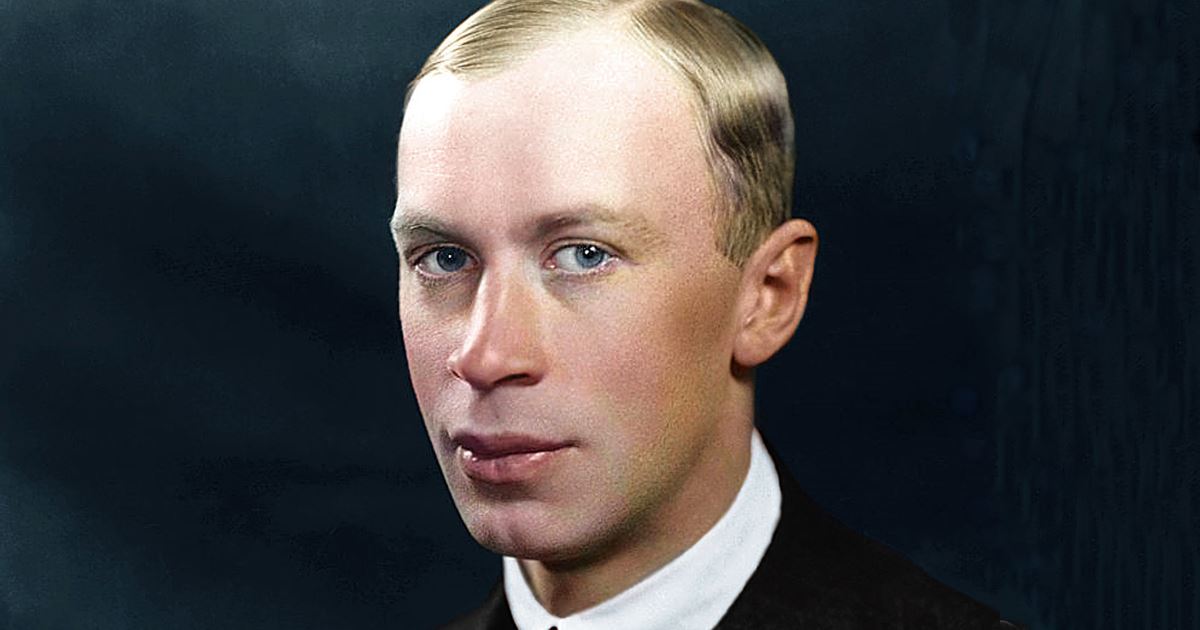
  • The Cleveland Orchestra ~ Prokofiev & Webern

    Sergei-prokofiev

    Above: Sergei Prokofiev

    ~ Author: Oberon

    Sunday January 21st, 2024 matinee – The Cleveland Orchestra offering an afternoon of symphonies by Sergei Prokofiev and Anton Webern, conducted by Franz Welser-Möst, at Carnegie Hall. Maestro Welser-Möst has recently returned to conducting following several weeks of treatment for cancer. The program was rather unusual, with two Prokofiev symphonies book-ending a performance of Anton Webern’s rarely-played Symphony, Op. 21.

    Prokofiev’s Symphony No. 2 in D-Minor, Op. 40, in rather odd piece, consisting of only two movements. It opens with a dazzling Allegro ben articolato: brass voices issue vivid calls, rollicking strings join in, and a march springs up. Plucking violins and rich motifs from the basses lend a cinematic quality. The music rolls on like a big machine, calming briefly only to turn into a fugue, with the horns blazing away. Battling rhythms bass and turbulent strings add to the excitement, with the trumpet sounding a repeated phrase. A new march emerges, going faster and faster. The horns! The drums! And then: a sudden silence.

    The theme-and-variations second movement begins with a gently poised theme played by the oboe and then taken up by the violins. Solo wind voices – flute, clarinet, bassoon – sound over dense strings with somber basses. A slow, ponderous dance gains momentum. The music moves thru various moods, from witty to pensive; with percolating winds and urgent strings, a big sway develops, turning into a whirlwind agitato. Suddenly, a full stop. The music resumes, trudging forward; after potential endings prove evasive, the oboe is heard again over lulling strings. To me, this second movement went on a bit too long…but it was all so beautifully played.  

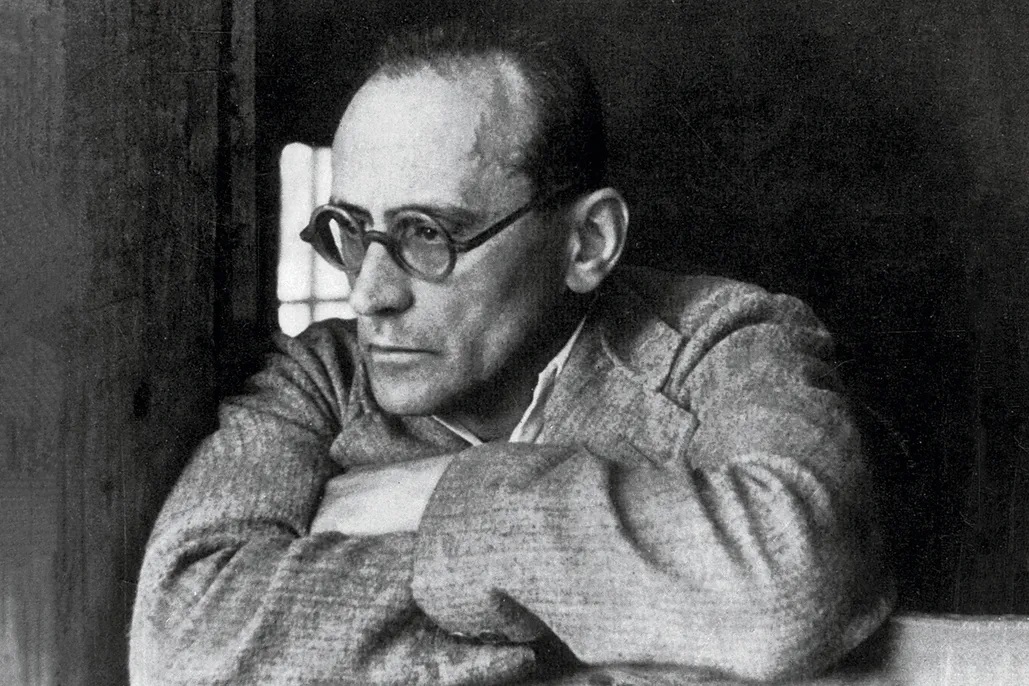
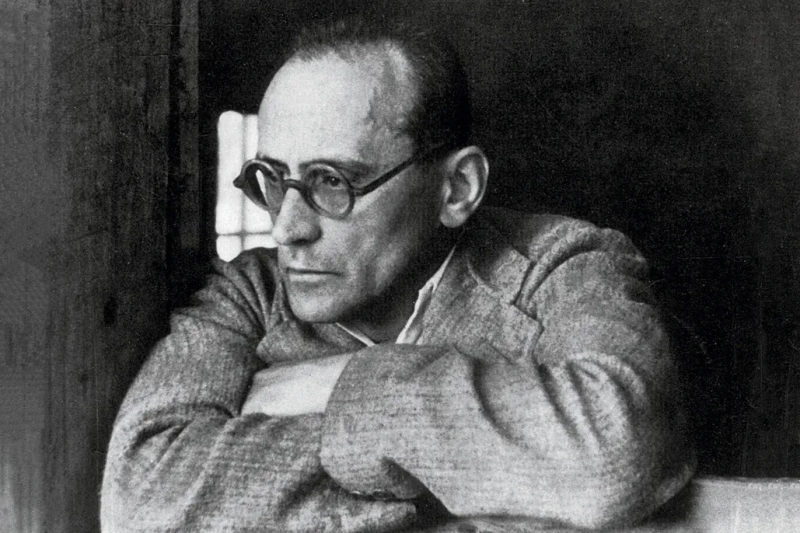
    Webern jpg

    Anton Webern (above) composed his Symphony, Op. 21 in 1928. Set for strings (without double-basses), harp, clarinet, bass-clarinet, and two horns, this miniature lasts all of ten minutes and is divided into two movements. The writing of the opening Ruhig schreitend (“Walking quietly”) is very spare: the wind instruments have brief phrases, whilst the strings comment. The harp adds an interesting texture. The second movement, Variations, has more substance musically. To the general listener, the piece may seem quizzical and a bit aimless, though it is highly regarded by musicians and scholars as a distillation of “symphonic logic”.

    Following the interval, we heard a thrilling performance of the Prokofiev 5th symphony, spectacularly played. It opens with an Andante that for a moment made me think Enzo Grimaldo’s ship riding its anchor in the sea off Venice in Act II of LA GIOCONDA. Where do these imagined connections come from?  Sixty years of opera-going! New themes are heard, richly played, and a sense of grandeur develops. The Cleveland basses are just fabulous, underlining so much gorgeous music-making: with a vast breadth of sound that is overwhelming to experience, the Andante reaches its glorious conclusion.

    The Allegro marcato that follows was the highlight of the evening – and of the season to date. Right from its sprightly start, this music is brilliant and dynamic, with superb bits for the various wind instruments etched in. Wit and irony abound in this technicolored music: a sumptuous treat. The music speeds up, with marvelous unison violins taking us to a sudden end. 

    The ensuing Adagio begins with an off-kilter waltz from which a lush theme for the strings emerges. The velvety depths of the basses enrich and ennoble this massively lyrical sonic feast, which later develops another simply gorgeous violin melody, and a luminous clarinet passage: an abundance of riches, all strikingly played.

    The final Allegro giacoso has a songful start, which turns agitated. The wind soloists exchange mini-themes, and then the basses introduce a fresh song, which builds and hustles along, sailing forward. Prokofiev pauses for a brief, nostalgic interlude before the momentum resumes with an optimistic rush to the finish line. Brilliant!!

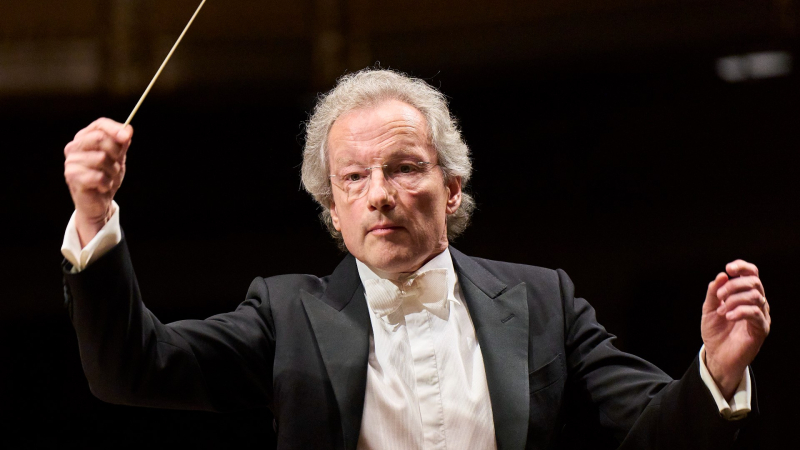
    Welser-Möst

    The thrilling performance of the 5th symphony was greeted with fervent applause. Welcome back, Maestro Welser-Möst!

    Note: Photo of the conductor by Roger Mastroianni.

    ~ Oberon

  • The Cleveland Orchestra ~ Prokofiev & Webern

    Sergei-prokofiev

    Above: Sergei Prokofiev

    ~ Author: Oberon

    Sunday January 21st, 2024 matinee – The Cleveland Orchestra offering an afternoon of symphonies by Sergei Prokofiev and Anton Webern, conducted by Franz Welser-Möst, at Carnegie Hall. Maestro Welser-Möst has recently returned to conducting following several weeks of treatment for cancer. The program was rather unusual, with two Prokofiev symphonies book-ending a performance of Anton Webern’s rarely-played Symphony, Op. 21.

    Prokofiev’s Symphony No. 2 in D-Minor, Op. 40, in rather odd piece, consisting of only two movements. It opens with a dazzling Allegro ben articolato: brass voices issue vivid calls, rollicking strings join in, and a march springs up. Plucking violins and rich motifs from the basses lend a cinematic quality. The music rolls on like a big machine, calming briefly only to turn into a fugue, with the horns blazing away. Battling rhythms bass and turbulent strings add to the excitement, with the trumpet sounding a repeated phrase. A new march emerges, going faster and faster. The horns! The drums! And then: a sudden silence.

    The theme-and-variations second movement begins with a gently poised theme played by the oboe and then taken up by the violins. Solo wind voices – flute, clarinet, bassoon – sound over dense strings with somber basses. A slow, ponderous dance gains momentum. The music moves thru various moods, from witty to pensive; with percolating winds and urgent strings, a big sway develops, turning into a whirlwind agitato. Suddenly, a full stop. The music resumes, trudging forward; after potential endings prove evasive, the oboe is heard again over lulling strings. To me, this second movement went on a bit too long…but it was all so beautifully played.  

    Webern jpg

    Anton Webern (above) composed his Symphony, Op. 21 in 1928. Set for strings (without double-basses), harp, clarinet, bass-clarinet, and two horns, this miniature lasts all of ten minutes and is divided into two movements. The writing of the opening Ruhig schreitend (“Walking quietly”) is very spare: the wind instruments have brief phrases, whilst the strings comment. The harp adds an interesting texture. The second movement, Variations, has more substance musically. To the general listener, the piece may seem quizzical and a bit aimless, though it is highly regarded by musicians and scholars as a distillation of “symphonic logic”.

    Following the interval, we heard a thrilling performance of the Prokofiev 5th symphony, spectacularly played. It opens with an Andante that for a moment made me think Enzo Grimaldo’s ship riding its anchor in the sea off Venice in Act II of LA GIOCONDA. Where do these imagined connections come from?  Sixty years of opera-going! New themes are heard, richly played, and a sense of grandeur develops. The Cleveland basses are just fabulous, underlining so much gorgeous music-making: with a vast breadth of sound that is overwhelming to experience, the Andante reaches its glorious conclusion.

    The Allegro marcato that follows was the highlight of the evening – and of the season to date. Right from its sprightly start, this music is brilliant and dynamic, with superb bits for the various wind instruments etched in. Wit and irony abound in this technicolored music: a sumptuous treat. The music speeds up, with marvelous unison violins taking us to a sudden end. 

    The ensuing Adagio begins with an off-kilter waltz from which a lush theme for the strings emerges. The velvety depths of the basses enrich and ennoble this massively lyrical sonic feast, which later develops another simply gorgeous violin melody, and a luminous clarinet passage: an abundance of riches, all strikingly played.

    The final Allegro giacoso has a songful start, which turns agitated. The wind soloists exchange mini-themes, and then the basses introduce a fresh song, which builds and hustles along, sailing forward. Prokofiev pauses for a brief, nostalgic interlude before the momentum resumes with an optimistic rush to the finish line. Brilliant!!

    Welser-Möst

    The thrilling performance of the 5th symphony was greeted with fervent applause. Welcome back, Maestro Welser-Möst!

    Note: Photo of the conductor by Roger Mastroianni.

    ~ Oberon

  • Ewa Podleś Has Passed Away

    Podles jpg

    The magnificent Polish contralto Ewa Podleś (above) passed away on January 19, 2024, at the age of 71. Hers was one of the most remarkable voices I ever heard, but ironically I only saw her live one time: she sang Mahler’s Kindertotenlieder with the American Symphony Orchestra under Leon Botstein’s baton at a concert given at Alice Tully Hall in 1999. 

    That evening, the Mahler cycle was the last thing on the program. Ms. Podleś walked onstage, a short and rather plump woman. She took a stance on the stage and, as, the music commenced, she tipped her head back slightly and began to pour the music forth as if from the depths of her soul. The richness of the voice, with its cavernous lower register, was like nothing else I had ever heard. For one magical half-hour, she had the audience completely under her spell. A the end, she took a couple of bows, nodding to us slightly.

    Back in those days, Alice Tully Hall still had its cozy greenroom, and I went there to greet Maestro Botstein and the evening’s two soloists: soprano Edith Wiens, and Ms. Podleś. Of course, I was too shy to say anything, so Ms. Podleś signed my program, and nodded to me with a slight smile. I will always recall that evening as one of the most profound musical experiences of my life.

    Aso 1999-1 jpg

    You can read all about the Podleś career here, and listen to her unique voice in Wagner…

    The Norns~GOTTERDAMMERUNG – Eva Podles – Stephanie Blythe – Margaret Jane Wray – Seattle 2006

    …and Rossini: 

    Ewa Podles – scena d’Arsace – SEMIRAMIDE

    And her monumental rendering of “Cara sposa” from Handel’s RINALDO can be savored here.

    Spoczywaj w pokoju, beloved Ewa.

  • Zoltán Daragó: “Lascia ch’io pianga”

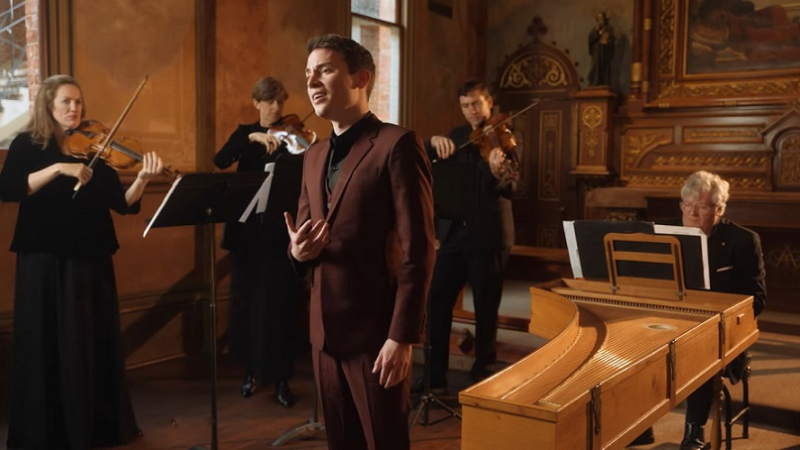
    Zoltan

    Hungarian counter-tenor Zoltán Daragó sings “Lascia ch’io pianga” from Handel’s RINALDO.

    Watch and listen here.

  • Zoltán Daragó: “Lascia ch’io pianga”

    Zoltan

    Hungarian counter-tenor Zoltán Daragó sings “Lascia ch’io pianga” from Handel’s RINALDO.

    Watch and listen here.

  • Julie Taymor’s MAGIC FLUTE ~ 2023 #2

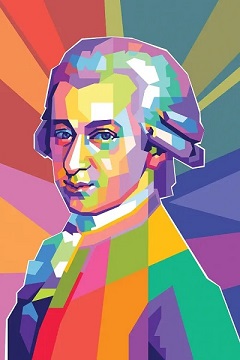
    Mozart jpg

    Author: Oberon

    Saturday December 30th, 2023 matinee – Back for a second performance of the Taymor abbreviated, English-language version of MAGIC FLUTE this afternoon. There were singers new to me in the cast, and also one of the brightest lights of the ‘now’ generation: soprano Liv Redpath, who I was keen to hear again after having very much enjoyed her singing at the Richard Tucker Gala at Carnegie Hall earlier this season, as well as her scintillating Oscar in BALLO IN MASCHERA at The Met.

    Gareth Morrell was on the podium this afternoon, pacing things perfectly and supporting the singers at every moment. It took a few moments for the Three Ladies to find their blend, but once they got going, their singing was appealing – though their role in the story is reduced by too much musical cutting in this version. Amanda Batista’s soprano is bright and clear, and Lindsay Ammann’s alto warm and dusky. As the 2nd Lady, Edyta Kulczak is always fun to hear, and her timbre is the most distinctive of the three. The Three Spirits were again weakly cast vocally. As the two Priests (essentially spoken roles), clear diction is key: Dylan Morrongiello and Paul Corona were spot on. And the duo of Guards – Daniel O’Hearn and Rocky Eugenio Sellers – helped make the Trial Scene a highlight of the show.

    Especially pleasing to hear this afternoon were Thomas Capobianco as Monastatos and William Guanbo Su as the Speaker. Mr. Capobianco seemed to favor a more ‘vocal’ approach to the slave’s music, rather than just going after comic effects. Mr. Su displayed a rich, imposing bass timbre and his excellent diction made his scene with Tamino (my favorite part of the opera) wonderfully understandable. At this, the turning point of the story, a round of applause covered the work’s most poetic moment: Tamino’s “O endless night!

    In the role of the questing Prince, Joshua Blue (who sang a very fine Verdi REQUIEM with Oratorio Society at Carnegie Hall in 2019), sang his ‘portrait aria’ persuasively, though the cuts in the music dampen the effectiveness of this paean to love. Mr. Blue’s voice falls pleasingly on the ear, with its sense of blooming lyricism;…he replied to Pamina’s radiant “Tamino mine!” with an ardent “Pamina mine!

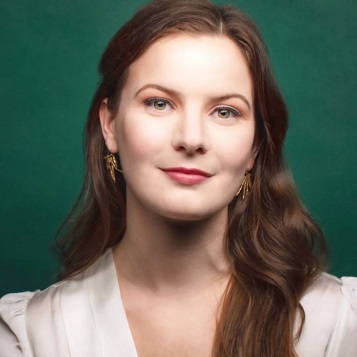
    Liv_Redpath jpg

    Liv Redpath gave a sterling Pamina, her timbre having a nice sheen to it, and her dynamics wonderfully responsive to the princess’s moods. When Papageno, attempting to rescue Pamina, suggests that they lie to Sarastro to cover their subterfuge, Ms. Redpath responded with a heavenly “Be truthful!” and, as mentioned earlier, her “Tamino mine!” was simply gorgeous. She phrased the arching line of Pamina’s great aria perfectly, though an undercurrent of noise from the many children in the audience somewhat undermined the moment.

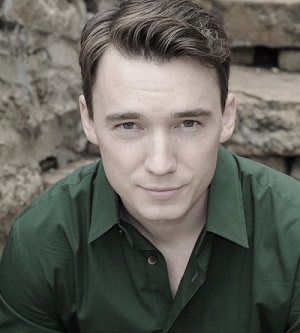
    Alexander-Elliot

    Alexander Birch Elliott (above) was a clear audience favorite – understandably so. His voice is robustly masculine and his diction clear as a bell: perfect delivery of line after line. He caught all the humor of the translation, and was truly hilarious as he employed an echo effect when trying to locate “Tamino…no…no…!” as darkness engulfed the scene. Mr. Elliott sealed his triumph with a terrific rendering of “Ein Mädchen oder Weibchen” (or whatever it is in translation) and enjoyed a lively ovation at his solo bow before calling forth his Papagena – Lindsay Ohse – who brought a nice touch of earthiness to her singing.

    At opposite ends of the opera’s vast span of vocal range, Jeni Houser (Queen of the Night) and James Creswell (Sarastro) both fared very well indeed. Ms. Houser’s a light-voiced Queen in the manner of Roberta Peters or Erika Köth; her first aria had some lovely delicacies of expression – as if to mask the Queen’s true intentions – and she spun out the coloratura of the concluding segment with aplomb. Her ‘vengeance aria’ was impressive in its agility and accuracy, and she summoned a nice dose of venom for her climactic command: “Swear…swear…swear!!!”  

    As the benevolent Sarastro, James Creswell’s spoken lines were vividly clear and finely inflected. In his two arias, he showed a bass voice suffused with a sense of compassion, true to his mission to save the world from encroaching darkness.

    If only we could find a Sarastro for our own time.

    ~ Oberon

  • Eula Beal ~ None But The Lonely Heart

    Eula beal 2

    The American contralto Eula Beal (above) sings Tchaikovsky’s “None But The Lonely Heart“, with Marguerite Campbell at the piano.

    Listen here

  • Gianni Maffeo

    Gianni maffeo

    After all these decades of listening to opera, I can still find voices that thrill me. How did I manage to overlook the Italian baritone Gianni Maffeo all these years? I came upon him quite by chance on YouTube recently.

    Born in Vigevano, Italy, in 1939 (or possibly in 1936), Maffeo performed in opera houses throughout Italy, as well internationally in Moscow, Munich, Monte Carlo, Nice, Avignon, Bordeaux, and Paris, among others.

    Maffeo sang Schaunard in a 1972 production of La Bohème with Luciano Pavarotti as Rodolfo and Mirella Freni as Mimi, and the Berlin Philharmonic under Herbert von Karajan’s baton. The performance was recorded and released by Decca Records; Karajan also chose Maffeo for a 1965 film production of La Bohème, directed by Franco Zeffirelli.

    Gianni Maffeo was 82 years old when he passed away on January 3, 2022.

    You can listen to this wonderful singer in various excerpts: 

    ~ Pagliacci Prologo here.

    ~ Scenes from Fanciulla del West and Andrea Chenier (with Edy Amadeo) here.

    ~ Andrea Chenier aria (twice!) here.

    ~ Forza del Destino aria here.

    ~ Duets with tenor Angelo Mori from Forza del Destino here and here.

    Enjoy!

  • My 1st Time Hearing DIE WALKURE

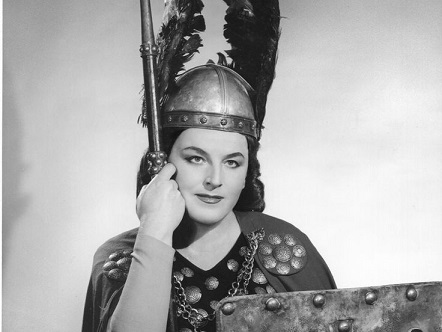
    Nilsson

    Above: Birgit Nilsson as Brunnhilde

    The Met’s 1961 broadcast of Wagner’s DIE WALKURE marked the first time I ever heard this opera which became, over time, my favorite of the composer’s operas. A recording of the broadcast was recently posted on YouTube. Listen here.

    I remember that some scenes seemed endless to me, and that while the music was at times very exciting, it was the story that most intrigued me…especially the ending, where Brunnhilde was left sleeping in the middle of a ring of magic fire.

    We had had a substantial snowfall the night before, and I went out to the field behind our house with the sound of the feuerzauber alive in my head. I made a circle of all the empty packing boxes and other trash from my father’s drugstore and set it afire. It was then that I realized I was in the center of the circle and would have to wait until the flames died down before I could escape. At supper, my mother scolded me for bringing a smokey smell into the house. It took a few days for the odor to dissipate.

    Metropolitan Opera House ~ December 23,1961

    Cast: Brünnhilde: Birgit Nilsson; Siegmund: Jon Vickers; Sieglinde: Gladys Kuchta; Wotan: Otto Edelmannl Fricka: Irene Dalis; Hunding: Ernst Wiemann; Gerhilde: Carlotta Ordassy; Grimgerde: Mary MacKenzie; Helmwige: Heidi Krall; Ortlinde: Martina Arroyo; Rossweisse: Margaret Roggero; Schwertleite: Gladys Kriese; Siegrune: Helen Vanni; Waltraute: Mignon Dunn

    Conductor: Erich Leinsdorf