Tag: Metropolitan Opera

  • LA BOHEME @ The Met

    Jean_Francois_BORRAS_2

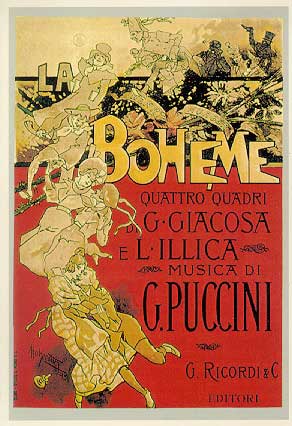
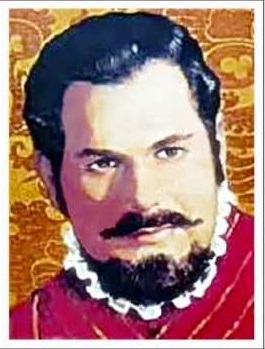
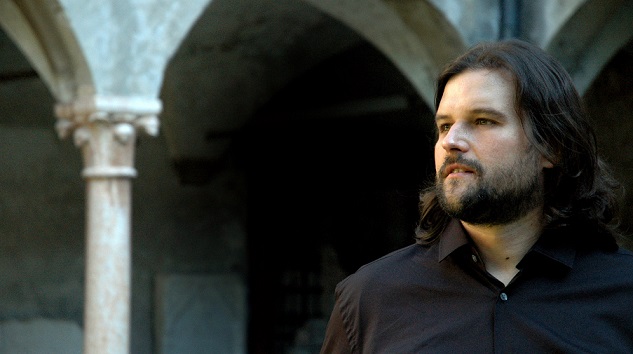
    Monday Jaunary 19th, 2015 – When my friend Lisette was appearing in WERTHER at The Met in 2014, she spoke well of the tenor Jean-François Borras (above) who was covering the title-role and who ended up singing one performance. Now he is back for three performances as Rodolfo in LA BOHEME and I decided to try it, especially after some soprano-shuffling brought Marina Rebeka into the line-up as Musetta.

    Overall it was a good BOHEME, though somewhat compromised by the conducting of Riccardo Frizza who had fine ideas about tempo and some nice detailing but tended to give too much volume at the climaxes: this might have worked had the principals been Tebaldi and Tucker, but not for the current pair of lovers. Mr. Borras wisely tried to resist pushing his voice; Kristine Opolais, the Mimi, was having other problems so riding the orchestra was the least of her worries. It was Ms. Rebeka who ended up giving the evening’s most stimulating performance, along wth baritone Mariusz Kwiecien, an outstanding Marcello.

    Following her well-received Met RONDINEs, Ms. Opolais became something of the darling of The Met, especially when – last season – she sang back-to-back performances of Butterfly and Mimi. I heard one of the Butterflies which was marred by some sharpness of pitch. A glance at her bio reveals that she has already sung roles like Tosca, Manon Lescaut, Shostakovich’s Lady Macbeth, Jenufa, even Aida, all of which seem to me ill-suited to what is essentially a lyric voice. Tonight much of her singing was tremulous and pallid, and the tendency to go sharp spoiled several potentially attractive passages. One hears that The Met plans new productions of MANON LESCAUT, RUSALKA, and TOSCA for her (there are even whispers of a new THAIS); unless she can somehow repair her over-spent voice, I can’t see how she’ll get thru these demanding roles in the Big House. Anyway, she seems now to have been usurped as the talk-of-the-town soprano by Sonya Yoncheva…one wonders what new productions she has been promised. Meanwhile it’s sad to hear Ms. Opolais – who might be (have been?) a lovely Pamina, Liu, and Micaela – having pushed herself into inappropriate repertory at the cost of vocal stability.

    Mr. Borras gave such an appealing performance that the conductor’s lack of consideration was particularly unfortunate. The tenor’s warm timbre falls most pleasingly on the ear, and he had so many felicitious phrases to give us, and some lovely word-colourings. After the orchestra encroached on the climax of “Che gelida manina” – which the tenor managed nonetheless – I enjoyed the way he handled Rodolfo’s little melodic gems at Cafe Momus, and his persuasive vocalism in Act III was a balm to the ear, especially the lingering bitter-sweetness of his hushed “…stagione dei fiori…”
    Latvian-soprano-Marina-Rebeka

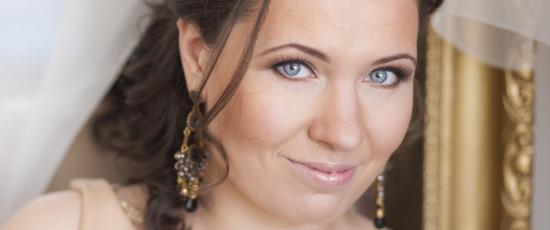
    Ms. Rebeka (above) was the most marvelous Musetta I have encountered since Carol Neblett’s sensational debut at New York City Opera in 1969. Her voice gleaming and generous, Ms. Rebeka seized the stage in no uncertain terms, really making something out of the super-familiar Waltz which she climaxed with a smile-inducing diminuendo on the top-B. She went on to thrill the ear in the ensuing ensemble, and she was excellent in Act III.

    Mr. Kwiecien gave a first-rate performance as Marcello. In this music, he can spend his voice generously without having to be concerned with sustaining a full title-character evening, something he’s never had quite the vocal and theatrical presence for, despite his undoubted appeal. Tonight, it was ample-toned, warm singing from note one, and an extroverted, somewhat ‘mad-artist’ view of the character handsomely presented. Would that he’d had a Mimi to match him in the Act III duet. But he and Borras were both superb in their scene, in which they almost came to fisticuffs before Rodolfo finally admitted the truth about Mimi’s illness and his hopeless state of poverty. Kwiecien then melted into the caring ‘best friend’ that makes Marcello a standout portrait in these scènes de la vie de bohème.

    Alessio Arduini (Schaunard) and David Soar (Colline) gave attractive vocal performances despite the conductor’s trampling on some of their lines; they were charming during a mini-food-fight at Cafe Momus.

    Some of the staging at the Barrière d’Enfer didn’t enhance the narrative: Mimi reveals her eavesdropping presence not by an attack of coughing – such a moving device – but by stumbling down the staircase and collapsing melodramatcally at the door to the inn. Later, too many by-standers surround Marcello and Musetta as they argue, and the ever-so-moving reconciliation of Mimi and Rodolfo is marred by Musetta grabbing a passser-by and kissing him lavishly: this gets a wave of unwanted laughter during one of the opera’s most poignant moments.

    The first intermission was debilitating; these extended breaks always drain the life out of the evening, and the better the performance the more annoying they are. And seat-poaching is so unattractive, especially when it causes a disruption if there’s an unexpected seating break – as tonight between the garrett and Momus.

    But BOHEME still casts its spell, as it has for me ever since I first heard it on a Texaco broadcast 53 years ago to the day, with Lucine Amara and Barry Morell as the lovers. The Beecham recording remains my touchstone document of this heart-rending score. Tonight’s audience, quite substantial by current standards, embraced the classic Met production warmly.

    Metropolitan Opera House
    January 19th, 2015

    LA BOHÈME
    Giacomo Puccini

    Mimì....................Kristine Opolais
    Rodolfo.................Jean-François Borras
    Musetta.................Marina Rebeka
    Marcello................Mariusz Kwiecien
    Schaunard...............Alessio Arduini
    Colline.................David Soar
    Benoit..................John Del Carlo
    Alcindoro...............John Del Carlo
    Parpignol...............Daniel Clark Smith
    Sergeant................Jason Hendrix
    Officer.................Joseph Turi

    Conductor...............Riccardo Frizza

  • Janis Martin Has Passed Away

    6a00d8341c4e3853ef01bb079c2285970d

    Above: Claudio Abbado and soprano Janis Martin prior to a performance of Schoenberg’s ERWARTUNG at La Scala, 1980

    Following yesterday’s news of the death of Irene Dalis, more sad tidings in the opera world today with the passing of Janis Martin, the American mezzo-turned-soprano, a singer who loomed large in my opera-going career. A Met Auditions winner in 1962 (she sang Dalila’s “Mon coeur s’ouvre a ta voix” at the Winners’ Concert), Martin sang nearly 150 performances at the Metropolitan Opera, commencing in 1962 as Flora Bervoix in TRAVIATA. As a young opera-lover, I heard her many times on the Texaco broadcasts. She eventually progressed to “medium-sized” roles: Siebel, Nicklausse, Lola in CAVALLERIA RUSTICANA. Martin left The Met in 1965 and built a career abroad, moving into soprano territory. She returned to The Met and from 1974 thru 1977; during these seasons, she was my first in-house Kundry, Marie in WOZZECK, and Sieglinde. Another hiatus, and then she was back at Lincoln Center from 1988-1992, singing the Witch in HANSEL & GRETEL, the Dyer’s Wife in FRAU OHNE SCHATTEN, Senta, the Foreign Princess in RUSALKA, and two performances of TOSCA.

    In the past couple of months, I’ve taken a renewed interest in Janis Martin’s singing, after first hearing her as Gutrune in a recording of a tremendous GOTTERDAMMERUNG from Bayreuth 1975. This prompted me to pursue her further, acquiring her Senta in a 1972 Vienna HOLLANDER. Waiting in my pile of “to-listen-to” CDs is her WALKURE Fricka, from Bayreuth 1968. I also searched out my old cassettes of her Met broadcast as the Dyer’s Wife (she sings tirelessly, and with great vocal thrust and considerable beauty of tone) and I purchased her commercial recording of ERWARTUNG with Pierre Boulez conducting, which is very impressive.

    Janis Martin sings two songs from Hindemith’s Drei Gesänge op.9 here. The songs are “Meine Nächte sind heiser zerschrien” (text by Ernst Wilhelm Lotz), and “Weltende” (text by Else Lasker-Schüler).

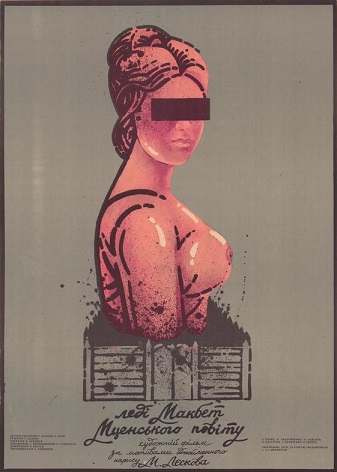
  • LADY MACBETH OF MTSENSK @ The Met

    Lady-macbeth-of-mtsensk-district-movie-poster-1989-1020340180

    Saturday November 29th, 2014 matinee –  My friend Dmitry and I both really like Shostakovich’s LADY MACBETH OF MTSENSK; I remember being bowled over by Catherine Malfitano’s portrayal of Katerina Ismailova back in 2000. The chance to see this season’s revival caused us to weigh the pros and cons: basically we were not sure of what to expect from Eva-Maria Westbroek – who plays Katerina this season – having not been especially thrilled with what we’d seen her do to date: a solid but un-illuminating Sieglinde and a seriously miscast Francesca da Rimini. But in the end Shostakovich won out, and we were rewarded with one of the greatest Met experiences in the past decade.

    As Katerina this afternoon, Ms. Westbroek sounded rather wobbly and edgy at first, but as the performance progressed the voice became steadier (though never truly steady) and her control of it was increasingly impressive. It’s a generous voice, and in addition to some rich spinto outpourings she was able to hone the voice down to a whisper at times. As an actress, she surely threw herself unsparingly into the role, winning a roar from the crowd as she took her curtain calls.

    Brandon Jovanovich was the passionate, randy, and ultimately heartless Sergei. His voice is Met-sized, warm and vigorous. Tall and handsome of physique, he tackled the physical requirements of the production with gusto, including being hoisted aloft whilst humping the cook (Holli Harrison is a spirited yet hapless portrayal). Mr. Jovanovich sings the Verdi REQUIEM with the New York Philharmonic in January: something to look forward to even more eagerly after his big success today.

    As the cuckolded Zinovy, tenor Raymomd Very gave a strong vocal performance; dramatically he seemed to be thoroughly under his father’s thumb and unable to comprehend the needs and desires of his slowly-smouldering wife.

    In LADY MACBETH Shostakovich provides a number of finely-crafted roles which today were seized upon by a wonderful coterie of singing actors/actresses. In particular, we had a veritable parade of bassos who plumbed the vocal depths so beloved in Russian music whilst constructing their characters with juicy, scene-grabbing theatrics. In a pair of towering characterizations, Anatoli Kotscherga as Boris and Vladimir Ognovenko (the Police Sergeant) gave object lessons in the art of operatic performing. Mr. Kortsherga was the oily, lazy, hypocritical father figure to a T; his singing had delightful tinges of liquor and sleaze, his tone ample and with a dark vibrance. Mr. Ognovenko, who for over two decades has given us great portrayals at The Met, was in thunderous voice and threw himself into the staging with great gusto. His was a major triumph today. More basso brilliance from Mikhail Kolelishvili (the ample-voiced, dancing priest), Dmitry Belosselskiy (with his deep lamenting sound in the final ‘hymn’ of the doomed prisoners); and Ricardo Lugo (making his mark as a Prison Guard).

    Back in August 1982 I saw a breathtaking Beni Montresor-designed production of Cavalli’s L’ORMINDO given by Chamber Opera Theatre of New York. The two male leads were tenor Ronald Naldi and (then-) baritone Allan Glassman. Both went on to appear in many Met productions. Mr. Glassman made the transition to tenor and has sung both character and leading roles at The Met, including Herod in SALOME and Bégearss in GHOSTS OF VERSAILLES. Today he was cast as the Shabby Peasant, the man who discovers the dead body of Zinovy, setting up the arrest of Katerina and Sergei. Mr. Glassman’s singing was stentorian and superbly characterized, his stage portrayal at once manic and furtive. His scene was a highlight of the afternoon.

    Oksana Volkova, an outstanding Olga in ONEGIN last season, was rich-toned as Sonyetka – how gross that she and Katerina drowned in a vat of dumped human waste! – and Kelly Cae Hogan’s clear, pointed soprano rang out nicely in her few phrases as a Convict. Tyler Duncan (Millhand) and John McVeigh (Teacher) stood out among the supporting cast.

    Safe_image.php

    The hero of the afternoon was conductor James Conlon (above). With both the Met orchestra and chorus on absolute peak form, Conlon shaped the spectacular Shostakovch score with extraordinary commitment, summoning forth the vast colour-range of the music and evoking stellar playing in the featured instrumental solo passages that crop up quite frequently. Conlon gave his singers ideal support, and it was his musical vision that made the performance the thrilling event that it was. After the final chord, the Maestro remained in the pit, shaking hands with many of the players.  

    The Graham Vick production is one of The Met’s finest, making very inventive use of the stage area (especially the trap doors!) and with countless touches to lure the eye: the disco ball in particular casts brilliant shards of light into the auditorium. Elements of the Orthodox faith are incorporated (the over-the-top grieving widows clambering up a towering pile of garbage to plant crosses whilst flagellating themselves or beating their breasts); then there are the comic-opera police force, the roistering peasants, the shirtess hunks who work for Boris. It’s a vulgar, boozy, ironic and  – in the end – moving production. This afternoon’s large audience seemed mesmerized throughout, and there were very few defections at intermission. The ovation at the end was hearty (though more was really deserved) and the orchestra players remained in the pit to be hailed lustily along with James Conlon during the bows. After the final curtain fell, there were loud sounds of celebration from the stage as the cast, chorus, and crew shared in the mutual admiration of their work at the end of a successful run.

    Note: The performance started about 15 minutes late due to some lighting malfunction in the pit.

    Metropolitan Opera House
    November 29, 2014 (matinee)

    LADY MACBETH OF MTSENSK
    Dmitri Shostakovich

    Katerina Ismailova......Eva-Maria Westbroek
    Sergei..................Brandon Jovanovich
    Zinovy..................Raymond Very
    Boris...................Anatoli Kotscherga
    Aksinya.................Holli Harrison
    Millhand................Tyler Duncan
    Coachman................Dustin Lucas
    Peasant.................Allan Glassman
    Steward.................Rod Nelman
    Porter..................Brandon Cedel
    First Foreman...........Kurt Phinney
    Second Foreman..........Daniel Clark Smith
    Third Foreman...........David Lowe
    Priest..................Mikhail Kolelishvili
    Chief of Police.........Vladimir Ognovenko
    Policeman...............Earle Patriarco
    Teacher.................John McVeigh
    Old Convict.............Dmitry Belosselskiy
    Sentry..................Ricardo Lugo
    Sonyetka................Oksana Volkova
    Convict.................Kelly Cae Hogan
    Prison Officer..........Paul Corona

    Conductor...............James Conlon

  • Score Desk for LA BOHEME

    Boheme

    Tuesday September 23rd, 2014 – After a touch-and-go Summer of contract negotiations where – at one point – it seemed inevitable that there would be a lock-out at the Metropolitan Opera, the shut-down was miraculously averted and The Met opened last night with a new production of LE NOZZE DI FIGARO. The casting of the three major female roles in the Mozart opera didn’t appeal to me, so I skipped it and started my season on the second night.

    The house seemed fuller than on most evenings last season, perhaps an indication that New York City opera-goers prefer traditional productions. And yes, curtain-rise on Franco Zeffirelli’s Cafe Momus still evokes a big round of applause.

    Admittedly tonight’s cast, on paper, didn’t have much allure. The Met seem to be putting all their eggs in one basket this first week: the singers aligned for MACBETH (Netrebko, Lucic, Calleja, Pape) are about the closest you can come to an all-star cast in this day and age. Friends asked me why I bothered with this BOHEME and as the curtain fell on the Cafe Momus scene I in fact asked myself why I was there. 

    Bryan Hymel in the role of Rodolfo was the main attraction for me tonight; his impressive performances in LES TROYENS and MADAMA BUTTERFLY drew me back to hear him in this, his second Puccini role at The Met. He did not seem at his best tonight though there were many appealing moments in his singing of the role. He was not much helped by conductor Riccardo Frizza who tended to unleash too much orchestral volume at key moments. Hymel’s account of the famous aria “Che gelida manina” was nice, and he sustained the high-C to fine effect despite the conductor’s overdrive of volume. At the end of the big Cafe Momus ensemble, the two sopranos were perched none-too-sweetly on their high-B when Hymel chimed in on the same note and gave the climax the necessary zest.

    Neither of the women were very pleasing to the ear. Ekaterina Scherbachenko (Mimi) lacked a persuasive feeling for the Italian style and didn’t bring a lot of nuance or colour to Mimi’s Act I narrative. When she ventured to the upper register, an uncomfortable feeling set in. Oddly, she did not attempt the written high-C at the end of the love duet; instead she sang an E-natural whilst Mr. Hymel sustained a high-C. This put me in mind of the 1968 Met broadcast of BUTTERFLY where Teresa Stratas ducked the final high-C of Act I, leaving her tenor Barry Morell to finish on his own.

    Myrto Papatanasiu revealed a dime-a-dozen overly-vibrant lyric soprano as Musetta, snatching at her interjectory phrases until she got to the Waltz which was reasonably well-sung despite rather shallow tone. I don’t suppose we’ll ever again experience a Musetta the likes of Carol Neblett or Johanna Meier: big voices and big personalities. 

    NextWaveKelseylg812

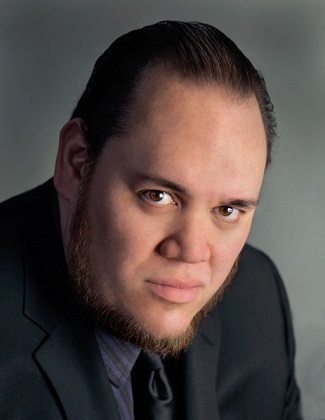
    The evening’s most impressive singing came from baritone Quinn Kelsey (above, in a Ken Howard headshot) as Marcello. This is a Met-sized voice for sure and I got a vast amount of pleasure listening to him nail Marcello’s music, phrase after phrase. I would have liked to have heard him in the third and fourth acts where the character has so much great music to sing, but the overall lack of magic in the evening sent me home after Momus. I hope The Met will give Quinn Kelsey more opportunities.

    Of the remaining members of the cast, no one managed to make a special impression. The children’s chorus deserve a note of praise.

    There’s nothing wrong with taking curtain calls after each act provided the audience is displaying sufficient enthusiasm to summon the singers out before the gold curtain. After both of the first two acts tonight, the applause had completely stopped but the bow lights came on and the singers came out, forcing people to clap for them out of a sense of obligation. I understand that the bows are ‘scripted’ into the performance but someone needs to determine whether there is any applause happening before sending the singers out.

    Metropolitan Opera House
    September 23, 2014

    LA BOHÈME
    Giacomo Puccini

    Mimì....................Ekaterina Scherbachenko
    Rodolfo.................Bryan Hymel
    Musetta.................Myrtò Papatananasiu [Debut]
    Marcello................Quinn Kelsey
    Schaunard...............Alexey Lavrov
    Colline.................David Soar
    Benoit..................Donald Maxwell
    Alcindoro...............Donald Maxwell
    Parpignol...............Daniel Clark Smith
    Sergeant................Jason Hendrix
    Officer.................Joseph Turi

    Conductor...............Riccardo Frizza
  • My First RING Cycle: WALKURE

    Jones-Gwyneth-04

    Above: Dame Gwyneth Jones

    A week-long RING Cycle invariably involves RHEINGOLD on Monday night followed immediately by WALKURE on Tuesday. This places heavy demands on the gentleman singing Wotan; he has a lot of singing to do on Monday and even more (much more) on Tuesday. Fricka also appears in both operas, but her role in RHEINGOLD – though major – is not especially demanding, and in WALKURE she has only one scene: quite a strenuous one vocally, but once it’s over she is finished for the night. Fortunately the Wotan in my first Cycle, Hans Sotin, managed the back-to-back operas superbly. And Helga Dernesch’s Fricka was a thrilling interpretation.

    WALKURE brings four new characters to the drama: Brunnhilde, Sieglinde, Siegmund and Hunding. With Dame Gwyneth Jones’s first appearance as Brunnhilde in Act II, this RING Cycle – already off to such an impressive start – soared into the stratosphere.

    Here’s my diary entry from the second night of the Cycle:

    WALKURE – excellent despite some audience distractions. Levine and the orchestra do wonders with this score. The cast was really fabulous, though I had mixed feelings about the Siegmund of Robert Schunk. He looked well, sang and phrased in a musicianly manner; he had the right feel for the role and – for the most part – more than enough volume. He tended, however, to sing just a shade flat much of the time. Too bad…he tried hard and he did have his moments.

    Everyone else was on peak form. Matti Salminen gave a tremendous Hunding, rolling out the tone with tremendous force and simply smacking of evil…really menacing sound and thoroughly convincing as an actor: his long, deadly stare at Siegmund after man-handling his wife was such a provocation (Siegmund, weaponless at this point, is in no posotion to respond). Salminen continues my great line of Hundings – Rundgren, Haugland, Moll, Macurdy – and he’s such a fascinating artist.

    Gessendorf_Portrait

    We have a wonderful new Wagnerian soprano in Mechthild Gessendorf (above) who, if this performance is any indication of her abilities, is a fine addition to the operatic gallery. Her bright, almost girlish tone has a clear middle range with top notes that can be clean-attacked or slightly scooped-up to: they are exciting!  Oddly, she reminds me a bit of Mara Zampieri though I can’t put my finger on why! She gave a glorious Sieglinde, full of feminine warmth and real emotional commitment; I look forward to her Kaiserin and Senta.

    Helga Dernesch’s Fricka proved spellbinding, sung with great authority and vocal power; the slight peril in the upper range was overcome by force and she simply did a magnificent job. The drama of her plea was put across with an awesome balance of of security and desperation: really engrossing. And she looked gorgeous…a splendid assumption of the role.

    Hans Sotin’s Wotan was given with great vocal command and heartrending dramatic sureness. He was in excellent voice, giving a truly impressive monolog and ending Act II with a furious “Geh!” to Hunding who crashed to the ground at the god’s irate command. Singing gloriously, Sotin came thru with much moving and beautfully modulated vocalism in the third act, and he triumphantly sustained the top notes of his final phrase to majestc effect…bravississimo!!!!

    It was a great pleasure to see Dame Gwyneth Jones on the Met stage again: still unsure of how she would sound, she nevertheless is an arresting physical presence. But as soon as she began to sing, it was clear we were in for a thrilling Brunnhilde: her great personal and vocal radiance set its stamp on the entire evening. She is a very different Brunnhilde from Behrens, more feminine and less complicated. She offered a spectacular battle cry, sustaining the clear-attack high-C and thereafter she simply went at it vocally all evening, with powerful and moving singing in the ‘Todesverkundigung where she well portrayed Brunnhilde’s increasing embarrassment at the deceitful way Wotan has treated Siegmund. Jones’s third act was wonderful in every regard, with a movingly intoned “War es so schmählich” and increasing desperation as she begs Wotan to spare her degradation. Her final plea – to surround her slumbering place with magic fire – literally tore at the heart. The sheer size of Dame Gwyneth’s voice is such a treat at The Met, and her occassional wooziness and a couple of oddly pronounced words (“Siegfried” in her Act III address to Sieglinde somehow became “Augfried”) were just trifles compared to the great flood of warm, emotional power she generates. Simply great!! And she looks marvelous…great legs! So, a really remarkable evening with huge ovations for all and a particular hurricane of applause for Dame Gwyneth. A grand night!!!”

    Metropolitan Opera House
    May 2, 1989

    DIE WALKÜRE
    Wagner

    Brünnhilde..............Gwyneth Jones
    Siegmund................Robert Schunk
    Sieglinde...............Mechthild Gessendorf
    Wotan...................Hans Sotin
    Fricka..................Helga Dernesch
    Hunding.................Matti Salminen
    Gerhilde................Pyramid Sellers
    Grimgerde...............Wendy Hillhouse
    Helmwige................Marita Napier
    Ortlinde................Adriana La Ganke
    Rossweisse..............Judith Christin
    Schwertleite............Sondra Kelly
    Siegrune................Diane Kesling
    Waltraute...............Joyce Castle

    Conductor...............James Levine

  • Score Desk for I PURITANI

    Lawrencebrownlee

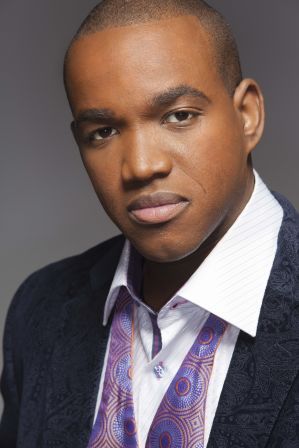
    Above: tenor Lawrence Brownlee

    Tuesday April 22nd, 2014 – This performance of Bellini’s I PURITANI at The Met marked one of the few evenings this season that I have stayed til the end of the opera. It was to hear Lawrence Brownlee in the Act III love duet and Arturo’s aria “Credeasi, misera” that I endured two intermissions – the first over-extended, the second reasonable – and a less-than-memorable Mad Scene from soprano Olga Peretyatko and a mixed-bag rendering of the great baritone-basso duet “Suoni la tromba”. It was Mr. Brownlee – along with the basso Michele Pertusi – who made the evening worthwhile vocally. 

    There were the usual rather alarming number of empty seats at The Met tonight, and the audience had thinned out even further by Act III. The evening started with an announcement that Mariusz Kwiecien was ill and would be replaced as Riccardo by Maksim Aniskin. Mr. Aniskin has a pleasant enough voice but had some passing flat notes in his Act I aria and his coloratura was a bit labored. His verse of “Suoni la tromba” was on the flat side, but he rose to his best work in the duet’s cabaletta. Overall he seemed out of his depth here: he should probably be singing Marcello, Sharpless, and Guglielmo. Still, I don’t regret not hearing Mr. Kwiecien tonight, after experiencing his vocally drab Onegin earlier this season.

    Mr. Pertusi has a real sense of bel canto and his singing all evening was beautifully molded and expressive, most especially in the gentle aria “Cinta di fiori” and later in his flowing passage “Se tra il bujo un fantasma vedrai” in the big duet. Conductor Michele Mariotti did his baritone and basso no favors, his orchestra slugging away at “Suoni la tromba” as if it was NABUCCO.

    The conductor in fact did his wife, Ms. Peretyatko, no favors either, often pushing her at the climaxes where her thinned-out high notes carried no impact in the House. The soprano’s voice is tremulous and despite good musical instincts the sound is simply not particularly attractive, and the voice is a size too small for this iconic role in a big space like The Met. Her coloratura was reasonable, and she did produce some striking piano singing along the way, notably the very sustained high B-flat at the end of her offstage solo with harp in Act III. But the high notes at the end of her duet with Giorgio and to climax “Son vergin vezzosa” were pretty much covered by the orchestra. Her Mad Scene was lacking in vocal colour; there’s nothing really distinctive about her timbre, and her interjection of laughter was lame. The cabaletta “Vien diletto” was reasonably effective but again the conductor over-played his hand while the soprano sustained a rather wan high E-flat. A couple of guys in Family Circle shouted desperate ‘bravas’ after the Mad Scene, but the applause was not prolonged. The warmth of Mr. Brownlee’s voice gave the soprano a nice cushion in the love duet though they really didn’t need to hold the final high-C as if waiting for the cows to come home. The opera concluded with “O sento, o mio bell’angelo”, the ‘lost’ cabaletta discovered by Richard Bonynge, and again Ms. Peretyatko’s thinned out concluding note was covered by the orchestra. (The cabaletta isn’t even in the score; was it ever authenticated?).

    Before lavishing praise on Mr. Brownlee, I must mention Elizabeth Bishop’s excellent performance in the thankless role of Enrichetta. The mezzo made the very most of her brief role, with a real sense of dramatic urgency in her vocalism. Brava!

    Mr. Brownlee’s opening “A te, o cara” was as finely sung as any rendering of this aria I’ve ever heard; it was in fact right up there with my personal favorite: Alfredo Kraus singing it in Chicago in 1969. Mr. Brownlee’s singing was golden, gorgeous and ardent, with a spectacularly sustained high-C-sharp in the second verse. After the second verse, the soprano joins in and the lovers exchange tender declarations of affection. In Chicago, Mr. Kraus had the advantage of the beautifully expressive lyricism of Margherita Rinaldi to further heighten the impact of his singing. Ms. Peretyatko tonight was nowhere near as lovely, but Mr. Brownlee had triumphed anyway.

    Arturo vanishes and is not seen or heard from in Act II; he reappears, having saved Enrichetta from execution, to find himself declared a traitor and his girl-friend transformed into a mad woman. After jolting Elvira back to the reality of their love with his honeyed “Vieni fra queste braccia” and a vibrant, prolonged foray to a top-D, Mr. Brownlee launced the arduous “Credeasi misera” in which he successfully negotiated the treacherous, written high-F: of course this note sounds very un-natural and I generally feel it’s just as well not to include it, but I admired Mr. Brownlee all the more for taking the risk. In the end, it was his vocalism that lifted this PURITANI out of the ordinary and made staying til the end worthwhile.

    Listening to Ms. Peretyatko in Act I, I was reminded of an evening in 1991 when Marina Bolgan was singing a dutiful, rather pallid Elvira. Then suddenly before Act II there was an announcement: the soprano had withdrawn and Martile Rowland would make her Met debut in Act II. The audience was so thrilled by Ms. Rowland’s large-scale singing and her zany assault on the climactic E-flat of “Vien, diletto” that a huge ovation erupted the moment she let go of the note. I was kind of hoping something like that would happen tonight.

    Metropolitan Opera House                                                                         April 22, 2014   

    I PURITANI
    Vincenzo Bellini

    Elvira..................Olga Peretyatko
    Arturo..................Lawrence Brownlee
    Riccardo................Maksim Anishkin
    Giorgio.................Michele Pertusi
    Enrichetta..............Elizabeth Bishop
    Gualtiero...............David Crawford
    Bruno...................Eduardo Valdes

    Conductor...............Michele Mariotti

  • First Encounter: ARIADNE AUF NAXOS

    Ariadne6263.07
    Above: Leonie Rysanek, the Met’s first Ariadne

    As the 150th anniversary of the birth (on June 11th, 1864) of Richard Strauss draws near, I was recalling the first time I heard what was to become my favorite opera – the composer’s ARIADNE AUF NAXOS. This opera had come rather late to The Met: some fifty years after its world premiere, The Met presented ARIANDE with the following cast:

    Metropolitan Opera House
    December 29, 1962
    Metropolitan Opera Premiere

    ARIADNE AUF NAXOS
    R. Strauss

    Ariadne.................Leonie Rysanek
    Bacchus.................Jess Thomas
    Zerbinetta..............Gianna D'Angelo
    Composer................Kerstin Meyer
    Music Master............Walter Cassel
    Harlekin................Theodor Uppman
    Scaramuccio.............Andrea Velis
    Truffaldin..............Ezio Flagello
    Brighella...............Charles Anthony
    Najade..................Laurel Hurley
    Dryade..................Gladys Kriese
    Echo....................Jeanette Scovotti
    Major-domo..............Morley Meredith
    Officer.................Robert Nagy
    Dancing Master..........Paul Franke
    Wigmaker................Roald Reitan
    Lackey..................Gerhard Pechner

    Conductor...............Karl Böhm

    The opera, with it’s almost chamber-music orchestration (only about 35 players are called for) was thought by some people to be too intimate for such a large house as The Met. But the production, revived several times over the ensuing years, continued to win new devotees to the incredible Strauss score. On March 12th, 1988 the Met production was telecast live to Europe; I was there – with Kenny and Jan – enjoying a superb cast led by Jessye Norman, Kathleen Battle, Tatiana Troyanos, and James King, with James Levine on the podium. In 1993 The Met unveiled a new and delightful production by Elijah Moshinsky with its ‘realistic’ prologue and fantasy-setting for the opera.  

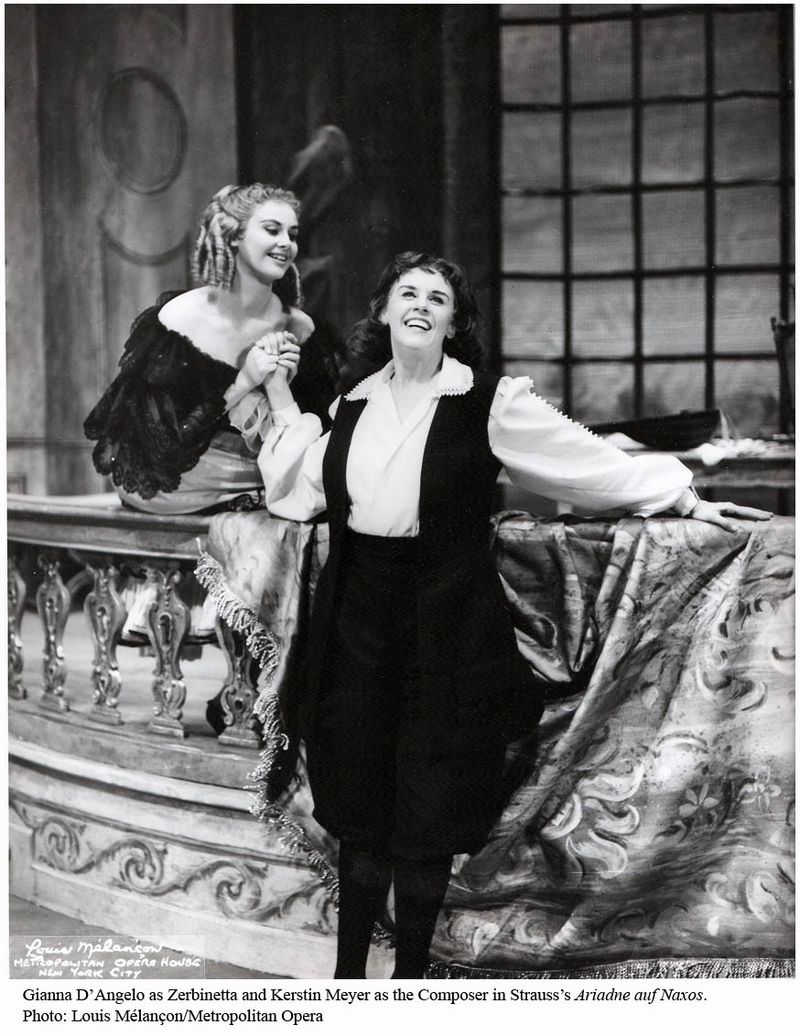
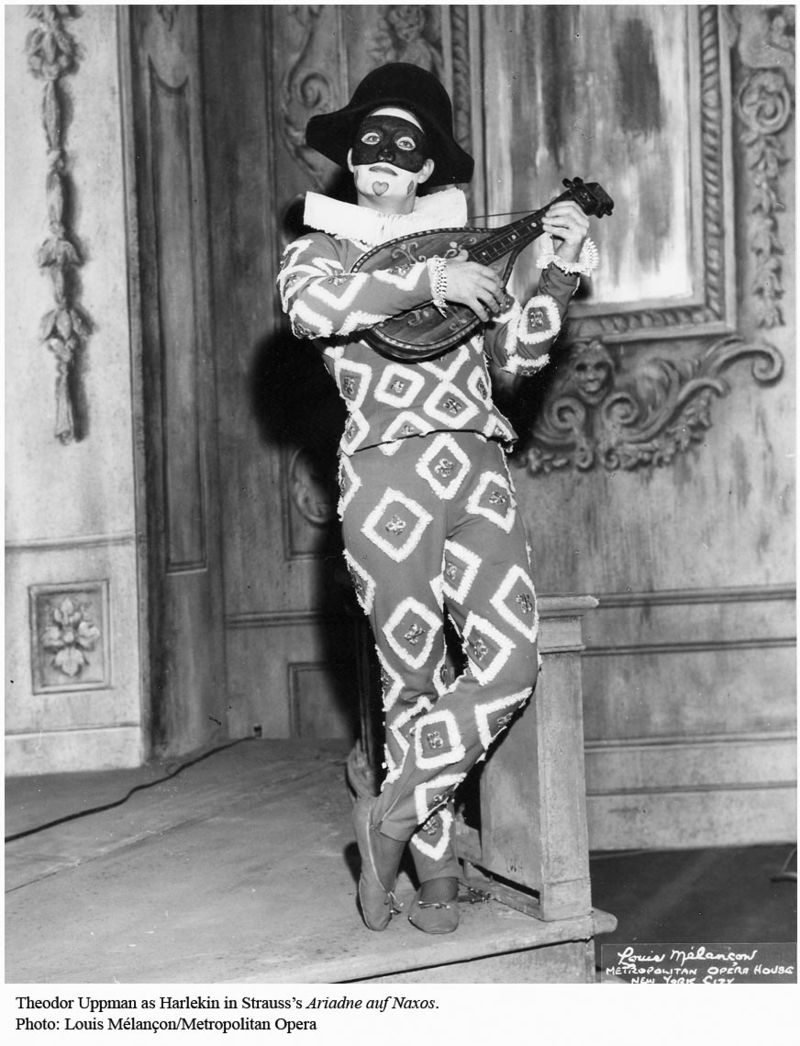
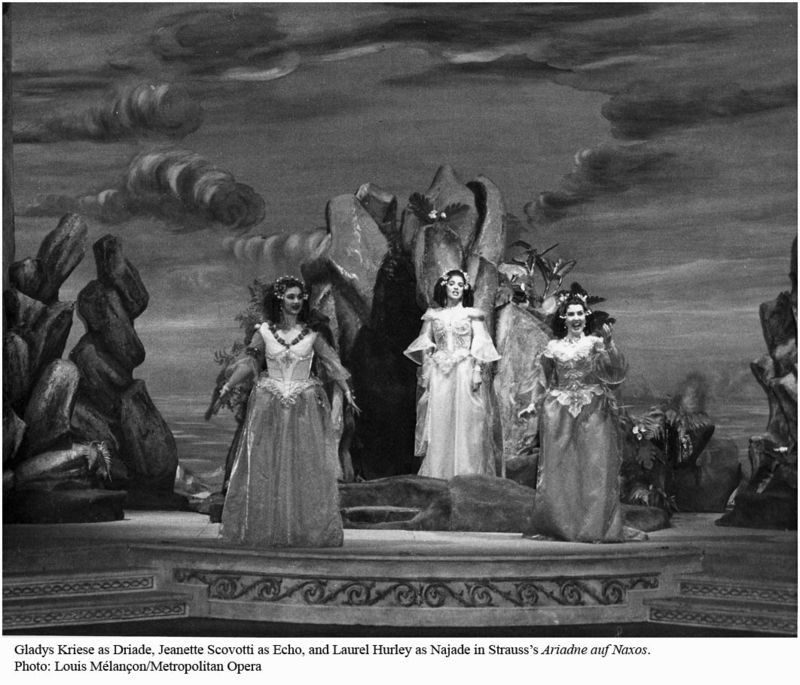
    But, back to 1962: The Met’s house photographer at the time, Louis Melançon, routinely photographed each Met production as well as taking ‘portraits’ of the principal artists in costume. His photos graced Opera News for years, and I have several that were sent to me – autographed – by individual singers. Here are some of Mr. Melançon’s pictures from the Met’s premiere of ARIADNE AUF NAXOS:

    Ariadne6263.04

    Ariadne6263.24

    Ariadne6263.10

    Ariadne6263.22

    On February 2nd, 1963, Wagner’s FLIEGENDE HOLLANDER was scheduled for a Texaco/Metropolitan Opera matinee radio broadcast. Of course I was tuned in: this was my second season of Met radio broadcasts and I was thoroughly primed for my first experience of hearing HOLLANDER, with Opera News opened to the cast page and the household warned against any intrusions on my listening. Thus I was shocked when the friendly voice of Milton Cross delivered the alarming news: the opera was being changed!

    It seemed that tenor Sandor Konya, scheduled to sing Erik in HOLLANDER, was ill and so were his cover and other tenors who were in town who knew the role. It was decided to put on ARIANDE instead, since Leonie Rysanek – scheduled for Senta in the Wagner – was ready and raring to go. (ARIADNE had been scheduled for broadcast later in the season, with Lisa Della Casa the announced Ariadne; the change of opera on February 2nd thus deprived Della Casa of her chance to broadcast the role). The cast for the ‘substitution’ broadcast was the same as for the Met premiere, with the exception of Roberta Peters, replacing Gianna D’Angelo as Zerbinetta.

    Without any preparation for this ‘new’ opera, I listened and – to an extent – enjoyed ARIADNE though to be honest I was not a huge Strauss fan at that point in my operatic career. It wasn’t until 1970 that I actually saw the Met’s ARIADNE: from a front-row orchestra seat directly behind Karl Bohm’s left shoulder, I was transported by a splendid cast led by Leonie Rysanek, Reri Grist, Evelyn Lear, and James King. My love affair with ARIADNE became even more earnest a few seasons later with the New York City Opera’s beloved English/German production starring Carol Neblett/Johanna Meier, Patricia Wise, Maralin Niska, and John Alexander. But that’s a whole other story.

  • ANDREA CHENIER @ The Met

    Andre-chenier

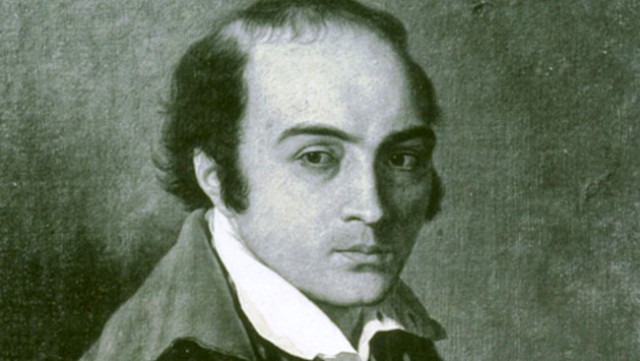
    Above: the poet André Chénier

    Monday March 24th, 2014 – Seeing the vast numbers of empty seats at The Met’s season premiere of ANDREA CHENIER tonight was disheartening. In my view, The Met has been in saturation mode since Gelb took over; there is just too much Met opera available in movie theaters and via Sirius, costing little or nothing to experience.

    Add to this the incredible operatic treasures to be found on YouTube these days – hundreds of complete operas from all over the globe and thousands of samples of great singers from all eras since the dawn of recording – to say nothing of CDs and DVDs, and it’s no wonder people are content to avoid paying Met prices and making an effort to get to the opera house.

    But of course getting your opera via a cinema or the Internet or other reproduction removes the key element of what makes live opera so thrilling: the sound of unamplified voices being projected into the vast, darkened space of the opera house. Once you compromise that, opera’s magic is diluted. Yes, it’s lovely for people who live in East Nowhere to be able to go to an HD performance, but it’s nothing like being in the opera house. 

    And the once-sacred twenty Saturday matinee radio broadcasts per season have been expanded to three or four times that many performances available thru Sirius all week, every season, many of them available free via live-stream. The old Texaco broadcasts – back in the heyday of Sutherland, Nilsson, Corelli and Tucker – would make people want to go to The Met; those broadcasts hooked thousands of people on opera for life. By their very rarity they were an enticement. Now, with so many broadcasts,  often featuring less-than-fabulous singing, the lure to actually go to The Met is less powerful.

    But, to the matter at hand: tonight’s CHENIER featured basically lyric voices – those of Patricia Racette and Marcelo Alvarez – in the main roles. Thus one would need a very considerate conductor to assure a successful performance; Gianandrea Noseda seemed to heedlessly swamp the two singers at the climaxes, forcing them to force. Mr. Alvarez emerged from this more successfully than his soprano colleague.

    In fact it was because of Ms. Racette that I nearly wrote off seeing CHENIER this season. She used to be one of my favorite sopranos: her Emmeline, Ellen Orford, Mimi and Violetta were all spectacular, and I liked her first foray into heavier territory – Elisabetta in DON CARLO – very much. Then she just seemed to go off, singing everything everywhere. The voice took on a wobbly quality, the vibrato becoming over-prominent and flatness creeping in. But when I heard her in a concert performance of Dallapiccola’s IL PRIGIONIERO in June 2013, I was quite taken with her way of handling verismo-style parlando so I thought she might be good in much of Maddalena’s music. And she was, up to a point.

    Racette’s first act tonight was lovely, she sounded youthful and vibrant. But then as the role progresses, spinto power is needed and when Racette turns to pressuring her voice, things go sour. Her ‘Eravate Possente!’ in Act II was finely rendered, and Mr. Alvarez replied with a honeyed ‘Ora soave’; but as the duet surged to its climax, Racette sounded strident above F and the duet’s final note was painful. Striving for vocal drama in Act III, Racette tried to beef up her chest voice. In the opening narrative of ‘La mamma morta’ she was really pushing things; as the line went higher, she sounded stressed and the climactic high-note was pretty painful. In the opera’s great concluding duet, both Racette and Alvarez were tested by the orchestra’s enthusiastic volume (where is Joseph Colaneri when we need him?). Racette’s tone was spreading as she pushed on, ending the opera on a desperate, flattish top B. Why she wanted to sing this role at this point in her career is a puzzlement; she simply put more wear and tear on an already weary voice.

    No one expected ringing top notes a la Corelli or Tucker from Mr. Alvarez, but the Argentine tenor would surely have had a better time of it with a more simpatico conductor. Alvarez’s voice is clear and warm, and he introduced many poetic effects into the music, magically at ‘O giovinetta bella’ in the Improviso,  at ‘Tu sarai poeta’ and ‘Io non ho amato ancor’ and throughout the ‘Ora soave’ duet in Act II. His farewell to life, ‘Come un bel di di maggio’ in the final scene, was the tenor’s finest work of the evening. Overall, it was a thoughtful, passionate traversal of the role, un-aided by his conductor.

    Zeljko Lucic as Gerard had nothing to fear from the waves of sound rising from the pit: the louder the orchestra played, the louder Lucic sang. It’s such a big, bold, authentic sound and I always want to love him, but enjoyment of his singing is compromised by his tendency to go flat. Thus it was an uneven and often maddening experience to hear him in this role that basically suits him very well. After some pitch straying in ‘Nemico della patria’, Lucic rose to a marvelous climax to the aria, and his narrative which follows where he tells Maddalena of his secret passion for her was superb. He won the evening’s loudest cheers at curtain call. If only…

    Of the many smaller roles in this opera, Margaret Lattimore stood out for her strong and melodious vocalism as the Countess de Coigny: expressive singing and a juicy chest voice. Tony Stevenson really sang L’Incredibile, and John Moore (Fleville), Dennis Petersen (Abbe), Jennifer Johnson Cano (Bersi), Robert Pomakov (Mathieu) and Dwayne Croft (Roucher) all fared well. Veterans James Courtney and Jeffrey Wells presided at the Tribunal wth chilling effect. In her Met debut, Olesya Petrova opened her Act III scene – so touching – with a sustained and beautifully tapered final note of the line ‘Son la vecchia Madelon’ and later she took a very fine soft top-G, as marked dolce in the score, at ‘Puo combattere e morire’. She deserved a round of applause – and bravas – but didn’t get it.

    CHENIER is a short opera, dragged long by two extended intermissions that drained the life out of it. In an odd moment, the applause after Act III had totally stopped and people were heading out when the bow lights came on and the singers trooped out for obligatory bows. It was just a little embarrassing. 

    Metropolitan Opera House
    March 24, 2014

    ANDREA CHÉNIER
    Umberto Giordano

    Andrea Chénier..........Marcelo Álvarez
    Maddalena...............Patricia Racette
    Carlo Gérard............Zeljko Lucic
    Bersi...................Jennifer Johnson Cano
    Countess di Coigny......Margaret Lattimore
    Abbé....................Dennis Petersen
    Fléville................John Moore
    L'Incredibile...........Tony Stevenson
    Roucher.................Dwayne Croft
    Mathieu.................Robert Pomakov
    Madelon.................Olesya Petrova [Debut]
    Dumas...................James Courtney
    Fouquier Tinville.......Jeffrey Wells
    Schmidt.................David Crawford
    Major-domo..............Kyle Pfortmiller

    Conductor...............Gianandrea Noseda

    375px-Plaque_André_Chénier,_Cimetière_de_Picpus,_Paris_12

    Above: a plaque at the Cimetière de Picpus honors the poet André Chénier

  • BUTTERFLY @ The Met: First of Three

    Butterfly0607.12

    Above: dancer Hsin-Ping Chang in the Met’s production of MADAMA BUTTERFLY; photo by Ken Howard

    Monday January 20th, 2014 – Three sopranos are slated to sing Butterfly at The Met this season and I’ll be in the House for one performance by each; although I like the current BUTTERFLY production very much, as a matter of practicality I’ll be at a score desk for all three performances.

    Pierre Vallet, an assistant conductor at The Met, took over the baton tonight as the scheduled Philippe Auguin seems still to be indisposed. Vallet has worked at The Met for several seasons; tonight was only his second appearance on the podium (in 2011 he led a FAUST during which mezzo-soprano Wendy White suffered a serious onstage injury). He got BUTTERFLY off to a brisk start tonight with a nimble prelude, and although there were some moments when pit and singers were not precisely coordinated, overall he shaped a very appealing performance.

    Vocal honors tonight went to Bryan Hymel, the tenor who was a Met Auditions winner in 2000 and who returned to the House in triumph last season, replacing Marcelo Giordani in the arduous role of Aeneas in Berlioz LES TROYENS. Considering the difficulty, complexity and duration of many of the roles in Bryan’s current repertory, Pinkerton must seem like something of a ‘vacation role’ (that’s how Birgit Nilsson referred to Turandot). He sang with clear lyric thrust, with easy and sustained top notes zooming out into the House. The voice is fragrant and passionate; I had looked forward very much to hearing him in the aria and trio of the opera’s final act but in the event I didn’t end up staying that long.   

    Tonight’s Butterfly, the South African soprano Amanda Echalaz, revealed a vibrant and somewhat metallic timbre; her voice – which I would describe as ‘big lyric’ – projects well, but tonight much of the time she tended to sing sharp. This offset any pleasure I might have derived from her singing. By the end of the first act I’d decided that I’d heard enough, and I headed home after the love duet. The soprano’s bio indicates that BALLO and SALOME are in her rep; I’m wondering if she’ll wear herself out prematurely.

    Tony Stevenson was an outstanding Goro: clear and musical in his presentation, he sang the role more as a lyric than a ‘character’ tenor. The pleasing singing of Elizabeth DeShong as Suzuki was another possible reason to stay beyond the first intermission but there was no guarantee that Ms. Echalaz would overcome her sharpness, and the rest of the opera is a long haul if the Cio-Cio-San is off the mark. Scott Hendricks’  Sharpless was reasonable enough and Ryan Speedo Green was a strong Bonze.

    All the elements were here for a good BUTTERFLY except the essential one: a vocally inspiring heroine. In the coming weeks Kristine Opolais and Hui He will be taking on Butterfly at The Met and hopefully one or both of them will sustain my interest to the end of the opera. 

    Metropolitan Opera House
    January 20, 2014

    MADAMA BUTTERFLY
    Giacomo Puccini

    Cio-Cio-San.............Amanda Echalaz
    Pinkerton...............Bryan Hymel
    Suzuki..................Elizabeth DeShong
    Sharpless...............Scott Hendricks
    Goro....................Tony Stevenson
    Bonze...................Ryan Speedo Green
    Yamadori................Alexey Lavrov
    Kate Pinkerton..........Maya Lahyani
    Commissioner............Paul Corona
    Yakuside................Craig Montgomery
    Mother..................Belinda Oswald
    Aunt....................Jean Braham
    Cousin..................Patricia Steiner
    Registrar...............Juhwan Lee
    Dancer..................Hsin Ping Chang
    Dancer..................James Graber

    Conductor...............Pierre Vallet

  • In The Beginning

    Guarrera mural

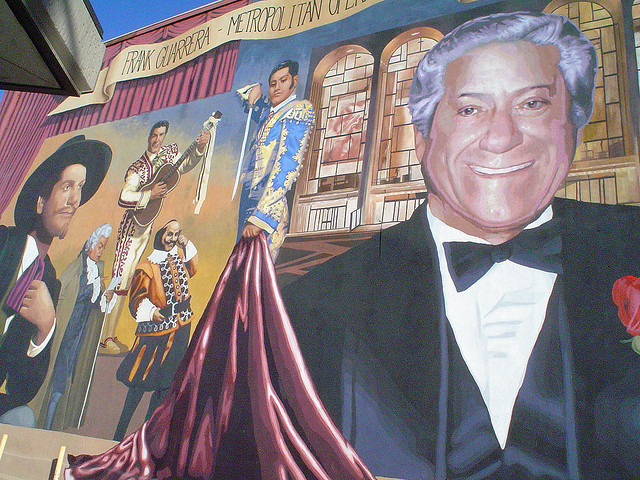
    Above: a huge mural in Philadelphia honors that city’s native son, baritone Frank Guarrera, who sang Rigoletto in the first opera performance I ever attended.

    People have often asked me about my earliest operatic experiences and how I became engrossed in this ‘exotic and irrational’ art form. Although it all began for me in 1959 when I chanced to see Renata Tebaldi performing excerpts from MADAMA BUTTERFLY on The Bell Telephone Hour, it was actually attending a performance in the theater three years later that got me hooked. And to this day nothing – not recordings, radio broadcasts, televised performances, HD theatercasts – can compare with being in an opera house and experiencing opera in its natural habitat.

    I was a very unhappy boy, growing up in that small town and feeling totally out-of-sync with the people who lived there, and especially alienated from my peers. I had been stricken with rheumatic fever at age five, and was in a hospital bed (at home) for several weeks; I actually had to learn to walk again, and I sometimes think this had a profound effect on my development. On re-entering school, I was thououghly lacking in self-confidence, lonely and reclusive; and by the time I was ten I began to realize just how different I was from the other boys my age. 

    Watching that Tebaldi telecast was such a revelation. From the brief narration I had only the vaguest grasp of what BUTTERFLY was about; but the effect of this large, handsome woman wearing a kimono and singing in a foreign language bowled me over. I knew instinctively that life changed for me during that half-hour. But once smitten, where could I turn?

    My poor parents, how difficult it must have been for them having this weird child on their hands! My brother was a handful in his own way, though a typical late-1950s teenger: a James Dean-type who smoked, carried a switchblade, and sometimes brushed up against the local sheriff. My sister was popular, very involved in school activities, an all-American girl. But there was no instruction manual – especially in that neck of the woods – for raising an eccentric, introverted, feminine boy like me.

    Going with the flow as best they could, my parents gave me a two-LP album of Verdi and Puccini arias sung by great RCA recording artists like Milanov, Albanese, Peerce, Bjoerling, Merrill, Warren and Tozzi. I wore it out in no time. Then I discovered the Texaco Metropolitan Opera Saturday radio broadcasts (Sutherland’s 1961 LUCIA was my first) and things moved to another level. No one was allowed to disturb me during those afternoons, and I had a big old reel-to-reel deck and used a microphone to tape the operas off the air. I played the tapes over and over: that’s how I learned the repertory. I subscribed to OPERA NEWS and sent fan mail to singers I heard on the airwaves. I still have the letters and signed photos they sent me.

    So it only remained to actually attend an opera performance. Every summer at the end of June, my father would close the drug store he owned for two weeks and take us on a car trip. We went to Maine, Boston, Washington DC, Niagara Falls. My mother hated those trips: she loved sleeping in her own bed and usually found fault with the motels where we stayed. But it was my dad’s annual opportunity to get away from it all, and so – being a good wife – she obliged.

    I had found out about the Cincinnati Summer Opera festival, held at the local zoo. As my father was casting about for a place to go in July 1962, I put forth the idea of attending an opera. He thought the venue might be interesting, and that we could combine the trip with an excursion to the horse farms of Kentucky. Opera tickets were ordered by mail, and at last we were off: on July 7th, 1962, in a production of painted flats and very traditional costumes and staging, RIGOLETTO unfolded before me.

    The names and voices of the announced principals were familiar to me from hearing them on the Met broadcasts: Laurel Hurley, Barry Morell, and Frank Guarrera. A news item in the local paper had momentarily burst my bubble: Ms. Hurley was ill and would be replaced as Gilda by Nadja Witkowska. But by the time the conductor, Carlo Moresco, struck up the prelude, nothing else mattered: I was at the opera!

    I remember that Ms. Witkowska produced exciting high notes, that Mr. Morell’s voice was clear and warm, with a trace of a sob here and there; and that Mr. Guarrera sang strongly and really moved me with his “Pieta, signori!” sung prone on the stage, his face an inch or two off the floor. Irwin Densen, a basso who had a very long career and who I would see many times in years to come, was Sparafucile. And a devilish-looking tenor in a black beard and wearing black tights and tunic gave me – sub-consciously – a sexual frisson when he apeared as Borsa. That was Andrea Velis, a prominent Met comprimario. Another Met stalwart, Gene Boucher, was Count Ceprano.

    B morell

    Barry Morell (above) sang the Duke of Mantua

    After the performance I went backstage to meet the singers; oddly, I did not ask for autographs. I’ll never forget when Frank Guarrera came out to greet the fans: he had received a negative review for his prima performance, two nights earlier, from a woman named Eleanor Bell writing for the local newspaper. The crowd burst into applause and bravos when he emerged from the dressing room and as he began to sign autographs, he shouted triumphantly: “To hell with Eleanor Bell!”

    I think my parents actually had a good time: they took me back to the Zoo Opera for the next two summer vacations. We saw Licia Albanese singing her 100th Violetta (with Morell and Guarrera) and we saw Adriana Maliponte as Massenet’s Manon (with Morell and Guarrera) along with a TROVATORE starring Martina Arroyo and Irene Dalis. And my parents also took me to the Old Met, where I saw the Eugene Berman DON GIOVANNI – the first of eight performances I saw at the Old House – just days after John F. Kennedy had been assassinated.

    Finally, in late summer 1966, I was allowed to make my first solo trip to New York City to be on the first ticket line for the New Met. After that, there was no stopping me.