Tag: Miro Magloire

  • Miro Magloire’s NOCTURNE

    IMG_3202-sm

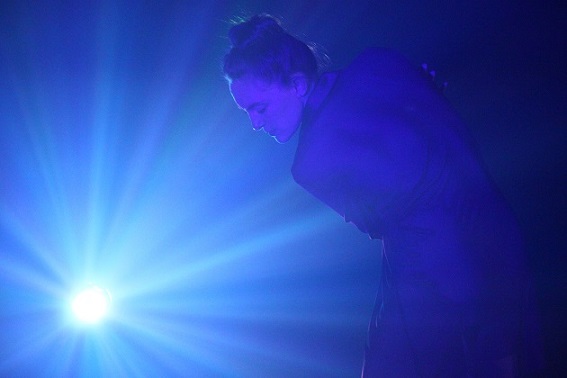
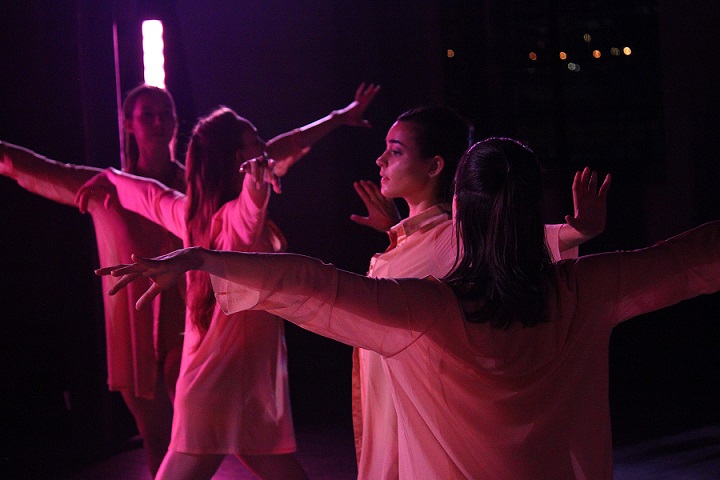
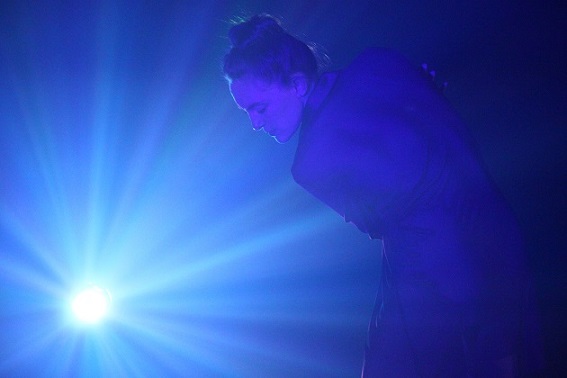
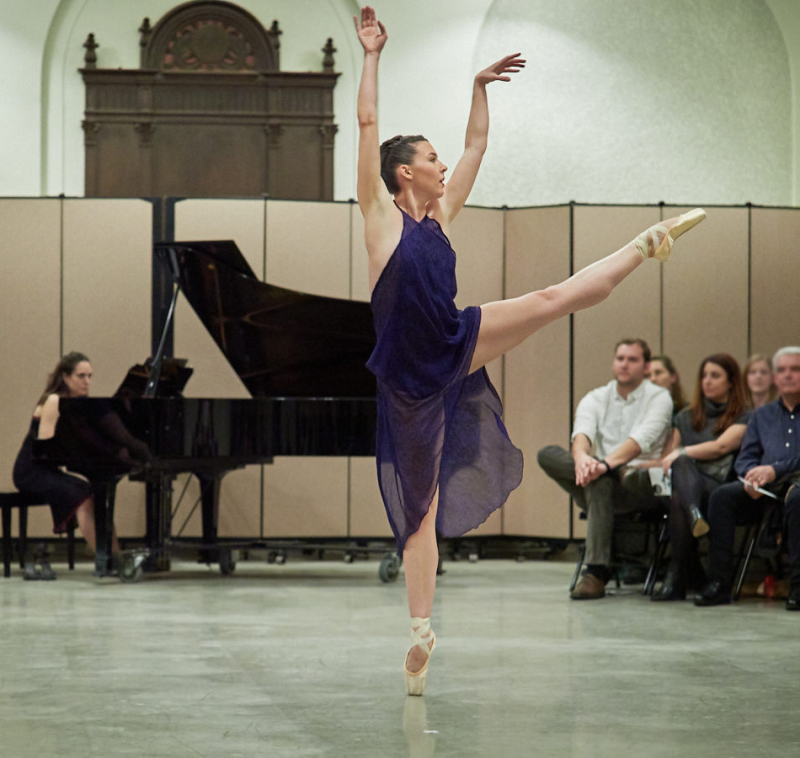
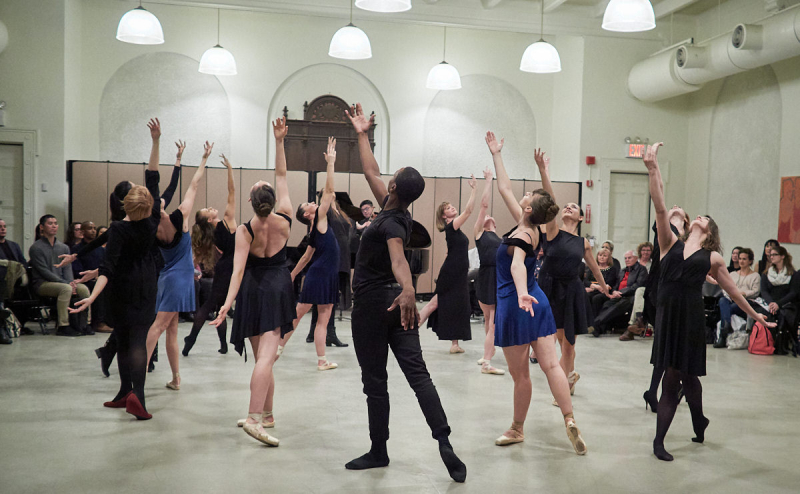
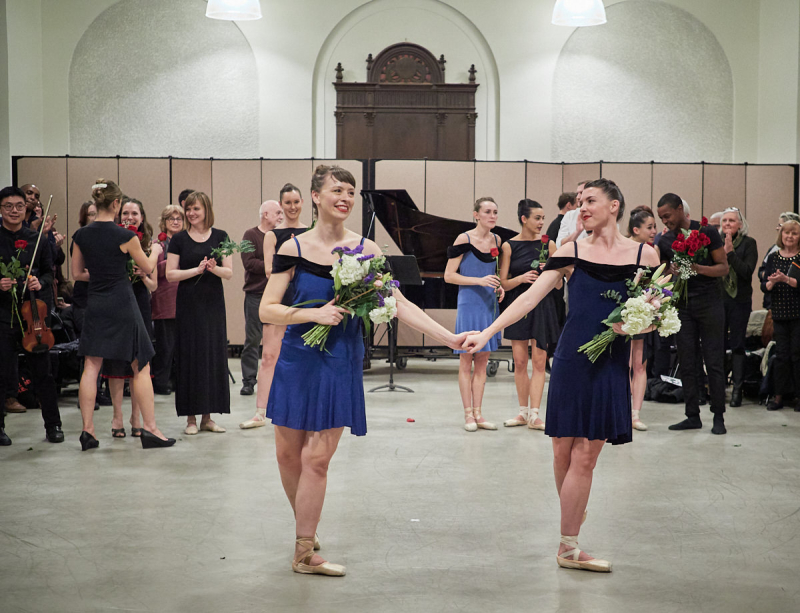
    Miro Magloire’s New Chamber Ballet have released NOCTURNE, a filmed ballet choreographed by Miro to the first and second movements of Johannes Brahms’ violin sonata No 1, opus 78. The dancers are Anabel Alpert, Megan Foley, Amber Neff, and Rachele Perla, and the score is performed by Doori Na (violin) and Sean Kennard (piano). Costumes are by Sarah Thea, assisted by Lauren Carmen. NOCTURNE was shot at Please Space, Brooklyn.

    The film was directed by Emily Kikta and shot by Peter Walker; Emily and Peter, members of New York City Ballet, have together formed KW Creative. As dancers, they have a unique gift for capturing dance on film. After watching the ballet, be sure to watch the interview with Emily and Peter further down the link:

    Watch NOCTURNE here.

    Anyone who has ever attended a New Chamber Ballet performance knows that Miro always takes you as close to dance as you can possibly get; but with NOCTURNE, KW Creative will make you feel like you are dancing yourself. The brilliant camera work brings you right into the action, much as the film ‘Backstage at the Kirov’ makes you feel like a fifth cygnet. And, as music and dance are equally essential to New Chamber Ballet‘s artistic credo, I can enthusiastically heap praise on the excellent rendering of the Brahms score by Doori Na and Sean Kennard.

    IMG_4358-sm

    The eerily atmospheric setting of Please Space after dark lends an air of mystery to NOCTURNE. The ballet evokes a feeling of urban Wilis carrying on with their nightly rituals. And, as with GISELLE, the coming dawn signals the end of their mystic rites. Amber Neff (above), who had opened NOCTURNE emerging hesitantly to dance in the sacred space, returns to her safe haven. The ballet has a timeless feeling; one could imagine these sylphs gathering to dance each night at moonrise for ages to come.

    Still photos by Miro.

  • Miro Magloire’s NOCTURNE

    IMG_3202-sm

    Miro Magloire’s New Chamber Ballet have released NOCTURNE, a filmed ballet choreographed by Miro to the first and second movements of Johannes Brahms’ violin sonata No 1, opus 78. The dancers are Anabel Alpert, Megan Foley, Amber Neff, and Rachele Perla, and the score is performed by Doori Na (violin) and Sean Kennard (piano). Costumes are by Sarah Thea, assisted by Lauren Carmen. NOCTURNE was shot at Please Space, Brooklyn.

    The film was directed by Emily Kikta and shot by Peter Walker; Emily and Peter, members of New York City Ballet, have together formed KW Creative. As dancers, they have a unique gift for capturing dance on film. After watching the ballet, be sure to watch the interview with Emily and Peter further down the link:

    Watch NOCTURNE here.

    Anyone who has ever attended a New Chamber Ballet performance knows that Miro always takes you as close to dance as you can possibly get; but with NOCTURNE, KW Creative will make you feel like you are dancing yourself. The brilliant camera work brings you right into the action, much as the film ‘Backstage at the Kirov’ makes you feel like a fifth cygnet. And, as music and dance are equally essential to New Chamber Ballet‘s artistic credo, I can enthusiastically heap praise on the excellent rendering of the Brahms score by Doori Na and Sean Kennard.

    IMG_4358-sm

    The eerily atmospheric setting of Please Space after dark lends an air of mystery to NOCTURNE. The ballet evokes a feeling of urban Wilis carrying on with their nightly rituals. And, as with GISELLE, the coming dawn signals the end of their mystic rites. Amber Neff (above), who had opened NOCTURNE emerging hesitantly to dance in the sacred space, returns to her safe haven. The ballet has a timeless feeling; one could imagine these sylphs gathering to dance each night at moonrise for ages to come.

    Still photos by Miro.

  • Doori Na: Rhapsody

    Snapshot doori

    Doori Na plays Jessie Montgomery’s Rhapsody #1 in an at-home performance during the pandemic. Watch and listen here.

    Doori is the resident violinist of Miro Magloire’s New Chamber Ballet. During this period of isolation, Doori has been producing a series of Laid Bach Concerts: watch them here.

    Read about composer Jessie Montgomery here.

  • NCB Farewells ~ Gallery

    004_SM_2019_11_23_NCB_15TH-ed

    Above: pianist Melody Fader and dancers Elizabeth Brown and Sarah Atkins in Miro Magloire’s Klavierstück

    Photographer Arnaud Falchier provides these images from the Saturday November 23rd, 2019, performance at Miro Magloire’s New Chamber Ballet. The evening marked the farewell performances of two longtime Company dancers: Elizabeth Brown and Sarah Atkins. Read about the performance here.

    022_SM_2019_11_23_NCB_15TH-

    Sarah Atkins in the solo For Another Day, created for her by Miro

    030_SM_2019_11_23_NCB_15TH-ed

    Sarah Atkins in For Another Day

    083_SM_2019_11_23_NCB_15TH-

    Miro’s gift to founding Company dancer Elizabeth Brown: the solo Morning Song

    092_SM_2019_11_23_NCB_15TH-

    Elizabeth Brown in her solo Morning Song

    102_SM_2019_11_23_NCB_15TH-

    Former members gather to celebrate the community that is New Chamber Ballet in As One

    111_SM_2019_11_23_NCB_15TH-

    Alumni and current NCB dancers in As One

    118_SM_2019_11_23_NCB_15TH-

    Elizabeth Brown and Sarah Atkins taking their final New Chamber Ballet bows

    All photos by Arnaud Falchier

    ~ Oberon

  • Miro On A Monday

    Tom Schaefer photo

    Above: dancers from New Chamber Ballet and singers from Ekmeles in Miro Magloire’s SANCTUM; photo by Tom Schaefer

    Author: Oberon

    Monday February 18th, 2019 – Miro Magloire’s New Chamber Ballet normally give their performances on weekends, so I was surprised to be invited to see them on a Monday evening. Mondays are often quiet nights for me: neither the Philharmonic nor Chamber Music Society have Monday performances; nor – for that matter – does New York City Ballet. So it was nice to trek down to the City Center Studios on this clear, chilly evening to see Miro’s company, and to hear some incredible music, beautifully played…and sung. I must also say: the 7:30 PM start time was a big plus in my book.

    The program opened with MORNING SONG, a solo dancework to music by John Cage that Miro made on his uniquely marvelous dancer, Elizabeth Brown. Doori Na, a violinist who can master the trickiest score and make it mean something, played Cage’s ‘Cheap Imitation‘ (1st movement) to perfection whilst the dancer moved about the space with lyrical authority: a priestess evoking the dawn.

    With ecstatic gestures that recall the ground-breaking dances of Isadora Duncan, Elizabeth held the audience under a spell throughout the work’s duration. A very long pause, wherein she remains still, has a power if its own. Elizabeth’s slow circling of the space in calm, weighted/weightless stepping turns, was hypnotic. As dancer and violinist bowed to one another at the close of MORNING SONG, the return to reality was like awakening from a wonderful dream. All that is beautiful in music and dance seems to be distilled into this incredible work.

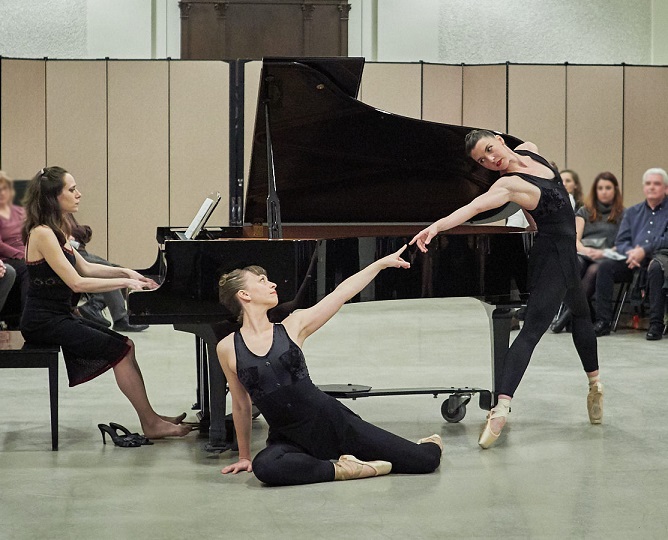
    After only the briefest pause, New Chamber Ballet’s bevy of ballerinas – Sarah Atkins, Kristy Butler, Amber Neff, Rachele Perla, and Madeleine Williams – joined three singers from the Ekmeles vocal ensemble – Charlotte Mundy, Mary Elizabeth Mackenzie, and Elisa Sutherland – and pianist Melody Fader and violinist Doori Na, for the premiere of Miro’s SANCTUM.  Vocal music by Kaja Saariaho (Changing Lights and From The Grammar Of Dreams) and Karin Rehnqvist (Davids Nimm) invites the singers to be part of the dance. Melody and Doori perform – luminously – Saariaho’s Nocturne, Calices, Prelude, Tocar, and Ballade, as well as Rehnqvist’s Dans.

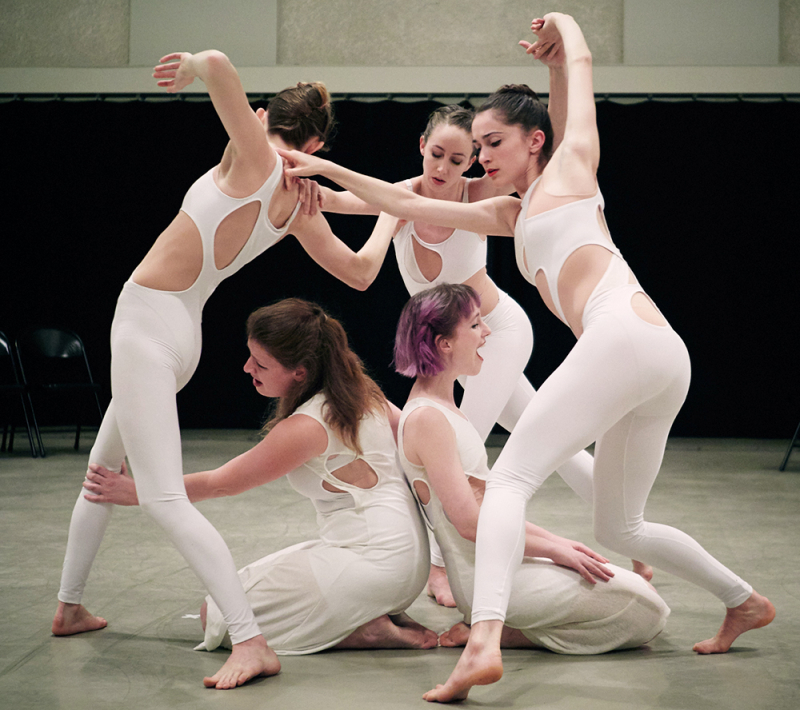
    SANCTUM has been in-progress for some time, in various guises, and I have seen parts of it in rehearsal or in performance over the past several months. Tonight, with the dancers and singers in Sarah Thea’s bone-white costumes, Miro wove all the elements into a 70-minute ballet.

    SANCTUM opens with seated couples (dancers and singers) dreamily dependent on each other, rocking gently. The strikingly clear voice of Charlotte Mundy fills the space: this high, iridescent sound might be the voice we’ve been looking for for Berg’s Lulu. The dancing commences with a duet for two tall women: Kristy Butler and Madeleine Williams. Amber Neff and Rachele Perla, having donned toe shoes, join.

    The music is spectacularly beautiful – Saariaho (along with Penderecki) is for me the most fascinating of contemporary composers – and Melody and Doori play it thrillingly: being seated immediately next to these two musicians, every nuance and demi-tint of the scores become tantalizing.

    The dance continues to unfold, including Madeleine Williams in a solo that creates a stylistic link to the earlier-seen MORNING SONG. Amber Neff and Ms. Williams dance a duet in Miro’s trademark intense/entangled partnering mode; the music here features vertiginous piano scales which Ms. Fader played with intrinsic flair. Sarah Atkins, Rachele Perla, and Kristy Butler engage in a prancing trio, and Sarah also has a demanding, floor-oriented solo. The singers return, each pairing up with a dancer in a stop-and-start circular promenade. The ending of the ballet is not as powerful as one might hope: the women simply walk away, perhaps to carry on their antique rites in another part of the forest.

    Meanwhile, the two musicians have found a path into our subconscious with this other-worldly music. Over the course of the ballet, their playing has created a separate, almost alien, world. And at some point along the way, I realized that this particular work of Miro’s is not best-experienced in a fully-lit, in-the-round studio setting.

    As we observe the grace and power of the dancing, we must also face our mere-mortal counterparts seated across from us: fidgeting, reading their programs, even nodding off. The music continuously draws us away from the everyday to a mythic place of feminine mystique and magic; but the ordinariness of the studio setting keeps jarringly pulling us back to reality.

    I feel that, in a darkened theater with imaginative lighting, SANCTUM could be as compelling visually as it is musically.

    ~ Oberon

  • Miro’s New Wolfgang Rihm Ballet

    Mirophotoarnaudfalchier

    Above photo by Arnaud Falchier

    ~ Author: Oberon

    Saturday September 22nd, 2018 – A new ballet choreographed by Miro Magloire to music by Wolfgang Rihm was presented as part of New Chamber Ballet‘s 2018-2019 season opener tonight at City Center Studios. Also on the program were three works from the NCB repertory: AMITY (from 2017, to music of Mozart), MEMORIES (JS Bach), and THE LETTER (a narrative work, set to Haydn).

    Just before heading out to Miro’s, I received some bad news on the family front. I thought briefly of just staying home, but then: what could I do at home but brood helplessly? Better to be where there is music and dancing.

    The music of Bach is ever an antidote to daily cares. Pianist Melody Fader’s playing of the selections from The Well-Tempered Klavier that form the score of Miro’s ballet MEMORIES had both spirit and grace. Four dancers – Elizabeth Brown, Kristine Butler, Amber Neff, and Madeleine Williams – appear in Sarah Thea’s sleek, colour-vision costumes.

    Thumbnail_S_2018_02_16_Magloire_043

    Above: Kristine Butler in MEMORIES, photo by Arnaud Falchier

    In the opening moments of this ballet, varying trios of women seem to shut out the fourth. A solo for Elizabeth Brown highlights this dancer’s beautiful arms and hands. Amber Neff and Kristy Butler have an animated duet that evolves into a slow, stretchy, intimate partnership. Elizabeth and Madeleine dance in sync, then Elizabeth and Amber team up.

    The tall women – Kristy and Madeleine – dance fast, followed by a vivid solo from Amber Neff. In this, Amber’s striking port de bras, and a hint that her ‘character’ might be wounded, give a narrative feeling. A floor-based trio for Amber, Kristy, and Madeleine follows, and then another solo passage from Elizabeth shows her special gift for illuminating the music. The foursome bring the ballet to an allegro finish.

    Earlier this Summer, I spent two afternoons watching and re-watching a DVD of Rihm’s opera OEDIPUS, which I found quite engrossing. Yet even with that preparation, I was totally unprepared for the effect the composer’s Über die Linie VII, as played by Doori Na, would have on me. This made for an unusual experience: the music came to increasingly dominate my mind – to the extent that the dancing seemed more like an accompanying dream.

    The ballet, entitled FEEL YOUR FALL, danced by Amber Neff, Madeleine Williams, and Rachele Perla, is rather floor-oriented, with the girls leaning upon one another in encircling embraces, their bodies and spirits enmeshed and entwined. As they rise and dance, one captivating motif stood out: a repeated gathering gesture from the dark-eyed, lovely Ms. Perla which created for me a link to Isadora’s port de bras language.

    “So enthralled by the music!” I scrawled across my notes. From tonal depths of passion to hair’s-breath pianissimi, Doori gave a truly compelling performance of this long and demanding piece. I’ve come to think of Doori as a violinist who can play anything, and this evening his remarkable playing served as confirmation. He called his preparation of the piece “a journey”, and he repays his listeners by taking us on a journey of our own. Simply extraordinary.

    I did have two thoughts on the overall effect of this ballet: I feel it could benefit from having more dancers involved – if for no other reason than that they could dance to this music, which must be a revelation. And I think darker, more dramatic costumes would be fantastic: this actually could be a proverbial ‘black’ ballet. But these are simply idle thoughts: FEEL YOUR FALL is fine just as it stands.

    It took a few minutes for me to return to Earth from this cosmic experience. As a diversion, Melody Fader played Haydn for THE LETTER, a ballet in which Elizabeth Brown and Traci Finch might be viewed as mistress and maid. It has its comic aspects, but the mystery remains to the end: we never learn the contents of the letter.

    The evening concluded with AMITY, Miro’s graceful, golden ballet set to Mozart’s violin sonata K. 296 which Doori and Melody played with distinction. Mlles. Butler, Finch, Neff, and Williams floated and flitted about the space, dancing Miro’s combinations with joyous abandon, so close we could almost reach out and touch them. AMITY was commissioned by dance-lover Edward Petrou in memory of his wife Rachel; this evening, Miro added a further dedication: to the great Arthur Mitchell, who passed away on September 19th.

    ~ Oberon

  • Miro’s New Wolfgang Rihm Ballet

    Mirophotoarnaudfalchier

    Above photo by Arnaud Falchier

    ~ Author: Oberon

    Saturday September 22nd, 2018 – A new ballet choreographed by Miro Magloire to music by Wolfgang Rihm was presented as part of New Chamber Ballet‘s 2018-2019 season opener tonight at City Center Studios. Also on the program were three works from the NCB repertory: AMITY (from 2017, to music of Mozart), MEMORIES (JS Bach), and THE LETTER (a narrative work, set to Haydn).

    Just before heading out to Miro’s, I received some bad news on the family front. I thought briefly of just staying home, but then: what could I do at home but brood helplessly? Better to be where there is music and dancing.

    The music of Bach is ever an antidote to daily cares. Pianist Melody Fader’s playing of the selections from The Well-Tempered Klavier that form the score of Miro’s ballet MEMORIES had both spirit and grace. Four dancers – Elizabeth Brown, Kristine Butler, Amber Neff, and Madeleine Williams – appear in Sarah Thea’s sleek, colour-vision costumes.

    Thumbnail_S_2018_02_16_Magloire_043

    Above: Kristine Butler in MEMORIES, photo by Arnaud Falchier

    In the opening moments of this ballet, varying trios of women seem to shut out the fourth. A solo for Elizabeth Brown highlights this dancer’s beautiful arms and hands. Amber Neff and Kristy Butler have an animated duet that evolves into a slow, stretchy, intimate partnership. Elizabeth and Madeleine dance in sync, then Elizabeth and Amber team up.

    The tall women – Kristy and Madeleine – dance fast, followed by a vivid solo from Amber Neff. In this, Amber’s striking port de bras, and a hint that her ‘character’ might be wounded, give a narrative feeling. A floor-based trio for Amber, Kristy, and Madeleine follows, and then another solo passage from Elizabeth shows her special gift for illuminating the music. The foursome bring the ballet to an allegro finish.

    Earlier this Summer, I spent two afternoons watching and re-watching a DVD of Rihm’s opera OEDIPUS, which I found quite engrossing. Yet even with that preparation, I was totally unprepared for the effect the composer’s Über die Linie VII, as played by Doori Na, would have on me. This made for an unusual experience: the music came to increasingly dominate my mind – to the extent that the dancing seemed more like an accompanying dream.

    The ballet, entitled FEEL YOUR FALL, danced by Amber Neff, Madeleine Williams, and Rachele Perla, is rather floor-oriented, with the girls leaning upon one another in encircling embraces, their bodies and spirits enmeshed and entwined. As they rise and dance, one captivating motif stood out: a repeated gathering gesture from the dark-eyed, lovely Ms. Perla which created for me a link to Isadora’s port de bras language.

    “So enthralled by the music!” I scrawled across my notes. From tonal depths of passion to hair’s-breath pianissimi, Doori gave a truly compelling performance of this long and demanding piece. I’ve come to think of Doori as a violinist who can play anything, and this evening his remarkable playing served as confirmation. He called his preparation of the piece “a journey”, and he repays his listeners by taking us on a journey of our own. Simply extraordinary.

    I did have two thoughts on the overall effect of this ballet: I feel it could benefit from having more dancers involved – if for no other reason than that they could dance to this music, which must be a revelation. And I think darker, more dramatic costumes would be fantastic: this actually could be a proverbial ‘black’ ballet. But these are simply idle thoughts: FEEL YOUR FALL is fine just as it stands.

    It took a few minutes for me to return to Earth from this cosmic experience. As a diversion, Melody Fader played Haydn for THE LETTER, a ballet in which Elizabeth Brown and Traci Finch might be viewed as mistress and maid. It has its comic aspects, but the mystery remains to the end: we never learn the contents of the letter.

    The evening concluded with AMITY, Miro’s graceful, golden ballet set to Mozart’s violin sonata K. 296 which Doori and Melody played with distinction. Mlles. Butler, Finch, Neff, and Williams floated and flitted about the space, dancing Miro’s combinations with joyous abandon, so close we could almost reach out and touch them. AMITY was commissioned by dance-lover Edward Petrou in memory of his wife Rachel; this evening, Miro added a further dedication: to the great Arthur Mitchell, who passed away on September 19th.

    ~ Oberon

  • Rehearsal: Miro Magloire’s New Saariaho Ballet

    L1910653

    Above: dancers and singers unite in Miro Magloire’s new ballet, “I AM

    ~ Author: Oberon

    Monday February 12th, 2018 – Since I am unable to attend this weekend’s New Chamber Ballet performances, the Company’s director, Miro Magloire, invited me to a studio rehearsal this morning of his newest creation: “I Am” set to music by Kaija Saariaho and Karin Rehnqvist.

    When I arrived this morning, the Saariaho portion of “I Am” was being rehearsed, with dancers Kristine Butler, Traci Finch, and Amber Neff; members of the vocal ensemble Ekmeles (Charlotte Mundy, Mary Mackenzie, and Elisa Sutherland) not only sing but participate in the choreography, and NCB’s violinist Doori Na and pianist Melody Fader were on hand to play the magical music of Ms. Saariaho.

    Here are some images from today’s rehearsal of “I Am“:

    L1910572

    Mary Mackenzie, Kristine Butler

    L1910586

    Amber Neff, Charlotte Mundy  

    L1910611

    Amber & Charlotte

    L1910645

    Elisa Sutherland, Traci Finch

    L1910649

    Elisa, Charlotte, Mary, and Kristine

    L1910655

    Traci, Amber, and Elisa

    L1910658

    Elisa and Charlotte face-off

    L1910709

    Elisa Sutherland

    L1910724

    Elisa encircled

    L1910771

    Mary & Kristine

    L1910780

    Kristine Butler

    L1910817

    Traci Finch, Amber Neff

    L1910834

    Traci & Amber

    L1910901

    Charlotte Mundy

    The second part of “I Am” is set to music by Karin Rehnqvist: “Davids Nimm“, a vocal trio based on Swedish shepherdess’s calls.

    Between the two parts of “I Am“, the Company will show a new ballet danced to selections from Johann Sebastian Bach’s Well-Tempered Clavier. This was being rehearsed today, with Melody Fader at the piano and dancers Sarah Atkins, Elizabeth Brown, Kristine Butler, and Amber Neff:

    L1910934

    L1910945

    Elizabeth Brown

    L1910949

    Sarah Atkins, Elizabeth Brown

    L1910986

    Amber Neff, Kristine Butler

    L1910993

    Amber Neff, Elizabeth Brown

    L1920001

    Kristine Butler, Sarah Atkins

    L1920017

    Kristine Butler with Elizabeth, Amber, and Sarah

    The performances will be February 16th and 17th, 2018 at the City Center Studios. For tickets, go here.

    ~ Oberon

  • New Chamber Ballet: From Bach to Beat

    21122624_10155646992488571_4600347794179842337_o

    Above: Elizabeth Brown of New Chamber Ballet

    Friday September 22nd, 2017 – Kicking off their 2017-2018 season, Miro Magloire’s New Chamber Ballet offered an evening of five ballets choreographed by Miro to music by J S Bach, W A Mozart, Luciano Berio, Beat Furrer, and the choreographer himself. Pianist Melody Fader and violinist Doori Na performed these stylistically varied scores to perfection: their playing illuminated the evening in a very special way. Miro’s five ballerinas – Sarah Atkins, Elizabeth Brown, Kristine Butler, Traci Finch, and Amber Neff – rose to every challenge the choreographer handed them, from brisk allegro combinations to extremes of partnering.

    Miro has recently altered the seating configuration for his City Center Studio presentations: the audience now sit on all four borders of the performing space, with the piano in a permanent place at the far end of the hall. This worked exceptionally well. I chose a seat right next to the musicians which proved wonderfully congenial. 

    The revival of Lace provided a stunning showcase for violinist Doori Na: his playing of Luciano Berio’s Sequenza VIII was simply spine-tinglingly sensational. To revel in the exceptional clarity of Doori’s playing – the music’s fleet edginess, intensity, and wide dynamic range all captured to perfection – made for a perfect start to the evening. The choreography creates a sense of ritual as the three ballerinas – Sarah Atkins, Elizabeth Brown, and Traci Finch – seem to personify priestesses in the service of some ancient, long-forgotten goddess. Each dancer has solo passages while the other two sit or kneel, striking poses of reverence or ecstasy. The contrast between agitation and reverence creates an engrossing atmosphere.

    Pianist Melody Fader brought a hypnotic, quiet radiance to the music of Beat Furrer for Voicelessness, a duet inspired by a poem of Sylvia Plath’s and danced by Kristine Butler and Amber Neff. Melody’s control of the music’s piano/pianissimo gradations was so atmospheric. The two dancers moved with intense assurance thru some very demanding partnering sequences; in this and other recent ballets, Miro has created a new mode of same-sex partnering.

    The revival of 104 Fahrenheit, to Magloire’s own score, made me stop to think: have I seen any other  ballets choreographed by their composer before? I can’t think of any. The ballet begins languidly, with Melody Fader again setting the mood with her refined playing. Traci Finch has the first solo passage: a danced agitato with cunning pauses. Kristine Butler’s slower solo reflects the sense of stillness in the music. Skittering motifs from the piano signal Elizabeth Brown’s space-filling solo, a vividly-danced montage of athleticism and repose in which the dancer’s hands create their own visual poetry. Throughout, Melody Fader’s inspired playing gave wing to the exceptional dancing.

    The world premiere of a new duet to music from Johann Sebastian Bach’s Well-Tempered Clavier has a simple working title for now: Bach. Commissioned by longtime friends of New Chamber Ballet, Leslie and Richard Curtis, the duet is lovely as it stands; but Miro already has plans to enlarge on it.

    Wearing Sarah Thea’s frothy pastel frocks, Amber Neff and Kristine Butler drew inspiration from Melody Fader’s spot-on playing of the Bach prelude and fugue #14 in F-sharp minor. The two dancers move from joyous bounciness thru some stretchy give-and-take partnering, and lovely, ecstatic back-bends. It’ll be interesting to see how Miro develops this piece, and whether additional dancers might be included.   

    Amity is set to Mozart’s violin sonata in C Major K.296, and what a wonderful performance of that piece we heard this evening from Melody Fader and Doori Na. Sitting so close to these music-makers, I could really feel their resonance – Doori’s lower register had a nice contralto depth – while Melody’s choice of tempos seemed perfect.

    6a00d8341c4e3853ef01b8d28b748f970c-800wi

    Above: Amity dress rehearsal image by Nir Arieli.

    Wearing Sarah Thea’s gossamer-gold costumes, dancers Sarah Atkins, Kristine Butler, Traci Finch, and Amber Neff affirmed the sense of joy in dancing to Mozart’s music with airy grace. From time to time, Miro has them fall to the floor: an unexpected move that at first seemed accidental. These little touches occur frequently throughout Miro’s choreography, and they keep things fresh.

  • …And All That Djazz @ NCB

    14199168_10154473099603571_6069759855082671756_n

    Friday September 16th, 2016A sold-out house this evening as Miro Magloire’s New Chamber Ballet presented their season-opening program. At a time when I am covering far less dance than in the past, Miro’s work – his choreography, his musical choices, and the dancers and musicians who bring the ballets to life – continues to draw me to his performances and rehearsals. Tonight’s program was one of the finest I have experienced at New Chamber Ballet: wonderfully diverse in the music presented, expertly danced by a quintet of distinctive ballerinas, and played by a violinist and pianist who seem to thrive on the stylistic range and technical challenges of the music Miro selects.

    Variety is the spice of life, and it is also – from a musical point of view – an essential element in putting together an evening of dance. Miro will sometimes provoke New Chamber Ballet‘s faithful followers with the thorniness of a score he has decided on; inevitably, his rightness of judgment wins out. These contemporary pieces are counter-balanced by more ‘accessible’ music – tonight, Tartini and Ravel – thus turning the evening into a audio roller coaster. We are along for the ride, which can be quite exhilarating, and the NCB musicians make it all so rewarding. 

    Opening the evening was a trio, Silk, which premiered in 2006. Doori Na’s playing of the Sonata VII for solo violin by Giuseppe Tartini was stunningly virtuosic. The violinist had a long evening ahead of him, playing in all four works; in the Tartini, he poised himself at a very high level of technique and artistry, and then incredibly soared upward from there. The Ravel that ended the evening was – to use a 60s phrase – mind-blowing.

    In Silk, the three dancers – Elizabeth Brown,Traci Finch, and Cassidy Hall – appear in Candice Thompson’s ice-blue, skirted leotards. They commence with slow ‘plastique’ port de bras and poses that might have been inspired by a Grecian urn. A sense of calm pervades their unison trio. There’s a silence as things are re-set for a charming, light-filled allegro.

    Striking poses in unison, the girls commence an andante which features a simply gorgeous Tartini melody, superbly intoned by Doori. Cassidy Hall has a long solo, danced beautifully, while Traci and Elizabeth stand back-to-back, swaying gently, and curling their hands in a subtly expressive motif. 

    Elizabeth and Cassidy sit in a stylized pose as Traci dances an impressive solo with lots of intricate pointe work and a sense of urgency. In a striking passage, Traci balances on both pointes as her upper body sways and angles itself off-kilter. Doori hones his tone down to a thread before it goes deep: this music is so demanding!

    Elizabeth Brown, a dancer of unique qualities, has solo passages laced into a spacious trio; as the pace of the music slows and then revs up again, Elizabeth executes lyrical turns and unusual, quirky footwork. The three girls dance in unison, with fast moves to slow music. Silk goes on to a sprightly conclusion.

    Thumbnail_IMG_0872_edited_sm

    Above: Cassidy Hall and Sarah Atkins in Upon My Wings; photo by Amber Neff

    In the first of the evening’s two premieres, Upon My Wings, Doori Na again made a vivid impression in the music of Reiko Fueting: tanz.tanz was composed for solo violin as an homage to Bach’s famous Chaconne. This ballet, originally entitled Tanz Tanz, was commissioned by the Columbia Ballet Collaborative, where it premiered in 2014.  For his own company, Miro has distilled the dancing to a duet for Sarah Atkins and Cassidy Hall.

    Skittering sounds from Doori’s violin find the two dancers balancing against one another’s bodies. They kneel and sway. The choreography features the intimate and physically taxing same-sex partnering that Miro has been exploring of late: for example, Sarah being rotated by Cassidy in an off-center balance.

    The violin stutters and buzzes, and Doori shows his mastery with some ultra-soft playing, so subtle and shining. The girls echo one another in turns as the music goes Bachian; the ballet ends in silence.

    Yellow-Rose-Red-Blue, the evening’s second premiere, marks Miro’s third collaboration with composer Michel Galante; the work is made possible by a grant from the O’Donnell-Green Music and Dance Foundation. 

    Thumbnail_IMG_0970_edited_sm

    Above: Amber Neff, Cassidy Hall, and Traci Finch in Yellow-Rose-Red-Blue; photo courtesy of New Chamber Ballet

    The ballet’s title derives from the colours of Sarah Thea’s stylish and usual costumes: mock-turtle-neck designs with long, gossamer slit-skirts. These elegant frocks add to the airy feeling of the space-filling choreography. Pianist Melody Fader joins Doori Na to play Galante’s very demanding score.

    As Amber Neff and Cassidy Hall engage in more of Miro’s intense partnering, the music is almost immediately fiendish: deep piano and growling violin. Things turn waltzy, and the girls pair off and circle the stage in a movement motif that is half-waltz and half-galop. The music continues to engage us: somehow, Doori is able to produce a deep, gritty sound as if he was drawing his bow across sandpaper. The dancers gather in a circle, raising their arms in a reverential gesture.

    Amber and Cassidy, standing back-to-back, wrap one another en attitude, and bend apart. The four dancers form a chorus line; the music grows agitated, and the girls rush off into a space-filling chase-about. Their paths cross; poses are struck while the others dance on. They re-form the celebratory circle, reaching for heaven. In an allegro rush, the dancers conjure up a galloping pace, drawing from a repeated note on Melody’s keyboard. 

    Yellow-Rose-Red-Blue: it’s complicated, both musically and choreographically. It will take further viewings to delve into its riches, and I feel certain we’ll be seeing it again soon. Tonight’s premiere certainly was provocative, and I look forward to this ballet’s future evolution. 

    Concluding the evening was Djazz. Set to Maurice Ravel’s sonata #2 for violin and piano, the ballet was commissioned by Leslie and Richard Curtis. Here designer Sarah Thea had the three dancers – Sarah Atkins, Traci Finch, and Amber Neff – in dark-coloured leotards to which long fringes have been attached. This gave the girls a “flapper” look which meshed well with Ravel’s jazz-tinted score; when doing fast turns, the fringe flared out, giving an added air of animation.

    Sarah Atkins leads off the dancing, soon joined by Traci Finch and Amber Neff; their contrasting personalities are engaging. Miro’s choreography here again calls for tricky partnering, as well as jazz-inspired swaying and sauntering. At the end of the first movement, the dancers wilt; at the end of the second, they sleep. In the finale, the dancing becomes very animated, with high-kicking extensions on display and brisk steps woven into the pulsating music.

    In the Ravel, the musical achievement of Doori Na and Melody Fader was extraordinary; I can honestly say I’ve never heard this piece played better. It’s such incredible music: rhythmically captivating, veering from assertive to misterioso, and rich in irony. Doori and Melody were rightly cheered by the full house as the evening drew to its close.

    Dancers: Sarah Atkins, Elizabeth Brown, Traci Finch, Cassidy Hall, and Amber Neff
    Musicians: Melody Fader, piano & Doori Na, violin