Author: Philip Gardner

  • Lydia Johnson Dance ~ Retrospective – Part IV

    12814347_10153470036923526_6316221232388951043_n

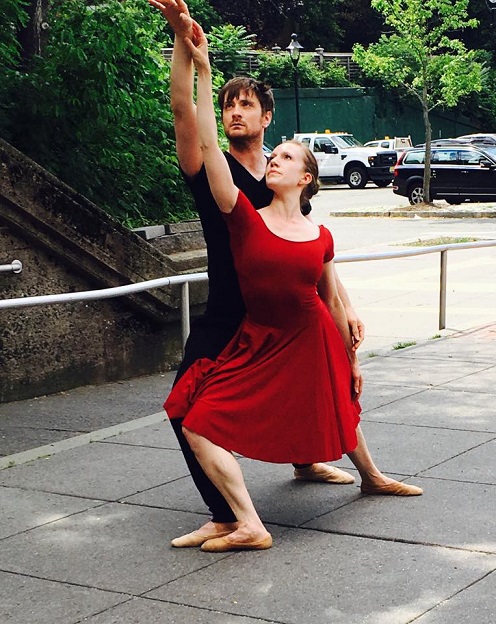
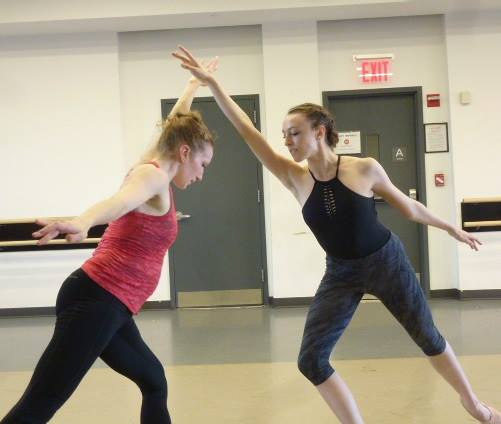
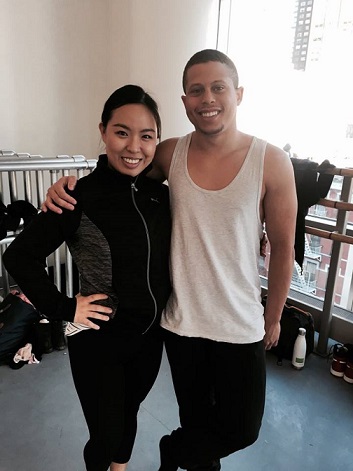
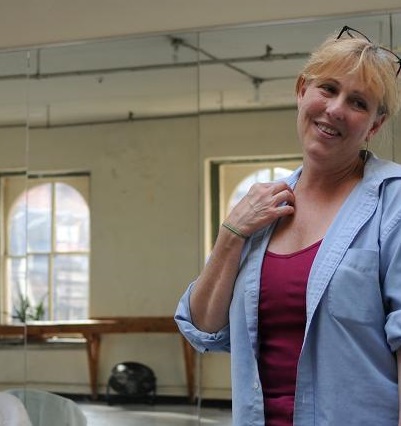
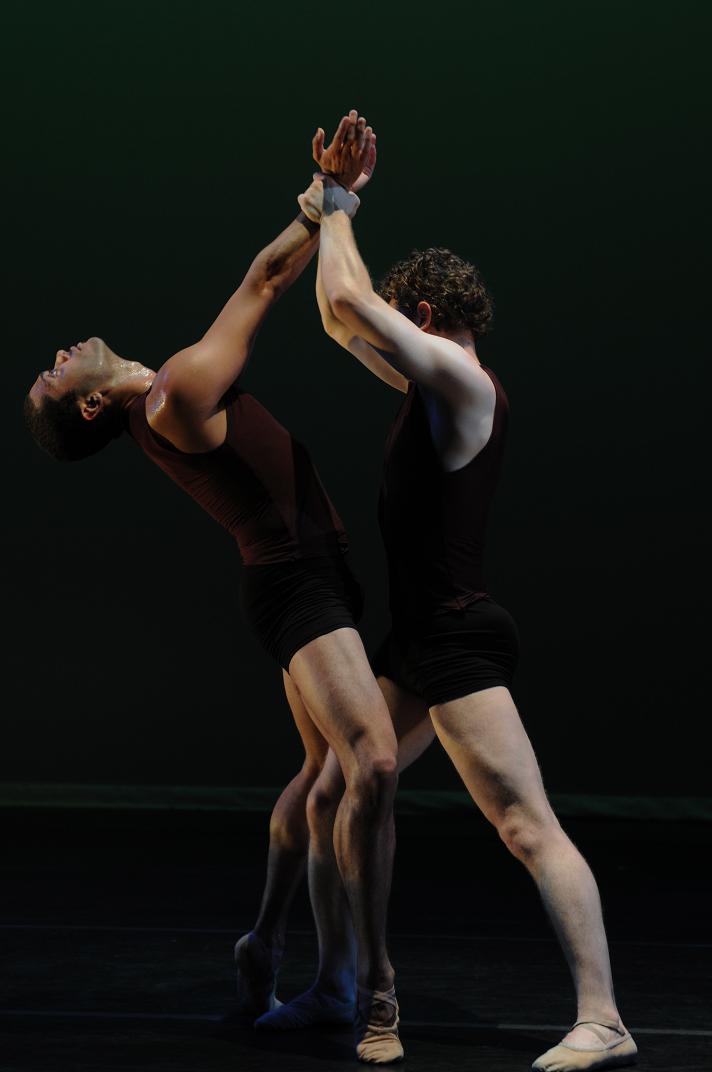
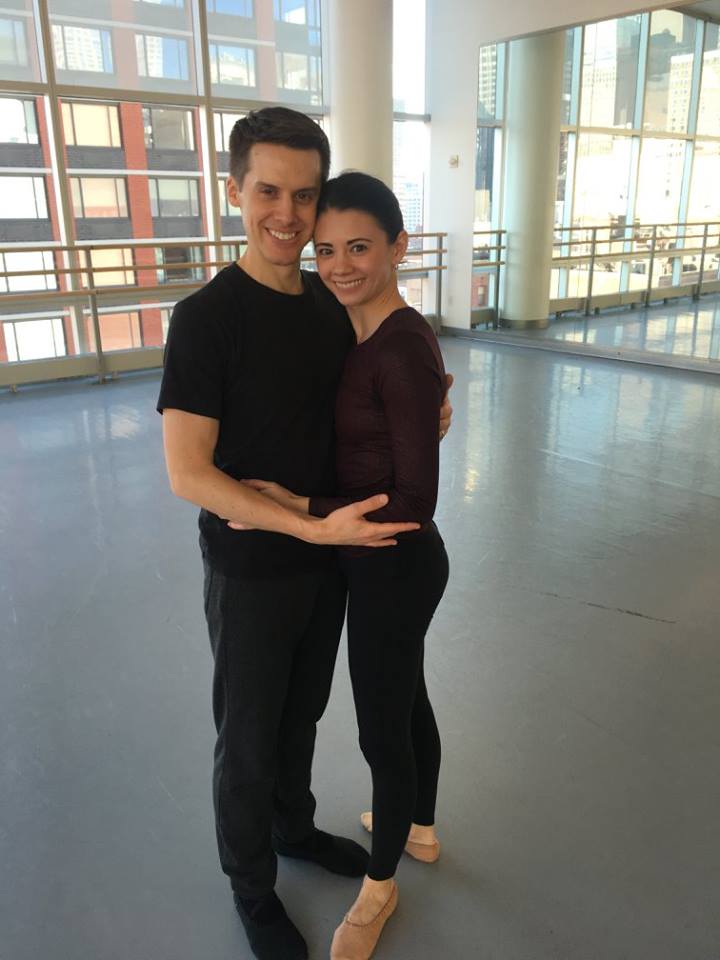
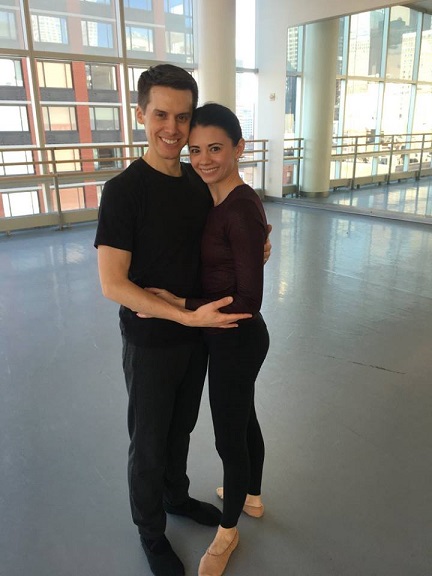
    Above: dancers Blake Hennessy-York and Sarah Pon after a rehearsal

    The 2016 season marked a transitional period for Lydia Johnson Dance: the roster of the Company was evolving. Their annual New York City performances took place in March rather than June.

    1557492_10153524522403526_5171198097577764693_n

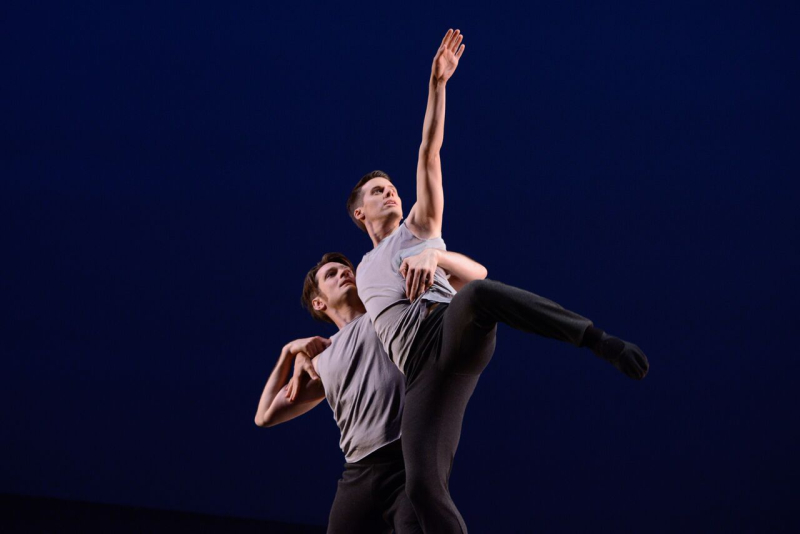
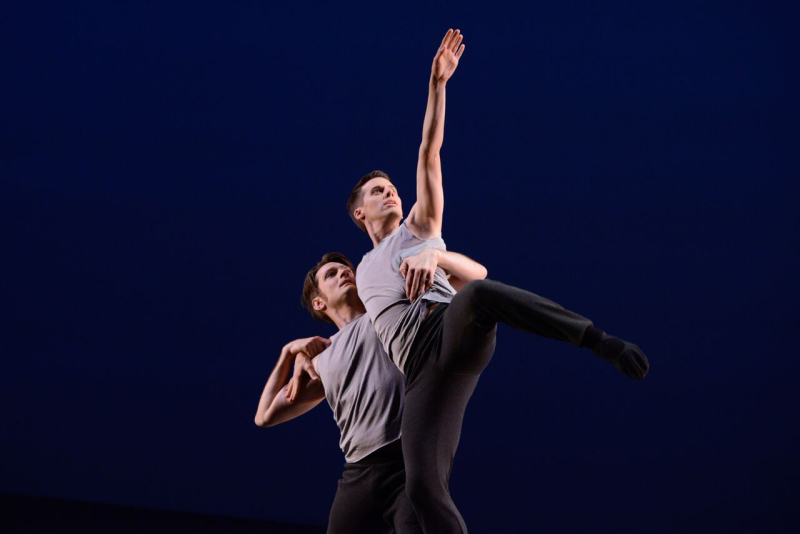
    The program featured repeats NIGHT OF THE FLYING HORSES (above: Laura Di Orio and Brynt Beitman)…

    12919846_10153544176833526_1349054394289731279_n

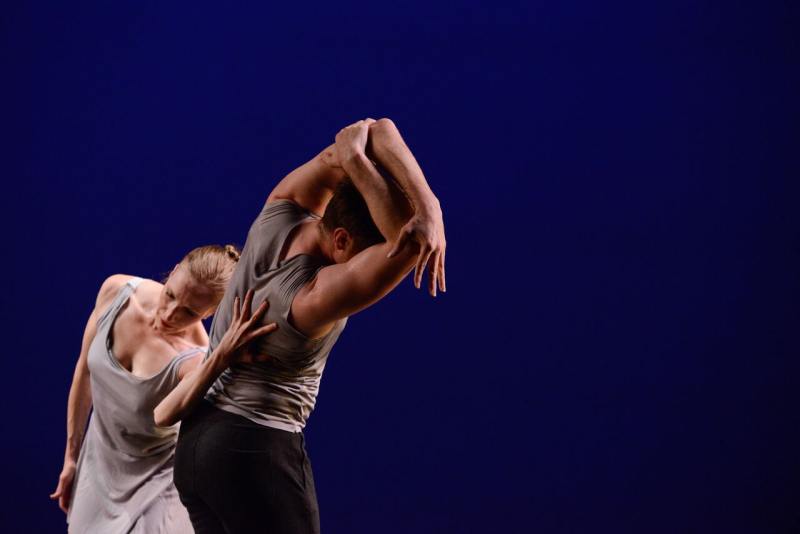
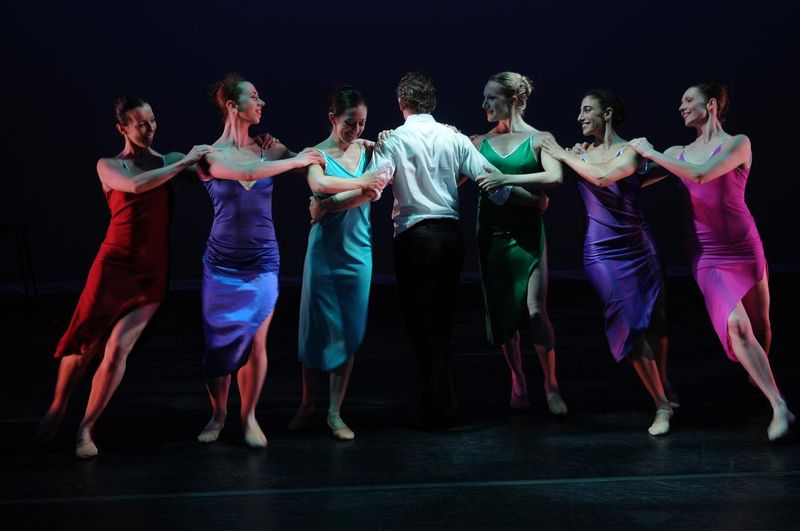
    …and GIVING WAY (with guest artist Riccardo Battaglia and Blake Hennessy-York), plus a new jazz piece, HINDSIGHT, which quickly disappeared from the repertoire. Performance photos from the 2016 performance by Nir Arieli.

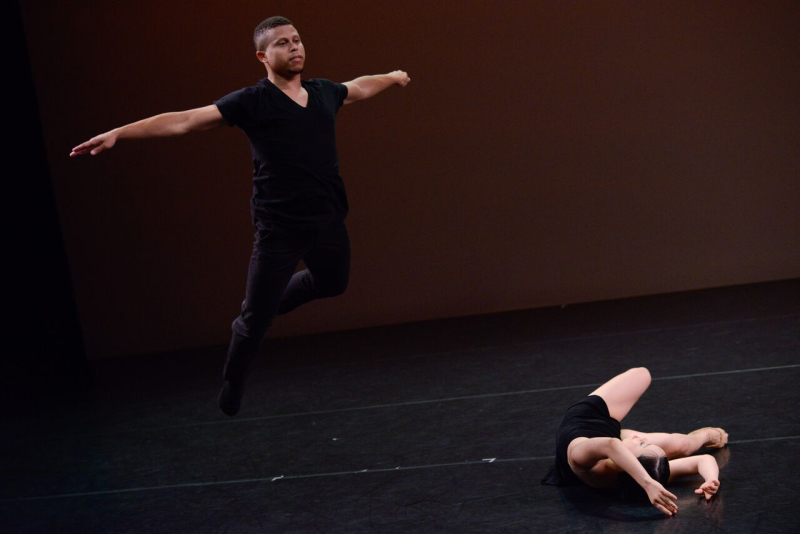
    But the sad news was that the 2016 season marked the last performances with the Company of Sarah Pon and Blake Hennessy-York, who had decided to move to California. In their seasons with Lydia Johnson Dance, they made their mark in every ballet they danced in, and for their farewell they encored their outstanding performance in WHAT COUNTS.

    12795446_10153465792028526_1062266244066689420_n

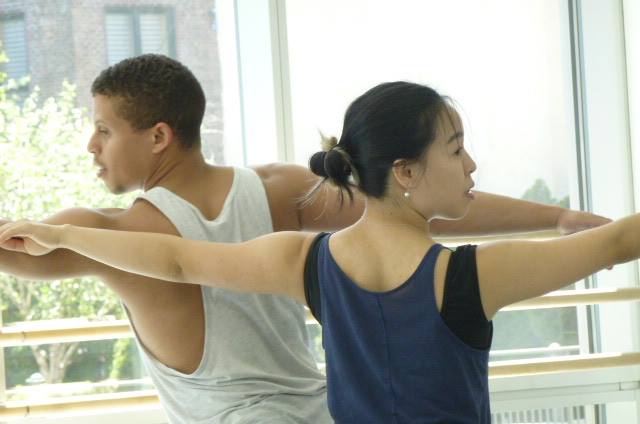
    Above: Blake and Sarah, rehearsing

    13466415_10153719315028526_8461955679054400303_n

    The great outdoors: Brynt Beitman and Laura Di Orio in a pas de deux from NIGHT OF THE FLYING HORSES.

    As rehearsals for 2017 began, the Company roster was much changed from when I first connected with Lydia Johnson Dance. But some surprises were in store:

    14962741_10209103893208493_969022386819372478_n

    Lisa Iannacito McBride (in black, rehearsing with Laura Di Orio and Katie Lohiya, above ) returned as a guest artist to dance the role she had created in CROSSINGS BY RIVER…

    304693_10151080994803526_1597229455_n

    …and, incredibly, Blake and Sarah came in from the West Coast to dance the roles made on them in GIVING WAY.

    This was an especially happy time to be part of the extended LJD family, and privy to rehearsals:

    14910487_10209103950009913_2521372843909942851_n

    It was simply great to have Lisa back in the studio…

    13413575_10207863587761632_4515039308130984208_n

    …and Chris Bloom, on a break from Ballet Hispanico, popped in…

    13445820_10207863589441674_4606341104290949215_n

    …to dance with Katie Lohiya.

    13428441_10207863588281645_2737574780800113738_n

    The partnership of Chazz Fenner-McBride and Min Kim developed in leaps and bounds…

    12813995_10153470036548526_39574393432111450_n

    …and they are always in good spirits during rehearsal.

    14333563_10153940627643526_3763133290813763056_n

    Min Kim and Laura DiOrio in company class…

    14953887_10209107714824031_8927625525154349393_n

    …and Laura rehearsing with Dona Wiley, who was just joining the Company.

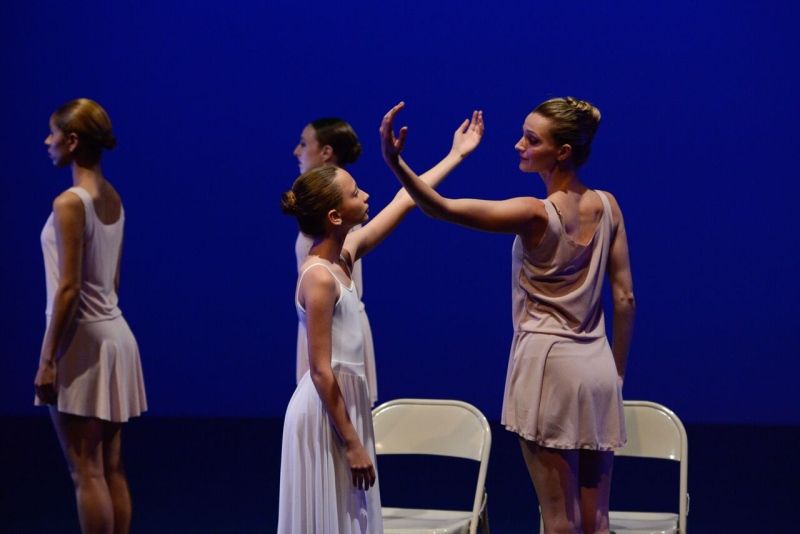
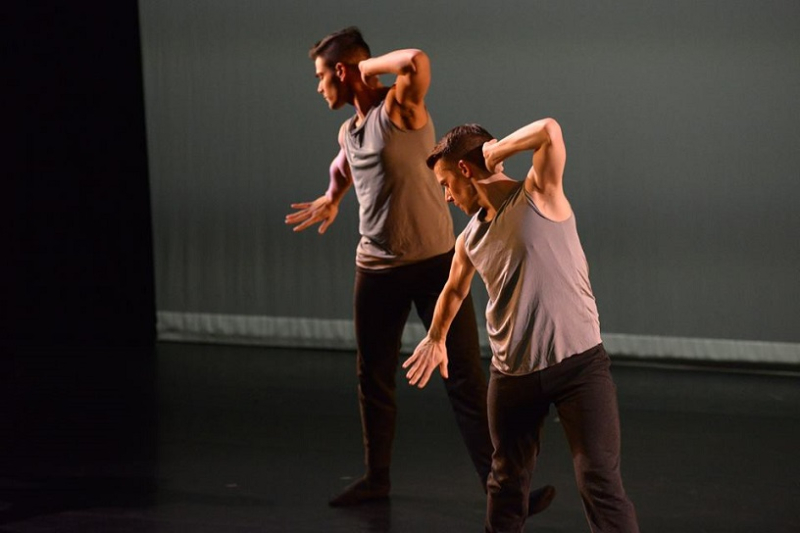
    The performances in June 2017 were given at New York Live Arts in Chelsea. The program was especially strong, with two new ballets: TRIO SONATAS, set to Handel, and This, and my heart beside… one of Lydia’s most personal works, to music by Philip Glass. The all-female CROSSINGS BY RIVER made a welcome return to the repertoire, and a repeat of the previous season’s GIVING WAY was handsomely danced.

    Photos from the 2017 season by Nir Arieli:

    6a00d8341c4e3853ef01bb09a7efef970d-800wi

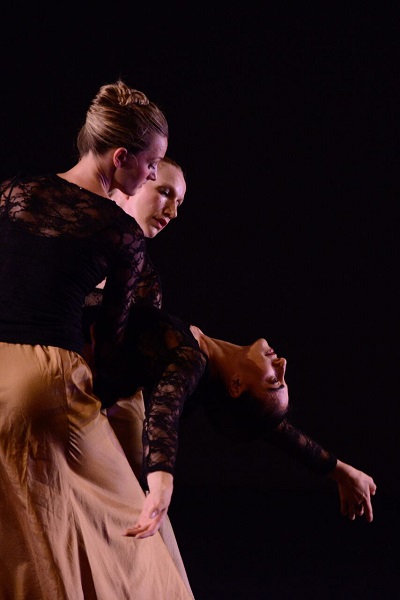
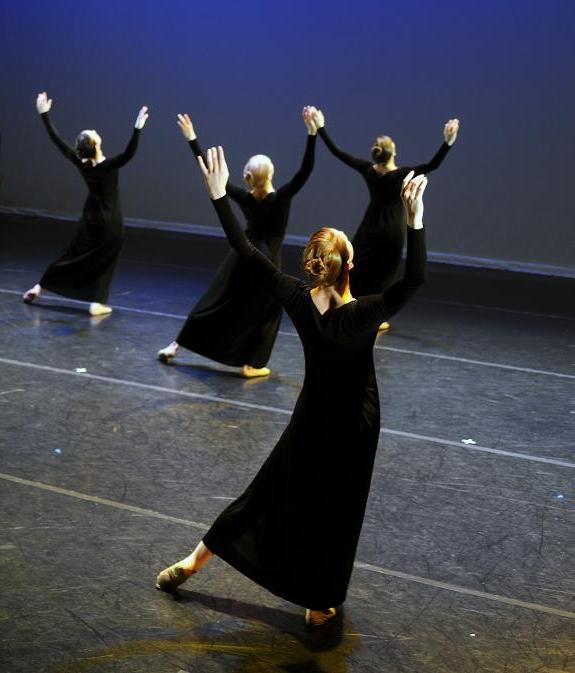
    CROSSINGS BY RIVER: Min Kim, Lisa Iannacito McBride, Dona Wiley, Laura Di Orio, Katie Lohiya

    6a00d8341c4e3853ef01bb09a7f02e970d-800wi

    CROSSINGS BY RIVER: Katie Lohiya, Laura Di Orio, Lisa Iannacito McBride

    6a00d8341c4e3853ef01b8d28f16d7970c-800wi

    GIVING WAY: Brynt Beitman and Blake Hennessy-York

    6a00d8341c4e3853ef01b7c904cd87970b-800wi

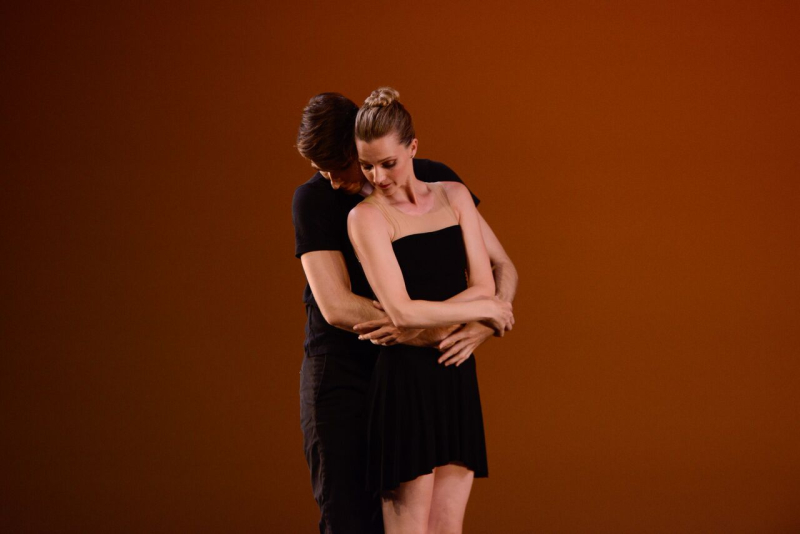
    GIVING WAY: Laura Di Orio and Brynt Beitman

    6a00d8341c4e3853ef01b7c904d207970b-800wi

    TRIO SONATAS: Danny Pigliavento and Katie Lohiya

    6a00d8341c4e3853ef01b7c904d048970b-800wi

    TRIO SONATAS: Chazz Fenner-McBride and Min Kim

    6a00d8341c4e3853ef01b7c904d634970b-800wi

    This, and my heart beside…: Sara Spangler and Katie Lohiya. Sara, a young dancer from Lydia Johnson’s school, made a lovely impression in this ballet

    6a00d8341c4e3853ef01bb09a7f8b9970d-800wi

    This, and my heart beside…: guest artists Mary Beth Hansohn and Peter Chursin were spellbinding

    6a00d8341c4e3853ef01bb09a7f908970d-800wi

    This, and my heart beside…: Danny Pigliavento and Katie Lohiya. Their partnership has a poignant lyricism.

    Among the many photos from the rehearsal period for the 2017 season, this is a particular favorite of mine, though it’s not in the studio:

    13432369_10153714386528526_2192772087061383777_n

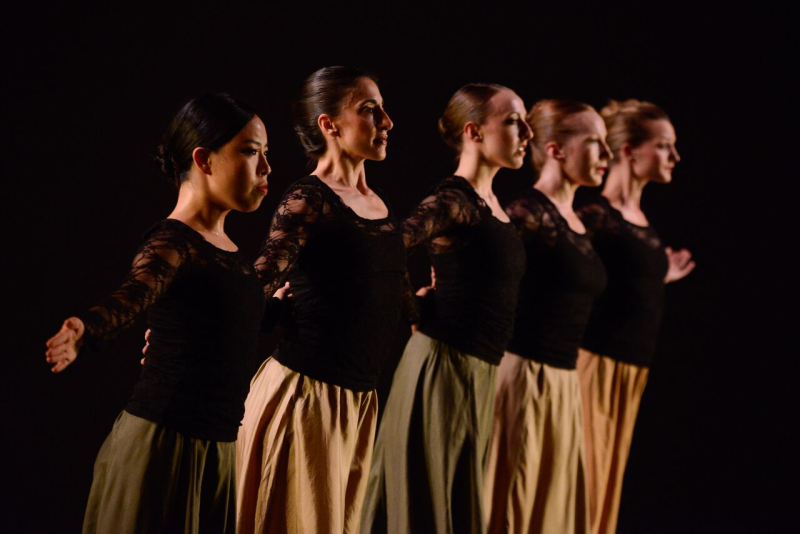
    LJD Women: Min Kim, Lisa Iannacito McBride, Laura Di Orio, and Katie Lohiya

    ~ Oberon

  • Lydia Johnson Dance ~ Retrospective – Part IV

    12814347_10153470036923526_6316221232388951043_n

    Above: dancers Blake Hennessy-York and Sarah Pon after a rehearsal

    The 2016 season marked a transitional period for Lydia Johnson Dance: the roster of the Company was evolving. Their annual New York City performances took place in March rather than June.

    1557492_10153524522403526_5171198097577764693_n

    The program featured repeats NIGHT OF THE FLYING HORSES (above: Laura Di Orio and Brynt Beitman)…

    12919846_10153544176833526_1349054394289731279_n

    …and GIVING WAY (with guest artist Riccardo Battaglia and Blake Hennessy-York), plus a new jazz piece, HINDSIGHT, which quickly disappeared from the repertoire. Performance photos from the 2016 performance by Nir Arieli.

    But the sad news was that the 2016 season marked the last performances with the Company of Sarah Pon and Blake Hennessy-York, who had decided to move to California. In their seasons with Lydia Johnson Dance, they made their mark in every ballet they danced in, and for their farewell they encored their outstanding performance in WHAT COUNTS.

    12795446_10153465792028526_1062266244066689420_n

    Above: Blake and Sarah, rehearsing

    13466415_10153719315028526_8461955679054400303_n

    The great outdoors: Brynt Beitman and Laura Di Orio in a pas de deux from NIGHT OF THE FLYING HORSES.

    As rehearsals for 2017 began, the Company roster was much changed from when I first connected with Lydia Johnson Dance. But some surprises were in store:

    14962741_10209103893208493_969022386819372478_n

    Lisa Iannacito McBride (in black, rehearsing with Laura Di Orio and Katie Lohiya, above ) returned as a guest artist to dance the role she had created in CROSSINGS BY RIVER…

    304693_10151080994803526_1597229455_n

    …and, incredibly, Blake and Sarah came in from the West Coast to dance the roles made on them in GIVING WAY.

    This was an especially happy time to be part of the extended LJD family, and privy to rehearsals:

    14910487_10209103950009913_2521372843909942851_n

    It was simply great to have Lisa back in the studio…

    13413575_10207863587761632_4515039308130984208_n

    …and Chris Bloom, on a break from Ballet Hispanico, popped in…

    13445820_10207863589441674_4606341104290949215_n

    …to dance with Katie Lohiya.

    13428441_10207863588281645_2737574780800113738_n

    The partnership of Chazz Fenner-McBride and Min Kim developed in leaps and bounds…

    12813995_10153470036548526_39574393432111450_n

    …and they are always in good spirits during rehearsal.

    14333563_10153940627643526_3763133290813763056_n

    Min Kim and Laura DiOrio in company class…

    14953887_10209107714824031_8927625525154349393_n

    …and Laura rehearsing with Dona Wiley, who was just joining the Company.

    The performances in June 2017 were given at New York Live Arts in Chelsea. The program was especially strong, with two new ballets: TRIO SONATAS, set to Handel, and This, and my heart beside… one of Lydia’s most personal works, to music by Philip Glass. The all-female CROSSINGS BY RIVER made a welcome return to the repertoire, and a repeat of the previous season’s GIVING WAY was handsomely danced.

    Photos from the 2017 season by Nir Arieli:

    6a00d8341c4e3853ef01bb09a7efef970d-800wi

    CROSSINGS BY RIVER: Min Kim, Lisa Iannacito McBride, Dona Wiley, Laura Di Orio, Katie Lohiya

    6a00d8341c4e3853ef01bb09a7f02e970d-800wi

    CROSSINGS BY RIVER: Katie Lohiya, Laura Di Orio, Lisa Iannacito McBride

    6a00d8341c4e3853ef01b8d28f16d7970c-800wi

    GIVING WAY: Brynt Beitman and Blake Hennessy-York

    6a00d8341c4e3853ef01b7c904cd87970b-800wi

    GIVING WAY: Laura Di Orio and Brynt Beitman

    6a00d8341c4e3853ef01b7c904d207970b-800wi

    TRIO SONATAS: Danny Pigliavento and Katie Lohiya

    6a00d8341c4e3853ef01b7c904d048970b-800wi

    TRIO SONATAS: Chazz Fenner-McBride and Min Kim

    6a00d8341c4e3853ef01b7c904d634970b-800wi

    This, and my heart beside…: Sara Spangler and Katie Lohiya. Sara, a young dancer from Lydia Johnson’s school, made a lovely impression in this ballet

    6a00d8341c4e3853ef01bb09a7f8b9970d-800wi

    This, and my heart beside…: guest artists Mary Beth Hansohn and Peter Chursin were spellbinding

    6a00d8341c4e3853ef01bb09a7f908970d-800wi

    This, and my heart beside…: Danny Pigliavento and Katie Lohiya. Their partnership has a poignant lyricism.

    Among the many photos from the rehearsal period for the 2017 season, this is a particular favorite of mine, though it’s not in the studio:

    13432369_10153714386528526_2192772087061383777_n

    LJD Women: Min Kim, Lisa Iannacito McBride, Laura Di Orio, and Katie Lohiya

    ~ Oberon

  • Oberlin College Choir and Orchestra @ Carnegie Hall

    Oberlin-in-nyc-v3

    ~ Author: Brad S Ross

    Saturday January 19th, 2019 – The Oberlin Conservatory of Music, visiting from Ohio, began 2019 on the proverbial high-note Saturday night at Carnegie Hall’s Isaac Stern Auditorium.  The talents of students and educators alike were well-showcased in a concert bifurcated between the Oberlin College Choir and the Oberlin Orchestra.  Following brief opening remarks by Oberlin College President Twillie Ambar, things were swiftly under way in what would turn out to be a tremendously satisfying program.
    Thumbnail_RS80080_LK2_9234 copy copy

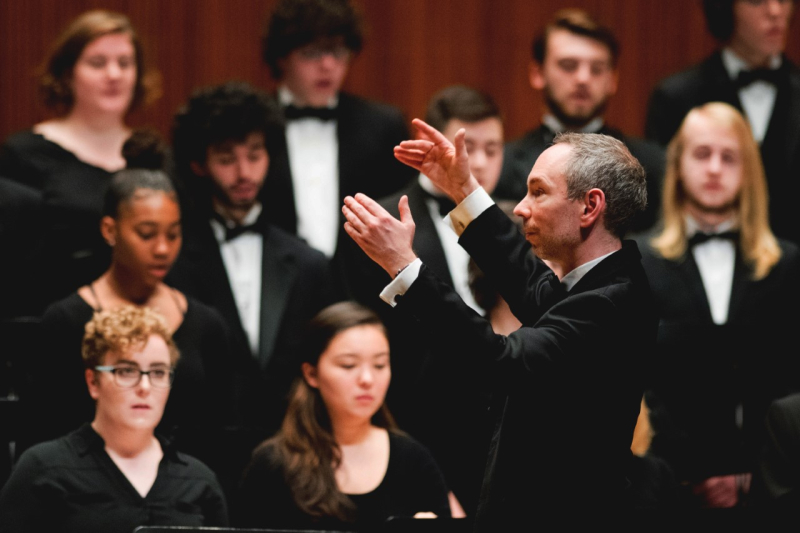
    For the first half of the concert, the Ronald O. Perelman Stage belonged to the Oberlin College Choir under the baton of Gregory Ristow (photo, above).  They began with Triptych, a mostly tonal choral composition written in 2005 by the British-American composer Tarik O’Regan.  Though originally cast for chorus and orchestra (and what a sight to behold that would’ve been!), it was presented here in a more manageable arrangement for percussion and chorus by the percussionist and composer Dave Alcorn.  It featured an eclectic text culled from such myriad sources as William Blake, John Milton, William Wordsworth, Muhammad Rajab al-Bayoumi, and the Book of Psalms, among others.

    The first movement, “Threnody,” opened on a gripping a cappella statement set to an epigram by William Penn, “When death takes off the mask, we will know one another.”  A driving percussion line soon entered and pushed the work forward as languid, otherworldly phrases meandered in call and answer throughout the chorus.  The effect was almost primal.

    Following a short percussion interlude, the second movement “As We Remember Them” opened on a haunting soprano solo set to the words of the rabbi Roland B. Gittelsohn, “In the rising of the sun and at its going down, we remember them.”  This was performed with remarkable precision by Risa Beddie, whose voice would be featured occasionally throughout the remainder of the piece.  This elegy seemed in many ways the heart and soul of O’Regan’s Triptych, however, as the combined, yet subdued forces of Beddie, chorus, and percussion achieved a hypnotic beauty.

    Another short interlude followed and the work was propelled energetically forward into the third and final movement, “From Heaven Distilled a Clemency.” O’Regan’s choral writing here was its most exuberant as the choir toned the words of the great Persian poet Rumi, “So why then should I be afraid?  I shall die once again to rise an angel blest.”  Beddie’s haunting soprano then returned for one last quiet utterance before the work rose to its climactic finale.  Every force was well-utilized in Triptych and it made for excellent way to put the evening into motion.

    Next up was Igor Stravinsky’s ballet Les noces (“The Wedding”) for four pianists, percussion, vocal soloists, and chorus from 1923.  Like O’Regan’s Triptych, Les noces was also originally conceived for a much larger ensemble, but Stravinsky himself made the decision to scale back its herculean forces to a mere four solo vocalists, chorus, percussion, and four pianos.  Indeed, even with this “reduced” compliment, the sight of so many musicians, instruments, and four Steinway pianos gave the stage impressively cluttered look.  Its libretto, penned by the composer himself from traditional Russian wedding songs, describes the marriage rite of a young bride and groom.

    Les noces begins frighteningly on a solo soprano line accompanied by piano, cymbals, and xylophone effecting somber bell tones.  Other unholy voices soon joined the proceedings as the mother and bridesmaids console the young bride-to-be.  While the libretto features a deceptively melodramatic narrative, musically Stravinsky seemed to be describing a wedding straight from the gates of hell.  There was no hint of saccharine or sentiment to be found amongst the composer’s numerous parallel lines, violent dynamic shifts, and strikingly dissonant harmonies—so much the better.

    Les noces followed the marriage of its protagonists right up to the wedding night and showcased exhilarating performances by the soprano Katherine Lerner Lee, mezzo-soprano Perri Di Christina, tenor Nicholas Music, baritone Kyle Miller, and bass Evan Tiapula as various members of the ceremony.  Its final eerie bell tone—open octaves throughout the instrumental accompaniments—reverberated for what seemed an eternity before Ristow finally lowered his baton.  This was an electrifying way to conclude the first half of the program.

    Thumbnail_RS16976_IMG_7691 copy copy

    After intermission came a high-point in what had already proved to be an exhilarating evening.  The conductor Raphael Jiménez (photo, above) and the Oberlin Orchestra next took the stage for the New York premiere of Elizabeth Ogonek’s All These Lighted Things—a set, as the work’s subtitle notes, of “three little dances for orchestra.”  It was originally commissioned and premiered by the Chicago Symphony Orchestra in 2017 while Ogonek served as the ensemble’s composer-in-residence.  Ogonek, who teaches composition at Oberlin, has quickly earned a reputation as one of the finest young composers in the United States.  Based on All These Lighted Things, I would be hard-pressed to disagree.

    The first movement began with quiet textures emanating from the percussion and high strings.  A broad sonic spectrum swiftly unfolded from Ogonek’s musical prism, with such varied colors as muted brass, dissonant woodwind runs, and violent strikes in the strings, among many other extended techniques I couldn’t quite decipher from a single hearing.  The etherial sound of a rainstick opened and continued to be featured throughout the second movement, soon joined by a full high-voice descending glissandi and a stirring violin solo by concertmaster Jerry Zheyang Xiong.

    Animated pizzicato runs in the bass and celli signaled the start of the third movement.  Aided with light percussion, swift woodwind runs allude to a growing musical menace.  A sumptuous flute line emerged with building woodwind accomplices.  Finally, a great, full-ensemble crescendo swelled to a tremendous crash and a few fleeting quiet percussion voices sang the piece to its silent conclusion.

    Like many contemporary pieces, All These Lighted Things seemed to be more about shifting sonic textures than any strict adherence to musical form.  This will no doubt exhaust some listeners who long for structure, but they should at least take comfort that none of Ogonek’s sonorities ever outstay their welcome, as modern compositions so often do.  I, for one, found it a lively and vibrant piece—one that will surely warrant many further hearings.

    The evening concluded with a performance of Claude Debussy’s La Mer.  Its performance was solid, if not quite on par with what New York audiences have been spoiled to expect of late (the New York Philharmonic programmed it twice last year alone, both times to tremendous effect).  Apart from the occasionally muddy entrance and one conspicuously fracked trumpet note, the Oberlin Orchestra played with delicate grace, offering a decidedly above-average rendition of Debussy’s great orchestral tome.  For his part, Jiménez’s interpretation was lingering and dynamic, never rushing its dramatic moments.  This worked well in its first and second movements where Debussy’s colors should be allowed to frolic and breathe freely.  By the third movement, however, this approach seemed a touch overwrought and unfortunately robbed some essential energy from the grand brass chords that announce the work’s finale.

    But I quibble.  A critic knows he’s heard something truly good when there are only minor details he would change.  All in all, this was a successful finale to an indisputably successful concert program—one that will surely signal a prosperous new year for the Oberlin Conservatory’s faculty and students.  If the sustained standing ovation that night was any indication, New York audiences will welcome them back as often as they’ll come.

    ~ Brad S Ross
  • Lydia Johnson Dance ~ Retrospective

    73230_1552248160159_5128356_n

    Above: the studio at Battery Dance where Lydia Johnson Dance rehearsed during the first years of our association; photo by Kokyat

    It was on a March evening in 2009 that I first encountered the choreography of Lydia Johnson; a press invitation sent to me by publicist Audrey Ross had piqued my curiosity enough to prompt me to go – with my fellow blogger Evan Namerow – to a studio showing by Lydia Johnson Dance.
    What I discovered that night was choreography that successfully melded elements of classical ballet and contemporary dance, that had a keen connection to the music, and that – rarest of all – had an emotional resonance that I had found in only a handful of works by current choreographers of the day.

    Tucker Jessica Lemberger 2009

    Above: Tucker Ty Davis and Jessica Sand; photo by Julie Lemberger. Tucker and Jessica were among the dancers who appeared in that first-encounter studio event

    I can’t remember now the sequence of correspondence between Lydia and myself that led to my being invited, along with my photographer/friend Kokyat, to a rehearsal of Lydia’s company down at the Battery Dance studios. At that time, Kokyat was a dance photographer in the making; he became a master over time. In the ensuing months, he and I spent many hours in that studio – so steeped in the very essence of dance – and we became friends with all the dancers…and with Lydia herself. 

    Here are some of Kokyat’s photos from those happy days at Battery Dance:

    Eric Jessica Kokyat 2009

    Eric Vlach, Jessica Sand

    Lisa Jesse Kokyat 2009

    Lisa Iannacito and Jesse Marks

    Jessica Kokyat 2009

    Jessica Sand

    6a00d8341c4e3853ef0133ecd6ec07970b-800wi

    Robert Robinson, Jessica Sand

    6a00d8341c4e3853ef0147e1b60ffe970b-800wi

    Jessica Sand

    6a00d8341c4e3853ef0148c7bf390a970c-800wi

    Lisa Iannacito

    6a00d8341c4e3853ef0162fda213af970d-800wi

    Laura Di Orio

    6a00d8341c4e3853ef0120a64d52f2970b

    Kerry Shea

    6a00d8341c4e3853ef014e88a83cc7970d-800wi

    Sean Patrick Mahoney, a guest artist from the Paul Taylor Dance Company, with Jessica Sand

    6a00d8341c4e3853ef0147e4276da9970b-800wi

    Sarah Pon and Blake Hennessy-York, a young married couple who joined Lydia Johnson Dance and made it their artistic home

    6a00d8341c4e3853ef01538eb4b773970b-800wi

    Guest artist Sean Patrick Mahoney

    6a00d8341c4e3853ef01676158447c970b-800wi

    Guest artist Max van der Sterre with Kerry Shea

    72759_1552247120133_3137225_n

    An early rehearsal of SUMMER HOUSE

    6a00d8341c4e3853ef016300629303970d

    Laura Di Orio, Kaitlin Accetta

    6a00d8341c4e3853ef01543283c6af970c-800wi

    Blake Hennessy-York and the ensemble

    6a00d8341c4e3853ef015438240b35970c-800wi

    A rehearsal of CROSSINGS BY RIVER

    6a00d8341c4e3853ef0168e6597cd9970c-800wi

    Guest artist Max van der Sterre

    Robert Robinson's bday Kokyat 2010

    Celebrating dancer Robert Robinson’s birthday

    Lydia Kokyat 2009

    Lydia Johnson

    Now for some of Kokyat’s onstage images of the Lydia Johnson Dance in works we saw in the first two or three seasons of our affiliation:

    6a00d8341c4e3853ef01538f4a9494970b-800wi

    UNTITLED BACH (Shannon Maynor, Eric Vlach)

    6a00d8341c4e3853ef0154331d97d4970c-800wi

    SUMMER HOUSE (Laura Di Orio, Robert Robinson)

    6a00d8341c4e3853ef01538f4a9c8e970b-800wi

    Dancer Justin Lynch

    DREAM SEQUENCE Jesse Kokyat 2010

    DREAM SEQUENCE (Jesse Marks, center)

    DUSK Kokyat 2009

    DUSK

    END OF THE MOVIE Erica Schweer Laurs Kokyat 2010

    END OF THE MOVIE (Erica Schweer, Laura Di Orio)

    Eric Jessica DUSK Kokyat 2009

    DUSK (Eric Vlach, Jessica Sand)

    James Laura UNTITLED BACH 2010

    UNTITLED BACH (James Hernandez, Laura Di Orio)

    Jessica IN CONVERSATION Kokyat 2010

    IN CONVERSATION (Jessica Sand)

    Robert Jesse UNTITLED BACH 2010

    UNTITLED BACH (Robert Robinson, Jesse Marks)

    LAMENT Kokyat 2009

    LAMENT

    Dream

    DREAM SEQUENCE (Eric Vlach, Jessica Sand, James Hernandez, Laura Barbee).

    J-M Kerry IN COMVERSATION Kokyat 2010

    IN CONVERSATION (John-Mark Owen, Kerry Shea)

    And some studio shots from Oberon:

    69055_1553260665471_8178068_n

    Robert Robinson, Jessica Sand

    292565_3500004772857_625378975_n

    SUMMER HOUSE rehearsal: Lisa and Jessica

    67745_1552247600145_8139061_n

    SUMMER HOUSE rehearsal: Robert, Laura

    394206_3930916585383_1515812787_n

    Lauren Perry

    381042_3930918785438_470944862_n

    Laura Di Orio

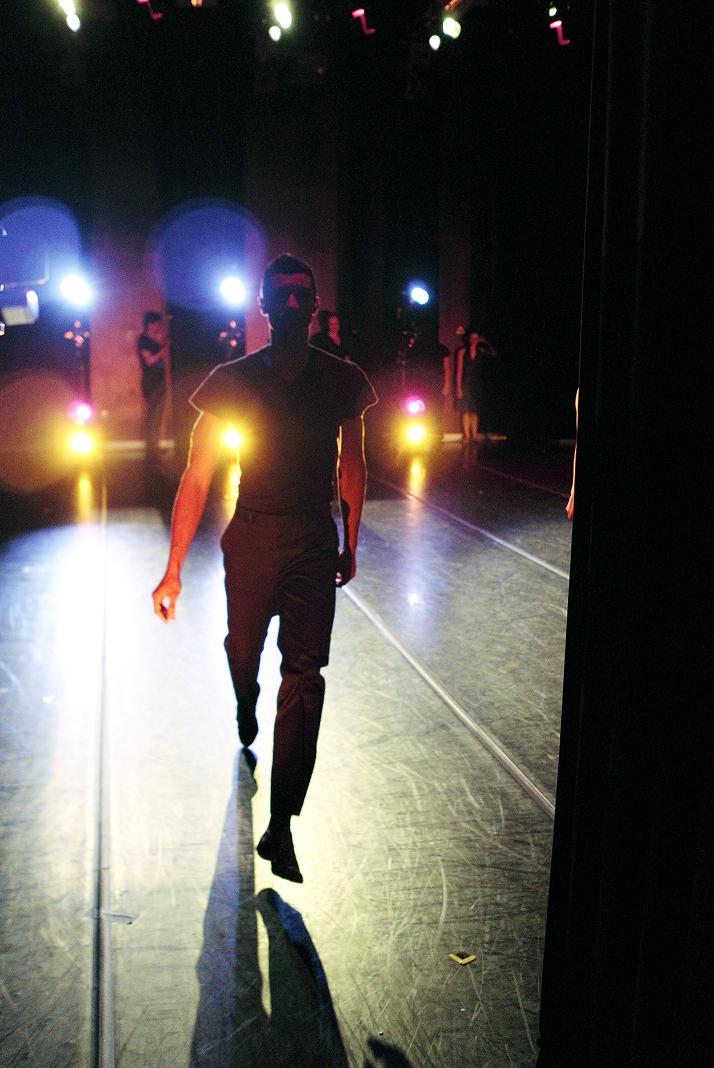
    By now, the dancers were used to having Kokyat and I breathing down their necks, so to speak…so much so, that Kokyat was permitted to photograph the Company’s 2011 performance in New York City from backstage. 

    This first installment covers roughly 2009-2011, with a couple of 2012 images thrown in. I’ll continue this retrospective in a few days – picking up where I left off – when I have had time to gather photos for a second gallery.

    ~ Oberon

  • Joshua Bell|NY String Orchestra

    JoshuaBell-696x329

    Above: Joshua Bell

    ~ Author: Oberon

    Friday December 28th, 2018 – Holding forth at Carnegie Hall over the holidays, the New York String Orchestra presented a Christmas Eve concert (which Ben Weaver wrote about here) and then followed up with this evening’s program which brought us Joshua Bell as soloist for the Brahms Violin Concerto, book-ended by George Walker’s Lyric and Tchaikovsky’s Pathétique Symphony.

    George Walker‘s Lyric for Strings opened the program. From its very soft opening, this music was drawing us in and clearing our minds of the worries and woes that abound in these troubled times. Guest conductor Karina Canellakis and the young musicians savoured the rich themes, the Romantic Era yet still contemporary-sounding harmonies, the beautiful layering of arching violins and darkish basses. The music quietens, then a new melodic journey commences. After some thoughtful hesitations, the work finds a gentle ending: we are in a tranquil place. 

    Joshua Bell gave a knockout performance of the Brahms Violin Concerto in D-Major, Op. 77. The concerto’s first movement (Allegro non troppo) is especially rich in themes; following a unison opening passage, the music becomes quite grand. An excellent contingent of wind players joined the ensemble. Joshua Bell’s intense playing – and his feel for the dramatic – found a counterpoise in the ravishing sheen of his highest range, his pinpoint dynamic control, and his pliantly persuasive phrasing.
     
    A recurring theme, which make us think of springtime, found the violinist at his most lyrical, while in the demanding cadenza, Mr. Bell’s masterful dispatching of flurries of notes covering a vast range reached its end with a shimmering trill. The movement’s final measures were sublime.
     
    The winds set the mood of the Adagio. A marvelous oboe solo and – later – an impressive passage of bassoon playing – fell sweetly on the ear. Mr. Bell’s silken sounds in the upper register cast a spell over the hall, his exquisite control giving me chills of delight. In his mixture of passion and refinement, the music seemed so alive. Without pause, Maestro Jaime Laredo took us directly into the final movement; here, in the familiar theme, the rhythmic vitality of the orchestra and Mr. Bell’s bravura playing combined to winning effect.
     
    A full-house standing ovation greeted Joshua Bell’s stunning performance; hopes for an encore had the audience calling him back for repeated bows. But perhaps he felt that nothing really could follow the Brahms, especially after such a thrilling rendition.
     
    Following the interval, several alumni of the New York String Orchestra joined the current ensemble for a tonally lush rendering of Tchaikovsky’s Symphony No. 6, Pathétique. Among these alumni were several of today’s finest artists – people like violinist Pamela Frank, violist Steven Tennenbom, cellists Peter Wiley and Nicholas Canellakis, bass player Timothy Cobb, and clarinetist Anthony McGill. These musicians did not take over the principal chairs from the current players, but simply joined the ranks of the orchestra, seated interspersed among their young colleagues. I can only imagine how inspiring it must be for these emerging musicians to be playing alongside David Kim or Kurt Muroki.
    Maestro Laredo crafted a rich-hued, passionate performance, and the musicians played their hearts out. As the symphony unfolded – really impressively played – I found the first two movements to be magnificent in every regard. The Allegro molto vivace – which Tchaikovsky seems to have referred to as a ‘scherzo‘ and which one writer described as “a waltz with a limp” – seemed to go on too long. And as affecting as the final Adagio lamentoso is, there are themes in SWAN LAKE, SLEEPING BEAUTY and the Serenade for Strings that I find far more moving.

    Over time, people have sometimes felt that the Adagio lamentoso, with its faltering heartbeat at the end, presages the composer’s death. Within nine days after conducting the first performance of his the epic Sixth, Tchaikovsky would in fact be dead. There are various theories about the cause of the composer’s sudden demise: cholera from drinking tainted water, suicide induced by depression, or a sentence of death imposed on him by a ‘Court of Honor’ when his affair/infatuation with a young nobleman, Prince Vladimir Argutinsky (whose father was a high-placed official in the tsar’s court) came to light. In this third scenario, Tchaikovsky took poison after the Court’s verdict was handed down.

    Tchaikovsky & argutinsky
     
    Above: Tchaikovsky with Prince Vladimir Argutinsky
     
    Applause between movements somewhat spoiled the atmosphere tonight, even though after the Allegro non troppo of the Brahms it was understandable that the full house wanted to to applaud Mr. Bell. But premature applause at the end of the Tchaikovsky was a more serious mood breaker.
     
    ~ Oberon

  • Irene Dalis as Fricka

    Walkure6465.05

    The great dramatic mezzo-soprano Irene Dalis in the scene of confrontation between Fricka and Wotan from Act II of Wagner’s DIE WALKURE:

    Irene Dalis as Fricka – WALKURE – w Birgit Nilsson & Otto Edelmann – Leinsdorf cond – Met bcast 1961

    From her 1957 debut there, Irene Dalis sang some 275 performances with the Metropolitan Opera Company – in New York City and on tour – during her twenty-year Met career. Her greatest roles were The Nurse in DIE FRAU OHNE SCHATTEN and Amneris in AIDA. In 1969, her electrifying performance of Verdi’s Egyptian princess at a concert performance at the Sheep Meadow, Central Park, drew an estimated  crowd of 50,000; Dalis’s super-charged singing in the Judgement Scene evoked a thunderous ovation.

    6a00d8341c4e3853ef00e54f20ad648833-800wi

    Following her retirement from singing, Irene Dalis founded Opera San Jose, which she ran with great success for over two decades.

    In August 2007, I wrote an appreciation of Irene Dalis, which she eventually found and read; she sent me a lovely message of thanks.

    ~ Oberon

  • Christmas Eve @ Carnegie Hall

    CH1464970_Medium_res_comp

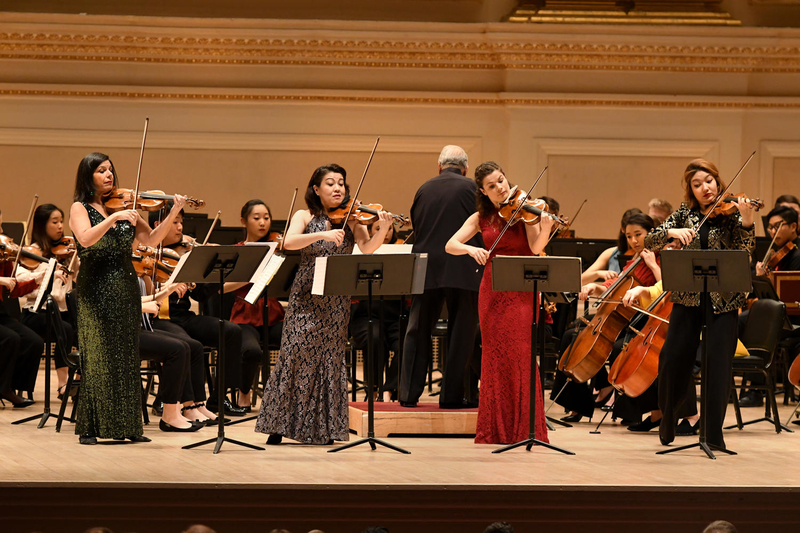
    Above, violinists for Vivaldi: Pamela Frank, Kyoko Takezawa, Bella Hristova, and Jinjoo Cho; photo by Pete Cecchia

    ~ Author: Ben Weaver

    Monday December 24th, 2018 – Christmas Eve at Carnegie Hall was a nearly sold-out performance by the New York String Orchestra, a program organized by the Mannes School of Music each year: its 50th incarnation this year was marked by mayor Bill De Blasio declaring it the New York String Orchestra Day in NYC. Under the baton of Jaime Laredo, the 64-member orchestra, made up of young musicians from around the world (ages 16-23) presented an ambitious program of Mendelssohn, Vivaldi and Beethoven.

    Mendelssohn’s popular Hebrides Overture is one of his most famous compositions: the moody, dark opening from the low strings, evoking the churning waves of the ocean, is an instantly recognizable tune. There are several of those in the work, heard by all in numerous commercials and movies over the years. The young musicians, following Maestro Laredo’s relaxed tempo, created an evocative, almost creepy, aural landscape.

    Vivaldi’s thrilling Concerto for Four Violins from his famed collection of 12 concertos entitled L’estro armonico, was so admired by J.S. Bach that he transcribed it for four harpsichords. Requiring a quartet of star soloists to pull it off, the New York String Orchestra delivered four with unimpeachable credentials: Jinjoo Cho, Pamela Frank, Bella Hristova, and Kyoto Takezawa. The soloists both compete and complement one another throughout the work. Dazzling displays of virtuosity and unpredictable rhythms of the first movement give way to a yearning slow moments, where the four soloists play by turn in unison and in solo passages, then the fiery finale brings down the curtain. Certainly the four soloists leave nothing to be desired and the orchestra provided thrilling support.

    CH1464968_Medium_res_comp

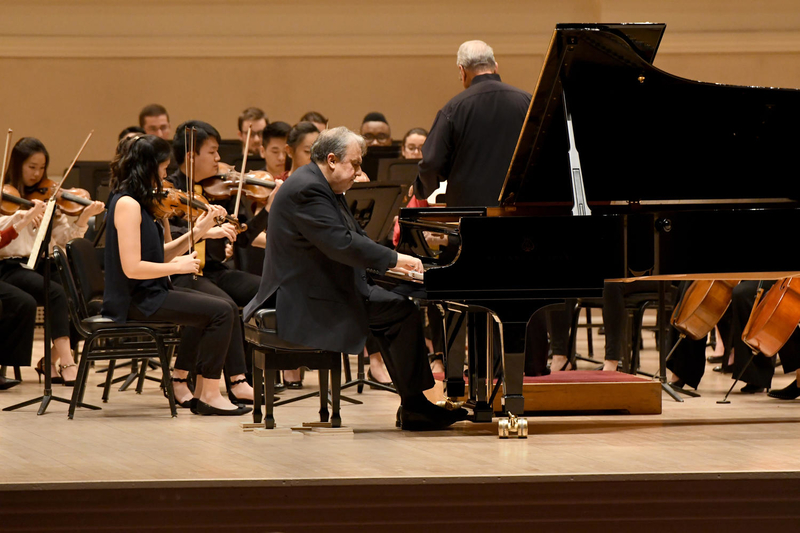
    Without stopping for an intermission (a welcome move), the piano was immediately set up for Beethoven’s great Piano Concerto #4 with Yefim Bronfman (above, photo by Pete Cecchia) at the piano. Mr. Bronfman has long been one of our favorite artists on this blog: he a musician of singular musical sensitivity and imagination. His gentle solo introduction of the concerto before the orchestra picks up the melody was like meeting an old friend. Beethoven’s melodies come in waves. Bronfman handles the running scales effortlessly. Maestro Laredo’s expansive tempo was especially rewarding in the Andante con moto movement where Bronfman’s soulful playing could move anyone to tears. Here, too, the young musicians provided wonderful support.

    Performance photos by Pete Cecchia, courtesy of Carnegie Hall.

    ~ Ben Weaver

  • Forgotten Voices: Rudolf Ritter

    5ab02691af300

    I came upon the voice of Rudolf Ritter by chance while sampling recordings of different tenors in the music of Verdi’s Otello.

    Rudolf Ritter – Otello’s Death ~ OTELLO – in German

    Following service in the Austro-Hungarian army (1898-1908), Rudolf Ritter studied singing at the Vienna Music Academy. In 1910 he made his debut at the Volksoper in Vienna, where he sang until 1913; he then joined the Hofoper in Stuttgart, where he made a name for himself as a leading artist for twenty years, singing in world premieres by Braunfels and Zemlinsky as well as the standard repertory.

    Ritter joined a touring group, the German Opera Company, in 1923. In North America, he sang at Chicago and in Kienzl’s Der Evangelimann in New York City. He appeared at the Bayreuth Festival from 1924-1930 as Siegfried and Tannhäuser, and in 1926 he scored a major success with performances in South America.

    From 1929-1931 season, Ritter was again touring North America with the German Opera Company, along with soprano Johanna Gadski.  He made guest appearances at London’s Covent Garden, the Paris Opéra, Vienna Staatsoper, and Zurich. In 1927 at the Zoppot Festival, he sang Siegfried in Götterdämmerung.

    Rudolf Ritter retired from the stage in 1933, settling at Stuttgart where he taught and coached. He was married to the pianist Gret Hein. He passed away in 1966.

    Ritter’s rounded, steady tone sounds really good in Wagner:

    Rudolf Ritter – Allmächtǵer Vater ~ RIENZI

    Rudolf Ritter – Winterstürme wichen dem Wonnemond ~ WALKURE

    ~ Oberon

  • The Hopes And Fears Of All The Years

    Little town

    Emmylou Harris ~ O Little Town of Bethlehem

    O little town of Bethlehem
    How still we see thee lie…
    Above thy deep and dreamless sleep
    The silent stars go by.
    Yet in thy dark streets shineth
    The everlasting Light…
    The hopes and fears of all the years
    Are met in thee tonight.

     
    For Christ is born of Mary
    And gathered all above
    While mortals sleep, the angels keep
    Their watch of wondering love.,
    All morning stars together
    Proclaim the holy birth
    And praises sing to God the King
    And Peace to men on earth.
     
    How silently, how silently
    The wondrous gift is given!
    So God imparts to human hearts
    The blessings of His heaven.
    No ear may hear His coming,
    But in this world of sin
    Where meek souls will receive him still
    The dear Christ enters in.