Category: Dance

  • Nobuyuki Tsujii|ORPHEUS @ Carnegie Hall

    Photo by Giorgia Bertazzi a

    Above: pianist Nobuyuki Tsujii, photographed by Georgia Bertazzi

    ~ Author: Oberon

    Thursday September 20th, 2018 – Pianist Nobuyuki Tsujii joining the Orpheus Chamber Orchestra for their season-opening concert at Carnegie Hall.

    Arvo Pärt’s Frates opened the evening. Undoubtedly the composer’s best-known work, it was used by choreographer Christopher Wheeldon for his 2003 ballet LITURGY, created on New York City Ballet’s Wendy Whelan and Jock Soto.  In that context, I’ve heard the music performed live many times; but tonight was my first experience of hearing it in a concert setting.

    From its ethereal start, Fratres develops slowly as its theme is repeated in varying registers and instrumentations, punctuated by percussion accents. In this evening’s concert, the 2007 arrangement was performed, which includes winds. String and wind ensembles alternate ‘verses’ as the bass and deep celli sustain a low, grounding note of spiritual resonance. The depth of tone summoned up by the Orpheus players gave Fratres a feel of Russian bassos engaged in ritual chant.

    Mr. Tsujii then joined the orchestra for a performance of Chopin’s Piano Concerto No. 2 in F-Minor, Op. 21, in an arrangement by Shuying Li. The pianist, who is blind, was escorted to the piano where he sat, rocking gently as he awaited his entrance; he seemed to take the measure of the keyboard before launching his impressive and marvel-filled performance.
     
    Nobu (as he is known) gives this music a gorgeous sense of flow. In his first solo passage, his sensitivity and attention to detail were in abundant evidence. He summons up a cushiony sound, and has a keen sense of the mixture of passion and reserve by which the opening Maestoso profits. Blending with the bassoon and then with the horn, Nobu regaled us with sumptuous tone and shining dexterity.
     
    In the central Larghetto, the pianist imbued the music with a sense of quiet rapture, building to a state of transportive romance. Over tremolo strings, a feeling of mystery envelops us; silence falls before a delicate cadenza is introduced. The main melody recurs, leading to a quiet end. Throughout this movement, an atmosphere of hushed anticipation in the hall was a tribute to Nobu’s artistry.
     
    The closing Allegro vivace is styled as a Polish folk dance. Nobu took barely a moment to spring from the Larghetto into this virtuoso revelry, spinning out florid passages with flair.  His buoyant, dazzling playing danced on to the end, when the house erupted in massive applause and shouts of enthusiasm. A full standing ovation greeted Nobu’s bows, and he favored us with a jazzy encore: a concert étude by the Russian composer Nikolai Kapustin. A second encore seemed in the offing, but the musicians walked offstage, leaving the crowd wanting more. I’ll certainly be seeking out Nobu in future; there’s so much music I want to hear him play.
     
    Following the interval, Tchaikovsky’s String Quartet No. 1 in D-Major, Op. 11, was offered in an arrangement for chamber orchestra by Christopher Theofanidis. The Playbill refers to the piece now as a “Chamber Symphony”, which is all well and good, though as my companion Ben Weaver commented, it’s almost unrecognizable to admirers of the original quartet setting.
     
    Mr. Theofanidis’s arrangement – a veritable font of melody – is well-crafted and makes for a pleasing half-hour of listening, being lovingly played by the Orpheus musicians. Unfortunately, maintaining our focus was nearly impossible thanks to a series of distractions. A couple seated nearby spent several minutes intently watching something on their cellphone. Then suddenly the phone began playing Fratres; it took several seconds for the woman to shut it down, whereupon she dropped the phone with a thud. Meanwhile, during the Andante cantabile, a baby fussed loudly. Then the coup de grace: another cellphone played a blithe tune. Amid such shenanigans, concentration on the music we’d come to hear becomes an unnecessary chore.
     
    UPDATE: I’ve just been watching TOUCHING THE SOUND, an extremely moving documentary about Nobuyuki Tsujii’s childhood, the discovery of his remarkable gift, his winning of the Cliburn in 2009, and his outreach to school children whose lives were shattered by the 2011 tsunami in Japan. Watch a trailer for the film here.
     
    A quote from Nobuyuki: “I can see everything…with my heart.”
     
    ~ Oberon

  • Paul Taylor Has Passed Away

    Paul taylor amy young

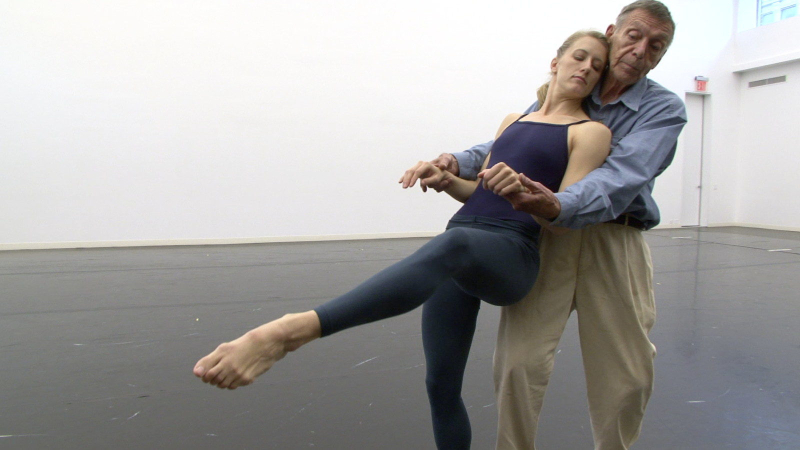
    Above: dancer Amy Young rehearsing with Paul Taylor

    Paul Taylor, one of the greatest choreographers of all time, has passed away at the age of 88. His catalog of danceworks includes several masterpieces, and his wide-ranging musical choices leave us with an eclectic repertoire ranging from PDQ Bach to Charles Ives, from Edgard Varèse to The Mamas & Papas.

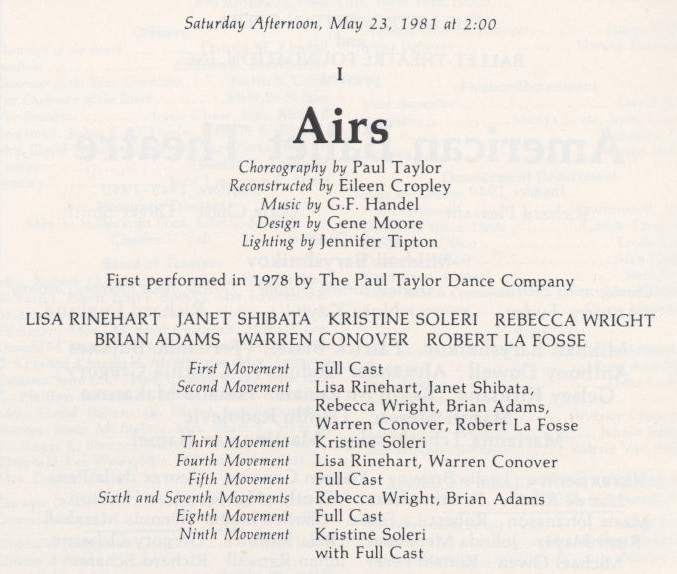
    I was a confirmed lover of classical ballet when my first view of Paul Taylor’s choreography came in 1981 with ABT performing AIRS:

    6a00d8341c4e3853ef00e55082a2ba8833-800wi

    In the Summer of 1982, the Paul Taylor Company were at Jacob’s Pillow, and that was my first experience of seeing a contemporary dance troupe. I fell in love with CLOVEN KINGDOM, and with several of the dancers:

    6a00d8341c4e3853ef00e55096a9058834-800wi

    In the years that followed, we trekked to see Taylor at the Pillow – sometimes 3 or 4 times per Summer. Once I’d moved to New York City, the annual Taylor season became an essential part of life. In recent seasons, the Company have added works by other choreographers to their repertory whilst keeping the Taylor classics fresh and vibrant.

    As the years have passed by, several Taylor dancers have become choreographers in their own right; others have become teachers, or stagers of the Taylor rep. This ever-expanding Taylor family will keep the choreographer’s legacy alive.

    AM MT PT

    Above: dancers Annmaria Mazzini and Michael Trusnovec with Paul Taylor in rehearsal.

    ~ Oberon

  • dell’Arte Opera Ensemble: Salieri’s LA CIFRA

    AngkyBudiardjono_Ensemble

    Above: Angky Budiardjono (center) and his cast-mates in Salieri’s LA CIFRA, presented by dell’Arte Opera Ensemble at La MaMa. Photo by Brian Long.

    ~ Author: Oberon

    ~ Photos: Brian Long

    Sunday August 26th matinee – Following last season’s excellent production of Cavalli’s LA CALISTO by dell’Arte Opera Ensemble, I was happy to re-connect with this enterprising Company at La MaMa today for their American premiere production of Antonio Salieri’s LA CIFRA (“The Code“).

    As with the Cavalli last Summer, director Brittany Goodwin worked wonders, her cast bringing wit and occasional wistfulness to both their singing and the staging. Giving things a commedia dell’arte slant, Ms. Goodwin put her singers thru their acting paces; they responded with a fine mixture of gusto and charm.

    In brief, the plot revolves around the Scottish noble Milord Fideling’s quest to find Olympia, a count’s daughter betrothed to him in childhood. Milord’s search has brought him to this town where he believes one of the Mayor Rusticore’s daughters is actually Olympia, now a young maiden. The key to the mystery is in a locked chest that Rusticore has hidden away. At the opera’s end the code to the chest’s secret is broken, and Rusticore’s daughter Eurilla is revealed to be the long-lost Olympia. Eurilla and Milord Fideling have already formed an attachment, so the revelation pleases them to no end. Rusticore’s other daughter, Lisotta, who had longed to become Milady, settles instead for her long-suffering suitor Sandrino, and all’s well as ends better. 

    The only problem with LA CIFRA is that the music’s by Salieri rather than Mozart. CIFRA is long for a comic opera, skating on the thin ice of a contrived, formulaic scenario. Mozart’s comedies are long, too, but they have the Master’s music to give everything a special lustre. Salieri’s music is thoroughly pleasant and well-crafted, but it never touches the soul.

    ConductorCatherineO'Shaughnessy

    But let’s concentrate on the performance itself. A fine band of musicians were seated stage right where, under the direction of Catherine O’Shaughnessay (above), they played with spirit. Chris Fecteau, dell’Atre’s Artistic Director, was at the harpsichord. An ensemble of young singers appeared variously as rustics, shepherdesses, and huntsmen. Claire Townsend’s costumes blended Ms. Goodwin’s commedia dell’arte references with Highland plaids for Milord and his entourage. 

    AngkyBudiardjono

    Topping the cast in a virtuoso performance as Rusticore was Angky Budiardjono (above). This gifted baritone had made a notable impression as Silvano is last year’s dell’Arte CALISTO; as Rusticore today, Mr. Budiadjono had the chance to dominate (or steal) scene after scene, and he seized every opportunity – both vocally and dramatically. In the tradition of the great buffos, Mr. Budiardjono’s diction – and his relishing of the words – was a delight; his timing of interjections into other character’s scenes was priceless. But the Budiardjono voice is too attractive and expressive to be limited to buffo parts: I think he has limitless possibilities.

    Mezzo-soprano Allison Gish (Lisotta) is likewise a singer who has it all: a plushy instrument of vast range, and a knack for comedy. She simply threw herself into the role, singing with flair, and running the gamut of facial expressions from snobbish to sassy with telling effect. Ms. Gish’s Act II aria was a vocal high-point of the afternoon, a tour de force really. But much earlier, she endeared herself to me as an actress when Milord’s servant Leandro (played by Stephen Steffens) made bawdy gestures towards her. Allison’s Lisotta got the message – loud and clear – and signaled back that she was ready, willing, and able. Ah, a libidinous girl…a girl after my own heart: I laughed out loud.

    But the Gish voice: this is the sound we want for Erda, for 1st Norn, for the Handel contralto roles, and the Brahms ‘viola’ songs.  
    JayChacon_AllisonGish

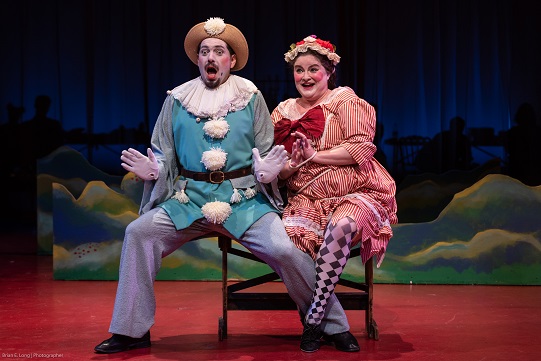
    Above: Jay Chacon as Sandrino and Allison Gish as Lisotta. Mr. Chacon’s wooing of Lisotta is a long and tormented ordeal: this is a Pierrot desperate for his Pierette, and willing to endure her hard-hearted rebuffs until his patience wins out. Mr. Chacon played the role to perfection.

    RachelBarker-Asto_AngkyBudiardjono

    Above: Rachel Barker-Asto as Eurilla with Angky Budiardjono as Rusticore. Ms.Barker-Asto has a bright, lyric-coloratura sound which Salieri’s writing stretches to some uncanny low notes, just as Mozart stretches Fiordiligi and Constanze. Ms. Barker-Astro met the vocal demands with assurance, and is as pretty a girl as I’ve seen on any stage.

    TimothyStoddard_Ensemble

    Above: tenor Timothy Stoddard as Milord Fideling. Mr. Stoddard bought an ideal combination of vocal grace and princely bearing to this part. He and Ms. Barker-Asto made their duet of mutual attraction a vocal highlight of the long-running second act.

    Rounding out the cast of principals was Stephen Steffens as Milord’s manservant Leandro. He made a pleasing vocal impression and, as already noted, showed a randy streak when first setting eyes on Lisotta. Later, while the girl’s singing her big aria, Mr. Steffens executes a hilarious dance routine in the background.   
    Ensemble

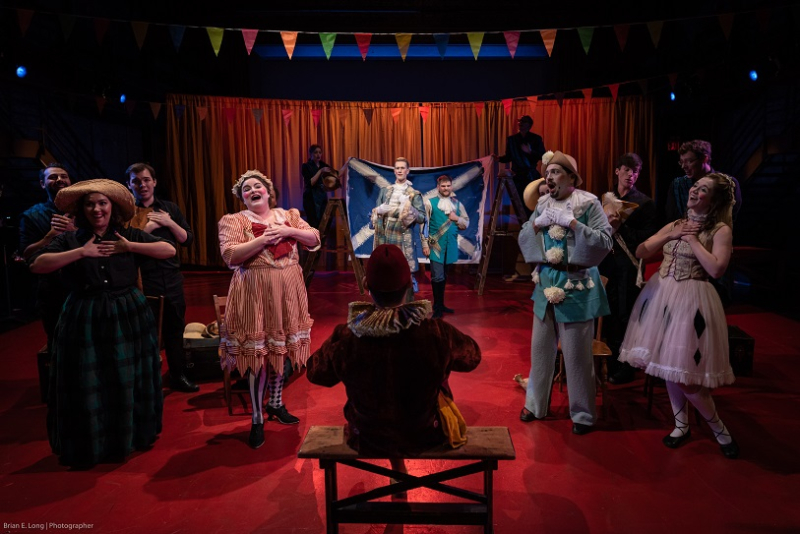
    Above, from left: Allison Gish, Timothy Stoddard and Stephen Steffens (background), Mr. Chacon and Ms. Barker-Asto, with Mr. Budiardjono (back to camera) and the center     

    One interesting vocal aspect of the afternoon was that, at various points, Mssrs. Chacon, Budiardjono, and Steffans each had to sustain a very looooong note. Their supplies of breath seemed endless. In Act I, a particular line – “…e giubilar mi fa!”  – caught my ear: straight out of Mozart’s NOZZE. And throughout the opera, characters kept saying: “I swear on this head of cabbage…!” Hilarious!

    Though the music began to wear thin in Act II, Ms. Goodwin and her cast never let their energy slump. The audience seemed genuinely taken with the production, showering everyone onstage with enthusiastic applause at the end.

    All production photos by Brian Long.

    ~ Oberon

  • Bryn Terfel as Creon

    Snapshotu

    Above: Bryn Terfel as Creon

    Spending these long, hot summer afternoons catching up with some DVD-viewing, I finally watched Julie Taymor’s striking production of Stravinsky’s OEDIPUS REX. Visually engrossing in its primitive yet timeless setting and stylized acting and costuming, the performance features powerful vocal performances from Philip Langridge (Oedipus), Jessye Norman (Jocasta), and a particularly vivid Creon played by Bryn Terfel.

    Conductor Seiji Ozawa weaves a brilliant orchestral and choral tapestry. Dancer Min Tanaka is a silent manifestation of Oedipus, stripped nearly naked as he departs Thebes, a blinded and vulnerable fallen king.

    Bryn Terfel – Respondit deus ~ OEDIPUS REX

  • BalaSole’s MEZCLA: A Gallery

    LRM_EXPORT_20180820_192059

    Above: the finale

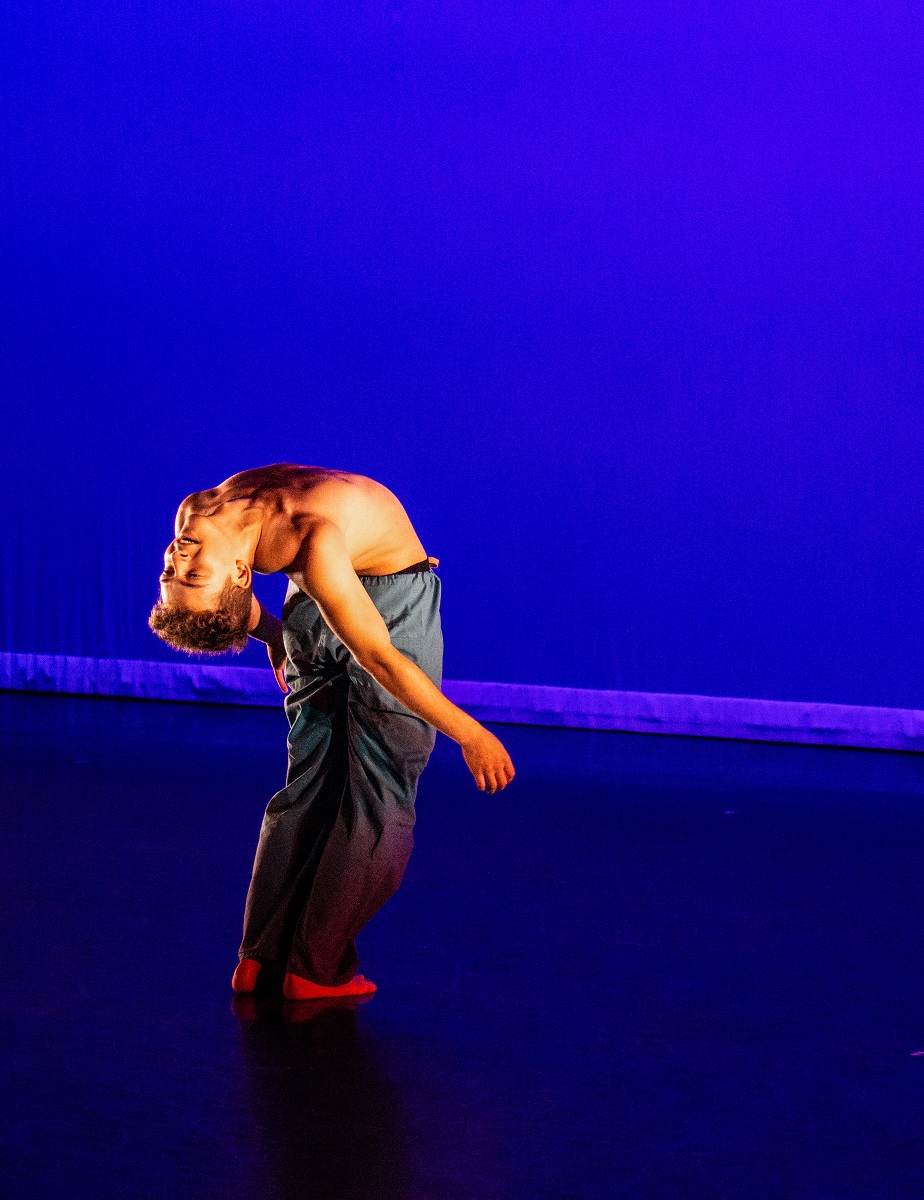
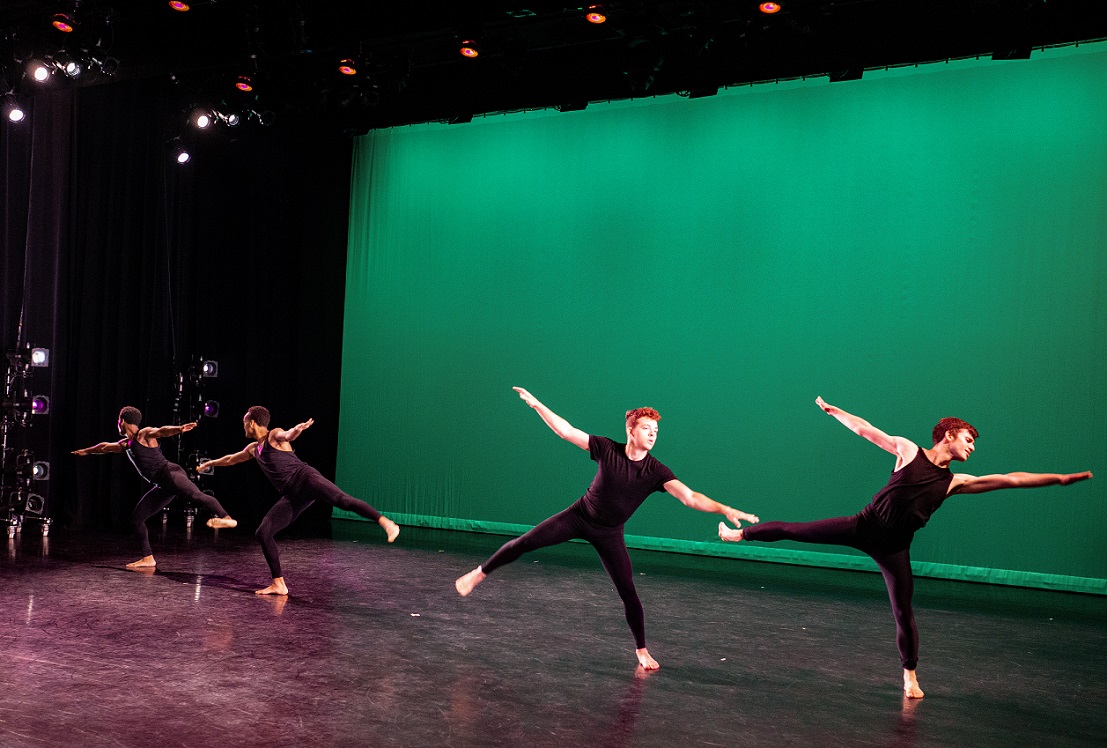
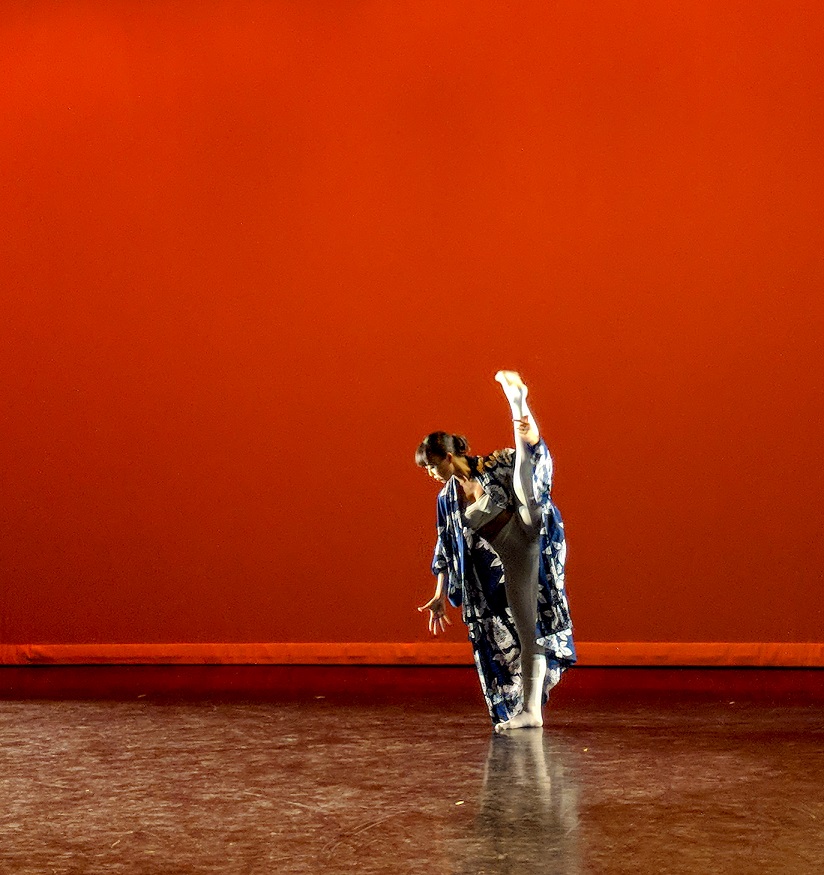
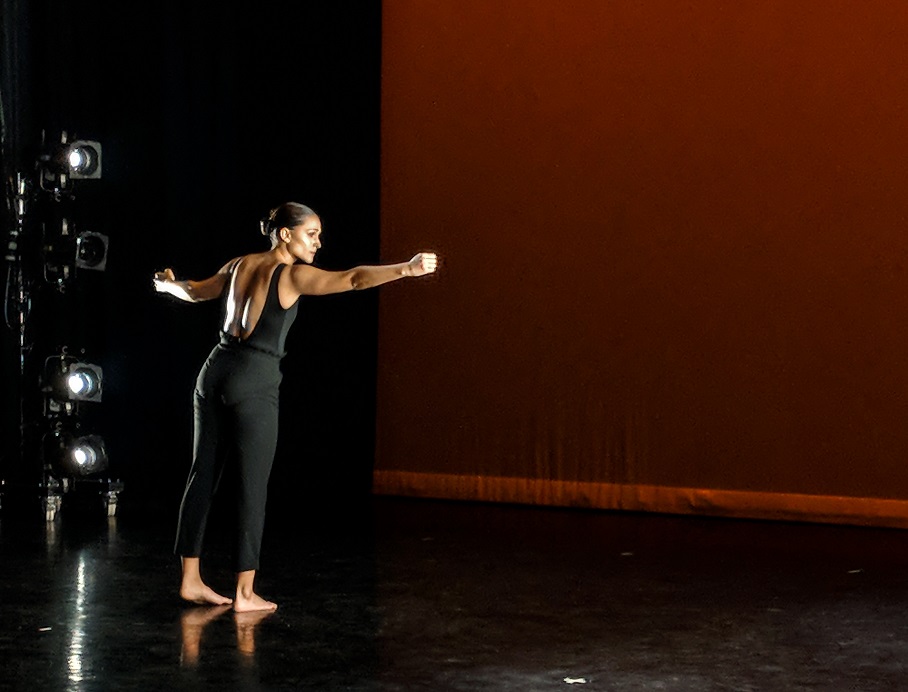
    From BalaSole Dance Company‘s recent production entitled MEZCLA, here is a gallery of images by dancer/photographer Amber Neff.

    LRM_EXPORT_20180820_190252

    Opening Ensemble/CHAPTER 18: Staged by Teal Darkenwald


    LRM_EXPORT_20180820_185042


    Ashley Rossi: TRAJECTORY


    LRM_EXPORT_20180820_125150

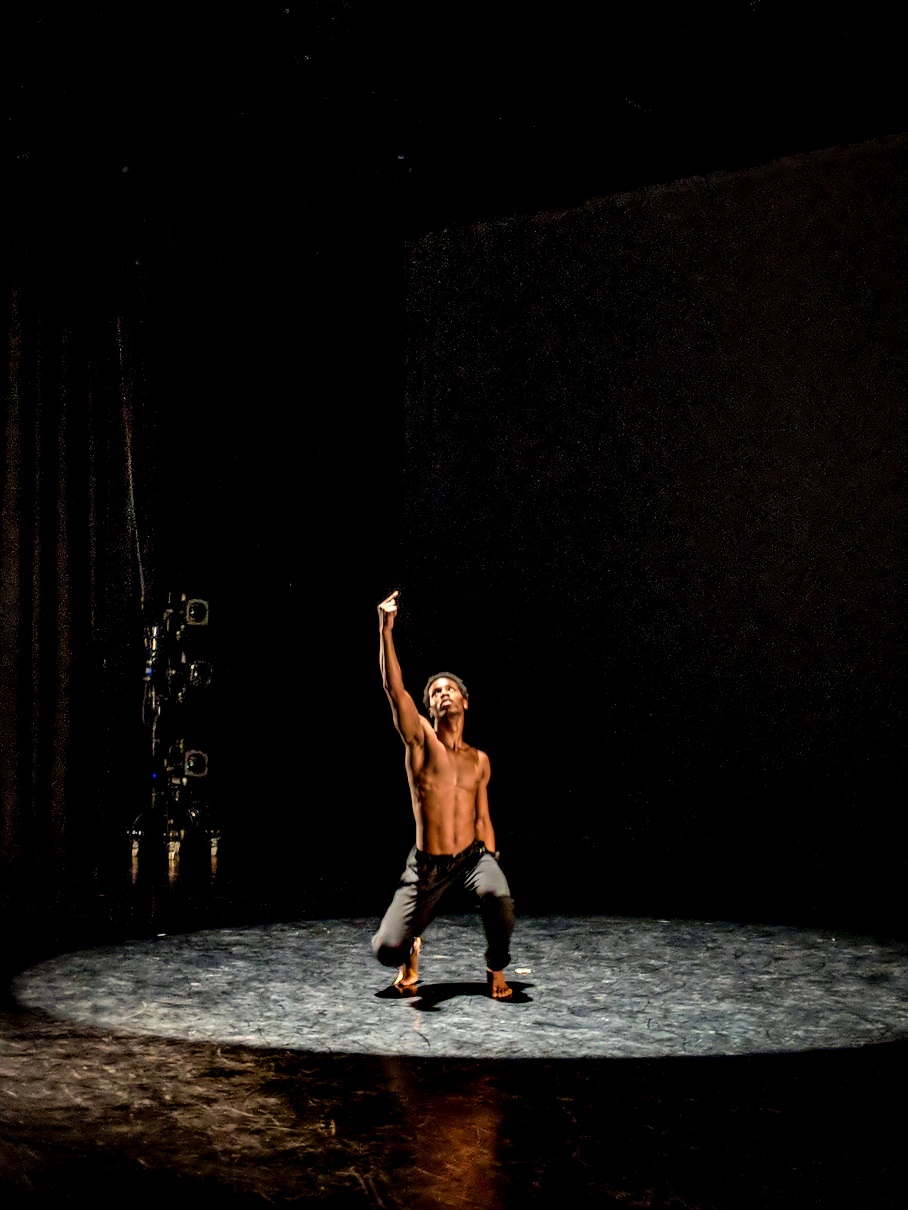
    Benji Martin Jr: ILLUMINAR


    LRM_EXPORT_20180818_132712

    Laura Assante: DEARING STREET


    LRM_EXPORT_20180818_131702

    Noëlle Davé: TIME


    LRM_EXPORT_20180818_130853c

    Misaki Hayama: TOURYANSE


    LRM_EXPORT_20180818_125624

    Donterreo Culp: STILL


    LRM_EXPORT_20180817_184311


    Kayla Affrunti: EDGES


    LRM_EXPORT_20180820_183735

    Lauren Settembrino: B-Y


    LRM_EXPORT_20180820_185508

    Mikael Jaworski: WHENEVER YOU WANT


    LRM_EXPORT_20180820_185950

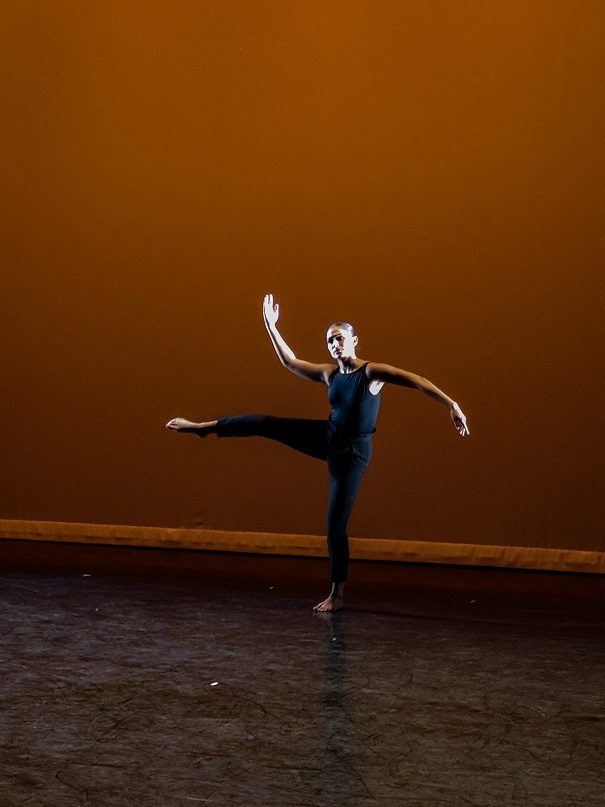
    Aurora Hastings: TILTED


    LRM_EXPORT_20180817_182959

    Nicole Corea: SUSPENDED IN THE SHADOWS


    LRM_EXPORT_20180820_184443(1)

    Closing Ensemble – the men


    LRM_EXPORT_20180820_184752

    Closing Ensemble: staged by Teal Darkenwald


    LRM_EXPORT_20180820_184907

    Curtain call


    Nicole

    Nicole takes a bow


    Just some shots I really like:


    LRM_EXPORT_20180818_130557b


    Misaki Hayama


    LRM_EXPORT_20180818_131821

    Noëlle Davé


    LRM_EXPORT_20180820_183821


    Lauren Settembrino…loved her music!


    LRM_EXPORT_20180820_184106

    The end of Nicole’s solo


    LRM_EXPORT_20180820_185758


    Aurora Hastings


    LRM_EXPORT_20180820_191645


    Emerging Artists Alyssa and Alex Bar, and Chantelle Broomes


    LRM_EXPORT_20180820_192005

    Alyssa and Alex Bar


    LRM_EXPORT_20180820_125346


    Benji Martin Jr


    LRM_EXPORT_20180817_183637

    Nicole Corea


    All photos by Amber Neff.

  • BalaSole’s MEZCLA: A Gallery

    LRM_EXPORT_20180820_192059

    Above: the finale

    From BalaSole Dance Company‘s recent production entitled MEZCLA, here is a gallery of images by dancer/photographer Amber Neff.

    LRM_EXPORT_20180820_190252

    Opening Ensemble/CHAPTER 18: Staged by Teal Darkenwald


    LRM_EXPORT_20180820_185042


    Ashley Rossi: TRAJECTORY


    LRM_EXPORT_20180820_125150

    Benji Martin Jr: ILLUMINAR


    LRM_EXPORT_20180818_132712

    Laura Assante: DEARING STREET


    LRM_EXPORT_20180818_131702

    Noëlle Davé: TIME


    LRM_EXPORT_20180818_130853c

    Misaki Hayama: TOURYANSE


    LRM_EXPORT_20180818_125624

    Donterreo Culp: STILL


    LRM_EXPORT_20180817_184311


    Kayla Affrunti: EDGES


    LRM_EXPORT_20180820_183735

    Lauren Settembrino: B-Y


    LRM_EXPORT_20180820_185508

    Mikael Jaworski: WHENEVER YOU WANT


    LRM_EXPORT_20180820_185950

    Aurora Hastings: TILTED


    LRM_EXPORT_20180817_182959

    Nicole Corea: SUSPENDED IN THE SHADOWS


    LRM_EXPORT_20180820_184443(1)

    Closing Ensemble – the men


    LRM_EXPORT_20180820_184752

    Closing Ensemble: staged by Teal Darkenwald


    LRM_EXPORT_20180820_184907

    Curtain call


    Nicole

    Nicole takes a bow


    Just some shots I really like:


    LRM_EXPORT_20180818_130557b


    Misaki Hayama


    LRM_EXPORT_20180818_131821

    Noëlle Davé


    LRM_EXPORT_20180820_183821


    Lauren Settembrino…loved her music!


    LRM_EXPORT_20180820_184106

    The end of Nicole’s solo


    LRM_EXPORT_20180820_185758


    Aurora Hastings


    LRM_EXPORT_20180820_191645


    Emerging Artists Alyssa and Alex Bar, and Chantelle Broomes


    LRM_EXPORT_20180820_192005

    Alyssa and Alex Bar


    LRM_EXPORT_20180820_125346


    Benji Martin Jr


    LRM_EXPORT_20180817_183637

    Nicole Corea


    All photos by Amber Neff.

  • Rehearsal: Claudia Schreier for Vail

    DSCF4541

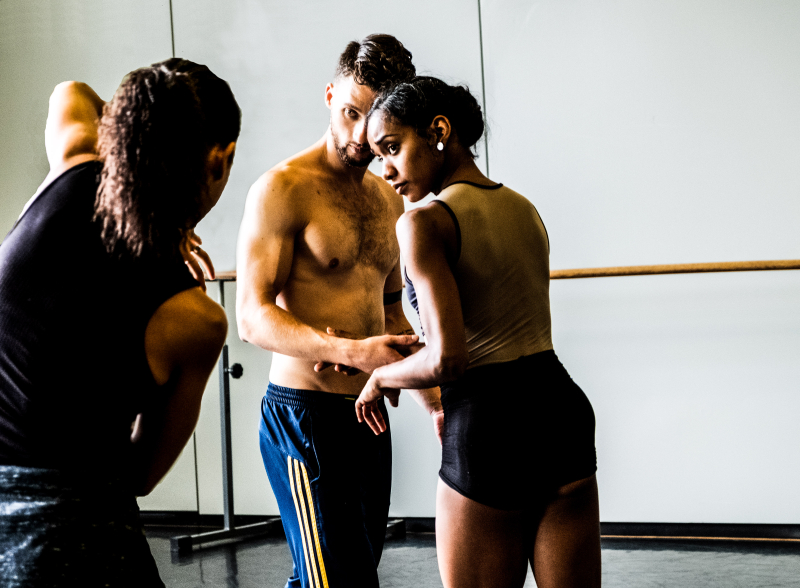
    Above: Claudia Schreier with dancers Chris Bloom and Dandara Veiga of Ballet Hispanico; photo by Dmitry Beryozkin 

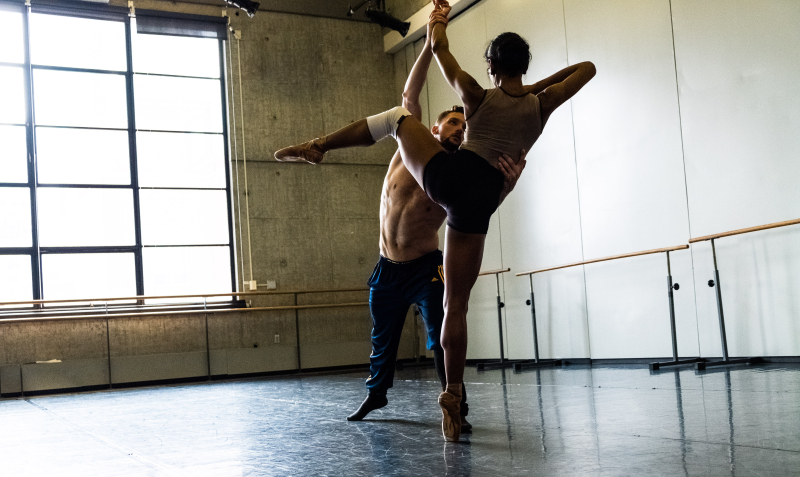
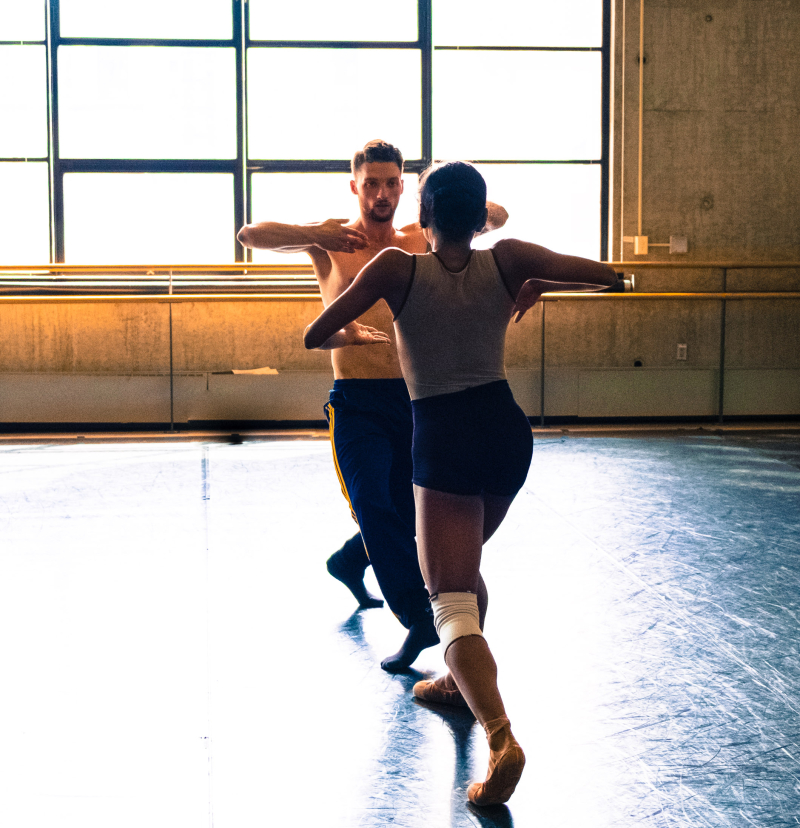
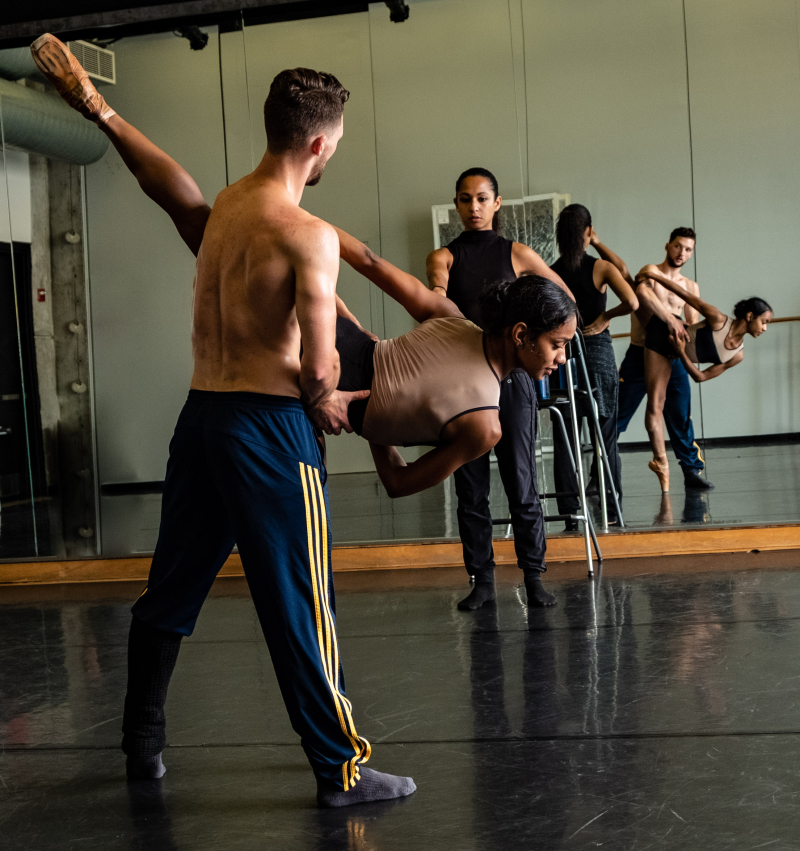
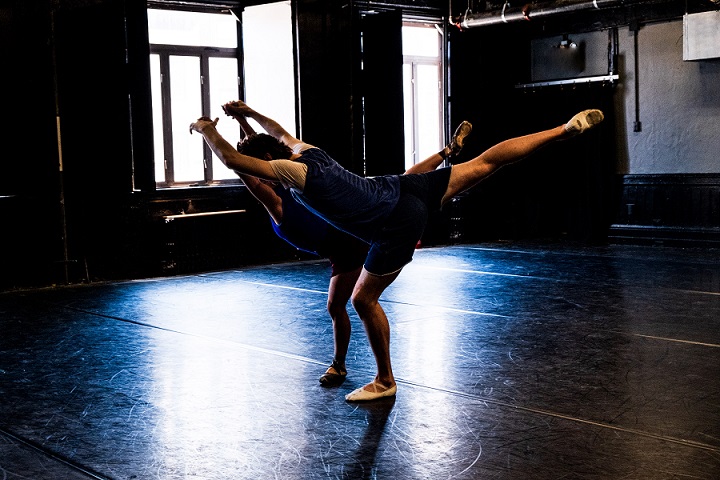
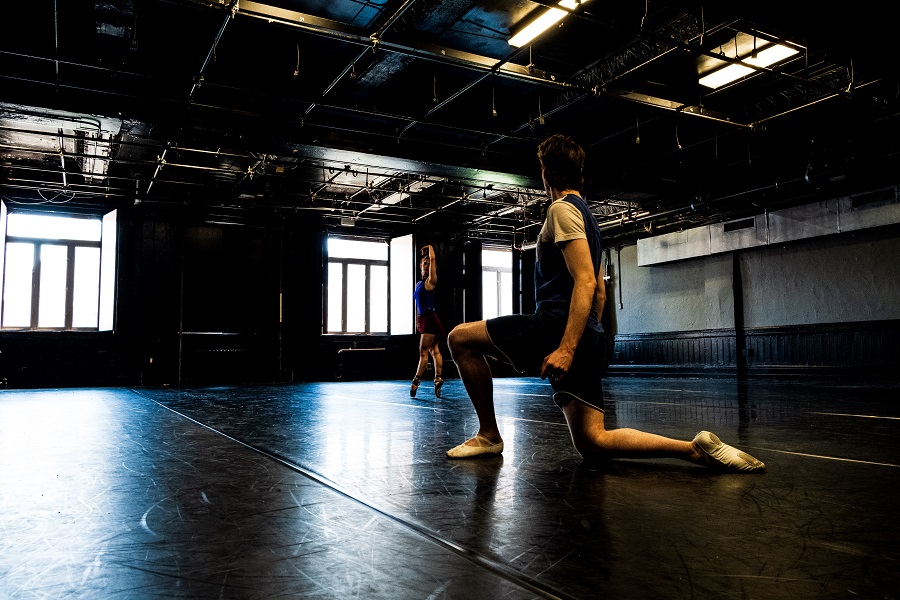
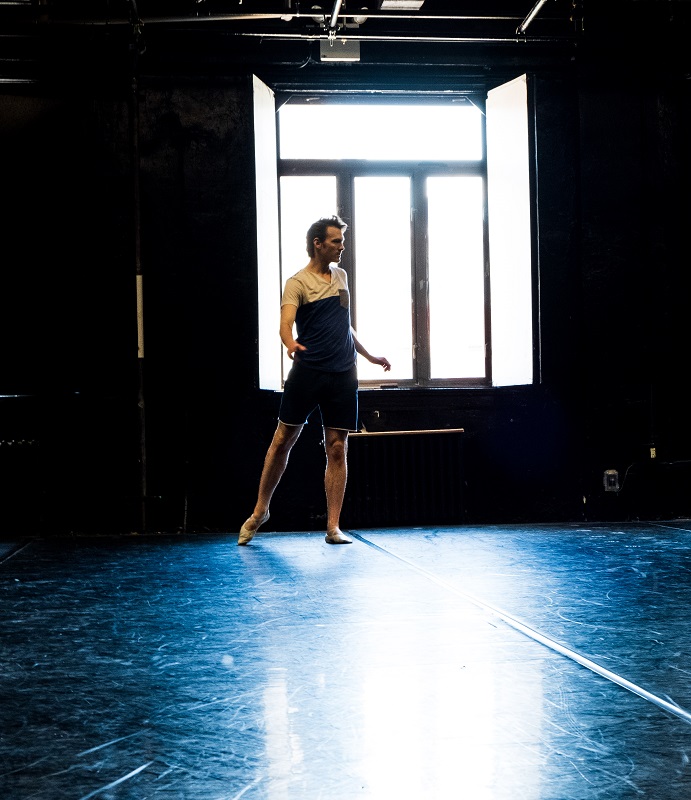
    Tuesday July 24th – Photographer Dmitry Beryozkin and I stopped in at the Baryshinikov Arts Center this afternoon where choreographer Claudia Schreier’s newest creation was in rehearsal. The pas de deux is Claudia’s third commission from the world-renowned Vail Dance Festival: in 2016 she debuted there with SOLITAIRE, and last Summer, TRANQUIL NIGHT, BRIGHT AND INFINITE was presented on the Vail stage.

    Claudia’s new ballet, as yet untitled, it set to a score by Gabriela Lena Frank which is a joint commission by the Vail Festival and Brooklyn Rider. Two charismatic dancers from Ballet Hispanico, Dandara Veiga and Chris Bloom, are performing Claudia’s pas de deux, while the full company of Ballet Hispanico will also be dancing at the Vail Festival in a program that includes their brilliant rendering of CARMEN.maquia, choreographed by Gustavo Ramírez Sansano.

    Dmitry Beryozkin’s images from today’s rehearsal:

    DSCF4322

    DSCF4378

    DSCF4416

    DSCF4464

    DSCF4505

    DSCF4634

    DSCF4682

    DSCF4698

    DSCF4810

    DSCF4822

    DSCF5004

    All photographs by Dmitry Beryozkin.

    ~ Oberon

  • The Cantanti Project: Far and Near

    United-Palace-Theatre-6

    Above: the grand foyer of The United Palace of Cultural Arts

    ~ Author: Oberon

    Monday June 25th, 2018 – The Cantanti Project, an enterprising collective of young singers headed by Artistic Director Joyce Yin, brought a truly enjoyable program of live music to Northern Manhattan this evening. In the fantastical lobby of the United Palace of Cultural Arts at 4140 Broadway, eight singers and an expert pianist performed operatic numbers, songs – both classical and contemporary – and tunes from the Broadway stages. That all the vocalists were women transformed the evening into a celebration of feminine pride and empowerment; when they joined for the finale – Go The Distance from Alan Menken’s HERCULES – they were really inspiring.

    The United Palace originally opened as the Loew’s 175th Street Theatre in 1930; it was an ornate vaudeville house and movie theatre. In 1969, when many of the city’s grand movie theaters were slated for demolition, the United Palace of Spiritual Arts (formerly known as United Christian Evangelistic Association) took over the property.

    I’d never been to this Palace before, but the foyer struck me an incredible ready-made setting for opera; the MAGIC FLUTE came immediately to mind, and dozens of operas from the Baroque era would look right at home there. For tonight, a grand piano had been rolled out and comfortable seating arranged in the space so that the performance seemed intimate even in such a grandiose setting. The acoustics are superb for singing: no mikes needed, thank you very much. 

    William Lewis accompanied the singers throughout the program; his playing was both supportive of the voices and very attractive in its own right.

    Mr. Lewis opened the evening with the rhapsodic introduction to the Canzone di Doretta from Puccini’s LA RONDINE; this familiar aria was then taken up by soprano Rebecca Richardson, her big-lyric voice sounding vibrantly in the space. Joyce Yin’s If I Loved You from CAROUSEL profited well through her clear diction, pretty tone, and sincere delivery. Jane Hoffman and Brittany Fowler made a nice vocal blend in the enchanting Flower Duet from LAKME by Léo Delibes; with Mr. Lewis’s lovely support, they created a charming, sisterly atmosphere.

    The distinctive voice of Tara Gruszkiewicz transformed the Aaron Copland arrangement of At The River into an almost operatic experience; her fine diction and magisterial delivery made for a winning performance. Another intriguing voice and personality, that of Aumna Iqbal, made her first appearance of the evening with Robert Schumann’s Wanderung to which she brought a dramatic lilt. Ms. Iqbal, who made such a great impression as Orfeo the the Cantanti Project’s production of Caccini’s EURIDICE earlier this year, had her arm in a sling this evening…but it didn’t hamper her singing.

    Rebecca Richardson returned for Joaquin Rodrigo’s De Ronda – an all-too-short song. Mary Kathryn Monday’s Seguidilla from CARMEN was characterful, wherein she played with the dynamics to make an enticing effect. Lee Hoiby’s The Serpent has a wonderful rhythmic start; Ms. Yin sang the song with plenty of zest, moving thru the vocalise passages to a big, sustained high note at the end. 

    With the all-female line-up of singers tonight, it was only fitting that songs by female composers should be featured. The first of these was Consuelo Velázquez‘s Besame Mucho, the voices of Tara Gruszkiewicz and Mary Kathryn Monday filling the seductive melody with nicely contrasting timbres and skillfully-managed vibratos. Jane Hoffman sang Eva dell’Acqua‘s lovely Villanelle with its coloratura vocalise passages and showy cadenzas. We don’t hear Amy Beach‘s music often enough these days; Ms. Hoffman offered Beach’s beautiful I Send My Heart To Thee which reaches a passionate climax before subsiding to a pensive ending. Brittany Fowler chose Fanny Mendelssohn‘s Nachtwanderer which seems like a quietly rapturous waltz into which a dramatic mid-section is introduced.

    Mr. Lewis’s arrangement of the traditional song Shenandoah suited Brittany Fowler well, showing off her depth of tone and commitment. The Evening Prayer from HANSEL & GRETEL benefited from an appealing blend of voices: the sweetly lyrical Angela Dixon and the steadfast, poetic Aumna Iqbal. Ms. Monday then gave an expansive and pleasing rendering of Build My House from Bernstein’s PETER PAN.

    To Dvořák’s poignant Als die alte Mutter, Ms. Gruszkiewicz brought an Olde World duskiness of timbre that was quite haunting. In Home, from Alan Menken’s BEAUTY AND THE BEAST, Ms. Iqbal’s dramatic, songful performance marked her out as a singer with something to say. 

    Mr. Lewis’s arrangement of Harold Arlen’s Somewhere Over the Rainbow is one of the best versions of that classic song I have ever heard; Ms. Richardson and Ms. Yin meshed their voices to captivating effect, finishing with a rising, harmonized passage that recalls the last phrase of Sophie and Octavian’s final duet in DER ROSENKAVALIER.

    Then came the ensemble-finale, Go the Distance, with the women soloing and duetting along the way to a concerted finish. I admit that seeing the ‘musical theatre’ pieces listed on the program gave me pause, but they ended up being some of the highlights of the evening.

    ~ Oberon
  • Rehearsal: Two Duets by Cherylyn Lavagnino

    DSCF4129

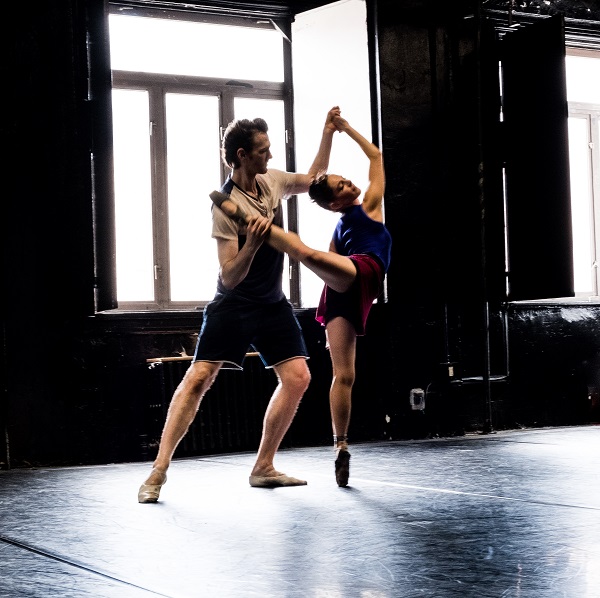
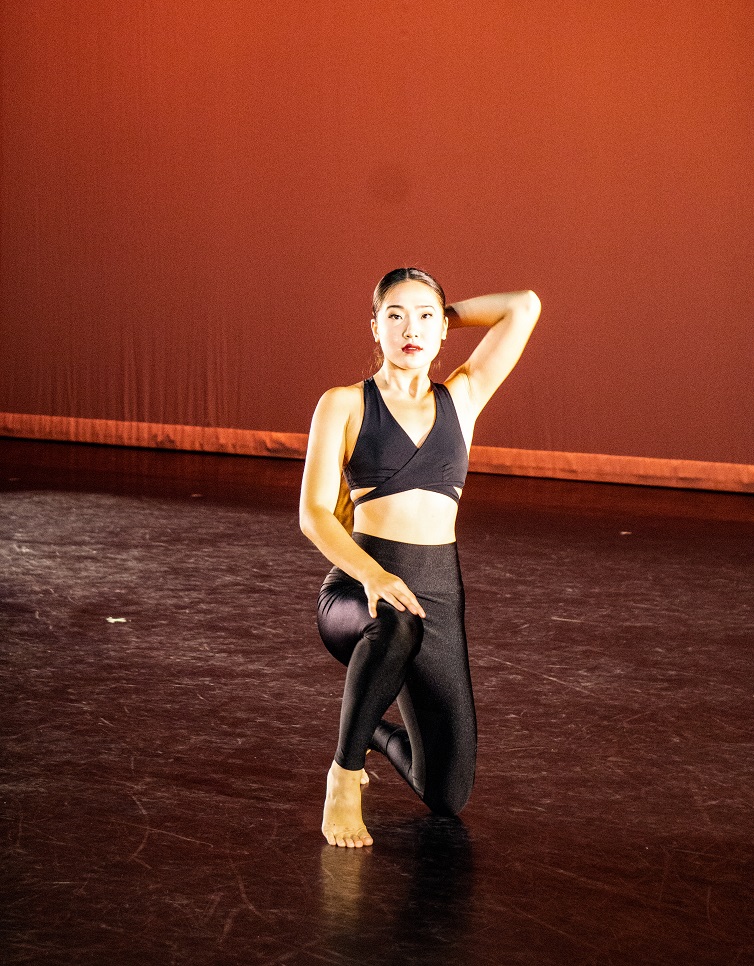
    Above: Ramona Kelley and Daniel Mantei rehearsing for Cherylyn Lavagnino Dance; photo by Dmitry Beryozkin

    ~ Author: Oberon

    Thursday June 21st, 2018 – Cherylyn Lavagnino Dance are preparing for their annual New York season with performances at the Tisch School of the Arts’ Jack Crystal Theatre on June 27th and 28th, 2018. Details and ticket information here.

    I had missed Cherylyn’s performances last season due to my prolonged ‘indisposition’; I was all set to attend the performance this month when a family obligation took over. So I was very grateful indeed to be able to go down to the Tisch studios this afternoon watch a rehearsal of two duets from the upcoming program: one from the ballet Kamila, set to the song cycle The Diary of One Who Vanished by Leoš Janáček, and a free-standing duet set to Janis Joplin’s classic rendering of Gershwin’s Summertime. The delightful ballerina Ramona Kelley and former ABT dancer Daniel Mantei were paired in these two distinctively different pas de deux. My friend Dmitry Beryozkin was there to photograph the dancers:

    DSCF3725

    DSCF3736

    DSCF3738

    DSCF3758

    DSCF3767

    DSCF3808

    DSCF3892

    DSCF3906

    DSCF3944

    DSCF3970

    B

    DSCF4024

    DSCF4076

    DSCF4130

    DSCF4149

    DSCF4152

    ~ Oberon
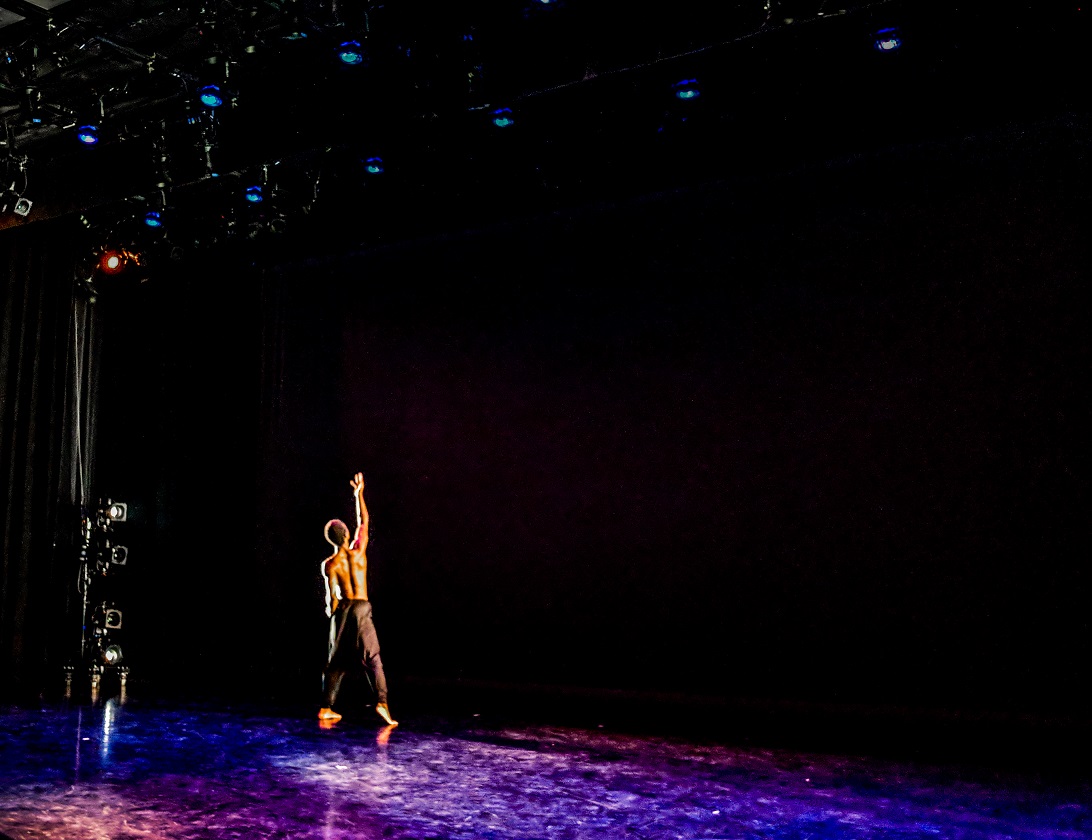
  • BroadwayWorld Review: Lydia Johnson Dance

    DSCF3589

    Above: Lydia Johnson Dance in Undercurrent; photo by Dmitry Beryozkin

    This review by Barnett Serchuk for BroadwayWorld of Lydia Johnson Dance‘s recent program at Ailey Citgroup Theatre reminds me of my own first encounter with Lydia Johnson’s work.

    On a whim, I went to one of Lydia’s studio showings in 2009, knowing nothing about her and with zero expectations. Nine years on, I still think she’s one of the very few truly distinctive choreographers on the New York scene.

    A gallery of Dmitry’s photos from the LJD Ailey show here.