Category: Reviews

  • Lifits @ Weill Hall

    ~ Author: Scoresby

    Friday March 23rd, 2018 – It is always a pleasure going to Carnegie Hall’s Distinctive Debuts series to hear new young musicians. This evening had the Uzbeckistani-German pianist Michail Lifits performing a short and somewhat eclectic program. The evening began with the last piano sonata that Schubert published in his lifetime: Piano Sonata in G major, D 894. Interestingly, this work was Schumann’s favorite Schubert piece. It is an unusual for younger musicians to program this work as it is one of Schubert’s most understated. Typically I am wary of hearing this piece played, as it can sound utterly repetitive in the wrong hands. Mr. Lifits proved otherwise, providing one of the most probing performances I’ve heard of the piece.

    The work commences with a serene chord pattern that serves as the base for the entire first movement. Mr. Lifits used a quiet and refined style of playing. There wasn’t much pedal; however, all of the voices were even. His tempo was quicker than some, but this only emphasized the song like quality of the music. After each restatement of this main theme, Mr. Lifits would slightly alter his voicing, throwing a different shade of color to this chord pattern. Over the course of the few minutes leading up to the dramatic downward scale that launches the piece forward, Mr. Lifits hand began to focus on clarifying the lower notes and murky inner-voices. Thus, with the tension set, he launched into that fateful downward scale creating one of the most dramatic moments of the evening. His sensitivity in dynamics let that moment feel like an awakening of sorts, after all the quiet lead up.  

    Screenshot 2018-03-25 at 2.35.22 PM

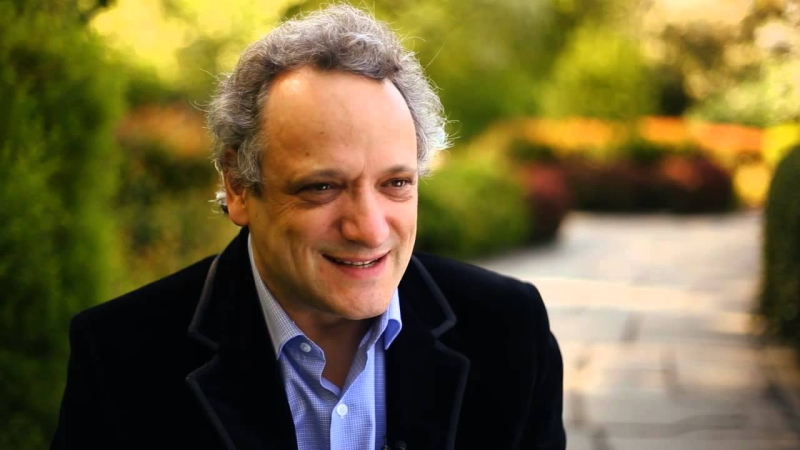
    Above: Pianist Michail Lifits, Photo Credit: Felix Broede

    After finally moving into this broader dynamic range, Mr. Lifits took full advantage. Through the first movement there are beautiful lieder-like sections. Here the piano had a softer sound, the melody in the right hand sounding like a singer playfully skirting atop a charming accompaniment. Each time the downward motif was repeated, Mr. Lifits increased the drama by adding slightly louder dynamics propelling the music forward.  

    In the main repeated chords, the lower basses gradually came into its own melancholy identity. Mr. Lifits wistful playing made this tinge become apparent through all the gracefulness above it. Finally, after transforming the almost repetitious theme for the last time the first movement came to delicate close. The audience was so enthused that they gave him a loud clap before letting him begin the second movement. I’ve never heard such a creative performance of that movement, that let each chord shine while at the same time pushing the music forward.  

    Mr. Lifits took a slightly faster approach for the second movement than one typically hears, which just increased the song-like quality inherent in this music. In the second minor theme that takes over this was particularly present. Despite some smudges in some of the scales and some technical issues, as a whole the second and third movements were still lovely.  

    Not pausing between any of the movements (perhaps out of fear that the audience would clap again, a good problem to have), he took a naïve jolly tempo for the last movement. Enjoying each ornamentation in the right hand and letting the music pop. I couldn’t but think that Schumann must have been inspired by this in his own Carnival. Regardless, I look forward to listening to Mr. Lifits’ Schubert CD (which includes this sonata). According to his biography he is recording an entire cycle of Schubert’s music and I look forward to hearing it all. 

    In the second half of the concert, there was a transition from the serene to the circus. First was the Shostakovich 24 Preludes, Op. 34 performed in succession without a break with Shostakovich Prelude and Fugue in D minor, Op. 87, No. 24. The Preludes are an earlier set of pieces which are classic Shostakovich joke-type pieces. While there are some serious moments, they are a study in comical miniatures for the most part. While I enjoy hearing a few of these, hearing all of them in succession was a little much for my taste (even as a devout Shostakovich lover).  

    Nonetheless, Mr. Lifits gave as good of a performance as one can expect, emphasizing the humorous sections of these pieces. In the second movement which is a burlesque sort of waltz, Mr. Lifits indulged in its off-kilter quality. He played up the various extreme dynamic changes in the wild moments. In the eighth movements riffs on jazzy themes, the piano here sounded like in a cabaret. The best part of the second half was the organ-like prelude and fugue. Mr. Lifits managed to coax all of the difficult voicing out of the fugue to create an intricate web of layers.  

    After such a well-played concert, Mr. Lifits offered Rachmaninoff’s showy arrangement of Kreisler’s Liebesleidwhich seemed inappropriate after all that came before. As a panacea to the Rachmaninoff, Mr. Lifits finished the concert with a second encore of Chopin’s posthumous Nocturne in C-sharp Minor which he played as well as the Schubert.

    ~ Scoresby

  • Cantanti Project’s EURIDICE: Gallery

    Euridice by Cantanti @ NYC_Rush Selects-web_16

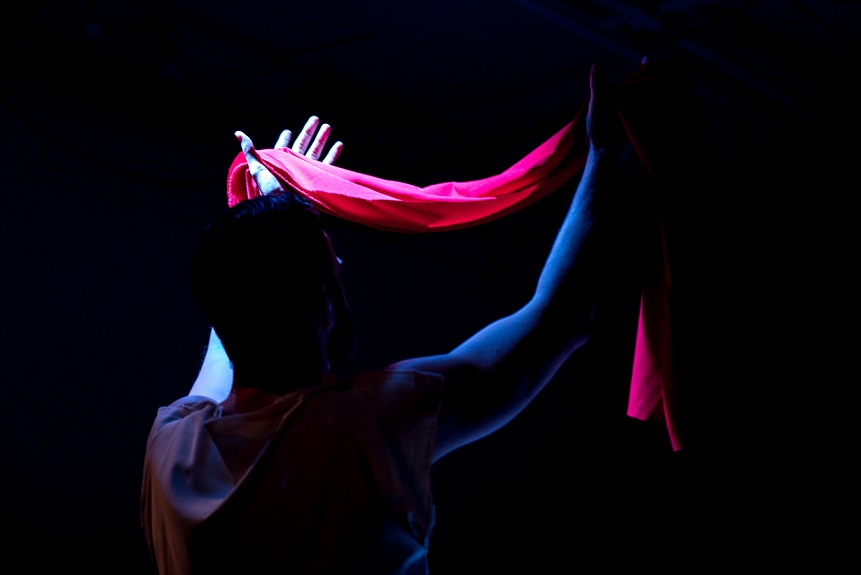
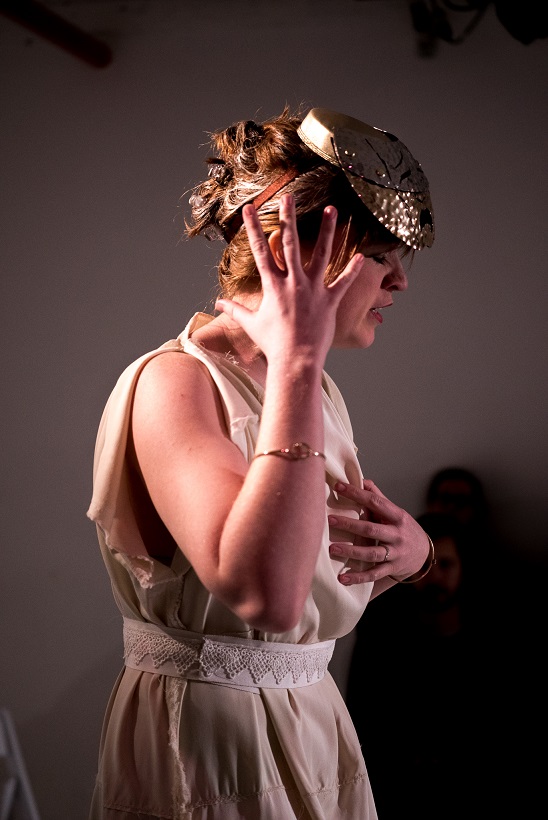
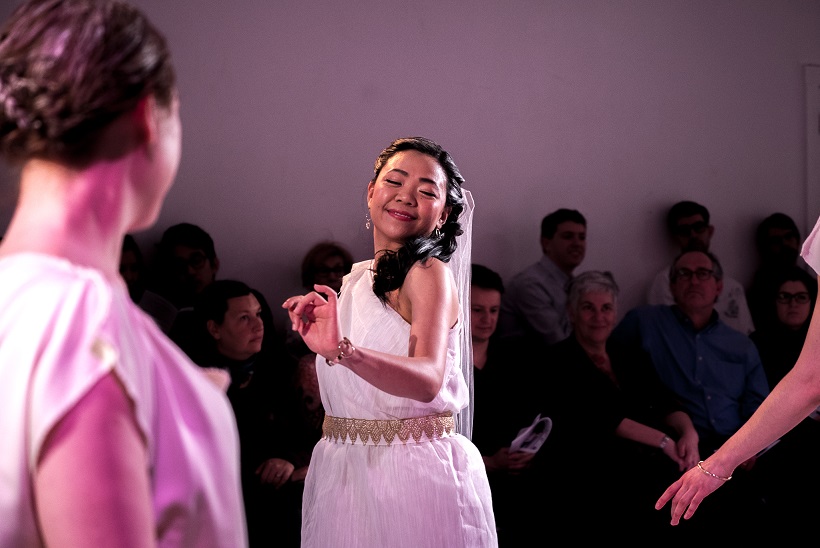
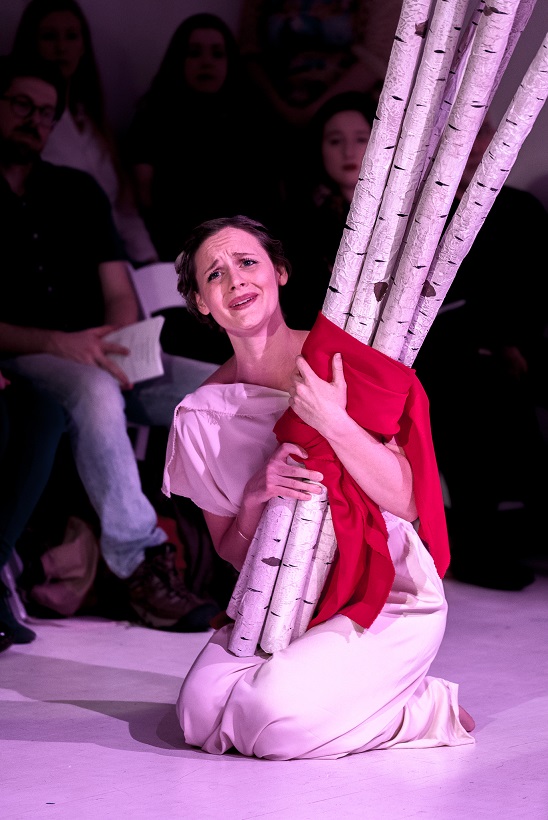
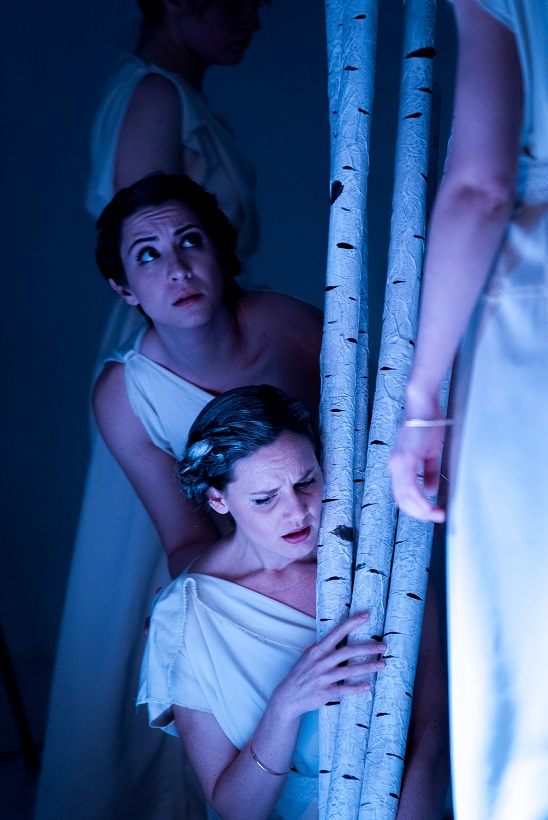
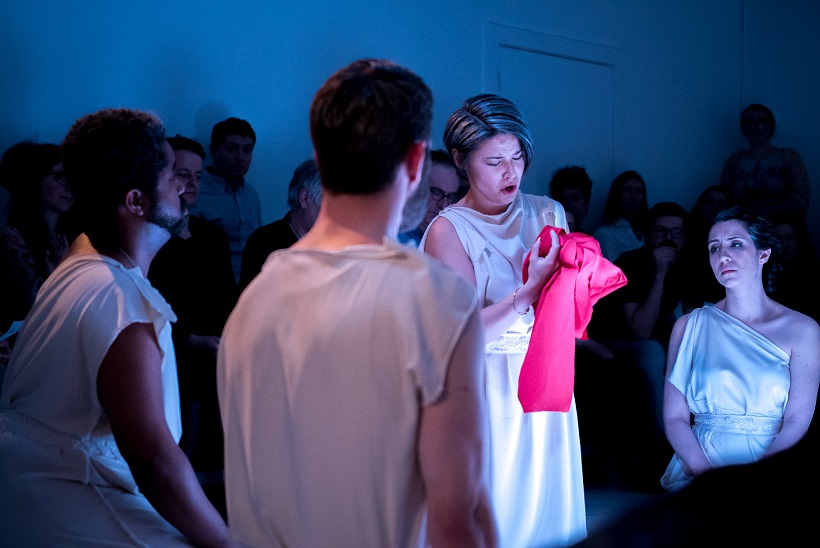
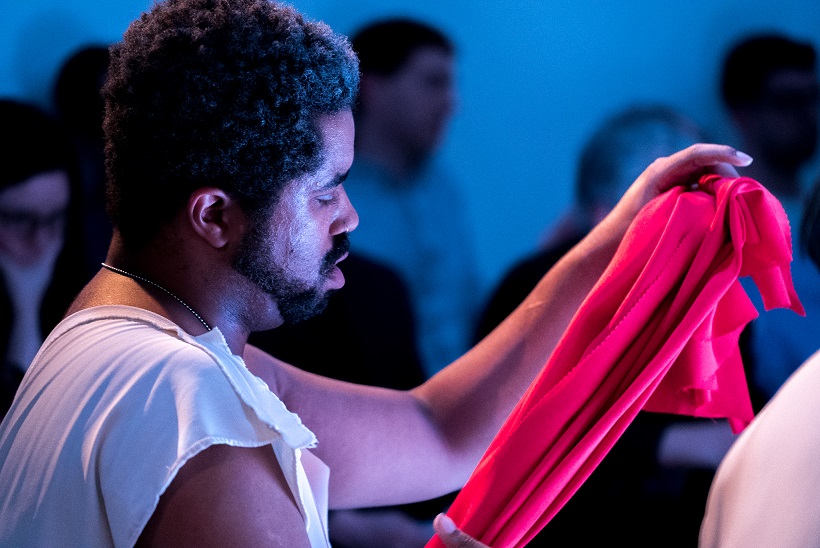
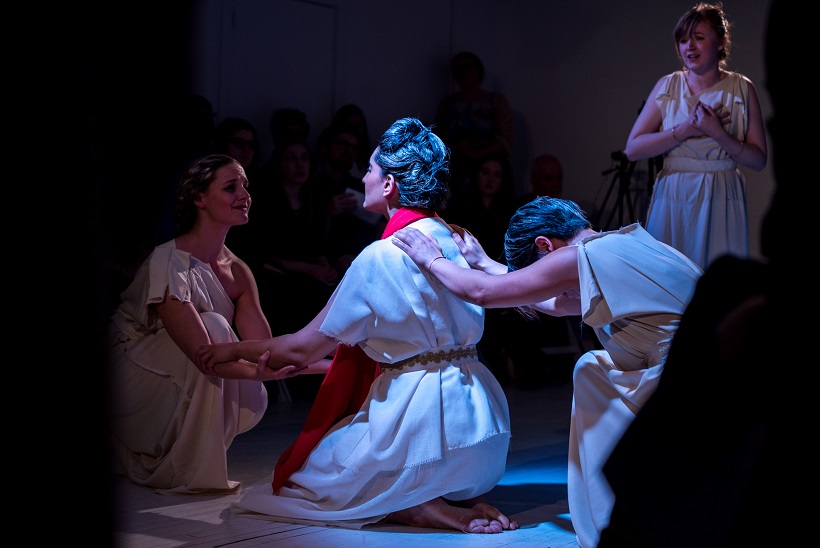
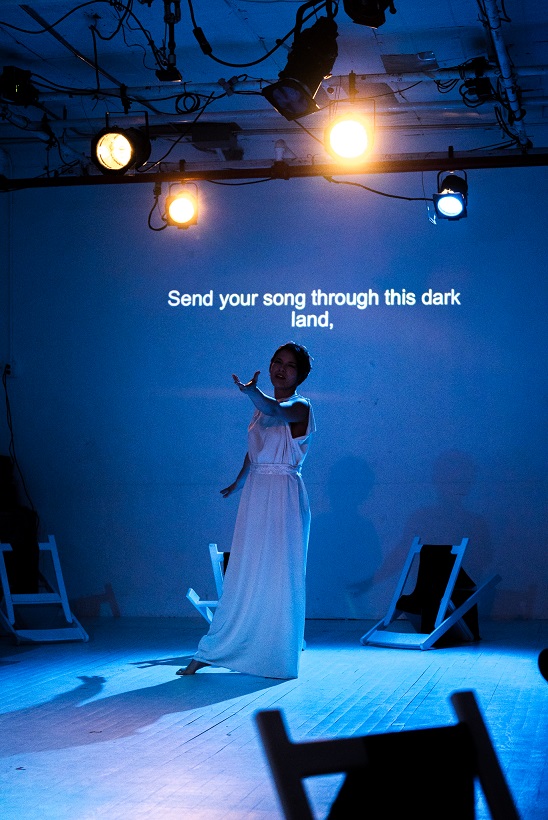
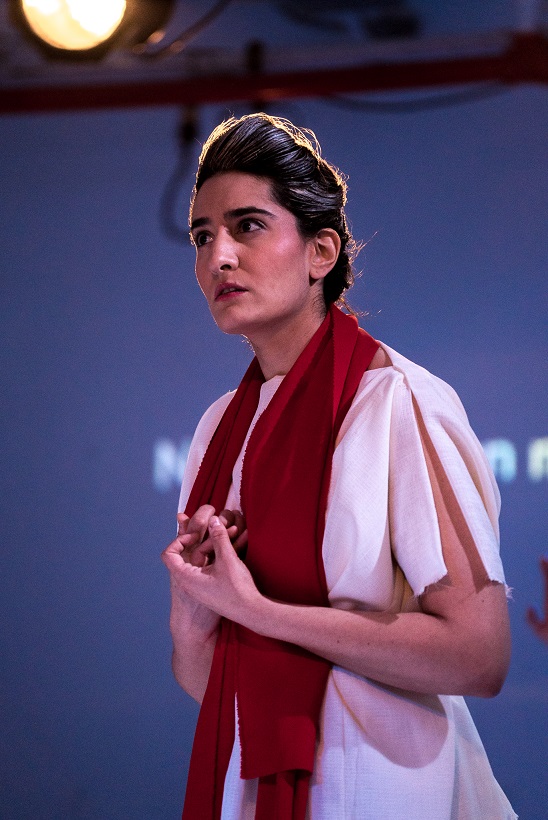
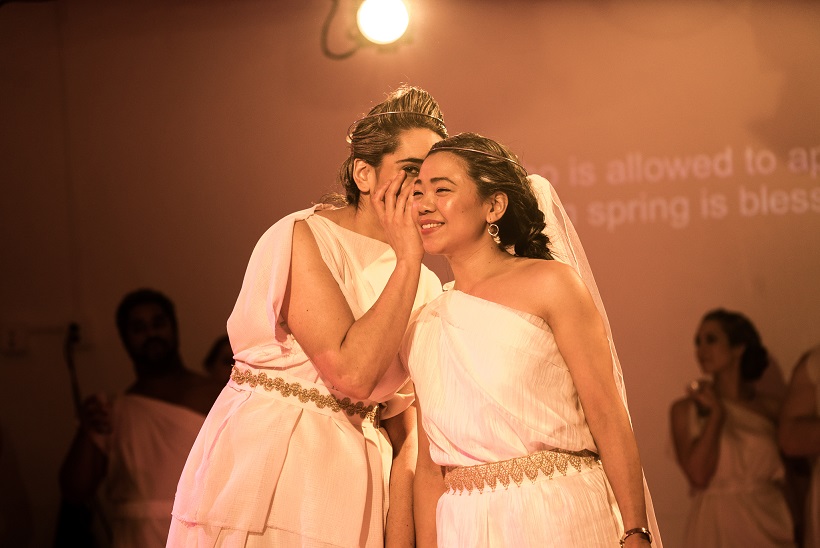
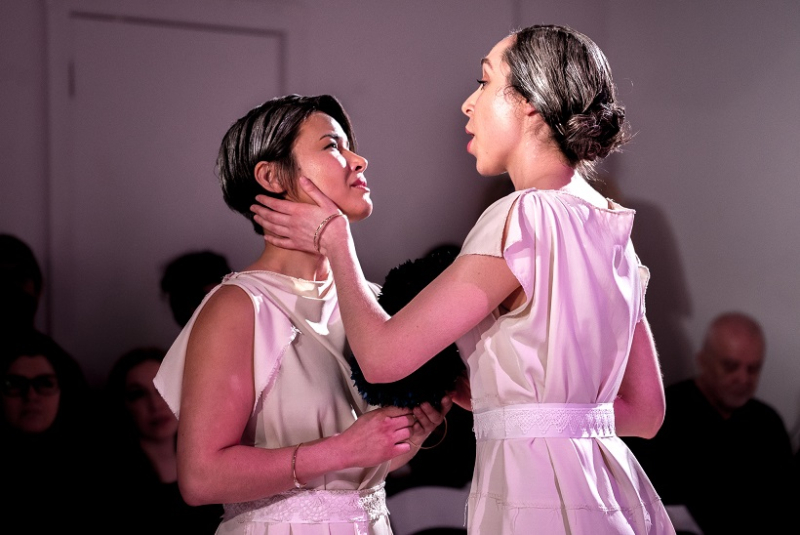
    A gallery of images from the Cantanti Project‘s recent production of Giulio Caccini’s EURIDICE. The photos are by Lucas Godlewski of LGod Photography. Read about the performance here, and about a rehearsal that I got to watch here.  

    Often referred to as “the first opera”, Caccini’s EURIDICE is a take on the classic story of Orfeo, the mythic singer who descends to the Underworld to rescue his beloved Euridice. Caccini gives us a happy ending: a triumph of love over death.

    Euridice by Cantanti @ NYC_Rush Selects-web_1

    La Tragedia: Fiona Gillespie Jackson

    Euridice by Cantanti @ NYC_Rush Selects-web_2

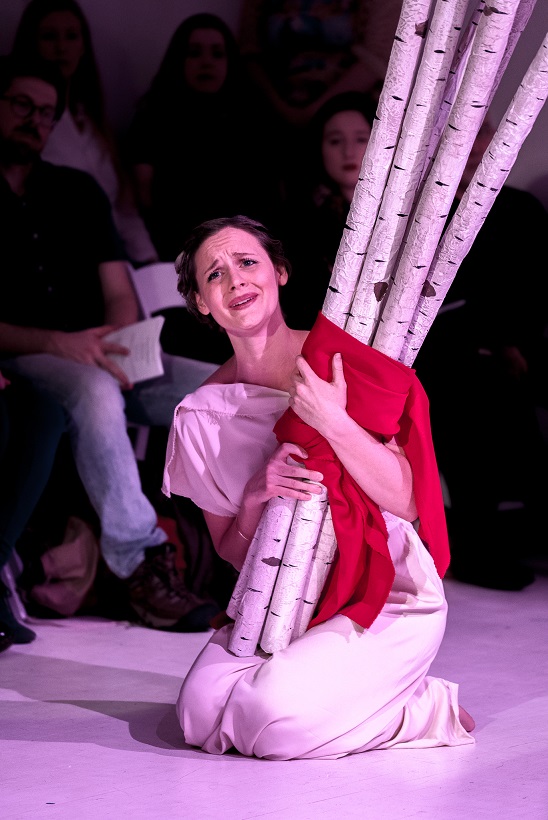
    Euridice as bride-to-be: Joyce Yin

    Euridice by Cantanti @ NYC_Rush Selects-web_3

    Nymphs: Brittany Fowler, Sara Lin Yoder

    Euridice by Cantanti @ NYC_Rush Selects-web_5

    Tom Corbeil

    Euridice by Cantanti @ NYC_Rush Selects-web_7

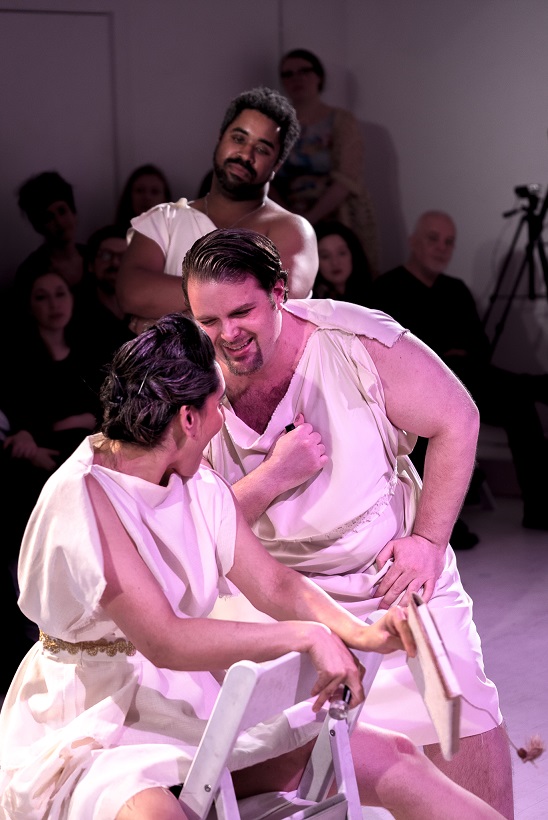
    Bachelors cavort before the story turns dark: Aumna Iqbal, Michael Celentano, Marques Hollie

    Euridice by Cantanti @ NYC_Rush Selects-web_8

    Dafne (Elyse Kakacek) brings news of Euridice’s death

    Euridice by Cantanti @ NYC_Rush Selects-web_11

    Daniela DiPasquale and Elyse Kakacek

    Euridice by Cantanti @ NYC_Rush Selects-web_14

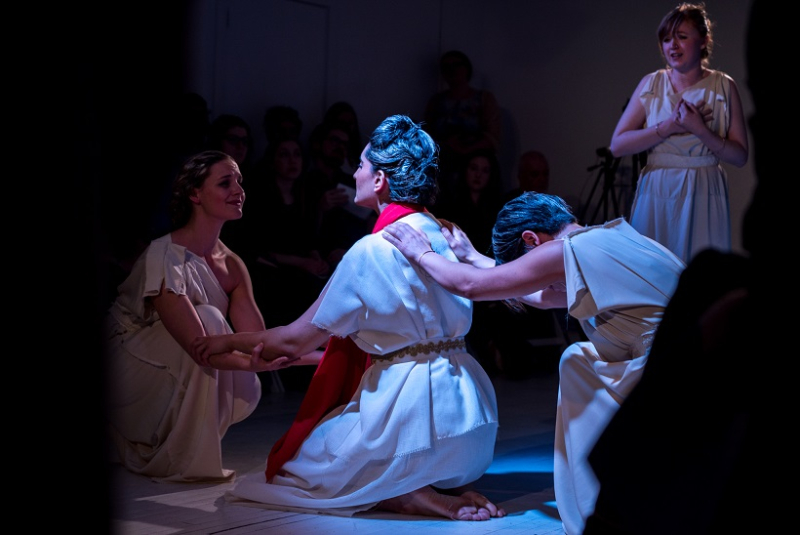
    Lamenting the death of Euridice: Marques Hollie, Tom Corbeil, Brittany Fowler, Sara Lin Yoder

    Euridice by Cantanti @ NYC_Rush Selects-web_15

    Marques Hollie

    Euridice by Cantanti @ NYC_Rush Selects-web_18

    Laura Mitchell (Arcetro) with Fiona Gillespie Jackson

    Euridice by Cantanti @ NYC_Rush Selects-web_22

    Urging Orfeo to seek Euridice in the Underworld: Elyse Kakacek, Aumna Iqbal, Brittany Fowler, Fiona Gillespie Jackson

    Euridice by Cantanti @ NYC_Rush Selects-web_24

    Brittany Fowler as Venere

    Euridice by Cantanti @ NYC_Rush Selects-web_40_preview

    Lydia Dahling as Prosperina

    Euridice by Cantanti @ NYC_Rush Selects-web_25

    Aumna Iqbal as Orfeo

    Euridice by Cantanti @ NYC_Rush Selects-web_29

    Friends reunited

    Euridice by Cantanti @ NYC_Rush Selects-web_31

    Lovers reunited: Aumna Iqbal and Joyce Yin

    All photos by Lucas Godlewski/LGod Photography.

  • Cantanti Project’s EURIDICE: Gallery

    Euridice by Cantanti @ NYC_Rush Selects-web_16

    A gallery of images from the Cantanti Project‘s recent production of Giulio Caccini’s EURIDICE. The photos are by Lucas Godlewski of LGod Photography. Read about the performance here, and about a rehearsal that I got to watch here.  

    Often referred to as “the first opera”, Caccini’s EURIDICE is a take on the classic story of Orfeo, the mythic singer who descends to the Underworld to rescue his beloved Euridice. Caccini gives us a happy ending: a triumph of love over death.

    Euridice by Cantanti @ NYC_Rush Selects-web_1

    La Tragedia: Fiona Gillespie Jackson

    Euridice by Cantanti @ NYC_Rush Selects-web_2

    Euridice as bride-to-be: Joyce Yin

    Euridice by Cantanti @ NYC_Rush Selects-web_3

    Nymphs: Brittany Fowler, Sara Lin Yoder

    Euridice by Cantanti @ NYC_Rush Selects-web_5

    Tom Corbeil

    Euridice by Cantanti @ NYC_Rush Selects-web_7

    Bachelors cavort before the story turns dark: Aumna Iqbal, Michael Celentano, Marques Hollie

    Euridice by Cantanti @ NYC_Rush Selects-web_8

    Dafne (Elyse Kakacek) brings news of Euridice’s death

    Euridice by Cantanti @ NYC_Rush Selects-web_11

    Daniela DiPasquale and Elyse Kakacek

    Euridice by Cantanti @ NYC_Rush Selects-web_14

    Lamenting the death of Euridice: Marques Hollie, Tom Corbeil, Brittany Fowler, Sara Lin Yoder

    Euridice by Cantanti @ NYC_Rush Selects-web_15

    Marques Hollie

    Euridice by Cantanti @ NYC_Rush Selects-web_18

    Laura Mitchell (Arcetro) with Fiona Gillespie Jackson

    Euridice by Cantanti @ NYC_Rush Selects-web_22

    Urging Orfeo to seek Euridice in the Underworld: Elyse Kakacek, Aumna Iqbal, Brittany Fowler, Fiona Gillespie Jackson

    Euridice by Cantanti @ NYC_Rush Selects-web_24

    Brittany Fowler as Venere

    Euridice by Cantanti @ NYC_Rush Selects-web_40_preview

    Lydia Dahling as Prosperina

    Euridice by Cantanti @ NYC_Rush Selects-web_25

    Aumna Iqbal as Orfeo

    Euridice by Cantanti @ NYC_Rush Selects-web_29

    Friends reunited

    Euridice by Cantanti @ NYC_Rush Selects-web_31

    Lovers reunited: Aumna Iqbal and Joyce Yin

    All photos by Lucas Godlewski/LGod Photography.

  • WALKURE: Act I @ The New York Philharmonic

    Simon _oneill

    Above: tenor Simon O’Neill

    ~ Author: Oberon

    Thursday February 15th, 2018 – We’ve been starved for Wagner of late, but now – in the course of a single week – we’ve had Dorothea Röschmann singing the Wesendonck Lieder, The New York Philharmonic offering Act I of DIE WALKURE (tonight), and, coming up: a matinee of PARSIFAL at The Met.

    This evening’s Philharmonic program opened with Pulitzer Prize-winner John Luther Adams’s Dark Waves, music which readily brings to mind the opening of Wagner’s DAS RHEINGOLD. Long, deep notes are the sustaining quality throughout the piece’s twelve-minute span. Beyond that, horn calls on fifths and the brief tweeting of the piccolo emerge thru the murky, at times almost mechanical, layers of sound. The volume ebbs and flows, at times becoming massive. This is music that surely casts a spell, though one patron was apparently not pleased and expressed himself with high, hooting boos that became comical after a bit.

    The Philharmonic’s new music director, Jaap van Zweden, yet again proved himself a Wagnerian of great skill and commitment. His presentation of the WALKURE Act I tonight was so alive – right from the rather fast tempo he chose for the score’s opening pages depicting Siegmund being tracked by his enemies – and the orchestra played superbly.

    Six harps are onstage, and, as the Act progressed, we had marvelous solo moments from Carter Brey (cello), Anthony McGill (clarinet), Amy Zoloto (bass clarinet), and Liang Wang (oboe) as well as some noble calls from the horns.

    As Hunding, John Relyea’s dark, menacing tone poured forth, full of irony and vitriol: this courteous host will likely stick a knife in your ribs given the opportunity. As with his magnificent Bartok Bluebeard at Carnegie Hall a year ago, Mr. Relyea proved himself yet again to be a singer of great vocal and physical command. One moment summarized the brilliance of Mr. Relyea’s portrayal: after Siegmund has told his history to Sieglinde, ending tenderly with “Nun weißt du, fragende Frau,warum ich Friedmund nicht heiße!” (‘Now you know, gentle wife, why I can never be called Peaceful.’), Hunding/Relyea interrupts the twins’ mutual attraction, singing venomously: “Ich weiß ein wildes Geschlecht!” (‘I know of your riotous race!’). Hunding’s denunciation of his guest, and his promise to slay him at dawn, drew black-toned vocalism from the basso.

    Ten years have passed since I first heard Simon O’Neill’s Siegmund at a matinee performance at The Met. Both in voice and interpretation, Simon has kept things fresh in this arduous role: his singing – by turns helden or lyrical – is wonderfully present, and his diction and colourings are impressively utilized in the long narrative passages. For Siegmund’s story is a sad tale indeed, and although on this night – when he’s stumbled into Hunding’s hut as a hunted man – he will experience happiness ever so briefly, within hours  he will be betrayed to his death by his own father.

    Mr. O’Neill makes these stories of loneliness and woe truly poignant; both here and in those passages when heroic tones are called for, he shows himself the equal of any Siegmund of my experience. His cries of “Wälse! Wälse!” in the Sword monolog were excitingly sustained. The cresting, poetic beauty of Simon’s “Winterstürme” and his powerful summoning of Nothung from the tree were highlights of the evening. And then, with van Zweden’s orchestra pulsing away with relentless vitality towards the finish line, Simon latched onto a clarion, hall-filling top-A at “Wälsungen blut!…” to cap the evening.

    In 2012, Heidi Melton’s singing of the 3rd Norn in GOTTERDAMMERUNG at The Met gave me reason to believe she could be the next great Wagnerian soprano. But since then, in subsequent encounters, I have found her disappointing. This evening, her physical presence and the voice’s limitations in the upper range drew a blank with me.

    So tonight, it was the excellence of the male singers, the thrilling playing of the orchestra, and Maestro van Zweden’s feel for this music that gave Wagner his due.  

    ~ Oberon

  • Big Basso Note

    Hqdefault

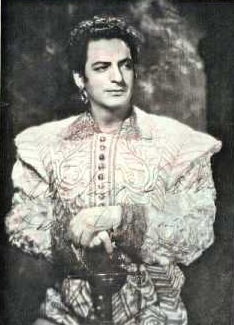
    Above: basso Roberto Silva as Don Giovanni

    Lots of opera lovers are familiar with recordings of the 1951 Mexico City AIDA because it includes an interpolated high E-flat from Maria Callas at the conclusion of the Triumphal Scene. Despite middling sound-quality, there’s actually quite a lot to sustain interest in the performance as a whole – not least the voice-risking, full-throttle Amneris of Oralia Dominguez. Dominguez was only 26 at the time, and singing her first Amneris; she spends the voice so recklessly, including some cavernous chest-tones, that it’s a wonder she was able to ever sing anything again. But in fact she had a career that lasted into the 1970s, and is best-remembered as Erda in the Karajan RING Cycle recording.

    There’s another impressive voice to be heard in this Mexico City performance: basso Roberto Silva, who sings Ramfis. Silva sustains a powerful note in the phrase “Per tua man diventi ai nemici terror, folgore…morte!” during the Temple Scene. Silva holds his own against the Radames of Mario del Monaco.

    Mario del Monaco & Roberto Silva – Temple Scene ~ AIDA – Mexico City 1951

    I went in search of information about Señor Silva, though I could not find much in the way of biographical detail. He sang in LUCIA DI LAMMERMOOR, RIGOLETTO and PURITANI with Callas during her Mexico City seasons, and there is a listing of him as Geronte in MANON LESCAUT (also at the Palacio de Bellas Artes, in 1951) opposite Clara Petrella. It seems he also had a career as a film actor.

    The only other souvenir I could find of Roberto Silva is this rendering of Colline’s “Coat Aria” from BOHEME. It’s quite nice, actually.

  • Big Basso Note

    Hqdefault

    Above: basso Roberto Silva as Don Giovanni

    Lots of opera lovers are familiar with recordings of the 1951 Mexico City AIDA because it includes an interpolated high E-flat from Maria Callas at the conclusion of the Triumphal Scene. Despite middling sound-quality, there’s actually quite a lot to sustain interest in the performance as a whole – not least the voice-risking, full-throttle Amneris of Oralia Dominguez. Dominguez was only 26 at the time, and singing her first Amneris; she spends the voice so recklessly, including some cavernous chest-tones, that it’s a wonder she was able to ever sing anything again. But in fact she had a career that lasted into the 1970s, and is best-remembered as Erda in the Karajan RING Cycle recording.

    There’s another impressive voice to be heard in this Mexico City performance: basso Roberto Silva, who sings Ramfis. Silva sustains a powerful note in the phrase “Per tua man diventi ai nemici terror, folgore…morte!” during the Temple Scene. Silva holds his own against the Radames of Mario del Monaco.

    Mario del Monaco & Roberto Silva – Temple Scene ~ AIDA – Mexico City 1951

    I went in search of information about Señor Silva, though I could not find much in the way of biographical detail. He sang in LUCIA DI LAMMERMOOR, RIGOLETTO and PURITANI with Callas during her Mexico City seasons, and there is a listing of him as Geronte in MANON LESCAUT (also at the Palacio de Bellas Artes, in 1951) opposite Clara Petrella. It seems he also had a career as a film actor.

    The only other souvenir I could find of Roberto Silva is this rendering of Colline’s “Coat Aria” from BOHEME. It’s quite nice, actually.

  • Lisette in London

    Main_36362

    Lisette Oropesa (above) made her debut at The Royal Opera House, Covent Garden, on October 30th, 2017 in a controversial production of Donizetti’s LUCIA DI LAMMERMOOR.

    Directed by Katie Jenkins, the production was largely savaged by critics and operagoers alike when it premiered in 2016 (“…’too leaden even for the hecklers…” said The Telegraph). But Lisette and her fellow cast members seem to have rescued it in this revival, with the help of some judicious toning-down by the director.

    The reviews are coming in, and they are raves. Here’s a sample:

    “The cast is outstanding, especially the Lucia of Cuban-American soprano Lisette Oropesa. A consummate actor with a fresh, pearly sound and exquisite top notes, Oropesa creates a flesh-and-blood character out of Donizetti’s sketchy heroine. Her mad scene is beautifully judged, full of nuance and changes of pace – deeply disturbing rather than tragic – and her tender relationship with Alisa (superbly acted by Rachel Lloyd) is the most honest in this ghastly story.” ~ The Stage

  • Weilerstein|Barnatan @ Zankel Hall

    Barnatan and Weilerstein Photo by Paul Stewart

    Above: Inon Barnatan and Alisa Weilerstein, photo by Paul Stewart

    ~ Author: Scoresby

    Tuesday October 17th,  2017 – In Carnegie’s Zankel Hall, cellist Alisa Weilerstein and pianist Inon Barnatan gave a probing recital exploring a variety of repertoire. I noticed on my way into the building that the performance sold out, the crowd was buzzing with energy before the performance. While I have heard both of these instrumentals as soloists with orchestras before, I had never heard either in recital. Recently the duo has been touring and recording together, so it was easy to see their fluency with each other’s playing.

    The performance began with Mendelssohn Cello Sonata No. 2 in D Major, Op. 58. Immediately striking about the jubilant opening was the amount of restraint that both artists have. Instead, they focused on creating color, mood, and structure rather than the usual busty opening. Particularly satisfying was the clear, crisp phrasing during the recapitulation. Clearly both musicians have technical mastery of their instruments. The second movement begins with an impish scherzo that mixes cello pizzicato with staccato notes on the piano. Here, they both managed to capture the darker coloring well, particularly with Ms. Weilerstein’s dry sound. The music then has a contrasting romantic second theme. 

    Rolling choral-like arpeggios at the start of the third movement were the highlight of this piece. Mr. Barnatan took his time savoring each of these chords, capturing the happiness tinged with nostalgia. It is a pleasure to hear a duo where the instrumentalists have equal command of their instruments. In the fast-paced final movement the interplay between the two musicians was fun to hear, one picking up a scale the other had just finished zipping back and forth. They gave a fast, structured account through the chords.

    Rostropovich_Britten

    Above, from the archives: Rostropovich and Britten

    One of the reasons I was interested in this particular performance was to hear Britten Cello Sonata in C Major, Op. 65. While I know the cello suites, I hadn’t heard this particular piece before. This was the first of a few pieces written for Rostropovich (all within Britten’s later period). It was a pleasure to hear this for the first time, especially with Ms. Weilerstein’s edgier sound. The first movement, “Dialogo: Allegro” is aptly named. It beings almost like an argument between the two instruments, each cutting each other off with jazzy syncopated rhythms. The theme seems both anxious and wistful at the same time. Ms. Weilerstein seemed to emphasize a drier scratchy sound over lyricism, which worked well to contrast Mr. Barnatan’s softer staccato chords. 

    The second movement is a sinewy display of pizzicato for the cello. It is quiet, fast, and virtuosic for both instruments. Both players performed with verve, it was particularly satisfying hearing the quiet bite they both added. The third movement fully flushes out the misty nostalgia of the first movement, bringing the piece to its emotional climax. Ms. Weilerstein captures the dark colours of this movement well, really letting the lower registers shine and letting her sound expand. Her playing is striking because unlike many cellists, she has a pin-point sound that usually feels dry and craggy – it was fabulous hearing her let the cello resonate in this movement. The fourth movement contains many delicious cello shrieks and other effects, the players making the mood restless again. The final fifth movement is a relentless trudge to the end and had the audience give an enthusiastic ovation. I must say that after hearing this very convincing performance, the piece has become one of my favorites for cello and piano.

    S Mackey - Copy

    Above: composer Steven Mackey

    Steven Mackey’s compositions are always a pleasure to hear, he has a creative way of using instruments that makes listening to his works live particularly enjoyable. There are always effects that recordings can’t quite capture, and it is fun to be able to see how they are produced. Through Your Fingers, which had its world premiere with this performance and was co-commissioned by Carnegie Hall, is a one-movement piece that is divided into four distinct sections. I wonder if Mr. Mackey was aware that this piece would be paired with the Britten because stylistically they worked quite well with one before the intermission and one directly after. Mr. Mackey’s piece seems to wander between a few different moods/themes – none of them reach their conclusion, instead continuously switching and developing.

    The first section is slow and lyrical, while the second becomes more agitated with interesting shifting rhythms. I couldn’t help but picture a primordial environment when listening, particularly with the high harmonic theme with the cello. Some of Mr. Mackey’s scales in the piano part reminded me of Ginastera. I can’t imagine a more committed performance of this piece, Mr. Barnatan letting the piano oscillate between a more percussive bass and sweet melodic scales with Ms. Weilerstein embracing all of the extended cello techniques. Both led the piece into its passionate climax, capturing both the wild side of the music while still feeling grounded and precise. 

    While I wouldn’t remove any of the pieces on the program, the second half felt very long coming in at over an hour. The final piece on the program was the classic Rachmaninoff Cello Sonata in G Minor, Op. 19. It was finely played, Mr. Barnatan having a colorful palette and Ms. Weilerstein with her clarity and transparent sound. Mr. Barnatan played the piano part with a Chopin-esque lyricism, never letting the many large chords becoming overwrought. As an encore, they offered the third movement of the Chopin Cello Sonata. Both artists seemed more relaxed after the large program, letting the music flow and letting themselves get swept up a little. The crowd seemed deservedly enthusiastic at the close. 

    ~ Scoresby

  • Opening Night @ The Met: NORMA

    881x425_membership_bucket

    ~ Author: Oberon

    Monday September 25th, 2017 – I took a score desk for this evening’s NORMA at The Met; if memory serves, this the first time I’ve ever attended an opening night.

    In 2013, Sondra Radvanovsky gave a sensational portrayal of Norma at the Met. She has sung a great deal since then, and in very demanding roles. One hoped very much that her success tonight might equal or even surpass her prior Met outing as Bellini’s noble and tragic priestess.

    The evening started out on a sour note: with a scheduled start-time of 6:30 PM, the hall should have been open for seating by 6:00 PM or very shortly thereafter. Instead, ticket-holders were left standing outside closed doors for nearly 25 minutes. Balcony and Family Circle patrons were packed into the hot, airless area outside the auditorium, and many elderly people found this truly unpleasant. No announcement or explanation was given.

    The house was not full as we settled in. Following the playing of the National Anthem, during which no one seemed to be kneeling but some soprano took the ‘Licia Albanese option’, there was a long pause, and at last the opera began. Then there was an immediate disruption in my area as a late-arriving patron was seated by a flashlight-wielding usher.

    As I was at score desk, I cannot report on the production, but I do want to see it at some point later in the season: a friend who had attended the dress rehearsal assured me that it’s the kind of production I will like.

    Carlo Rizzi has never been more than a routinier; he was absent from The Met for nine years (from 2007 to 2016) but now he’s back, conducting a new production on opening night. This was actually one of the better Rizzi experiences I have had over the years, though still not really inspired. There were some cuts taken, and also a couple of very weird re-arrangements of things, of which there were no signs in the score I was following. The orchestra played quite beautifully all evening – notably the flute solo that introduces “Casta diva” – and the chorus seemed at their best.   

    Michelle Bradley sang Clothilde – we’ll have to wait to hear her in something bigger to get an idea of the voice, but it seems promising – and Adam Diegel was a vocally strong and assured Flavio.
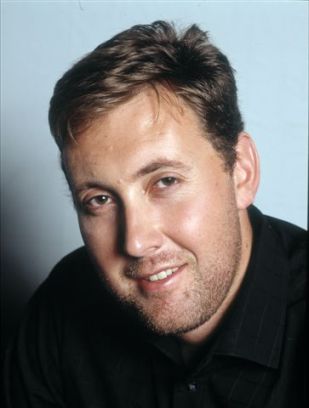
    5780b6e8cf49e

    Matthew Rose (above) was a splendid Oroveso, covering the wide range impressively and bringing the role very much to prominence. Both his great scenes – “Ite sul colle” and “Ah, del Tebro” – were vocal highlights of the evening, and in an story full of broken hearts, Mr. Rose reminded us of Oroveso’s own heartache with his expressive singing in the final pages of the opera.

    As Pollione, Joseph Calleja’s voice sounded huge in his opening phrases. I love the sound of his voice, and his phrasing, inflections, and mastery of working piano/pianissimo shadings into the vocal line were truly impressive. Unfortunately, much of his vocalism all evening was beset by a tendency to sing sharp, and this offset the positive aspects of his performance.

    I’ve always felt that Adalgisa should be sung by a soprano; despite the thrill of hearing the voice of a Simionato, Horne, or Cossotto in this music, both its range and the character’s supposed youthfulness seem to call for a lighter quality. Joyce DiDonato’s somewhat slender voice definitely has a sopranoish quality to it, and from her first soft entry, her opening monolog (it’s not really an aria) was extremely impressive both as singing and as a portrait of the character: young, hopeful, vacillating in her romantic turmoil. Ms. DiDonato was able to bring a sense of drama to everything while remaining scrupulously musical.

    Screen-Shot-2016-11-07-at-8.16.24-PM-600x400

    Above: Joyce DiDonato

    In the exciting duet for Adalgisa and Pollione that concludes the opera’s first scene there developed a remarkable atmosphere mixing desire with apprehension: Ms. Di Donato’s excellent colourings brought the young priestess’s dilemma to high relief. Stating that she must never see Pollione again draws his query: “E il nostro amor?” (“And what of our love?”) to which Ms. DiDonato replied on an exquisitely sustained top-A: “Ah…l’obbliai!” (” Let it be forgotten!”). Later, Mr. Calleja had one of his loveliest moments as he asked her, sweetly, “Abbandonarmi cosi?” (“You would abandon me, then?”). Later, Ms. DiDonato interpolated an exciting volley at “Mi lascia!” (“Leave me!”), and the end of their duet drew thunderous applause. 

    From this point forward, Adalgisa’s music is tightly meshed with Norma’s, so I will digress now to discuss Sondra Radvanovsky’s performance of the high priestess’s great opening scena. Establishing her authority at once, the soprano’s well-measured recitative “Sediziose voci” set the groundwork for all that will follow. Calming her people’s cries for war against the Romans, she assures them that Rome will perish – not thru their uprising but “like a viper self-stung…” Then comes the evening’s first great moment of Radvanovsky magic: a simply ravishing, sustained pianissimo high-A on “…io mieto.”

    Sondra’s “Casta diva” this evening was one of the most moving and fascinating musical experiences of the past two decades: not only was it beautifully phrased and enunciated: it transcended the act of singing and took us to a higher spiritual level. At first, following along with my score, I was mesmerized not only by the soprano’s unique timbre but also by her ideal turns of phrase: it’s how I’ve always imagined this aria could be sung. I became aware of the palpable hush that had fallen over the House: the entire audience seemed spellbound, afraid to even breathe lest the spell be broken. A singer with the power to hold an opera house in the palm of her hand is a rarity today; in this heartfelt and ever-so-timely prayer for peace, Sondra’s voice seemed like a beacon of hope. 

    Reassuring the populace that the Roman proconsul will fall with her stunning “Cadra! Punirlo io posso!“, Sondra now sings the cabalettaAh bello a me, ritorna” expressing her hope that she can again find joy in her love for Pollione which has of late been strained for some reason she can’t comprehend. Despite a few passing phases where her coloratura was a bit imprecise, Sondra swept thru the first verse with aplomb, then took a cadenza up to a gorgeous ppp high-C before commencing an embellished second verse; this she crowned with a massive high-C. 

    In the opera’s second scene, the reason for the perceived rift between Norma and Pollione is revealed: he has fallen in love with the younger Adalgisa. In their meeting, as Adalgisa explains her predicament to Norma, the older woman is at first sympathetic; but when it’s revealed that Adalgisa’s suitor is “a Roman”, all hell breaks loose.

    In this duet, Norma reassures Adalgisa with the phrase “Ah si, fa core” (“Take heart…!) which carries her up to a sustained top-C. Normally, Adalgisa repeats this phrase and mirrors Norma’s high note; tonight, instead, we went off on some interpolated tangent I’d never heard before. Finally, the two women blend voices in a harmonized cadenza: Radvanovsky and DiDonato matched up very well indeed.

    When Pollione shows up (drawing titters from the audience), Sondra launches Norma’s vicious “Oh, non tremare!” with its dual assaults on high-Cs that are simply ballistic. A trace of flatness intruded at “O di qual sei tu vittima” but was quickly set to rights. The ensuing trio is given the full treatment, including a sometimes-cut ‘verse’ for Adalgisa. The stretta is then thrillingly rendered, with Sondra latching on to a stupendous high-D.

    How beautifully the Met strings ‘sang’ the melody of “Teneri figli” (“Beloved children..”) at the start of Act II. In the monolog where Norma ponders killing her sons, Sondra made cunning use of chest voice. She sang the long lines of “Teneri figli” with moving inflections.

    Adagisa, awash with guilt at having hurt Norma, is shocked to hear Norma ask her to take the children to Pollione and remain with him: “Pei figli suoi…” as Sondra sings with such dazzling control: “…for the sake of his children…” Ms. Di Donato again skirted a high-C that echoes Norma’s, though she seems to have the note in her range.

    If my ears played me true, “Mira, O Norma” was sung in F; it might have been better taken down a have-tone as Ms. DiDonato’s voice seemed to be tiring just a bit (though still mighty attractive) and some of her highest notes seemed a bit opaque. Norma’s “Ah perche, perche…” found Sondra at her most marvelous, and together the two women achieved a truly sweet blend. The second verse of “Si, fino al’ora” included some appealing rubato effects. The audience showered the two singers with well-deserved cheers and applause.

    NORM_3836c-768x512

    Above: Sondra Radvanovsky as Norma in a Ken Howard/Met Opera photo

    In the final scene, Norma still has so much to sing, and here Sondra pulled out all the stops and sealed her triumph in no uncertain terms. At first hopeful that Adalgisa might persuade Pollione to come back to the mother of his children (Sondra’s spun-out ppp high-C at “…del primo amore“), such hopes are dashed: Adalgisa has been unsuccessful and Pollione has vowed kidnap his beloved from the Druid temple. Now Norma’s wrath is unleashed: Roman blood shall flow in torrents –  a titanic Radvanovsky high-C at “…sangue Romano!” as her warriors emit a surprising, lusty war cry. Rizzi takes the “Guerra” chorus at breakneck speed, but includes the “dawn” ending with Sondra’s floated final note. 

    Pollione is captured and Norma is to interrogate him. He asks only for a swift death. But in the great duet “In mia man alfin tu sei” (“Your fate is in my hands…”) she taunts him, threatening to kill his children and to reveal Adalgisa’s deceit to the people: deceit punishable by death. Using chest voice to great effect, as well as bewitching softness at “Preghi alfin?”, Sondra is simply at her peak here. Mr. Calleja’s continuing sharpness was a distraction, though.

    About to name Adalgisa as a traitor, Norma is gripped by her conscience – how can she accuse the girl of the same crime she herself has committed? When the people cry out for the name of the guilty person, Norma replies “Son io!” (“It is I!”): Sondra taking my breath away yet again. In “Qual core tradisti…”, Pollione sees Norma for the noble, honest woman she is and repents his actions. They will die together at the stake. Sondra’s remarkable piano singing in this ensemble, and her majestic top-B, can be added to the endless list of vocal jewels in her performance.

    The end is reached: Norma and Pollione face the pyre together. Then Norma remembers her children: she knows they will be executed as Roman bastards. She confesses the fact of her motherhood to her father, Oroveso, who at first shuns her.  Then, in a final overwhelming plea, “Deh, non volerli vittime” (“Do not let them be the victims of my own misdeeds..”), Norma slowly wins her father over. From her piano first pleadings to the overwhelming power of her joy when Oroveso relents, Sondra transforms this passage into the crowning glory of her magnificent performance.

    DKaw98fV4AEkdWQ.jpg large

    Above: Sondra Radvanovsky as Norma at The Met

    Catch the curtain calls here.

    ~ Oberon

  • Gerstein|Langrée @ Mostly Mozart

    KirillGerstein045

    Author: Oberon

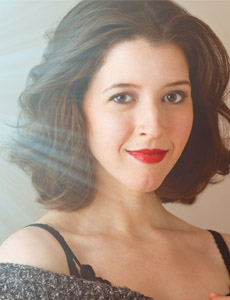
    Wednesday August 16th, 1017 – How doubly grateful I felt when I saw that Kirill Gerstein (above, in a Marco Borggreve portrait) would be playing the Schumann Piano Concerto at tonight’s Mostly Mozart concert; grateful first of all because I greatly admire Mr. Gerstein as an artist, and grateful yet again for the opportunity to finally hear this concerto played live. It seems that it is not programmed all that often these days.

    It’s rather unusual to find an extended solo piano work included on an orchestral program, but Mr. Gerstein’s rendering of Brahms’ Variations on a Theme by Robert Schumann was a wonderful prelude to his performance of the Schumann concerto…or rather, it would have been, had not audience distractions nearly ruined it. The pianist’s lyric warmth and a beautiful modulations of dynamic were truly congenial, but he had no sooner commenced to play than a loud thudding noise spoiled the music: someone among the stage audience had dropped something – something heavy.
    Mr. Gerstein soldiered on, but as the variations continued a plague of coughing swept thru Geffen Hall. Hardly a bar of music went by without a cough, snort, clearing of throat, or other upper-respiratory distraction. After a while it became comical; I gave up thinking I could derive any real enjoyment from Gerstein’s playing, and I have to congratulate him for maintaining his focus: there’s no way he could have been unaware of these annoyances. Before the piece was over, something else had been dropped, and a cellphone went off. As the pianist took his bows, my friend Dmitry and I rolled our eyes; but we were determined that our evening would not be spoilt.

    The Mostly Mozart Festival Orchestra players then took their seats, and Mr. Gerstein returned with Maestro Louis Langrée for the Schumann concerto. I became intrigued with this with this work years ago thru the film Madame Sousatzka, and have waited literally decades to hear it played live. I once asked a pianist/friend why it is not performed more often, and he replied: “It’s too easy.” It may be ‘easy’ to play, but it pleases audiences and was tonight given a top-notch performance by Gerstein, Langrée, and Company.

    The first movement opens with a dramatic outburst from the soloist, followed by a simple, expressive melody played by the woodwinds; this theme will re-appear in various guises in the first and last movements.  The second movement is referred to as an Intermezzo, and it is perhaps here that the real reason pianists choose other concertos over Schumann to display their artistry is to be found: without a real adagio or andante, expressive possibilities might be considered limited. For all that, Mr. Gerstein found much to be savoured here, and his playing was clear and shining. The final movement is full of vitality and sweeps us along in its dancing rhythms, with enjoyable references back to the concerto’s opening movement.

    The Mostly Mozart woodwind players relished their opportunities here: Jon Manasse’s dulcet clarinet was a sheer balm to the ear, and Dwight Parry is a remarkable oboist. Their highlights, and the beautiful flow of Gerstein’s playing of the piano part – which includes a passage of shimmering light over delicate accompaniment – were simply the outstanding moments in a superb performance.

    For an encore, Mr. Gerstein chose an arrangement of the Romanze: Andante non troppo, con grazia from Clara Schumann’s piano concerto, opus 7, composed when Fräulein Wieck was only 13 years old. Robert Schumann later devised a setting of the Romanze for piano and cello, with just a touch of timpani at the end. It was this musical love letter we heard tonight, ravishingly played by Mr. Gerstein and Mostly Mozart’s principal cellist Ilya Finkelshteyn. Markus Rhoten’s gentle sounding of the timpani had the magical effect of a heartbeat: the heartbeat of Clara’s love for her Robert. The overall effect of this encore was truly touching.

    Maxresdefault

    The evening concluded with Maestro Langrée (above) conducting the Brahms 1st Symphony. The composer declared that this symphony, from sketches to finishing touches, took 21 years – from 1855 to 1876 – to complete.

    Tonight’s performance was rich-textured and lovingly paced, giving its 40-minute span a Beethovian air. The inner movements were particularly pleasing: the tender Andante sostenuto and the charming Allegretto. Throughout, the Mostly Mozart wind soloists gave ample pleasure – Jasmine Choi’s flute playing is priceless in it’s clarity and sheen. The symphony swept by, an affirmation of faith in the enduring power of great music as the world around us darkens.

    ~ Oberon