Blog

  • Labyrinth Within @ BAC

    1012002

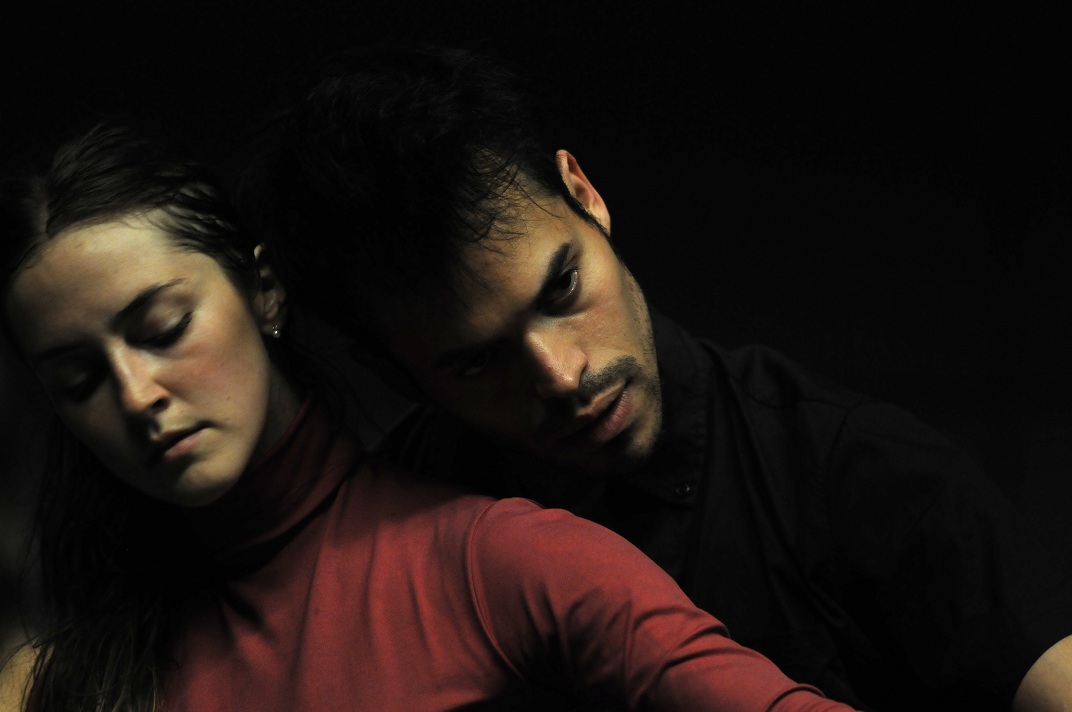
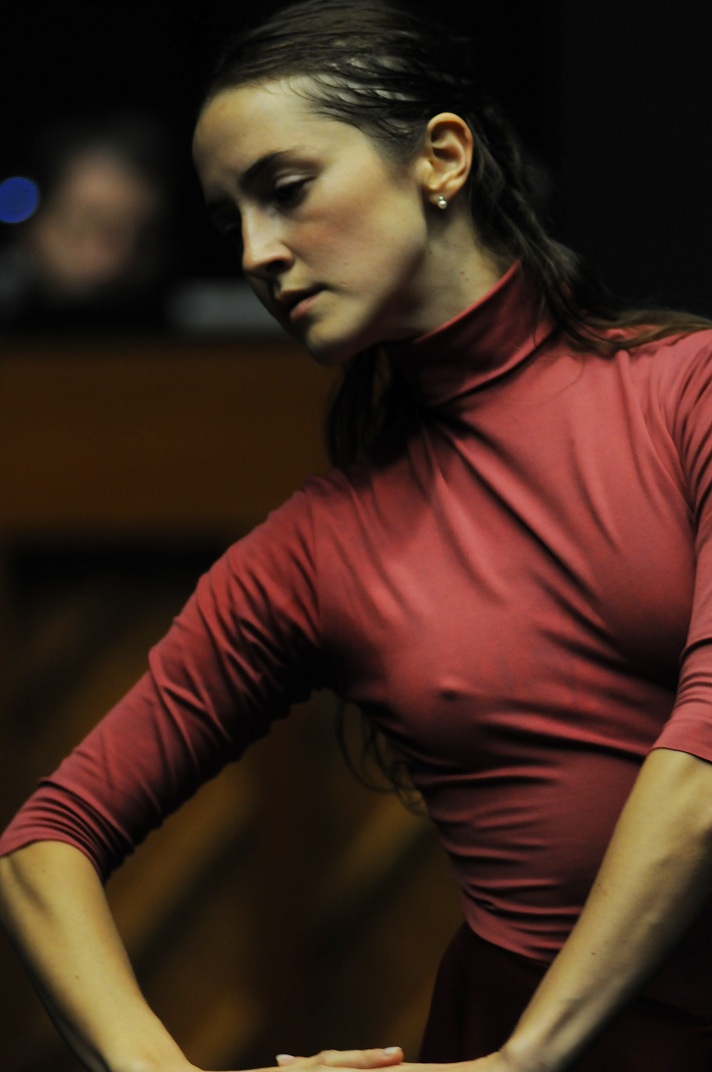
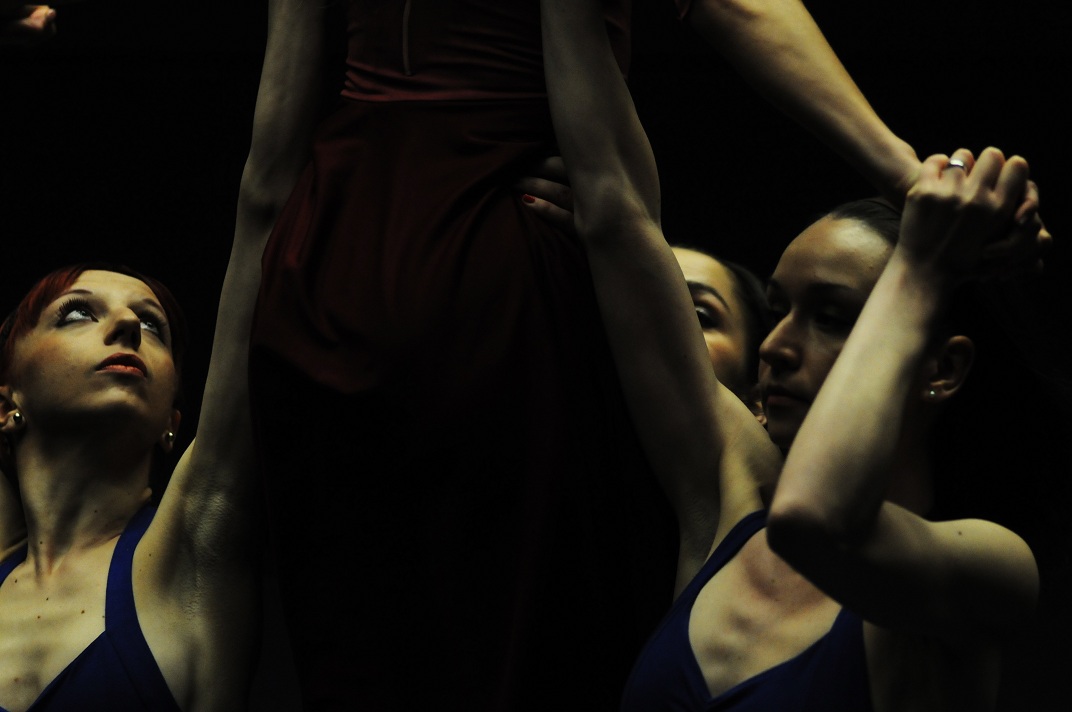
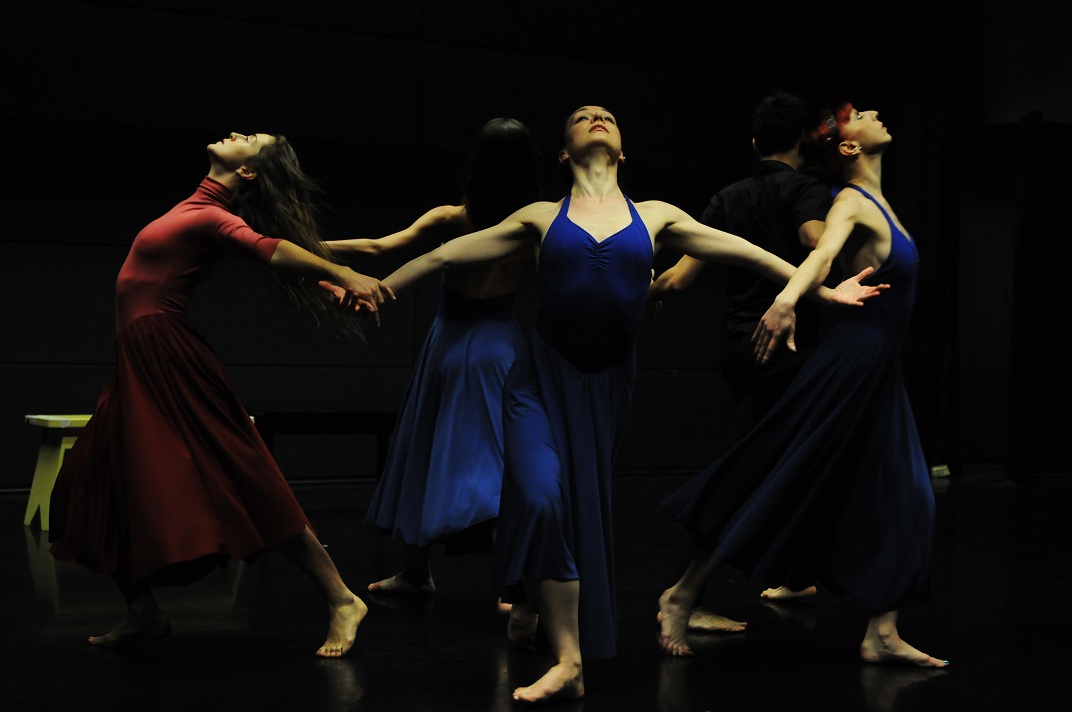
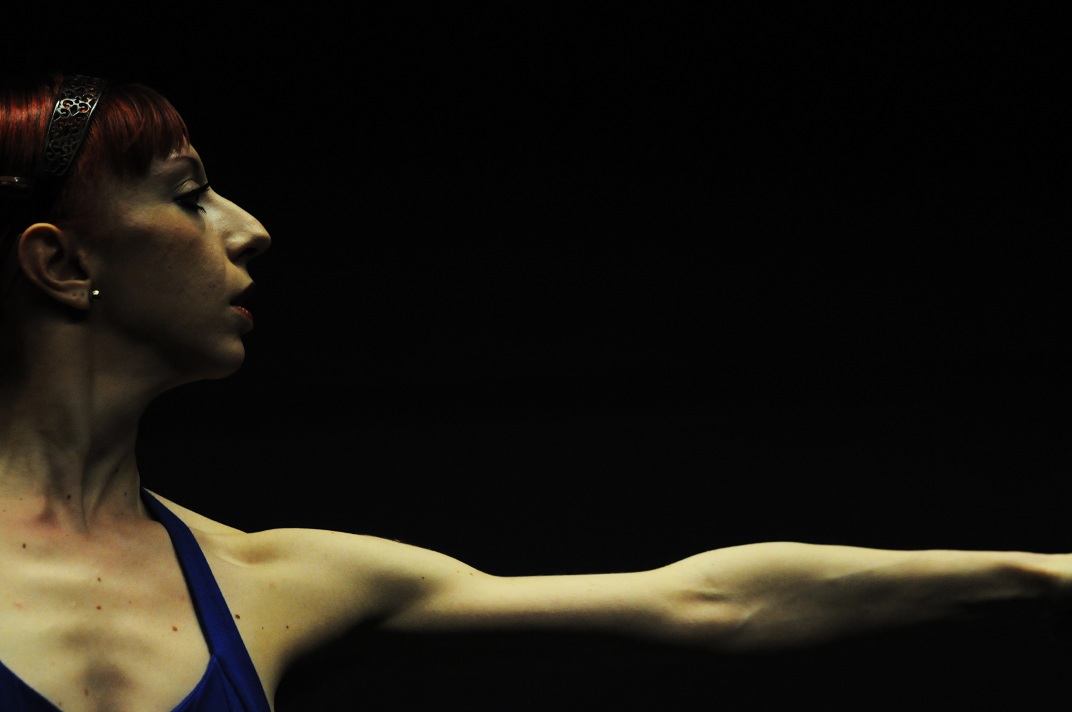
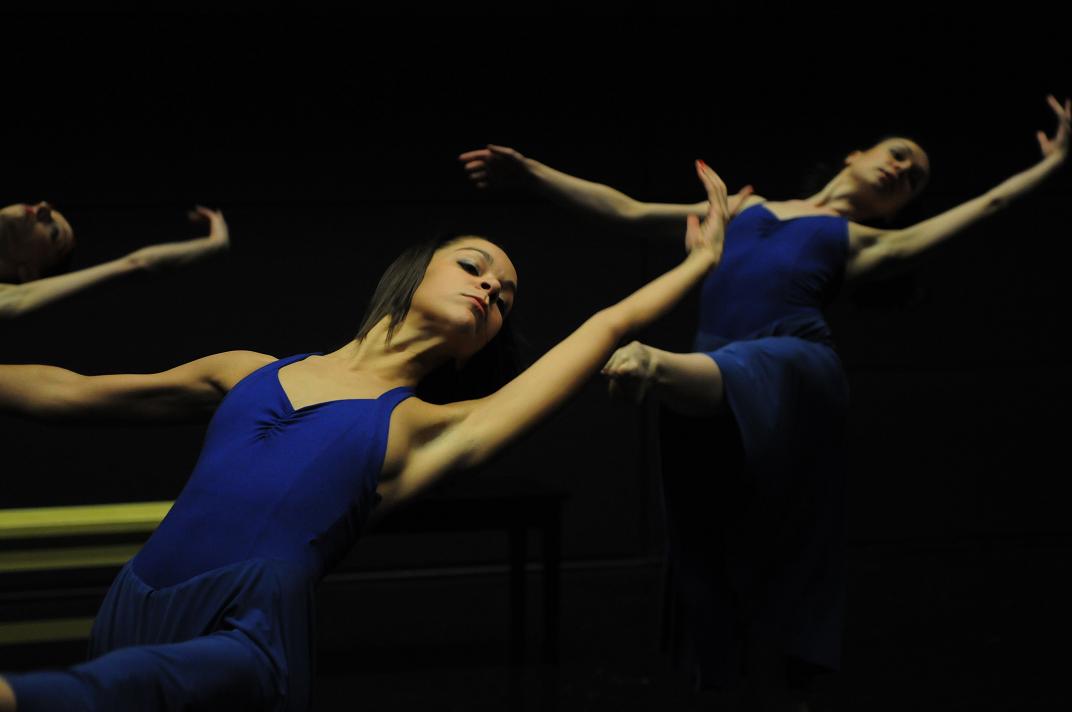
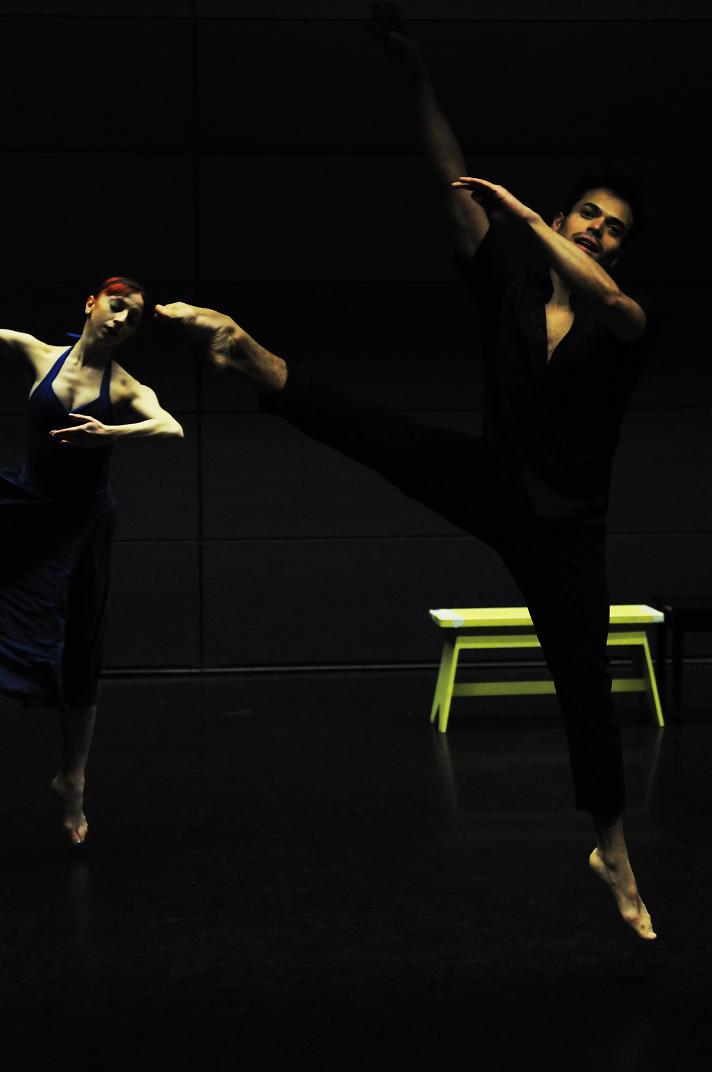
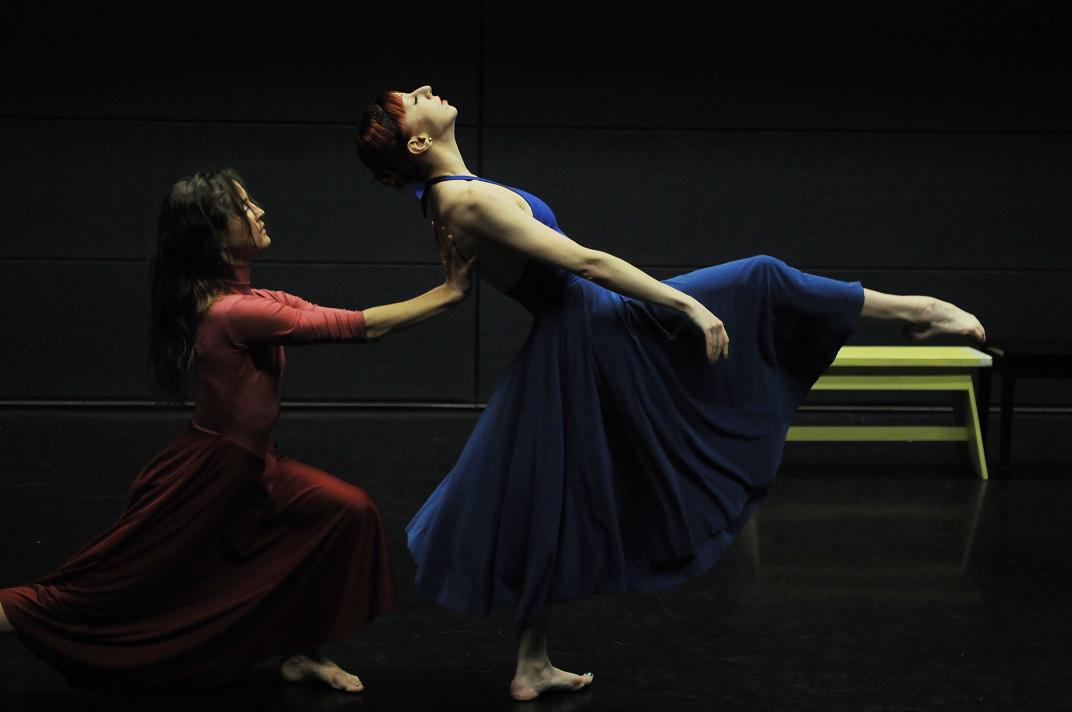
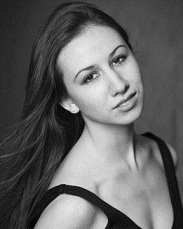
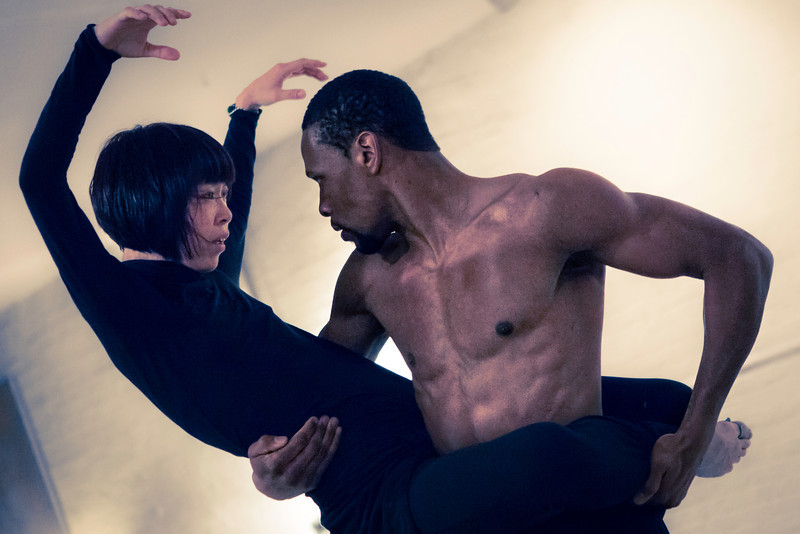
    Tuesday February 21, 2012 – Swedish dancer/choreographer/film-maker Pontus Lidberg (above) created his half-hour film LABYRINTH WITHIN over a four year period; as he revealed at tonight’s showing at Baryshnikov Arts Center, Wendy Whelan was his muse from the start – even before she got involved in the project.

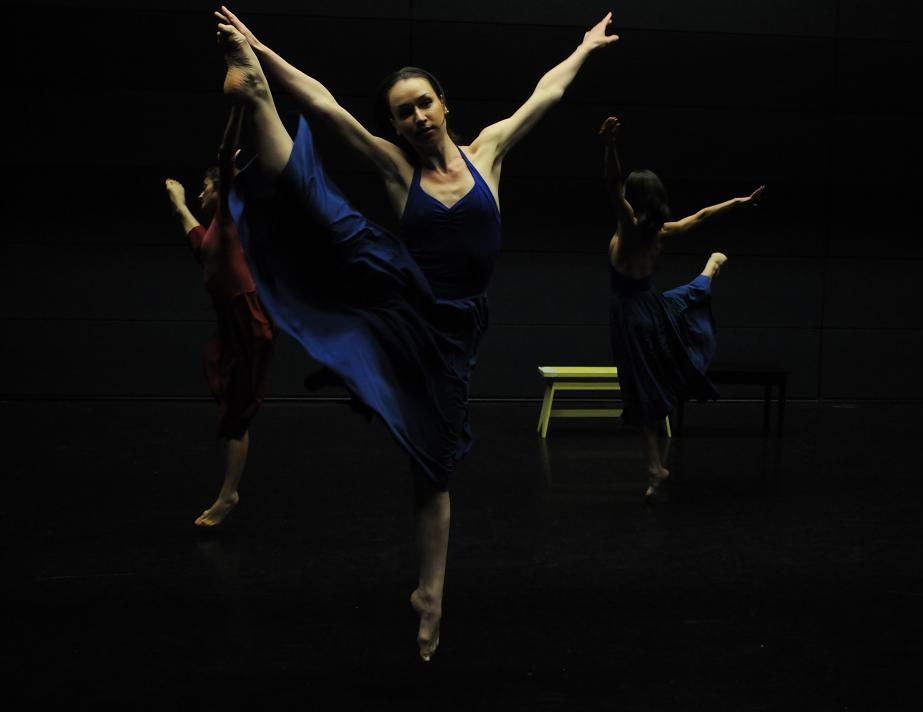
    The movie is a fascinating experience on many levels: as a captivating visual work of art; as a choreographic melding of two contrasting pas de deux; as a poignant musical expression; and in its exploration of relationships where ideas about trust, jealousy, and passions real or imagined provide restless, suspenseful undercurrents right from the opening frame. The film also serves as a spine-tingling introduction of a great ballerina to a new medium: Wendy Whelan on-screen is as thoroughly riveting as Wendy Whelan onstage.

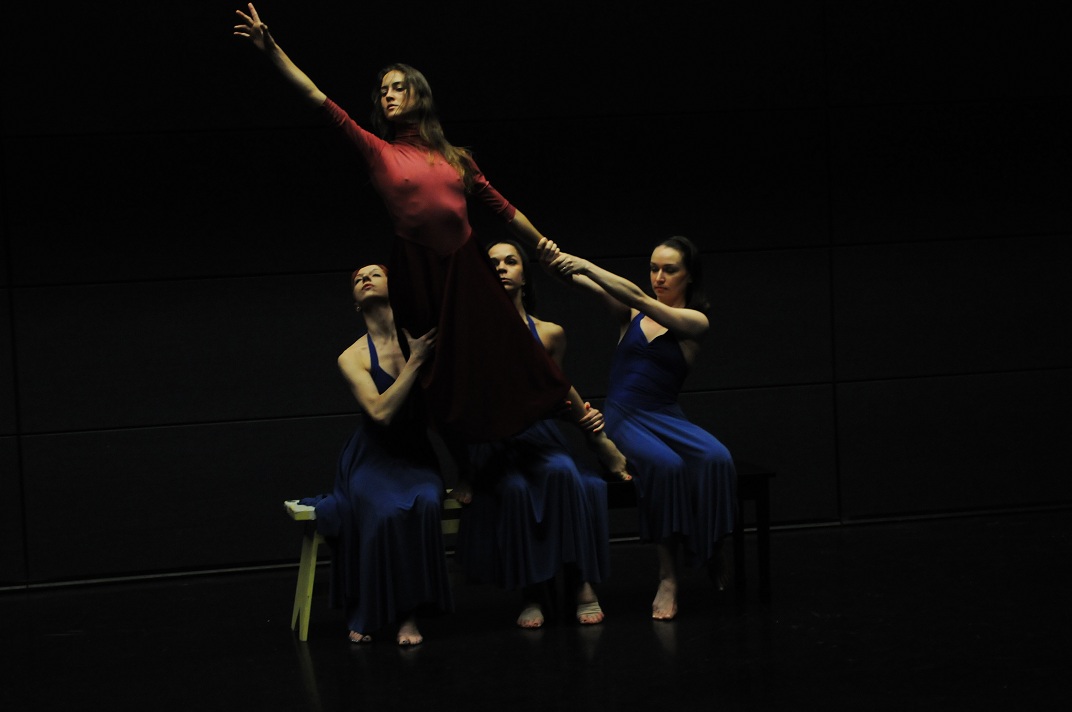
    The dreamlike atmosphere of the film leaves us to ponder whether the romantic triangle we are watching is real or imagined. LABYRINTH WITHIN wraps themes of infidelity, the allure of sexual enticement, and of escape from the everyday into a passionate dreamworld in a veil of mystery. The realms of reality and fantasy overlap; the viewer can only savour the elements of the film and draw his own conclusions.

    The three protagonists draw us into their respective worlds: Giovanni Bucchieri is the darkly handsome husband, Wendy Whelan the evasive and enigmatic wife, and Pontus Lidberg the blonde and beautiful lover. Giovanni seems like a pre-occupied workaholic who has neglected his marriage, yet his sensuous mouth indicates a voluptuous nature under the businessman facade. Wendy, the most intriguing person I have ever encountered, doesn’t need to act; by simply being on-screen her character lives and draws us deeply into the mysterious story and into the secret room where her fantasy becomes flesh. Pontus is the idealized lover, the embodiment of masculine grace and tenderness, his torso a landscape of muscle and fair skin.

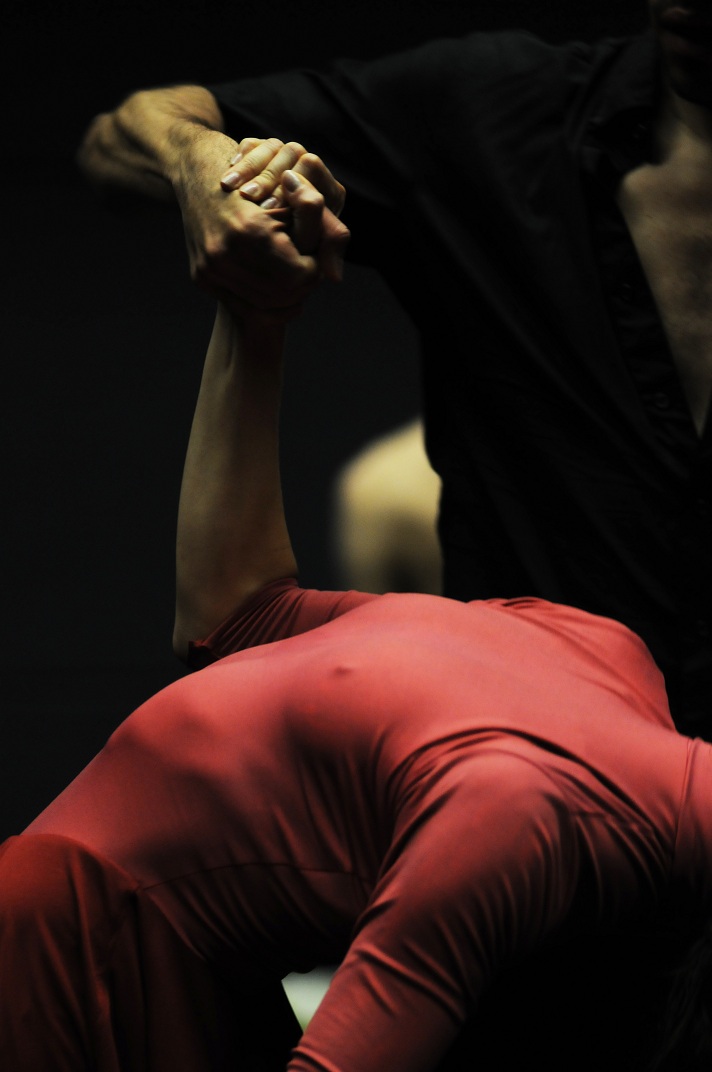
    In the film’s opening moments, the two men appear to be wrestling with one another in fragmented dream sequences. But once the tale is underway, they meet only fleetingly on a staircase. Wendy dances with both of the men in sharply contrasted styles: with her husband the movement is angluar, cool and detached. Her beautifully-filmed scenes with her beloved are sensuous without being sexual; their passion is urgent yet somehow languid at the same time. Pontus strips down to his black briefs but Wendy keeps her black dress on; the glimpses of thigh, neck, streaming hair and entwined limbs are more evocative than any more blatant sexual scene that might have been crafted.

    At the end, Giovanni breaks into the forbidden room. What does he find there? Ah, you must see the film to find out!

    Pontus spoke of creating the entire work with composer David Lang’s music in mind but without having the actual pieces from the composer (some already written, some specially created for the film) to work with. Amazing how organic the final fusion of film, dance and music turned out. Maya Beiser’s ravishing cello playing gives an added texture of romance, longing and suspicion to the film.

    LABYRINTH WITHIN – both the film and the staged dancework inspired by it – may be seen this Summer at Jacob’s Pillow (details here), followed by a two-week, five-city tour of Sweden as part of Dancenet in October, and then at here in New York City in Autumn 2012.

    Tonight’s showing at BAC drew a packed house and many luminaries: NYCB‘s Janie Taylor and Sebastien Marcovici, the radiant Pauline Golbin, ballerina de luxe Alessandra Ferri, photographer/film-maker David Michalek (husband of Ms. Whelan), MORPHOSES‘s lovely Frances Chaverini, choreographer Laura Ward, and my dear friend writer/artist Monica Wellington.  NYC Ballet soloist Adrain Danchig-Waring makes a brief appearance in the film. 

    Labyrinth_within

    In 2010 as the film was being completed, both Pontus and Wendy generously contibuted to an article about the project for my blog, and Wendy loaned me her evocative images. You will find the story here.

  • Master Class: Herman Cornejo @ MMAC

    L1020453

    Monday February 20, 2012 – Herman Cornejo, one of the most dazzling dancers on the face of the Earth, gave a Master Class at Manhattan Movement and Arts Center today. The studio was packed with young dancers and Herman generously extended the normal 90-minute class time by adding an extra half-hour for the boys. And then he stayed on beyond that, working on specifics with the guys who were – of course – thrilled with this unexpected bonus. After about five minutes of impromptu coaching, Herman asked if the studio was needed for another class; since it wasn’t, he seemed to be settling in for some intensive work with the dancers. When I left, they were still at it – with Herman demonstrating some phenomenal combinations and sharing the secrets of the phenomenal technique.

    L1020595

    Herman has a melodious speaking voice, sometimes slipping charmingly into Spanish. The Argentine premier danseur clearly loves his craft and is anxious to share his knowledge; he encourages the dancers to find the balance between lyricism and the dynamics of the movement. His own impeccable style is so fluid, graceful and yet thoroughly masculine, and he worked patiently with the boys to explore the mechanics of the basic steps on which they can build the expressive qualities of their dancing.

    Watching Herman toss off his combinations was both a revelation and an inspiration. Seeing him perform with ABT at The Met is always thrilling – a GISELLE he danced with Xiomara Reyes remains in my mind as a highlight of the last three decades of ballet-going – and watching him at close range in the studio was an inspiring experience. I’d been having kind of a down day but observing this class really gave me a rush; imagine if I’d actually been able to take the class! I found myself envying the young dancers and again wishing to be 50 years younger and knowing that this was what I was meant to have done. Illusions are by their nature sweet, as the Marquise de Merteuil would say.

    As I passed by the huge studio window while heading home, I saw that the boys were still dancing away, with Herman right in the thick of things. What a generous artist and person. I came home and grabbed my ABT schedule; I have to see Herman Cornejo onstage again at the earliest opportunity.

    My gratitude to Herman, MMAC’s Erin Fogarty and publicist Michelle Brandon Tabnick for allowing me to watch this uplifting class. Erin and I had a great time comparing our (lack of) photographic skills. A few of my pictures are here.

  • In The Studio with Tom Gold

    PHILIP_GOLD-1

    tomgolddance, founded by former New York City Ballet soloist Tom Gold, are preparing to offer their first New York City full-evening of ballets at Florence Gould Hall on Monday February 27th. Ticket information here. New York City Ballet principal dancers Jared Angle and Sara Mearns are among the stellar line-up of featured dancers. Photo by Matthew Murphy.

    tomgolddance have been touring for the past four years; Tom now presents four of his ballets for the New York audience, with music by Mozart, Desplat, Satie, Poulenc and Piazzolla. Photographer Matt Murphy and I stopped by a rehearsal last week where we watched some of NYCB‘s finest dancers working with Tom.

    PHILIP_GOLD-13

    Abi Stafford

    PHILIP_GOLD-3

    Gretchen Smith

    PHILIP_GOLD-24

    Russell Janzen

    PHILIP_GOLD-20

    Amanda Hankes

    PHILIP_GOLD-25

    Abi Stafford, Robert Fairchild

    PHILIP_GOLD-9

    Kristen Segin

    PHILIP_GOLD-14

    Jared & Sara

    PHILIP_GOLD-18

    Abi Stafford

    PHILIP_GOLD-23

    Tyler Angle, Sara Mearns

    PHILIP_GOLD-19

    Tom Gold

    ABT soloist Simone Messmer, such an entrancing dancer, arrived just as Matt and I were heading out. We stopped to catch up with her for a few moments before she started dancing; kind of sorry we didn’t get to see her in action in the studio, but that’s one more reason to look forward to February 27th.

    All photos by Matt Murphy, with my thanks to him for taking time out of his already-busy day to meet me at Tom’s rehearsal.

  • TWO BALANCHINE MASTERWORKS

    Maria

    Above: Maria Kowroski photographed by Matt Furman. Maria danced AGON this evening at New York City Ballet, winning a spectacular ovation after her pas de deux with Amar Ramasar.

    Saturday February 18, 2012 evening – I’ve been going to New York City Ballet less and less these days. The dancers and the ballets still excite and entice me but the way things are being run there is a real turn-off. I’ve had to pick and choose my programmes carefully, and I have missed some debuts that I’d love to have seen but simply couldn’t afford to attend. Meanwhile the presence of two recent disasters on the programming meant there were whole weeks when there was no cause to go.

    Tonight was my only chance to see AGON and Tchaikovsky SUITE #3 this season; it was unfortunate that the other work on the programme was INTERPLAY, one of my least-favorite ballets. Compounding the tedium of the Robbins work, we had to sit thru an ‘introduction’ to Morton Gould’s third-rate music before the ballet started. To say that it was well-danced is an under-statement but in a way the better it’s danced the sorrier I feel for the dancers strapped with this juvenile, gee-whiz drivel.

    INTERPLAY put me in a pissy mood. But the moment the curtain rose on the four men – Adrian Danchig-Waring, Amar Ramasar, Craig Hall and Sean Suozzi – at the start of AGON, the stars fell into perfect alignment and all seemed right with the world. This euphoric feeling continued through the evening’s concluding Tchaikovsky SUITE #3 as well. On the podium Clotilde Otranto (Stravinsky) and guest conductor Daniel Capps (Tchaikovsky) illuminated the music of these two geniuses, properly eradicating the insipidity of the opening Gould. 

    In AGON Maria Kowroski had one of those nights that great ballerinas sometimes have when their technique and artistry transcend the music and the steps and transport the audience to an exalted state. Magnificently partnered by Amar Ramasar, Maria was on fire from her first entrance. Moving through the sculptural poses of the pas de deux, her sensational legs and line were molded by the magnetic Amar into improbable designs that only a genius like Balanchine could have conceived. As the duet progressed the two dancers went beyond the physical into some cosmic otherworld. They slumped into their final pose and were engulfed in a tidal wave of applause and cheers; they had to step forward and bow three times and even then the audience were reluctant to let the ballet proceed. At the end of AGON, Maria and Amar were called out for an extra bow as the crowd went wild. So wonderful to hear this kind of enthusiasm. And they deserved every bit of it.

    But it was that kind of AGON…right from the start, actually. Sean Suozzi’s dynamic solo set the ballet on its marvelous trajectory; my hat is ever off to Sean for the edgy brilliance and unstinting personal commitment of his dancing. He was spectacular tonight. Amanda Hankes and Ashley Laracey remind us of how rich in ballerina treasures our corps de ballet is.  

    In a striking tour de force role debut, Megan LeCrone yet again served notice that she is one of New York City Ballet‘s most fascinating dancers. Her strength and clarity of movement underscore her distinctive look, giving her performances a compelling quality; I always feel an extra twinge of anticipation when I see her name on the casting list. Tonight she was especially impressive. Her two charismatic cavaliers were Adrian Danchig-Waring and Craig Hall; they danced their duet vividly, like young gods cavorting on Olympus. We are so lucky to have them. 

    AGON always seems like a big ballet but really there are only a dozen dancers involved; tonight’s quartet of supporting ballerinas was particularly attractive: Marika Anderson, Dana Jacobson, Gretchen Smith, and Lydia Wellington. These girls appeared again in various capacities in the concluding Tchaikovsky SUITE #3 where – in fact – the entire corps shone with individual and collective dazzle. 

    In the haunted ballroom, the pale dreamer (Ask LaCour) conjures up a luminous vision of feminine perfection (Sara Mearns). Backed by a sextette of long-haired beauties, the couple dance a hypnotic, dreamlike duet of pursuit and evasion. Sara Mearns was radiantly voluptuous and Ask LaCour questingly poetic as they moved to the heart-stopping theme of the Elegie; Ask can only fleetingly hold onto his ideal as she eludes him time and again. At the end, Sara sweeps into an iconically deep backbend as a farewell gesture before vanishing altogether from this vision of romantic rapture, leaving Ask alone in his reverie. The moment stabs me in the heart every time.
    Janie Taylor has only to step onto the stage to make my heart race; her captivating allure and mystery enslaved me yet again in the Valse Melancolique where her sylphlike figure and glorious hair were set afloat on Balanchine’s ethereal waltz. Jared Angle, ever the ideal cavalier, treated his ballerina like the treasure she is. This brief film, which I have watched a hundred times and will watch hundreds more, captures a bit of Janie Taylor’s unique magic.

    In an evening of ballerina splendors, Ana Sophia Scheller once again made me long for her Nikiya, Giselle and Aurora as she swirled thru the restless pirouettes and fouettes of the Scherzo. In a floaty, gauzy gown the Argentine beauty sailed on the music with a glamorous air: simply intoxicating. Antonio Carmena was her high-leaping cavalier; it is always a great pleasure to see Antonio onstage. Among the corps, Callie Bachman was particularly luscious. 

    After all this, something truly grand was needed to cap the evening and as the lights went up on Theme and Variations, the youthful royal couple Megan Fairchild and Joaquin de Luz stood ready. They danced superbly: who needs champagne when you have Megan and Joaquin to get you high?! Megan’s elegant pirouettes and her Aurora-like charm seemed absolutely perfect this evening while Joaquin gave a performance remarkable both in its execution and in his handsome, princely appearance. Such a pleasure to watch this celebrated partnership tonight.

    Outstanding THEME demi-solistes this evening: Gwyneth Muller, Amanda Hankes, Lauren King and Brittany Pollack – each a ballerina of unique qualities. Their cavaliers were Andrew Scordato, Christian Tworzyanski, Devin Alberda and Austin Laurent; Austin has been looking especially good ths season. The full bevy of corps beauties and handsome young danseurs filled the stage for the finale, moving in Mr. B’s gloriously structured patterns to bring the evening to a fantastic finish.    

    My special thanks to photographer Matt Furman for allowing me to use his portrait of Maria Kowroski.

  • Unenchanted Evening

    EnchIsla1112.21

    Monday January 30, 2012 – The Met’s Baroque pastiche ENCHANTED ISLAND made for a dismal night at the opera. Placido Domingo as Neptune, in a Ken Howard production photo above, gave the performance one of its few perk-up moments. His voice, though aged, remains a distinctive instrument and he brought a real personality to his relatively brief appearance, something no other singer in the cast was able to do.

    The Playbill featured a two-page synopsis. Drawing on two complex and brilliant Shakespeare masterpieces, THE TEMPEST and MIDSUMMER NIGHT’S DREAM, the plot is a mishmash of characters and situations that do not engage us emotionally, and rarely even theatrically. The libretto is cheesy and stilted; avoiding Shakesperian style, it has a contemporary feel at odds with the setting and the music. Forced humour abounds, and the characters are made to sing uncomfortably-structured sentences. Unable to understand much of the diction, I flipped on my Met Titles and regretted it because reading the script added to a sense of deflation as the first act progressed.

    The opera is much too long. The 90-minute first act seemed to have reached a pleasant climax with the Neptune scene, but then there was another prolonged slow aria for Prospero. Oddly, the house lights suddenly came on at full brightness during the postlude of this aria, then were dimmed and turned off again.

    Slow arias in fact abound; but that proved as well since none of the singers had the needed vocal facility to astonish us with their coloratura. The annoying voice of Danielle DeNiese as Ariel went in one ear and out the other; she made no vocal impression at all. Anthony Roth Costanzo, replacing David Daniels as Prospero, seemed over-parted in the big house; pushing for volume, his sustained notes sometimes took on a steady beat. At other times the voice vanished behind the orchestra. Joyce Di Donato was announced as indisposed but she had “graciously consented…blah, blah, blah.” Please singers: if you are unwell enough to need an announcement, don’t sing. We don’t pay Met prices to hear sick singers. At any rate, Di Donato only had one bad low note, but her voice – even in full health – lacks a distinctive colour, the sort of personal timbre that made singers like Teresa Berganza, Dame Janet Baker and Frederica von Stade so instantly identifiable. Luca Pisaroni tended to be over-emphatic in his fiorature which verged on barking at times. Lisette Oropesa sang attractively as Miranda as did Paul Appleby as as Demetrius. The libretto did them no favors, but they – and in fact everyone onstage – went at the words gamely enough, even if they felt foolish doing so.

    The idea of doing a Baroque pastische is not a bad one but it seemed to me that between the tedious libretto, too many ‘laments’, and the too-busy plot, ENCHANTED ISLAND was going nowhere. Two 45-minute acts with a 20-minute intermission should have sufficed; instead there were expendable arias, unnecessary da capos, and overdrawn recits as the first act stretched onward. We left at half-time and so, it seems, did lots of other people.

  • Balanchine in Paris

    Ghislaine-Thesmar

    BALANCHINE IN PARIS, a film by Dominique Delouche, was shown at the Walter Reade Theater on Monday afternoon, January 30th. In the movie, we see footage of Ghislaine Thesmar (above), Alicia Markova, Nina Vyroubova and Violette Verdy coaching dancers of the Paris Opera Ballet and the Bayerische Staatsballett in Balanchine repertoire:

    • Le Palais de Cristal/Symphony in C
      Musique de Georges Bizet, chorégraphie Balanchine (1947/1949)
      Ghislaine Thesmar coaching Isabelle Ciaravola et Hervé Moreau, étoiles de l’Opéra de Paris
    • Le Rossignol
      Musique Igor Stravinsky, chorégraphie Balanchine (1929)
      Dame Alicia Markova coaching Myriam Ould Braham, première danseuse de l’Opéra de Paris
    • La Somnambula
      Musique Rieti, chorégraphie Balanchine (1960)
      Nina Vyroubova et Milorad Miskovitch coaching Muriel Hallé et Valery Colin, sujets à l’Opéra de Paris
    • Liebeslieder Walzer
      Musique Brahms, chorégraphie Balanchine (1960)
      Violette Verdy coaching Lucia Lacarra et Cyrille Pierre, étoiles au Bayerisches Staatsballett
    • Sonatine
      Musique Ravel, chorégraphie Balanchine (1975)
      Violette Verdy coaching Monique Loudières, étoile de l’Opéra de Paris

    The entire film is a delight for ballet fans, and for Balanchine’s admirers in particular. The most moving segment for me was Thesmar coaching Palais de Cristal. And the refinements of Liebeslieder Walzer as coached by Violette Verdy make me more appreciative than ever of that perfumed masterpiece. I certainly hope this film will be released on DVD in the USA.

    The showing was prefaced two films by Gabrielle Lamb:  En Dedans is a ten-minute reverie on dancers’ dreams which she created for Philaelphia’s Ballet X and which I like especially because my friend Colby Damon is in it. Gabrielle showed me a raw copy of this film on her computer one day last year down at Gibney Dance Center. The finished work is truly dreamlike, the dancers moving in a studio that seems to be drifting through the clouds.

    The jewel-like miniature Figment may be viewed on Gabrielle’s website here. Evolving from a dream that she had about a woman with a sword dancing in a tall, slender space this movie has an eerie charm. I also enjoyed hearing Gabrielle, a dancer with a powerful dramatic resonance, speaking about her filmworks.

    From Figment
    Gabrielle Lamb (2010)

  • Rehearsal: Lydia Johnson’s FALLING OUT

    Copy of 11

    Friday January 27, 2012 – Today at the Battery Dance studio, Lydia Johnson’s dancers were rehearsing her 2006 dancework FALLING OUT. Set to music of Philip Glass (his 3rd Symphony) FALLING OUT will be performed at a special matinee at Peridance on Sunday February 26th. In Kokyat’s image at the top, Max van der Sterre and Kerry Shea.

    Copy of 21

    The work is essentially plotless but the theme of a romantic triangle is clearly established: the relationship between Kerry and Max is a tempestuous one in which moments of harmony (above) alternate with fiery outbursts. The ‘other’ woman, danced by Jessica Sand (seated at right in the photo above) remains an enigmatic figure in the piece. Jessica and Max never dance together; we can never be sure if Jessica is real or an idealized vision in Max’s mind that lures his attentions away from Kerry.

    Copy of 13

    Meanwhile a female chorus, at first indifferent to the central conflict but later drawn into it, dance in stylized a commentary on the action. The dancers are Lisa Iannacito McBride, Kaitlin Accetta, Sarah Pon and Laura Di Orio. 

    Copy of 29

    It was an overcast day, but from time to time the sun broke thru the clouds and the studio was illuminated. Above: Laura and Kaitlin.

    Copy of 69

    Dramatic structure: the elements of FALLING OUT are brilliantly sorted in Lydia’s choreography which seems like a play without words. She uses the Glass score with deft imagination, balancing speed and stillness, contemplation and action.

    Copy of 33

    Max and Kerry have developed an impressive partnership in which Max’s strength and skill allows Kerry complete freedom to simply be her beautiful self. They have all the moves down pat and spent the rehearsal mainly working on exploring nuances of gesture and expression. Lydia’s style of encouraging her dancers to paticipate in the process of refining the movement makes her rehearsals unusually satisfying to watch.

      Copy of 58

    Star power: Max’s t-shirt says it all. Great presence, and a real force in the studio.

    Copy of 64

    Max and Kerry

    Copy of 1

    Mood swings: the couple go from tender…

    Copy of 72

    …to turbulent in a flash.

    Copy of 45

    Mysterious force: Jessica Sand keeps us wondering exactly who this woman is, interloper or silent muse? The questions that FALLING OUT raises about the idea of devotion vs desire give us pause to contemplate the realties and illusions of romantic relationships.

    Copy of 50

    Sleeping beauties 

    FALLING OUT, along with Lydia’s as-yet-untitled new Golijov piece, will be shown at Peridance on Sunday February 26th at 2:30 PM. $10.00 donation-based admission.

    All photos by Kokyat. His Leica images from this rehearsal are here.

  • Images from Wheeldon’s LES CARILLONS

    C33333-13_Carillons

    These photographs by New York City Ballet’s Paul Kolnik are from the new Christopher Wheeldon ballet LES CARILLONS which premiered on January 28th, 2012. Above: Wendy Whelan and Robert Fairchild. Click on each image to enlarge.

    C33331-1_Carillons.

    Ensemble of stars: Tyler Angle. Maria Kowroski, Amar Ramasar, Sara Mearns, Robert Fairchild, Wendy Whelan, Daniel Ulbricht.

    C33333-2_Carillons_PeckGarcia

    Above: Tiler Peck and Gonzalo Garcia. Tiler had a heroic evening, dancing superbly in both LES CARILLONS and DANSE A GRANDE VITESSE as well as stepping in mid-ballet in POLYPHONIA for her injured colleague, Jennie Somogyi. 

    Read about this all-Wheeldon evening here. My thanks to the NYC Ballet press office for providing these photographs.

  • All-Wheeldon @ New York City Ballet

    Christopher-wheeld_1502309c

    Saturday January 28, 2012 evening – I’ve waited a long time for this: the first programme at New York City Ballet devoted entirely to works of Christopher Wheeldon. Christopher, who danced with the Company and attained the rank of soloist before resigning the position to devote all his energies to choreography, eventually served a stint as NYCB‘s first resident choreographer. He then spent three seasons running his own company, MORPHOSES. Now he is one of the most sought-after creators of new ballets in the world. Meanwhile his established works increasingly crop up in the repertoire of top international companies.

    Tonight we saw the world premiere of LES CARILLONS, set to music from Bizet’s L’Arlesienne suites; POLYPHONIA which I tend to think is Wheeldon’s greatest masterpiece to date; and the New York City Ballet premiere of DANSE A GRANDE VITESSE, originally created for the Royal Ballet in 2006. The evening was a huge personal triumph for Christopher and for the individual dancers.

    An unfortunate injury to Jennie Somogyi during her valse in POLYPHONIA was unsettling and surely affected her colleagues in the ballet, though they danced on with poise. After a few minutes, Tiler Peck – who was dancing in the other two ballets tonight – stepped onto the stage and finished the ballet in Somogyi’s place.

    LES CARILLONS is the most purely appealing new ballet I’ve seen at New York City Ballet since Melissa Barak’s SIMPLE SYMPHONY. CARILLONS shares with with the Barak gem its use of familiar and ear-pleasing music, excellent structuring, and striking passages of dance where the classical movement vocabulary gets stretched but never breaks, giving an overall impression of freshness. Andrews Sill, on the podium, mined the Bizet score to perfection, displaying the melodic and rhythmic variety of the music while providing solid support for the dancers.

    CARILLONS begins with ten men onstage; they wear dark fitted costumes with one arm bare; semi-see-thru tops are accented with panels of deep reds or blues. They dance to one of Bizet’s most familiar tunes, soon joined by the women whose wine-toned skirts give the piece an aspect of visual richness. (There is a backdrop but it’s not visible from the 5th Ring). 

    The ten magnificent principals (yes, I include Ana Sophia Scheller since she should be) then embark on a series of vivid solos, duets and ensembles in which Christopher gives them complex and varied things to do, most especially in the partnering aspects and in the use of hands and arms. Meanwhile the corps of ten, equally handsome dancers all, swirl on and off, enriching the visual textures.

    There is a lush saxophone melody to which Sara Mearns and Amar Ramasar dance a spacious pas de deux; there is a vivacious pas de quatre for Ms. Scheller, Tiler Peck, Gonzalo Garcia and Daniel Ulbricht. Wendy Whelan and Robert Fairchild dance a lovely nocturnal duet; then Wendy remains onstage, wandering among the corps dancers as they weave intricate patterns. Wendy’s solo shows her at her radiant best. Wendy and Maria Kowroski (who looked particularly sumptuous in her scarlet gown) dance in beautiful snyc to yet another familiar Bizet melody, and Maria has a gorgeous saxophone adagio with Tyler Angle. In a passage of pure seduction, Sara Mearns displays incredible star power, later joined by the men. The harp lends lyric mystery to a solo impressively danced by Tiler Peck which later extends into a pas de trois for her, Gonzalo and Daniel. Amar Ramasar races around the stage in a series of brilliant leaps. The eye is constantly drawn to one and then another of these charismatic dancers.

    Joshua Thew from the corps de ballet joins the principal men in certain passages; Joshua looked totally at home in this stellar ensemble and with his tall, handsome presence he seems like a dancer deserving of greater opportunities to shine.

    As the ballet’s original musical theme returns, the cast unite for a richly-wrought finale. The crowd let loose with uninhibited shouts of approval as the dancers came forward to bow; flowers for the ladies and lots of screaming when Christopher appeared onstage. After two high-profile strikeouts with new ballets (SEVEN DEADLY SINS and OCEAN’S KINGDOM – failures to be blamed on bad narratives and uninteresting music) I think the public felt they were entitled to express their unbridled enthusiasm. In CARILLONS, Christopher Wheeldon takes music we want to hear and dancers we love to watch and produces structure and movement that does ballet proud.

    POLYPHONIA is always a mesmerizing ballet but it seemed even more so tonight; premiered on January 4th, 2001, this Ligeti-inspired work has always been for me the first dance masterpiece of the 21st century. It continues to fascinate and – like all great danceworks – has passages that we wait for with keen anticipation. Cameron Grant and Alan Moverman at the keyboard made Ligeti’s quirky, nuanced music tingle the ear.

    Jennie Somogyi’s injury, coming during one of my favorite parts of the ballet, placed the performance in a darkish aspect. The other dancers were surely affected by the incident but managed to forge onward with some intriguing dancing.

    The duet for Gonzalo Garcia and Adrian Danchig-Waring, Sara Mearns’ quiet radiance in her mysterious solo, Craig Hall’s godlike presence, the lively pairing of Sterling Hyltin and Adrian Danchig-Waring (can’t wait to see them together in IN G MAJOR coming up), and Tiler Peck’s cool and collected artistry as she unexpectedly added to her already-busy evening by taking over here – all these made strong impressions.

    Central to POLYPHONIA are the two superb duets for Wendy Whelan and Jared Angle. Wendy’s suppleness and the way she turns the angular shapings of her body into poetic statements keep the viewer riveted, while Jared brings an unexpected quality of nobility to the partnering. As Wendy backbends over Jared’s knee and snakes herself into her final kneeling pose, her enigmatic beauty is distilled into a single unforgettable image.

    I really wish I could come to appreciate DANSE A GRAND VITESSE but, seeing it tonight for the second time (the first was danced by Angel Corella’s company at City Center) I found it overly-long, with the athletic partnering tending to lose impact as we see more and more of it. The City Ballet dancers – led by Teresa Reichlen/Craig Hall, Ashley Bouder/Joaquin de Luz, Maria Kowroski/Tyler Angle and Tiler Peck/Andrew Veyette – were nothing short of spectacular, and the corps excelled. But I found my attention wandering as the piece progressed, despite Clothilde Otranto’s dynamic reading of the Michael Nyman score. The best passages seem to me to be for the corps where, in spacious patterns, they and their shadows filled the space. The audience loved it, so clearly I’m in the minority here. I found myself wishing that instead of DGV we could have had a revival of either EVENFALL or KLAVIER, or even of Christopher’s misunderstood and magnificent SHAMBARDS

    What mattered though was that Christopher Wheeldon has brought us a new Bizet ballet to admire and – hopefully – to see again, although ticket pricing now at NYCB makes seeing things twice something to ponder deeply before heading to the box office. 

    The big ovation Christopher received as he came out for a solo bow at the end of the evening was so thoroughly well-deserved.

  • Three Robbins Ballets @ NYCB

    C33283-11_InMemory_WhelJAngCour

    Tuesday January 24, 2012 – Three works by Jerome Robbins, each featuring an ideal ballerina in its central role, were performed tonight at New York City Ballet. The music? Ravel, Berg, Chopin. What a great way to spend a cold Winter’s evening! In the Paul Kolnik photo at the top, Wendy Whelan borne aloft by Jared Angle and Ask LaCour at the end of IN MEMORY OF…

    Robbins600

    The evening opened on a beach where the dancers, in pastel 1920s beachwear, cavorted to the Ravel piano concerto IN G MAJOR. Maria Kowroski (above in a Paul Kolnik) gave a radiant performance and Tyler Angle was a frisky young god in his solo. In the ballet’s central adagio, the two dancers found a fine rapport and a sense of freshness that kept the audience spellbound as they shaped their long limbs into a series of beautiful snapshots. The final lift, as Maria’s leg sweeps heavenward and her pointed foot seems to brush the sky, was thrilling. Excellent corps dancing: a neat moment when Maria is partnered by the tall and slender Austin Laurent made me wish that principals and corpsmen could dance together more extensively. IN G MAJOR has a striking backdrop by Erté, a designer perhaps forgotten nowadays but whose work resonates with Art Deco elegance. His set features a fanciful sunburst and dark outlines suggesting clouds and waves: a remarkably classy beachscape.

    With George Manahan (of New York City Opera) as a guest conductor bringing out some lovely nuances in the score and pianist Susan Walters giving a polished performance at the keyboard, the musicians and dancers conspired to make this a wonderfully gratifying performance in every regard.

    Mr. Manahan also took up the baton for IN MEMORY OF…, the poignantly dramatic work that Robbins set to the violin concerto of Alban Berg. The composer crafted this, his only concerto for solo instrument, in reaction to the death from polio of Manon Gropius (daughter of Alma Mahler and Walter Gropius) at the age of 22. Berg was deeply shaken by the girl’s demise and wrote “To the Memory of an Angel” on the score’s title-page. Tonight the City Ballet‘s concertmaster Kurt Nikkanen gave the work a lustrous performance.

    Robbins sets the ballet in a three-part narrative where we first see the young woman dancing with her beau, later joined by friends. Signs of the girl’s illness begin to manifest and as the corps stride in unison across the stage, the figure of Death appears.

    C33281-14_InMemory_WhelCour

    In a long and intense pas de deux, Death stalks the girl (Ask LaCour and Wendy Whelan, above). She puts up a mighty struggle but in the end she is bested by his implacable strength. Her crumpled body is borne away as the stage fills with the corps, now white-clad angels, who eventually welcome the young woman to the celestial realm.

    Of the many and varied roles in Wendy Whelan’s repertory, the central character in Robbins’ dramatic IN MEMORY OF… suits her most particularly well. Here she is able to convey the girl’s passionate love of life, her confused state as Death begins to attack her, her frantic attempts to stave off the inevitable, and her luminous vulnerability as she succumbs. In the ballet’s final moments, Wendy re-appears, now in virginal white with her hair down, moving among the spirits. Every element of technique, dramatic instinct and expression that Wendy embodies are filtered into this character and her performance is a complete marvel in every sense.

    Ask LaCour, towering over the ballerina, brings an interesting sense of nobility to the Death figure. As he gains control over the girl’s soul, Ask uses his long arms and expressive hands to keep her in his thrall even as she tries to escape. An excellent portrait. Jared Angle was handsome and gently ardent as Wendy’s mortal lover, and I was especially happy to see Faye Arthurs back onstage – after a long hiatus – dancing with the very attractive corps ensemble.   

    20432_636712076840_10906551_36867859_7700456_n

    Sterling Hyltin talks about her role in THE CONCERT here.

    No performance at the ballet or opera these days can ever be free of audience distractions. I had such a nice seat for the evening but on returning from the intermission two idiot girls sitting a couple of seats away had brought in snacks and a bottle of water which they decided to enjoy during IN MEMORY OF… they were just far enough away so that shushing them was to no avail.

    I therefore decided to move for the closing ballet; but having heard that the ushers now don’t allow people to move to another part of the house (even if you’ve paid $100 and want to sit in an unused $29 seat), I decided to try watching THE CONCERT on the screen on the Promende. This did not work out too well, but at least got to watch Sterling and Joaquin de Luz for a while. 

    The saddest aspect of the evening was seeing the vast emptiness of the 4th Ring which was open but occupied by only 2 or 3 spectators. I’m simply at a loss to comprehend what the administration is doing to my favorite dance company. It’s disheartening and alienating. They can spin it however they want, but empty seats are empty seats. It’s especially depressing because the Company are dancing so well.